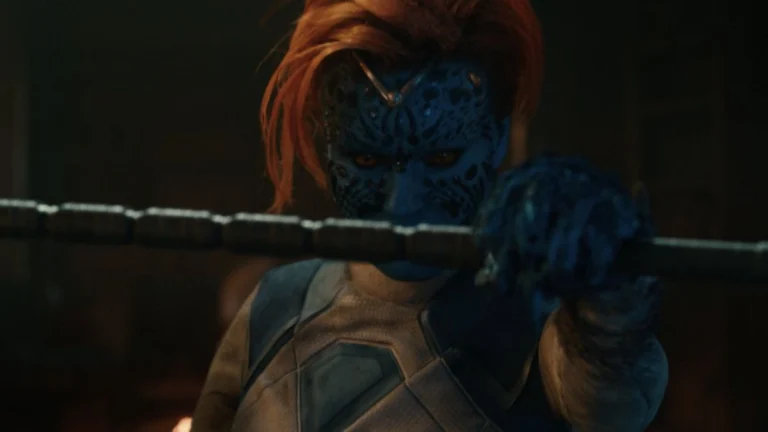
Actors Who Brought Multiple Characters to Life in One Movie

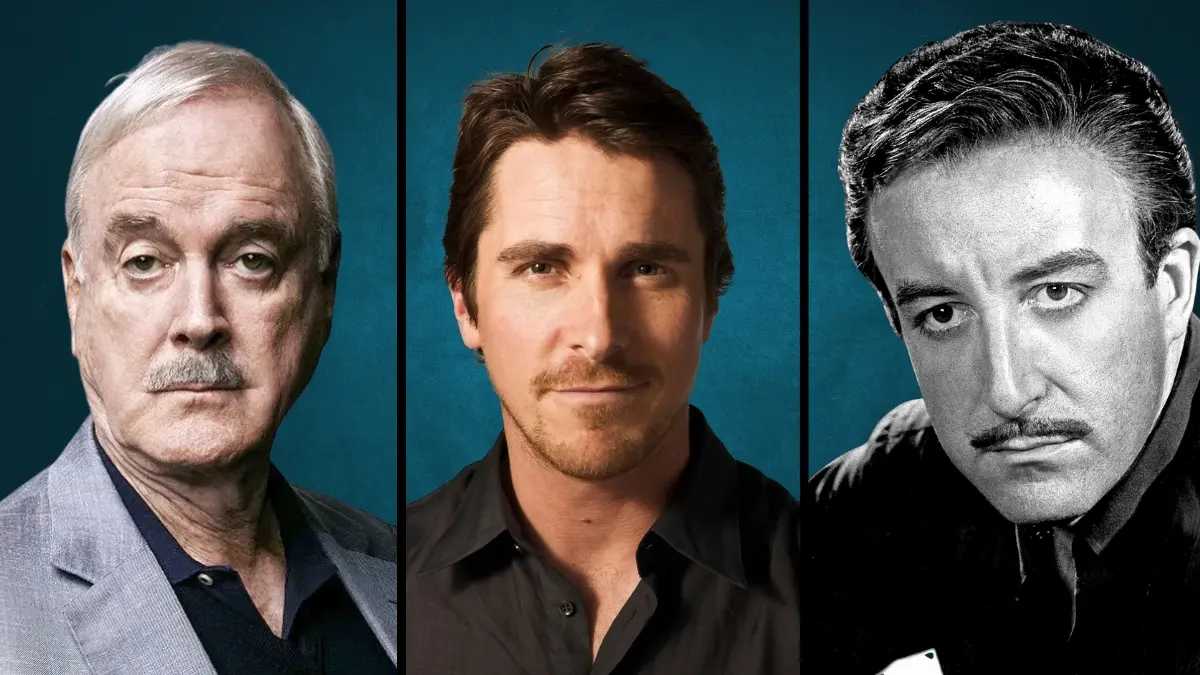

The art of playing multiple characters within a single production is a testament to an actor’s versatility and range. Throughout cinematic history, performers have utilized makeup, prosthetics, and distinct vocal techniques to disappear into several roles simultaneously. This challenging feat often requires meticulous timing and a deep understanding of varied character archetypes. From comedic transformations to dramatic dualities, these actors have successfully expanded the narrative possibilities of their respective films.
Peter Sellers
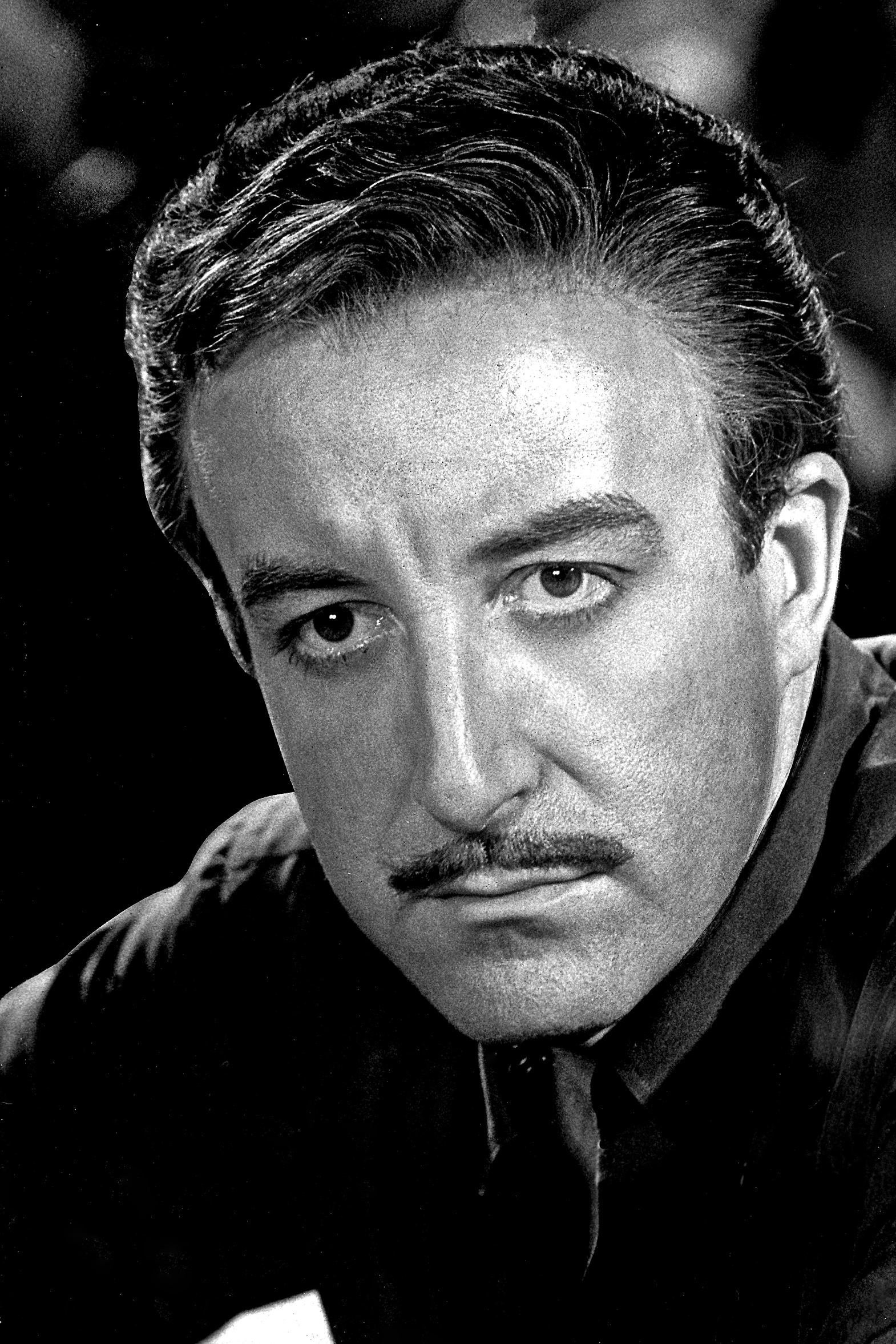
In the satirical masterpiece ‘Dr. Strangelove’ (1964), Peter Sellers delivers an iconic performance by playing three central figures. He portrays the level-headed Group Captain Lionel Mandrake, the mild-mannered President Merkin Muffley, and the eccentric nuclear strategist Dr. Strangelove. Sellers utilized distinct vocal patterns and physical mannerisms to differentiate the three men during the height of a fictional Cold War crisis. His ability to switch between these personas earned him an Academy Award nomination for Best Actor. This remains one of the most famous instances of a single performer carrying multiple narrative perspectives.
Eddie Murphy
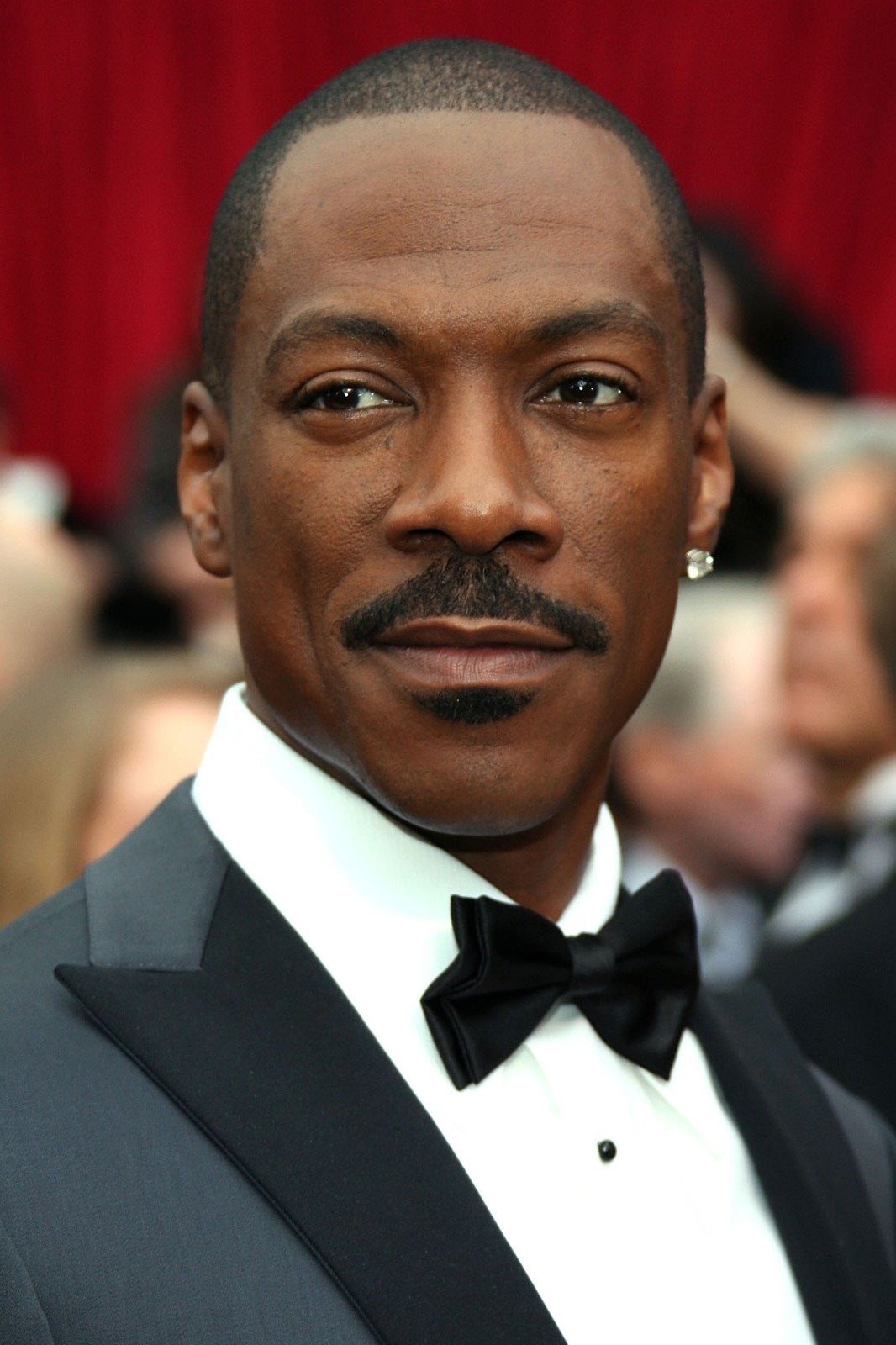
Eddie Murphy is renowned for his ability to transform into several characters using extensive prosthetics, most notably in ‘Coming to America’ (1988). Beyond playing Prince Akeem, Murphy took on the roles of Clarence, Saul, and Randy Watson. Working alongside makeup artist Rick Baker, he created distinct identities that were often unrecognizable to audiences. This approach became a signature for Murphy, appearing again in films like ‘The Nutty Professor’ (1996). His work helped set a high standard for character makeup in the comedy genre.
Mike Myers
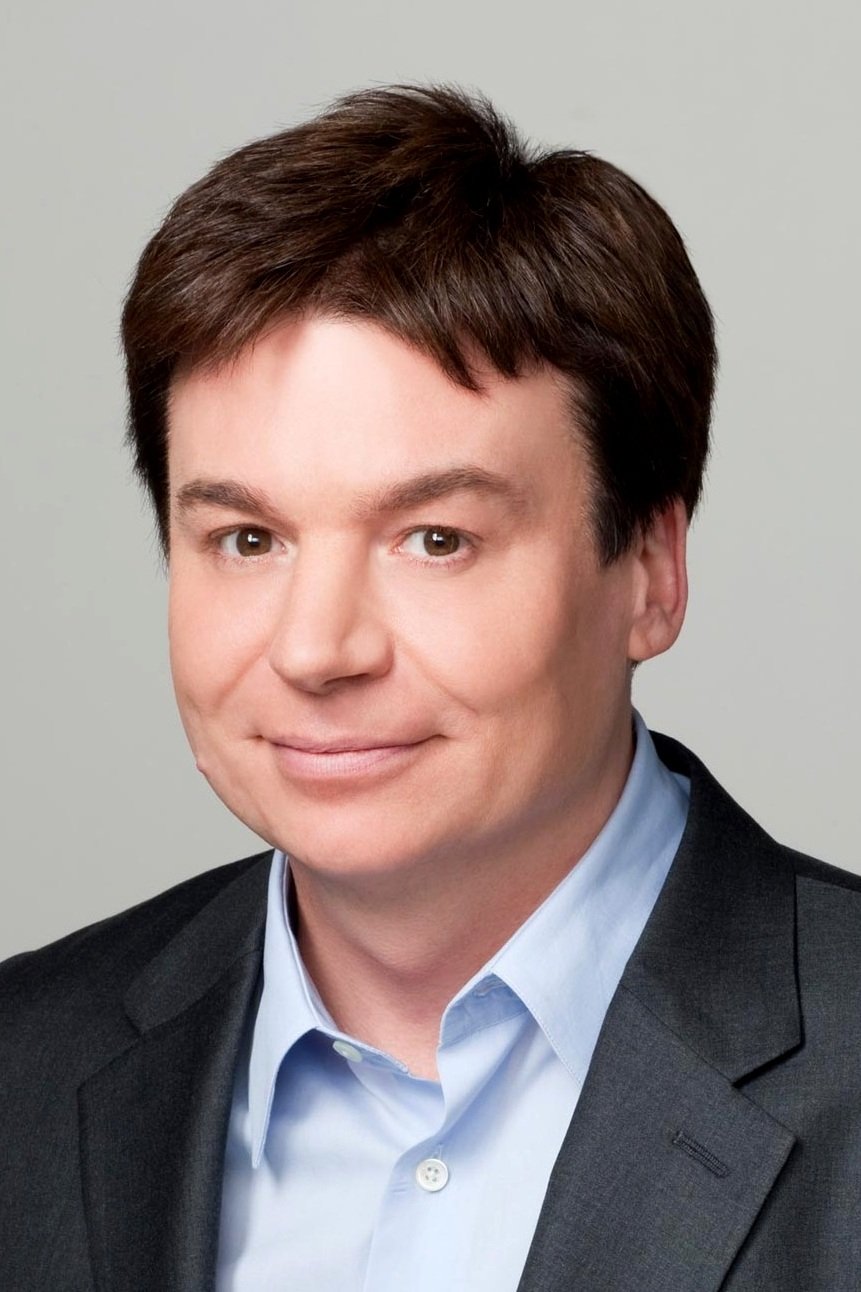
In the ‘Austin Powers’ franchise, beginning with ‘Austin Powers: International Man of Mystery’ (1997), Mike Myers played both the titular hero and his nemesis, Dr. Evil. As the series progressed, he added even more characters to his roster, including Fat Bastard and Goldmember. Myers wrote the films with these dualities in mind, allowing for unique comedic timing during scenes where his characters interacted. The physical differences between the roles required hours of makeup application each day. His performances became a cornerstone of the series’ cultural impact.
Alec Guinness
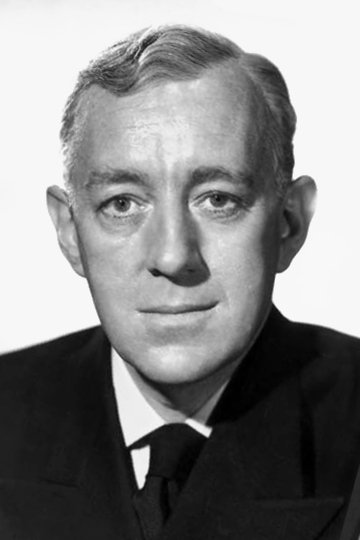
Alec Guinness delivered a tour de force performance in the dark comedy ‘Kind Hearts and Coronets’ (1949). He portrayed eight different members of the D’Ascoyne family, ranging from a young suffragette to an elderly admiral. Each character was a potential heir to a dukedom, and Guinness imbued each with a specific personality and social standing. The film required clever editing and camera work to allow Guinness to appear alongside himself. This classic performance is often cited as a masterclass in subtle character differentiation.
Tom Hanks
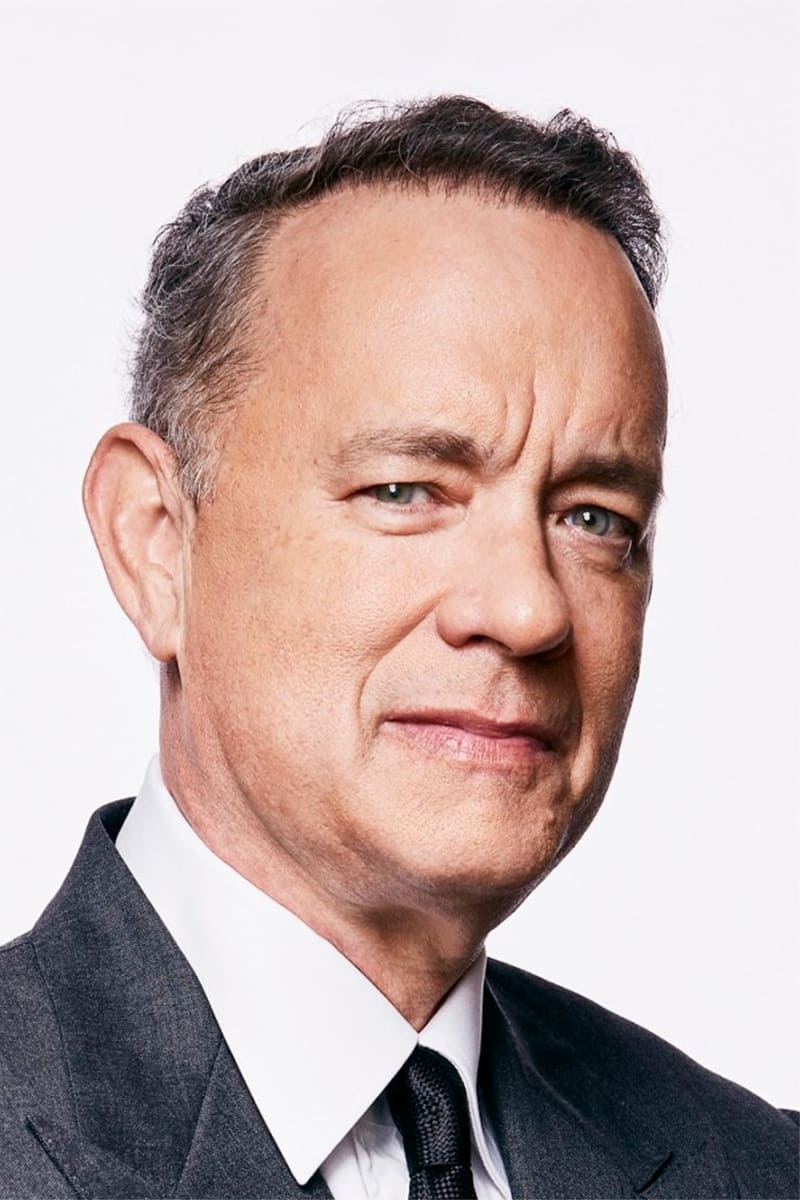
In the ambitious sci-fi epic ‘Cloud Atlas’ (2012), Tom Hanks played six different characters across various timelines. His roles included a treacherous doctor in the 19th century, a nuclear scientist in the 1970s, and a tribesman in a post-apocalyptic future. The film explores the concept of souls evolving over time, requiring Hanks to find a spiritual through-line between his disparate characters. The transformation involved significant changes in dialect, age, and physical appearance. This project stands as one of the most complex undertakings of his long career.
Nicolas Cage
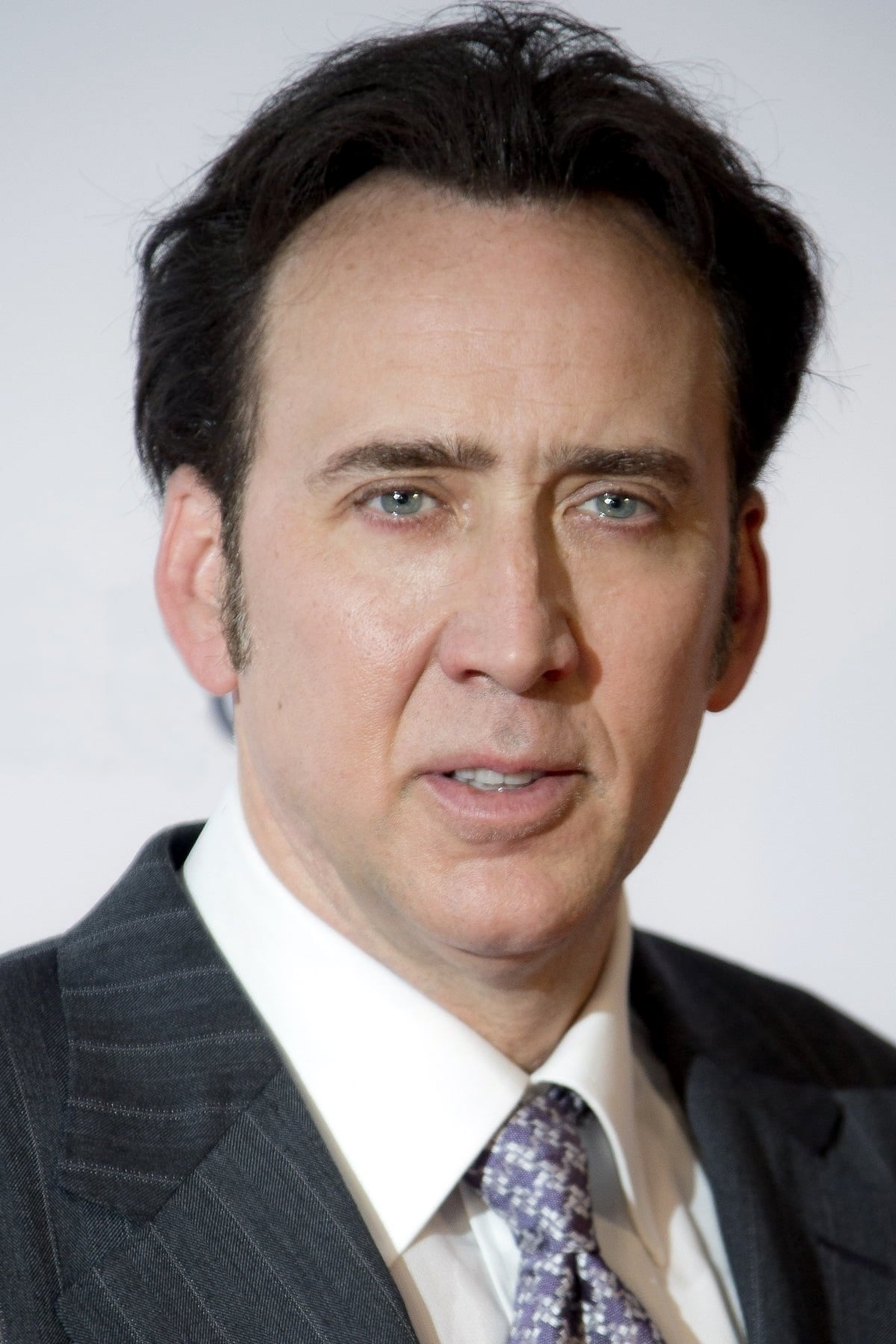
Nicolas Cage tackled the challenge of playing identical twin screenwriters in ‘Adaptation’ (2002). He portrayed the neurotic Charlie Kaufman and his more outgoing, fictionalized brother Donald. Cage successfully conveyed the distinct anxieties and confidence levels of each brother through posture and speech patterns. The film relies heavily on the chemistry between the twins, despite both being played by the same actor. His performance earned him widespread critical acclaim and several award nominations.
Armie Hammer
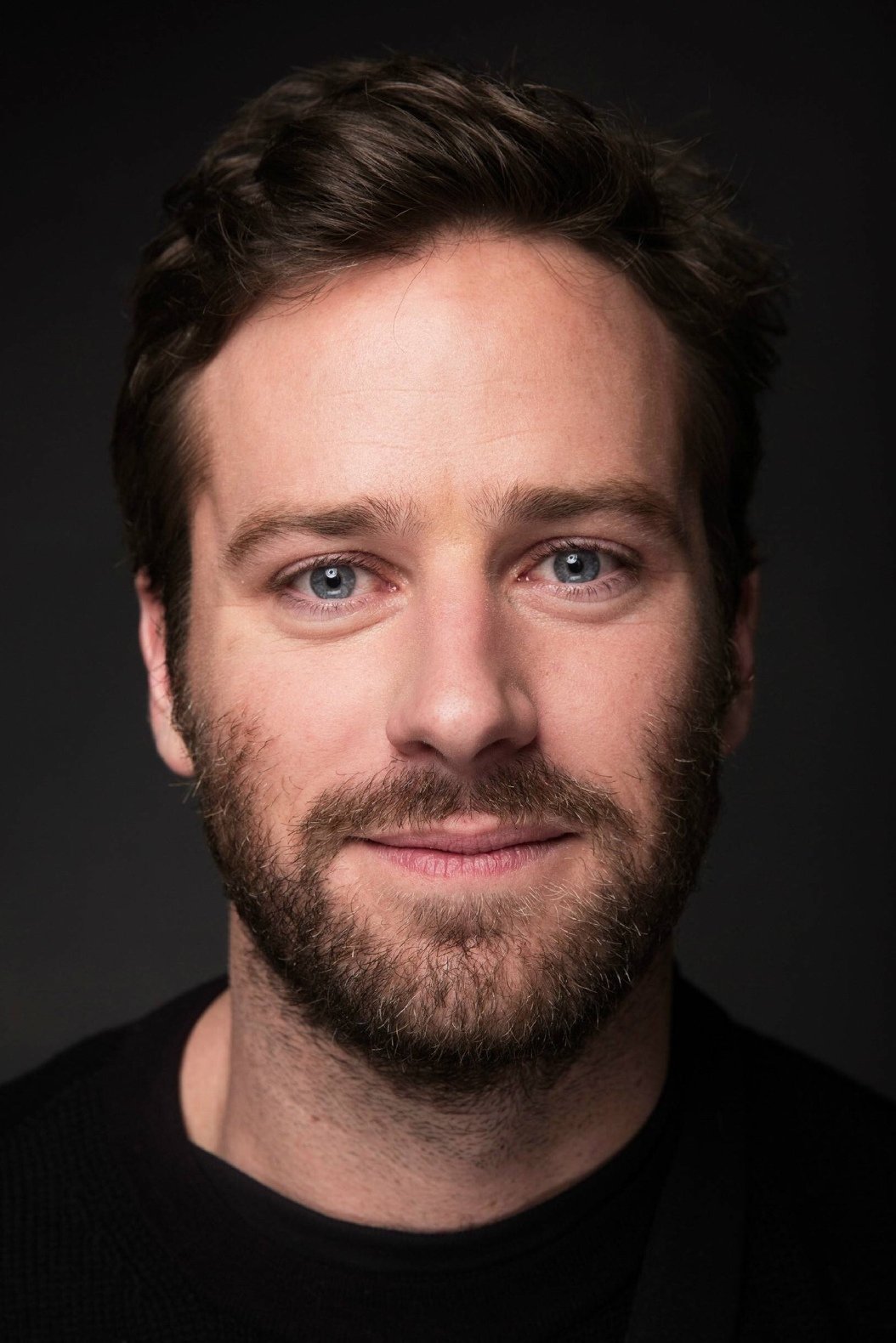
In ‘The Social Network’ (2010), Armie Hammer utilized technology to play the identical Winklevoss twins, Cameron and Tyler. While Hammer filmed the scenes alongside a body double, his face was digitally mapped onto both characters to ensure a perfect match. He had to distinguish the two brothers through subtle differences in their temperaments and social roles. This role was a breakthrough for Hammer, showcasing his ability to handle complex, dialogue-driven material. The seamless visual effects made the dual performance entirely believable for the audience.
Jesse Eisenberg
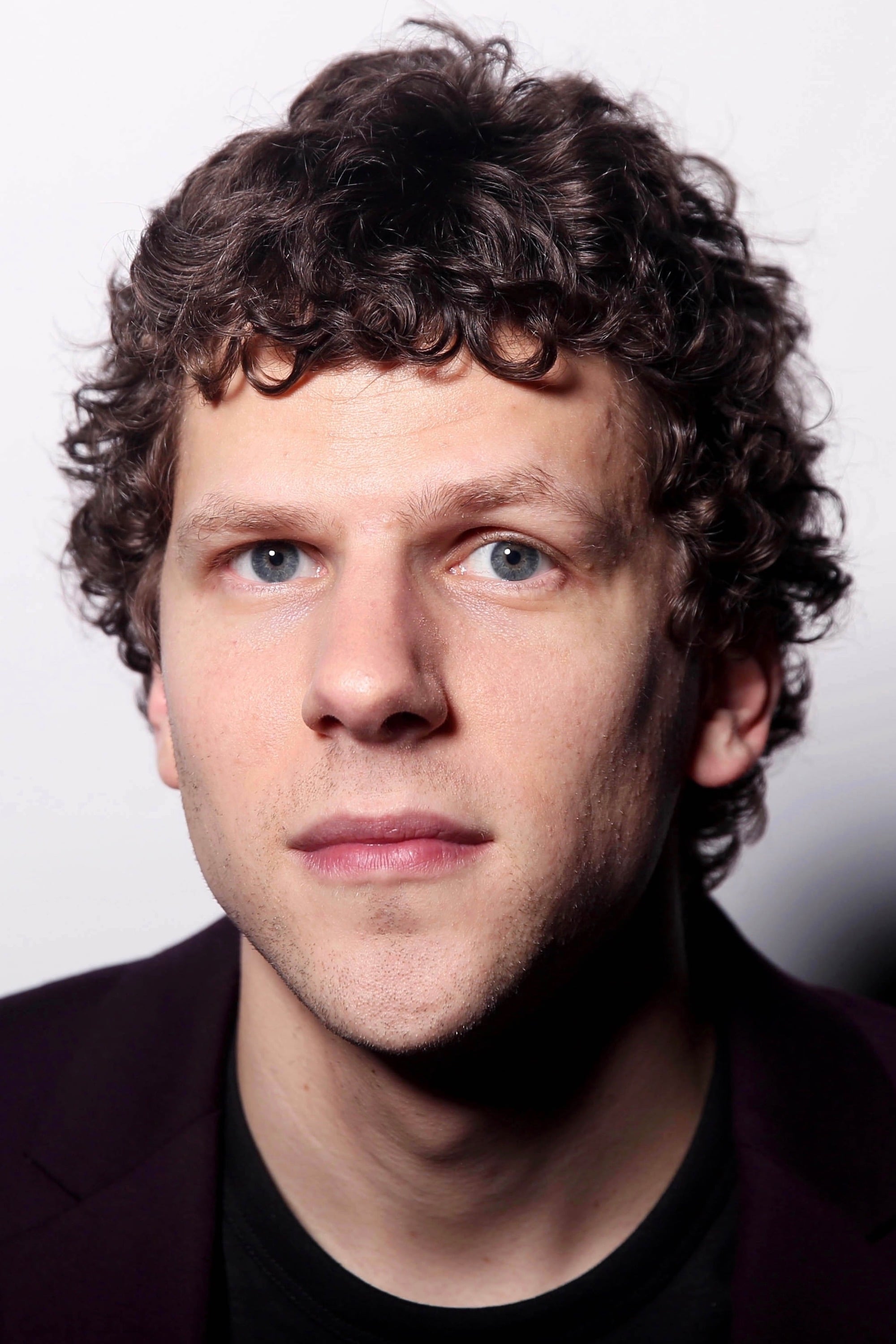
Jesse Eisenberg took on a dual role in the psychological thriller ‘The Double’ (2013). He played Simon, a timid office worker, and James, a charismatic and manipulative doppelganger who begins to take over Simon’s life. Eisenberg focused on contrasting the physical tension of Simon with the fluid confidence of James. The film uses these twin performances to explore themes of identity and existential dread. Critics praised his ability to create two distinct entities that shared the same face.
Paul Dano
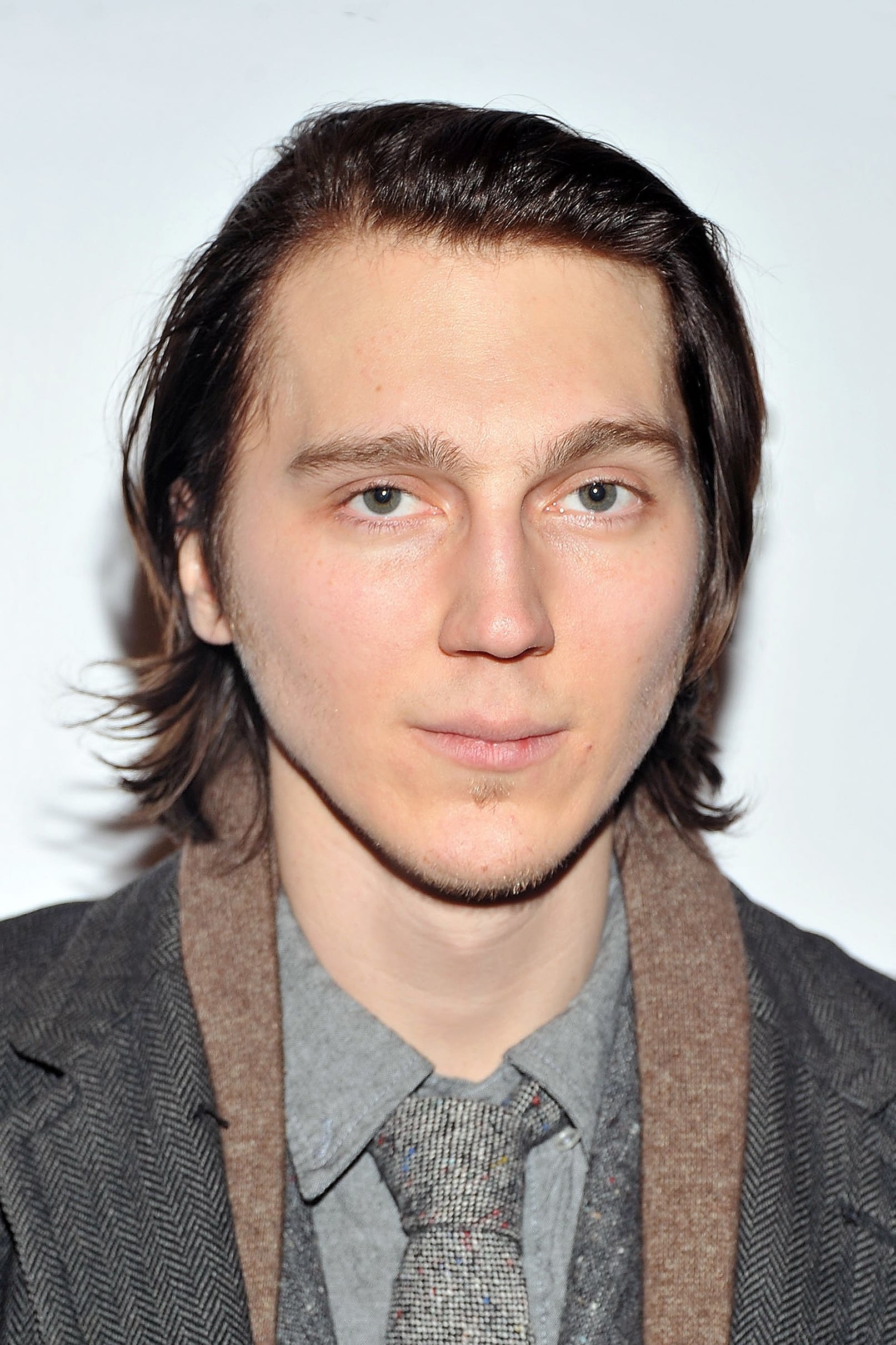
Paul Dano played the dual roles of twin brothers Paul and Eli Sunday in ‘There Will Be Blood’ (2007). Originally cast only as Paul, Dano was asked to take on the role of the charismatic preacher Eli after a last-minute casting change. He created a sharp contrast between the brief appearance of the pragmatic Paul and the intense, evangelical fervor of Eli. His interactions with Daniel Day-Lewis provided some of the most memorable moments in the film. The performance solidified Dano’s reputation as a powerful dramatic actor.
Hugo Weaving
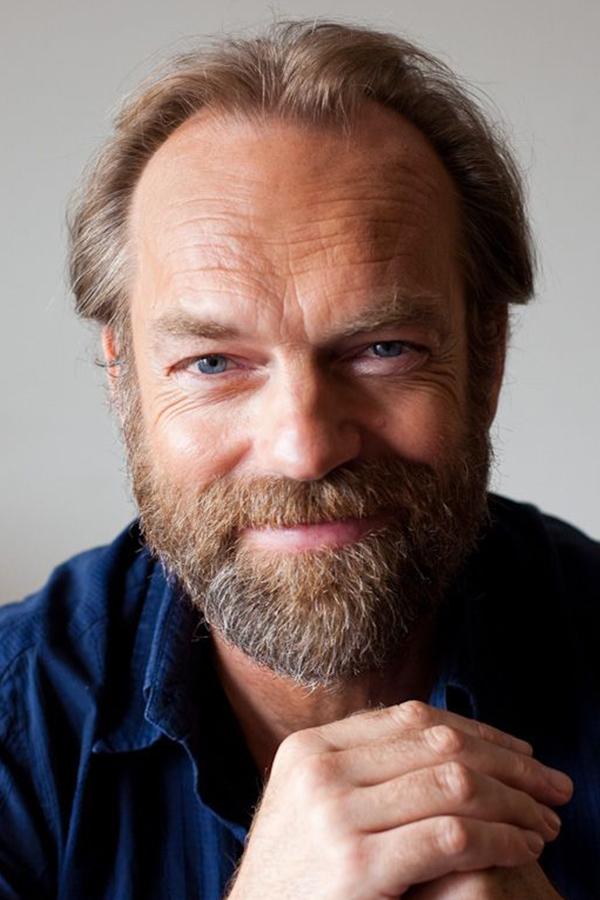
Like several of his co-stars in ‘Cloud Atlas’ (2012), Hugo Weaving portrayed a variety of characters across different eras. His roles included the villainous Bill Smoke, a cruel plantation owner, and a futuristic enforcer. Weaving often served as the antagonistic force in each timeline, representing recurring themes of oppression. The heavy use of prosthetics allowed him to transcend age, race, and gender. His versatility was key to the film’s interconnected narrative structure.
Hugh Grant
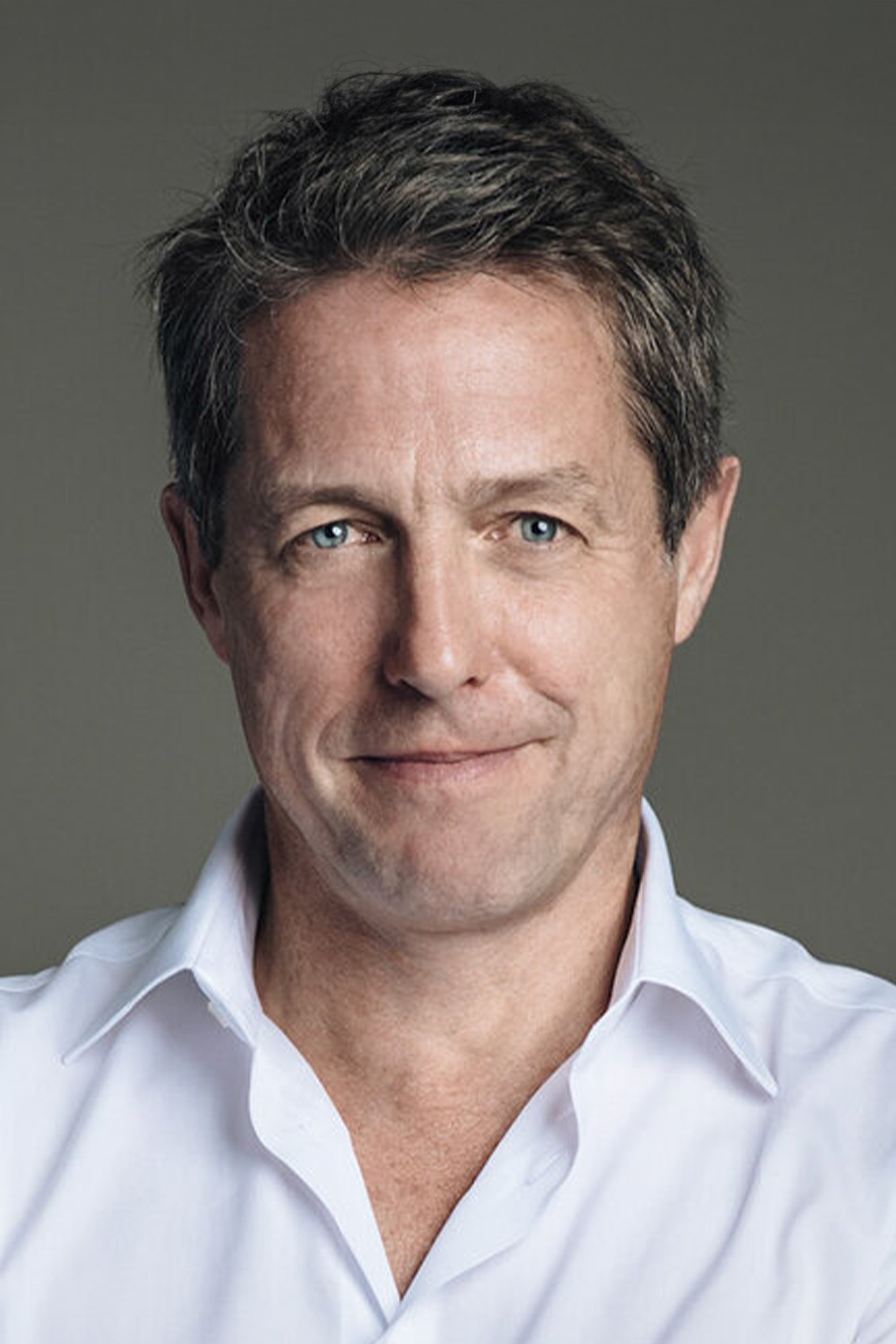
Hugh Grant moved away from his typical romantic lead roles to play multiple characters in ‘Cloud Atlas’ (2012). He portrayed a diverse set of figures, including a corporate hitman and a tribal leader. Grant noted in interviews that the experience allowed him to explore more transformative acting than he had previously attempted. The film used Grant to represent the various faces of greed and authority throughout human history. His presence contributed to the film’s grand scale and philosophical ambitions.
Jim Carrey
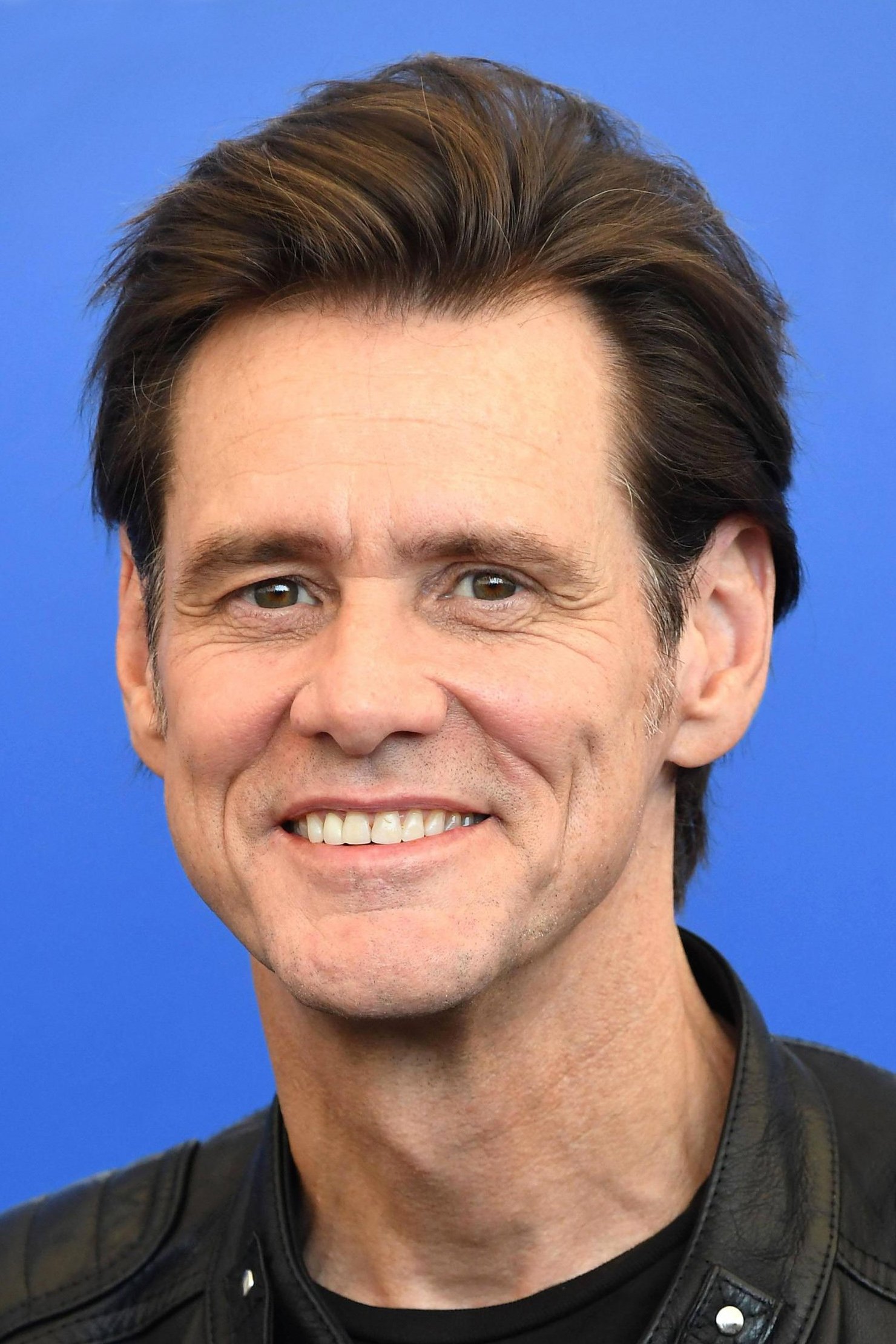
In the motion-capture adaptation of ‘A Christmas Carol’ (2009), Jim Carrey played Ebenezer Scrooge at various ages. Additionally, he voiced and provided the movements for the Ghosts of Christmas Past, Present, and Yet to Come. The technology allowed Carrey to physically embody characters that were vastly different in size and shape. He tailored his vocal performance to match the unique energy of each supernatural visitor. This project showcased his ability to blend physical comedy with digital performance.
Jack Nicholson
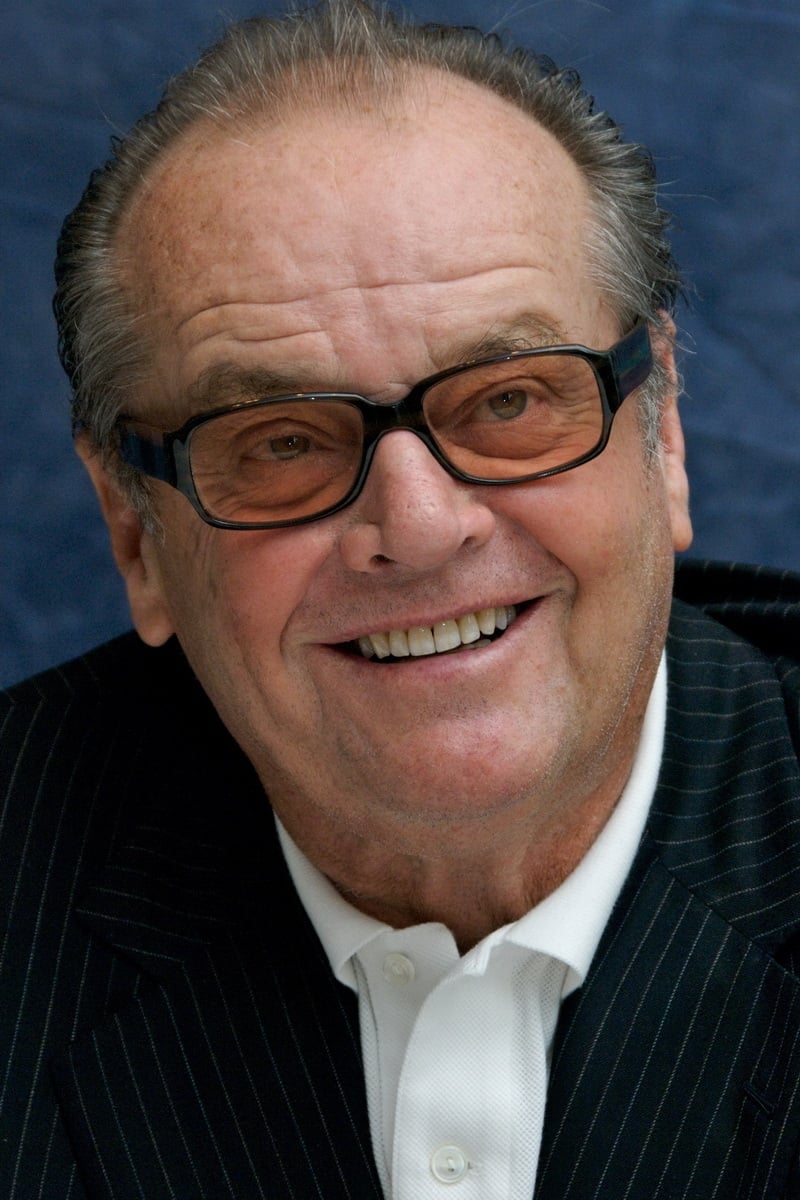
Jack Nicholson took on two very different roles in the sci-fi comedy ‘Mars Attacks!’ (1996). He played the President of the United States, James Dale, and a shady Las Vegas real estate developer named Art Land. Nicholson utilized a dignified, if slightly overwhelmed, persona for the President while adopting a sleazy, high-energy vibe for Art Land. The dual roles allowed Nicholson to engage in both political satire and over-the-top character acting. His involvement was a highlight of the film’s star-studded ensemble.
Michael J. Fox
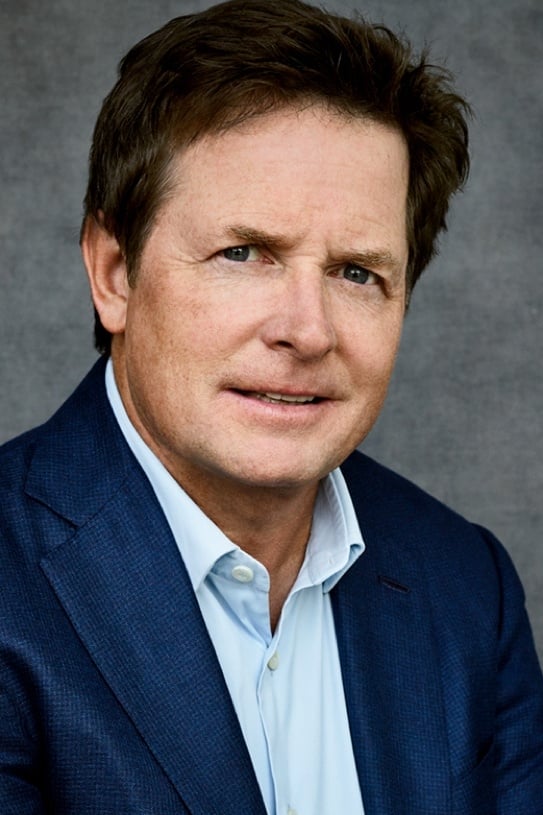
Michael J. Fox expanded his role in ‘Back to the Future Part II’ (1989) by playing several members of the McFly family. In addition to Marty McFly, he portrayed Marty’s future son, Marty Jr., and his daughter, Marlene. The scenes required Fox to interact with himself through the use of split-screen technology and careful blocking. He also played an older version of Marty, requiring extensive aging makeup. These performances helped ground the film’s complex time-travel mechanics in familial themes.
Jason Isaacs
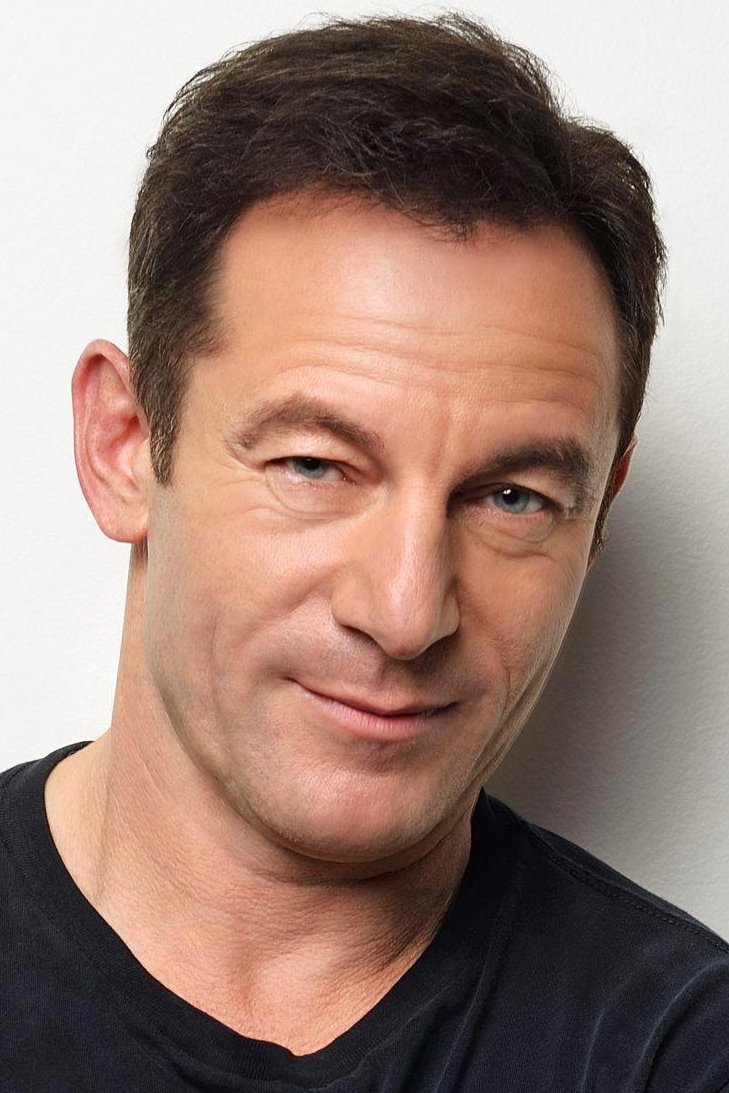
In the 2003 adaptation of ‘Peter Pan’, Jason Isaacs followed a long-standing theatrical tradition by playing both Mr. Darling and Captain Hook. This casting choice reinforces the thematic link between the restrictive reality of London and the dangers of Neverland. Isaacs transitioned from the stern but flustered father to the flamboyant and menacing pirate captain. His performance emphasized the psychological parallels between the two characters in Wendy’s journey. This dual role is often considered a staple of the ‘Peter Pan’ narrative structure.
Ralph Fiennes
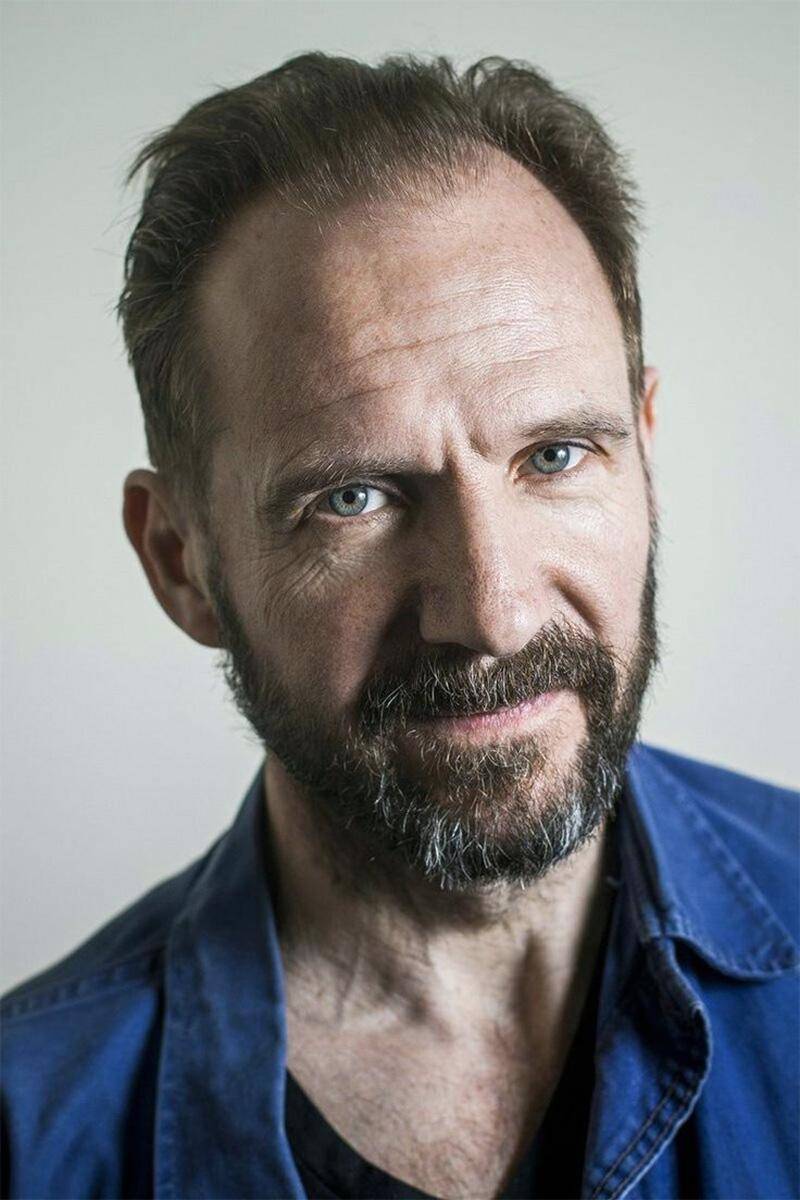
Ralph Fiennes delivered a sweeping performance in ‘Sunshine’ (1999) by playing three generations of the Sonnenschein family. He portrayed Ignatz, Adam, and Ivan, charting the family’s history through the political upheavals of 20th-century Hungary. Fiennes had to adapt his performance to reflect the changing social climates and personal ideologies of each man. The film relies on his ability to maintain a familial resemblance while highlighting individual differences. It is a dense, dramatic exploration of heritage and identity.
Ryan Reynolds
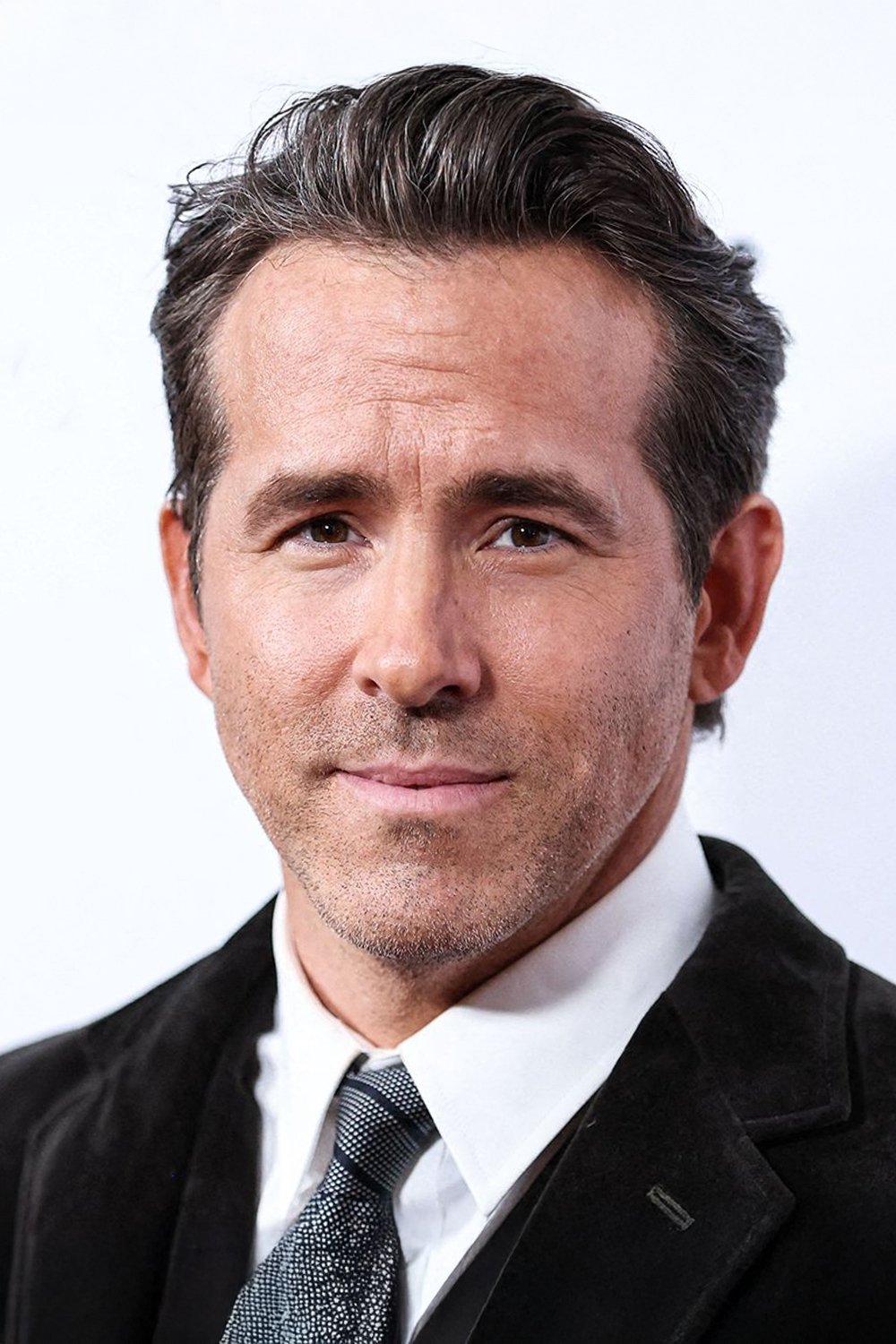
Ryan Reynolds pulled double duty in the superhero sequel ‘Deadpool 2’ (2018). While he returned as the titular Wade Wilson, he also provided the voice and facial motion capture for the massive villain Juggernaut. Reynolds reportedly took on the second role during production to help manage the film’s budget and creative direction. The two characters engage in a violent confrontation, meaning Reynolds was effectively fighting himself on screen. This dual contribution added another layer of meta-humor to the franchise.
Jonathan Hyde
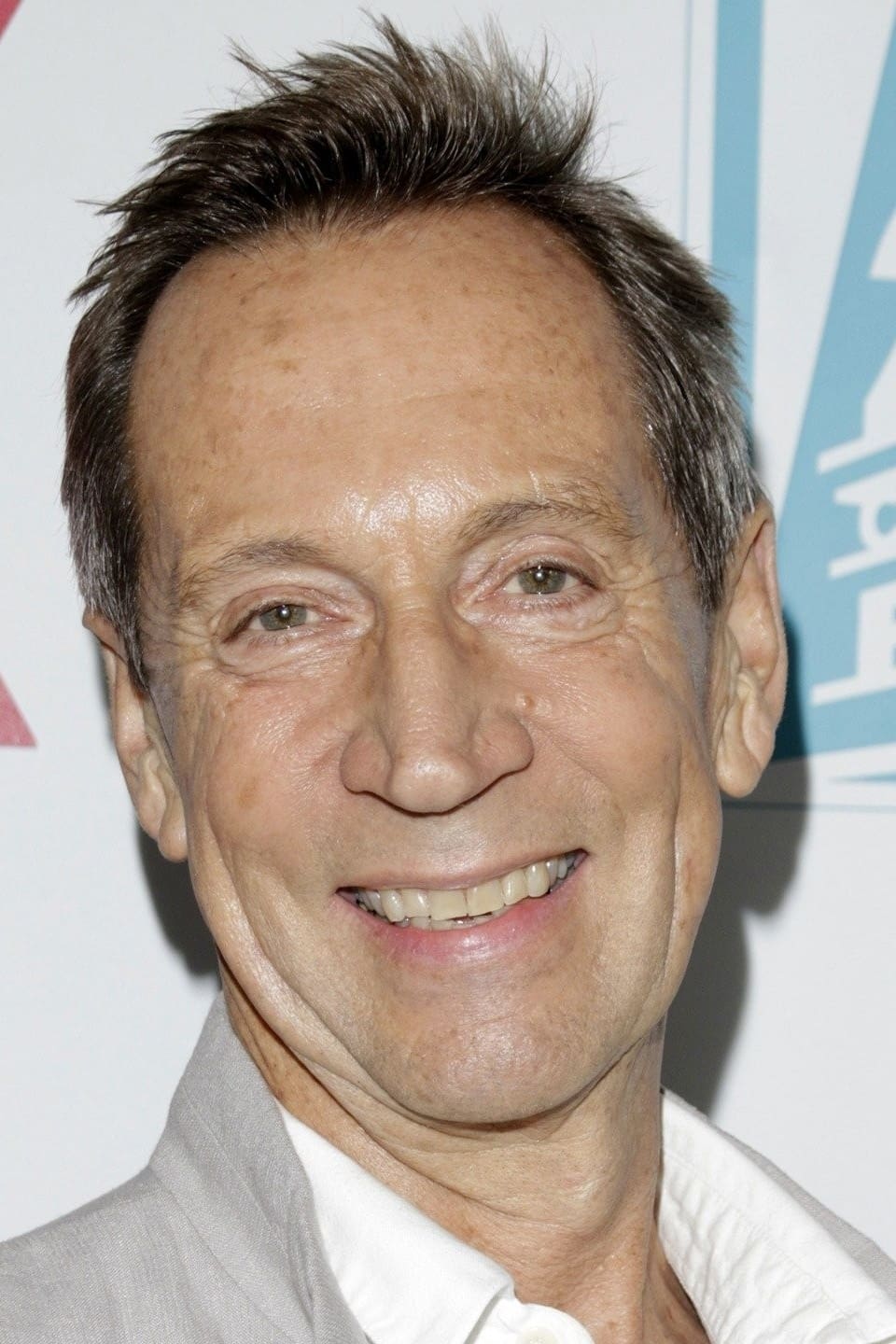
In the adventure film ‘Jumanji’ (1995), Jonathan Hyde played the dual roles of Samuel Parrish and the hunter Van Pelt. Samuel is the stern, distant father of the protagonist, while Van Pelt is the relentless antagonist from within the game. The casting suggests that Van Pelt is a manifestation of the protagonist’s fears regarding his father’s authority. Hyde’s performance transitions from Victorian stiffness to a more wild, colonial-era obsession. This thematic doubling is a central part of the film’s emotional arc.
Hank Azaria
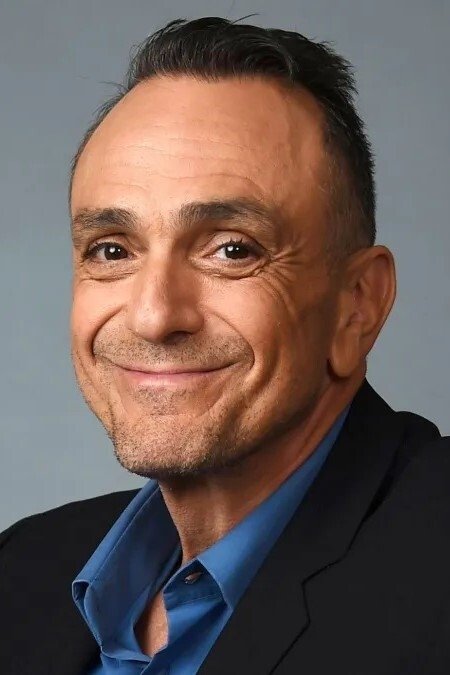
Hank Azaria showcased his vocal and physical versatility in ‘Night at the Museum: Battle of the Smithsonian’ (2009). He played the primary antagonist, Kahmunrah, along with the statues of The Thinker and Abraham Lincoln. Azaria gave Kahmunrah a distinct, lisping voice inspired by Boris Karloff, while providing more traditional voices for the statues. Each role required a different comedic approach to fit the film’s fast-paced energy. His performances were widely cited as standout elements of the sequel.
Jeremy Irons
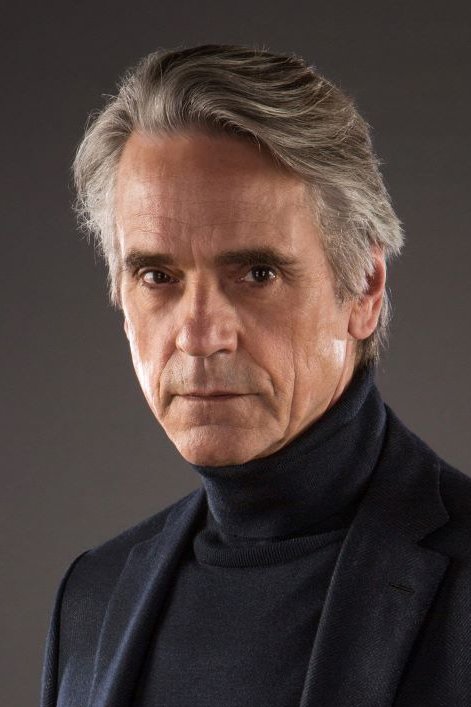
Jeremy Irons portrayed identical twin gynecologists, Beverly and Elliot Mantle, in the psychological thriller ‘Dead Ringers’ (1988). The film explores the codependent and deteriorating relationship between the two brothers. Irons used subtle changes in posture and speech to differentiate the confident Elliot from the more sensitive Beverly. The production used advanced camera techniques to allow the twins to move naturally in the same frame. This performance is often ranked among the most chilling and technically proficient dual roles in cinema.
John Lithgow
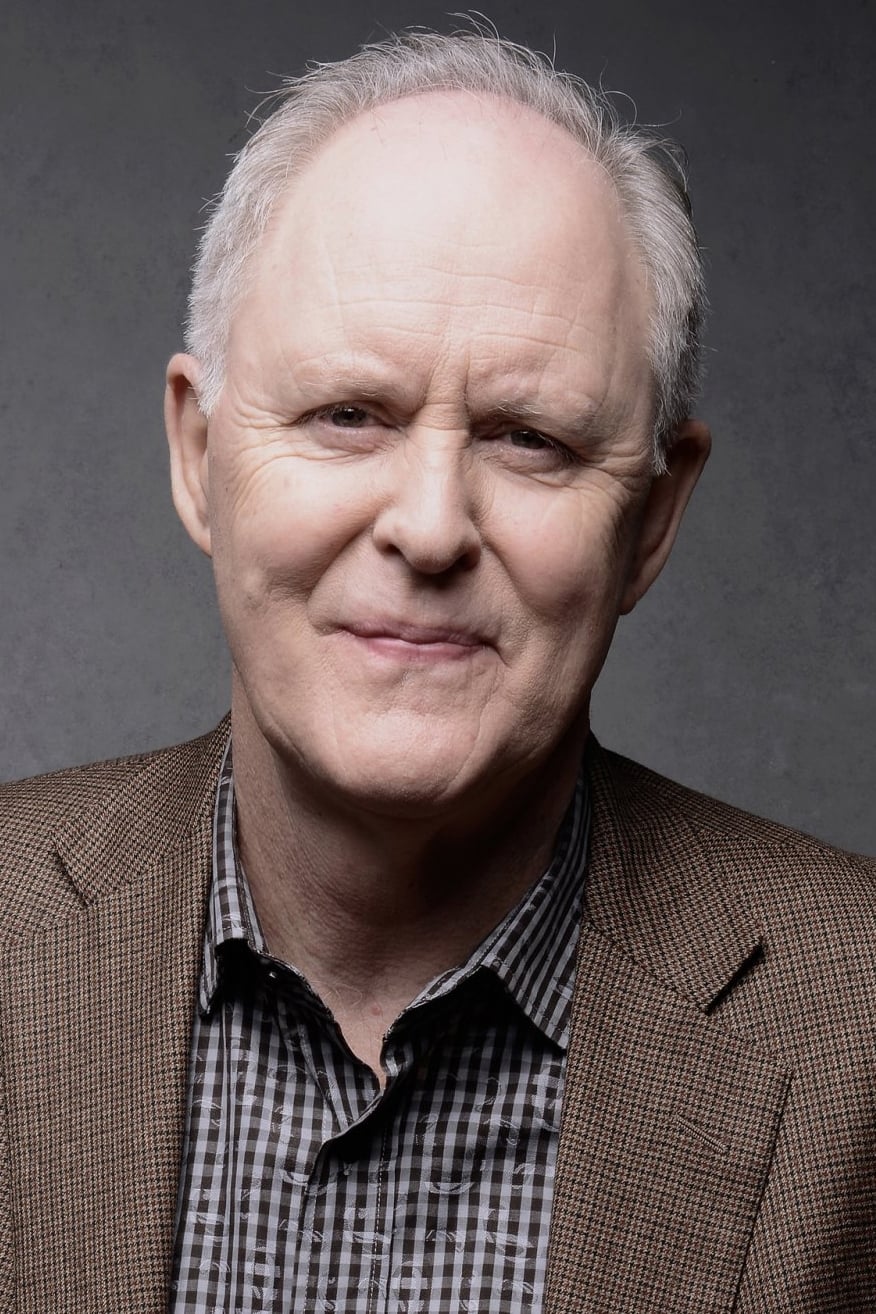
John Lithgow played multiple personas in the Brian De Palma thriller ‘Raising Cain’ (1992). His roles included Carter, a child psychologist, and several of Carter’s alternate personalities, such as the aggressive Cain and a woman named Margo. Lithgow had to switch between these vastly different characters, often within the same scene. The film explores themes of trauma and dissociative identity disorder through his performance. His ability to navigate the campy and horrific elements of the script defined the movie’s tone.
Warwick Davis

Warwick Davis took on multiple roles in the ‘Harry Potter’ film series, most notably in ‘Harry Potter and the Sorcerer’s Stone’ (2001). He played the charms professor Filius Flitwick and the head goblin at Gringotts Bank. Davis used different prosthetic applications and vocal ranges to separate the academic Flitwick from the shrewd, professional goblin. Throughout the franchise, his portrayal of Flitwick evolved in appearance, but his dual presence remained a constant. His work highlighted the film’s use of skilled character actors to build its magical world.
Deep Roy
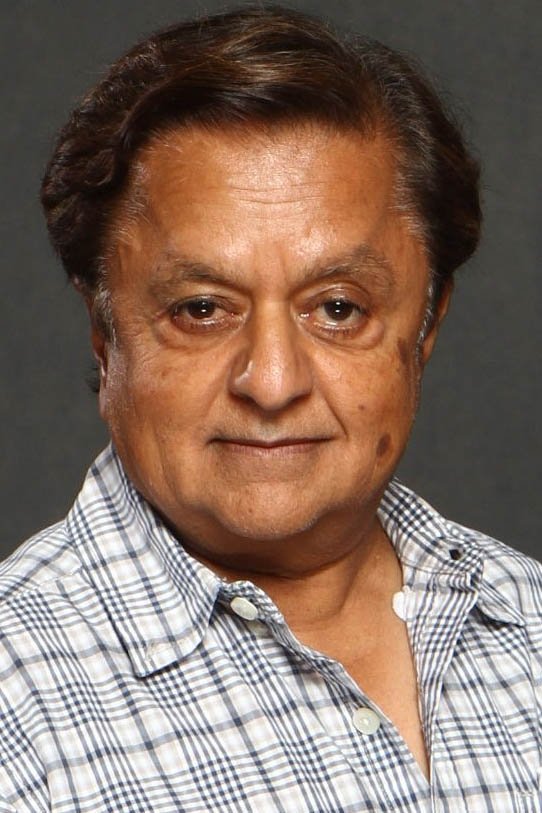
Deep Roy performed an incredible feat in ‘Charlie and the Chocolate Factory’ (2005) by playing every single Oompa-Loompa. Through the use of digital duplication and hundreds of individual takes, Roy appeared as an entire workforce of identical characters. He had to learn complex dance routines and musical numbers, performing them repeatedly so they could be layered together. The director, Tim Burton, chose this method to give the characters a more uniform and slightly surreal feel. Roy’s physical commitment was essential to the film’s visual style.
Tom Hardy
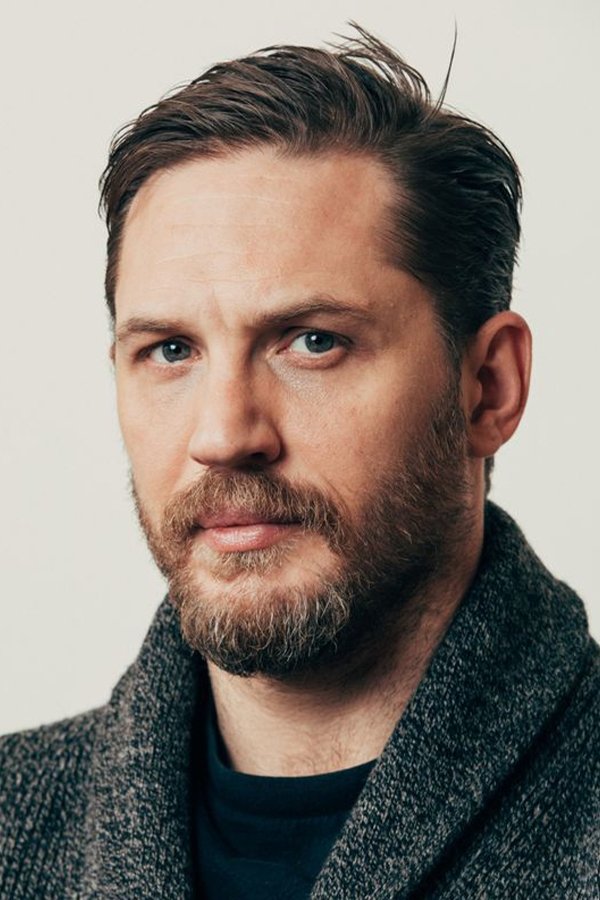
In the biographical crime film ‘Legend’ (2015), Tom Hardy portrayed the notorious Kray twins, Ronnie and Reggie. Reggie was depicted as the suave, business-minded leader, while Ronnie was portrayed as unstable and prone to violence. Hardy used different physicalities and vocal pitches to make the two brothers feel like entirely different people. The film utilized clever camera work and earpiece cues to allow Hardy to improvise during scenes where the twins interacted. His dual performance received high praise for its technical and emotional depth.
Doug Jones
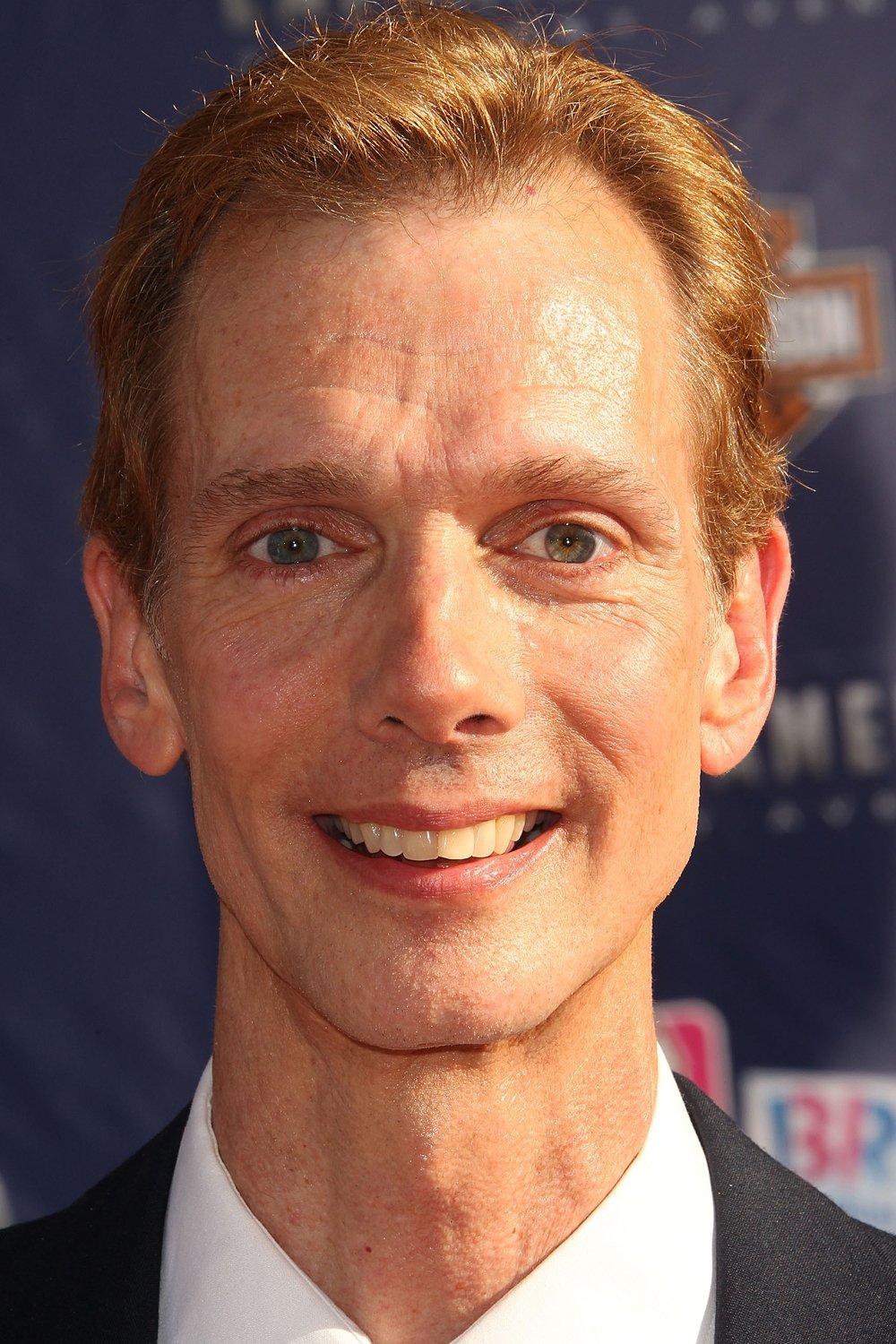
Doug Jones is a frequent collaborator of Guillermo del Toro, known for playing multiple creatures in ‘Pan’s Labyrinth’ (2006). He played both the ancient, mysterious Faun and the terrifying, eyeless Pale Man. Each role required hours of prosthetic application and a unique way of moving. Jones drew on his background in mime and physical theater to bring the non-human characters to life. His ability to convey emotion through heavy makeup made these roles iconic in the fantasy genre.
Dick Van Dyke
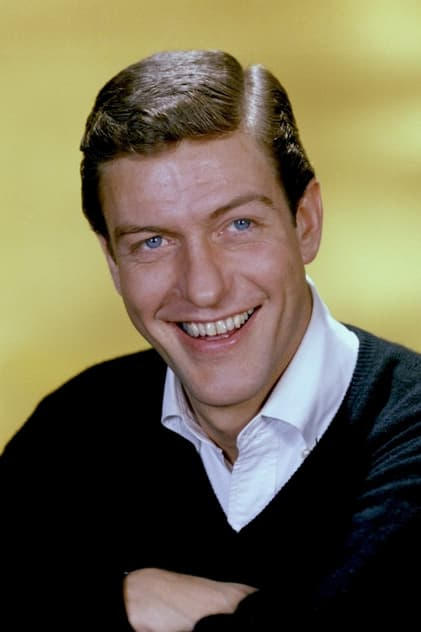
In the classic musical ‘Mary Poppins’ (1964), Dick Van Dyke played the cheerful chimney sweep Bert and the elderly bank chairman Mr. Dawes Senior. To play the latter, Van Dyke underwent a significant transformation involving heavy aging makeup and a frail physical performance. He reportedly had to convince Walt Disney to let him play the second role because he enjoyed the character so much. The contrast between the energetic Bert and the crusty Mr. Dawes showcased his range as a performer. He later returned to play the character’s son in the 2018 sequel.
Arsenio Hall
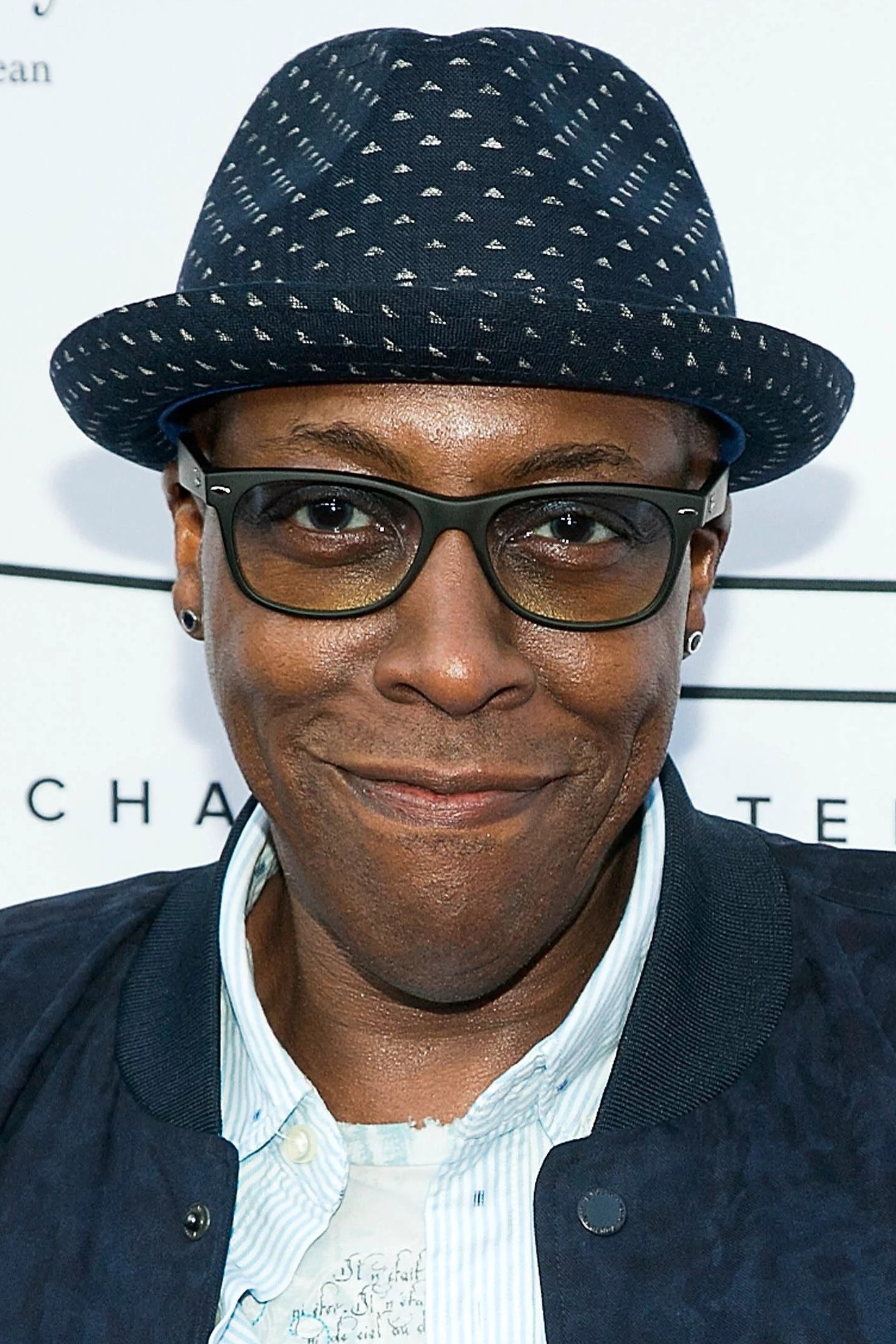
Arsenio Hall joined Eddie Murphy in playing multiple roles in ‘Coming to America’ (1988). Aside from playing the loyal sidekick Semmi, Hall portrayed Reverend Brown, a barber named Morris, and an unattractive woman in a club. Like Murphy, Hall spent hours in the makeup chair to achieve these transformations. His comedic chemistry with Murphy was enhanced by the fact that they played multiple characters interacting in the same scenes. This collaborative effort helped the film become a landmark in prosthetic-driven comedy.
Buster Keaton
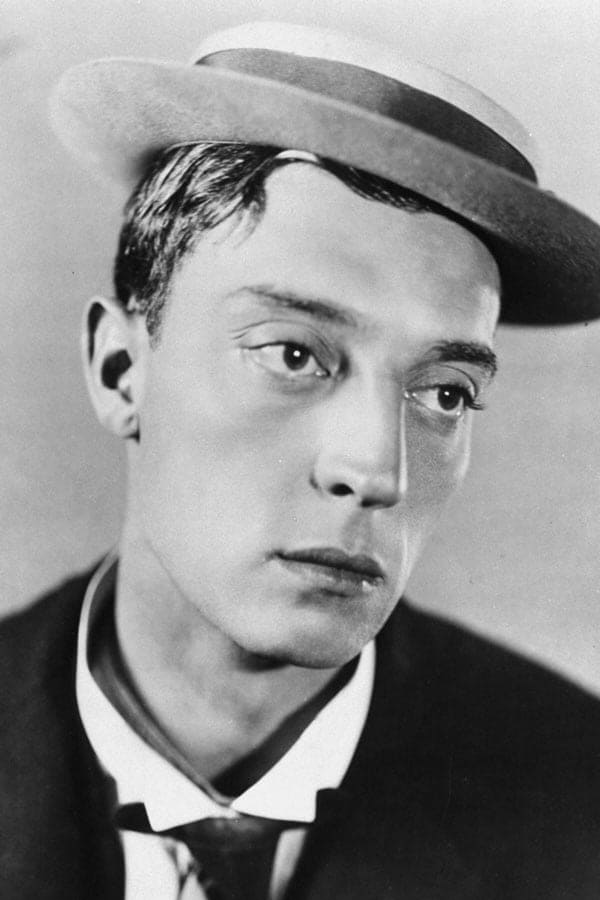
During the silent film era, Buster Keaton pushed the boundaries of camera technology in ‘The Playhouse’ (1921). In one famous sequence, Keaton played every member of a nine-man minstrel show, the entire orchestra, and the audience. This was achieved through multiple exposures of the film strip, requiring Keaton to keep perfect time for each pass. The technical precision needed to align these various versions of himself was unprecedented at the time. This film remains a testament to Keaton’s innovation as both a director and an actor.
Charlie Chaplin
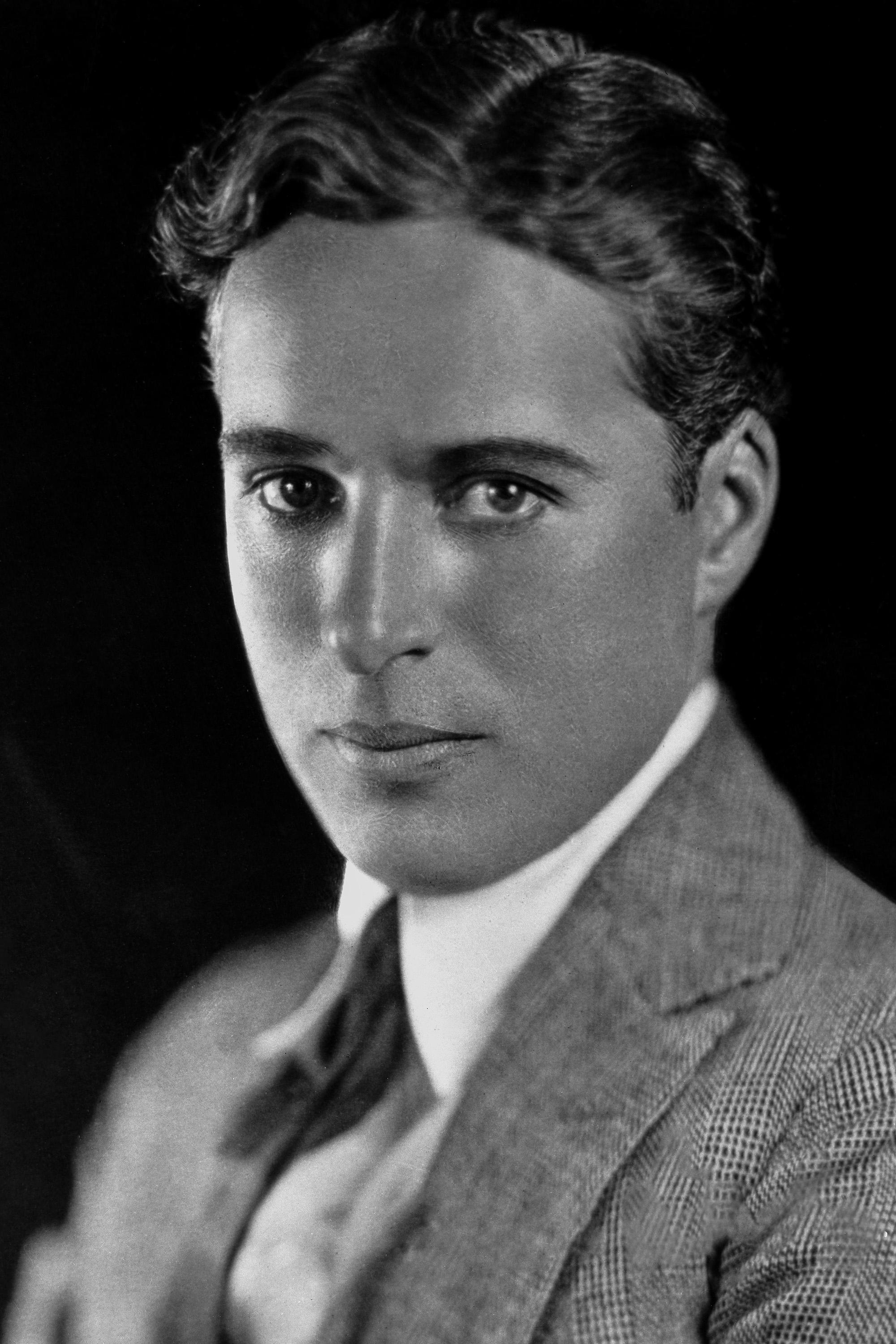
Charlie Chaplin played two contrasting roles in the political satire ‘The Great Dictator’ (1940). He portrayed a humble Jewish barber and the tyrannical dictator Adenoid Hynkel, a parody of Adolf Hitler. Chaplin used the physical resemblance between the two men to facilitate a story of mistaken identity. The dual roles allowed him to critique fascism while maintaining the slapstick roots of his earlier work. The film concludes with a famous speech delivered by the barber that reflects Chaplin’s personal plea for peace.
Lee Marvin
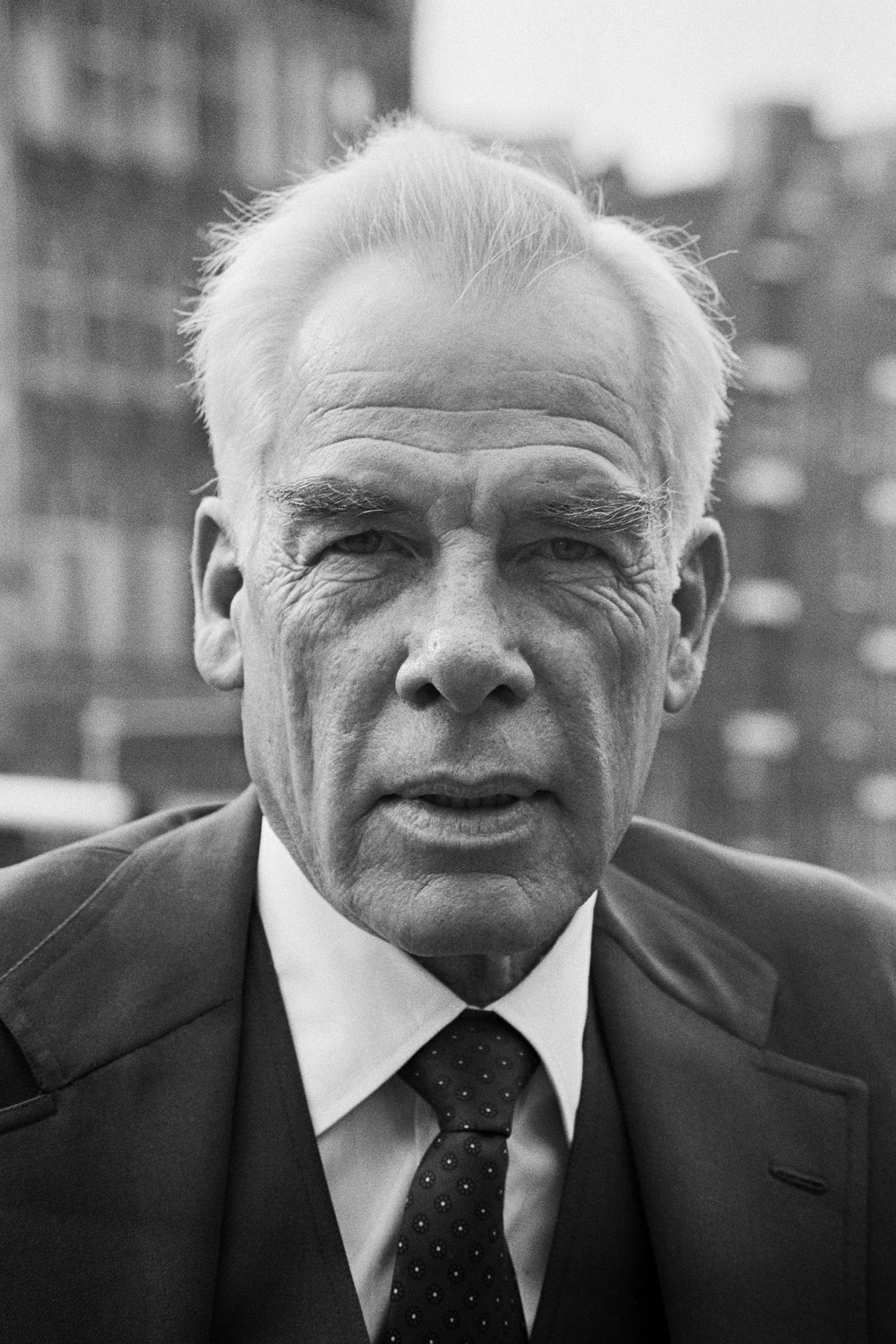
Lee Marvin won an Academy Award for Best Actor for his dual roles in the Western comedy ‘Cat Ballou’ (1965). He played Kid Shelleen, a washed-up, drunken gunfighter, and Tim Strawn, a menacing, silver-nosed assassin. Marvin contrasted the comedic, stumbling nature of Shelleen with the cold, professional lethality of Strawn. His performance subverted common Western tropes and provided much of the film’s humor. This win was a rare instance of a comedic performance being recognized with the top acting prize.
John Cleese

In ‘Monty Python and the Holy Grail’ (1975), John Cleese took on several memorable roles as part of the comedy troupe’s ensemble approach. His characters included Sir Lancelot the Brave, the Black Knight, and Tim the Enchanter. Each role required a different costume and a wildly different comedic energy, from the stoic warrior to the pyrotechnic wizard. The film’s low budget necessitated that the main cast play dozens of bit parts throughout the story. This practice became a staple of the Monty Python cinematic style.
Michael Palin
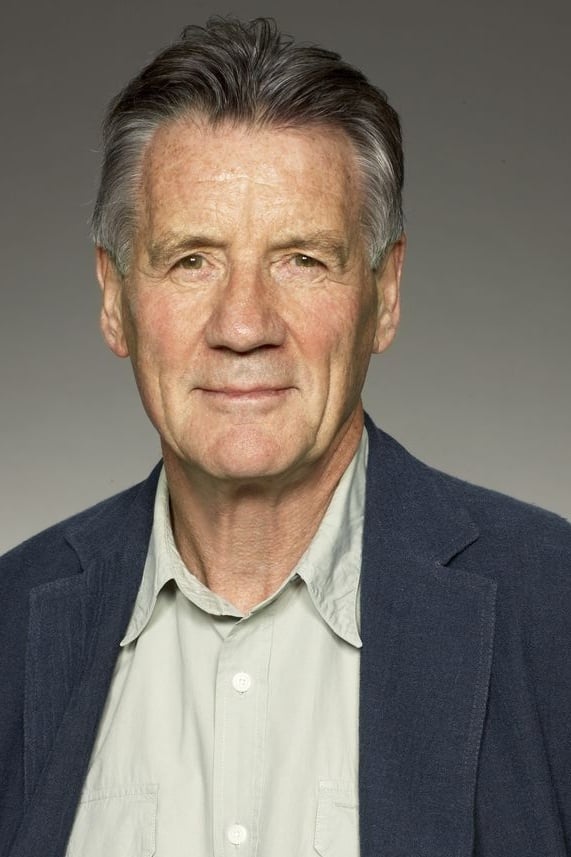
Michael Palin followed the Monty Python tradition by playing several distinct characters in ‘Monty Python and the Holy Grail’ (1975). He is perhaps best remembered for his roles as Sir Galahad the Chaste, the Leader of the Knights Who Say “Ni,” and the swamp king’s son, Prince Herbert. Palin’s ability to play both absurd authority figures and naive innocents added to the film’s surreal humor. He also took on various minor roles, such as peasants and guards, throughout the production. His versatility was a key component of the troupe’s success.
Graham Chapman
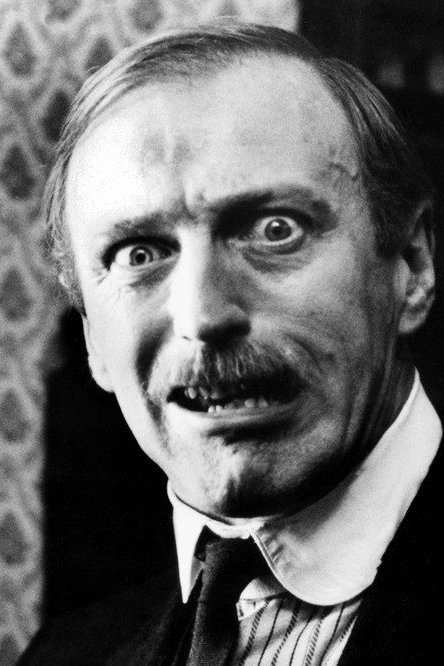
Graham Chapman played the central role of King Arthur in ‘Monty Python and the Holy Grail’ (1975), but he also appeared as several other characters. These included the Hiccuping Guard and the voice of God. While Arthur served as the “straight man” to the chaos around him, Chapman’s other roles allowed him to indulge in the troupe’s signature absurdity. He maintained a sense of dignity as the King even when faced with the most ridiculous obstacles. His performance anchored the film’s loose, episodic structure.
Terry Jones
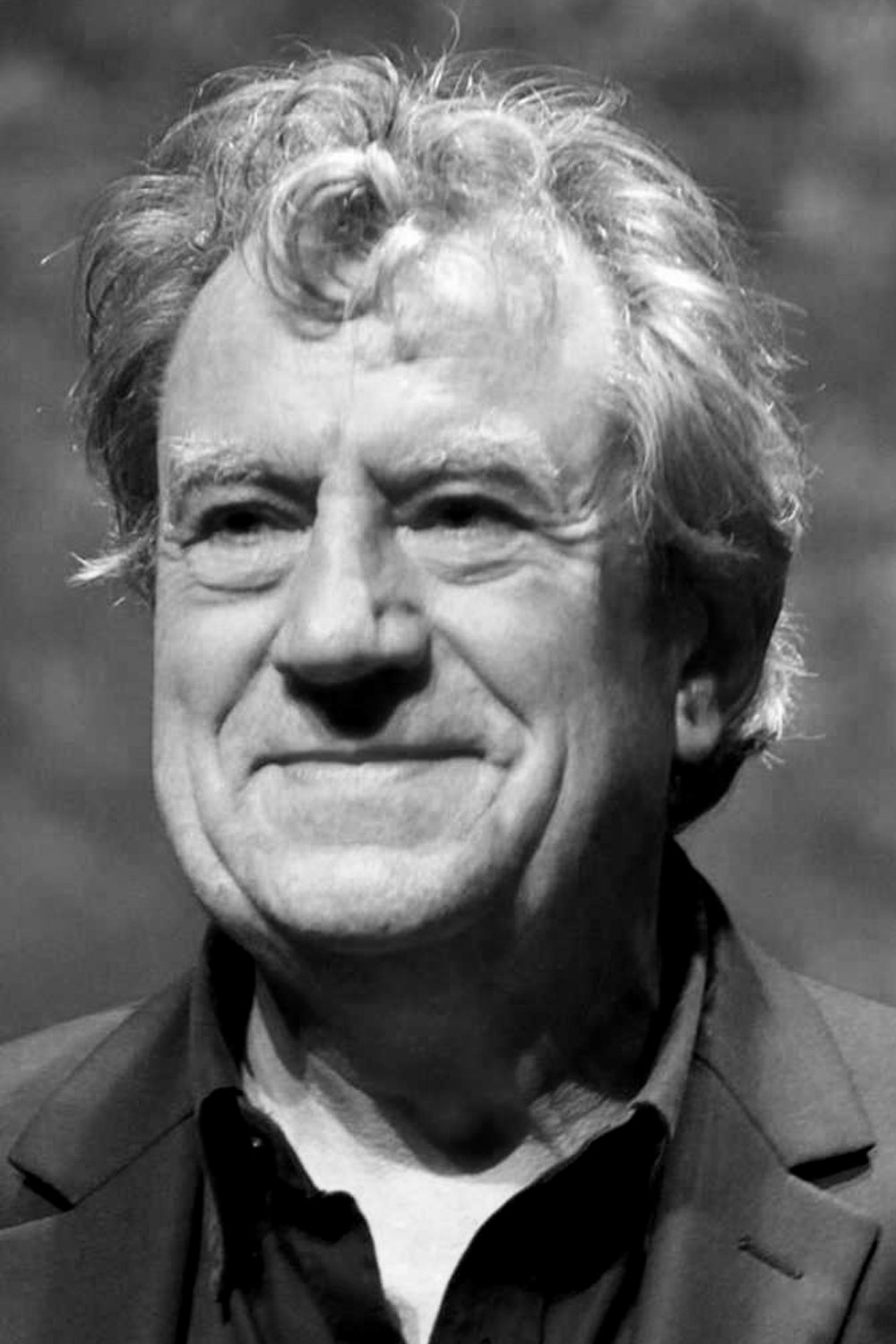
Terry Jones was another vital member of the ‘Monty Python and the Holy Grail’ (1975) cast who played multiple roles. He portrayed Sir Bedevere the Wise, as well as several smaller parts like the Prince Herbert’s mother and a peasant. Jones often specialized in playing screeching maternal figures or eccentric intellectuals. In addition to his acting, he co-directed the film, managing the complex logistics of the ensemble cast. His contributions were essential to the film’s visual and comedic identity.
Eric Idle
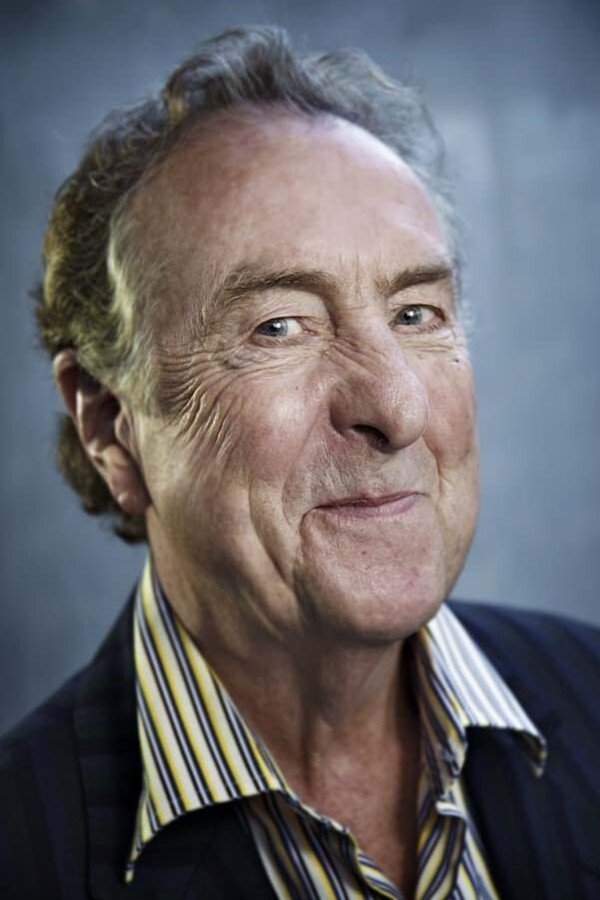
Eric Idle played several iconic roles in ‘Monty Python and the Holy Grail’ (1975), including Sir Robin the Not-Quite-So-Brave-as-Sir-Lancelot. He also appeared as Concorde, Lancelot’s squire, and the collector of the dead during the “Bring Out Your Dead” sequence. Idle often brought a musical or fast-talking energy to his various characters. Like his fellow Python members, he transitioned seamlessly between these roles, often changing costumes in the middle of a shooting day. His performances helped create the film’s sense of relentless, manic energy.
Terry Gilliam
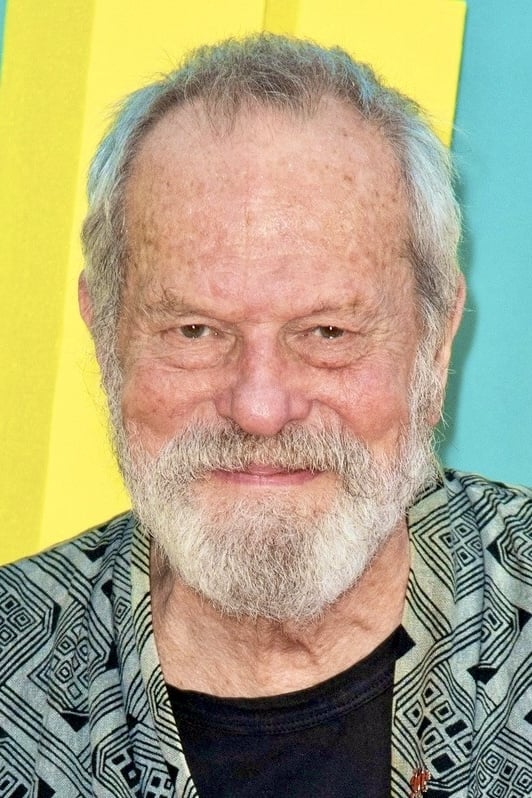
Terry Gilliam, primarily known as the animator for Monty Python, also appeared in several roles in ‘Monty Python and the Holy Grail’ (1975). He played Patsy, King Arthur’s faithful servant who famously claps coconut shells together to simulate horse hooves. Additionally, he appeared as the Bridgekeeper and the animator who dies of a heart attack mid-scene. Gilliam’s characters were often the most physically ragged or bizarre in the film. His involvement on screen complemented his work in creating the movie’s unique visual style.
Sacha Baron Cohen
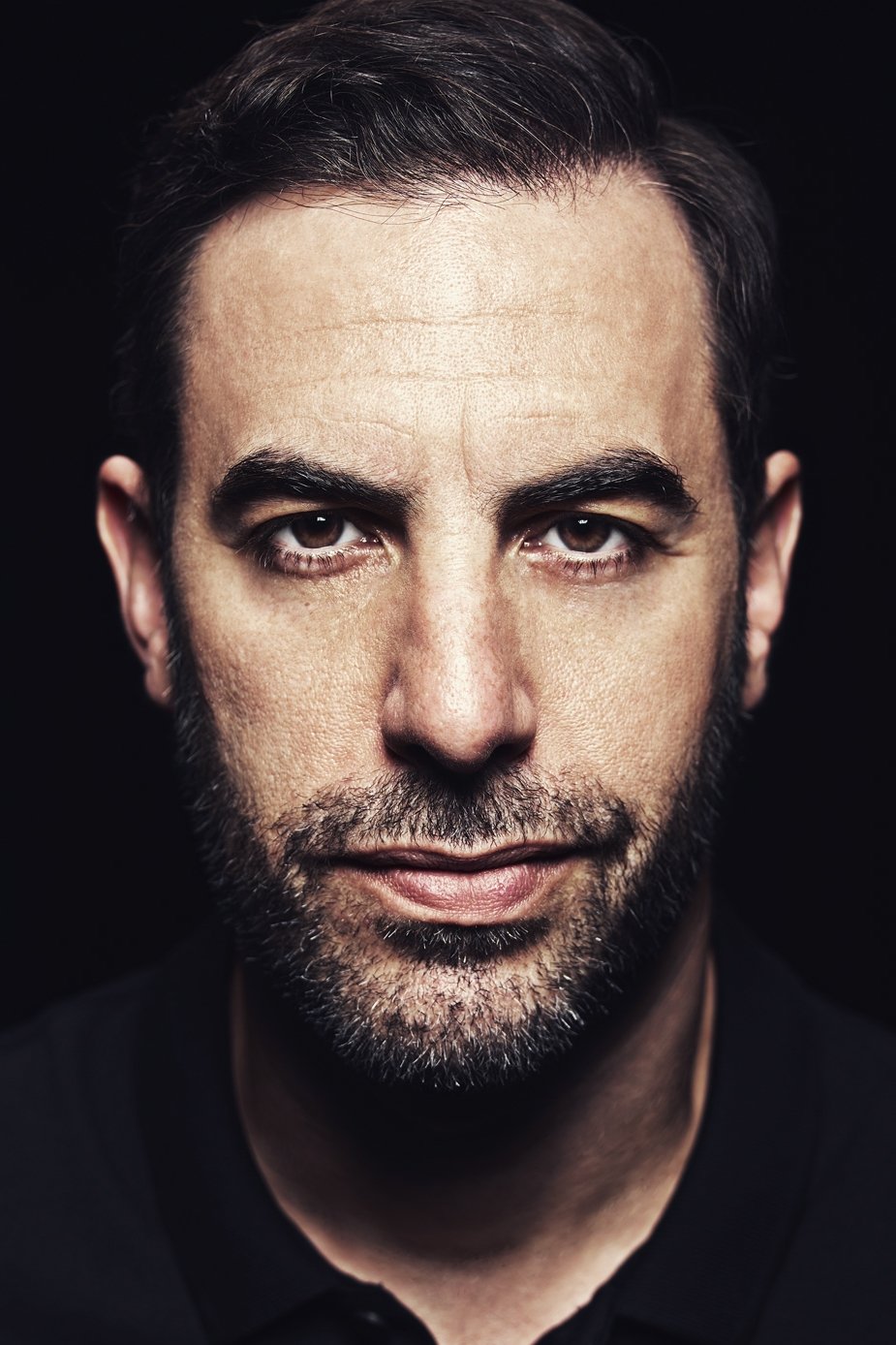
Sacha Baron Cohen played two main characters in the political comedy ‘The Dictator’ (2012). He portrayed Admiral General Aladeen, the eccentric ruler of a fictional North African nation, and Efawadh, a simple-minded goat herder who acts as his body double. The plot hinges on the switch between the two men when Aladeen is stranded in New York City. Cohen used his background in character immersion to create two distinct personas with different worldviews. The film utilized his talent for provocative, satirical humor.
Adam Sandler
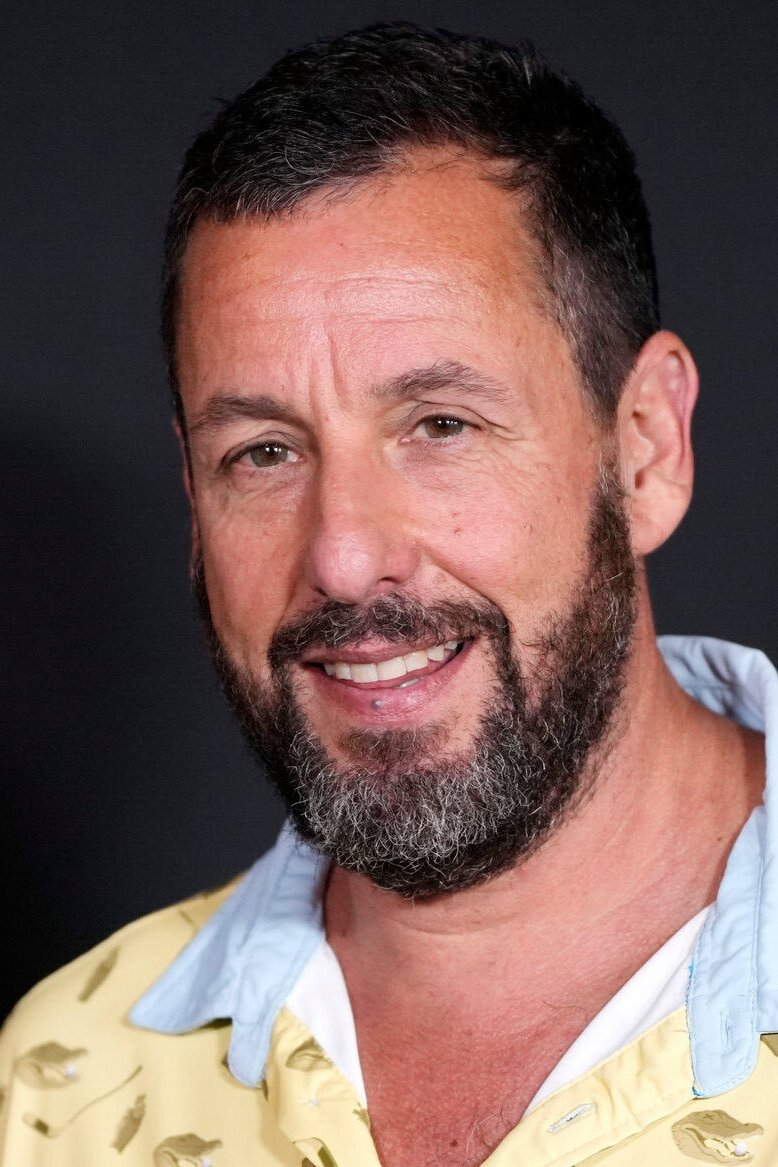
In the comedy ‘Jack and Jill’ (2011), Adam Sandler played the dual roles of Jack Sadelstein and his twin sister, Jill. The film focuses on the friction between the successful Jack and the overbearing, socially awkward Jill during a holiday visit. Sandler used prosthetics and a higher-pitched voice to portray Jill, aiming for a broad, slapstick comedic style. The production required significant use of green screens and doubles to allow the two characters to interact physically. While the film was polarizing, it represented a significant physical undertaking for Sandler.
Christian Bale
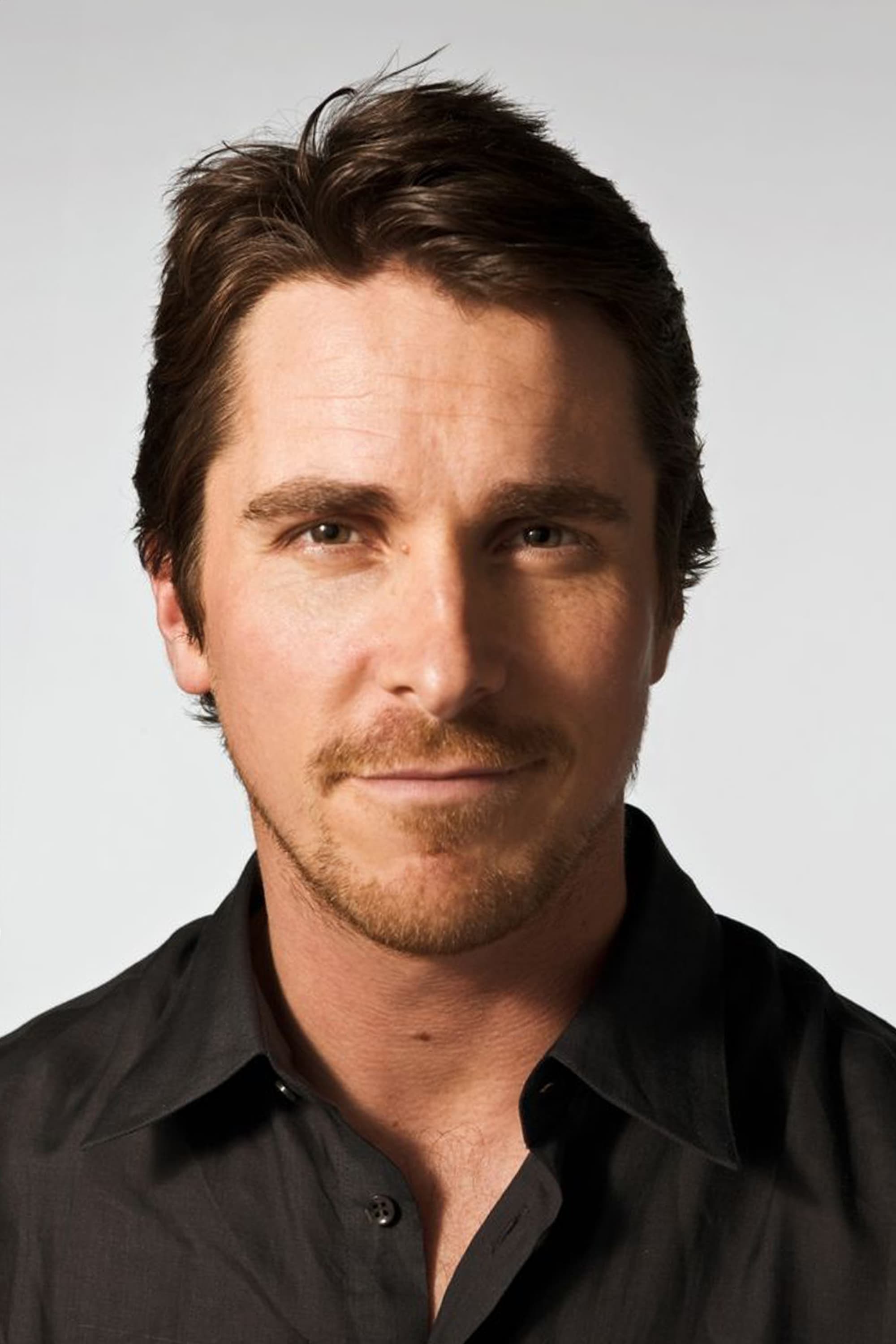
Christian Bale performed a subtle but vital dual role in the magician thriller ‘The Prestige’ (2006). He played Alfred Borden, a dedicated illusionist who hides a massive secret involving a second identity known as Fallon. The two characters are actually identical twins who live a shared life to maintain the ultimate magic trick. Bale’s performance required him to play two men pretending to be one man, each with slight differences in temperament. This narrative twist is only fully revealed at the end of the film.
Hugh Jackman
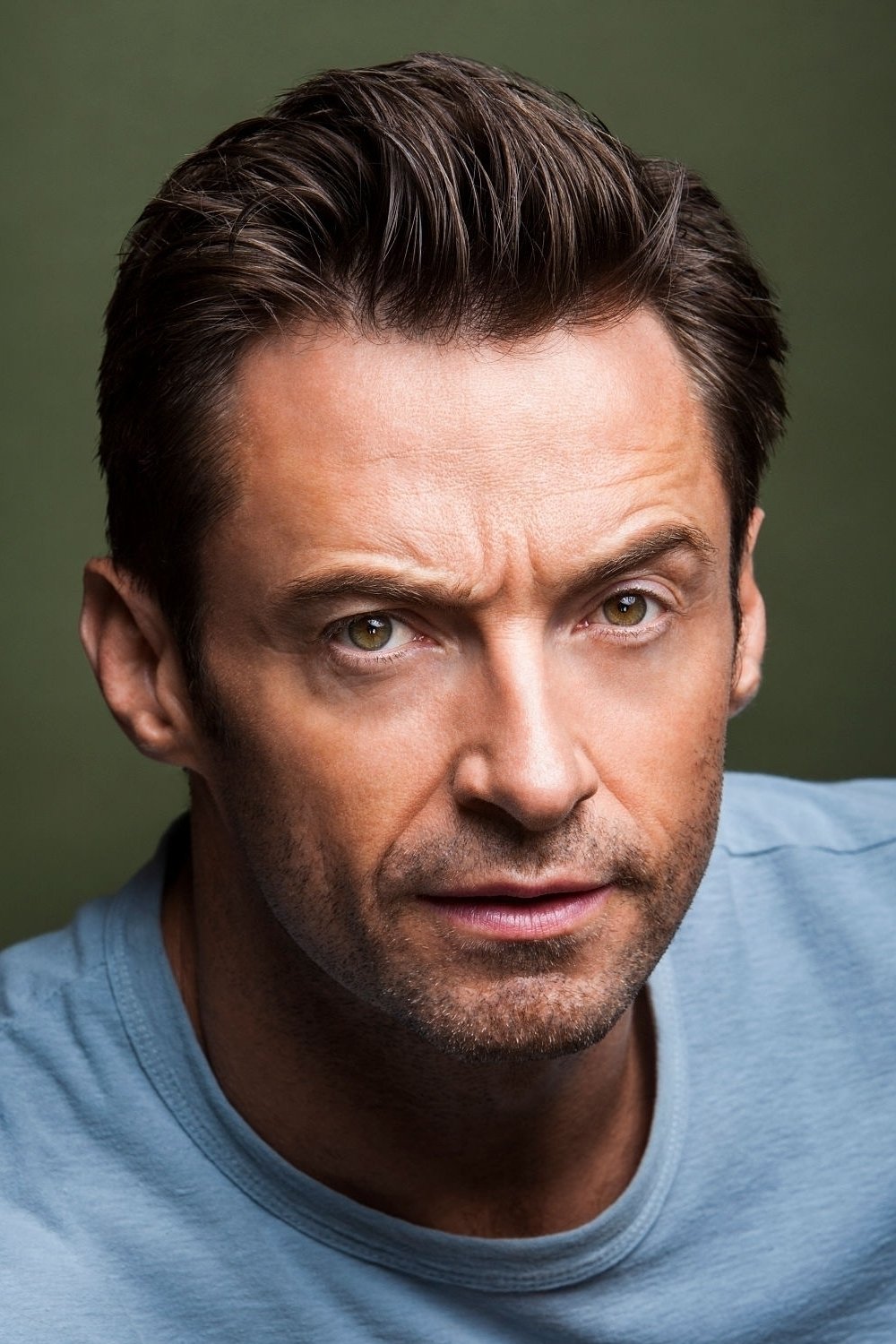
To mirror Christian Bale’s performance, Hugh Jackman also played multiple roles in ‘The Prestige’ (2006). He portrayed the ambitious magician Robert Angier and later his drunken, lookalike double, Gerald Root. Angier hires Root to perform a trick that requires a physical double, leading to a complex dynamic of resentment and manipulation. Jackman’s portrayal of Root was vastly different from the polished Angier, involving a slovenly appearance and slurred speech. This doubling added to the film’s themes of obsession and sacrifice.
Jake Gyllenhaal

Jake Gyllenhaal took on the roles of two identical-looking men in the psychological thriller ‘Enemy’ (2013). He played Adam Bell, a somber history professor, and Anthony Claire, a confident but impulsive actor. After Adam discovers his doppelganger in a movie, the two men become obsessed with each other’s lives. Gyllenhaal utilized subtle shifts in body language and confidence to distinguish the two characters. The film uses these dual performances to explore identity and the subconscious.
Dominic Cooper
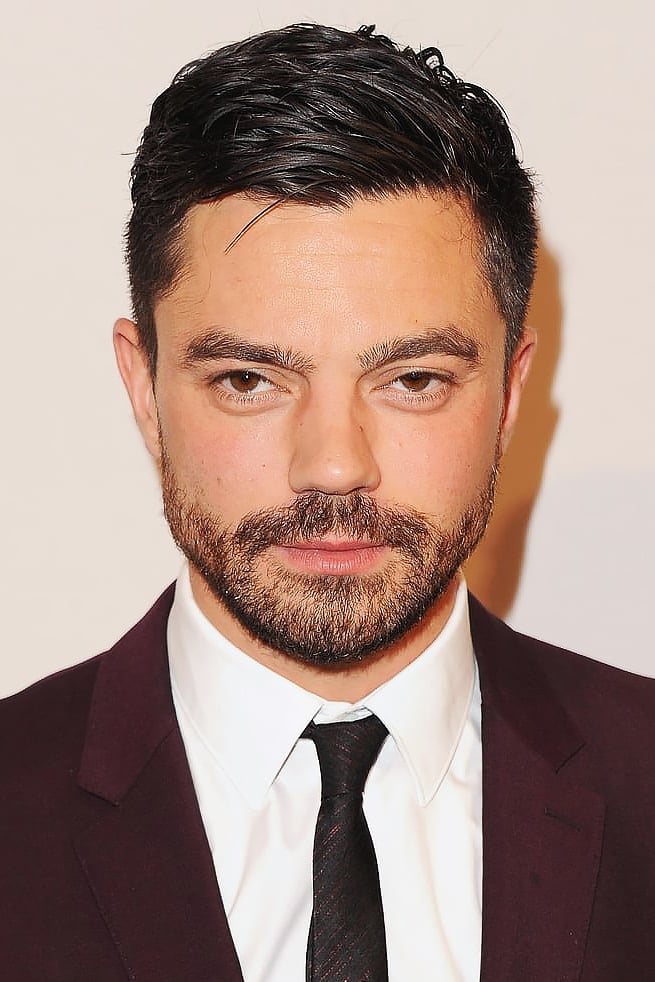
Dominic Cooper starred in ‘The Devil’s Double’ (2011), playing both Uday Hussein and Latif Yahia. The film is based on the true story of Yahia, an Iraqi soldier forced to become the political body double for the volatile son of Saddam Hussein. Cooper had to balance playing a terrifying, sadistic villain and a moral man trapped in a nightmare. He differentiated the two through distinct facial expressions and vocal patterns. His performance was praised for its intensity and technical execution.
Frank Morgan
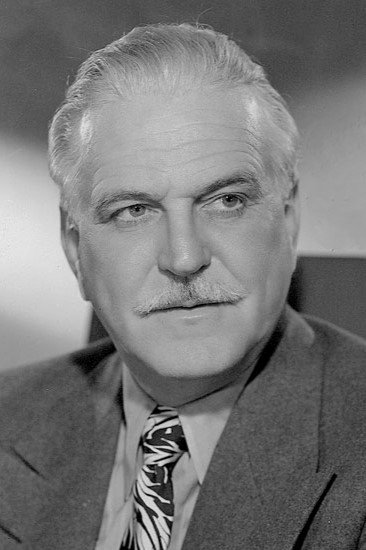
Frank Morgan famously played five different roles in the classic musical ‘The Wizard of Oz’ (1939). Most notably, he played the Wizard of Oz and his Kansas counterpart, Professor Marvel. He also appeared as the Emerald City gatekeeper, the carriage driver, and the palace guard. Each role in the Land of Oz reflected a part of the character he played in the black-and-white Kansas sequences. This casting choice helped reinforce the idea that the film’s magical world was a manifestation of Dorothy’s imagination.
Ben Stiller
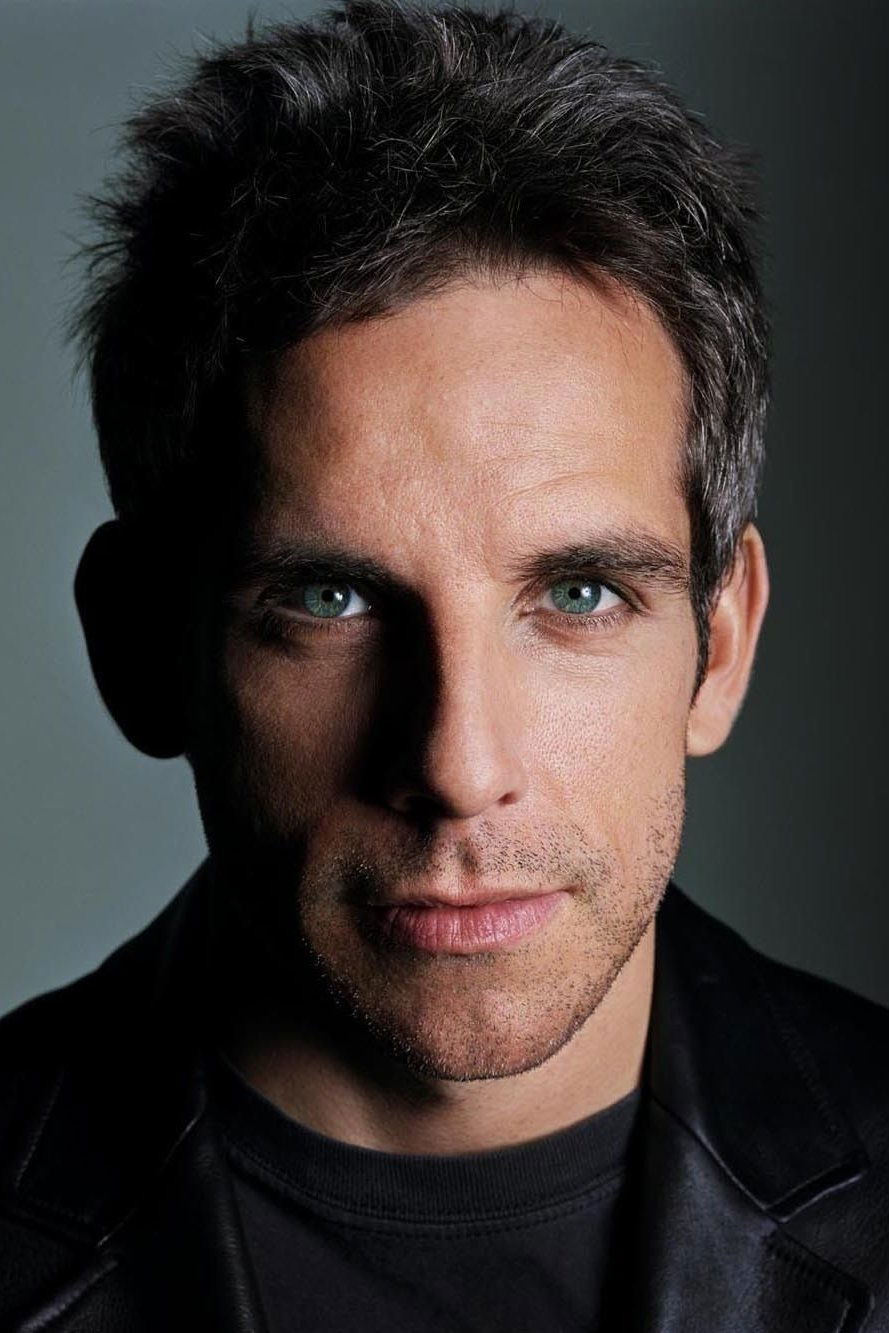
Ben Stiller played both the hero Larry Daley and a Neanderthal named Laaa in ‘Night at the Museum: Battle of the Smithsonian’ (2009). The character of Laaa was designed to look exactly like Larry, leading to several comedic misunderstandings between the exhibits. Stiller utilized grunts and primitive physical movements to bring the caveman to life. The scenes involving the two characters interacting required seamless digital effects and stunt doubling. This dual role added a new comedic layer to the successful family franchise.
Sam Rockwell
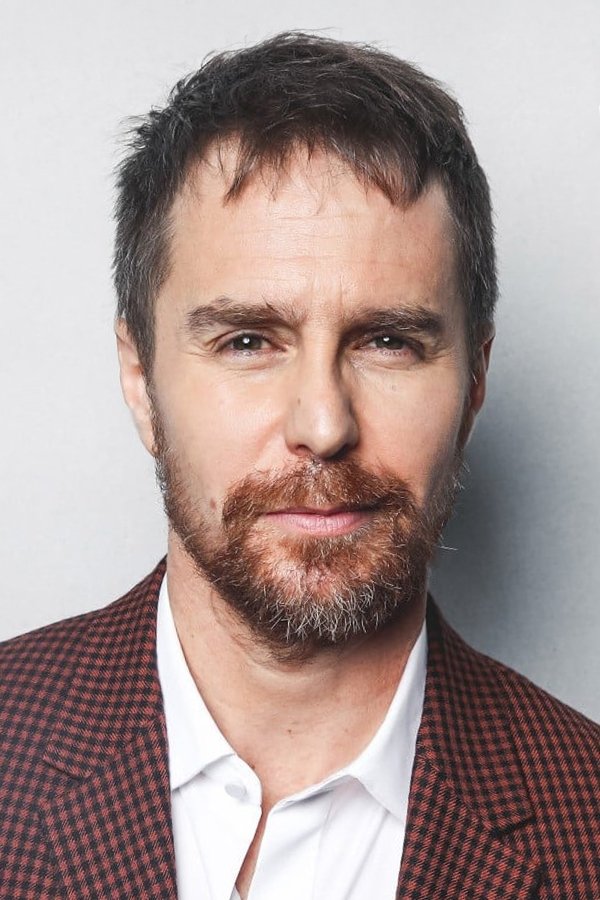
Sam Rockwell delivered a critically acclaimed performance in the sci-fi drama ‘Moon’ (2009). He played Sam Bell, an astronaut nearing the end of a three-year stint on a lunar base, and later a younger clone of the same man. The film focuses on the psychological impact of the two Sams discovering each other’s existence. Rockwell had to act against himself for much of the movie, creating distinct emotional states for each version of Sam. His work in the film is considered a modern landmark in solo and dual-role acting.
James Remar
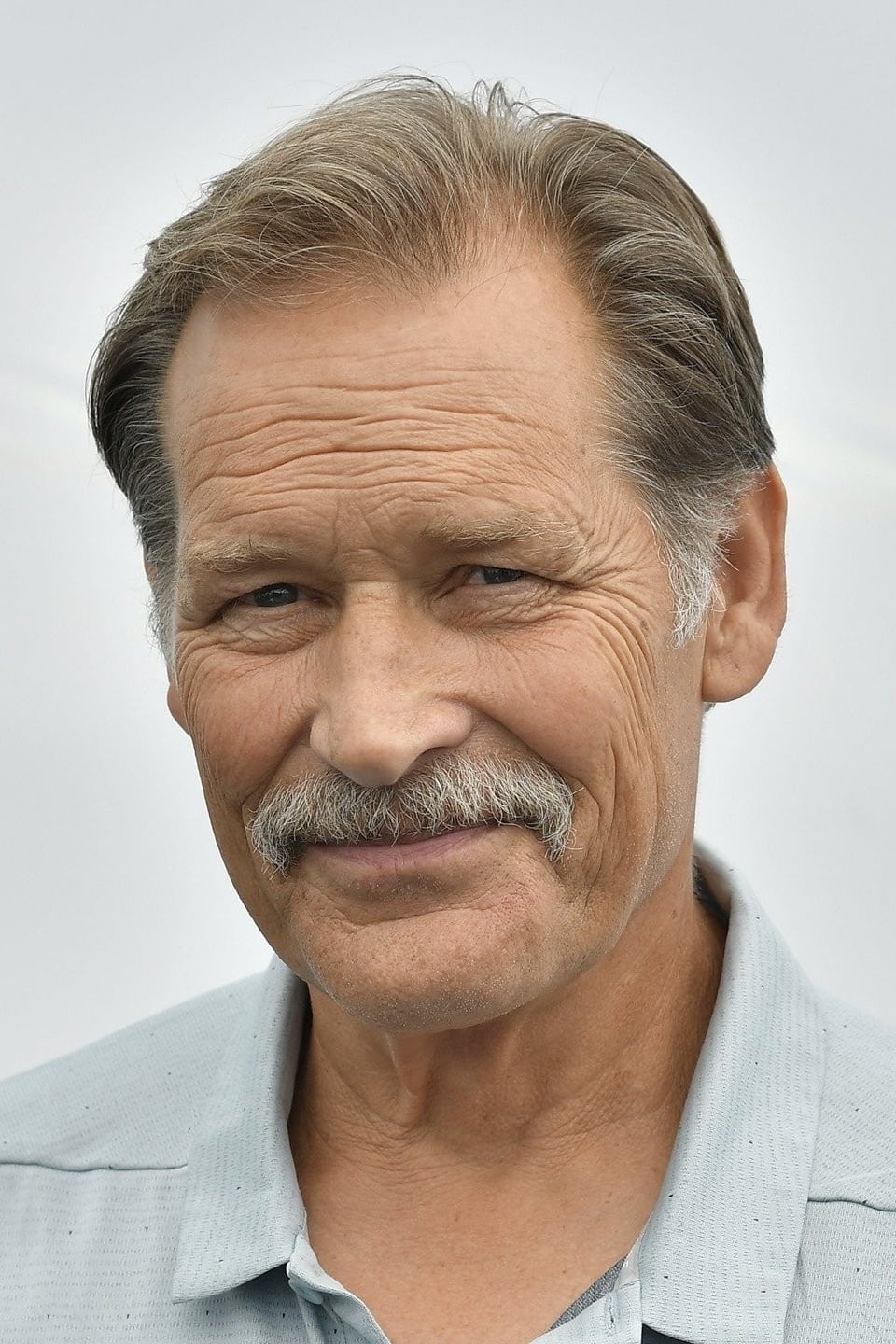
In the Western ‘Django Unchained’ (2012), James Remar played two distinct supporting roles for director Quentin Tarantino. He first appeared as Ace Speck, one of the slave traders encountered by Dr. King Schultz early in the film. Later, he returned as Butch Pooch, the loyal bodyguard of the primary antagonist, Calvin Candie. Remar changed his facial hair and demeanor to help distinguish the two characters for the audience. This type of double casting is a rare but intentional choice in modern big-budget filmmaking.
Mel Brooks
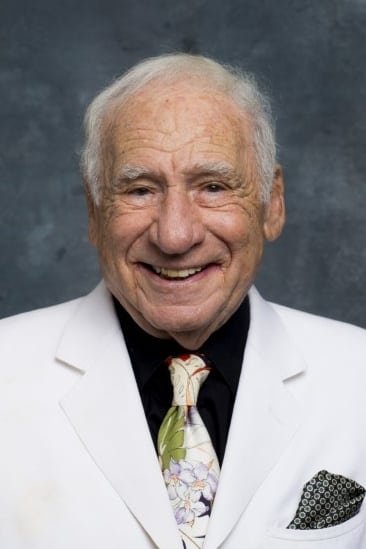
Mel Brooks played two major roles in his sci-fi parody ‘Spaceballs’ (1987). He appeared as the incompetent President Skroob and the wise, magical Yogurt, a parody of Yoda. Brooks used a frantic, bumbling energy for Skroob while adopting a more serene, Yiddish-inflected persona for Yogurt. The dual roles allowed him to lampoon different tropes of the ‘Star Wars’ franchise. As the writer and director, Brooks used these characters to drive much of the film’s satirical humor.
Tony Randall
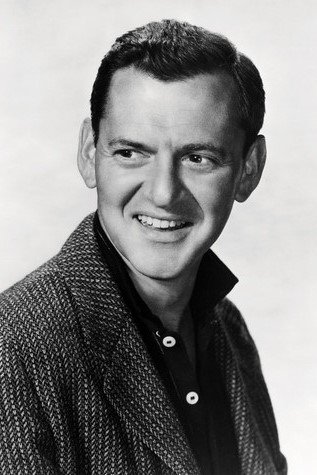
Tony Randall took on a staggering seven roles in the fantasy film ‘7 Faces of Dr. Lao’ (1964). He played the mysterious Dr. Lao, as well as several mythological figures in the doctor’s traveling circus, including Merlin, Pan, and the Medusa. Each character required extensive and unique prosthetic makeup designed by William Tuttle. Randall changed his voice and physicality for every role, making it difficult for contemporary audiences to realize they were all the same actor. This performance remains a classic example of transformative character work.
Benedict Cumberbatch
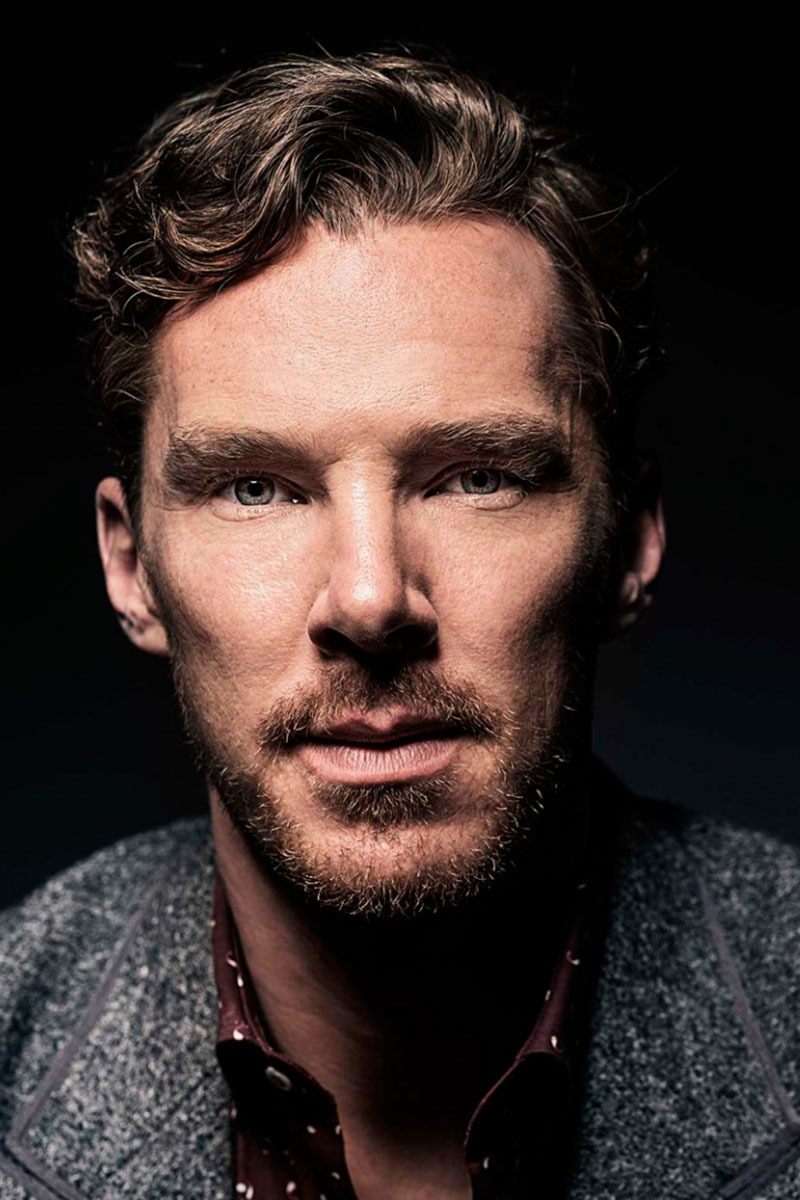
In the Marvel Studios film ‘Doctor Strange’ (2016), Benedict Cumberbatch played the titular hero, Stephen Strange. However, he also provided the facial motion capture and voice for the cosmic villain Dormammu. Cumberbatch suggested this casting to the director, feeling that the villain should be a distorted reflection of Strange himself. The performance involved a deep, booming vocal effect and digital manipulation of his facial expressions. This secret dual role added a thematic layer to the film’s climactic confrontation.
Jerry Lewis
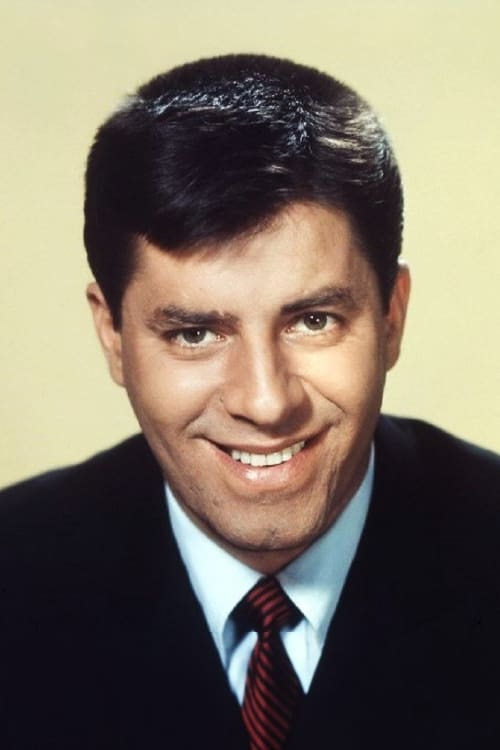
Jerry Lewis delivered one of his most famous performances in ‘The Nutty Professor’ (1963). He played the socially awkward, high-pitched Professor Julius Kelp and his suave, arrogant alter ego, Buddy Love. The transformation was achieved through a chemical potion, serving as a comedic take on the Jekyll and Hyde story. Lewis used his mastery of physical comedy to create two characters that felt completely distinct in their movement and presence. This film remains a definitive example of an actor using a dual role to explore different facets of personality.
Share your favorite examples of actors playing multiple roles in the comments.