Actors Who Blacklisted Themselves From Hollywood

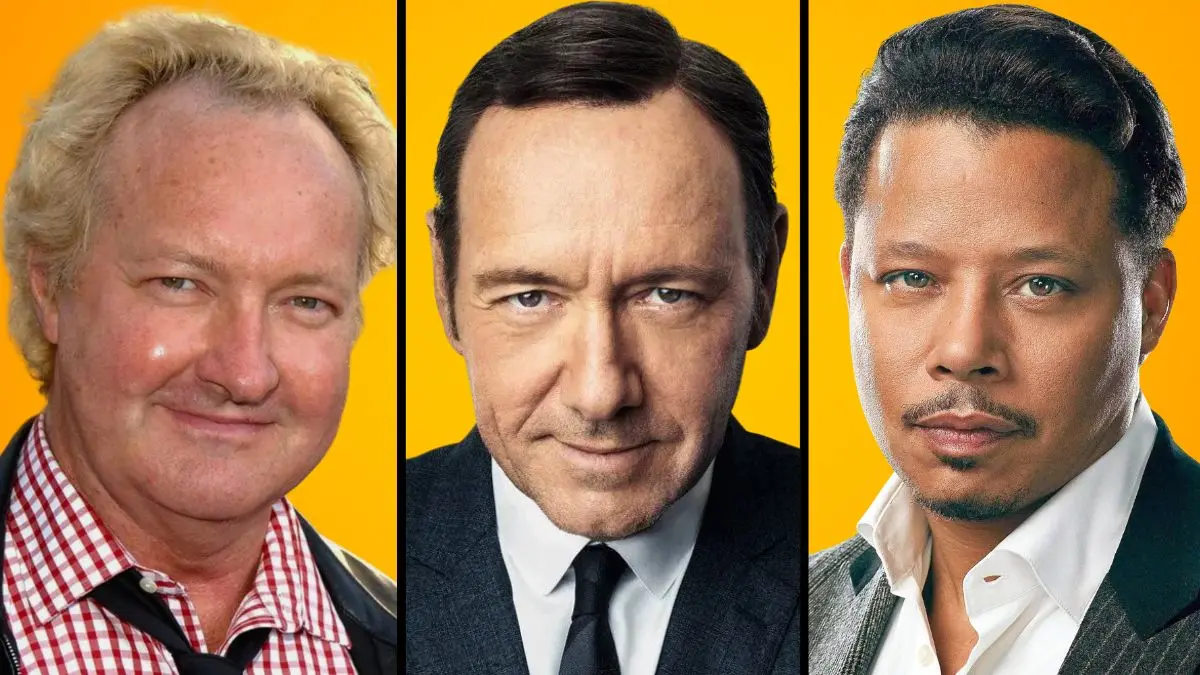

Hollywood is a competitive industry where reputation and professional conduct often dictate the longevity of a career. While many stars maintain their status through decades of work others find themselves sidelined due to their own controversial choices or public behavior. This phenomenon occurs when an actor makes decisions that alienate major studios and production companies. The following individuals represent high profile figures who have faced significant industry fallout as a result of their personal actions. Their stories illustrate the complex relationship between personal expression and the professional requirements of the entertainment world.
Charlie Sheen
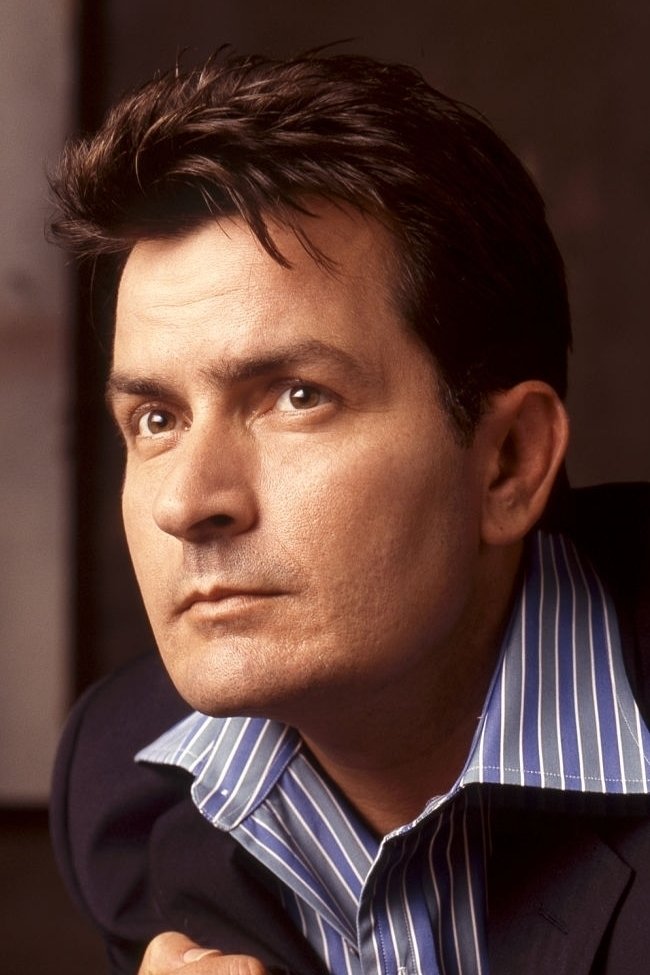
Charlie Sheen saw his career drastically change after his dismissal from the hit show ‘Two and a Half Men’ in 2011. His public disputes with the show creator and a series of erratic media appearances led to a decline in his industry standing. Many studios became hesitant to cast him in major productions due to concerns about his reliability on set. Although he later starred in the series ‘Anger Management’ his presence in mainstream Hollywood has significantly diminished. He remains a primary example of how personal conduct can result in a loss of professional status.
Mel Gibson
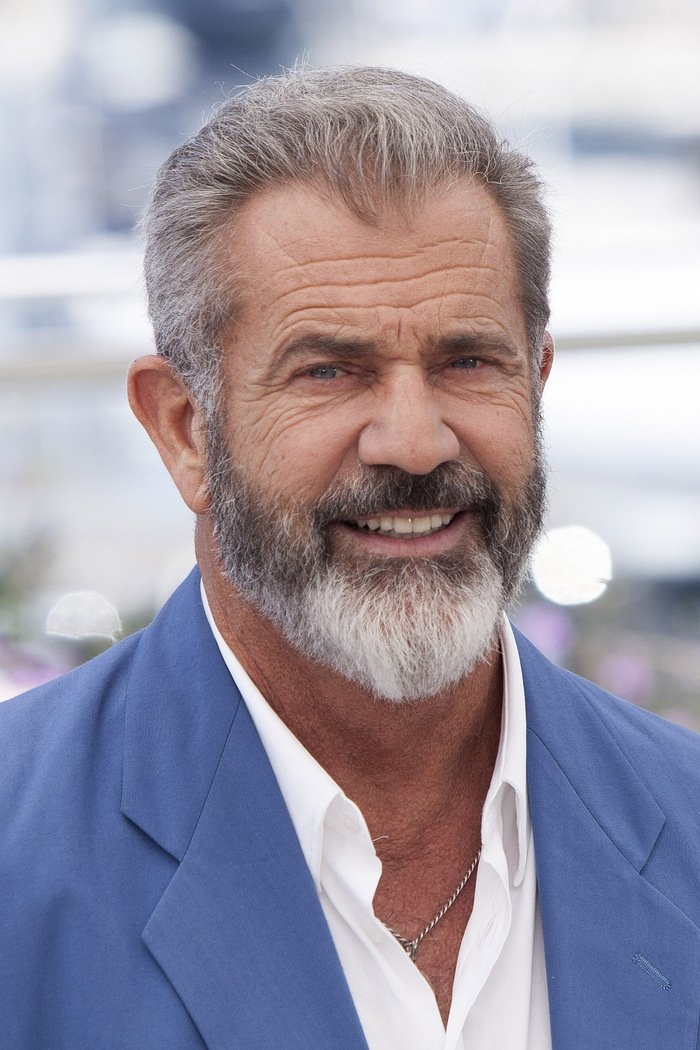
Mel Gibson experienced a significant period of exclusion from major Hollywood projects following a series of highly publicized outbursts and controversial remarks. These incidents led many production houses and talent agencies to distance themselves from the veteran actor and director. While he had previously headlined massive blockbusters like ‘Braveheart’ his opportunities for leading roles became severely limited for over a decade. He eventually found success again as a director with the film ‘Hacksaw Ridge’ but his standing as a leading man remains altered. The industry response to his behavior highlighted the impact of personal reputation on commercial viability.
Kevin Spacey
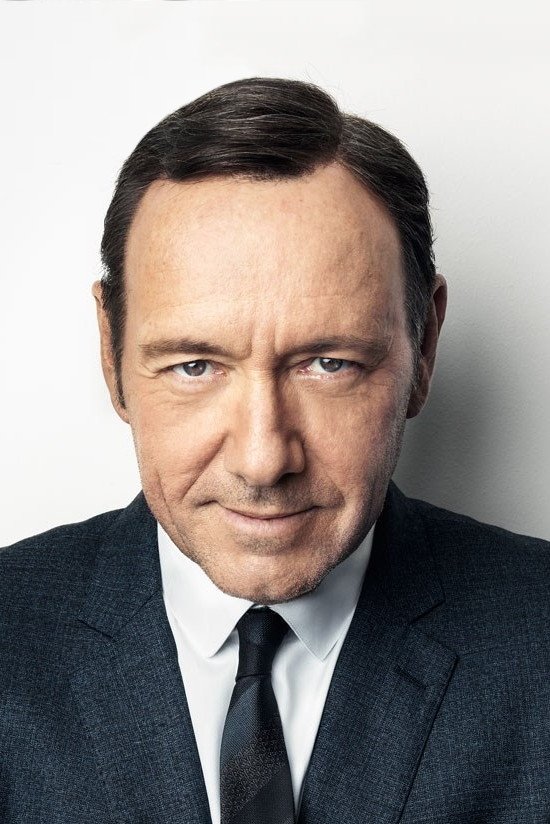
Kevin Spacey was once considered one of the most respected actors in the industry until multiple allegations of misconduct surfaced. This led to his immediate removal from the final season of the series ‘House of Cards’ and his replacement in the film ‘All the Money in the World’ just before its release. Major studios and streaming platforms effectively halted all professional collaborations with him as the legal and public repercussions intensified. Despite his previous accolades and star power he has been largely absent from mainstream productions since the controversies began. His career serves as a prominent case of an actor losing high level industry support overnight.
Jim Caviezel
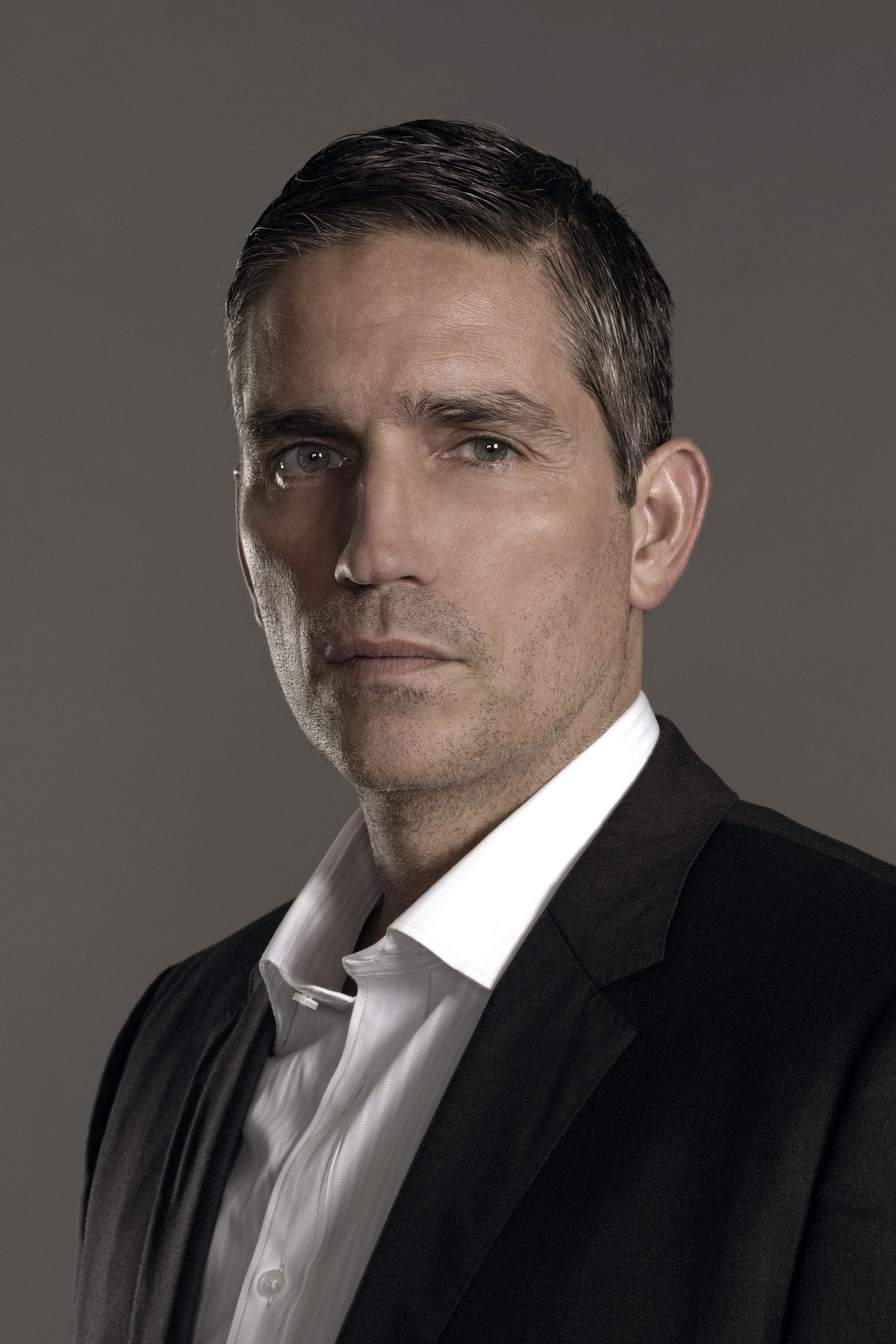
Jim Caviezel experienced a shift in his career trajectory after starring in the controversial film ‘The Passion of the Christ’ in 2004. He has frequently stated in interviews that his participation in the movie and his outspoken religious and political views led to him being shunned by major studios. While he found success on the television series ‘Person of Interest’ his appearances in major big budget studio films became increasingly rare. He has recently pivoted toward projects with specific political or religious themes like the film ‘Sound of Freedom’ which found success outside the traditional studio system. His path illustrates how ideological stances can impact an actor’s access to mainstream roles.
Armie Hammer
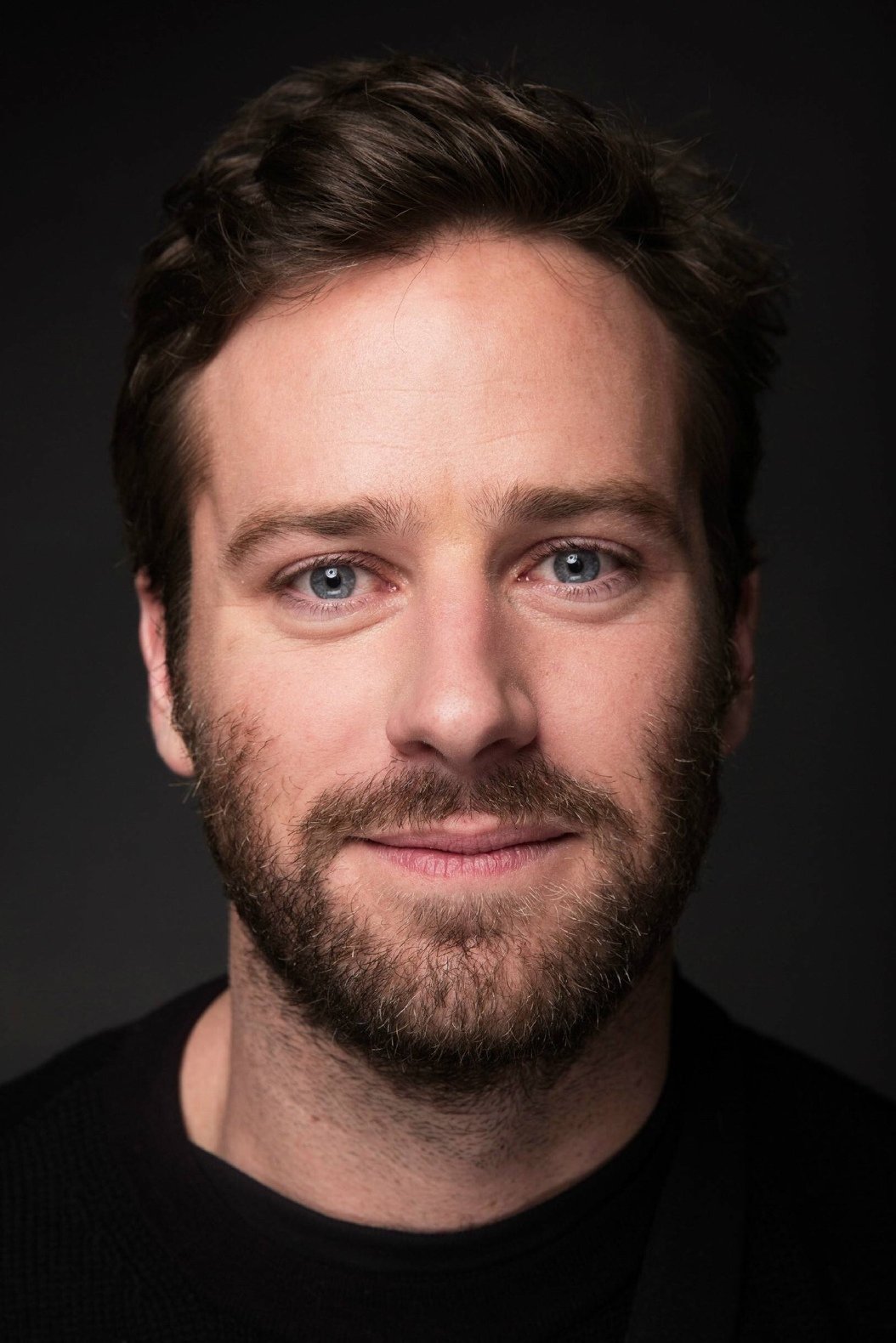
Armie Hammer was on a path to major stardom with roles in films like ‘The Social Network’ and ‘Call Me by Your Name’ before facing serious personal allegations. The subsequent public controversy led to his departure from several high profile projects including the movie ‘Shotgun Wedding’ and the series ‘The Offer’ about the making of ‘The Godfather’. Talent agencies and public relations firms eventually severed ties with him as the situation evolved. He has since been absent from major film and television productions while the industry maintains a distance from his brand. This sudden decline shows how quickly career momentum can be halted by personal controversy.
Terrence Howard
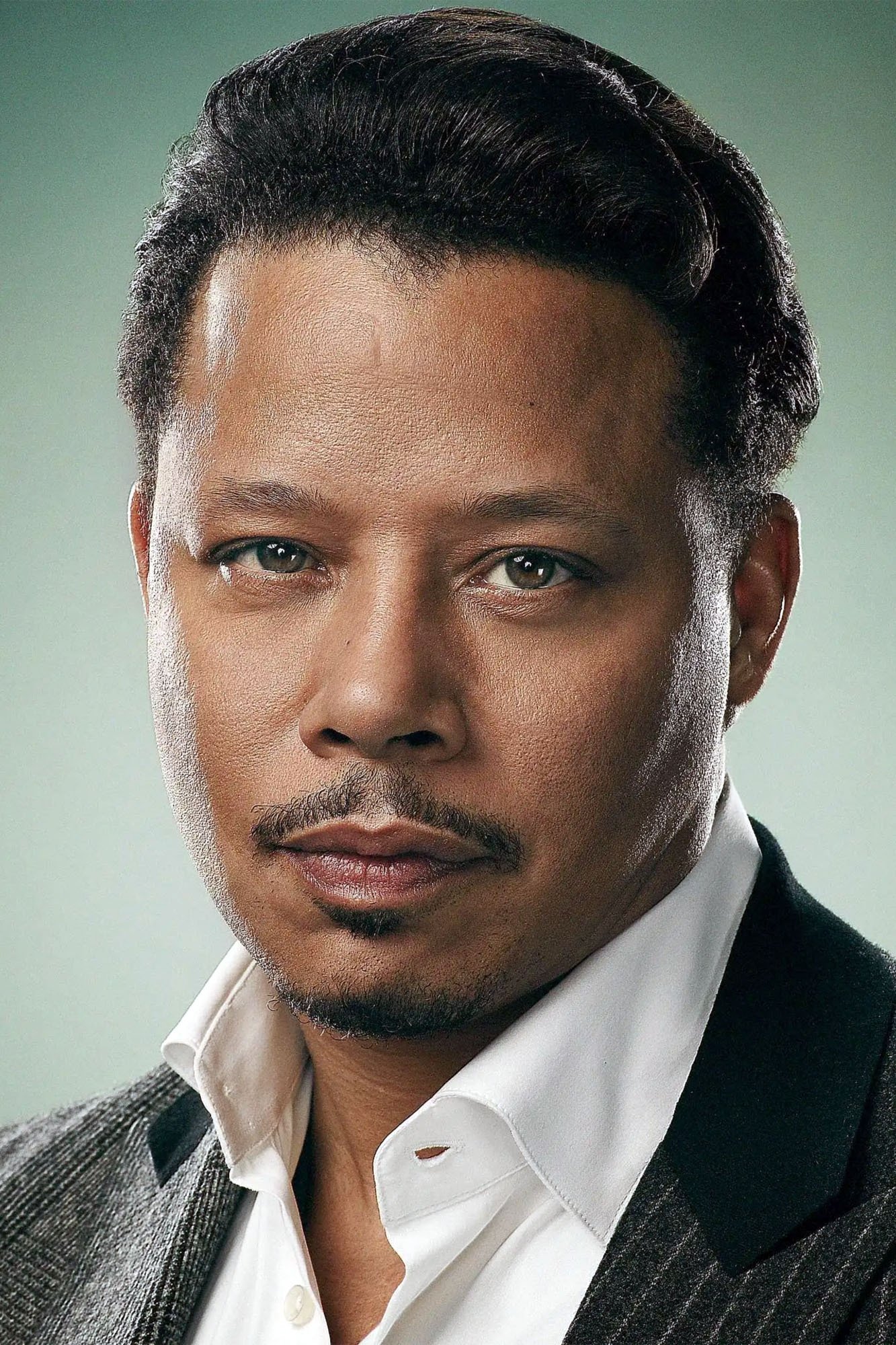
Terrence Howard faced professional challenges after reports of difficult behavior on the set of the film ‘Iron Man’ surfaced. He was eventually replaced by Don Cheadle for the sequels which led to public disputes regarding his salary and treatment by the studio. Although he later found major success on the television series ‘Empire’ his reputation for being challenging to work with followed him throughout the industry. He has made various public comments about his frustrations with the Hollywood system and has expressed a desire to retire from acting. His experiences reflect the tension that can arise between talent and the corporate structures of major film franchises.
Kirk Cameron
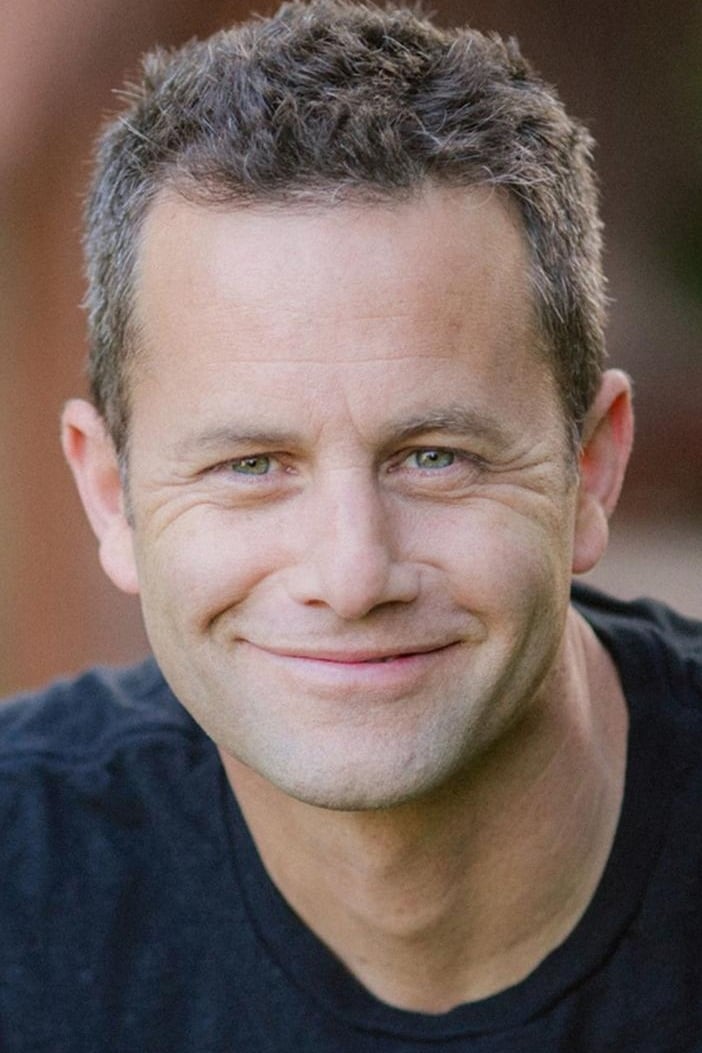
Kirk Cameron was a massive teen star on the sitcom ‘Growing Pains’ before his religious conversion changed his professional requirements. He began requesting script changes and refused to participate in certain scenes that conflicted with his new beliefs which created tension with the show writers and producers. After the series ended he largely moved away from mainstream Hollywood to focus on faith based media and independent projects. While he remains active in the evangelical community his presence in traditional studio films has been non existent for decades. His career choice demonstrates how personal convictions can redirect a professional path away from mainstream commercial success.
Randy Quaid
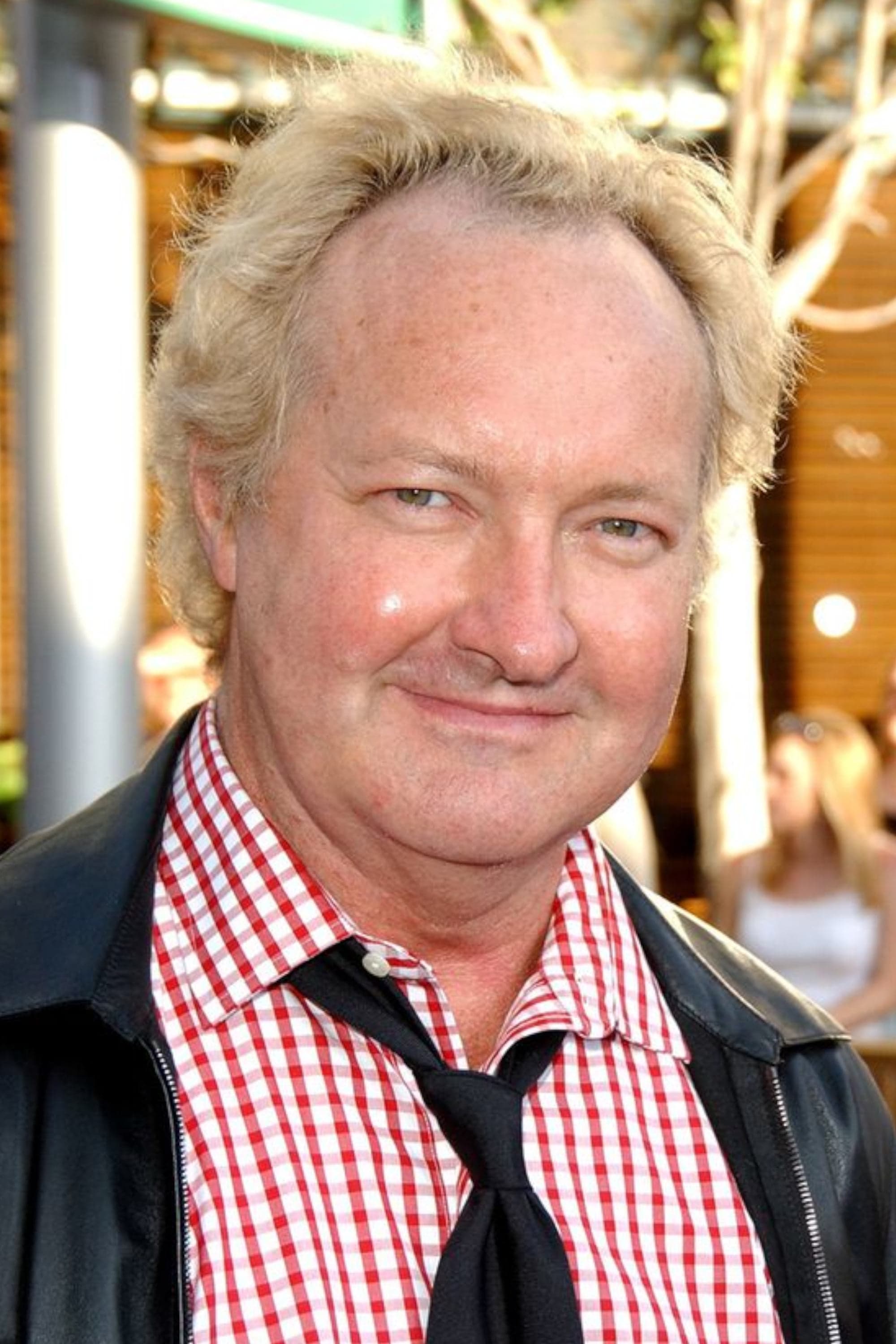
Randy Quaid was a prolific character actor known for roles in ‘Independence Day’ and the ‘National Lampoon’s Vacation’ series before his personal life became a subject of public concern. He and his wife faced numerous legal issues and made claims about a shadowy group targeting Hollywood stars which led to a significant loss of industry trust. These events effectively ended his career in mainstream film and television as he moved away from traditional acting work. He has not appeared in a major studio production in many years while his public persona has become increasingly detached from his previous professional identity. His situation highlights how legal and personal instability can terminate a long standing career.
Isaiah Washington
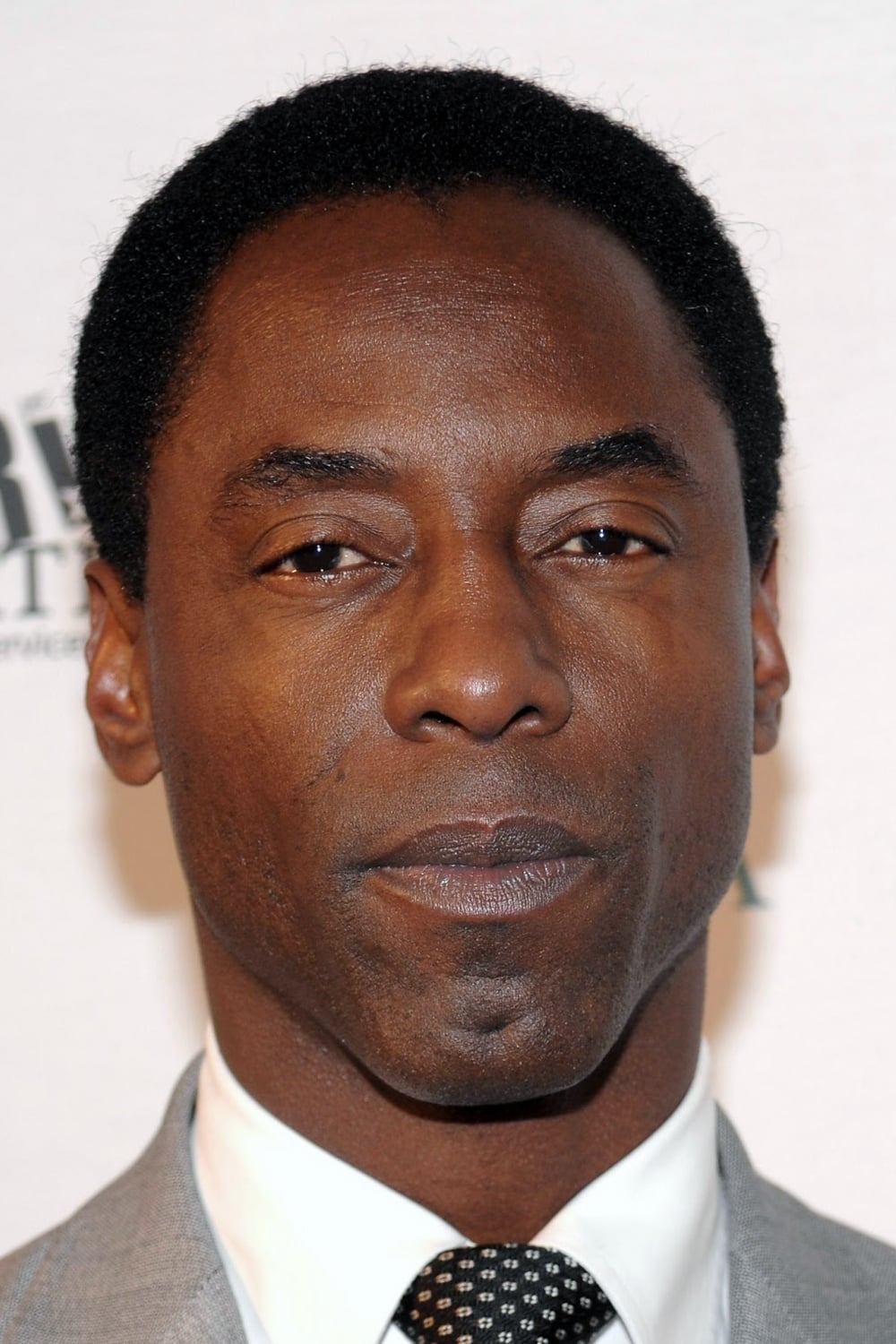
Isaiah Washington was a central cast member on the hit drama ‘Grey’s Anatomy’ before a backstage incident led to his termination. The controversy involved the use of a homophobic slur directed at a co star which resulted in immediate professional repercussions. Although he attempted to return to the industry with various independent projects he never regained the level of prominence he held on network television. He has been vocal about his experiences and the perceived lack of support he received from the industry following the incident. His removal from a top rated show remains a notable example of the consequences for workplace misconduct in Hollywood.
Steven Seagal
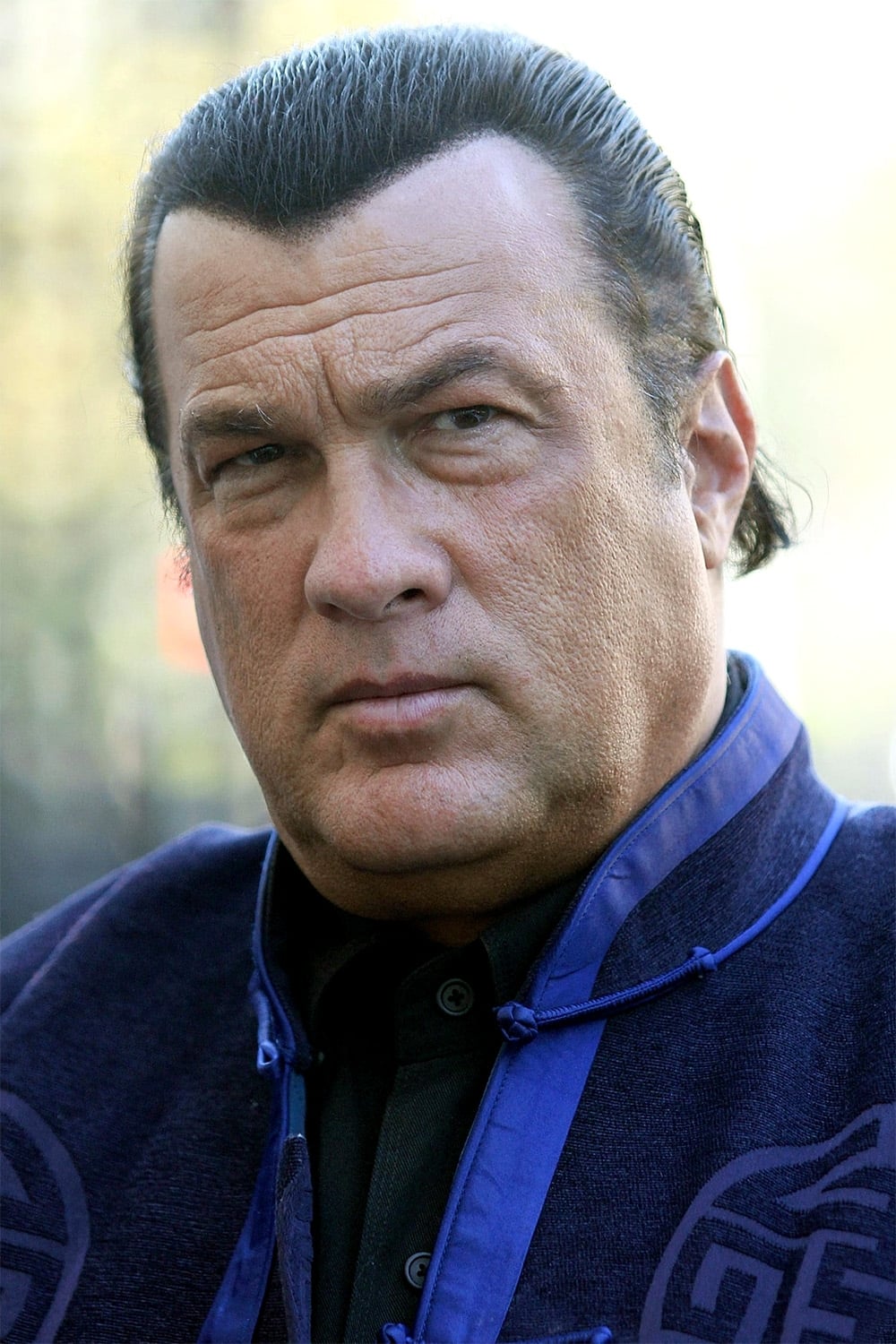
Steven Seagal was a major action star in the 1990s with hits like ‘Under Siege’ but his professional reputation eventually declined due to reports of difficult behavior. Many co stars and crew members shared stories about his onset conduct which made major studios less willing to cast him in leading roles. As his mainstream popularity waned he transitioned into direct to video projects and moved much of his professional life abroad. He has also faced various personal and legal controversies that further distanced him from the Hollywood establishment. His career path shows the transition from a box office draw to an industry outsider.
Val Kilmer
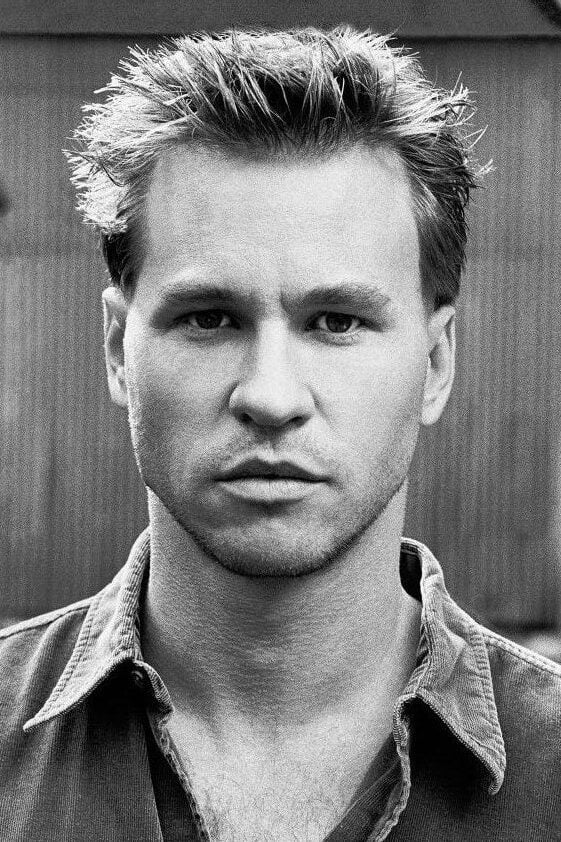
Val Kilmer earned a reputation for being difficult to work with during the peak of his career in the 1990s. Directors of films like ‘The Island of Dr. Moreau’ and ‘Batman Forever’ publicly shared their frustrations regarding his behavior and onset demands. This reputation eventually made major studios hesitant to cast him in high stakes lead roles despite his obvious acting talent. While he continued to work in smaller projects and eventually experienced a career retrospective through the documentary ‘Val’ he spent years outside the circle of top tier leading men. His story illustrates how perceived onset behavior can impact future casting opportunities.
Mickey Rourke
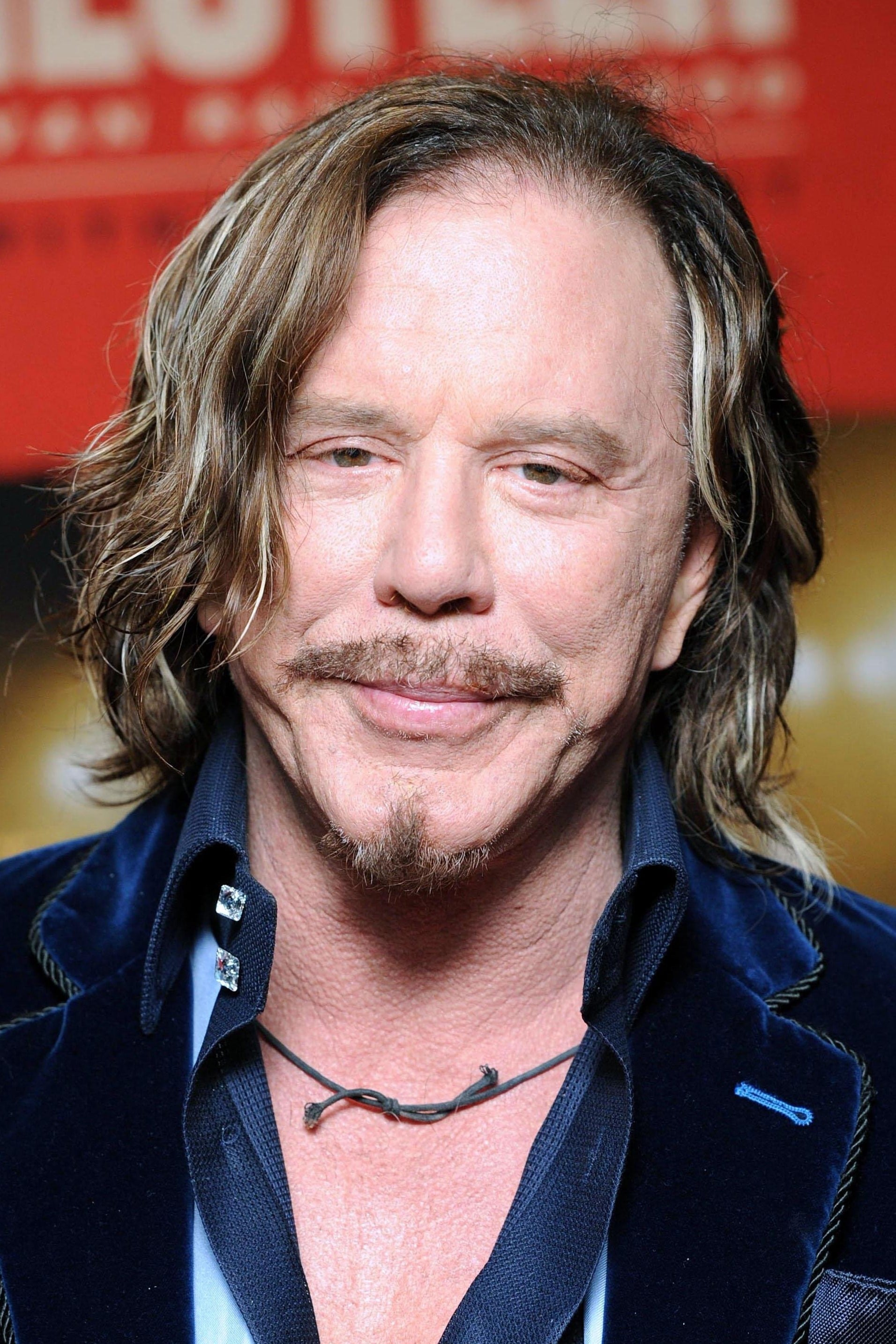
Mickey Rourke was a rising star in the 1980s before his professional life was derailed by a series of personal choices and a move into professional boxing. His reputation for being volatile and unpredictable made him an unpopular choice for major studio directors during that era. He spent many years working in minor roles or overseas before making a significant comeback with the film ‘The Wrestler’ in 2008. Although he earned an Academy Award nomination for that performance he has since returned to mostly independent and smaller scale projects. His career is characterized by cycles of extreme success and self imposed exile.
Corey Feldman
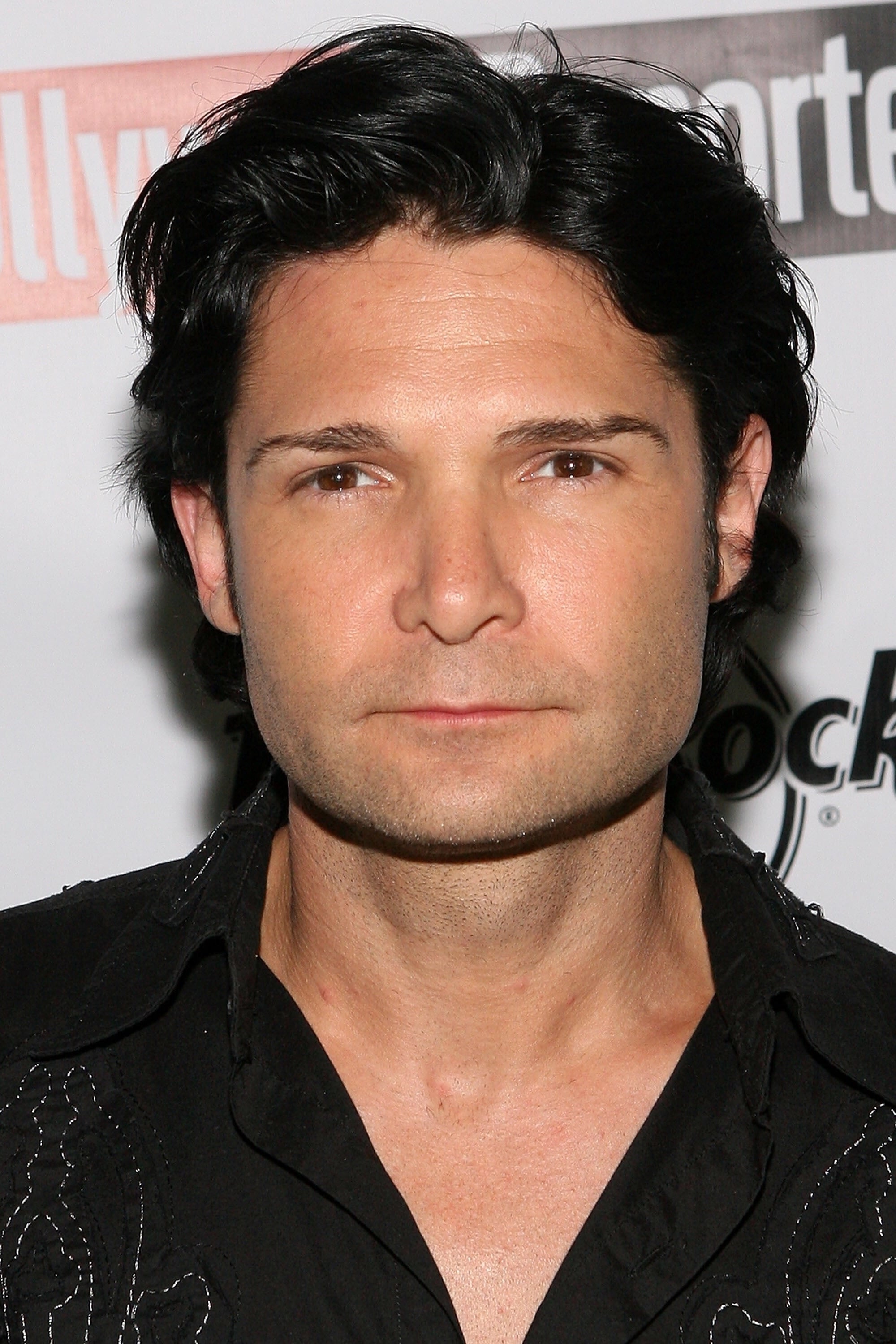
Corey Feldman was one of the most famous child actors of the 1980s starring in classics like ‘The Goonies’ and ‘Stand by Me’. As he reached adulthood he began speaking out about the systemic issues and abuse he witnessed in the industry which many believe led to a silent blacklisting. He has struggled to find consistent work in major studio films for decades and has focused much of his energy on his music and advocacy. While he remains a recognizable figure his professional relationship with the Hollywood mainstream has been strained for a very long time. He represents the challenges faced by former child stars who attempt to challenge the industry status quo.
Shia LaBeouf
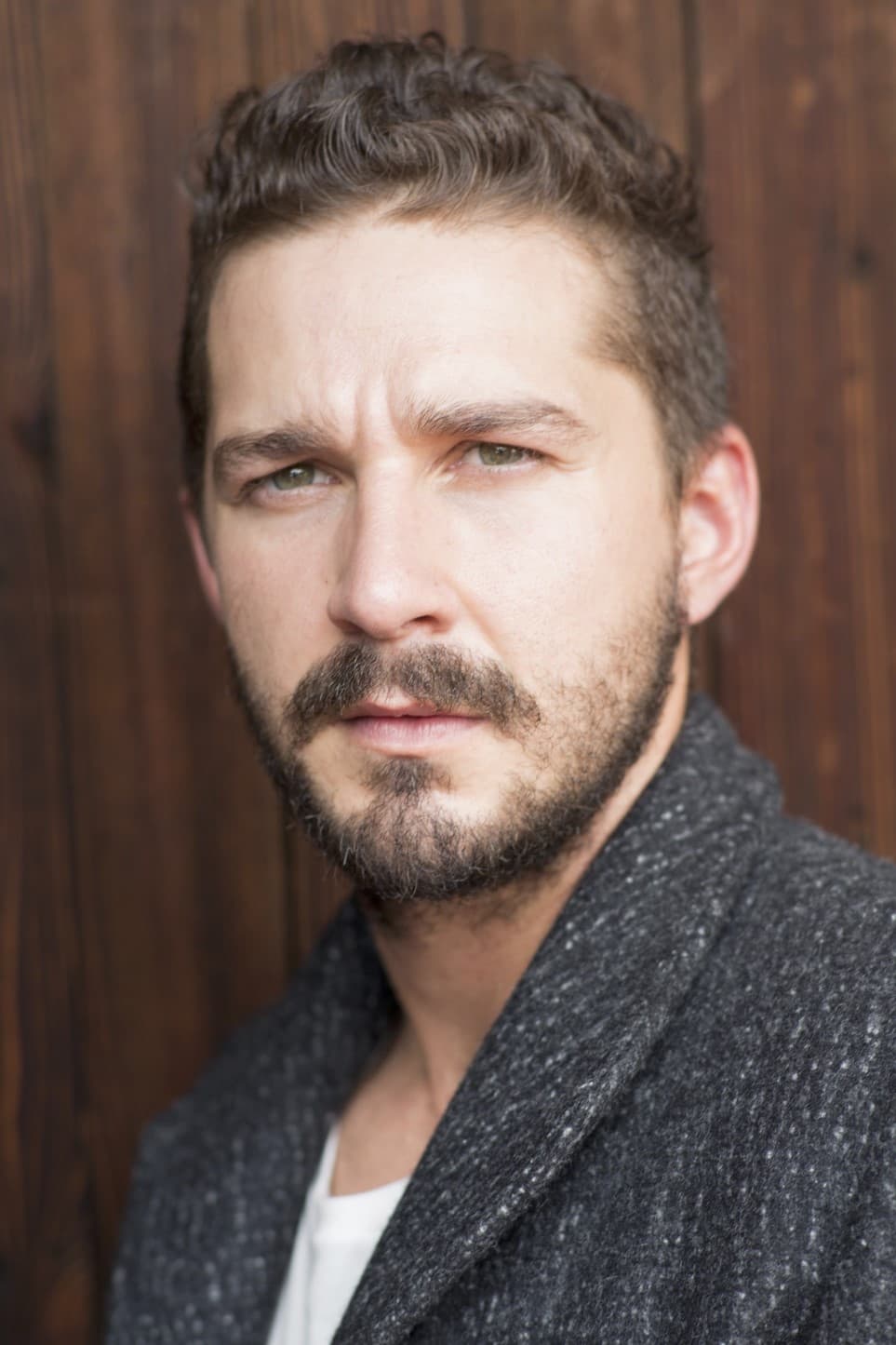
Shia LaBeouf transitioned from a child actor on the show ‘Even Stevens’ to a blockbuster lead in the ‘Transformers’ franchise before his public behavior became increasingly erratic. He engaged in performance art pieces and made various controversial public statements that alienated industry collaborators. Legal issues and allegations from former partners further damaged his professional standing with major studios. While he has received praise for his work in independent films like ‘Honey Boy’ he is no longer a mainstay in major studio productions. His career trajectory reflects the conflict between artistic expression and the expectations of corporate film franchises.
James Franco
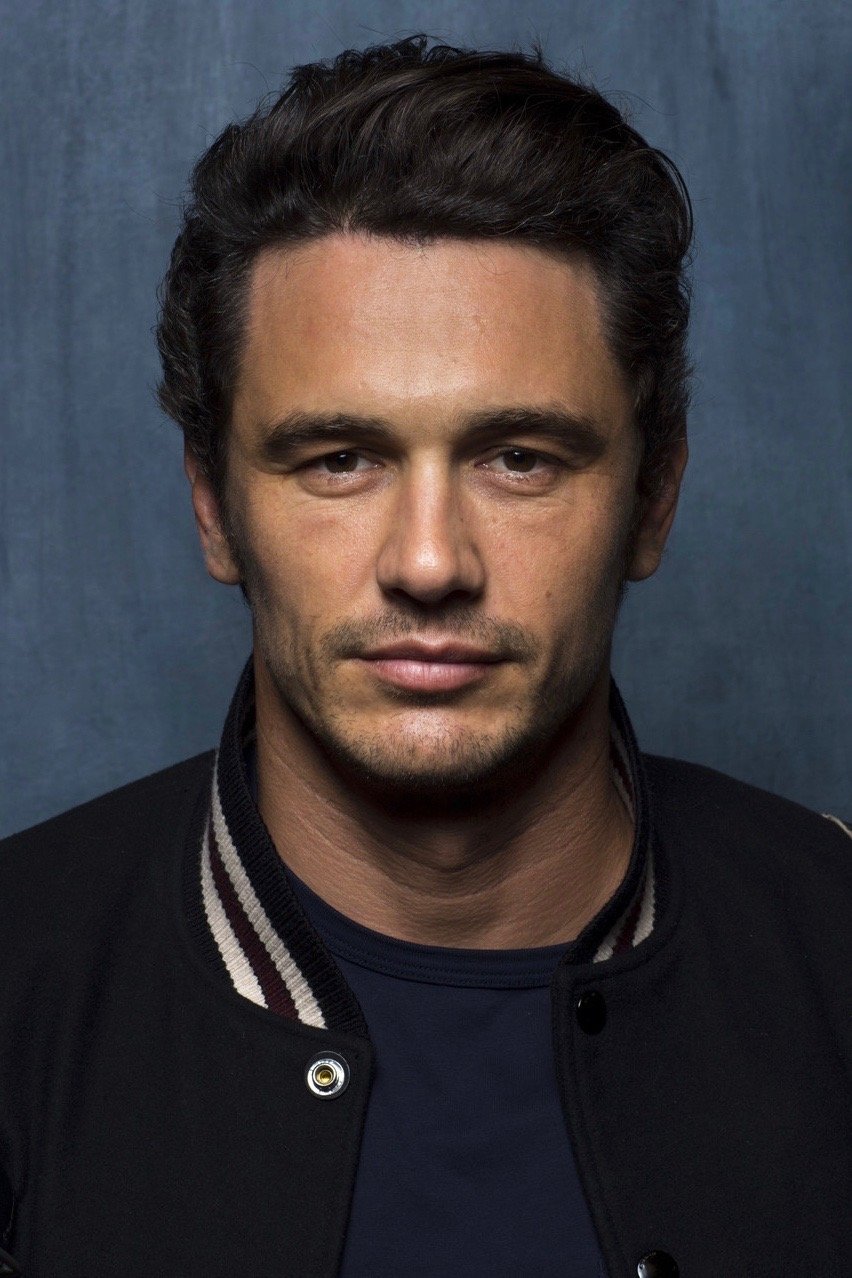
James Franco was a prolific actor and director known for his work in ‘127 Hours’ and the ‘Spider-Man’ trilogy before facing multiple allegations of inappropriate behavior. These claims led to a significant cooling of his professional relationship with major networks and production companies. He was notably excluded from major awards season campaigns and has seen several of his projects struggle to find distribution. Since the allegations became public he has been much less active in the mainstream Hollywood scene compared to his previous high volume output. His situation illustrates the impact of ethical concerns on an actor’s professional longevity.
Ezra Miller
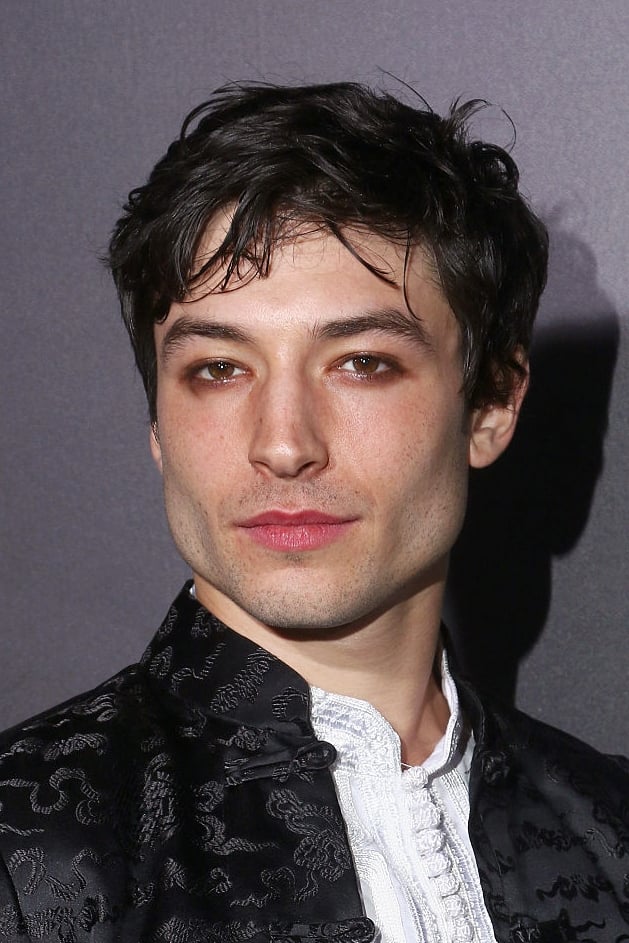
Ezra Miller gained acclaim for roles in ‘We Need to Talk About Kevin’ and as a central figure in the ‘Fantastic Beasts’ and ‘The Flash’ franchises. However a series of public incidents and legal troubles across multiple countries created a significant public relations crisis for the studios involved. While ‘The Flash’ was eventually released the actor was largely absent from the traditional press circuit and has since maintained a very low profile. The future of their involvement in major franchises remains uncertain as studios weigh the risks of continued collaboration. This situation highlights the precarious nature of maintaining a leading role in a major franchise during personal turmoil.
Danny Masterson
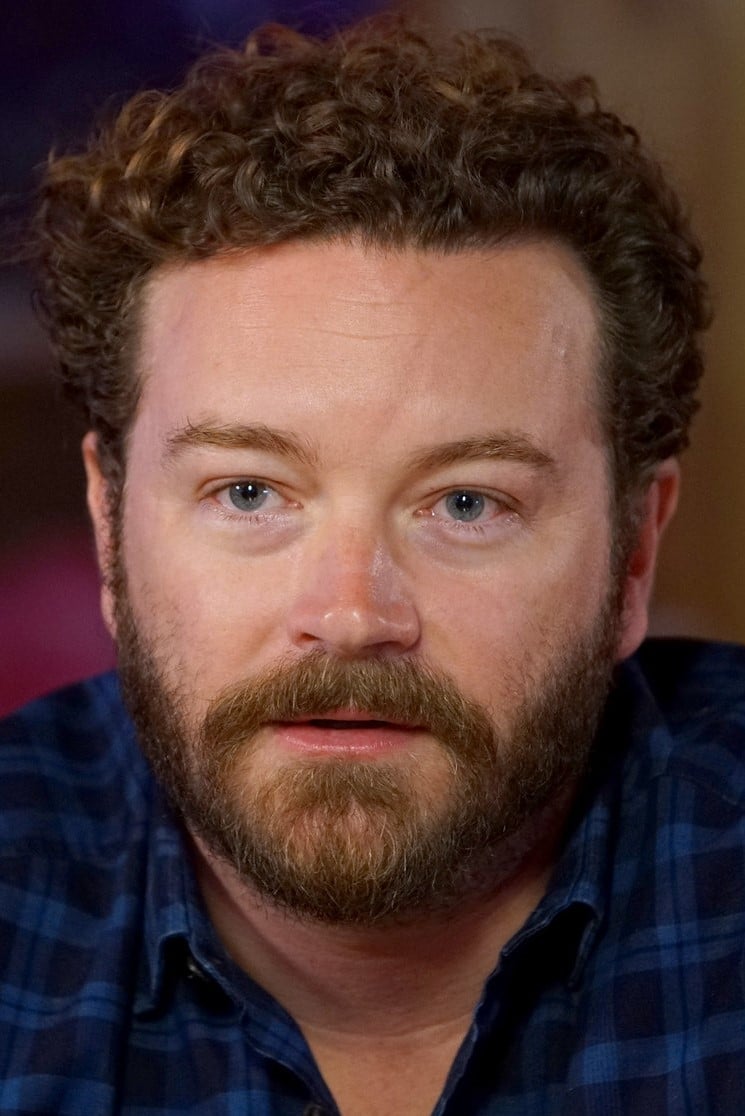
Danny Masterson was a well known television actor for his role on ‘That ’70s Show’ and more recently on the series ‘The Ranch’. His professional career came to a sudden halt following serious criminal allegations that led to his removal from the streaming series. He has since been convicted of multiple crimes which has permanently removed him from the professional acting community. Major studios and former collaborators have distanced themselves entirely from him following the legal proceedings. His case is a definitive example of how criminal behavior leads to a total exit from the entertainment industry.
Louis C.K.
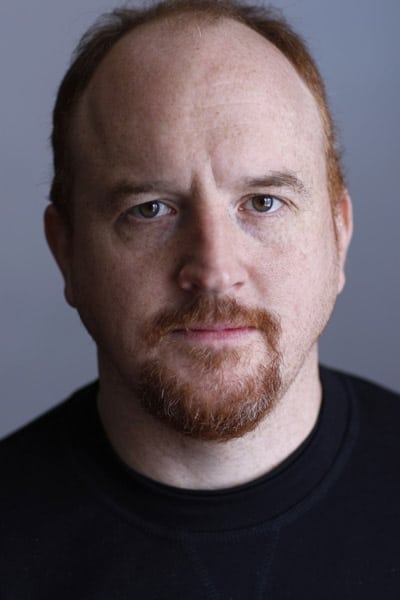
Louis C.K. was a dominant force in comedy and television with his acclaimed series ‘Louie’ and various production deals with major networks. His career faced an immediate collapse after multiple women came forward with accounts of his misconduct. This led to the cancellation of his film ‘I Love You, Daddy’ and the termination of his contracts with FX and other major partners. While he has continued to perform stand up in independent venues he remains largely excluded from mainstream film and television platforms. His downfall demonstrates the swift industry response to verified accounts of professional and personal misconduct.
T.J. Miller
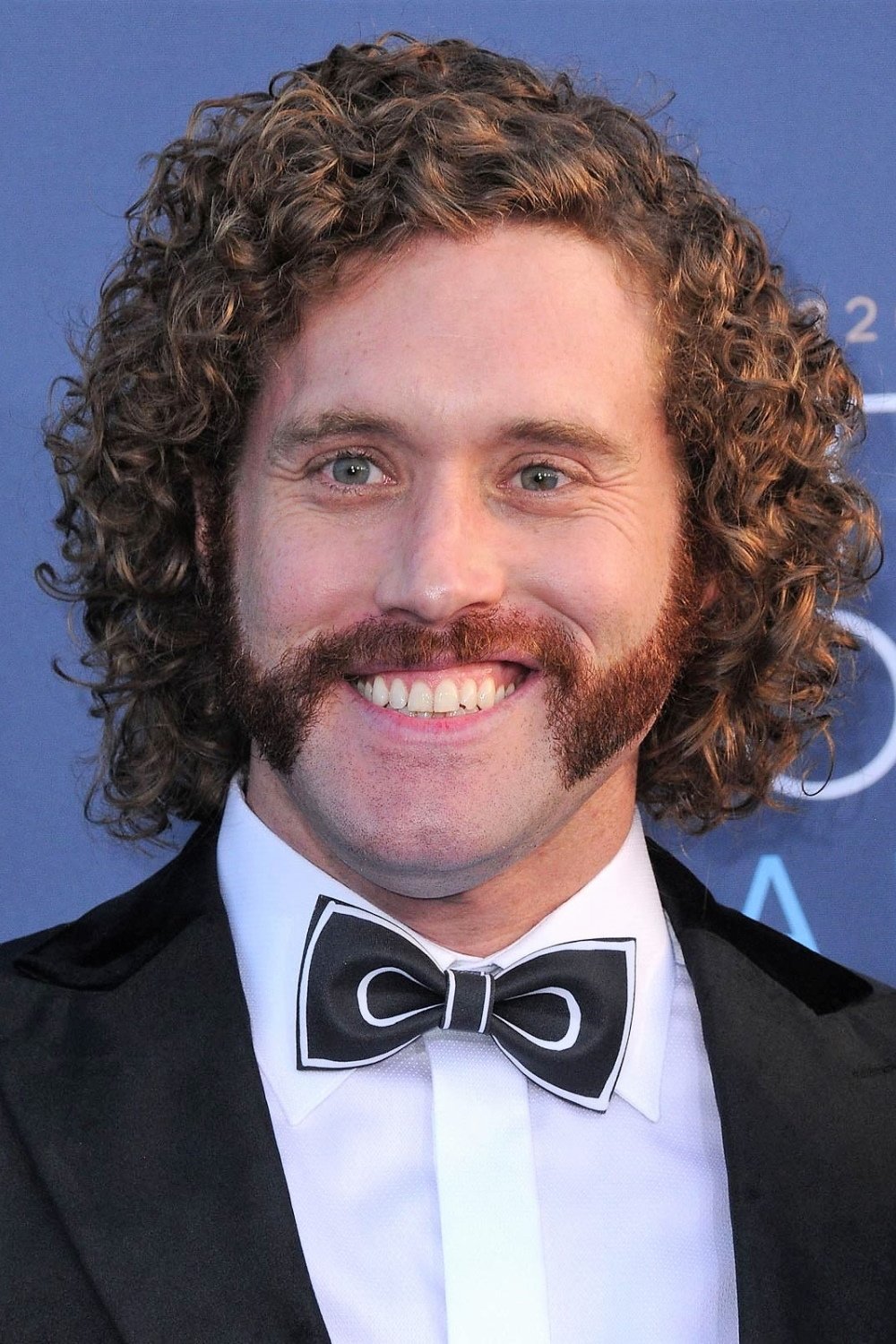
T.J. Miller was a rising star in comedy and a standout performer on the series ‘Silicon Valley’ and in the ‘Deadpool’ films. His career momentum slowed significantly after reports of difficult behavior on set and a series of public controversies including legal issues. He was eventually written out of his major television role and did not return for subsequent entries in his successful film franchises. While he continues to perform stand up and work on smaller projects he has not returned to the level of mainstream prominence he once enjoyed. His departure from successful projects shows how personal conduct can disrupt a thriving career.
Thomas Gibson
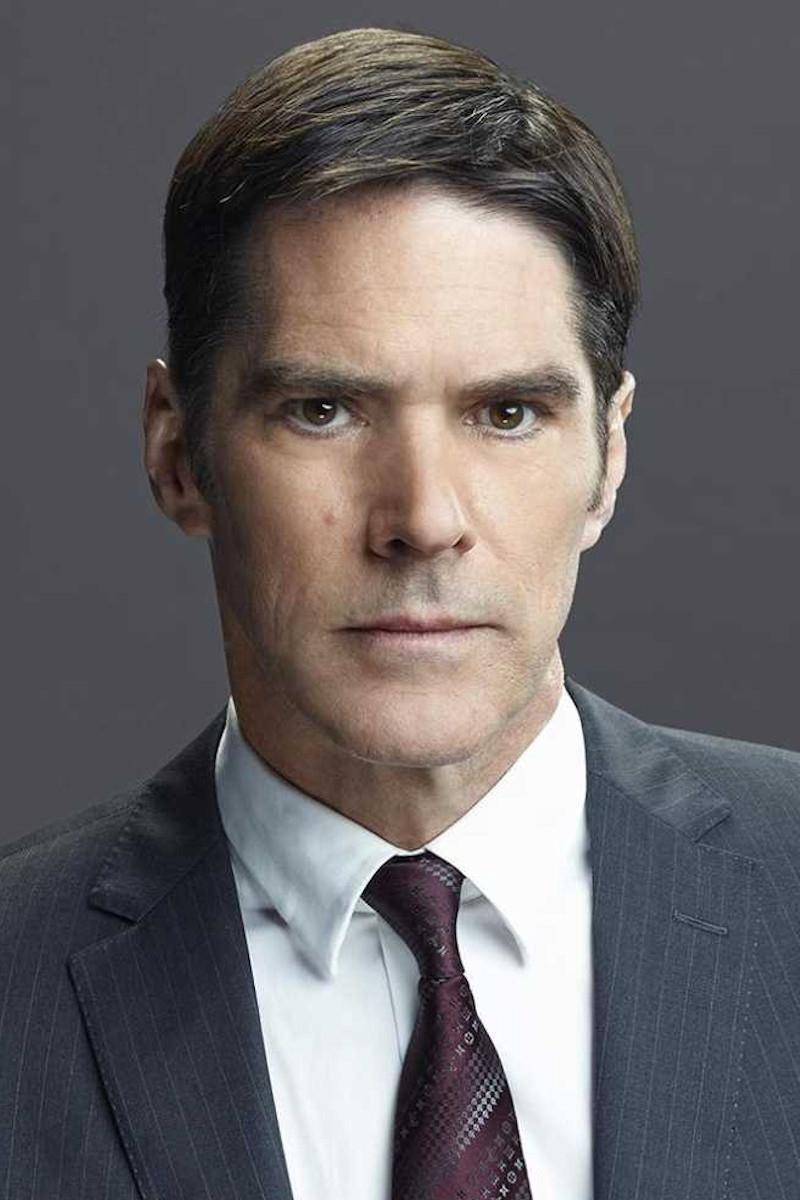
Thomas Gibson was a long time lead on the popular procedural series ‘Criminal Minds’ before his sudden termination in 2016. The decision came after an onset physical altercation with a producer which followed previous reports of anger management issues. He was written out of the show immediately and has not appeared in a major television series or film production since the incident. This sudden end to a decade long role served as a warning about the consequences of physical confrontations in a professional environment. His absence from the industry since then reflects the lasting impact of that final onset conflict.
Columbus Short
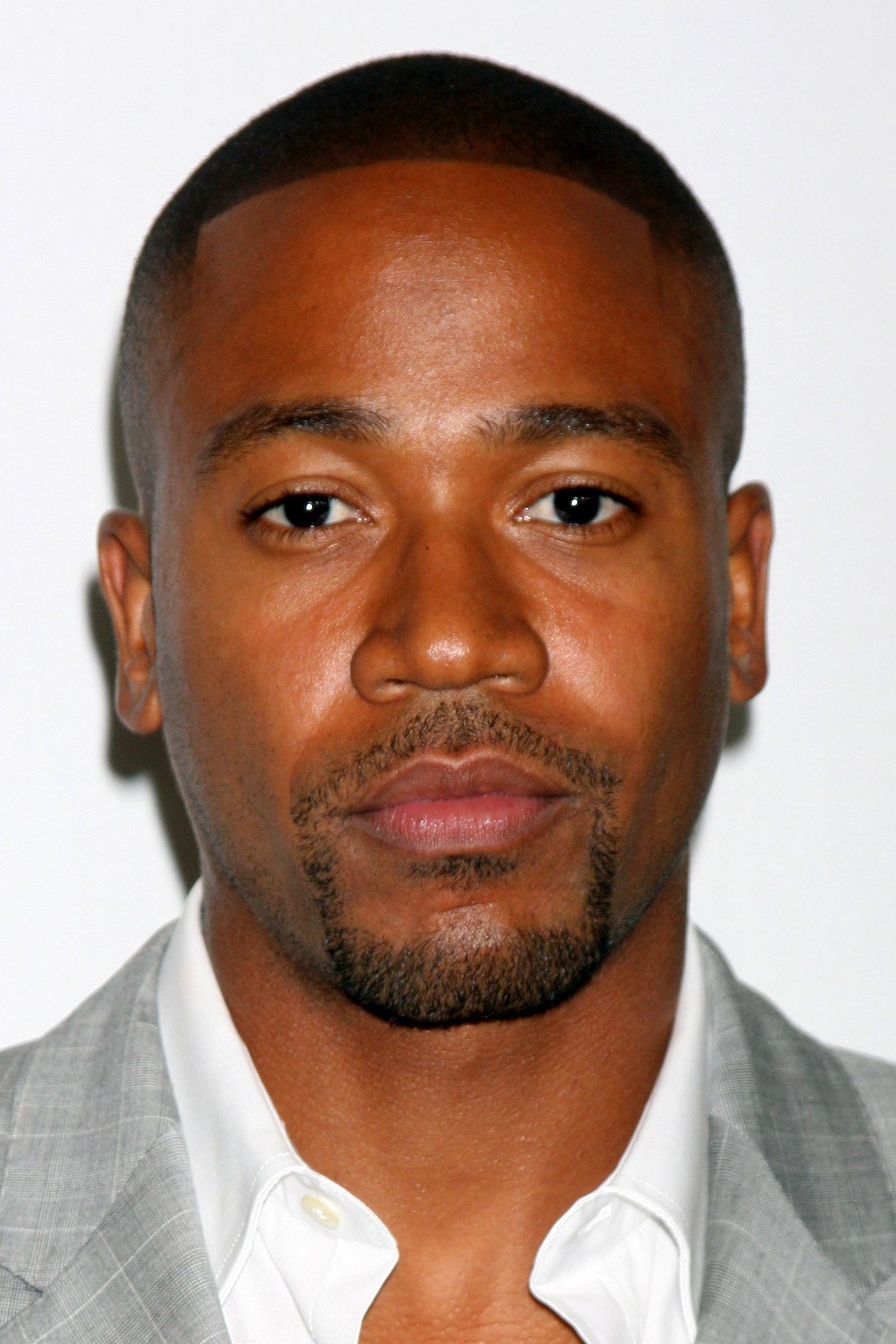
Columbus Short was a regular on the hit series ‘Scandal’ and had appeared in films like ‘Stomp the Yard’ before his personal life impacted his career. A series of legal issues and domestic disputes led to his departure from the television show during its peak popularity. These events made major networks and studios hesitant to cast him in leading roles due to the associated public relations challenges. While he has worked on smaller independent projects he has not regained his status as a mainstream television star. His story highlights the difficulty of maintaining a high profile career amidst persistent personal and legal troubles.
Wesley Snipes
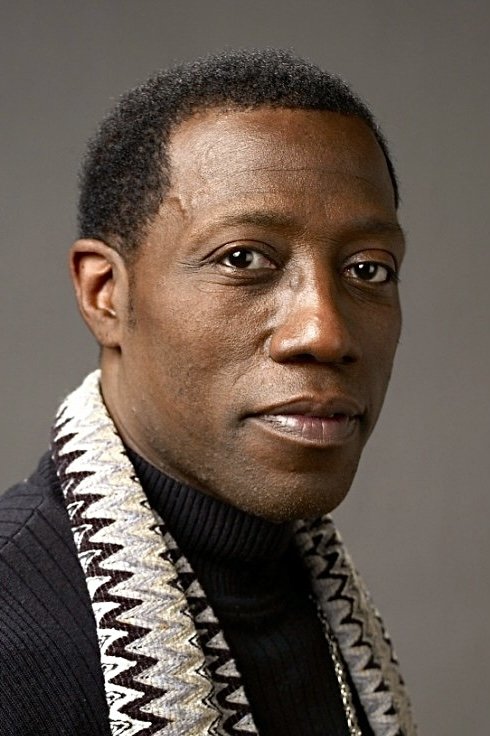
Wesley Snipes was one of the biggest action stars of the 1990s and the face of the ‘Blade’ franchise before facing major legal challenges. His conviction for tax related offenses led to a period of incarceration which naturally halted his career momentum during that time. Upon his release he found it difficult to return to the top tier of Hollywood leading men as the industry landscape had changed. While he appeared in ‘The Expendables 3’ his roles have mostly been in smaller or direct to video productions compared to his earlier blockbusters. His career reflects the long term professional hurdles that follow major legal convictions.
Jeffrey Tambor
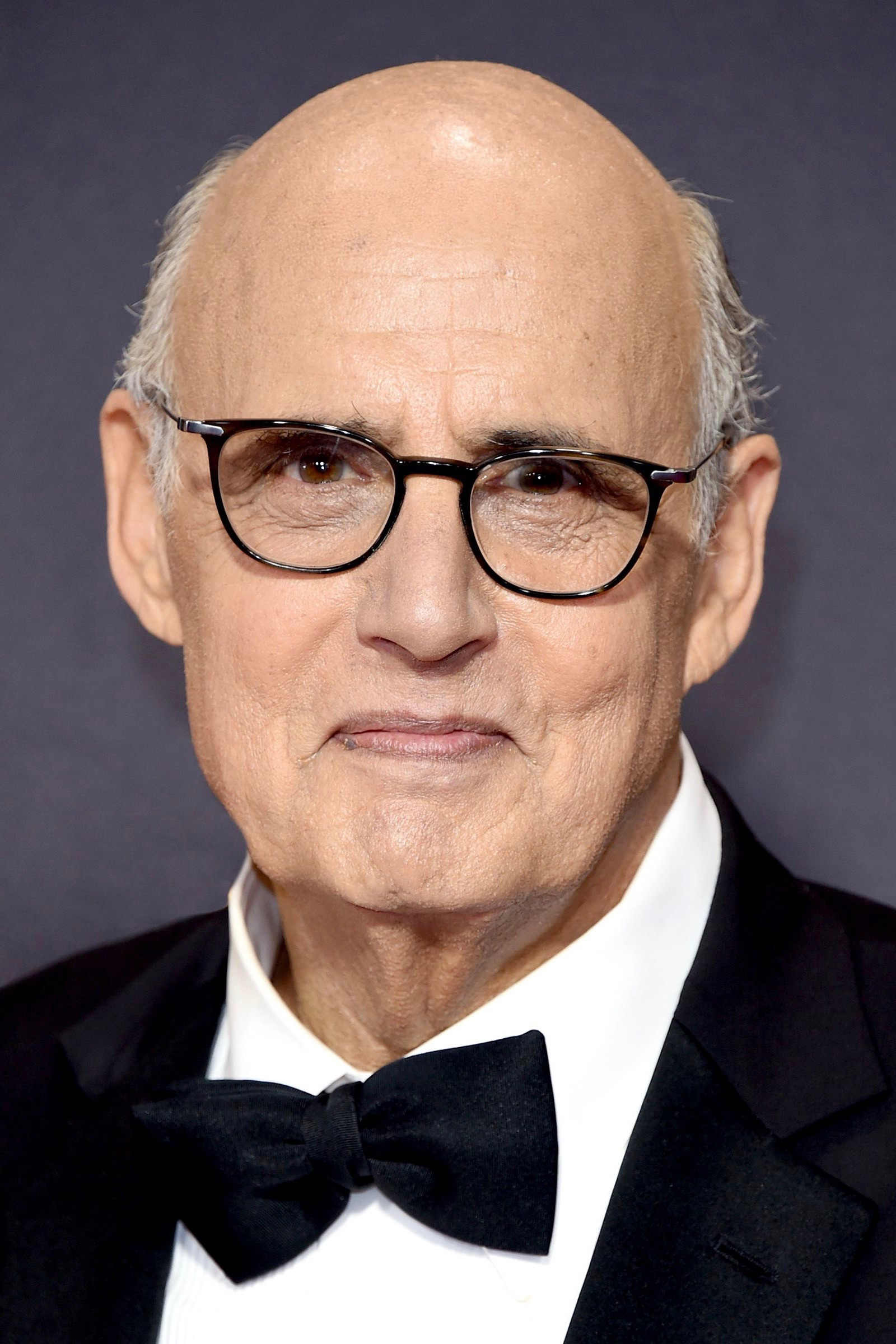
Jeffrey Tambor was a highly respected veteran actor who won multiple awards for his work on the series ‘Transparent’ and ‘Arrested Development’. His career faced a major setback after allegations of misconduct were made by members of his production team. These reports led to his removal from the show ‘Transparent’ and a general distancing by major television networks. Although he has appeared in a few projects since the controversy his standing as a prestige television lead has been severely diminished. His situation shows how even established and award winning careers can be derailed by allegations of workplace misconduct.
Jonathan Majors
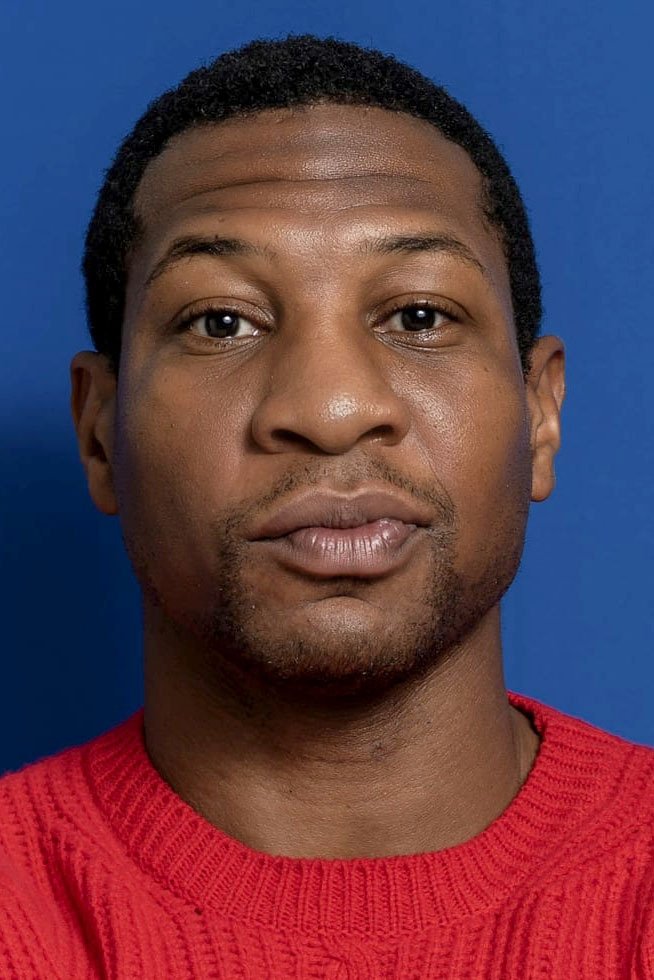
Jonathan Majors was rapidly becoming one of the most prominent actors in Hollywood with major roles in ‘Creed III’ and as the primary villain in the Marvel Cinematic Universe. However his career faced an immediate crisis following a legal dispute and subsequent conviction related to a personal altercation. Marvel Studios officially cut ties with him shortly after the verdict was announced and several other upcoming projects were canceled or recast. This sudden collapse occurred just as he was reaching the peak of his professional influence. His case illustrates the immediate and total industry response to legal findings against high profile talent.
Chevy Chase
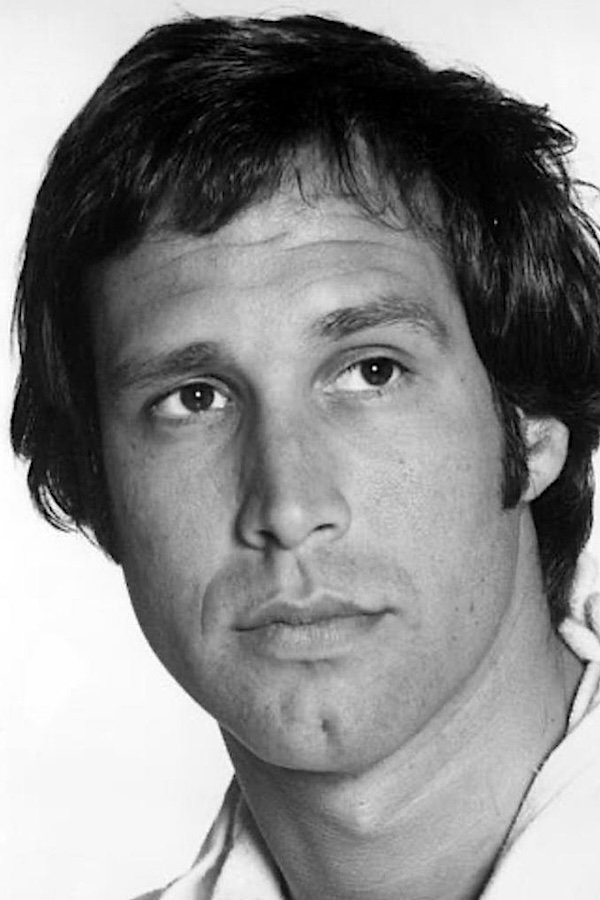
Chevy Chase was a comedy legend and a founding member of ‘Saturday Night Live’ who later starred in numerous hit films like ‘Caddyshack’. However he developed a long standing reputation for being extremely difficult and unpleasant to work with on various sets. This reputation culminated in his controversial departure from the series ‘Community’ following reports of conflicts with the show creator and cast members. While he is still recognized for his early work major modern studios have largely avoided casting him in significant roles. His career trajectory demonstrates how chronic interpersonal conflict can alienate an actor from the industry over time.
Crispin Glover
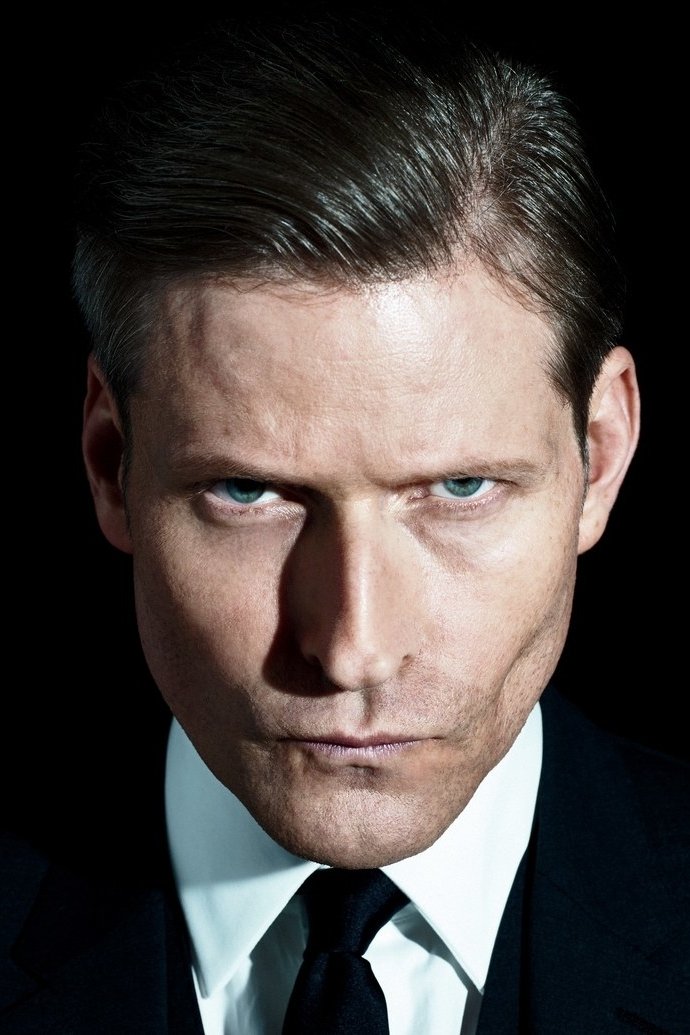
Crispin Glover became a household name after playing George McFly in ‘Back to the Future’ but his eccentric behavior led to a strained relationship with the studio. He was famously replaced in the sequels and later sued the production for using his likeness without permission. His preference for highly unconventional roles and his vocal criticism of the Hollywood system further distanced him from mainstream commercial projects. While he has maintained a cult following through his independent films and unique performances he is rarely seen in traditional blockbuster cinema. His career represents a deliberate choice to prioritize personal artistic vision over industry conformity.
Alex Pettyfer
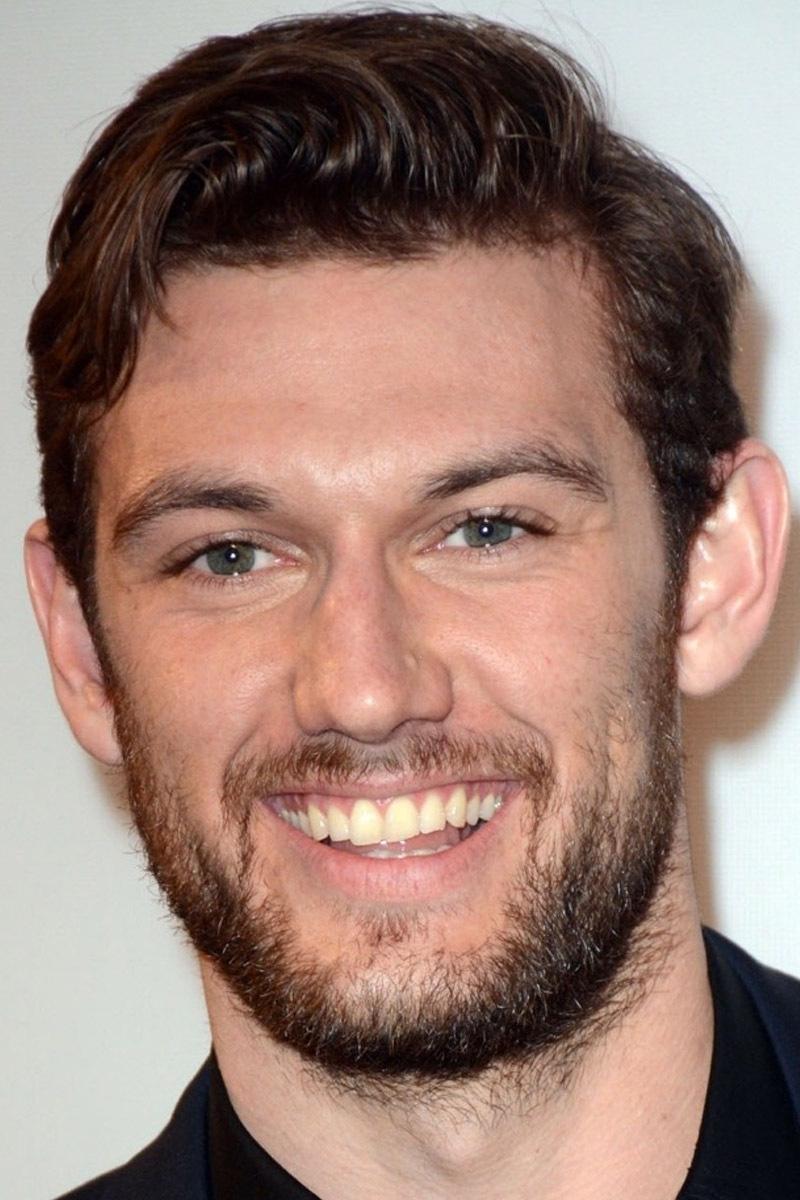
Alex Pettyfer was positioned as the next major leading man with starring roles in films like ‘I Am Number Four’ and ‘Magic Mike’. However reports of his difficult behavior on set and a public feud with co star Channing Tatum damaged his reputation among industry insiders. Following these reports his appearances in major studio films became significantly less frequent and the massive career momentum he once had stalled. He eventually pivoted to working on smaller independent films and even directing his own projects away from the major studio spotlight. His experience serves as a cautionary tale about the importance of professional relationships in a collaborative industry.
Jonathan Rhys Meyers

Jonathan Rhys Meyers was a critically acclaimed actor known for his roles in ‘Match Point’ and the series ‘The Tudors’. His career has been frequently interrupted by personal struggles and public incidents that have raised concerns about his reliability on set. These issues led to a decline in major studio offers as production companies often prioritize stability for high budget projects. While he continues to act in various international and independent films he has not returned to the mainstream prominence he enjoyed in the mid 2000s. His career reflects the challenges of balancing immense talent with persistent personal hurdles.
Jeremy Piven
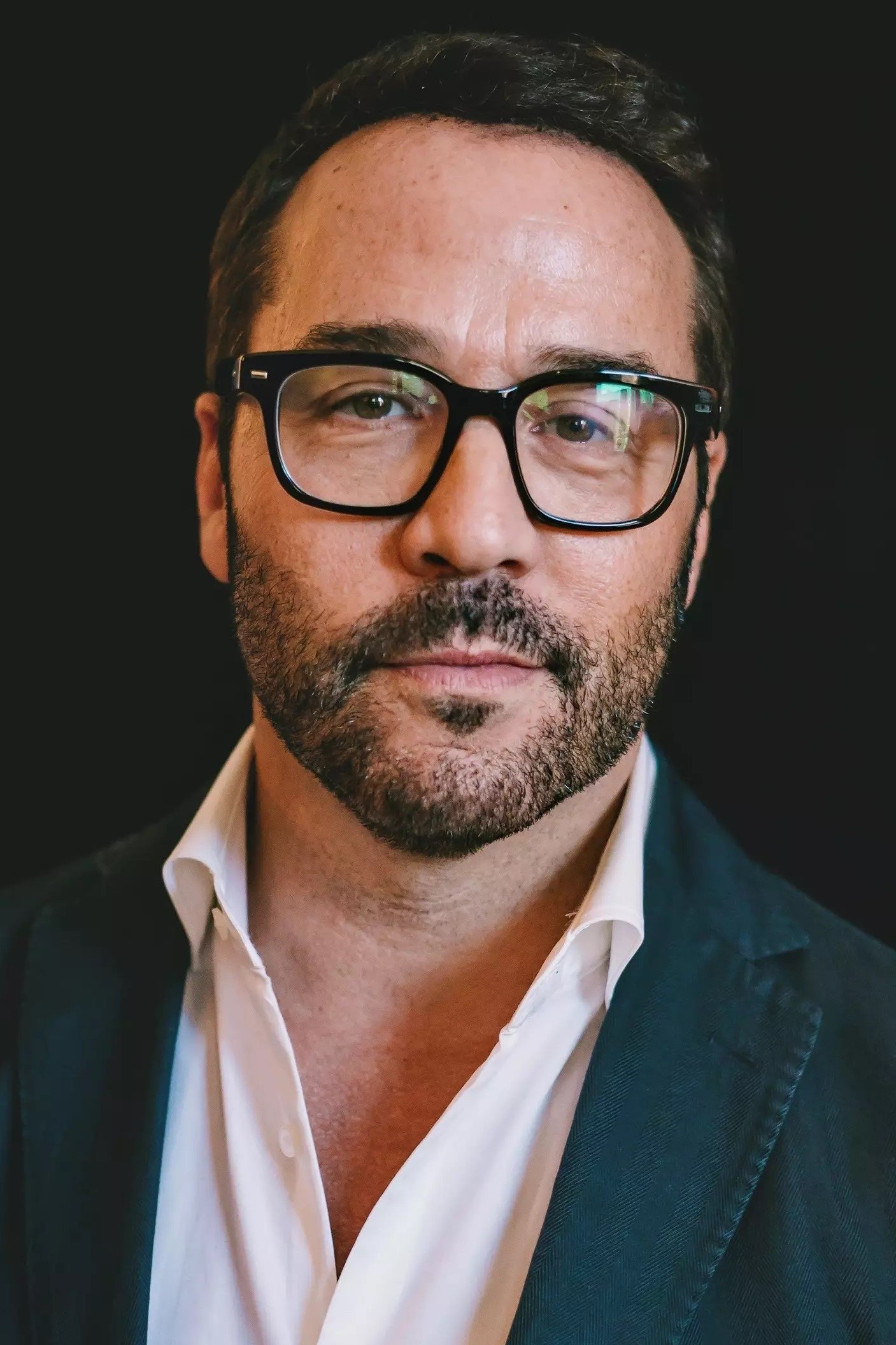
Jeremy Piven gained massive fame and multiple awards for his portrayal of Ari Gold on the series ‘Entourage’. His professional reputation faced a significant challenge after multiple allegations of misconduct were made public. Following these reports he saw a decrease in high profile opportunities and his most recent television projects did not achieve the same level of success or industry support. While he has continued to work in independent films and stand up comedy his status as a major network lead has faded. His career illustrates how a shift in public and industry perception can impact the trajectory of a previously successful actor.
Jussie Smollett
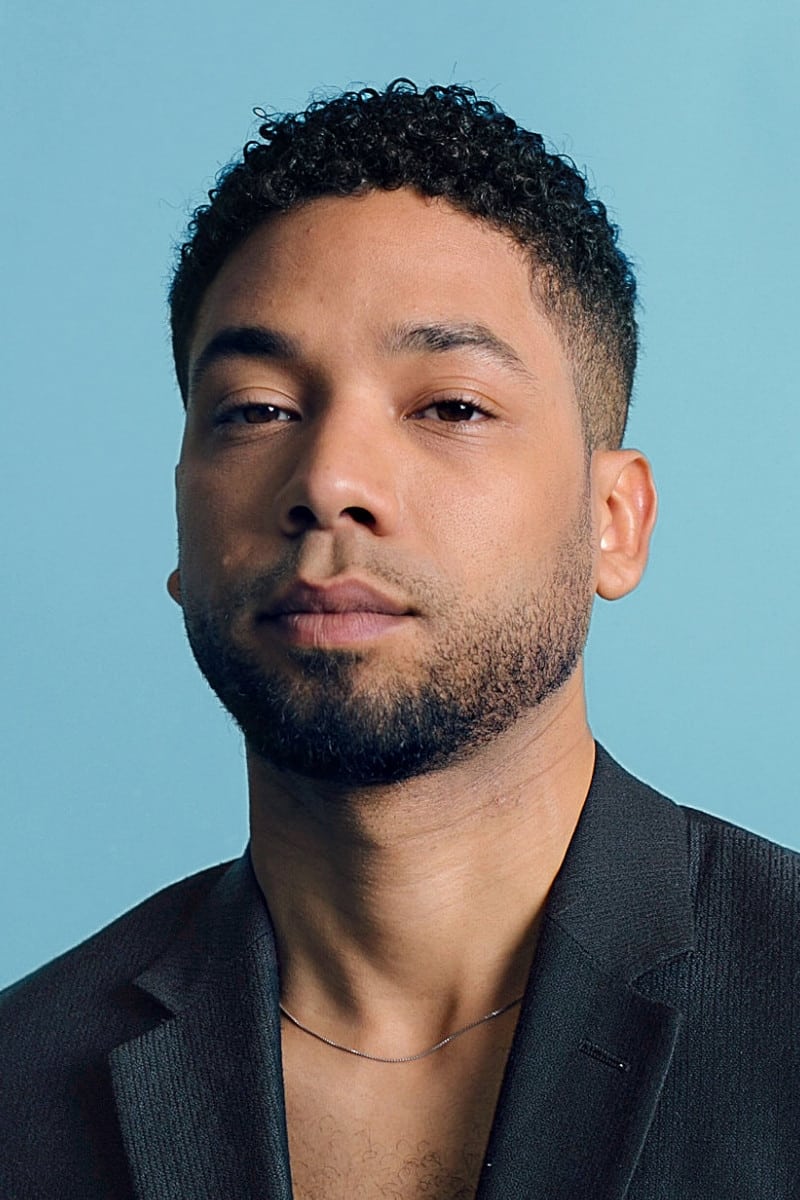
Jussie Smollett was a breakout star on the hit series ‘Empire’ before his career was permanently altered by a highly publicized legal incident. He was accused and eventually convicted of staging a false hate crime which led to his immediate removal from the television show. The controversy became a national news story and resulted in a total loss of support from major networks and production houses. He has been largely absent from the mainstream entertainment industry since the legal proceedings concluded. His case is one of the most extreme examples of a career ending due to a self inflicted public relations and legal disaster.
Emile Hirsch
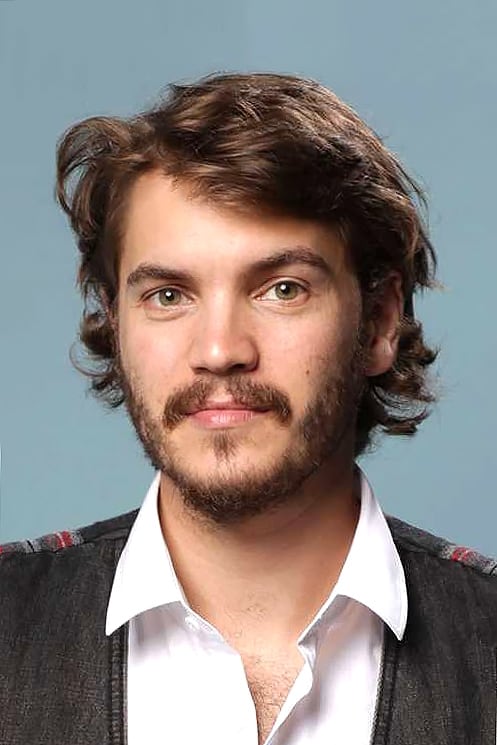
Emile Hirsch was a respected young actor known for his performance in ‘Into the Wild’ before a serious incident at a film festival impacted his career. He was involved in a physical altercation with a studio executive which led to legal consequences and a significant blow to his professional reputation. Following the incident his roles in major studio films became much rarer as he moved toward smaller independent projects. While he has continued to work steadily the high level industry momentum he once possessed was significantly diminished. His story highlights the lasting professional damage that can result from a single moment of onset or industry related conflict.
Drake Bell
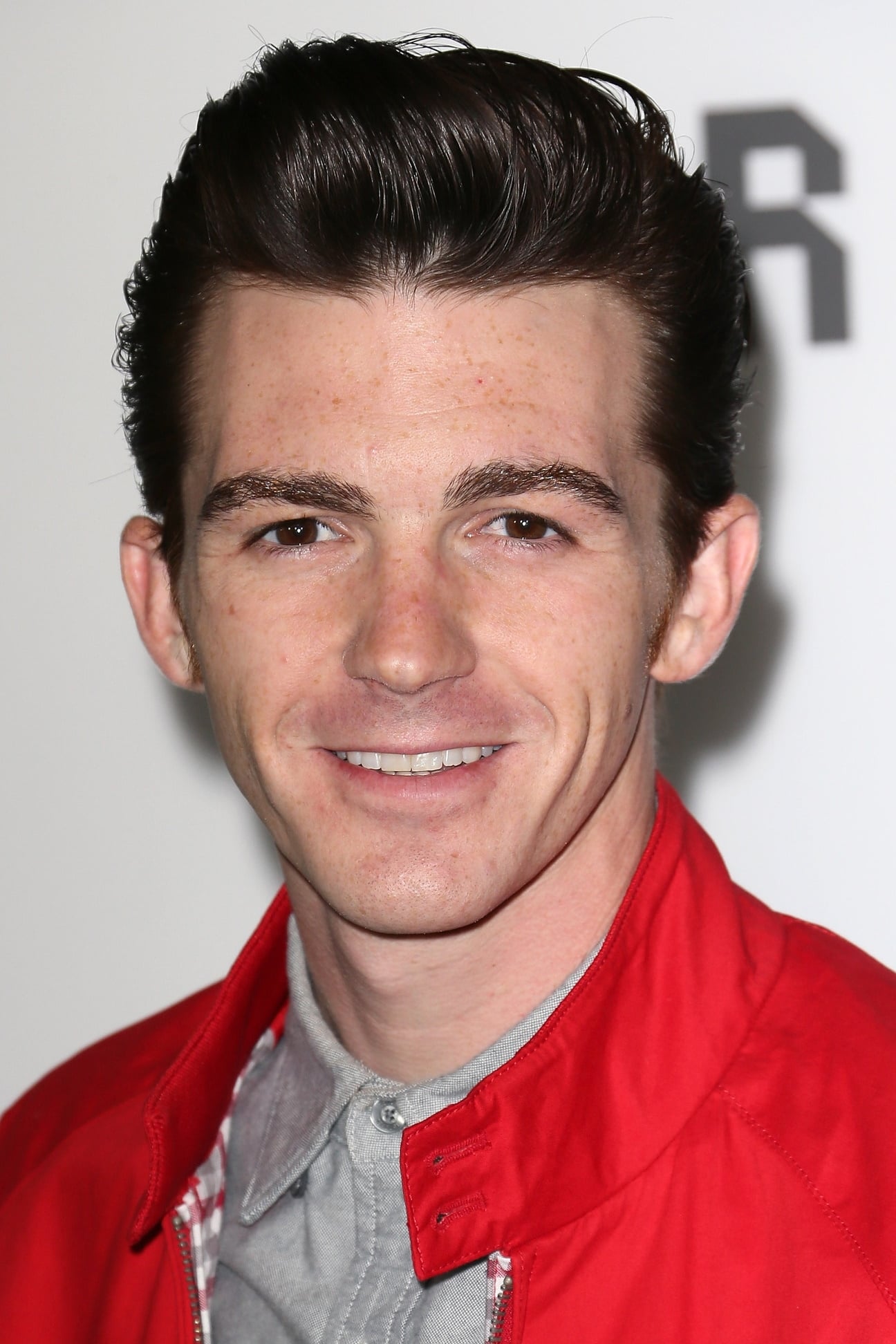
Drake Bell was a beloved star of the Nickelodeon series ‘Drake & Josh’ and had a successful career as both an actor and a musician. His professional life faced a massive downturn following a series of legal issues including a conviction related to a minor. These events led to a total distancing by the networks and studios that had previously supported his career. He has since been largely excluded from mainstream entertainment projects and has focused on international music opportunities. His downfall represents a complete break from the family friendly industry where he first found fame.
Thomas Middleditch
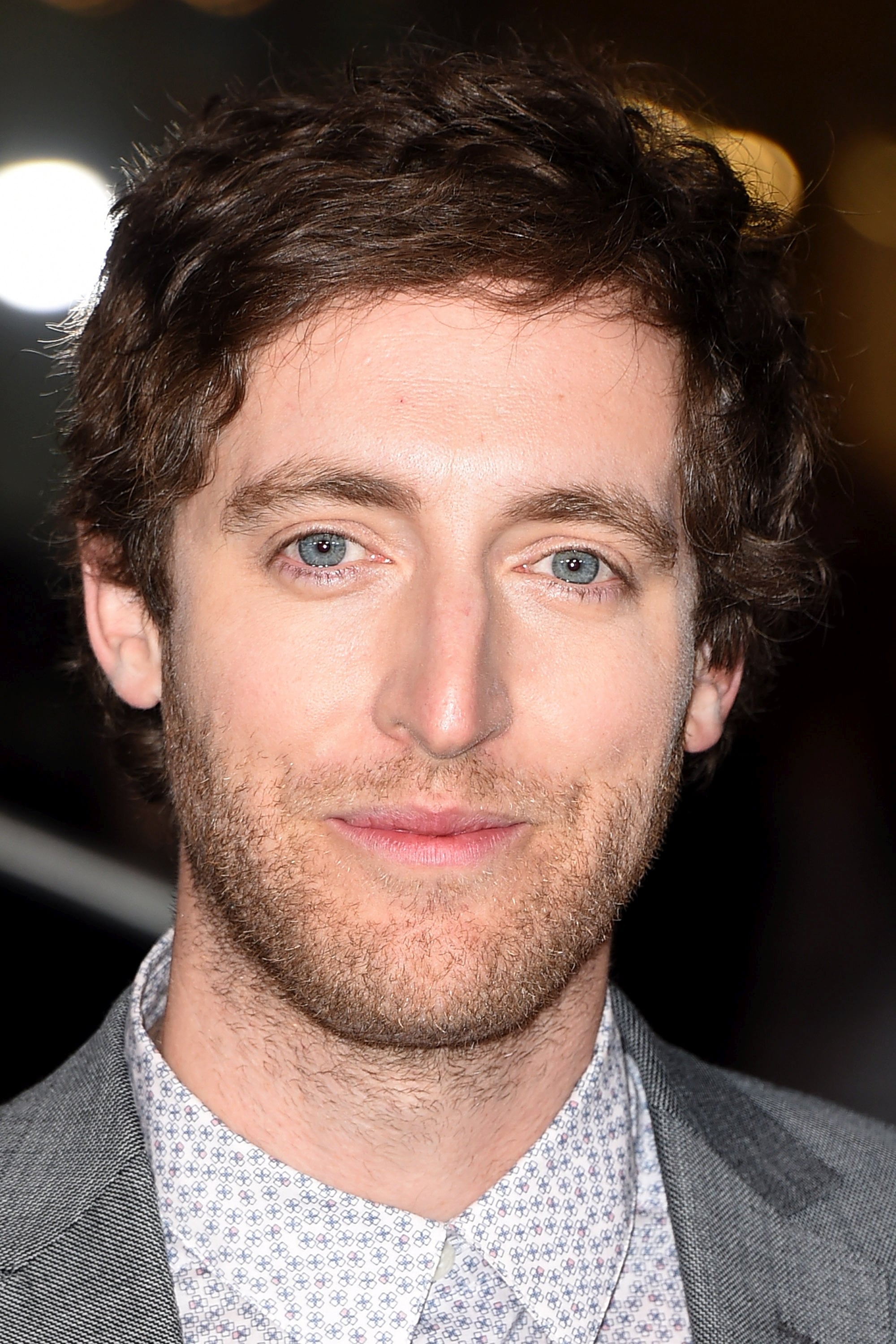
Thomas Middleditch was the lead actor on the successful HBO series ‘Silicon Valley’ and appeared in several major films and commercials. His professional standing was affected by public reports regarding his behavior in private clubs and allegations of inappropriate conduct. Following these reports he saw a decline in major studio opportunities and his presence in high profile advertising campaigns also diminished. While he continues to work in voice acting and smaller roles he has not returned to the central position he once held in the television landscape. His experience shows how public disclosures of personal behavior can influence professional casting decisions.
Ansel Elgort

Ansel Elgort was a rising star with leading roles in ‘The Fault in Our Stars’ and ‘Baby Driver’ before facing serious personal allegations. Although he starred in the major production ‘West Side Story’ much of the promotional material and press coverage avoided focusing on him due to the public controversy. Since the release of that film his output in major Hollywood projects has slowed significantly compared to his previous trajectory. He has maintained a lower profile in the industry while studios remain cautious about his public image. His career reflects the ongoing industry tension between existing projects and future casting risks.
Bill Cosby
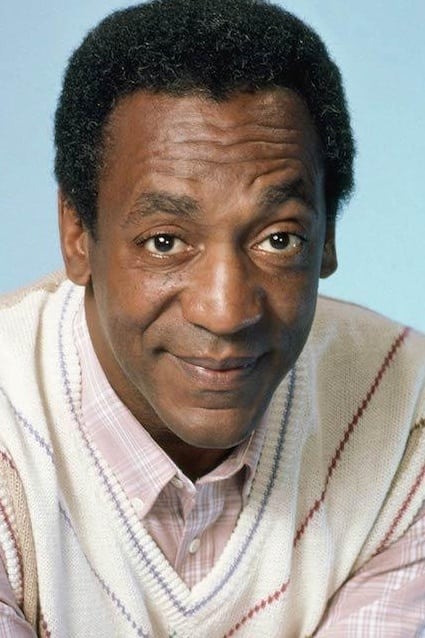
Bill Cosby was once known as America’s Dad and held immense power in the television industry through ‘The Cosby Show’. His entire professional legacy and career were destroyed after dozens of women came forward with allegations of sexual assault leading to his eventual conviction. Major networks pulled his shows from syndication and he was stripped of numerous honorary degrees and awards. He is now entirely blacklisted from the entertainment industry with no path for return. His case remains the most significant example of a total career erasure resulting from criminal conduct.
Cuba Gooding Jr.
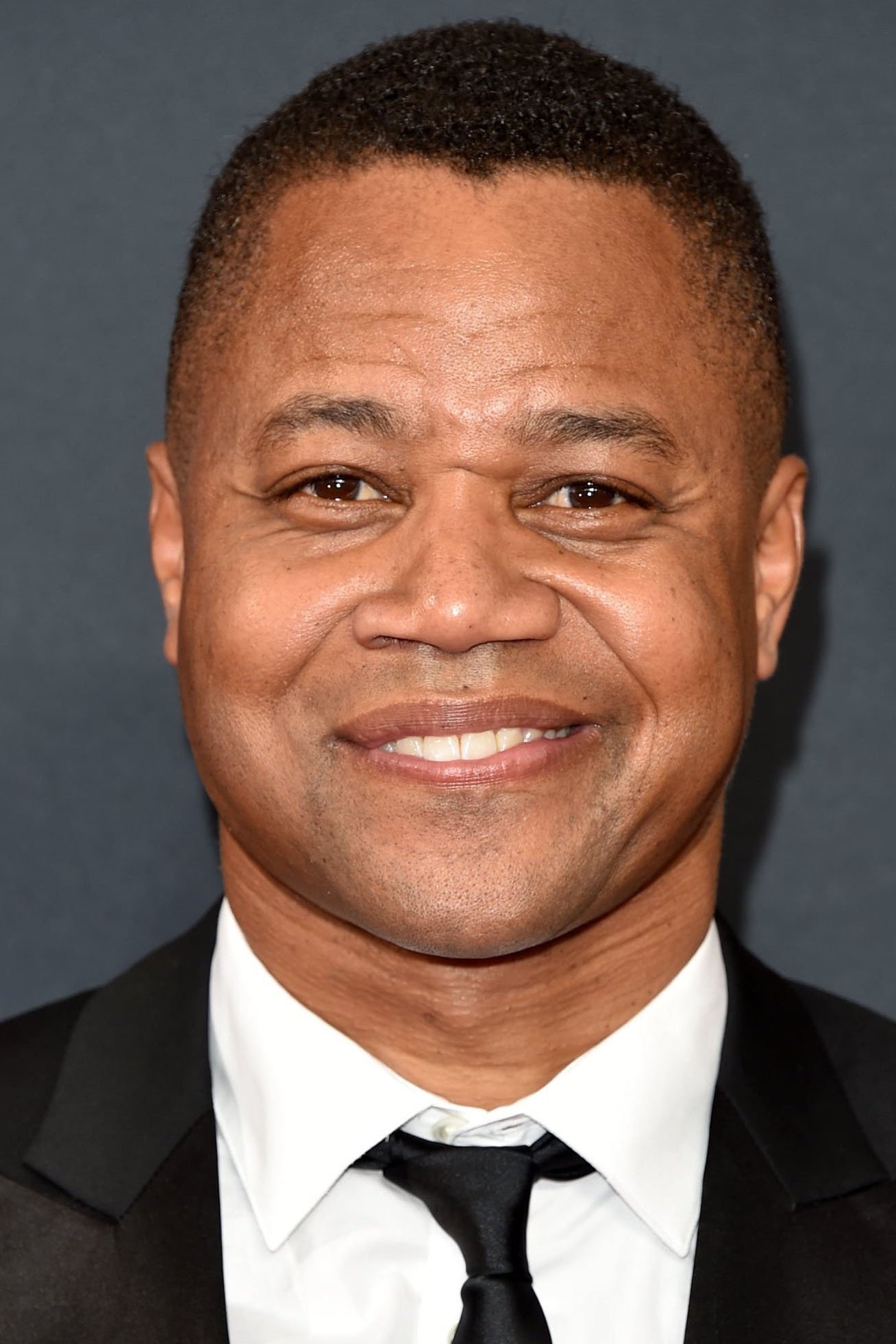
Cuba Gooding Jr. was an Academy Award winner for ‘Jerry Maguire’ and a major star throughout the 1990s. His professional life began to decline after a series of legal issues and allegations of misconduct surfaced over several years. These incidents made major studios hesitant to cast him in leading roles leading to a shift toward smaller direct to video projects. While he had a brief resurgence with ‘The People v. O. J. Simpson’ his ongoing legal troubles continued to hinder his mainstream career. His trajectory shows how persistent legal problems can wear down even a high level of professional prestige.
Nate Parker
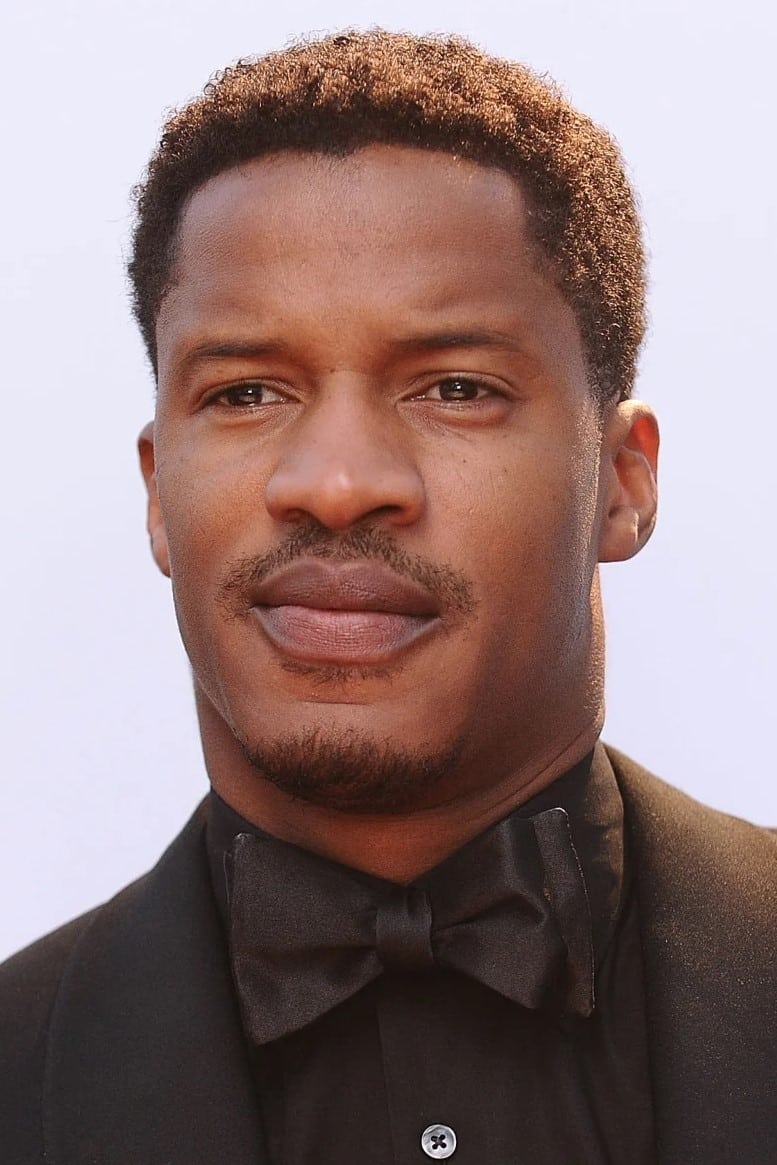
Nate Parker was poised for a major career breakthrough after his film ‘The Birth of a Nation’ became a sensation at the Sundance Film Festival. However the resurfacing of a past legal case from his college years during the film’s promotional campaign led to a massive public and industry backlash. The film which was expected to be an awards contender underperformed and Parker’s career as a major studio actor and director effectively stalled. While he has attempted to return with independent projects he has not regained the industry support he once had. His experience illustrates how past controversies can emerge to derail a modern career peak.
Frank Langella
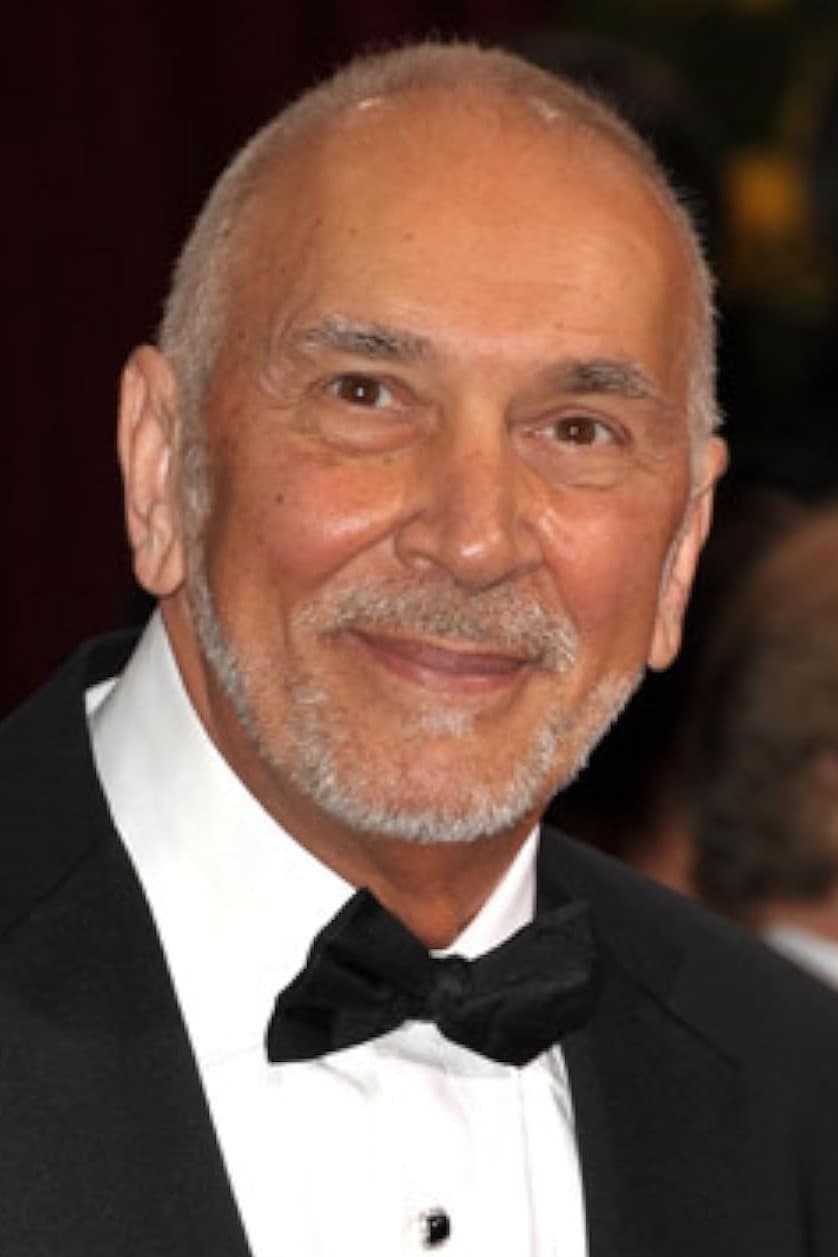
Frank Langella is a veteran actor with a long and distinguished career on stage and screen. He faced a significant late career setback after being fired from the production ‘The Fall of the House of Usher’ following an investigation into onset misconduct. This removal from a major streaming project led to public statements from the actor and a general cooling of his professional prospects in mainstream television. At his age such a public dismissal from a high profile production can have a permanent impact on future casting. His situation shows that even long term industry veterans are subject to modern standards of professional conduct.
Horatio Sanz
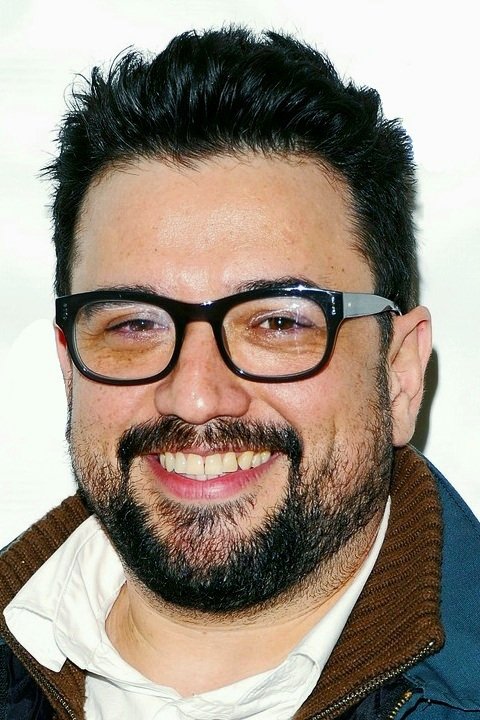
Horatio Sanz was a long time cast member on ‘Saturday Night Live’ and appeared in various comedy films and television shows. His professional career faced a major hurdle after a lawsuit was filed against him alleging serious misconduct involving a minor years prior. Since the details of the lawsuit became public his presence in mainstream comedy and television has been virtually non existent. Former collaborators and networks have largely distanced themselves from him as the legal process moved forward. His disappearance from the screen highlights the industry policy of distancing from talent involved in serious legal allegations.
Chris D’Elia
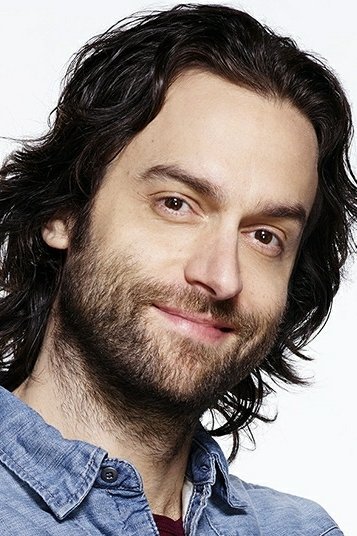
Chris D’Elia was a successful stand up comedian and actor with roles on shows like ‘Undateable’ and ‘You’. His career faced a total collapse after multiple allegations of inappropriate behavior with minors surfaced online. This led to his immediate removal from several upcoming projects and the scrubbing of his character from the film ‘Army of the Dead’. While he has attempted to maintain a presence through independent podcasts and comedy tours his relationship with major Hollywood studios is effectively over. His removal from completed films shows the lengths studios will go to distance themselves from controversial figures.
Woody Allen
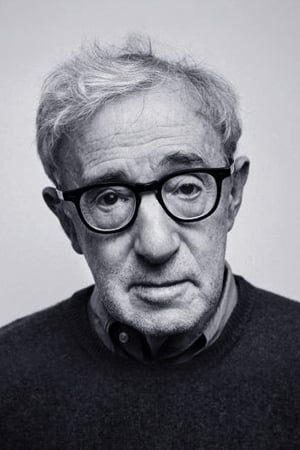
Woody Allen was for decades one of the most influential filmmakers and actors in Hollywood history with numerous Academy Awards to his name. However long standing personal controversies and allegations led to an eventual break between him and major American production companies. His multi film deal with Amazon Studios was famously canceled and he has struggled to find American distribution for his more recent work. While he continues to find support and funding in Europe he has become a persona non grata in the mainstream Hollywood studio system. His exclusion marks a historic shift in the industry relationship with one of its most prolific creators.
Roman Polanski
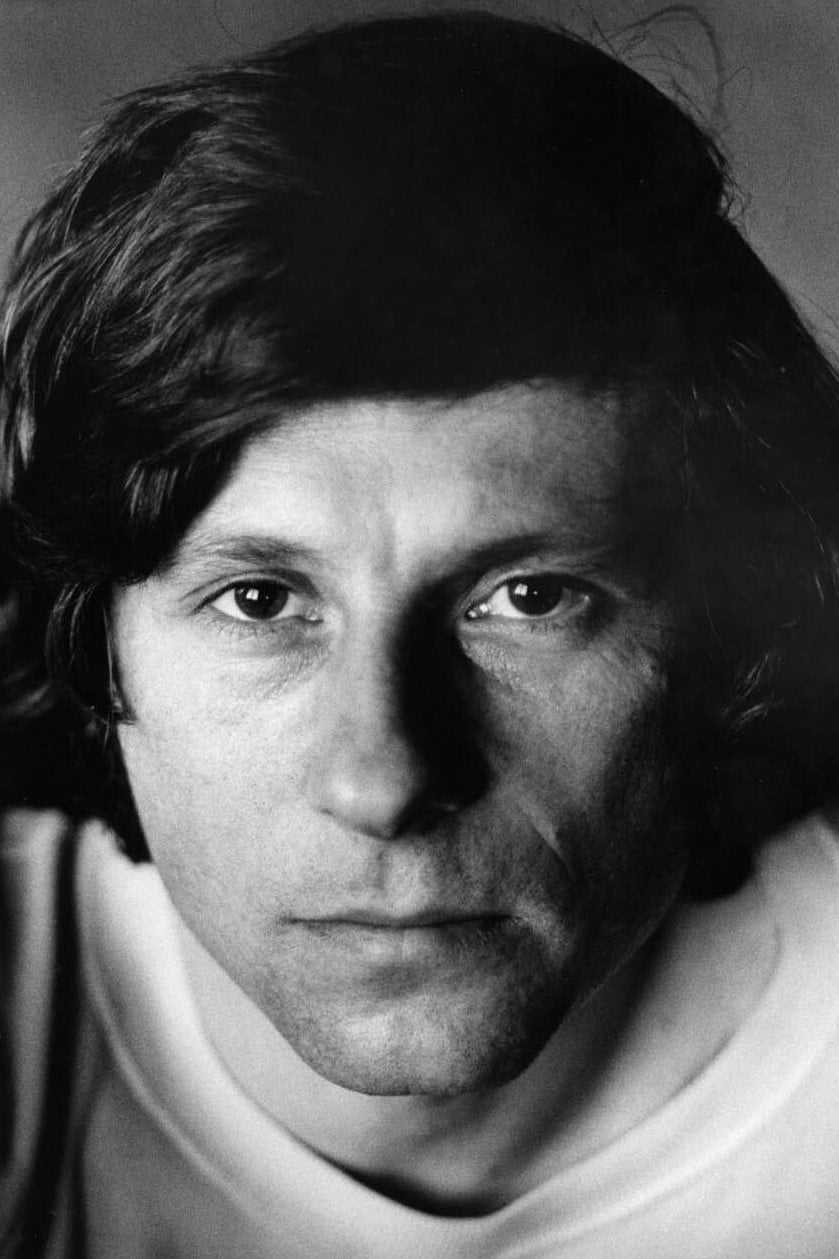
Roman Polanski is an Academy Award winning director and actor who has been a fugitive from the American legal system for decades. While he continued to work and win awards in Europe for many years the rise of the Me Too movement led to a significant shift in his industry standing. He was expelled from the Academy of Motion Picture Arts and Sciences and has seen a major decrease in the willingness of international festivals to showcase his work. His situation represents a permanent exile from the Hollywood community due to past criminal actions. The ongoing industry response to his presence highlights the lasting nature of certain professional bans.
James Toback
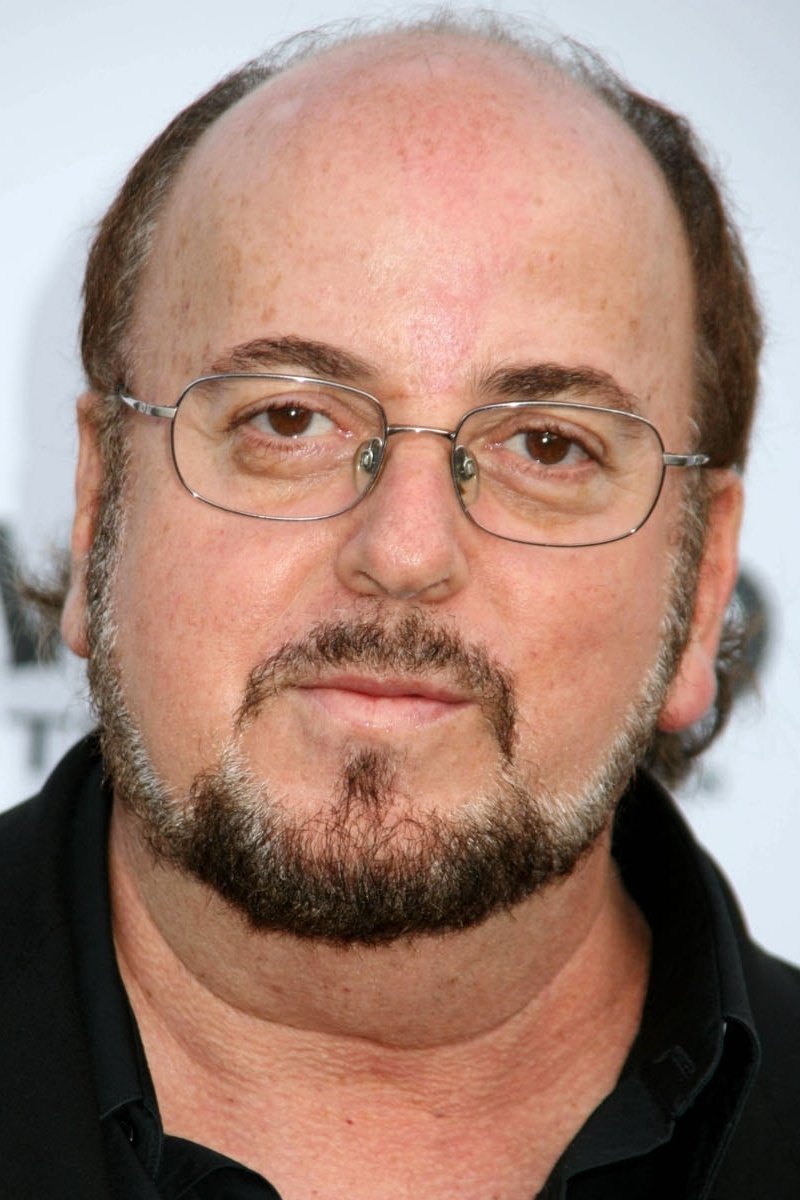
James Toback was a well known screenwriter and director who often acted in his own films and was a fixture in the New York and Hollywood scenes. His career came to an abrupt end after hundreds of women came forward with allegations of harassment and misconduct. He was quickly dropped by his agents and has been entirely excluded from the professional filmmaking community since the reports surfaced. Unlike some figures who attempt a comeback he has largely disappeared from public life and the industry. His case reflects the total professional shutdown that can follow widespread and verified allegations of abuse.
Andy Dick
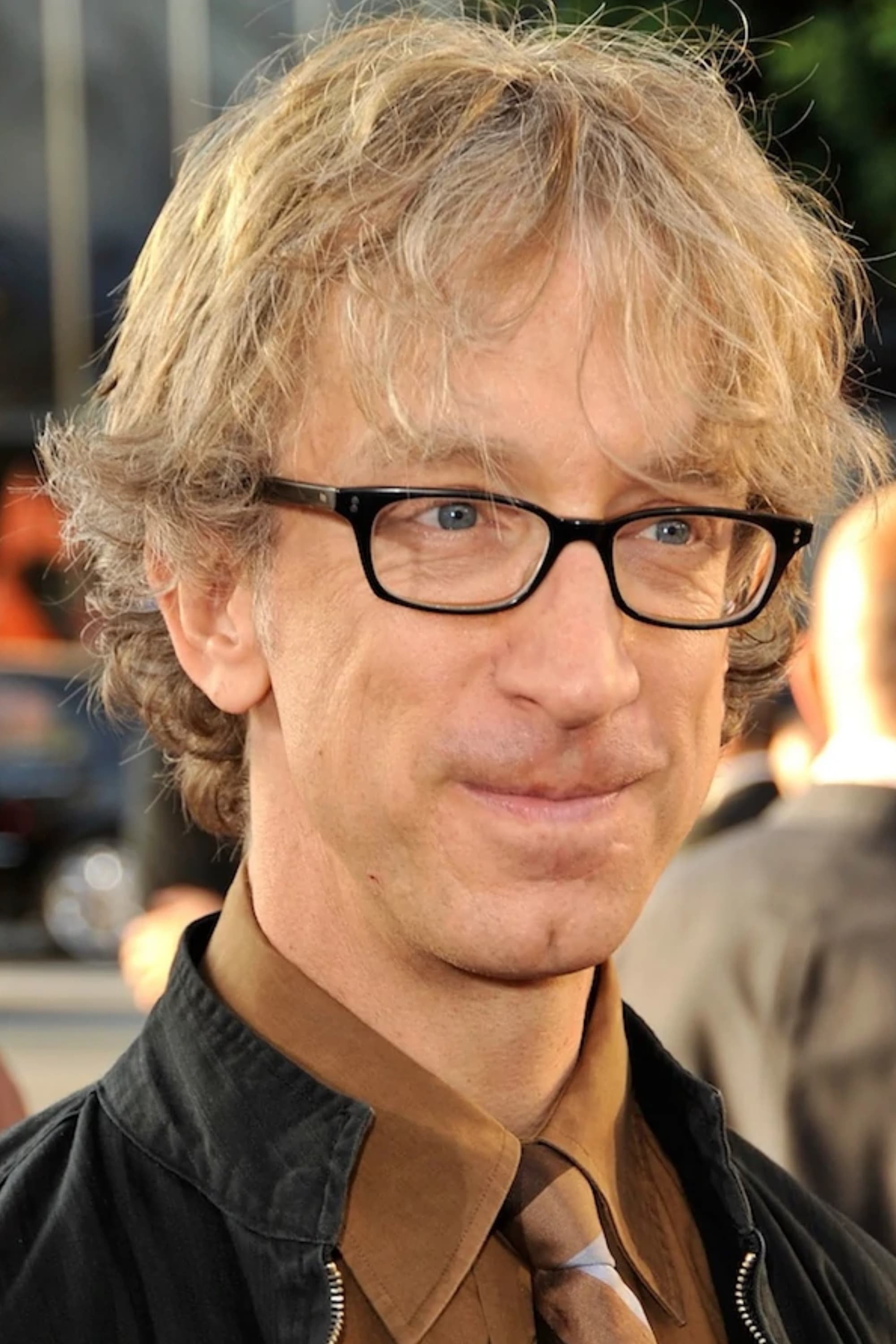
Andy Dick was a successful comedic actor on shows like ‘NewsRadio’ but his career was consistently derailed by his own erratic behavior. He has been removed from numerous sets and public events due to onset misconduct and substance related incidents. These recurring issues eventually led to a situation where major studios deemed him too much of a liability to hire for significant projects. While he occasionally appears in very small independent works he is largely excluded from the mainstream industry he once belonged to. His career is a long term study in how repeated professional and personal failures can lead to a total loss of work.
John Schneider
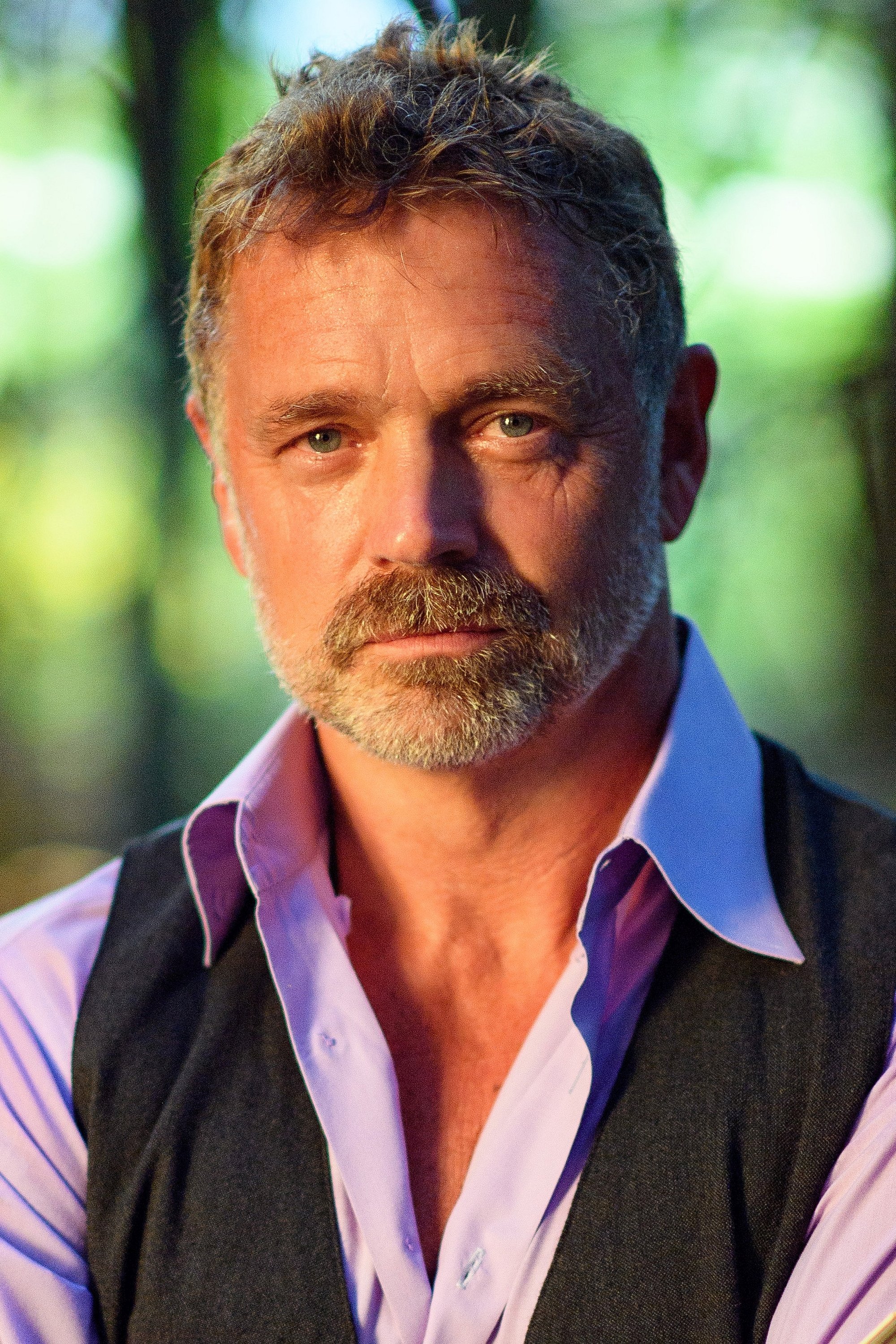
John Schneider became a household name on ‘The Dukes of Hazzard’ and later had a long run on the series ‘Smallville’. In recent years his professional focus has shifted away from mainstream Hollywood due to his outspoken political views and various legal disputes. He has frequently criticized the industry establishment and has moved toward producing and starring in his own independent films distributed through his own platforms. While he remains active his career is now almost entirely outside the traditional studio system by his own choice and the industry response to his rhetoric. He represents a segment of actors who have built an alternative career path after being sidelined by the mainstream.
Scott Baio
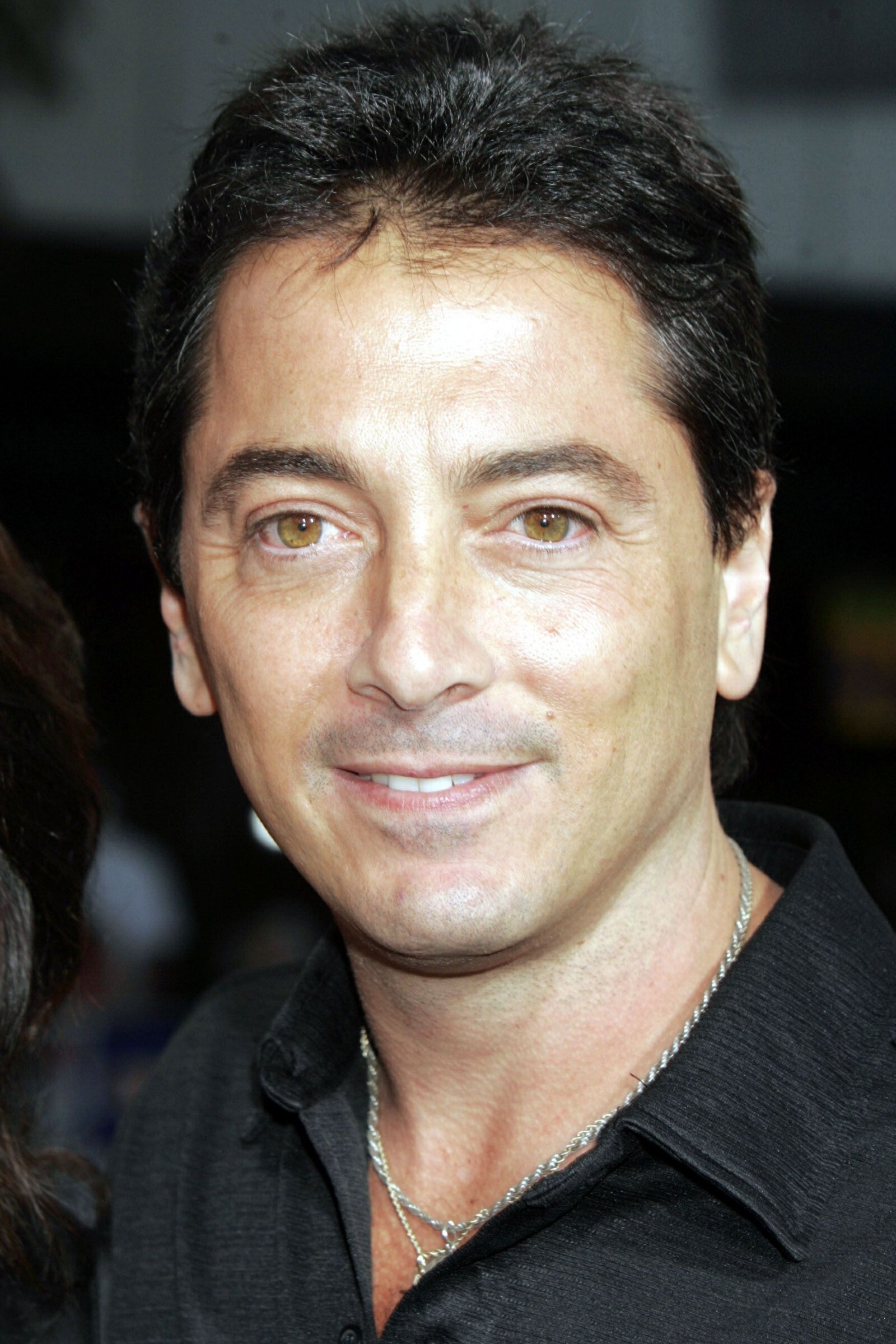
Scott Baio was a major star in the 1970s and 1980s on shows like ‘Happy Days’ and ‘Charles in Charge’. His career in mainstream Hollywood has effectively ended following a series of public controversies and his outspoken political stances which he claims led to him being blacklisted. He has also faced personal allegations that further complicated his professional reputation in the modern era. He is rarely seen in traditional studio productions and has mostly appeared in reality television or independent faith based projects. His career shift reflects the polarization that can occur when an actor’s public persona conflicts with industry norms.
Kevin Sorbo
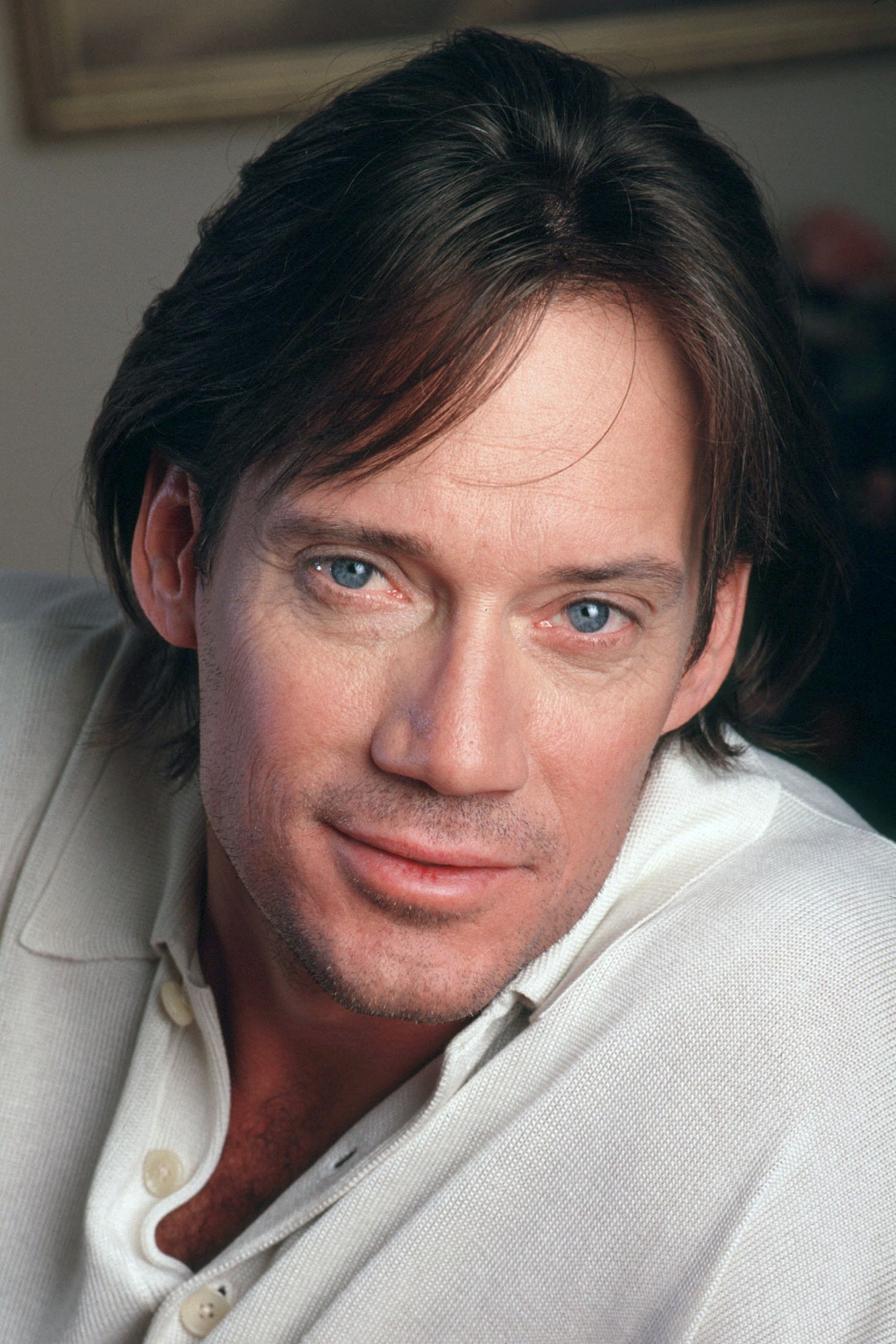
Kevin Sorbo was a massive television star in the 1990s as the lead in ‘Hercules: The Legendary Journeys’. He has stated in numerous interviews that his career in mainstream Hollywood ended because of his conservative political views and Christian faith. Since leaving the mainstream spotlight he has become a staple of the faith based film industry where he both acts and directs. While he maintains a loyal audience in that niche he is no longer considered for roles in major studio blockbusters or network dramas. His transition shows the development of a parallel industry for actors who feel excluded from the Hollywood mainstream.
James Woods
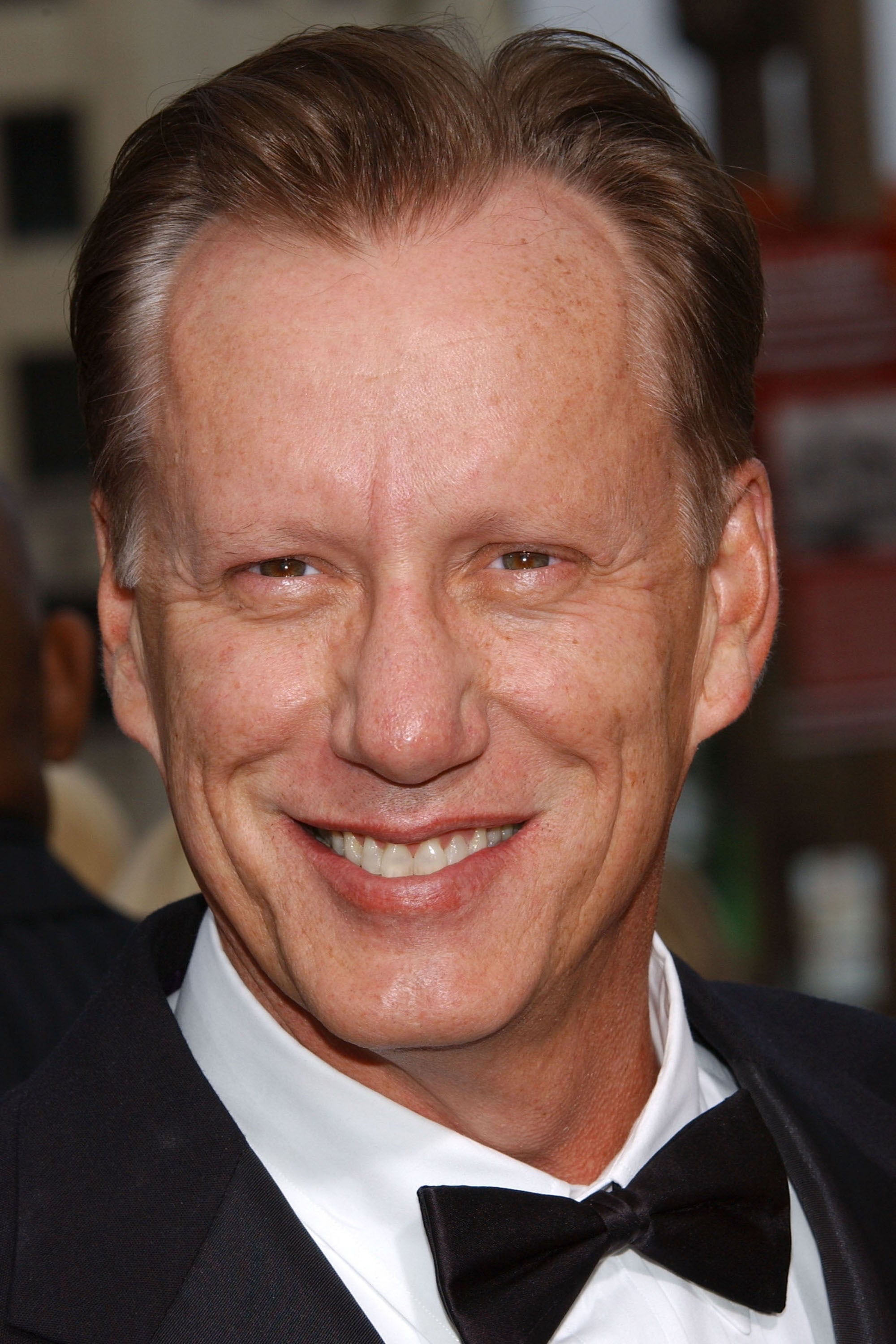
James Woods is an Academy Award nominated actor known for his roles in ‘Casino’ and ‘Videodrome’. He has been very vocal about his belief that his political activities and social media presence have led to him being blacklisted by major Hollywood studios. His veteran agent eventually dropped him and his frequency of work in major films has dropped to near zero in recent years. While he remains a prominent public figure his acting career has essentially moved into a state of forced retirement from the mainstream. His situation highlights the debate over the impact of political expression on professional opportunities in entertainment.
Share your thoughts on these career shifts in the comments.