Actors Banned From Entering Certain Countries

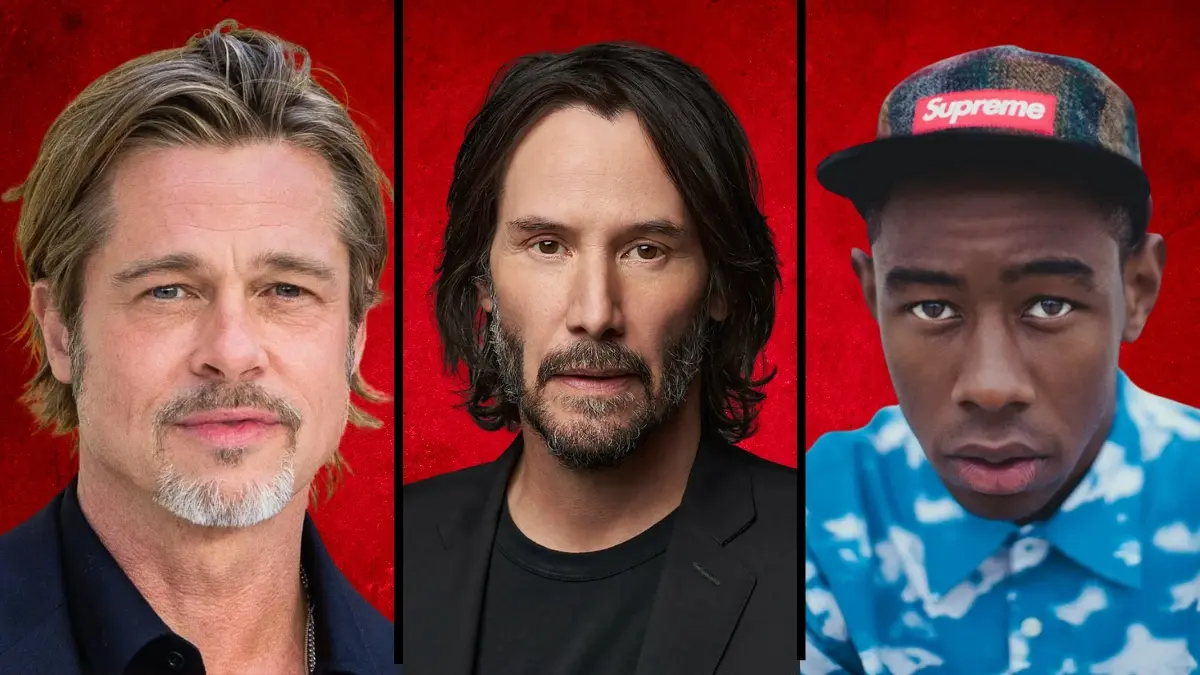

International travel can become a complex legal hurdle for high-profile celebrities due to political stances, criminal records, or cultural sensitivities. While many stars enjoy global access, several prominent male actors have faced formal bans or were declared persona non grata by various nations. These restrictions often stem from outspoken activism, controversial film roles, or legal issues that conflict with a country’s entry requirements. Understanding the reasons behind these travel bans offers a unique look at the intersection of entertainment and international diplomacy.
Richard Gere
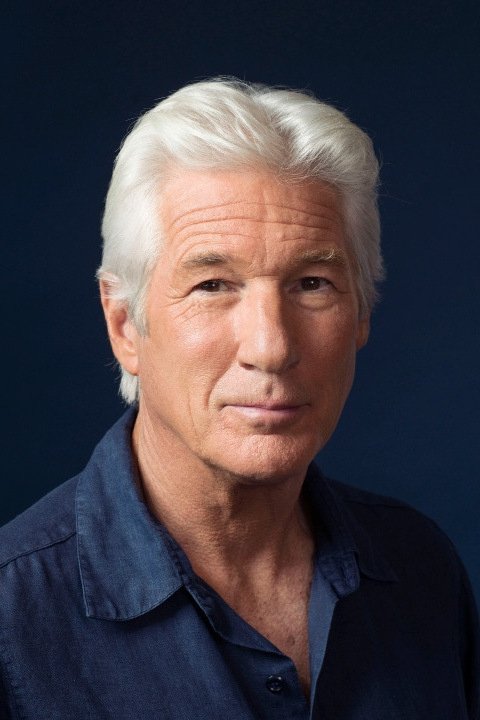
The ‘Pretty Woman’ star has been permanently banned from entering China due to his long-standing and vocal support for Tibetan independence. His advocacy for the Dalai Lama and criticisms of the Chinese government’s policies in Tibet led to this strict restriction. This ban notably affected his career, as major film studios became hesitant to cast him in projects that required access to the Chinese market. He continues to be an active supporter of human rights despite the diplomatic consequences.
Harrison Ford
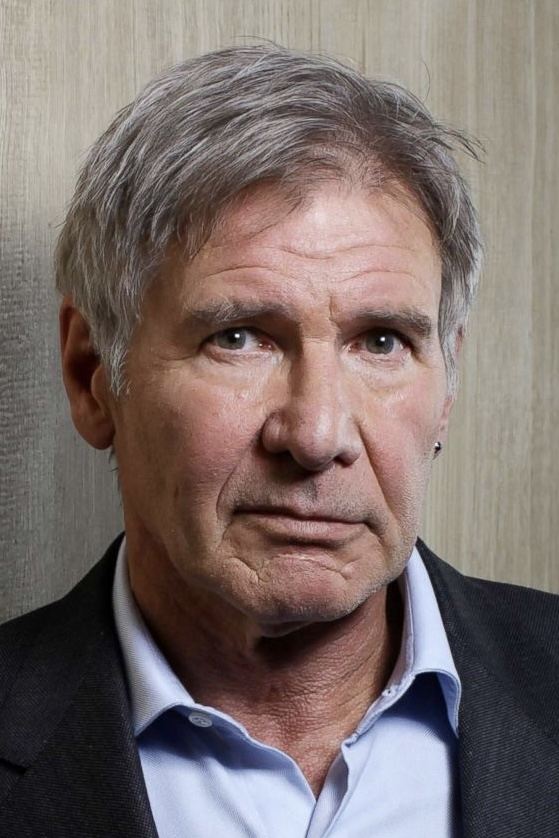
The legendary actor behind the ‘Star Wars’ and ‘Indiana Jones’ franchises was banned from China in 1995. This action was taken after he testified before the United States Senate Foreign Relations Committee regarding human rights abuses in Tibet. His public stance against the Chinese administration’s presence in the region made him persona non grata in the country. Like many of his peers who support Tibetan causes, the ban remains an active part of his international status.
Brad Pitt
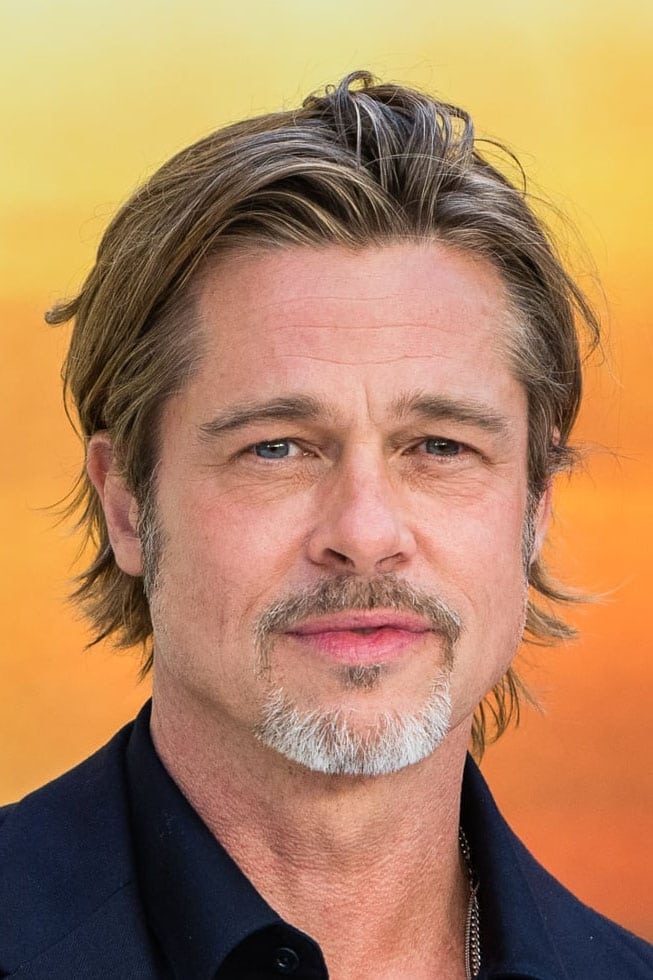
After starring in the 1997 film ‘Seven Years in Tibet’, the actor was barred from entering China for nearly two decades. The Chinese government took offense at the film’s portrayal of the Dalai Lama and its depiction of Chinese military officers. Although he was eventually allowed to return to the country for a film promotion in 2016, the ban was one of the most famous examples of Hollywood tension with Beijing. The actor’s restricted status highlighted the geopolitical sensitivity surrounding Western media portrayals of history.
Christian Bale
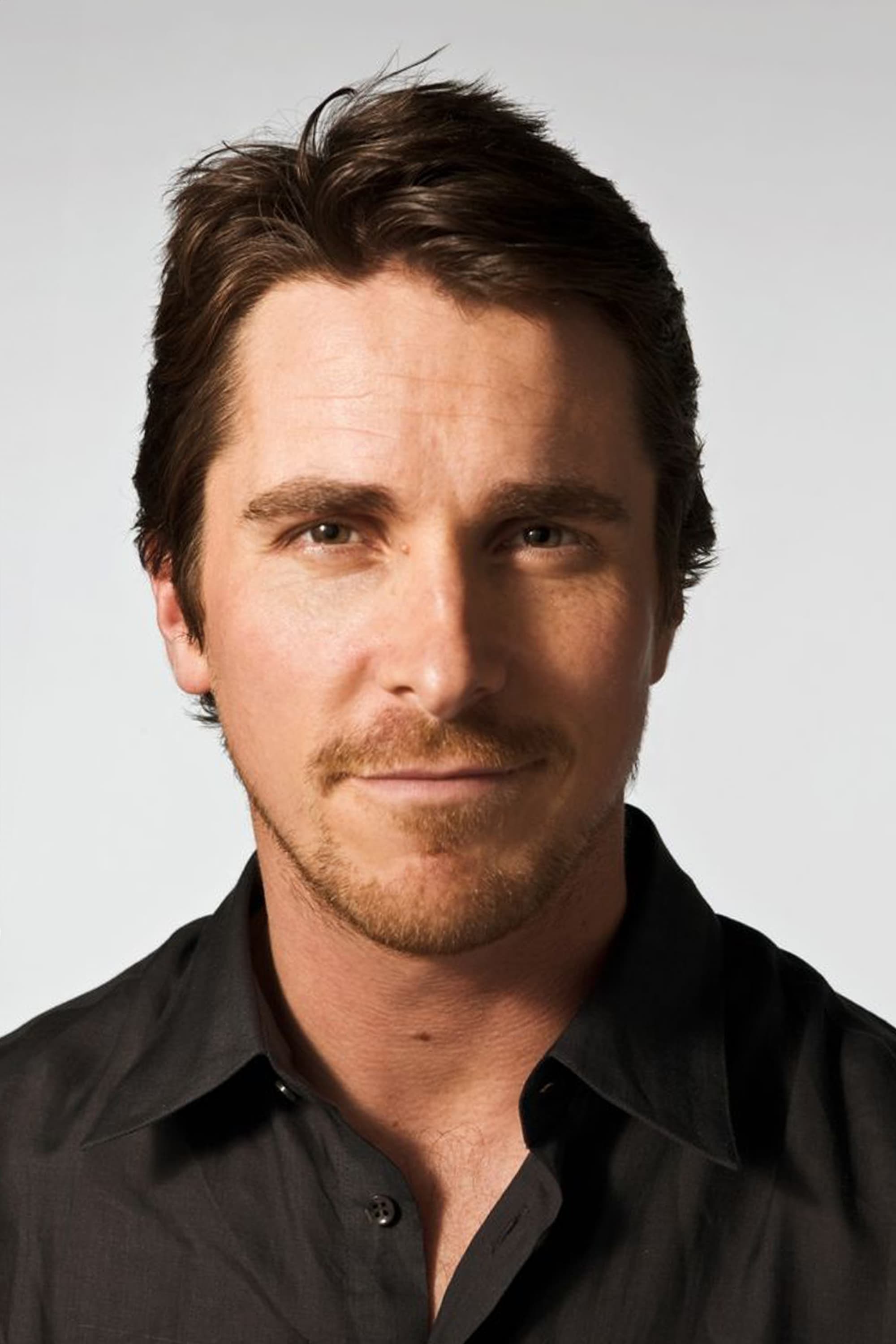
In 2011, the star of ‘The Dark Knight’ faced a physical confrontation with security guards and a subsequent ban when he attempted to visit a blind human rights activist in China. While in the country to promote the film ‘The Flowers of War’, he traveled to a remote village to meet Chen Guangcheng, who was under house arrest. The incident was captured on camera and led to a stern rebuke from the Chinese Ministry of Foreign Affairs. He was effectively barred from the country following this attempt to engage with domestic political issues.
Keanu Reeves
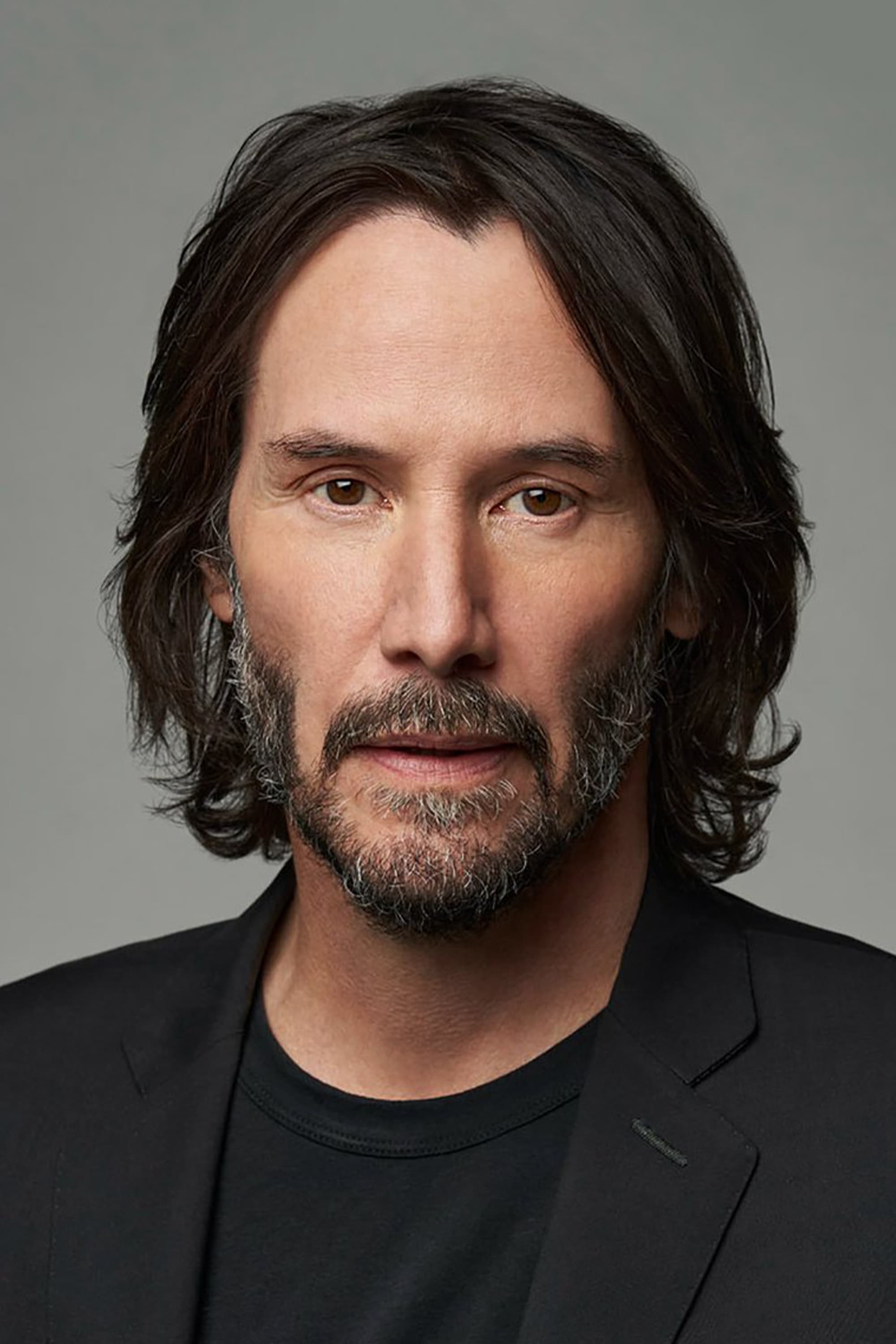
The actor known for ‘The Matrix’ faced a significant backlash and a de facto ban in China in 2022. This occurred after he participated in a benefit concert for Tibet House, an organization linked to the Dalai Lama. Following his appearance at the event, his films were removed from major Chinese streaming platforms, and his name was scrubbed from search results. This digital and physical blacklisting serves as a modern example of how quickly celebrity status can change in the Chinese market.
Steven Seagal
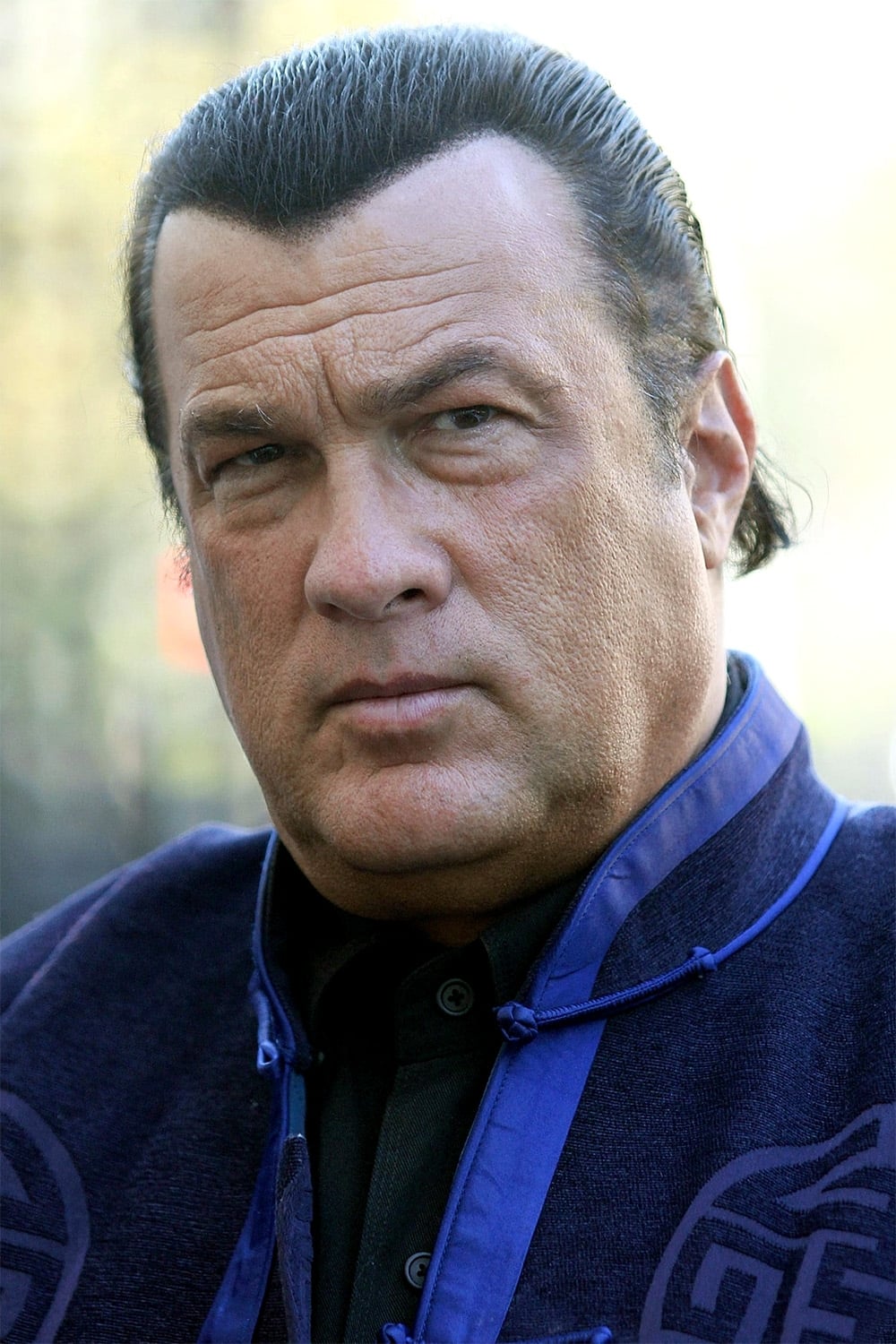
The ‘Under Siege’ actor was officially banned from entering Ukraine for five years starting in 2017. The Ukrainian security service labeled him a threat to national security due to his close relationship with the Russian government. He had previously been granted Russian citizenship and publicly supported the annexation of Crimea. The ban reflects the ongoing geopolitical conflict and the ways in which celebrity endorsements of political regimes can lead to formal entry denials.
Gérard Depardieu
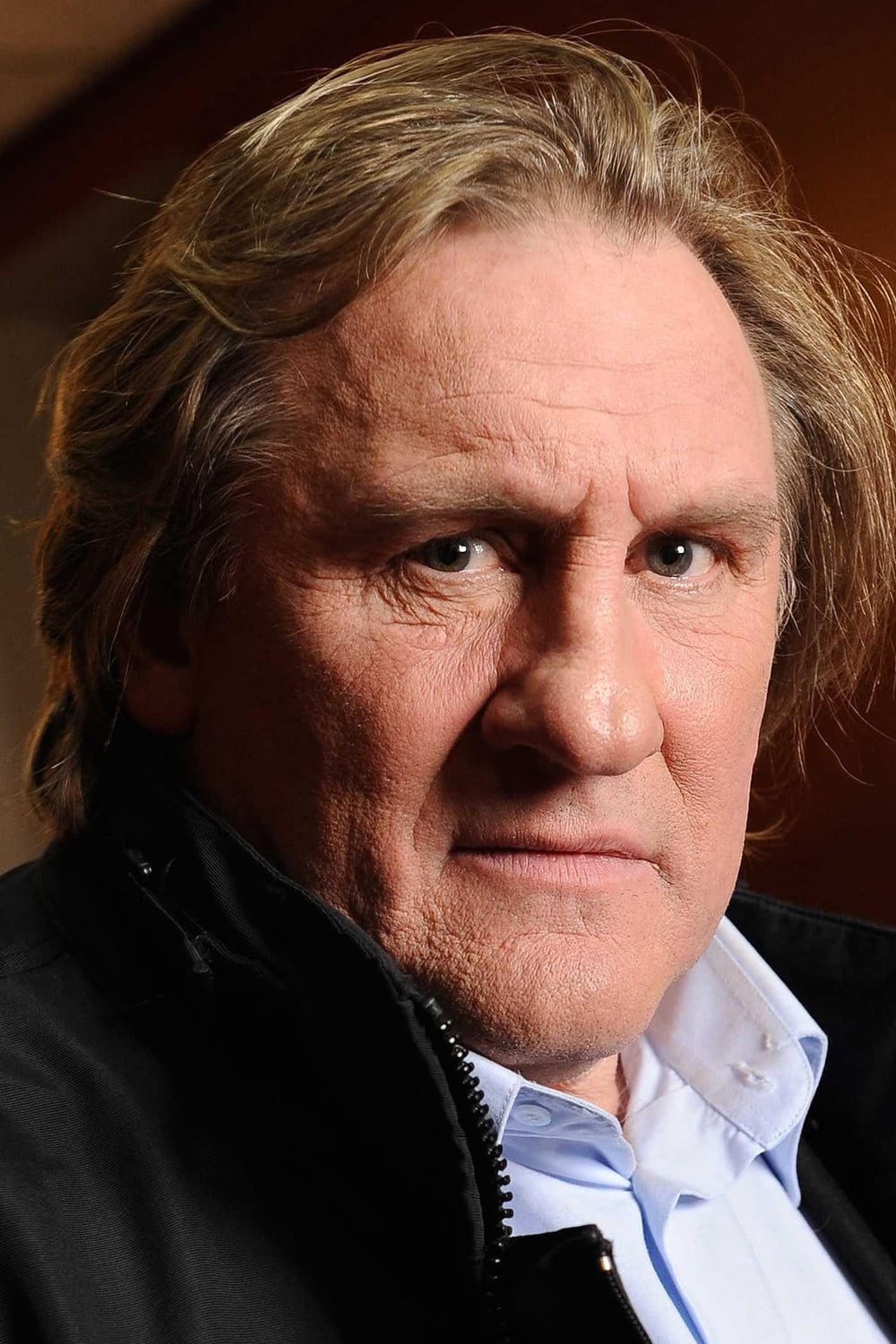
The French actor, famous for ‘Cyrano de Bergerac’, was banned from Ukraine in 2015 for a period of five years. This decision was made after he accepted Russian citizenship and made several public statements supporting Russian territorial claims. The Ukrainian Ministry of Culture placed him on a blacklist of individuals considered a threat to the country’s integrity. His ban was part of a larger movement to restrict cultural figures who align themselves with opposing political forces during wartime.
Alec Baldwin
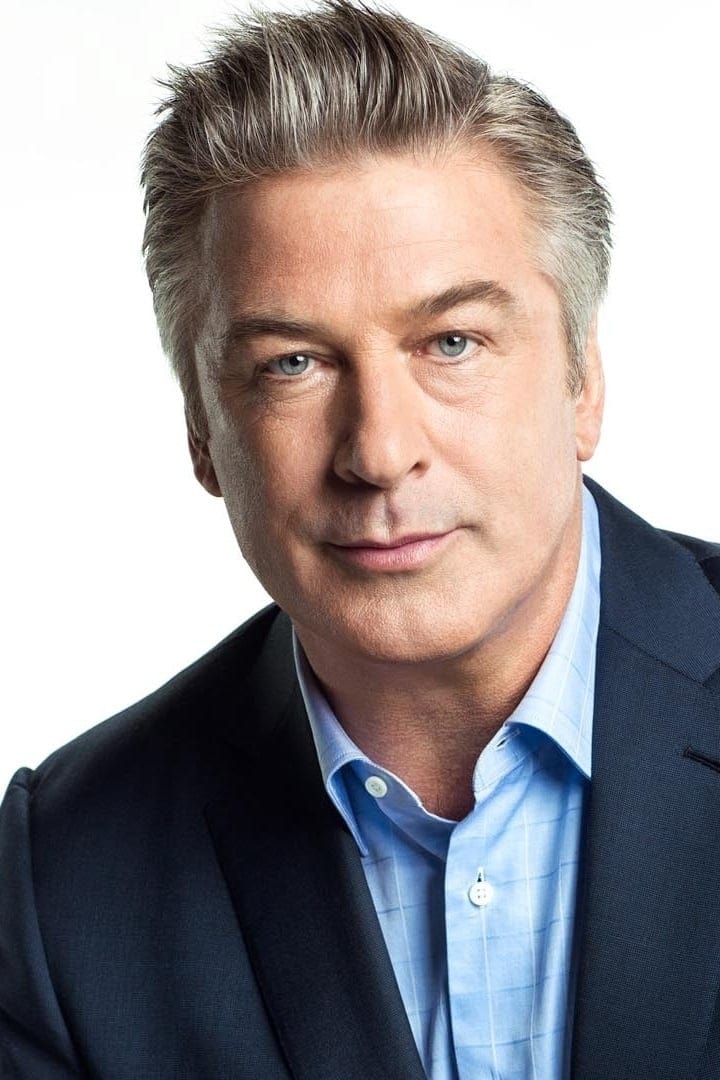
The Philippines issued a permanent ban against the actor in 2009 following a joke he made on a late-night talk show. While discussing travel and relationships, the star of ‘The Departed’ made a comment regarding “mail-order brides” from the Philippines. The Philippine government deemed the remark an insult to the dignity of Filipino women and promptly declared him persona non grata. Despite apologies, the bureau of immigration maintained the ban to protect the national image.
Justin Bieber
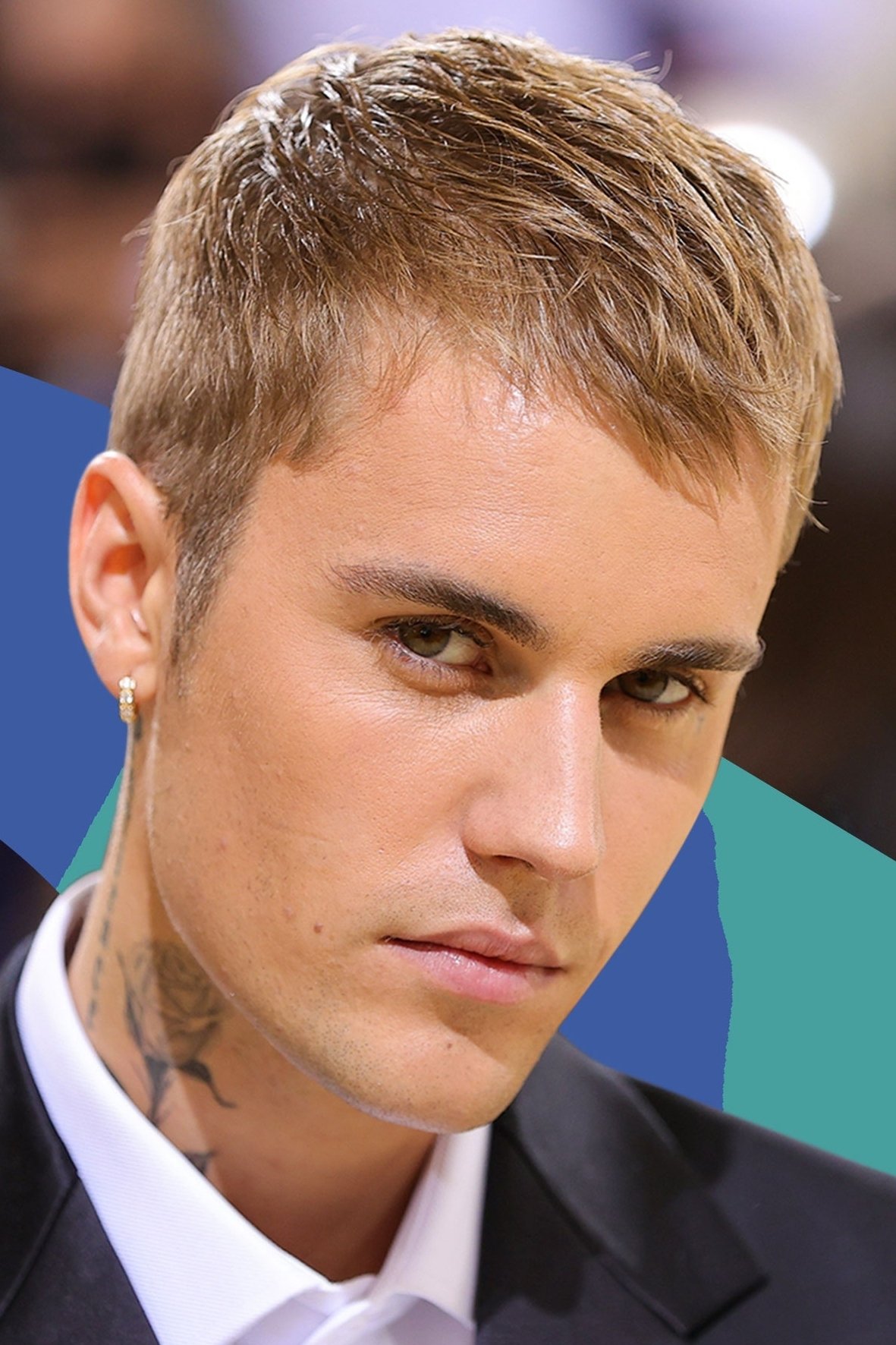
In 2017, the actor and singer was banned from performing in or entering China due to “bad behavior.” The Beijing Municipal Bureau of Culture released a statement explaining that his past legal troubles and public antics made him unsuitable for the Chinese stage. Although he appeared in ‘Zoolander 2’, his presence in the country was halted to maintain order in the domestic entertainment industry. Authorities suggested that he would need to improve his conduct before being considered for future entry.
Akon
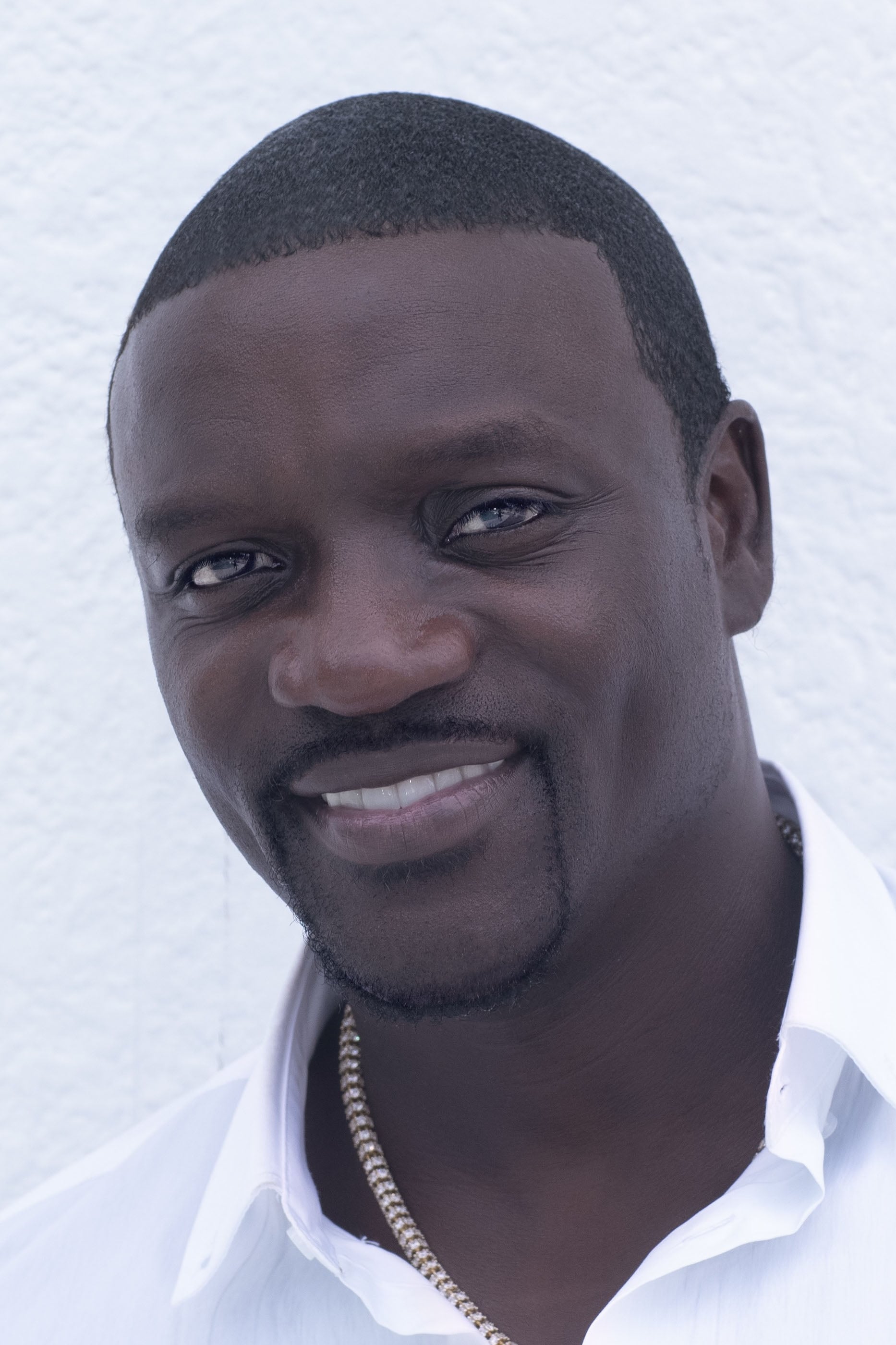
The actor and musician, who appeared in ‘Black November’, was denied a visa to enter Sri Lanka in 2010. This ban followed the release of a music video for the song ‘Sexy Chick’, which featured women dancing in front of a statue of Buddha. The imagery sparked massive protests and riots in the capital city of Colombo, as it was viewed as highly disrespectful to the country’s majority religion. Government officials cited the need to preserve religious harmony as the primary reason for the denial.
Snoop Dogg
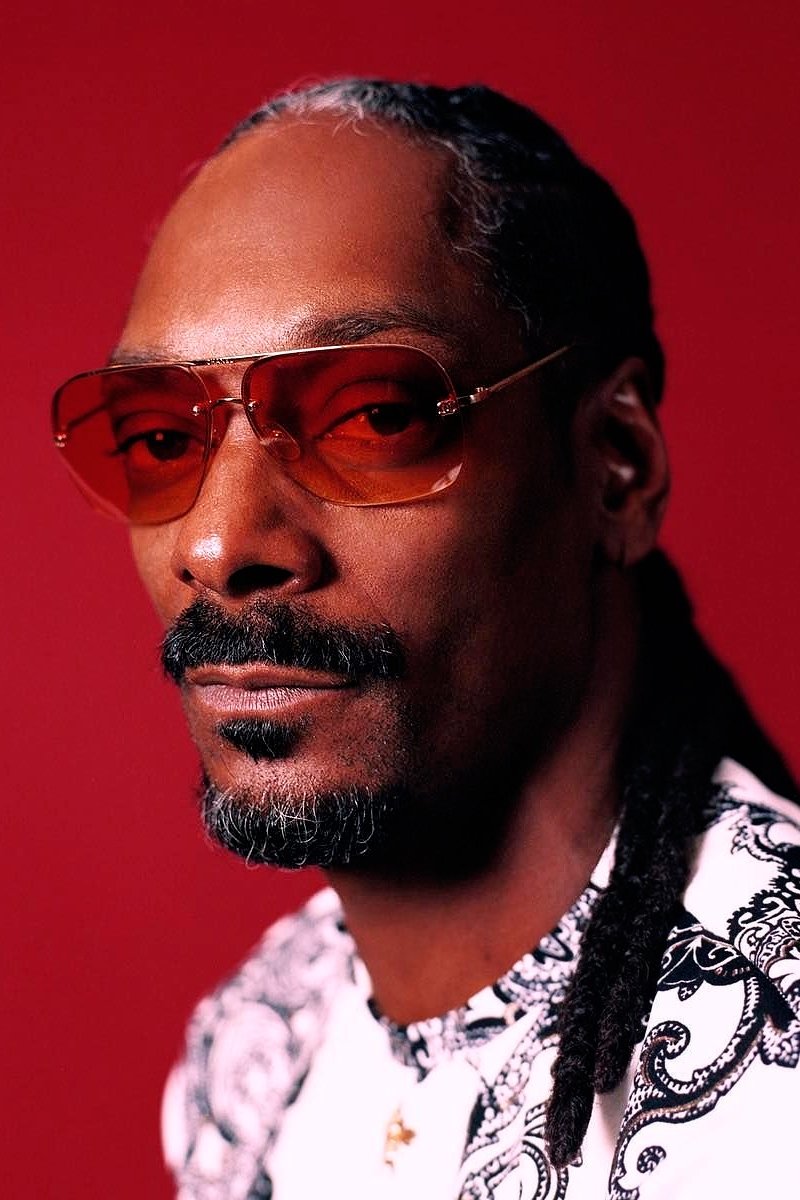
The ‘Training Day’ actor has faced entry bans from multiple countries, including the United Kingdom and Norway, due to his criminal record and drug charges. In 2006, he was barred from the UK following an incident at Heathrow Airport, though this ban was later overturned after a legal battle. In 2012, Norway issued a two-year ban after he was found in possession of marijuana at an airport. These restrictions are common for celebrities with high-profile legal issues involving controlled substances.
Mike Tyson
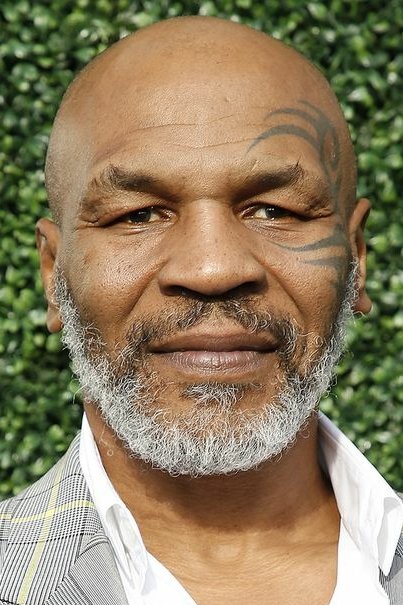
The ‘The Hangover’ actor has faced significant travel restrictions in the United Kingdom, New Zealand, and Australia. Due to his 1992 conviction for a serious felony, he often falls under immigration rules that prohibit entry to individuals with substantial prison sentences. In 2013, he was forced to cancel a promotional tour in London after being informed that his entry would not be permitted. These bans have persisted for decades, illustrating how long-term legal records can impact international movement.
Jay-Z

The rapper and actor, featured in the documentary ‘State Property’, was banned from performing in China in 2006. The Ministry of Culture canceled his scheduled concert in Shanghai, citing “vulgar” lyrics that were deemed inappropriate for the public. Government officials stated that his music contained too many references to violence and criminal activity. This ban was part of a broader effort to regulate Western cultural influence and maintain specific moral standards in entertainment.
Tyler, the Creator

The actor and performer, seen in ‘Jackass Forever’, was banned from entering the United Kingdom in 2015 for a period of three to five years. The Home Office cited lyrics from his early albums, ‘Bastard’ and ‘Goblin’, claiming they encouraged violence and homophobia. He was detained at the border and informed that his presence was not conducive to the public good. The ban was eventually lifted in 2019, allowing him to return for a series of sold-out performances.
50 Cent
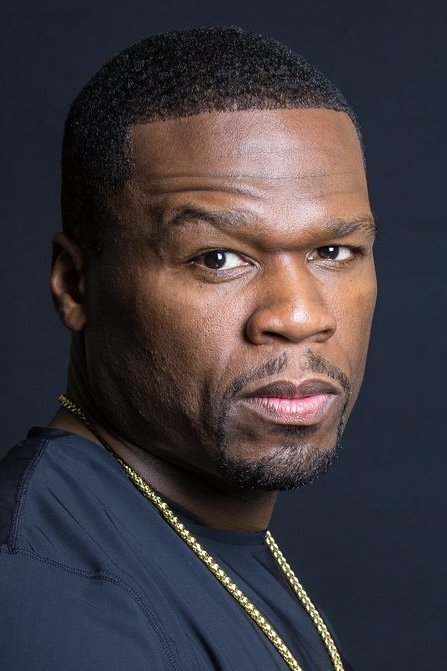
The ‘Get Rich or Die Tryin” star faced a high-profile entry denial from Canada in 2005. A Canadian Member of Parliament led a campaign to keep the actor out of the country, citing his criminal record and the alleged promotion of gun violence in his lyrics. While he was eventually able to resolve these issues for later visits, the initial ban caused a significant diplomatic and media stir. The case served as a major discussion point regarding the censorship of art versus the enforcement of immigration laws.
Please share your thoughts on these celebrity travel restrictions in the comments.