African-American Actors Who Said a Role Messed With Their Mind


The process of preparing for a demanding role often requires actors to push their mental and emotional boundaries to achieve authenticity. For many African American performers the experience of inhabiting a character can leave a lasting psychological impact long after production has wrapped. This deep immersion sometimes leads to a difficult transition back to reality or requires professional support to process the intense themes explored on screen. These stories highlight the significant personal sacrifices made by talented individuals in the pursuit of their craft. Exploring the lives of these men reveals the heavy toll that the entertainment industry can take on the human mind.
Michael B. Jordan
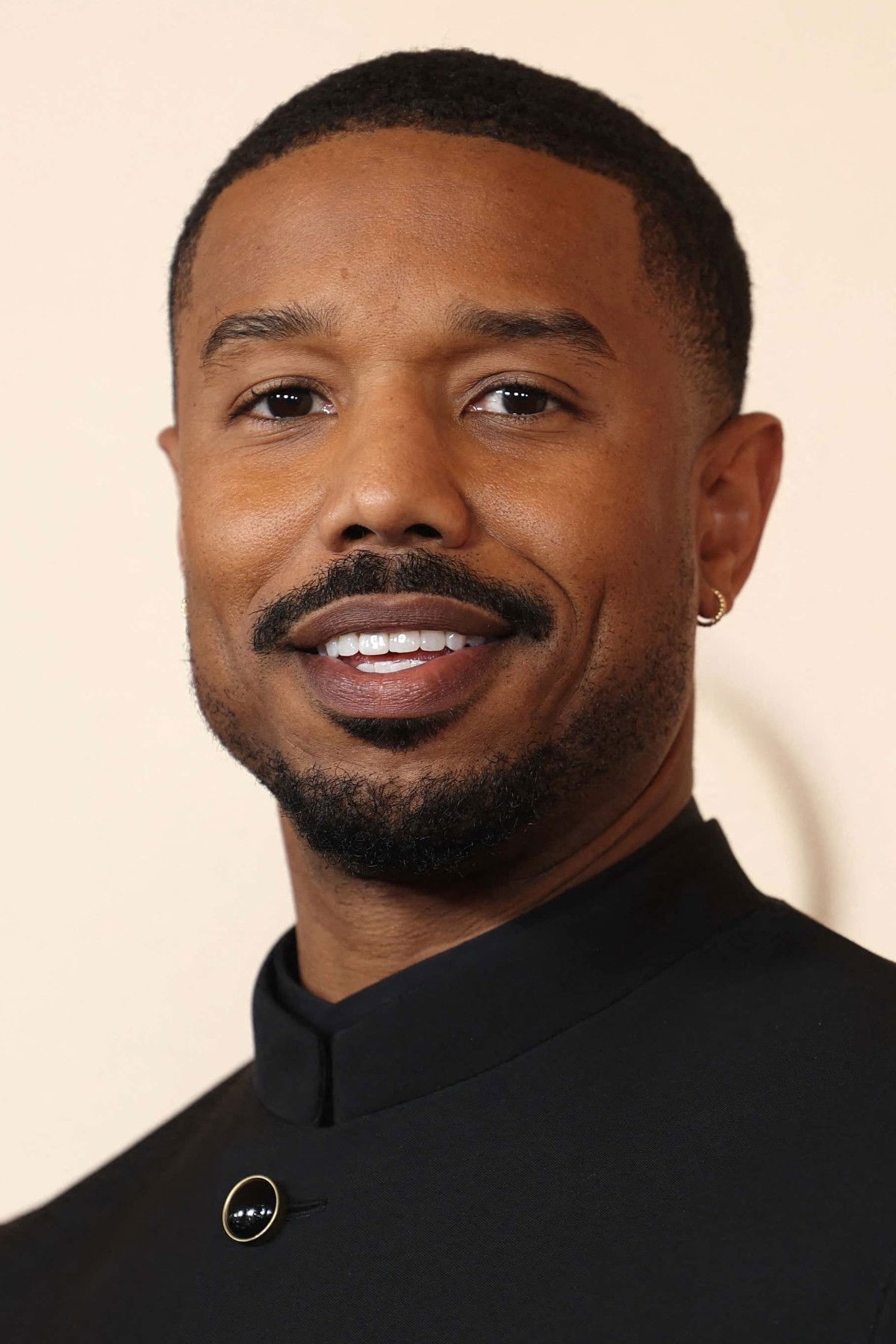
In the film ‘Black Panther’ the actor played the antagonist Erik Killmonger. He isolated himself from friends and family for several months to tap into the character’s deep sense of loneliness and resentment. After the movie finished production he admitted that he needed therapy to help him detach from that dark mindset. This transition back to his normal life took a considerable amount of time and professional guidance. He has been vocal about the importance of mental health care for performers who undergo such intense transformations.
Forest Whitaker
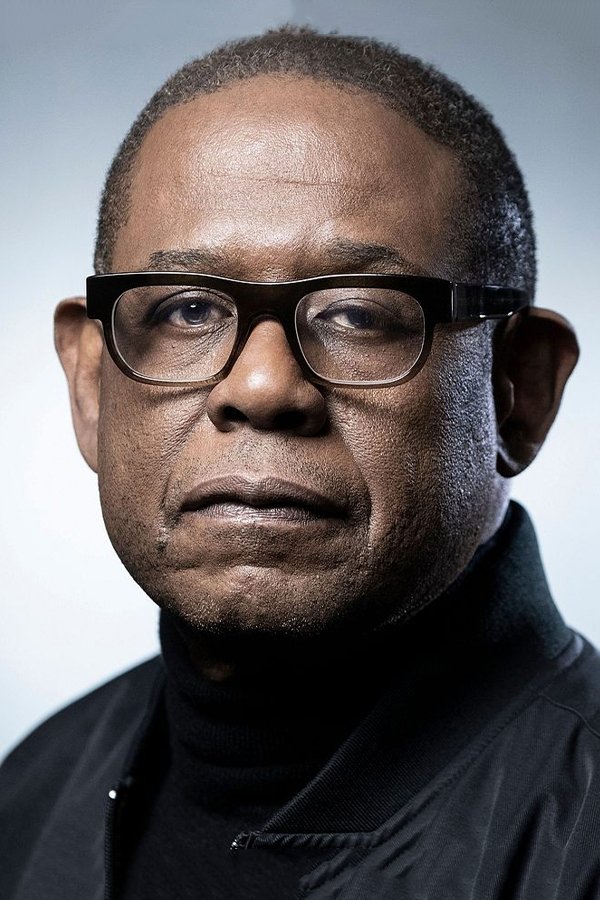
While filming ‘The Last King of Scotland’ the actor remained in character as the dictator Idi Amin at all times. He studied the mannerisms and learned Swahili to the point where his own family felt he had become a different person. The actor struggled to let go of the intense persona even when he was not on the movie set. This deep immersion was both rewarding for his performance and psychologically taxing for his personal life. He described the experience of leaving the character behind as a long and difficult process.
Jamie Foxx
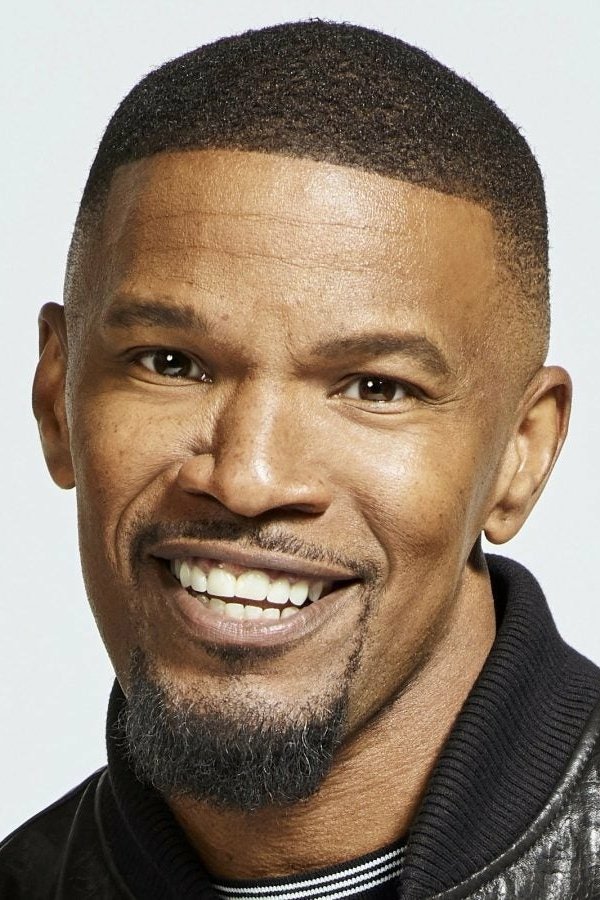
During the production of ‘Ray’ the actor had his eyelids glued shut to simulate the experience of being blind. This physical restriction caused him to experience intense claustrophobia and frequent panic attacks during the long hours of filming. He spent up to fourteen hours a day in total darkness which deeply affected his sense of reality and his mental well being. The physical and mental toll of the experience stayed with him long after the movie was completed. He has since reflected on the role as one of the most challenging experiences of his career.
Will Smith
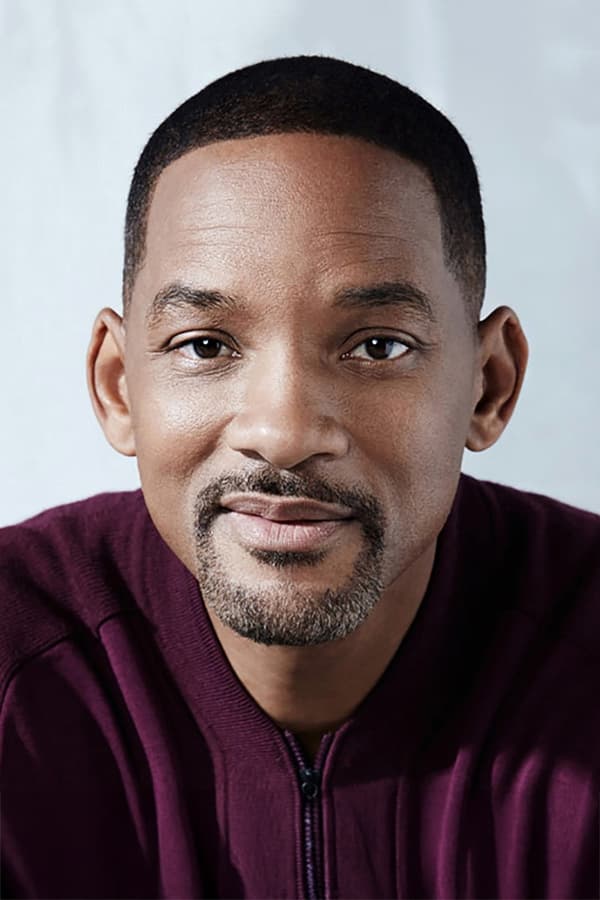
While working on the film ‘Six Degrees of Separation’ the actor fell in love with his costar Stockard Channing. He had spent so much time in the mindset of his character Paul that the fictional feelings began to bleed into his real life. He struggled to differentiate his own emotions from those of the person he was portraying on screen. This experience led him to be much more cautious about the methods he used for character preparation in his subsequent projects. He later described the situation as a dangerous consequence of losing himself in a role.
Michael Kenneth Williams
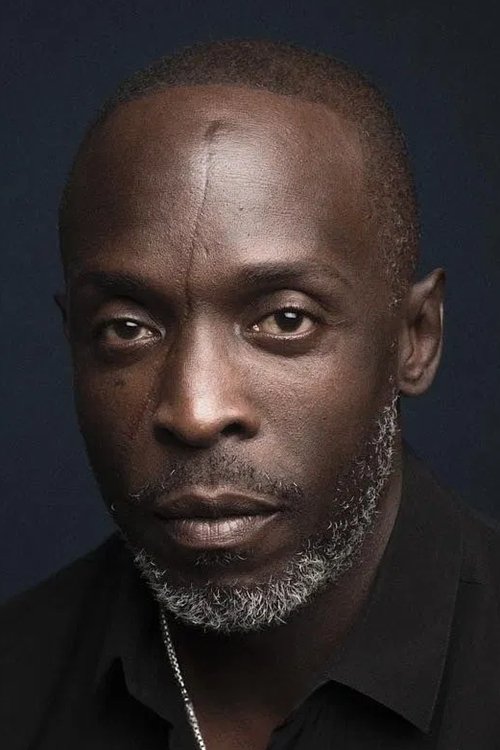
The portrayal of Omar Little in ‘The Wire’ had a profound impact on the personal well being of the actor. He found himself using the character’s name in his private life and struggling with a significant identity crisis. The dark environment of the show contributed to a period of personal turmoil and difficulties with substance use. He spoke openly before his passing about the difficulty of separating his own soul from such an iconic and heavy role. The character remained a part of his public and private identity for many years.
Samuel L. Jackson
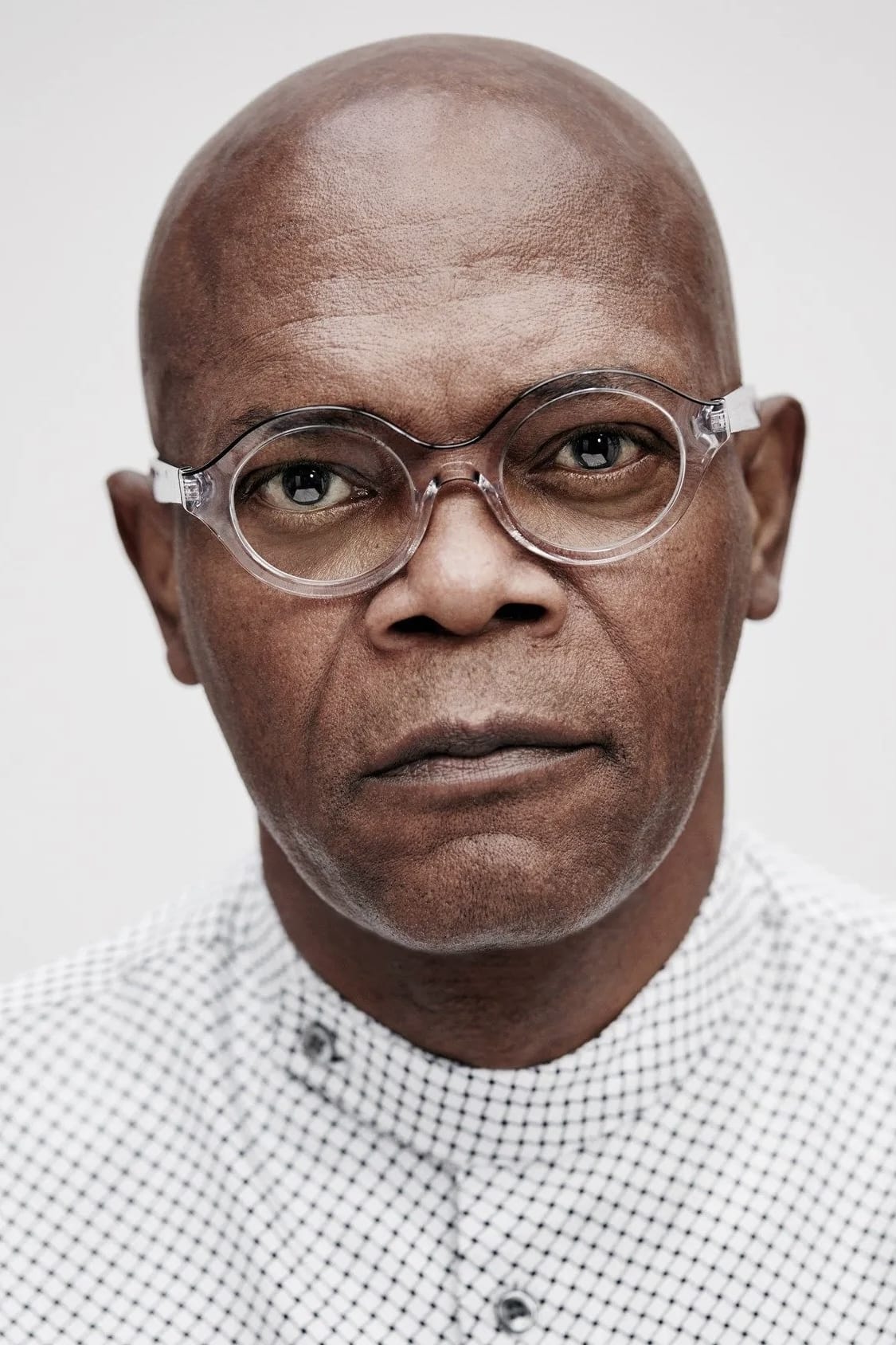
In the film ‘Jungle Fever’ the actor played a character struggling with addiction while he was in the early stages of his own recovery. This role required him to revisit painful memories and environments that he was actively trying to move away from in real life. He found the experience to be a form of catharsis that was simultaneously terrifying and emotionally draining. The weight of the performance stayed with him and influenced his approach to future dramatic roles. He credited the film with helping him process his past while also acknowledging the mental strain it caused.
Daniel Kaluuya
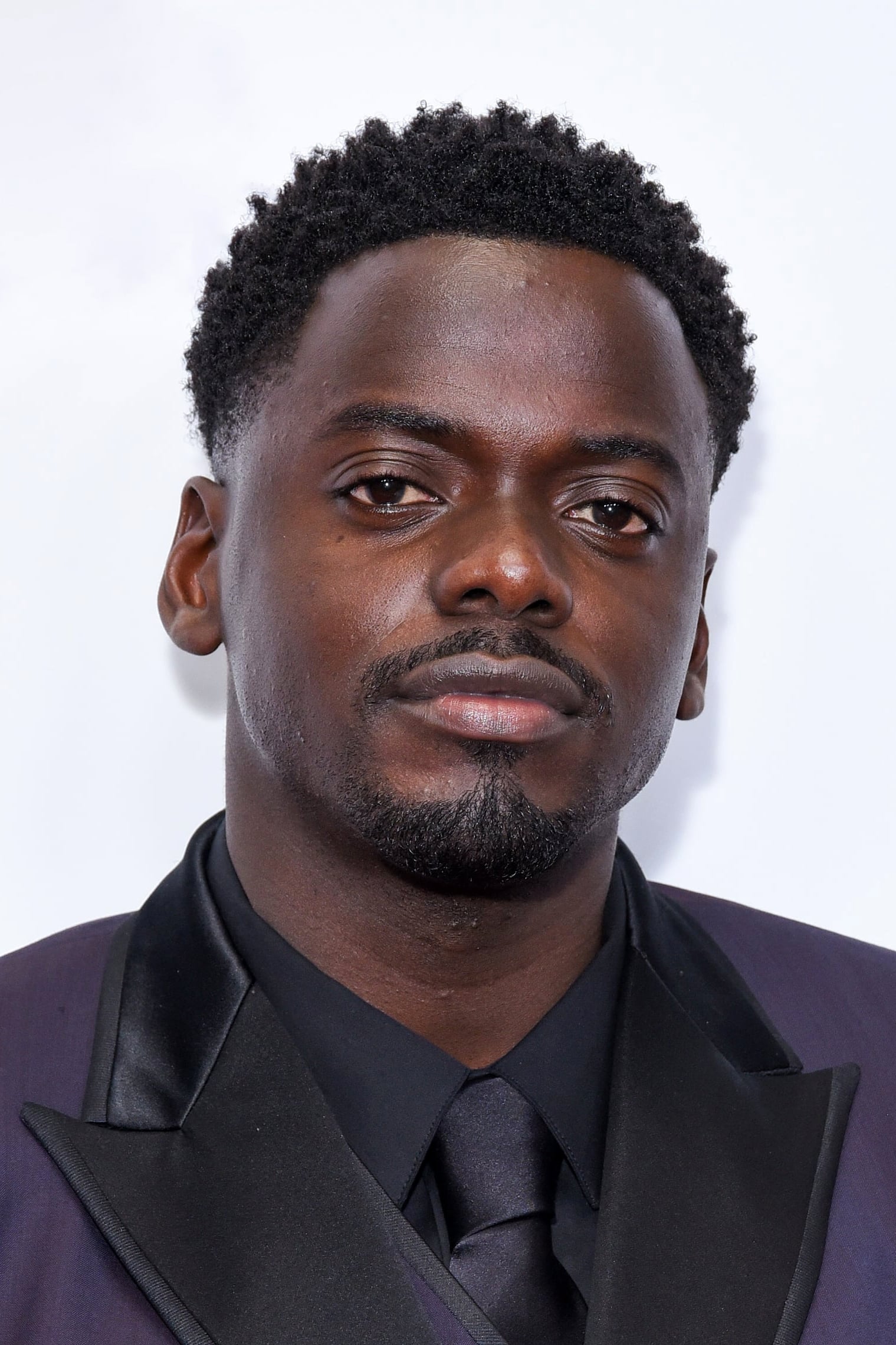
Playing Fred Hampton in ‘Judas and the Black Messiah’ required the actor to carry a heavy historical and emotional burden. He felt the weight of the leader’s legacy and the tragic nature of his death every single day he was on set. The intensity of the speeches and the gravity of the subject matter left him feeling completely drained by the end of production. He needed a significant amount of time to decompress and find his own voice again after the project concluded. The actor has noted that the role changed his perspective on life and activism.
Lakeith Stanfield
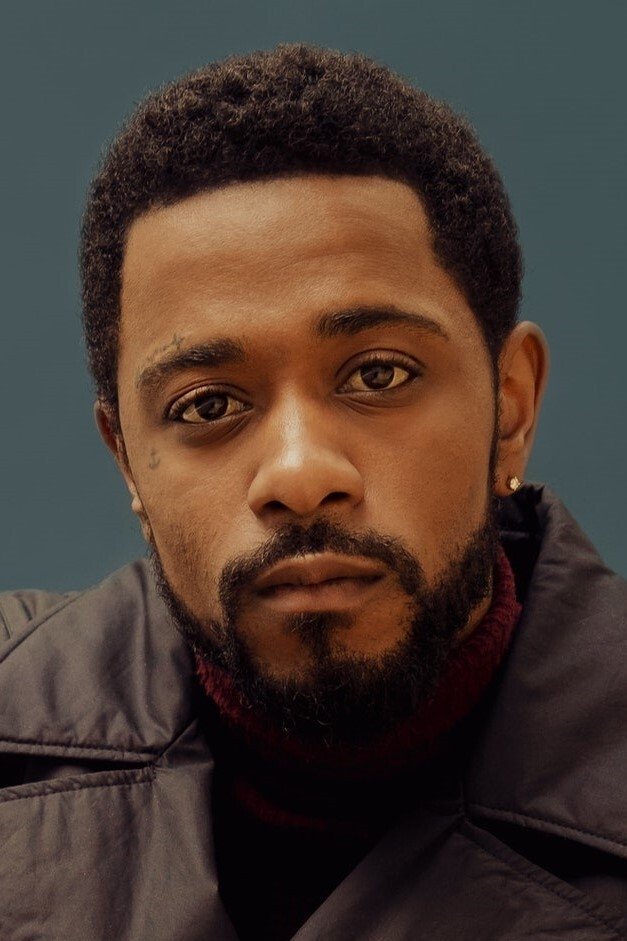
The role of William O’Neal in ‘Judas and the Black Messiah’ caused the actor significant psychological distress. He felt a deep sense of guilt and internal conflict while portraying a man who betrayed his own community and peers. The stress of the character led to physical symptoms and a persistent feeling of being unwell during the shoot. He eventually sought professional therapy to process the trauma associated with the performance and the character’s actions. He has since been open about the importance of protecting one’s mental health while playing morally complex figures.
Jharrel Jerome
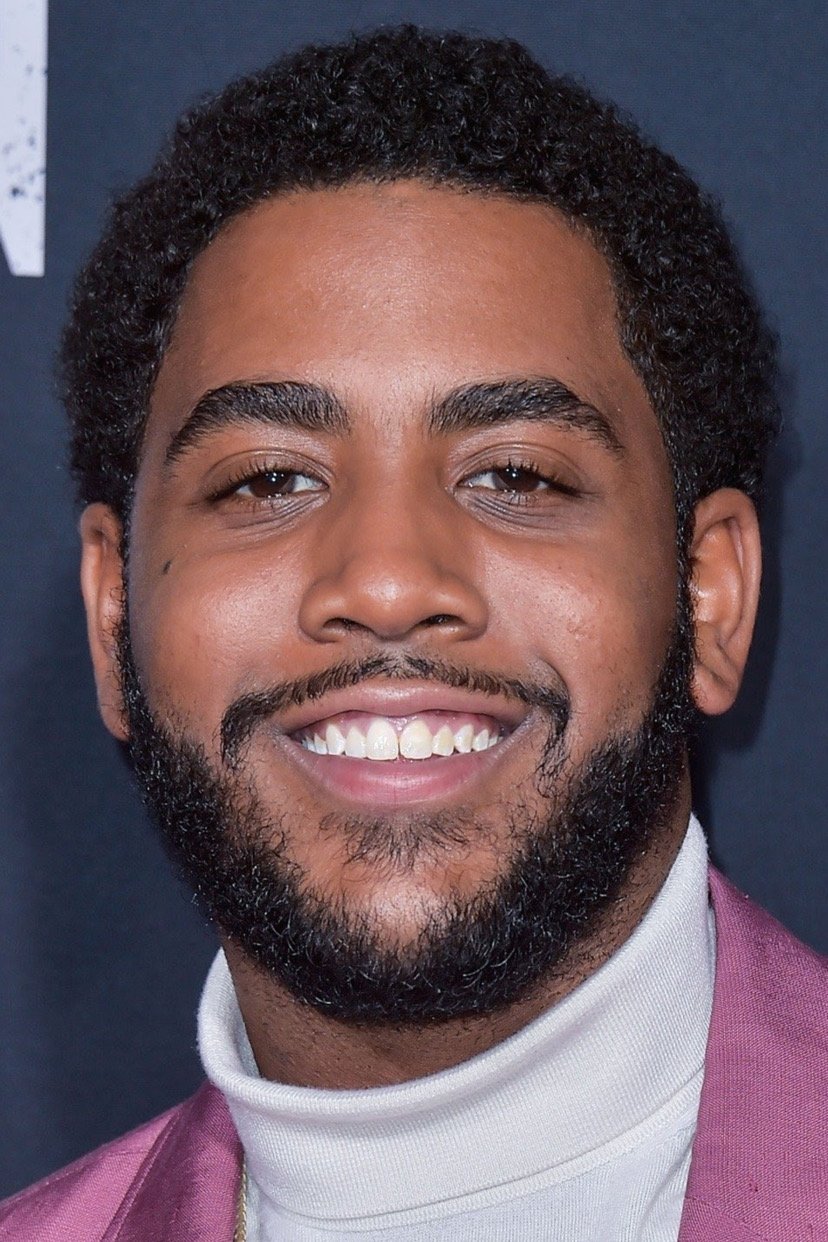
While filming ‘When They See Us’ the actor portrayed Korey Wise during his many years of wrongful imprisonment. He spent long hours on a solitary confinement set which deeply affected his mental state and his perception of time. The emotional exhaustion of reliving such a traumatic real life story stayed with him for a long time after the series ended. He described the experience as one that changed him permanently and made him more aware of systemic injustice. The role required a level of vulnerability that was both difficult to achieve and hard to let go of later.
David Oyelowo
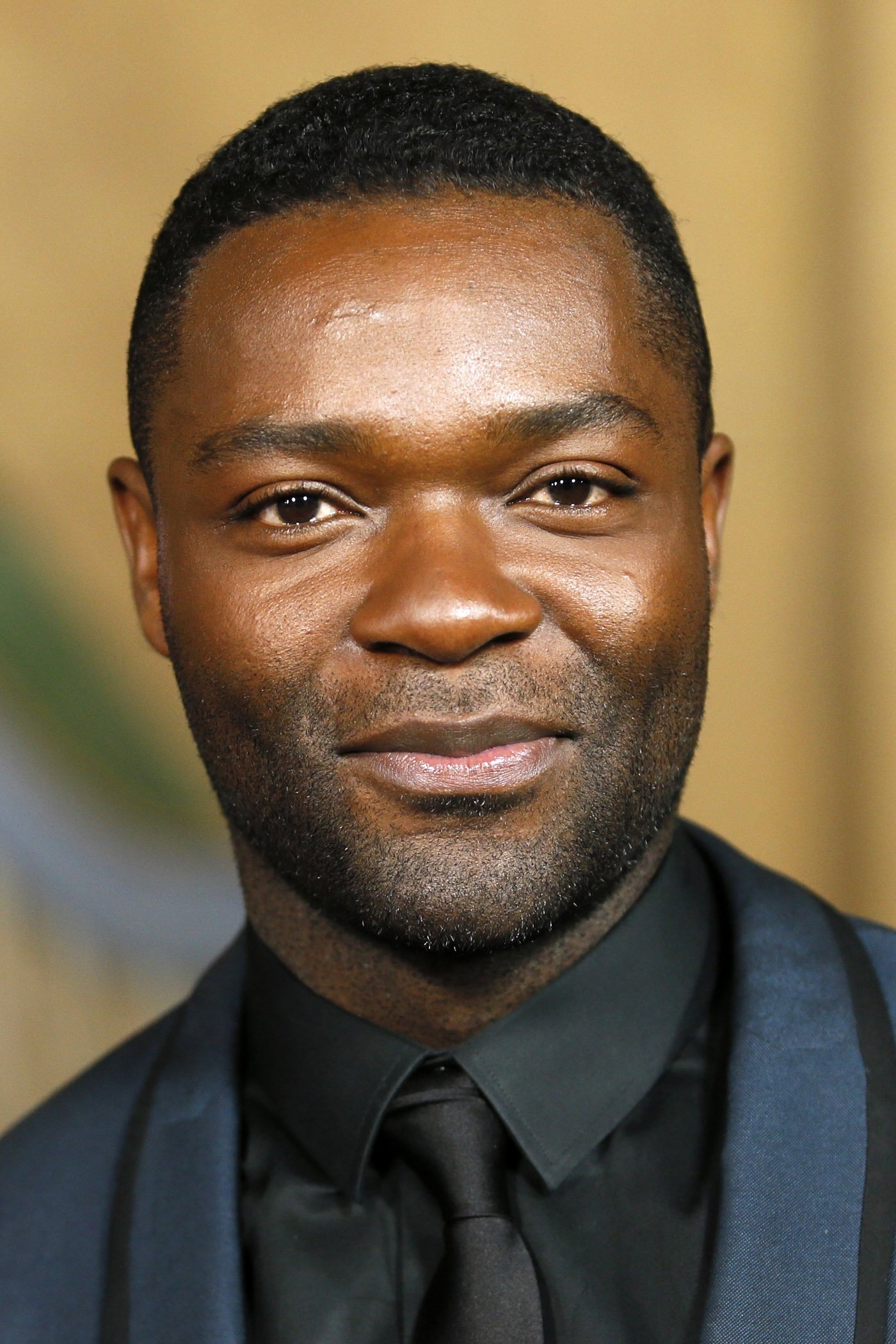
The process of playing Martin Luther King Jr. in ‘Selma’ was an overwhelming spiritual and mental journey for the actor. He felt a constant pressure to honor the legacy of the civil rights leader while dealing with the heavy themes of the film. The actor often felt as though he was carrying the weight of the entire movement on his shoulders throughout the production. This intense connection to the character made it very difficult for him to return to his everyday life and routine. He has spoken about the role as a transformative experience that required a long period of recovery.
Mahershala Ali
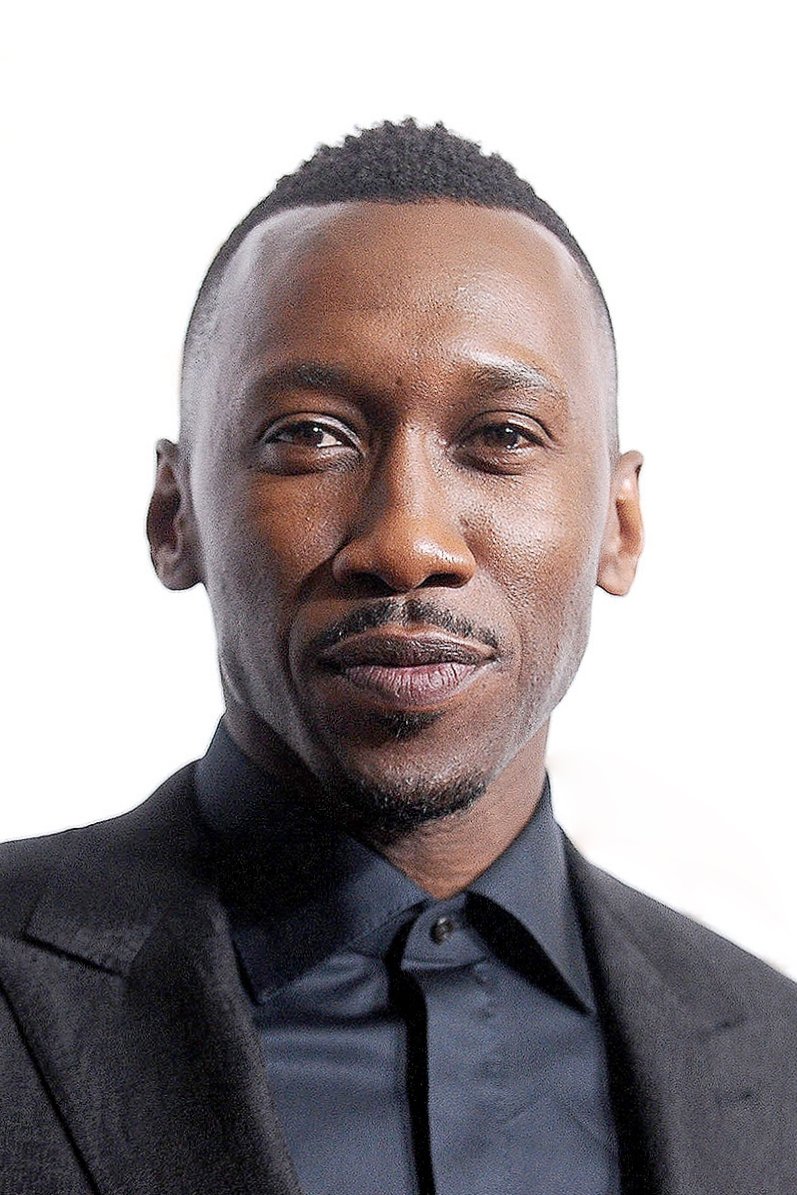
During the third season of ‘True Detective’ the actor played Wayne Hays across three different decades of the character’s life. The psychological strain of portraying a man losing his memory to dementia was particularly taxing on his mind. He found that the character’s confusion and sadness began to permeate his own thoughts and daily interactions. This role required a level of vulnerability that left him feeling exposed and mentally tired by the time filming wrapped. He had to consciously work on distancing himself from the character’s heavy emotional state.
Chiwetel Ejiofor
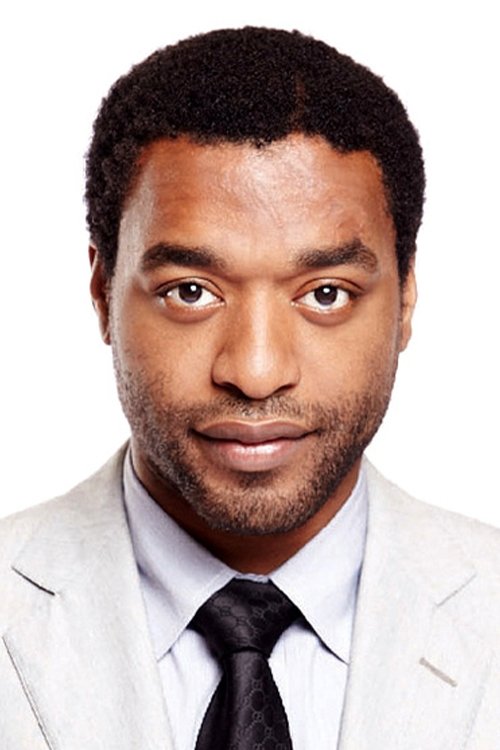
In the movie ’12 Years a Slave’ the actor had to endure the depiction of extreme physical and emotional suffering. The constant presence of such heavy themes of dehumanization and pain took a significant toll on his mental health during the shoot. He remained in a state of high tension and sorrow throughout the duration of the filming schedule. It took several months for the actor to shake the feeling of profound sadness that the role had instilled in him. He has described the project as one of the most important but also one of the most difficult of his life.
Idris Elba
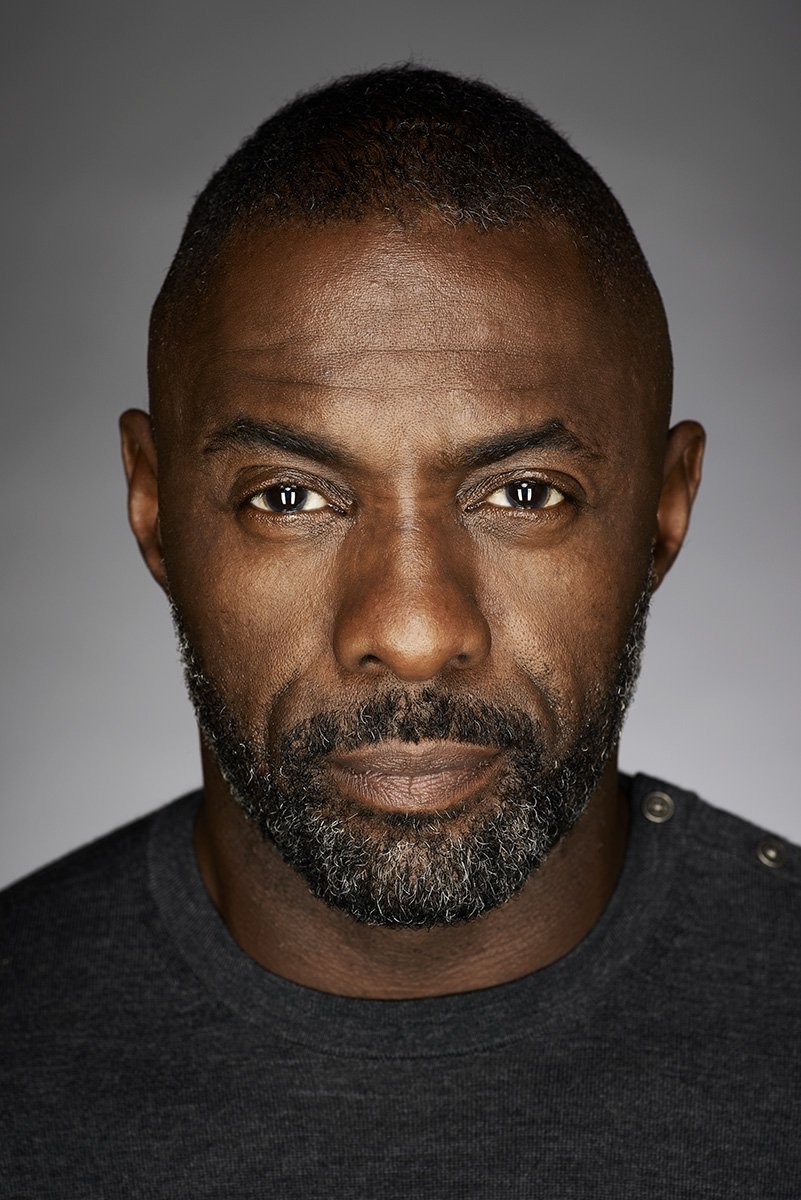
While filming ‘Beasts of No Nation’ the actor played a ruthless commandant of child soldiers in a war torn region. The grim nature of the character and the remote locations in Ghana created a very dark atmosphere for him during production. He found it difficult to switch off the persona of a monster after a full day of filming intense scenes. The moral complexity and the darkness of the role haunted him well after the production ended. He has since spoken about the mental preparation and the subsequent recovery needed for such a harrowing part.
Don Cheadle
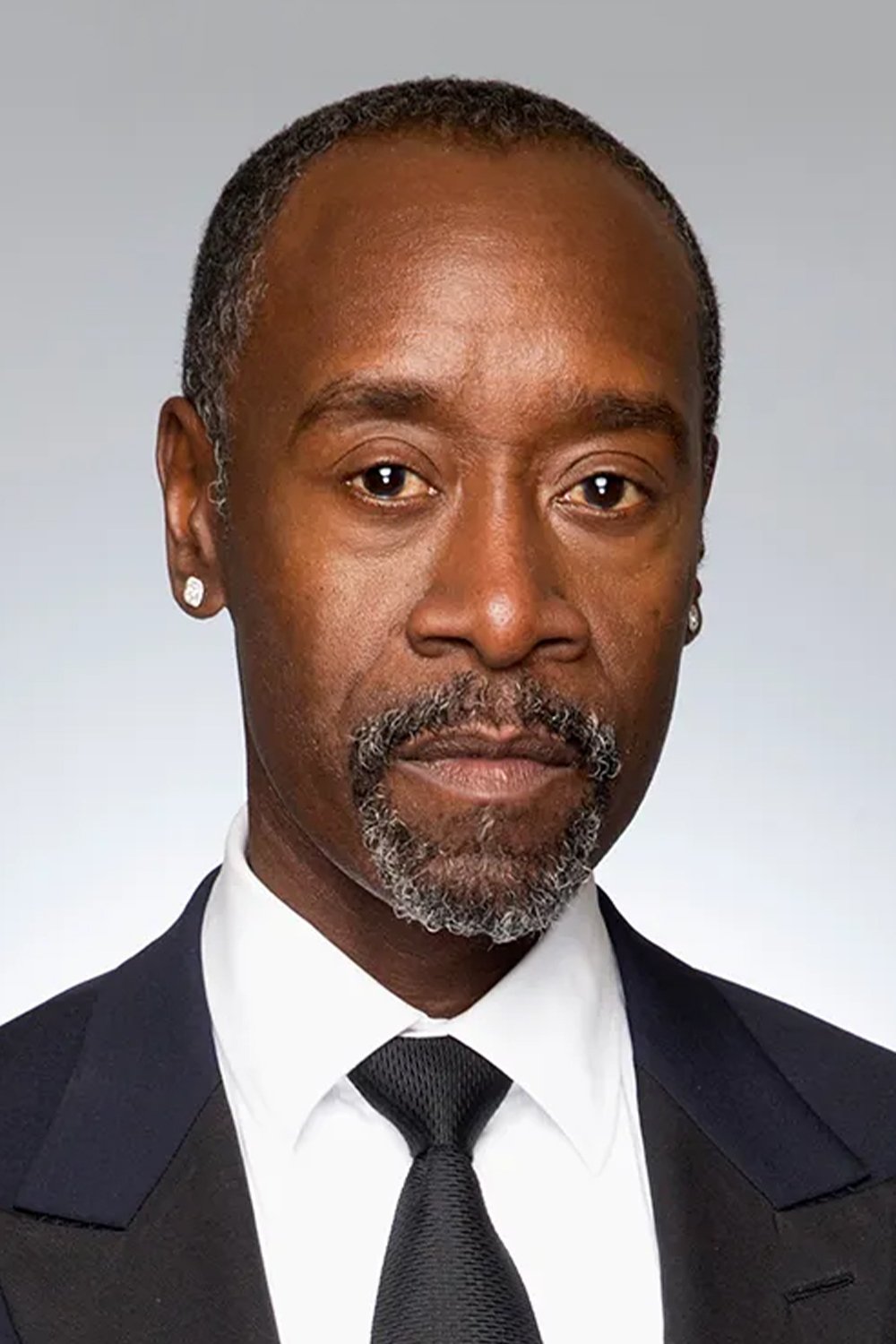
The role of Paul Rusesabagina in ‘Hotel Rwanda’ was a deeply emotional experience that left the actor feeling heavy for a long time. Dealing with the subject of genocide and the stories of actual survivors was a significant mental burden to carry. He felt a great responsibility to the real people who lived through the events portrayed in the film which added to the pressure. The somber mood of the production stayed with him long after the final scene was captured. He has noted that the role changed his worldview and his approach to humanitarian issues.
Sterling K. Brown
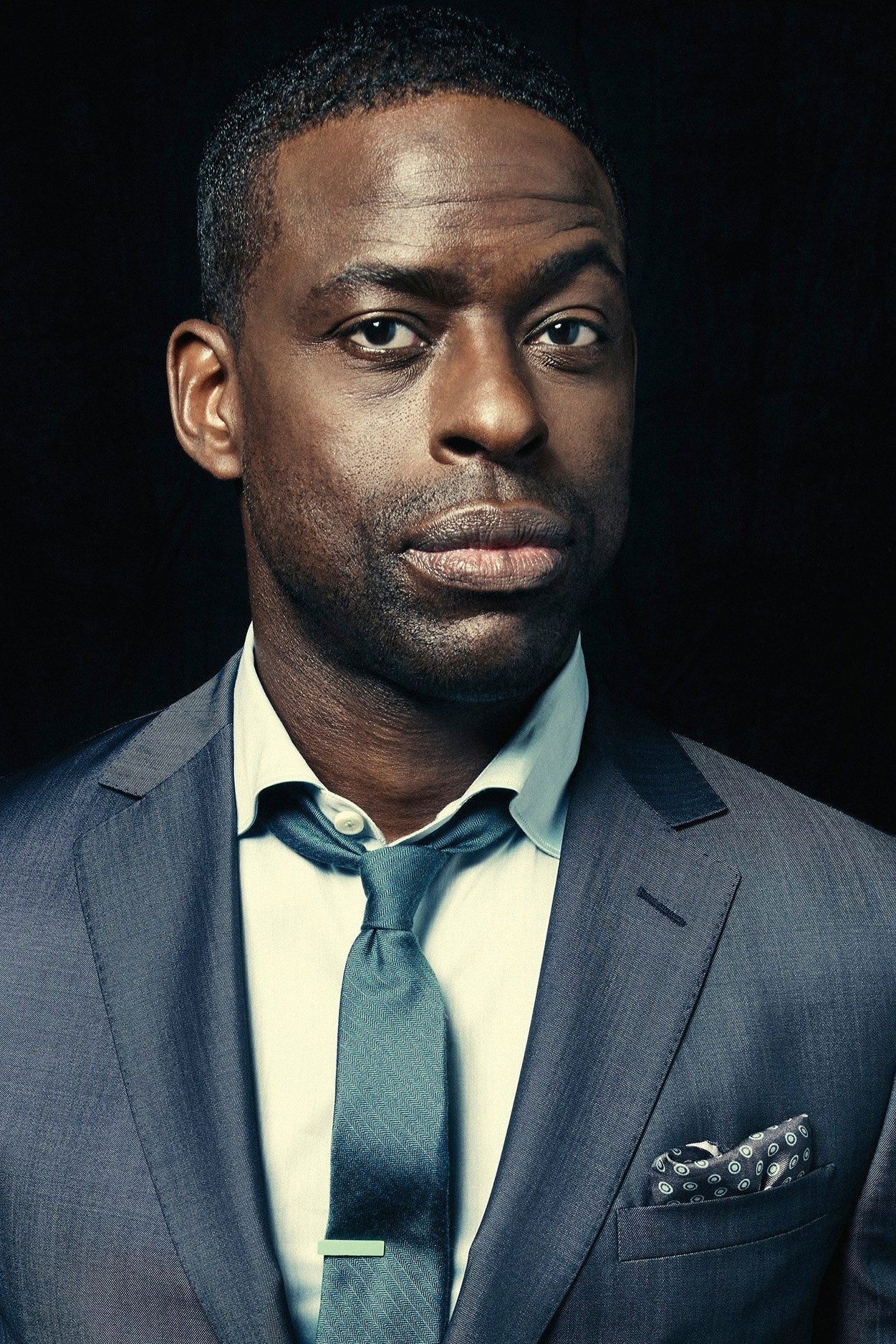
Portraying Christopher Darden in ‘The People v. O. J. Simpson’ required the actor to explore themes of race and professional failure. He felt the sting of the public’s perception of the prosecutor during the actual trial while filming the series. This emotional resonance created a sense of sadness and frustration that followed him home after work. The actor found the weight of the historical context and the character’s isolation to be particularly challenging to shake. He has reflected on how much of himself he had to give to the performance.
Yahya Abdul-Mateen II
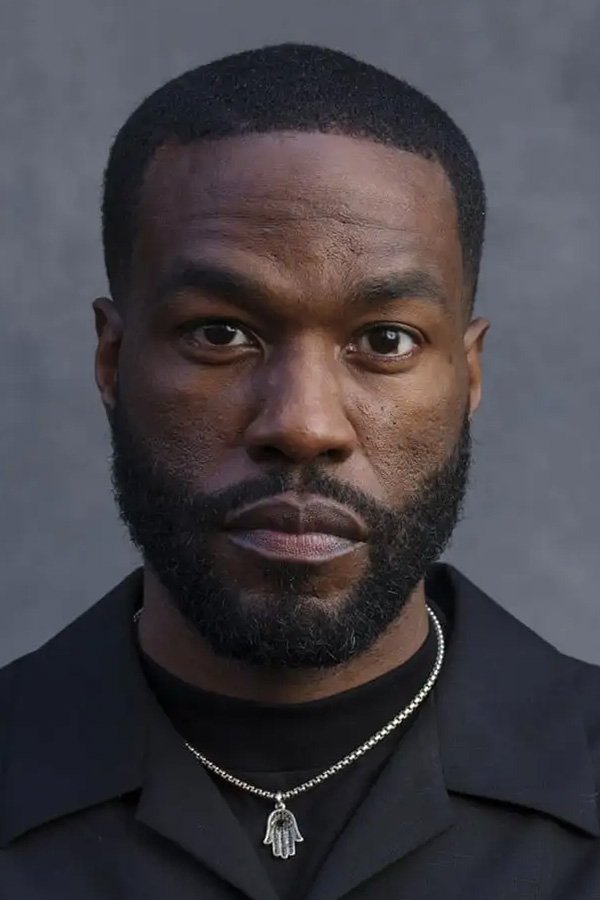
In the film ‘Candyman’ the actor’s character undergoes a slow and painful physical and mental transformation into a legend. He found that the horror elements of the story started to affect his own sleep patterns and his general peace of mind. The descent into madness portrayed on the screen felt uncomfortably real at times during the production process. He had to consciously work on distancing himself from the character’s trauma once the cameras were turned off. The actor has discussed how the role tested his mental limits and his ability to separate fact from fiction.
Colman Domingo
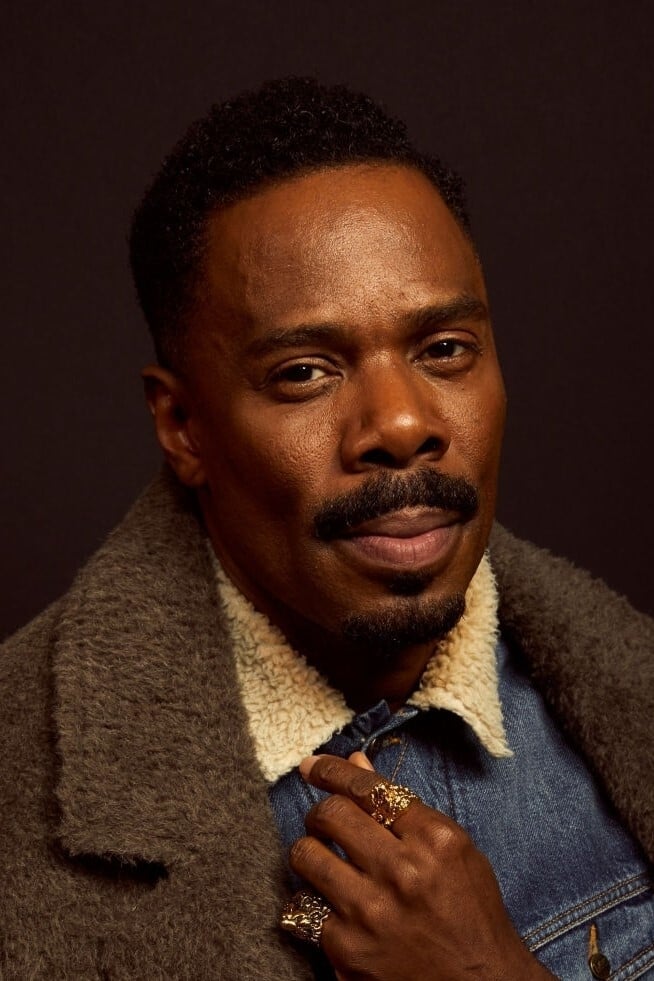
While playing Bayard Rustin in ‘Rustin’ the actor immersed himself in the life of the often overlooked civil rights activist. The energy required to maintain the character’s charisma while navigating his internal and external struggles was immense. He felt a profound sense of exhaustion from the high stakes of the historical narrative and the physical demands of the role. The actor spent a long time reflecting on the personal sacrifices made by his character and how they mirrored his own life. He has spoken about the deep emotional work required to bring such a complex figure to the screen.
Aldis Hodge
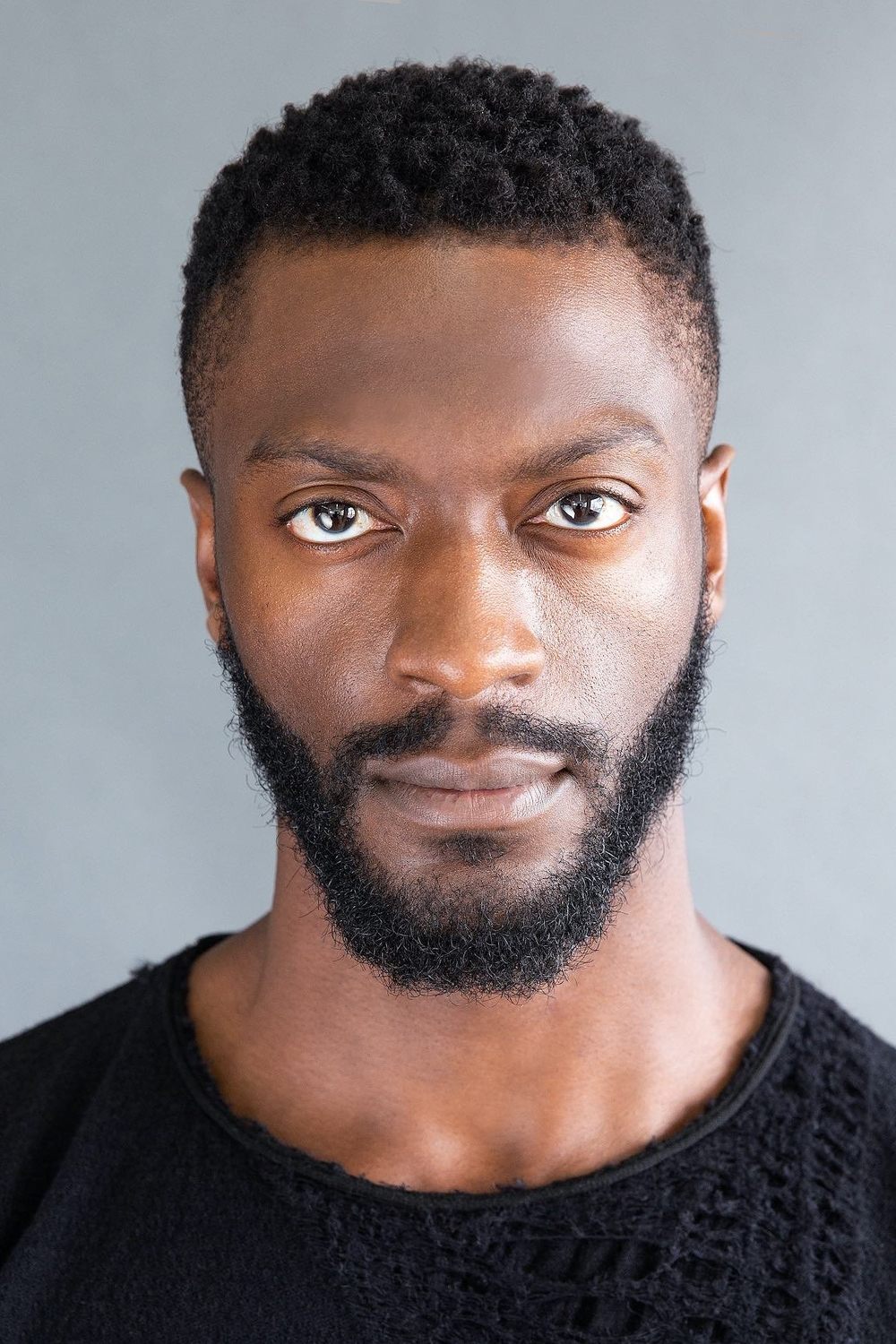
In the movie ‘Clemency’ the actor played a death row inmate facing his final days of life. The psychological weight of contemplating mortality and systemic injustice every day was incredibly draining for him. He intentionally isolated himself from the rest of the cast to capture the character’s sense of hopelessness and fear. This dark mindset proved very difficult to leave behind once the filming was finally finished. He has since emphasized the importance of mental wellness and finding balance after portraying such heavy subject matter.
Damson Idris
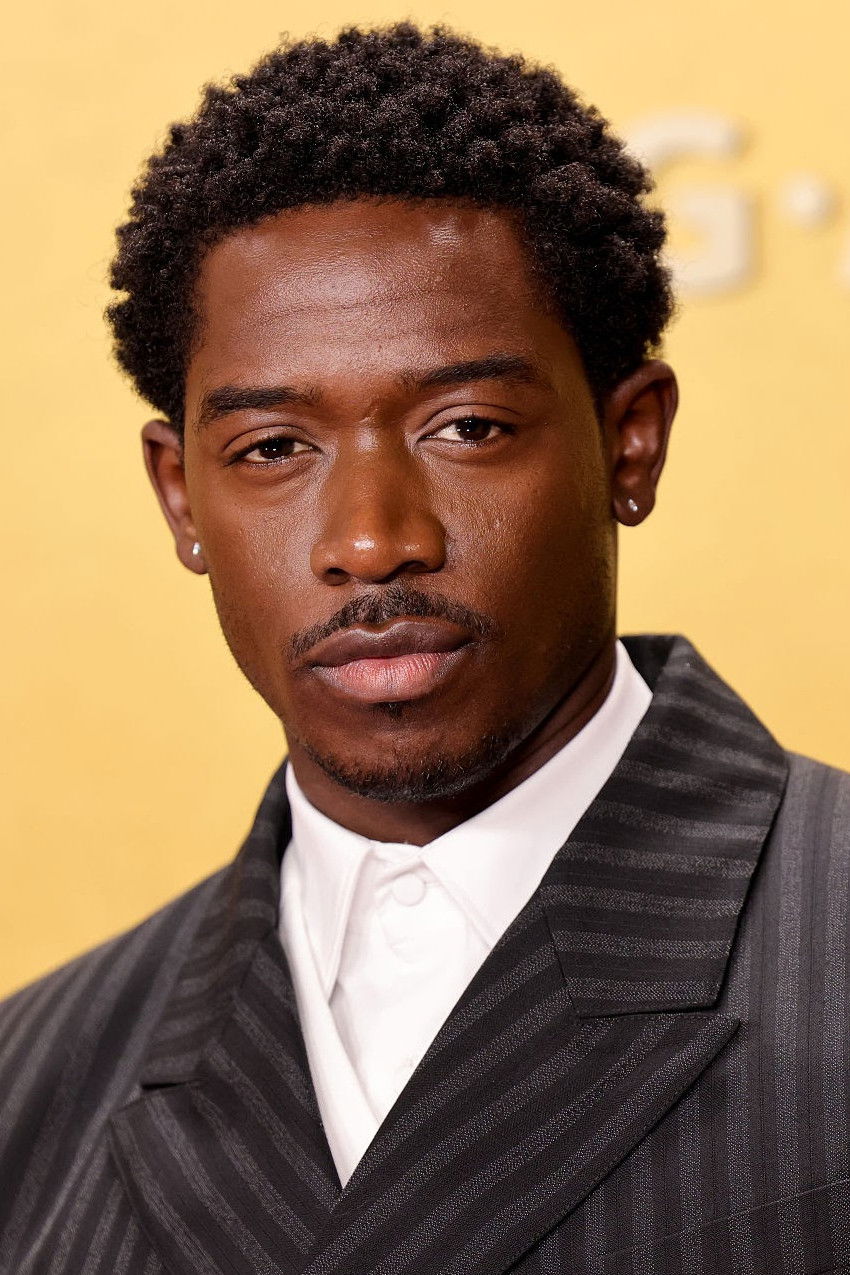
The actor has spoken about the mental toll of playing Franklin Saint in the long running series ‘Snowfall’. He admitted to calling upon dark energies and personal frustrations to portray the character’s ruthless descent into the drug trade. This method led to recurring nightmares and a general feeling of being haunted by the role’s negativity. He eventually realized he needed to find a healthier way to approach his craft to protect his own sanity. He has been open with fans about the struggles of living with a character for several years.
Ashton Sanders
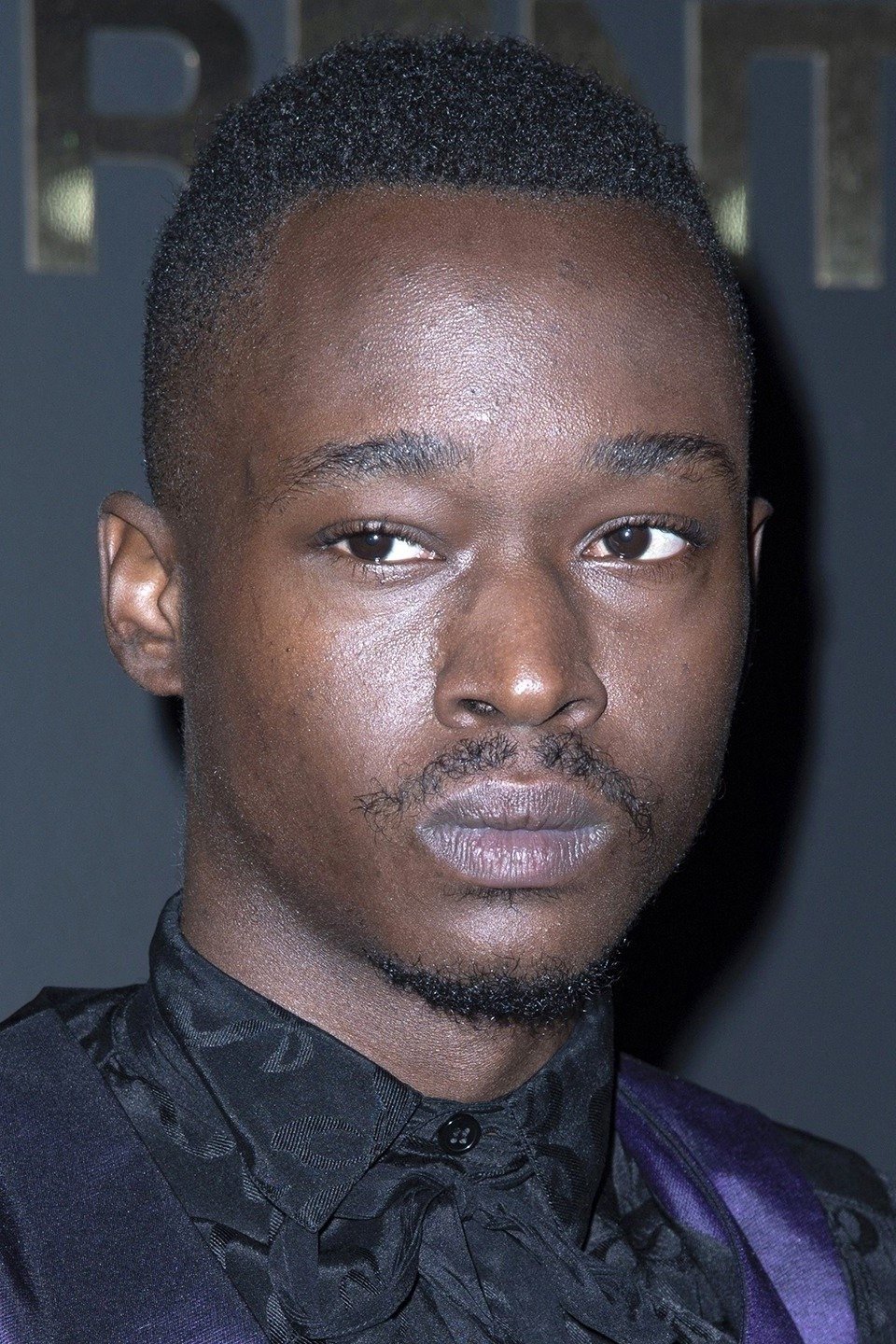
Playing the teenage version of Chiron in ‘Moonlight’ required the actor to tap into deep feelings of isolation and emotional repression. He spent a lot of time in a quiet and guarded headspace to reflect the character’s inner turmoil and fear. This emotional state lingered with him and affected his social interactions during the period of filming. The vulnerability of the role made the recovery process quite long for the young actor as he sought to find himself again. He has since reflected on how the character’s journey closely mirrored his own growth.
Derek Luke

For his debut role in ‘Antwone Fisher’ the actor had to explore the real life trauma of the film’s subject. Reliving the character’s history of abuse and abandonment was a grueling emotional process that required immense focus. He felt a deep connection to the story that made it very hard to separate his own identity from the character’s pain. The intensity of the experience was a jarring introduction to the world of professional acting for the young performer. He has noted that the role remains one of the most significant and emotionally taxing of his career.
Terrence Howard
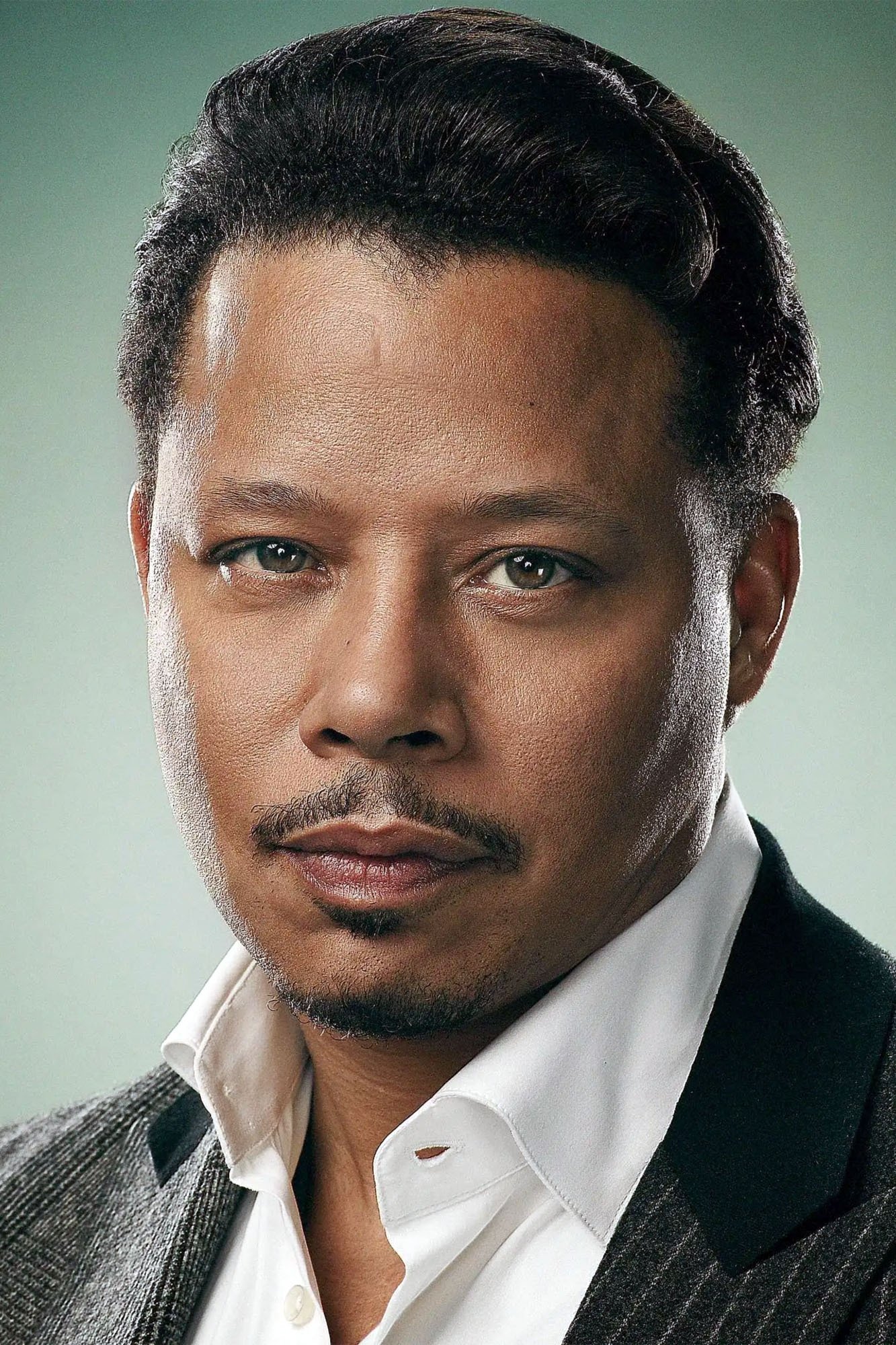
The role of Djay in ‘Hustle & Flow’ was a demanding performance that required the actor to live in a very gritty and desperate reality. He immersed himself in the world of the character to ensure the performance felt authentic to the audience. This resulted in a period where he felt stuck in the character’s frustrated and ambitious mindset even when not filming. He found it difficult to return to his normal self after the production concluded and the character was set aside. He has often discussed the spiritual and mental energy he pours into his various roles.
Cuba Gooding Jr.
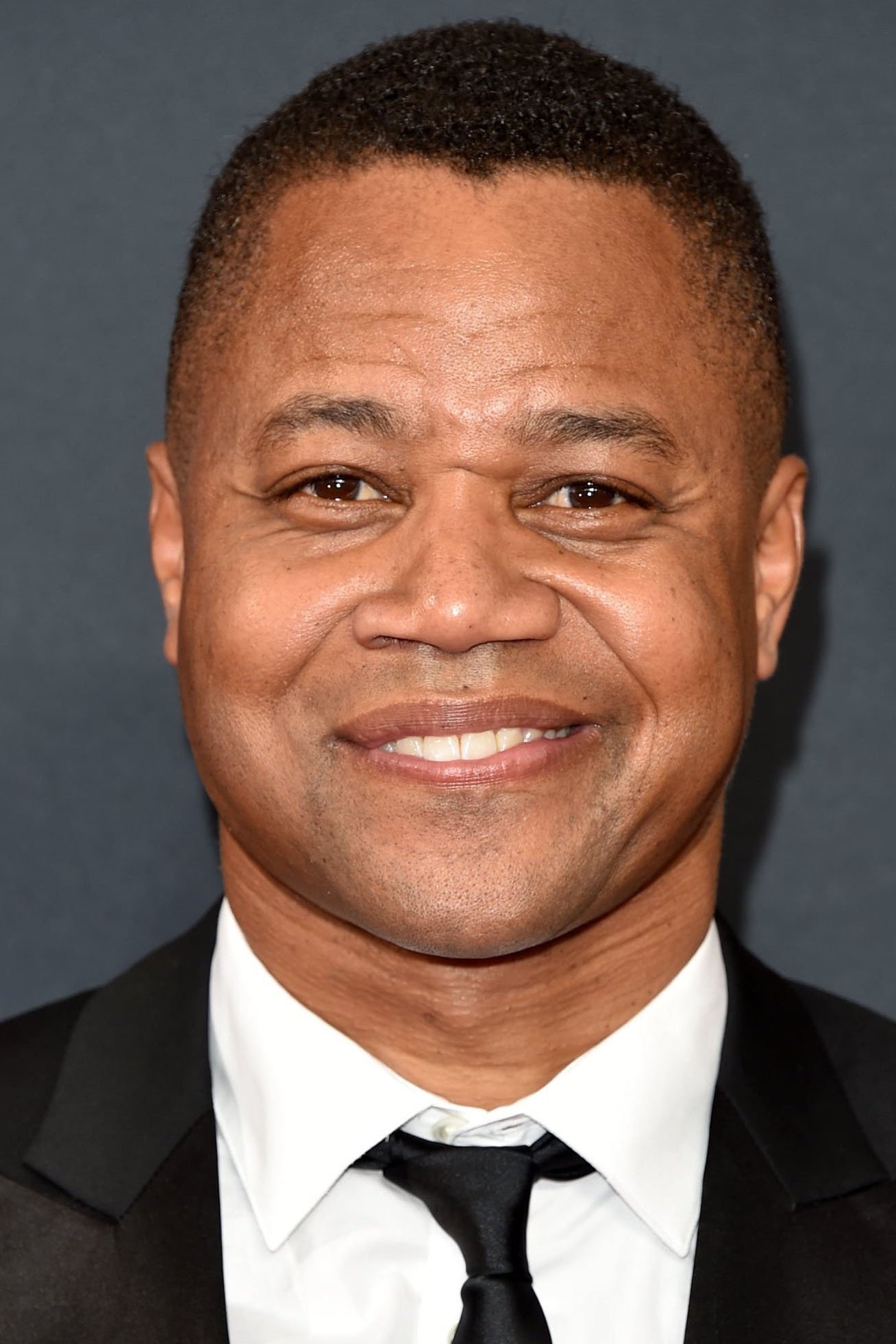
Playing O. J. Simpson in ‘The People v. O. J. Simpson’ was a mentally taxing experience for the actor throughout the production. He had to navigate the complexities of a highly controversial public figure while maintaining an air of mystery for the audience. The scrutiny of the role and the heavy nature of the trial scenes left him feeling emotionally depleted by the end. He described the process as one of the most difficult challenges of his entire acting career. The actor noted that it took a while to shake the presence of the character after the project ended.
Delroy Lindo
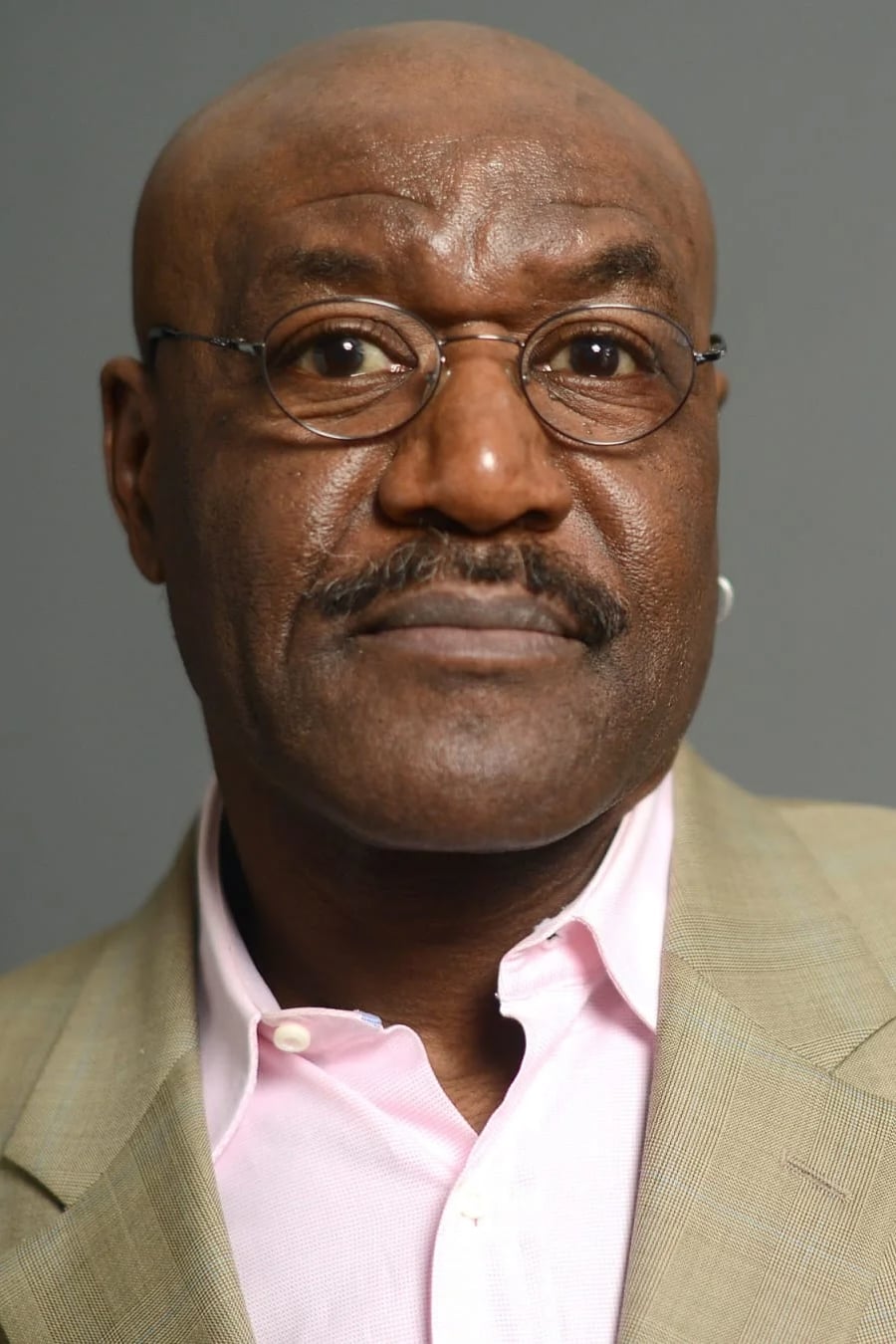
While filming ‘Da 5 Bloods’ the actor portrayed a veteran suffering from severe post traumatic stress disorder. The character’s intense anger and paranoia were physically and mentally exhausting to maintain over the course of the shoot. He felt a deep responsibility to accurately represent the experiences of Black veterans who had suffered similar traumas. The emotional residue of the role stayed with him for a significant amount of time after the production moved to post production. He has been praised for the intensity he brought to the character despite the personal cost.
Giancarlo Esposito
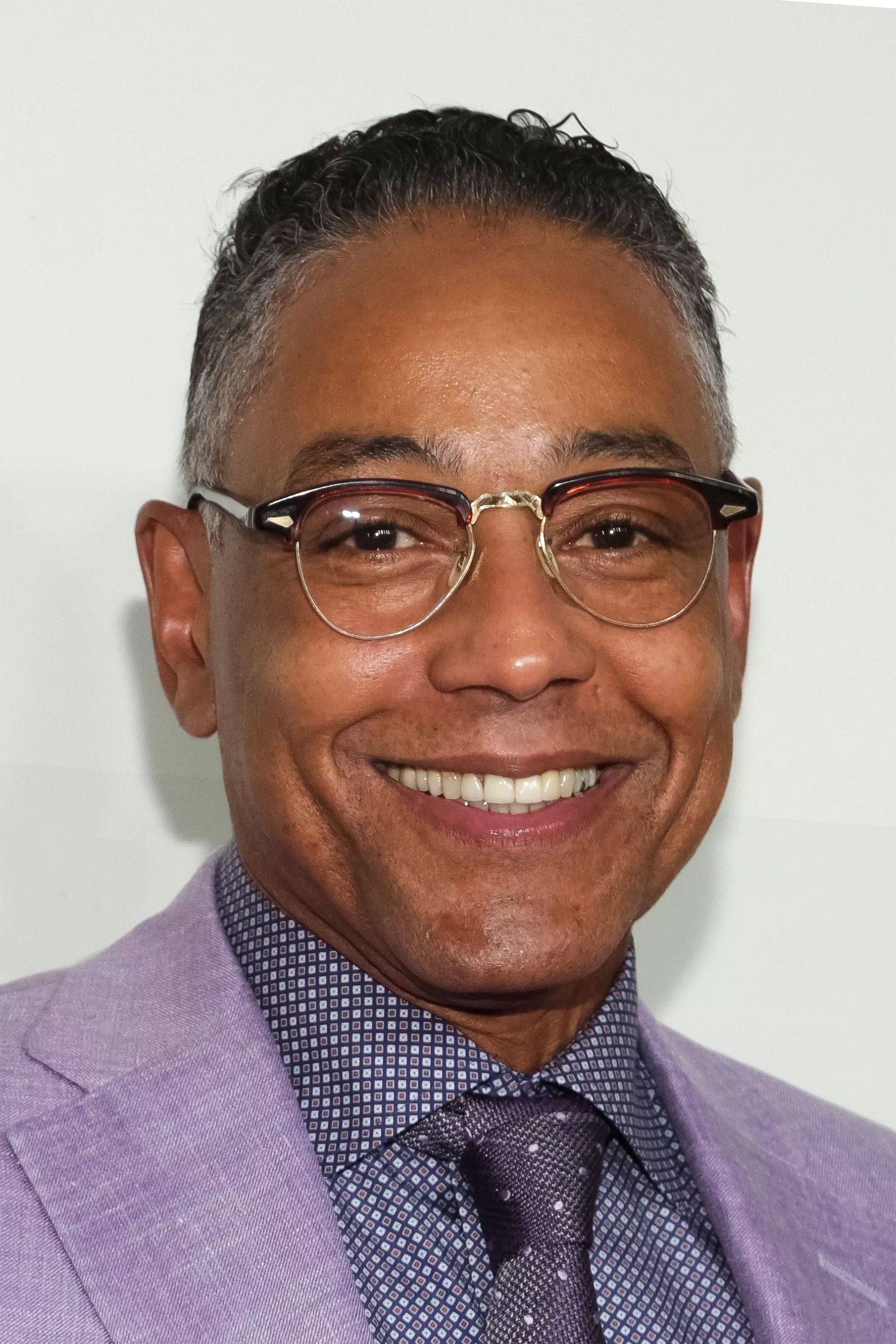
The role of Gus Fring in ‘Breaking Bad’ required the actor to maintain a chilling and repressed emotional state for many years. He found that the character’s coldness and calculated nature started to seep into his own personality and his interactions with others. He had to make a concerted effort to find joy and warmth in his personal life to counteract the darkness of the role. The precision and focus required for the character were mentally demanding to sustain over multiple seasons of television. He has since shared techniques he uses to leave such intense characters on the set.
Adewale Akinnuoye-Agbaje
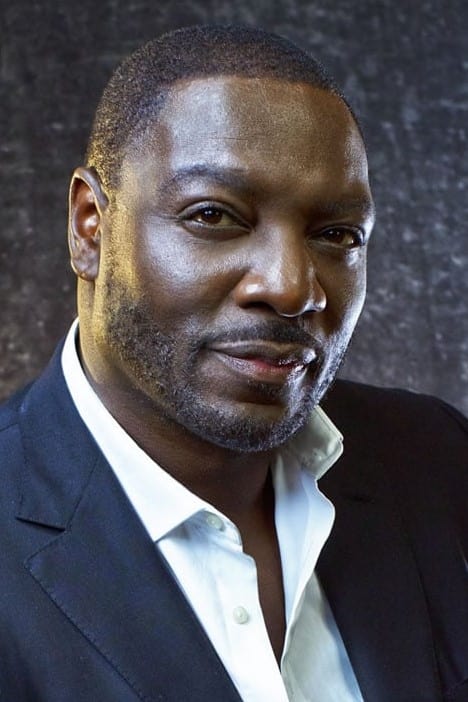
Playing Simon Adebisi in the prison drama ‘Oz’ was a grueling experience for the actor over several seasons. The character’s predatory and violent nature created a very hostile mental environment for him to inhabit. He found that people in real life were often afraid of him because of the convincing nature of his performance as a criminal. This blurred line between fiction and reality was unsettling for the performer during his time on the show. He has spoken about the relief he felt when the character’s story finally came to an end.
Brian Tyree Henry
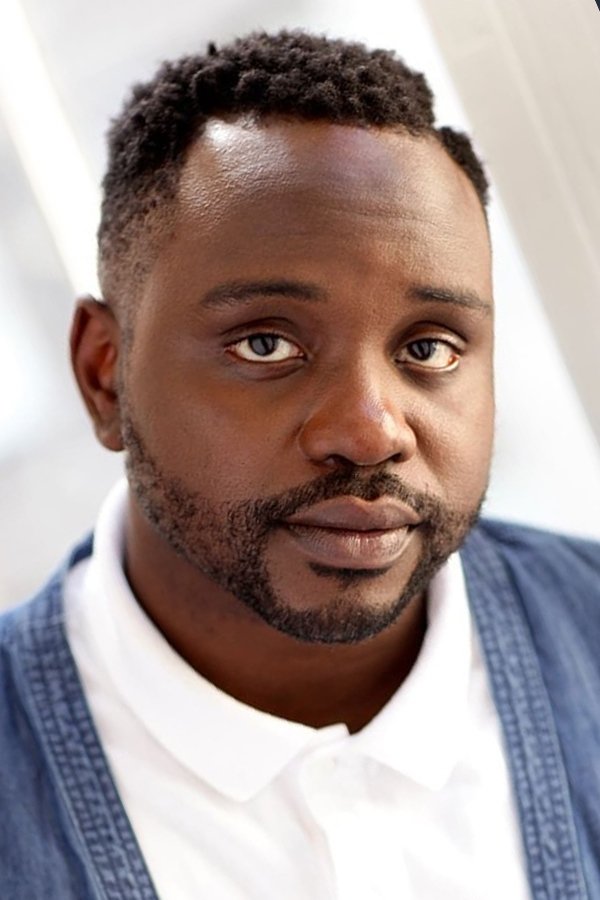
In the film ‘Causeway’ the actor played a man dealing with a physical disability and the weight of deep personal loss. He found the character’s quiet grief and trauma to be very heavy to carry around during his daily life. The stillness and sadness of the role affected his overall mood and his energy levels during the filming process. He noted that it took a considerable amount of time to find his own light again after the project ended. The actor has been praised for his ability to convey deep emotion with very few words.
Nate Parker
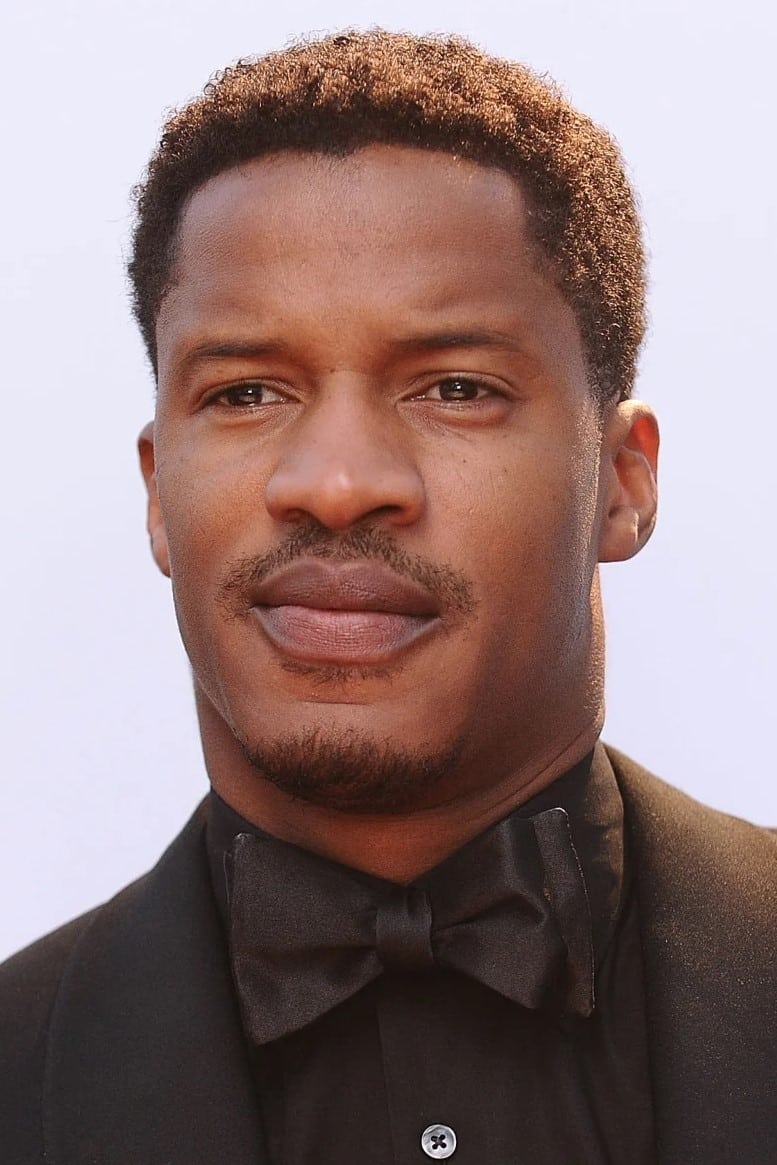
While directing and starring in ‘The Birth of a Nation’ the actor immersed himself in the history of American slavery. The weight of the subject matter and the immense responsibility of the production led to significant mental strain for him. He felt a constant sense of anger and sorrow while portraying the events of Nat Turner’s rebellion and the surrounding violence. This intense focus on such a dark period of history was emotionally overwhelming for him as both an actor and a filmmaker. He has reflected on the personal toll that bringing this story to life took on his well being.
Stephan James
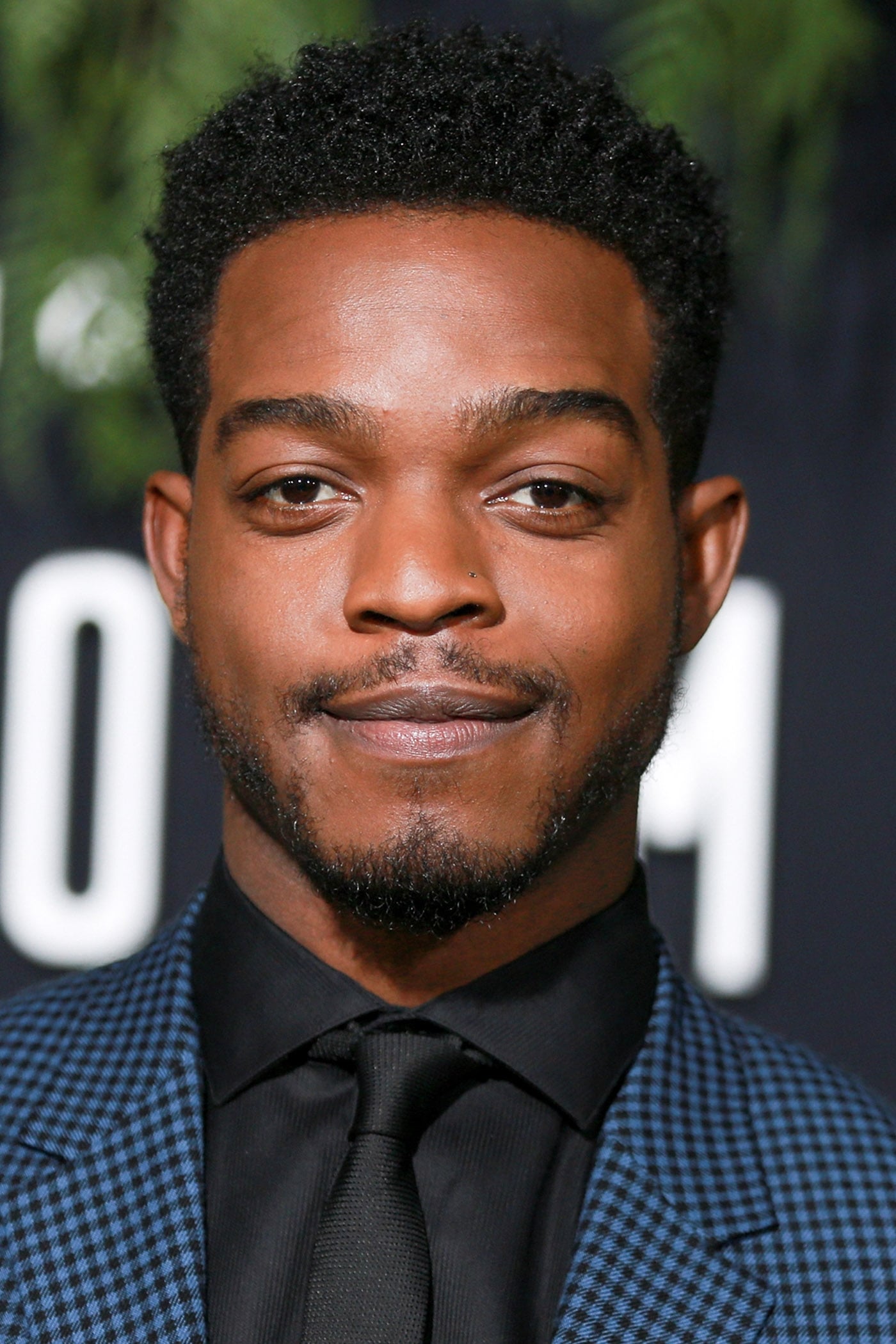
Playing Fonny in ‘If Beale Street Could Talk’ required the actor to explore the injustice of wrongful incarceration and the pain of separation. He spent time in a real prison environment to prepare for the role which had a lasting impact on his psyche and his worldview. The feeling of being trapped and the weight of the character’s dire situation were difficult to shake off after a day of work. He carried the character’s sense of longing and pain throughout the entire production schedule. The actor has noted that the role made him more empathetic to the struggles of those in the justice system.
John David Washington
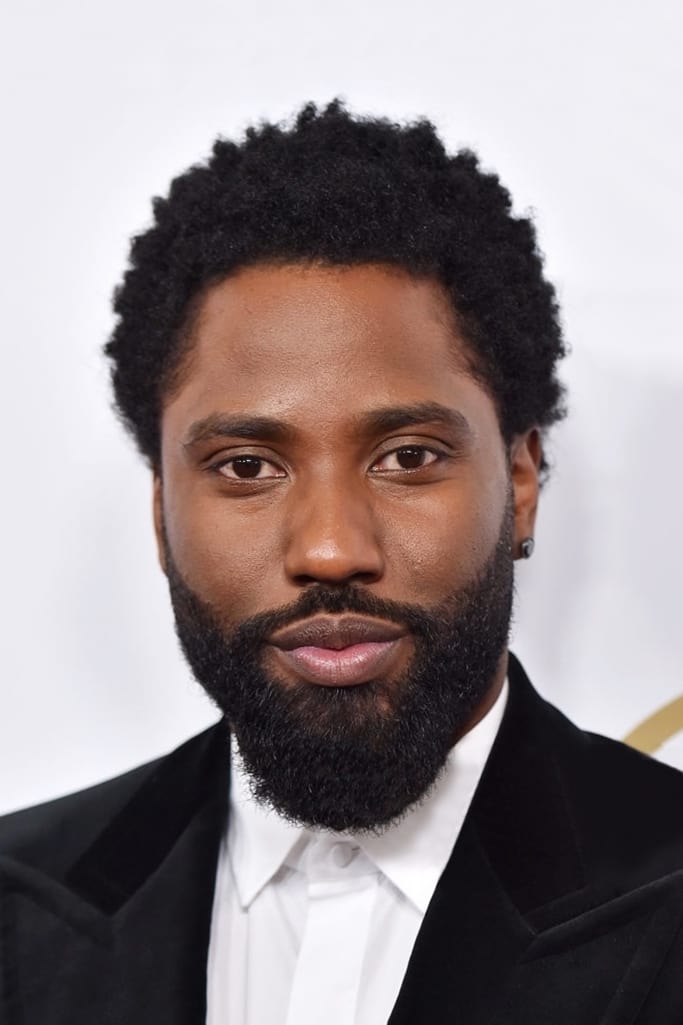
For his role in ‘BlacKkKlansman’ the actor had to navigate the dual identity of an undercover police officer in a dangerous situation. The constant exposure to hateful language and themes of intense racism was mentally taxing for him during the shoot. He felt a deep sense of responsibility to the real Ron Stallworth and the historical significance of the story he was telling. The tension of the character’s situation remained with him until the film was completely finished and released. He has spoken about the mental strength required to perform in such a charged environment.
Jeffrey Wright
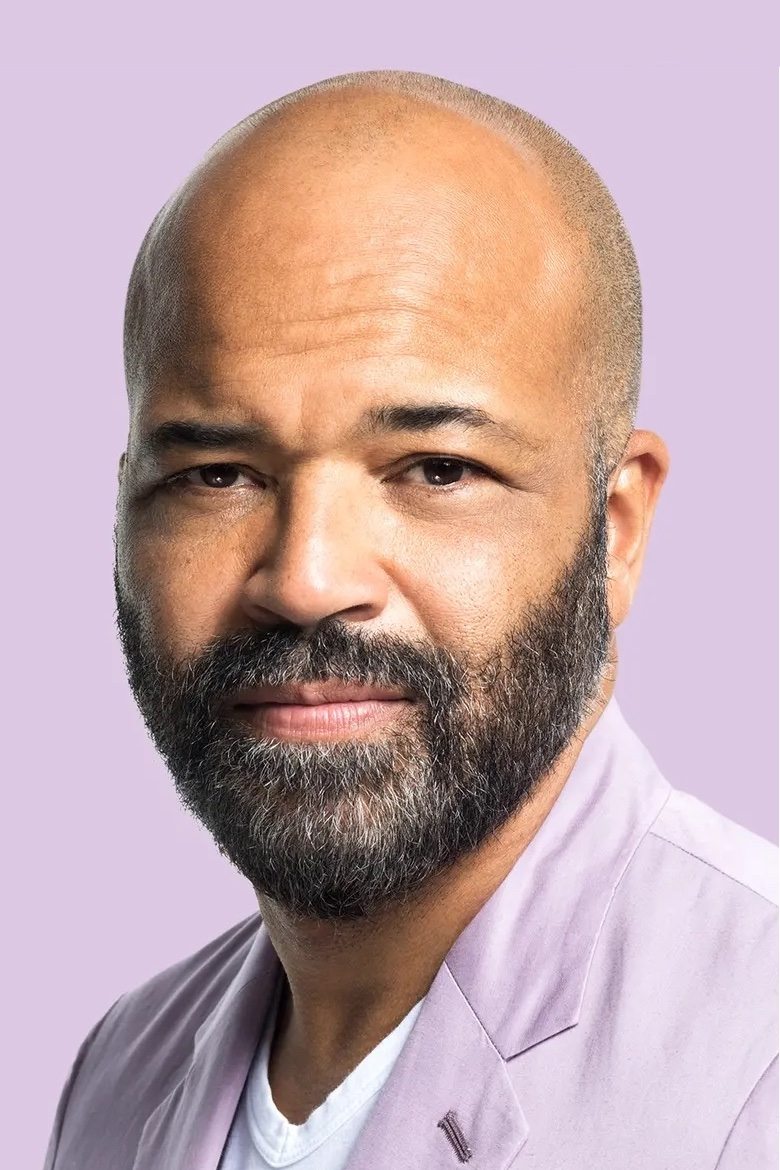
The actor’s work in the miniseries ‘Angels in America’ involved playing multiple roles during the height of the AIDS crisis in the United States. The emotional intensity of the story and the themes of mortality and abandonment were very powerful and difficult to process. He found that the weight of the historical tragedy was a heavy burden to carry for the duration of the project. This experience was both professionally fulfilling and mentally exhausting for the actor as he navigated the complex narrative. He has since been recognized for the depth and sensitivity he brings to such demanding roles.
Wood Harris

Playing Avon Barksdale in ‘The Wire’ required the actor to inhabit the mind of a high level drug kingpin in a realistic urban setting. The gritty realism of the show and the character’s cold perspective were difficult to leave at the office after a long day of filming. He felt the weight of the character’s world and the surrounding violence even when he was not on the set. This role defined a significant portion of his life and was a major mental undertaking for the performer. He has noted the lasting impact the show had on his career and his personal outlook.
Larenz Tate
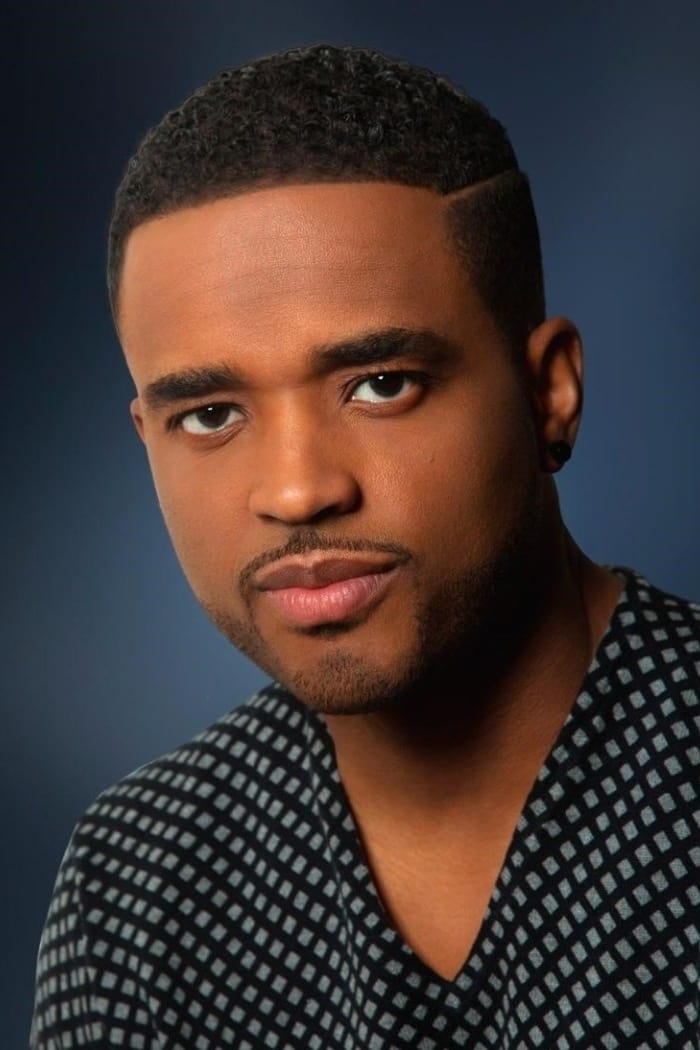
In the film ‘Menace II Society’ the actor played the volatile and unpredictable character known as O-Dog. The intensity and the violence associated with the role were a major departure from his own personality and background. He found that the character’s aggressive mindset was hard to turn off immediately after the filming ended for the day. This portrayal of urban struggle and nihilism left a lasting impression on his outlook on the craft of performance. He has since become known for his ability to play characters with a dangerous edge.
Winston Duke

The role of Gabe Wilson and his tethered counterpart in the film ‘Us’ was a unique psychological challenge for the actor. Playing a normal father and his own monstrous double required a lot of mental gymnastics and emotional shifts. He found the darker aspects of the tethered character to be particularly haunting and difficult to forget. The physical and mental energy required for the dual roles was immense and left him feeling exhausted by the end of the shoot. He has discussed how the film explored the shadows within the human psyche.
Bokeem Woodbine
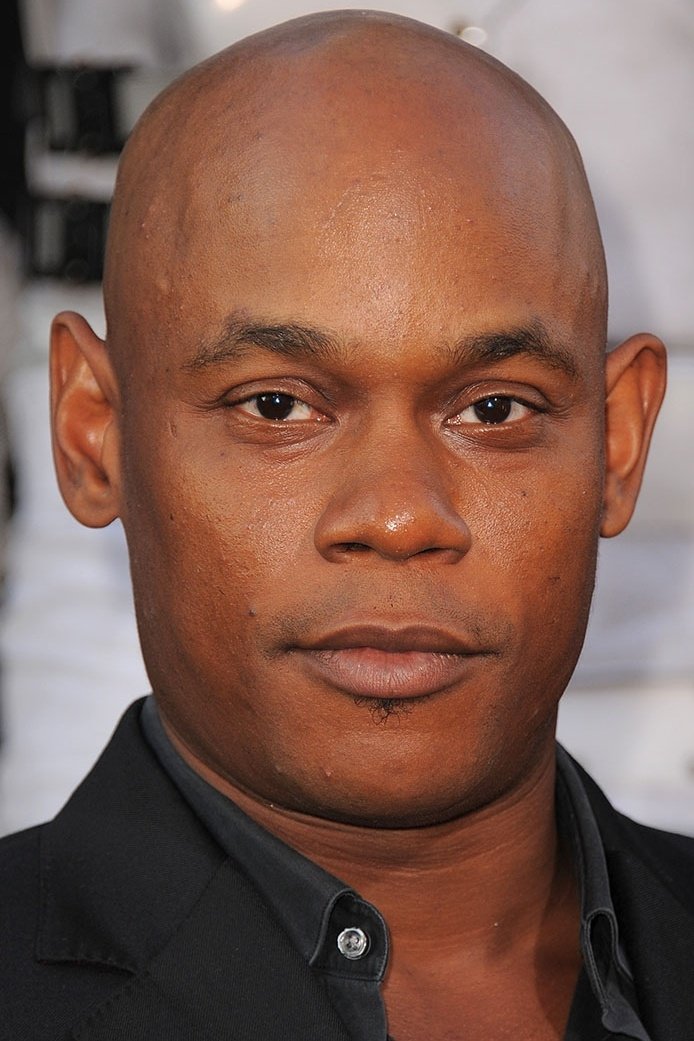
In the second season of the series ‘Fargo’ the actor played the philosophical and deadly hitman Mike Milligan. The character’s detached nature and eloquent manner of speaking were a lot for the actor to maintain over several months. He felt a strange sense of disconnect from his own personality while he was in that specific headspace for the show. The cool and calculated demeanor of the character stayed with him for a long time after the production was completed. He has been praised for the unique energy he brought to the iconic role.
Daveed Diggs
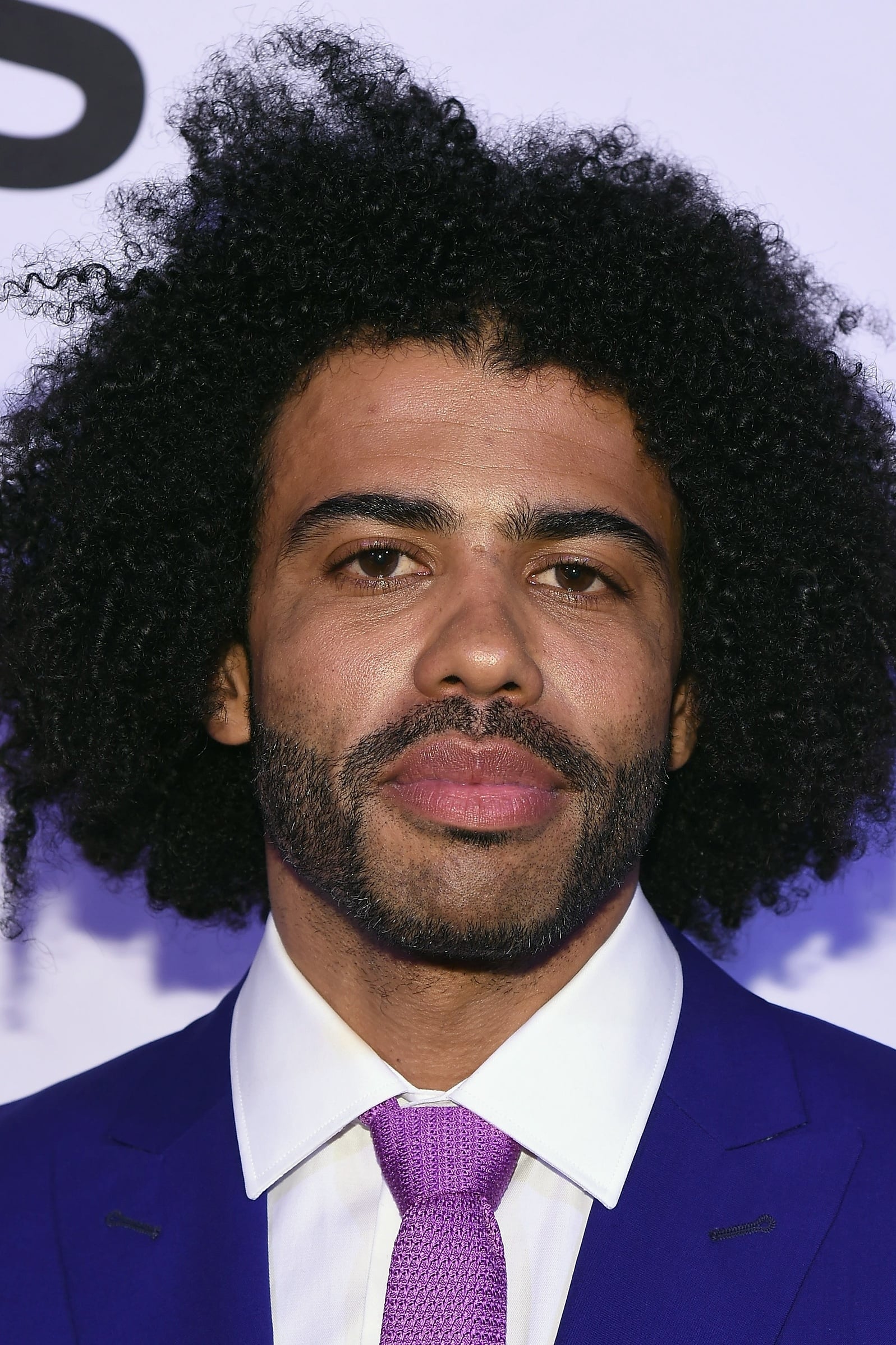
While filming ‘Blindspotting’ the actor explored themes of gentrification and the constant threat of police violence. The proximity of the story to his own life and his hometown made the emotional weight of the project even heavier. He felt a deep sense of anxiety and responsibility while portraying the character’s final days of a stressful probation. This project was a deeply personal and mentally exhausting labor of love for the actor and writer. He has spoken about the catharsis and the difficulty of telling such a raw and honest story.
Lance Reddick
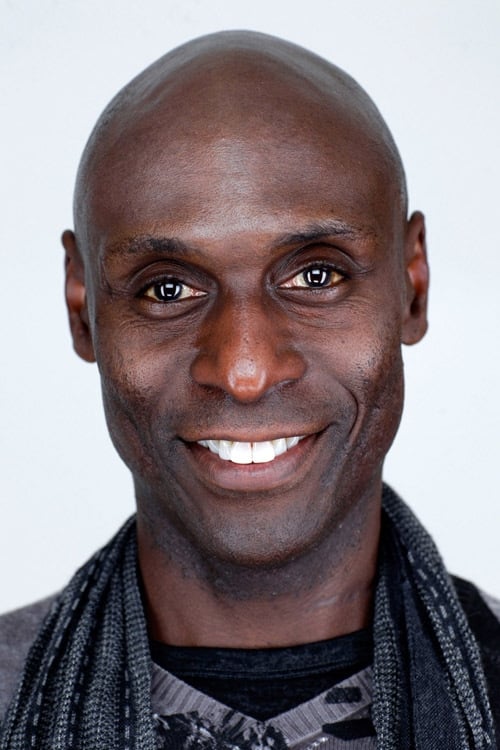
The actor spent several years playing Cedric Daniels in ‘The Wire’ which required a very stiff and controlled emotional performance. He found that the character’s rigid nature and the show’s dark themes often influenced his own demeanor in real life. It was sometimes difficult for him to relax and find his own voice outside of the character’s authority and seriousness. This long term commitment to a serious and heavy role was a significant mental journey for the performer. He remains highly respected for the gravitas he brought to his many roles in television.
Tyler James Williams
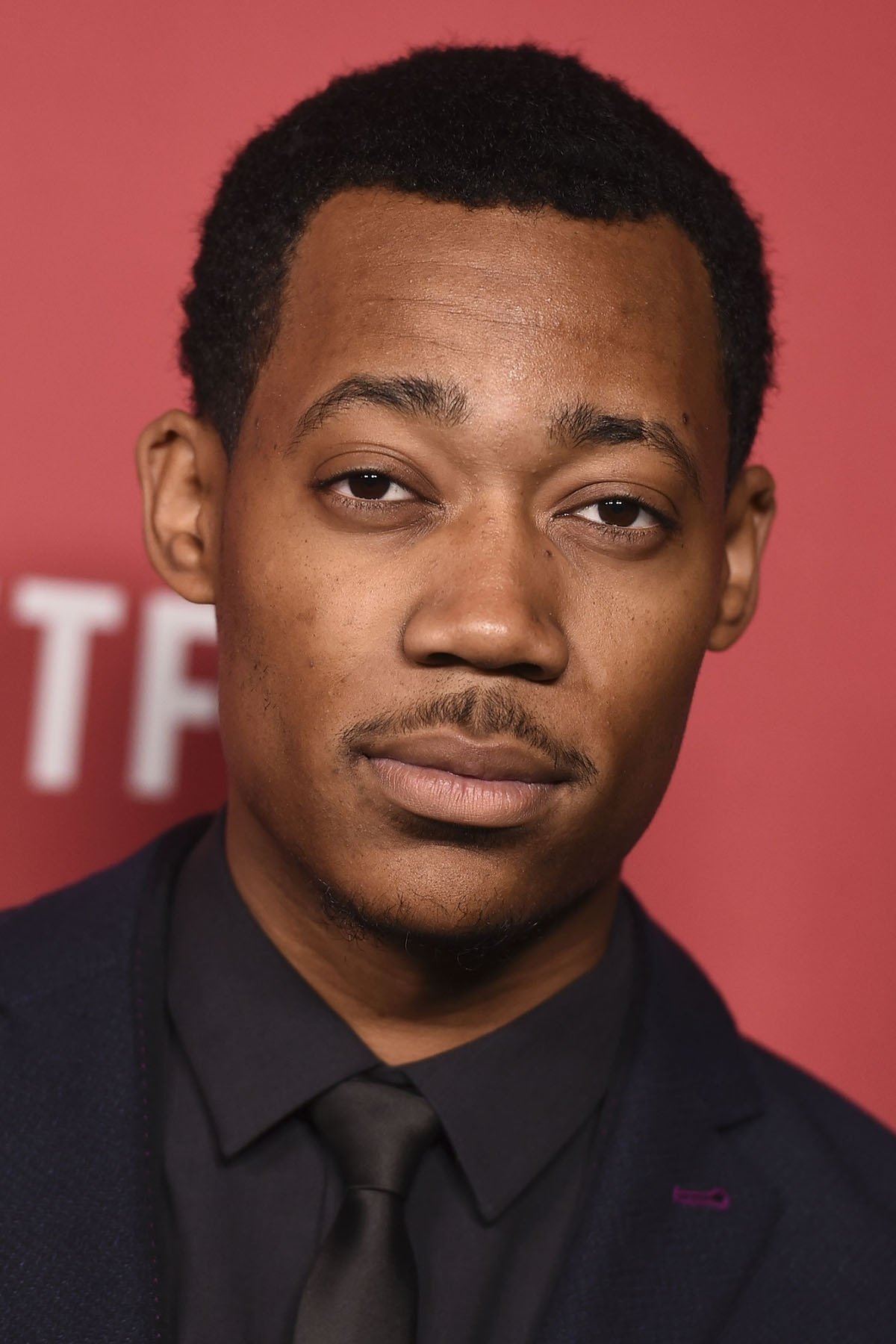
In the series ‘Everybody Hates Chris’ the young actor faced the immense pressure of carrying a major sitcom at a very early age. The process of reliving Chris Rock’s difficult and often painful childhood experiences was a lot for a child actor to handle mentally. He spoke later as an adult about the anxiety and the mental toll that the early fame and the specific role took on his development. He had to work hard over the years to reclaim his own identity and build a healthy relationship with his work. He has since become a strong advocate for the well being of child performers in the industry.
Courtney B. Vance
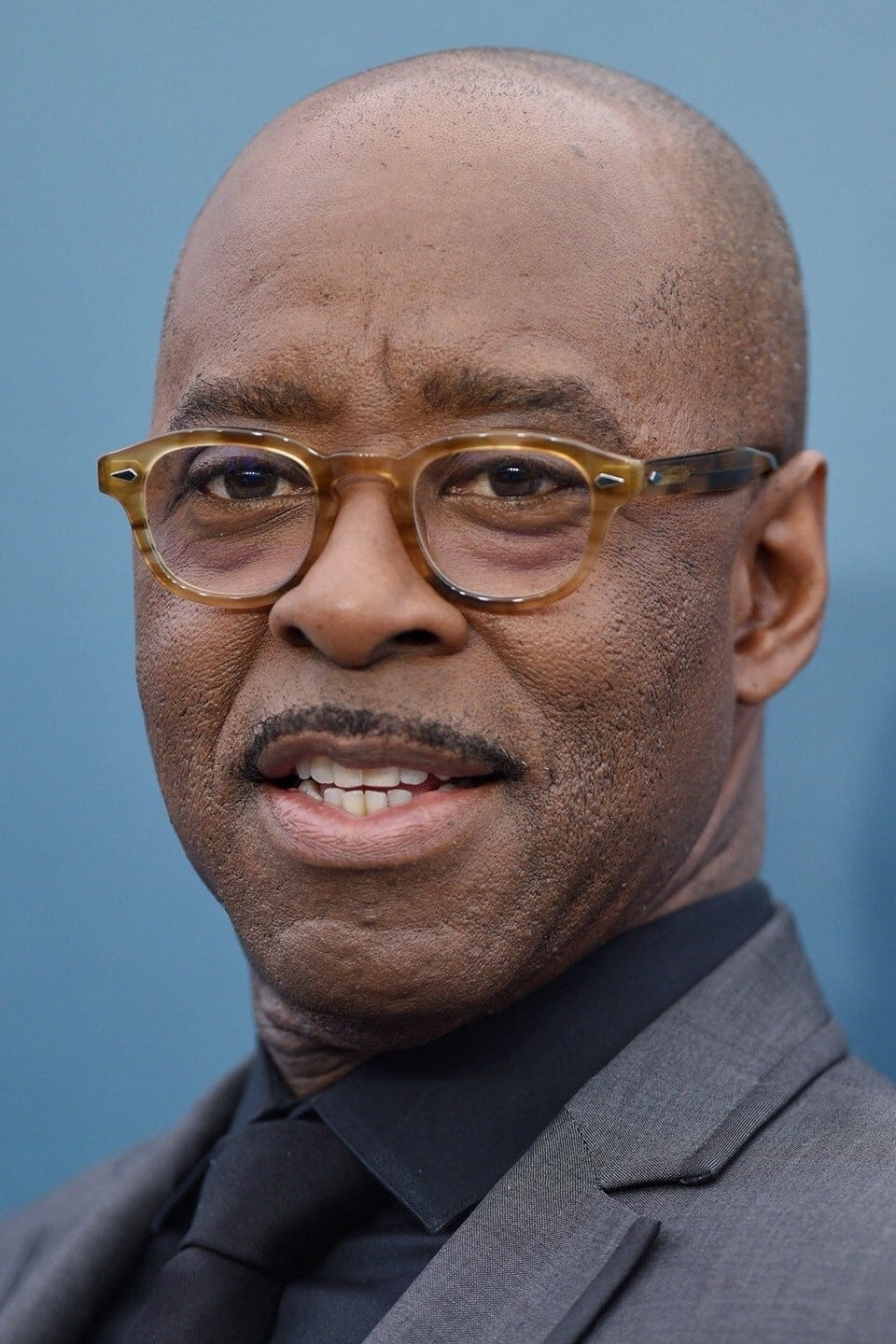
Playing Johnnie Cochran in ‘The People v. O. J. Simpson’ required the actor to inhabit the persona of a highly charismatic and divisive figure. The intensity of the courtroom scenes and the high stakes of the historical narrative were mentally demanding for him. He felt the weight of the character’s public image and the emotional complexity of the trial every day on set. The actor has noted that the role required a significant amount of spiritual and mental preparation to pull off effectively. He found the experience to be one of the most taxing but rewarding moments of his long career.
Please share your thoughts on these intense acting performances in the comments.