Movies that Went from Flop to “Greatest of All Time” Lists

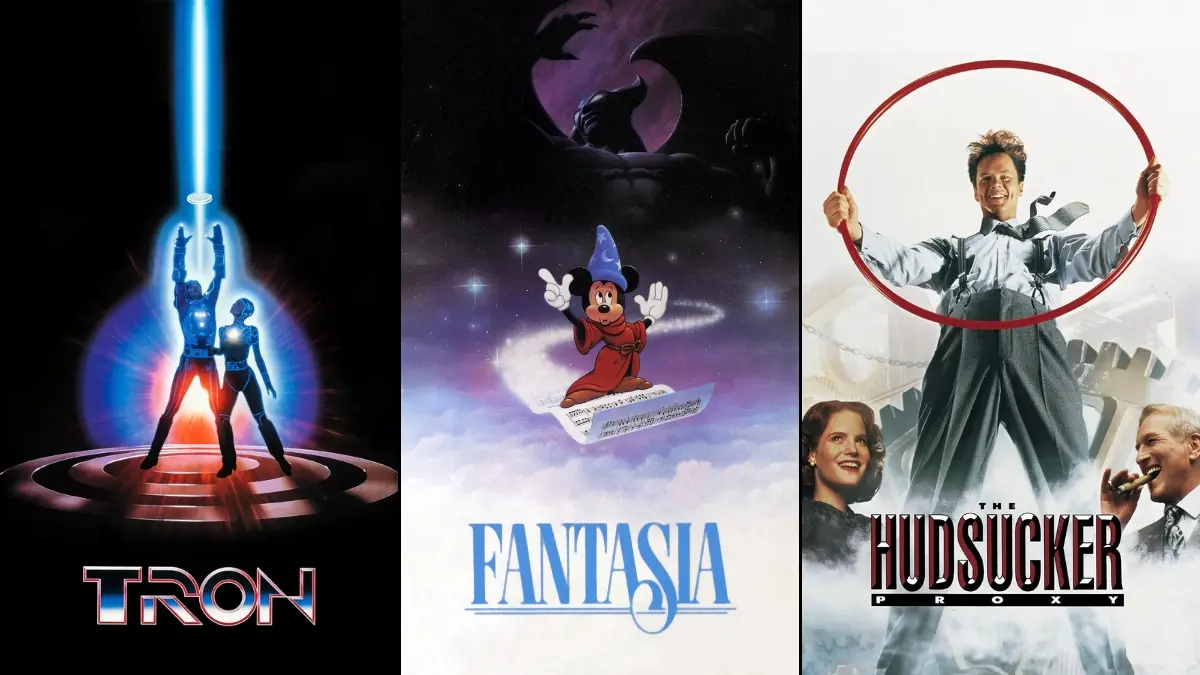

The cinematic landscape is often defined by immediate box office returns and critical reception, yet many of history’s most revered films began their journeys as commercial or critical disappointments. These projects frequently pushed the boundaries of genre, used experimental techniques, or were released at times when audiences were not yet prepared for their themes. Over decades, through home video, television broadcasts, and critical re-evaluations, these former failures have been elevated to the highest tiers of artistic achievement. The following list explores films that were once considered losses but now dominate “greatest of all time” discussions.
‘Heaven’s Gate’ (1980)
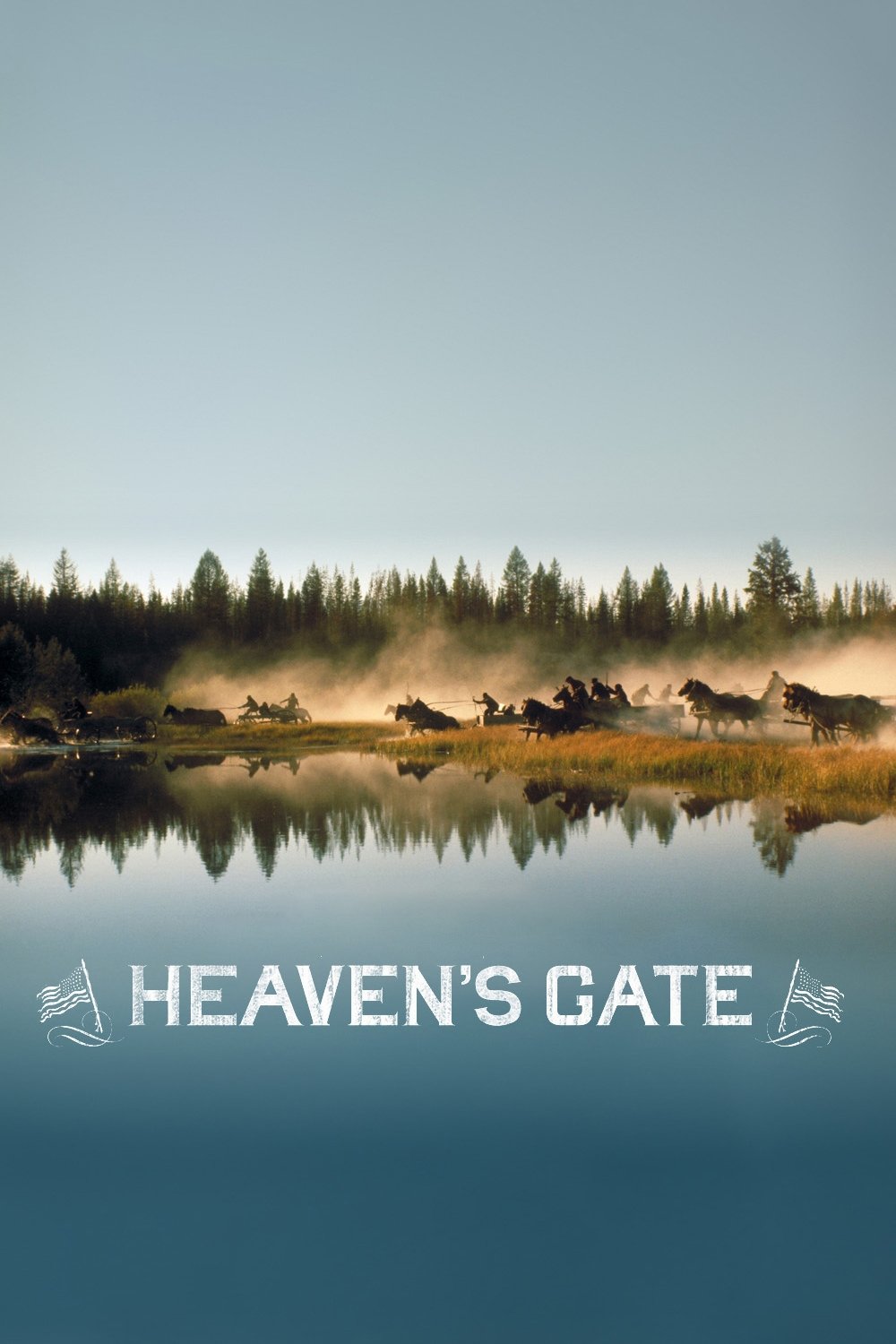
This Western epic became notorious for its massive budget overruns and disastrous performance at the box office upon its release. Director Michael Cimino’s meticulous attention to detail led to production delays that eventually contributed to the financial instability of United Artists. For decades, it was cited as a primary example of directorial excess and cinematic failure. However, a restored director’s cut released in recent years has led critics to re-evaluate it as a misunderstood masterpiece of American landscape filmmaking.
‘Event Horizon’ (1997)
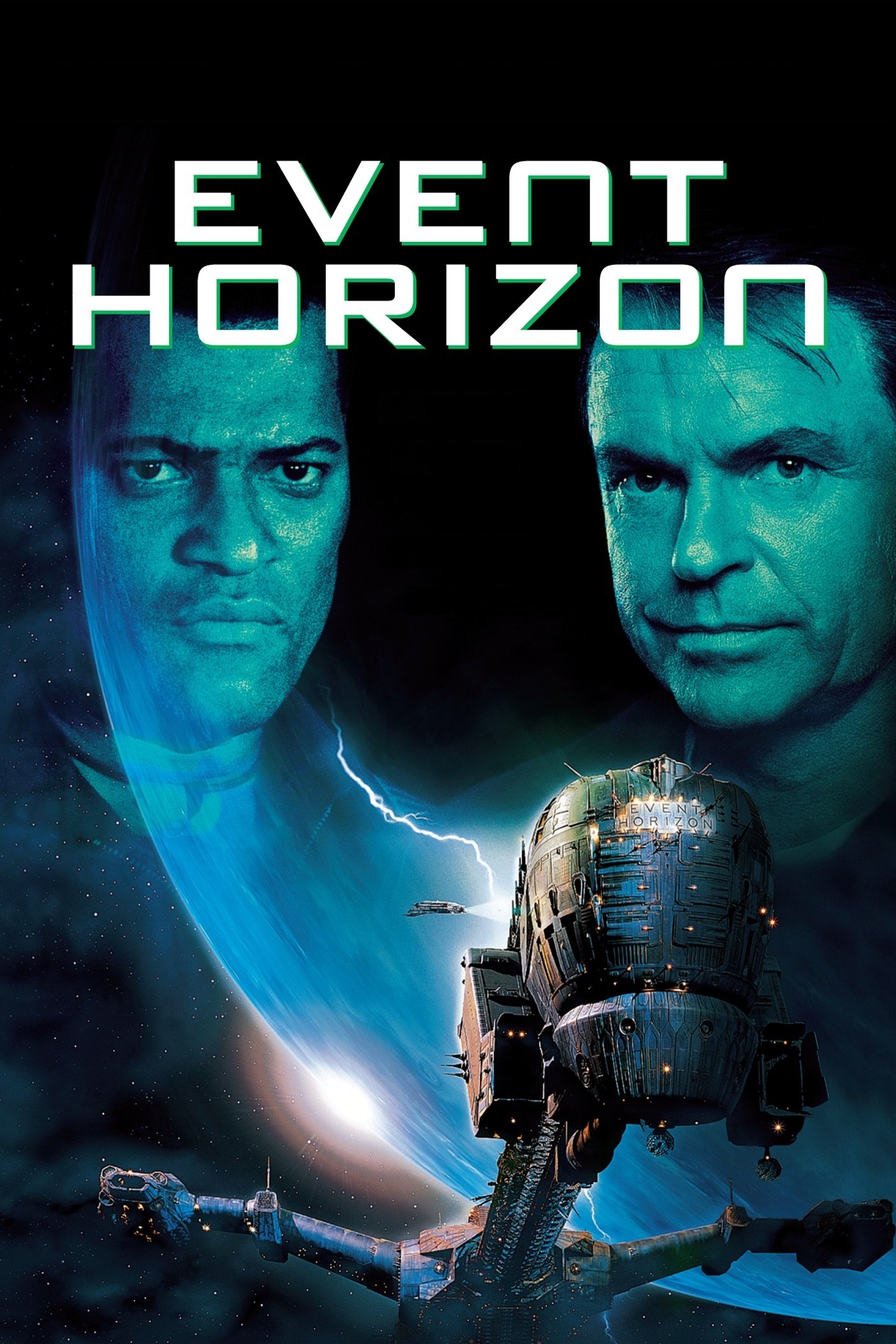
Initially panned by critics and ignored by audiences, this science fiction horror film struggled to find its footing during a crowded summer release. The production was rushed, leading to significant cuts that director Paul W.S. Anderson felt compromised his original vision. Despite the initial failure, the film developed a massive cult following due to its unique blend of cosmic horror and visceral practical effects. It is now frequently cited as one of the most effective and unsettling space-themed horror films in the genre.
‘Tron’ (1982)
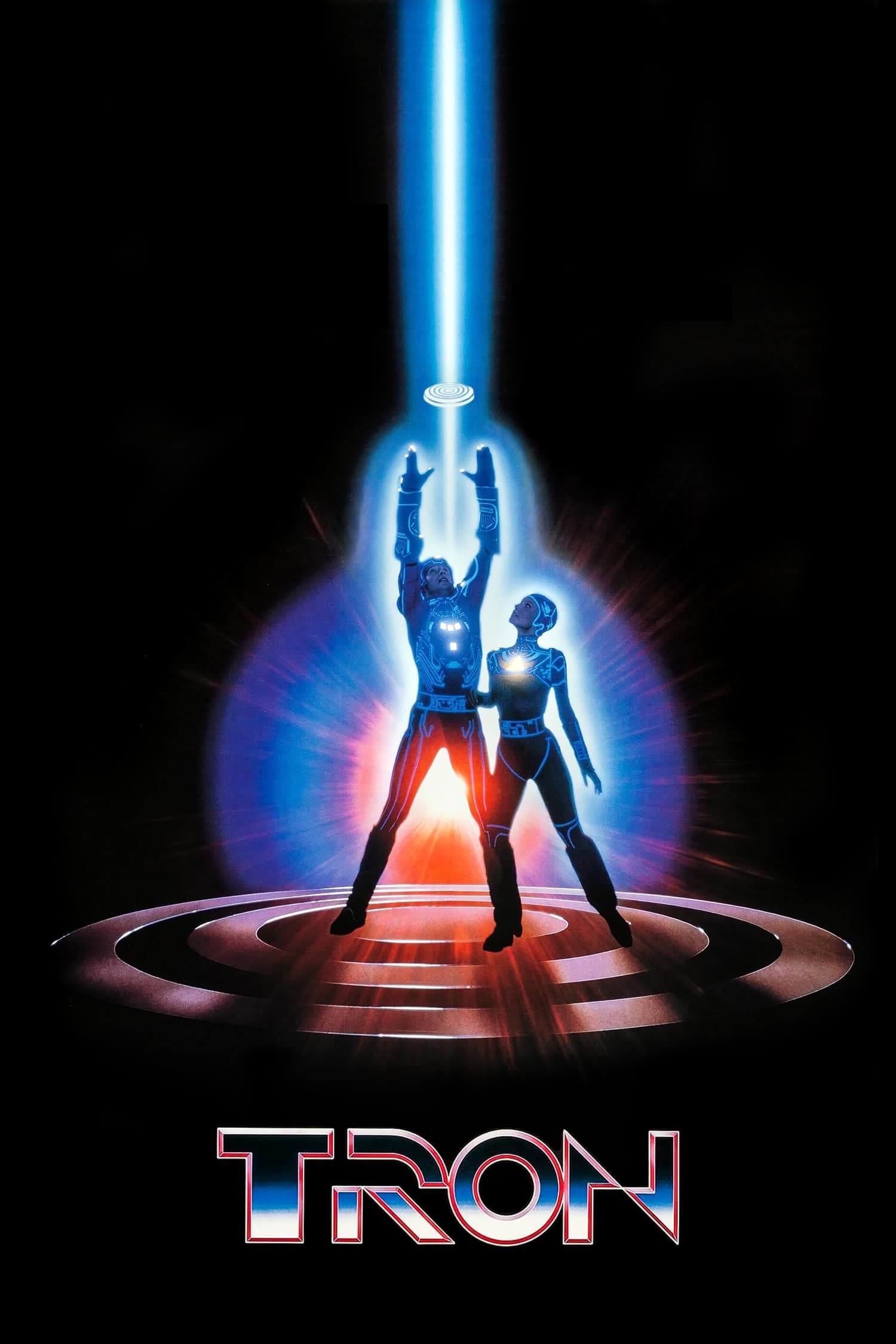
Despite its groundbreaking use of computer-generated imagery, ‘Tron’ underperformed at the box office and was even disqualified from an Academy Award for special effects because the technology was seen as “cheating.” The story of a computer programmer transported into a digital world was considered too abstract for mainstream audiences in the early 1980s. Over time, the film’s visual style became iconic, influencing a generation of digital artists and filmmakers. It is now celebrated as a visionary milestone that predicted the digital age.
‘Hocus Pocus’ (1993)
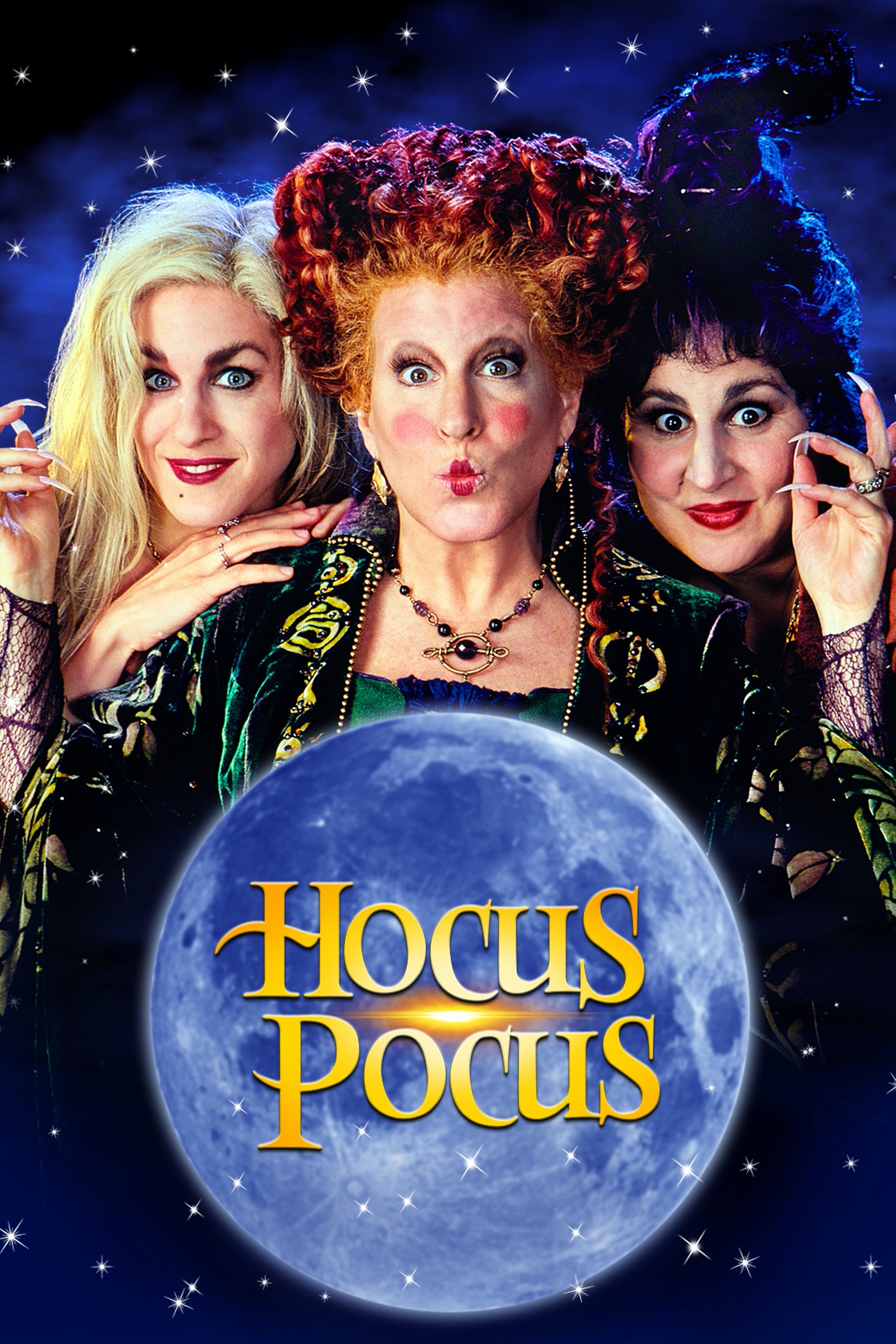
Released in the middle of summer rather than the Halloween season, this supernatural comedy failed to recoup its budget during its original theatrical run. Critics at the time dismissed the performances as over-the-top and found the plot to be disjointed. However, annual television airings throughout the month of October transformed the film into a cultural phenomenon for younger generations. It is now considered an essential seasonal classic and one of the most beloved entries in the Disney live-action library.
‘Under the Skin’ (2014)
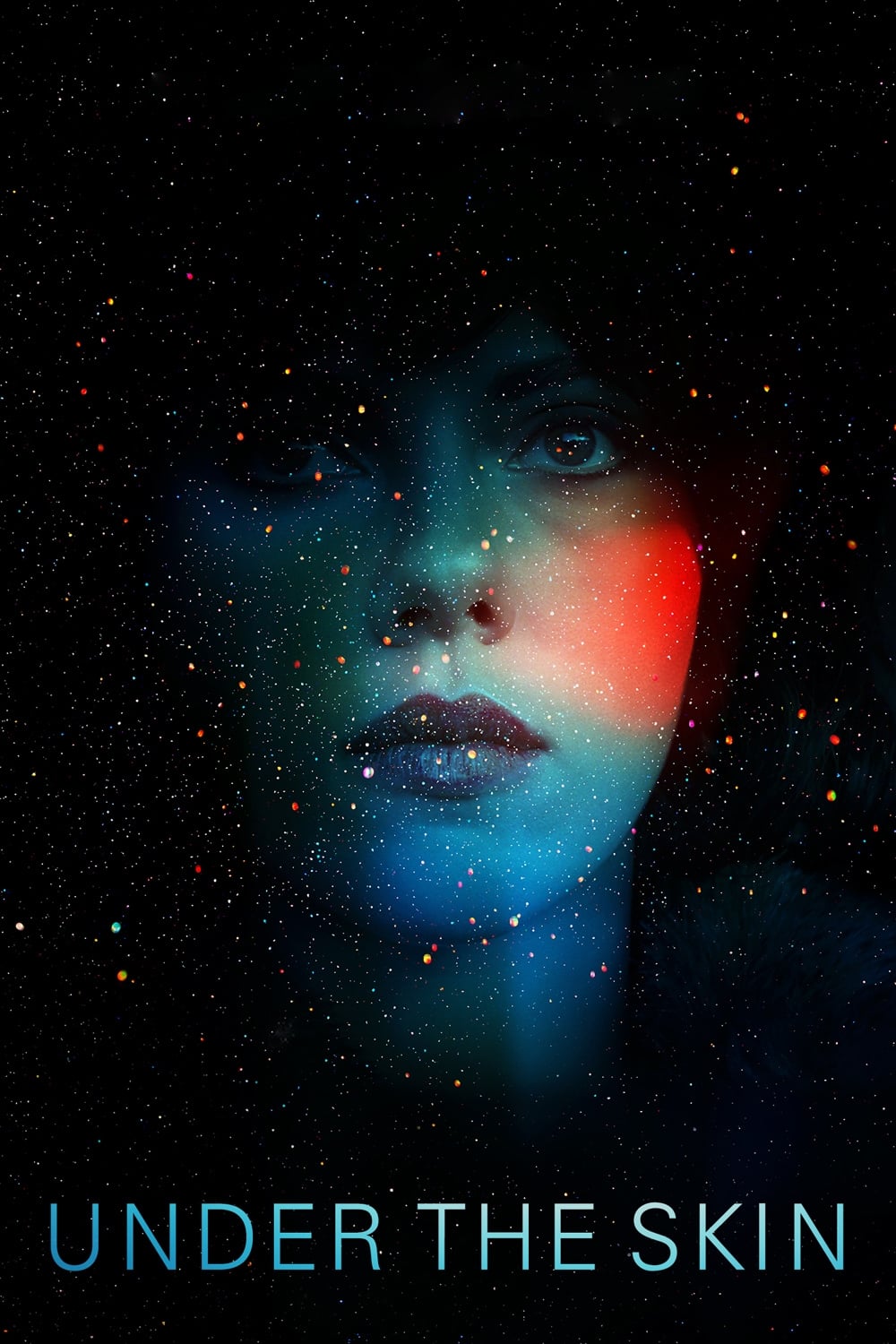
This experimental science fiction film starring Scarlett Johansson barely made a dent at the box office and polarized early audiences with its slow pace and abstract narrative. The story follows an extraterrestrial entity as it traverses Scotland, preying on men while experiencing human emotions for the first time. While it struggled to find a wide audience, critics eventually hailed it as a landmark of 21st-century cinema. It now frequently appears on lists of the best films of the decade and the greatest science fiction works ever produced.
‘The Master’ (2012)
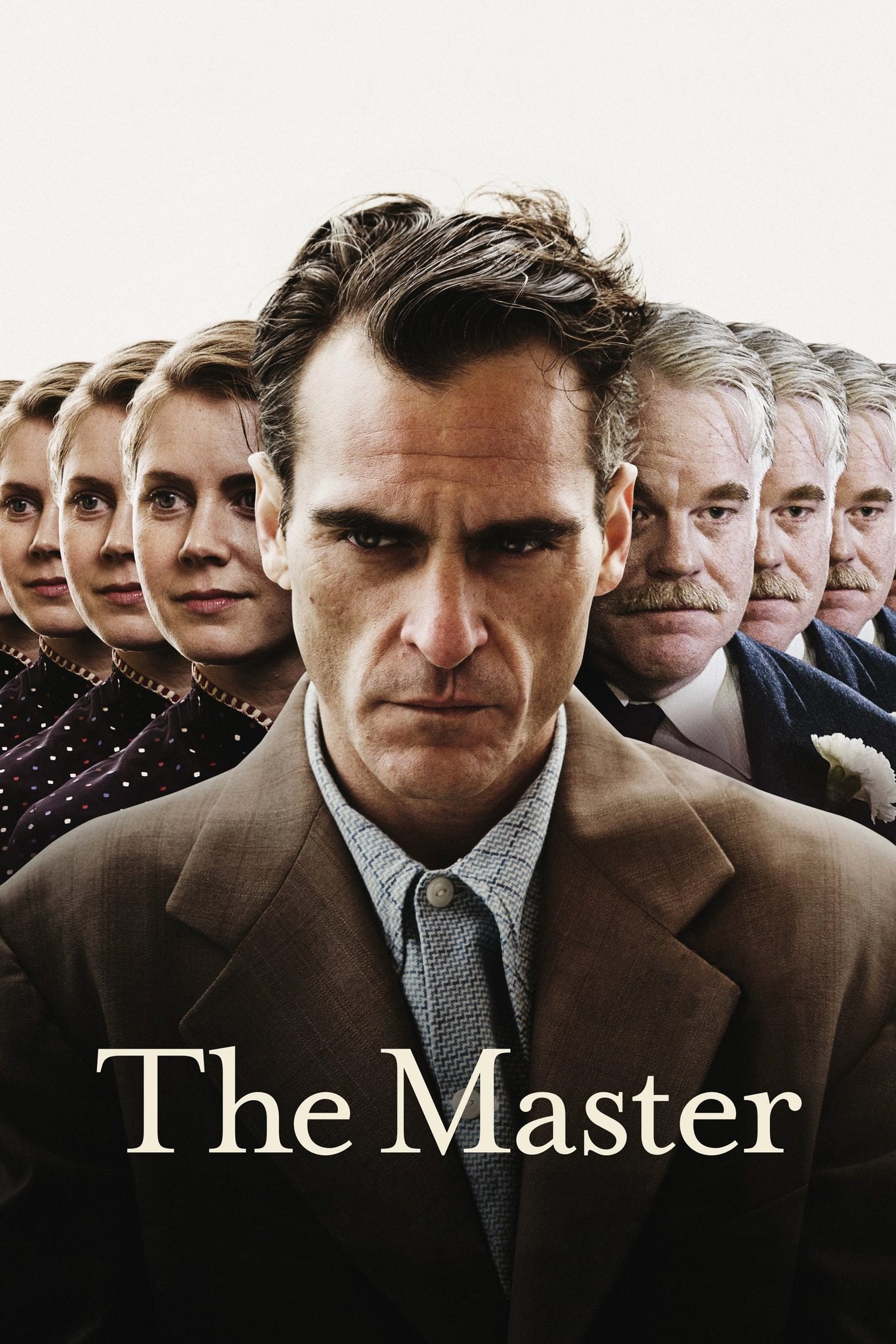
Directed by Paul Thomas Anderson, this psychological drama explores the relationship between a charismatic cult leader and a troubled World War II veteran. Despite receiving critical acclaim, the film was a commercial failure, unable to appeal to a broad enough audience to cover its production costs. The complex, non-linear storytelling and intense performances from Joaquin Phoenix and Philip Seymour Hoffman were initially seen as challenging. In the years since, it has been canonized as a modern masterpiece of character study and cinematography.
‘The Hudsucker Proxy’ (1994)
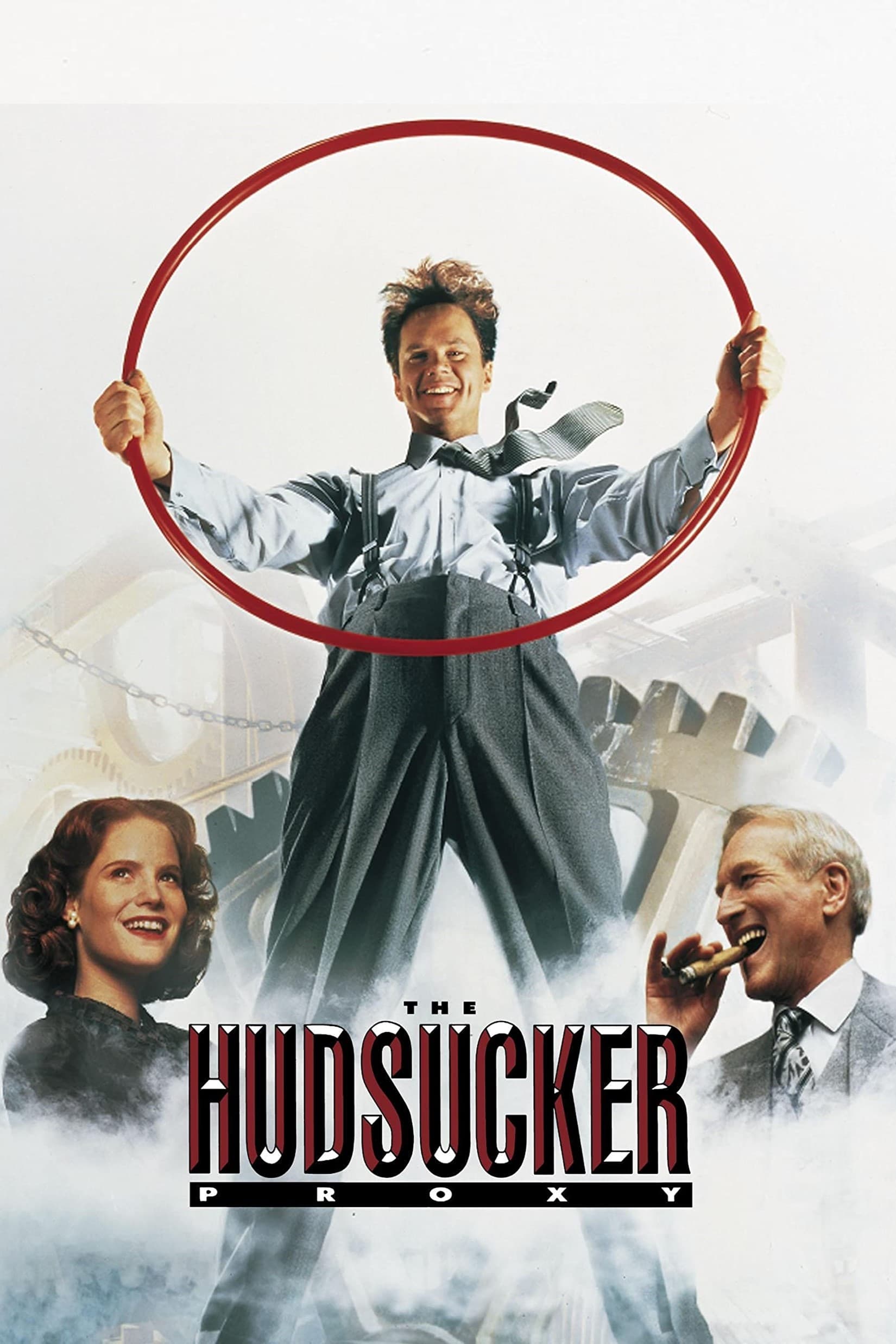
The Coen brothers’ stylized homage to 1950s screwball comedies was a major financial disappointment, earning back only a fraction of its budget. Critics were divided over its highly artificial visual style and whether its fast-paced dialogue possessed genuine heart. The film’s intricate production design and whimsical narrative eventually found appreciation among cinephiles and fans of the directors’ later work. It is now regarded as one of the most visually inventive and technically proficient comedies of its era.
‘Labyrinth’ (1986)
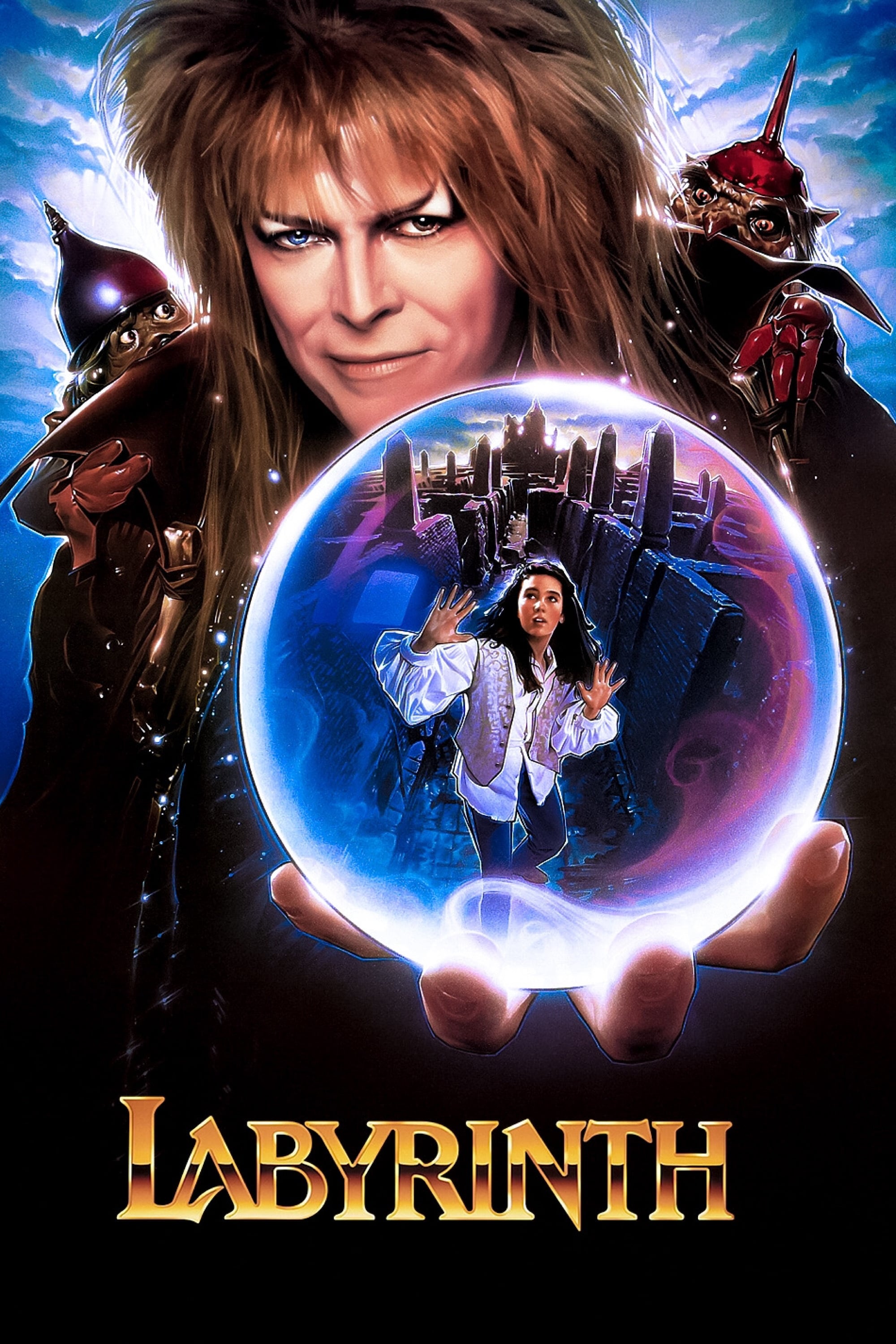
Directed by Jim Henson and starring David Bowie, this dark fantasy film was a box office bomb that left its creator deeply discouraged. Audiences were initially put off by the film’s surreal imagery and the perceived creepiness of its puppet characters. Following its release on home video, ‘Labyrinth’ found a devoted audience of children and adults who connected with its coming-of-age themes and musical numbers. It has since become a cornerstone of the fantasy genre and a defining part of Bowie’s cinematic legacy.
‘Bambi’ (1942)
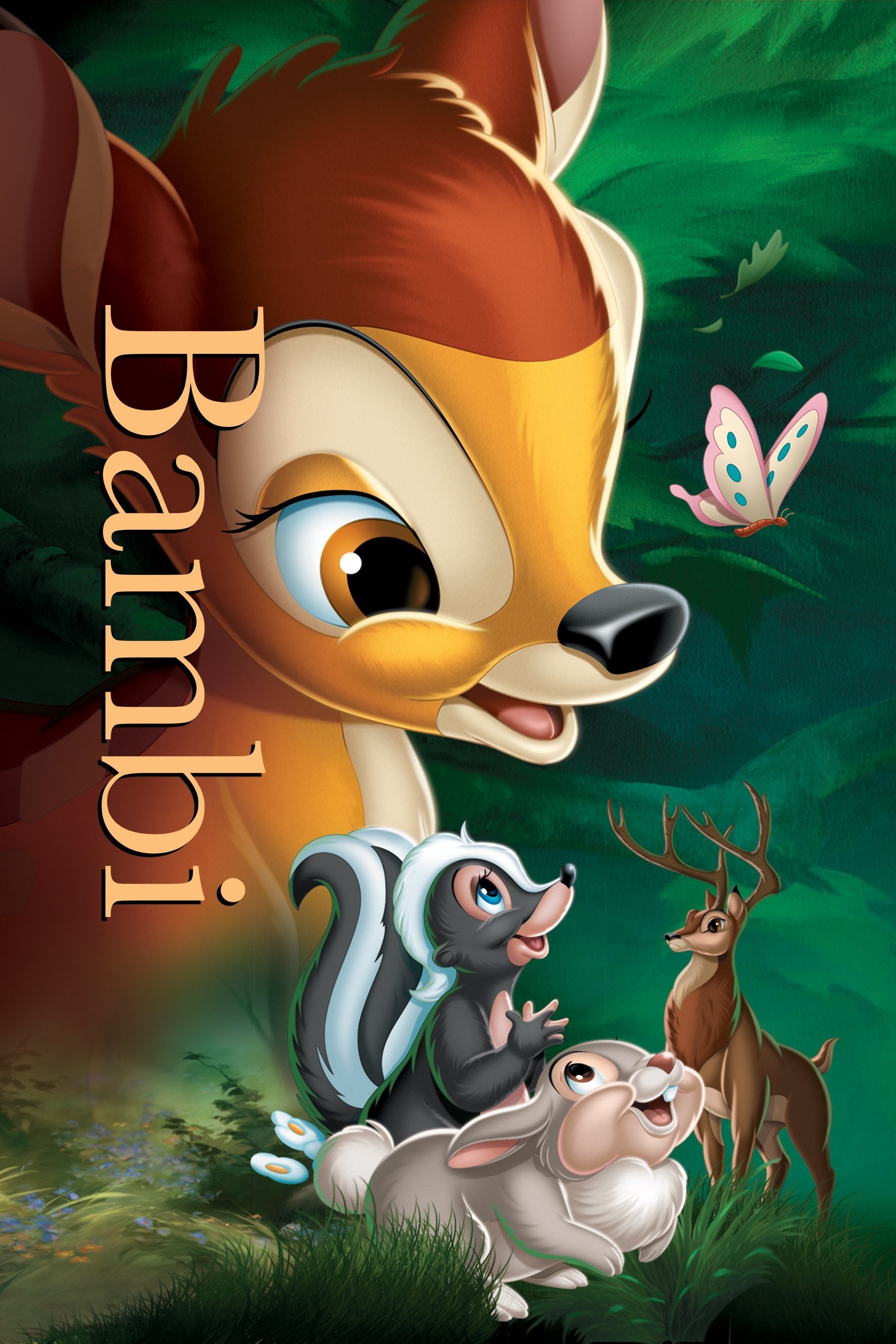
While it is now considered one of the pillars of animation, ‘Bambi’ was a financial failure upon its initial release during World War II. The film’s realistic depiction of nature and its somber tone were departures from the lighthearted fantasy of previous Disney features. Because many foreign markets were closed due to the war, the studio was unable to recoup the high costs of the film’s innovative animation. Subsequent theatrical re-releases and its profound impact on environmental awareness have since solidified its status as an all-time classic.
‘The Rocky Horror Picture Show’ (1975)
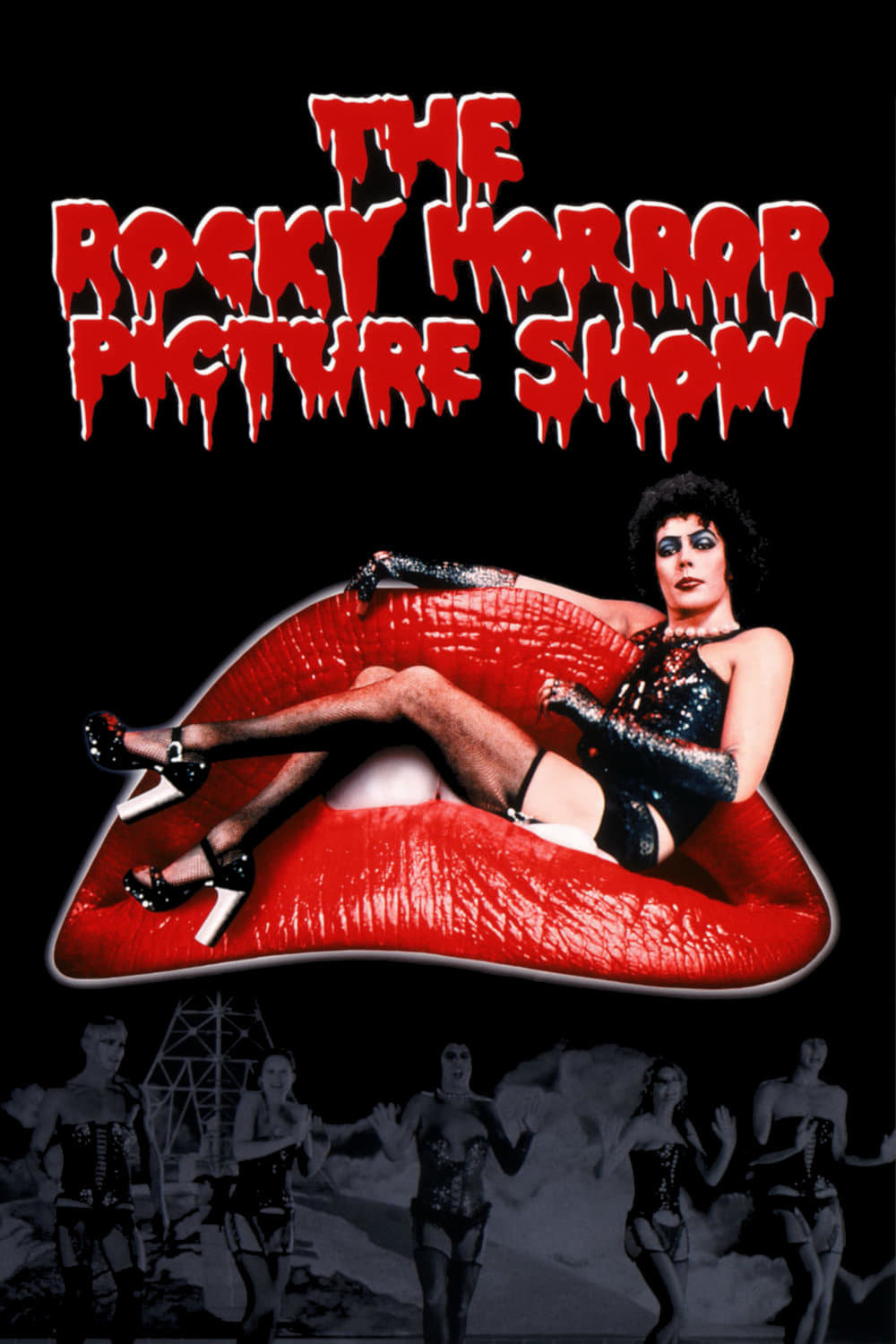
This musical comedy horror film was a complete disaster during its opening run, with many theaters pulling it after just a few weeks. It wasn’t until the film began playing as a midnight movie in New York City that it began to build a dedicated following. The tradition of audience participation and shadow casts transformed the flop into a cultural institution. It currently holds the record for the longest theatrical run in film history and is hailed as a masterpiece of camp and queer cinema.
‘Scott Pilgrim vs. the World’ (2010)
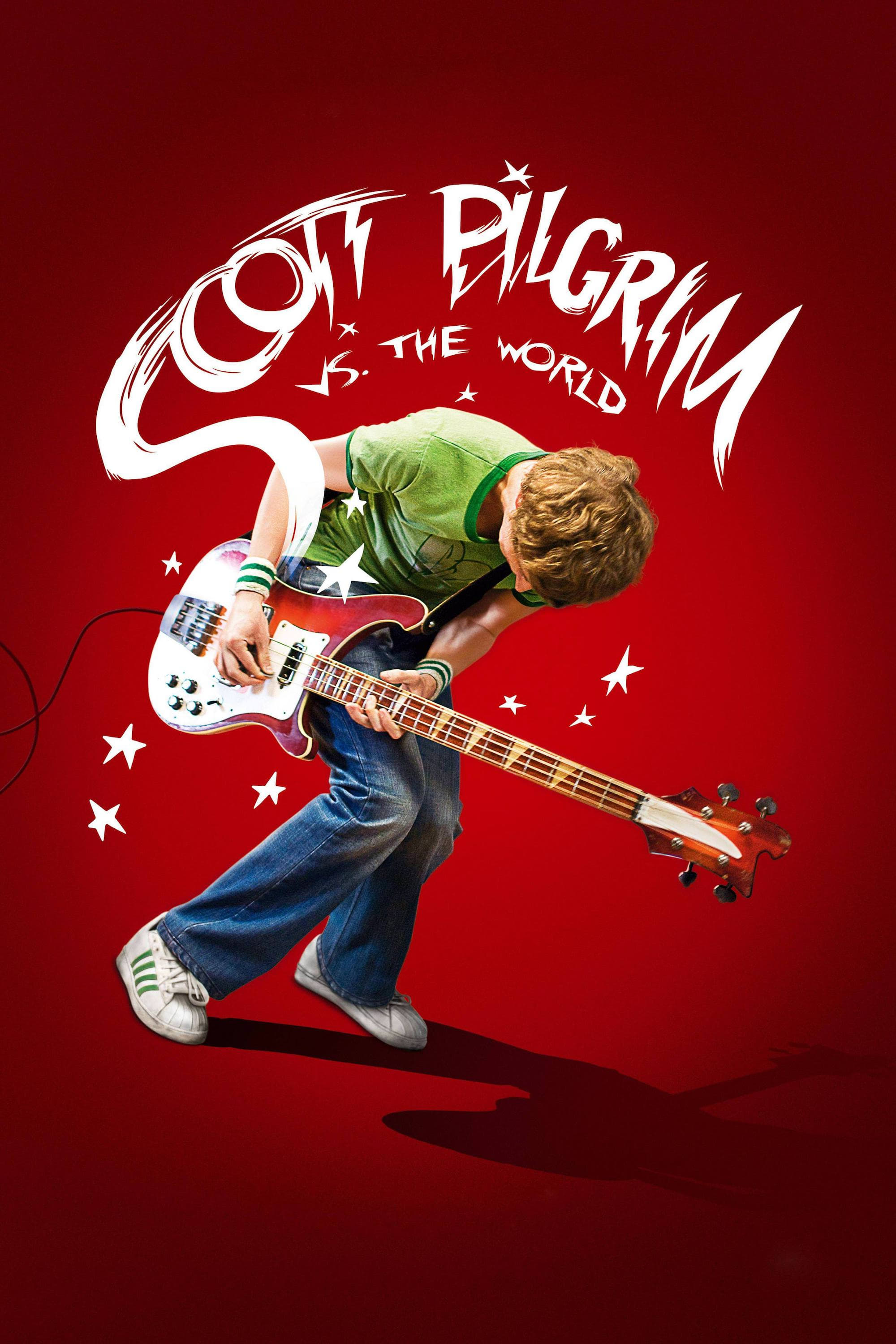
Despite heavy promotion and positive reviews, this energetic adaptation of the graphic novel series failed to attract a large audience at the box office. Its heavy use of video game aesthetics and rapid-fire editing was perhaps too niche for the general public at the time. However, the film’s innovative visual language and sharp humor earned it a massive second life on home video and streaming services. It is now widely regarded as one of the most creative and influential comic book adaptations of the 21st century.
‘Fear and Loathing in Las Vegas’ (1998)
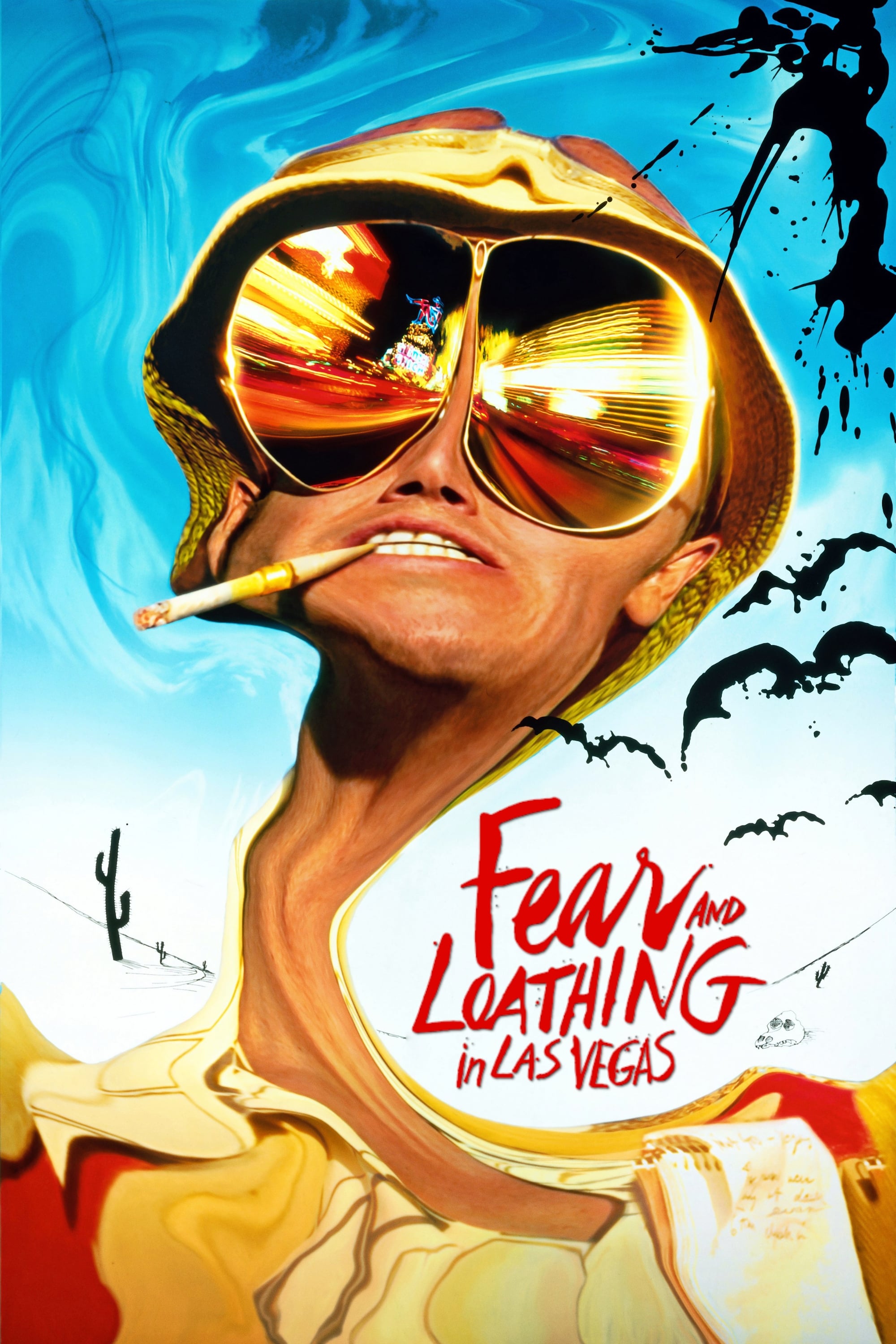
Terry Gilliam’s hallucinogenic adaptation of Hunter S. Thompson’s novel was met with confusion and negative reviews from critics who found it incoherent. The film’s grotesque imagery and relentless pacing led to a poor showing at the box office. Over time, audiences began to appreciate the film’s dedication to capturing the chaotic spirit of the source material. It has since been embraced as a counter-culture classic and a high point in the careers of both Gilliam and lead actor Johnny Depp.
‘The Assassination of Jesse James by the Coward Robert Ford’ (2007)
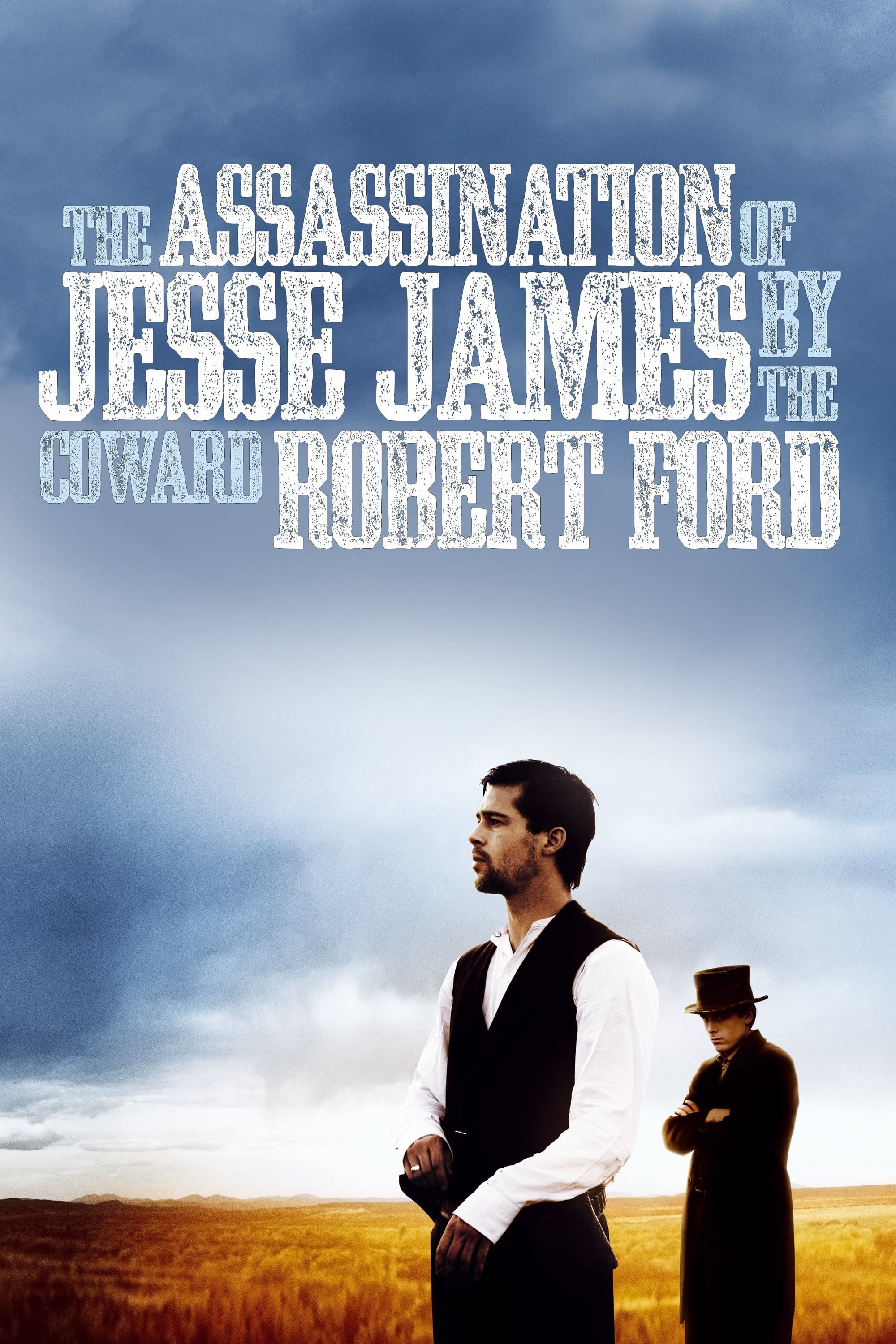
This contemplative Western struggled with a long editing process and a limited release that resulted in very low box office returns. Warner Bros. was reportedly unsure how to market a three-hour film that prioritized atmosphere and character psychology over traditional gunfights. Despite the commercial failure, the film’s cinematography by Roger Deakins and its poetic narrative have led to a massive critical reappraisal. It is now frequently listed as one of the greatest Westerns ever made and a highlight of modern cinema.
‘Pinocchio’ (1940)
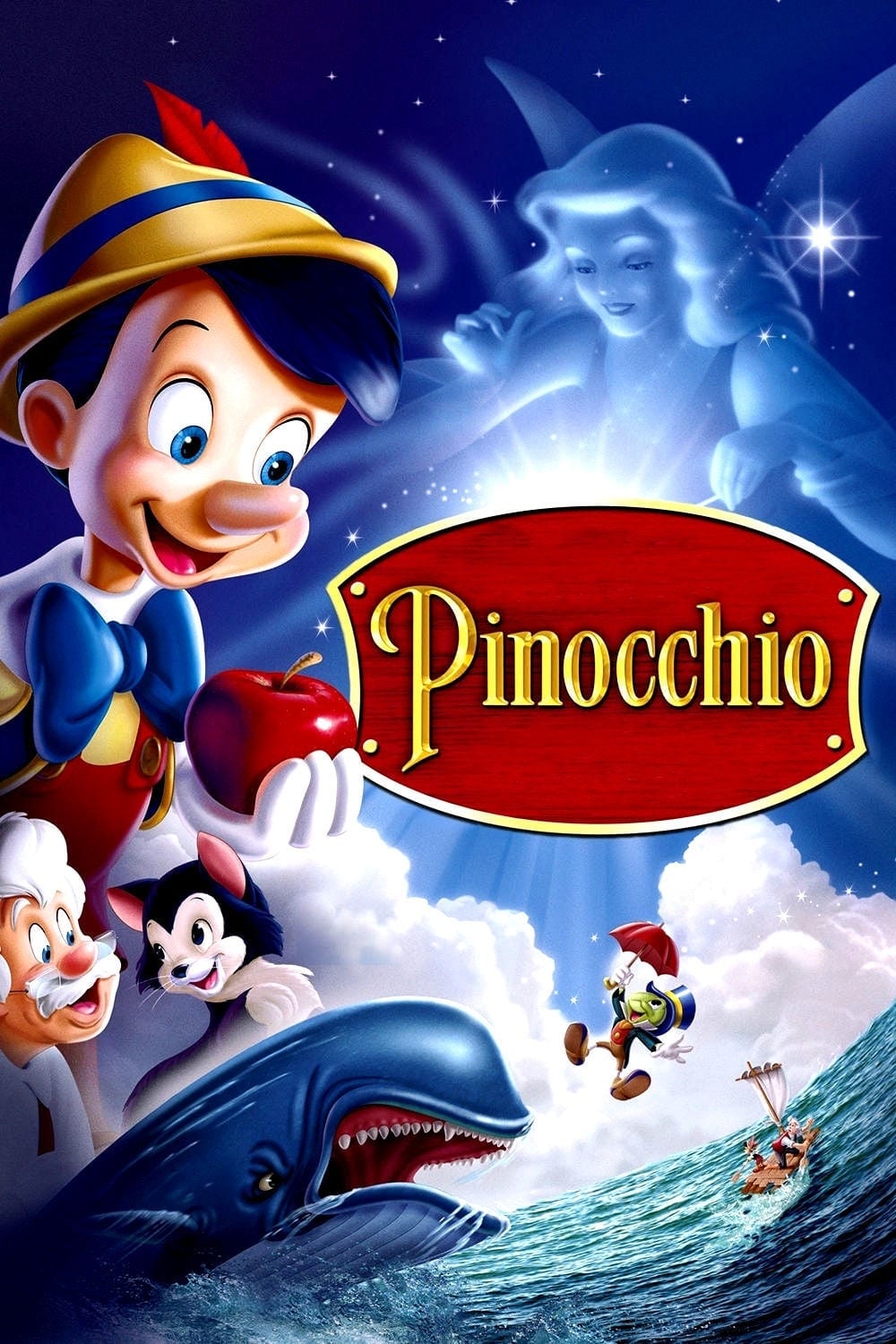
Despite receiving universal critical acclaim, ‘Pinocchio’ was a significant financial loss for Walt Disney during its first theatrical release. The loss of European markets due to the start of World War II meant that the film could not reach the audience needed to pay off its expensive production. The technical artistry involved in its creation, such as the use of the multiplane camera, was years ahead of its time. Re-releases in later decades eventually allowed the film to find its audience, and it is now often ranked as the greatest animated film in history.
‘Peeping Tom’ (1960)
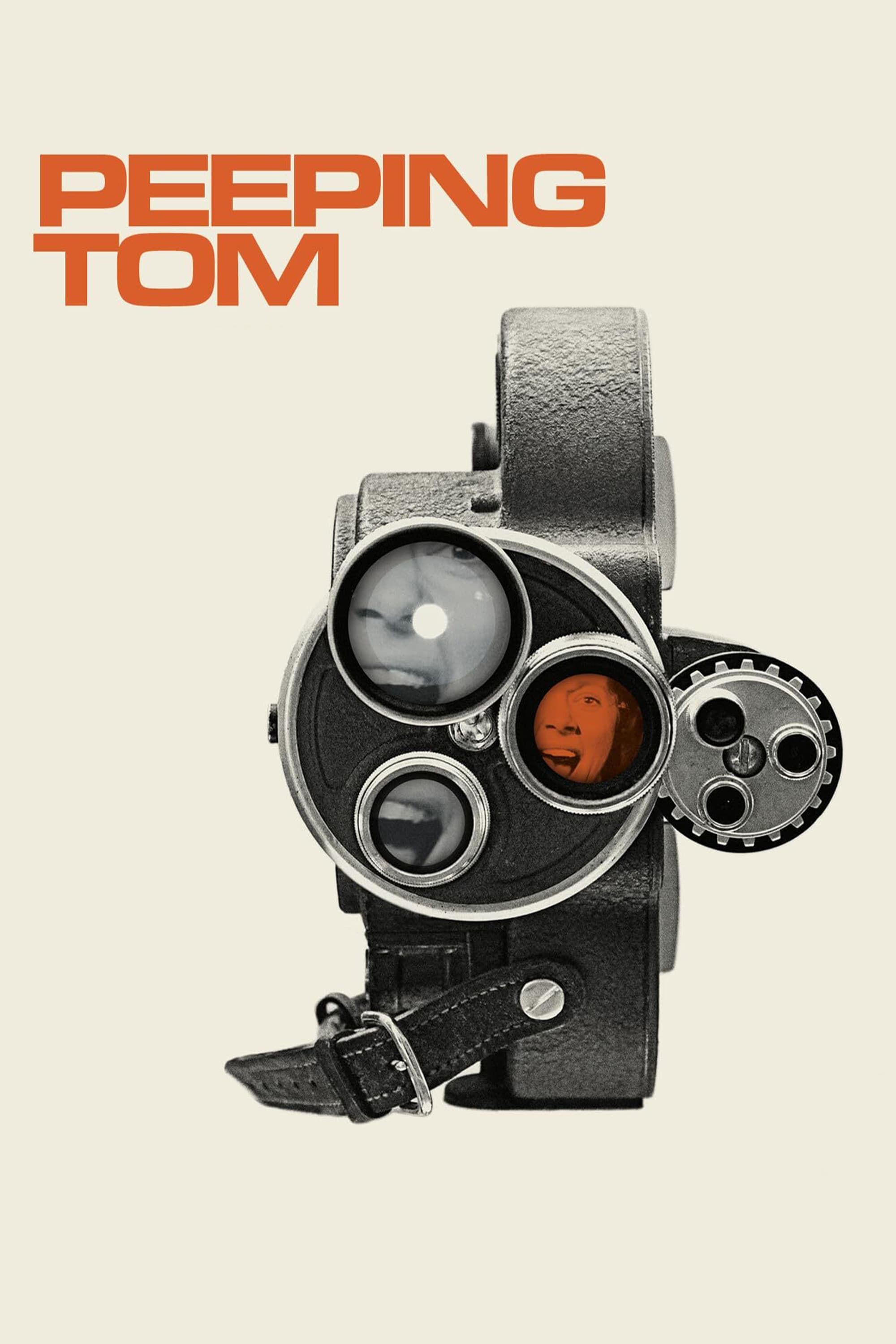
This psychological horror film was so controversial upon its release that it effectively ended the career of its director, Michael Powell. Critics were repulsed by the film’s subject matter, which involved a serial killer who filmed his victims’ final moments. It was pulled from theaters and banned in many regions, remaining obscure for nearly two decades. After being championed by directors like Martin Scorsese, the film was rediscovered and is now considered a precursor to the slasher genre and a masterpiece of suspense.
‘Dark City’ (1998)
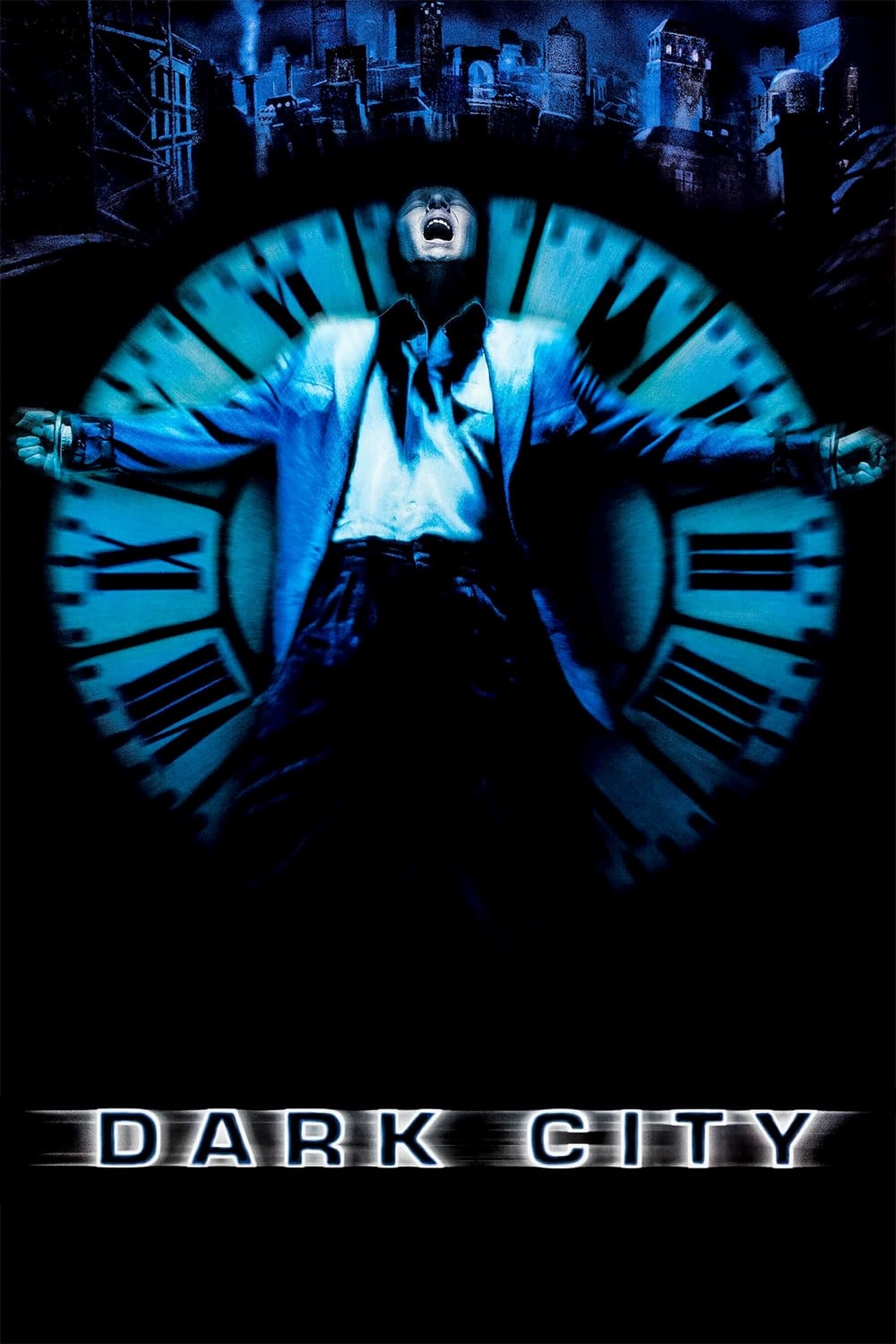
Released just a year before ‘The Matrix’, this neo-noir science fiction film was overshadowed and failed to find a significant audience. Critics praised its visual style and philosophical themes, but general audiences found the plot about strangers manipulating a city’s reality to be too dark and confusing. The director’s cut released years later helped clarify the narrative and highlighted the film’s stunning production design. It is now celebrated as a cult classic and a superior example of atmospheric world-building in science fiction.
‘Dazed and Confused’ (1993)
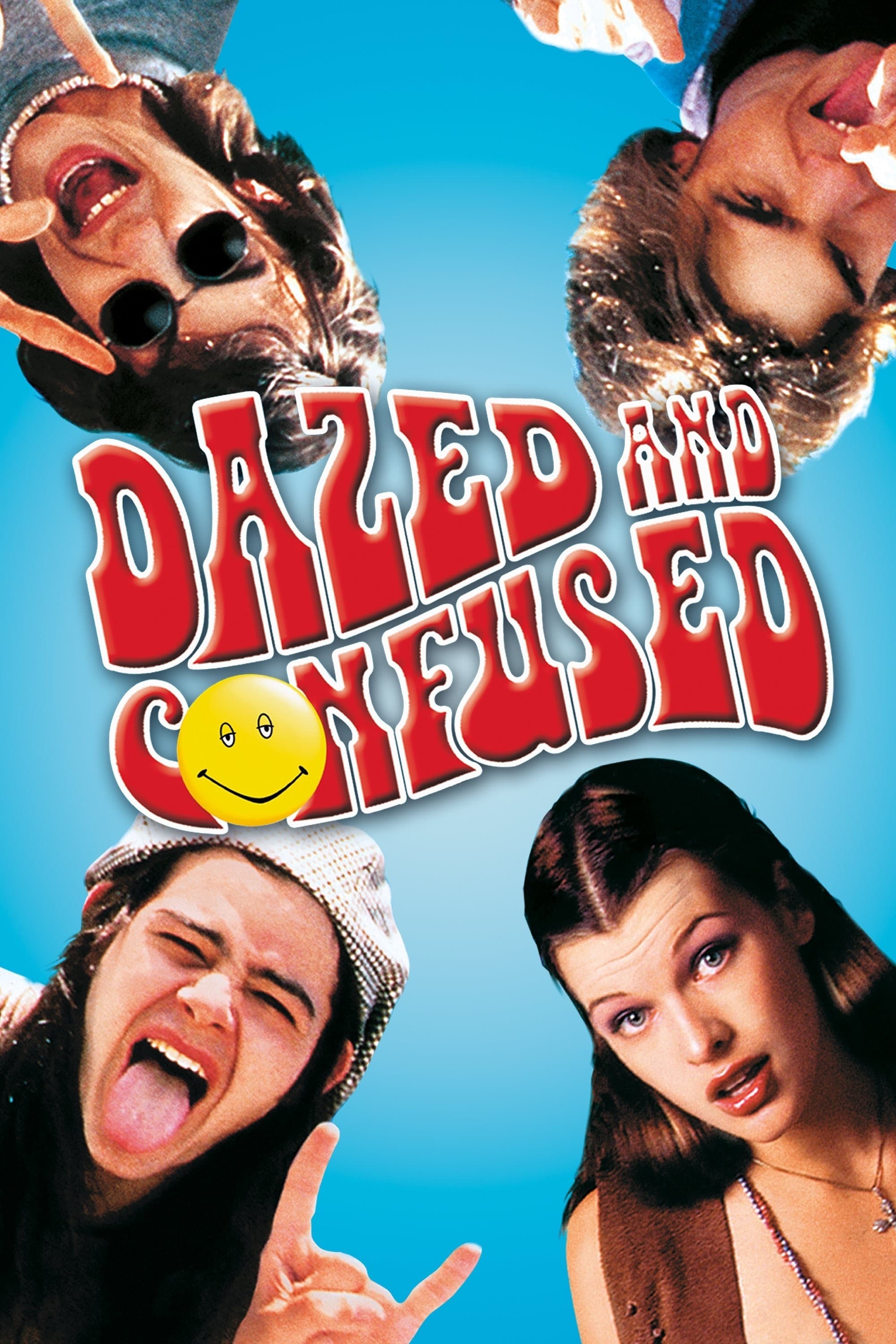
Richard Linklater’s high school comedy was a commercial disappointment that barely made back its modest budget during its theatrical run. The film lacked a traditional plot, focusing instead on the vibes and experiences of various teenagers on the last day of school in 1976. Through home video and word-of-mouth, it eventually became a staple of teen cinema and launched the careers of several major stars. It is now recognized as one of the most authentic and enduring coming-of-age films ever produced.
‘Fantasia’ (1940)
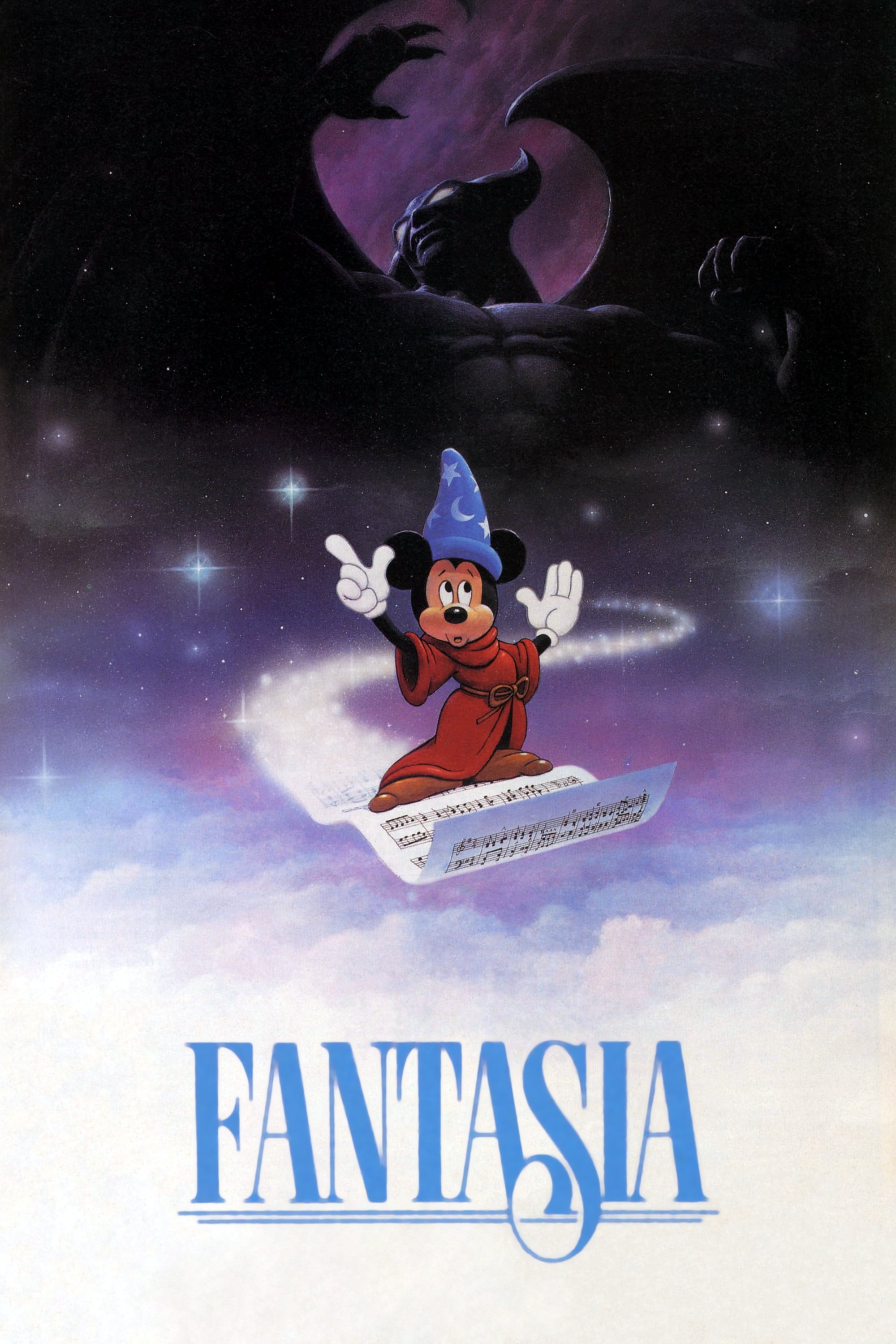
Walt Disney’s ambitious experiment in combining classical music with animation was a massive financial risk that did not pay off initially. The film required theaters to install expensive “Fantasound” equipment, which most exhibitors could not afford during the war years. While it was a failure in 1940, the film’s artistic merits were eventually recognized by both music and film historians. Its 1960s re-release found a new audience during the psychedelic era, and it is now regarded as a monumental achievement in the history of the medium.
‘Sorcerer’ (1977)
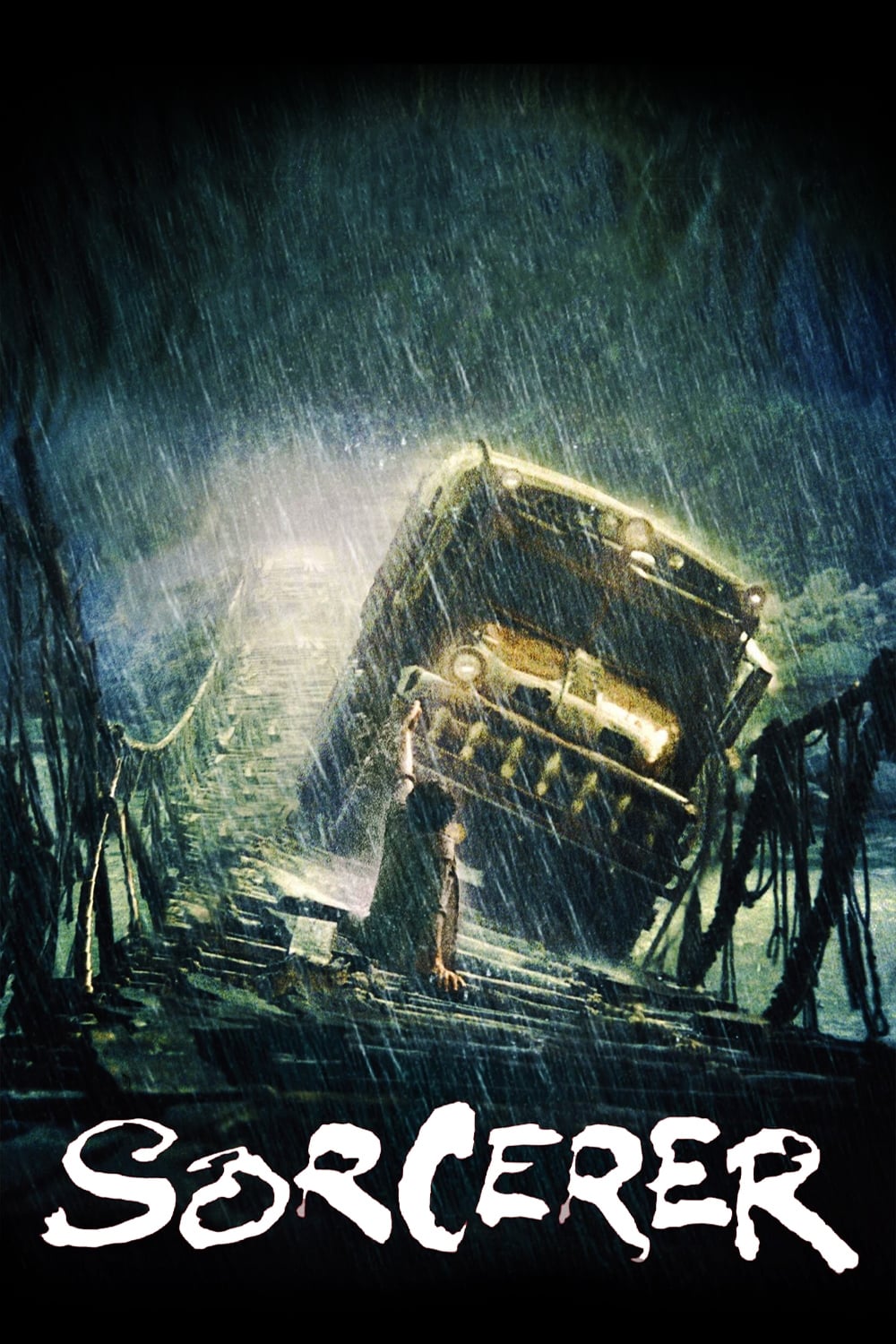
William Friedkin’s gritty remake of ‘The Wages of Fear’ was released the same week as ‘Star Wars’, which essentially buried it at the box office. The production was notoriously difficult, involving high costs and dangerous location filming in South America. For years, it was remembered as a massive flop that marked the end of the New Hollywood era. Recent restorations and critical retrospectives have shifted the narrative, with many now viewing it as a tense, masterfully directed thriller that represents Friedkin’s best work.
‘Bringing Up Baby’ (1938)
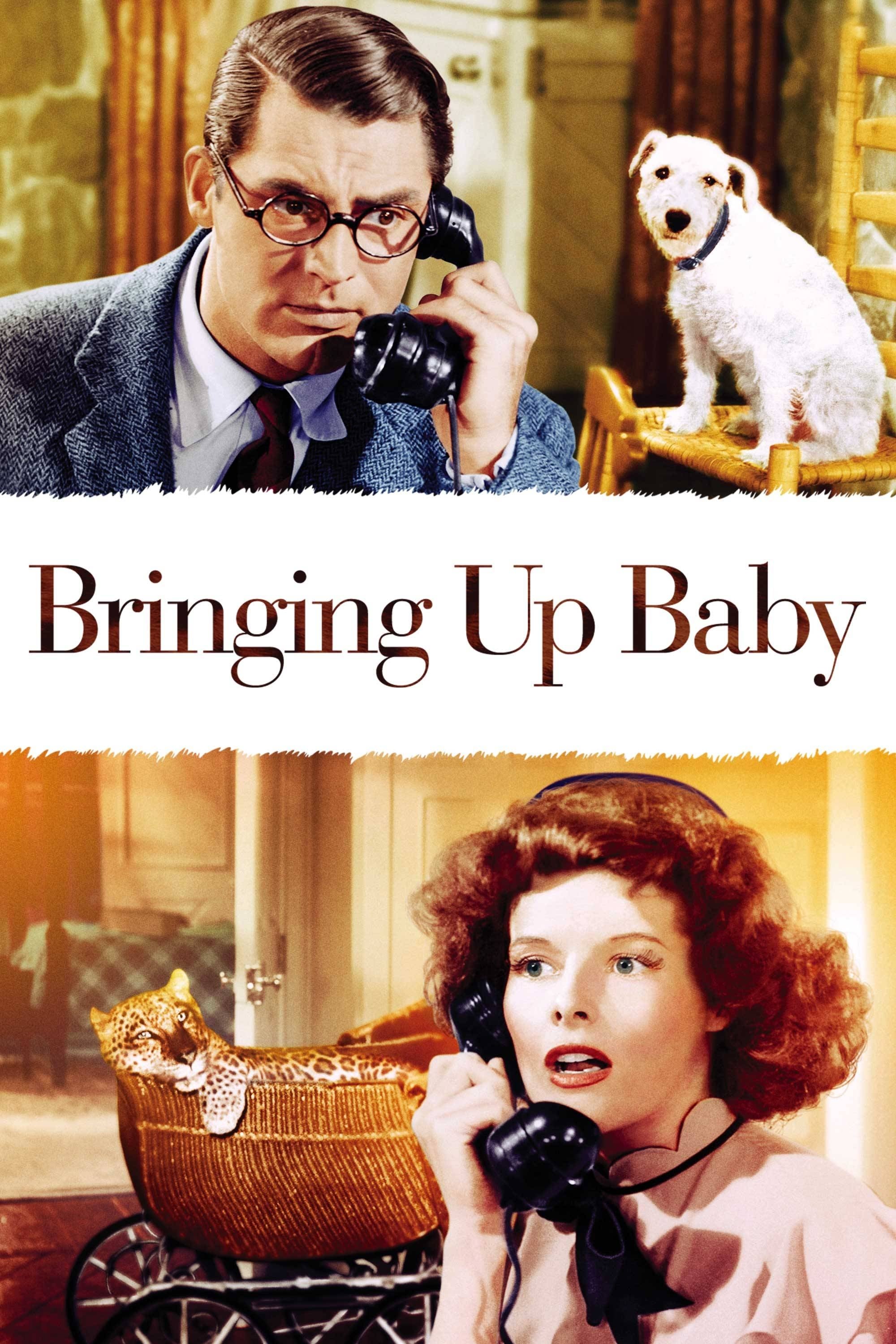
Now considered the definitive screwball comedy, this film was such a failure upon release that it led to Katharine Hepburn being labeled “box office poison.” RKO Radio Pictures even fired director Howard Hawks following the film’s poor performance. The fast-paced dialogue and absurd plot involving a socialite and a leopard were seemingly too chaotic for 1930s audiences. It wasn’t until the film began appearing on television in the 1950s that it was recognized as a comedic masterpiece of timing and chemistry.
‘The King of Comedy’ (1982)
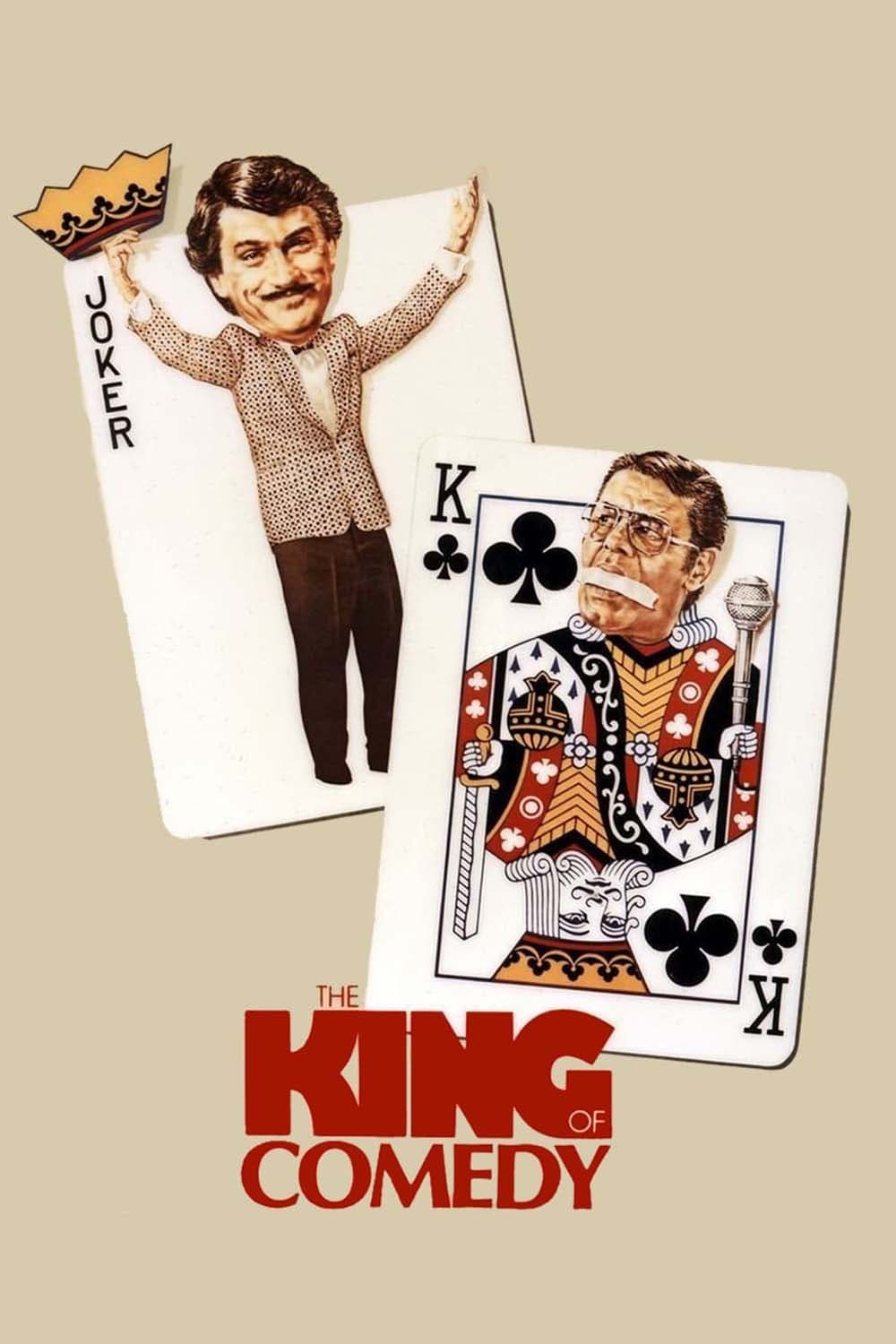
Martin Scorsese’s dark satire about celebrity obsession was a commercial disaster that left audiences and critics uncomfortable. Robert De Niro’s portrayal of the delusional Rupert Pupkin was seen as too cringeworthy and disturbing for a mainstream comedy. The film’s themes of media fame and the blurring of reality and fantasy were decades ahead of their time. Today, it is hailed as a prophetic work that predicted the rise of reality television and influencer culture, often ranking high in Scorsese’s filmography.
‘Playtime’ (1967)
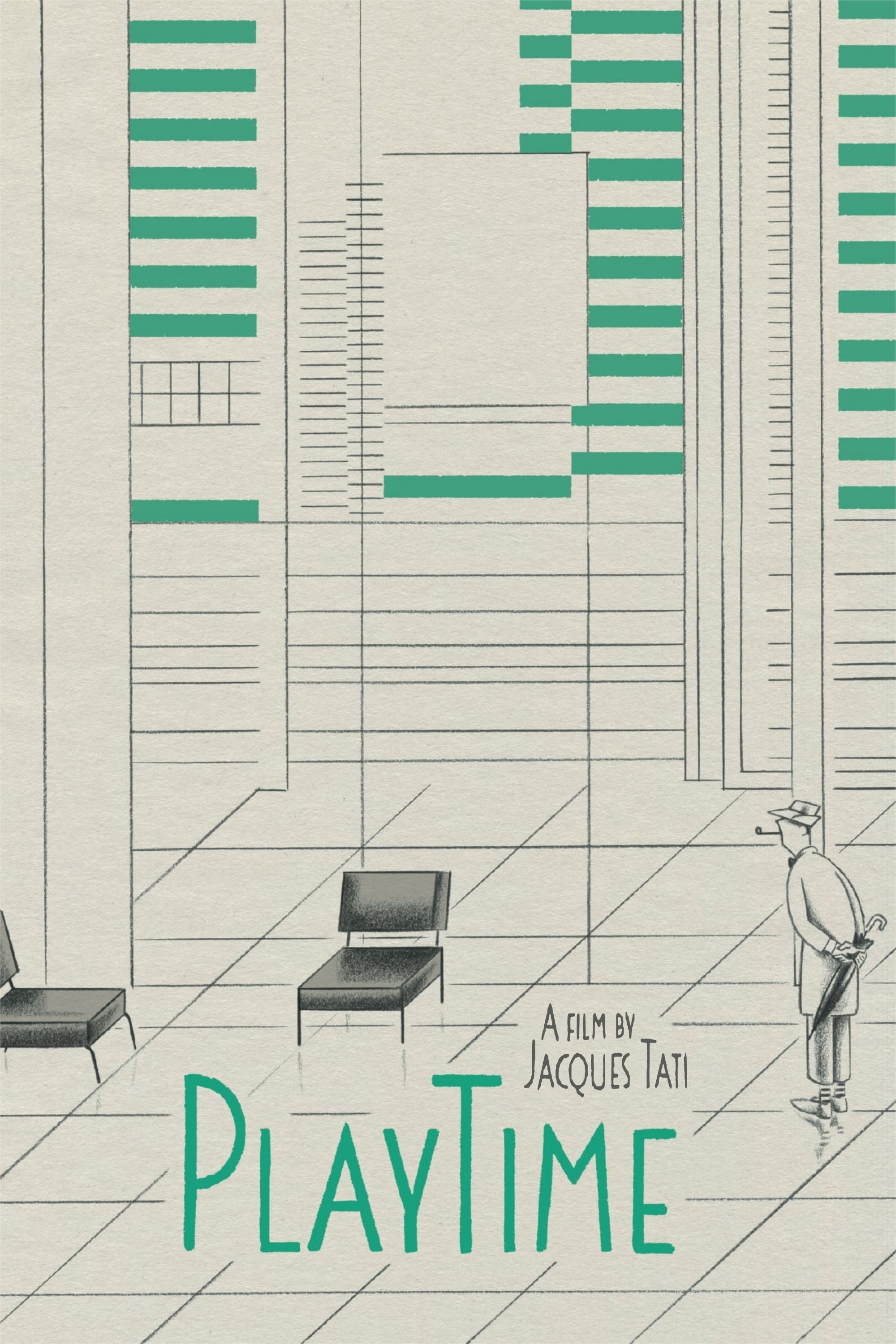
Director Jacques Tati spent nearly a decade and a massive amount of money building a sprawling city set known as “Tativille” for this film. The result was a commercial catastrophe that bankrupted Tati and left him in debt for the rest of his life. The film’s lack of a traditional protagonist and its reliance on complex visual gags in the background of wide shots confused audiences. Over time, it has been recognized as a peak of visual comedy and a staggering achievement in production design and choreography.
‘Willy Wonka & the Chocolate Factory’ (1971)
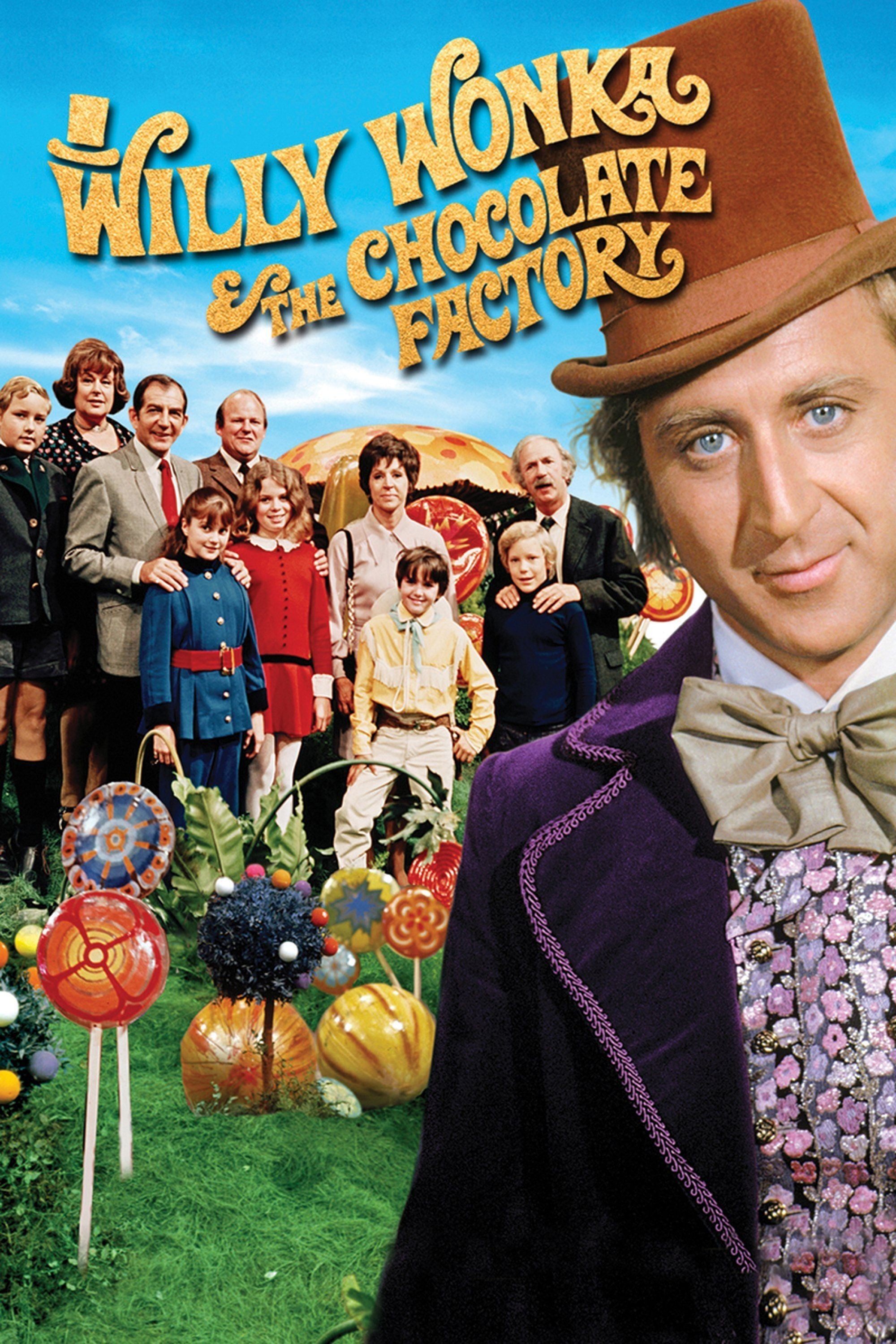
Despite being a beloved staple of childhood today, this musical adaptation of Roald Dahl’s book was a box office disappointment. Paramount Pictures let their rights to the film lapse because it performed so poorly, and Dahl himself famously disliked the changes made to his story. It was the film’s transition to television in the mid-1970s that finally allowed it to capture the imagination of the public. Gene Wilder’s performance is now considered legendary, and the film is a permanent fixture on greatest family movie lists.
‘Brazil’ (1985)
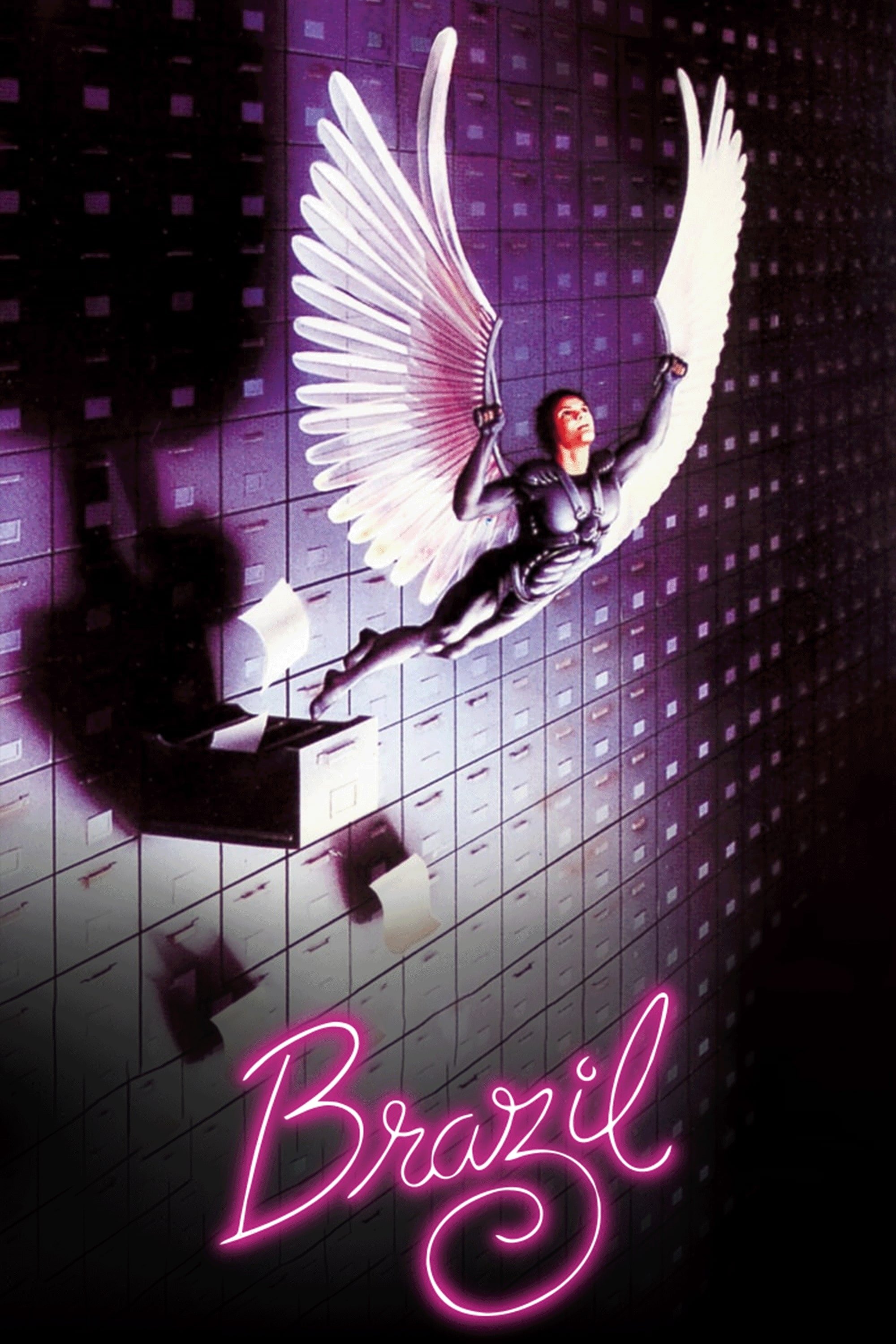
Terry Gilliam’s dystopian masterpiece was the subject of a legendary battle between the director and Universal Pictures, who wanted to release a shortened version with a “happy ending.” The film’s initial release was botched, and it struggled to find an audience amidst the studio conflict. Critics who saw the original cut, however, immediately recognized its brilliance as a biting satire of bureaucracy. It has since become one of the most celebrated science fiction films of all time, known for its unique visual language and dark humor.
‘Mulholland Drive’ (2001)
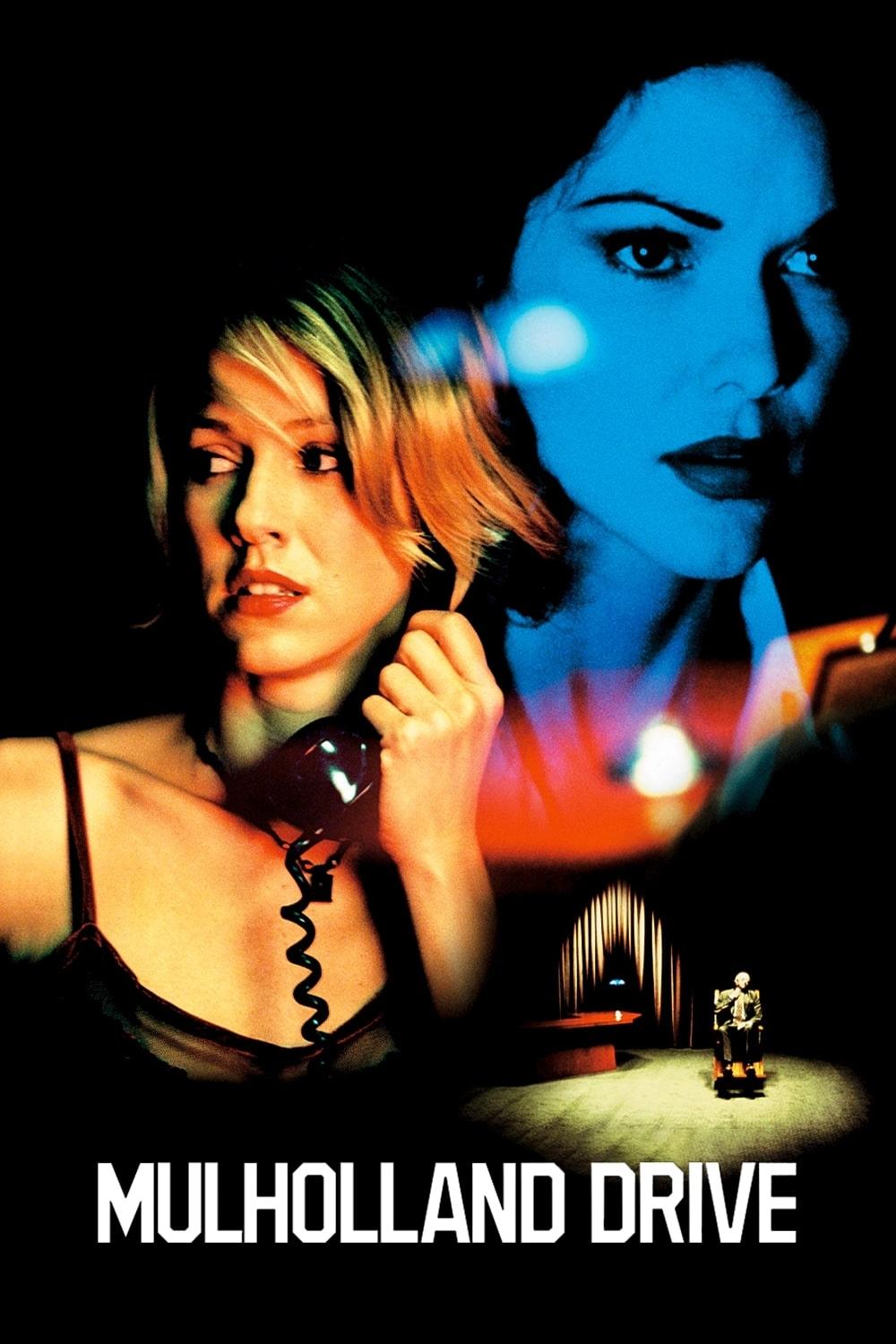
Originally conceived as a television pilot that was rejected by ABC, David Lynch’s surrealist neo-noir was eventually expanded into a feature film. While it received strong critical marks from some, it was a box office failure and left many mainstream viewers frustrated by its non-linear and dreamlike structure. In the years following its release, it has been analyzed extensively and is now widely considered Lynch’s crowning achievement. It was recently voted the greatest film of the 21st century in a major BBC critics’ poll.
‘Children of Men’ (2006)
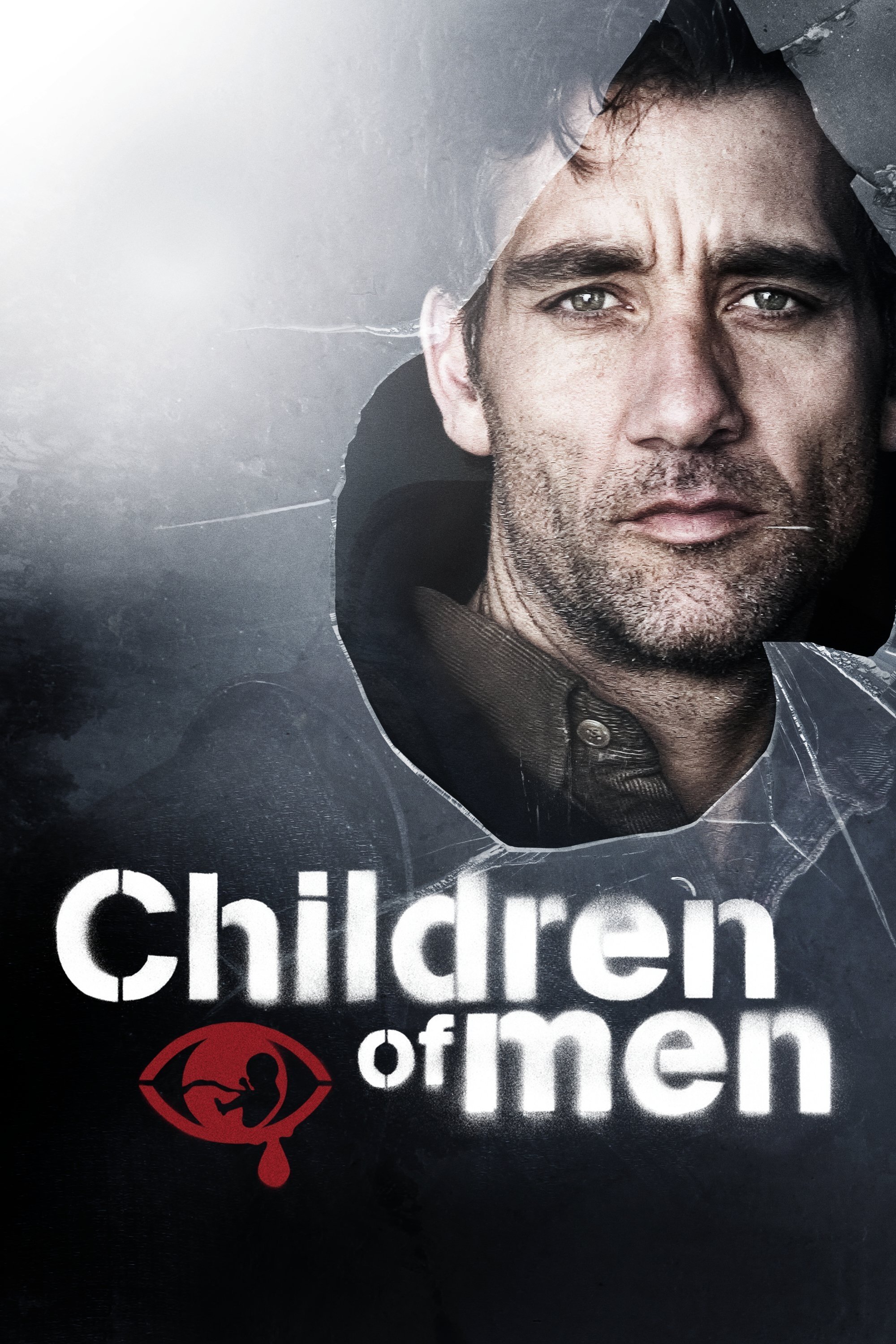
Alfonso Cuarón’s dystopian thriller was a commercial failure that failed to find an audience despite its high production value and critical acclaim. The film’s bleak subject matter and intense, long-take action sequences were perhaps too visceral for the holiday season in which it was released. As its themes of societal collapse and immigration have become more relevant, its reputation has grown significantly. It is now universally praised for its technical mastery and is a staple of modern “best of” lists.
‘Donnie Darko’ (2001)
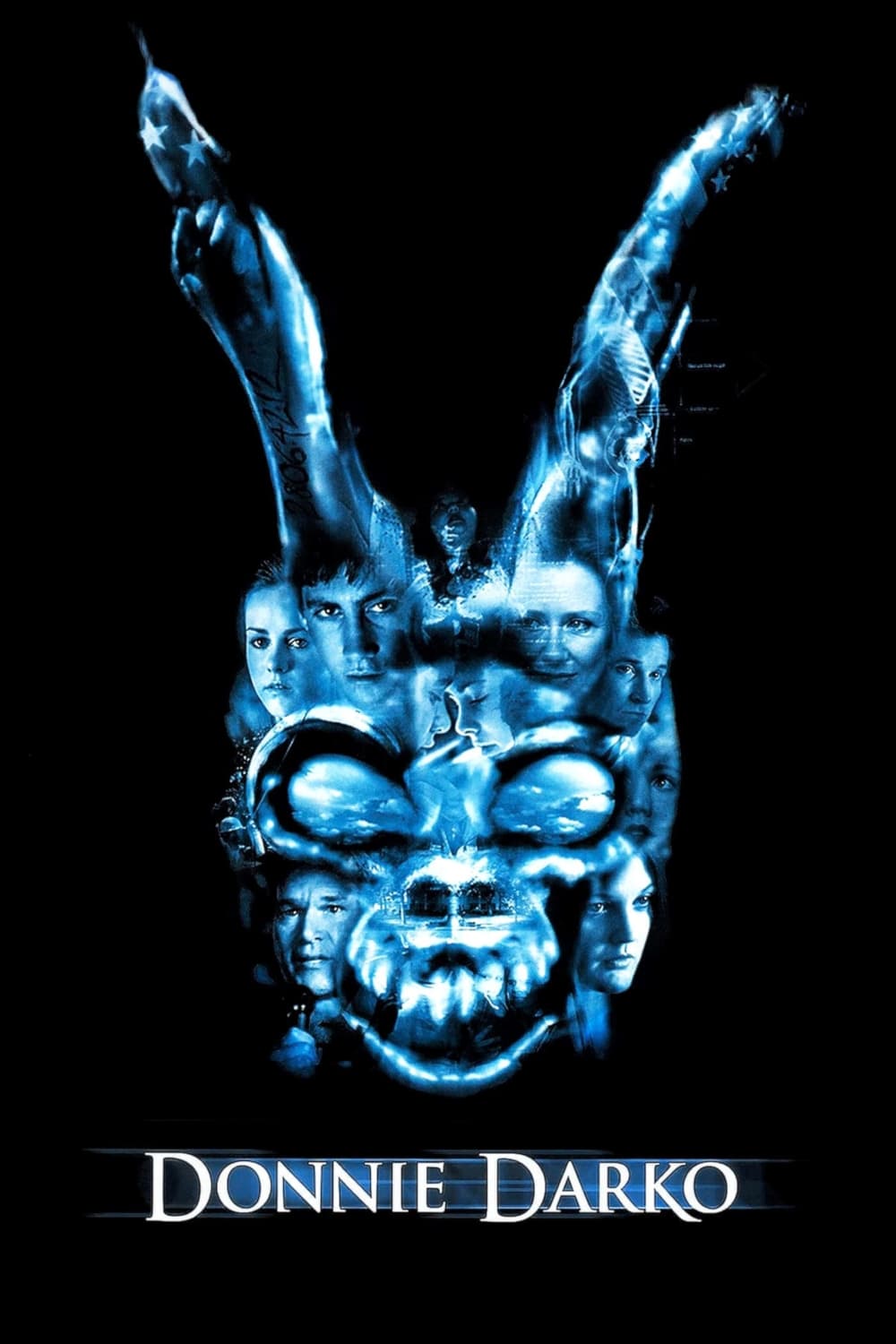
Released just weeks after the September 11 attacks, this film about a troubled teen and a jet engine falling onto a house was a box office disaster. Its dark themes and complex time-travel narrative were not what audiences were looking for during a time of national tragedy. The film found a massive second life on DVD, becoming one of the first true cult classics of the digital era. It is now regarded as a definitive work of independent cinema and a quintessential cult film of the 2000s.
‘Andrei Rublev’ (1966)
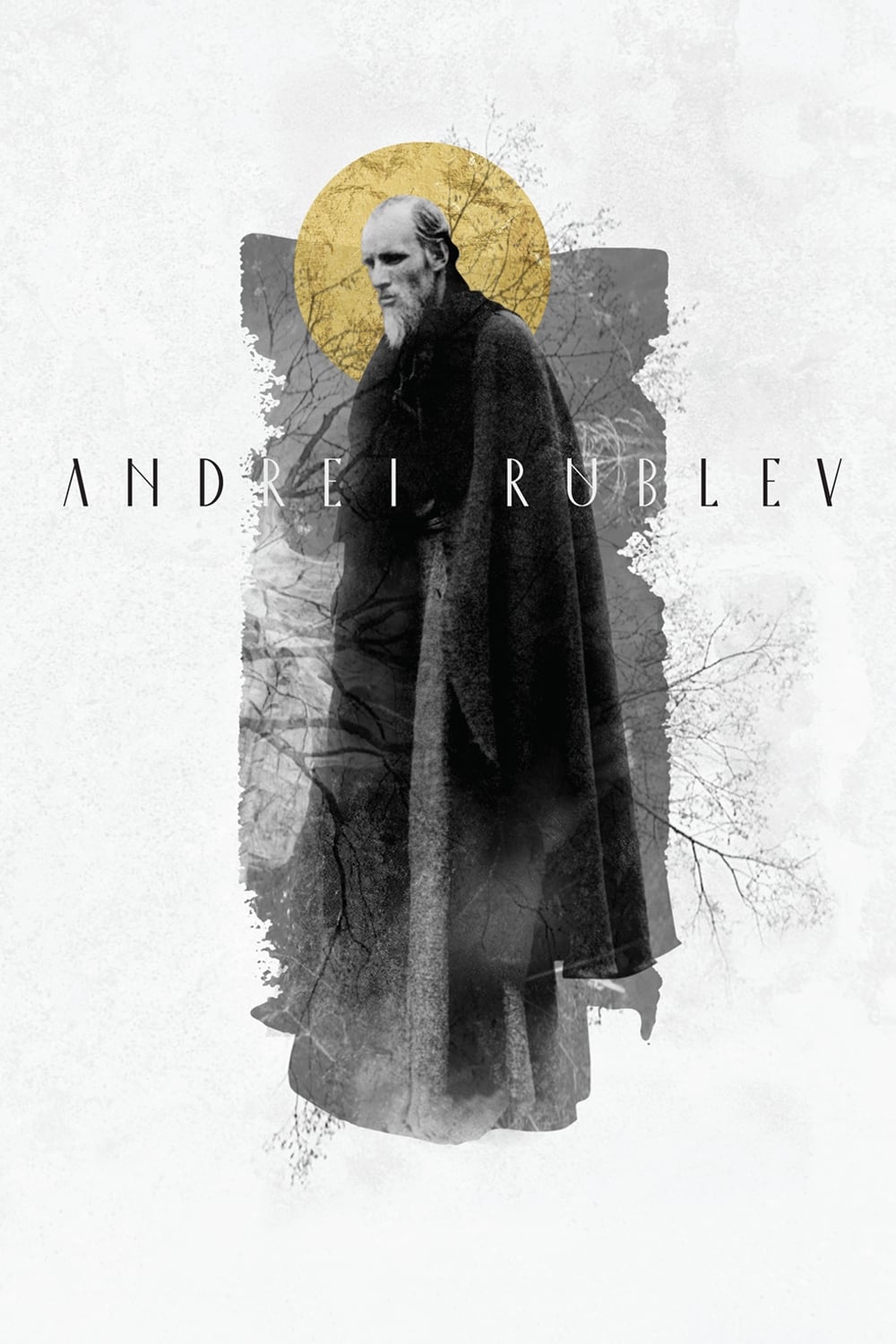
This Soviet biographical drama directed by Andrei Tarkovsky faced immense censorship and was initially shelved by the Soviet authorities. When it finally received a limited release, its long runtime and slow, philosophical nature meant it had little commercial potential. Despite these hurdles, the film’s stunning black-and-white cinematography and profound themes eventually reached international audiences. It is now frequently cited by directors and critics as one of the greatest historical epics and spiritual films ever made.
‘The Night of the Hunter’ (1955)

The only film directed by actor Charles Laughton was both a critical and commercial failure, leading him to never direct again. Audiences were confused by its mixture of German Expressionism, Southern Gothic noir, and fairytale elements. The film’s portrayal of a murderous preacher, played by Robert Mitchum, was seen as too disturbing for the mid-1950s. Decades later, it was rediscovered and is now considered a masterpiece of visual storytelling and one of the most unique films in American cinema.
‘The Rules of the Game’ (1939)
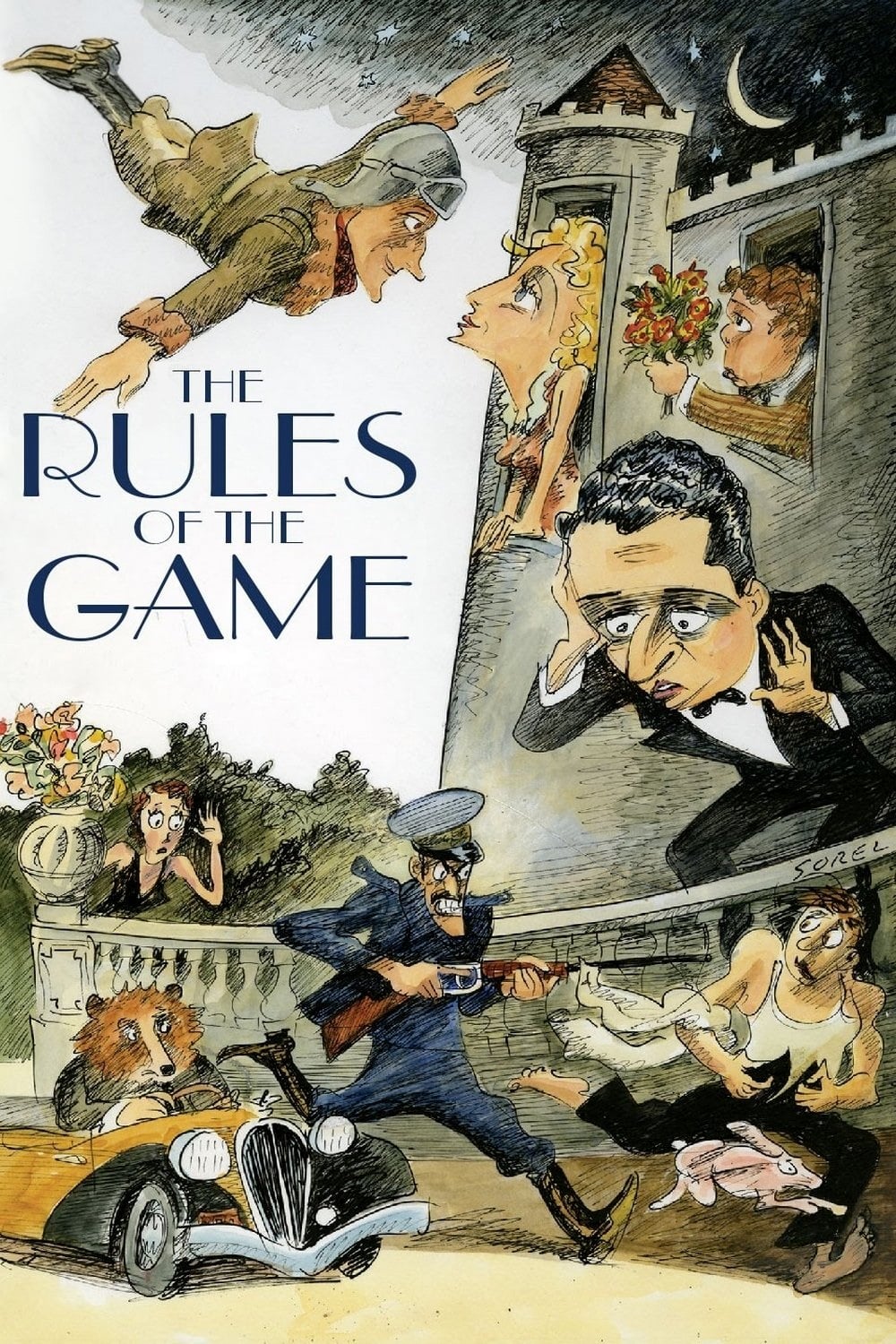
Jean Renoir’s social satire was met with such hostility at its premiere that audiences literally rioted and attempted to set fire to the theater. The French government eventually banned the film for being “demoralizing,” and the original negative was destroyed during a World War II bombing. After being painstakingly reconstructed in the 1950s, the film’s complex ensemble structure and biting commentary were finally appreciated. It has since spent decades as a fixture in the top ten of the Sight & Sound “Greatest Films of All Time” poll.
‘Sunrise: A Song of Two Humans’ (1927)
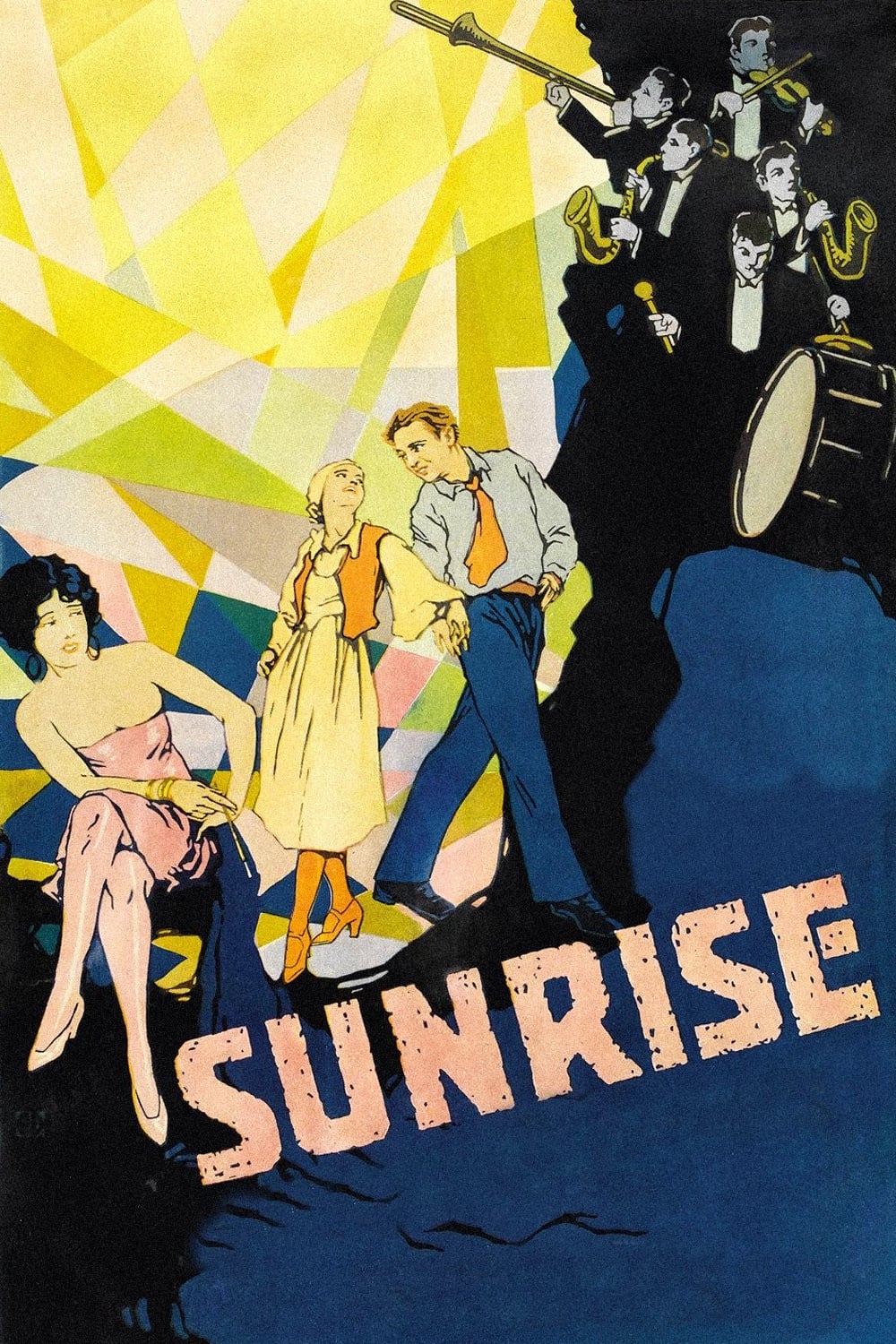
Despite being one of the first films to win an Academy Award, this silent masterpiece was a financial disappointment for Fox Film Corporation. It was released during the transition to “talkies,” which made silent films feel dated to the general public almost overnight. Director F.W. Murnau’s use of innovative camera movements and expressionistic sets was largely ignored by the masses at the time. It is now celebrated as the pinnacle of the silent era and one of the most visually beautiful films ever made.
‘The Wizard of Oz’ (1939)
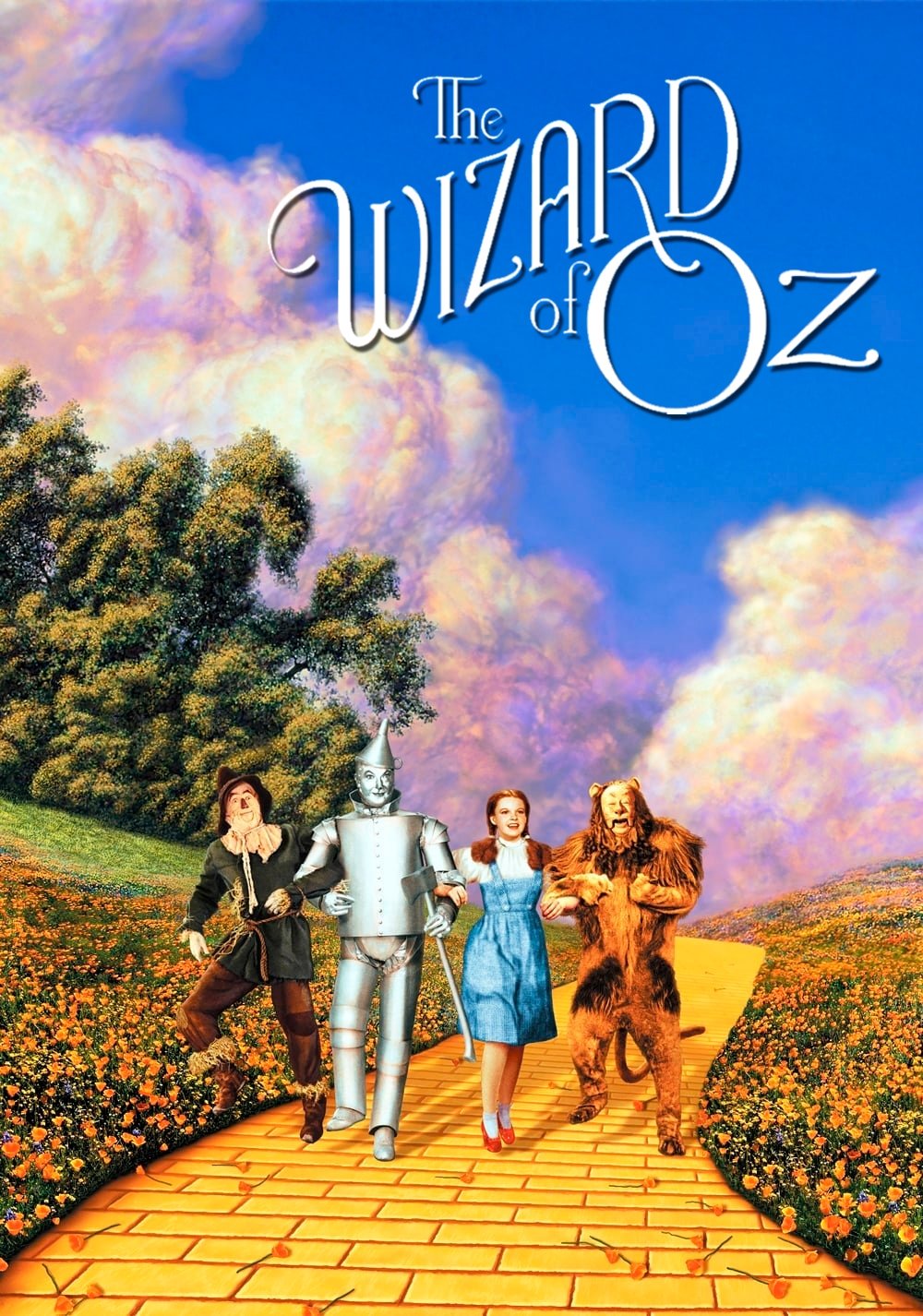
While it is now one of the most famous movies in the world, ‘The Wizard of Oz’ was actually a financial failure for MGM upon its first release. The high production costs associated with Technicolor and its elaborate sets meant that even respectable box office numbers weren’t enough to turn a profit. It was only after the film began being broadcast annually on television in the 1950s that it achieved its status as a cultural icon. It is now preserved as a national treasure and consistently ranks among the greatest films ever made.
‘Stalker’ (1979)

Andrei Tarkovsky’s philosophical science fiction film had a troubled production, including a laboratory accident that destroyed a year’s worth of footage. When it was finally released, its three-hour runtime and meditative pace meant it was seen by very few people outside of specialized film circles. The film’s exploration of faith and human desire within a mysterious “Zone” has since fascinated generations of viewers. It is now considered a peak of world cinema and a masterclass in atmospheric filmmaking.
‘The Big Lebowski’ (1998)
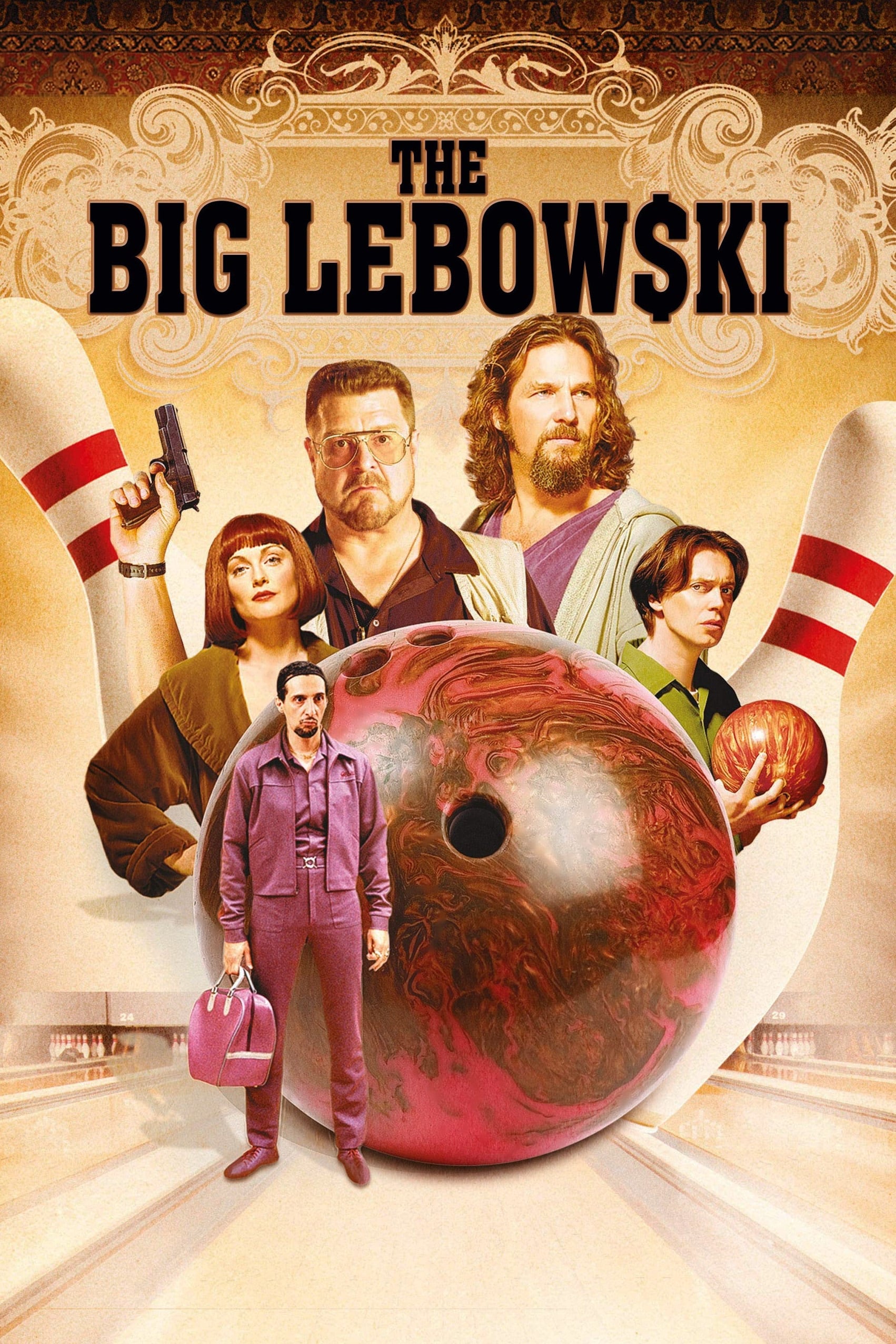
The Coen brothers’ follow-up to ‘Fargo’ was met with mixed reviews and disappointing box office returns, with many finding its plot too rambling. The film’s laid-back protagonist and surreal dream sequences didn’t immediately click with a wide audience. However, the film developed an unprecedented cult following that eventually led to the creation of a literal religion based on the main character. It is now hailed as one of the greatest comedies of all time and a cornerstone of 1990s pop culture.
‘The Iron Giant’ (1999)
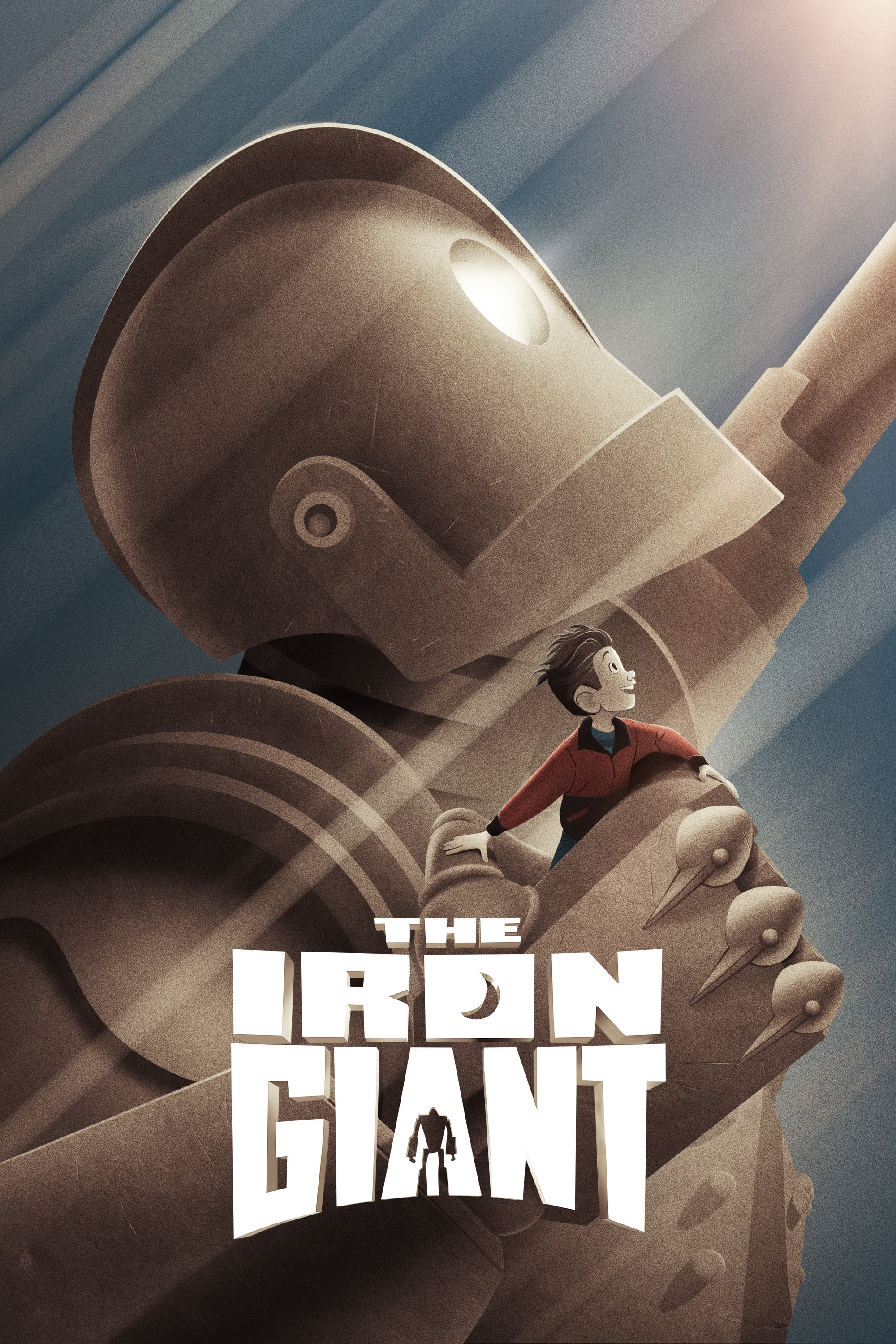
Brad Bird’s animated feature was a casualty of poor marketing, leading to a disastrous performance at the box office despite universal critical acclaim. Warner Bros. did not believe in the film’s potential and failed to provide the necessary promotional support. Over the years, the film’s heartfelt story about a boy and a giant robot has earned it a reputation as an animation masterpiece. It is now frequently cited as one of the greatest animated films ever produced, standing alongside the best of Disney and Ghibli.
‘Blade Runner’ (1982)
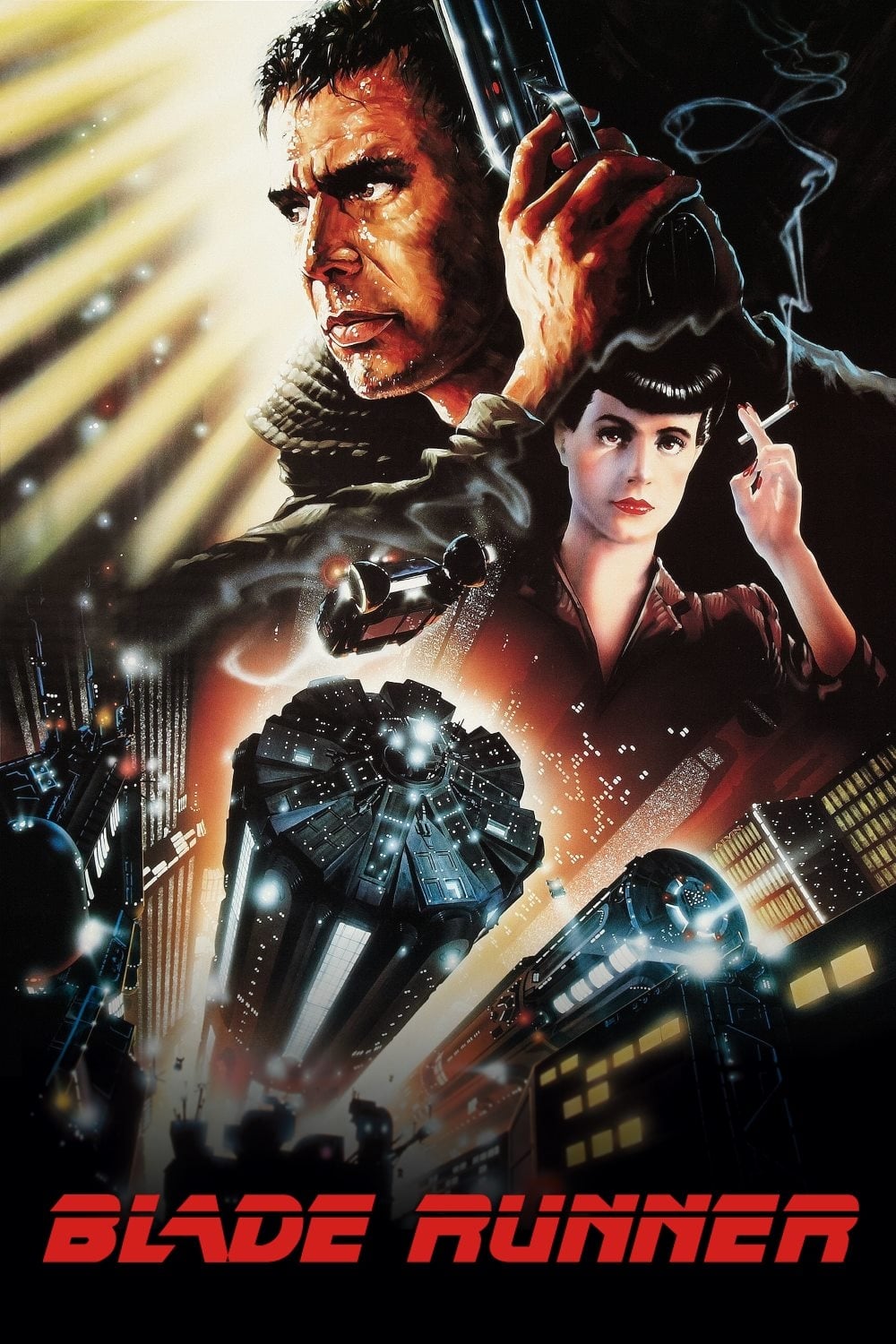
Ridley Scott’s visionary science fiction film was a commercial failure that left audiences and critics divided. Many found the film’s pacing too slow and were confused by its mixture of film noir tropes and futuristic setting. The release of various director’s cuts over the years helped to refine the film’s legacy and remove the studio-imposed happy ending. It is now regarded as one of the most influential films of all time, setting the visual standard for the cyberpunk genre.
‘Raging Bull’ (1980)
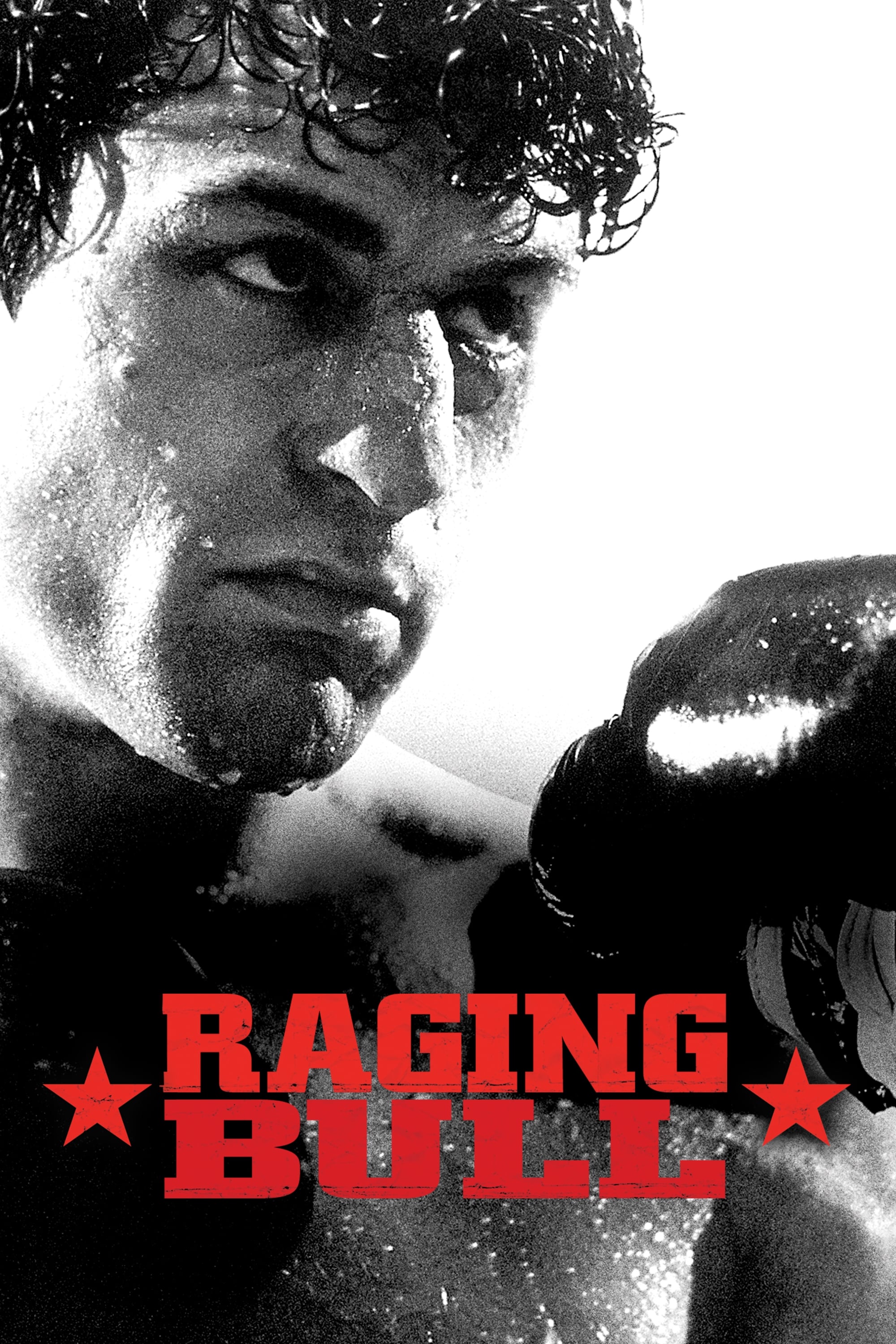
Martin Scorsese’s biographical drama about boxer Jake LaMotta was a box office disappointment that many found too violent and unpleasant. The decision to film in black and white was also seen as a commercial risk that didn’t pay off with general audiences. Despite the initial reaction, Robert De Niro’s transformative performance and the film’s innovative editing were eventually recognized as revolutionary. It is now widely considered the greatest film of the 1980s and a high-water mark for American cinema.
‘The General’ (1926)
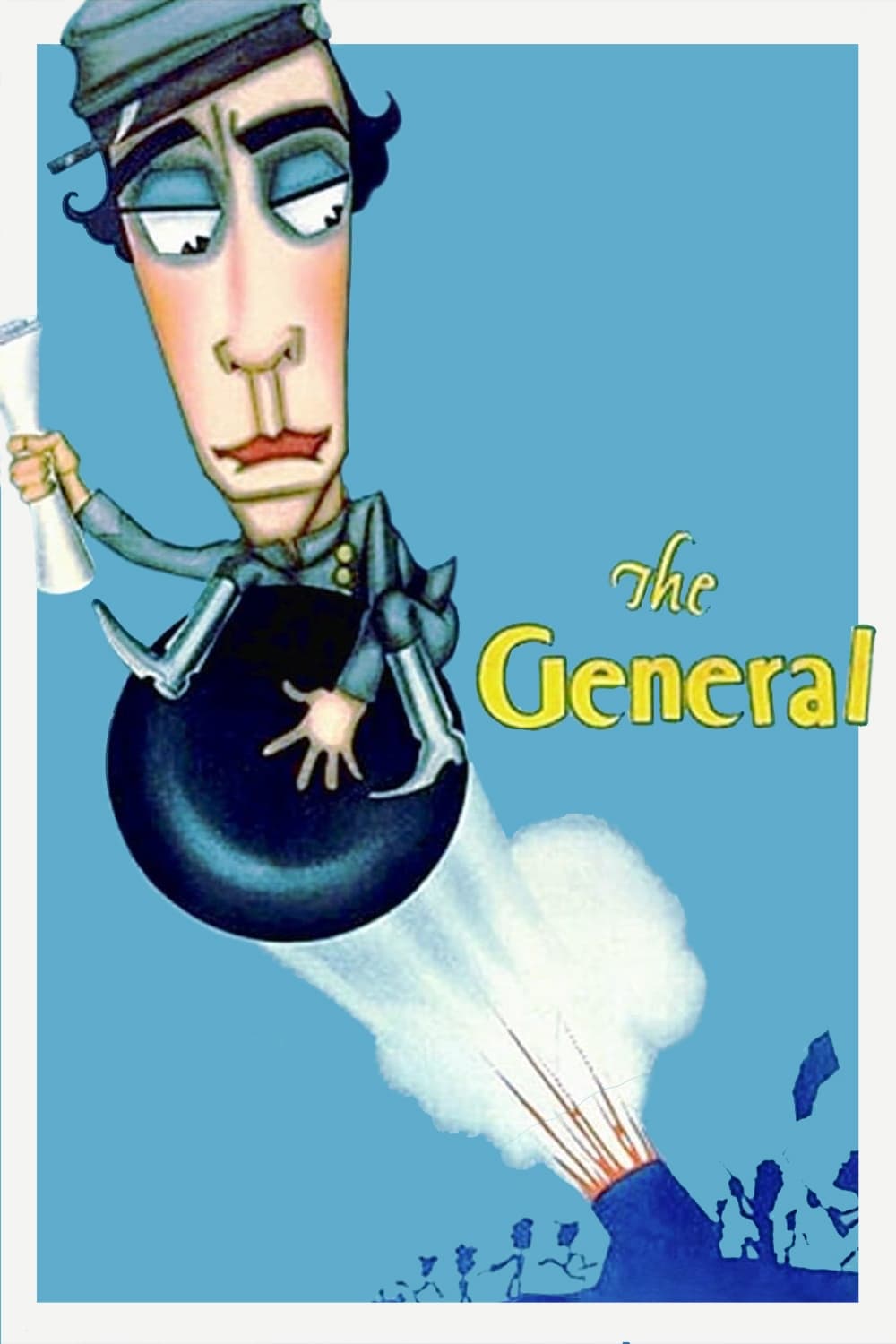
Buster Keaton’s silent comedy was a massive failure upon its release, with critics calling it boring and insensitive for its Civil War setting. The film’s high budget and lack of traditional slapstick jokes led to Keaton losing his artistic independence in Hollywood. Decades later, the film’s incredible stunt work and sophisticated direction were rediscovered by film historians. It is now considered one of the greatest comedies ever made and a testament to Keaton’s genius as a filmmaker.
‘The Thing’ (1982)
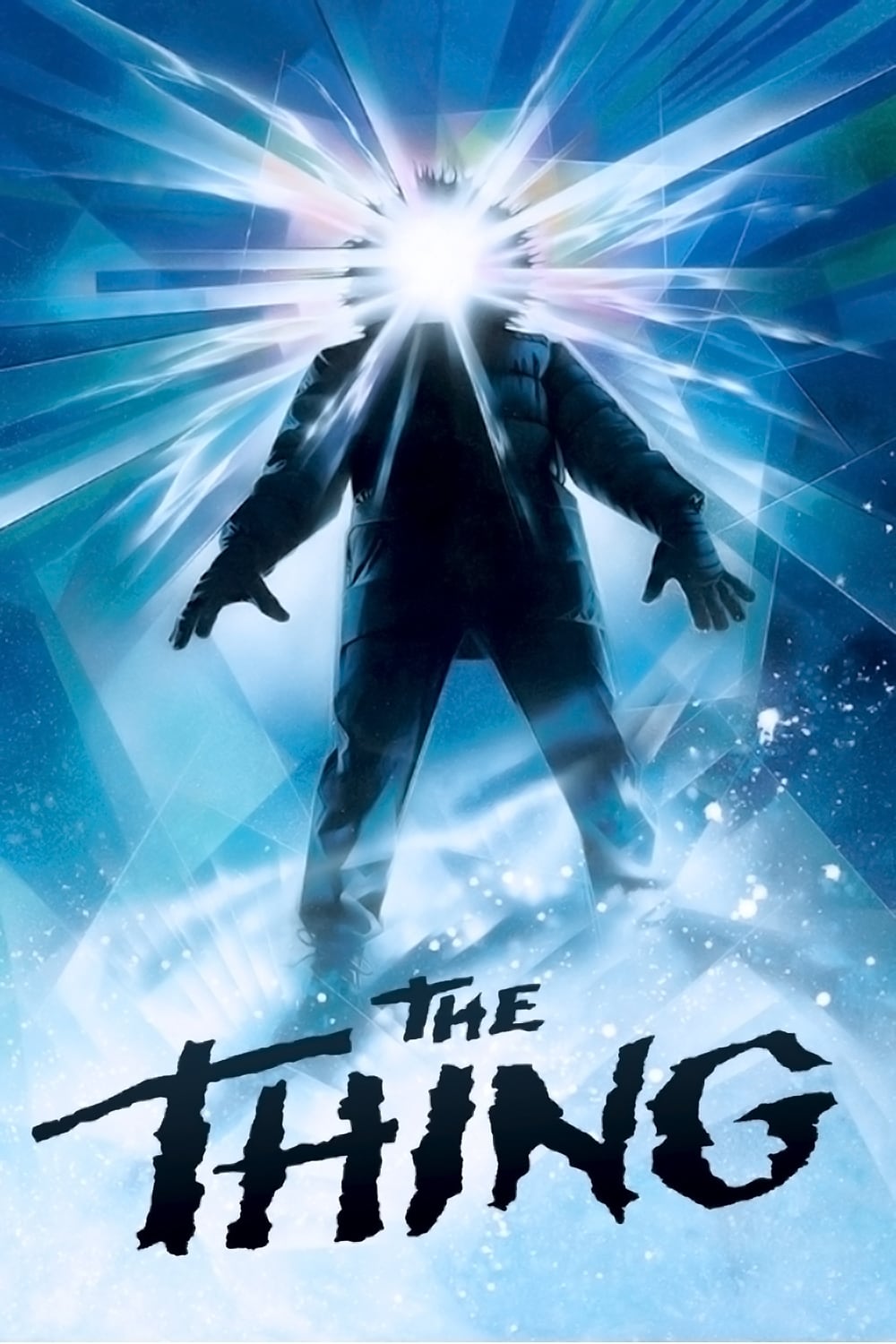
Released in the same summer as the much friendlier ‘E.T. the Extra-Terrestrial’, John Carpenter’s ‘The Thing’ was a box office bomb that was heavily criticized for its gore. Critics at the time dismissed it as “junk” and focused on the grotesque practical effects rather than the film’s psychological depth. Its themes of paranoia and isolation eventually resonated with audiences through home video and television. It is now hailed as a landmark of horror cinema and features some of the most impressive practical effects in history.
‘Once Upon a Time in America’ (1984)
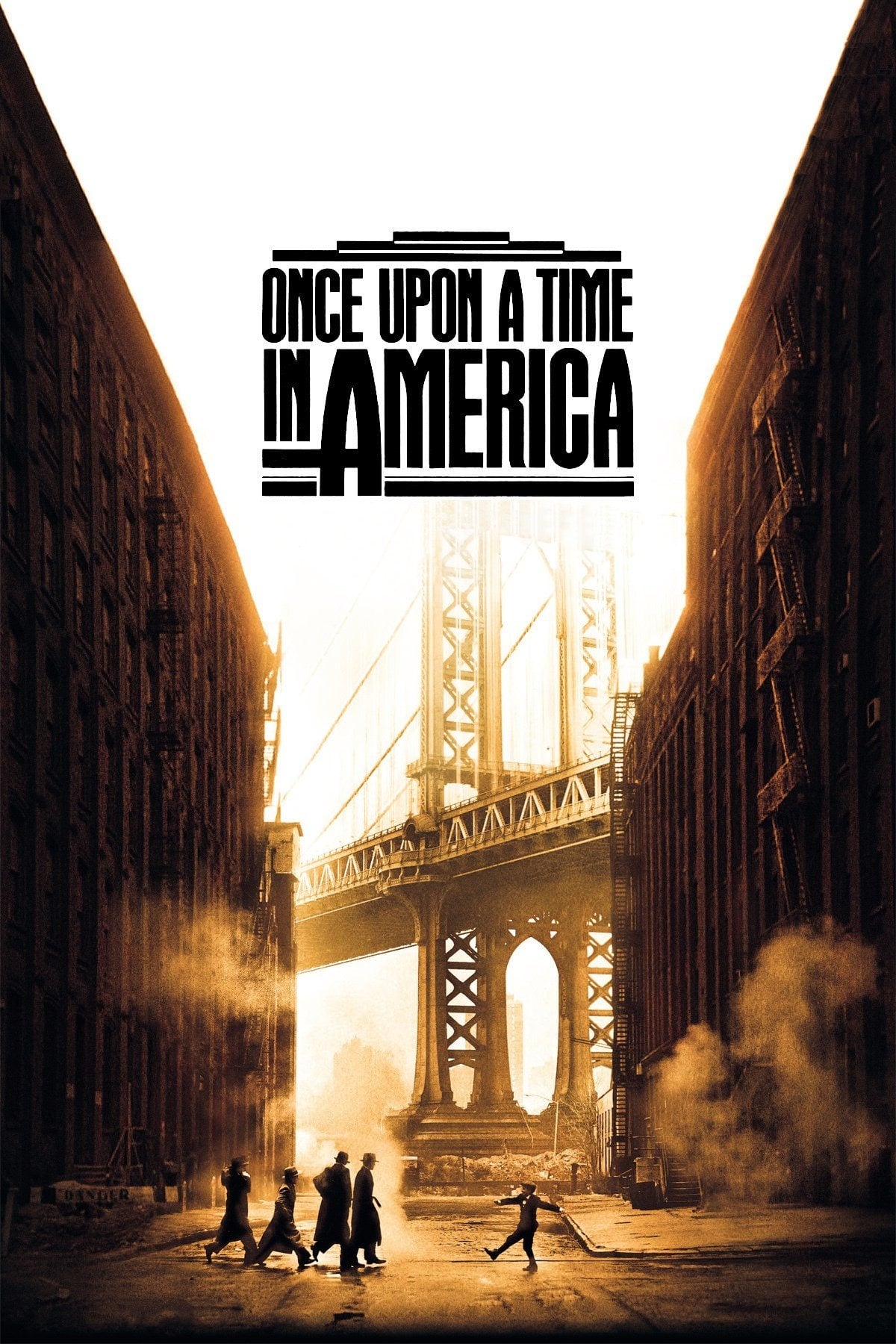
Sergio Leone’s final film was butchered by its American distributor, who cut the four-hour epic down to two hours and rearranged the scenes chronologically. This version was a critical and commercial disaster, leaving the director devastated. When the original cut was finally shown to international audiences, it was recognized as a towering achievement in the gangster genre. It is now considered a masterpiece of storytelling and a beautiful, elegiac look at the passage of time and friendship.
‘Scarface’ (1983)

Brian De Palma’s remake of the 1932 classic was met with controversy and negative reviews for its excessive violence and profanity. Many critics found Al Pacino’s performance as Tony Montana to be over-the-top and the film’s length to be self-indulgent. Despite the initial backlash, the film became a massive hit on the home video market and a cultural touchstone for the hip-hop community. It is now celebrated as one of the most iconic crime films ever made and a definitive piece of 1980s cinema.
‘Vertigo’ (1958)
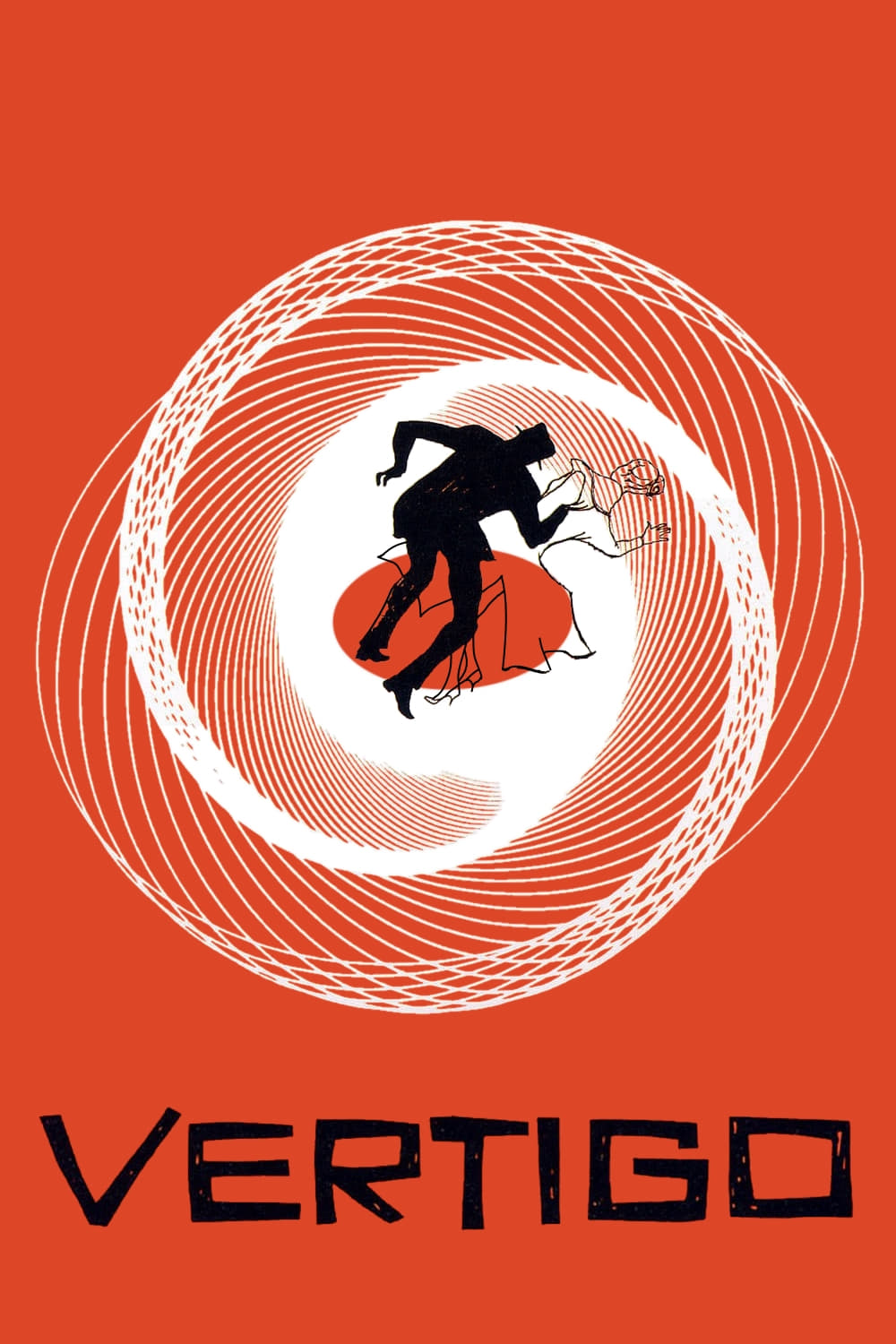
Alfred Hitchcock’s psychological thriller received mixed reviews and underperformed at the box office, which led the director to blame his lead actor, James Stewart. For years, the film was unavailable for public viewing due to copyright issues, adding to its mysterious reputation. When it was finally re-released in the 1980s, it underwent a massive critical reappraisal. In 2012, it finally unseated ‘Citizen Kane’ as the number one film on the Sight & Sound “Greatest Films of All Time” list.
‘2001: A Space Odyssey’ (1968)
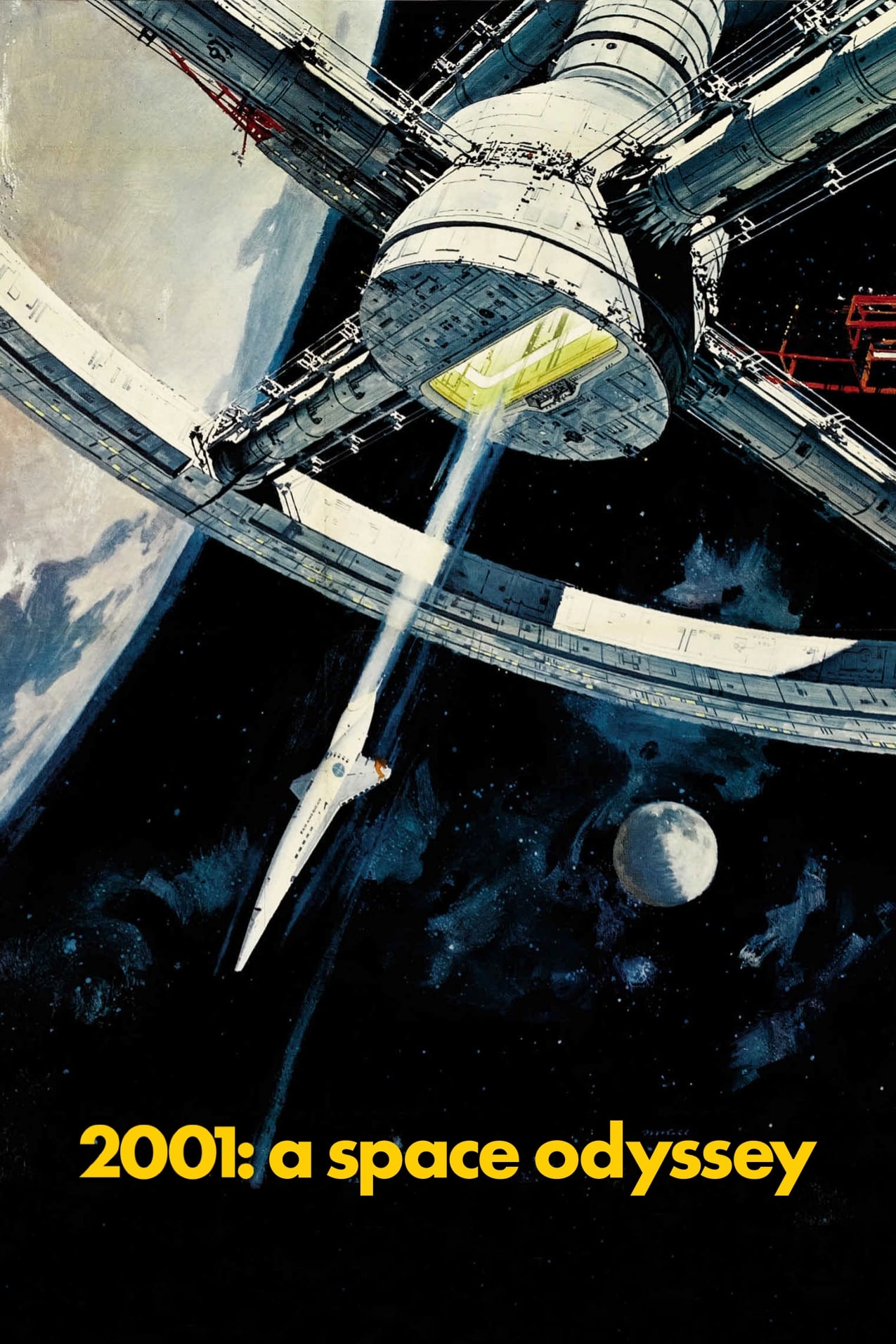
The premiere of Stanley Kubrick’s science fiction epic was famously disastrous, with hundreds of people walking out, including studio executives. Early reviews were harsh, with many critics complaining about the lack of dialogue and the film’s abstract ending. However, the film found an unexpected audience among the youth culture of the late 1960s, who embraced its psychedelic visuals. It is now universally recognized as a technical and philosophical milestone that changed the course of filmmaking.
‘Metropolis’ (1927)
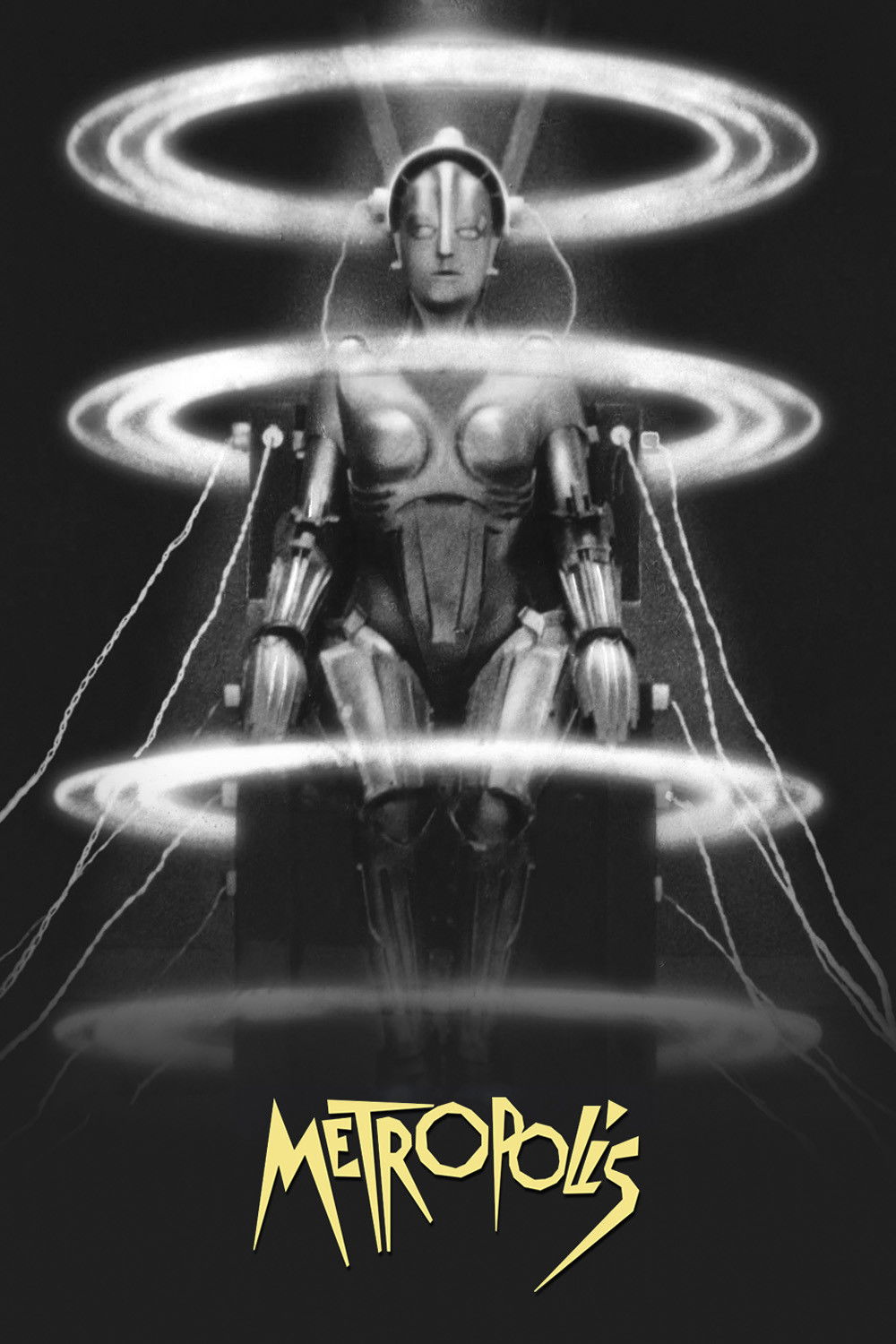
Fritz Lang’s silent masterpiece was the most expensive film ever made in Germany at the time and was a massive financial failure that nearly bankrupted its studio. Audiences and critics were overwhelmed by its scale and found its political message to be simplistic. Large portions of the film were cut and lost for decades, making it difficult to appreciate Lang’s full vision. Following the discovery of lost footage in 2008 and subsequent restorations, it is now revered as the foundational text of science fiction cinema.
‘Citizen Kane’ (1941)
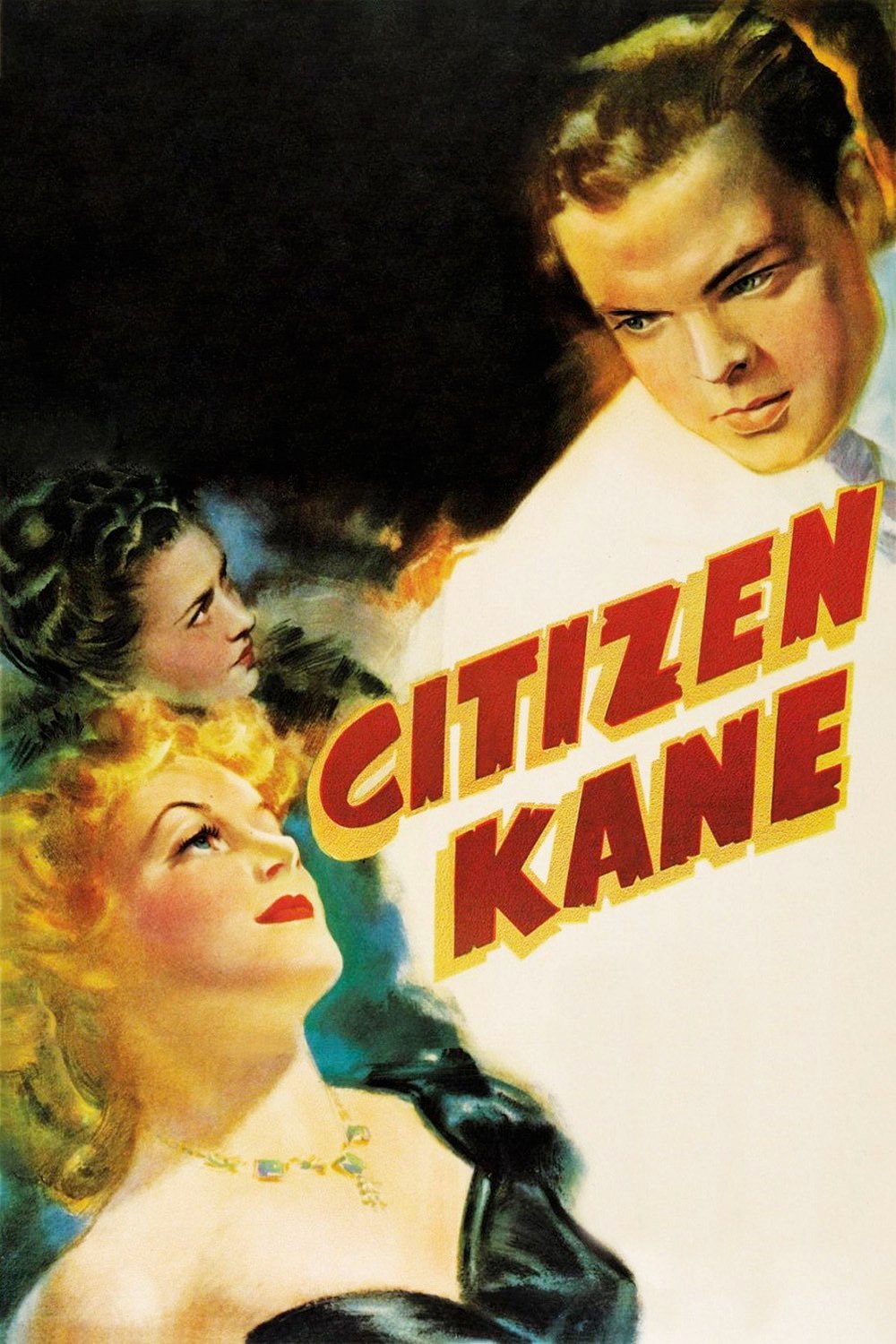
Orson Welles’ debut was a modest success critically but a failure financially, largely due to a smear campaign by newspaper mogul William Randolph Hearst. Hearst banned any mention of the film in his newspapers and pressured theaters not to show it, fearing it was a thinly veiled attack on his life. The film languished in obscurity for years before being rediscovered by French critics in the 1950s. It eventually spent fifty years at the top of the Sight & Sound “Greatest Films of All Time” list and remains the gold standard for cinematic technique.
‘The Shining’ (1980)
Stanley Kubrick’s adaptation of the Stephen King novel was met with polarizing reviews and even earned Razzie nominations for Worst Director and Worst Actress. Many felt it was a poor adaptation of the book and found the pacing to be frustratingly slow for a horror film. Over the following decades, the film’s meticulous detail and unsettling atmosphere led to intense analysis and a massive cult following. It is now considered one of the greatest horror films ever made and a masterpiece of psychological suspense.
‘Paths of Glory’ (1957)

This anti-war film directed by Stanley Kubrick was a commercial failure and was banned in several countries for its critical depiction of the military. The film’s bleak ending and unflinching look at the hypocrisy of war made it a difficult sell for audiences in the late 1950s. Despite the lack of initial success, it was a major turning point in Kubrick’s career and demonstrated his burgeoning mastery of the medium. It is now cited as one of the most powerful and effective war movies ever created.
‘It’s a Wonderful Life’ (1946)
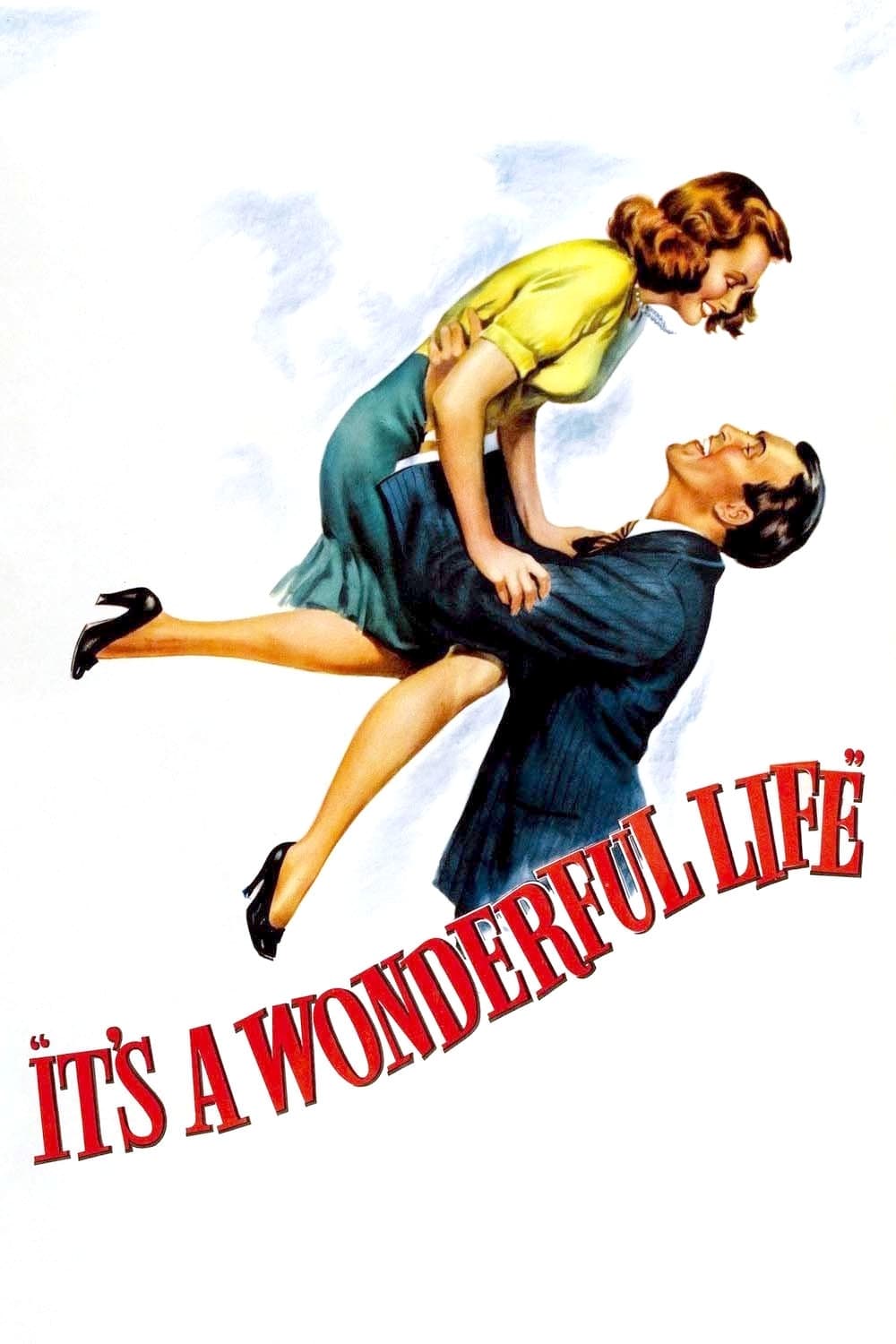
Frank Capra’s holiday classic was a disappointment at the box office and was even investigated by the FBI for its perceived “communist” undertones. The film’s studio eventually lost interest in it, and the copyright was allowed to lapse into the public domain in the 1970s. Because it was free to air, television stations began playing it repeatedly during the Christmas season, allowing it to reach a global audience. It is now the most beloved holiday film in American history and a permanent fixture on all-time great lists.
‘Fight Club’ (1999)

The executives at 20th Century Fox were so confused by David Fincher’s ‘Fight Club’ that they limited its marketing and predicted it would be a failure. The film underperformed in theaters and was met with intensely polarized reviews from critics who found it violent and irresponsible. However, the film became a massive hit on DVD, tapping into the frustrations of Gen X and millennial audiences. It has since been recognized as a definitive cultural artifact of the late 1990s and a masterclass in modern direction.
‘The Shawshank Redemption’ (1994)
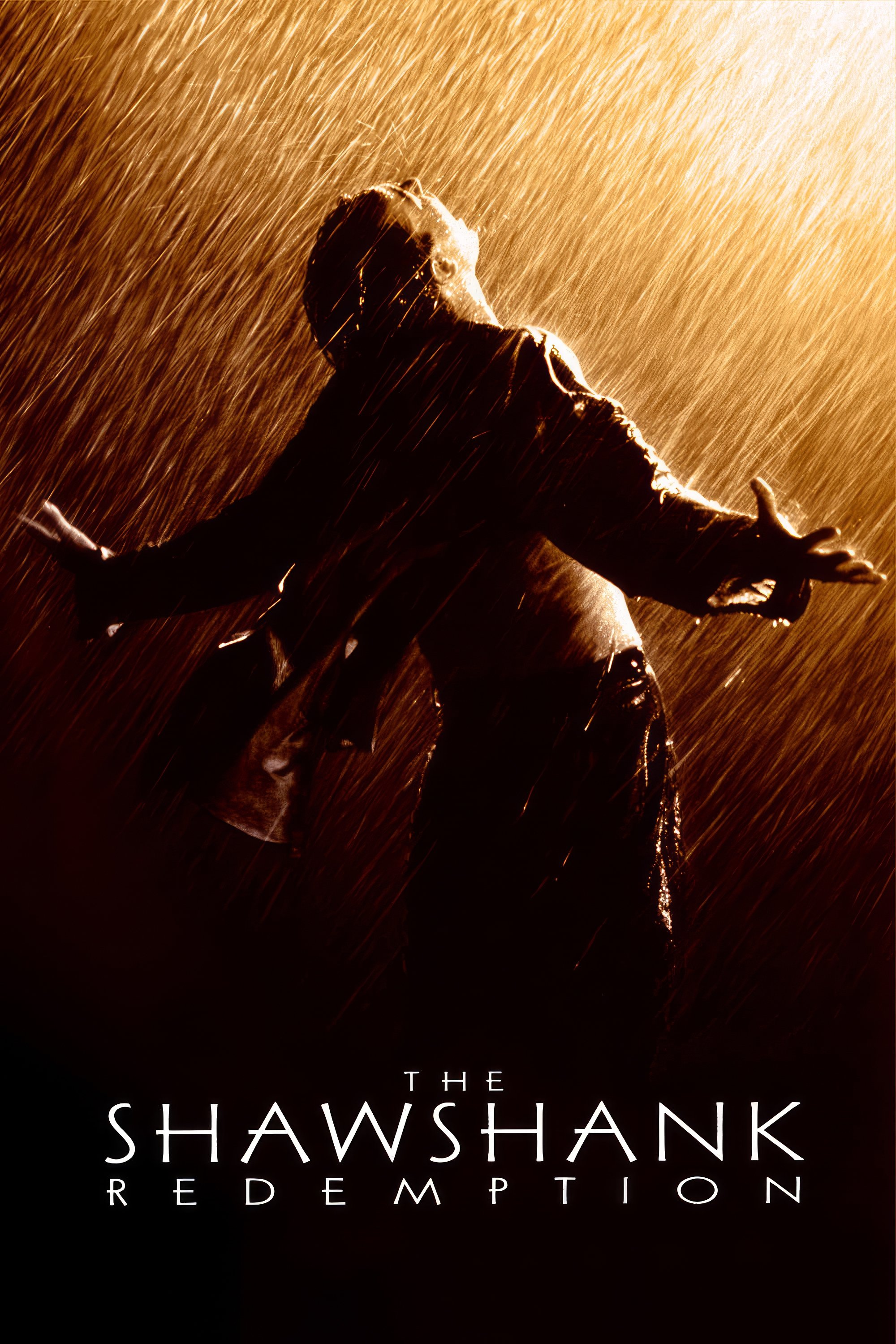
Opening in a crowded year against ‘Pulp Fiction’ and ‘Forrest Gump’, ‘The Shawshank Redemption’ was a box office bomb that barely covered its budget. The film’s title was considered confusing, and prison dramas were generally seen as a hard sell for mainstream audiences. After receiving seven Academy Award nominations, the film found a massive audience through home video and constant airings on TNT. It has famously held the number one spot on the IMDb Top 250 list for over a decade, representing the ultimate transition from flop to legend.
Share your favorite movie that was initially misunderstood in the comments.