The 50 Greatest Sci-Fi Actors Who Have Passed Away

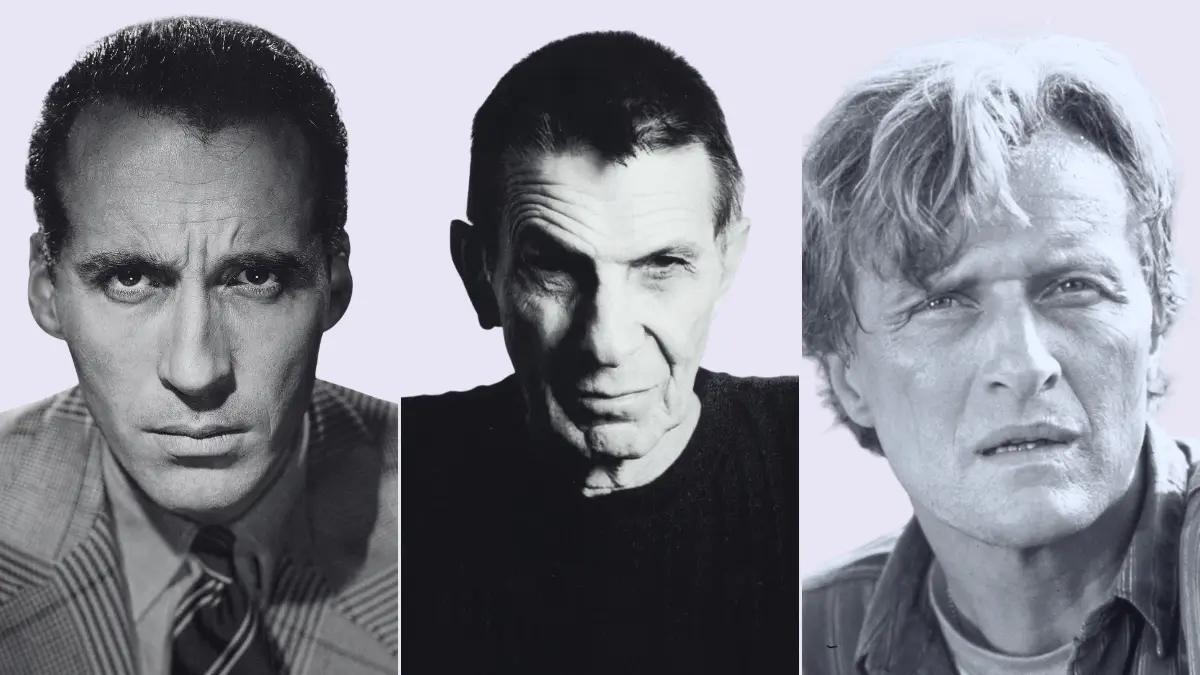

The history of science fiction cinema and television is built upon the performances of actors who brought impossible worlds and futuristic concepts to life. These performers grounded high-concept narratives in human emotion, allowing audiences to connect with aliens, robots, and explorers of the unknown. From the early days of atomic-age cinema to the expansive space operas of the modern era, their contributions have defined the visual and thematic language of the genre. Honoring these individuals provides a look at the evolution of speculative fiction and the lasting impact they left on popular culture.
Leonard Nimoy
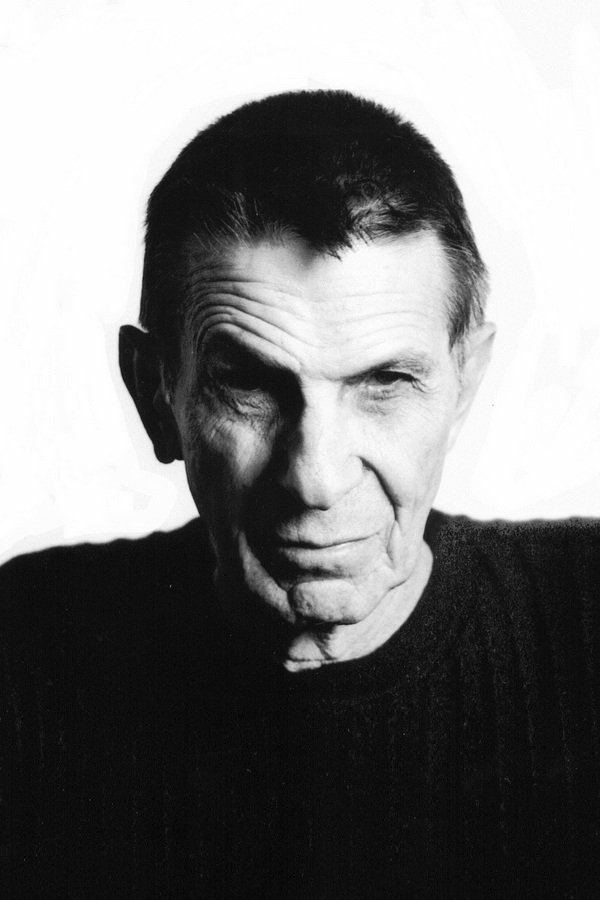
Leonard Nimoy became a global icon for his portrayal of Spock in the original ‘Star Trek’ television series. He appeared as the logical Vulcan across multiple decades, including the original film franchise and the 2009 ‘Star Trek’ reboot. Beyond acting, Nimoy contributed to the genre by directing ‘Star Trek III: The Search for Spock’ and ‘Star Trek IV: The Voyage Home’. He also held a recurring role as William Bell in the science fiction series ‘Fringe’. His performance helped establish the Vulcan culture as a cornerstone of the science fiction landscape.
Carrie Fisher
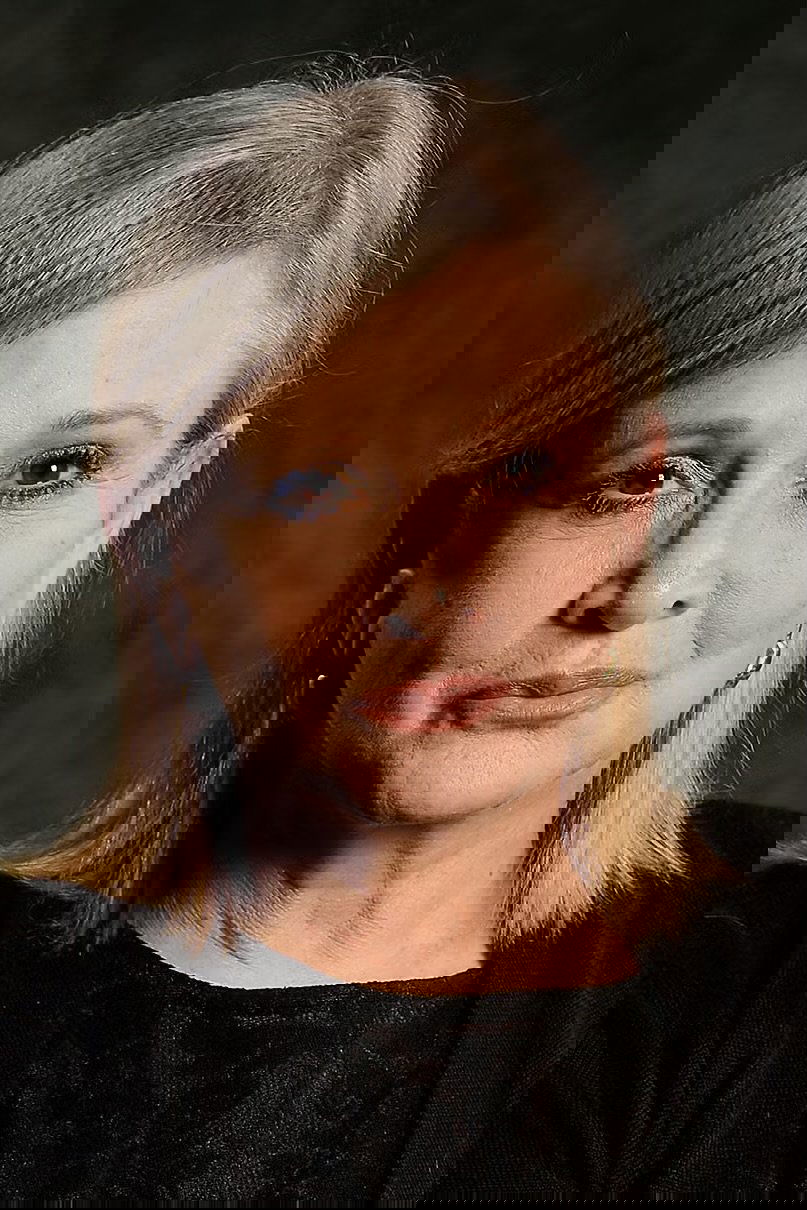
Carrie Fisher is best known for her role as Princess Leia Organa in the ‘Star Wars’ saga, a character she first played in 1977. She portrayed the leader of the Rebel Alliance with a blend of strength and wit that redefined female roles in the genre. Fisher returned to the character in the sequel trilogy, appearing in ‘Star Wars: The Force Awakens’ and ‘Star Wars: The Last Jedi’. Her character’s progression from a princess to a general reflected the evolving nature of the franchise. She remains one of the most recognizable figures in the history of space opera.
Christopher Lee
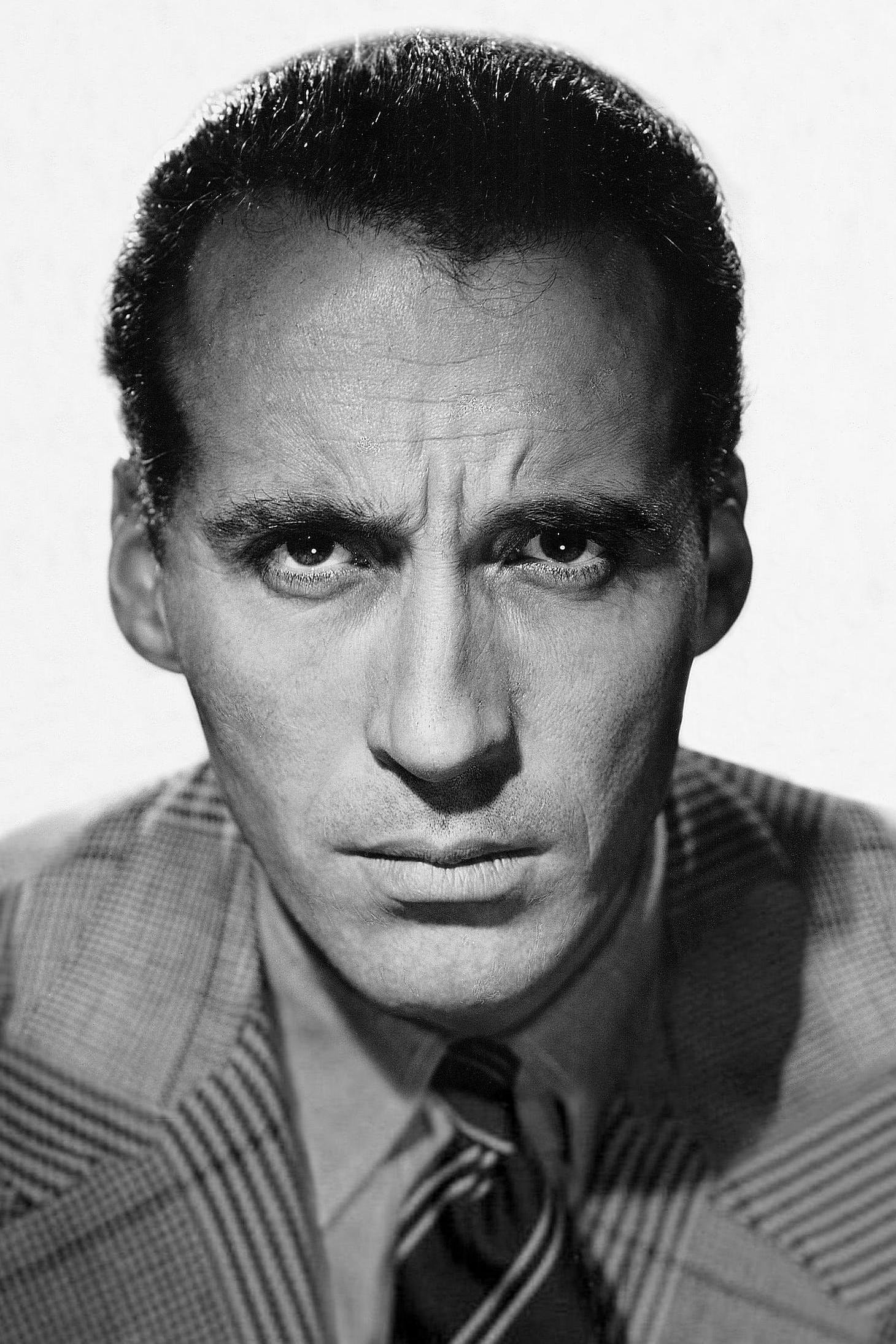
Christopher Lee brought a commanding presence to several major science fiction and fantasy franchises throughout his extensive career. He played the villainous Count Dooku in ‘Star Wars: Episode II – Attack of the Clones’ and ‘Star Wars: Episode III – Revenge of the Sith’. Earlier in his career, he appeared in genre films such as ‘1984’ and the cult classic ‘The Wicker Man’. Lee also voiced characters in various animated projects and video games related to the ‘Star Wars’ universe. His ability to portray sophisticated antagonists made him a staple of large-scale cinematic storytelling.
Rutger Hauer
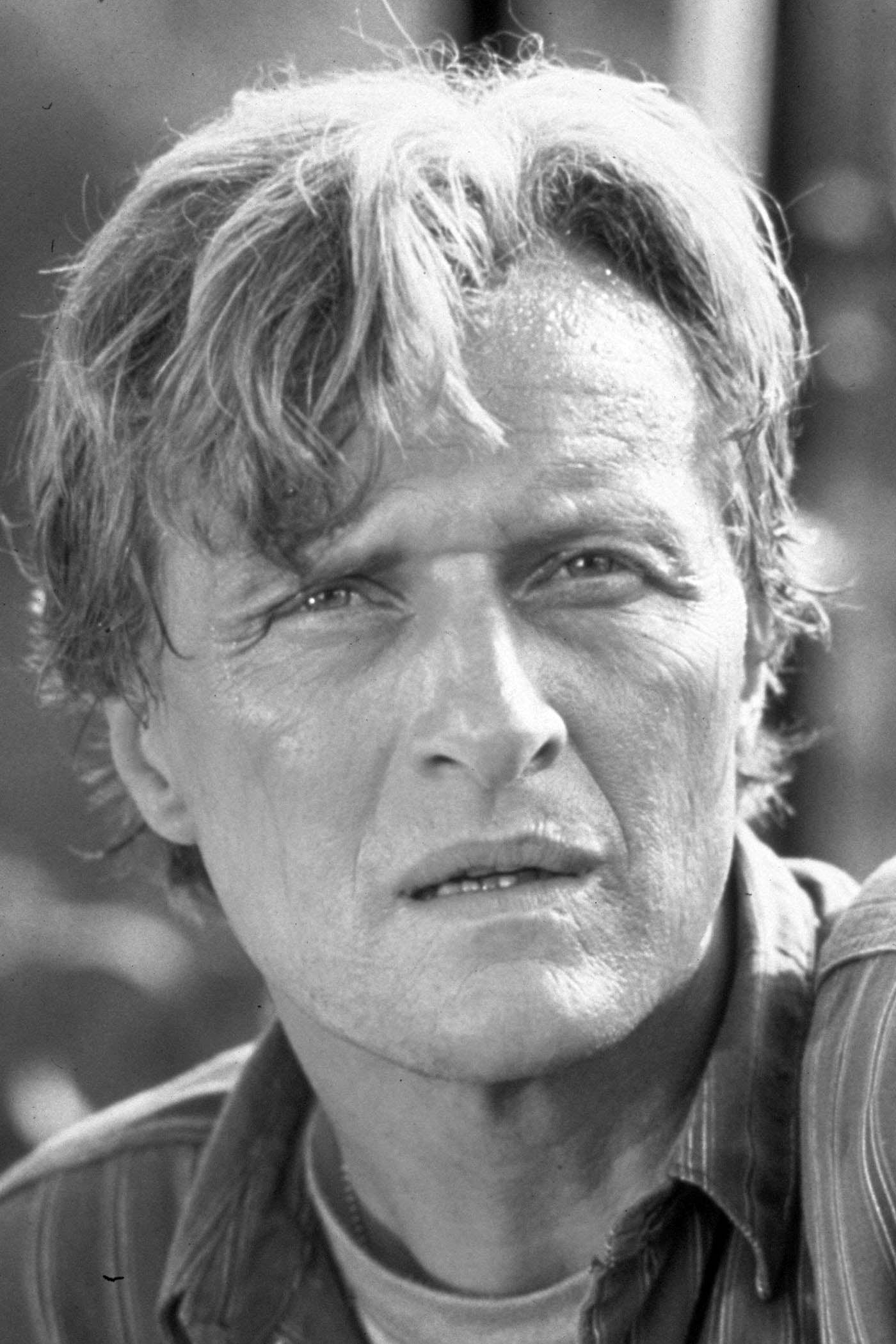
Rutger Hauer delivered one of the most famous performances in science fiction history as the replicant Roy Batty in ‘Blade Runner’. His improvised “tears in rain” monologue is frequently cited as a defining moment for the genre’s philosophical depth. Hauer also starred in the dark futuristic thriller ‘Split Second’ and the medieval fantasy ‘Ladyhawke’. Later in his career, he appeared in the television series ‘Smallville’ and provided voice work for the game ‘Observer’. His work often explored the boundaries between humanity and technology.
Ian Holm
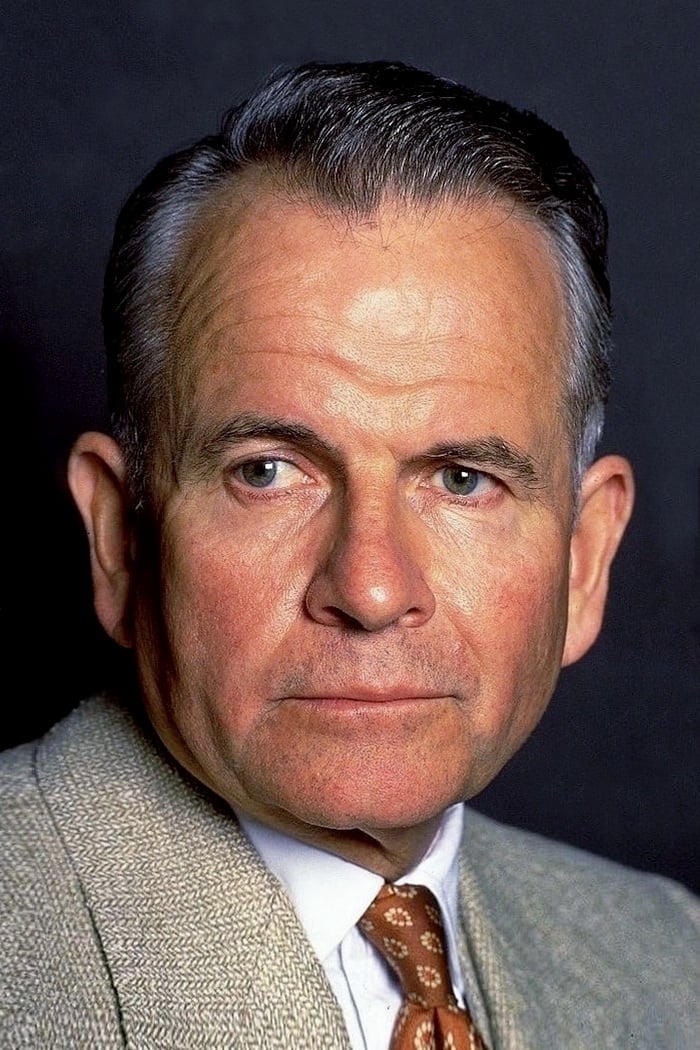
Ian Holm portrayed the synthetic human Ash in the 1979 film ‘Alien’, providing a chilling depiction of corporate-mandated coldness. He later played the role of Mr. Kurtzmann in the dystopian satire ‘Brazil’, directed by Terry Gilliam. Holm also appeared in ‘The Fifth Element’ as Father Vito Cornelius, a priest tasked with protecting the universe. His versatility allowed him to move between grounded dramas and highly stylized futuristic environments. He is remembered for bringing a distinct intellectual intensity to his genre roles.
Max von Sydow
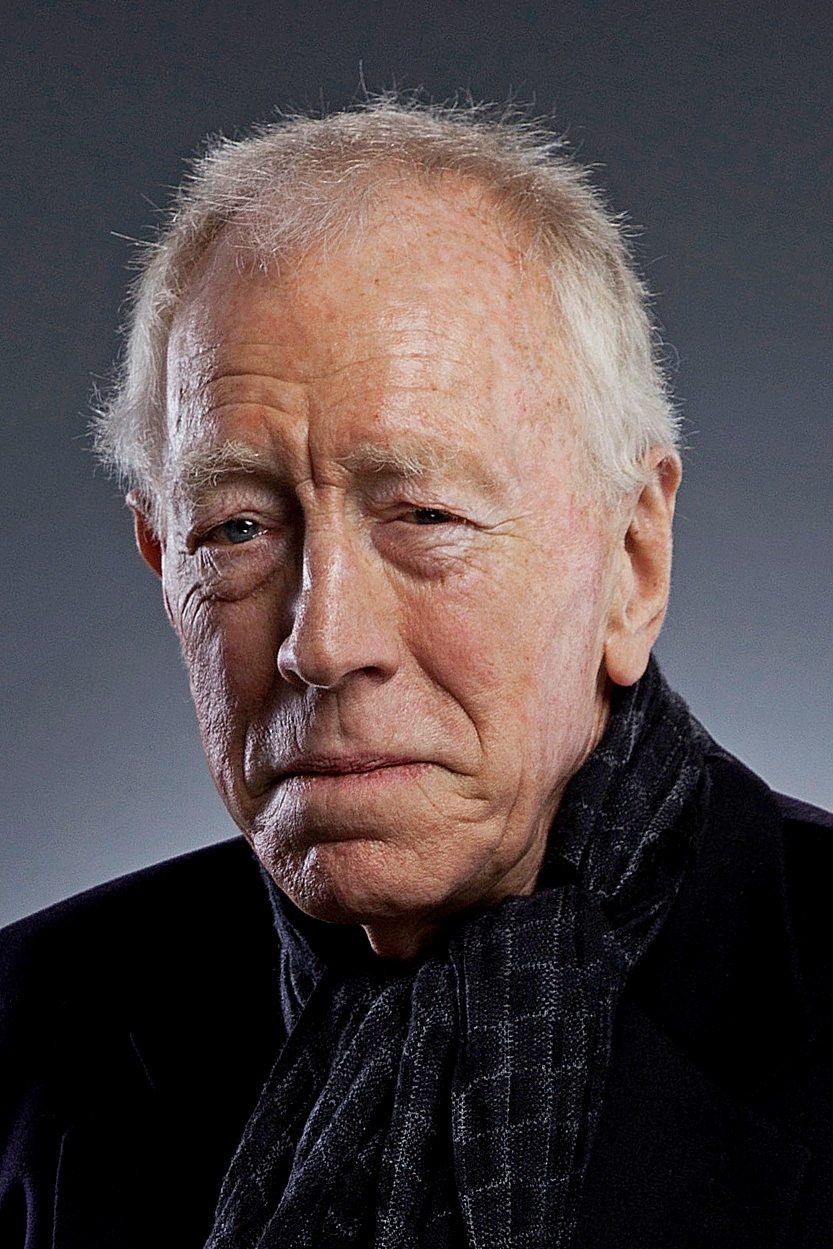
Max von Sydow had a career that spanned decades and included pivotal roles in foundational science fiction works. He played the villainous Ming the Merciless in the 1980 adaptation of ‘Flash Gordon’. Von Sydow also appeared as Doctor Kynes in David Lynch’s 1984 version of ‘Dune’. In his later years, he joined the ‘Star Wars’ universe as Lor San Tekka in ‘Star Wars: The Force Awakens’. His authoritative voice and screen presence often lent a sense of gravity to fantastical narratives.
John Hurt
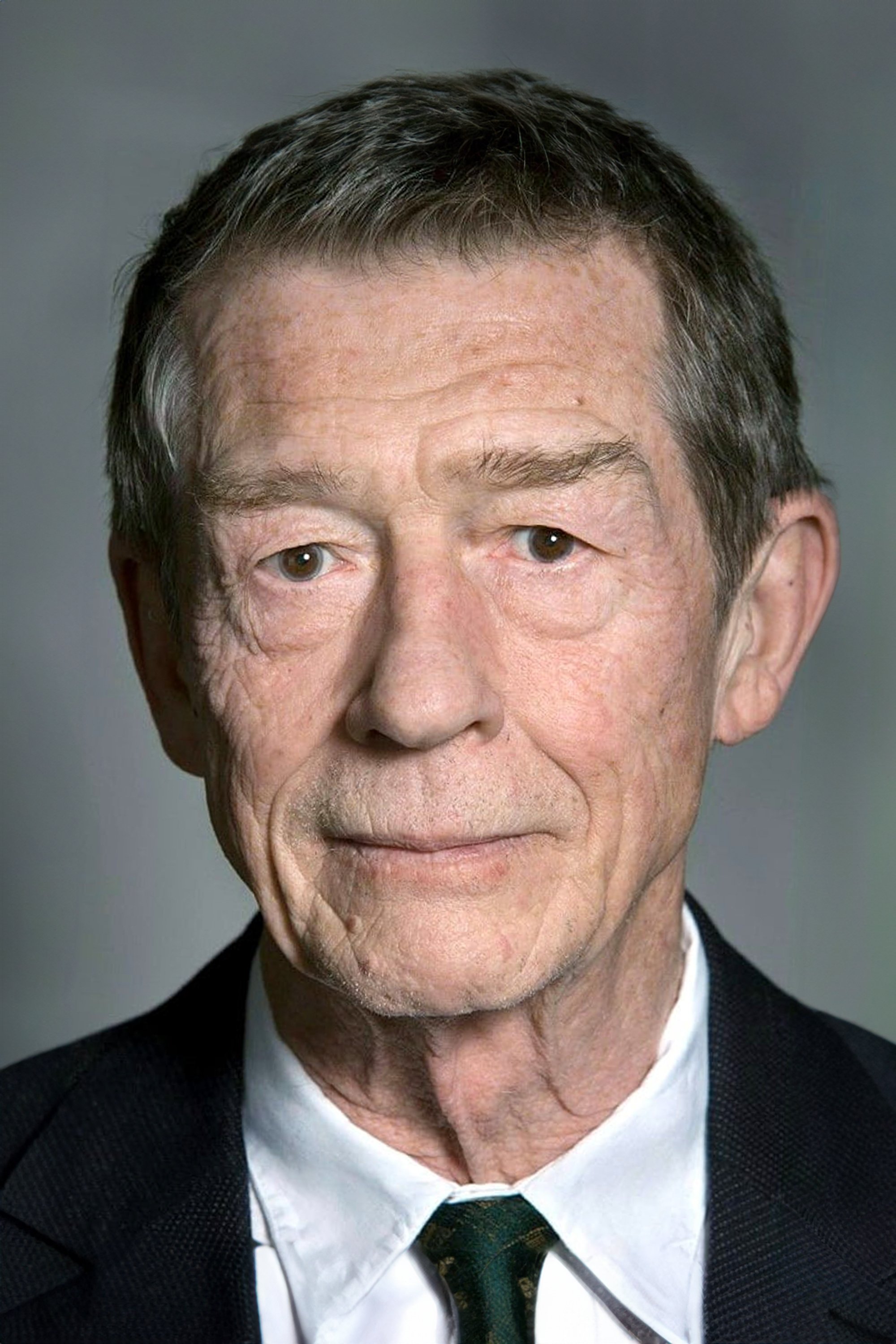
John Hurt is responsible for one of the most visceral moments in science fiction history as Kane in the film ‘Alien’. His performance during the “chestburster” scene became a landmark in practical effects and cinematic horror-sci-fi. Hurt also starred as Winston Smith in the 1984 film adaptation of George Orwell’s ‘Nineteen Eighty-Four’. He later portrayed the War Doctor in the long-running British series ‘Doctor Who’. His career was marked by a talent for portraying characters under immense psychological and physical duress.
Alec Guinness
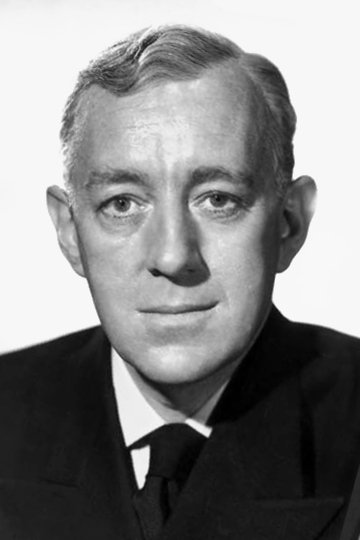
Alec Guinness introduced the world to the concept of the Force through his role as Obi-Wan Kenobi in the original ‘Star Wars’. His portrayal of the aging Jedi Master provided the foundational mythology for the entire franchise. Although he was an established stage and film actor before the project, Kenobi became his most internationally recognized role. He received an Academy Award nomination for his performance in the 1977 film. Guinness continued to appear as a spirit in ‘Star Wars: The Empire Strikes Back’ and ‘Star Wars: Return of the Jedi’.
Nichelle Nichols
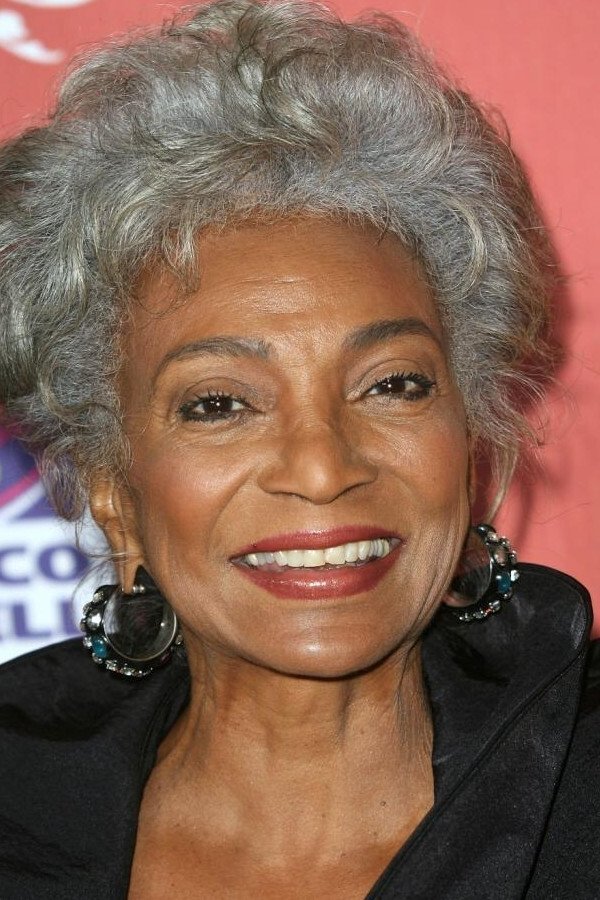
Nichelle Nichols broke social barriers as Lieutenant Nyota Uhura in the original ‘Star Trek’ series. Her presence on the bridge of the Enterprise was a significant moment for representation in television history. Nichols reprised her role in the first six ‘Star Trek’ motion pictures, showcasing the character’s growth into a commander. Beyond the screen, she worked with NASA to recruit minority and female astronauts for the space program. Her legacy is tied to both the fictional exploration of space and real-world scientific advancement.
DeForest Kelley
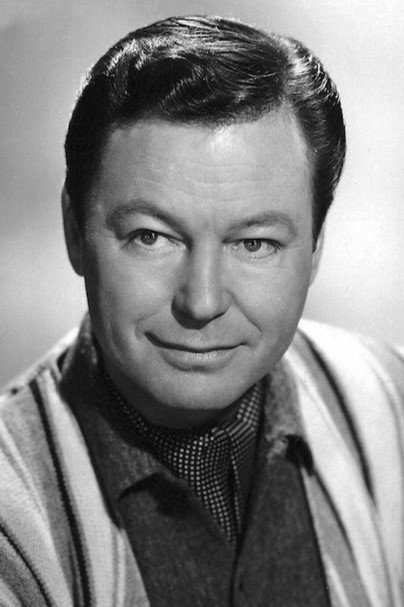
DeForest Kelley played Doctor Leonard “Bones” McCoy, the emotional heart of the ‘Star Trek’ trio. His portrayal of the cynical yet compassionate Chief Medical Officer provided a humanistic foil to Spock’s logic. Kelley appeared in the original series and six subsequent feature films, as well as the pilot episode of ‘Star Trek: Next Generation’. Before his time in space, he appeared in various Westerns and the sci-fi horror film ‘Night of the Lepus’. He is famously remembered for the catchphrase “He’s dead, Jim.”
James Doohan
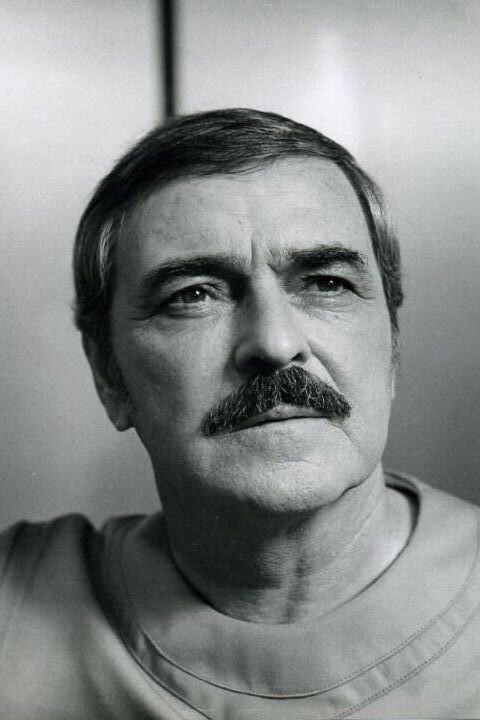
James Doohan portrayed Montgomery “Scotty” Scott, the miracle-working engineer of the USS Enterprise. His character helped establish the trope of the brilliant technician who can fix any ship under pressure. Doohan brought his own military experience and a variety of accents to the role, eventually settling on the famous Scottish lilt. He appeared in the original ‘Star Trek’ series, the animated series, and seven of the feature films. His influence on the genre extended to inspiring many fans to pursue careers in engineering and technology.
Ricardo Montalban
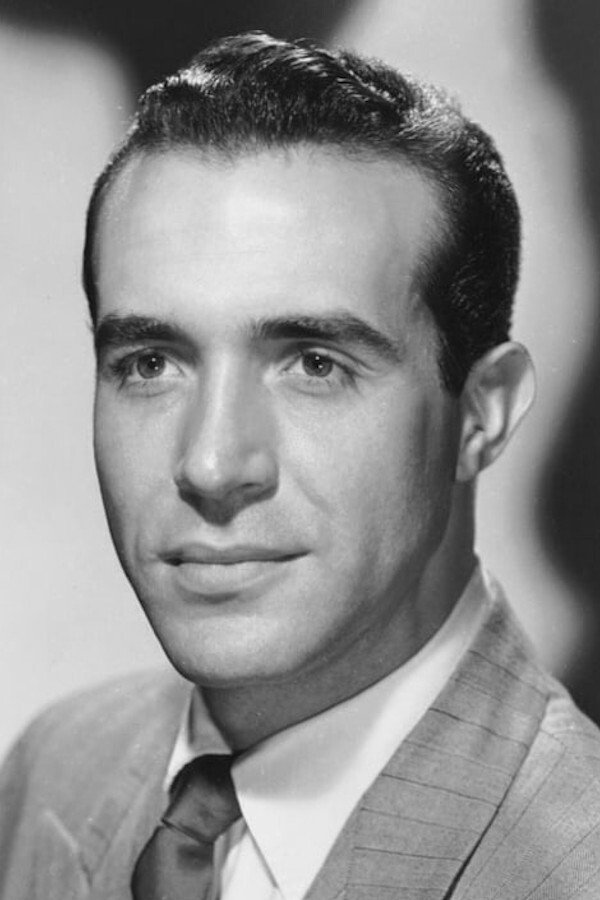
Ricardo Montalbán played Khan Noonien Singh, widely considered the greatest antagonist in the ‘Star Trek’ franchise. He first appeared in the original series episode ‘Space Seed’ before returning for the film ‘Star Trek II: The Wrath of Khan’. His performance as the genetically engineered tyrant is noted for its Shakespearean intensity and physical presence. Montalbán also starred in ‘Escape from the Planet of the Apes’ and ‘Conquest of the Planet of the Apes’ as Armando. He is remembered for his ability to bring charisma and depth to villainous roles.
Peter Cushing
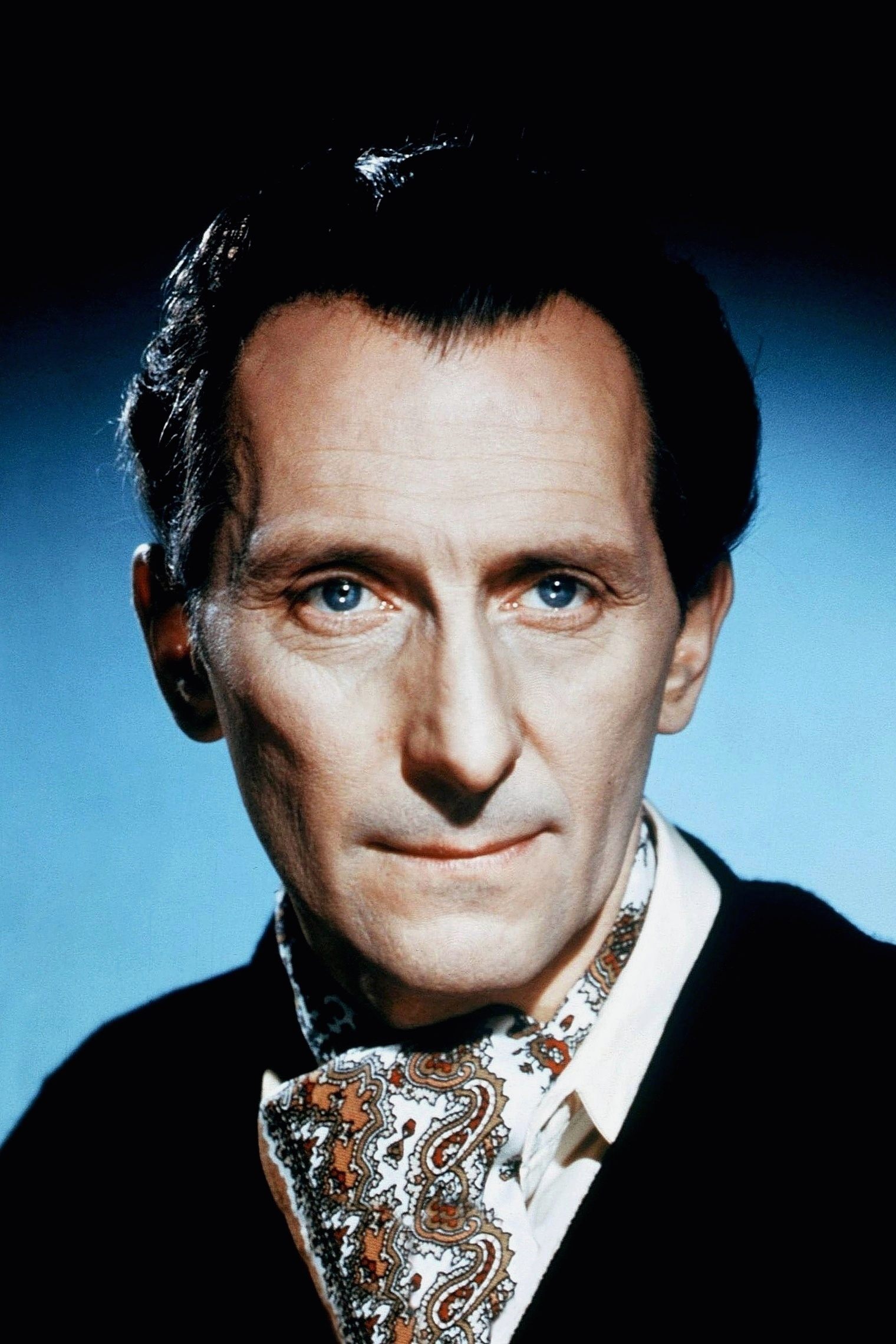
Peter Cushing is synonymous with the role of Grand Moff Tarkin in the original 1977 ‘Star Wars’. His performance as the cold, calculating commander of the Death Star provided a formidable human face to the Galactic Empire. Cushing was already a legend in the horror and sci-fi genres for his roles as Dr. Frankenstein and Van Helsing in various Hammer Film Productions. He also portrayed a version of the Doctor in the films ‘Dr. Who and the Daleks’ and ‘Daleks’ Invasion Earth 2150 A.D.’. His distinctive features and precise acting style made him a mainstay of genre cinema.
David Bowie
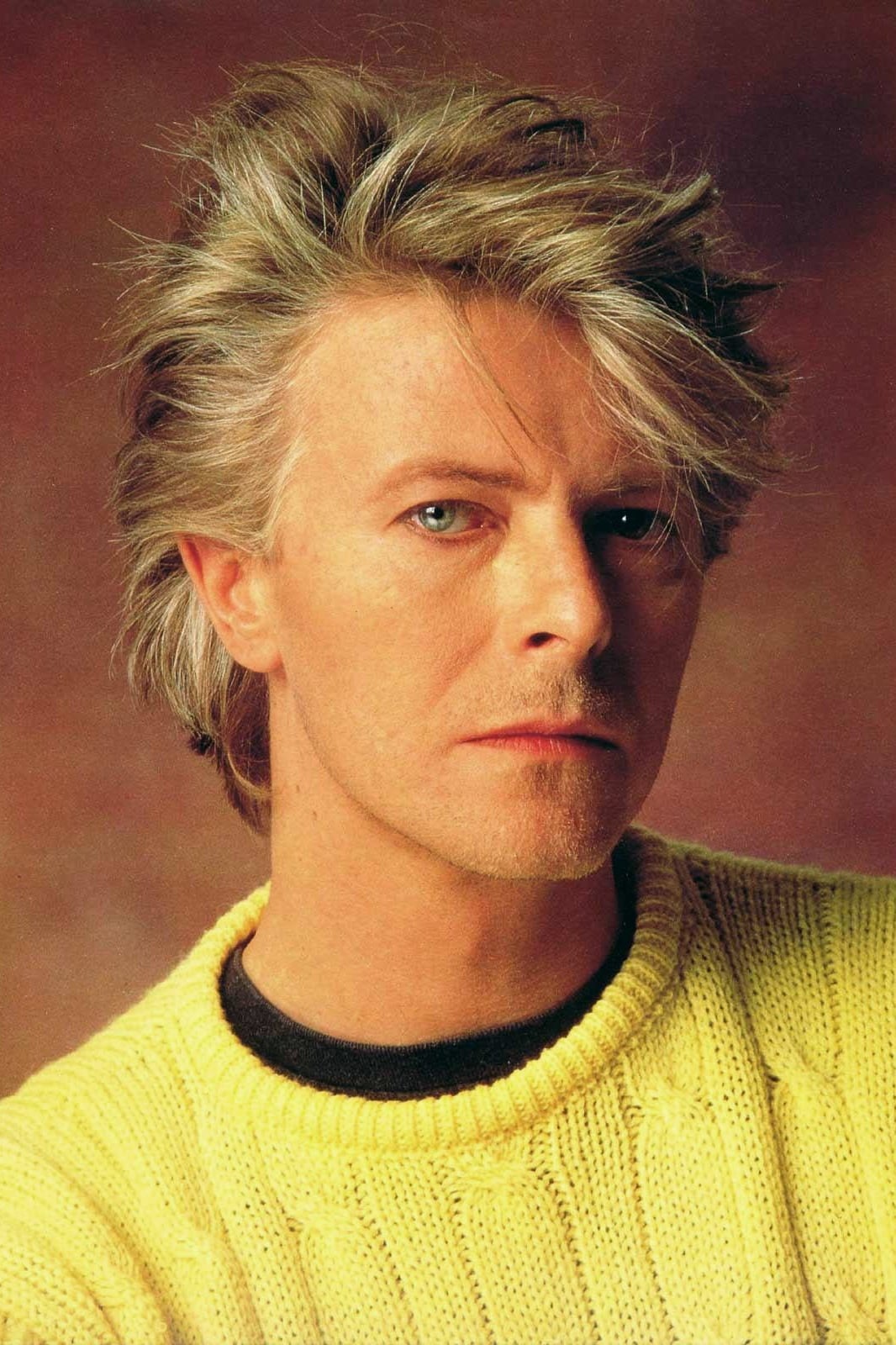
David Bowie made a profound impact on science fiction with his role as Thomas Jerome Newton in ‘The Man Who Fell to Earth’. His ethereal appearance and performance as an alien seeking water for his home planet became a cult classic. Bowie’s connection to the genre extended to his music, with personas like Ziggy Stardust and songs such as ‘Space Oddity’. He also appeared in the dark fantasy film ‘Labyrinth’ and the psychological thriller ‘The Prestige’. His artistic output often explored themes of alienation and the extraterrestrial experience.
Alan Rickman
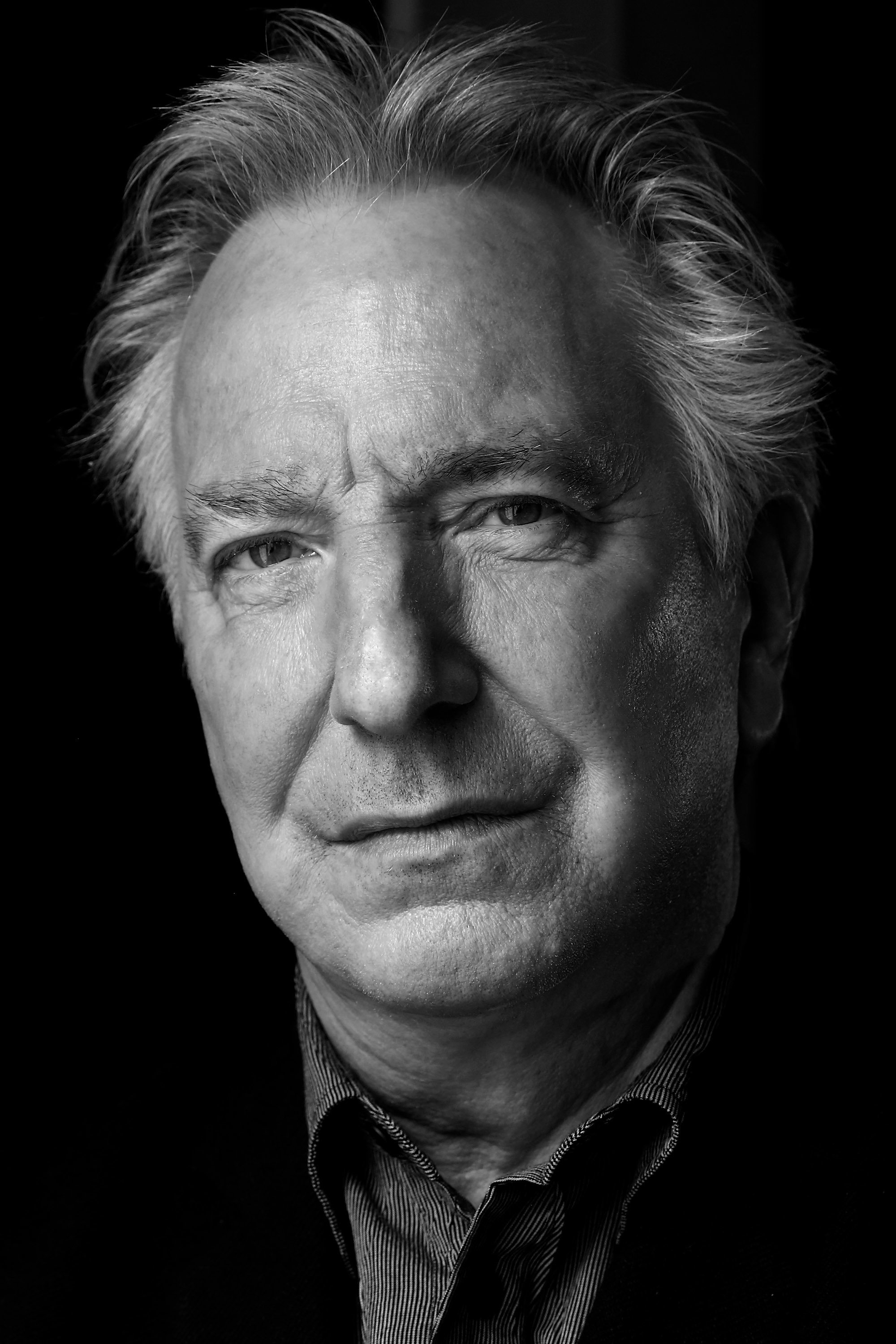
Alan Rickman contributed to the science fiction genre with his role as Alexander Dane in the satire ‘Galaxy Quest’. His portrayal of a classically trained actor frustrated by his typecasting as an alien in a sci-fi show provided a meta-commentary on the genre. Rickman also voiced Marvin the Paranoid Android in the 2005 film adaptation of ‘The Hitchhiker’s Guide to the Galaxy’. While best known for other roles, his comedic and dramatic range enriched these genre-specific projects. He brought a unique dry wit to every science fiction character he inhabited.
Bill Paxton
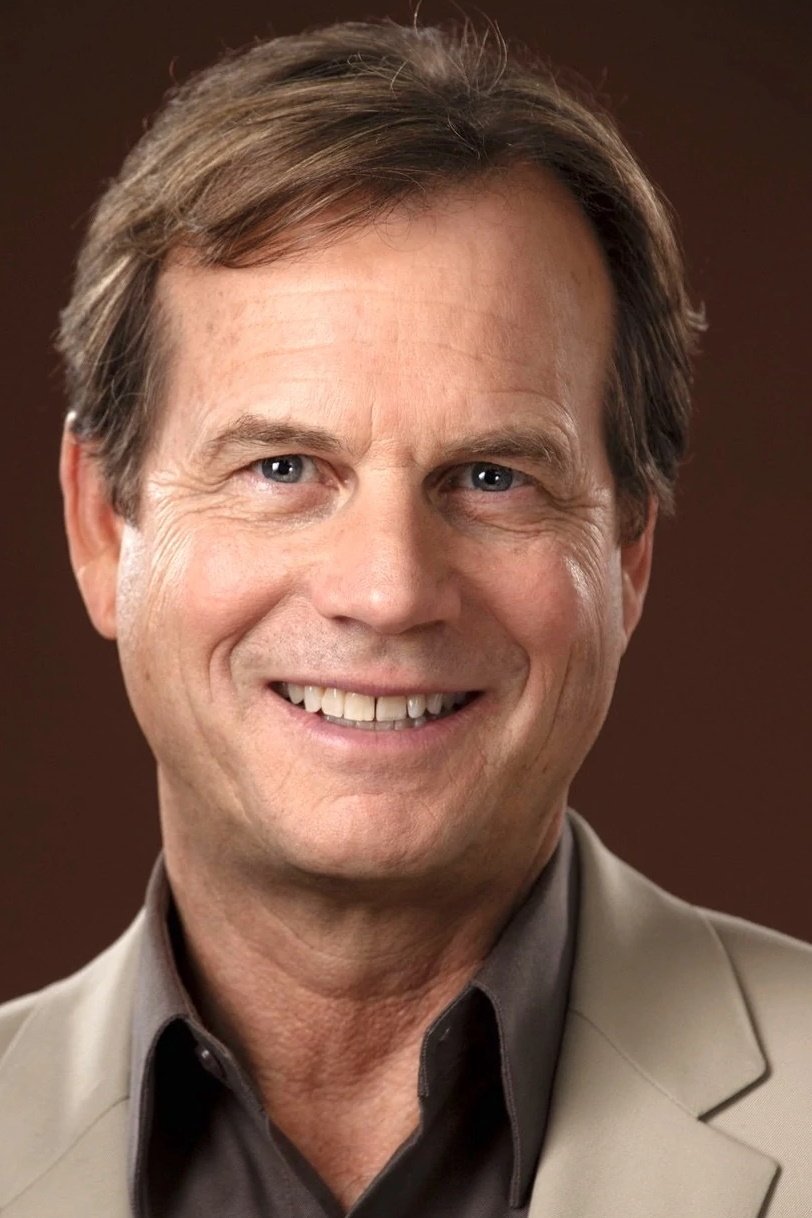
Bill Paxton appeared in several of the most influential science fiction films of the 1980s and 1990s. He is the only actor to have been killed by a Predator, a Terminator, and a Xenomorph on screen. His roles in ‘Aliens’ as Private Hudson and ‘The Terminator’ as a punk leader are highly regarded by fans of the genre. Paxton also starred in ‘Apollo 13’, which detailed the real-world science and peril of space travel. He later appeared in the sci-fi action film ‘Edge of Tomorrow’ as Master Sergeant Farell.
Anton Yelchin
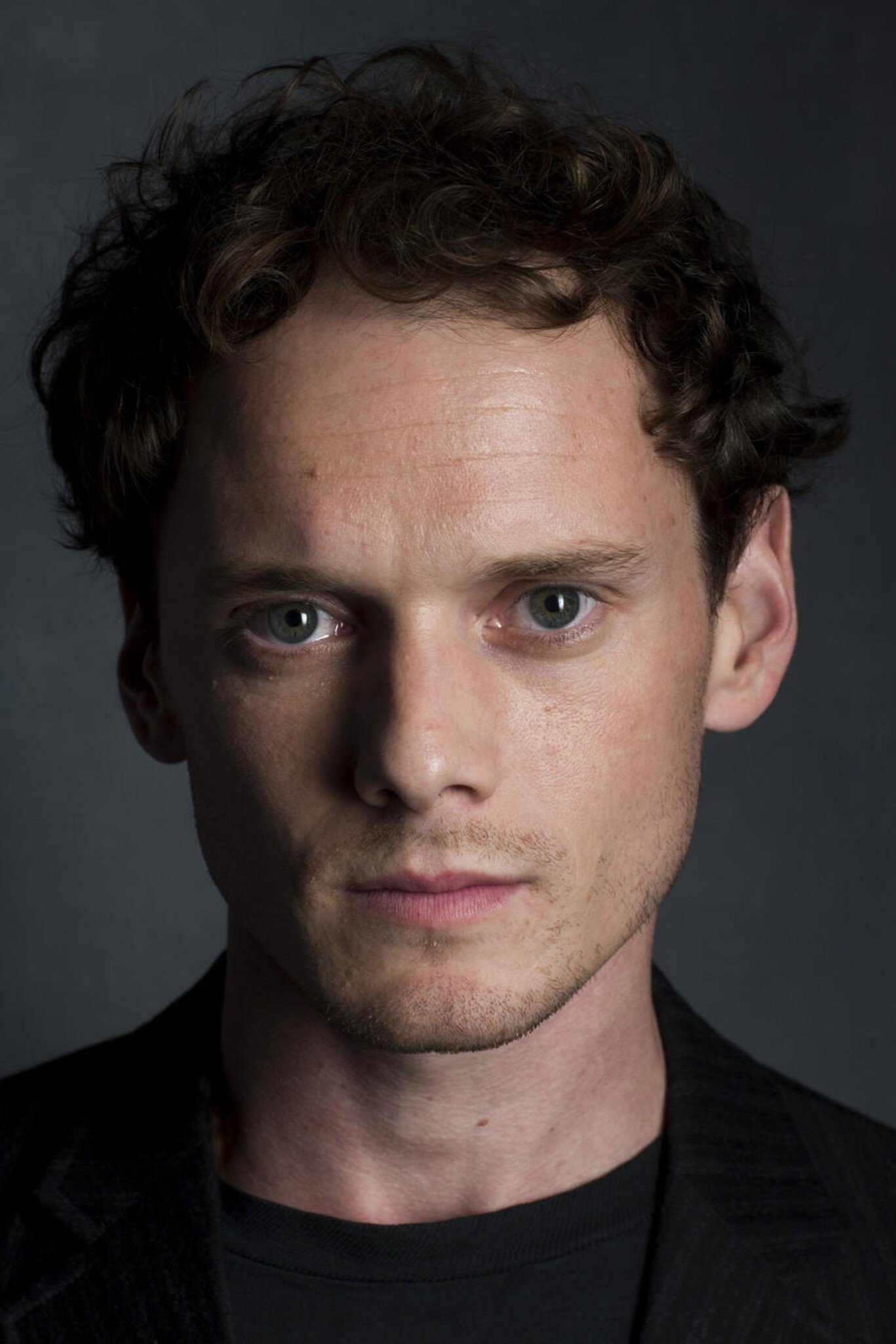
Anton Yelchin portrayed Pavel Chekov in the ‘Star Trek’ reboot trilogy directed by J.J. Abrams. He brought a youthful energy and technical expertise to the role, honoring the original performance by Walter Koenig. Yelchin also starred in the science fiction thriller ‘Terminator Salvation’ as a young Kyle Reese. His career included roles in genre-bending films like ‘Odd Thomas’ and ‘Green Room’. His untimely passing in 2016 was a significant loss to the modern science fiction community.
Charlton Heston
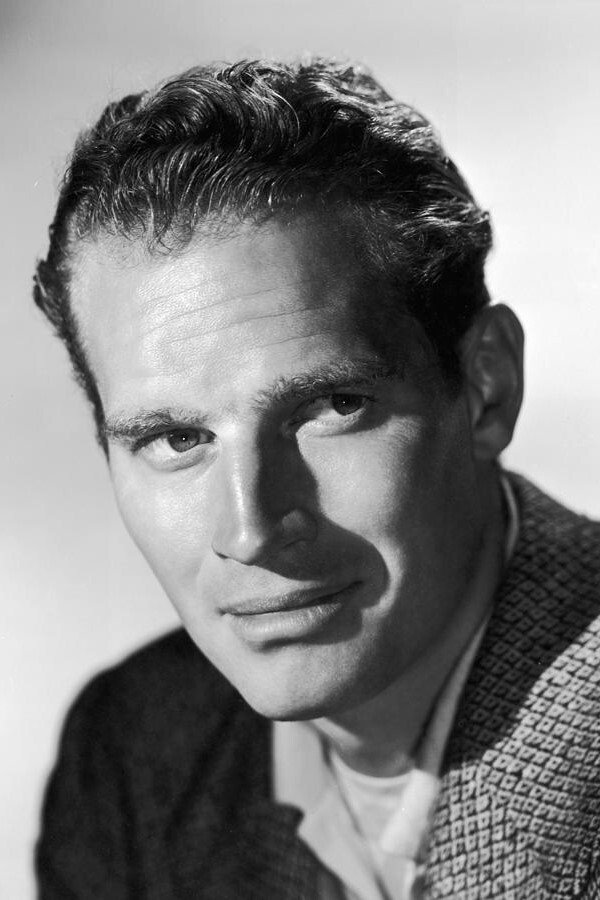
Charlton Heston was a central figure in dystopian science fiction during the late 1960s and early 1970s. He starred as Taylor in the original ‘Planet of the Apes’, delivering the famous closing monologue on the beach. Heston also led the cast of ‘Soylent Green’, a film that explored overpopulation and environmental collapse. He appeared in ‘The Omega Man’, an adaptation of the novel ‘I Am Legend’ involving a global pandemic. His rugged screen persona was often used to represent the last vestiges of humanity in ruined futures.
Yul Brynner
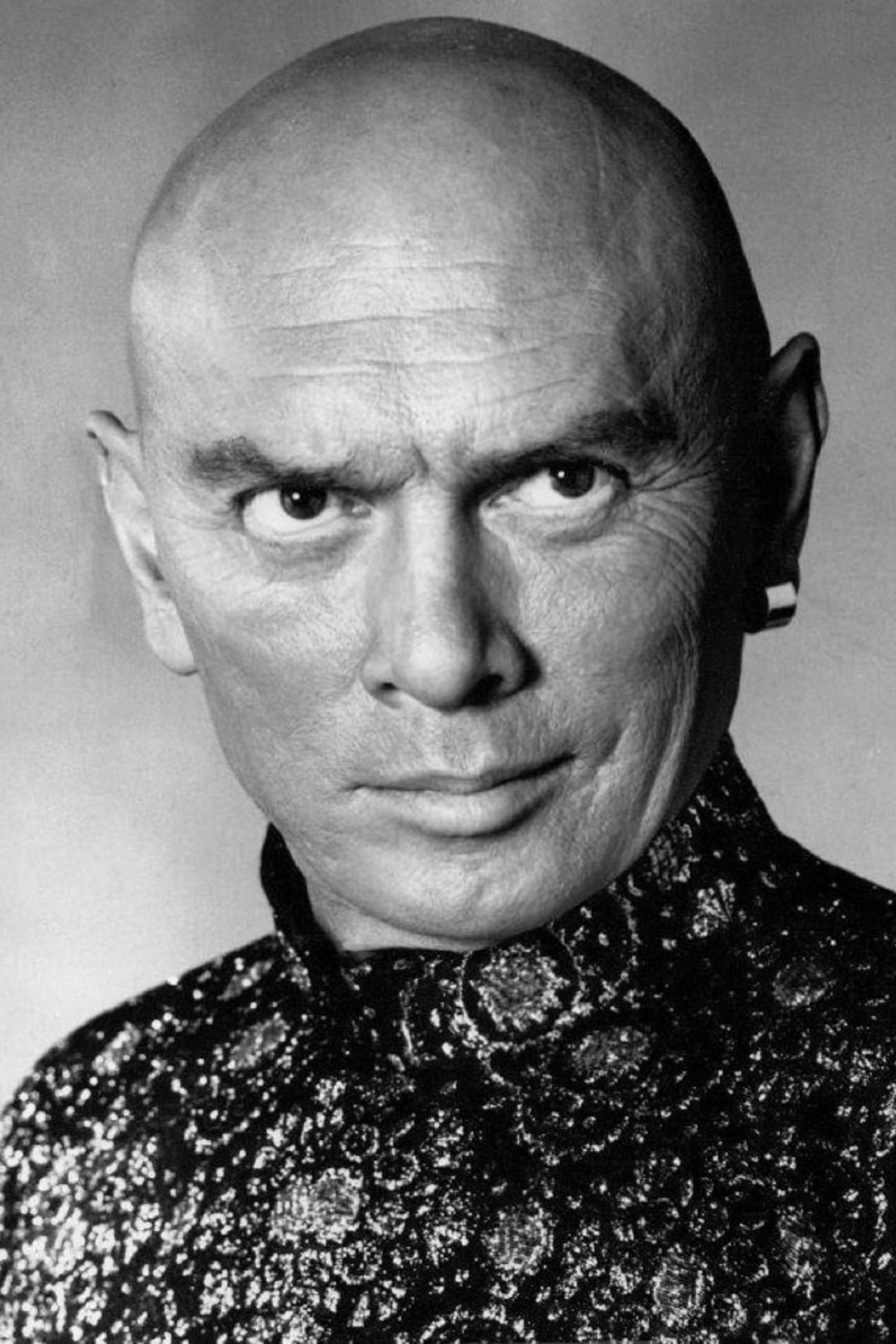
Yul Brynner played the relentless Gunslinger android in the 1973 film ‘Westworld’. His performance as a malfunctioning robotic antagonist influenced the depiction of unstoppable machines in later films like ‘The Terminator’. Brynner reprised the role in the sequel ‘Futureworld’ in a brief cameo appearance. He also appeared in the post-apocalyptic film ‘The Ultimate Warrior’. His stoic presence and physical acting style were perfectly suited for the role of an unfeeling machine.
Roddy McDowall
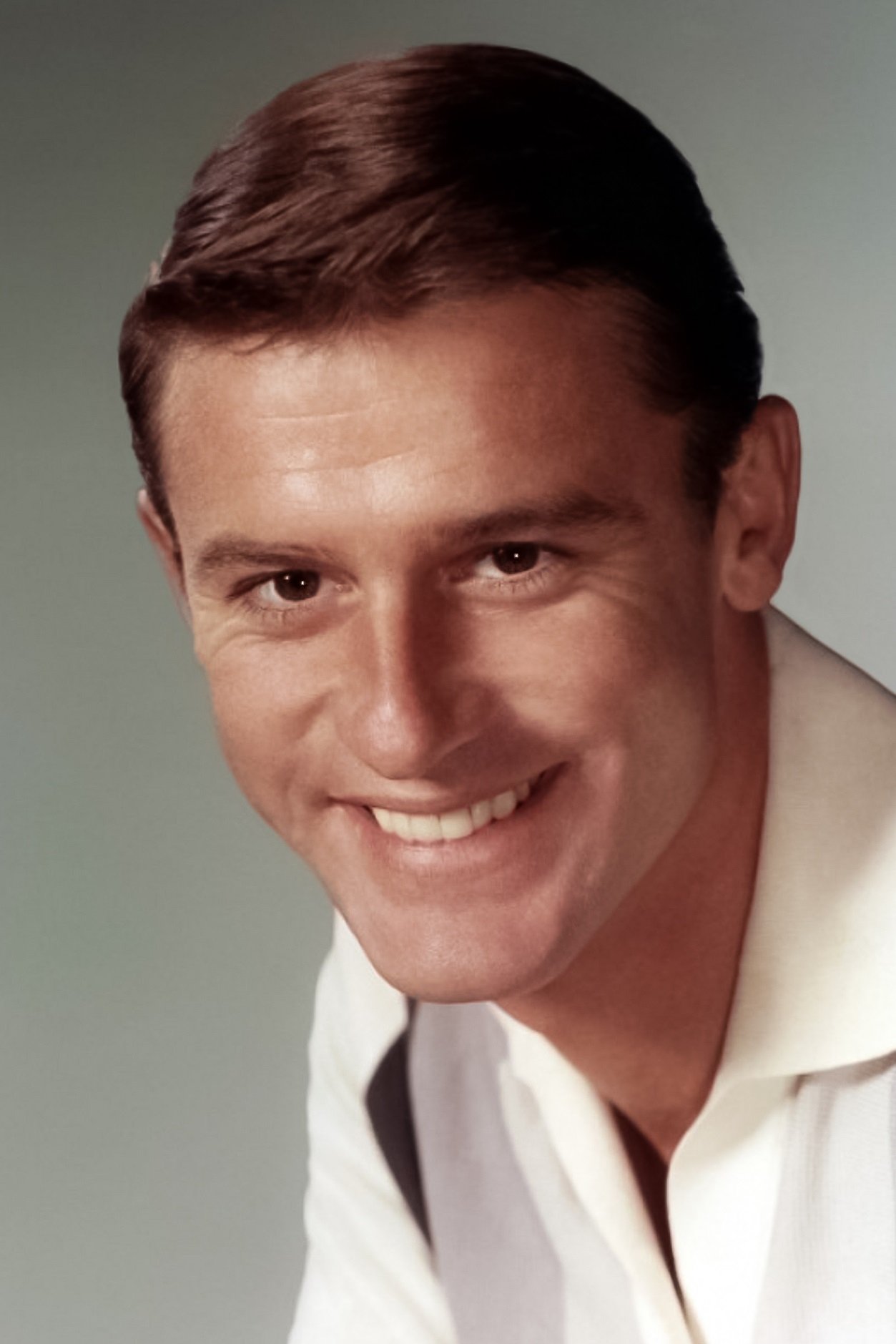
Roddy McDowall was a mainstay of the ‘Planet of the Apes’ franchise, appearing in four of the original five films. He primarily played the chimpanzee characters Cornelius and Caesar, utilizing heavy prosthetic makeup to deliver expressive performances. McDowall also starred in the short-lived ‘Planet of the Apes’ television series in a different role. His genre work included voice roles in various animated projects and a role in ‘The Black Hole’. He is considered one of the most dedicated actors to work within the constraints of practical effects.
Peter Mayhew
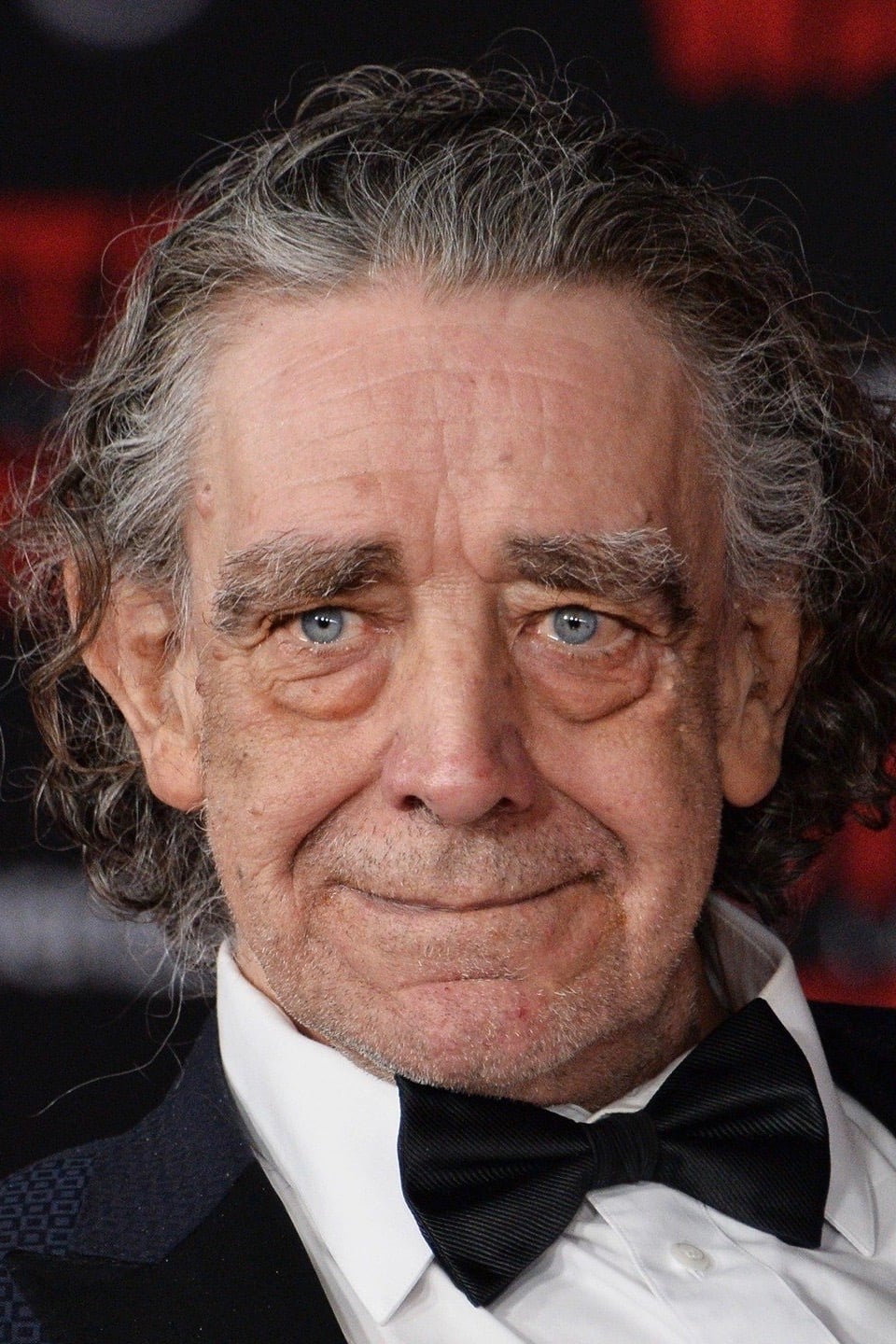
Peter Mayhew provided the physical performance for Chewbacca in the ‘Star Wars’ franchise for over thirty years. Standing at seven feet and three inches, Mayhew gave the Wookiee a unique gait and set of mannerisms that became iconic. He appeared in the original trilogy, the prequel ‘Star Wars: Episode III – Revenge of the Sith’, and ‘Star Wars: The Force Awakens’. Even behind a full bodysuit of hair, he managed to convey a wide range of emotions through body language. His portrayal established Chewbacca as one of the most beloved sidekicks in cinema.
David Prowse
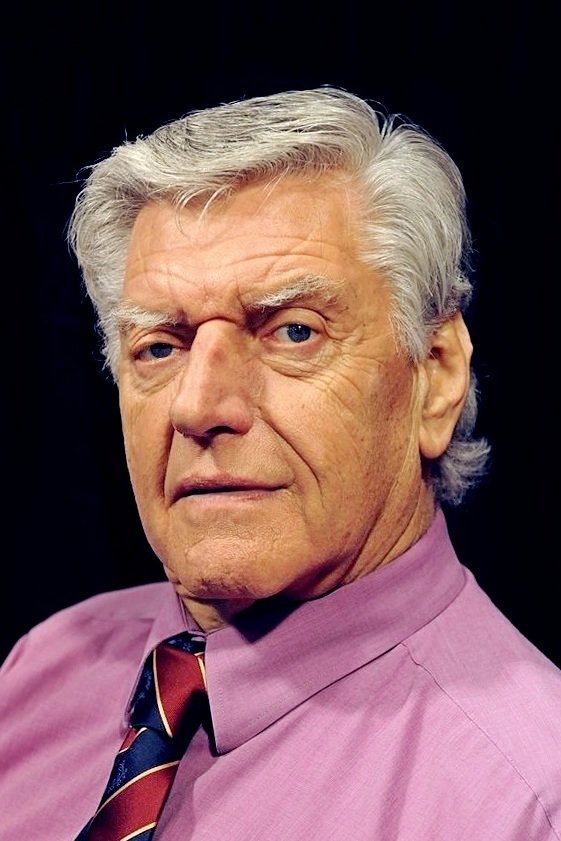
David Prowse was the physical actor behind Darth Vader in the original ‘Star Wars’ trilogy. His imposing stature and background as a bodybuilder gave the Dark Lord of the Sith a formidable physical presence. While James Earl Jones provided the voice, Prowse’s movement and gestures defined the character’s on-screen authority. Before his work in the galaxy far, far away, he appeared in ‘A Clockwork Orange’ and several Hammer horror films. He also played the role of the Frankenstein monster in multiple productions.
Kenny Baker
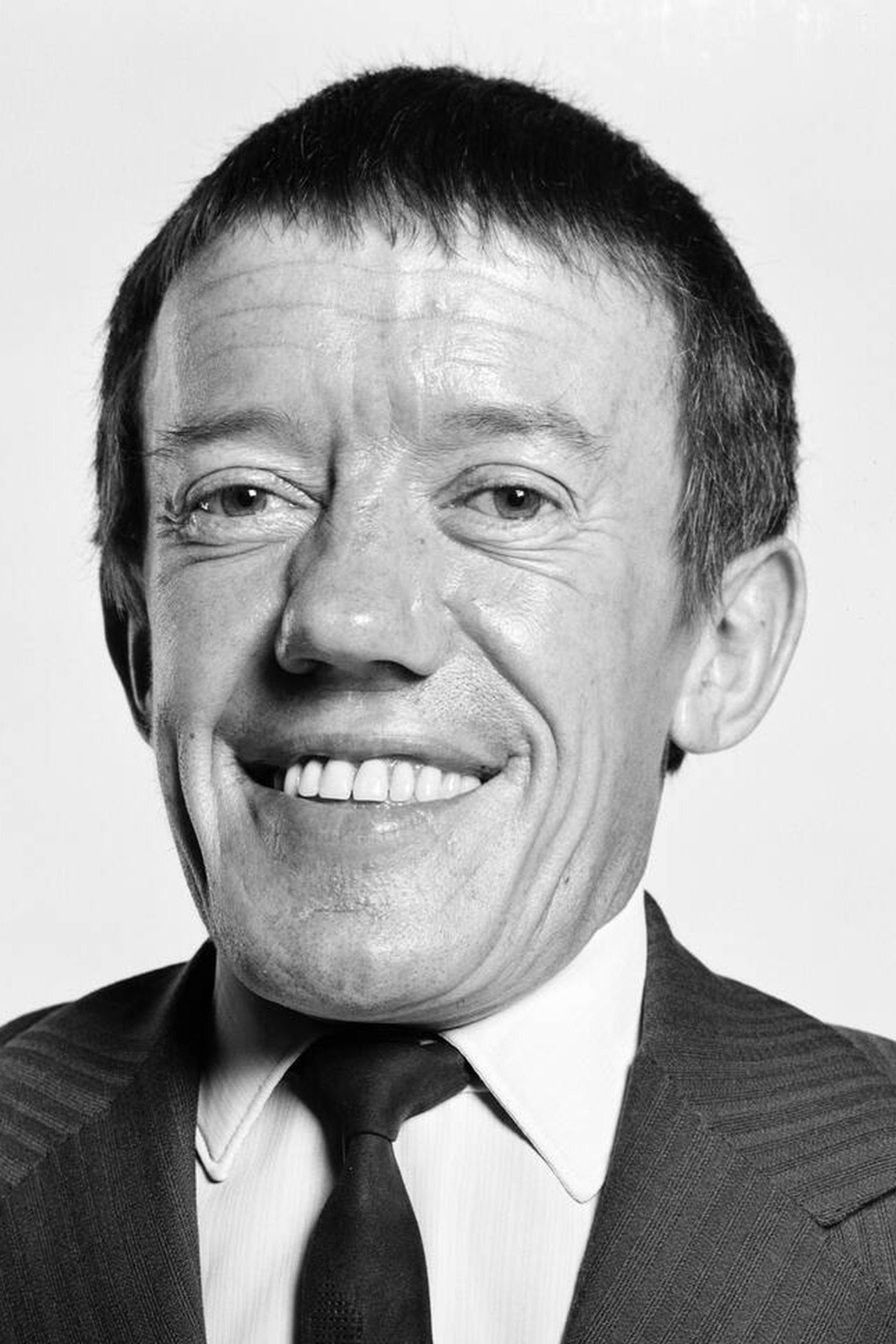
Kenny Baker was the actor inside the R2-D2 droid for the first six ‘Star Wars’ films. Despite the physical limitations of the prop, he was able to give the character a distinct personality through tilts and rotations. Baker also appeared as Paploo the Ewok in ‘Star Wars: Return of the Jedi’. Outside of the ‘Star Wars’ universe, he had roles in ‘Time Bandits’ and ‘Flash Gordon’. His work proved that even non-verbal, mechanical characters could become heart-filled icons of the genre.
Michael Ansara
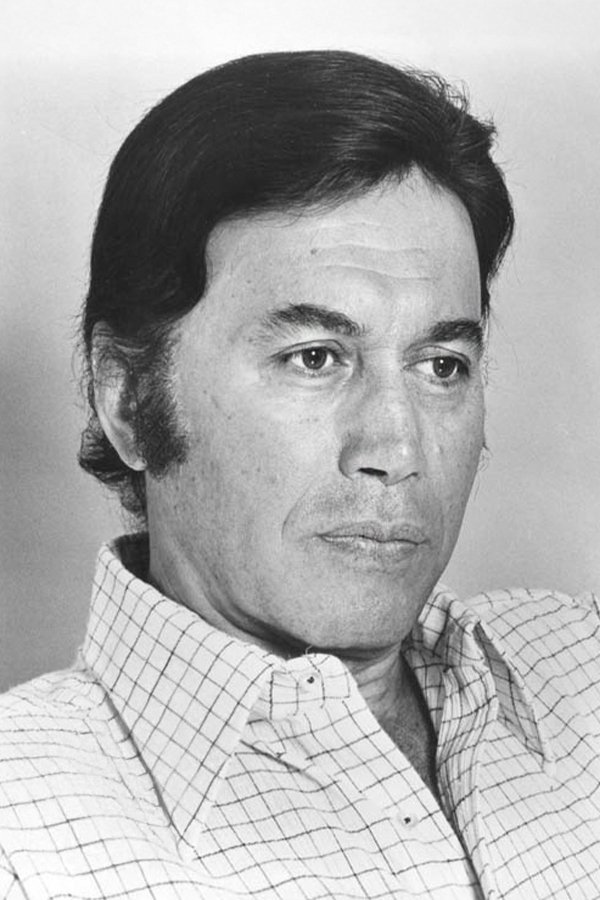
Michael Ansara is celebrated for his role as Kang, a Klingon commander in the ‘Star Trek’ universe. He is one of the few actors to play the same character across three different ‘Star Trek’ series: the original, ‘Deep Space Nine’, and ‘Voyager’. Ansara also provided the voice for Mr. Freeze in ‘Batman: The Animated Series’, a role that featured significant sci-fi elements. He appeared in the science fiction film ‘The Relic’ and the television series ‘Buck Rogers in the 25th Century’. His deep voice and commanding stature made him a natural fit for warrior roles.
Mira Furlan
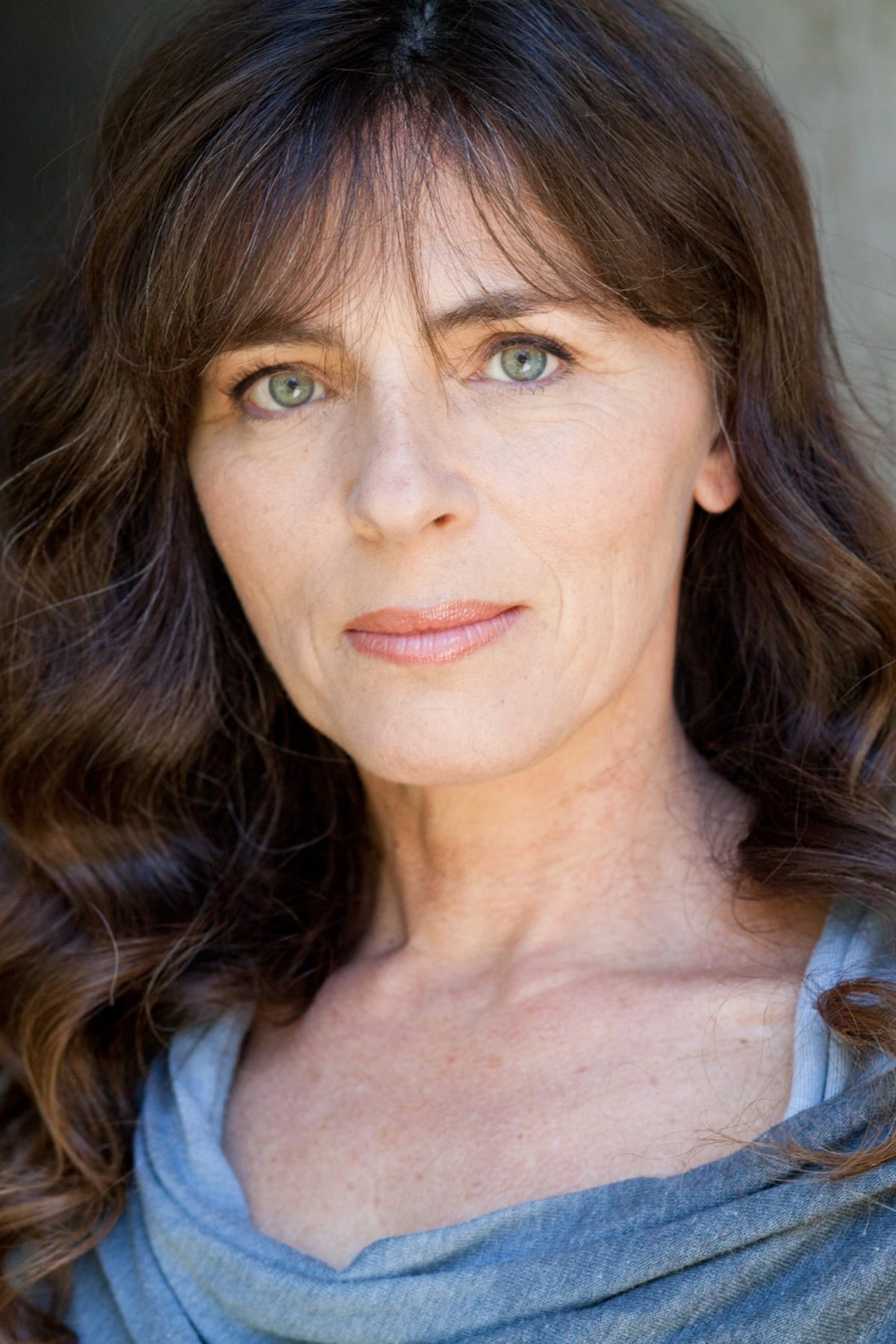
Mira Furlan gained international recognition for her role as Delenn in the space opera series ‘Babylon 5’. Her character’s journey from a Minbari diplomat to a hybrid leader was central to the show’s complex narrative. Furlan later joined the cast of ‘Lost’ as Danielle Rousseau, a scientist trapped on a mysterious island. She brought a sense of grace and philosophical depth to her genre performances. Her work in ‘Babylon 5’ is often cited as a high point for character development in science fiction television.
Andreas Katsulas
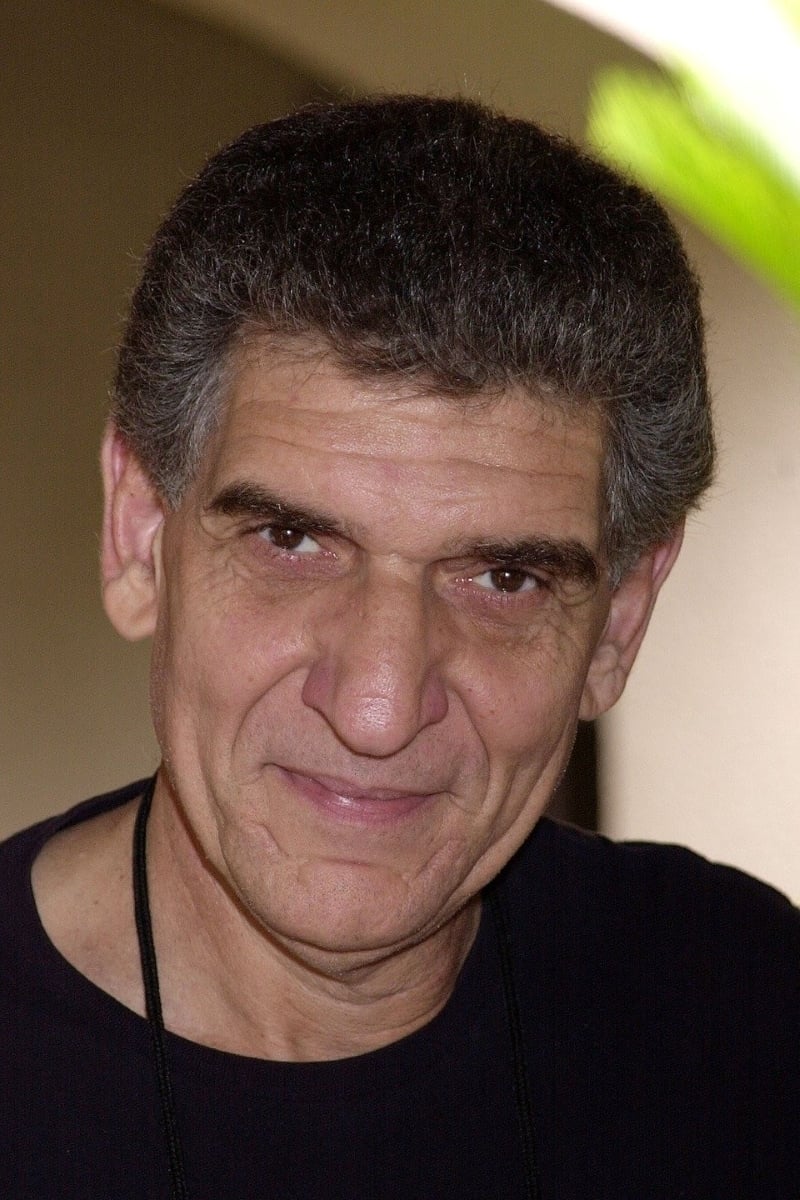
Andreas Katsulas is best known for his transformative performance as G’Kar in ‘Babylon 5’. His portrayal of the Narn ambassador involved a vast arc from a vengeful soldier to a spiritual leader. Katsulas also appeared in the ‘Star Trek’ universe as the Romulan Commander Tomalak in ‘Star Trek: The Next Generation’. He had a notable role as the “One-Armed Man” in the film ‘The Fugitive’, which contained thriller elements. His ability to act through extensive prosthetics allowed him to create one of the genre’s most nuanced aliens.
Richard Biggs
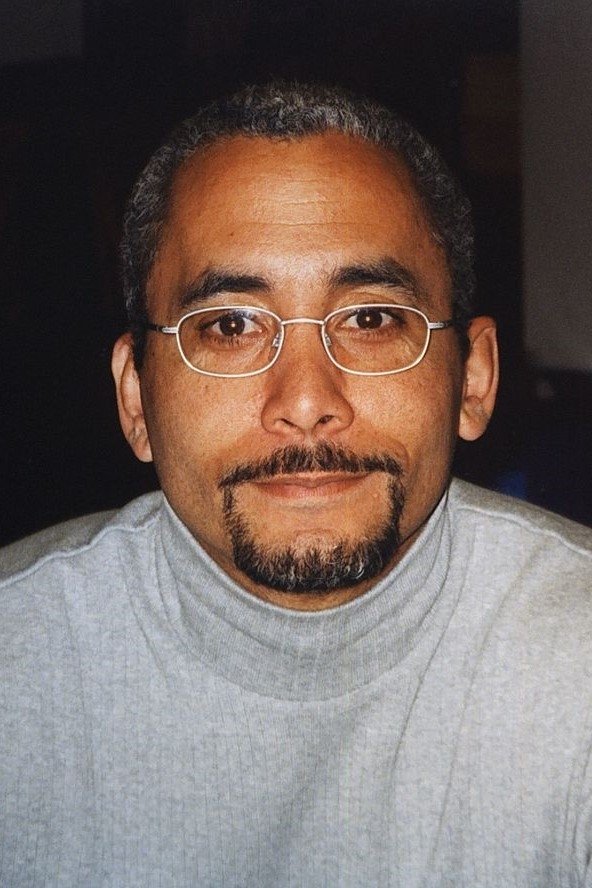
Richard Biggs played Dr. Stephen Franklin on the science fiction series ‘Babylon 5’. His character explored the medical and ethical challenges of life on a massive space station. Biggs was a series regular throughout the show’s five-season run and appeared in several ‘Babylon 5’ television movies. He also had roles in the genre-adjacent series ‘Any Day Now’ and ‘Tremors: The Series’. His performance was noted for its intensity and focus on the human side of futuristic technology.
Stephen Furst
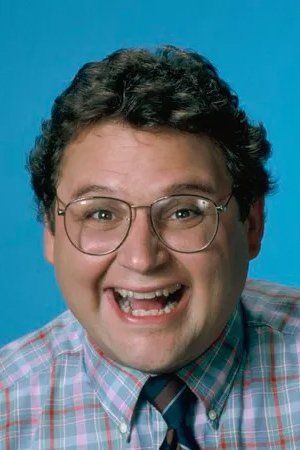
Stephen Furst portrayed Vir Cotto in ‘Babylon 5′, providing much of the series’ heart and comic relief. His character evolved from a bumbling diplomatic aide to a courageous and influential figure. Furst also directed several episodes of ‘Babylon 5’ and the science fiction film ‘Epoch’. He was a regular guest at fan conventions, where he was celebrated for his approachability and love for the genre. His work helped balance the heavy political themes of ‘Babylon 5’ with relatable humanity.
Jerry Doyle
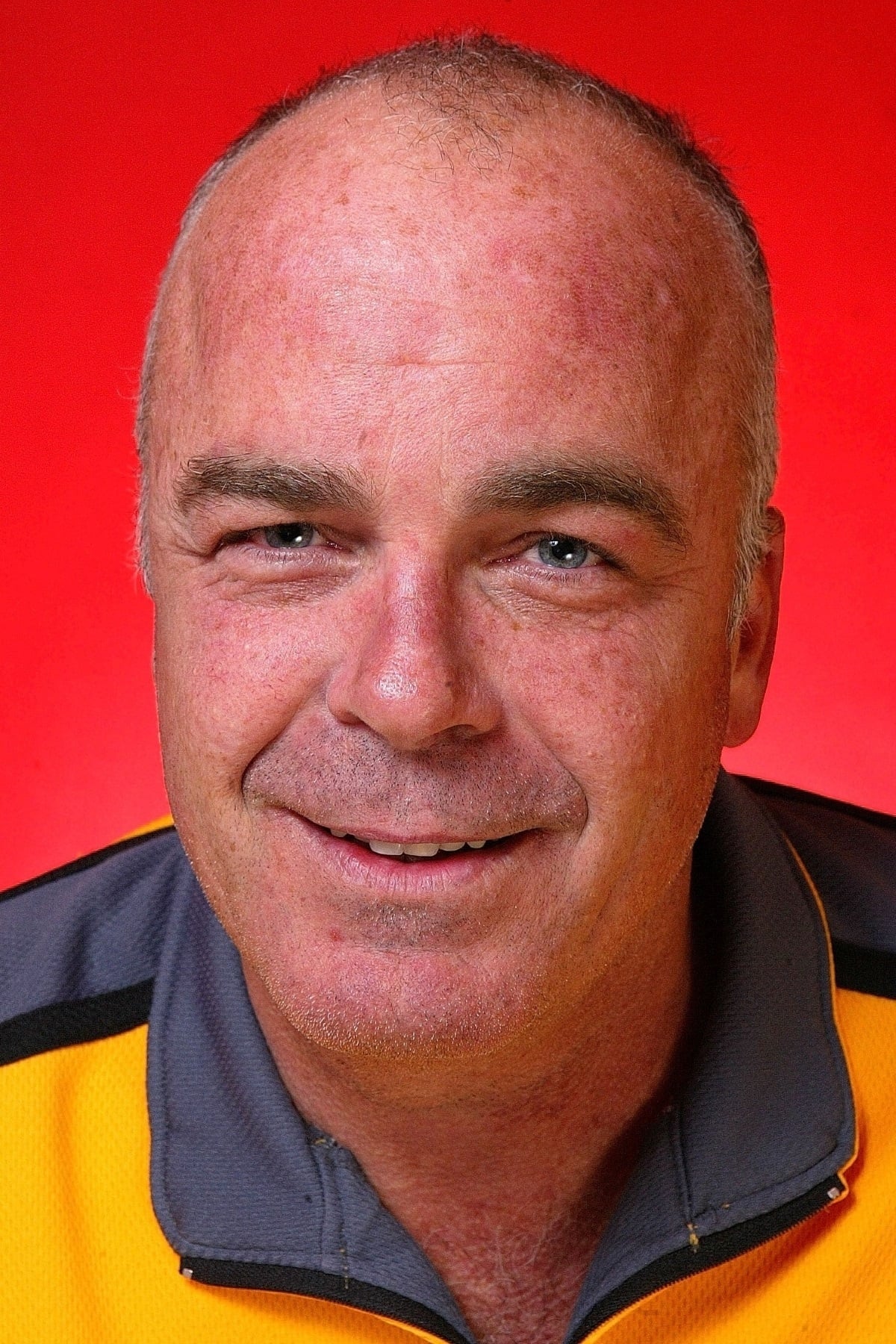
Jerry Doyle starred as Michael Garibaldi, the head of security on ‘Babylon 5’. His character was inspired by classic noir detectives, bringing a gritty, grounded perspective to the space station setting. Doyle appeared in nearly every episode of the series and was a central figure in the show’s various conspiracies and battles. After the series concluded, he became a prominent radio host but remained closely tied to the sci-fi community. His performance helped define the “blue-collar” aesthetic of the ‘Babylon 5’ universe.
René Auberjonois
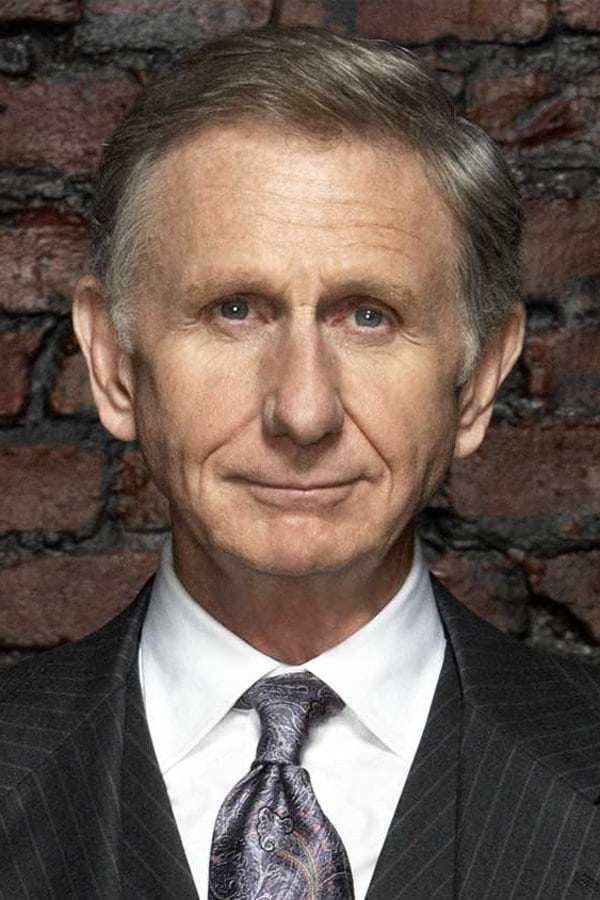
René Auberjonois played the shape-shifting security chief Odo on ‘Star Trek: Deep Space Nine’. His performance explored themes of identity, belonging, and justice through the lens of a non-human character. Auberjonois also appeared in the 1970 film ‘MAS*H’ and provided voice work for various animated series. In the realm of sci-fi cinema, he had a role in ‘Star Trek VI: The Undiscovered Country’ as Colonel West. He was highly respected for his versatility and his ability to emote through the heavy makeup required for Odo.
Majel Barrett
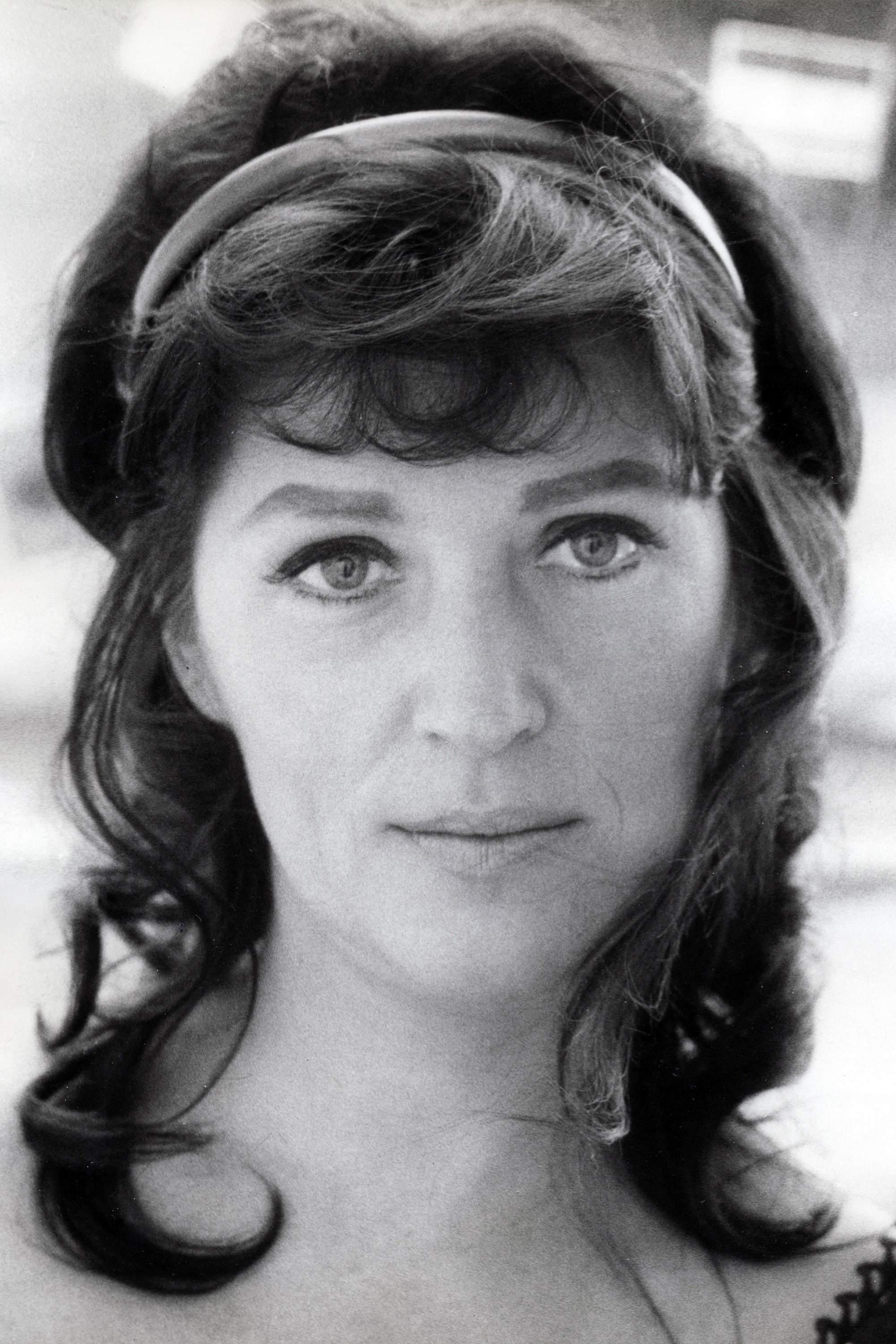
Majel Barrett is often referred to as the “First Lady of Star Trek” for her extensive involvement in the franchise. She played Nurse Christine Chapel in the original series and Lwaxana Troi in ‘Star Trek: The Next Generation’. Barrett also provided the iconic voice for the Starfleet computers across multiple series and films. She was the wife of ‘Star Trek’ creator Gene Roddenberry and worked to preserve his legacy after his death. Her voice remains a constant, comforting presence for fans of the franchise.
Grace Lee Whitney
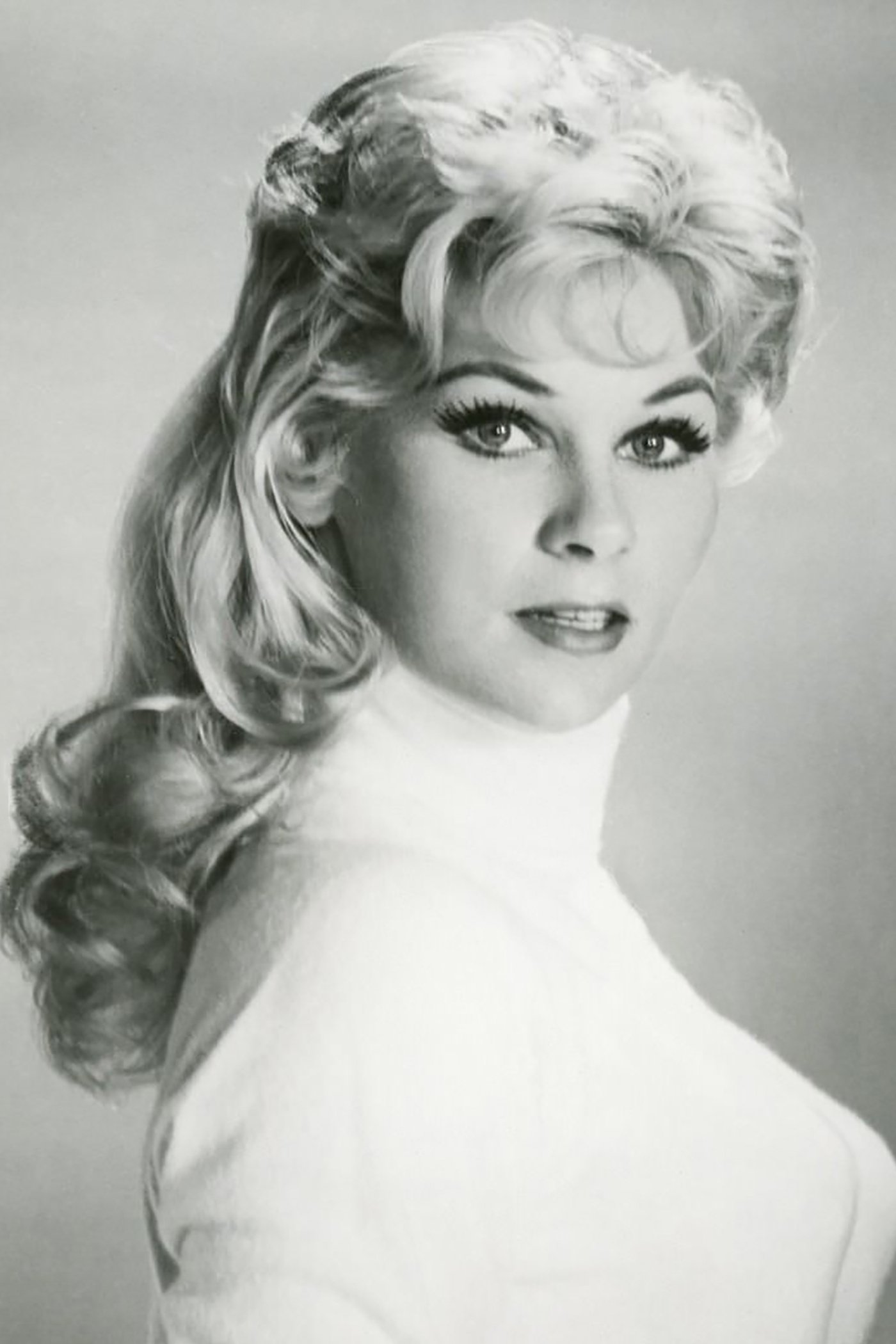
Grace Lee Whitney played Janice Rand, the Captain’s Assistant, in the first season of the original ‘Star Trek’ series. Although her character was initially written out, she returned for several of the feature films, including ‘Star Trek: The Motion Picture’. Her character was eventually promoted to the rank of Commander in later appearances. Whitney’s portrayal of Rand remains a significant part of the early ‘Star Trek’ mythos. She remained active in the fan community for decades following her time on the show.
William Windom
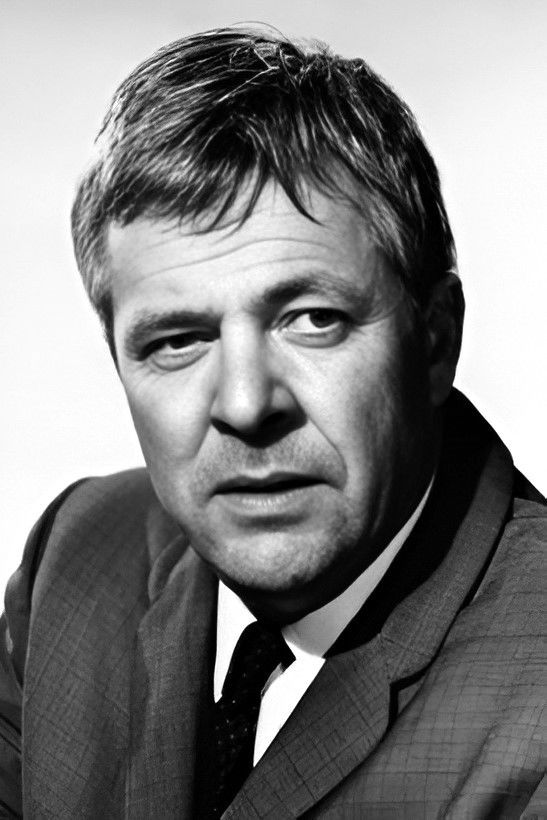
William Windom delivered a memorable performance as Commodore Matt Decker in the ‘Star Trek’ episode ‘The Doomsday Machine’. His portrayal of a man driven to madness by the loss of his crew is considered one of the best guest spots in the series. Windom was a prolific character actor who appeared in various other genre projects, including ‘The Twilight Zone’. He also had a role in the sci-fi film ‘Escape from the Planet of the Apes’. His work was characterized by a high degree of emotional intensity and professional precision.
Kevin McCarthy
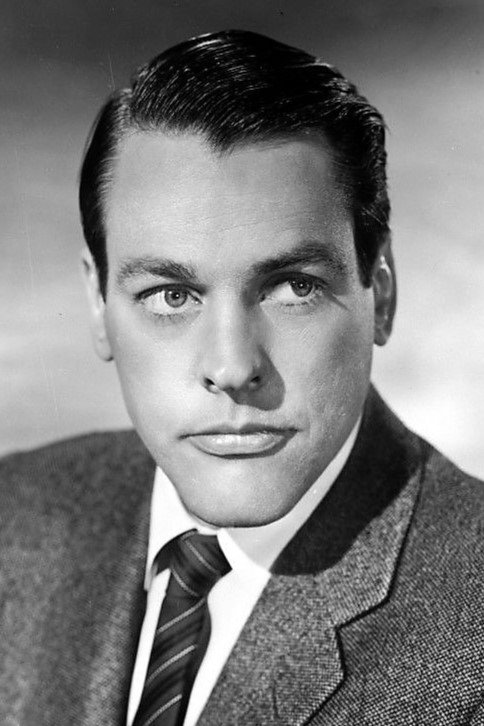
Kevin McCarthy starred in the 1956 science fiction classic ‘Invasion of the Body Snatchers’ as Dr. Miles Bennell. His frantic warning at the end of the film is one of the most famous moments in the genre. McCarthy made a cameo in the 1978 remake of the film, appearing as a man running through the streets. He also appeared in other genre works such as ‘The Twilight Zone’ and ‘Innerspace’. His career helped bridge the gap between classic atomic-age sci-fi and modern interpretations of the genre.
Dana Wynter
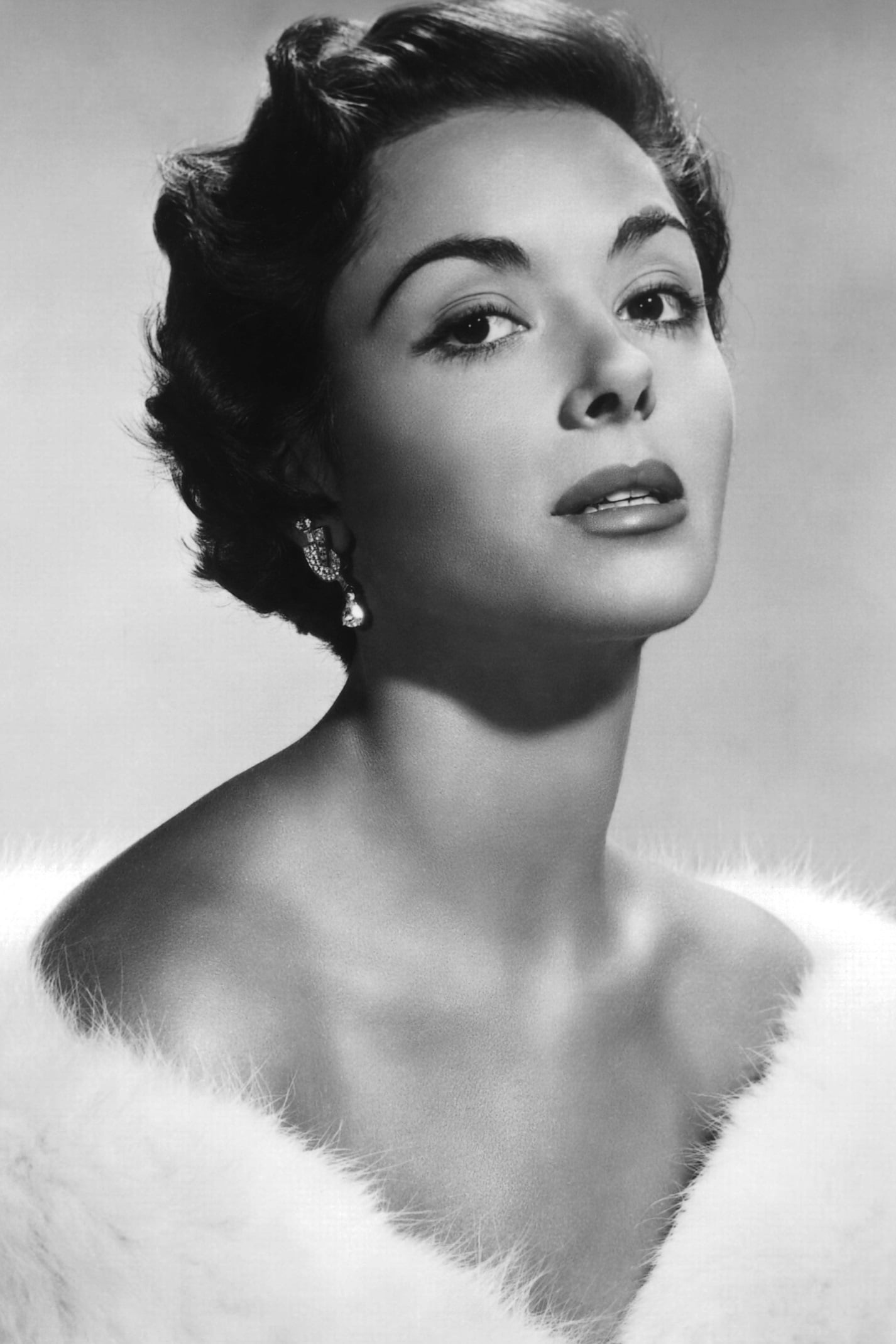
Dana Wynter starred alongside Kevin McCarthy in the original ‘Invasion of the Body Snatchers’. She played Becky Driscoll, the love interest who eventually falls victim to the alien duplicates. Her performance helped emphasize the personal and emotional stakes of the alien invasion. Wynter also appeared in various television dramas and films throughout the 1950s and 60s. She is remembered for her role in one of the most influential “red scare” era science fiction films.
Anne Francis
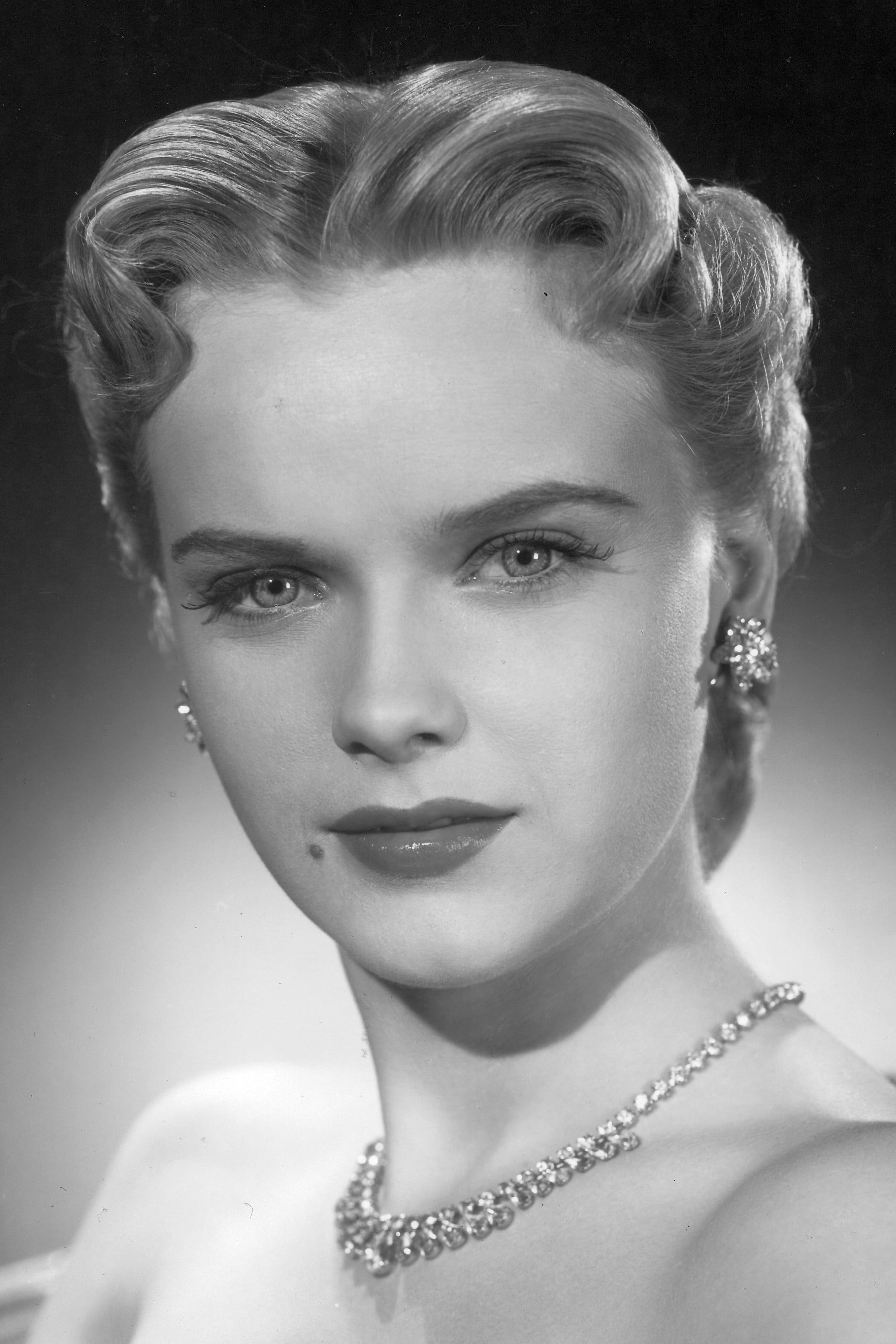
Anne Francis starred as Altaira Morbius in the 1956 landmark film ‘Forbidden Planet’. The film is noted for its high production values, electronic score, and the introduction of Robby the Robot. Francis’s performance as the innocent daughter of a scientist on a distant planet was central to the film’s plot. She also appeared in the classic ‘Twilight Zone’ episode ‘The After Hours’. Her work in ‘Forbidden Planet’ helped set the aesthetic standard for space exploration films that followed.
Walter Pidgeon
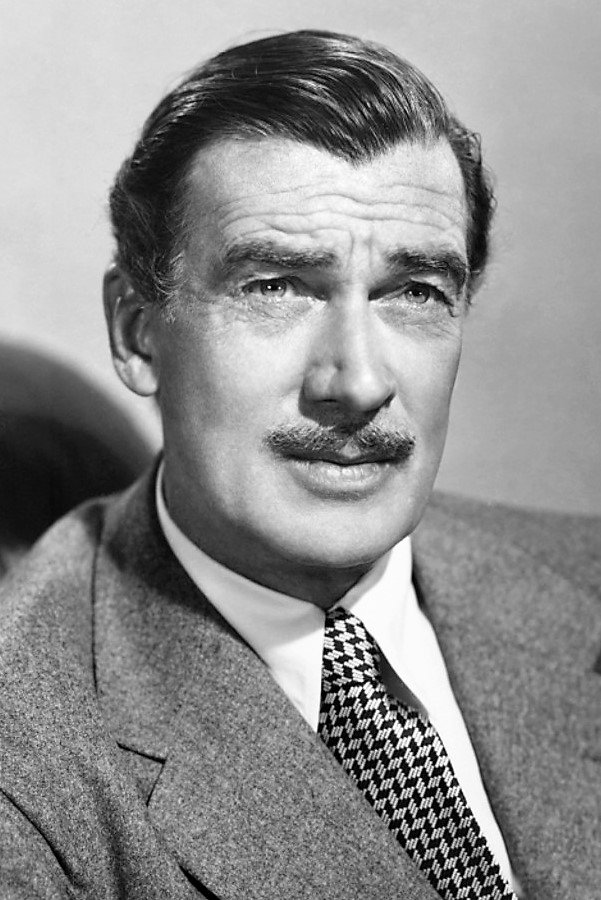
Walter Pidgeon played Dr. Edward Morbius in ‘Forbidden Planet’, a character inspired by Prospero from ‘The Tempest’. His portrayal of a scientist whose subconscious mind creates a deadly “Monster from the Id” added psychological depth to the film. Pidgeon was a major MGM star before taking on this genre-defining role. He later appeared in the science fiction film ‘Voyage to the Bottom of the Sea’ as Admiral Nelson. His authoritative presence lent credibility to the early high-concept science fiction of the 1950s.
James Whitmore
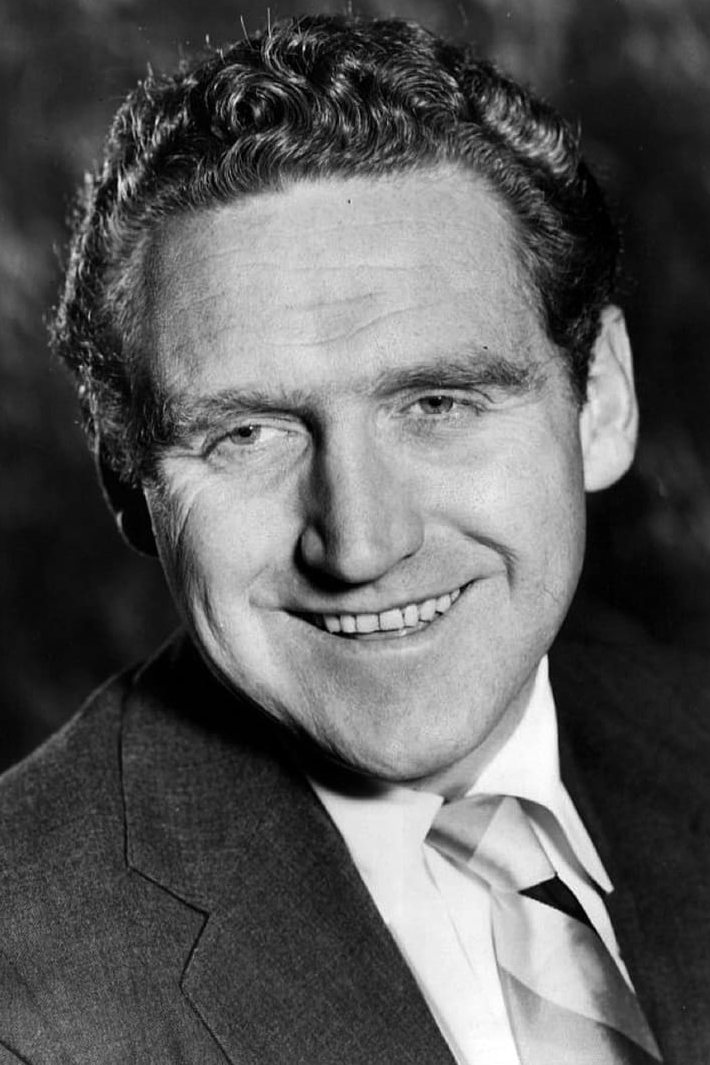
James Whitmore starred in the 1954 giant monster film ‘Them!’, which featured irradiated ants. He played Police Sergeant Ben Peterson, a hero who sacrifices himself to save children in the film’s climax. ‘Them!’ is considered one of the best “big bug” movies of the era due to its focus on procedural realism. Whitmore was an Academy Award-nominated actor who brought gravitas to the role. He also appeared in the ‘Planet of the Apes’ as the President of the Assembly.
Claude Rains
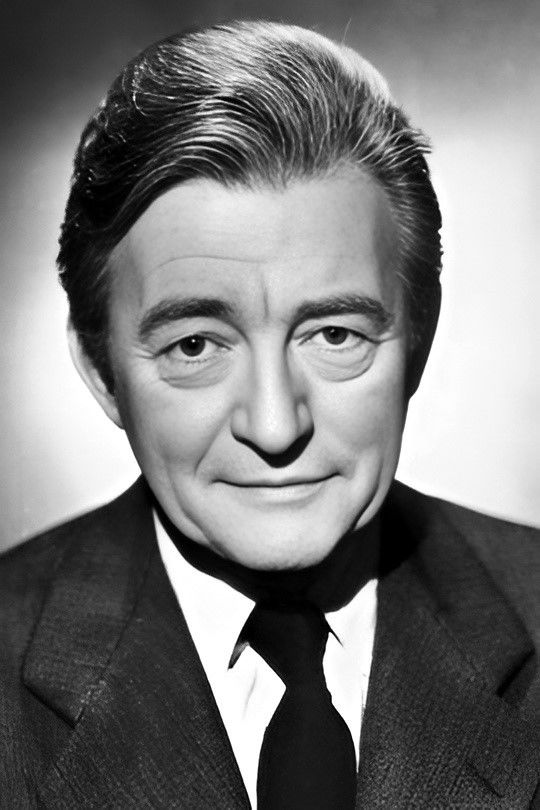
Claude Rains starred in the 1933 film ‘The Invisible Man’, a foundational work of science fiction and horror. Although his face is only seen briefly at the end of the film, his vocal performance defined the character of Jack Griffin. The film utilized groundbreaking special effects to depict Rains’s invisibility. He also appeared in the 1960 version of ‘The Lost World’. Rains’s ability to convey madness and genius through his voice alone made the film a classic of the genre.
Boris Karloff
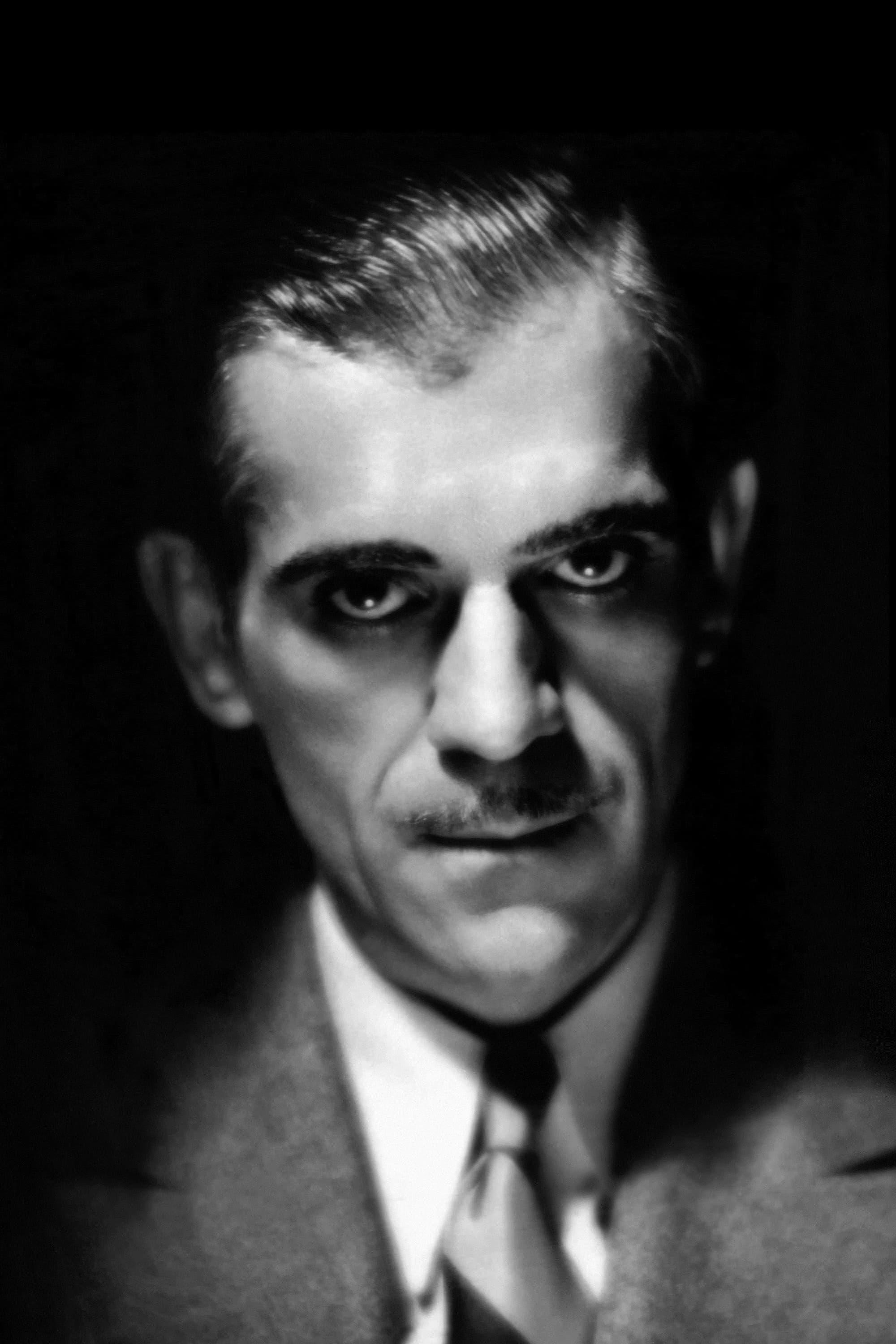
Boris Karloff is a giant of early genre cinema, best known for his role as the monster in ‘Frankenstein’. While often classified as horror, the film’s themes of scientific hubris and biological engineering are core science fiction concepts. Karloff also appeared in ‘The Invisible Ray’ and ‘The Man They Could Not Hang’, which explored sci-fi themes. His performance in ‘Frankenstein’ created the visual archetype for the “created man” that persists today. He remained a central figure in genre films throughout the Golden Age of Hollywood.
Bela Lugosi
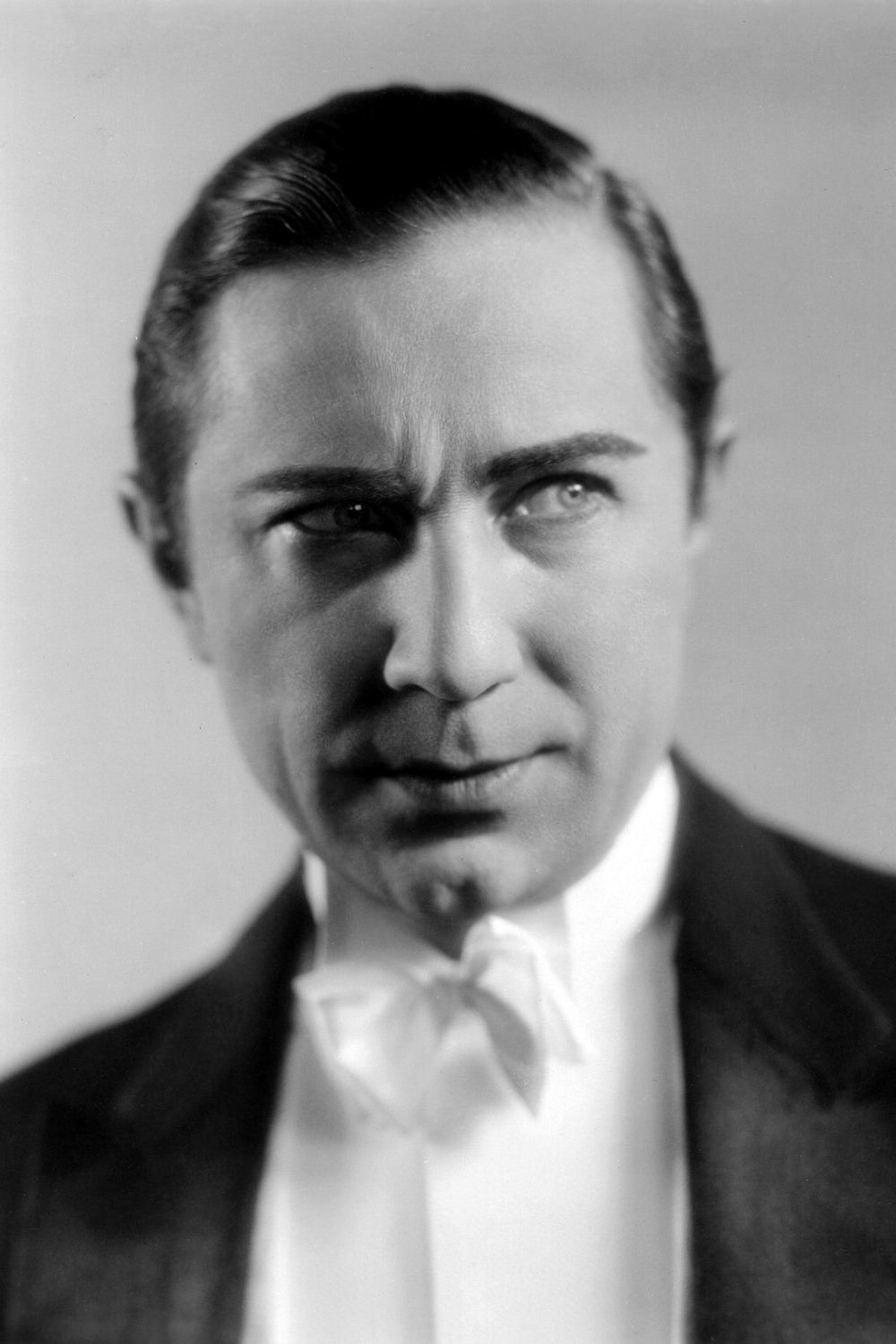
Bela Lugosi is primarily remembered for ‘Dracula’, but he made significant contributions to early science fiction cinema. He starred in ‘White Zombie’, which introduced the concept of the zombie, and ‘The Invisible Ray’ alongside Boris Karloff. Lugosi also appeared in the serial ‘The Phantom Empire’, which combined Western and science fiction elements. Later in his career, he worked with Ed Wood on ‘Plan 9 from Outer Space’, which has gained cult status. His theatrical style helped define the “mad scientist” and “sinister foreigner” tropes of early sci-fi.
Lon Chaney Jr.
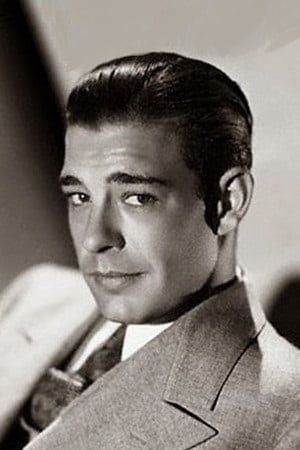
Lon Chaney Jr. appeared in several science fiction and horror crossovers during the 1940s and 50s. He starred in ‘Man Made Monster’, playing a man who becomes electrically charged through scientific experimentation. Chaney also appeared in ‘Indestructible Man’, a film about a criminal brought back to life through sci-fi means. He was a frequent collaborator in the Universal Monsters franchise, which often blended gothic horror with speculative science. His physical acting style was often utilized to portray tragic, transformed figures.
Richard Carlson
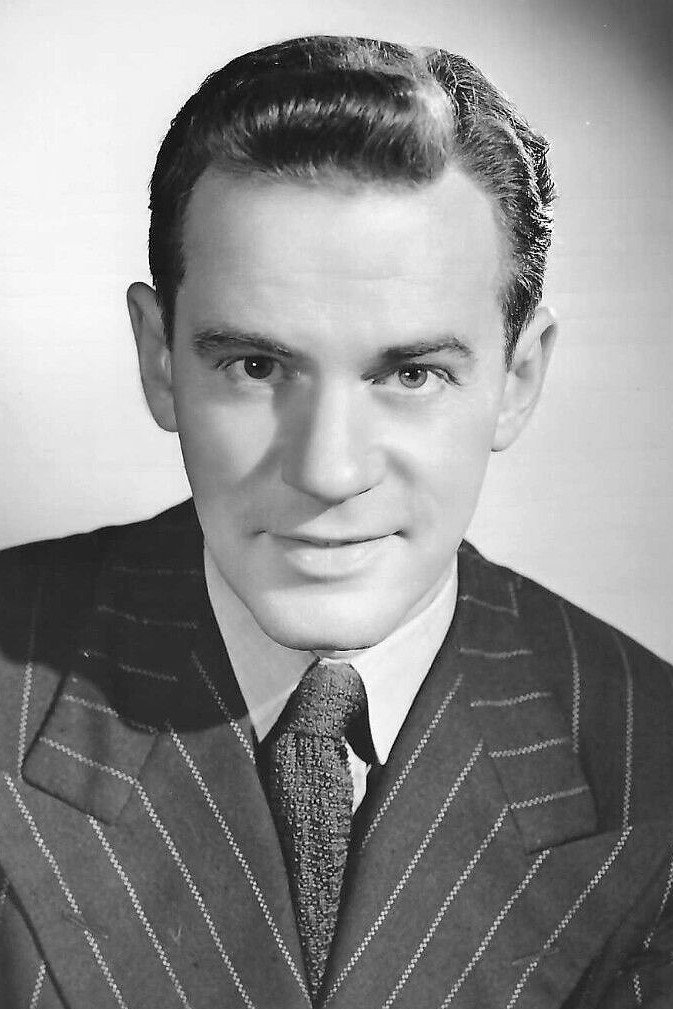
Richard Carlson was a leading man in several 1950s science fiction films, including ‘It Came from Outer Space’. He played John Putnam, an amateur astronomer who discovers an alien craft that others refuse to believe exists. Carlson also starred in ‘The Creature from the Black Lagoon’ and ‘The Magnetic Monster’. He often portrayed the “voice of reason” scientist who must convince the public of a fantastic threat. His work is emblematic of the mid-century “creature feature” era.
Barbara Rush
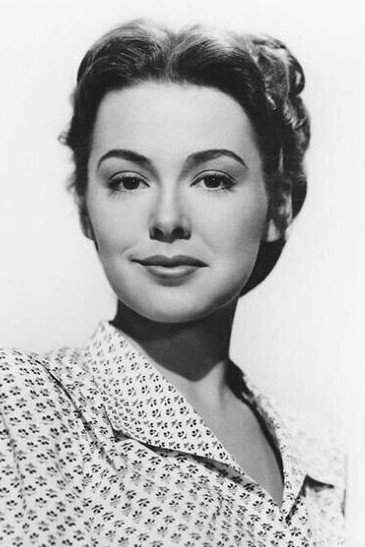
Barbara Rush starred alongside Richard Carlson in ‘It Came from Outer Space’ as Ellen Fields. Her performance helped ground the film’s 3D effects and alien encounters in a relatable human relationship. Rush won a Golden Globe for Most Promising Newcomer for her role in the film. She also appeared in the science fiction disaster film ‘When Worlds Collide’. Her career spanned several decades, during which she remained a respected figure in both film and television.
Faith Domergue
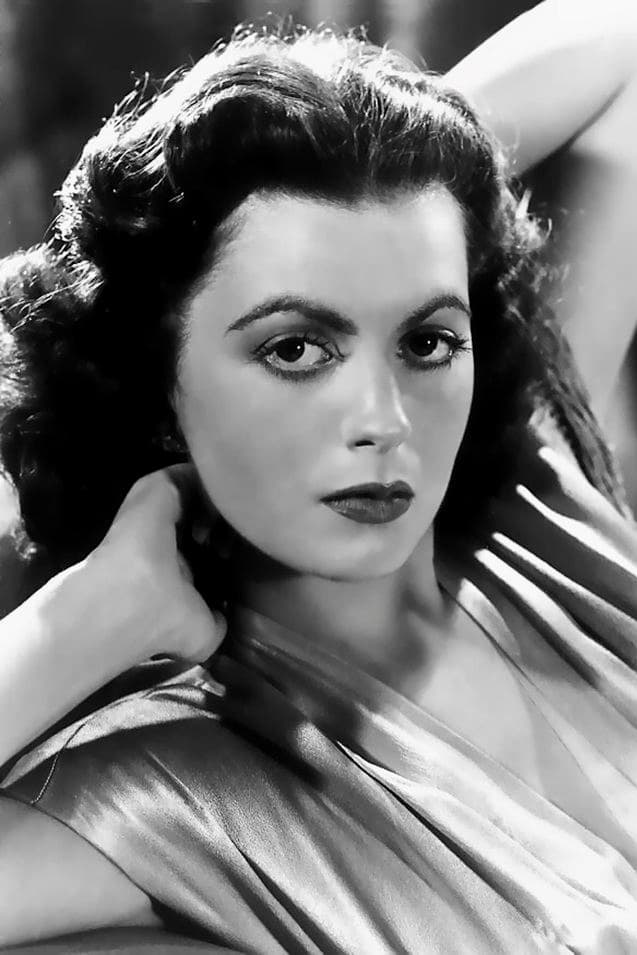
Faith Domergue earned the title of “Scream Queen” for her roles in mid-century science fiction films. She starred in the 1955 classic ‘This Island Earth’ as Dr. Ruth Adams, a scientist caught in an interstellar war. Domergue also appeared in ‘It Came from Beneath the Sea’, featuring a giant octopus attacking San Francisco. Her characters were often professional women, such as scientists, which was notable for the era’s genre films. She is remembered as a central figure in the 1950s wave of science fiction.
Jeff Morrow
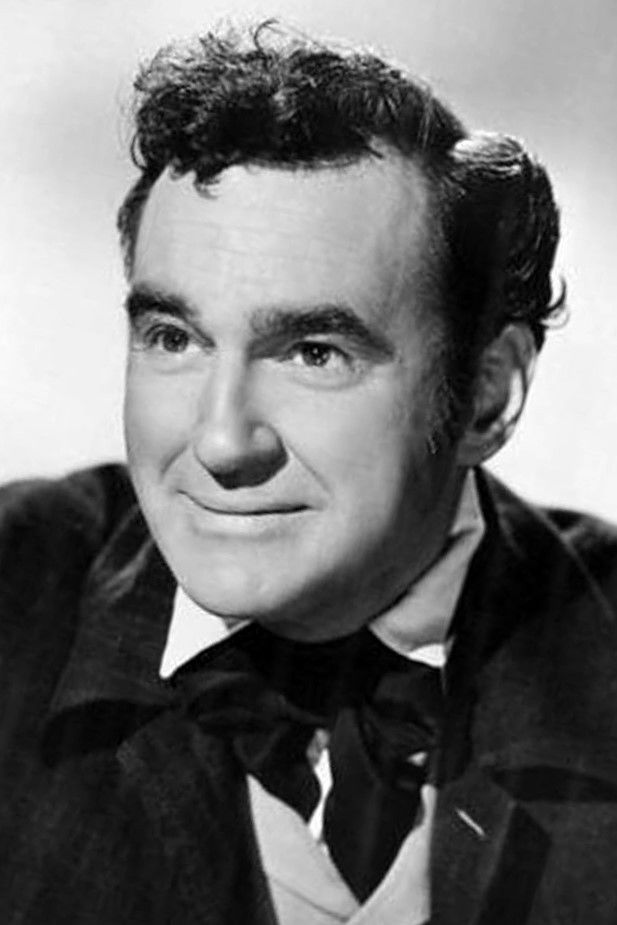
Jeff Morrow is best known for his role as Exeter, the high-foreheaded alien in ‘This Island Earth’. His performance provided a more sympathetic and complex view of extraterrestrials compared to the “invader” tropes of the time. Morrow also starred in ‘The Giant Claw’, a cult classic known for its unique monster design. He appeared in the 1958 film ‘The Creature Walks Among Us’, the final entry in the Gill-man trilogy. His work often involved the intersection of science fiction and the popular monster movies of the 1950s.
Rex Reason
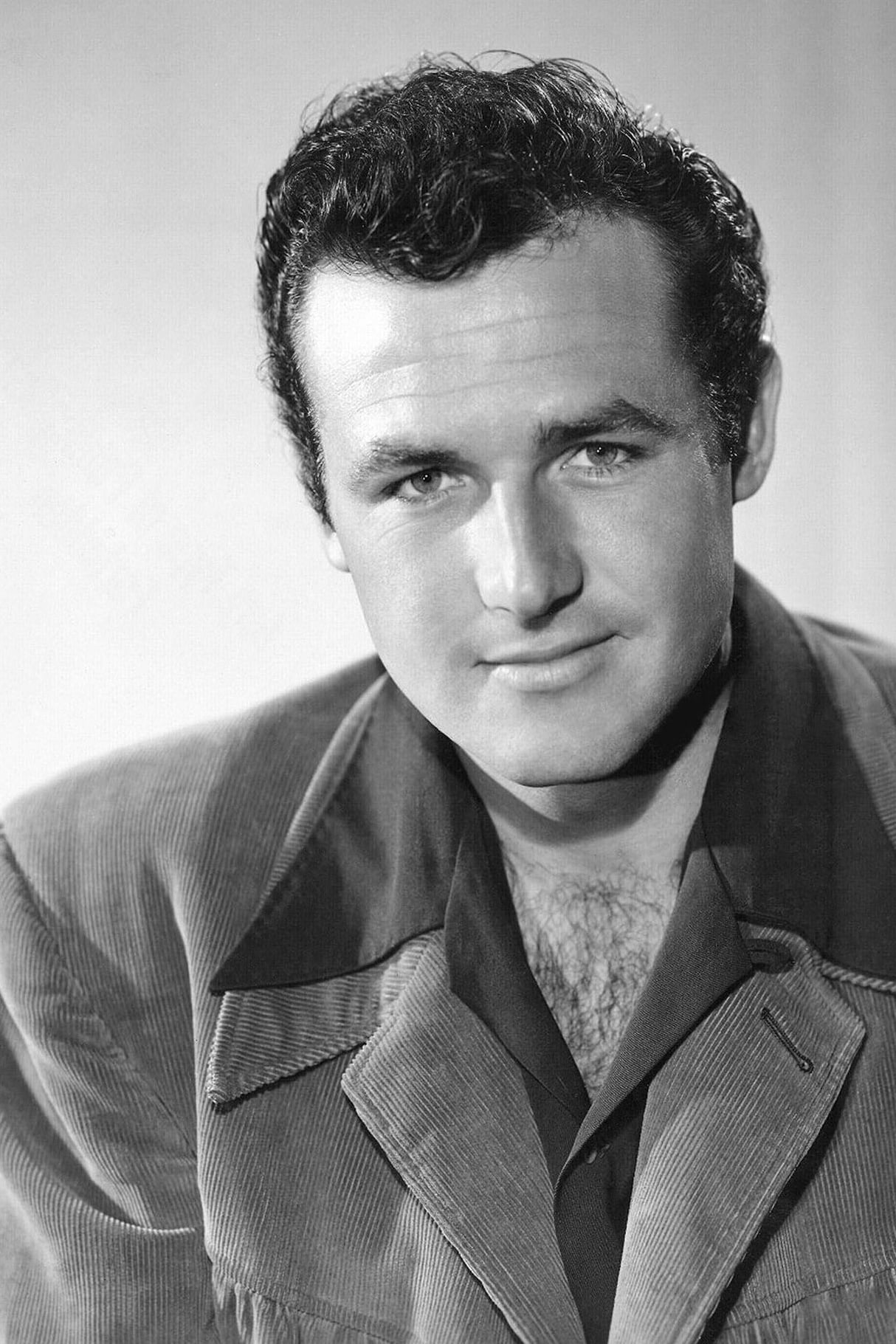
Rex Reason starred as Dr. Cal Meacham in ‘This Island Earth’, one of the most visually ambitious sci-fi films of the 1950s. His deep, resonant voice and classic leading-man looks made him a perfect fit for the heroic scientist archetype. Reason also appeared in ‘The Creature Walks Among Us’ as Dr. William Barton. He worked primarily in television and film during the 1950s before retiring from acting in the mid-1960s. He remains a key figure in the legacy of Technicolor science fiction cinema.
Peter Graves

Peter Graves is well known to science fiction fans for his role in the 1957 film ‘Beginning of the End’. In the film, he played a scientist battling giant grasshoppers that were threatening Chicago. Graves also starred in the television series ‘Mission: Impossible’, which often featured high-tech gadgets and futuristic plots. He famously parodied his own serious persona and sci-fi tropes in the film ‘Airplane!’. His career spanned decades, during which he became a recognizable face in both serious and satirical genre works.
John Saxon
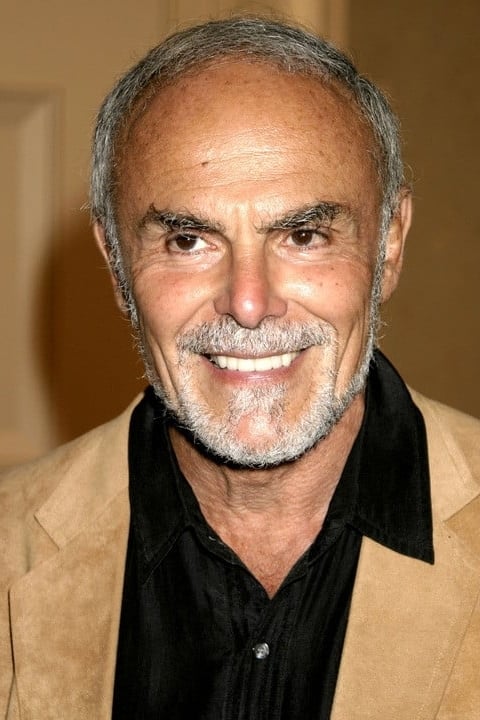
John Saxon had a long career that included several notable entries in the science fiction and horror genres. He starred in the space opera ‘Battle Beyond the Stars’, an adaptation of ‘Seven Samurai’ set in space. Saxon also appeared in ‘Queen of Blood’ and the science fiction thriller ‘The Glove’. He is perhaps best known to general audiences for ‘Enter the Dragon’ and ‘A Nightmare on Elm Street’, but his genre work was extensive. He brought a tough, reliable presence to every production he joined.
Carl Weathers
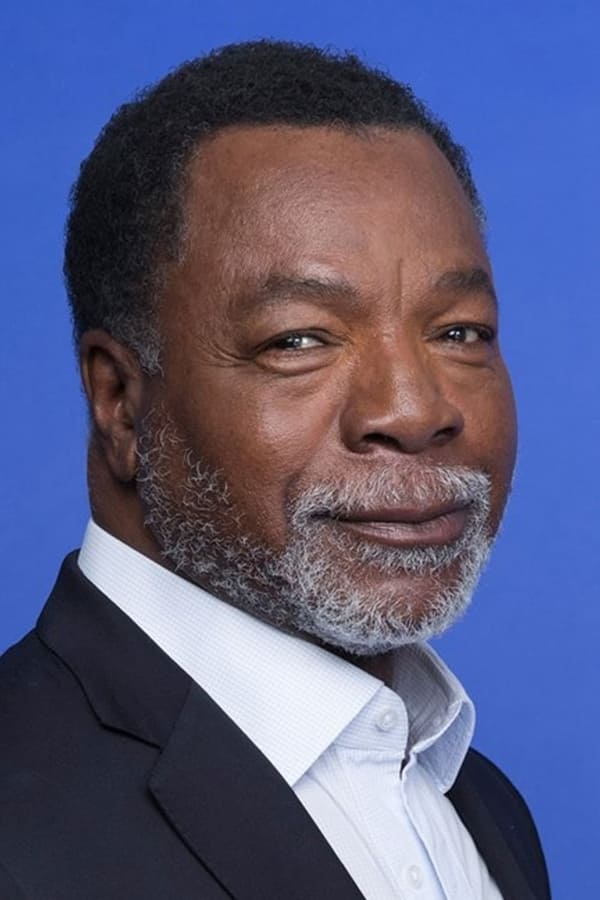
Carl Weathers made a significant impact on the science fiction genre starting with his role as Colonel Al Dillon in ‘Predator’. His character’s confrontation with the titular alien hunter is a highlight of the 1987 action-sci-fi classic. More recently, Weathers portrayed Greef Karga in the ‘Star Wars’ series ‘The Mandalorian’. He also directed multiple episodes of the series, contributing to the visual style of the modern ‘Star Wars’ universe. His career represented a bridge between the classic action-heavy sci-fi of the 80s and contemporary streaming epics.
Please share your memories of these legendary performers and their most impactful roles in the comments.