Movies That Recast Roles Due to Legal Trouble and Controversy


Film history is filled with instances where a production was forced to change its cast midway through or between sequels. While many changes occur due to scheduling or creative differences, several high-profile recasts were the direct result of legal battles, personal scandals, or contractual disputes. These changes often require expensive reshoots or complete script overhauls to navigate the fallout of the departing actor’s situation. From major superhero franchises to Academy Award-winning dramas, these shifts highlight the complex intersection of the legal system and the entertainment industry.
‘All the Money in the World’ (2017)
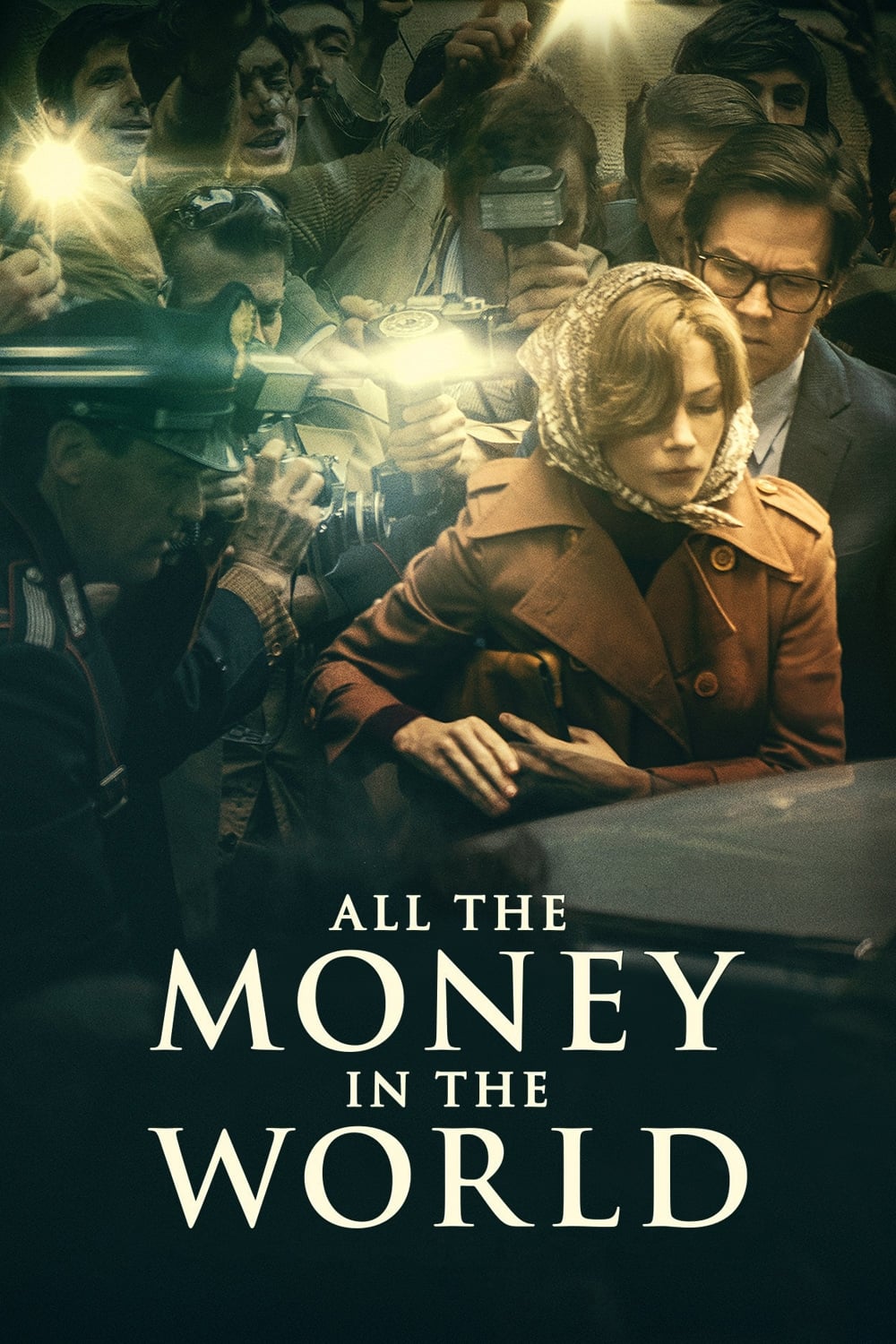
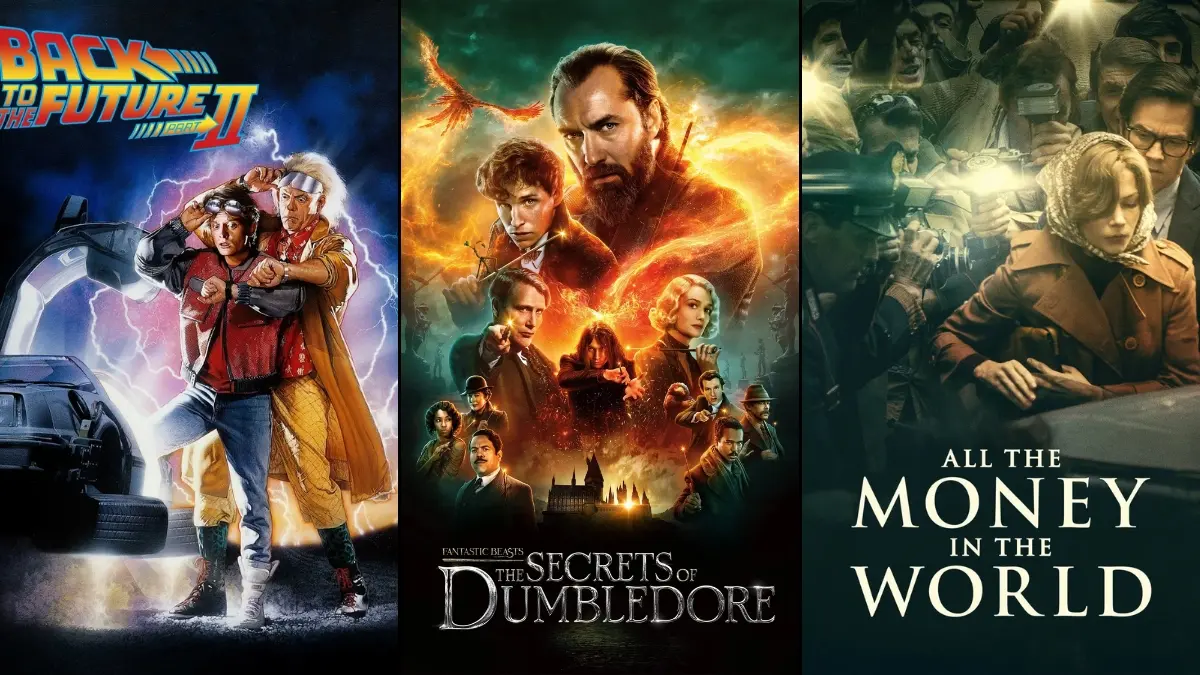
In this Ridley Scott thriller, Kevin Spacey was originally cast as the billionaire J. Paul Getty and had completed all of his scenes. Following serious sexual misconduct allegations against the actor, the studio decided to remove him from the finished film entirely. Christopher Plummer was brought in as a last-minute replacement to reshoot all of Getty’s scenes just weeks before the scheduled release. This unprecedented move required the production team to work at an accelerated pace to maintain the premiere date without delaying the project. Plummer’s performance eventually earned him an Academy Award nomination for the role.
‘Fantastic Beasts: The Secrets of Dumbledore’ (2022)
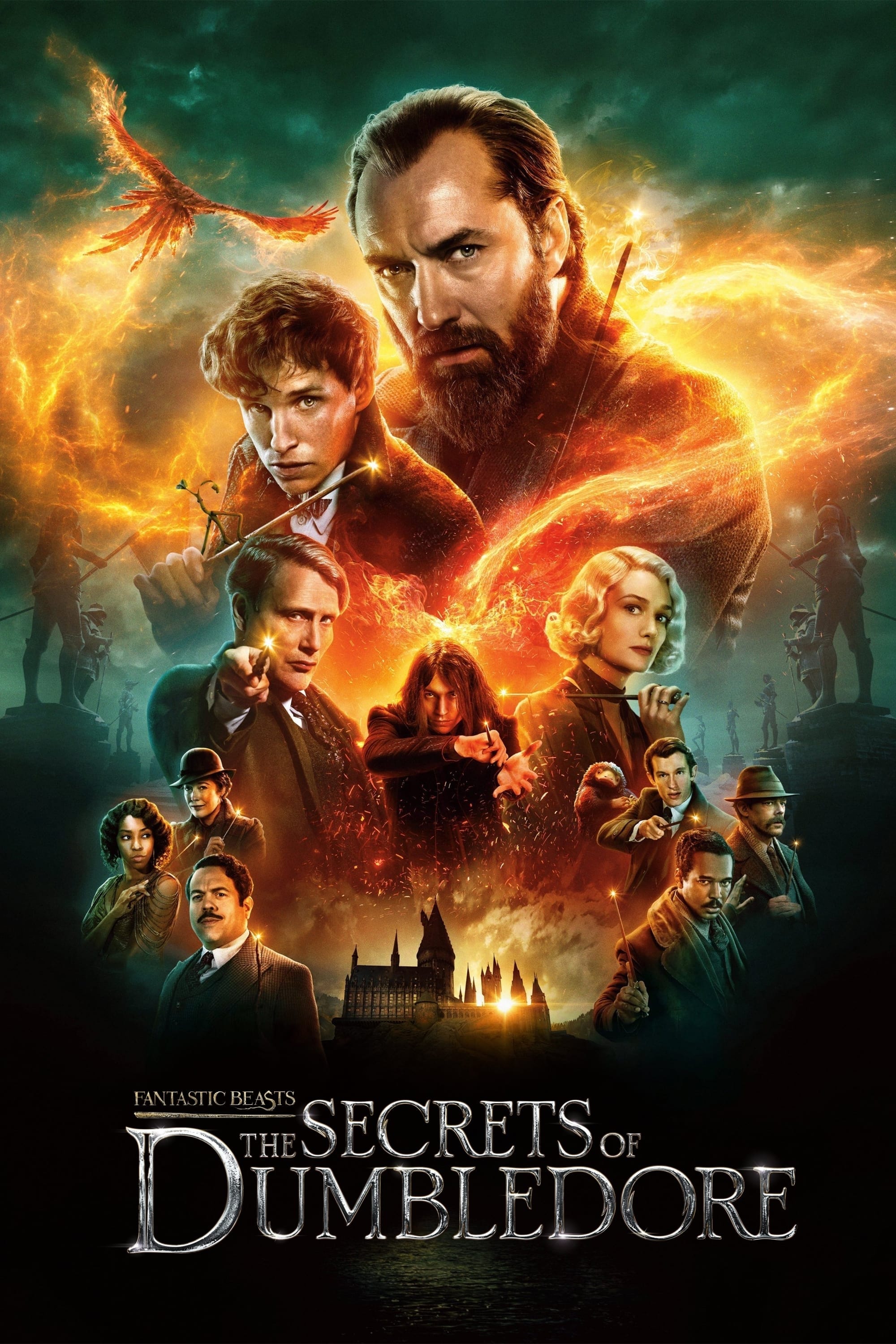
Johnny Depp originally played the primary antagonist, Gellert Grindelwald, in the first two installments of this ‘Harry Potter’ prequel series. Following a highly publicized libel trial in the United Kingdom involving allegations of domestic abuse, Warner Bros. requested that the actor resign from the role. Mads Mikkelsen was subsequently cast to take over the part for the third film in the franchise. The transition was handled without an in-universe explanation for the character’s change in appearance. This recast allowed the production to move forward while distancing itself from the legal controversy surrounding Depp.
‘Army of the Dead’ (2021)

Comedian Chris D’Elia had already filmed his entire role as a helicopter pilot in Zack Snyder’s zombie heist film. After production concluded, several women came forward with allegations of sexual misconduct against the actor, leading to his removal from the project. Snyder opted to use digital technology and green screens to replace D’Elia with Tig Notaro during post-production. Notaro filmed her scenes alone, and her performance was seamlessly edited into the existing footage alongside the other actors. This process saved the film from being scrapped while ensuring the controversial actor was not associated with the final product.
‘The Secret Life of Pets 2’ (2019)
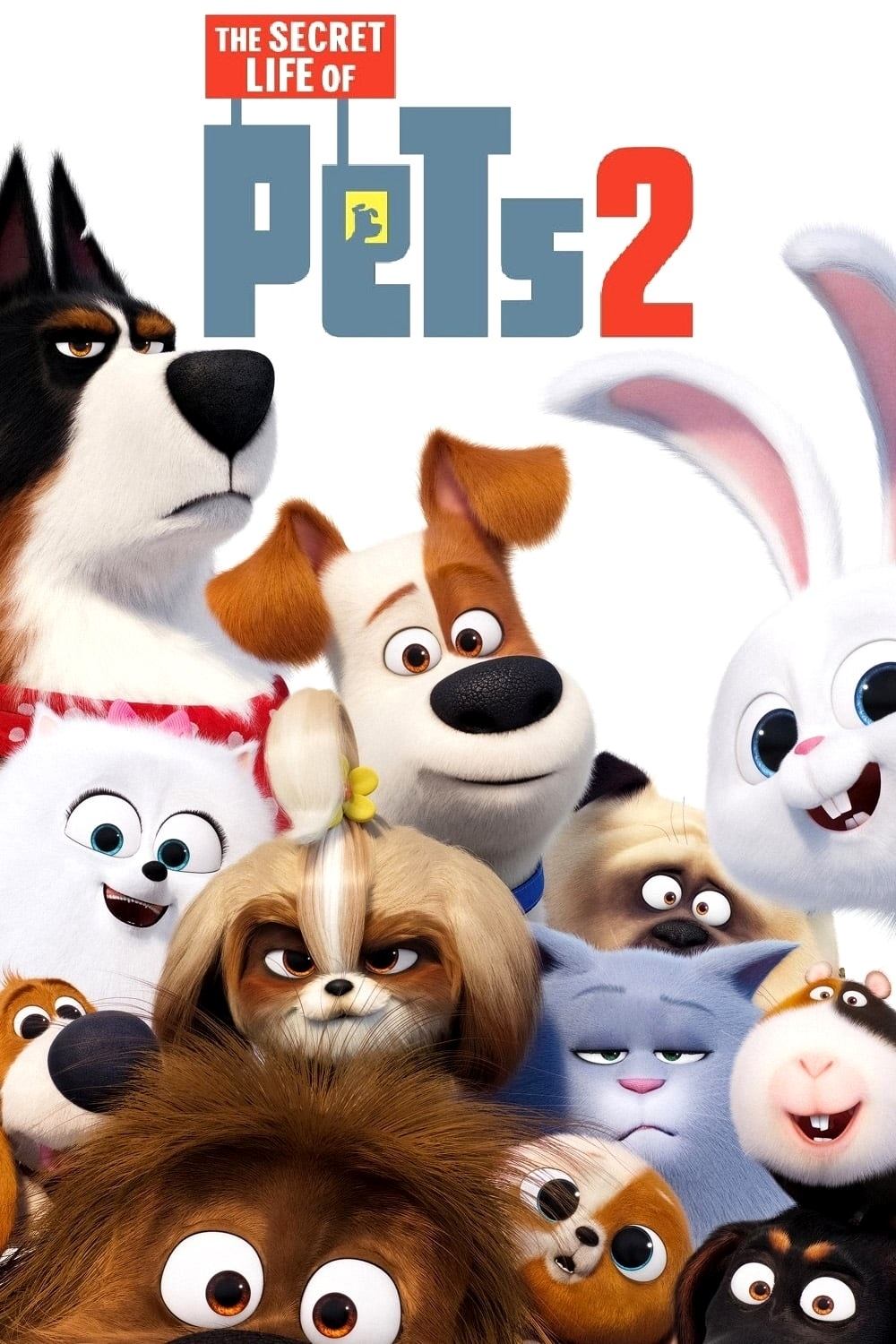
Louis C.K. provided the voice for the lead character, Max the terrier, in the original animated hit. However, Universal Pictures and Illumination Entertainment severed ties with the comedian after he admitted to several instances of sexual misconduct. Patton Oswalt was hired to take over the voice role for the sequel to keep the franchise moving forward. The filmmakers chose to retain the character of Max while replacing the performer behind the voice to avoid further public backlash. This shift allowed the sequel to maintain its family-friendly image during its theatrical run.
‘The Lego Movie 2: The Second Part’ (2019)
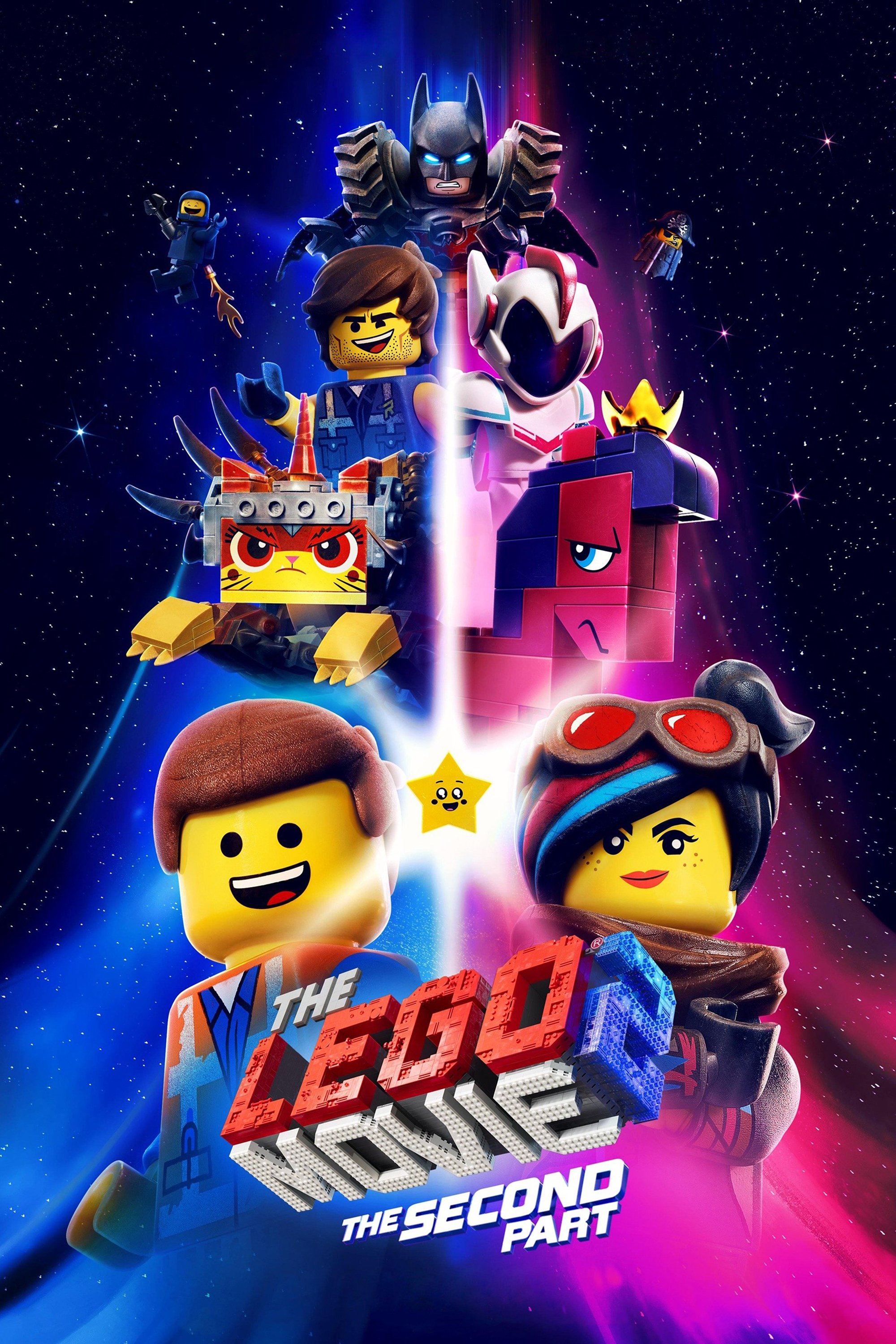
Louis C.K. was also slated to voice a character in this animated sequel, but his involvement was terminated for the same reasons as his other projects in that period. The production team decided to remove his voice contributions entirely and replace him with a different actor before the film reached theaters. Because the character was not a central figure, the swap was handled relatively quietly during the final editing stages. This move was part of a broader industry trend of distancing productions from individuals facing significant legal or social allegations. The film proceeded with a new voice actor to ensure the brand remained untarnished.
‘Back to the Future Part II’ (1989)
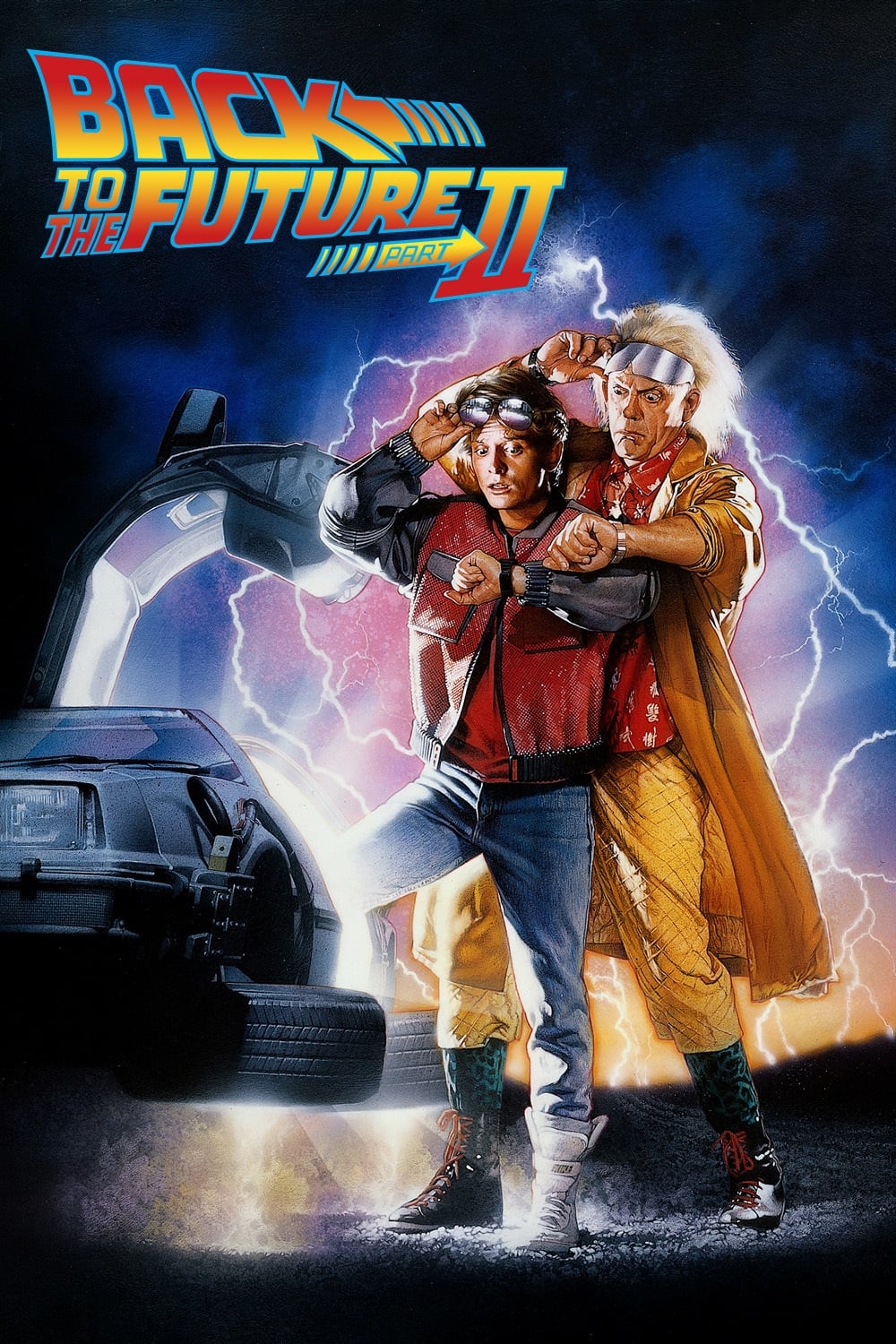
Crispin Glover played George McFly in the first film but did not return for the sequel due to a legal and financial dispute with the producers. The actor reportedly rejected the salary offered and took issue with the script’s ending, leading to a breakdown in contract negotiations. To fill the void, the filmmakers hired Jeffrey Weissman and used prosthetics to make him resemble Glover as much as possible. Glover later filed a lawsuit against the producers for using his likeness without permission, which resulted in a landmark legal settlement. This case led to new rules regarding the use of an actor’s likeness in the Screen Actors Guild.
‘Iron Man 2’ (2010)
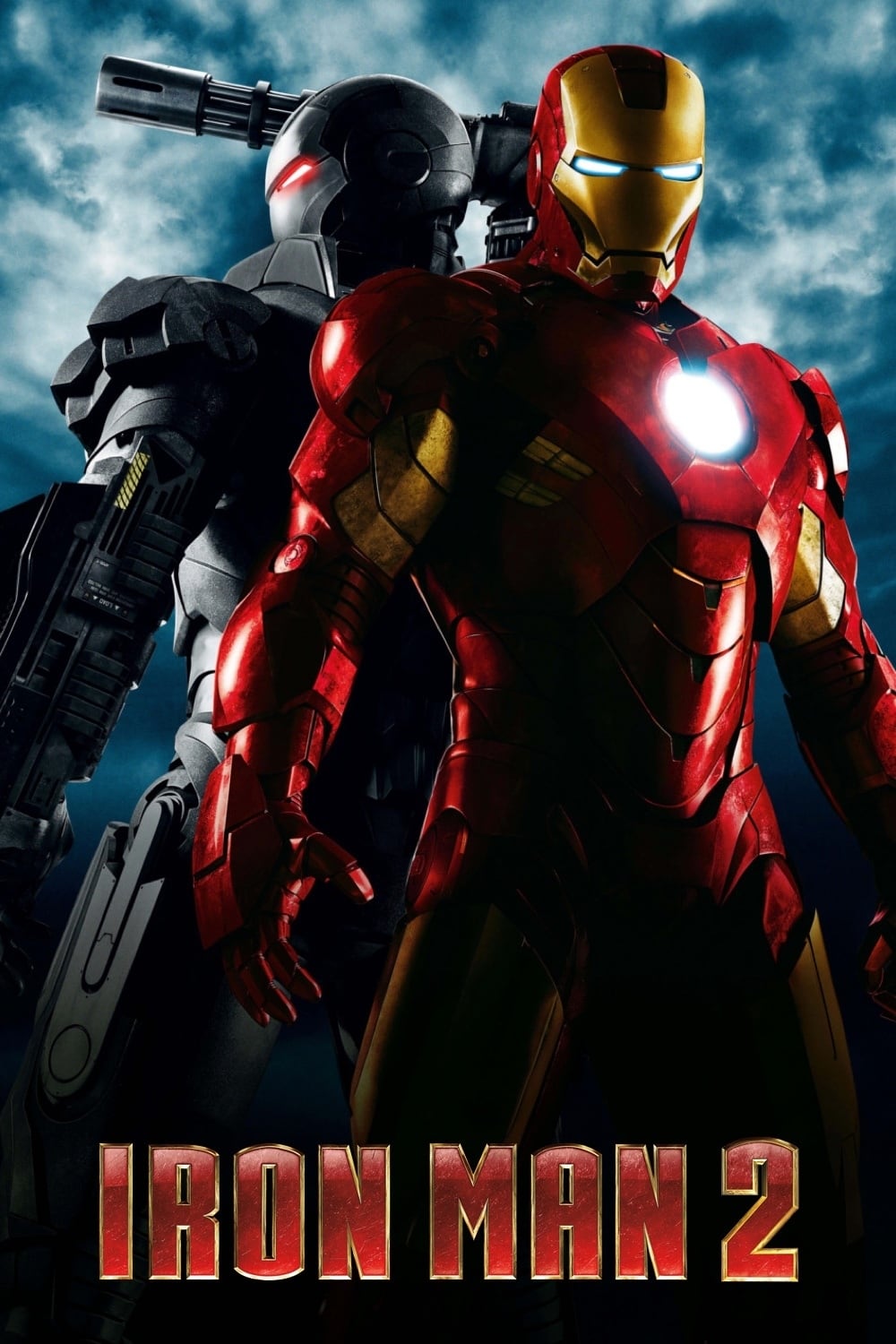
Terrence Howard originated the role of James Rhodes in the first ‘Iron Man’ film but was replaced by Don Cheadle for the sequel. The change stemmed from a contractual and financial dispute between Howard and Marvel Studios regarding his salary. Howard claimed that his contract was not honored and that his pay was significantly reduced to accommodate other stars. The legal complexities of the multi-picture deal led to the studio moving in a different direction with Cheadle. Cheadle has since become a staple of the Marvel Cinematic Universe, appearing in numerous films and television series.
‘The Twilight Saga: Eclipse’ (2010)
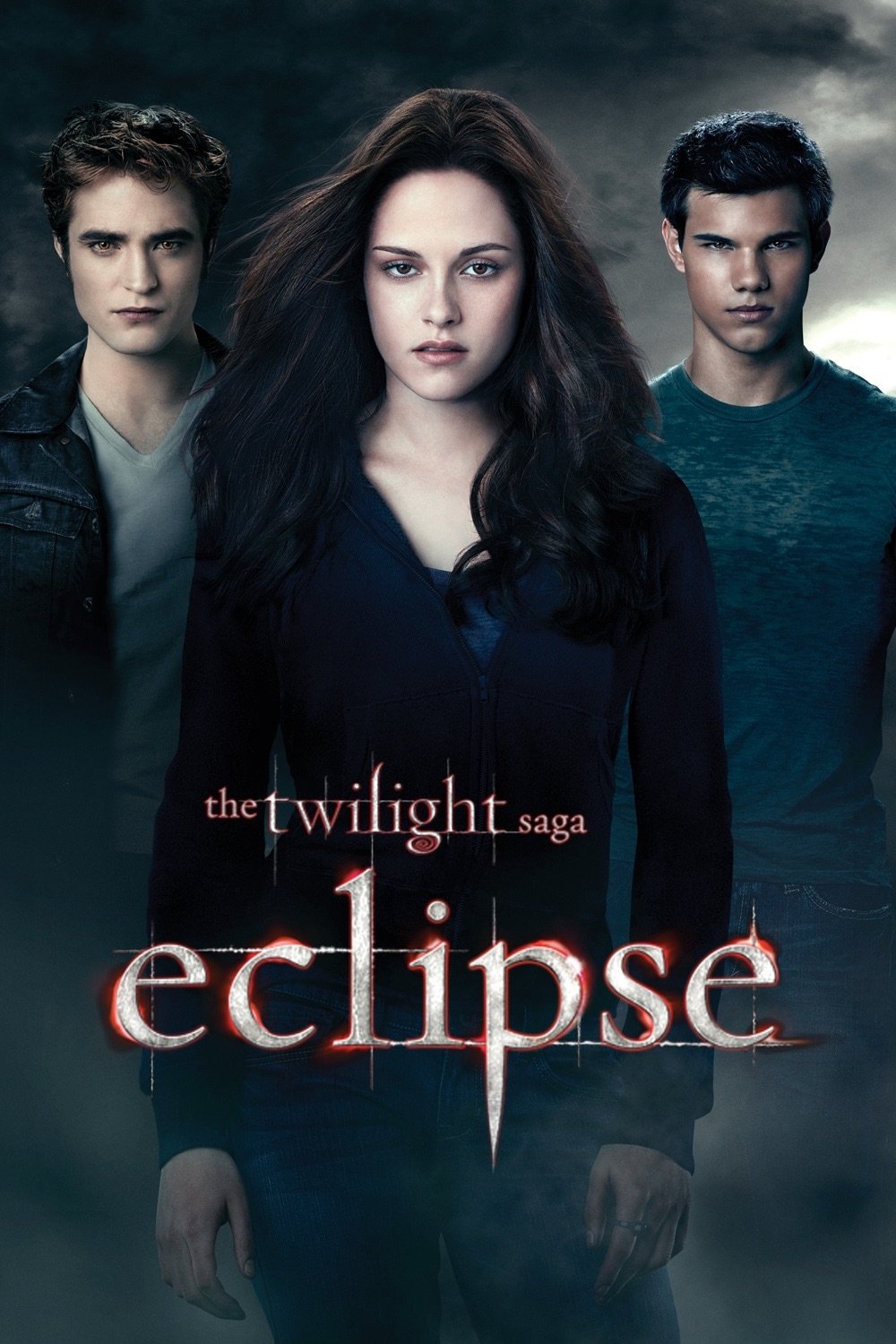
Rachelle Lefevre played the villainous Victoria in the first two ‘Twilight’ films but was abruptly recast for the third installment. Summit Entertainment replaced her with Bryce Dallas Howard, citing scheduling conflicts with another film Lefevre was working on. Lefevre disputed this, claiming she was “stunned” by the decision and that her legal team had ensured her schedule would remain open for the production. The studio stood by their decision, citing the legalities of the contract and the necessity of the production timeline. This caused a minor stir among the franchise’s fanbase during the transition between movies.
‘Superman II’ (1980)
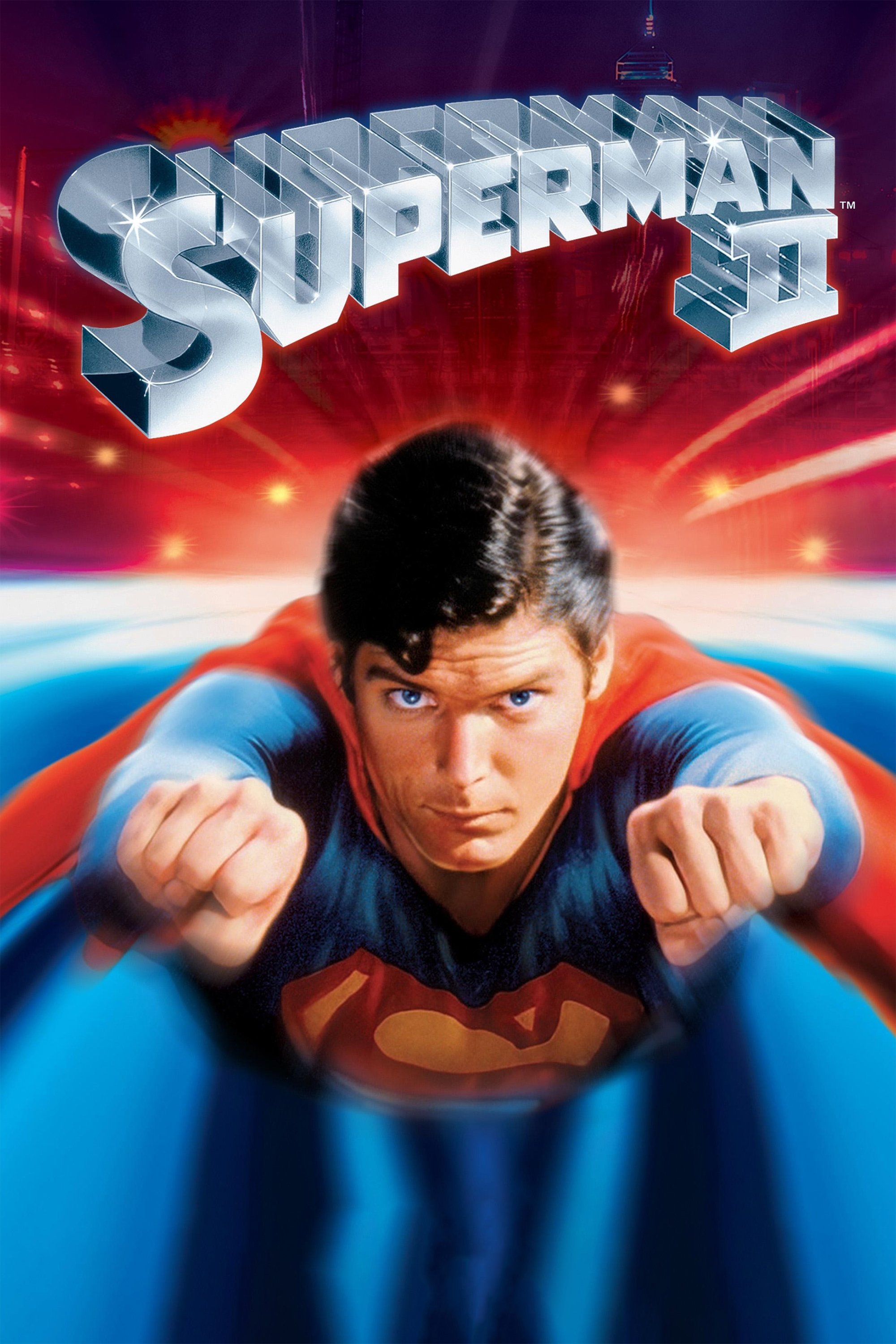
Director Richard Donner was famously fired from ‘Superman II’ despite having filmed a significant portion of the movie simultaneously with the first installment. A long-standing legal and creative battle with the producers, the Salkinds, led to his removal and the hiring of Richard Lester. This shift resulted in several cast changes and reshoots to fit Lester’s more comedic tone for the sequel. Gene Hackman refused to return for reshoots out of loyalty to Donner, requiring the use of body doubles and creative editing. The “Donner Cut” was eventually released decades later following a massive fan campaign and legal clearances.
‘The Island of Dr. Moreau’ (1996)
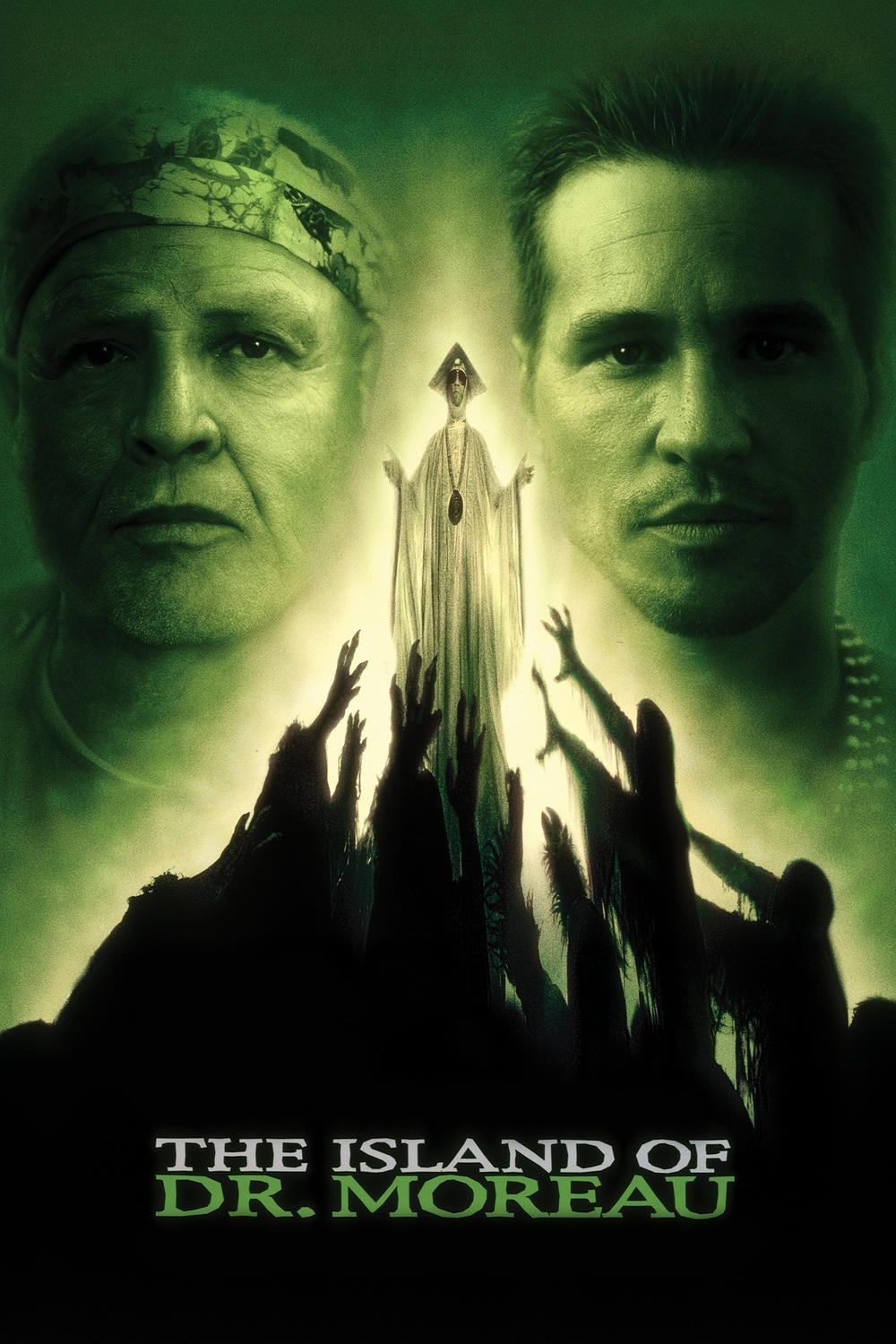
Rob Morrow was originally cast as the protagonist in this troubled production but grew so frustrated with the onset chaos that he sought legal means to exit the project. After witnessing the erratic behavior of the director and co-stars, Morrow reportedly begged to be released from his contract. The production eventually allowed him to leave and replaced him with David Thewlis at the last minute. This transition occurred during the very early stages of filming, but it added to the legendary difficulties of the shoot. The film remains one of the most famous examples of a “cursed” production in Hollywood history.
‘Transformers: Dark of the Moon’ (2011)
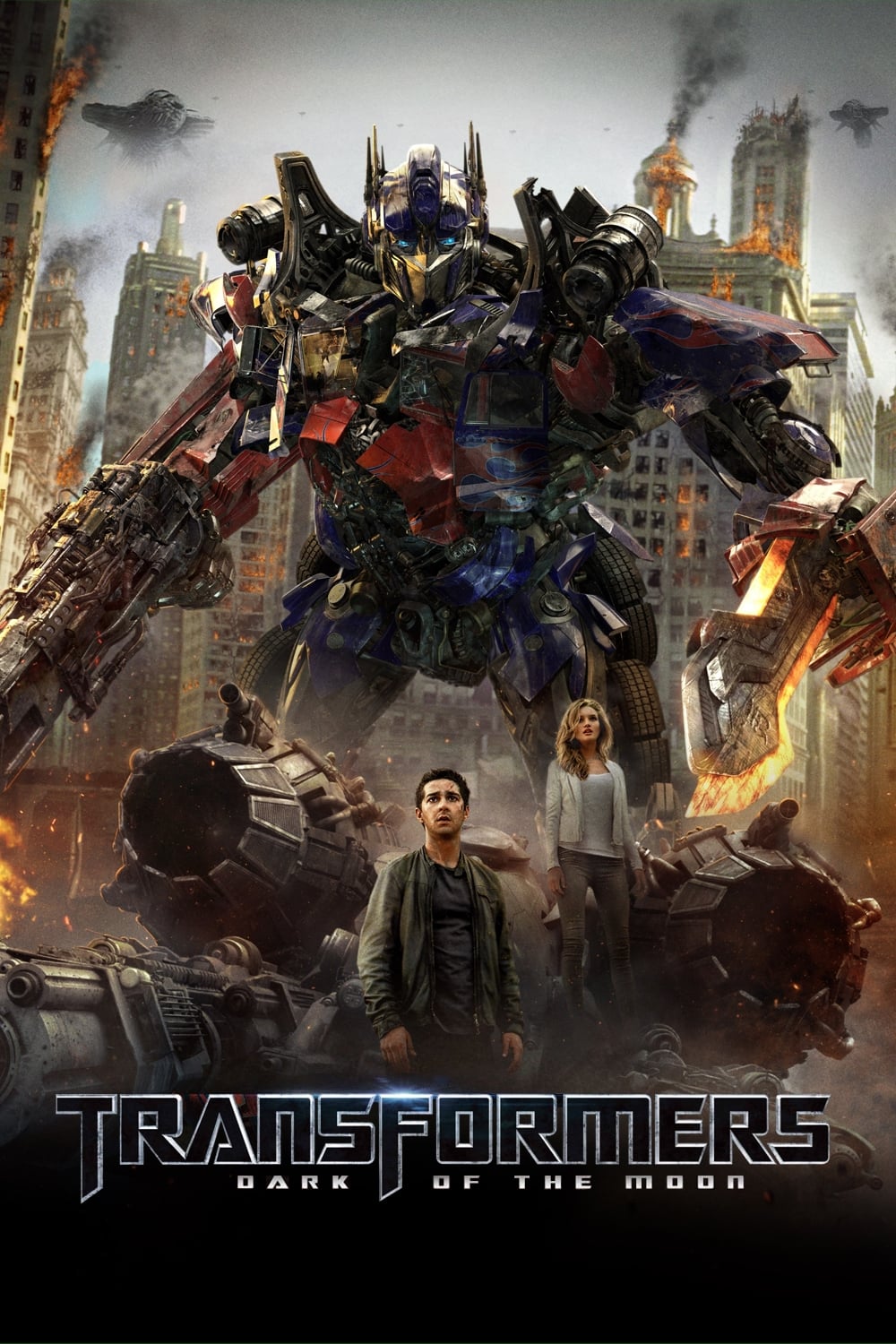
Megan Fox was the primary female lead in the first two ‘Transformers’ films but was fired before the third movie began production. The dismissal came after she made controversial comments in an interview comparing director Michael Bay to Hitler. This remark reportedly led executive producer Steven Spielberg to demand her immediate removal from the franchise. Rosie Huntington-Whiteley was cast as a new character to serve as the lead’s love interest, effectively replacing Fox’s role in the narrative. The change was handled as a breakup between the characters within the film’s storyline.
‘The Predator’ (2018)
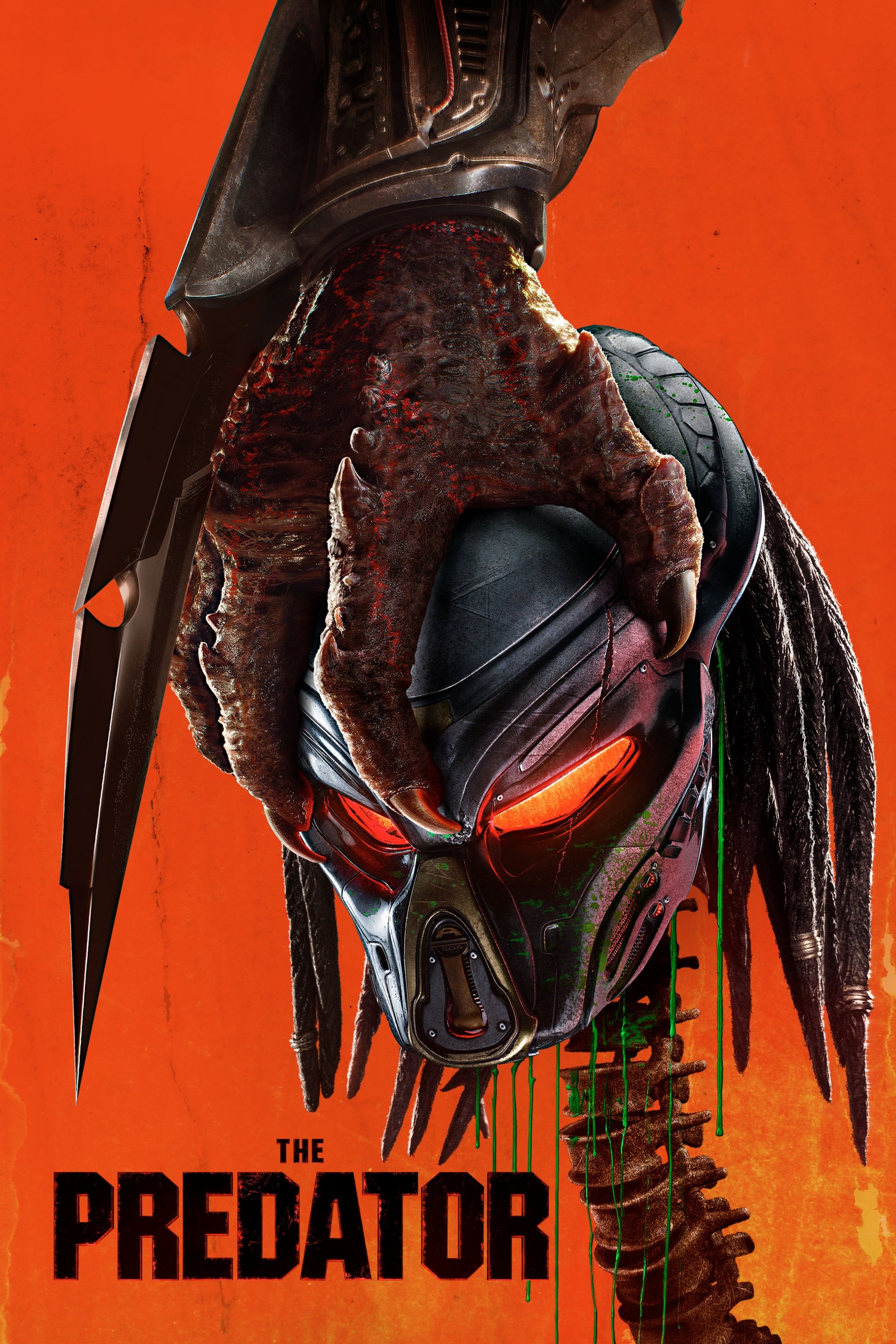
During the post-production of this sci-fi action film, it was revealed that actor Steven Wilder Striegel had a legal history as a registered sex offender. Director Shane Black had cast his long-time friend in a small role, but the studio was unaware of Striegel’s background until actress Olivia Munn reported it. Upon learning the details of the case, 20th Century Fox took immediate action to delete Striegel’s scenes from the final cut. The character was completely removed to ensure the film’s promotion was not overshadowed by the legal controversy. This decision led to a public discussion about the responsibilities of directors and studios in the casting process.
‘Ant-Man and the Wasp: Quantumania’ (2023)
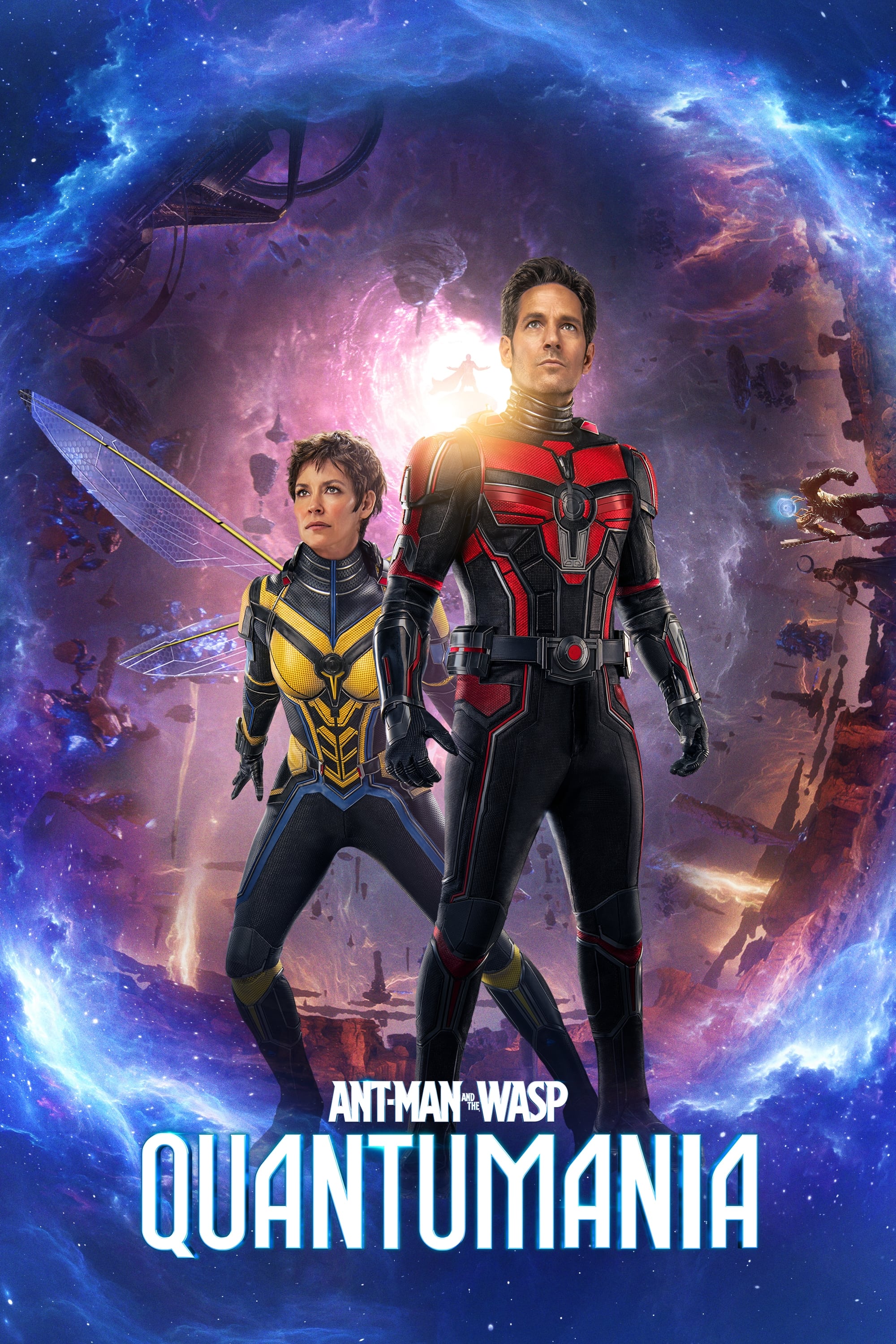
T.I. played the character Dave, a member of Scott Lang’s security crew, in the first two films of the ‘Ant-Man’ series. He did not return for the third installment following a series of sexual assault allegations involving him and his wife. While Marvel Studios did not release a detailed public statement regarding the decision, reports confirmed his character would be written out of the script. The narrative moved forward by focusing on the core family characters and the Quantum Realm, leaving his character’s absence unexplained. This allowed the production to avoid any direct association with the ongoing legal investigations.
‘Scream 7’ (2026)
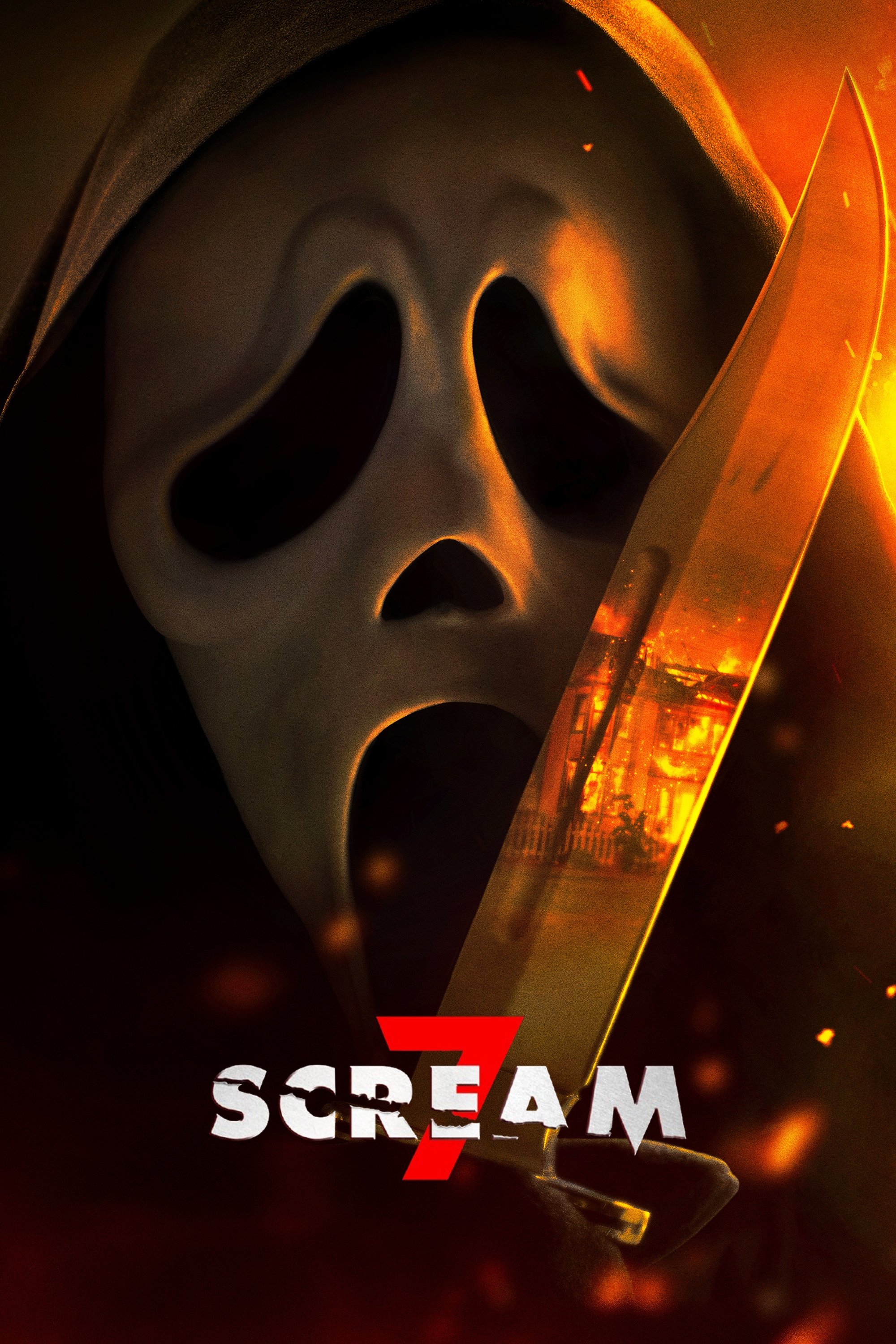
The seventh ‘Scream’ film faced a major casting overhaul when lead actress Melissa Barrera was fired by the production company Spyglass. The decision followed social media posts made by the actress concerning the Israel-Hamas conflict, which the studio interpreted as a violation of their policies against hate speech. This contractual termination led to a chain reaction, including the departure of Jenna Ortega and the original director. The script had to be entirely rewritten to pivot back to legacy characters like Sidney Prescott. This legal and public relations crisis significantly delayed the film’s development and changed its creative trajectory.
‘The Mummy: Tomb of the Dragon Emperor’ (2008)
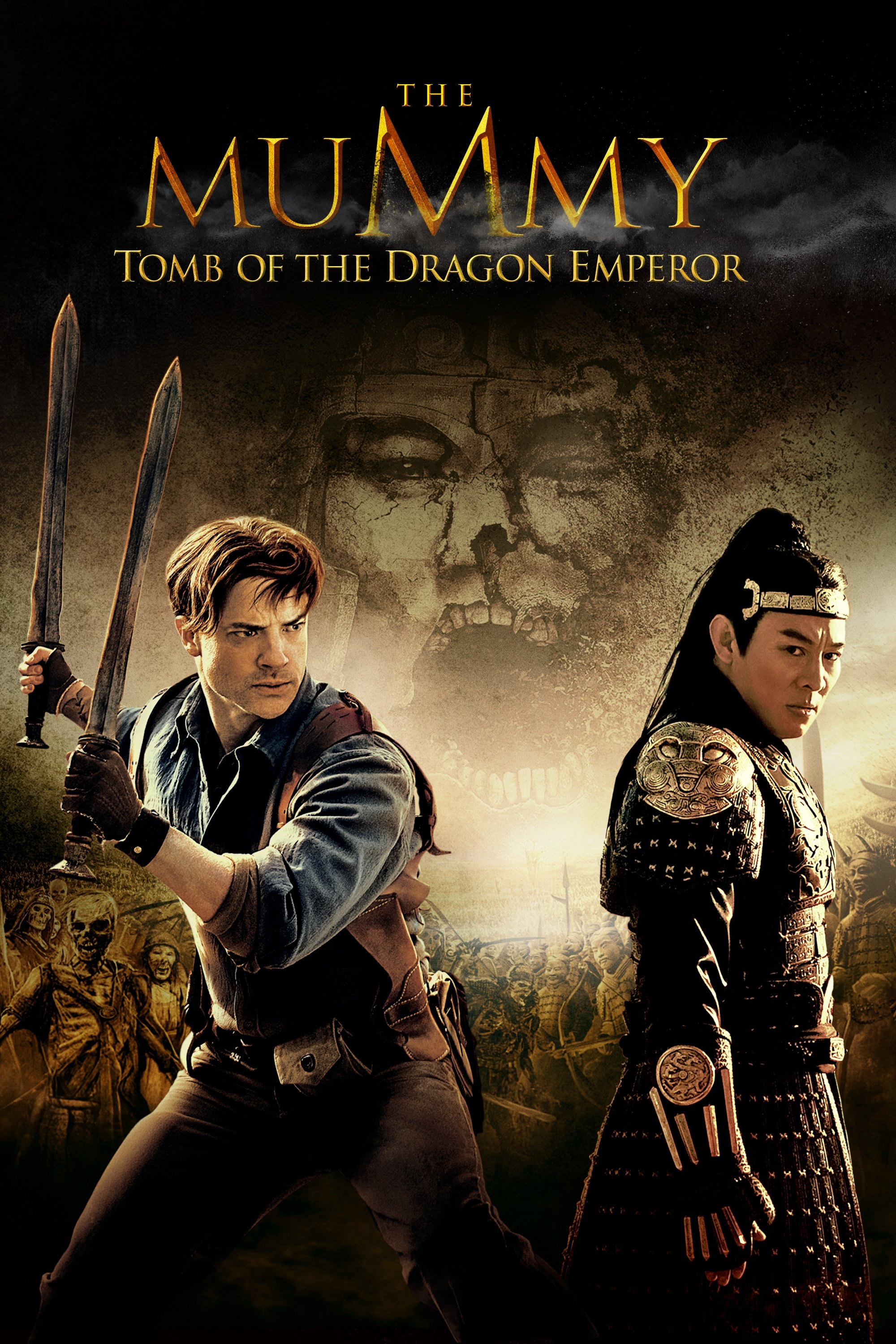
Rachel Weisz played Evelyn Carnahan O’Connell in the first two ‘Mummy’ films but was replaced by Maria Bello for the third entry. While Weisz cited problems with the script and scheduling, reports suggested that contract negotiations had also played a role in her departure. The studio opted to recast the character rather than write her out, as Evelyn was central to the family dynamic. Fans noted the significant difference in the character’s portrayal and accent, which became a point of contention for the sequel. This recast remains one of the more notable examples of a lead actor change in an established action franchise.
‘V for Vendetta’ (2005)

James Purefoy was originally cast as the titular character V and had been filming for several weeks in the mask. However, creative differences and contractual issues led to his departure during the production process. Hugo Weaving was brought in to replace him, and he re-recorded all the dialogue for the character. Some of the long shots in the final film still feature Purefoy under the mask, as those scenes did not require reshooting. This transition was kept relatively quiet until after the film’s successful release.
‘Solo: A Star Wars Story’ (2018)
While the lead actor remained the same, this film underwent a massive directorial and supporting cast shuffle due to legal and creative breaches. Original directors Phil Lord and Chris Miller were fired mid-production, leading to Ron Howard stepping in to reshoot a significant portion of the movie. During this time, actor Michael K. Williams was unable to return for reshoots due to scheduling conflicts caused by the production delays. His character was subsequently recast with Paul Bettany, and the role was changed from a motion-capture alien to a human. This overhaul resulted in a much higher production budget and a shift in the film’s final tone.
‘The Lord of the Rings: The Fellowship of the Ring’ (2001)
Stuart Townsend was originally cast as Aragorn and had spent weeks training and rehearsing for the role in New Zealand. Just days before filming began, director Peter Jackson realized the actor was too young to portray the seasoned ranger and exercised a contractual exit. Viggo Mortensen was quickly recruited to take over the role, famously joining the production without having read the books. The legal dismissal of Townsend was a difficult start to the massive production, but Mortensen’s portrayal became iconic. Townsend has since spoken about the frustration of being let go so close to the start of the shoot.
‘The Exorcist’ (1973)

Mercedes McCambridge provided the terrifying voice for the demon Pazuzu, but she was not originally credited for her work. The actress had to endure a grueling vocal process to achieve the sound, including swallowing raw eggs and smoking heavily. When she discovered she was left out of the credits, she sought legal counsel and engaged the Screen Actors Guild to intervene. Following the legal dispute, director William Friedkin and the studio were forced to include her name in the credits. This battle highlighted the importance of performance rights for voice actors in major horror productions.
‘Mortal Kombat: Annihilation’ (1997)
The sequel to the 1995 hit featured a nearly entirely new cast, despite many characters returning from the first film. Legal disputes regarding contracts and salary demands led to the replacement of actors like Christopher Lambert and Linden Ashby. The studio opted for cheaper alternatives to maintain the budget, which many critics and fans felt hurt the quality of the sequel. Only a few original cast members returned, leading to a disconnected feeling between the two films. This mass recasting is often cited as a reason for the film’s poor critical and commercial reception.
‘Panic Room’ (2002)
Nicole Kidman was the original choice to play the lead role of Meg Altman and had started filming scenes for the thriller. However, a recurring knee injury sustained during the filming of ‘Moulin Rouge!’ flared up, making her a legal liability for the production’s insurance. David Fincher was forced to recast the role to avoid a total shutdown of the project. Jodie Foster was brought in as a replacement, requiring several weeks of reshoots and schedule adjustments. Kidman remained involved in a small capacity, providing the voice of the husband’s girlfriend during a brief phone call.
‘The Godfather Part III’ (1990)
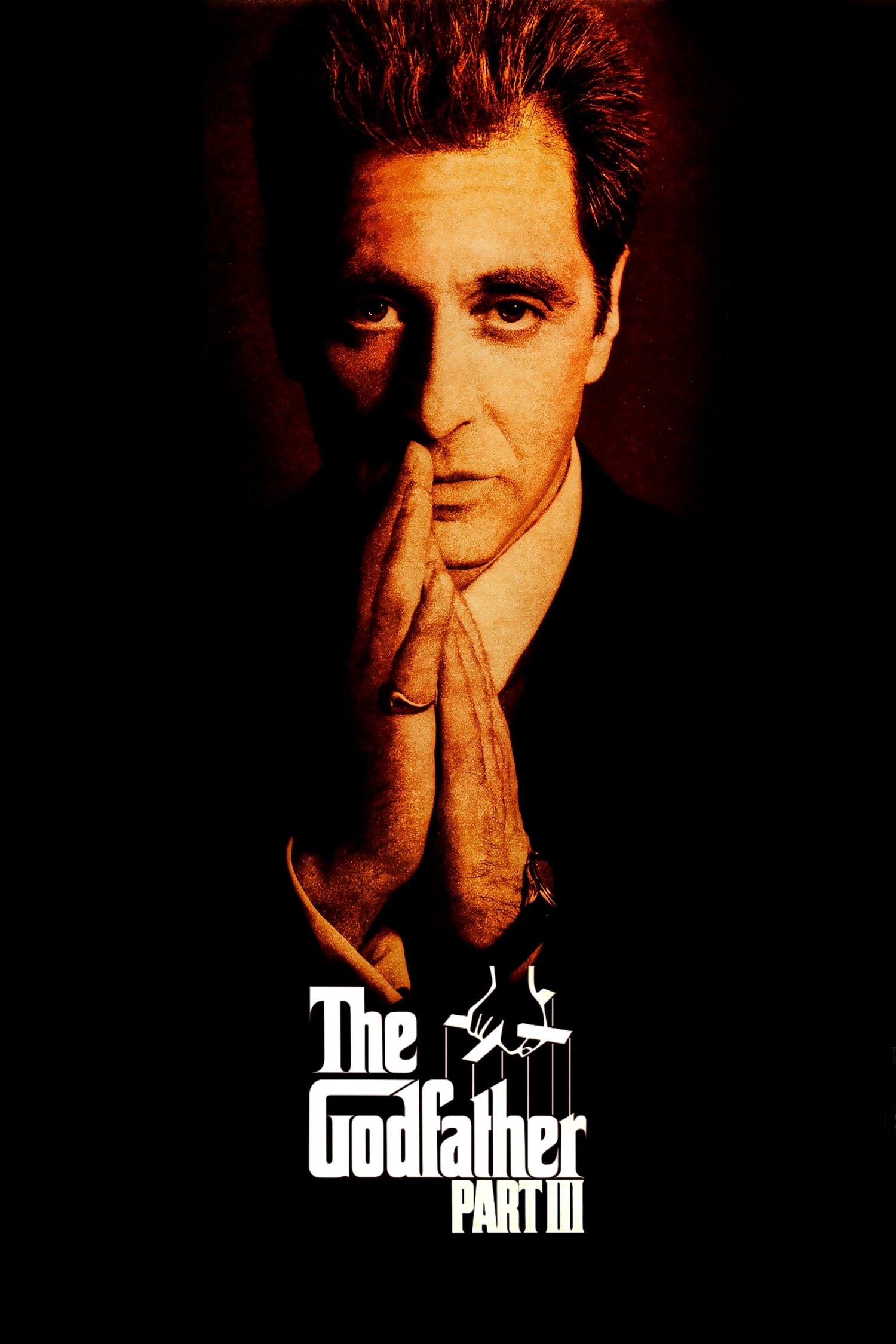
Winona Ryder was cast to play Mary Corleone, but she withdrew from the production immediately upon arriving in Rome for filming. Her departure was officially attributed to nervous exhaustion, but it created a massive legal and logistical void for the studio. Director Francis Ford Coppola made the controversial choice to cast his daughter, Sofia Coppola, in the role at the last minute. This decision was met with heavy criticism from the press and audiences alike upon the film’s release. The last-minute swap remains one of the most famous examples of emergency recasting in cinematic history.
‘Predator 2’ (1990)
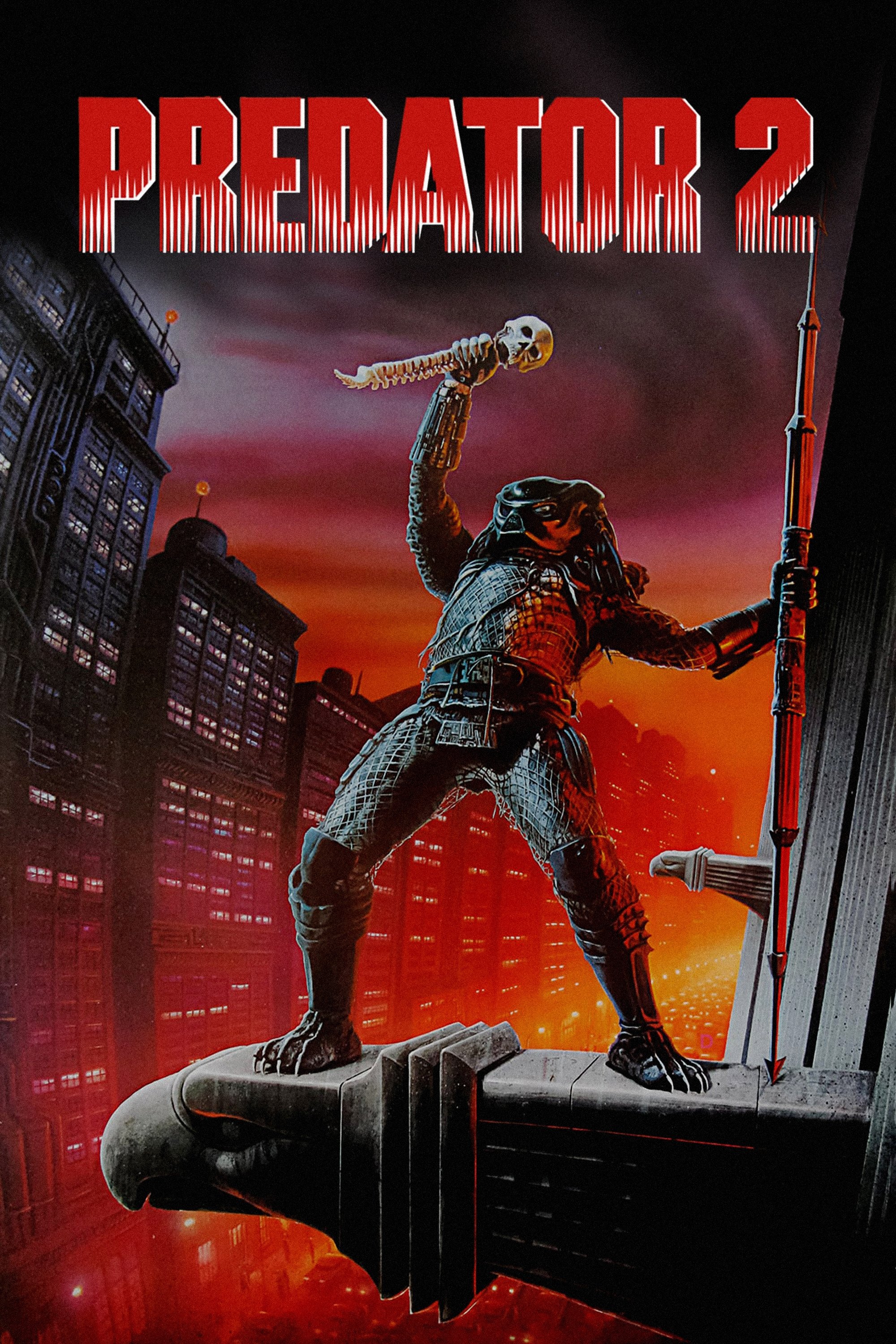
Arnold Schwarzenegger was expected to return as Dutch for the sequel, but he entered a legal and financial stalemate with the producers. The dispute centered on his salary and his disagreement with the film’s urban setting in Los Angeles. When a deal could not be reached, the production moved forward with a completely new lead character, Lieutenant Mike Harrigan, played by Danny Glover. This shift changed the dynamic of the franchise from a military jungle thriller to a gritty urban action film. Schwarzenegger’s absence was explained by his character’s refusal to cooperate with government officials.
‘The Saint’ (1997)
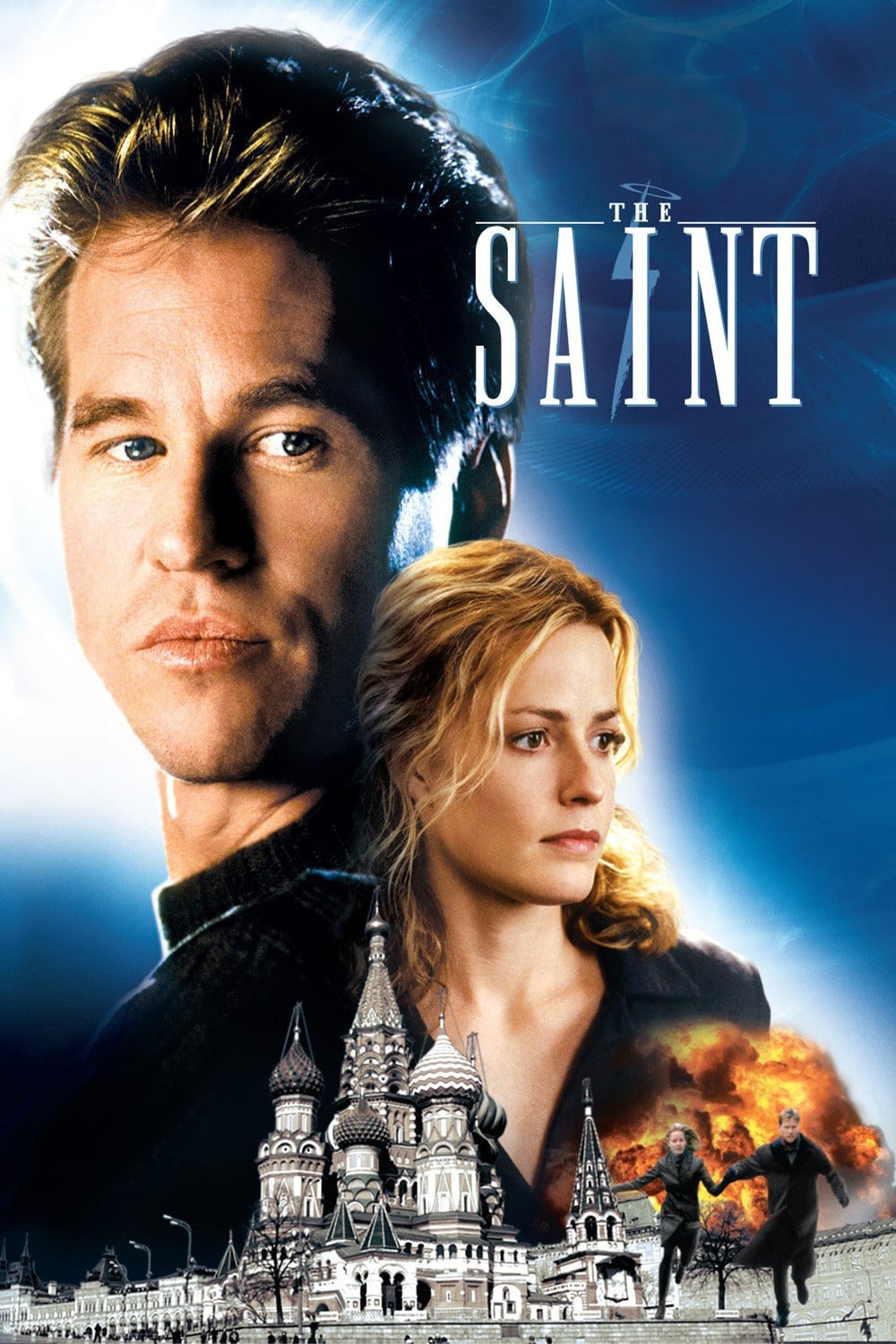
Val Kilmer starred in this reboot, but the production was plagued by behind-the-scenes conflict and cast changes during the development phase. Various actors were attached to the project and subsequently dropped due to contractual disagreements and script revisions. The legal maneuvering required to secure Kilmer and finalize the script delayed the project for years. Even during filming, the ending was famously reshot after test audiences reacted poorly to the original cut. This resulted in the removal of certain supporting characters and the addition of new scenes to clarify the plot.
‘The Huntsman: Winter’s War’ (2016)
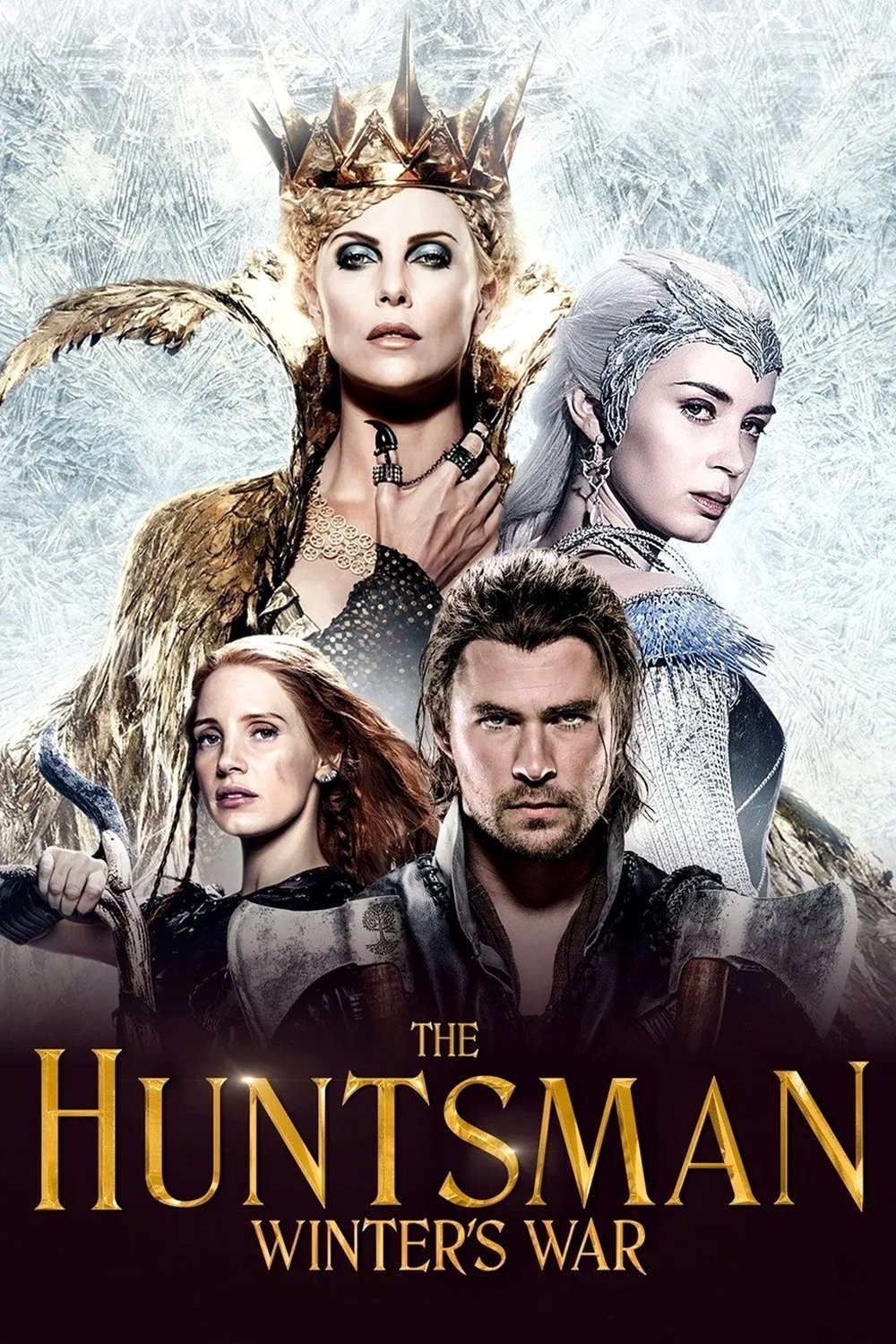
Following a highly publicized personal scandal involving director Rupert Sanders and lead actress Kristen Stewart, the sequel to ‘Snow White and the Huntsman’ took a different path. Stewart was not invited back to reprise her role as Snow White, and Sanders was also replaced as director. The film was retooled as a prequel/sequel hybrid focusing on Chris Hemsworth’s character and a new set of female leads. This allowed the studio to continue the franchise while avoiding the legal and public relations complications of the original stars’ involvement. The shift in focus was a direct response to the controversy that occurred during the first film’s release.
‘Boundaries’ (2018)

In another instance involving Louis C.K., his voice role in this independent film was completely excised following the allegations against him. The filmmakers decided to remove his contribution to ensure the movie could find distribution and avoid a boycott. Unlike larger productions that recast, this film simply cut the scenes or minimized the character’s presence where possible. This move reflected the immediate and severe impact the scandal had on all of his ongoing projects at the time. It remains a stark example of how legal and social repercussions can lead to the total removal of a performer.
Tell us which of these recasts you think most improved the film in the comments.