Great Movies Released in the Wrong Decade


The history of cinema is filled with projects that struggled to find an audience upon their initial release, only to be hailed as masterpieces years or even decades later. Often, these films were either technically ahead of their time, explored themes that society was not yet ready to confront, or utilized stylistic choices that felt out of place with contemporary trends. Whether they were “throwback” movies paying homage to a bygone era or experimental works that predicted future movements, these 50 films demonstrate how timing can significantly impact a movie’s initial reception and legacy.
‘Metropolis’ (1927)
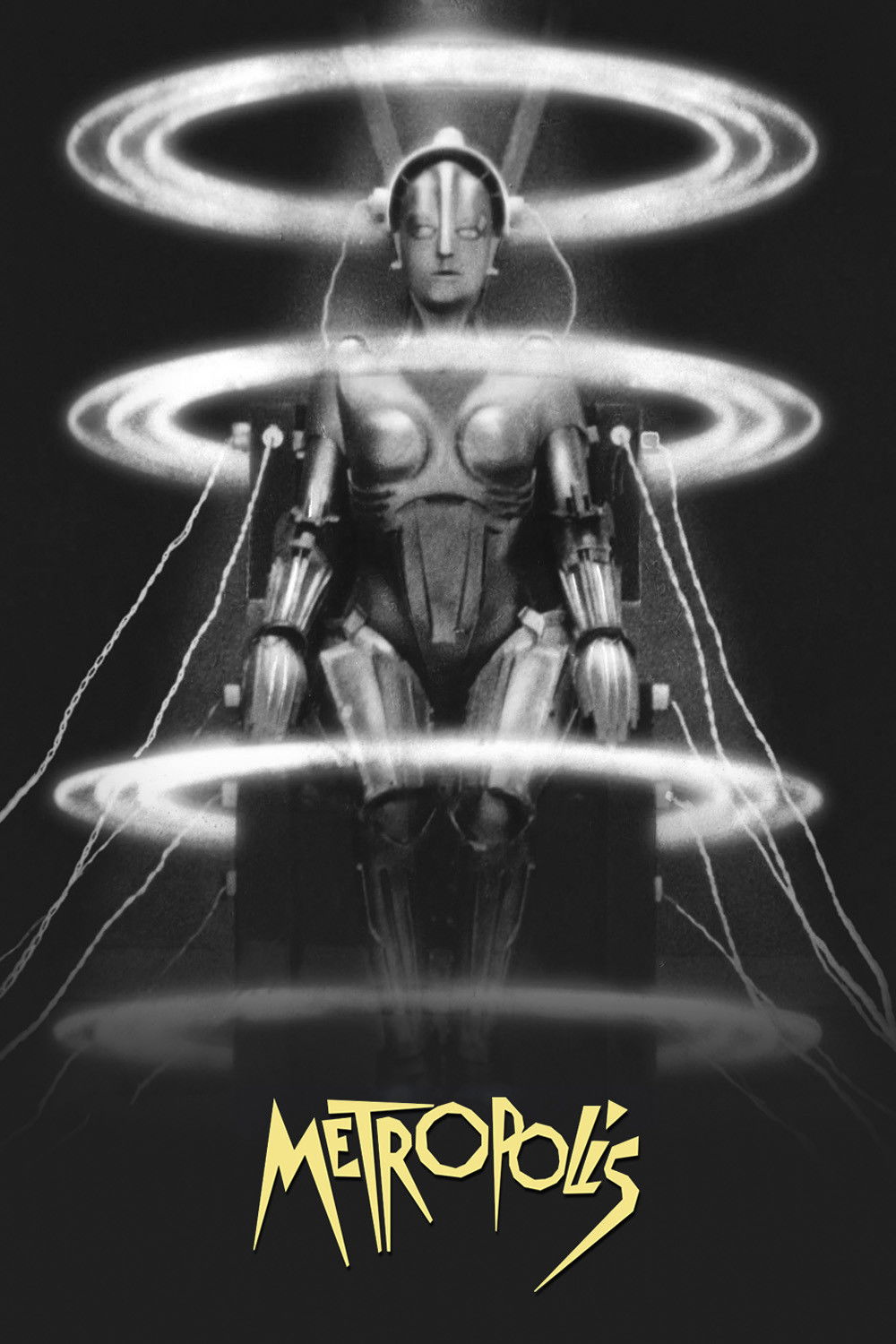
This silent science fiction epic explores a stylized urban dystopia where a wealthy ruling class lives in luxury while workers toil underground. Director Fritz Lang utilized groundbreaking special effects and massive sets that were far beyond the technical standards of the 1920s. Its themes of social division and technological anxiety remained relevant for decades after its initial release. The film faced significant cuts and lukewarm reception upon its debut but is now regarded as a cornerstone of cinema history.
‘The General’ (1926)
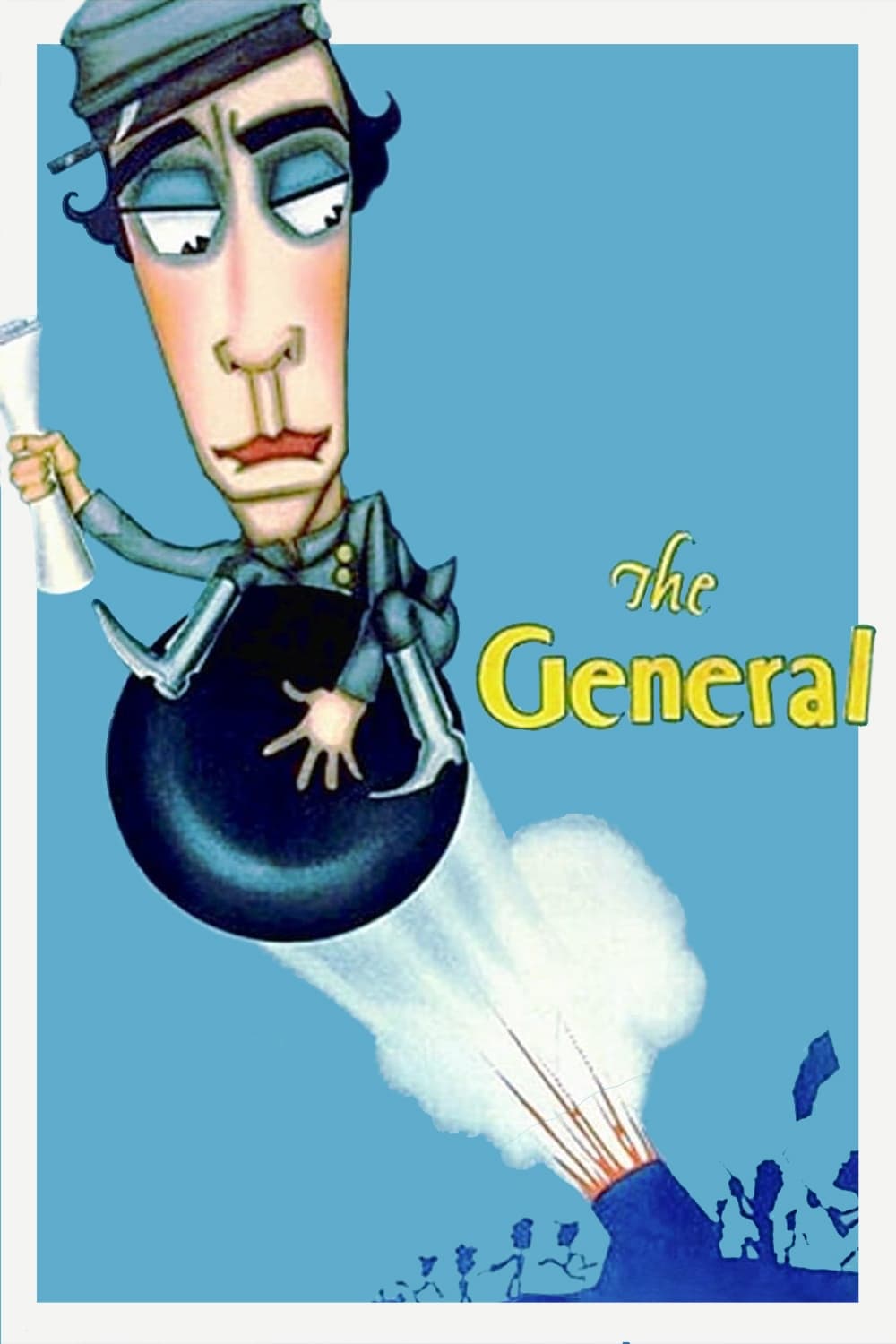
Buster Keaton’s ambitious silent comedy features elaborate stunt work and large-scale action sequences set during the American Civil War. At the time of its release, the film was criticized for its massive budget and for finding humor in a historical tragedy. Audiences in the 1920s were not yet accustomed to the blend of high-stakes action and physical comedy that Keaton pioneered. It has since been reevaluated as one of the greatest technical achievements of the silent era.
‘Bringing Up Baby’ (1938)
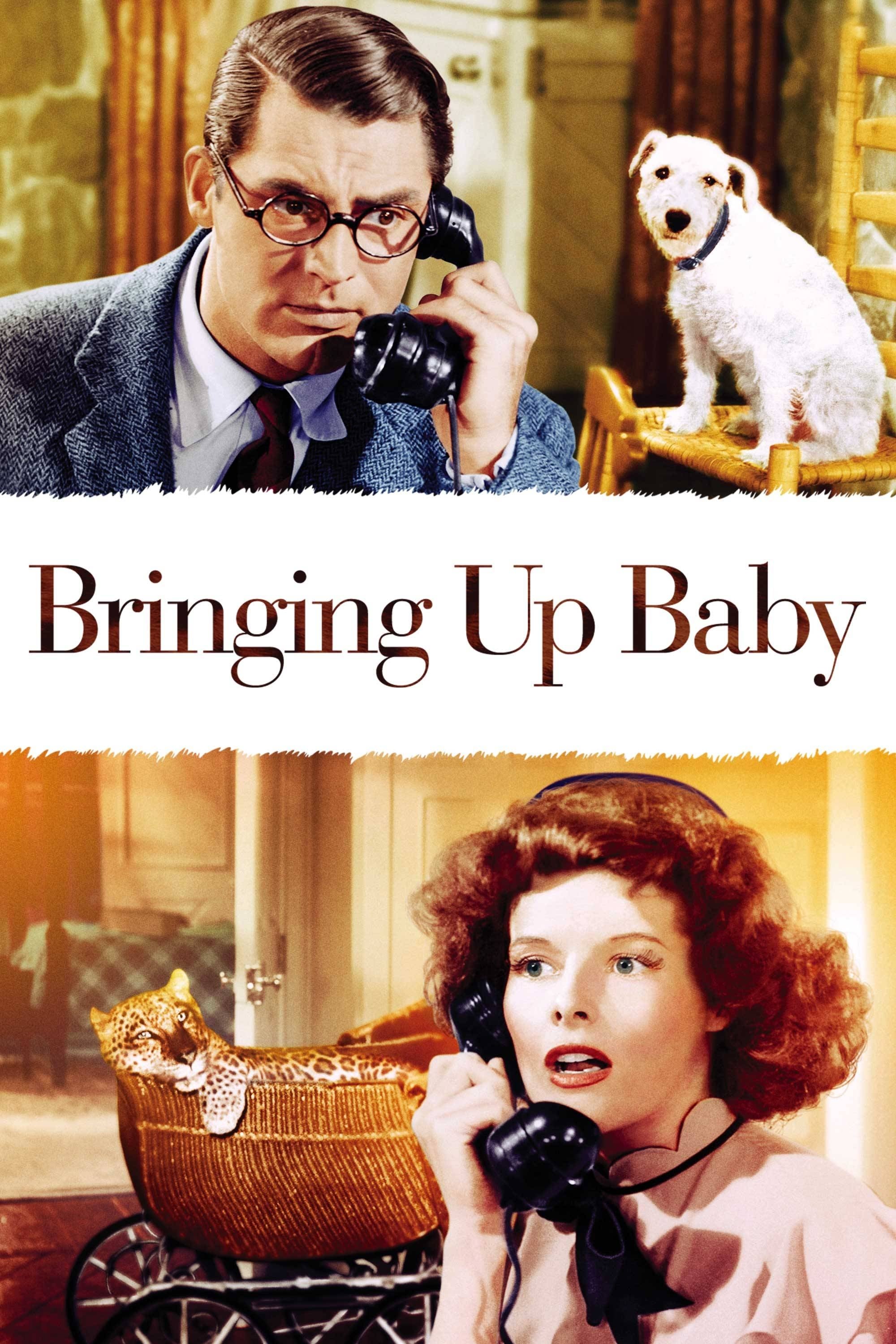
This screwball comedy starring Katharine Hepburn and Cary Grant is famous for its rapid-fire dialogue and chaotic plot involving a leopard. While it is now considered a definitive example of the genre, it was a commercial failure that briefly led to Hepburn being labeled “box office poison.” The film’s frenetic energy and subversion of gender roles were perhaps too modern for 1930s audiences. It gained its massive following decades later through television broadcasts and retrospective screenings.
‘Citizen Kane’ (1941)
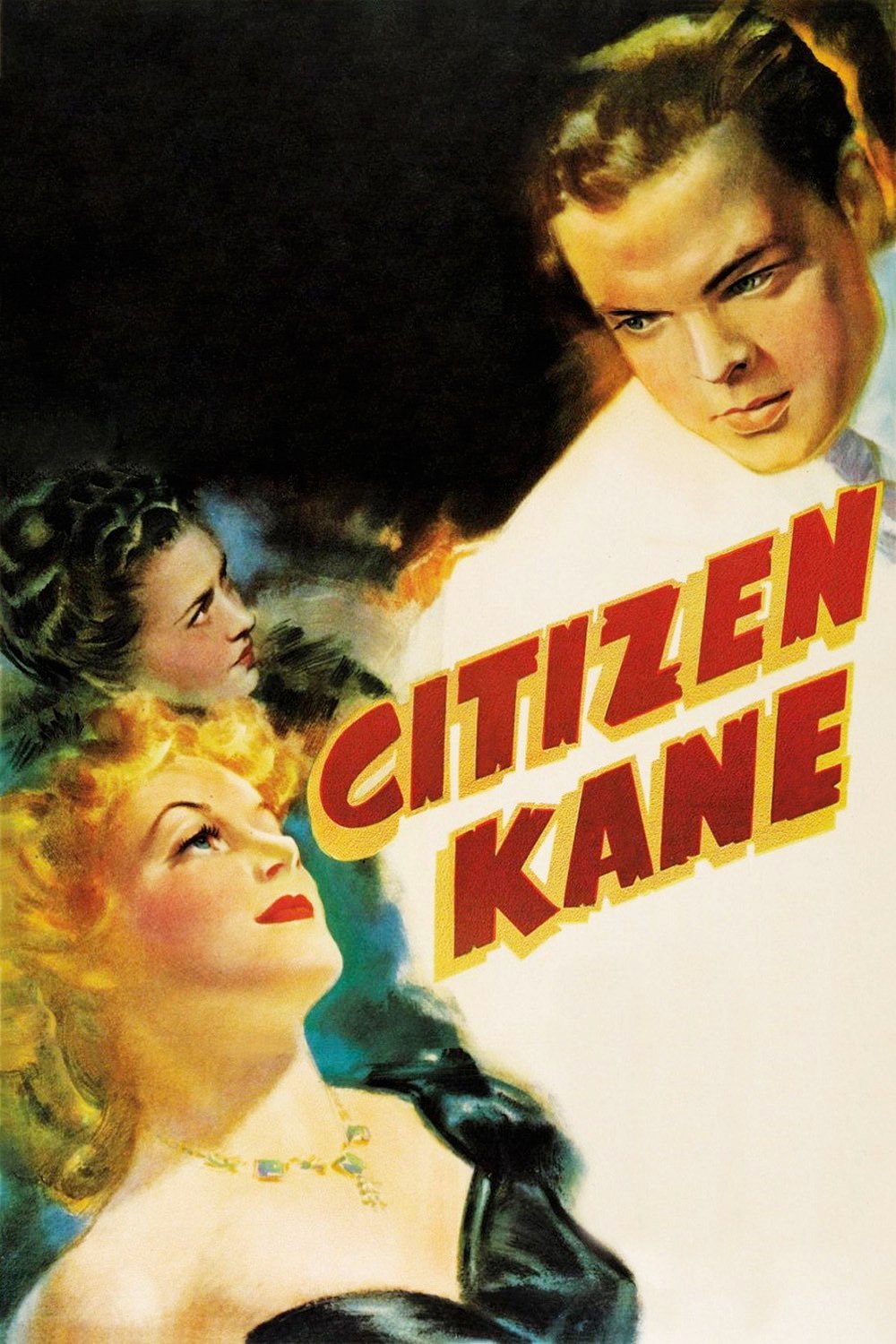
Orson Welles’ directorial debut revolutionized cinematography, lighting, and narrative structure in ways that would not become standard for another twenty years. The film uses deep focus photography and a non-linear timeline to tell the story of a powerful newspaper magnate’s life. Despite its technical brilliance, the film’s controversy involving William Randolph Hearst hindered its initial success. It wasn’t until the 1950s that critics fully recognized ‘Citizen Kane’ as a blueprint for modern filmmaking.
‘The Night of the Hunter’ (1955)

Directed by Charles Laughton, this thriller blends Southern Gothic themes with German Expressionist visual styles. The story follows a sinister self-appointed preacher who stalks two children to find hidden money. Its dark tone and surrealist imagery were significantly different from the polished studio productions of the 1950s. The film was a critical and commercial disappointment at the time, but it is now celebrated for its unique artistic vision.
‘Vertigo’ (1958)
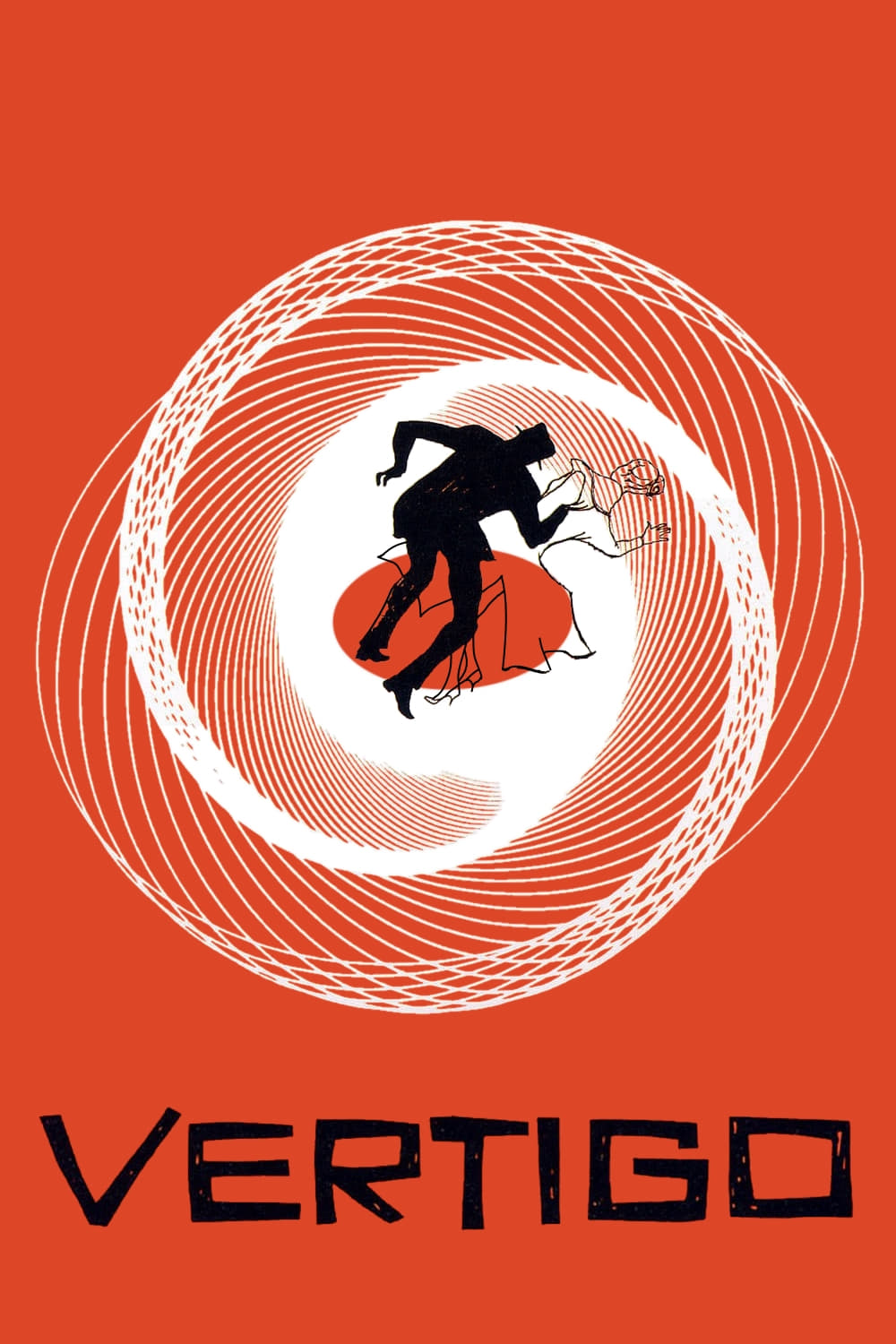
Alfred Hitchcock’s psychological thriller explores themes of obsession and voyeurism through the story of a detective following a mysterious woman. Upon its release, many critics found the plot implausible and the pacing too slow compared to Hitchcock’s other thrillers. The film’s complex psychological depth and innovative use of the “dolly zoom” were later appreciated by New Wave filmmakers. In recent years, it has frequently topped lists of the greatest films ever made.
‘Peeping Tom’ (1960)
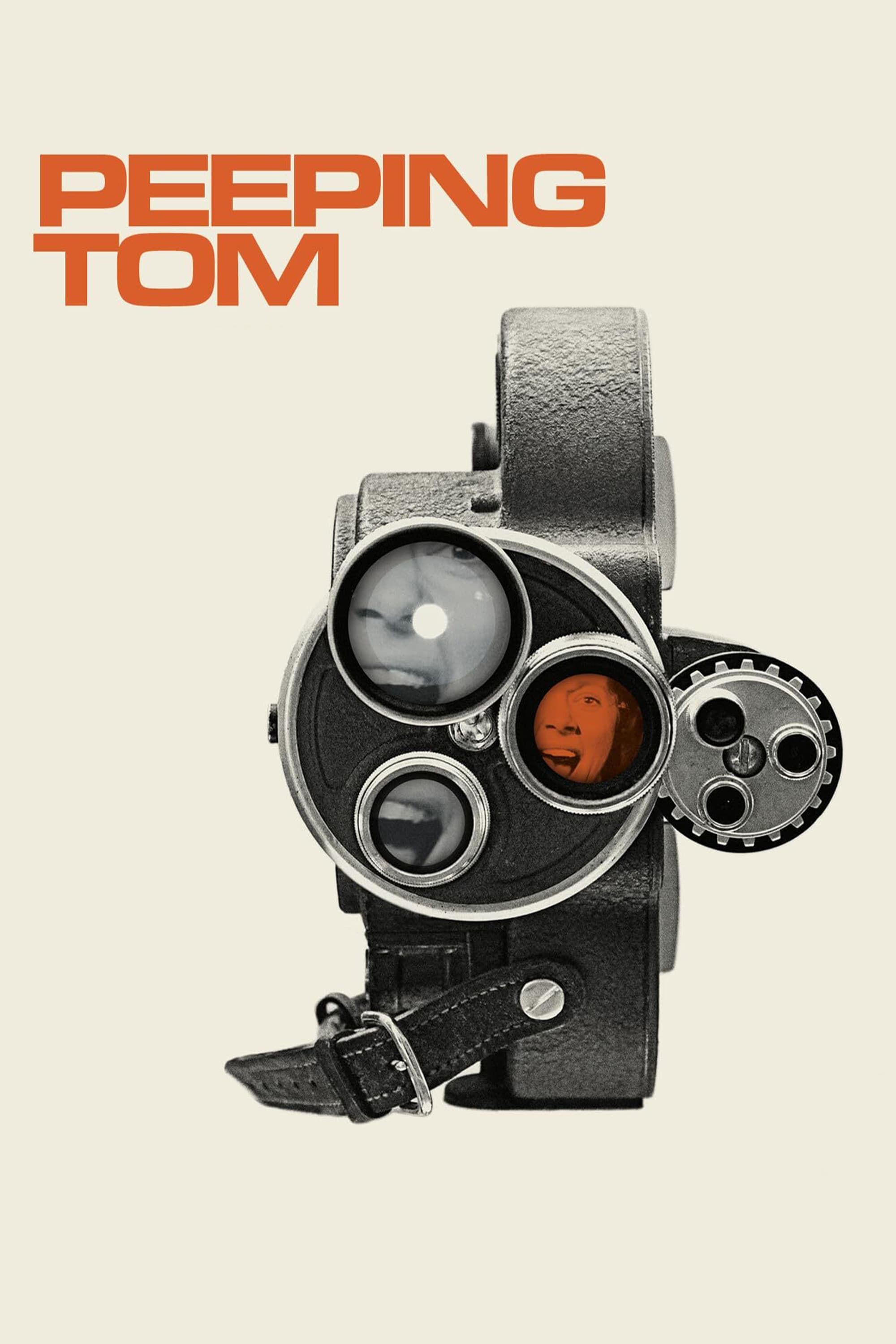
This psychological horror film follows a serial killer who films his victims’ final moments to capture their fear. Directed by Michael Powell, the movie was so controversial that it effectively ended his career in the United Kingdom. 1960s audiences and critics were repulsed by its voyeuristic themes and dark psychological underpinnings. Decades later, ‘Peeping Tom’ is honored as a precursor to the slasher genre and a profound commentary on cinema itself.
‘Eyes Without a Face’ (1960)
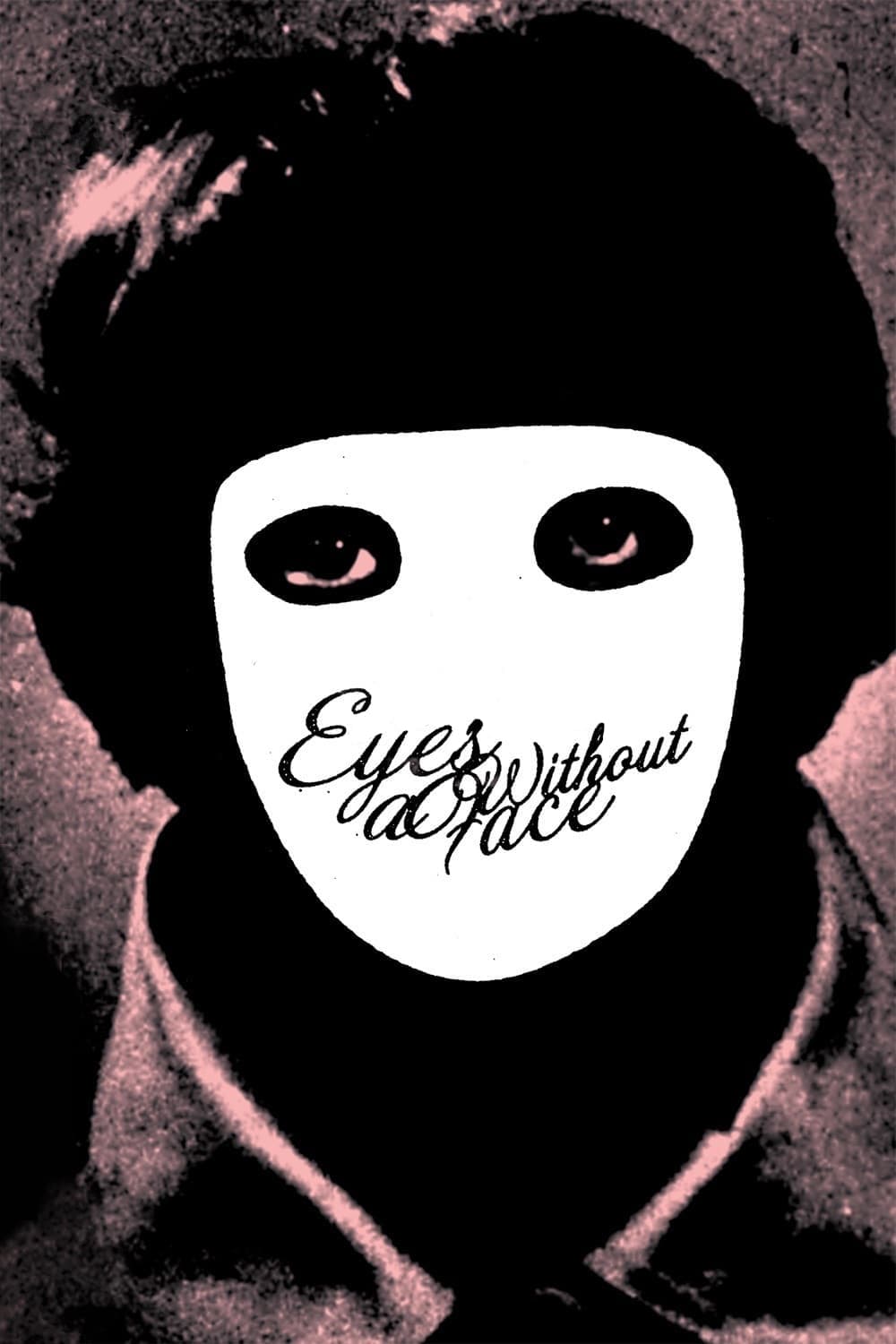
This French-Italian horror film depicts a scientist’s obsessive quest to restore his daughter’s disfigured face through skin grafts. Its poetic visual style and clinical gore were shocking to audiences in the early 1960s, leading to heavy censorship in many markets. The film bridges the gap between classic monster movies and the more graphic body horror that would emerge in later decades. It has influenced countless directors, including John Carpenter and Pedro Almodóvar.
‘2001: A Space Odyssey’ (1968)
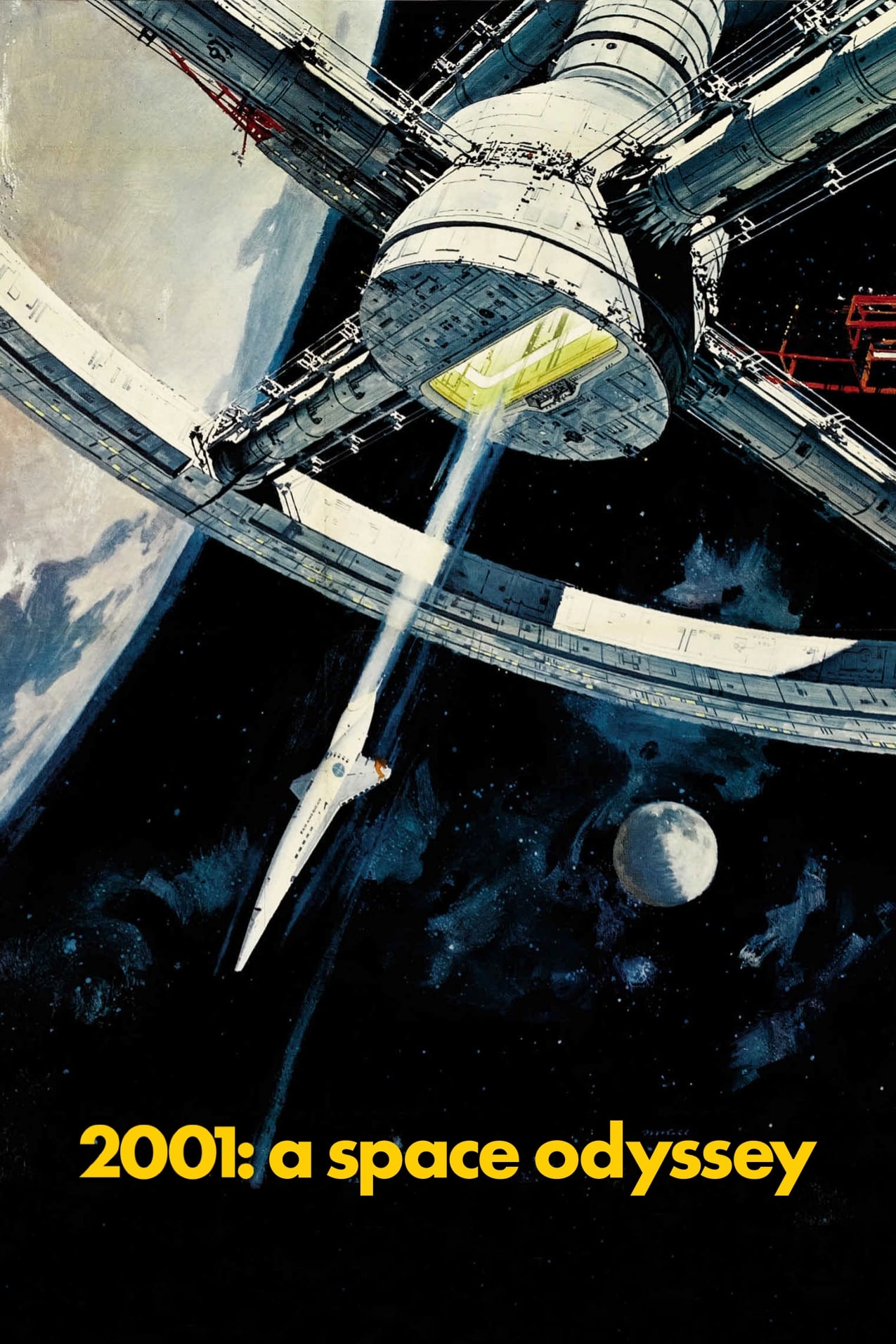
Stanley Kubrick’s science fiction masterpiece journeyed through human evolution with minimal dialogue and abstract visual storytelling. The film’s slow pace and ambiguous ending left many 1960s critics and moviegoers confused or frustrated. Its depiction of artificial intelligence and space travel was far more scientifically accurate than contemporary genre offerings. ‘2001: A Space Odyssey’ eventually became a cultural phenomenon as audiences caught up to its visionary scope.
‘Targets’ (1968)
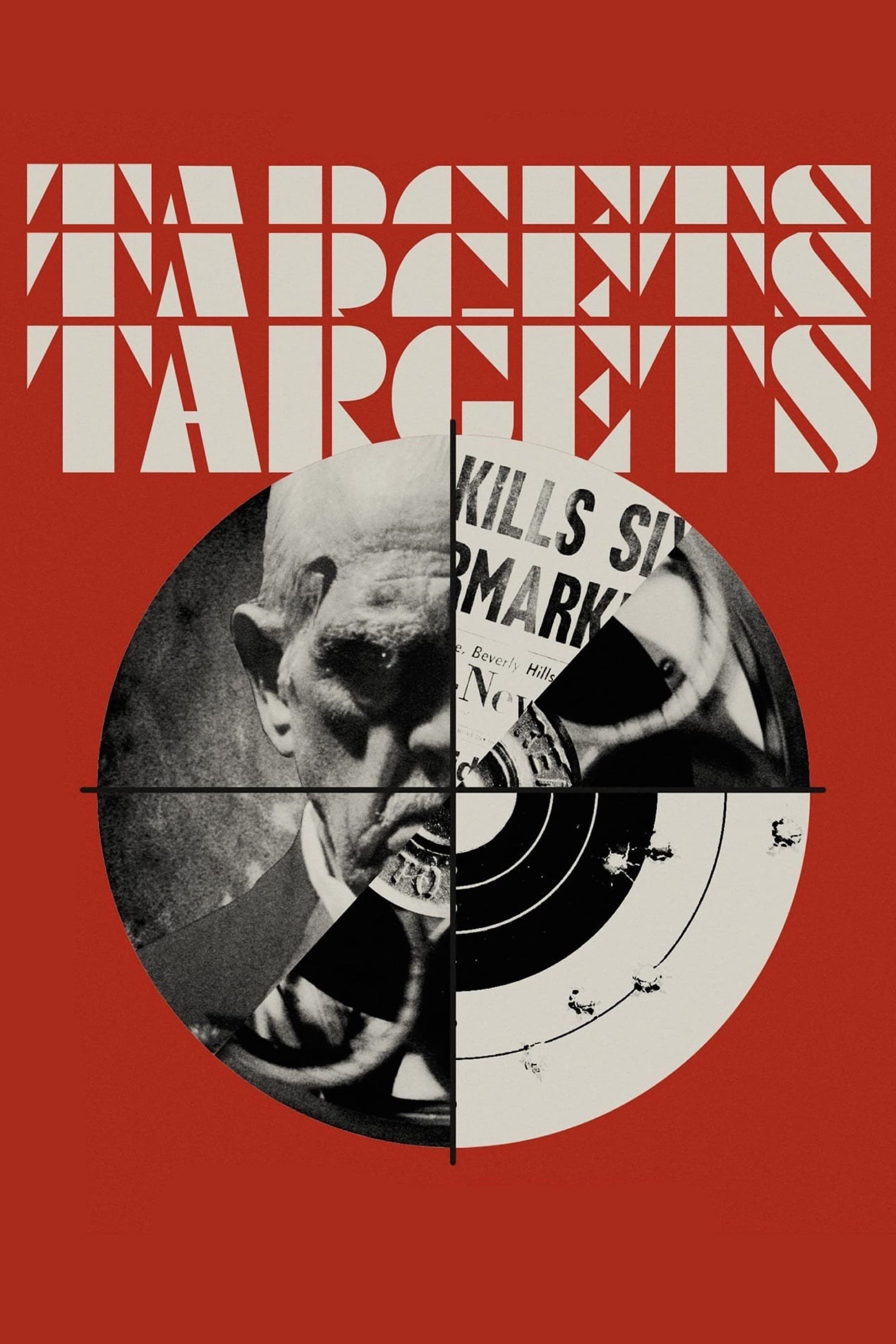
Directed by Peter Bogdanovich, this thriller juxtaposes an aging horror movie star with a modern-day sniper on a killing spree. The film’s realistic depiction of mass violence was incredibly jarring for 1968 audiences, especially following real-life political assassinations. It moved away from the gothic monsters of the past to present a more contemporary, grounded form of terror. Its focus on the mundane nature of a mass shooter remains disturbingly relevant today.
‘Willy Wonka & the Chocolate Factory’ (1971)
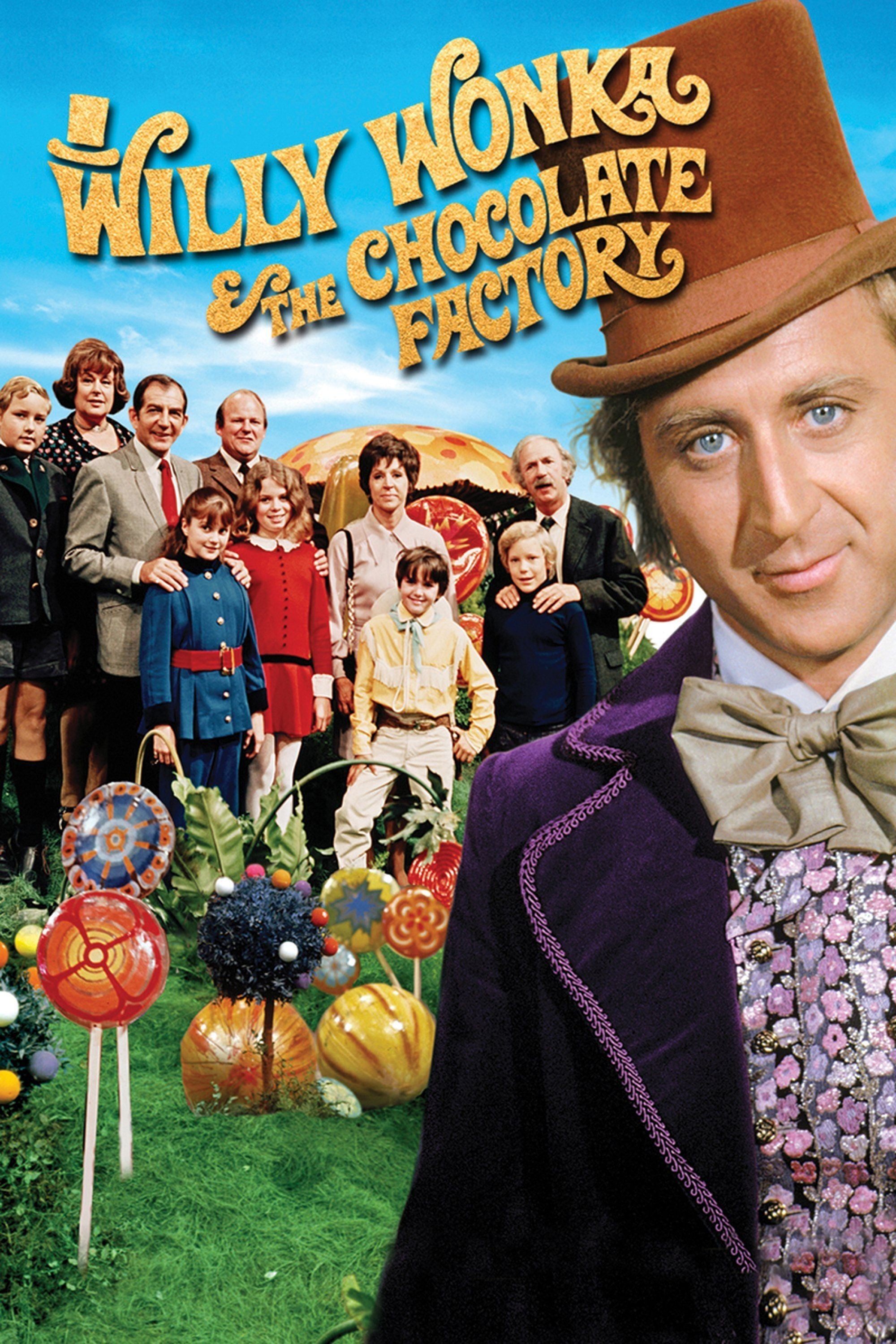
Based on Roald Dahl’s novel, this musical fantasy was not an immediate hit and only achieved modest success at the box office. Its cynical humor and slightly psychedelic visuals were somewhat at odds with the more traditional family films of the early 1970s. The film found a massive second life through television syndication and home video in the 1980s and 90s. Gene Wilder’s performance is now considered iconic, defining the character for generations of viewers.
‘Pink Flamingos’ (1972)
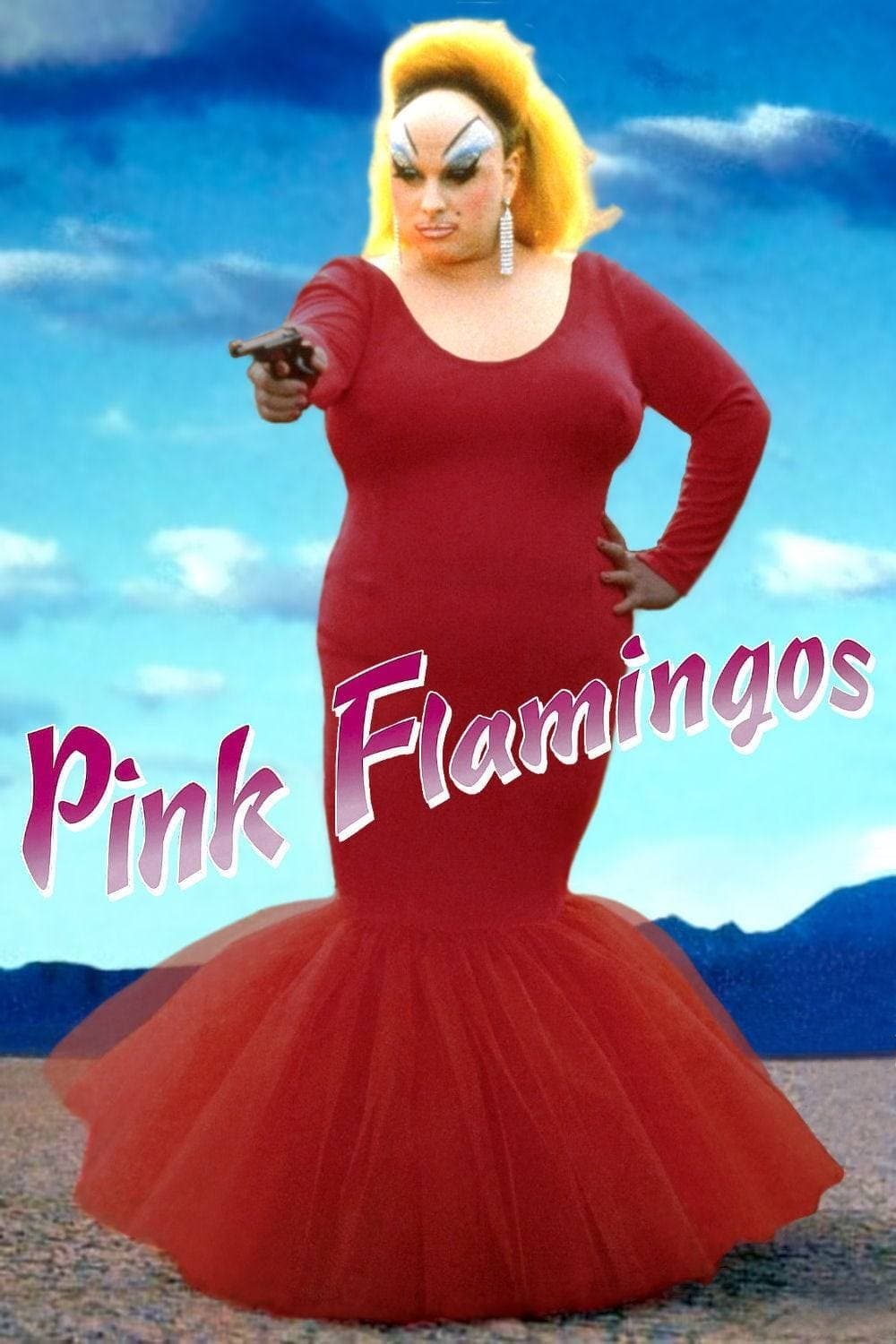
John Waters directed this transgressive black comedy which proudly claimed the title of the “dirtiest movie ever made.” In an era of burgeoning independent cinema, its extreme content pushed boundaries that many found repulsive. The film’s DIY aesthetic and camp sensibility were precursors to the underground culture movements of the late 70s and 80s. It eventually became a staple of midnight movie screenings across the United States.
‘Phantom of the Paradise’ (1974)
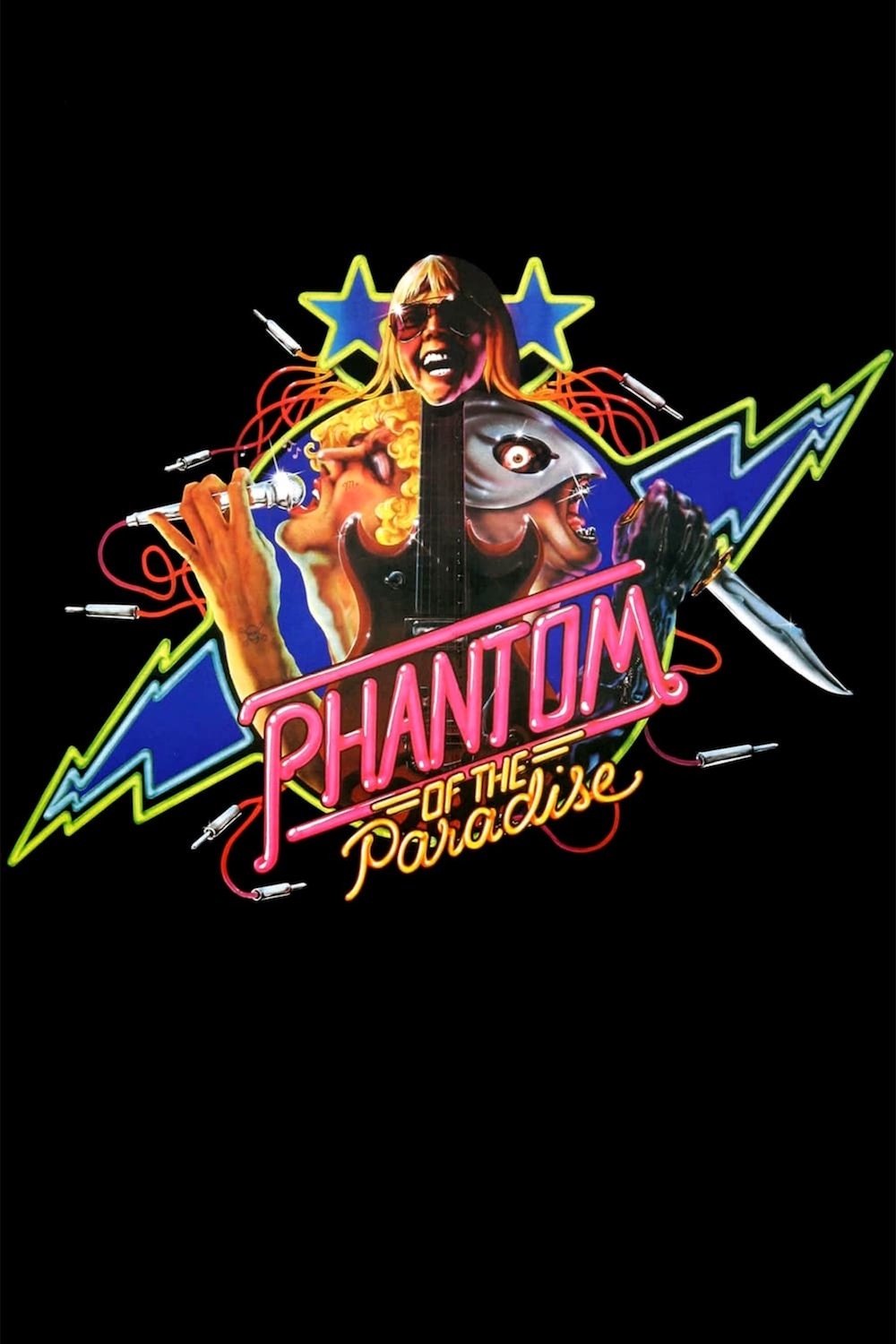
Brian De Palma’s rock opera reimagines ‘The Phantom of the Opera’ within the 1970s music industry. Despite featuring a soundtrack by Paul Williams and creative production design, it failed to find a wide audience outside of specific regional markets like Winnipeg. Its blend of horror, comedy, and satirical commentary on the record business was perhaps too eclectic for the time. The film has since gained a devoted cult following for its flamboyant style and catchy music.
‘The Rocky Horror Picture Show’ (1975)
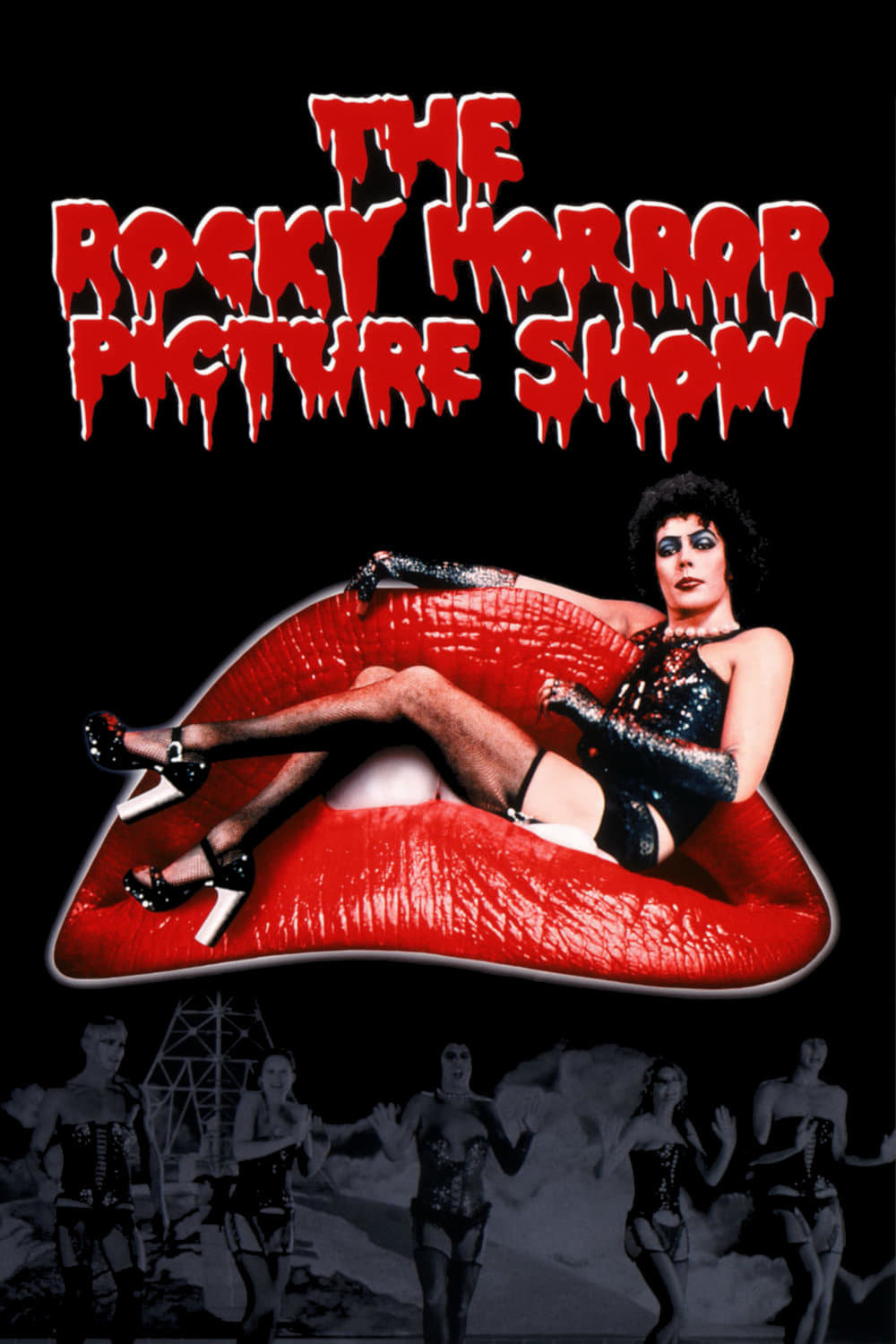
This musical comedy horror film pays tribute to science fiction and B-movies of the 1930s through the 1960s. It was a massive commercial failure upon its initial release, as mainstream audiences did not know how to react to its gender-bending themes and campy humor. It eventually transitioned into the longest-running theatrical release in film history due to its midnight movie popularity. The film’s celebration of “outsider” culture resonated more strongly as the decades progressed.
‘Sorcerer’ (1977)
William Friedkin’s gritty thriller follows four men tasked with transporting unstable dynamite across dangerous South American terrain. Released the same year as the original ‘Star Wars’, its nihilistic tone and slow-burn tension were overshadowed by the dawn of the space-fantasy blockbuster. Audiences in 1977 were pivoting toward escapism, leaving this grounded, intense drama behind. In the 21st century, it has been reclaimed as a masterpiece of suspense and practical filmmaking.
‘The King of Comedy’ (1982)
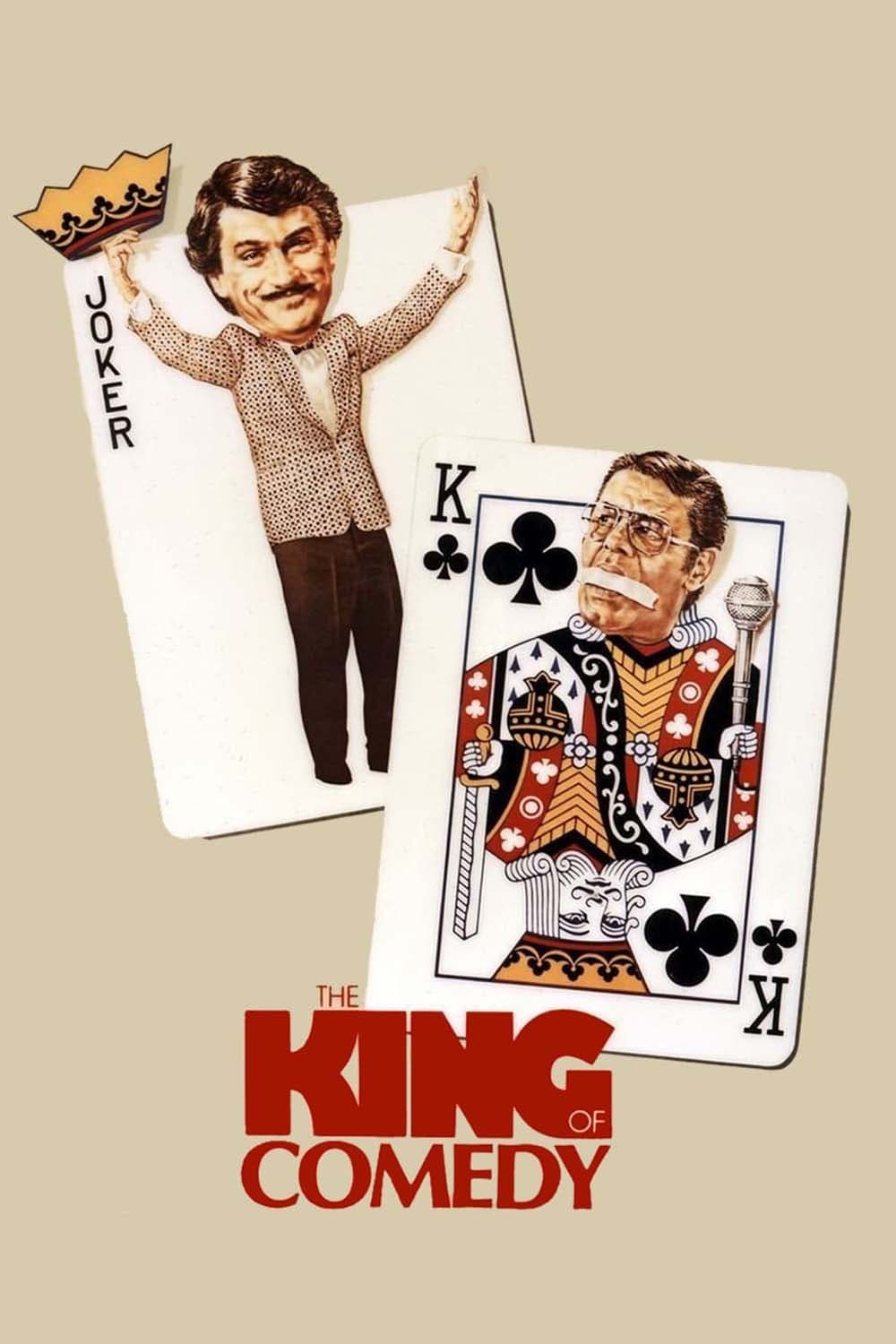
Robert De Niro stars as Rupert Pupkin, a delusional aspiring comedian who kidnaps a talk-show host to secure a spot on his program. In the early 1980s, the film’s uncomfortable look at celebrity obsession and mental health was met with indifference by the public. The satirical edge and cringe-inducing humor were decades ahead of the modern fascination with influencer culture and reality TV. Many critics now cite ‘The King of Comedy’ as one of Martin Scorsese’s most prophetic works.
‘Blade Runner’ (1982)
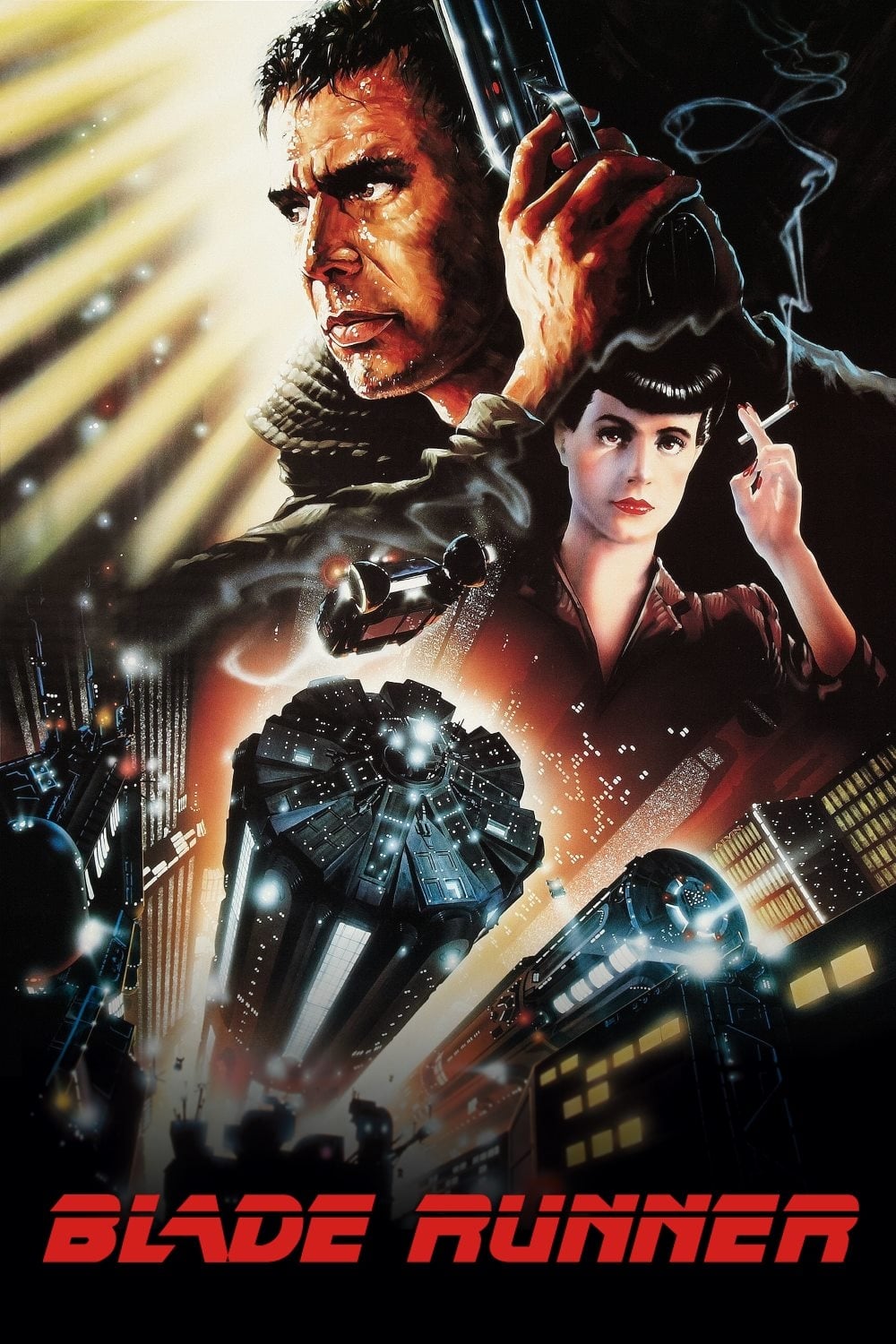
This neo-noir science fiction film follows a detective tasked with hunting down rogue humanoid replicants in a rainy, neon-lit future. At the time of its release, the slow-paced, atmospheric detective story struggled to compete with more lighthearted summer blockbusters. Its philosophical questions regarding humanity and artificial intelligence became central to the cyberpunk genre in the 1990s and 2000s. The intricate production design and visual effects set a standard for world-building that many modern films still emulate.
‘The Thing’ (1982)
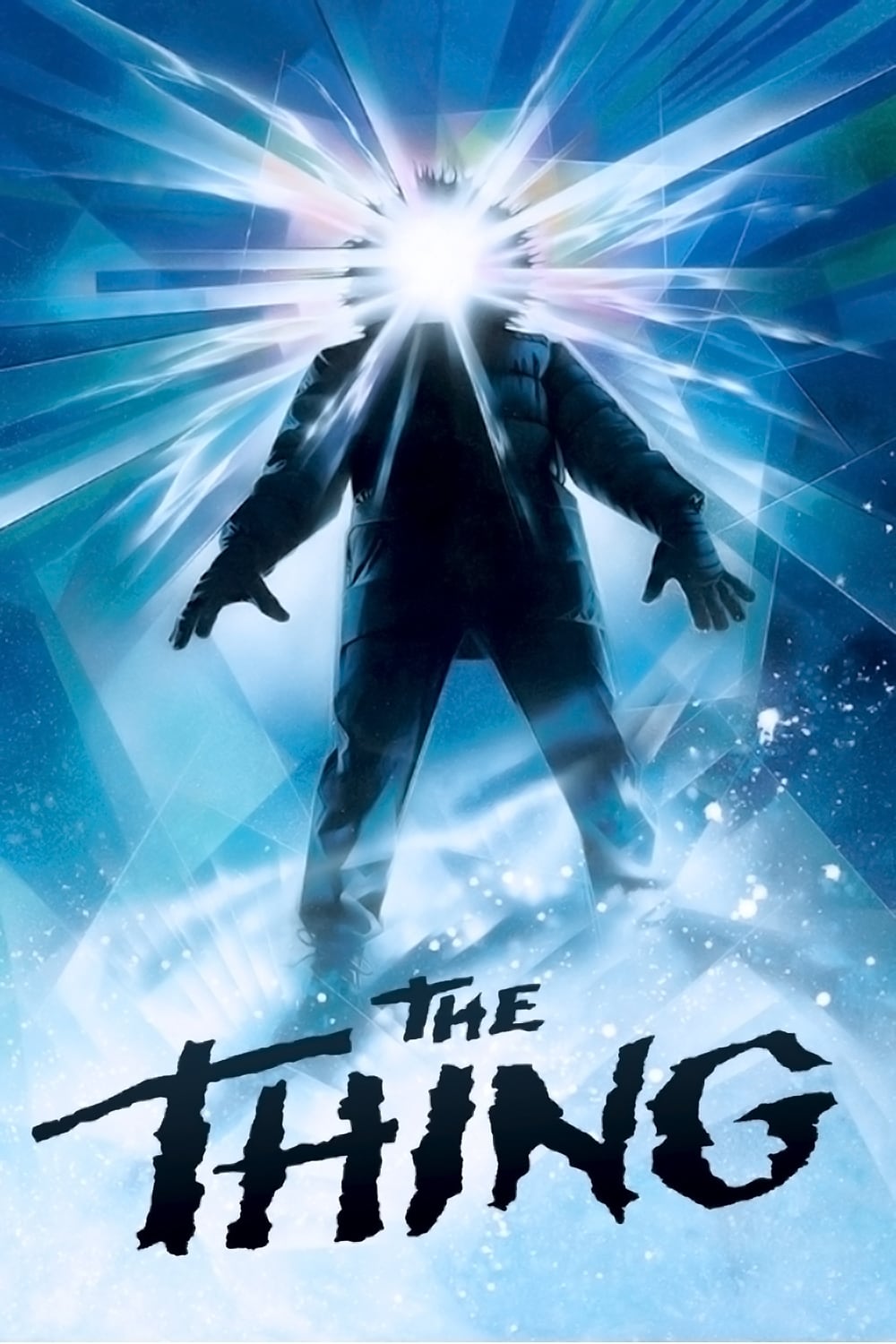
John Carpenter’s horror masterpiece features a group of researchers in Antarctica being hunted by a shape-shifting alien. The film’s bleak ending and grotesque practical effects were widely panned by critics during its 1982 debut. It suffered financially because audiences preferred the optimistic tone of ‘E.T. the Extra-Terrestrial’, which was released around the same time. Today, ‘The Thing’ is celebrated for its incredible animatronics and its masterful use of paranoia.
‘Tron’ (1982)
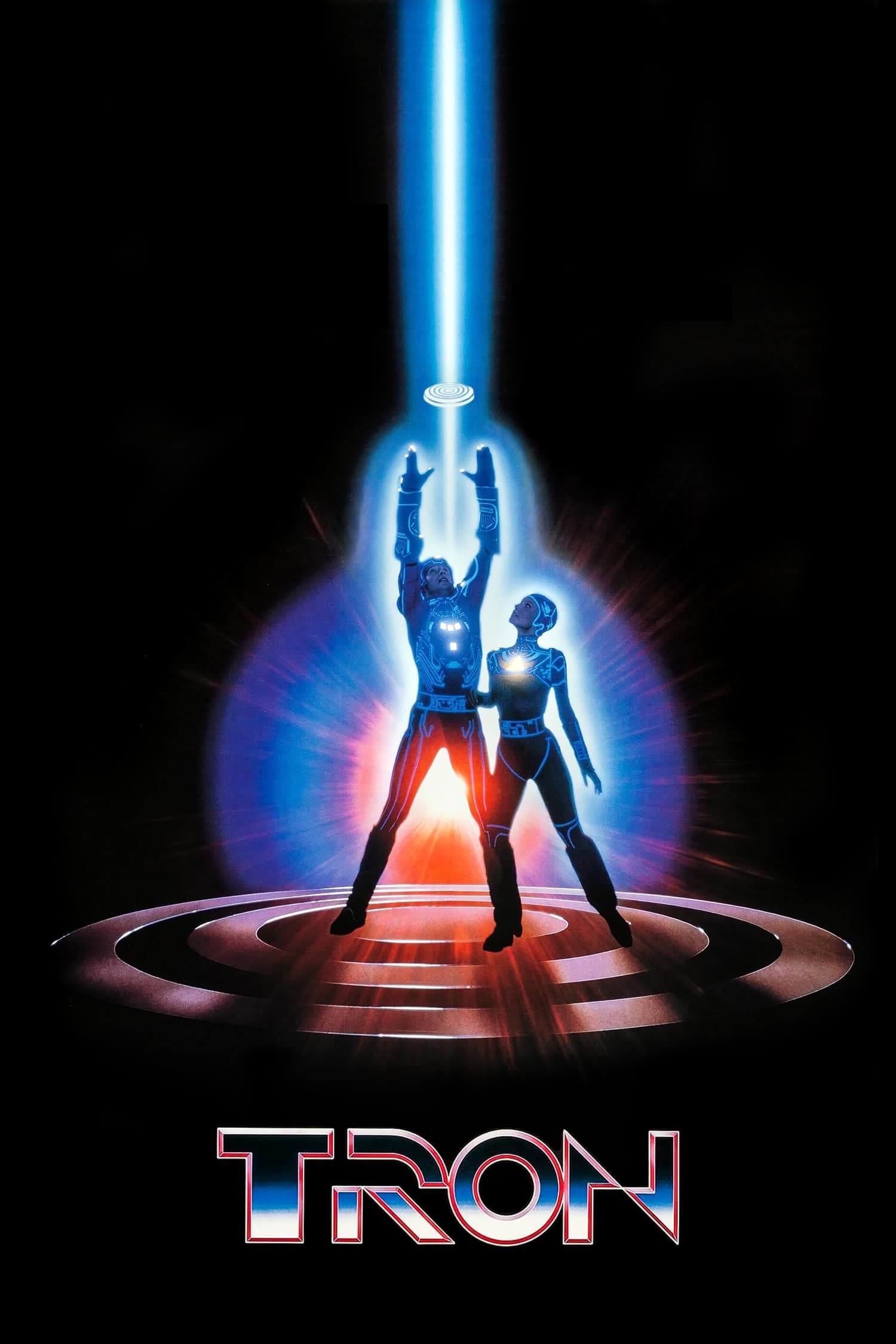
Disney’s ‘Tron’ was one of the first major films to utilize extensive computer-generated imagery to tell a story set inside a digital world. The concept of being “digitized” into a computer was foreign to most general audiences in the early 1980s. Because it relied so heavily on technology that was still in its infancy, the film was often dismissed as a gimmick. Its visual style and concepts of cyberspace eventually became foundational to the modern digital age.
‘The Adventures of Buckaroo Banzai Across the 8th Dimension’ (1984)

This genre-mashing film follows a neurosurgeon, particle physicist, and rock star who must save the world from interdimensional aliens. Its dense lore and refusal to explain its bizarre premise confused audiences and critics in the mid-80s. The film’s “post-modern” approach to storytelling and deadpan humor was more in line with late 90s cult sensibilities. It remains a prime example of a movie that was simply too quirky for the mainstream during its era.
‘Brazil’ (1985)
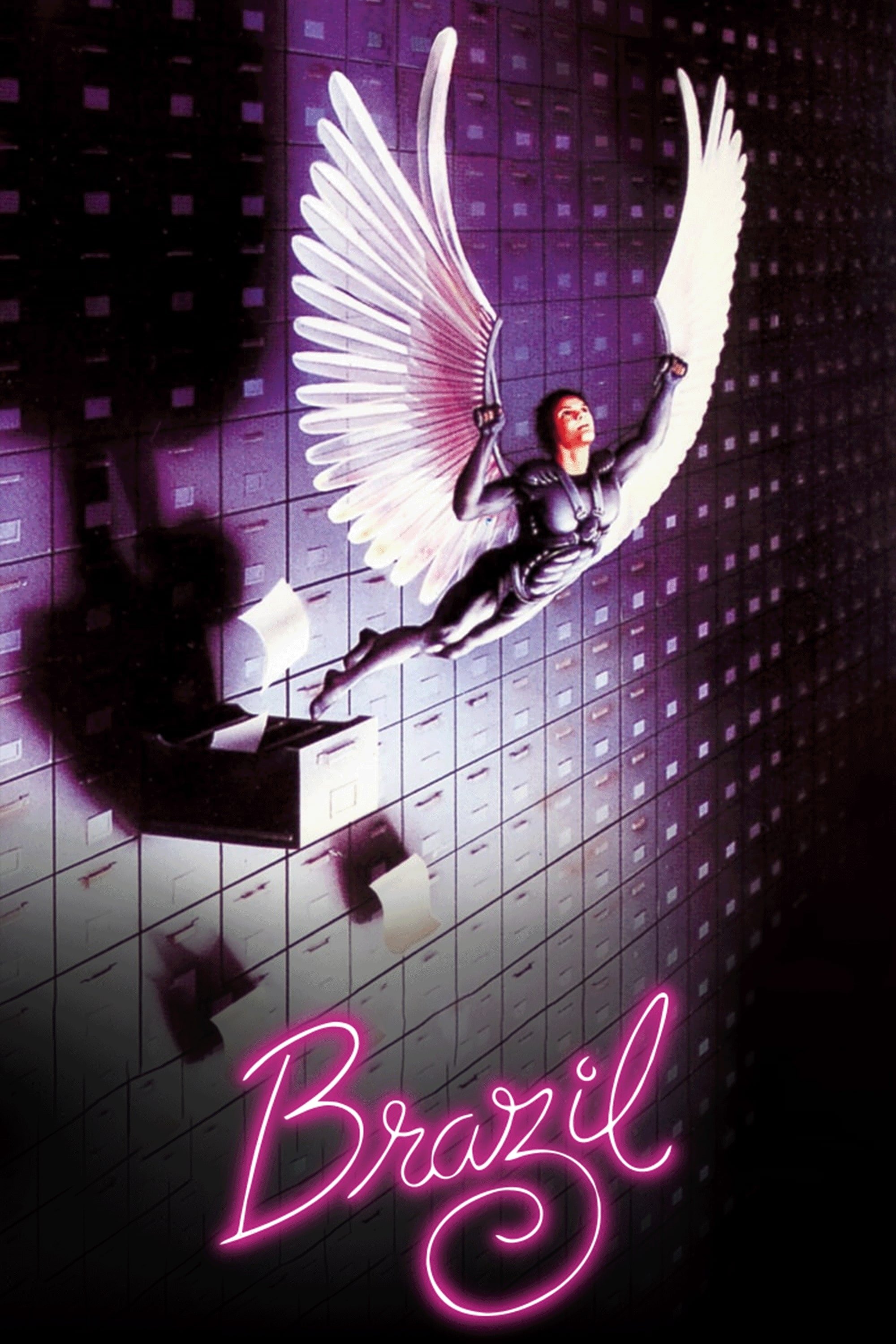
Terry Gilliam’s dystopian satire depicts a consumerist society choked by bureaucracy and malfunctioning technology. The film’s production was famously troubled, with the studio attempting to force a “happier” ending on the director. Its dark, chaotic vision of the future was a sharp contrast to the more polished and optimistic blockbusters of the 1980s. ‘Brazil’ is now considered a visual and thematic masterpiece that correctly predicted several aspects of modern surveillance and corporate culture.
‘Near Dark’ (1987)
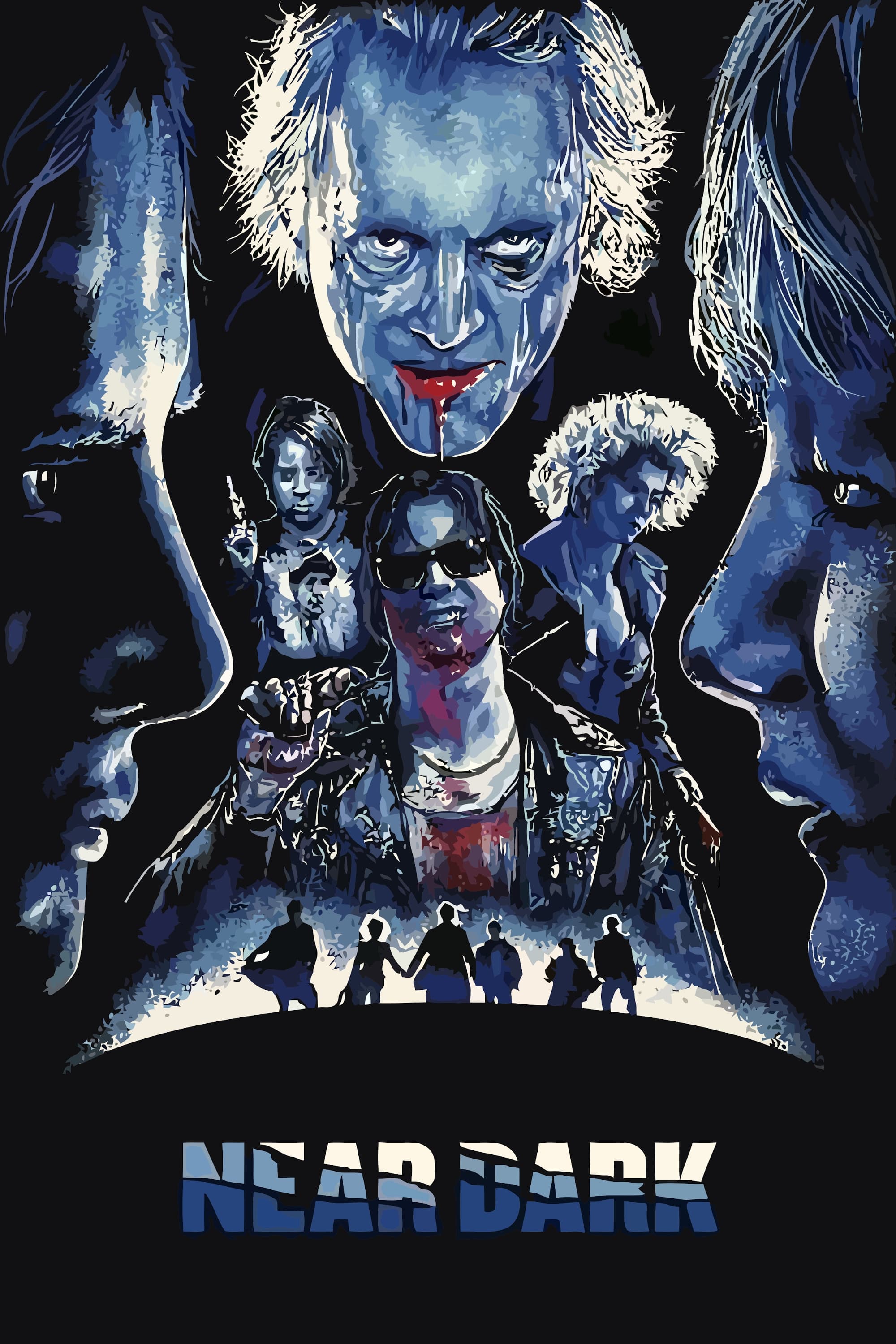
Directed by Kathryn Bigelow, this film reimagines the vampire mythos as a gritty, Western-influenced road movie. It avoided the gothic tropes of traditional vampire cinema, focusing instead on a nomadic family of killers in the American Midwest. Released alongside ‘The Lost Boys’, ‘Near Dark’ was the less successful of the two 1987 vampire films but had a much more mature and grounded tone. Its blend of genres and stylized violence was a precursor to the modern “revisionist” horror movement.
‘Heathers’ (1989)
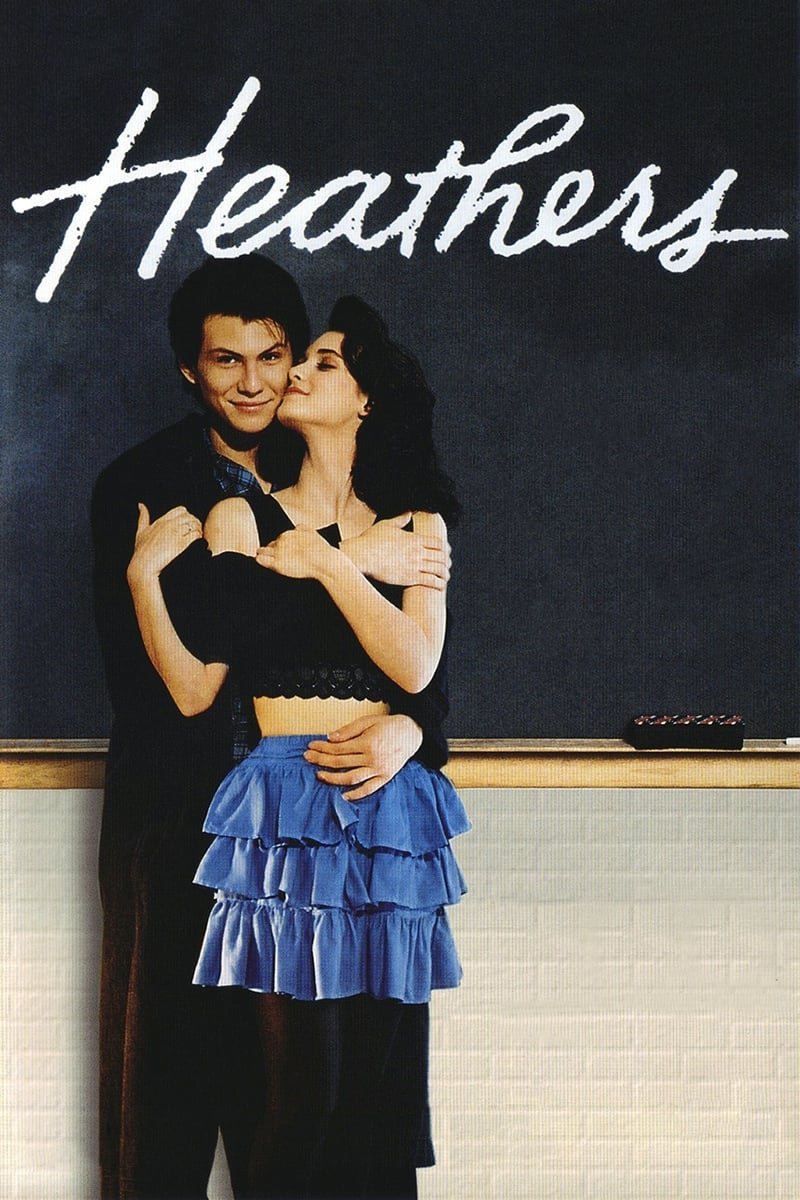
This dark comedy satirizes the high school social hierarchy through a plot involving accidental and intentional murders. In the late 1980s, teen movies were typically earnest and lighthearted, making the cynical tone of ‘Heathers’ quite shocking. The film’s stylized dialogue and critique of teen angst were not fully appreciated until it reached a cult status on home video. It eventually paved the way for other subversive teen films like ‘Mean Girls’.
‘Deep Cover’ (1992)
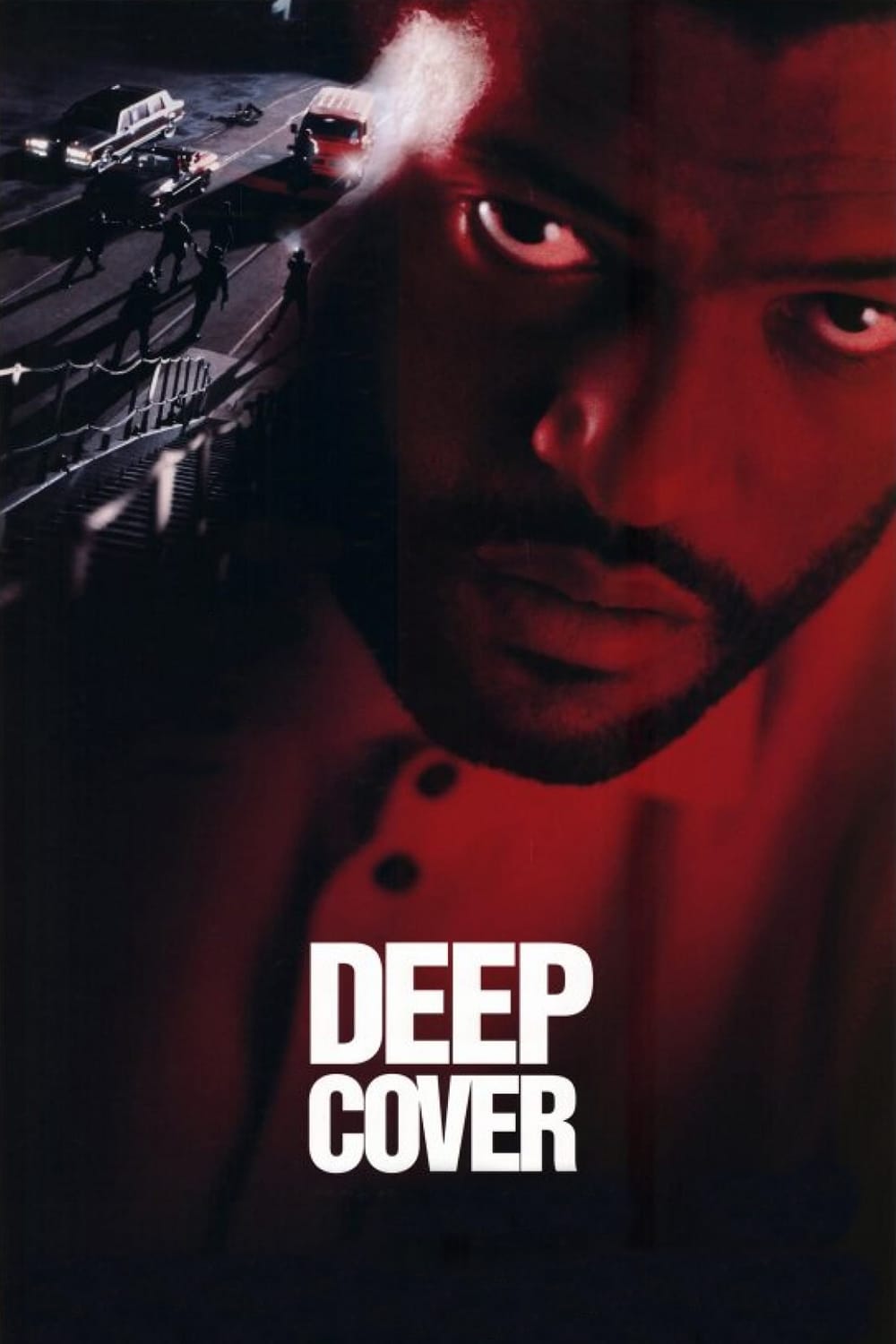
This neo-noir crime thriller stars Laurence Fishburne as an undercover cop who begins to lose his identity while infiltrating a drug ring. While it performed decently, it was often overshadowed by the larger “hood film” movement of the early 1990s. The film’s sophisticated visual style and complex moral ambiguity make it feel more like a modern prestige drama. It has recently been recognized by film scholars for its critique of the war on drugs and systemic corruption.
‘Last Action Hero’ (1993)
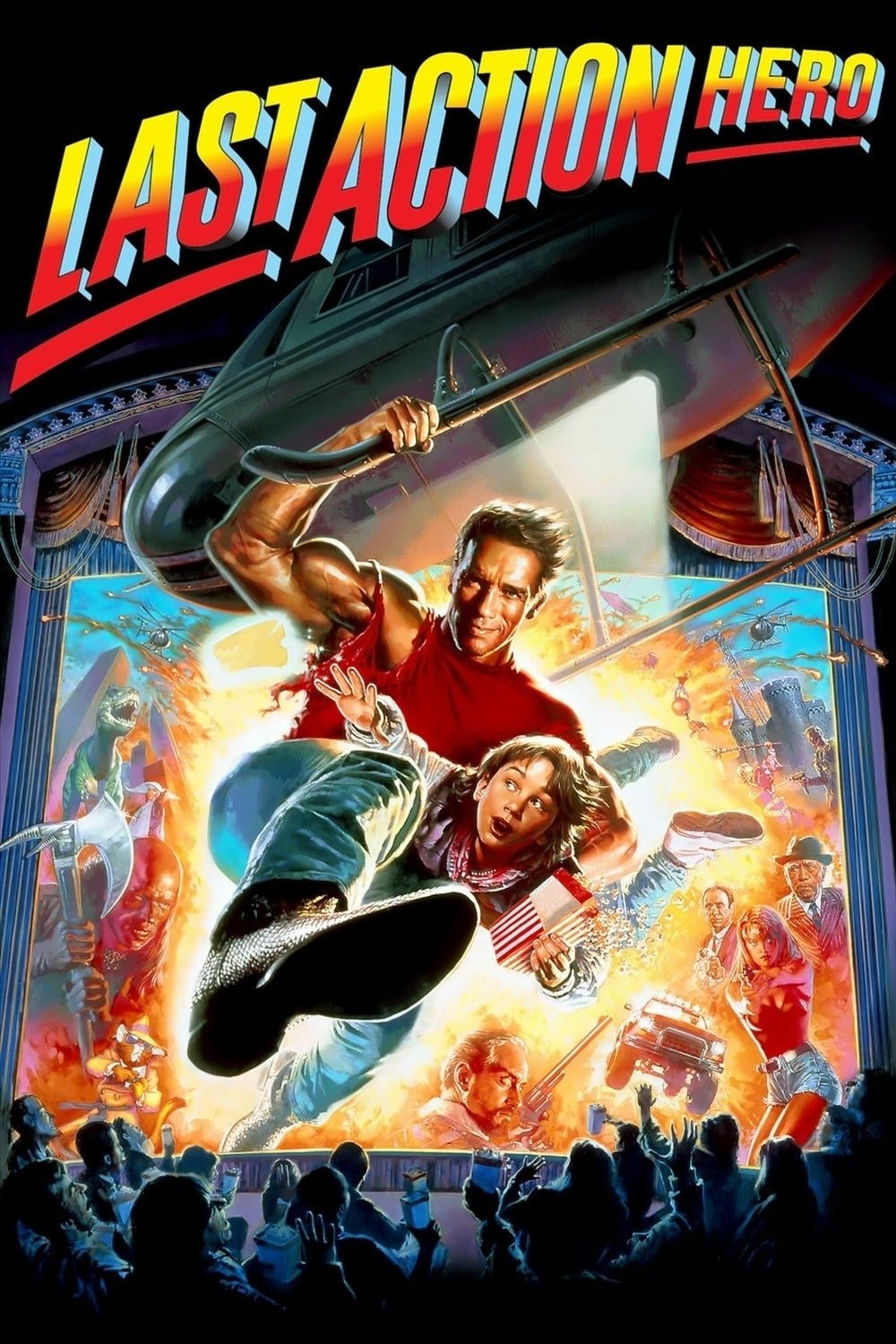
Arnold Schwarzenegger stars in this meta-commentary on the action genre, where a young boy is transported into a fictional movie world. In 1993, audiences were not yet accustomed to movies that poked fun at their own tropes and marketing. The film was a notorious box office bomb, largely due to its high budget and competition with ‘Jurassic Park’. Years later, its self-aware humor and deconstruction of action hero archetypes are seen as being far ahead of the “meta” trend in cinema.
‘Hocus Pocus’ (1993)
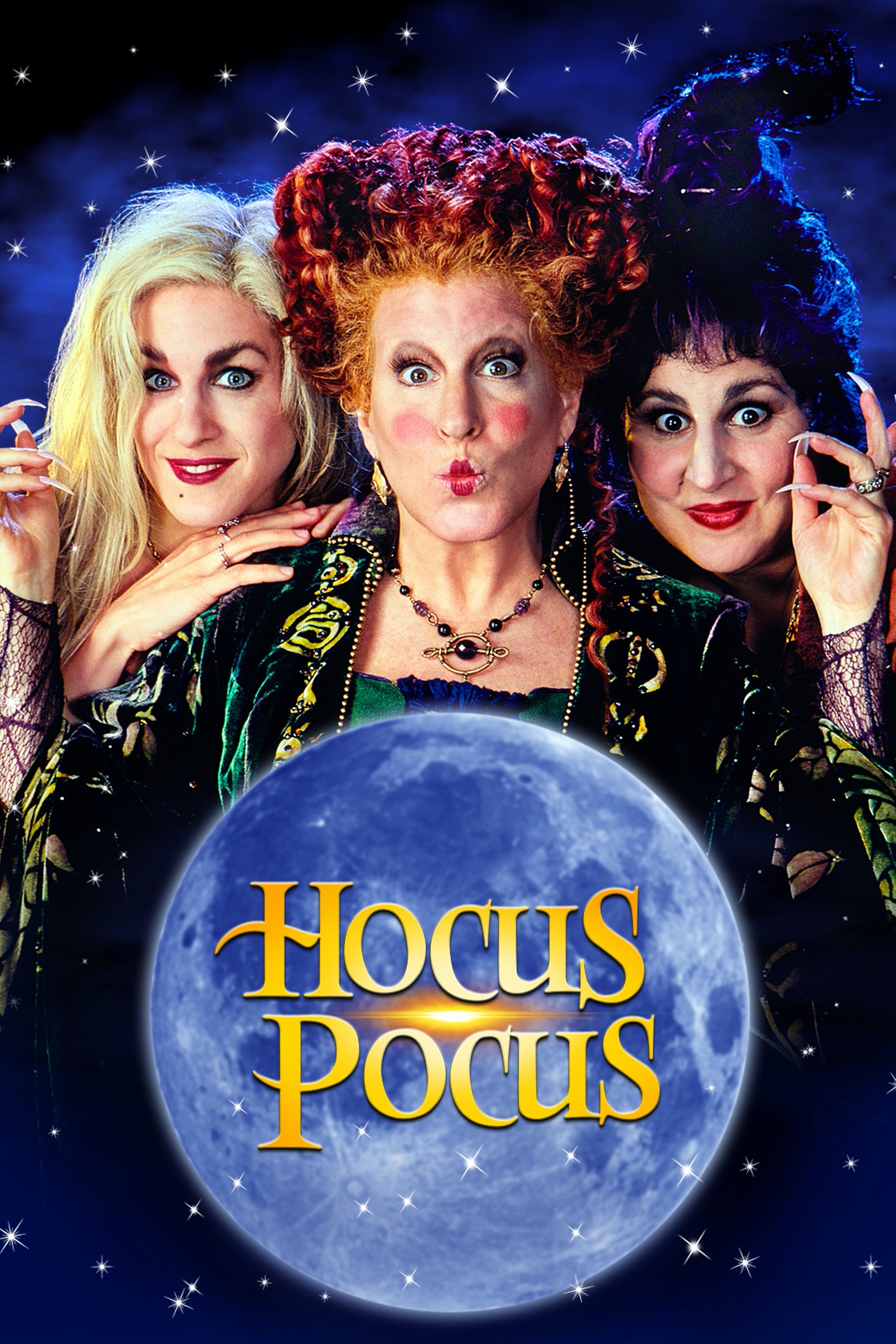
This Disney film about three resurrected witches in Salem was released in July, a curious scheduling choice for a Halloween-themed movie. It received negative reviews and underperformed at the box office, as it was deemed too scary for small children and too silly for adults. Through annual television broadcasts, it became a generational touchstone and a seasonal classic for millions of viewers. The film’s campy performances and 90s aesthetic are now celebrated rather than criticized.
‘Dazed and Confused’ (1993)
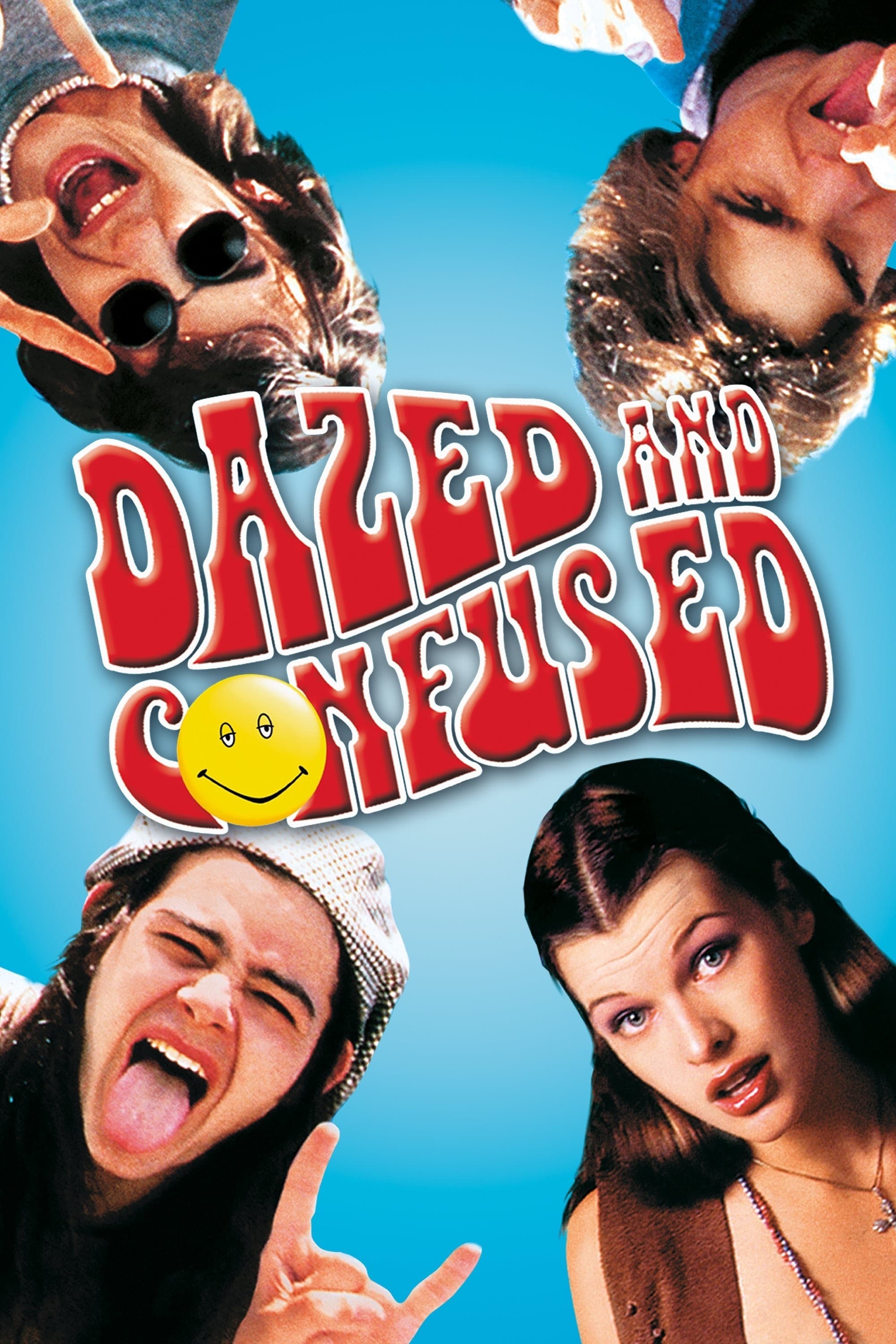
Richard Linklater’s ensemble film captures the last day of school for a group of teenagers in 1976. Despite its modest success, the film’s “hangout” structure and lack of a traditional plot were unusual for early 90s studio releases. It focused on character development and atmosphere over high-stakes drama, a style that became more common in the independent film boom later that decade. The movie is now iconic for its soundtrack and its launch of several future movie stars’ careers.
‘The Shawshank Redemption’ (1994)
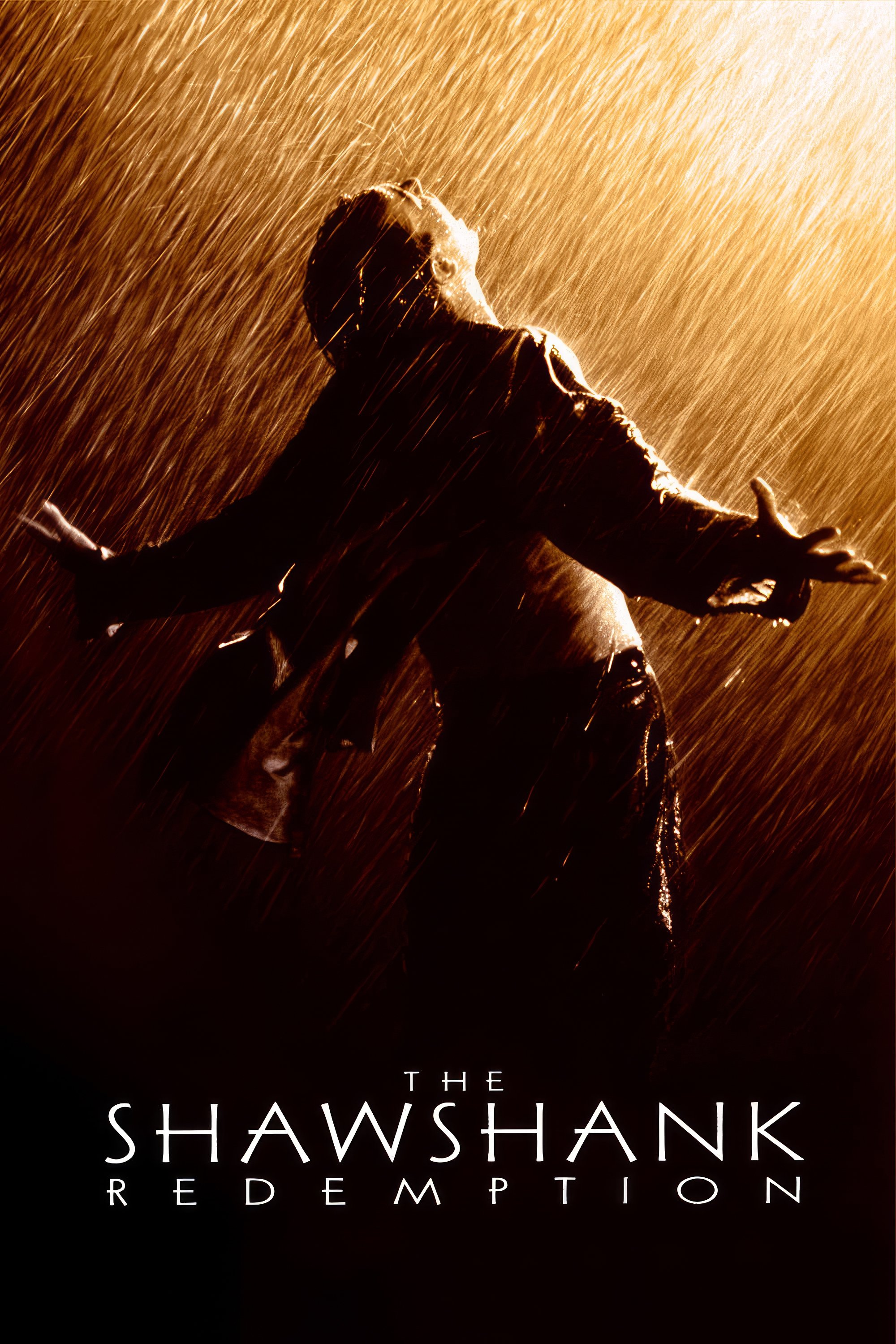
This prison drama is now one of the most beloved films in history, but it was a disappointment during its initial theatrical run. In a year dominated by ‘Forrest Gump’ and ‘Pulp Fiction’, this slow-moving story about hope and friendship struggled to find its footing. It wasn’t until the film was released on home video and became a staple on cable television that its popularity exploded. Its timeless themes and classic storytelling allowed it to transcend the trends of the mid-90s.
‘Ed Wood’ (1994)

Tim Burton’s biographical film about the “world’s worst director” was shot in black and white and focused on 1950s B-movie production. Despite critical acclaim, the film failed to find a large audience in the mid-90s blockbuster environment. Its niche subject matter and retro visual style made it an outlier among contemporary comedies and dramas. It is now regarded as one of Burton’s most heartfelt and artistically successful projects.
‘Showgirls’ (1995)

Paul Verhoeven’s satirical look at the Las Vegas entertainment industry was universally panned and mocked upon its release. Audiences and critics in 1995 largely viewed it as a poorly acted and gratuitous melodrama. In the following decades, a new wave of critics reevaluated ‘Showgirls’ as a brilliant, intentional satire of the American Dream. Its garish aesthetic and over-the-top performances have since earned it a massive cult following and academic interest.
‘Strange Days’ (1995)
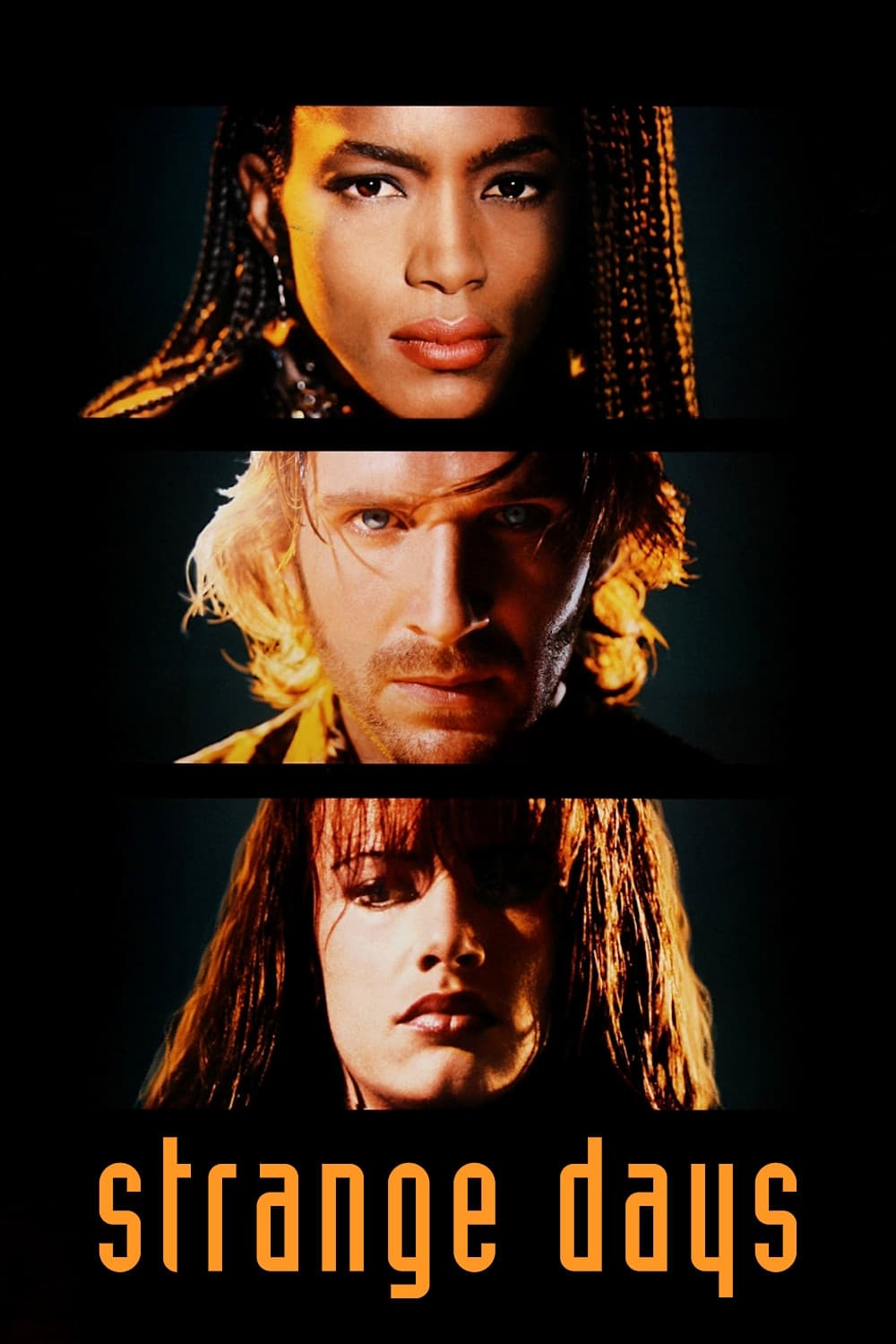
Directed by Kathryn Bigelow and written by James Cameron, this tech-noir thriller explores a future where people can record and play back memories. Its themes of police brutality, racial tension, and digital voyeurism were incredibly prescient for the mid-1990s. The film was a commercial failure, perhaps due to its dark tone and challenging subject matter. Today, it is viewed as a prophetic vision of a world increasingly obsessed with recording every moment of human experience.
‘L.A. Confidential’ (1997)

This neo-noir crime film meticulously recreates the look and feel of 1950s Los Angeles while exploring systemic corruption. While it was a critical success, its traditional detective storytelling felt like a throwback in a decade increasingly focused on high-concept blockbusters and CGI. The film relies on intricate plotting and character-driven drama rather than spectacle. It remains a high-water mark for the genre, proving that classic noir styles can still resonate in modern eras.
‘Starship Troopers’ (1997)
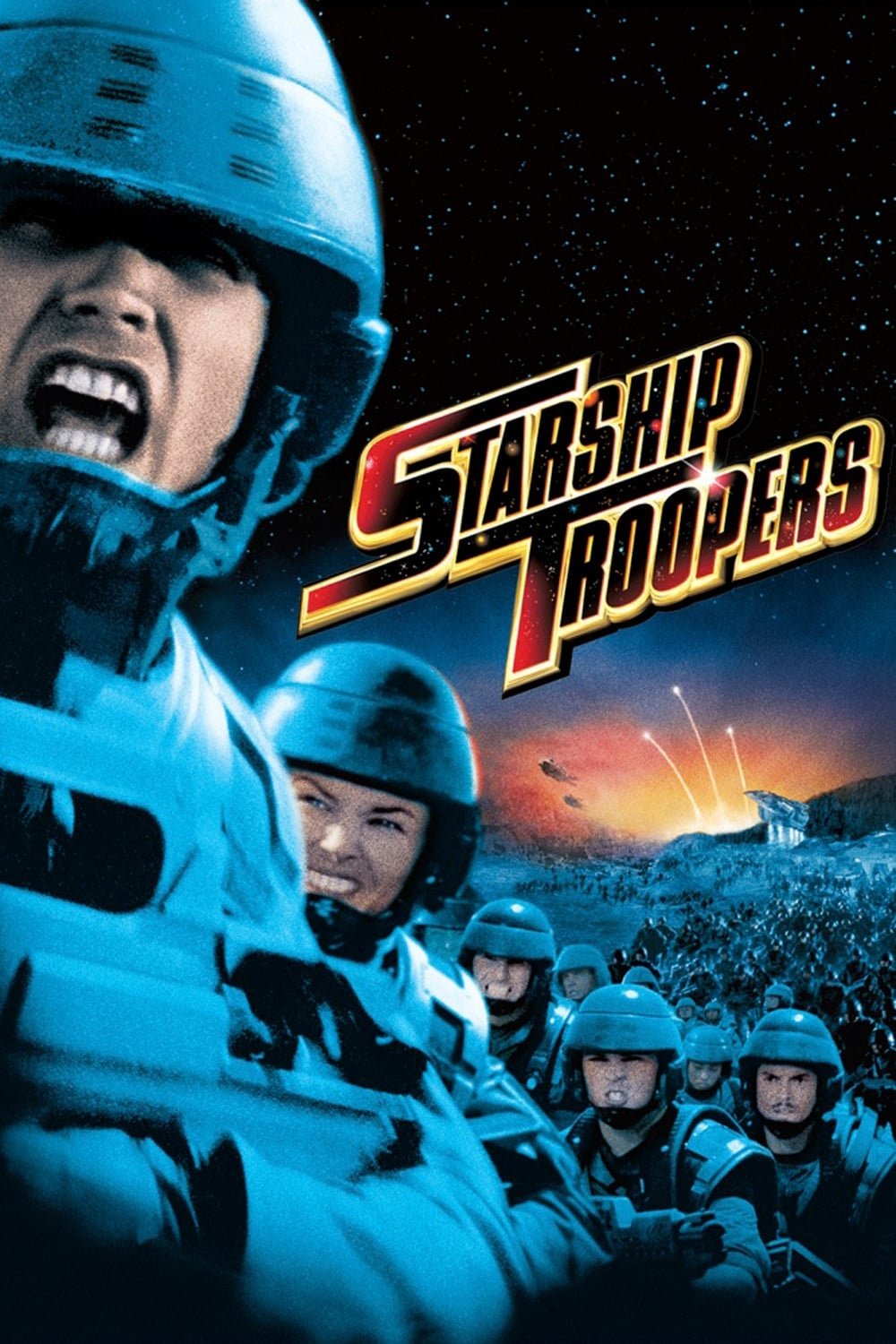
Paul Verhoeven directed this science fiction film that many 1997 audiences mistook for a simple, mindless action movie about giant bugs. In reality, the film is a biting satire of fascism, propaganda, and the military-industrial complex. The stylized, soap-opera-like acting and overly patriotic tone were intentional choices that were misinterpreted by critics at the time. Its critique of media and militarism has become increasingly relevant in the 21st century.
‘Event Horizon’ (1997)
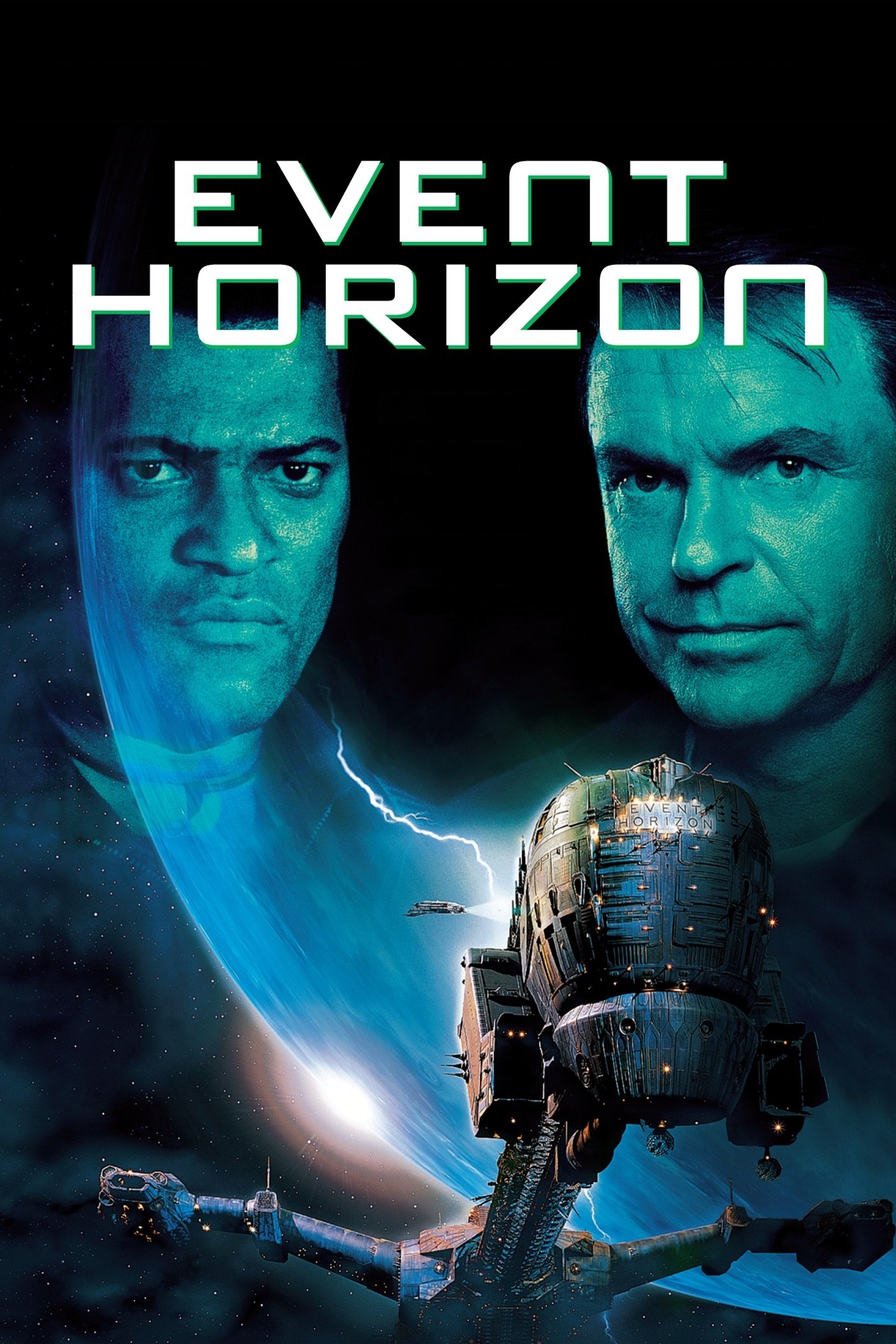
This science fiction horror film follows a rescue crew investigating a spaceship that disappeared into a black hole and returned with something sinister. Upon release, it was criticized for its gore and perceived lack of narrative depth. As the “cosmic horror” genre gained popularity in later years, ‘Event Horizon’ was rediscovered by fans who appreciated its terrifying imagery and unique atmosphere. It has since become a cult classic for its blend of ‘Hellraiser’ style horror with space travel.
‘The Big Lebowski’ (1998)
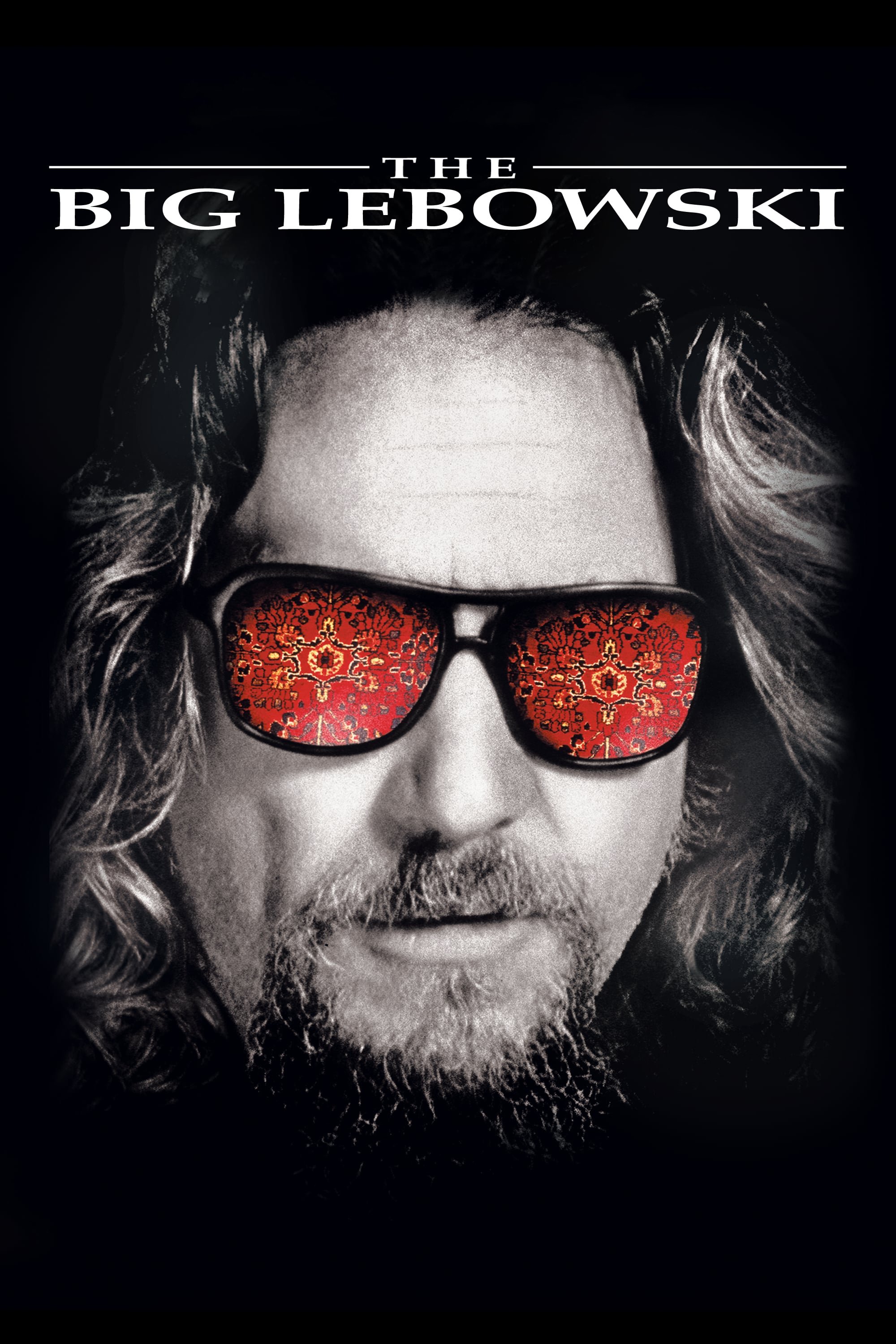
The Coen Brothers’ stoner-noir comedy about “The Dude” was met with mixed reviews and average box office returns in 1998. Its rambling, episodic plot and eccentric characters were a departure from the more structured crime comedies of the era. Through the rise of the internet and midnight screenings, the film developed an unprecedented cult following that even spawned its own “religion.” Its dialogue is now some of the most quoted in cinematic history.
‘Dark City’ (1998)
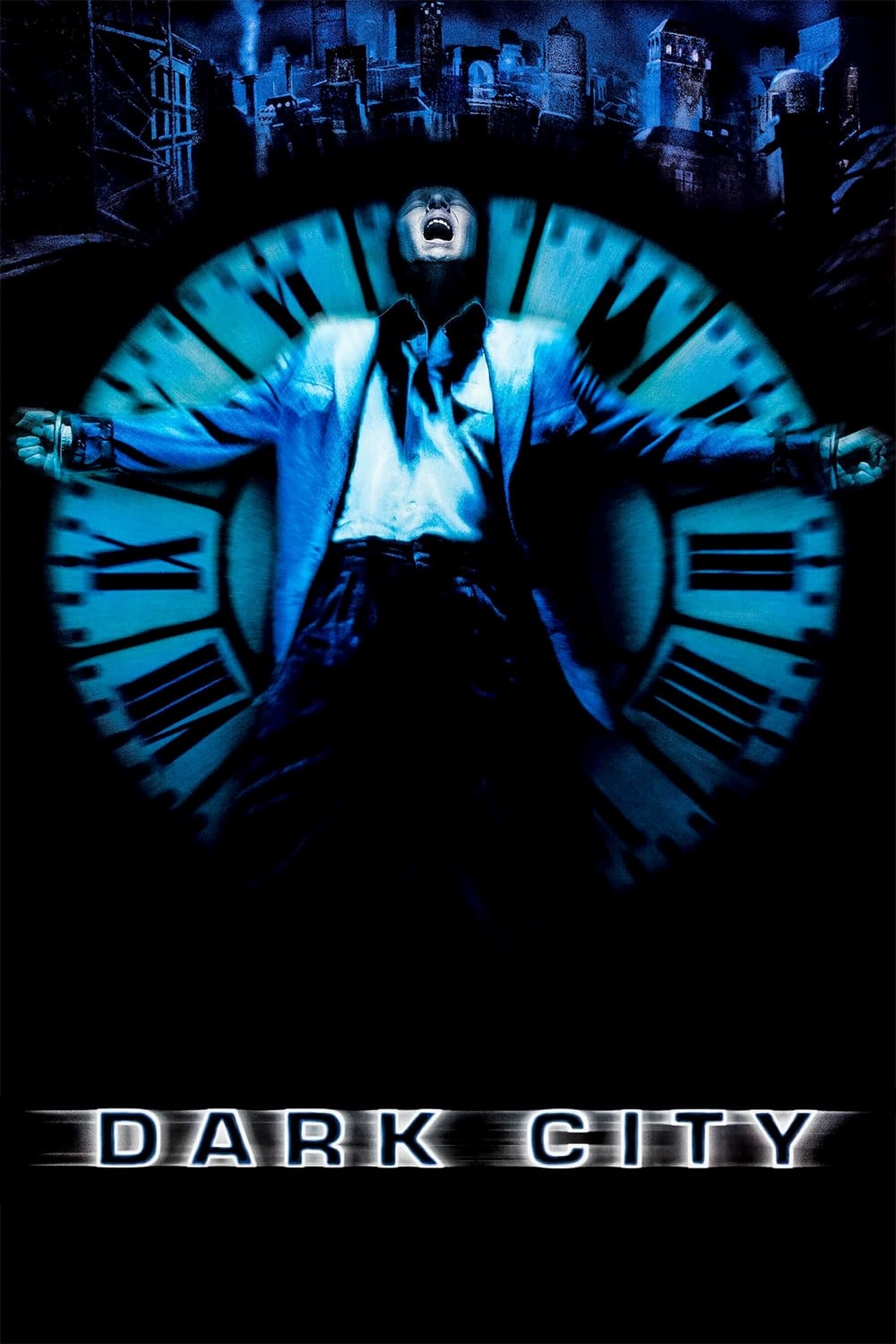
Released shortly before ‘The Matrix’, this neo-noir science fiction film shares similar themes regarding a perceived reality controlled by external forces. Its heavy use of practical sets, shadows, and a gothic aesthetic gave it a distinct look that was overshadowed by the more action-oriented ‘The Matrix’. ‘Dark City’ explores philosophical questions about memory and the human soul through a much moodier lens. It is now recognized as a visually stunning masterpiece of the genre.
‘Fight Club’ (1999)

David Fincher’s adaptation of the Chuck Palahniuk novel explores themes of consumerism, masculinity, and social rebellion. The film was highly controversial upon its release, with some critics fearing it would incite real-world violence. Its non-linear editing and aggressive visual style were representative of the turning tide in late-90s cinema. While it was not a huge hit in theaters, it became the definitive cult movie of the early DVD era.
‘Office Space’ (1999)
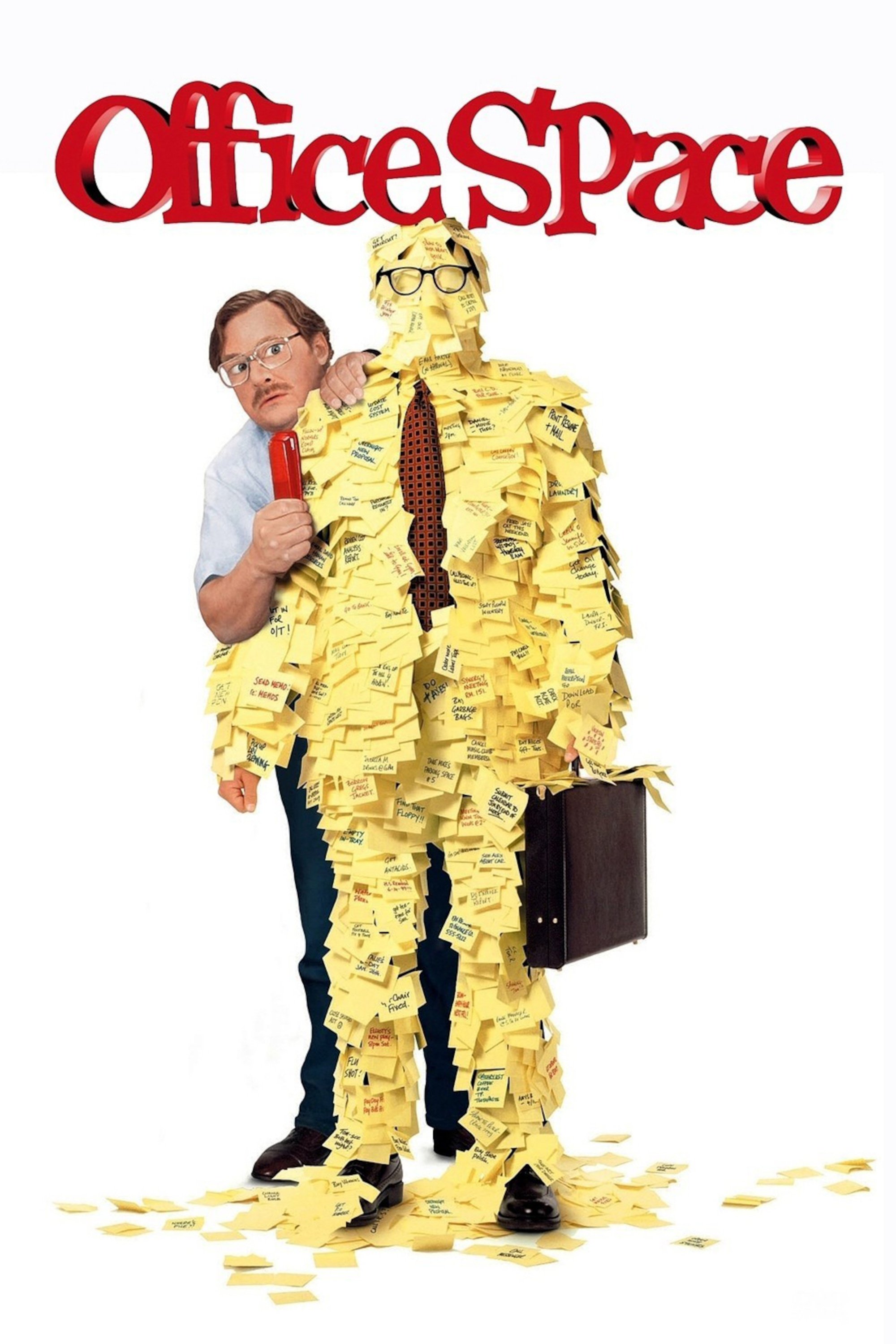
This comedy satirizes the mundane life of software engineers working in a corporate cubicle environment. Released during the height of the dot-com boom, its cynical take on office culture didn’t fully resonate until the boom ended. The film’s observations about pointless meetings, fax machine frustrations, and middle management became legendary in the 2000s. It eventually became a cultural touchstone for anyone who has ever felt trapped in a soul-crushing job.
‘The Iron Giant’ (1999)
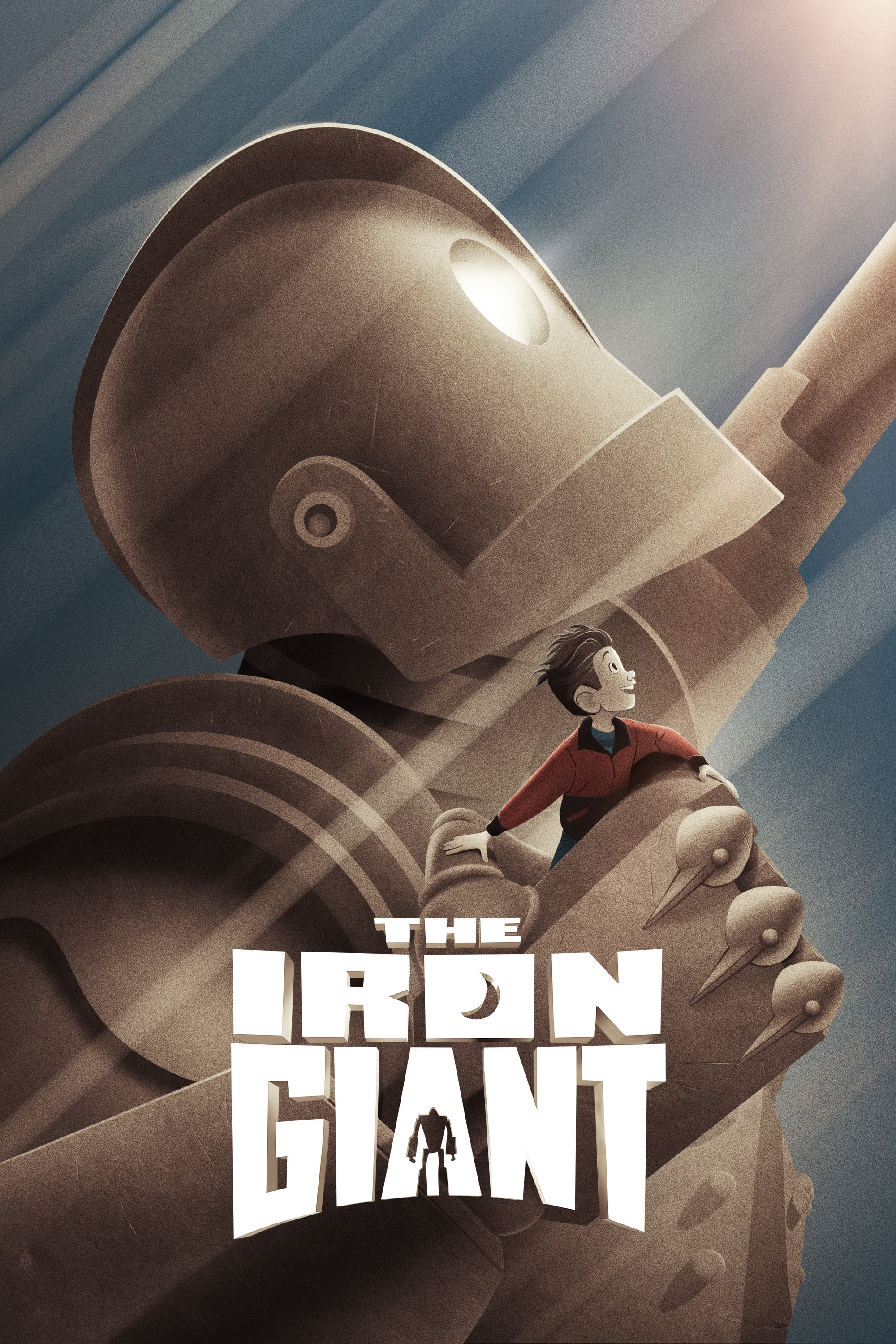
This animated film set during the Cold War tells the story of a young boy who befriends a giant robot from outer space. Despite universal critical acclaim, a poor marketing campaign led to a disappointing theatrical performance. In an era where 3D animation was becoming the new standard, this hand-drawn masterpiece felt like the end of an era. It has since been embraced as one of the greatest animated films ever made, known for its emotional depth and anti-violence message.
‘Donnie Darko’ (2001)
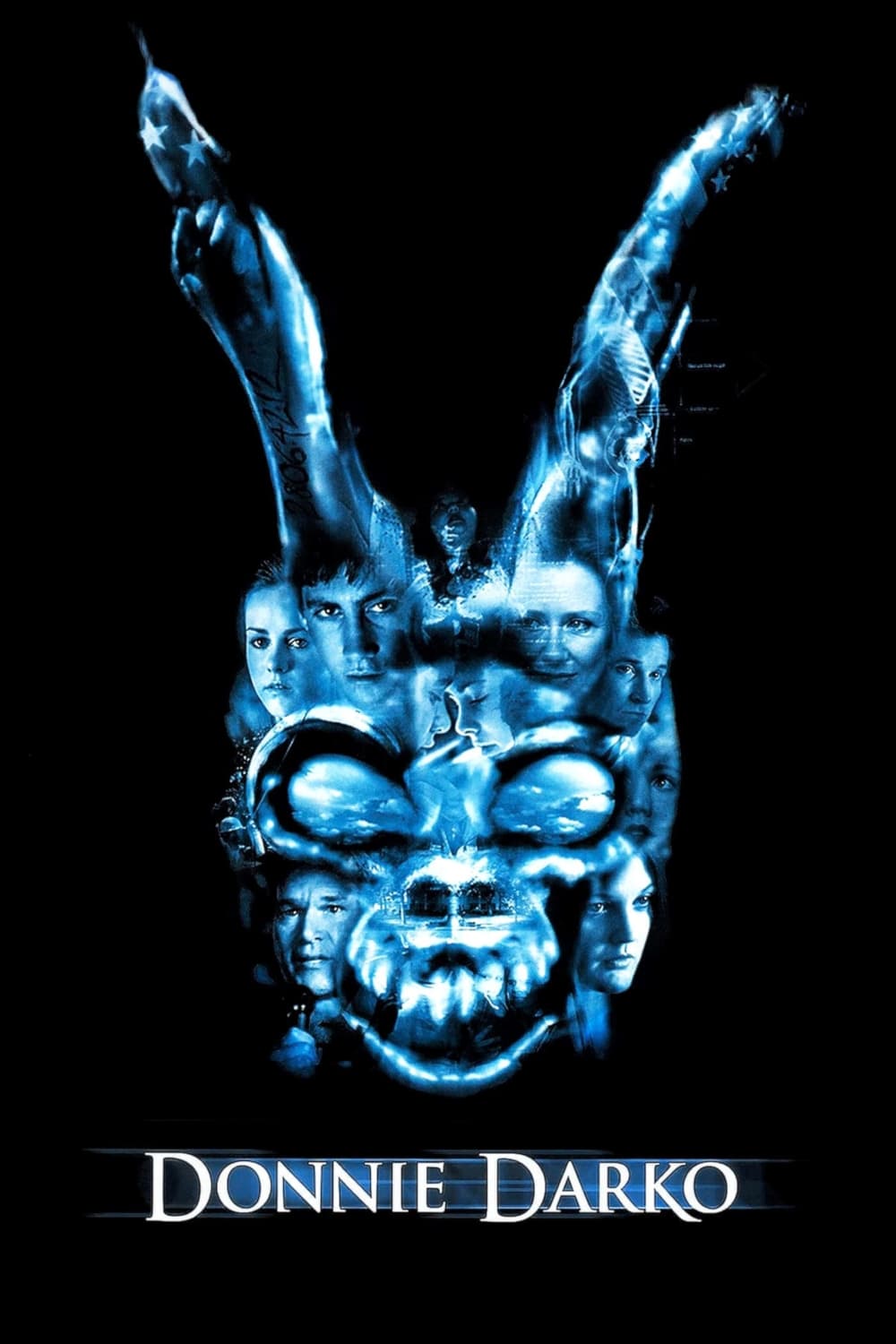
This psychological thriller about a troubled teenager and a prophetic rabbit was a box office failure, partly due to its release shortly after the September 11 attacks. Its plot involving a plane crash was seen as too sensitive for the time, leading to a limited theatrical run. The film’s complex time-travel mechanics and 80s nostalgia found a massive audience on home video. It remains a quintessential example of a film that required time and a specific cultural mood to be understood.
‘Sky Captain and the World of Tomorrow’ (2004)
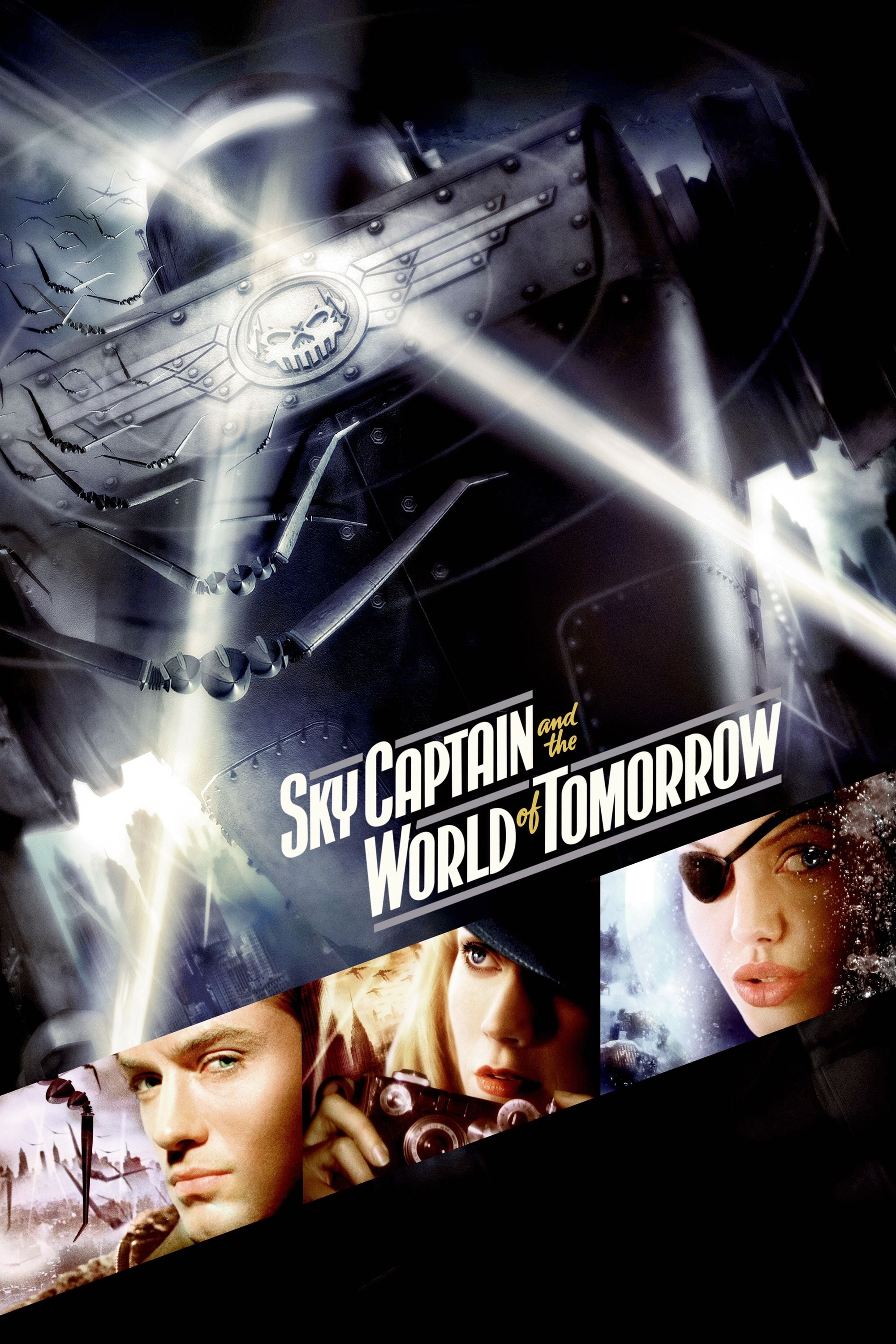
This film was a pioneer in using “digital backlots,” where actors performed entirely against blue screens to recreate a 1930s pulp adventure style. While technically revolutionary, the visual aesthetic was polarizing for 2004 audiences who were used to more realistic CGI. The movie’s homage to vintage serials was perhaps too niche for a mainstream summer audience. However, it paved the way for the visual styles of later films like ‘300’ and ‘Sin City’.
‘Idiocracy’ (2006)
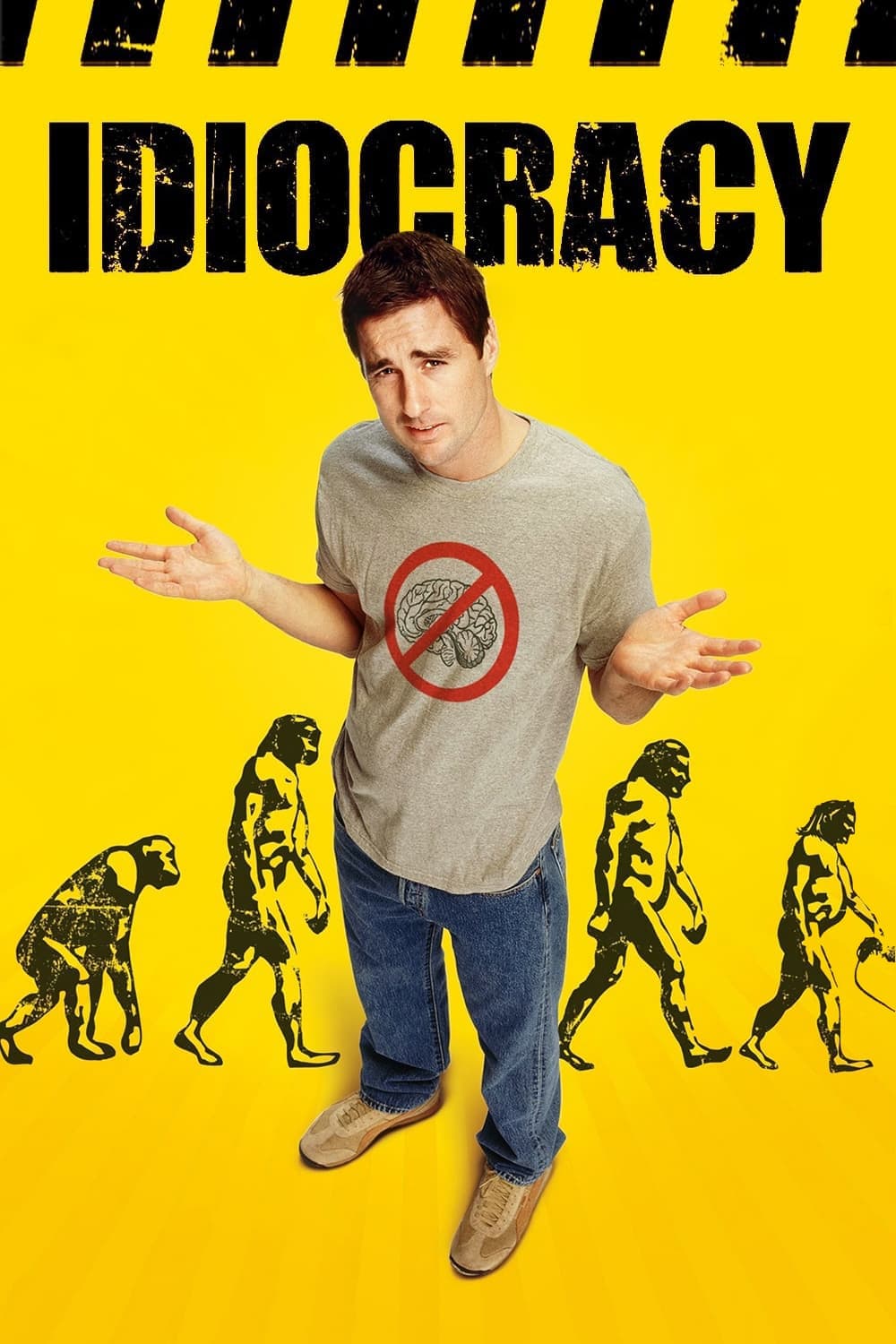
Mike Judge’s satire depicts a future where humanity has become significantly less intelligent due to commercialism and anti-intellectualism. The film was barely released in theaters by the studio, receiving almost no marketing and appearing in only a few cities. Over the years, the film has been frequently cited in political and social discourse as a prophetic warning about the direction of modern society. Its “low-brow” humor masks a sharp and increasingly relevant social critique.
‘Children of Men’ (2006)
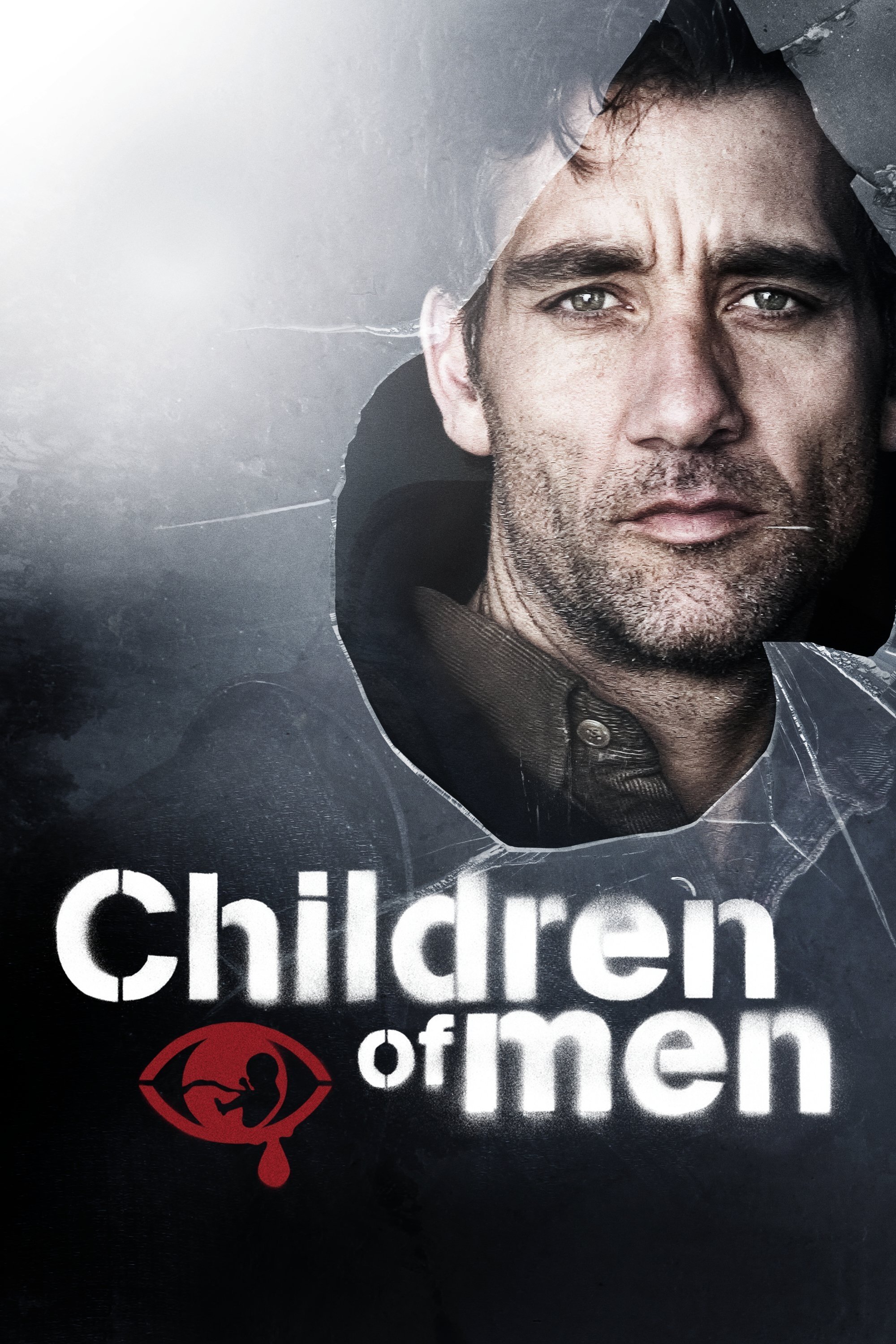
Set in a future where humans have become infertile, this thriller utilizes long, unbroken takes and a gritty, documentary-like visual style. While it was respected by critics, it did not achieve significant commercial success during its initial run. The film’s depiction of refugee crises and environmental collapse felt more like a warning for the future than a reflection of 2006. Its technical achievements in cinematography are now studied in film schools worldwide.
‘Sunshine’ (2007)
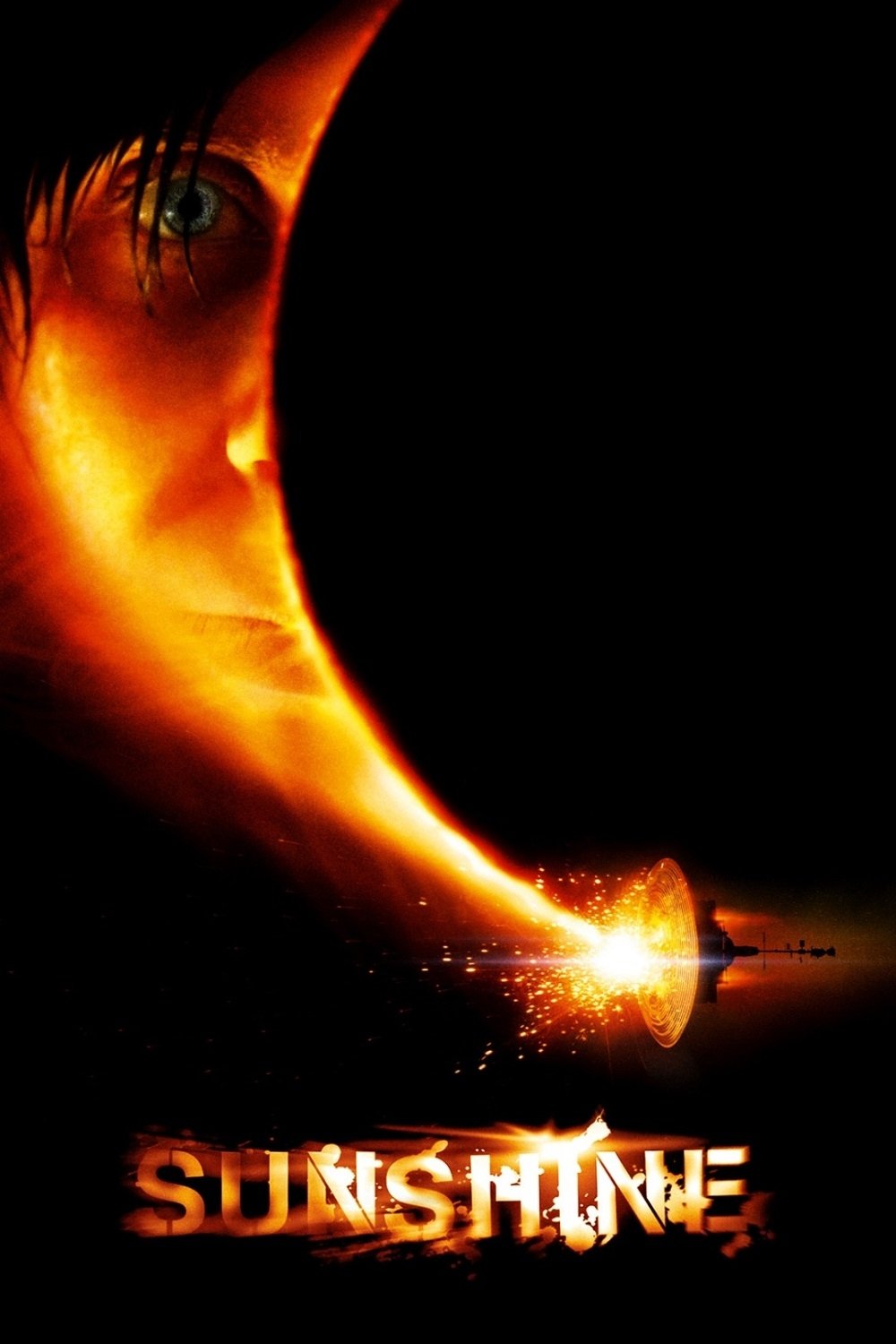
Directed by Danny Boyle, this science fiction film follows a crew on a mission to reignite the dying sun. The film transitions from a hard science-based drama into a psychological slasher in its final act, a shift that divided audiences at the time. Its stunning visuals and existential themes were often compared to ‘2001: A Space Odyssey’. In the years since, it has been recognized as one of the most visually and emotionally resonant sci-fi films of the 21st century.
‘Jennifer’s Body’ (2009)
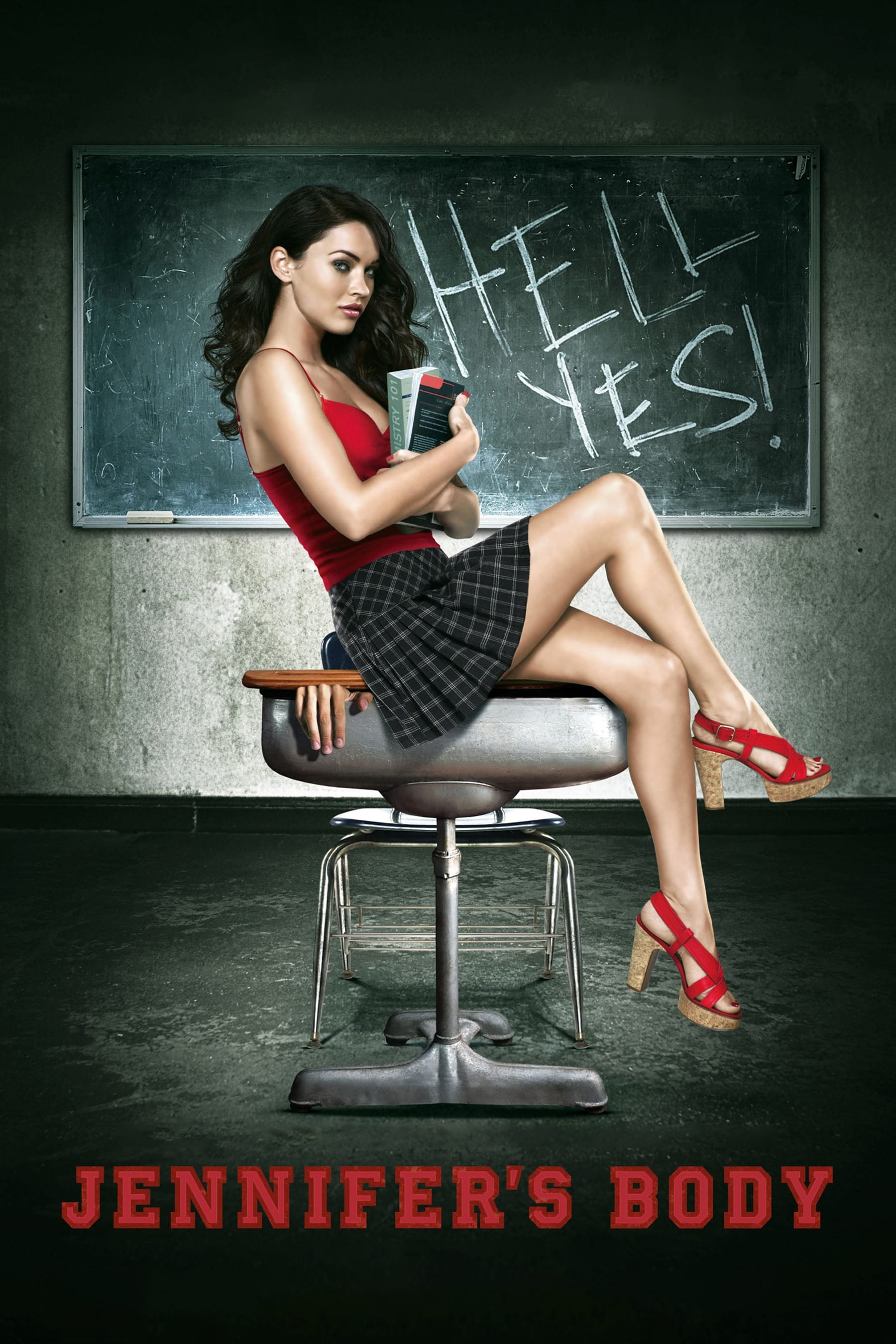
This horror-comedy stars Megan Fox as a high school student possessed by a demon who begins eating her male classmates. At the time of its release, the film was marketed primarily to a male audience, which missed the point of its feminist themes and female-centric perspective. Critics in 2009 were often dismissive of the film’s “snappy” dialogue and tone. It has recently undergone a massive critical reevaluation, becoming a cult favorite for its subversion of the “final girl” trope.
‘Scott Pilgrim vs. the World’ (2010)
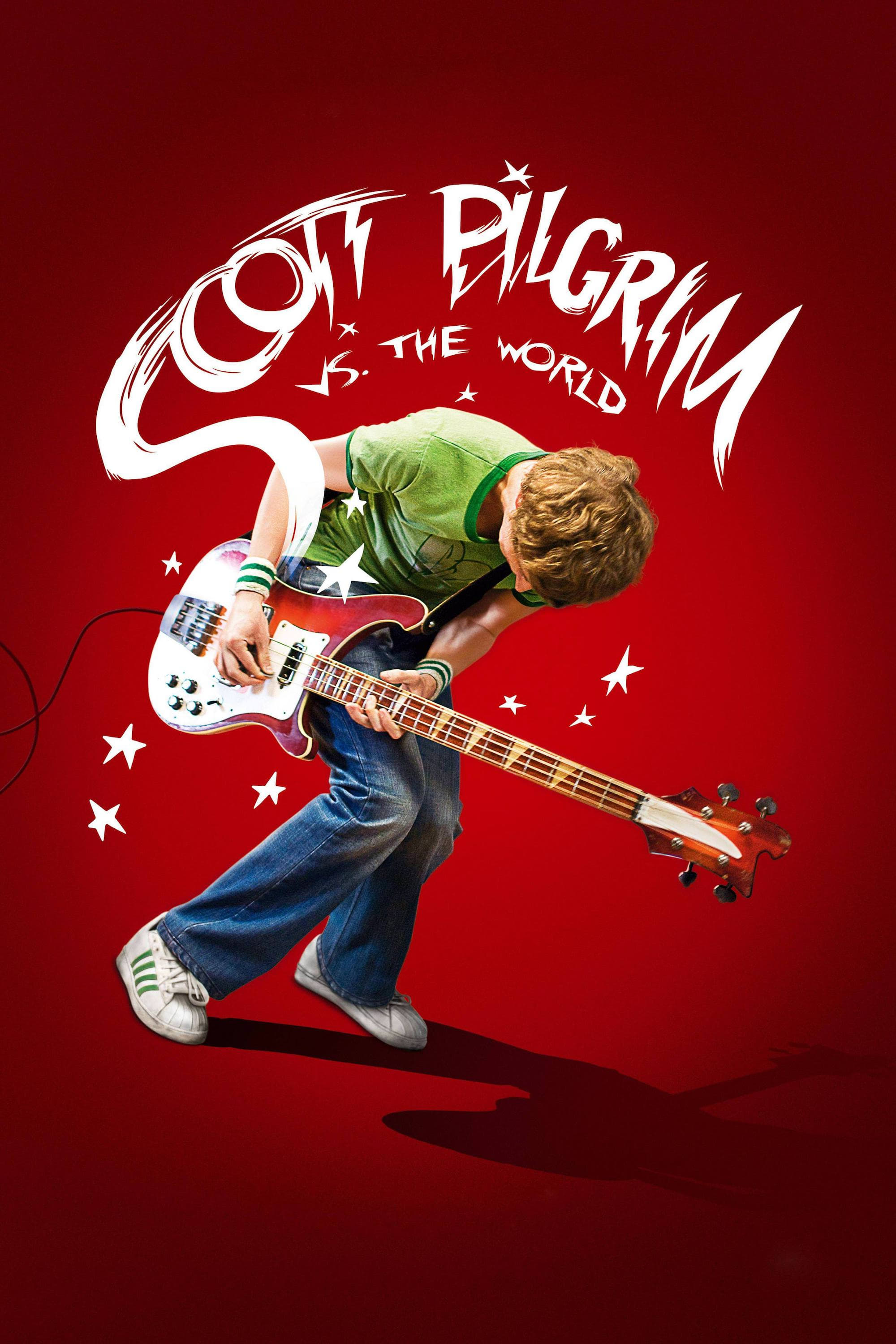
Edgar Wright’s adaptation of the graphic novel series uses video game aesthetics and frantic editing to tell a story about young love and baggage. The film’s hyper-kinetic style and niche cultural references were not enough to draw a large audience to theaters in 2010. It felt like a movie designed for a generation that had grown up with the internet and gaming culture. As that generation came of age, the film’s popularity and influence on visual storytelling grew exponentially.
‘The Artist’ (2011)
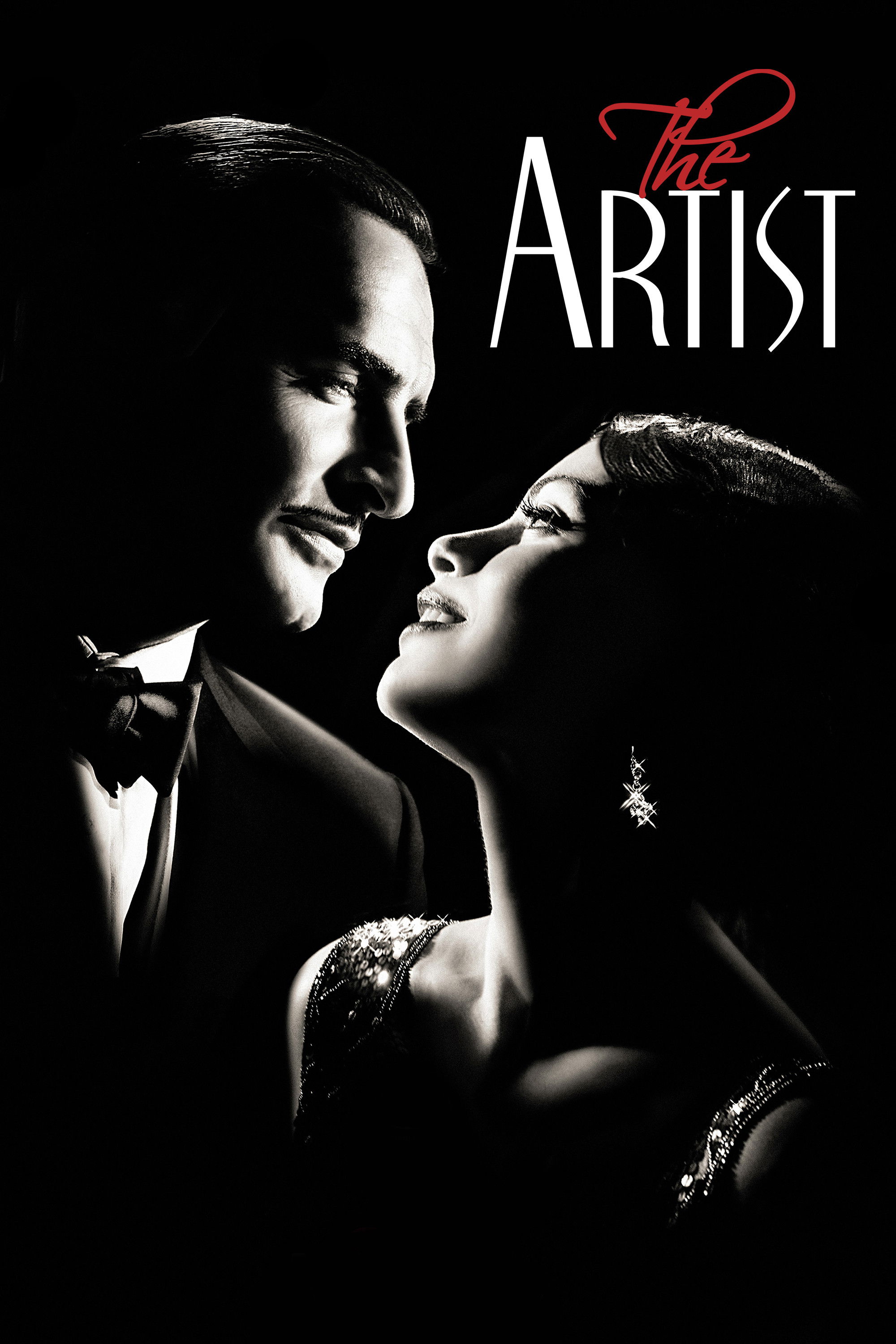
This black-and-white silent film was released in an era dominated by 3D blockbusters and high-definition digital cinema. It tells the story of a silent film star struggling to adapt to the arrival of “talkies” in the late 1920s. While it won the Academy Award for Best Picture, it was viewed by many general moviegoers as a stylistic gimmick or a mere nostalgia trip. It remains a unique experiment that proved silent-era storytelling techniques could still be effective in the 21st century.
‘Popstar: Never Stop Never Stopping’ (2016)
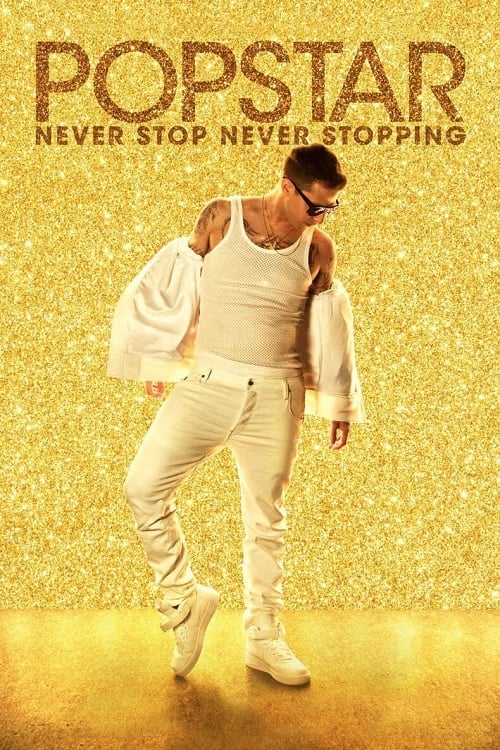
This mockumentary parodies the modern music industry and the rise of the overproduced pop star documentary. Despite featuring a high volume of jokes and original songs, it failed to find a significant audience in theaters. Its satire of influencer culture and the “always-on” nature of celebrity was perhaps too close to the real thing for some viewers. Since its release, it has been hailed as a spiritual successor to ‘This Is Spinal Tap’.
‘The Nice Guys’ (2016)
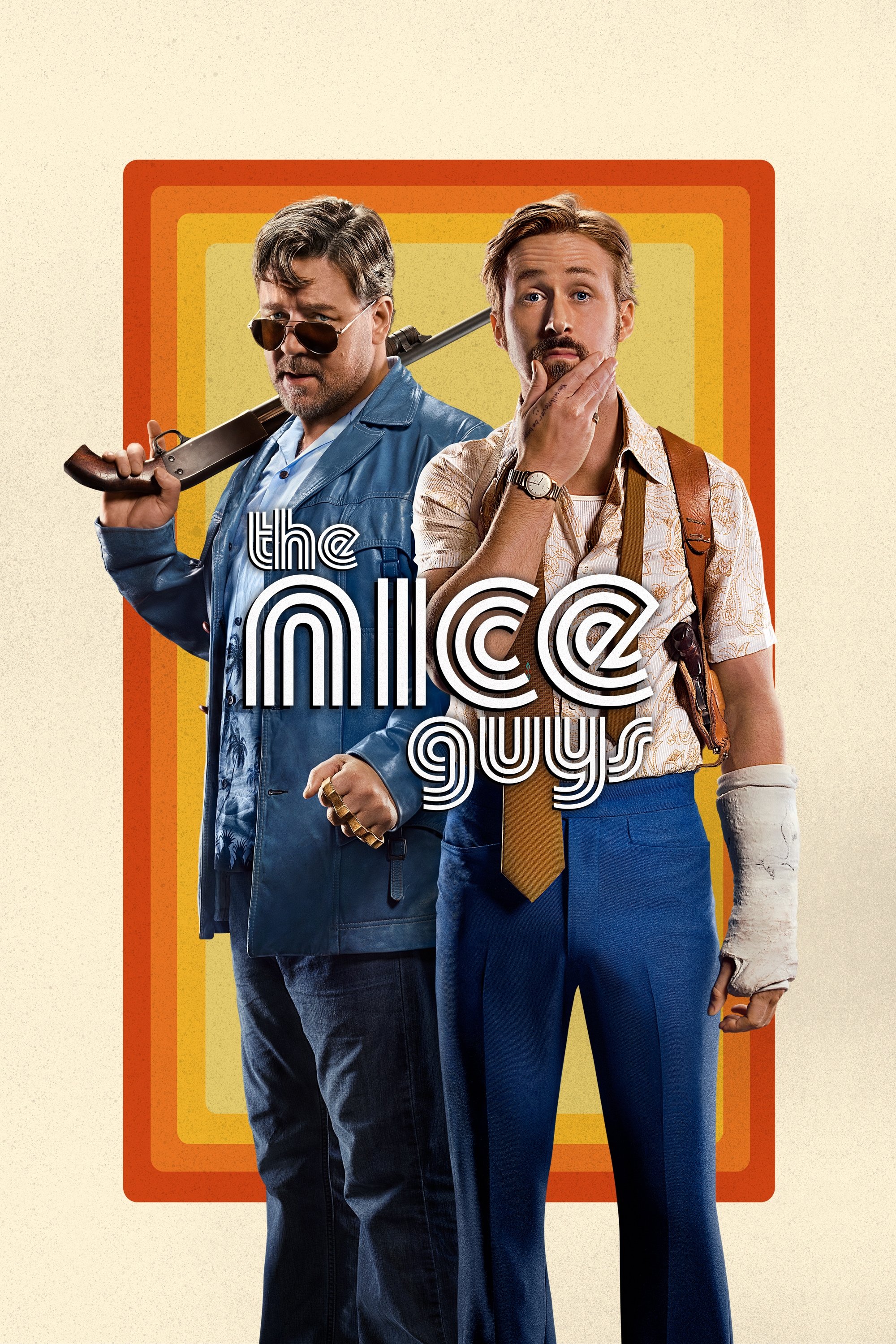
Directed by Shane Black, this 1970s-set action comedy follows a private eye and a hired enforcer who team up to solve a mystery. The film’s focus on chemistry, witty dialogue, and practical action felt like a relic from the 1980s or 90s. In a landscape increasingly dominated by superhero franchises, this original, character-driven comedy struggled to compete. It is now frequently cited as one of the most underrated comedies of the decade.
‘Solo: A Star Wars Story’ (2018)
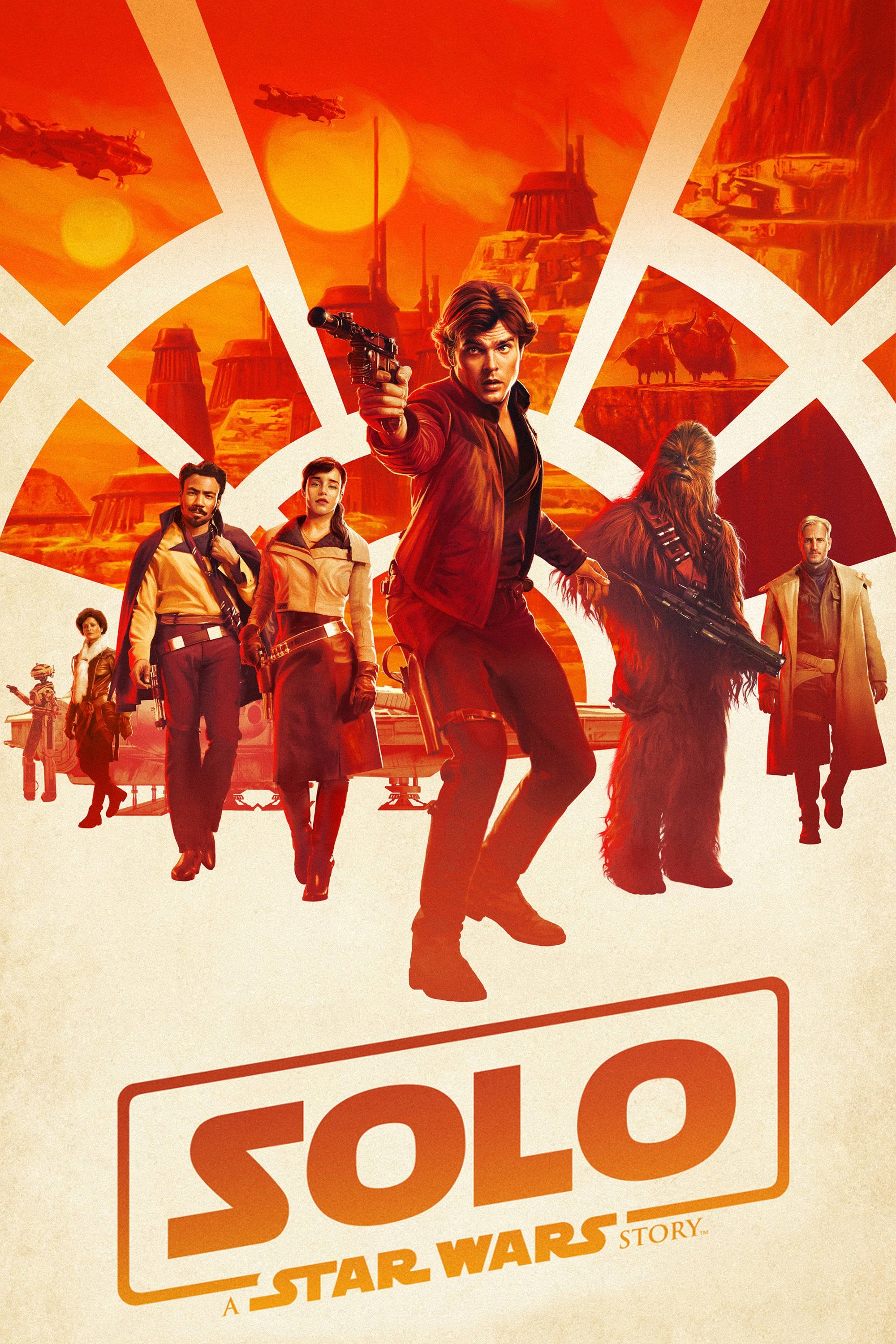
This ‘Star Wars’ spin-off adopted the tone of a 1970s space western and heist movie rather than a grand space opera. It was the first film in the franchise to underperform at the box office, largely due to “franchise fatigue” and a crowded release schedule. The film’s more grounded, gritty aesthetic and smaller stakes were a departure from the epic scale of the main saga. Many fans have since come to appreciate its world-building and its more traditional adventure-story roots.
Tell us in the comments which movie you believe was most ahead of its time.