Netflix’s ‘The Crash’ Revisits the Chilling True Crime Case That Left a Nation Asking Impossible Questions



True crime documentaries live and die by the weight of their source material, and few cases carry the sheer suffocating gravity of the Strongsville, Ohio collision that shocked the United States in the summer of 2022. ‘The Crash’ is a true-to-life account of a fatal event in the early hours of July 31, 2022, in which a car traveling 100 miles per hour slammed into the side of a building, killing two of the three people inside. Netflix’s new documentary dives headlong into every uncomfortable corner of that night, and it has already become one of the most divisive true crime releases of the year.
The film pairs firsthand accounts with case evidence to examine how what seemed to be a tragic accident became a murder case, and why not everyone agrees with that conclusion. It is precisely that ambiguity, that refusal to hand viewers a tidy resolution, that has made ‘The Crash’ impossible to stop watching and even harder to stop talking about.
The Fatal Night at the Center of the Mackenzie Shirilla Murder Trial
The driver, 17-year-old Mackenzie Shirilla, was taking her boyfriend, Dom, and his friend, Davion, home from a high school graduation party when the crash occurred. What unfolded in those final seconds would become the subject of years of legal battles, public debate, and now a feature-length Netflix documentary that has reignited the national conversation all over again.
Investigators reached a turning point when the car’s event data recorder revealed that Mackenzie pressed the accelerator to 100% for five seconds before the crash, with reportedly no attempt to brake. That single piece of data changed everything. What had been processed as a devastating teenage accident was reclassified as something far darker in the eyes of law enforcement and the prosecution.
Further implicating her was someone telling detectives that she had threatened to crash a car with Dom inside two weeks before the crash. Combined with evidence that Shirilla had visited the same out-of-the-way location just three days prior, prosecutors built an argument centered on premeditation rather than panic.
Mackenzie Shirilla claimed that she blacked out, citing a diagnosis of POTS (postural orthostatic tachycardia syndrome) from 2017, but the prosecution countered that the car’s sustained acceleration and controlled turns were impossible during such a medical emergency. The gap between those two explanations is exactly where ‘The Crash’ spends most of its runtime, and it is genuinely uncomfortable territory.
The Toxic Teenage Relationship That Investigators Say Explains Everything
Interviews with friends, family members, investigators, and legal experts slowly build a portrait of teenage relationships shaped by insecurity, obsession, and emotional instability throughout the documentary. The film does not shy away from the darkness of what Mackenzie and Dom’s dynamic allegedly looked like in the months leading up to that July night.
Police believed her intention was a murder-suicide, as she could not bear the thought of Dominic breaking up with her again, with Davion tragically caught in the crossfire. That framing positions Davion Flanagan as an unbearably cruel footnote to a possessive relationship, a young man who lost his life simply for being in the wrong place at the wrong time.
The aftermath of the crash was marked by Mackenzie’s bizarre behavior. While she feigned grief online, leaving heartbroken comments on Dominic’s obituary and creating a shrine to him in her bedroom, she was later filmed attending concerts in a wheelchair and dressing up for Halloween, which prosecutors used as evidence of her lack of remorse. That post-crash behavior became a defining thread of the prosecution’s narrative and looms large in the documentary’s construction of Shirilla’s character.
A Netflix True Crime Documentary That Refuses Easy Answers
Director Gareth Johnson and producer Angharad Scott told Tudum they wanted to revisit the case so those affected could have their voices heard. Scott noted that “quite a lot of these people’s voices hadn’t been heard, and they felt like they still needed to say something.” That sensitivity to the human cost of the case, rather than just its procedural drama, is what separates ‘The Crash’ from lesser entries in the genre.
There is very little stylistic excess in the documentary, no dramatic recreations every five minutes or flashy editing designed purely for social media clips, as Johnson keeps the tone grounded. For a case this emotionally loaded, that restraint feels like a deliberate and meaningful creative choice, one that ultimately serves the story rather than sensationalizing it.
The documentary occasionally struggles with balance. In trying to present multiple perspectives fairly, there are moments when it risks becoming emotionally detached from the victims themselves, with Dom and Davion sometimes feeling slightly overshadowed by the psychological intrigue surrounding Mackenzie and the trial. It is a tension that true crime as a genre has never fully resolved, and ‘The Crash’ is honest enough to let that tension remain visible.
The “Hell on Wheels” Verdict and Where Mackenzie Shirilla Stands Today
Judge Nancy Margaret Russo described Shirilla as “literal hell on wheels” and stated that “this was not reckless driving. This was murder. The video clearly shows the purpose and intent of the defendant. She chose a course of death and destruction that day.” Those words have since become the defining sound bite of the entire case, haunting every subsequent piece of coverage including this Netflix documentary.
In August 2023, following a bench trial, Judge Nancy Margaret Russo found Mackenzie guilty on all 12 counts, including four counts of murder. She was sentenced to two concurrent life sentences with the possibility of parole after 15 years, and her driver’s license was permanently suspended. The families of Dominic and Davion addressed the court directly, with Christine Russo telling Mackenzie that her son and Davion had been “robbed of their futures, their hopes and their dreams.”
Shirilla’s defense team filed an appeal but made a fatal mathematical error, forgetting that 2024 was a leap year, and filed their petition on day 366. The appellate court issued a rejection, ruling that the statutory language dictates “365 days” regardless of leap years, permanently throwing the appeal out. It is one of the more extraordinary legal footnotes in recent true crime history, a single calendar day closing the door on any hope of a new trial.
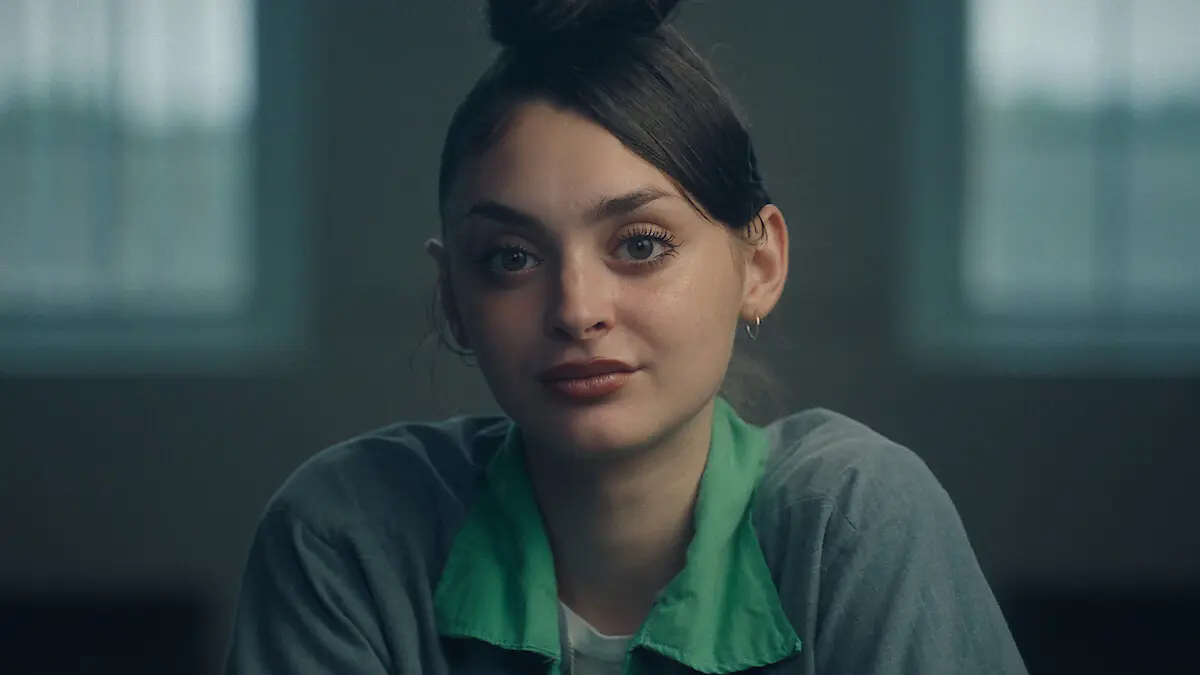
In the Netflix documentary, Mackenzie gives her first interview since her arrest, which is the first time the public has heard directly from her since the case began. The filmmakers noted that “it was extraordinary, after months of research for the story, to finally sit down and put to Mackenzie all the questions everybody else has been asking,” with her lawyer present throughout the interview. After watching Shirilla speak from behind bars for the first time, the question is really yours to answer: do you believe her?