Jessica Treska Breaks Down the Shocking ‘Euphoria’ Finale Ending

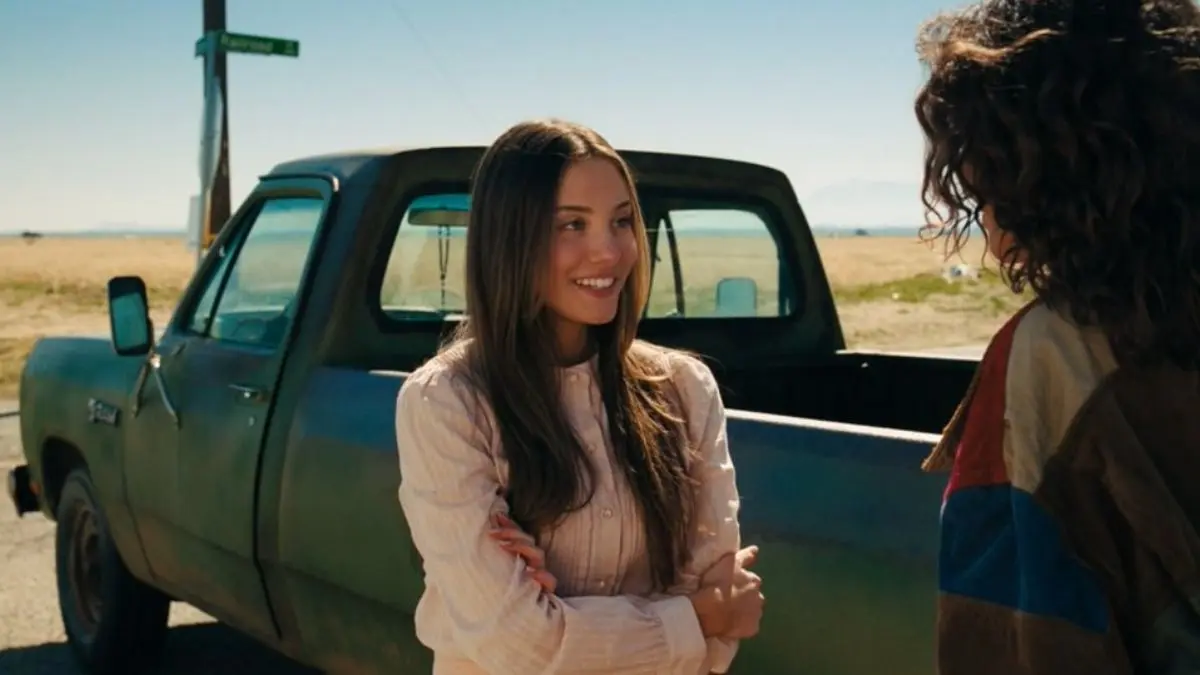

Jessica Treska says the ending of “Euphoria” season 3 caught her off guard, even while she was filming it. Speaking in an interview with Elle, she explained that her character Daisy Miller was meant to feel simple and separate from the chaos of the show. Daisy lives on a quiet farm in Texas with her religious family, and her life becomes a major turning point in Rue Bennett’s final story. Treska said she did not fully understand how important Daisy would be until filming started, because the scripts were kept very secret.
In the season 3 finale, Rue dies after a fentanyl overdose, ending her long and painful journey through addiction. But the story does not stay dark. The episode moves to the Miller family farm, where Rue’s sponsor Ali arrives to tell Daisy and her father what happened. He says Rue is “in a better place,” and the family sits in silence as they take in the news. Treska explained that this moment was deeply emotional to film because she had to react without knowing exactly what would be said. She said Sam Levinson changed dialogue on set so her reaction would feel real and unplanned.
“I had no idea what was going on until the camera was on me,” Treska said. She added that the experience felt real instead of like acting because she was learning the outcome at the same time as her character. According to Frankie Marin’s interview coverage, Levinson wanted Daisy’s reaction to feel natural and raw, showing grief as it happens in real time.
The final scene then shifts in a surprising way. Ali sits at the same dinner table where Rue once shared a meal with the Miller family. He leads them in prayer, and Daisy suddenly senses something different in the room. She turns toward Ali, and he opens his eyes while saying, “Thank you, Rue.” Daisy then looks toward an empty chair, where Rue appears seated peacefully among them. Treska said this moment changes the meaning of the ending.
“She’s happy. She’s finally at peace. Rue is now the happy one at the table; she’s made it home,” Treska explained. She said Daisy represents innocence and calm, while Rue’s return in the final moment shows peace after a life of pain and addiction.
Treska also said the farm setting was important because it removes Rue from the world that hurt her. In her view, Daisy and her family live in a way that is simple and focused on faith. She said Daisy’s life is shaped by God and family, and that this contrast helps explain why Rue feels drawn to them.
“She’s living for God and her family. I think that’s literally all she knows,” Treska said. She added that Daisy is curious about the outside world but still grounded in her home life, which is why Rue connects with her so strongly in such a short time.
According to Frankie Marin’s reporting, Treska said the ending is meant to show a shift from chaos to peace. She believes the finale is about letting go of addiction, selfishness, and material things, and finding meaning in something greater.
For Treska, the final message is simple. She said the story shows that real peace does not come from fame or money, but from faith, love, and letting go of pain.
Have something to add? Let us know in the comments!