‘Barreda’ Review: Argentina’s Most Notorious Killer Gets a Movie That Isn’t Sure Whose Story It’s Telling

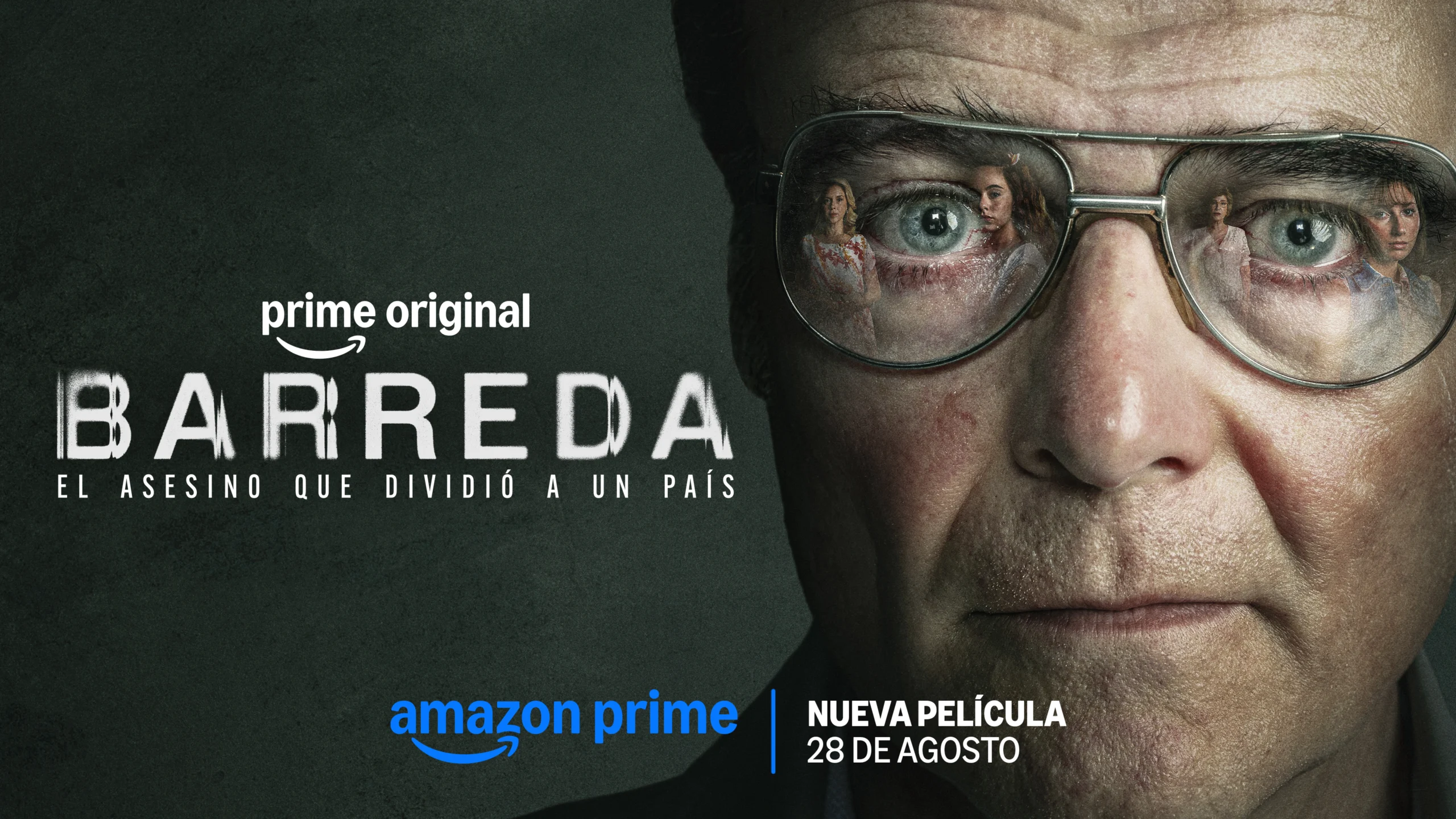

Prime Video has never been shy about mining true crime for prestige drama, and ‘Barreda’ arrives as its latest attempt to turn a real national trauma into a two hour character study. The film reconstructs the case of Ricardo Barreda, a small city dentist who murdered his wife, mother in law, and two adult daughters inside their own home in La Plata in 1992, then spent years insisting he was somehow the wronged party. Released globally on August 28, it lands with a starry local cast and a director clearly interested in more than just restaging a tabloid nightmare.
Luis Machín plays Barreda, and it is immediately obvious why he was cast. He plays the man as closed off and oddly formal, someone who seems more at ease drilling a patient’s molars or carrying on with a mistress than sitting at his own dinner table. Carla Peterson and Mercedes Morán, as his wife Gladys and mother in law Elena, spend much of the runtime registering fear and quiet dread rather than getting scenes of their own, which becomes the movie’s central tension almost by accident.
Because ‘Barreda’ clearly wants to be about the women in that house rather than the man who ended their lives, and that ambition is the most interesting thing about it. The screenplay jumps between two timelines, one tracking the arrest and trial, the other slowly filling in the domestic rot that preceded the murders, and there is real craft in how those threads eventually meet. Goggi stages the household as two people occupying the same rooms on entirely different emotional frequencies, which does a better job of explaining the horror than any courtroom monologue could.
Where the film loses its nerve is in how much oxygen it still gives Barreda himself. Every time the story edges toward Gladys or her daughters, the camera drifts back to the dentist, and by the midpoint you start to notice that his stillness and his strange domestic performance are doing most of the narrative heavy lifting. That is not a fatal flaw, but it does undercut the stated goal of correcting the record for people who spent decades treating this man as some kind of folk antihero. A film that wants to dismantle a myth needs to be a little braver about turning the lens away from the mythologized man.
The production values never let the material down. The 1990s period detail feels lived in rather than costume department perfect, and the courtroom sequences have a procedural chill that never tips into melodrama. Marcelo Subiotto’s prosecutor provides a necessary counterweight to Machín’s performance, a figure whose calm persistence slowly picks apart the victim narrative Barreda tried to construct for himself in the press.
What ultimately saves ‘Barreda’ from being just another handsome true crime rehash is its refusal to romanticize the case the way Argentine popular culture once did. It treats the public’s old fascination with this killer as its own kind of societal failure worth examining, rather than something to wink at. That framing gives the film a moral spine even when its structure keeps pulling focus back toward the person least deserving of it.
I walked away from ‘Barreda’ admiring its intentions more than its execution, impressed by Machín’s discipline and Peterson’s restraint but wishing the back half trusted its victims with as much screen time as it gives their killer. It is a well made, thoughtfully acted drama that occasionally forgets its own thesis, which keeps it from being the definitive reckoning it clearly wants to be. My final verdict lands at 7.5 out of 10.
How did you like 'Barreda'?
Have you streamed ‘Barreda’ on Prime Video yet, and does it earn the perspective shift it’s going for? Drop your take in the comments.