Netflix’s ‘Monster’ Took Major Liberties With the Lizzie Borden Case, and the Differences Are Striking

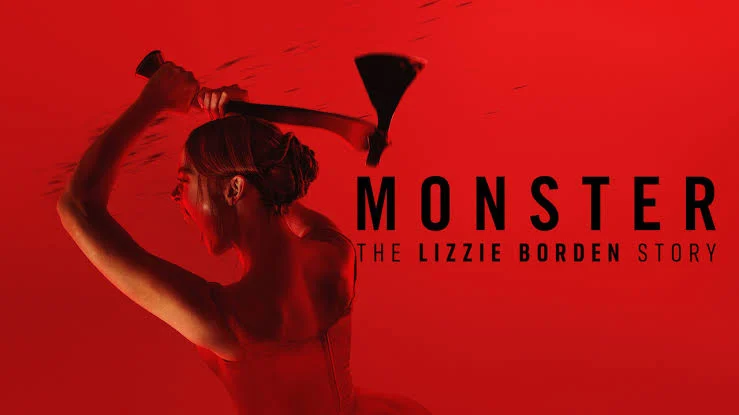

True crime anthologies live and die by how they handle the gap between documented history and dramatic license, and few American cases carry as much myth around them as the Borden murders. More than 130 years after a Massachusetts jury reached its verdict, the case still resists a tidy explanation, which makes it fertile ground for reinterpretation.
That ambiguity is exactly what Ryan Murphy and Ian Brennan’s anthology has leaned into with its latest installment, folding new relationships and motives into a story that has never had a confirmed killer. Viewers walking away from the season with strong opinions about what “really happened” might be surprised by how much of it never happened at all.
The facts versus fiction in ‘Monster: The Lizzie Borden Story’ reveal a season built on real names, real dates, and a real unsolved double murder, wrapped around invented romance, invented violence, and connections to other true crime cases that never actually existed. Separating the two paints a clearer picture of both the historical record and how far the show pushed beyond it.
The core case remains intact. Andrew and Abby Borden were killed with a hatchet in Fall River on August 4, 1892, and Lizzie was arrested a week later before standing trial the following June. The jury deliberated for roughly 90 minutes before returning a not-guilty verdict, a detail the series preserves accurately.
Smaller details hold up too. Lizzie’s account of hunting for fishing sinkers during her parents’ murders mirrors her real police inquest testimony, and she and her sister Emma did purchase and move into the Maplecroft estate after the trial, eventually growing estranged years later. Financial tension within the household, driven partly by Andrew’s frugality and disputes involving his second wife, also reflects genuine family discord documented at the time.
The romantic and murderous partnership between Lizzie and housemaid Bridget Sullivan, central to the show’s entire narrative, has no basis in the historical record. Sullivan was actually the prosecution’s star witness at trial, not a co-conspirator, and the idea of the two women plotting together traces back to speculative fiction rather than documented fact.
The show’s depiction of Lizzie and “Maggie” murdering Bertha Manchester as a trial run for the Borden killings is similarly fabricated. Manchester was actually killed in May 1893, while Lizzie was imprisoned awaiting trial, and the real case was solved with the conviction of Jose Correa de Mello, a detail the series omits entirely.
Nance O’Neil’s role as a trial coach is also chronologically impossible. The real actress didn’t meet Lizzie until 1904, more than a decade after the acquittal, making her courtroom presence in the show a clear dramatization rather than a documented event.
Beyond the central relationships, the series takes smaller but still notable liberties. It depicts Abby killing Lizzie’s pet doves, when historically it was her father who did so over disease concerns, and it suggests Lizzie kept over 200 pets despite no evidence supporting that specific number, though her real-life animal welfare advocacy was genuine.
The season also draws a thread connecting Lizzie’s story to Aileen Wuornos, portraying the serial killer as fixated on Borden’s case. No historical documentation supports that connection ever existing, making it one of the more speculative threads woven into an already fictionalized season.
Ella Beatty and Charlie Hunnam star as Lizzie and Andrew Borden in Monster: The Lizzie Borden Story.
— Netflix (@netflix) September 17, 2026
Now on Netflix. pic.twitter.com/YdFjhoxu4y
Part of what makes ‘Monster’ effective, even with its inventions, is that the real Borden case has always resisted a clean resolution. Alternative suspects, including Lizzie’s uncle John Morse and even her own sister, have circulated for over a century without ever producing definitive proof of who actually swung the hatchet.
That unresolved mystery gives the show room to speculate without technically contradicting a settled historical record, even as it strays far from what’s actually documented. Whether that creative freedom serves the real victims or simply serves good television remains up for debate.
Even Lizzie’s own post-trial life gets simplified in the process. She lived quietly and privately at Maplecroft for the rest of her days rather than embracing any kind of public activism, a detail the show largely leaves out of its more dramatic framing.
Which fictionalized detail in Monster: The Lizzie Borden Story surprised you the most?
Have something to add? Let us know in the comments.