‘My Sad Dead’ Recap and Ending Explained: The Meaning Behind Netdlix’s Quietest Ghost Story

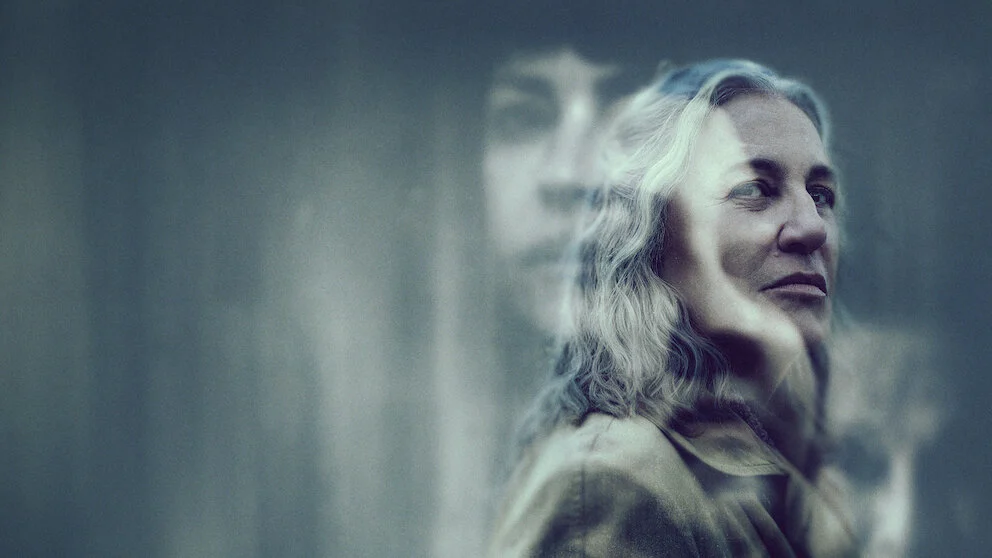

The ‘My Sad Dead’ ending does not deliver a big twist or a final jump scare. The Pablo Larraín miniseries landed on Netflix on September 24 as a four episode run, and its last moments are gentle, strange and quietly devastating. If you finished the finale wondering what exactly you just watched, you are not alone.
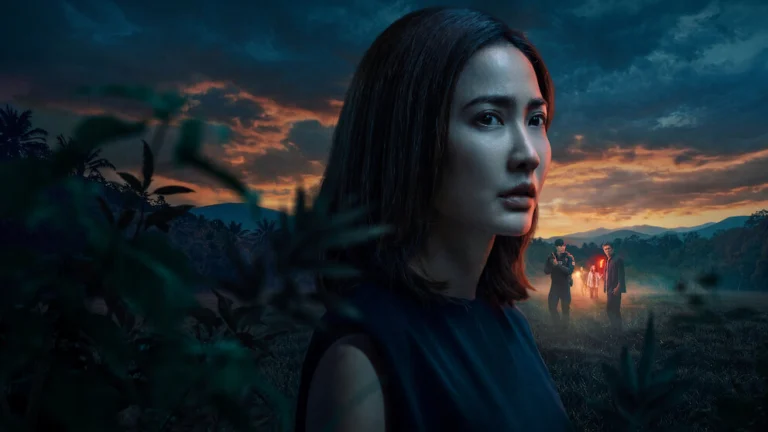
The story follows Ema, a retired doctor grieving her mother who can see and speak with the dead around her. This piece breaks down where the series leaves her, what happens to her niece, and why the ghosts never really go away. Spoilers ahead.
The ‘My Sad Dead’ Ending Brings Everything Back to One Table
The finale pulls together Ema’s bond with the dead, her niece’s tangled connection to them and the violence hanging over the neighborhood. Julie ends up dead herself and finds her friends again at Grandma’s house. It is a bittersweet reunion, because those friends were the ones only she and Ema could ever see.
That image matters because of how the story begins. Julie arrives with friends nobody else can see, and her closeness to them slowly becomes something she cannot control. At one point Julie runs away and nobody but the audience knows where she has gone, which leaves Ema carrying a fresh crisis on top of everything else.
The closing scene shows the dead continuing to exist alongside the living, with Ema seated at the dining table with Grandma and Julie. Nobody is banished and nothing is exorcised. The series simply lets the two worlds share a room.
Ema and Julie Are Two Sides of the Same Gift
Ema and Julie both see the dead, yet the gift affects them very differently. Julie has a similar connection to the dead, but it affects her in a different way. Ema has spent her life avoiding human connection to shield herself from the grief of others, while Julie is far more open and far more exposed.
One review describes Julie as more volatile, with a relationship to the supernatural that is messy and increasingly difficult to contain. That contrast explains why her ending lands so hard. Julie’s story blurs the line between being connected to the dead and being consumed by them.
Ema’s arc moves in the opposite direction. She begins the series treating her ability as something she has learned to live with, and by the finale the bond with her dead mother feels less like horror and more like acceptance. The dead are no longer a burden she hides from, they are simply part of her life.
Why the Ghosts of Piedrabuena Never Leave
The ghosts in this story are not there to scare anyone. A critic at The Film Verdict notes that the phantoms have one thing in common, they died tragically, violently or painfully and want the living to know it. That idea sits at the center of the show’s final shape.
The neighborhood of Piedrabuena is violence ridden, and the murder of three teenagers there sets something strange spreading. Reviewers read the ghosts as evidence, physical reminders of the unresolved circumstances that led to each death. That is why the ending refuses to make them vanish.
This also fits what the creators wanted. Larraín has said the series shows a city, poverty, violence and social classes that have been forgotten. Micropsia reads it as a macabre tale about social, political and economic conditions pushing people to the edge of what they can bear. Read that way, the ghosts staying put is a statement rather than a loose end.
Grief and Acceptance Are the Real Endgame
The finale is less interested in solving a mystery than in asking how you keep living with loss. Ema’s mother died only three weeks before the story begins, so the grief is still raw when the series opens. Because Ema can still see her, she never gets the clean absence most mourners face.
In conversation with Variety, author Mariana Enríquez explained that her own mother is a doctor like Ema and that the neighborhood is based on a real place, with many of the violent situations drawn from reality and slightly distorted. That grounding helps explain why the ending feels so lived in. The supernatural element is invented, but the pain around it is not.
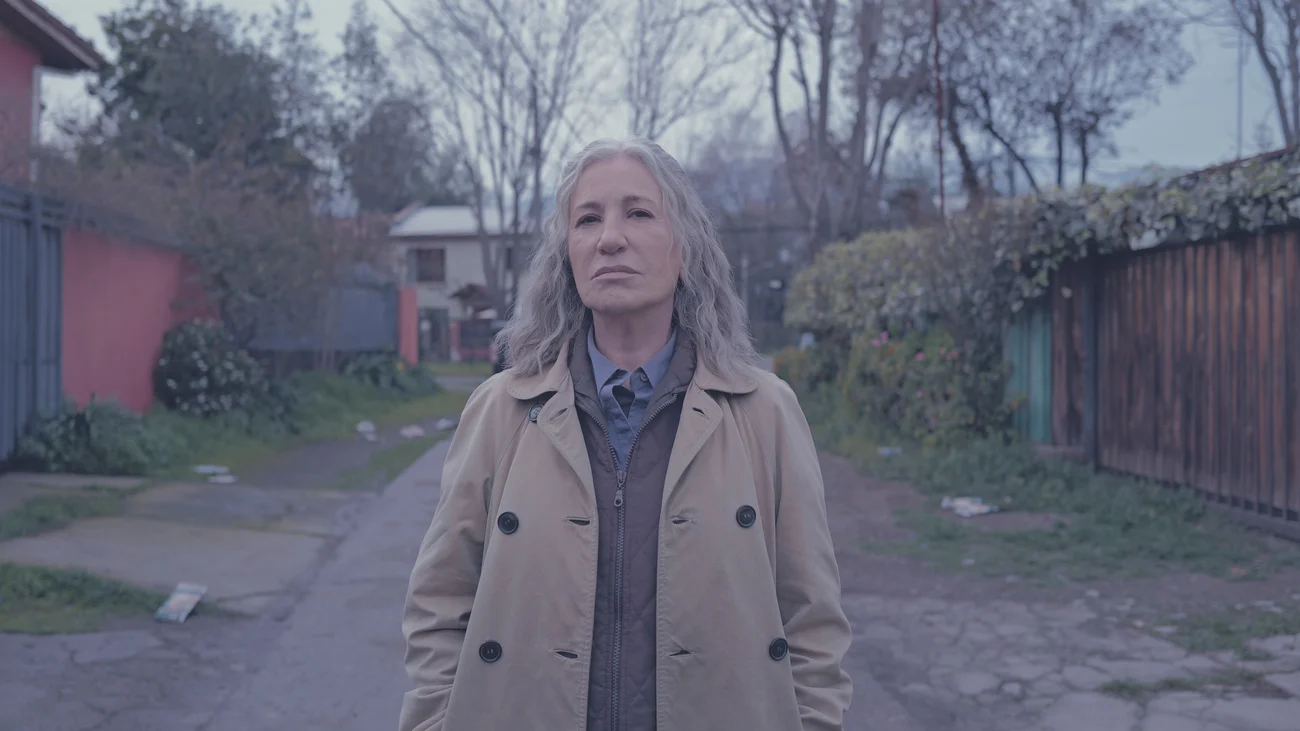
Not everyone will find that satisfying. The Film Verdict argues the series lacks a compelling narrative arc for something marketed as psychological horror. Still, the show does not tie everything up in a neat bow, and ghosts do not disappear in the closing shot, which feels like the point.
So when Ema pulls up a chair beside Julie and Grandma at that final dinner table, does it read to you as peace, or as proof that the dead of Piedrabuena will never truly let anyone go?