Netflix Lands Exclusive FIFA World Cup 2030 Rights in Spain and Andorra in a Landmark Live-Sports Play

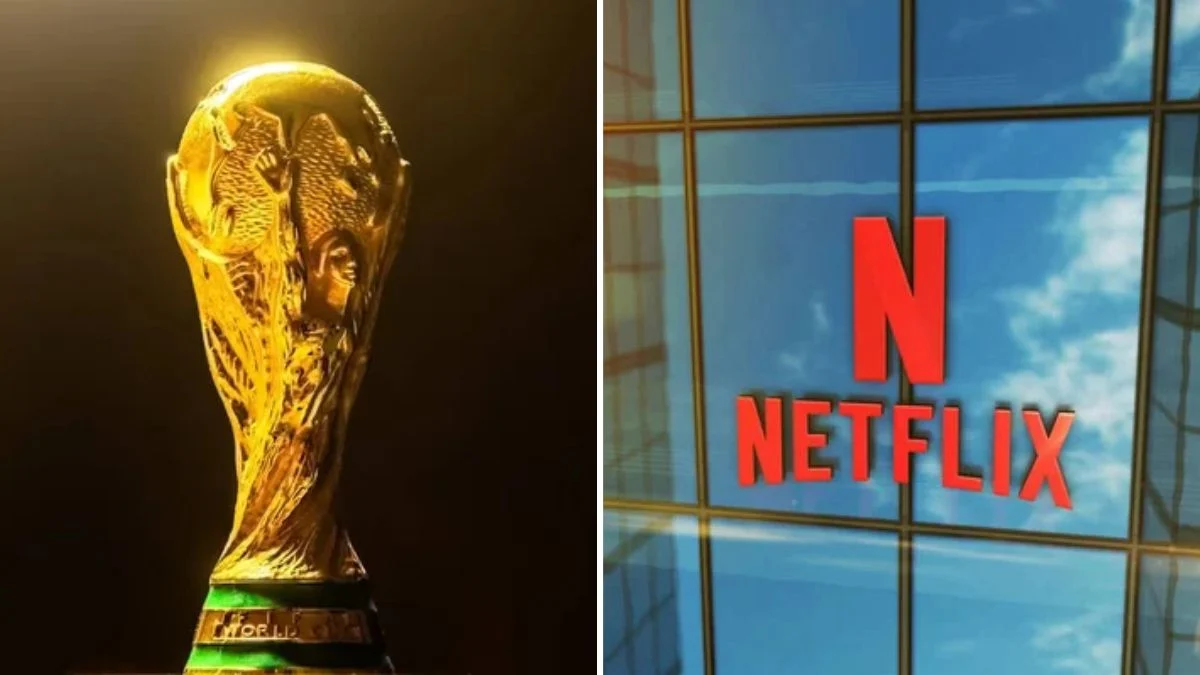

Few events on the planet command attention like the World Cup, and for years the biggest decisions about where to watch it have belonged to national broadcasters. That balance is starting to shift. On Tuesday, Netflix made one of its boldest moves yet to become a serious player in global live sports.
The streaming giant announced that it has secured exclusive rights to the men’s FIFA World Cup in Spain and Andorra for the centenary edition. Netflix will show all 104 matches live, a package that includes the opening game through the final. Terms of the deal were not disclosed.
The tournament is a special one for Spain. As the defending world champion, the country will also be one of 3 host nations, alongside Portugal and Morocco, with celebration matches planned in Argentina, Paraguay and Uruguay to mark the 100th anniversary of the competition. For a streamer, that backdrop is hard to beat.
Netflix says its coverage will have a distinctly Spanish perspective. Plans include pre-game, halftime and post-game shows, a daily recap program on match days and extensive pre-tournament programming designed to build excitement. The company is pitching the coverage as more than a simple stream of the games.
Crucially, the deal does not put every match behind a paywall. One match per matchday will be available for free in Spain, and a package of games will be sublicensed to a national free-to-air broadcaster. That package is set to include every match Spain plays, both semifinals and the final, with further details coming closer to the tournament.
According to Reuters, it will be Netflix’s first broadcast of a major men’s international tournament in Spain. The 2026 World Cup was shown in the country by national channel RTVE, which makes the shift in who controls the rights notable. Spanish coverage is already asking what the deal means for RTVE and for the traditional free-to-air model.
Netflix Chief Content Officer Bela Bajaria highlighted the unifying power of the tournament and said the company is thrilled to bring every match to fans across Spain and Andorra. FIFA Secretary General Mattias Grafström said FIFA was pleased to build on its partnership with Netflix and described the event as a special edition of the tournament. The remarks signal that both sides see this as part of a longer relationship rather than a one-off.
The agreement adds to a rapidly growing list of Netflix sports properties. The streamer holds rights to the FIFA Women’s World Cup in 2027 and 2031, along with a 4-year Concacaf deal beginning in 2027 covering the Nations League finals and the Gold Cup. In the US, it already carries NFL and MLB games as well as WWE and select boxing and mixed martial arts events.
Yahoo Sports described the Spanish deal as a major step up, since winning World Cup rights in the heart of Europe, in one of the most football-mad countries on earth, signals the company’s ambitions for live sports abroad. Industry observers also see sports as a tool to increase engagement and retention on the platform, a priority as the streaming market matures.
The move raises obvious questions for rival broadcasters. If a streaming platform can secure exclusive rights to the sport’s biggest event in a major European market, traditional bidders may need to rethink their strategies. The free-to-air carve-outs reflect the political reality that World Cup matches are considered cultural events, and that ensuring broad access matters.
There is also a question of scale. Streaming 104 matches live to a national audience in the middle of a global tournament is a major technical challenge, one Netflix will have years to prepare for. The company has previously handled large live events, and its recent sports investments have been designed to build that capacity.
With the tournament still several years away, much remains to be decided, including how Netflix will price access and which free-to-air partner will carry the sublicensed games. The company says more details will be shared as the competition approaches. For fans, the immediate takeaway is that a centenary World Cup will be streamed live in Spain on a platform better known for scripted dramas and documentaries.
Whether that proves to be a triumph or a stumble will depend on execution, but the announcement alone has made the future of football viewing a lot more interesting.
What do you think about Netflix streaming the 2030 World Cup?
Have something to add? Let us know in the comments!