‘You Can See Everything’ Ending Explained: The Deception Behind Nathan Fielder’s Climax


The landscape of modern non-fiction cinema has grown increasingly obsessed with dissecting high-profile tech collapses and the enigmatic personalities behind them. In the 174-minute documentary ‘You Can See Everything‘, audiences are granted an unprecedented look inside the final month of freedom before an infamous corporate figure surrenders to federal authorities. The project captured immense industry buzz ahead of its theatrical debut by taking an unconventional approach to a media sensation whose story once seemed completely exhausted.
Rather than relying on archival television coverage or standard talking heads, the production chronicles the quiet domestic life inside a rented California beach home. Viewers observe intimate family routines as underlying tensions simmer against the inescapable deadline of an impending prison sentence. The atmosphere remains deceptively tranquil, disguising a psychological cat-and-mouse game quietly brewing between the filmmakers and their elusive subject.
The Meta Breakdown of Truth and Performance
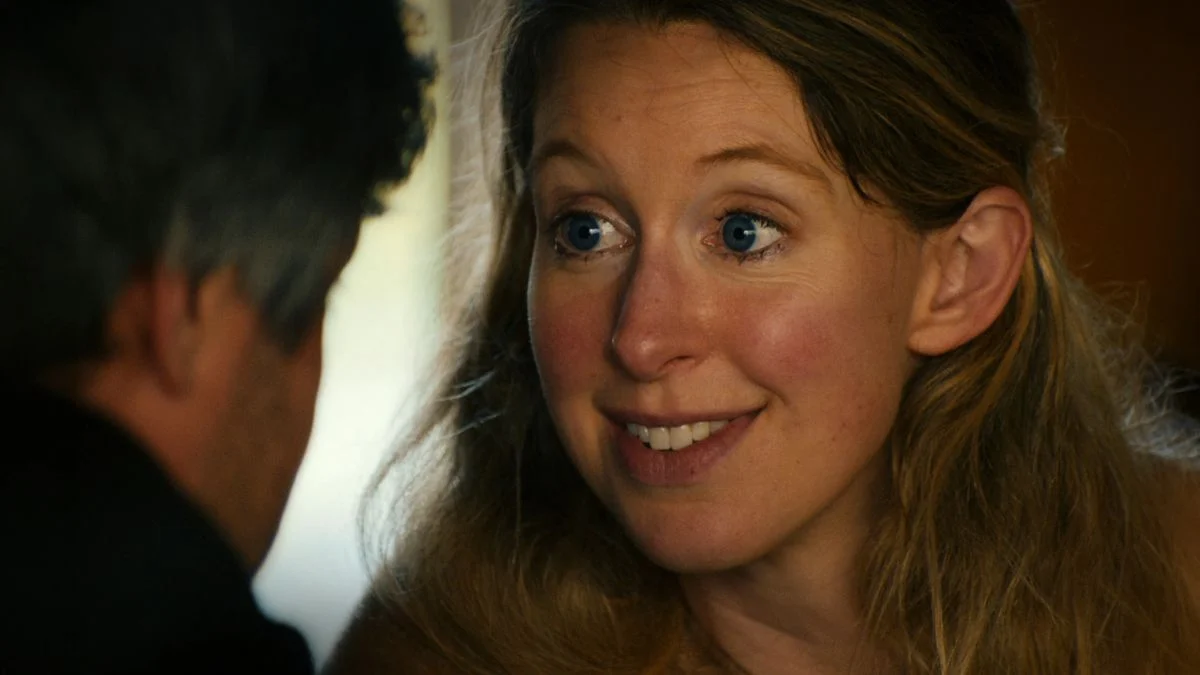
The core tension of ‘You Can See Everything’ erupts when Theranos founder Elizabeth Holmes invites co-directors Nathan Fielder and Lance Oppenheim to chronicle her life alongside her partner, Billy Evans. Filmed over the course of three years, the documentary quickly pivots away from a straightforward character study into an unnerving reflection on deceit and image control. While reflecting on his initial interactions with Holmes, Fielder admitted, “When I met her, I remember having this weird experience where she seems so genuine at times. But then I’m like, ‘no,’ and clocking and tracking my thoughts and being like, ‘Okay, I know she’s a liar,'” speaking to Variety.
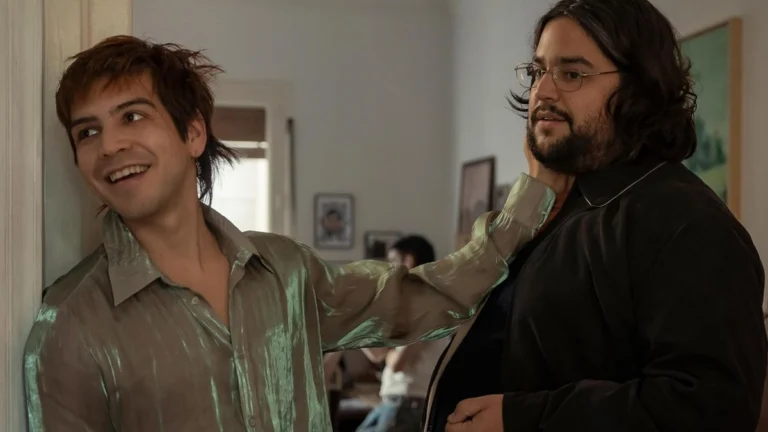
As the clock winds down on Holmes’s 34 days of freedom, the production takes several surreal turns that will feel familiar to devotees of ‘The Rehearsal’. Fielder introduces Emmy winner Amanda Seyfried, who famously portrayed Holmes in ‘The Dropout’, into the actual narrative to help dissect what is genuine. Seyfried eventually participates in elaborate dramatic reenactments, staging private conversations involving Evans and studio executives.
These recreated sequences expose Evans privately attempting to negotiate a percentage of the theatrical box office profits with A24 without Holmes in the room. Actor Christopher Abbott steps in to portray Evans in the stylized reconstructions, blurring the lines between corporate opportunism and reality television. Oppenheim explained his broader stylistic intentions, noting that “The challenge for me was how to create something that’s even stranger than stranger-than-fiction,” when he told The Guardian.
What Really Happens During the Prison Visit
Once Holmes officially reports to a federal correctional facility in Bryan, Texas, camera access is completely shut down by prison administrators. The documentary transforms into a stripped-down investigative piece as Fielder travels alone to visit Holmes on the prison grounds. Without recording devices present, audiences are left entirely dependent on Fielder’s spoken retelling of their face-to-face conversation.
During this encounter, Holmes projects vulnerability, sharing quiet grievances about institutional life and noticing other inmates enjoying commissary snacks. She specifically mentions a profound longing for a particular brand of beef jerky that she cannot easily acquire inside the facility. Fielder, moved by a rare impulse of sympathy, purchases the snack from the visiting room vending machines to comfort her.
Decoding the Beef Jerky Twist in the Final Scene
The climax of ‘You Can See Everything’ crystallizes through a haunting, long-lens sequence captured from outside the facility’s perimeter fence. The camera captures Evans visiting Holmes in the yard, casually lounging on the grass as if relaxing on a sunny afternoon. Viewers watch as Holmes crouches beside him, taking an identical bag of beef jerky that Evans has brought along for their visit.
This quiet visual punchline completely recontextualizes the emotional dynamic between Fielder and his subject. Holmes knew Evans was arriving shortly with that exact snack, yet she still manipulated Fielder into buying her an extra portion minutes earlier. The realization hits with devastating clarity: even when stripped of her billion-dollar empire, Holmes instinctively works to charm and exploit whoever stands in front of her.
Who Won the Game of Manipulation?
Ultimately, the closing moments leave viewers with a lingering ambiguity about whether anyone escaped the experiment unscathed. Seyfried earlier questions whether Fielder has grown compromised by his empathy, suggesting that Holmes’s reality distortion field ensnares anyone who attempts to study her. By letting the camera linger on that final exchange, the directors demonstrate how narrative control remains an illusion.

‘You Can See Everything’ delivers a masterclass in modern non-fiction storytelling by proving that total transparency does not guarantee clarity. Fielder and Oppenheim peel back endless layers of artifice only to reveal that the truth is constantly shifting. The ending serves as an unsettling reminder that some personas can never be cracked, no matter how close you look.
What did you think of the final twist at the prison, and do you believe Nathan was completely conned?