Does ‘La Bola Negra’ Have a Post-Credits Scene? Here’s the Answer


The international film circuit has witnessed a remarkable resurgence of ambitious, emotionally devastating auteur-driven dramas throughout 2026. At prestigious events like the Cannes Film Festival and the Toronto International Film Festival, audiences have gravitated toward narratives that confront forgotten historical traumas. Emerging at the forefront of this movement is the Spanish drama ‘La Bola Negra’, a project that has rapidly become a major awards contender.
Directed by the acclaimed filmmaking team Javier Calvo and Javier Ambrossi, the production bridges nearly a century of buried desire and social adversity. In an industry where cinematic releases routinely attach mid-credits stingers or post-credits teasers, viewers frequently wonder if serious period pieces follow that trend. With a demanding runtime of 155 minutes, moviegoers settling into theater seats naturally want to know if they must stay until the lights come up.
To answer the practical question directly, ‘La Bola Negra‘ does not have a post-credits scene or mid-credits sequence. Once the final frames fade into black and the credits roll, the film has reached its definitive narrative conclusion. Audiences can comfortably exit their seats without worrying about missing a surprise teaser, bonus epilogue, or extra scene.
Why ‘La Bola Negra’ Skips an End-Credits Stinger
The decision to forgo extra footage after the credits reflects the artistic intentions of the creative team. Calvo emphasized this reflective thematic focus in comments published by Netflix Tudum, explaining, “The central question is what we do with our past, with our inheritance, with the objects and art that remain, with the traces history leaves behind”. Rather than treating an emotionally devastating historical study like an episodic franchise, the directors crafted a self-contained arc that resolves its generational threads.
Even without additional scenes, sitting through the credits offers genuine emotional value for theatergoers. Composer Raül Refree accompanies the crawl with a haunting score that plays over vintage photographs layered with acrylic art. In several festival screenings, audiences remained seated in quiet reflection through the credits, using the time to process the immense emotional weight of the ending.
How the Ending Ties Three Eras Together
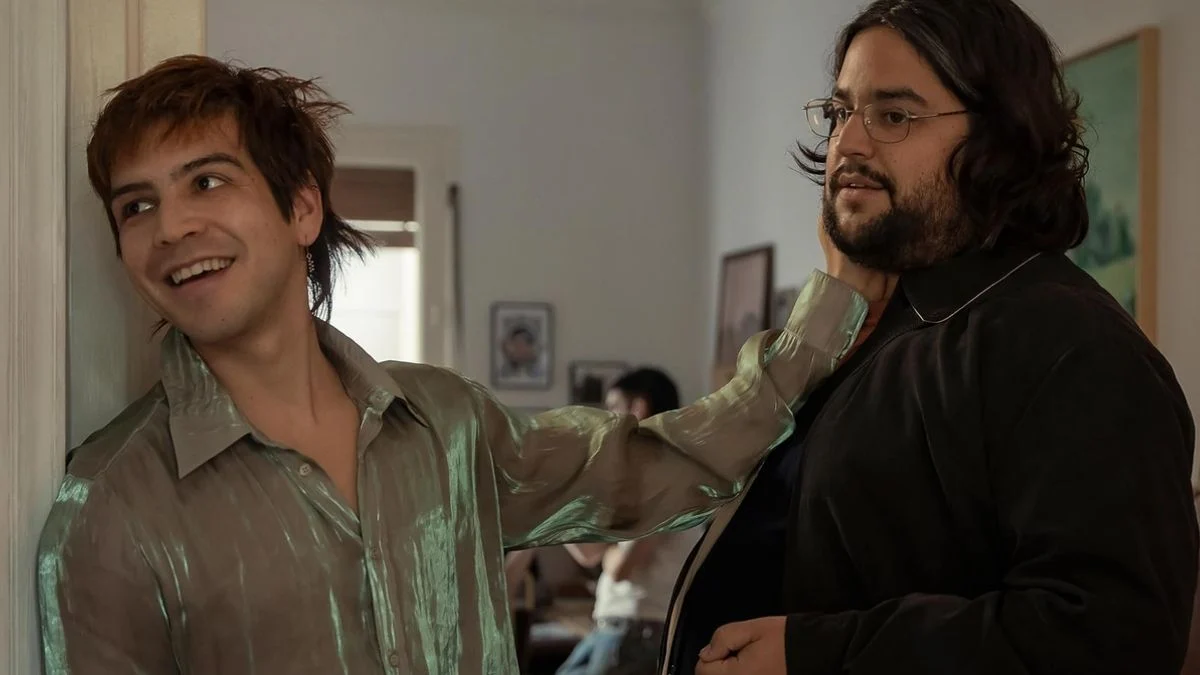
Understanding why the drama requires no extra footage involves examining how seamlessly the narrative weaves its triptych together. The screenplay navigates between 1932, 1937, and 2017, exploring three gay men confronting hostility, war, and secrets across Spanish history. In 1932, a young aristocrat named Carlos, played by Milo Quifes, faces heartbreak when members of a high-society club cast black balls to reject his application over his sexuality.
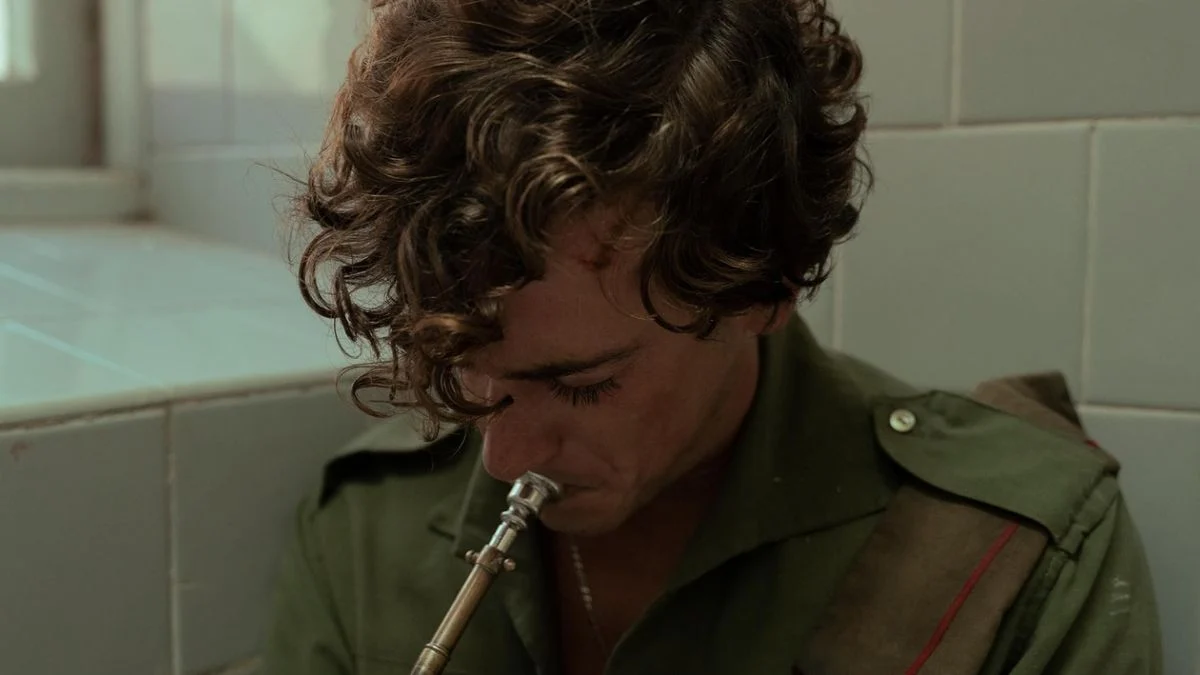
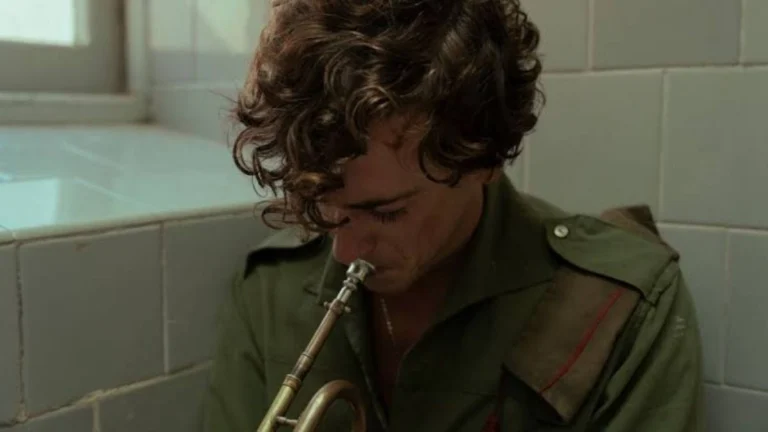
The 1937 storyline shifts to the Spanish Civil War, where a conscripted bugler named Sebastián, played by Guitarricadelafuente, guards a Republican prisoner named Rafael. Despite belonging to opposing factions, the two men forge a deep bond before Rafael faces the firing squad. In Rafael’s final moments, Sebastián secretly rescues an unfinished theatrical script hidden inside his lover’s coat, preserving the work from oblivion.
In the modern 2017 timeline, a struggling writer named Alberto, played by Carlos González, uncovers the hidden truth about his late grandfather. Alberto discovers that his ancestor was actually Sebastián, who survived decades of fascism by living with a partner disguised as cousins in the countryside. Joined by a historian played by Glenn Close, Alberto unearths the preserved pages, recognizing that reclaiming this heritage provides personal and cultural healing.
Reclaiming the Legacy of Federico García Lorca
The emotional backbone of the production rests on the real-life murder of legendary writer Federico García Lorca in 1936. Lorca left behind merely four handwritten pages of an incomplete drama titled ‘La Bola Negra’ before fascist militia members executed him. By expanding those preserved fragments across multiple generations, the filmmakers completed an artistic vision that authoritarian forces had violently silenced decades earlier.
That singular historical lens transformed the feature into a critical phenomenon, earning the directing pair the Best Director prize at Cannes. Ambrossi humorously recalled that festival head “Thierry Frémaux was like, ‘I love this movie. Who are you?’” when the directing pair told The Associated Press about their sudden rise. By reviving Lorca’s incomplete pages, the directors offered closure to a silenced artist without needing post-credit gimmicks.
Final Verdict for Moviegoers
Ultimately, ‘La Bola Negra’ leaves no unresolved questions when its final frame disappears from the screen. The movie stands as an enduring tribute to buried lovers whose memories were suppressed by decades of political silence. While audiences can depart once the credits roll without missing story elements, remaining for the music provides a poignant opportunity to reflect on this powerful cinematic achievement.
Share your thoughts in the comments below on how ‘La Bola Negra’ concluded its three timelines and whether you found its tribute to Federico García Lorca emotionally satisfying.