‘4 Blocks Zero’ Episode 4 Recap & Ending Explained: The Hamadys Meet Their Turning Point

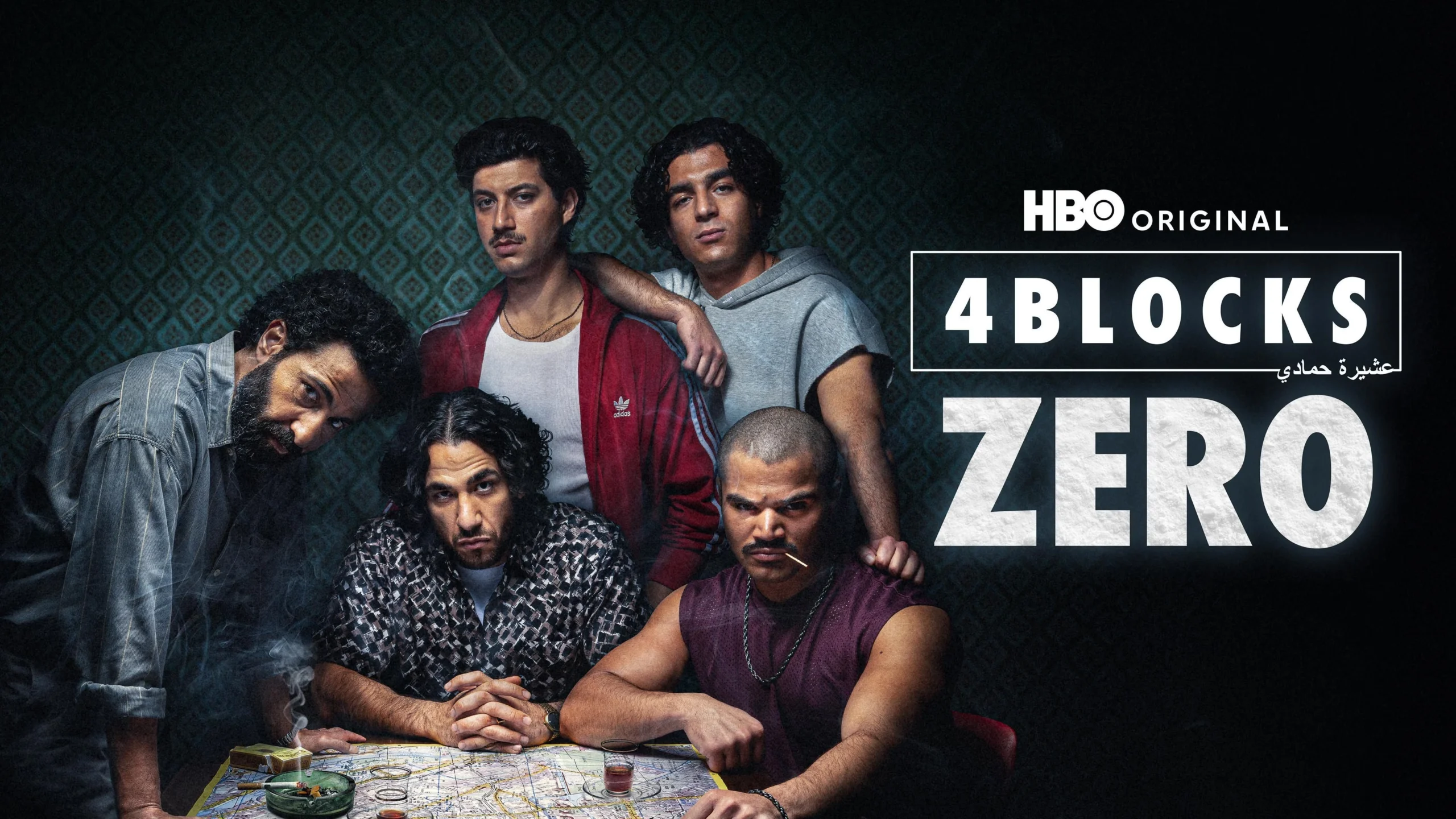

The sprawling streets of 1990s Berlin have long served as a gritty backdrop for stories of division, survival, and reinvention following the collapse of the Berlin Wall. When the German crime drama ‘4 Blocks’ concluded its three-season television run, audiences witnessed the brutal peak and fall of the Hamady syndicate in Neukölln. The prequel series ‘4 Blocks Zero’ travels three decades into the past to examine how a displaced refugee family transformed into Berlin’s most feared criminal powerhouse.
At the heart of this historical exploration lies the harsh legal and economic framework that defined refugee life during the Helmut Kohl administration. The Hamadys endure the precarious state of “Duldung,” a temporary suspension of deportation that tolerates their presence while strictly prohibiting legitimate employment. This systemic marginalization creates a suffocating environment where everyday survival remains an uphill battle against administrative roadblocks and social exclusion.
Rather than retreading familiar mafia tropes, the narrative unpacks how institutional barriers actively pushed vulnerable immigrant households toward the black market. As executive producer Anke Greifeneder explained, “The story of Toni Hamady was finished after the third season, but we were always interested in how he got into this life,” in an interview reported by DWDL. Directed by Hüseyin Tabak, Episode 4, titled “Too Close to the Sun,” acts as the dramatic midpoint where that fateful transition becomes irreversible.
Ibrahim’s Rapid Expansion Sparks an Underworld Rivalry
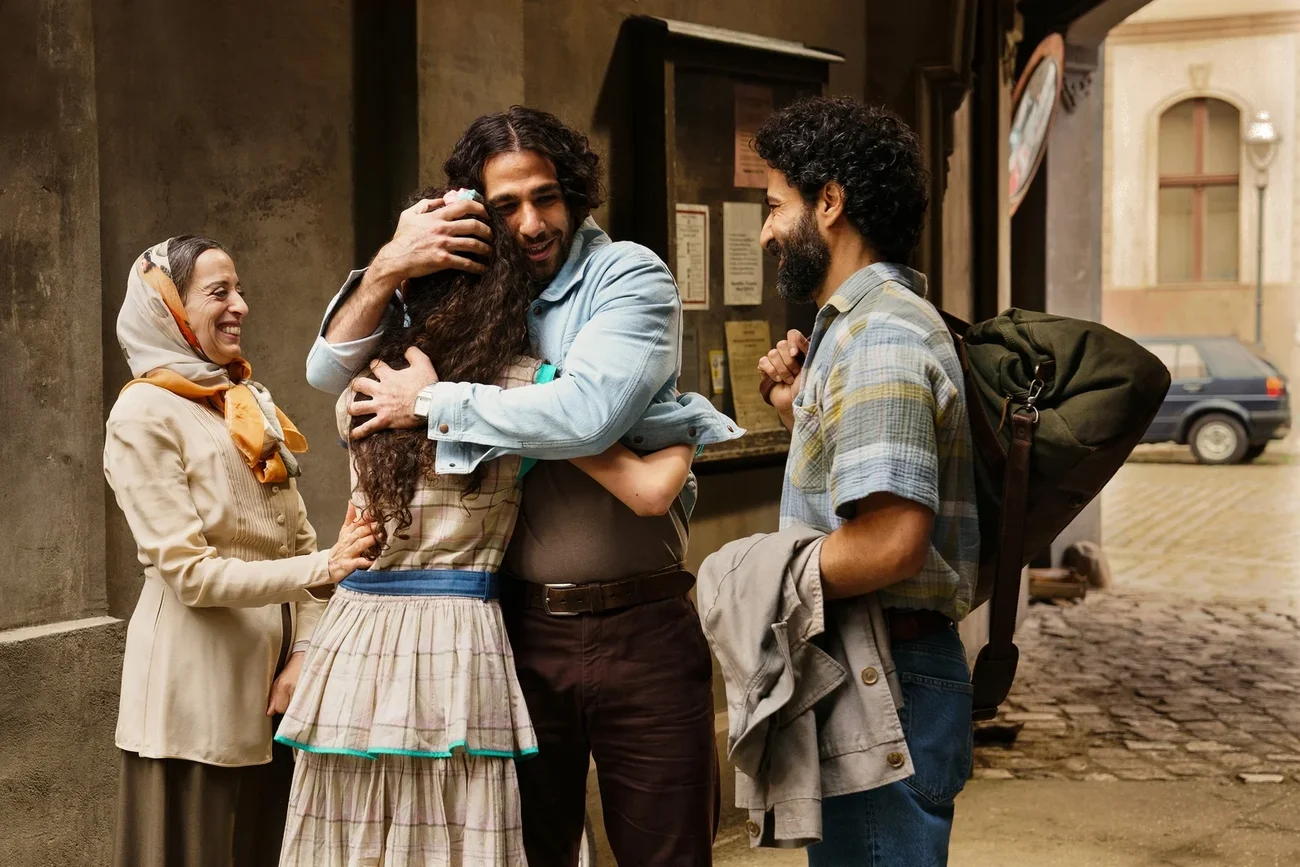
The narrative in Episode 4 centers on the spiraling fallout of Uncle Ibrahim Mansour’s criminal ambition. Having completed eight years of imprisonment in Lebanon, Ibrahim has successfully liquidated an initial batch of stolen cocaine originally tied to Beirut kingpin Halim Karami. Instead of returning the illicit profits as he previously promised family patriarch Malik, an emboldened Ibrahim chooses to establish his own independent drug distribution network in Berlin.
To maximize street revenue, Ibrahim coordinates with Khaled to bring in an experienced partner named Than to cut the narcotics. However, criminal overconfidence quickly triggers careless consequences when their associate Ermir Berisha behaves recklessly in public. Ermir’s uncontrolled enthusiasm causes an unfortunate backlash at the local restaurant, directly jeopardizing Malik’s kitchen job and the peaceful facade he fought so hard to build.
Meanwhile, Ibrahim’s brazen expansion does not go unnoticed in the tightly partitioned underworld of Neukölln. The neighborhood is firmly under the grip of the Turkish Üner crime syndicate, spearheaded by Bekir Üner alongside his enforcers Kerem, Tolga, and Ahmet. Recognizing that an unknown competitor is selling cocaine across their territory, the Üners work feverishly throughout Episode 4 to identify Ibrahim’s supplier, setting up an inevitable gangland war.
Abbas and Ali: Diverging Paths Under Institutional Pressure
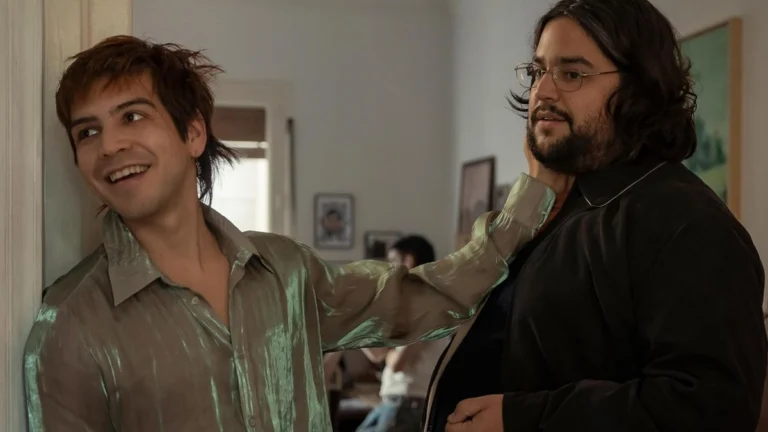
Outside the escalating narcotics trade, the Hamady siblings find themselves pulled between the allure of youth culture and the crushing weight of their family circumstances. Ali Hamady navigates his adolescence alongside a diverse circle of peers, including his close friend Vince Kerner. In Episode 4, Ali spends the night exploring the euphoric escape of Berlin’s emerging techno club scene, momentarily shedding his burdens through loud music and party drugs.
Actor Tareq Nassery reflected on capturing the inner conflict of young Ali before violence transformed him into a hardened syndicate boss, in an interview on Webtalkshow, observing, “It is a heavy legacy to portray how a young boy turns into Toni Hamady”. That youthful vulnerability provides emotional weight to the prequel, showing that Ali did not choose crime out of instinct, but rather through slow, structural conditioning.
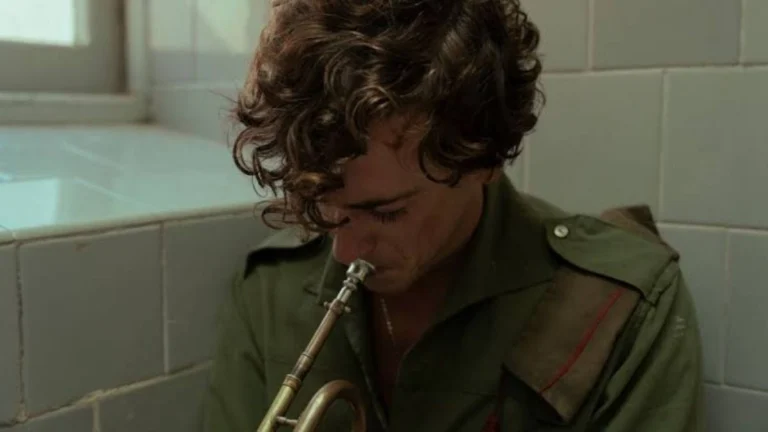
In contrast to Ali’s escapism, his fiery brother Abbas strives to secure a legitimate foothold in German society. Abbas demonstrates genuine talent at Karl Baum’s auto repair shop, earning the mechanic’s respect and receiving an offer to continue his apprenticeship for another year. For a fleeting moment, an honest future appears attainable for the hot-headed youth.
That dream collapses against Germany’s bureaucratic wall when Abbas discovers that his restricted “Duldung” immigration status prevents the garage from legally registering his contract. Consumed by anger, Abbas takes Beatrice on an erratic, high-speed drive through the city streets. The joyride exposes his profound frustration with a system that demands complete integration while denying him the fundamental legal paperwork to work honestly.
‘4 Blocks Zero’ Episode 4 Ending Explained: The Icarus Complex
The ending of Episode 4 crystallizes the cautionary mythological metaphor embedded in its title. Ibrahim behaves like a modern Icarus, soaring toward lucrative criminal heights while completely disregarding the dangerous heat radiating from his rivals. By pushing deeper into Neukölln’s drug trade, he blinds himself to the reality that crossing the Üner family carries lethal consequences for everyone under Malik’s roof.
For Malik, the episode marks a devastating psychological defeat as the patriarch completely loses authority over his household. Despite working exhausting hours to shelter his four children from street violence, Malik watches helplessly as Ibrahim’s dirty money corrupts the family dynamic. The closing scenes make it clear that moral integrity cannot compete with the intoxicating financial promise of the black market when legal paths remain blocked.
Furthermore, the systematic rejection of Abbas cements the tragic path he will walk for years to come. By shutting the door on his honest trade ambitions, the state effectively pushes Abbas straight into the waiting arms of Ibrahim’s syndicate. His shift from an earnest apprentice mechanic to an aggressive street soldier is no longer a matter of choice, but an inevitable consequence of exclusion.
As Episode 4 fades out, the Hamady family stands on the brink of an inescapable war with the Üners that will permanently shatter their domestic tranquility. Ali’s youthful innocence is nearing its expiration date, nudging him one step closer to becoming the ruthless clan leader known as Toni. The foundation for ‘4 Blocks’ is now firmly set in concrete, stained with the inevitable tragedy of survival.
Do you think Malik could have done anything differently to stop Ibrahim from dragging the Hamady family into Neukölln’s criminal underworld, or was their descent inevitable?