15 Movies Like DC’s ‘Clayface’ You Have to Check Out



DC Studios’ ‘Clayface‘ introduces a dark, horror-driven origin story to the cinematic superhero landscape under director James Watkins. Written by Mike Flanagan and Hossein Amini, the film chronicles Matt Hagen, an up-and-coming actor whose life is derailed after a vicious assault leaves his face severely disfigured. Desperate to salvage his career and appearance, Hagen undergoes a dangerous experimental procedure that transforms his cellular structure into malleable clay, fracturing his psyche and inciting a violent quest for vengeance against the criminal underworld of Gotham City.
For viewers drawn to this blend of grotesque body horror, theatrical tragedy, and vengeful villainy, several films offer comparable narratives of monstrous physical metamorphosis and psychological collapse.
‘Darkman’ (1990)

Directed by Sam Raimi, the film follows scientist Peyton Westlake as he develops a synthetic skin formula to assist burn victims. After ruthless mobsters destroy his laboratory and leave him horribly burned, Westlake survives with severe nerve damage that eliminates physical pain and amplifies his adrenaline. Utilizing his unstable artificial skin that degrades under direct light, he assumes the physical identities of his attackers to dismantle their criminal enterprise from within. The narrative shares direct parallels with ‘Clayface’ through its tragic examination of facial disfigurement, identity mimicry, and a vengeful descent into monstrous behavior.
‘The Fly’ (1986)

David Cronenberg directs this science-fiction horror film centered on eccentric research scientist Seth Brundle. Brundle constructs molecular teleportation pods, but an experiment goes awry when a common housefly enters the chamber during his personal trial. As the telepod fuses his genetic material with the insect, Brundle experiences an involuntary biological deterioration that steadily transforms his flesh into a monstrous creature. His slow loss of physical humanity and intellectual deterioration mirrors the tragic metamorphosis depicted in ‘Clayface’.
‘The Substance’ (2024)

Written and directed by Coralie Fargeat, the film examines the dark consequences of vanity in the entertainment industry. Former television star Elisabeth Sparkle turns to a clandestine black-market medical treatment that promises a rejuvenated alternate version of herself. The protocol requires strict biological balance, but repeated exploitation of the cellular system results in grotesque physical decay and uncontrollable mutations. Like the tragedy of Matt Hagen in ‘Clayface’, the story highlights how desperate quests for physical perfection in Hollywood lead to body horror and self-destruction.
‘A Different Man’ (2024)

Directed by Aaron Schimberg, this psychological drama follows Edward, an aspiring actor living in New York with severe facial neurofibromatosis. Edward agrees to an experimental drug trial that successfully cures his condition and sheds his old skin to reveal a conventionally handsome appearance. Despite achieving the physical transformation he sought, he becomes pathologically obsessed with a stage production based on his former life and another actor who embraces the same disfigurement. The narrative explores identity, acting ambitions, and the psychological fallout of medical transformation, aligning closely with the character arc in ‘Clayface’.
‘House of Wax’ (1953)

Directed by André De Toth, the horror feature stars Vincent Price as talented sculptor Professor Henry Jarrod. When his deceitful business partner deliberately sets fire to their museum to collect insurance money, Jarrod is trapped inside and left for dead. Having lost the use of his burned hands and masking his horribly scarred face behind lifelike disguises, Jarrod resurfaces to harvest real human bodies for his new wax exhibits. The film served as a foundational narrative inspiration for early comic book depictions of ‘Clayface’, emphasizing facial trauma, prosthetics, and calculated retribution.
‘Swamp Thing’ (1982)

Wes Craven wrote and directed this early DC Comics adaptation based on the supernatural character created by Len Wein and Bernie Wrightson. Research scientist Alec Holland works in the Louisiana bayou on a bio-restorative formula designed to accelerate plant growth in extreme environments. When paramilitary forces raid his facility, Holland is drenched in his volatile chemicals and catches fire before diving into the swamp. The chemical reaction alters his cellular structure into a plant-based creature, prompting Holland to seek vengeance against the criminals who destroyed his human existence. This physical alteration and quest for retribution against criminal syndicates reflects the core narrative mechanics seen in ‘Clayface’.
‘District 9’ (2009)

Directed by Neill Blomkamp, the science-fiction film follows bureaucrat Wikus van de Merwe as he serves eviction notices to extraterrestrial refugees in Johannesburg. During a raid on a research workshop, Wikus is accidentally sprayed with an alien fuel canister that initiates a genetic transformation of his human biology. As his body rapidly mutates to resemble the extraterrestrial biology, private military contractors hunt him down to harvest his mutated organs and weaponry-compatible tissue. Wikus experiences severe alienation and progressive bodily horror, mirroring the tragic, isolating physical changes found in ‘Clayface’.
‘Hollow Man’ (2000)

Paul Verhoeven directs this sci-fi thriller about Dr. Sebastian Caine, an arrogant scientist leading a classified government project on invisibility. After developing a serum that successfully turns animals invisible, Caine bypasses protocols to test the human formulation directly on himself. Although the transformation works, the team cannot stabilize the reversion serum, and prolonged isolation alongside chemical side effects rapidly degrades Caine’s psychological stability. His descent into megalomania and violent hostility against his former colleagues echoes the moral unraveling of mutated characters like the protagonist in ‘Clayface’.
‘Eyes Without a Face’ (1960)

Directed by Georges Franju, this French horror feature depicts plastic surgeon Dr. Génessier and his guilt over a car accident that disfigured his daughter, Christiane. Génessier kidnaps young women to surgically remove their facial tissue in repeated attempts to graft a new face onto Christiane’s ruined visage. Christiane remains isolated inside their mansion, wearing a rigid white mask that hides her scars while she experiences deep psychological despair. The narrative focuses on surgical procedures, lost physical identity, and the grotesque reality of facial reconstruction, thematic cornerstones that directly inform ‘Clayface’.
‘Phantom of the Opera’ (1943)

Arthur Lubin directs this adaptation of Gaston Leroux’s novel, starring Claude Rains as violinist Erique Claudin. Claudin plays in the Paris Opera orchestra until arthritis threatens his livelihood, prompting him to submit a musical composition that he mistakenly believes was stolen by a publisher. During a violent confrontation, an assistant throws nitric acid onto Claudin’s face, forcing him to flee into the sewers and don a mask to conceal his severe disfigurement. Claudin orchestrates a calculated campaign of sabotage and terror from beneath the opera house, paralleling the tragic villain origin and theatrical roots of ‘Clayface’.
‘Joker’ (2019)

Todd Phillips directs this psychological drama set in Gotham City during the early 1980s. Arthur Fleck struggles to make a living as a party clown while dealing with severe mental health issues and aspirations of becoming a stand-up comedian. After repeated beatings, societal neglect, and professional rejection, Fleck undergoes a complete psychological breakdown that culminates in violent acts against his tormentors. Like ‘Clayface’, the film explores the dark origin of an iconic DC villain born from the entertainment world and pushed over the edge by Gotham’s institutional cruelty.
‘Chronicle’ (2012)

Directed by Josh Trank, the found-footage film centers on three high school students who discover a subterranean crystalline object. Exposure to the extraterrestrial artifact grants them telekinetic abilities that steadily grow in strength and scope. While his peers manage their newfound powers responsibly, the abused and isolated Andrew Detmer channels his abilities into destructive aggression and revenge. His psychological descent from victim to monstrous antagonist parallels the tragic origin structure showcased in ‘Clayface’.
‘Brightburn’ (2019)

Directed by David Yarovesky, the film reimagines traditional superhero origin tropes through the lens of explicit horror. An alien infant crashes on a farm in Kansas and is adopted by a loving couple who raise him as Brandon Breyer. Upon reaching puberty, Brandon begins hearing telepathic signals from his spaceship that activate terrifying physical abilities and an innate desire for violence. Rather than becoming a protector, Brandon systematically eliminates anyone who crosses him, providing a grim tonal companion to comic book horror narratives like ‘Clayface’.
‘Spawn’ (1997)

Mark A.Z. Dippé directs this live-action adaptation of Todd McFarlane’s Image Comics superhero franchise. Covert government operative Al Simmons is betrayed by his corrupt commander, doused in biochemical weapons, and burned alive during a mission. Simmons awakens in the living world five years later with a necroplasmic body, a shapeshifting symbiotic suit, and a completely charred face. Driven by the agony of his lost humanity and a desire for vengeance against his murderers, his journey mirrors the grotesque body transformation and retribution seen in ‘Clayface’.
‘Videodrome’ (1983)
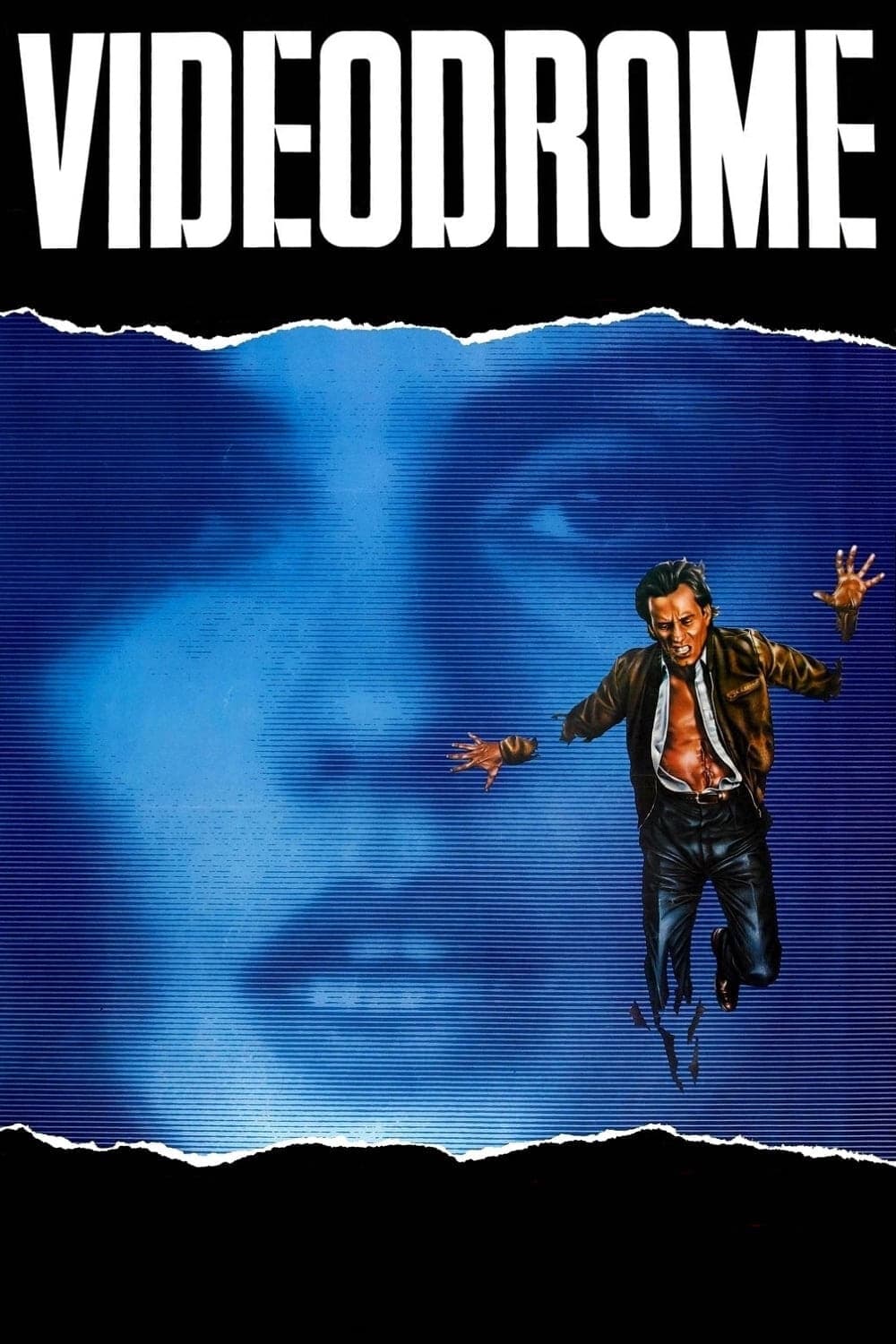
David Cronenberg’s body horror classic follows Max Renn, the president of an underground UHF television channel in Toronto. After intercepting an unrated broadcast signal depicting torture and violence, Renn investigates the origin of the broadcast and discovers it induces brain tumors and hallucinations. His physical body begins to mutate in response to the signal, developing biomechanical orifices and integrating foreign objects directly into his flesh. The film examines the corrosive influence of media and the surreal distortion of human flesh, sharing thematic ground with the transformative horror of ‘Clayface’.
Share your thoughts on these body horror and tragic transformation films in the comments.