‘Gordon’ Season 1 Review: Tracing the Shadowy Link Between Street Crime and State Terror

Netflix expanded its Latin American lineup on November 18, 2026, with the arrival of ‘Gordon’, a bleak Argentine crime thriller spanning seven episodes. Showrunner Pablo Trapero returns to shooting fiction in his home country after eight years abroad, revisiting the volatile 1970s underworld he briefly brushed against when the same historical figure appeared in his 2015 feature ‘The Clan’. Sharing directing duties with Pablo Fendrik and writing the scripts alongside Marcos Osorio Vidal, Trapero draws from investigative historian Marcelo Larraquy’s books on the real Aníbal Gordon.
Spanning the turbulent window from 1970 through 1976, the story follows a calculating thief in his forties who moves his family to the town of Colón while plotting major heists behind a polite, neighborly facade. After executing a daring bank robbery during carnival in Bariloche, Gordon winds up inside Devoto prison, where he trades information on political detainees to intelligence operative Julieta Melo and rides a 1973 amnesty straight out the gates. From there, an opportunist with zero ideological loyalty slides into the clandestine intelligence apparatus and the Triple A death squad as Argentina tumbles toward military dictatorship.
What makes ‘Gordon’ so gripping is the way its very grammar mutates alongside its protagonist’s descent. Trapero opens the season like a muscular caper film, Fendrik steers the middle stretch through the tangled betrayals of a paranoid political thriller, and the final two hours plunge headlong into claustrophobic horror. Rather than framing state repression as a purely ideological crusade, the series reveals how easily clandestine power recruits common criminals who treat violence as just another lucrative trade.
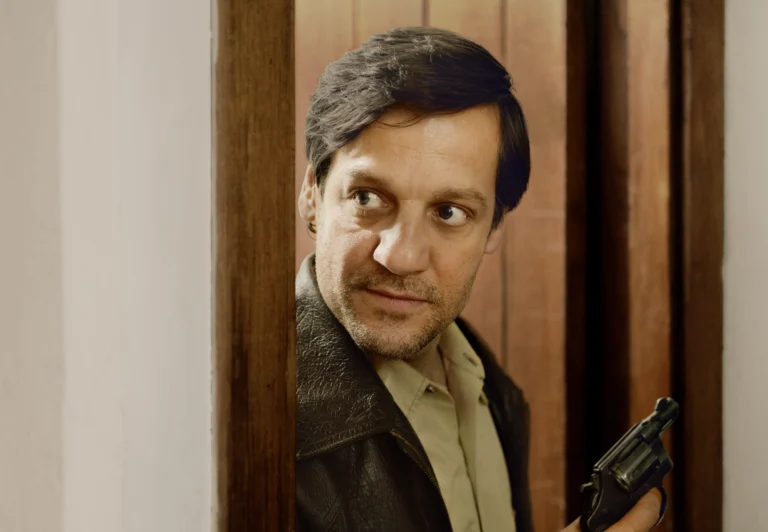
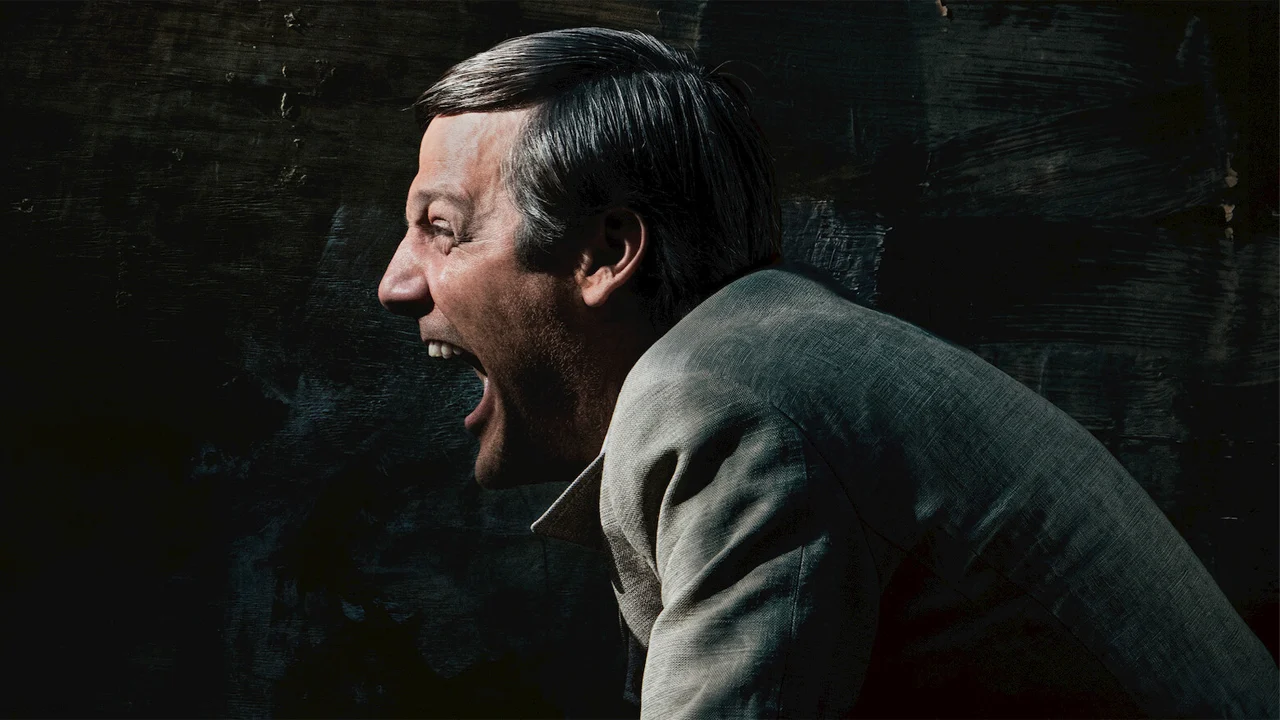
Holding this jagged journey together is a towering, deeply unsettling performance from Rodrigo de la Serna, best known globally for playing Palermo in ‘Money Heist’. Speaking to Variety, De la Serna admitted, “This is the darkest role that I’ve ever had,” and his physical transformation bears that out across every chapter. Early on, he flashes just enough surface charm to fool neighbors and rivals alike, yet by the end every trace of warmth drains from his posture and eyes until only cold, sadistic relish remains.
The ensemble around him gives that chilling evolution crucial friction. Matías Recalt brings relatable moral hesitation to Acosta, the young Peronist militant who helps pull off the Bariloche heist before realizing his mentor has no limits at all, while Camila Peralta exudes sharp ambiguity as the intelligence handler watching her pet asset slip beyond her control. Technically, the production is formidable, from Julián Apezteguía’s gritty period cinematography to the audacious unbroken sequence shot lasting roughly six minutes that anchors the opening bank robbery.
Even so, the series stumbles whenever its commitment to historical scope overrides dramatic momentum. Several middle scenes grind the pace down with heavy exposition, stacking names and clandestine alliances onto conversations that feel designed to explain the era rather than advance the tension. The soundtrack’s steady stream of seventies Argentine rock and folk classics creates an eerie counterpoint at first, though dropping needle after needle over violent sequences eventually starts to feel repetitive, and keeping the camera chained to an unrepentant predator leaves almost nobody in the cast to care about.
Those rough edges fade during the harrowing final two episodes, where Trapero returns to the director’s chair and turns a clandestine basement detention center modeled on Automotores Orletti into a site of pure dread. Fiorella Bottaioli’s relentless guerrilla Graciela finally collides with both Gordon and Julieta inside that subterranean nightmare, delivering a brutal payoff to a bitter pursuit. Choosing to cut off abruptly in 1976 instead of dramatizing Gordon’s eventual capture and imprisonment denies any comforting sense of justice, closing instead with a stark warning from Primo Levi that lingers long after the credits roll.
By refusing to soften its protagonist or sanitize the institutional compromises of the era, ‘Gordon’ stands out as an uncompromising and fiercely accomplished achievement. Its occasional didactic stretches and exhausting bleakness keep it from absolute perfection, yet Rodrigo de la Serna’s fearless central turn and Pablo Trapero’s visceral direction make every uncomfortable minute impossible to shake. Season 1 earns a commanding 8.5 out of 10 for turning a grim historical dossier into unforgettable television.
How did you like 'Gordon'?
Let me know in the comments whether you agree with my verdict on ‘Gordon’ and how you felt about its chilling 1976 ending.