The 50 Most Important Movies of All Time

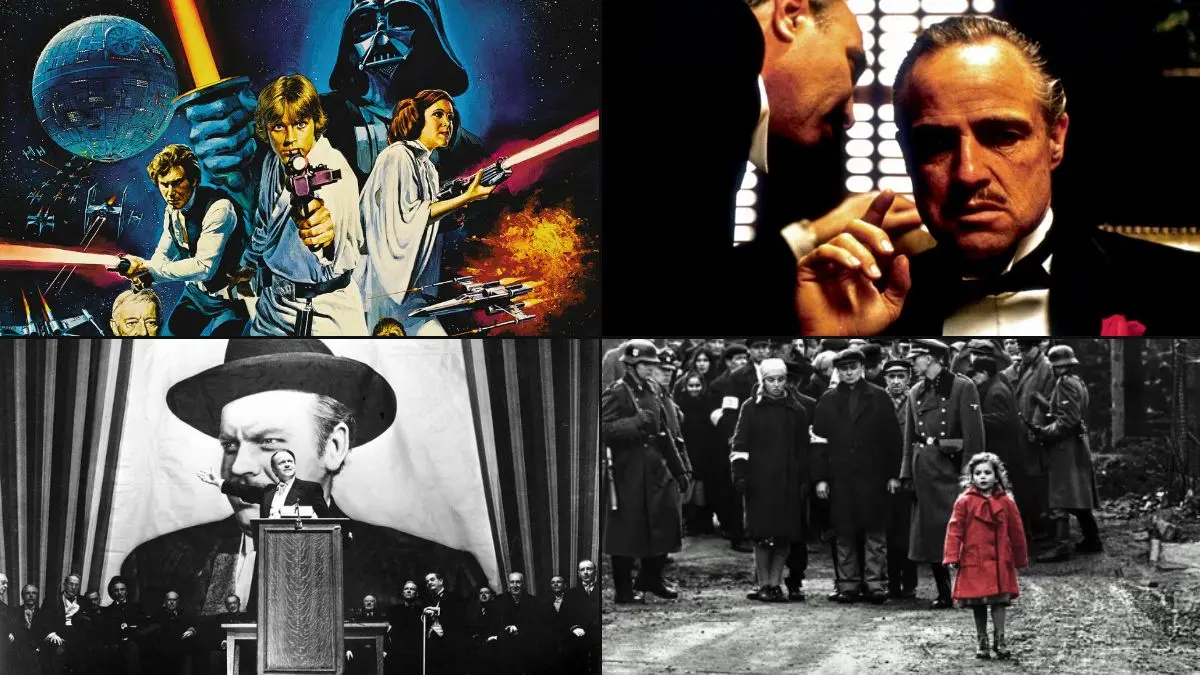

Movies can change the way we see the world. They can show us new ideas, different cultures, and important moments in history. Some films have had a bigger impact than others. They have influenced other movies, changed how stories are told, or started important conversations. This list looks at fifty movies that have made a big difference.
This is not a list of the “best” movies ever made. Instead, it is a list of the most important ones. These are the films that have shaped cinema and our culture. From silent films to modern blockbusters, each movie on this list has left a lasting mark. They are important for their technical achievements, their storytelling, or their social impact.
The Birth of a Nation (1915)
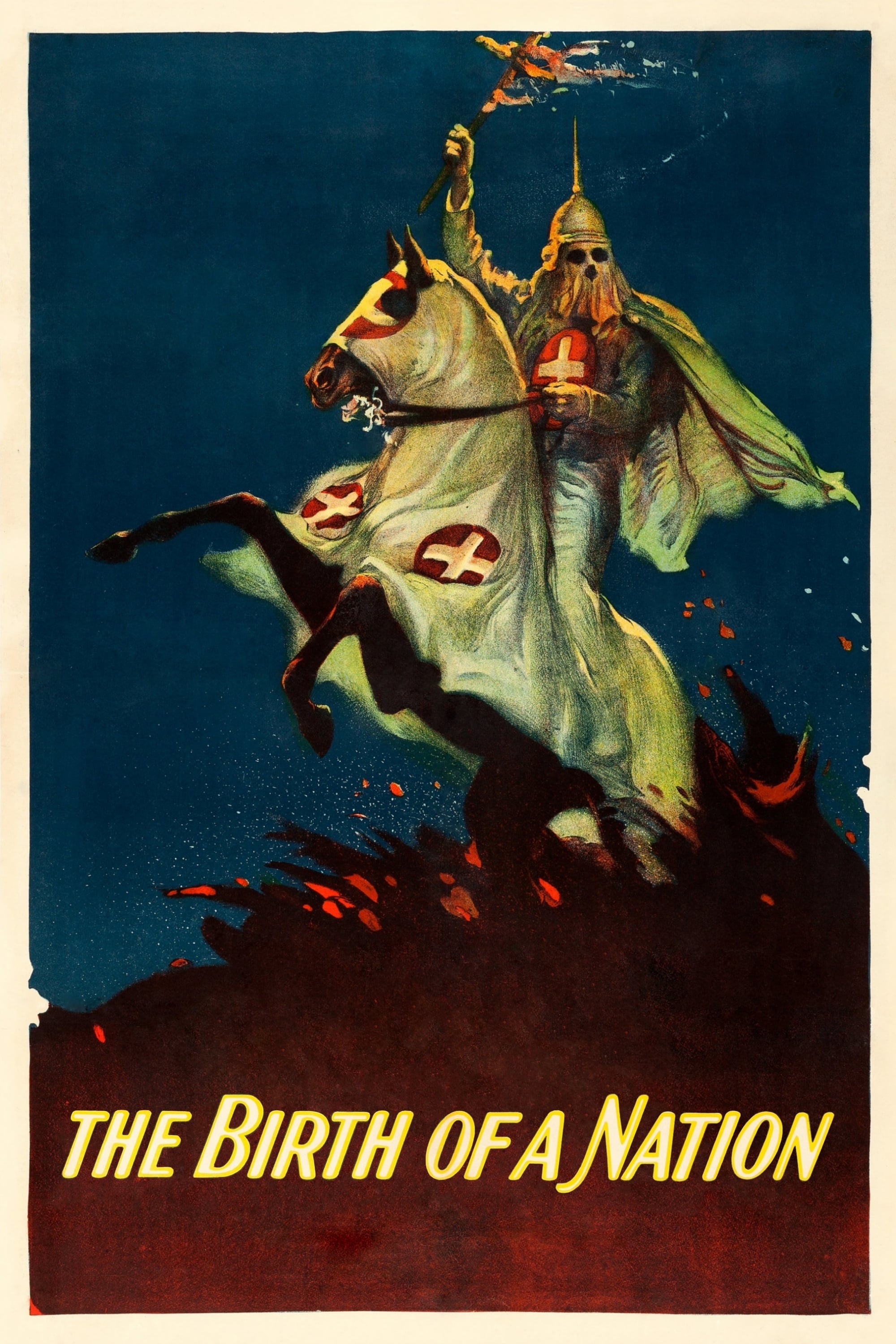
D.W. Griffith’s “The Birth of a Nation” is one of the most controversial films ever made. It was a huge success at the time and was the longest and most complex movie of its era. The film introduced many new filmmaking techniques that are still used today. These include things like close-ups, fade-outs, and a musical score for the movie.
However, the film’s story is deeply racist. It presents a heroic view of the Ku Klux Klan and a negative portrayal of African Americans. This led to widespread protests and boycotts. The film is a powerful reminder of how movies can be used to spread dangerous ideas. It is important for its technical innovations but also as a lesson in the social responsibility of filmmakers.
The Cabinet of Dr. Caligari (1920)
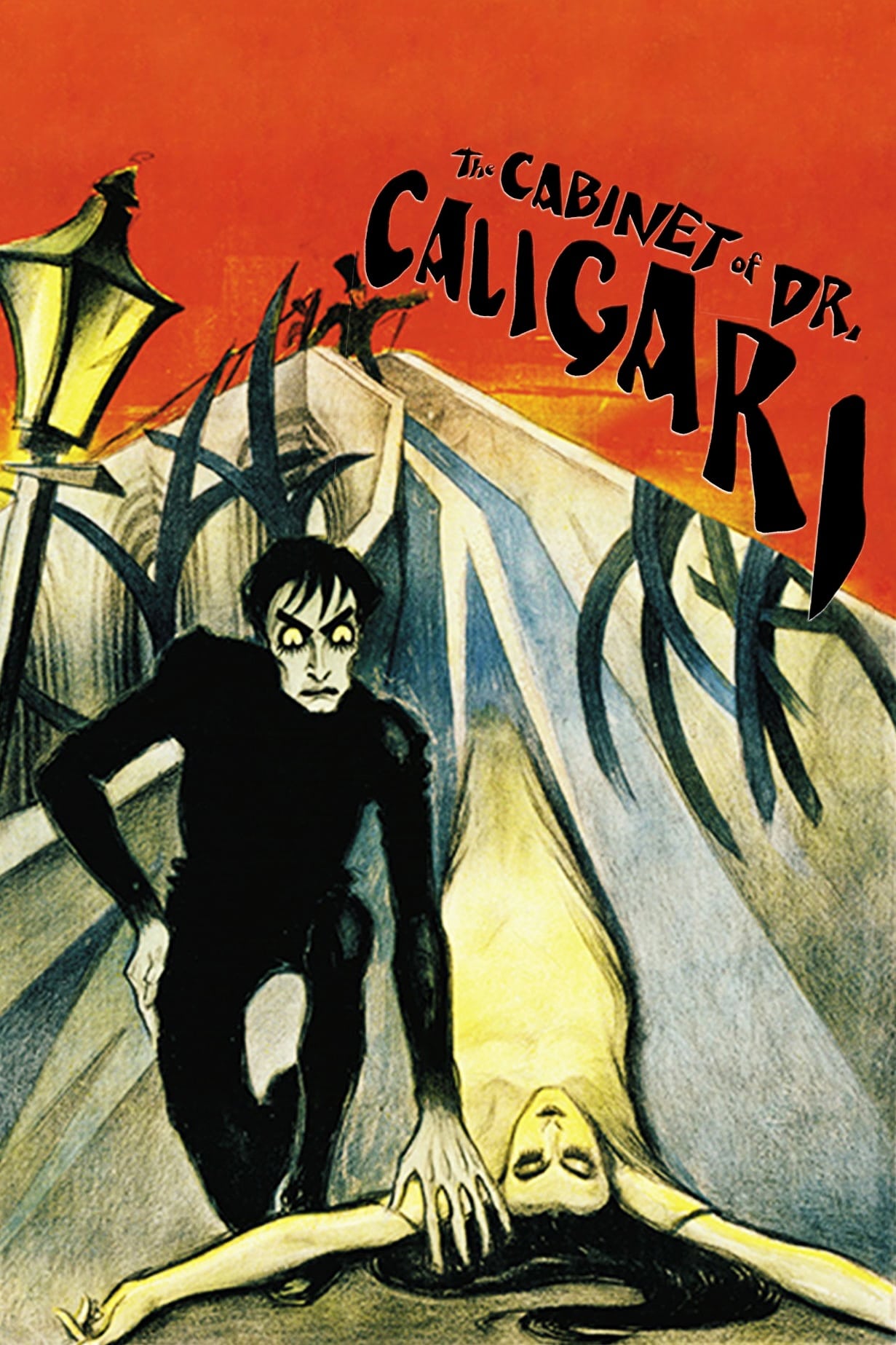
“The Cabinet of Dr. Caligari” is a famous German silent film. It is known for its strange and distorted visual style. The sets are designed with twisted, sharp angles and painted shadows. This style is called German Expressionism, and it was meant to show the characters’ inner feelings.
The film tells the story of a mysterious doctor and a sleepwalker who commits murders. Its dark and dreamlike atmosphere has influenced many horror and noir films. The movie’s “twist ending” was also one of the first of its kind, changing how stories could be told in film.
Battleship Potemkin (1925)
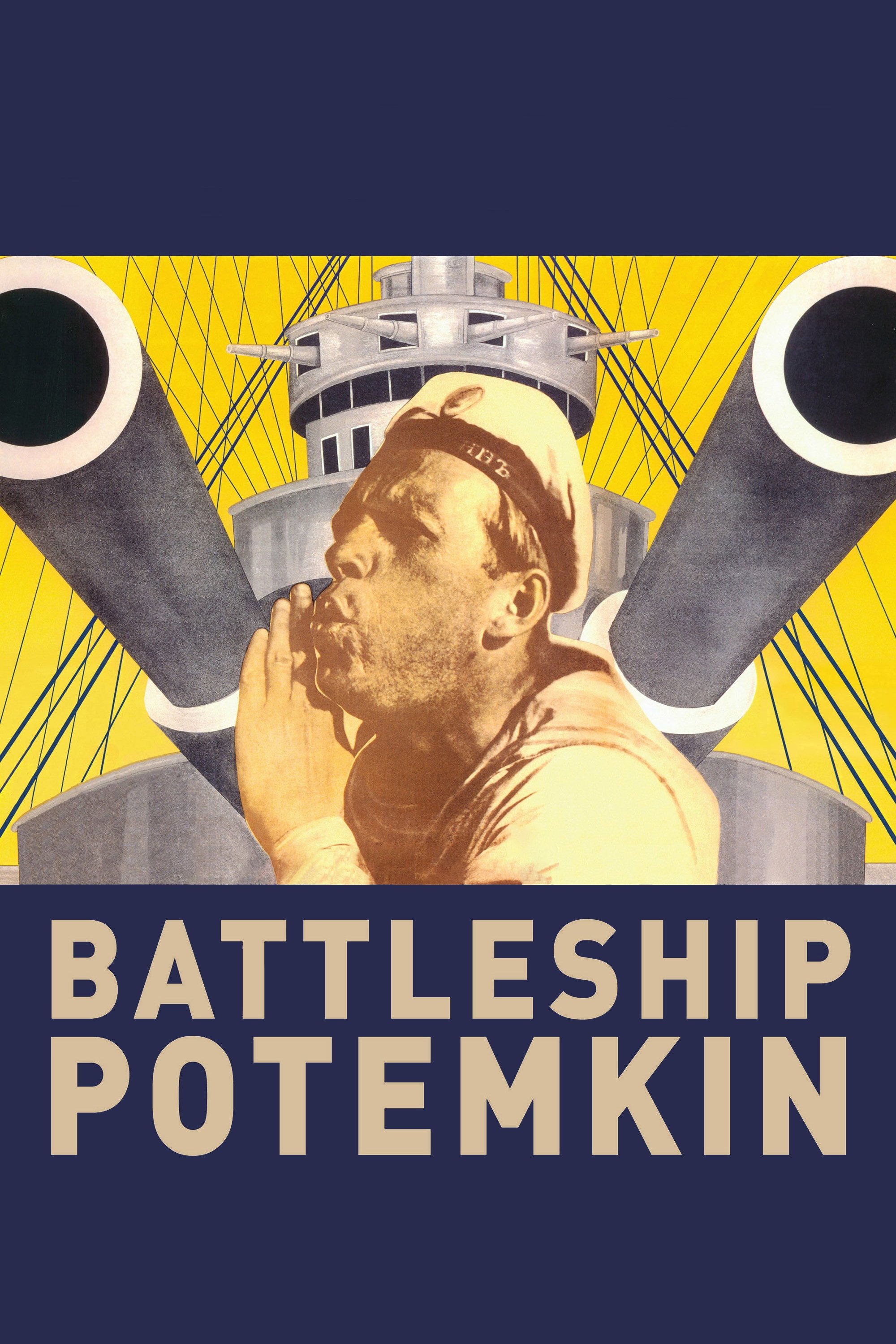
“Battleship Potemkin” is a Soviet silent film directed by Sergei Eisenstein. It tells the story of a sailors’ rebellion on a Russian battleship in 1905. The film was made as revolutionary propaganda, but its impact on filmmaking has been enormous.
Eisenstein used a new editing technique called “montage.” He believed that putting different shots together in a certain way could create powerful emotions and ideas. The “Odessa Steps” sequence is the most famous example of this. It shows a massacre of civilians and is one of the most studied scenes in film history.
The Jazz Singer (1927)
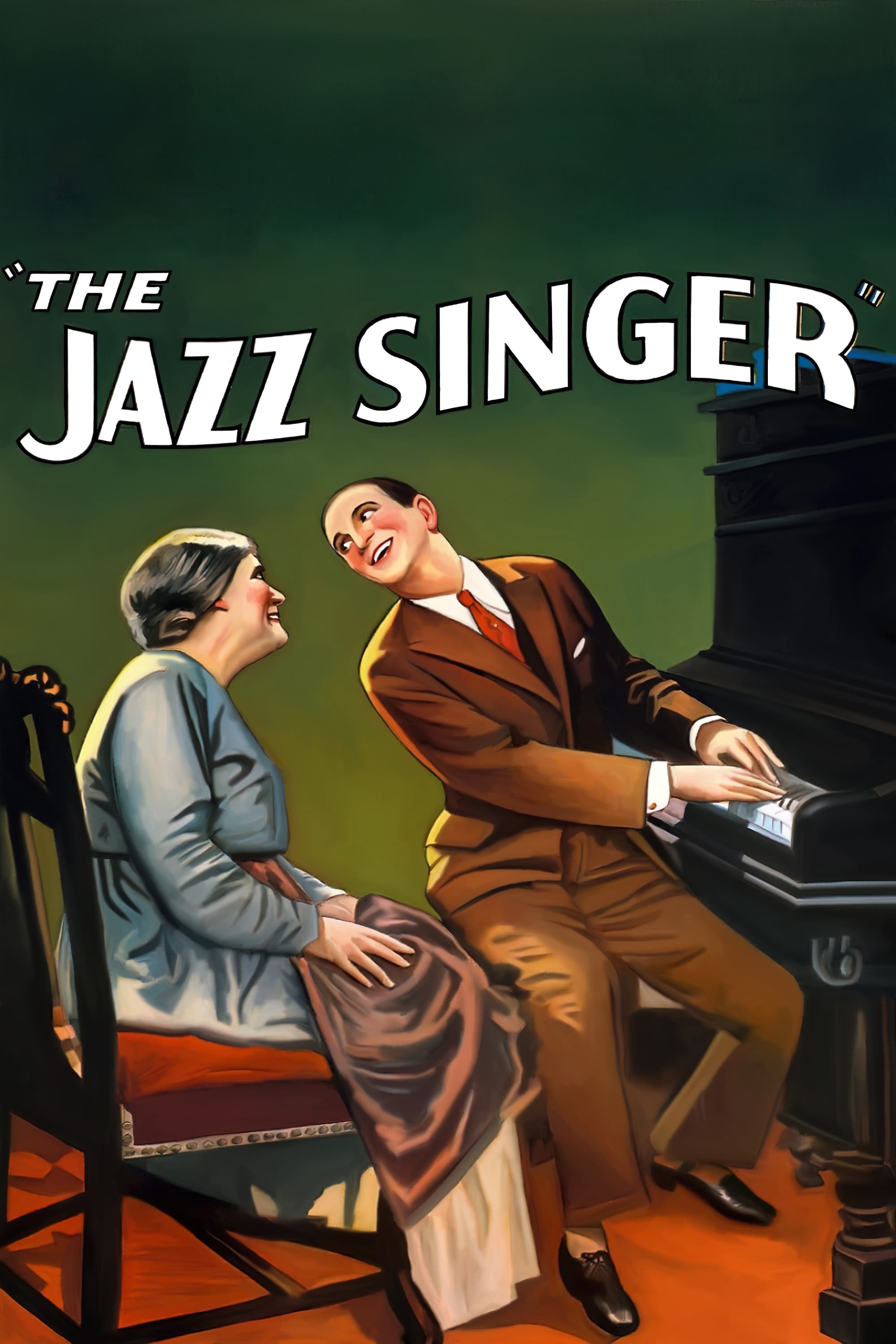
“The Jazz Singer” is famous for being the first feature-length “talkie.” While parts of the film are silent with on-screen text, it includes scenes with synchronized dialogue and singing. The movie’s star, Al Jolson, speaks the famous line, “You ain’t heard nothin’ yet.”
The film’s arrival marked the beginning of the end for the silent film era. Studios and theaters had to switch to sound technology, and many actors’ careers were changed forever. The movie itself tells the story of a young man who defies his religious family to become a jazz singer.
Metropolis (1927)
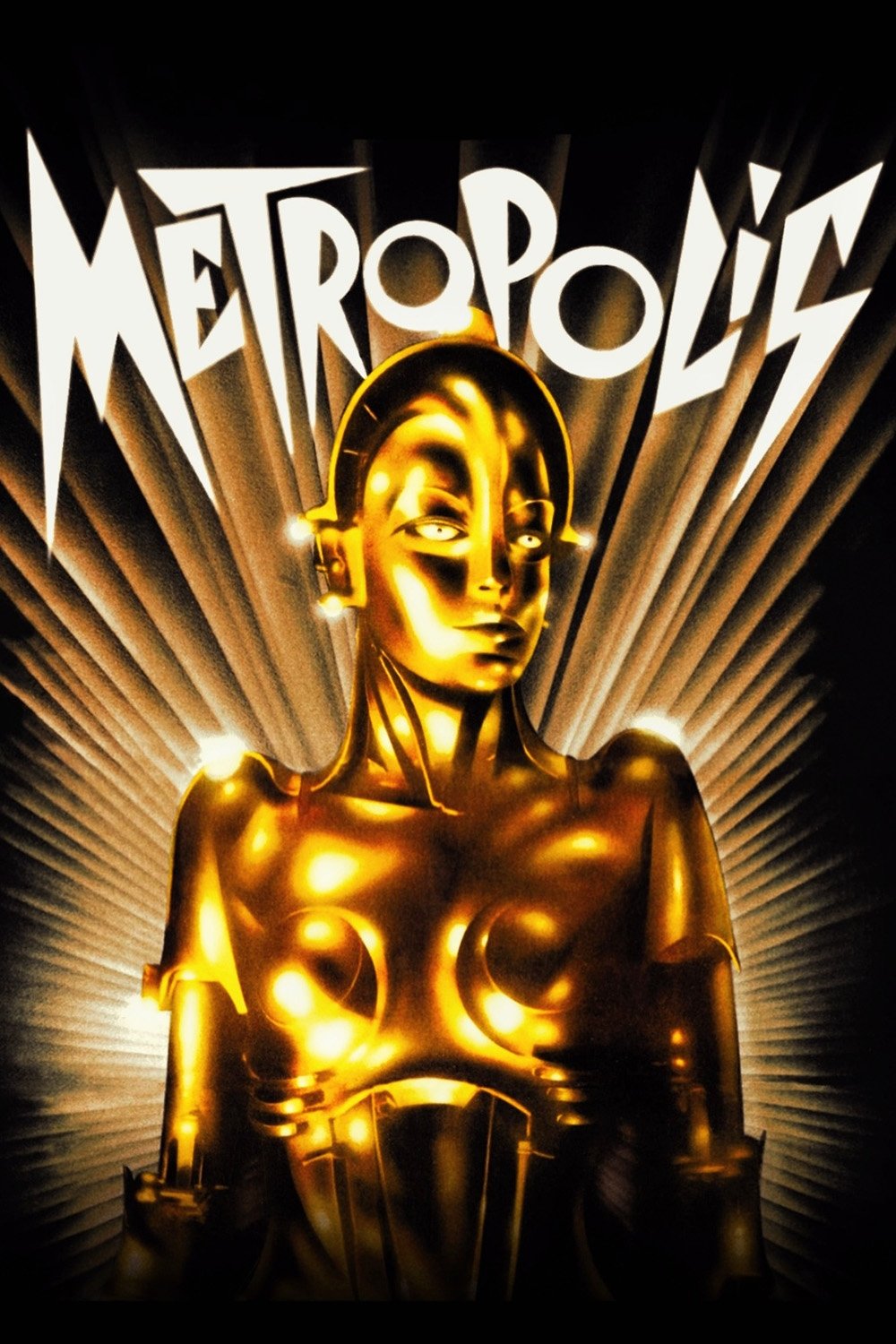
Fritz Lang’s “Metropolis” is a German science-fiction film that is a landmark of cinema. It is set in a futuristic city with a huge gap between wealthy thinkers and underground workers. The film’s stunning visuals, including massive cityscapes and a female robot, were ahead of their time.
The movie explores themes of industrialization, class struggle, and technology. Its story and imagery have influenced countless science-fiction films, from “Star Wars” to “Blade Runner.” Though it was cut down after its initial release, restored versions have shown the full ambition of Lang’s vision.
Snow White and the Seven Dwarfs (1937)
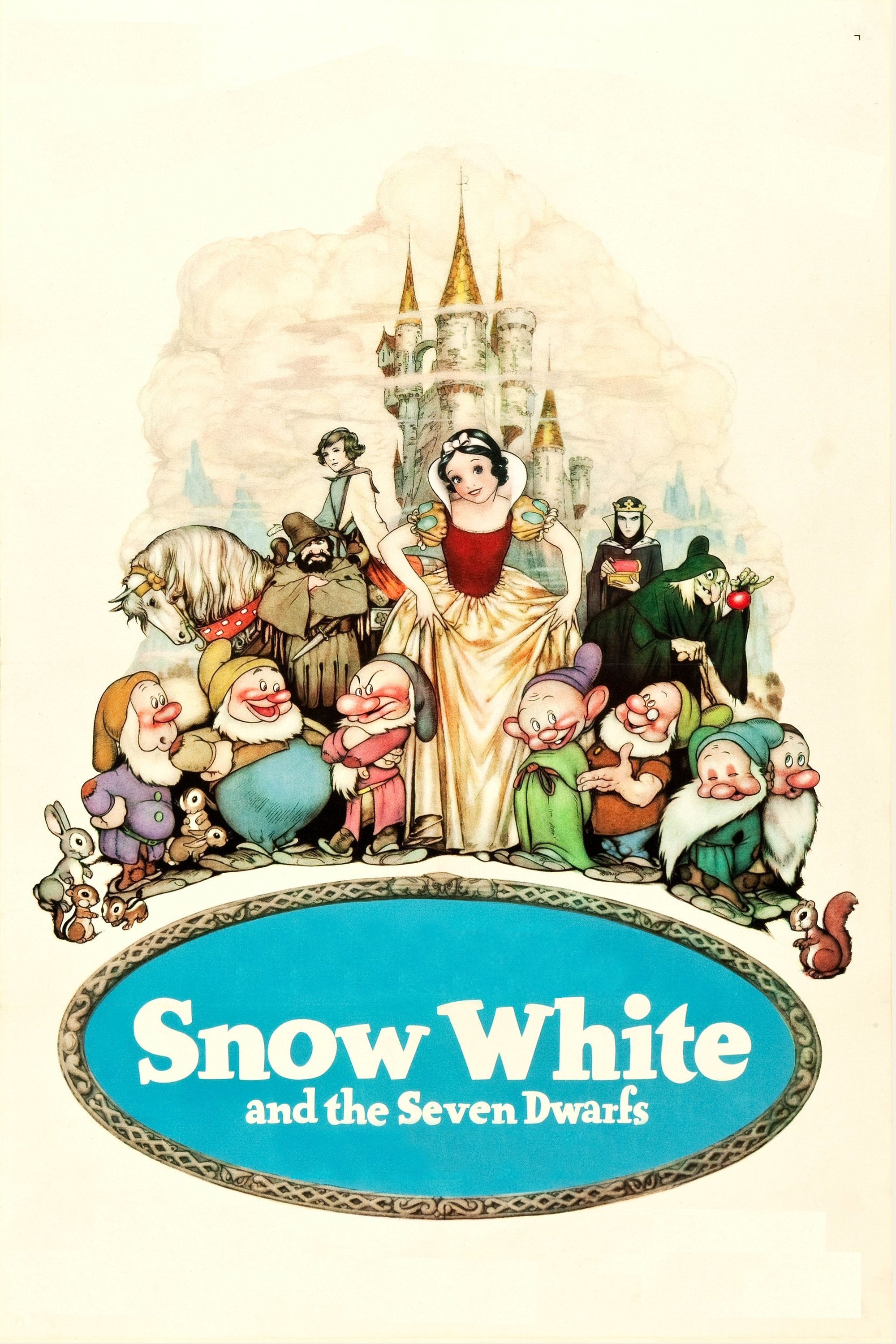
“Snow White and the Seven Dwarfs” was the first full-length animated feature film from Walt Disney Productions. At the time, many in Hollywood thought a feature-length cartoon would not be successful. The movie was a huge risk, but it became a massive box office hit.
The film’s success proved that animation could be a serious art form for storytelling. It established Disney as a major film studio and set the template for future animated classics. The movie’s beautiful animation, memorable songs, and charming story captured the hearts of audiences worldwide.
The Wizard of Oz (1939)
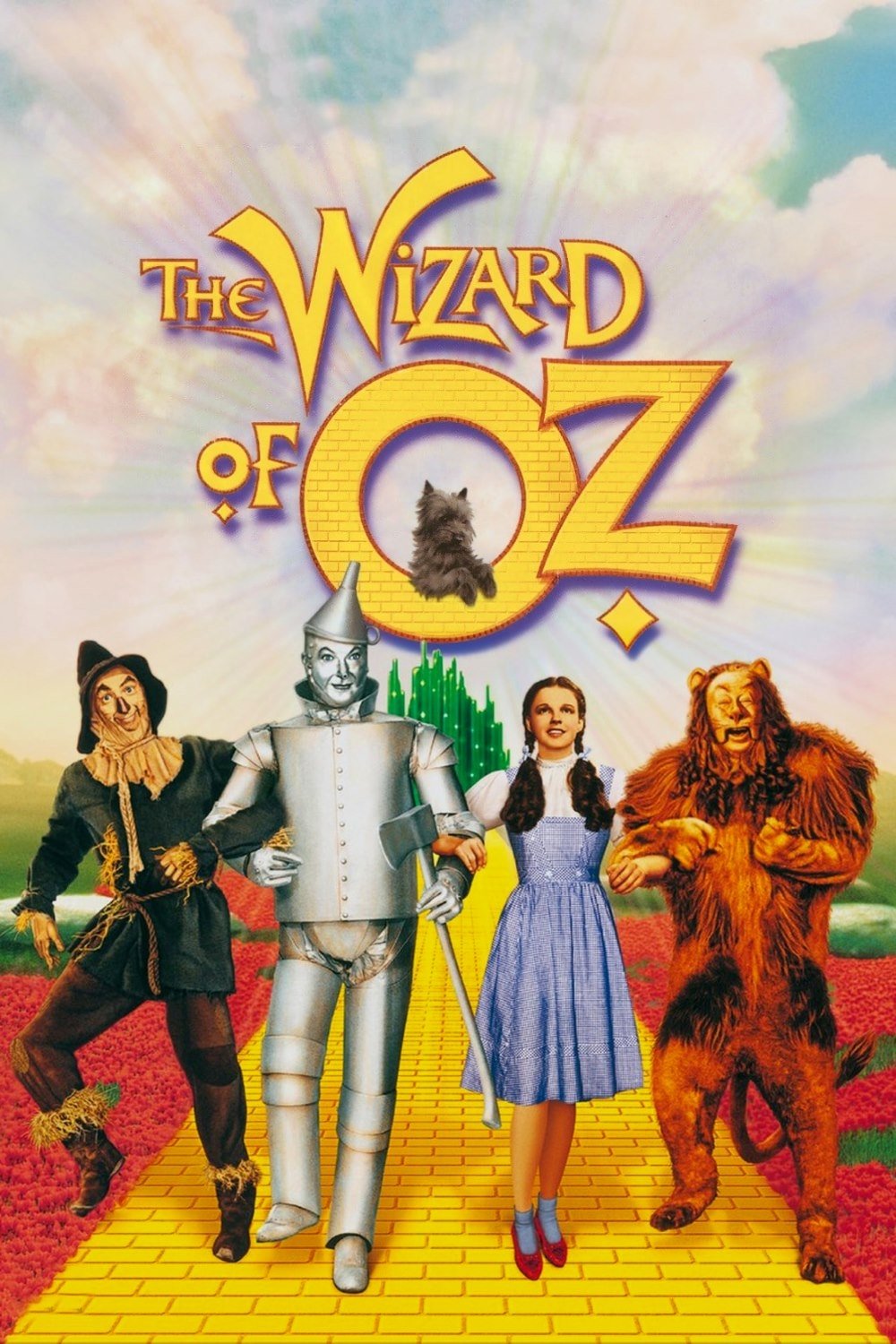
“The Wizard of Oz” is a beloved classic known for its use of Technicolor. The film famously starts in black-and-white and transitions to vibrant color when Dorothy arrives in the land of Oz. This was a stunning visual effect for audiences in 1939.
The movie is a musical fantasy that has become a cultural touchstone. Songs like “Over the Rainbow” are iconic, and its characters are known by people of all ages. The film has been interpreted in many ways, but its core message about the importance of home continues to resonate.
Gone with the Wind (1939)
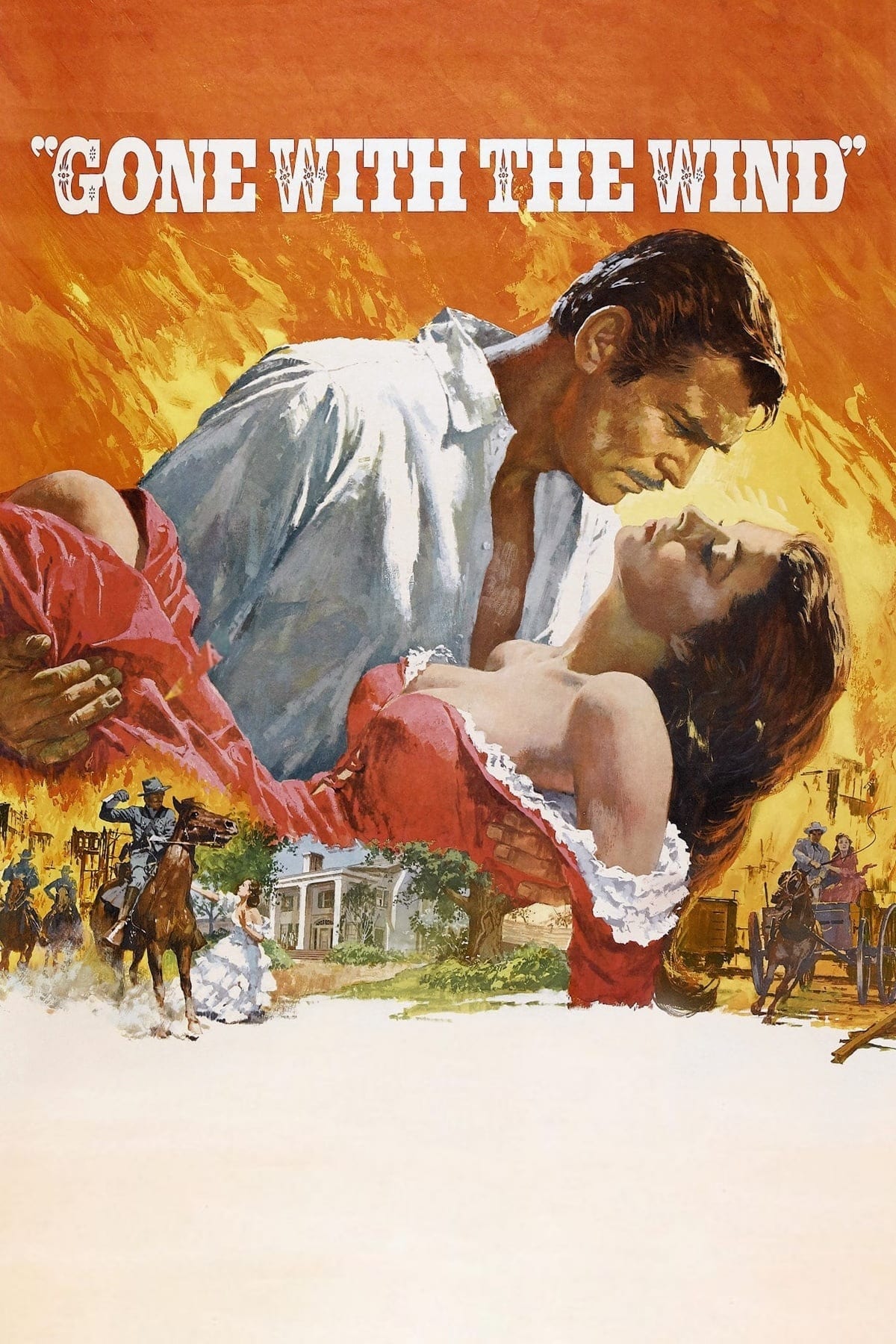
“Gone with the Wind” is an epic historical romance set during the American Civil War. It was a massive production, famous for its grand scale, lush Technicolor cinematography, and iconic performances. For many years, it was the highest-grossing film of all time.
Like “The Birth of a Nation,” the film has also faced criticism for its romanticized portrayal of the Old South and its handling of slavery. It presents a world built on historical falsehoods. The film remains a major cultural phenomenon but is now often viewed through a more critical lens, highlighting its problematic depiction of history.
Citizen Kane (1941)
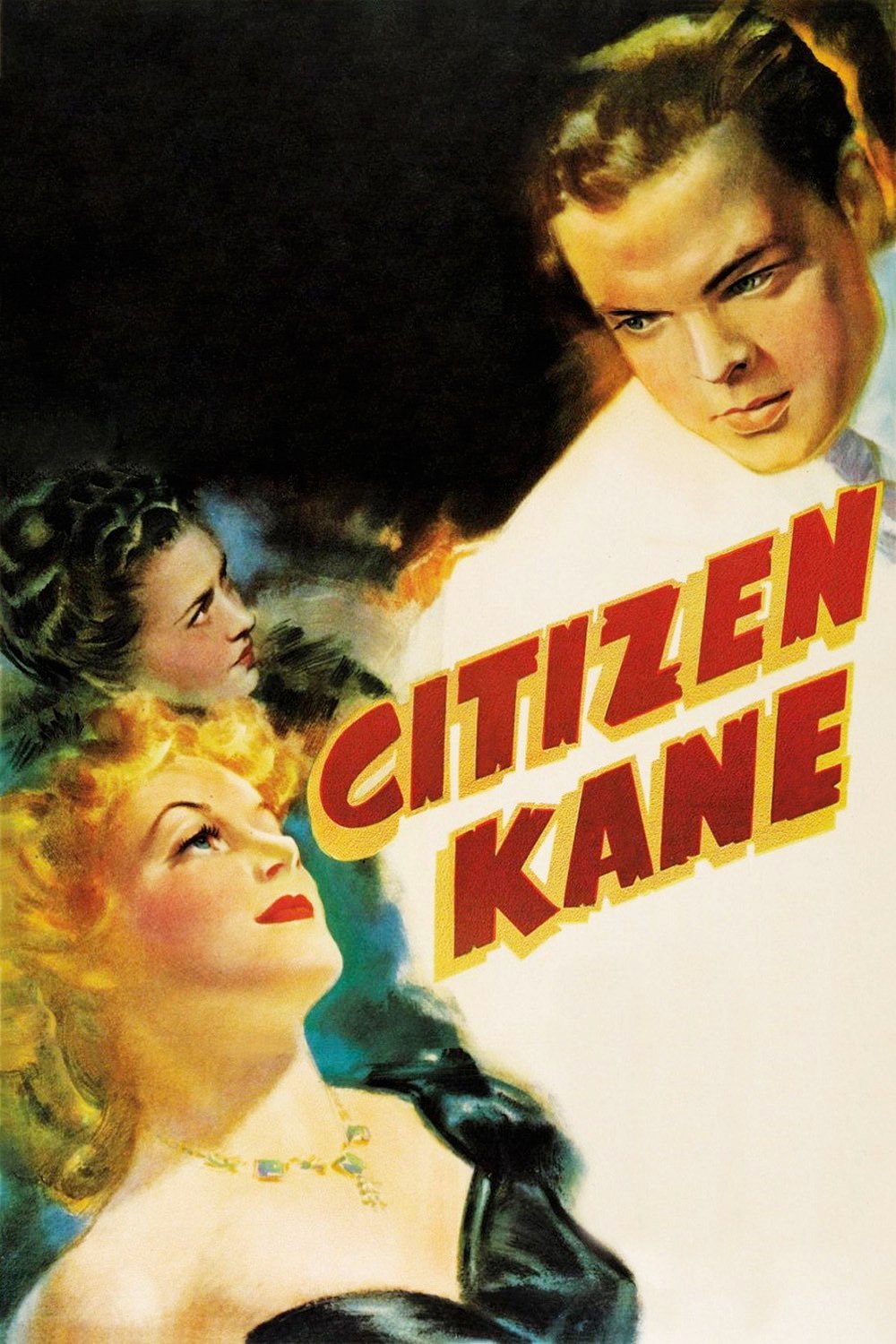
Often cited as one of the greatest films ever made, “Citizen Kane” was the debut feature of a 25-year-old Orson Welles. The film’s story is told through flashbacks, as a reporter tries to uncover the meaning of a newspaper tycoon’s dying word, “Rosebud.”
Its importance comes from its revolutionary filmmaking techniques. Welles used deep focus photography, unusual camera angles, and a non-linear narrative in ways that had never been seen before. These innovations changed the language of cinema and have been studied by filmmakers for decades.
Bicycle Thieves (1948)
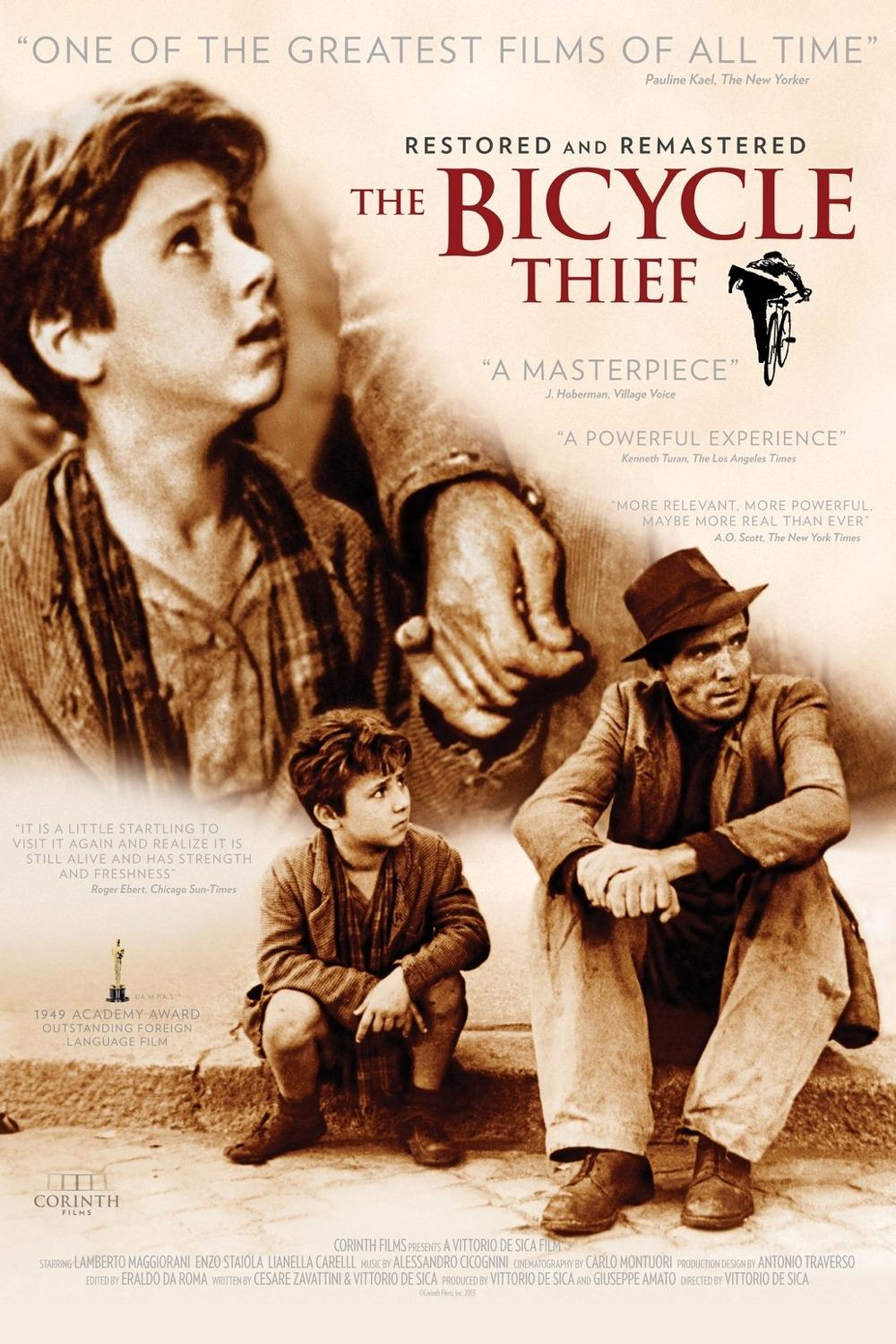
“Bicycle Thieves” is a key film in the Italian Neorealist movement. This style of filmmaking focused on the stories of ordinary, working-class people. It often used non-professional actors and was shot on location in real cities, not in studios.
The film follows a poor man who needs his bicycle for a job. When it is stolen, he and his young son search for it across Rome. The story is simple but emotionally powerful. It shows the harsh realities of life in post-war Italy and has influenced filmmakers who want to tell realistic and human stories.
Rashomon (1950)
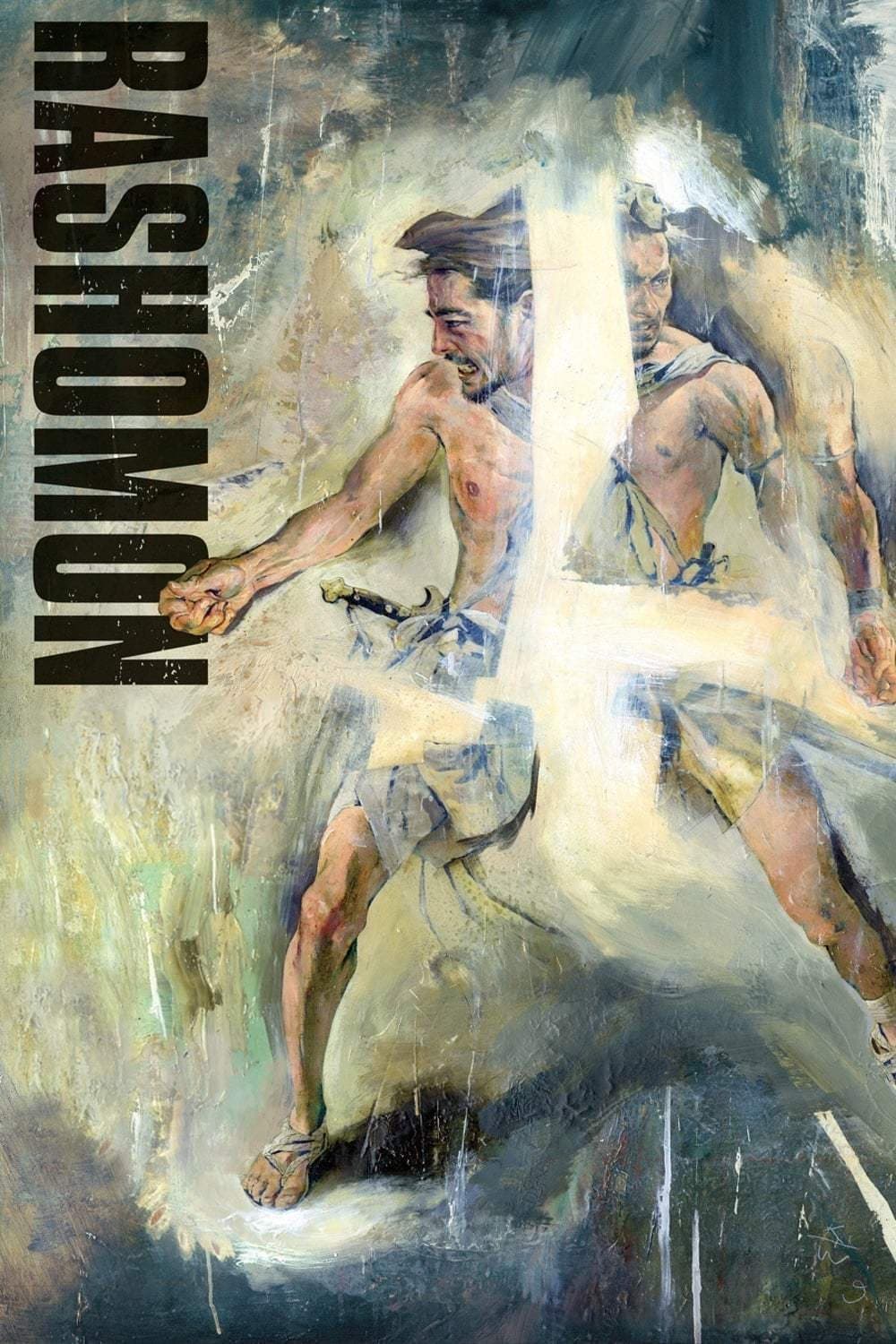
Akira Kurosawa’s “Rashomon” had a huge impact on global cinema. It was one of the first Japanese films to win major awards internationally, opening the door for other filmmakers from the country. The film’s story is about the investigation of a murder, told from four different perspectives.
Each witness gives a different version of what happened. This storytelling device, where the truth is questioned, became known as the “Rashomon effect.” The film’s success introduced Western audiences to Japanese cinema and its greatest director, Akira Kurosawa.
Singin’ in the Rain (1952)
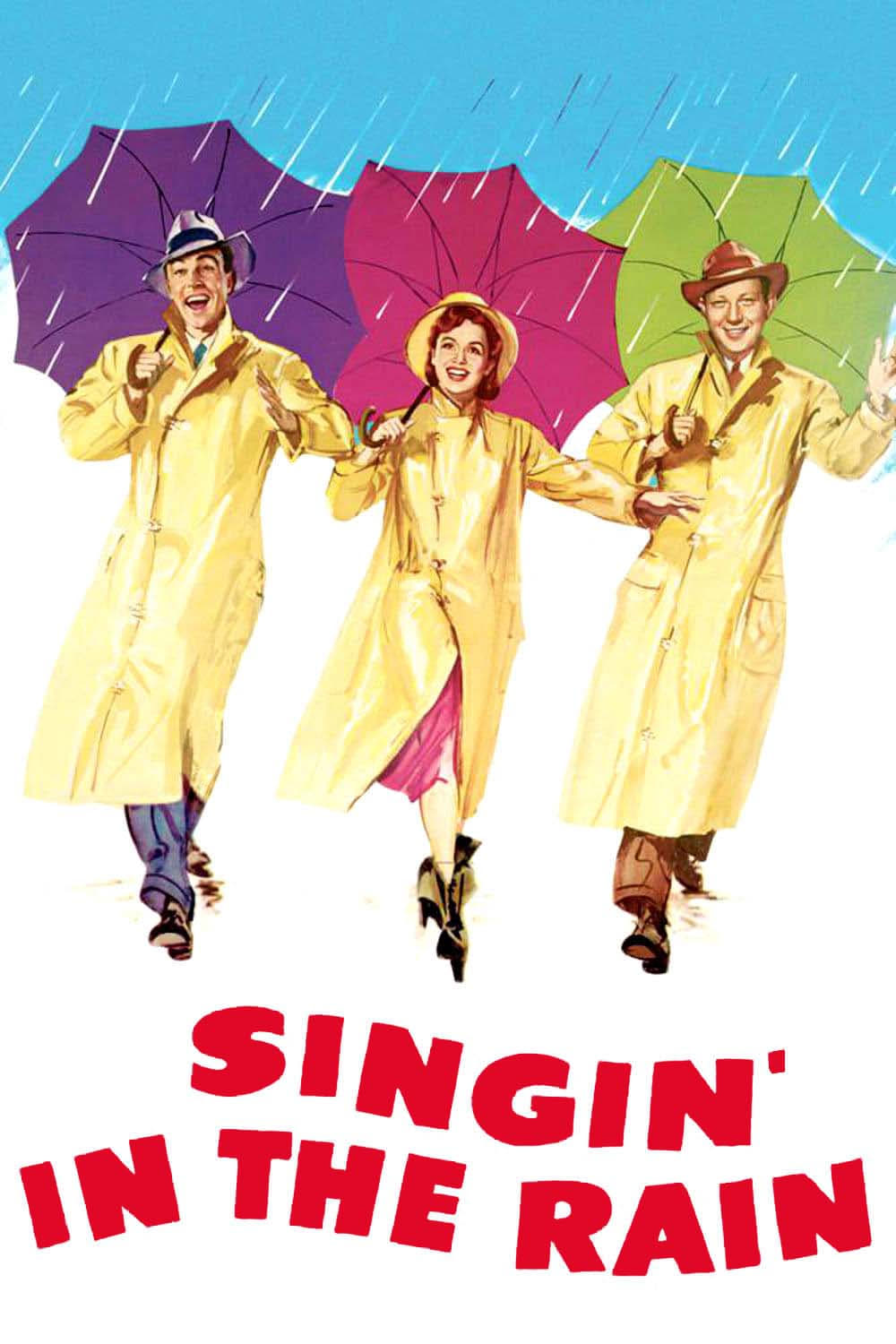
“Singin’ in the Rain” is often called the greatest musical ever made. It is a lighthearted comedy set in the late 1920s when Hollywood was transitioning from silent films to “talkies.” The story follows silent film stars as they struggle to adapt to the new technology.
The film is celebrated for its spectacular dance numbers, witty script, and memorable songs. The title sequence, where Gene Kelly sings and dances in the rain, is one of the most iconic moments in movie history. It is a joyful celebration of filmmaking itself.
The Seventh Seal (1957)
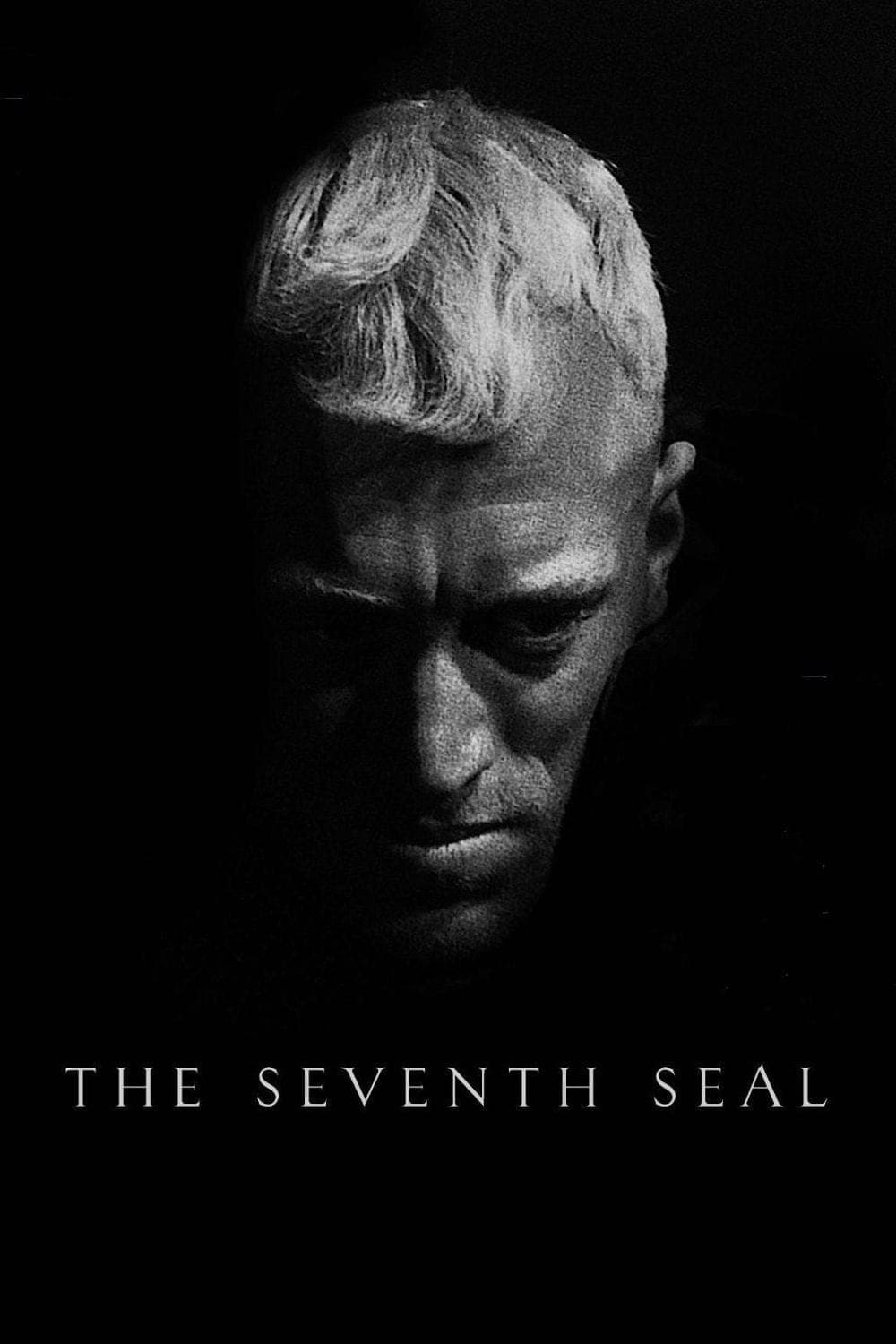
Ingmar Bergman’s “The Seventh Seal” is a classic of world cinema. The film is set in Sweden during the Black Death. A knight, returning from the Crusades, challenges Death to a game of chess to prolong his life.
The film is famous for its stark black-and-white imagery and its exploration of deep philosophical questions. It deals with themes of faith, doubt, and the meaning of life in the face of death. The image of the knight playing chess with Death is one of the most famous in all of film.
Psycho (1960)
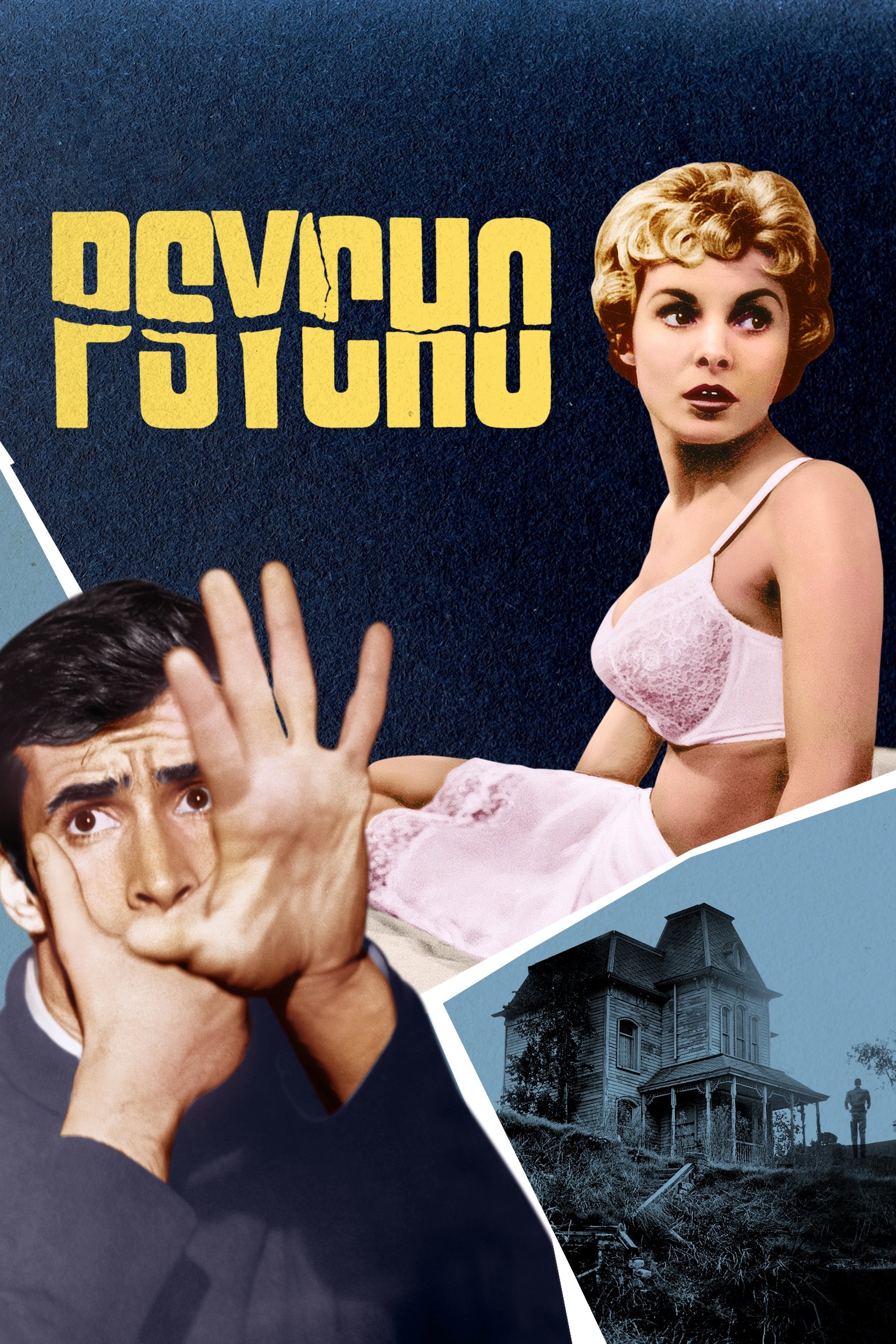
Alfred Hitchcock’s “Psycho” changed the horror genre forever. The film was a low-budget, black-and-white thriller that broke many rules of filmmaking at the time. It famously killed off its main character early in the movie, which was a shocking twist for audiences.
The “shower scene” is one of the most famous and studied scenes in film history. Its quick cuts and terrifying score created a new level of on-screen violence and suspense. “Psycho” moved horror away from monsters and into the minds of human beings, creating the modern psychological thriller.
Breathless (1960)

“Breathless” is the debut film of Jean-Luc Godard and a key movie of the French New Wave. This movement rejected traditional filmmaking conventions. The filmmakers used new techniques like handheld cameras, natural lighting, and jump cuts.
The film’s story is about a young criminal and his American girlfriend. What made it so important was its style. The jump cuts, where parts of a shot are removed to create a jarring effect, were revolutionary. The film’s cool, rebellious attitude influenced countless filmmakers and artists.
2001: A Space Odyssey (1968)
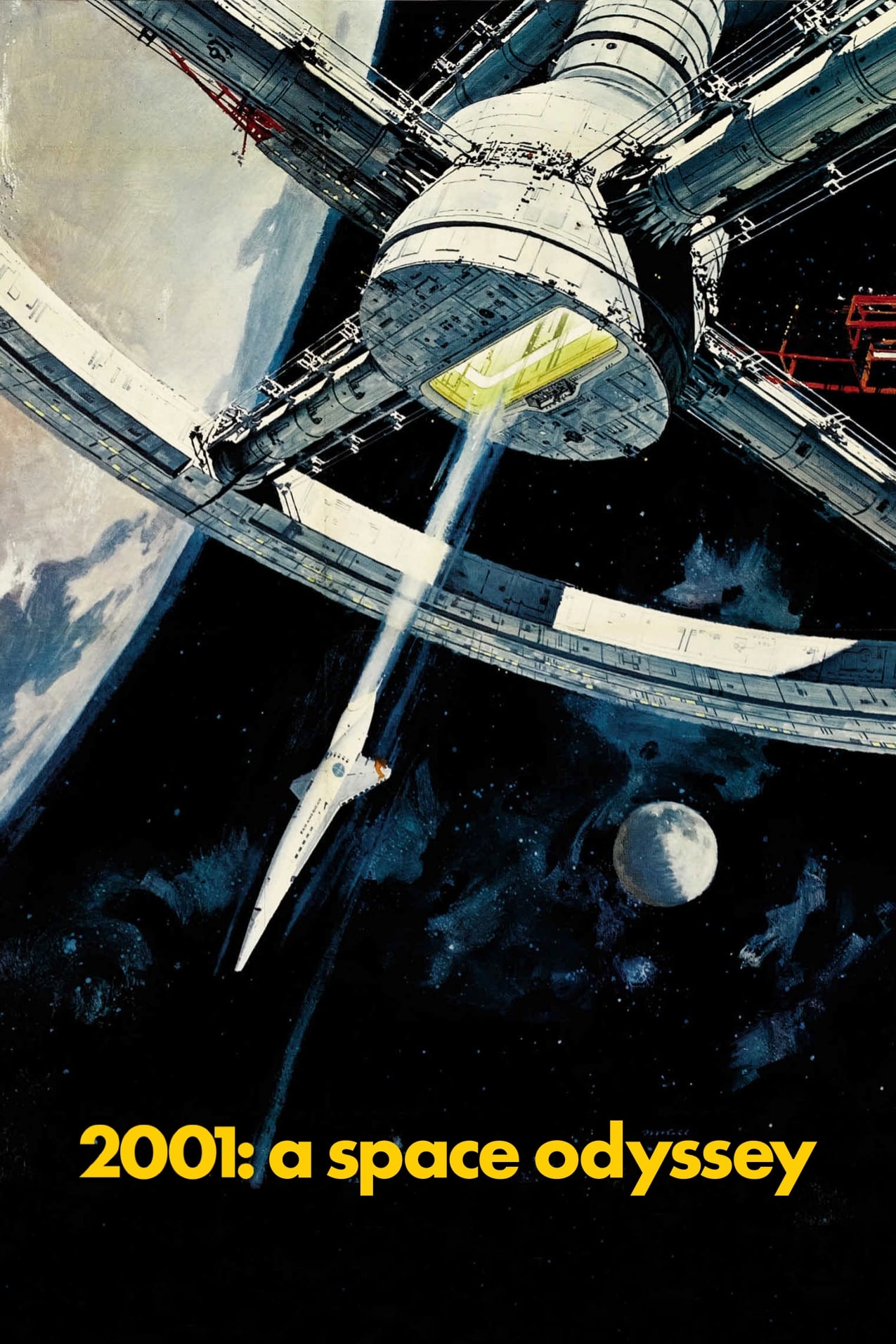
Stanley Kubrick’s “2001: A Space Odyssey” is a science-fiction film that redefined the genre. Instead of focusing on aliens and monsters, it was a serious and philosophical look at technology, humanity, and our place in the universe. The film is famous for its groundbreaking special effects, which still look impressive today.
The movie is also known for its minimal dialogue and use of classical music. Its story, which spans from the dawn of man to a journey to Jupiter, is mysterious and open to interpretation. The film’s artificial intelligence, HAL 9000, became an iconic character and a warning about the dangers of technology.
The Godfather (1972)
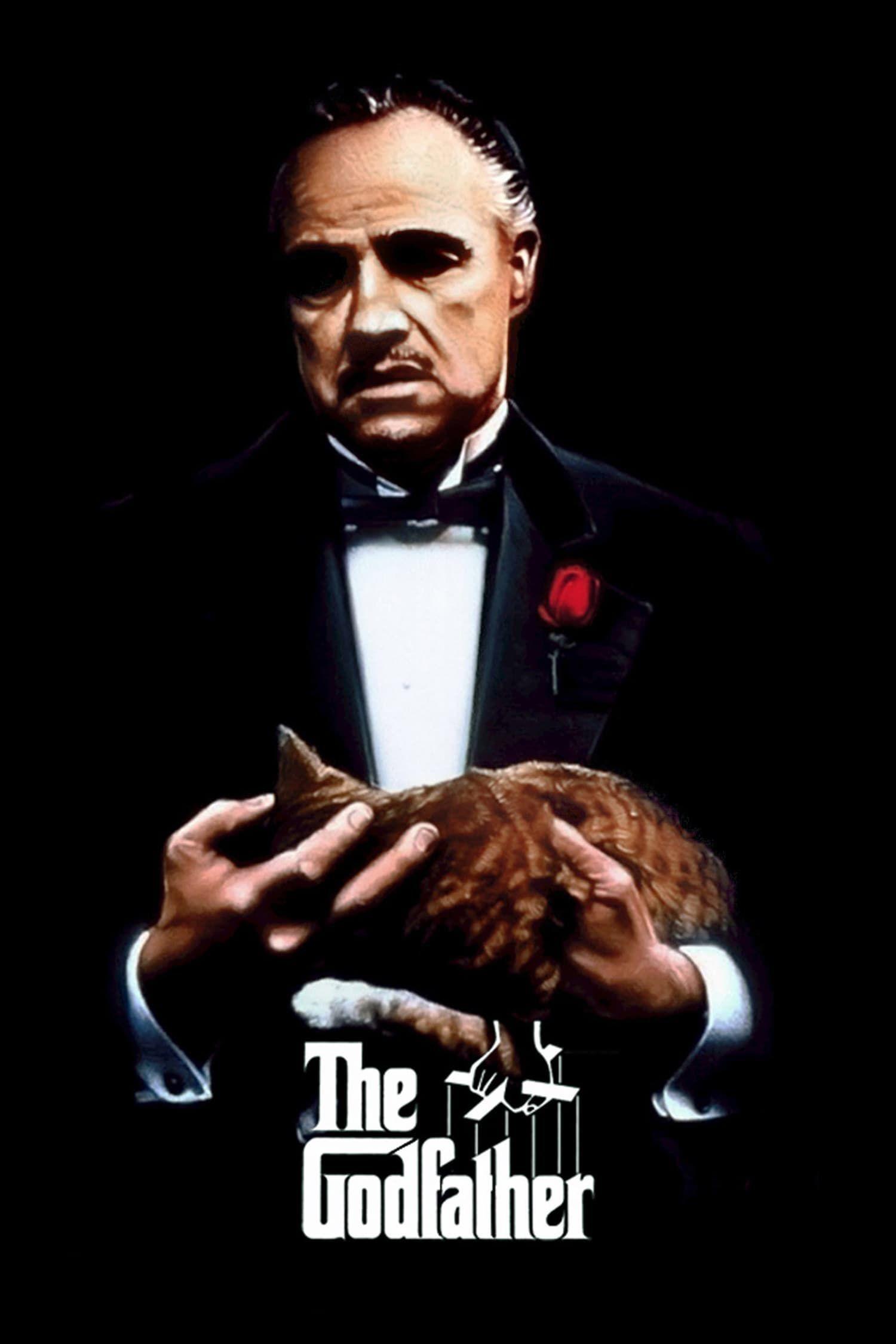
Francis Ford Coppola’s “The Godfather” is more than just a gangster movie. It is an epic story about family, power, and the dark side of the American dream. The film’s rich character development and complex plot set a new standard for storytelling in Hollywood.
The movie was a huge commercial and critical success. It revitalized the gangster genre and was a key film in the “New Hollywood” era of the 1970s, when directors had more creative control. Its masterful filmmaking, from the cinematography to the acting, has made it one of the most respected films of all time.
Star Wars (1977)
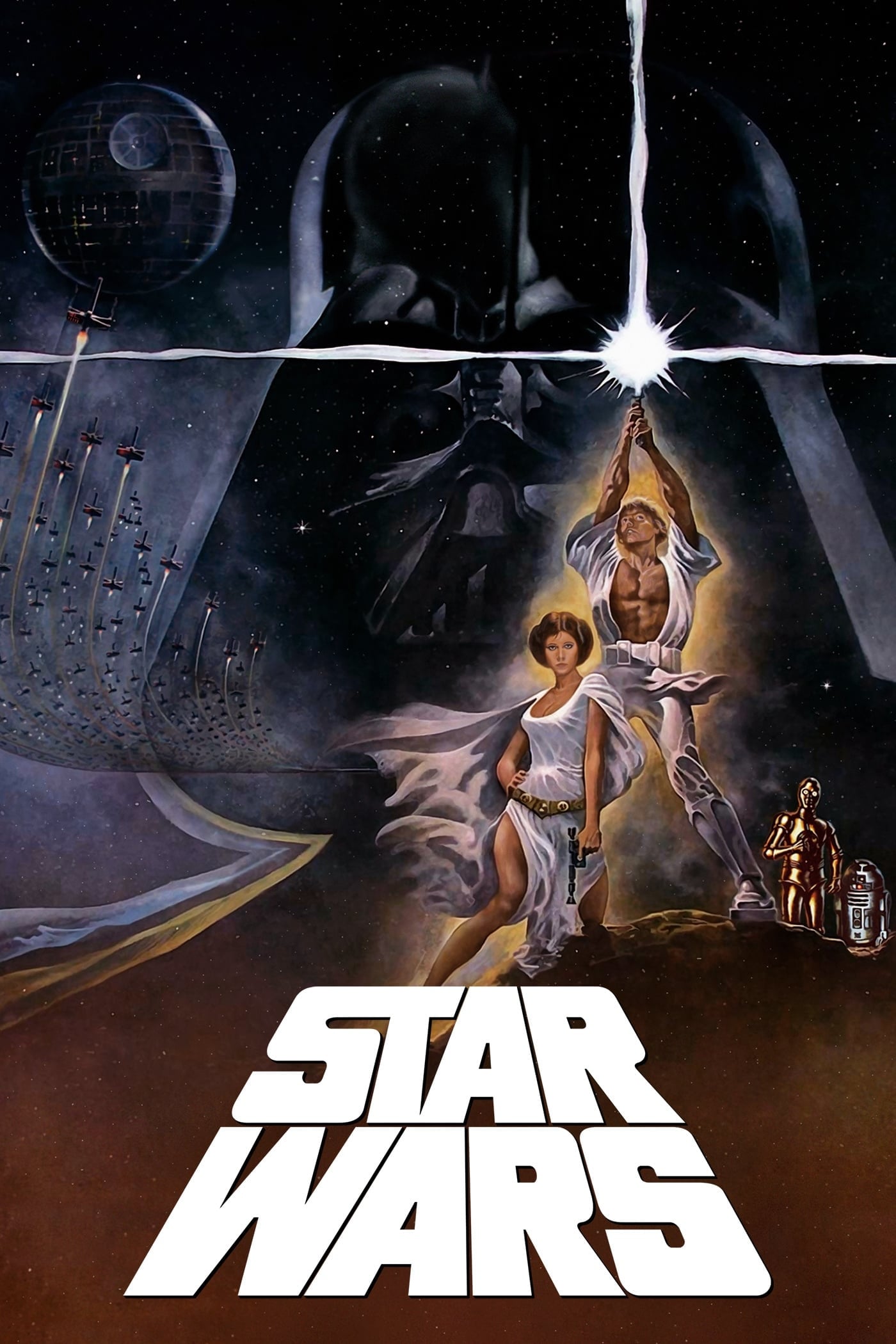
George Lucas’s “Star Wars” changed the movie business forever. It was a space opera that blended science fiction, fantasy, and adventure. Its groundbreaking special effects, created by Industrial Light & Magic, set a new standard for what was possible on screen.
The film was a cultural phenomenon and became the model for the modern blockbuster. It proved the immense financial potential of movie merchandise, from toys to posters. “Star Wars” created a rich fictional universe that has continued to expand for decades, influencing generations of fans and filmmakers.
Blade Runner (1982)
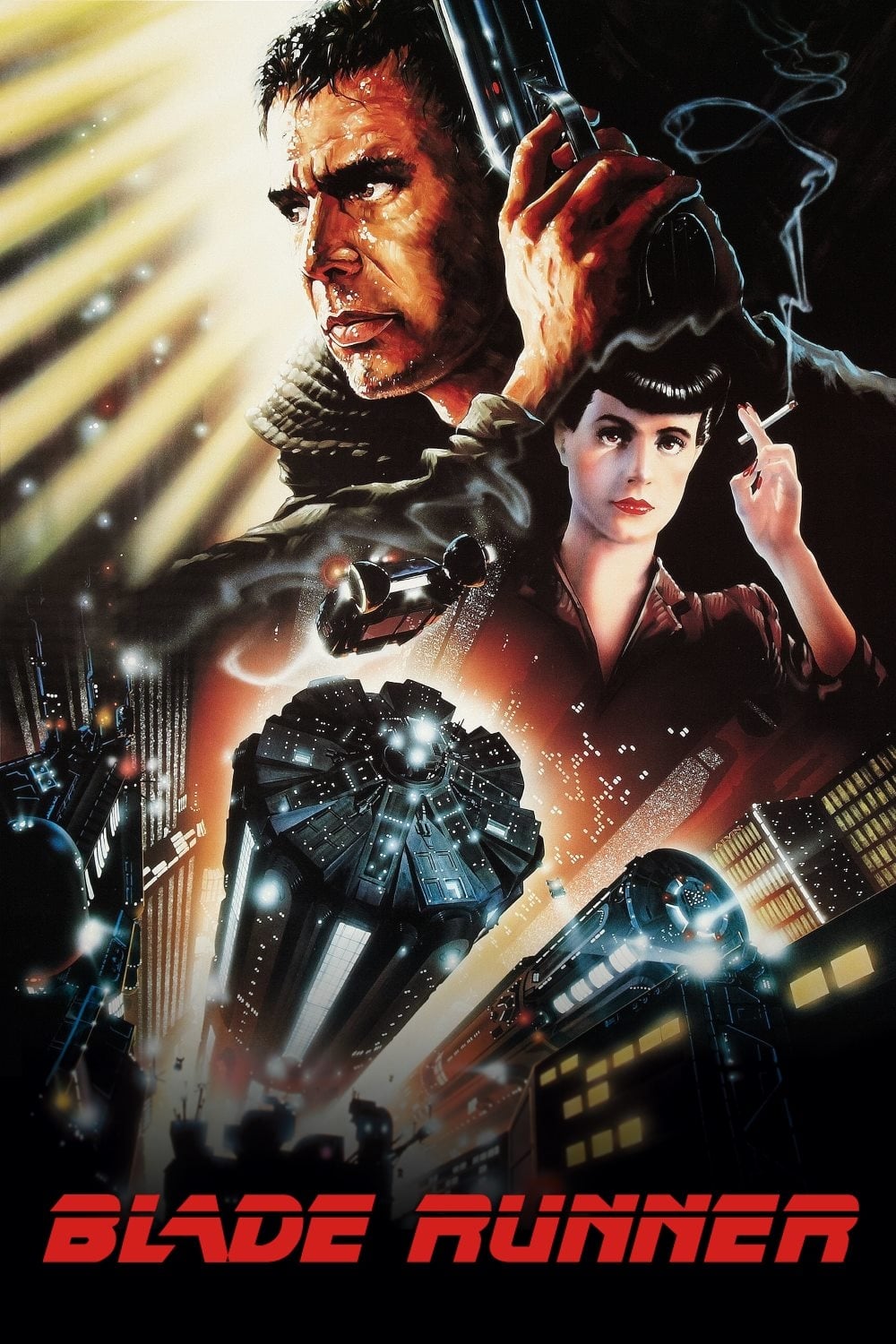
Ridley Scott’s “Blade Runner” is a science-fiction film that was not a big success when it was first released. However, it has since become one of the most influential films of its genre. The film is set in a dark, rainy, futuristic Los Angeles and is known for its stunning visual style, which has been called “future noir.”
The movie explores complex themes about what it means to be human through its story of a man who hunts artificial humans called “replicants.” Its detailed and immersive world has influenced the look of countless sci-fi films, video games, and anime.
Jurassic Park (1993)

Steven Spielberg’s “Jurassic Park” was a landmark moment for computer-generated imagery (CGI). The film brought dinosaurs to life in a way that had never been seen before, seamlessly blending CGI with practical effects. The sight of a realistic Tyrannosaurus rex stunned audiences and filmmakers alike.
The movie’s success marked a major turning point in special effects, paving the way for the CGI-heavy blockbusters that dominate cinema today. Beyond its technical achievements, it is a thrilling adventure story that captured the imagination of audiences around the world and remains a beloved classic.
Pulp Fiction (1994)
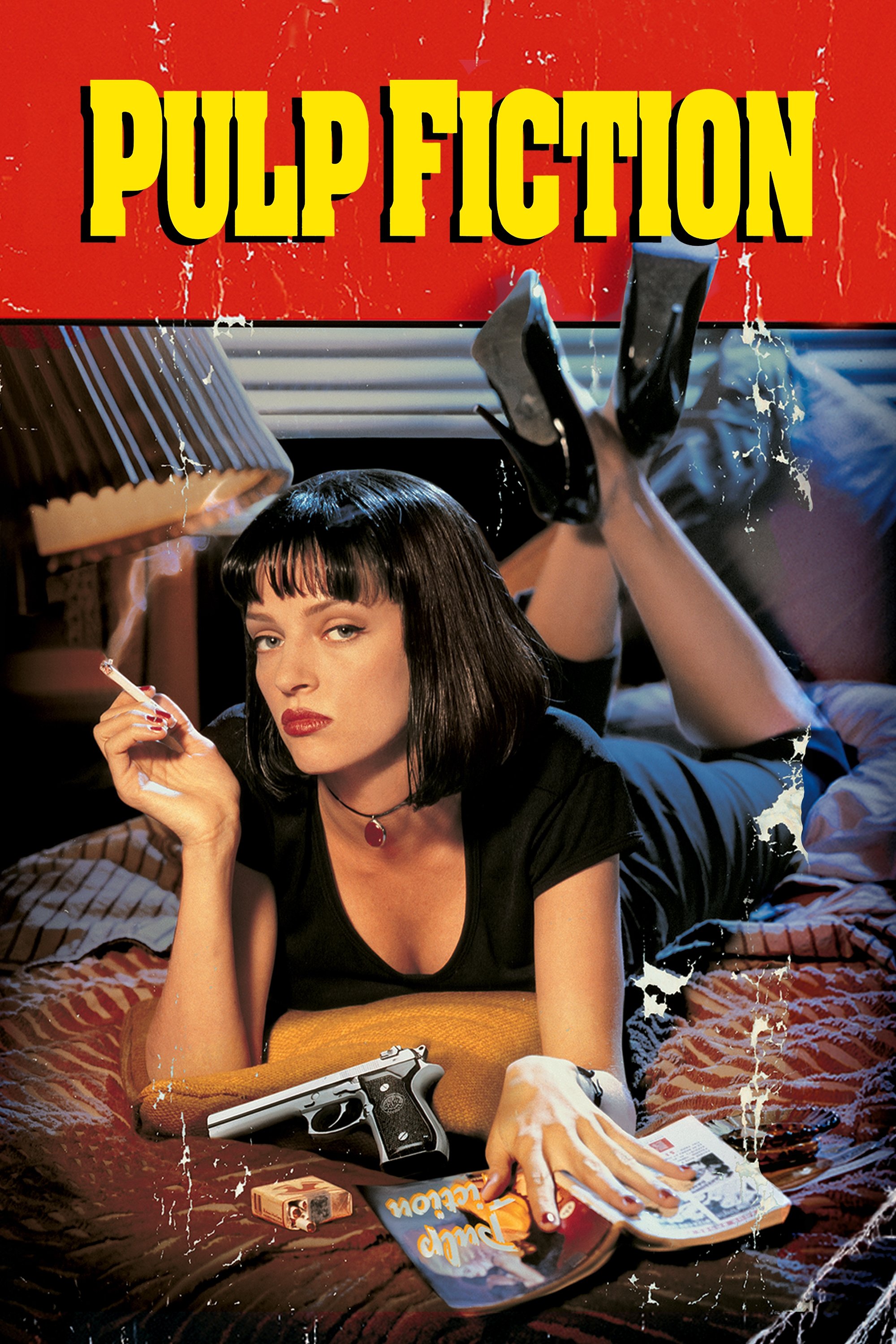
Quentin Tarantino’s “Pulp Fiction” was a game-changer for independent film in the 1990s. The film tells several interconnected stories of crime in Los Angeles, but it tells them out of chronological order. This non-linear structure, along with its witty, pop-culture-filled dialogue, felt fresh and exciting.
The film was a huge critical and commercial success, proving that independent films could be profitable and cool. It launched Tarantino’s career and influenced a wave of other filmmakers who tried to copy its style. Its clever writing and unique structure have made it a modern classic.
Toy Story (1995)
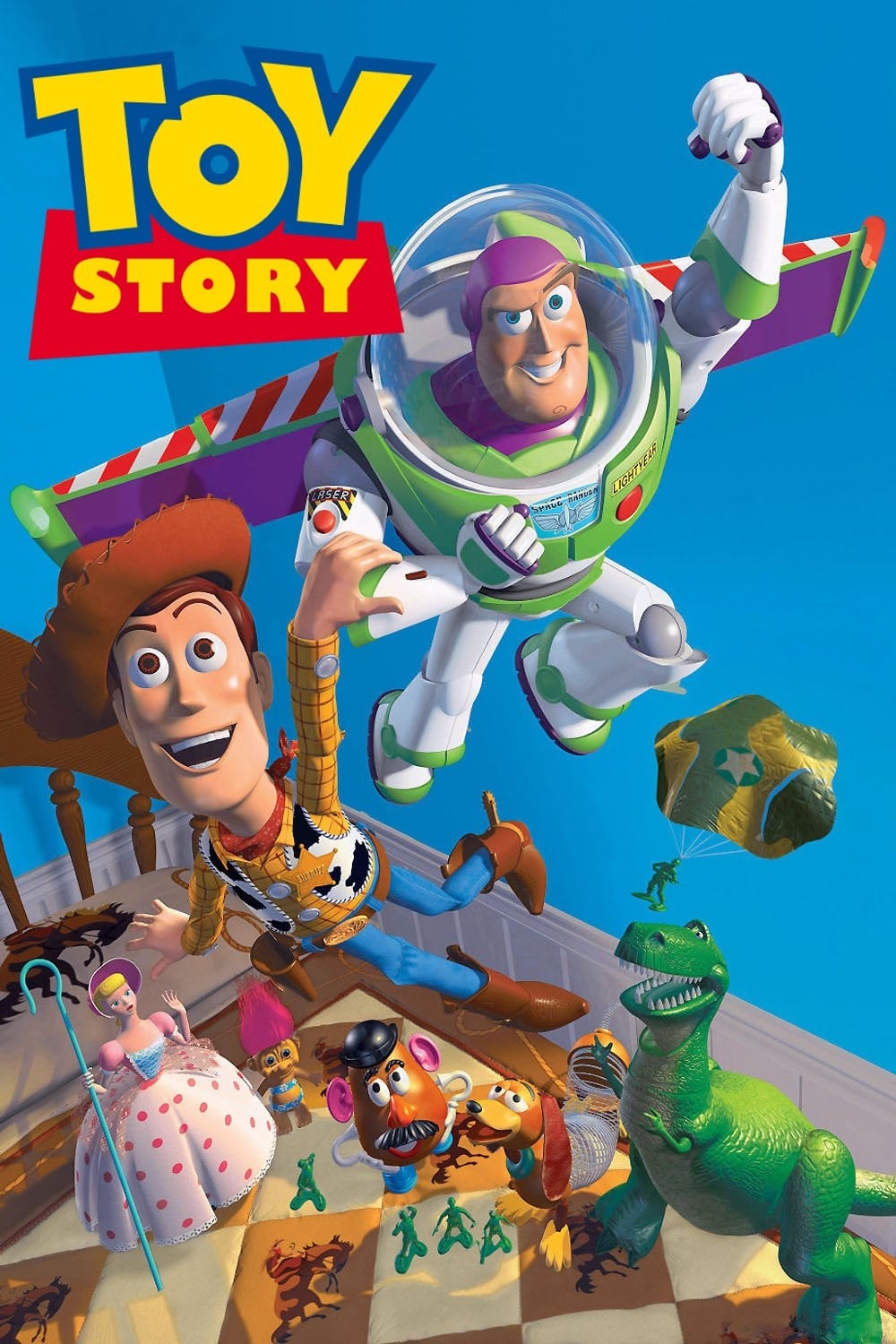
“Toy Story” was the first feature film from Pixar Animation Studios and the first feature film to be entirely computer-animated. The movie’s technical achievement was groundbreaking, creating a vibrant 3D world with a level of detail that was previously impossible in animation.
But the film’s importance also comes from its smart and emotional storytelling. The story of a cowboy doll who feels threatened by a new space ranger toy connected with both children and adults. Its success established Pixar as a major force in animation and changed the industry forever.
The Matrix (1999)
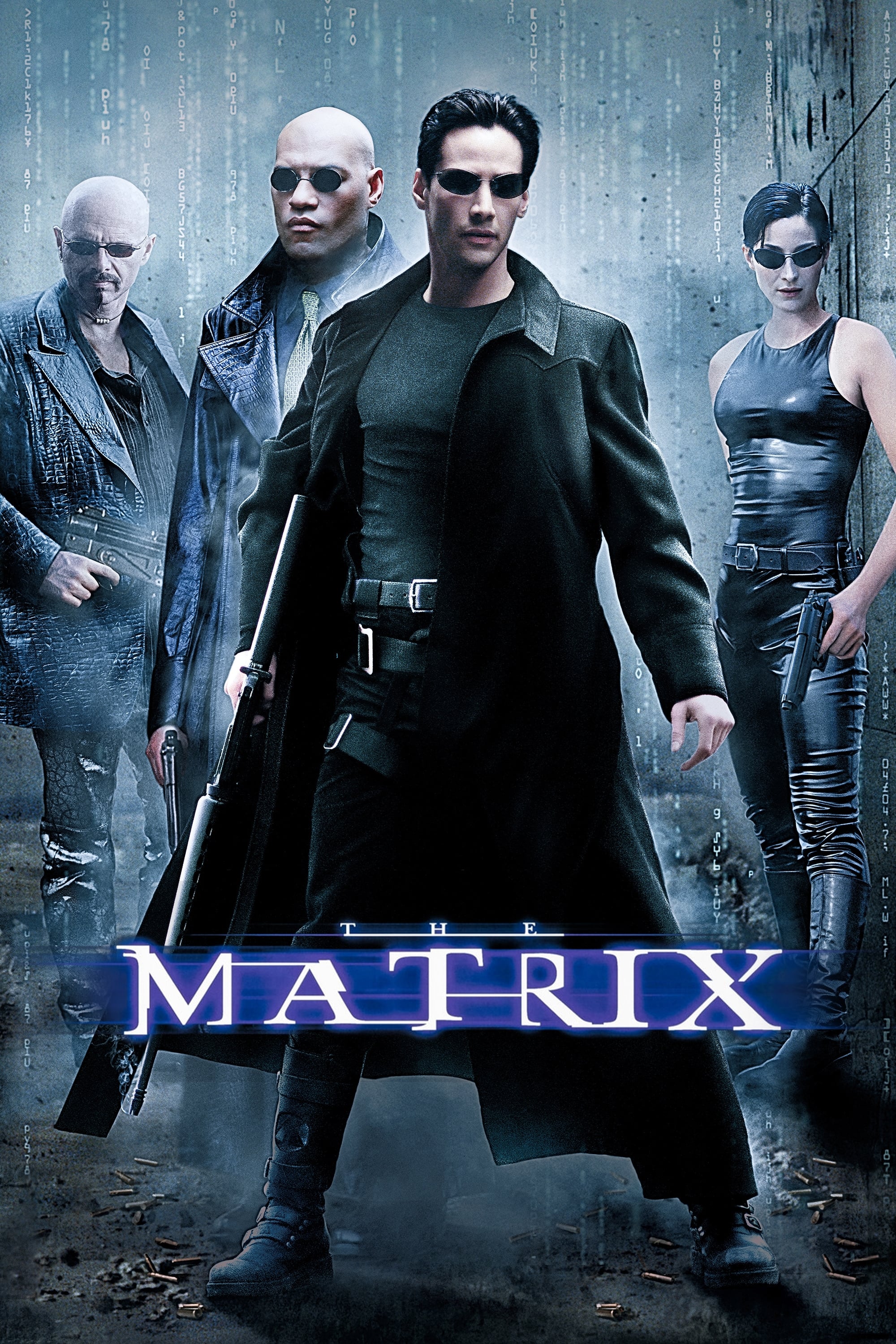
“The Matrix” was a science-fiction action film that had a huge impact on popular culture. It tells the story of a computer hacker who discovers that his reality is a simulated world. The film blended ideas from philosophy, mythology, and cyberpunk literature with groundbreaking action sequences.
The movie is famous for popularizing the “bullet time” visual effect, where the action moves in slow motion while the camera appears to move at normal speed. Its slick, leather-clad aesthetic and mind-bending concepts influenced action filmmaking and fashion for years to come.
In the Mood for Love (2000)
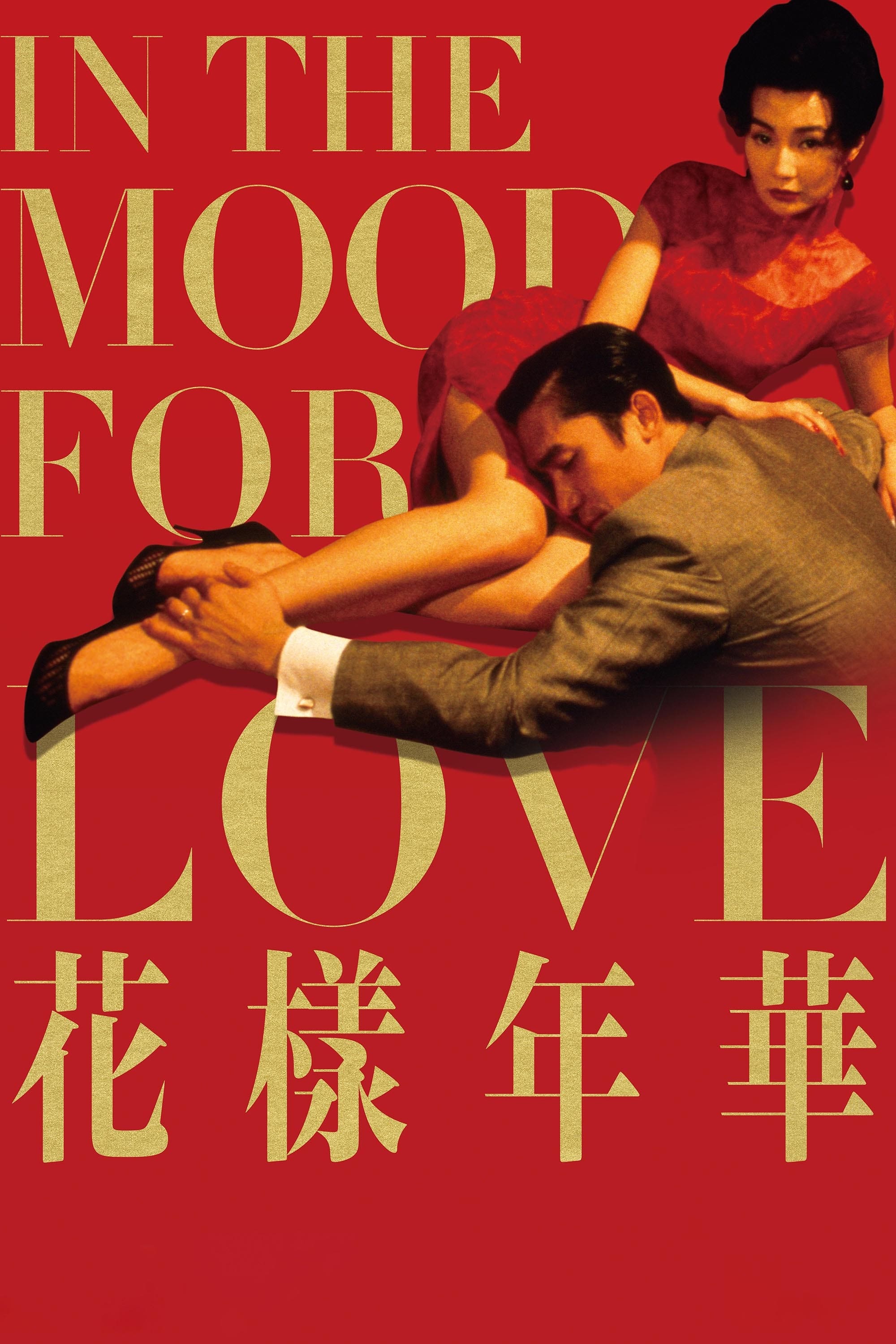
Wong Kar-wai’s “In the Mood for Love” is a Hong Kong film widely regarded as one of the most beautiful films ever made. It tells the story of a man and a woman in 1960s Hong Kong who live in the same apartment building and discover that their spouses are having an affair.
The film is not about big dramatic events. Instead, it focuses on small moments, glances, and unspoken feelings. The director uses lush colors, stunning cinematography, and a haunting musical score to create a powerful mood of longing and missed opportunities. It is a masterpiece of visual storytelling.
Spirited Away (2001)
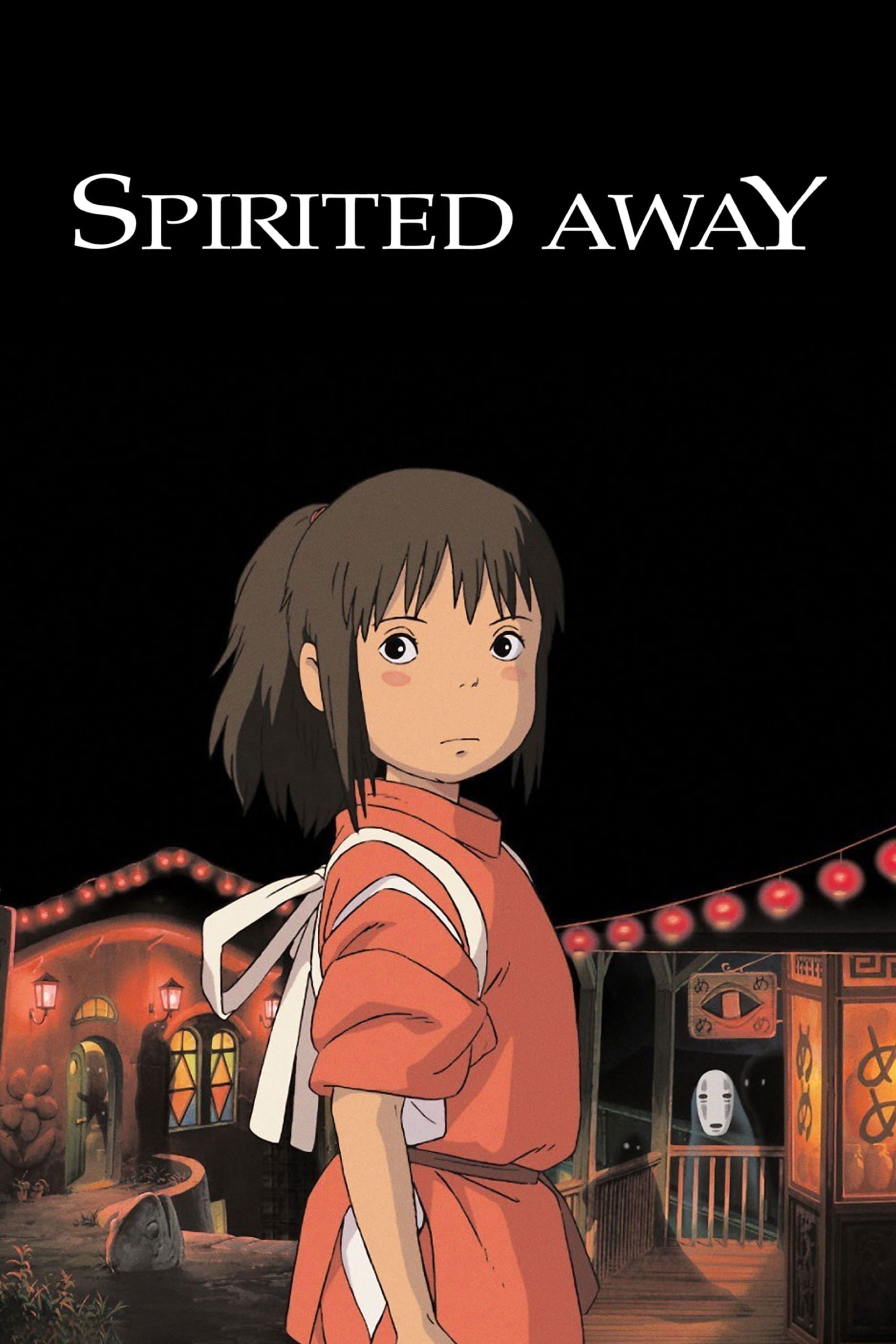
“Spirited Away” is a Japanese animated film from the legendary director Hayao Miyazaki and Studio Ghibli. It tells the story of a young girl who enters a world of gods, spirits, and monsters. The film is celebrated for its breathtakingly imaginative animation and its rich, detailed world.
The movie was a massive success in Japan and won the Academy Award for Best Animated Feature. It helped to bring Japanese animation to a wider global audience. The film’s complex themes, beautiful art, and universal story about growing up have made it a beloved classic around the world.
The Lord of the Rings: The Fellowship of the Ring (2001)
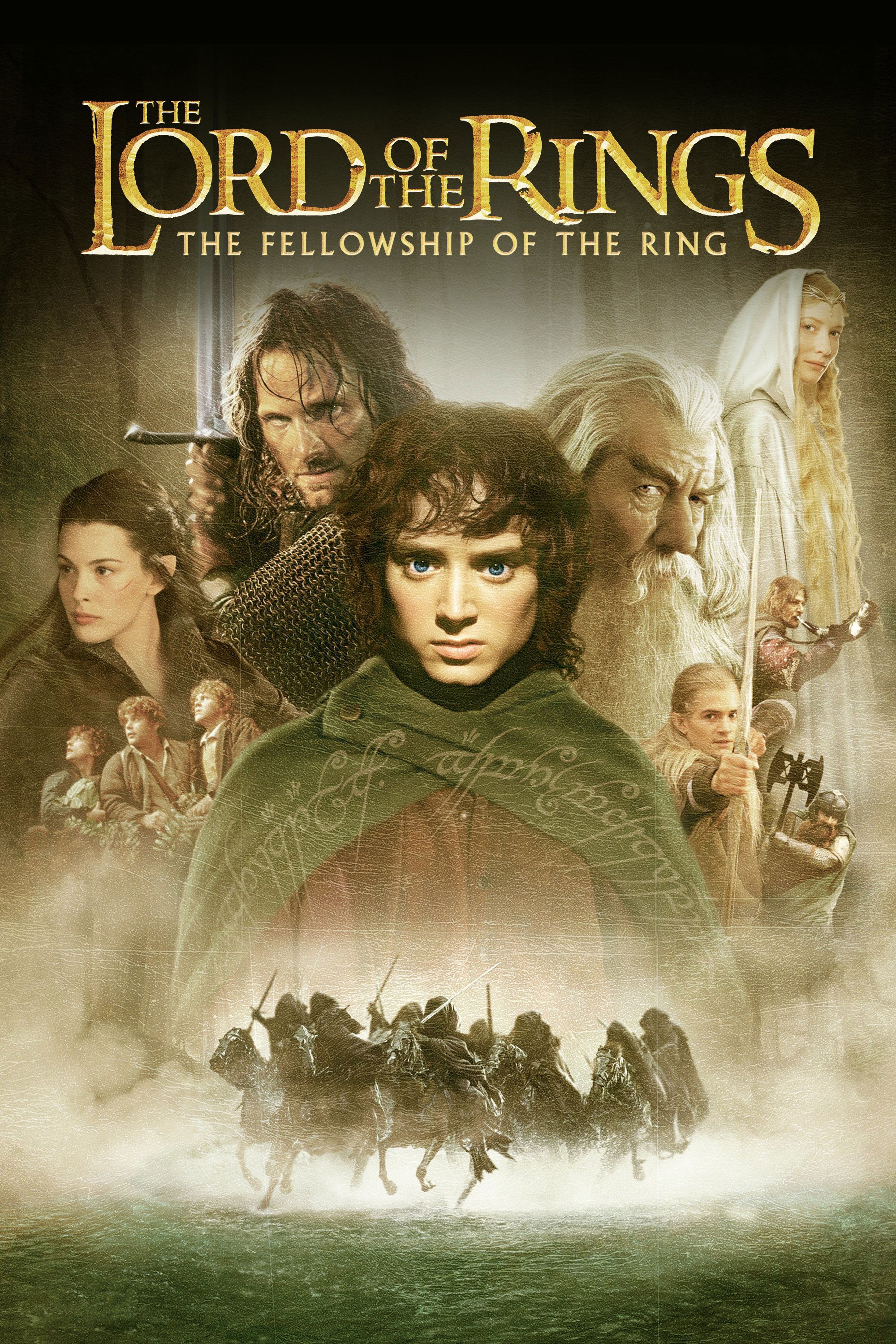
Peter Jackson’s “The Lord of the Rings” trilogy was a monumental achievement in filmmaking. For a long time, J.R.R. Tolkien’s epic fantasy novels were considered unfilmable. Jackson proved that it could be done by shooting all three movies at the same time in New Zealand.
“The Fellowship of the Ring,” the first film in the series, perfectly blended large-scale practical effects, stunning location-based cinematography, and groundbreaking digital characters like Gollum. The trilogy’s success showed that fantasy could be a serious, epic genre, paving the way for other major fantasy productions like “Game of Thrones.”
City of God (2002)
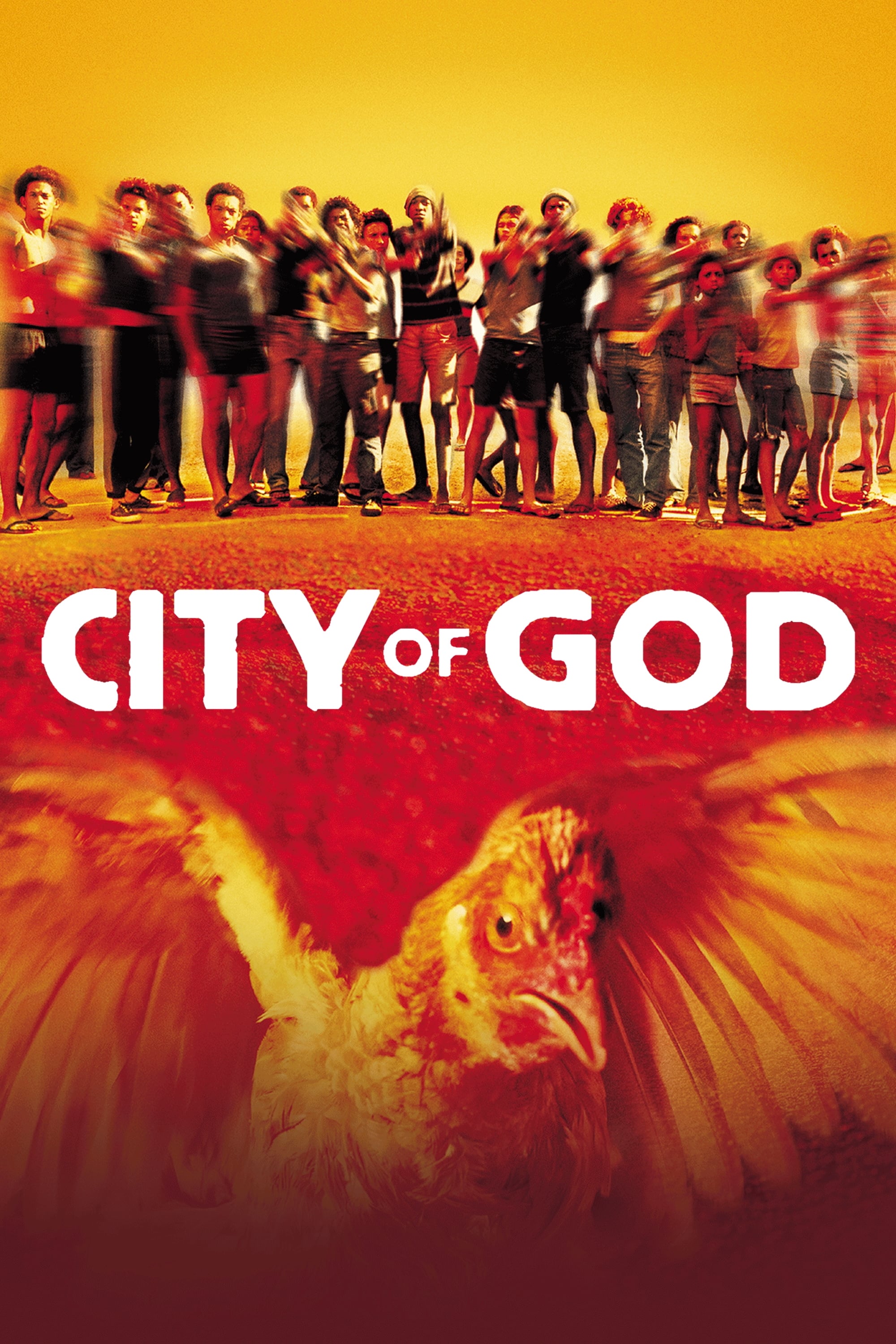
“City of God” is a Brazilian film that tells the story of the growth of organized crime in a suburb of Rio de Janeiro. The film spans from the 1960s to the 1980s and is told from the perspective of a young photographer. It is known for its kinetic energy, fast-paced editing, and vibrant cinematography.
The film was shot on location and used many non-professional actors from the actual communities depicted in the movie, which gives it a raw and authentic feel. It received international acclaim for its powerful storytelling and its unflinching look at poverty and violence. The film brought a new level of attention to Brazilian cinema.
Oldboy (2003)
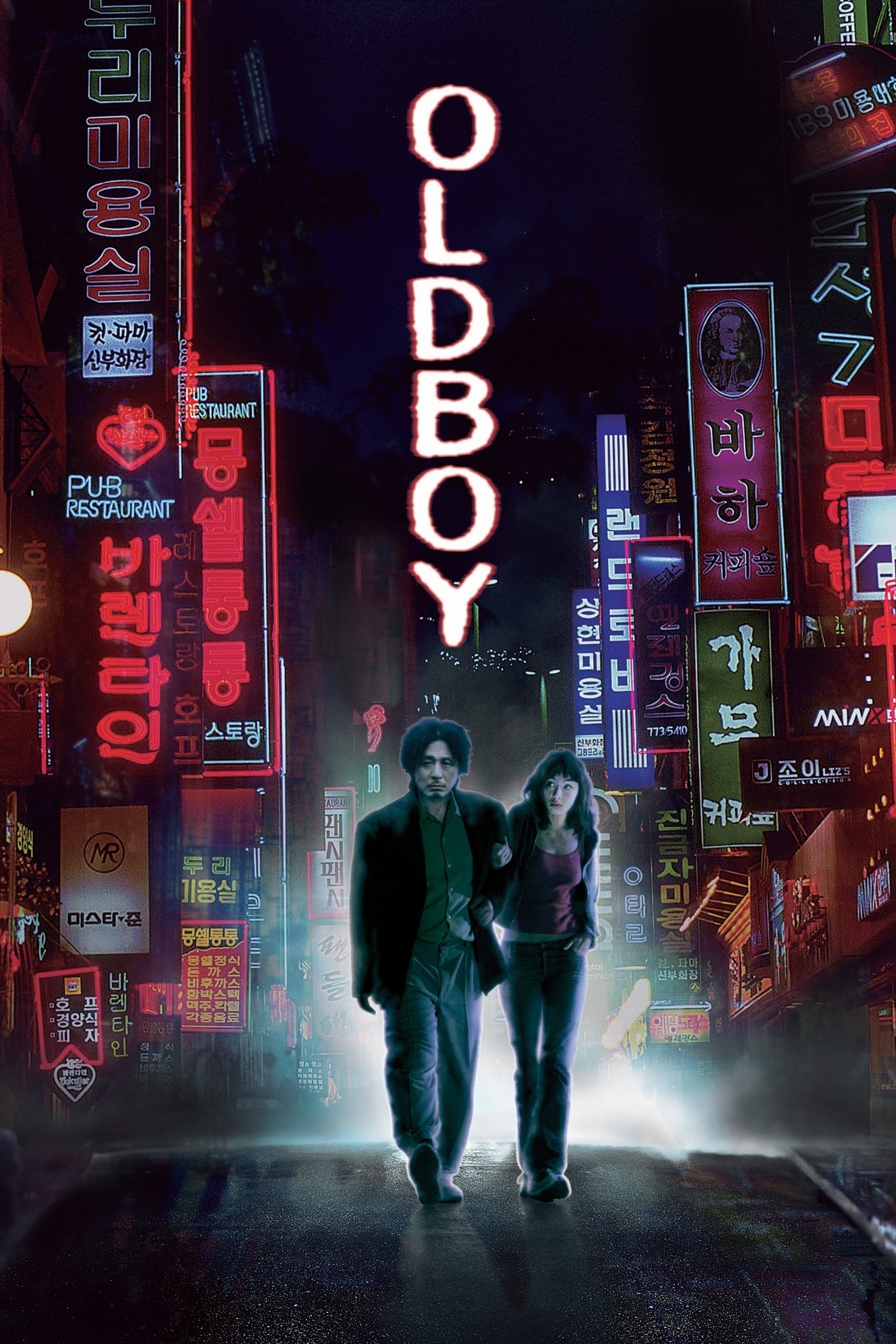
Park Chan-wook’s “Oldboy” is a South Korean thriller that became a global cult classic. The film is about a man who is imprisoned in a hotel room for 15 years without knowing why. When he is suddenly released, he seeks revenge on his captor.
The movie is famous for its shocking plot twists and its brutal, stylishly filmed action sequences, including a memorable one-take fight scene in a hallway. Its success was part of the “Korean Wave,” a surge in the global popularity of South Korean culture. The film helped to establish South Korea as a major force in international cinema.
Brokeback Mountain (2005)
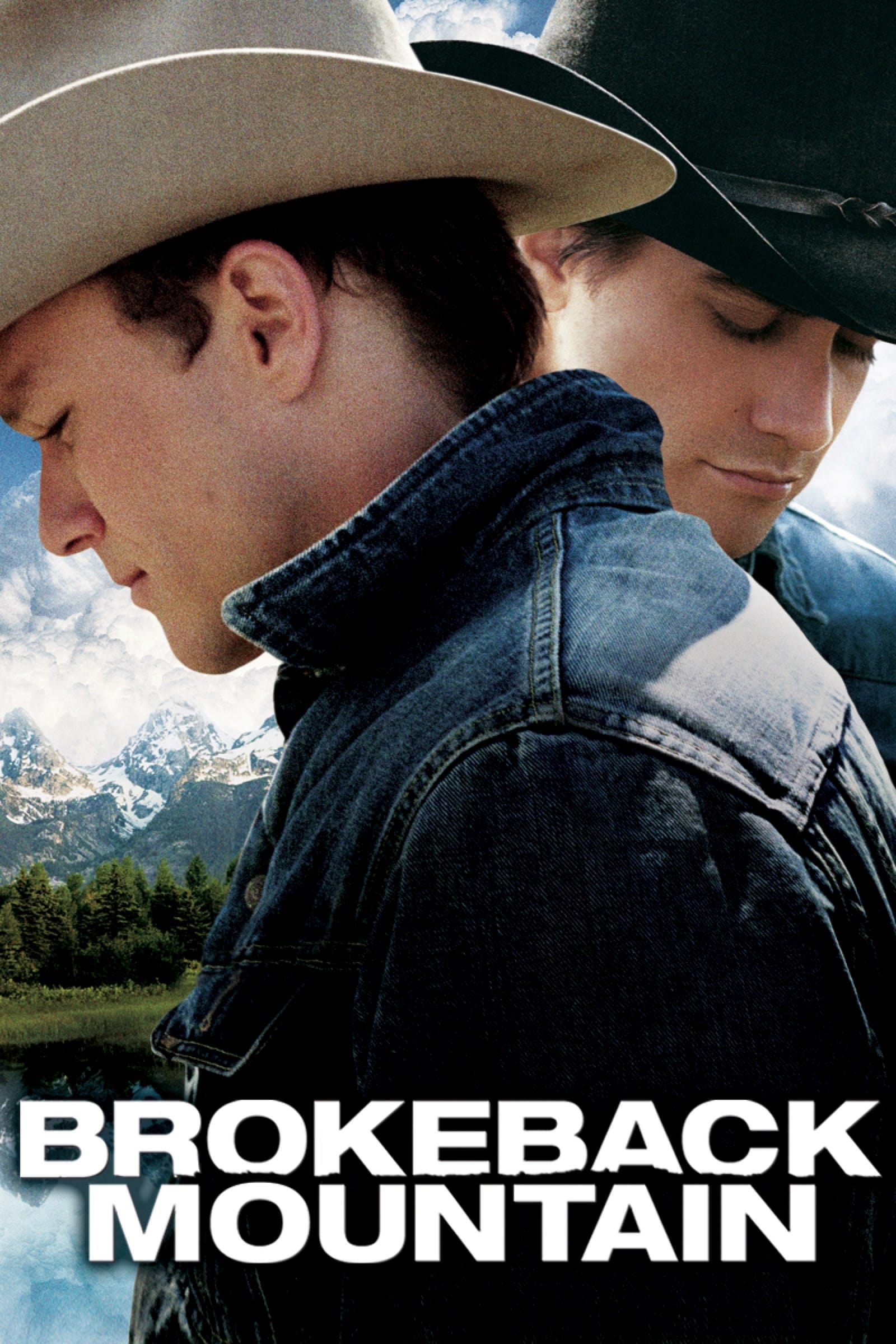
“Brokeback Mountain,” directed by Ang Lee, was a major milestone in mainstream cinema. It is a love story about two cowboys who develop a secret, decades-long romantic relationship. The film brought a queer love story to a wide, international audience in a way that had not been done before.
The movie was a critical and commercial success and received several Academy Award nominations, including Best Director. It sparked important conversations about love, masculinity, and prejudice. The film’s powerful performances and sensitive storytelling helped to challenge stereotypes and push the boundaries of what kinds of stories could be told in Hollywood.
Children of Men (2006)
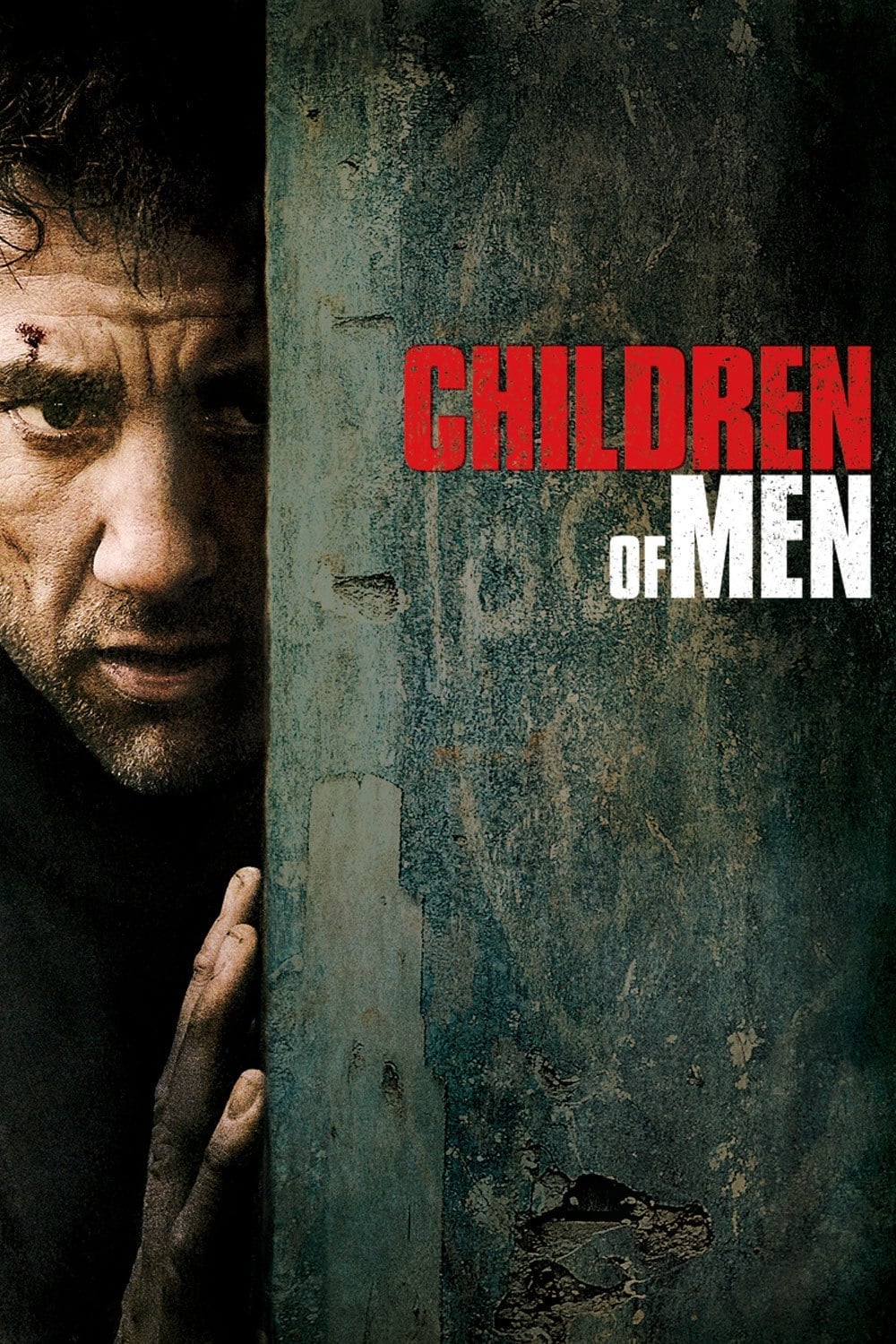
Alfonso Cuarón’s “Children of Men” is a science-fiction thriller set in a future where humanity has become infertile. The film follows a cynical former activist who must protect a miraculously pregnant woman. It is widely praised for its technical brilliance, particularly its use of long, uninterrupted shots, known as “long takes.”
These long takes, which include complex action sequences with hundreds of extras, create an incredibly immersive and realistic experience. The film’s gritty, documentary-like style and its powerful themes of hope and despair have made it a modern classic. It is considered one of the most important science-fiction films of the 21st century.
The Dark Knight (2008)
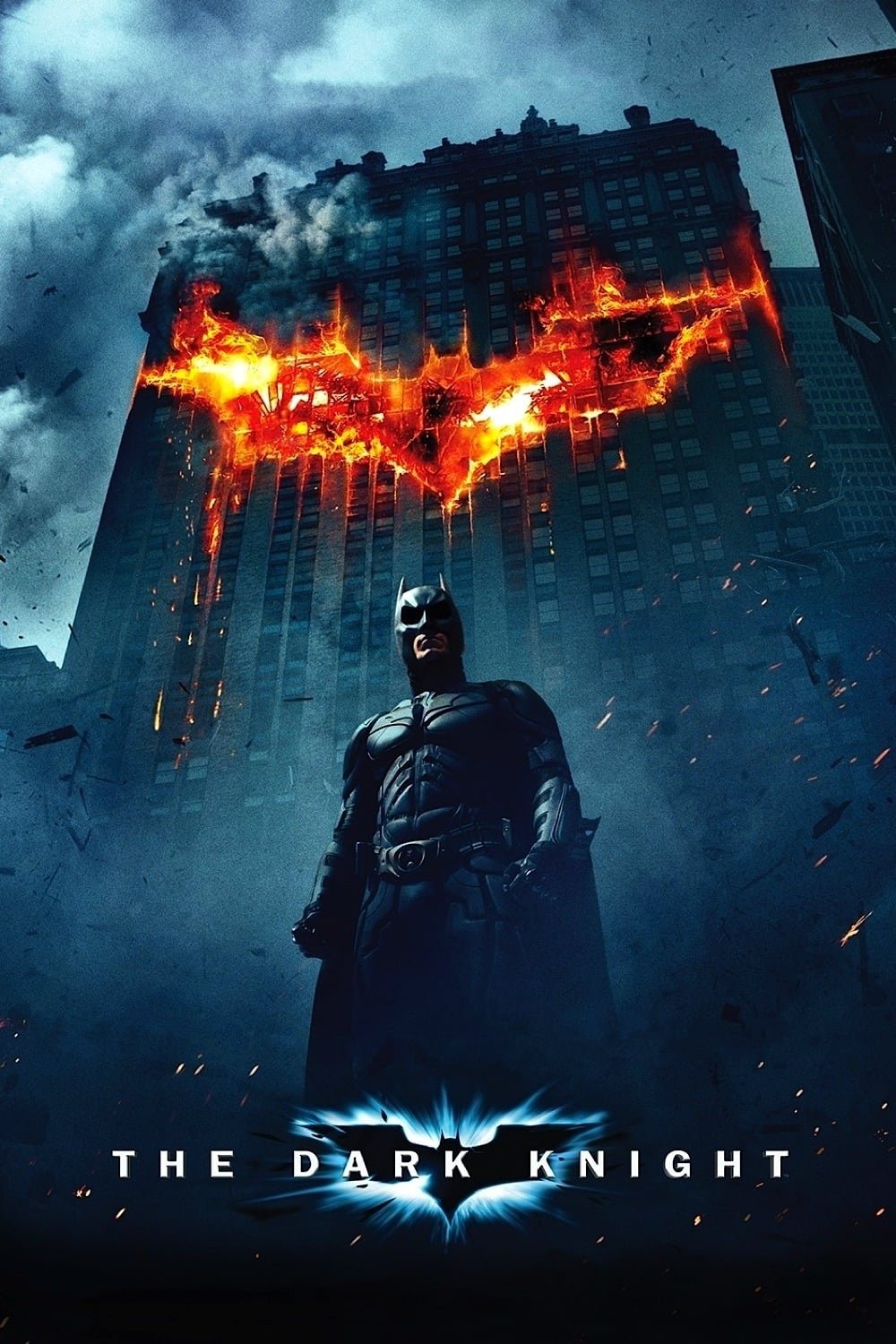
Christopher Nolan’s “The Dark Knight” elevated the comic book movie genre to a new level. It was more than just a superhero film; it was a complex crime saga that explored themes of order, chaos, and morality. The movie was a massive critical and commercial success.
Heath Ledger’s performance as the Joker was iconic and won him a posthumous Academy Award. The film’s serious tone and realistic approach influenced many superhero films that followed. The fact that it was not nominated for the Best Picture Oscar led the Academy to expand the number of nominees in that category, showing the film’s significant impact on the industry.
Slumdog Millionaire (2008)
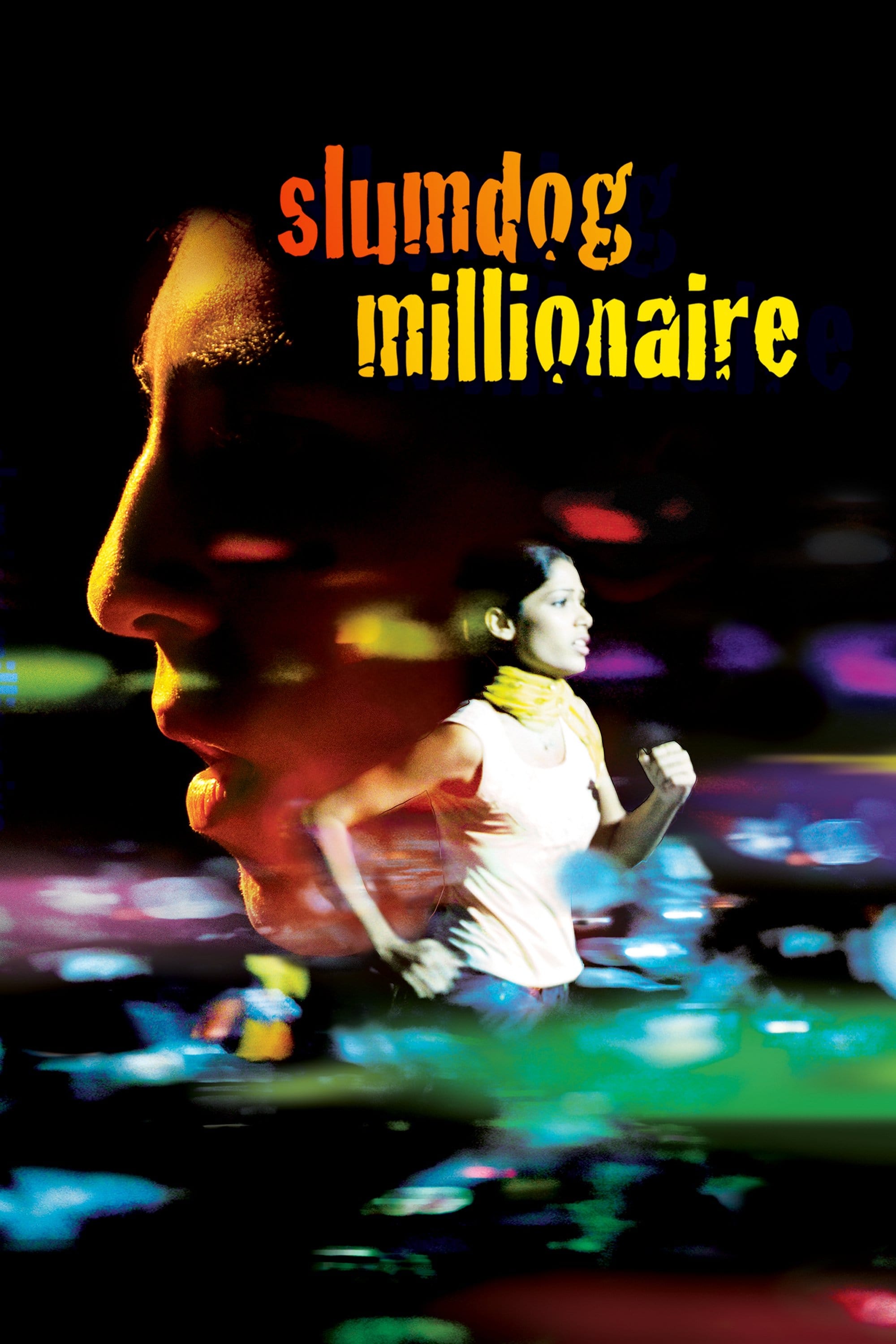
“Slumdog Millionaire,” directed by Danny Boyle, was a global sensation. The film tells the story of a young man from the slums of Mumbai who becomes a contestant on the Indian version of “Who Wants to Be a Millionaire?”. As he answers each question, flashbacks reveal his life story and how he came to know the answers.
The film was praised for its vibrant energy, hopeful story, and thrilling pace. It was shot on location in Mumbai and blended English and Hindi dialogue, bringing a slice of modern India to a worldwide audience. The movie won eight Academy Awards, including Best Picture, and became a cultural phenomenon.
The Social Network (2010)

“The Social Network,” directed by David Fincher, tells the story of the founding of Facebook. What could have been a dry story about technology became a gripping drama about friendship, ambition, and betrayal. The film’s sharp, fast-paced dialogue, written by Aaron Sorkin, is one of its most celebrated features.
The movie captured a key moment in the 21st century, exploring how a new form of social interaction was created and the personalities behind it. It was praised by critics as one of the best films of its year and a defining film of its generation. It showed that important stories could be found in the most modern of subjects.
A Separation (2011)
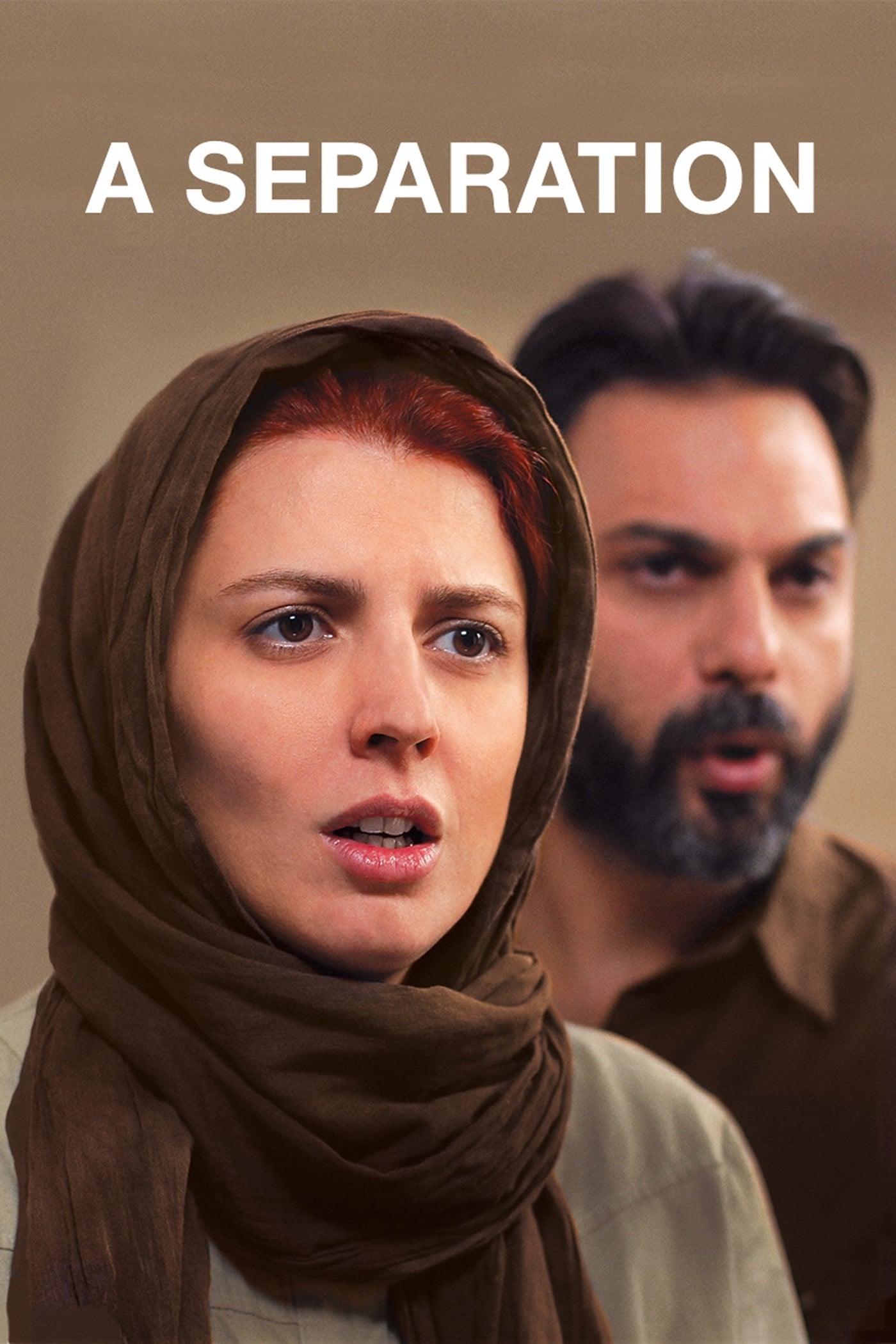
“A Separation” is an Iranian film directed by Asghar Farhadi that received international acclaim. The film starts with a married couple who are arguing about whether to leave Iran. From this simple premise, the story spirals into a complex and suspenseful drama involving class, religion, and the law.
The film is known for its brilliant script and its realistic, natural performances. It does not take sides but instead shows how a difficult situation can be seen from many different points of view. It won the Academy Award for Best Foreign Language Film, bringing a new level of international attention to Iranian cinema and its master filmmakers.
The Act of Killing (2012)
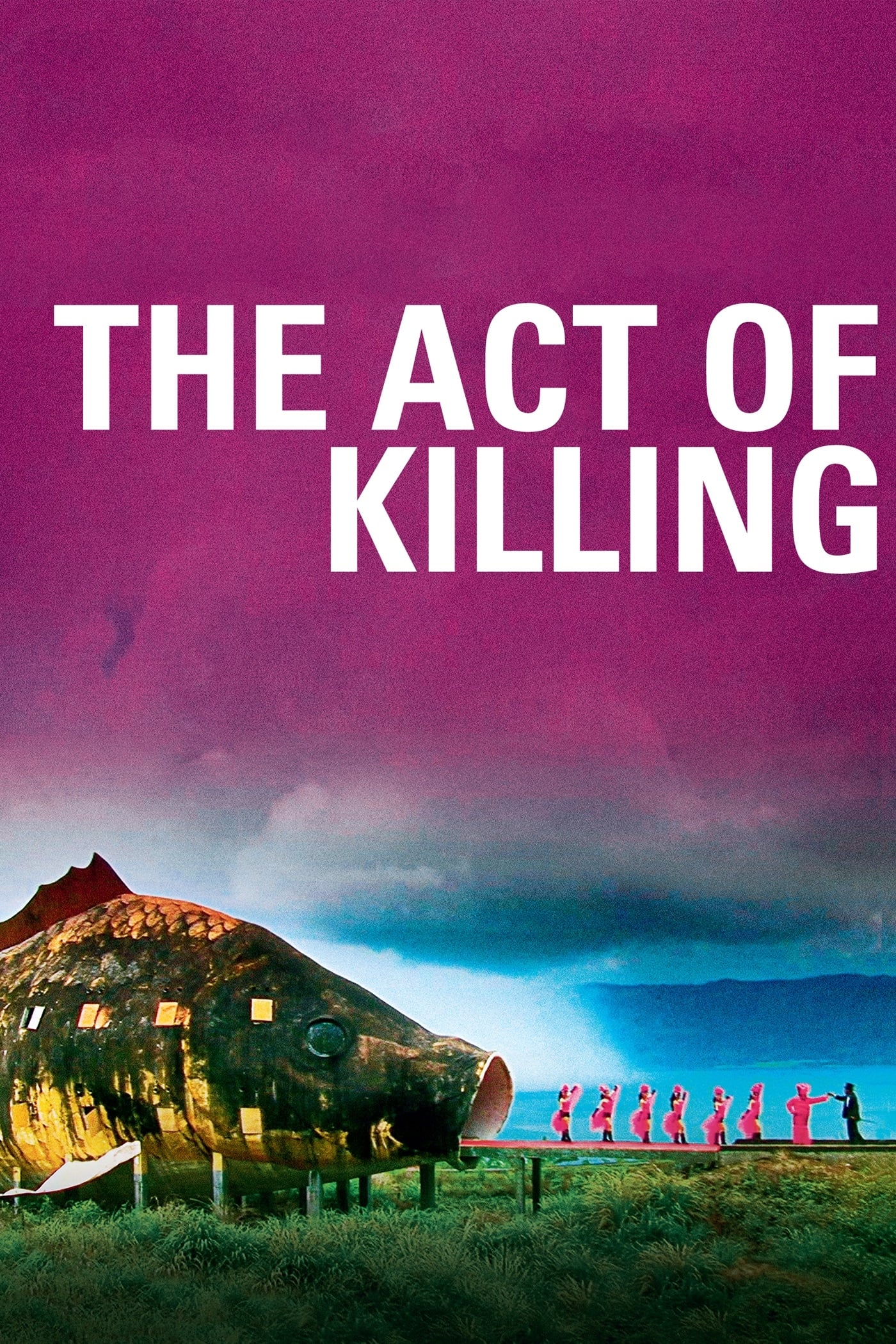
“The Act of Killing” is a documentary that changed how many people think about the genre. Director Joshua Oppenheimer found the leaders of Indonesian death squads who were responsible for mass killings in the 1960s. He then invited them to re-enact their crimes in the style of their favorite American movies.
The result is a surreal and deeply disturbing film. By having the killers direct and star in their own movie scenes, the documentary explores their memories and justifications in a way that is both horrifying and revealing. It is a powerful and unique look at the nature of violence, memory, and denial.
Get Out (2017)
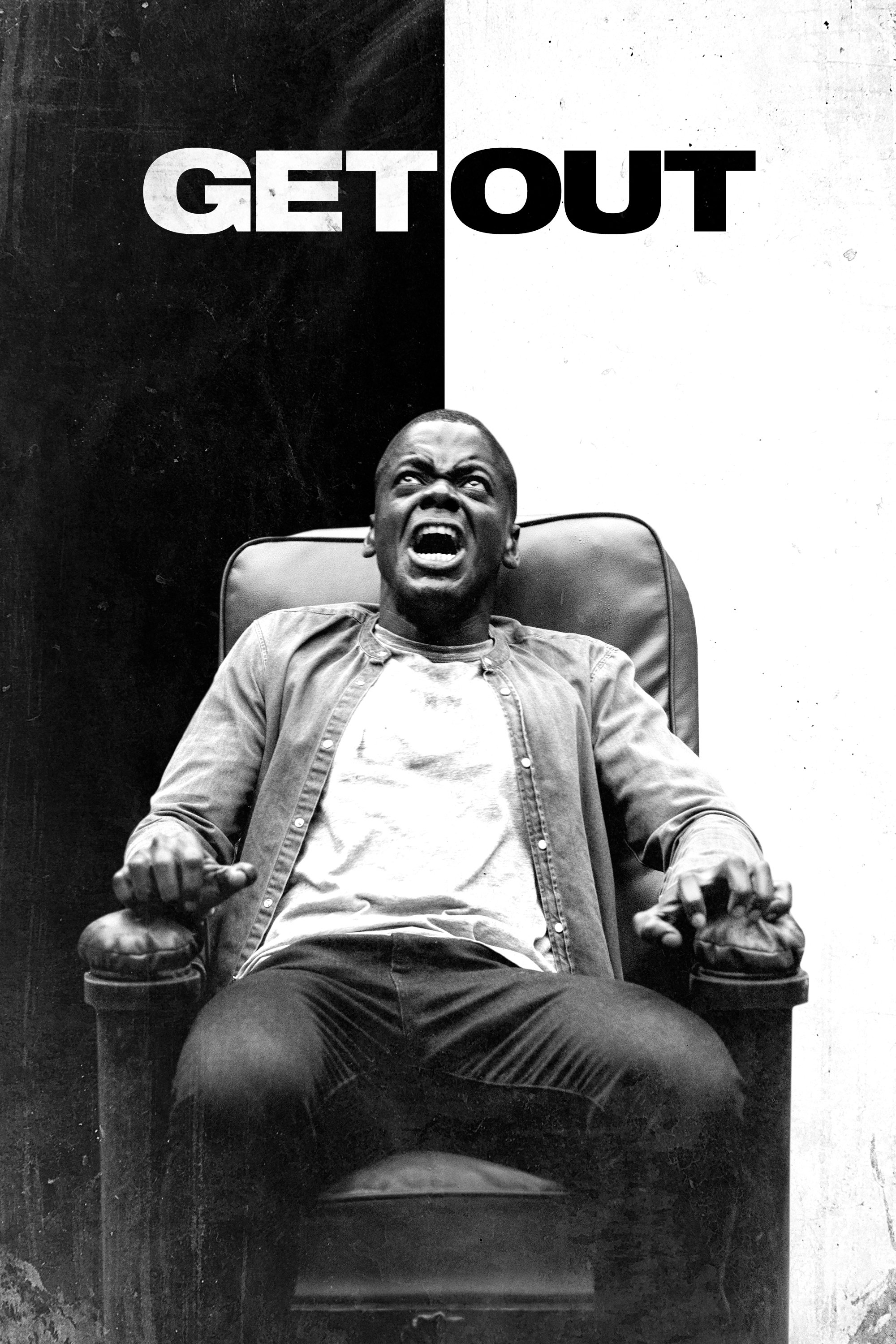
Jordan Peele’s “Get Out” was a groundbreaking film that blended horror, comedy, and social commentary. The story follows a young Black man who goes to meet his white girlfriend’s parents for the first time. The weekend getaway slowly turns into a living nightmare.
The film was a massive success and was praised for using the horror genre to explore issues of race and racism in modern America in a fresh and powerful way. It proved that horror movies could be both entertaining and culturally significant. “Get Out” won an Academy Award for Best Original Screenplay and established Jordan Peele as a major new voice in filmmaking.
Roma (2018)
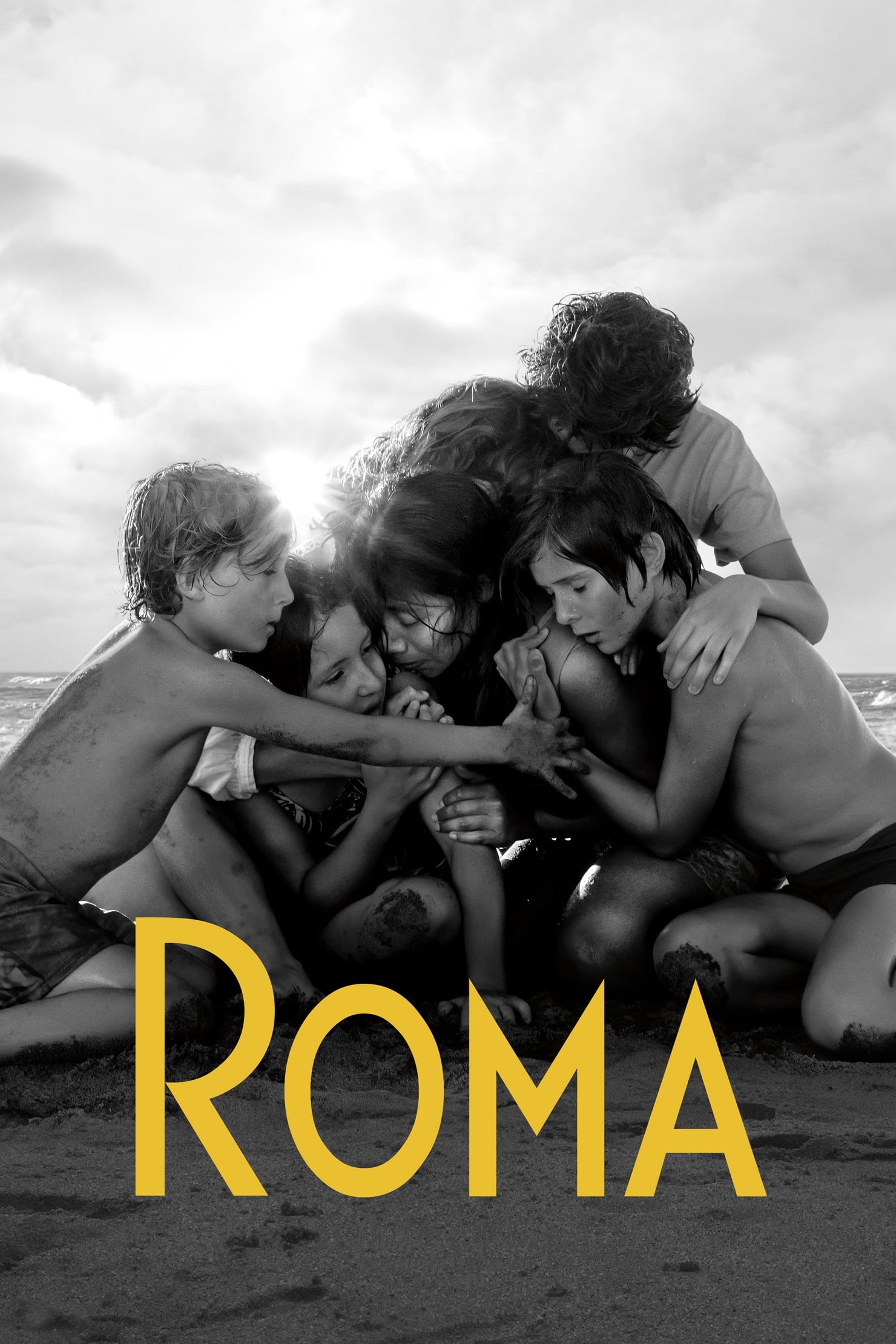
“Roma,” directed by Alfonso Cuarón, is a deeply personal film that is also a technical masterpiece. Shot in crisp black and white, the film is based on Cuarón’s own childhood in the Roma neighborhood of Mexico City in the 1970s. The story centers on Cleo, an Indigenous domestic worker who cares for a middle-class family.
The film is praised for its stunning cinematography and its immersive sound design, which recreates the world of Cuarón’s youth. It tells a quiet, emotional story that also touches on larger social and political issues in Mexico at the time. “Roma” was released by Netflix and won several Academy Awards, sparking conversations about the changing nature of film distribution.
Parasite (2019)

“Parasite” made history when it became the first non-English language film to win the Academy Award for Best Picture. The South Korean film, directed by Bong Joon-ho, is a dark comedy thriller about a poor family that cons their way into working for a wealthy family.
The film is a brilliantly crafted story that starts as a comedy and slowly transforms into a tense and violent thriller. It is a powerful and entertaining commentary on class inequality and the desperation of modern life. Its international success was a major moment for world cinema, proving that a great story can cross language barriers and connect with audiences everywhere.
Portrait of a Lady on Fire (2019)
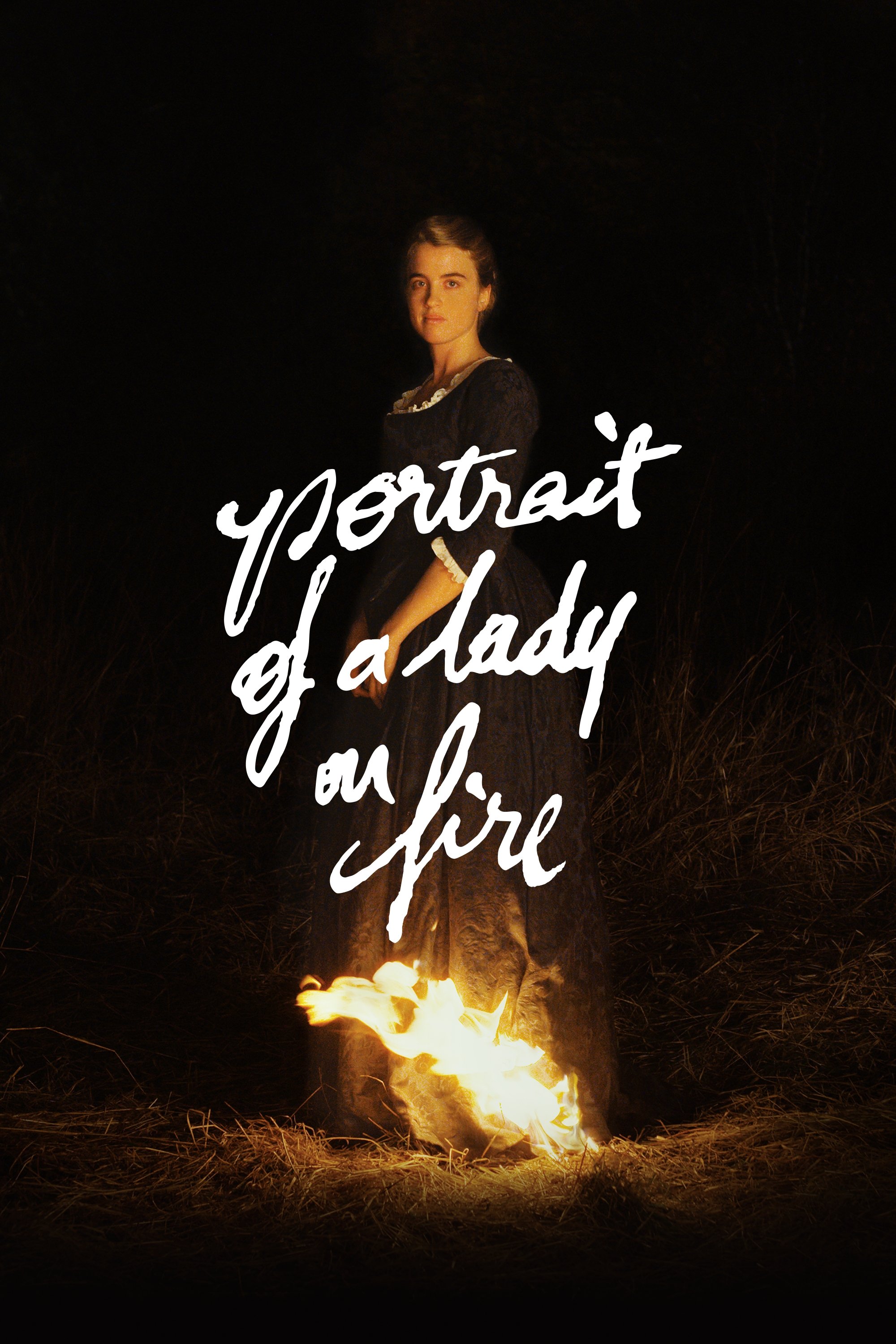
“Portrait of a Lady on Fire” is a French historical drama directed by Céline Sciamma. The film is set in the 18th century and tells the story of a female painter who is commissioned to paint the wedding portrait of a reluctant bride. As they spend time together, they fall in love.
The film is celebrated for its beautiful, painterly cinematography and its focus on the “female gaze.” Unlike many films about female desire, this one is told entirely from a woman’s perspective. It is a quiet, powerful, and passionate love story that has been praised as one of the best LGBTQ+ films ever made.
Everything Everywhere All at Once (2022)
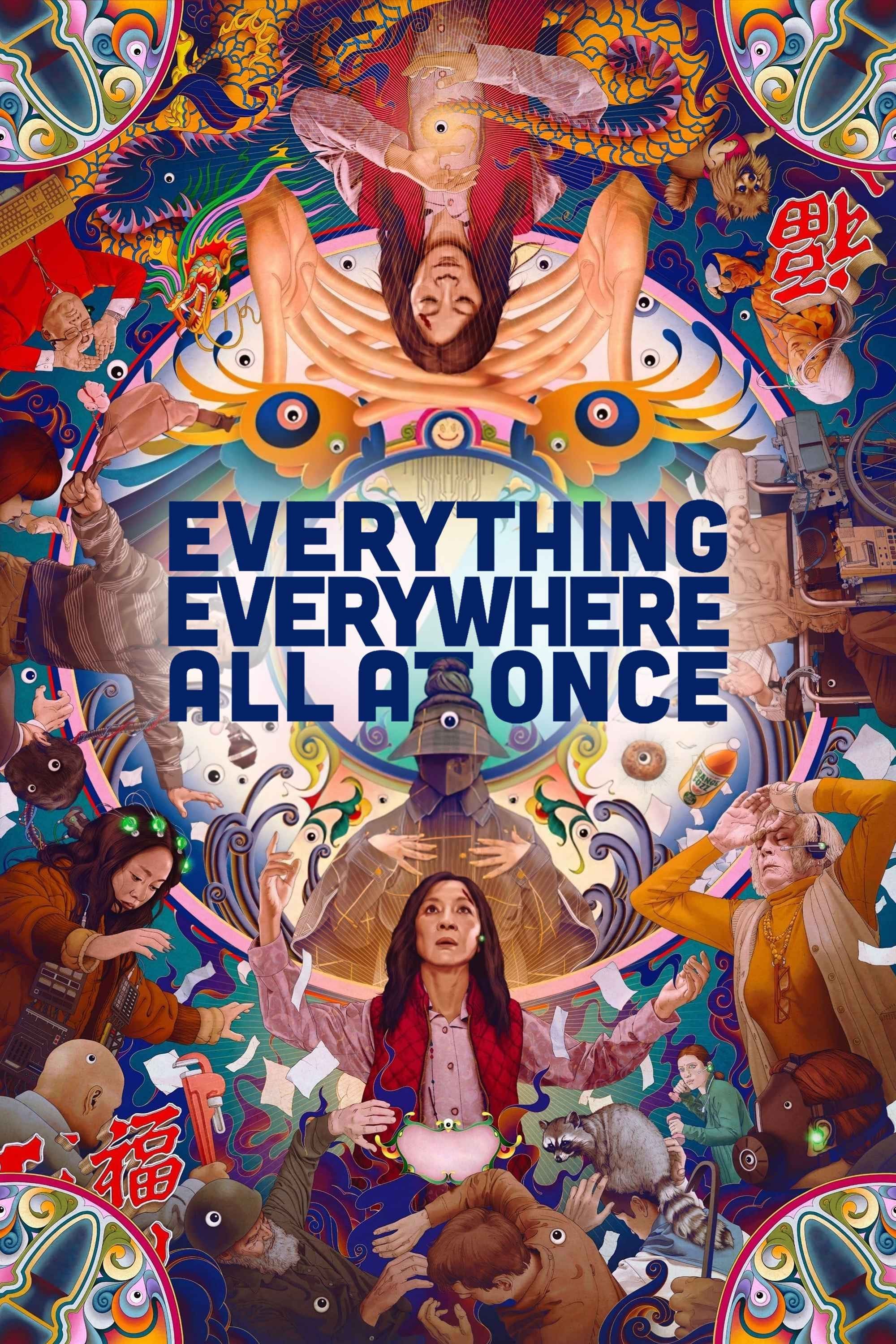
“Everything Everywhere All at Once” is a film that defies easy categorization. It is a science-fiction, action, comedy, and family drama all rolled into one. The story follows a laundromat owner who discovers she can access the lives and skills of her alternate-reality selves to save the multiverse.
The film was praised for its wild creativity, its heartfelt emotional story, and its incredible action sequences. It became a surprise box office hit and a cultural phenomenon. The movie went on to win seven Academy Awards, including Best Picture, solidifying its place as a truly original and important film of the 21st century.
The Ten Commandments (1956)
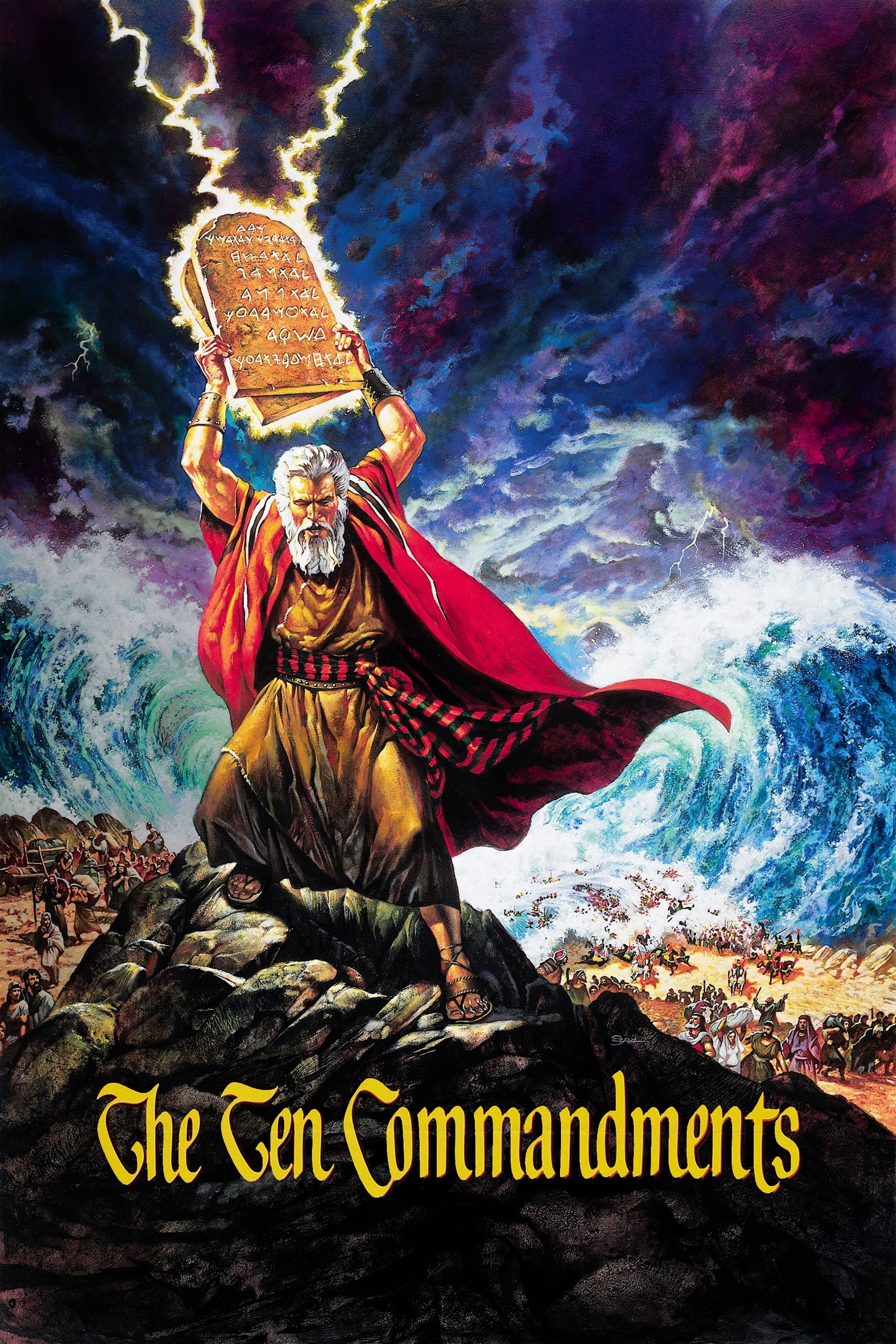
Cecil B. DeMille’s “The Ten Commandments” is a biblical epic of immense scale. The film tells the story of Moses, from his discovery as a baby in the Nile to his leading of the Hebrew slaves out of Egypt. It is famous for its massive sets, huge cast of extras, and spectacular special effects, like the parting of the Red Sea.
For decades, the film was a television staple, broadcast annually around the Easter and Passover holidays, making it a shared cultural experience for millions. While it is a grand piece of entertainment, it also solidified the epic as a major Hollywood genre and showcased the power of filmmaking to bring ancient stories to life for a modern audience.
Lawrence of Arabia (1962)
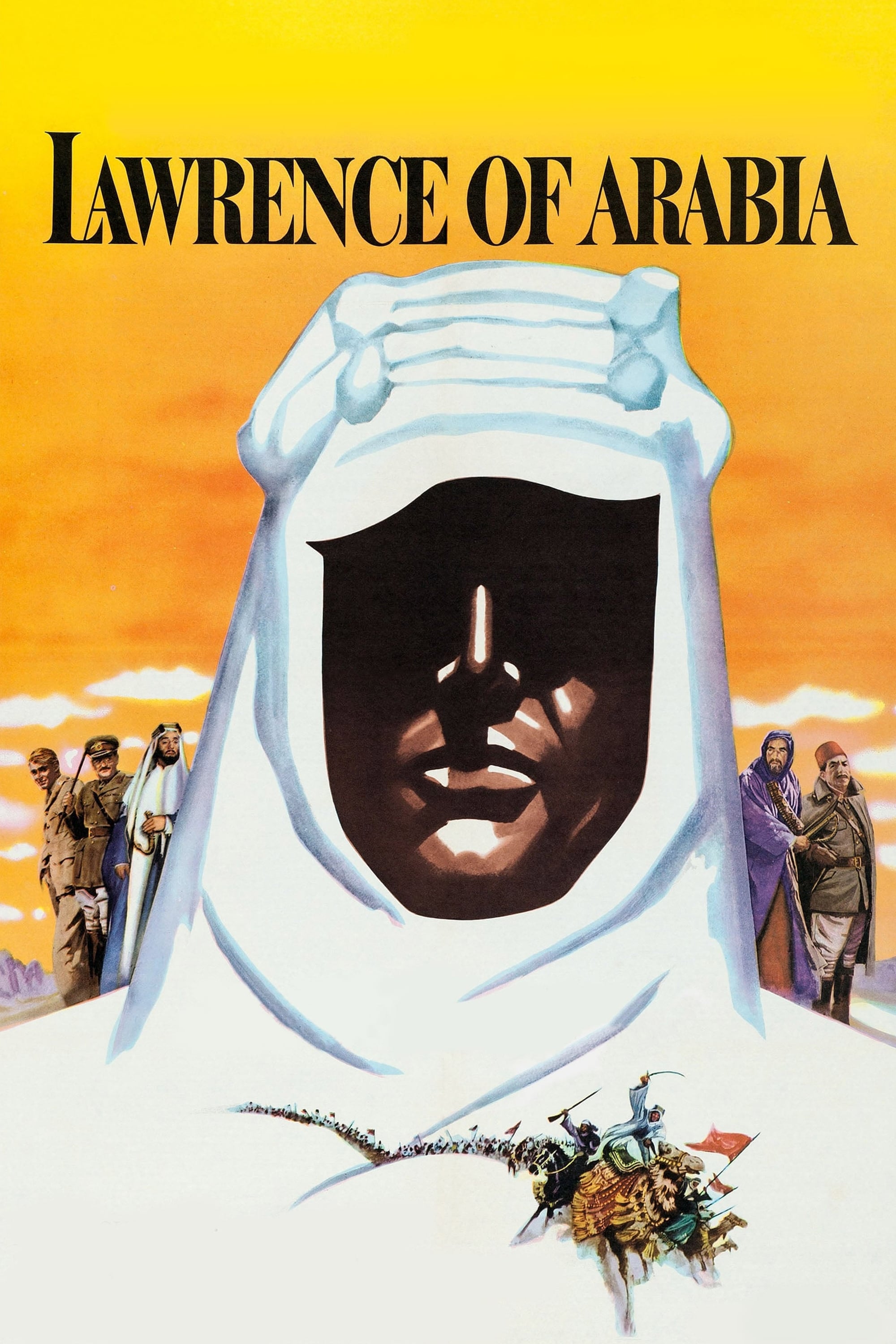
David Lean’s “Lawrence of Arabia” is often considered one of the most visually stunning films ever made. Shot in breathtaking 70mm widescreen, the film is an epic biography of T.E. Lawrence, a British officer who united Arab tribes against the Turks during World War I. The vast desert landscapes are as much a character as the people in the film.
The film is a masterpiece of large-scale filmmaking, with a complex central character and stunning action sequences. Its influence can be seen in countless epic films that followed. It won seven Academy Awards, including Best Picture, and is a powerful example of the immersive power of seeing a film on the big screen.
Dr. Strangelove or: How I Learned to Stop Worrying and Love the Bomb (1964)
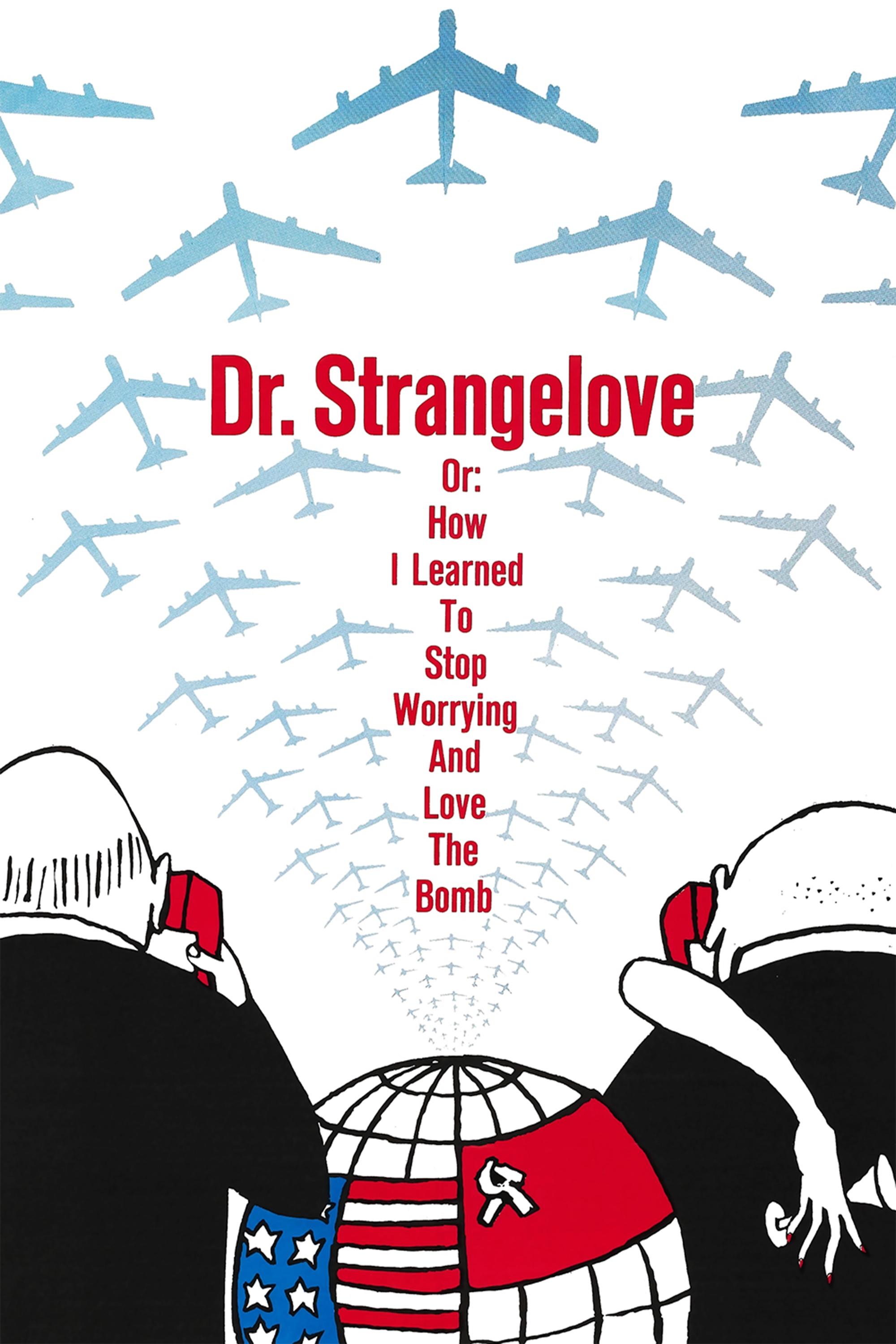
Stanley Kubrick’s “Dr. Strangelove” is a brilliant black comedy about the absurdity of nuclear war. At the height of the Cold War, making a comedy about the end of the world was a bold and risky choice. The film follows a group of paranoid generals and politicians who accidentally trigger a nuclear holocaust.
The film’s sharp satire and dark humor were a shocking but powerful critique of the political and military logic of the time. It features a legendary triple performance by Peter Sellers. “Dr. Strangelove” proved that comedy could be used to tackle the most serious subjects imaginable.
Bonnie and Clyde (1967)
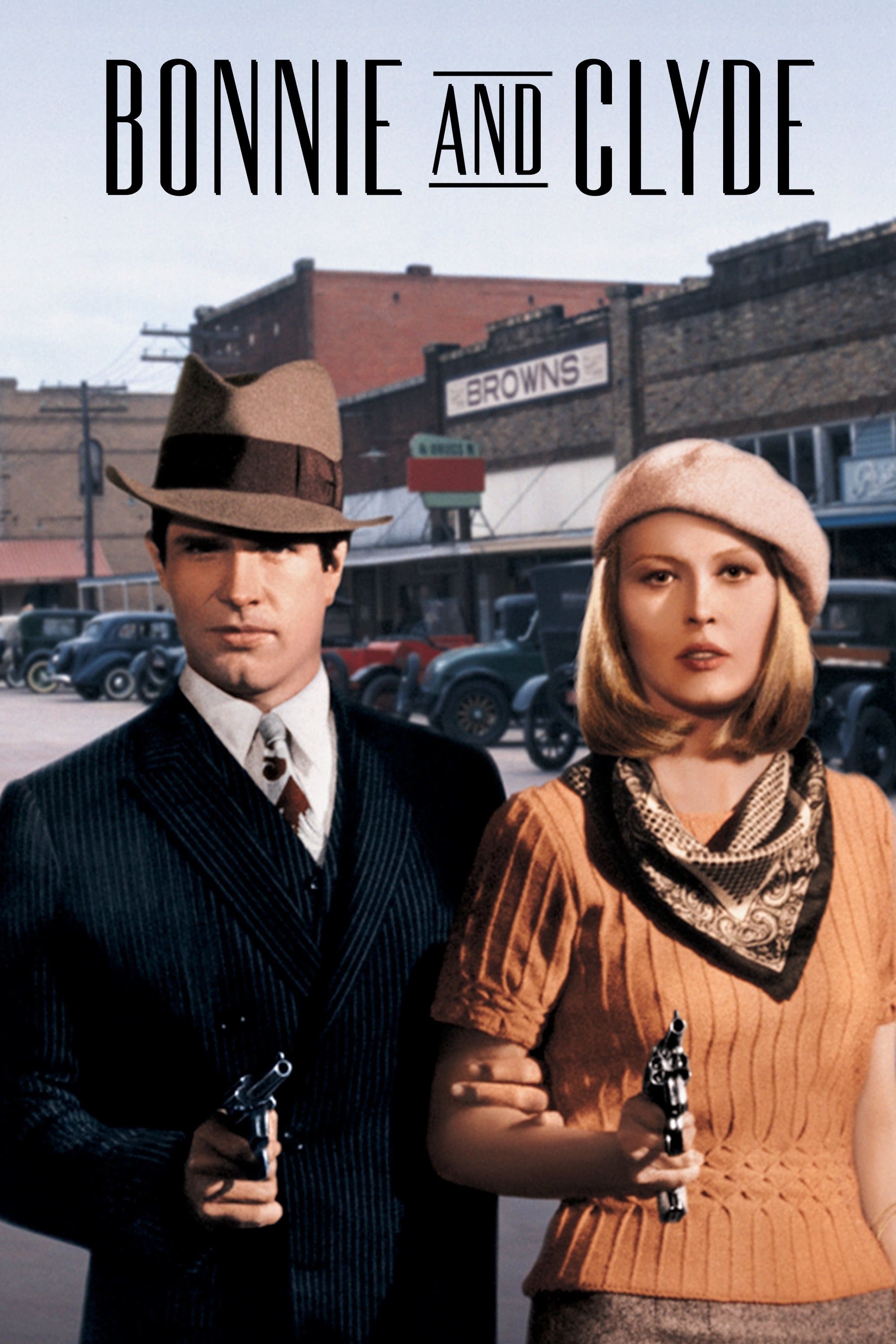
“Bonnie and Clyde” was a landmark film that helped to start the “New Hollywood” movement of the late 1960s and 70s. The film tells the story of the infamous American bank robbers, but it portrays them as glamorous anti-heroes. This was a new and rebellious attitude for a Hollywood film.
The movie is also famous for its frank depiction of violence. The final slow-motion shootout was shocking to audiences at the time and marked a turning point in how violence was shown on screen. The film’s mix of comedy, violence, and romance, along with its challenge to authority, resonated with the youth counterculture of the era.
A Clockwork Orange (1971)
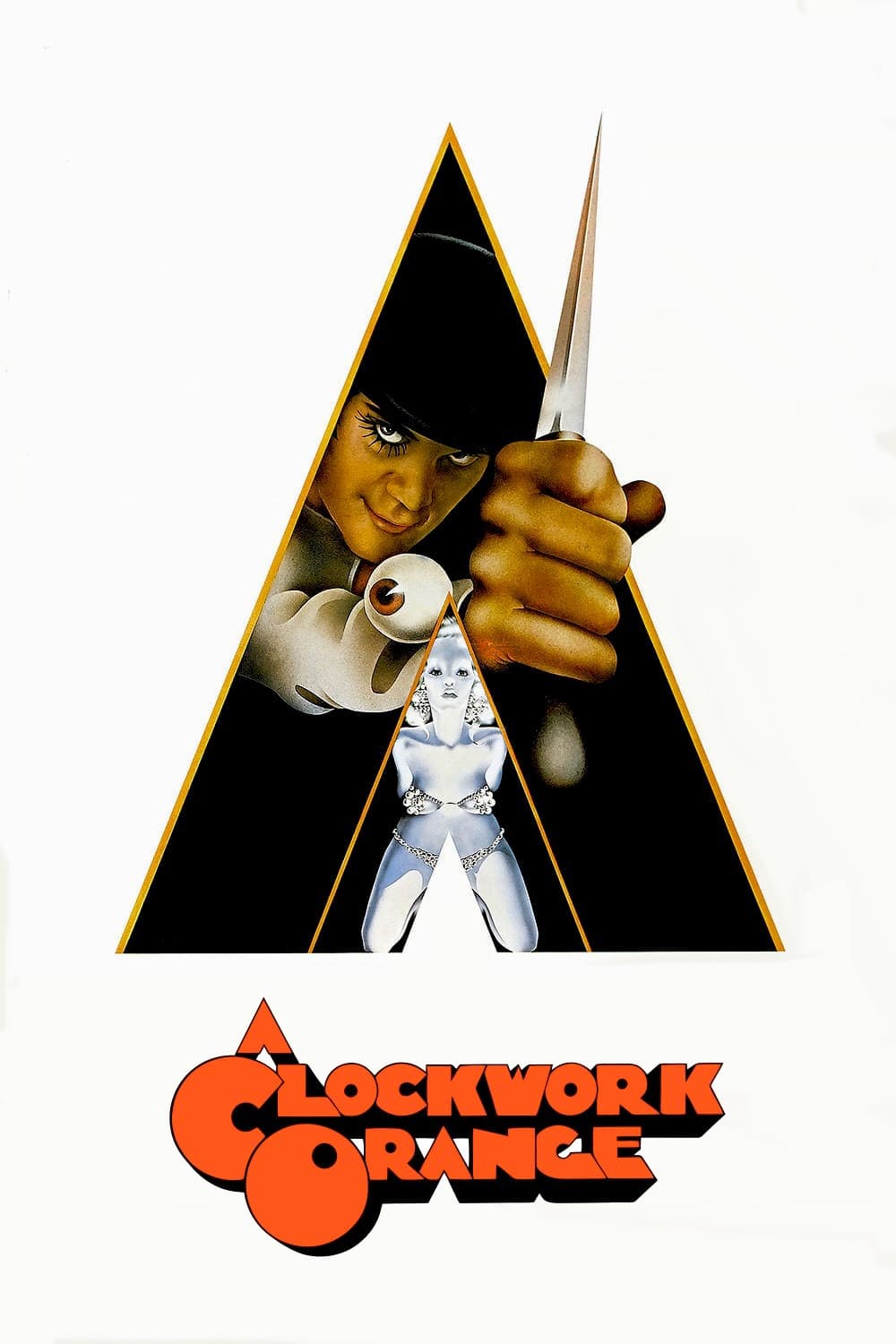
Stanley Kubrick’s “A Clockwork Orange” is one of the most controversial films ever made. Set in a futuristic Britain, it follows a violent young gang leader who, after being arrested, undergoes a controversial psychological treatment to “cure” him of his violent impulses.
The film is a disturbing and thought-provoking exploration of free will, crime, and the power of the state. Its stylized violence and unsettling imagery caused a great deal of public debate, and Kubrick himself eventually withdrew the film from circulation in the UK. It remains a powerful and challenging work of art that forces audiences to confront difficult questions.
Jaws (1975)
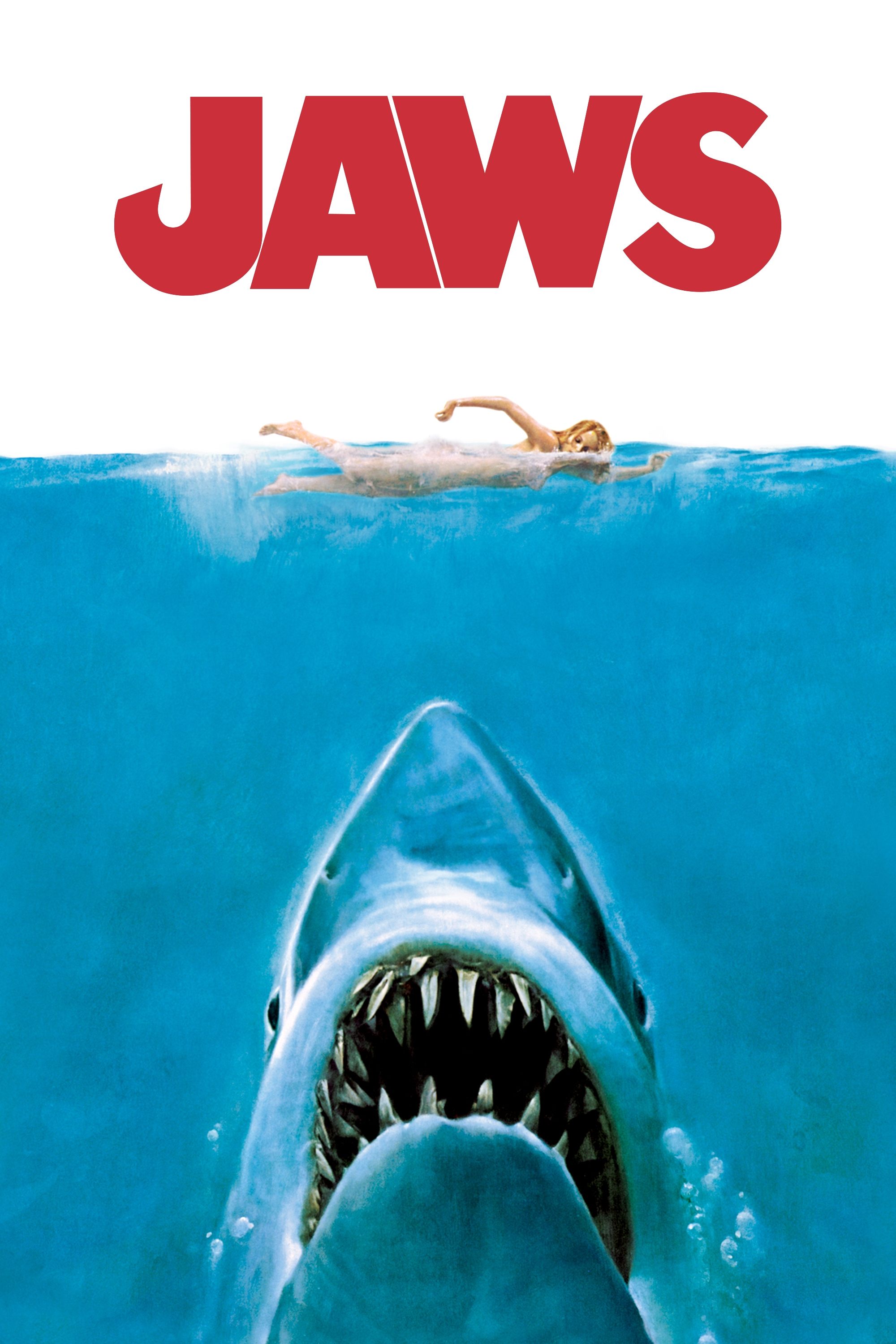
Steven Spielberg’s “Jaws” was more than just a scary movie about a shark; it was the film that created the summer blockbuster. Its massive box office success changed the way Hollywood studios release and market their biggest movies, focusing on wide releases during the summer season.
The film is a masterclass in suspense. Due to technical problems with the mechanical shark, Spielberg was forced to suggest the shark’s presence rather than show it, which made the film even more terrifying. John Williams’ iconic score is one of the most famous in film history and is a key part of the movie’s effectiveness.
Taxi Driver (1976)
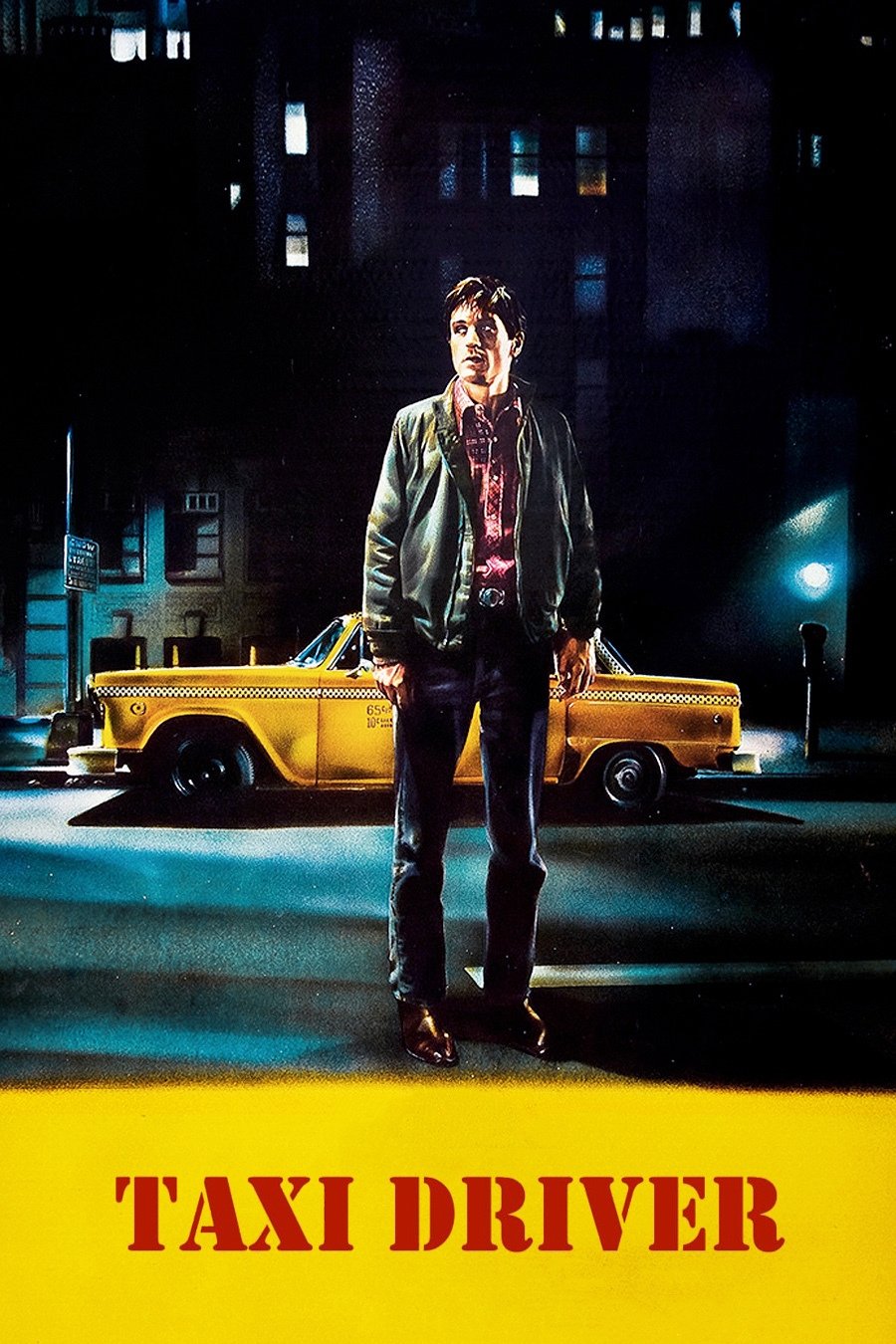
Martin Scorsese’s “Taxi Driver” is a dark and gritty look at loneliness and alienation in a decaying modern city. The film follows Travis Bickle, a disturbed Vietnam veteran who works as a New York City taxi driver. As he observes the crime and filth around him, he becomes increasingly unstable.
The film is a powerful character study and a portrait of a specific time and place. Robert De Niro’s performance as Travis Bickle is iconic, and the film’s raw, unflinching style was characteristic of the “New Hollywood” era. It is a challenging and unsettling film that captures a sense of post-Vietnam and post-Watergate disillusionment.
Annie Hall (1977)
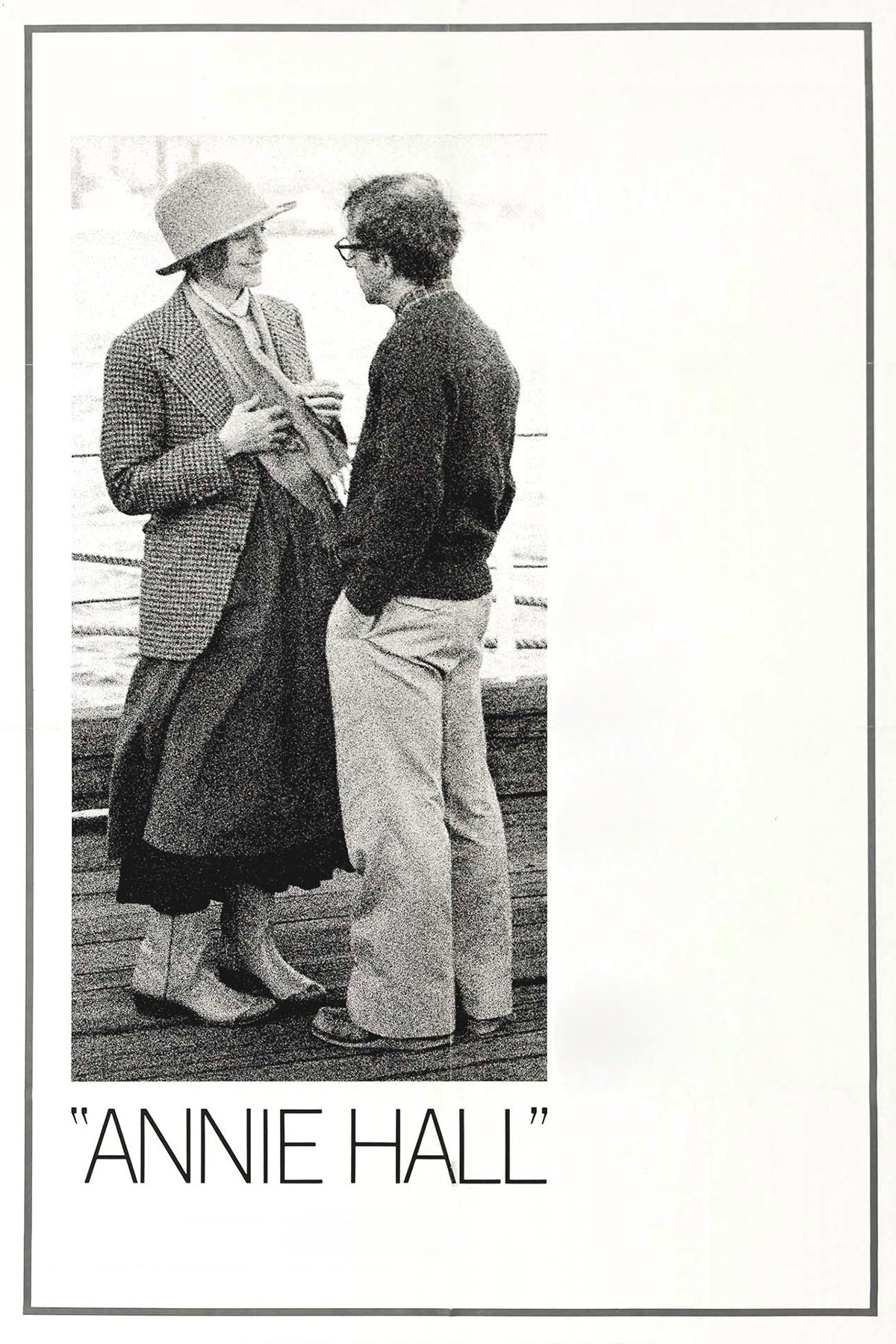
Woody Allen’s “Annie Hall” reinvented the romantic comedy. Instead of a simple love story, the film is a funny, sad, and honest look at the rise and fall of a modern relationship. It broke many conventions of filmmaking, with the main character directly addressing the audience, non-linear timelines, and animated sequences.
The film’s realistic and witty dialogue felt fresh and new. It also had a major impact on fashion, with Diane Keaton’s unique style becoming very popular. It won the Academy Award for Best Picture, beating “Star Wars,” and proved that smaller, more personal films could be just as important as big blockbusters.
Do the Right Thing (1989)
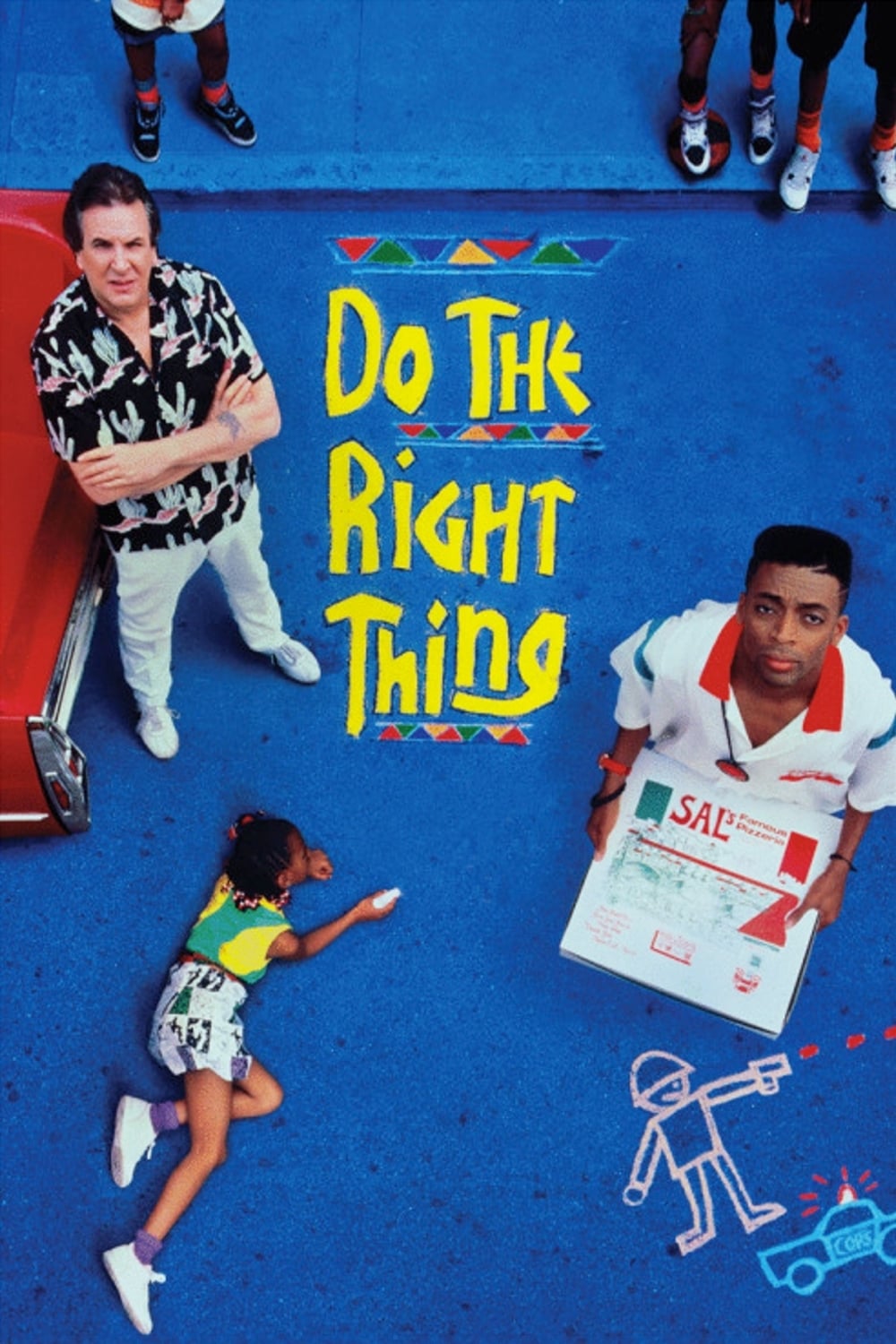
Spike Lee’s “Do the Right Thing” is a powerful and provocative film about race relations in America. The story takes place on the hottest day of the summer in a Brooklyn neighborhood. Over the course of a single day, racial tensions build until they explode into violence.
The film was praised for its vibrant style, its complex characters, and its brave look at a difficult subject. It doesn’t offer easy answers, and its ambiguous ending sparked a great deal of debate. The film was, and still is, a vital and necessary conversation starter about race, anger, and violence in the United States.
Schindler’s List (1993)
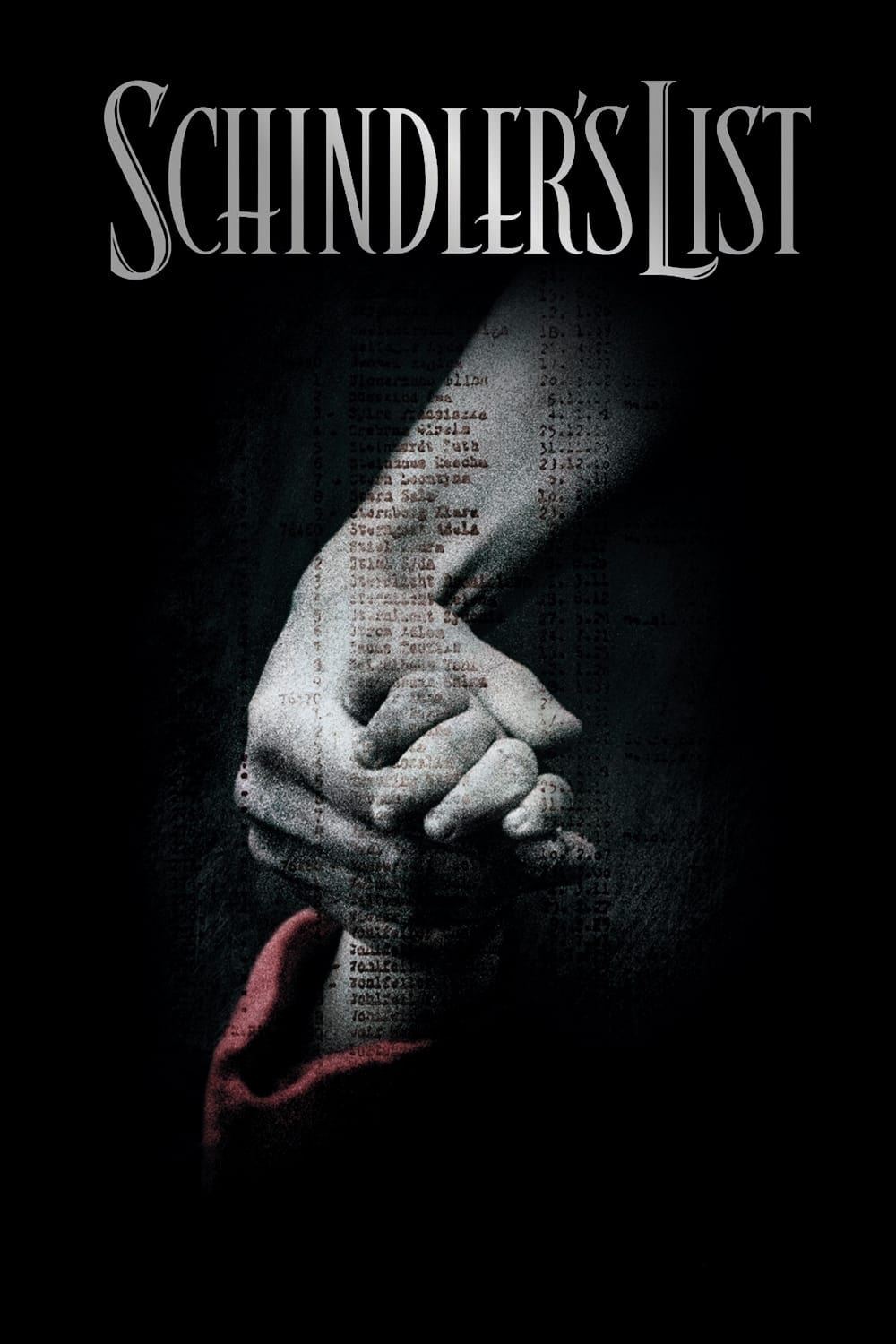
Steven Spielberg’s “Schindler’s List” is a powerful and harrowing film about the Holocaust. It tells the true story of Oskar Schindler, a German businessman who saved the lives of more than a thousand Jews by employing them in his factories. Spielberg chose to shoot the film almost entirely in black and white, which gives it a timeless, documentary-like quality.
The film was a major undertaking and is considered one of the most important films ever made about the Holocaust. It brought the horrors of that event to a massive global audience in a deeply personal and human way. The film won seven Academy Awards, including Best Picture and Best Director, and its profits were used to establish the Shoah Foundation, which records the testimonies of Holocaust survivors.