Movies with Multiple (Alternate) Endings


Sometimes, the ending of a movie is not set in stone. Filmmakers often create more than one conclusion for a variety of reasons. A different ending might be filmed to see how it performs with test audiences, or a studio might request a happier or more action-packed finale. These alternate versions can completely change the meaning of a film, offering a glimpse into what could have been.
These different endings often find their way to the public through director’s cuts, DVD and Blu-ray extras, or even in releases for different countries. For movie fans, discovering an alternate ending to a favorite film can be an exciting experience. It provides a new perspective on the characters and story, and sometimes, viewers even prefer the ending that wasn’t chosen for the final cut.
1408 (2007)
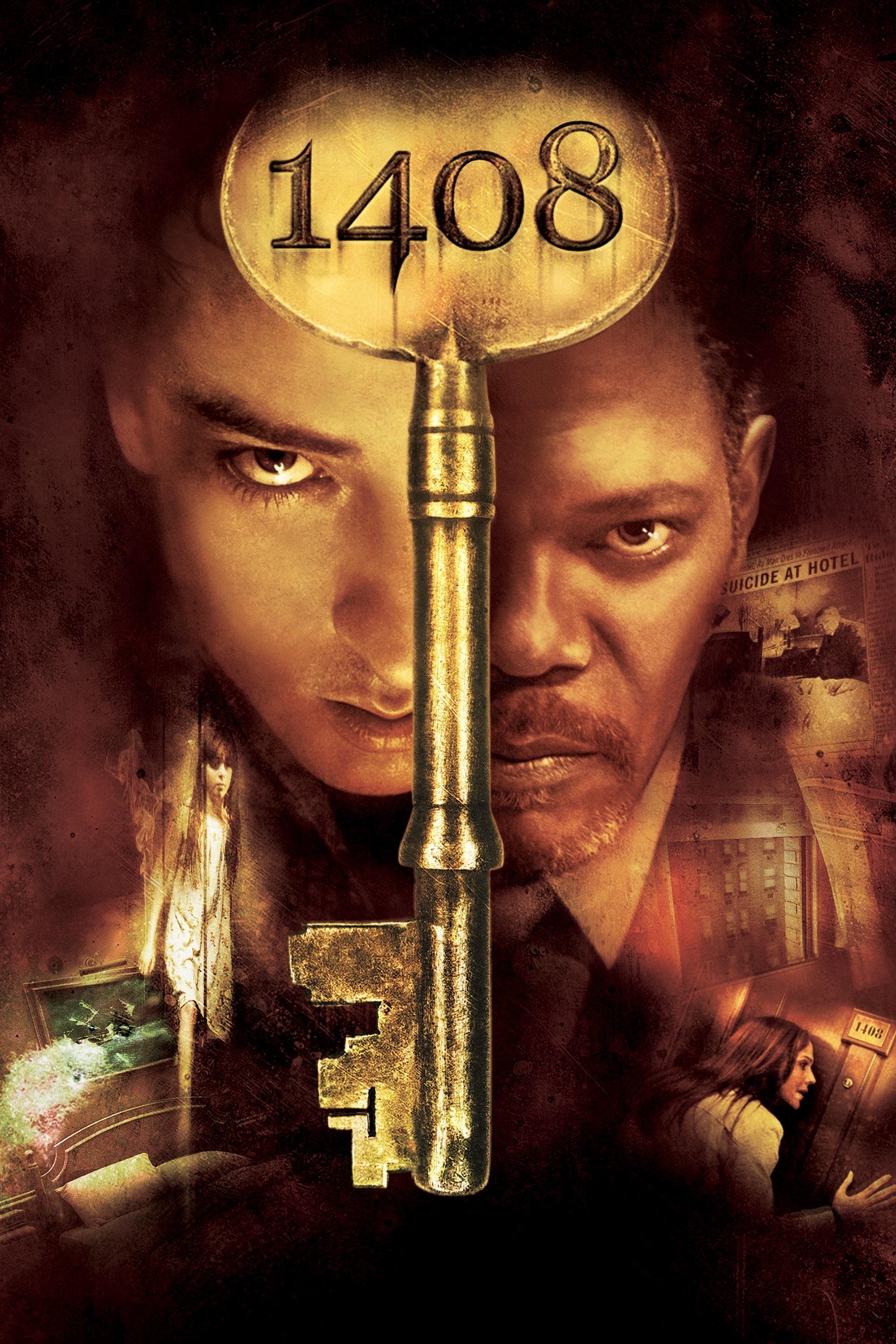
The theatrical release of this horror film sees Mike Enslin survive the haunted hotel room. He is rescued from the fire he sets and later hears a recording of his deceased daughter’s voice, proving his experience was real. This ending offers a sense of hope, as Mike has evidence of the afterlife he was investigating.
However, a much darker alternate ending exists. In this version, Mike does not survive the fire. At his funeral, the hotel manager gives his wife a box of his belongings, but she refuses to take them. Later, she hears her daughter’s voice coming from the tape recorder, indicating that Mike’s spirit is now trapped in the room.
28 Days Later (2002)
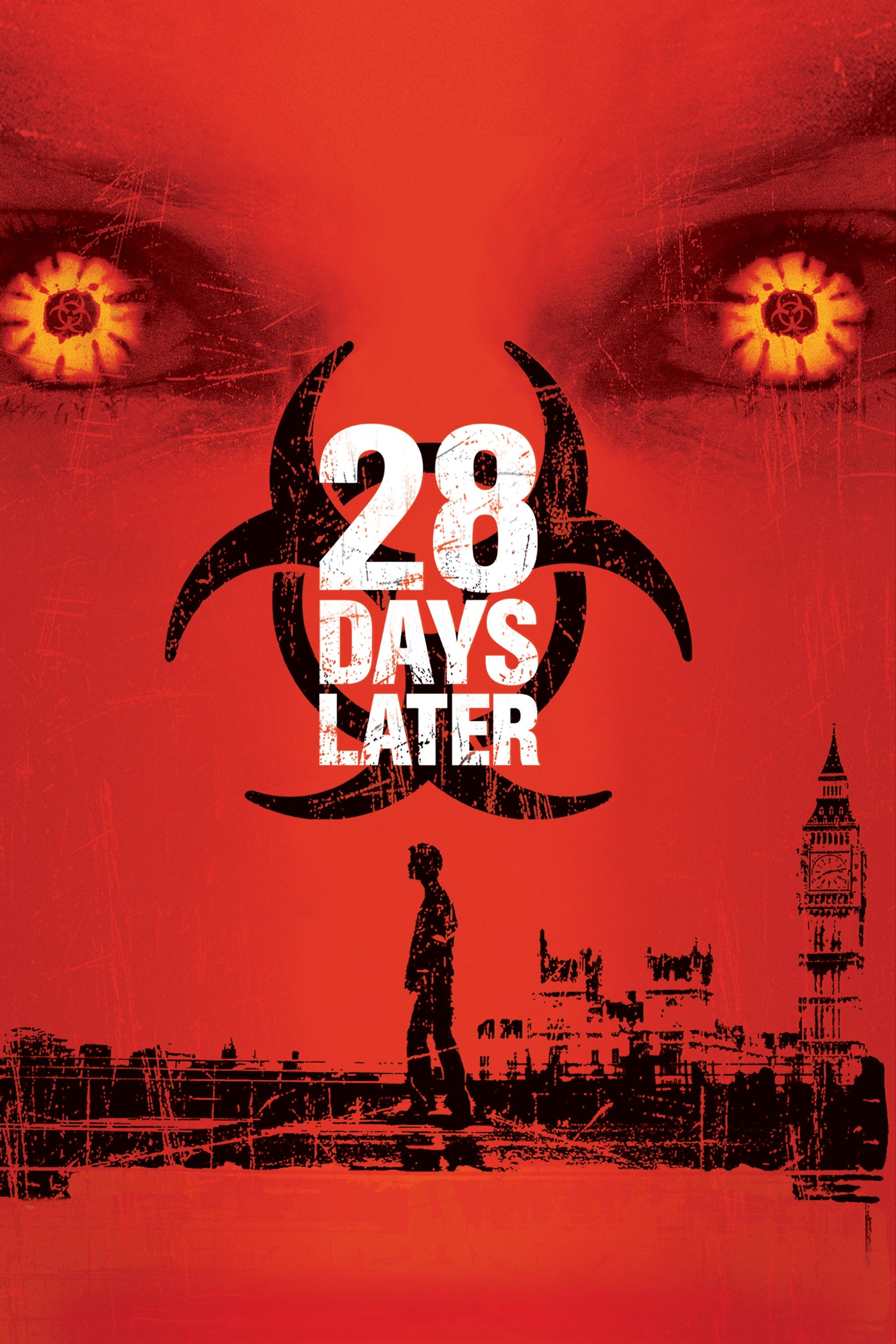
The most widely seen ending for this zombie thriller is a hopeful one. Jim, Selena, and Hannah are shown living in a remote cottage, and they signal a passing jet, suggesting they are about to be rescued. This conclusion implies that the rage virus has run its course and humanity has a chance to rebuild.
An alternate, more somber ending was also filmed. In this version, Jim dies from his gunshot wound at the hospital. Selena and Hannah are then shown walking away, armed and alone, into an uncertain future. This ending is more in line with the film’s bleak tone, offering little hope for the survivors.
Alien (1979)
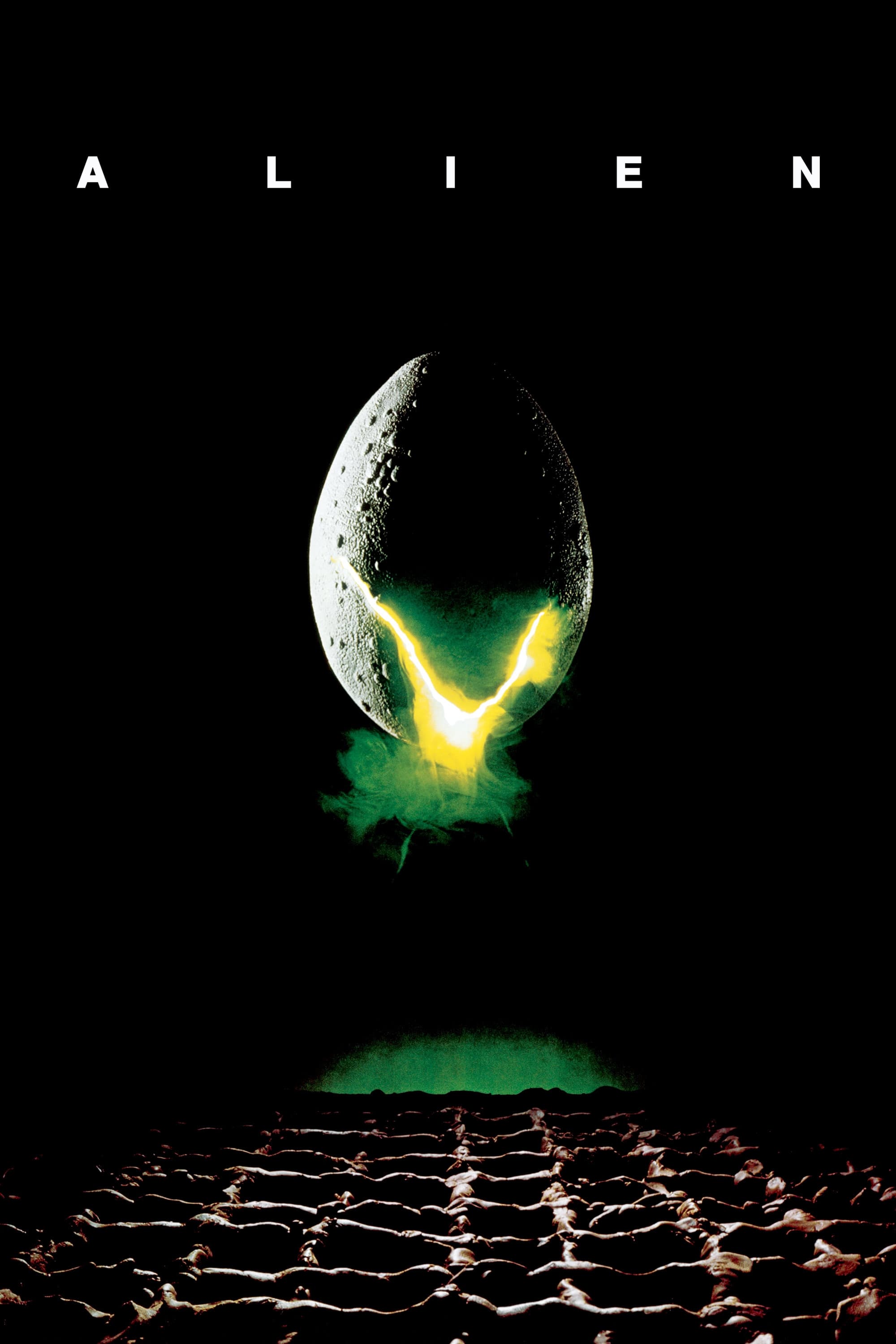
The iconic ending of Alien has Ellen Ripley successfully ejecting the Xenomorph from her escape shuttle. She then records a final log entry before entering hypersleep with her cat, Jones. This ending established Ripley as a capable and resilient survivor, setting the stage for the sequels.
Director Ridley Scott initially envisioned a much grimmer conclusion. In his original plan, the alien would bite off Ripley’s head in the final confrontation. The Xenomorph would then be seen at the ship’s controls, mimicking her voice to make a log entry. This shocking ending was ultimately rejected by the studio for being too dark.
Army of Darkness (1992)
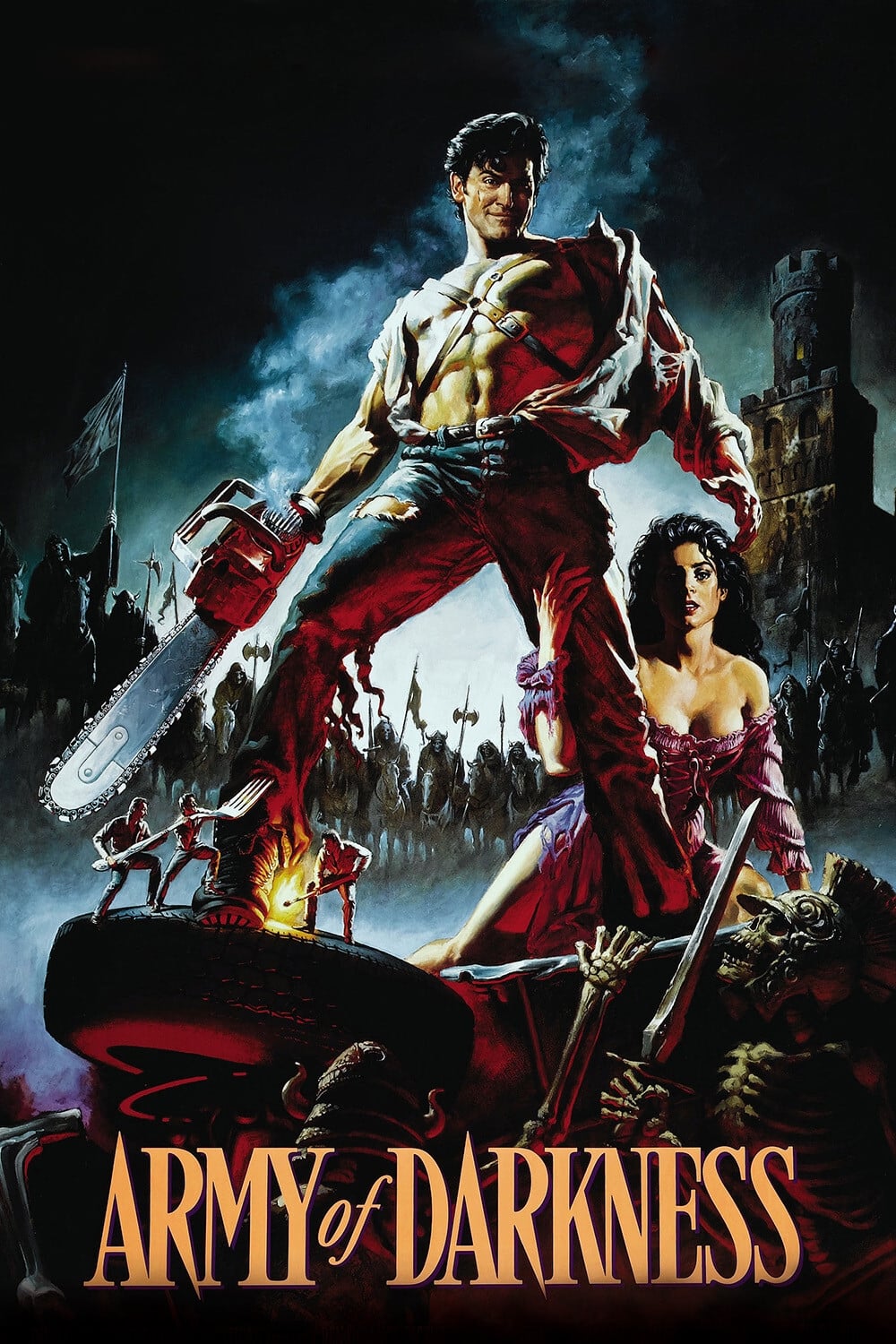
The theatrical ending of this cult classic has Ash Williams returning to his own time and his job at S-Mart. When a Deadite attacks the store, Ash saves the day with his boomstick, ending the film on a heroic and comedic note. This conclusion provides a satisfying wrap-up to his medieval adventures.
An alternate ending, which was the director’s original preference, is much more downbeat. Ash is instructed to take a potion that will allow him to sleep until his own time. However, he miscalculates the dose and wakes up in a post-apocalyptic future, screaming, “I slept too long!”
Black Mirror: Bandersnatch (2018)
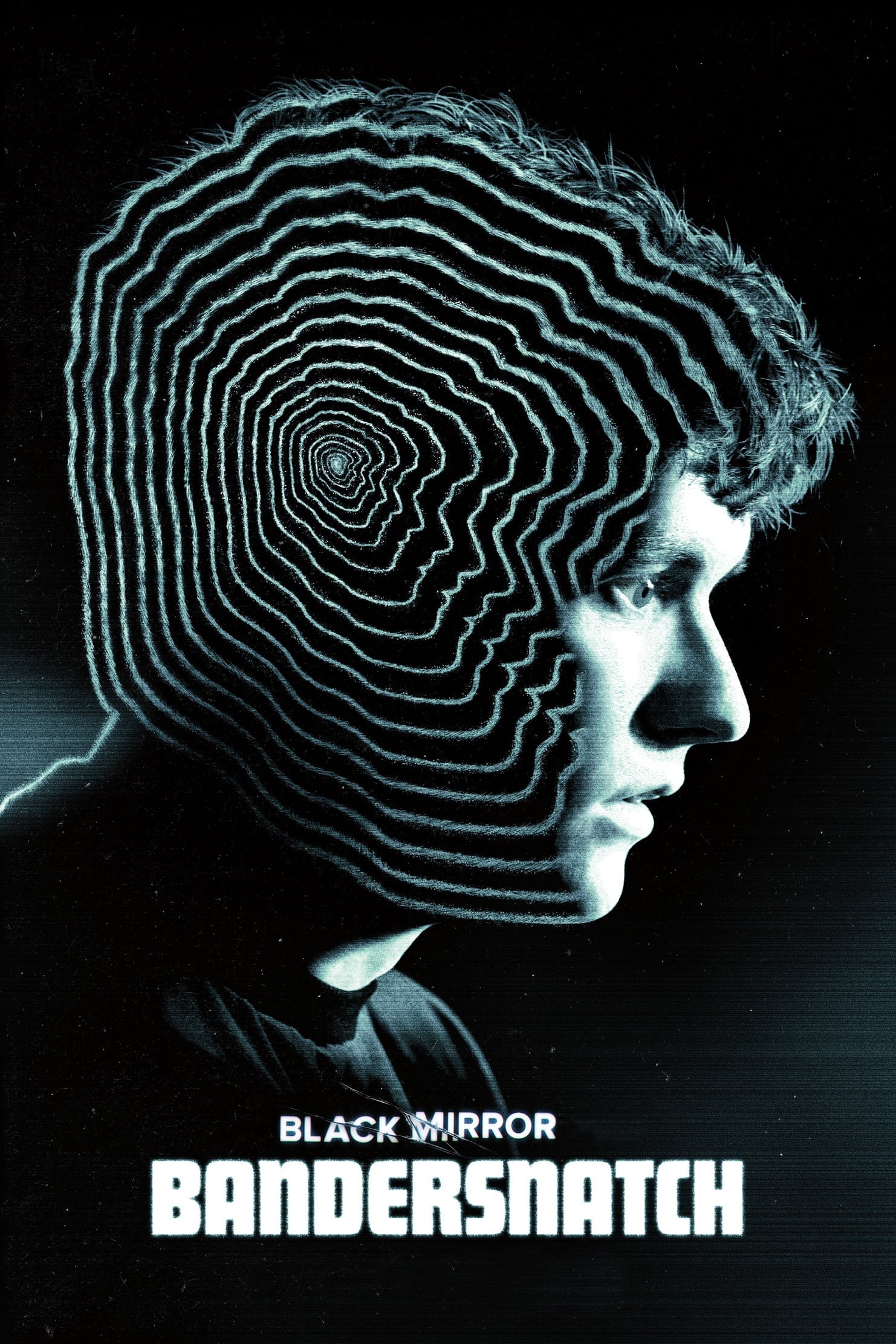
As an interactive film, Black Mirror: Bandersnatch is unique in that it has multiple endings by design. The story follows a young programmer in the 1980s who is developing a video game based on a choose-your-own-adventure novel. Viewers make decisions for the main character, leading to a variety of outcomes.
The possible endings range from the protagonist being arrested for murder to him dying in his therapist’s office. Some paths lead to the successful release of his game, while others result in a more meta-narrative where he realizes he is being controlled by a viewer from the future. The film is designed to be explored multiple times to see the different conclusions.
Blade Runner (1982)
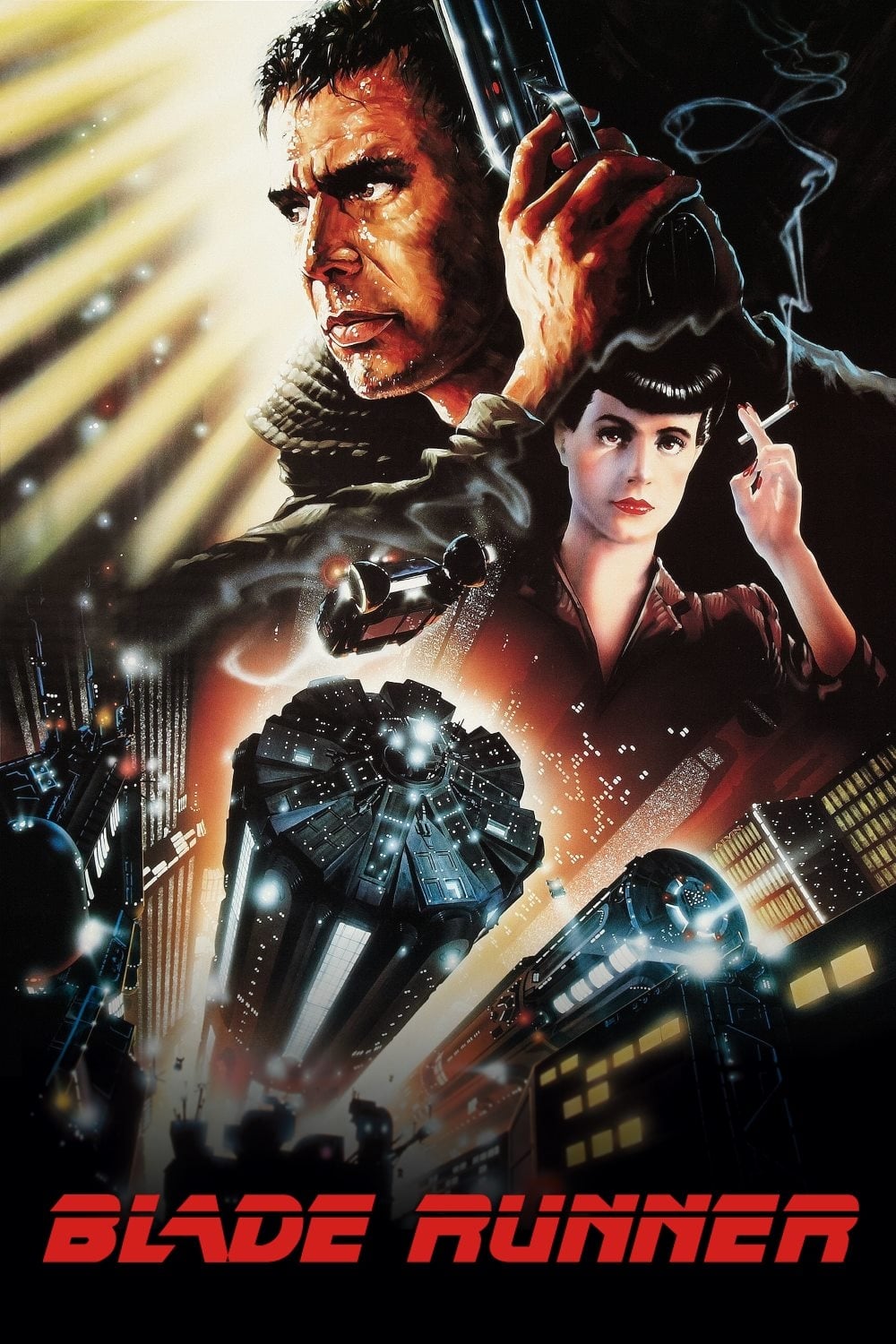
The original theatrical cut of Blade Runner features a happy ending. Deckard and Rachael drive off into the sunset, with a voiceover from Deckard explaining that Rachael does not have the limited lifespan of other replicants. This ending was added by the studio to make the film more appealing to a wider audience.
Director Ridley Scott’s preferred “Final Cut” removes the voiceover and the happy ending. Instead, the film concludes with Deckard and Rachael entering an elevator, their future uncertain. This more ambiguous ending leaves the question of whether Deckard is a replicant open to interpretation.
Brazil (1985)
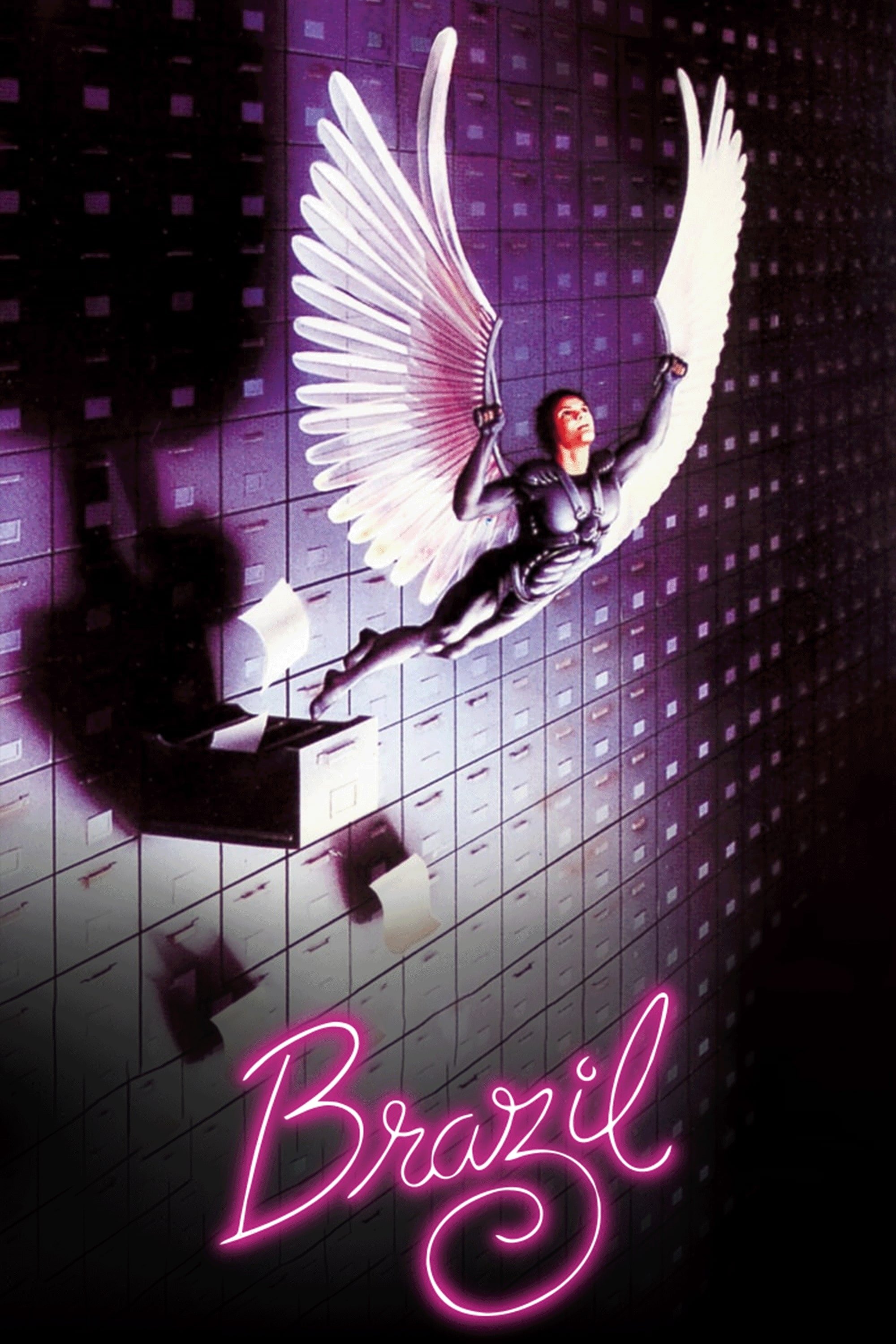
The American theatrical release of Terry Gilliam’s dystopian film had a “love conquers all” ending. In this version, the main character, Sam Lowry, escapes his grim reality and is shown living happily ever after with the woman of his dreams. This ending was mandated by the studio to give the film a more upbeat conclusion.
Gilliam’s director’s cut has a much bleaker ending that is more in line with the film’s satirical tone. It is revealed that Sam’s escape is just a fantasy happening in his mind while he is strapped to a chair, having been driven insane by torture. This ending reinforces the film’s themes of a hopeless and oppressive bureaucracy.
The Butterfly Effect (2004)
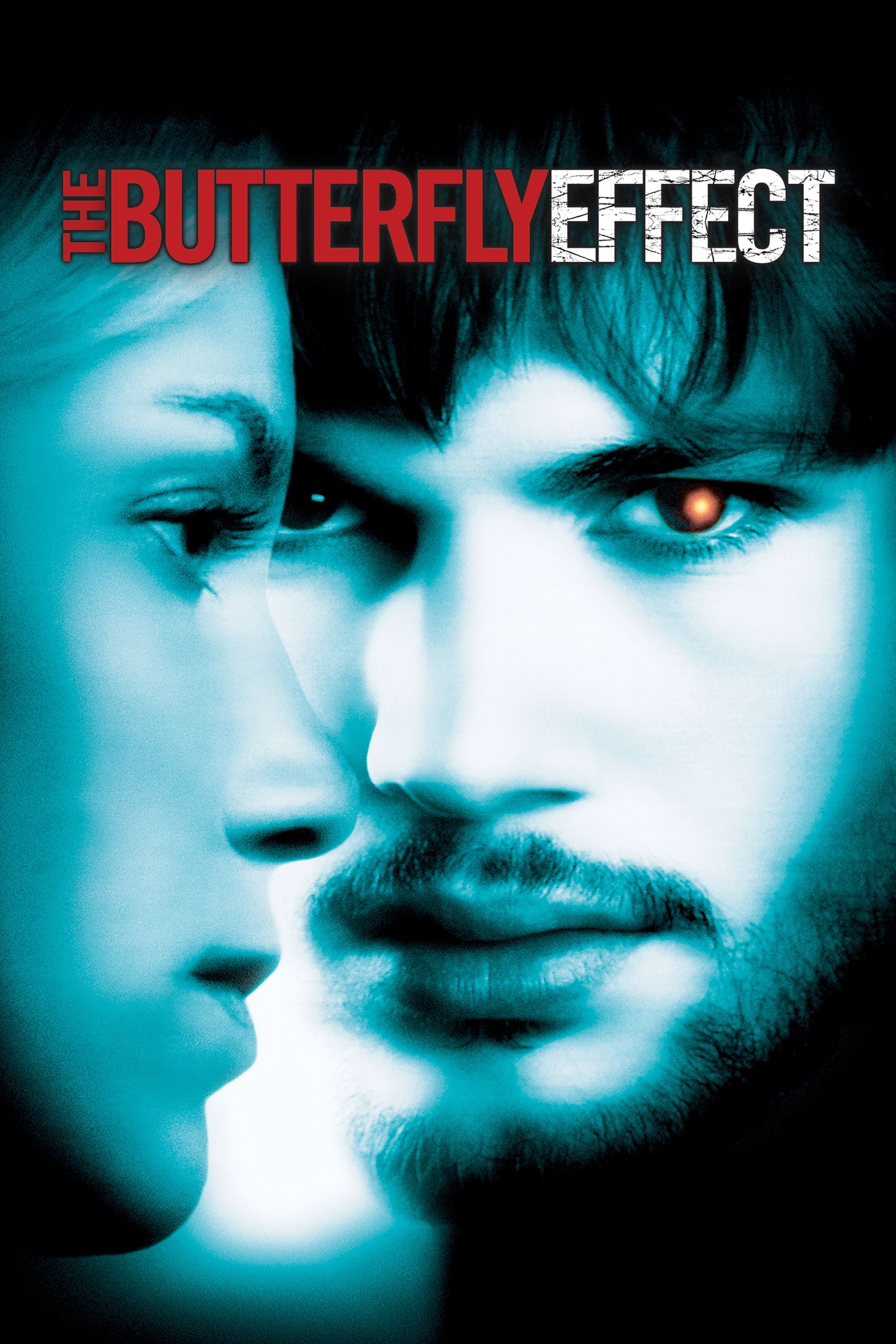
In the theatrical version, Evan travels back in time to when he first met his childhood friend and love interest, Kayleigh. He intentionally upsets her so that they never become friends, thus saving her from the traumatic events of their shared past. The film ends with them passing each other as strangers on a street in the present day.
The director’s cut features a much more shocking and dark ending. Evan travels back to the moment of his own birth and strangles himself with his umbilical cord. This act of suicide prevents him from ever existing and therefore saves his friends and family from all the pain his presence in their lives caused.
The Birds (1963)
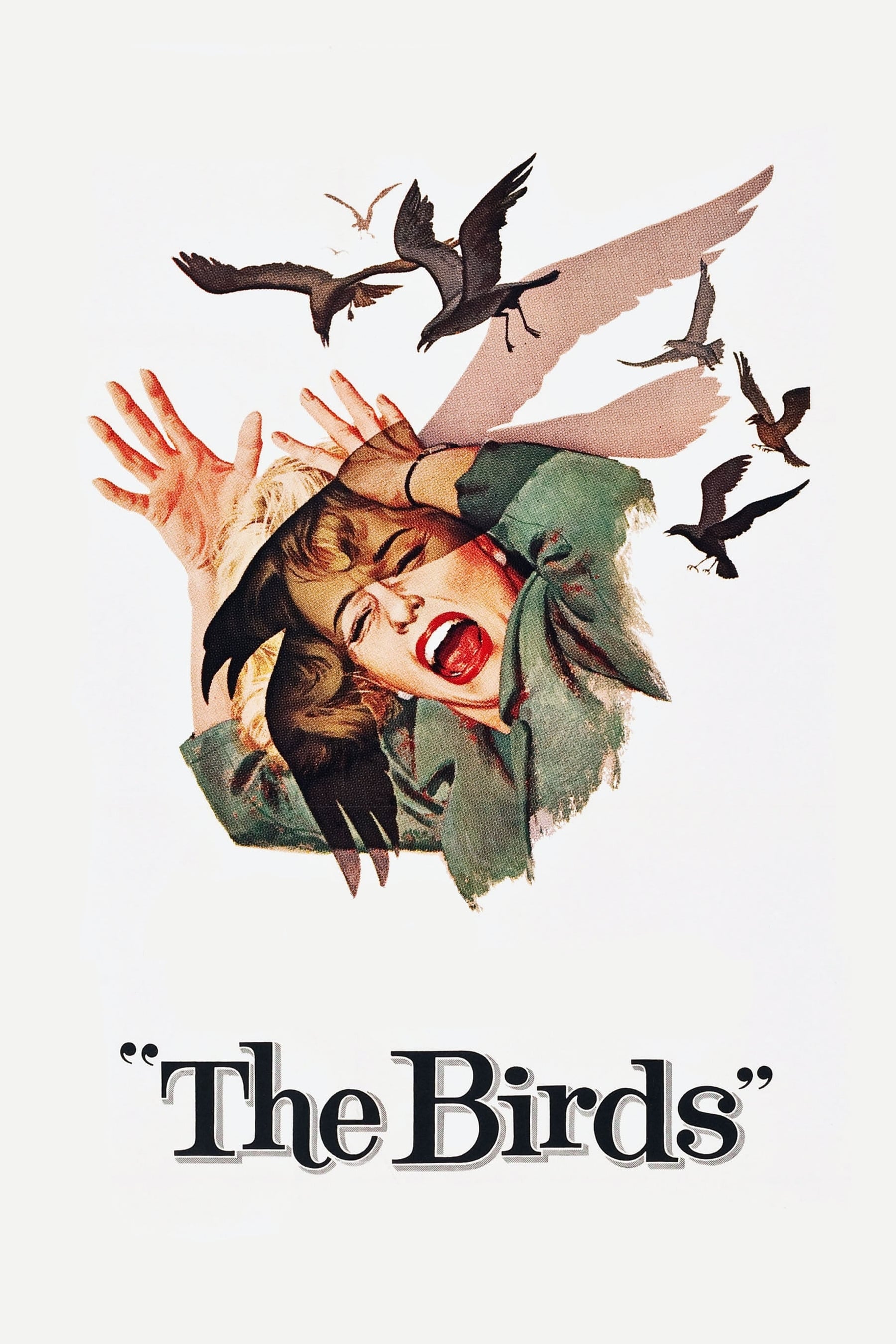
Alfred Hitchcock’s classic horror film ends on an ambiguous note. The main characters drive away from Bodega Bay, with the landscape filled with countless birds that are eerily calm. The audience is left to wonder if the bird attacks have ended or if this is just a temporary lull.
An alternate ending was scripted but never filmed. It would have shown the characters arriving in San Francisco, only to find the Golden Gate Bridge and the entire city covered in birds. This would have suggested that the bird attacks were a global phenomenon, providing a more definitive and terrifying conclusion.
Clerks (1994)
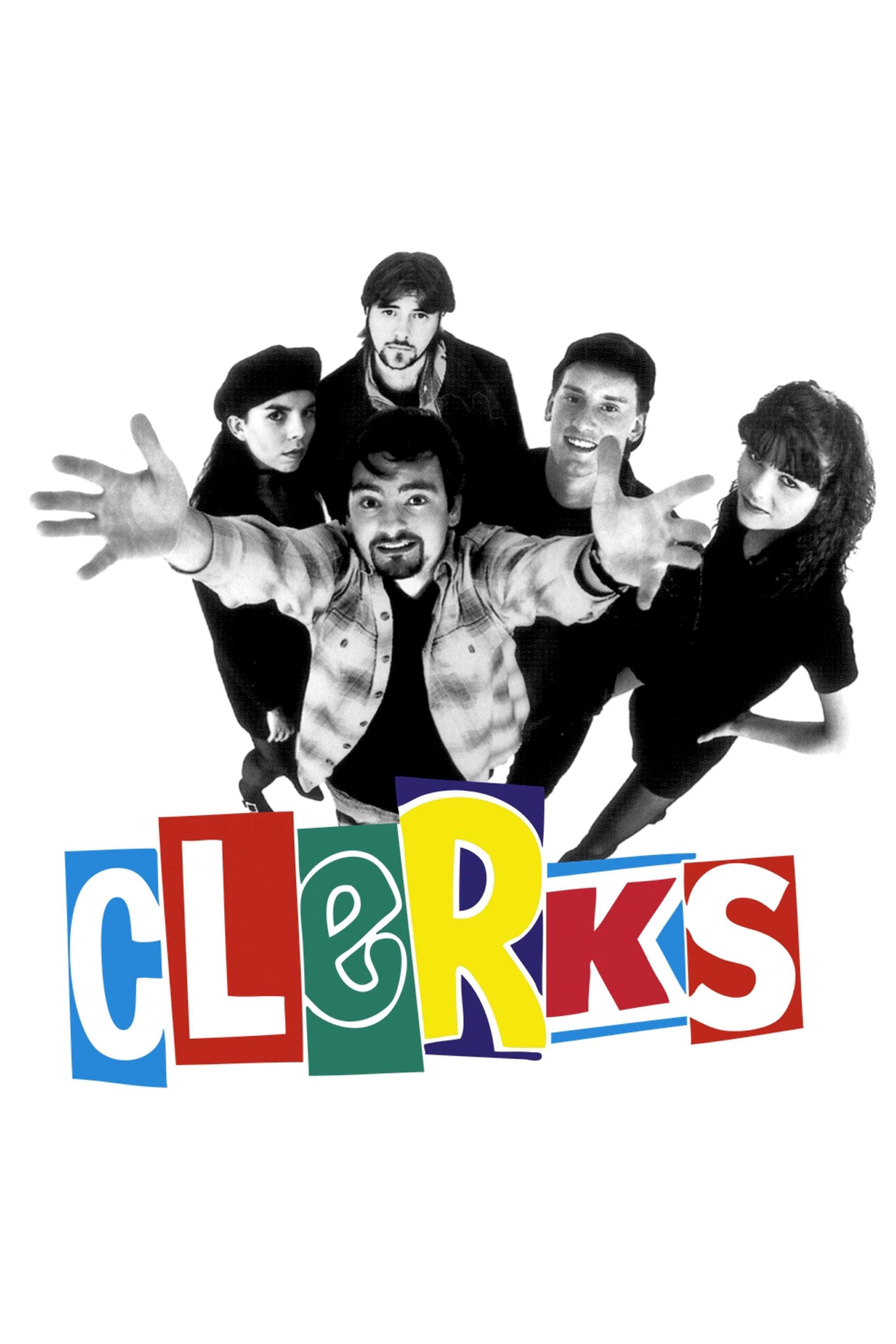
Kevin Smith’s debut film ends with the main character, Dante, having a moment of realization about his life and deciding to take control of his future. The film concludes on a relatively hopeful note, with Dante and his friend Randal closing up the convenience store for the night.
The original script had a much darker ending. After Randal leaves, a robber enters the store and shoots Dante, killing him. Smith was advised to cut this ending as it was seen as too grim and out of place with the comedic tone of the rest of the film.
Clue (1985)
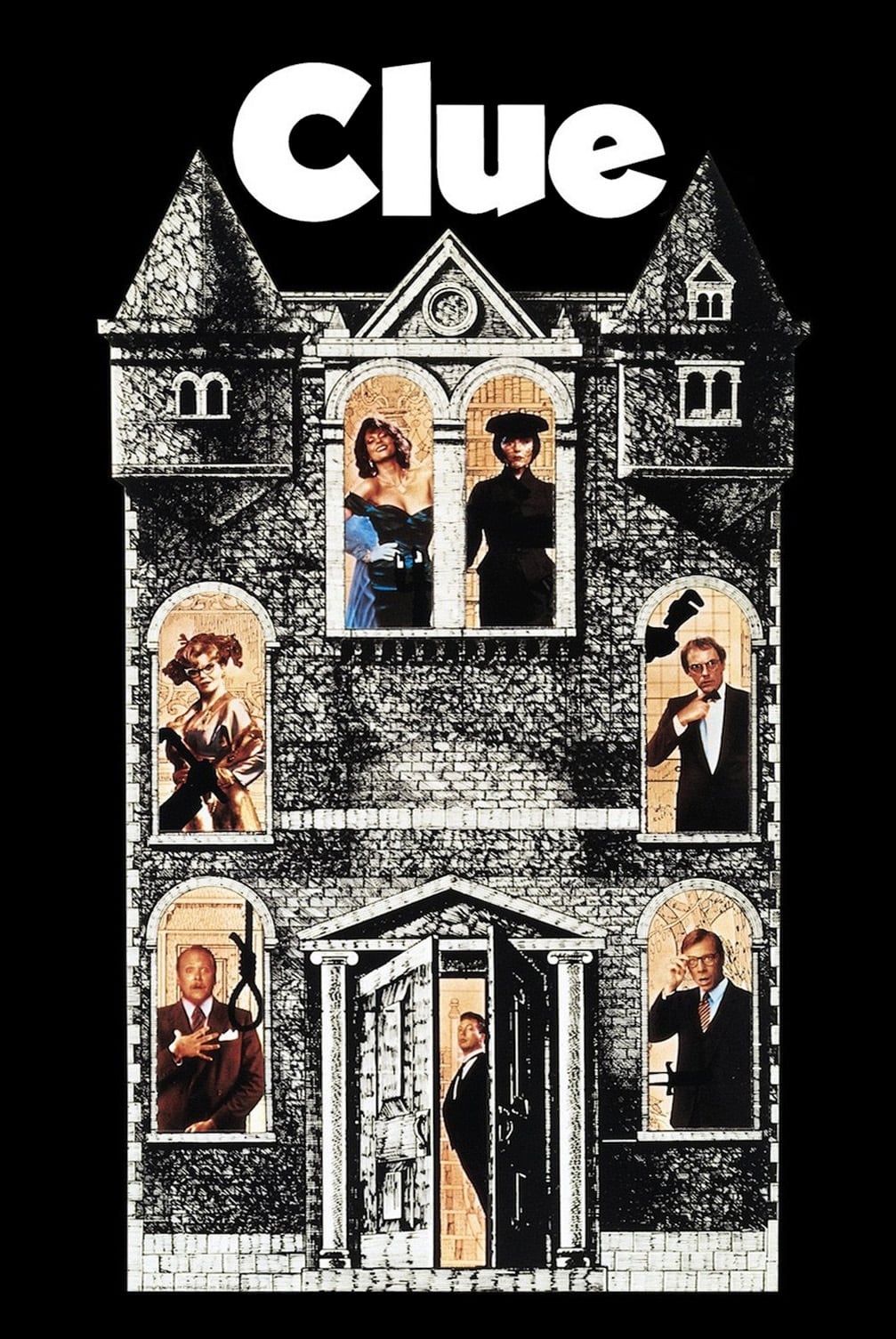
This comedy based on the popular board game famously has three different endings. When the film was originally released in theaters, audiences would only see one of the three conclusions, depending on which cinema they attended. All three endings were later included in the home video release.
In the first ending, Miss Scarlet is the killer. In the second, Mrs. Peacock is revealed to be the murderer. The third and “true” ending reveals that all of the guests are responsible for at least one of the murders, and Wadsworth the butler is the mastermind behind it all.
Dawn of the Dead (1978)
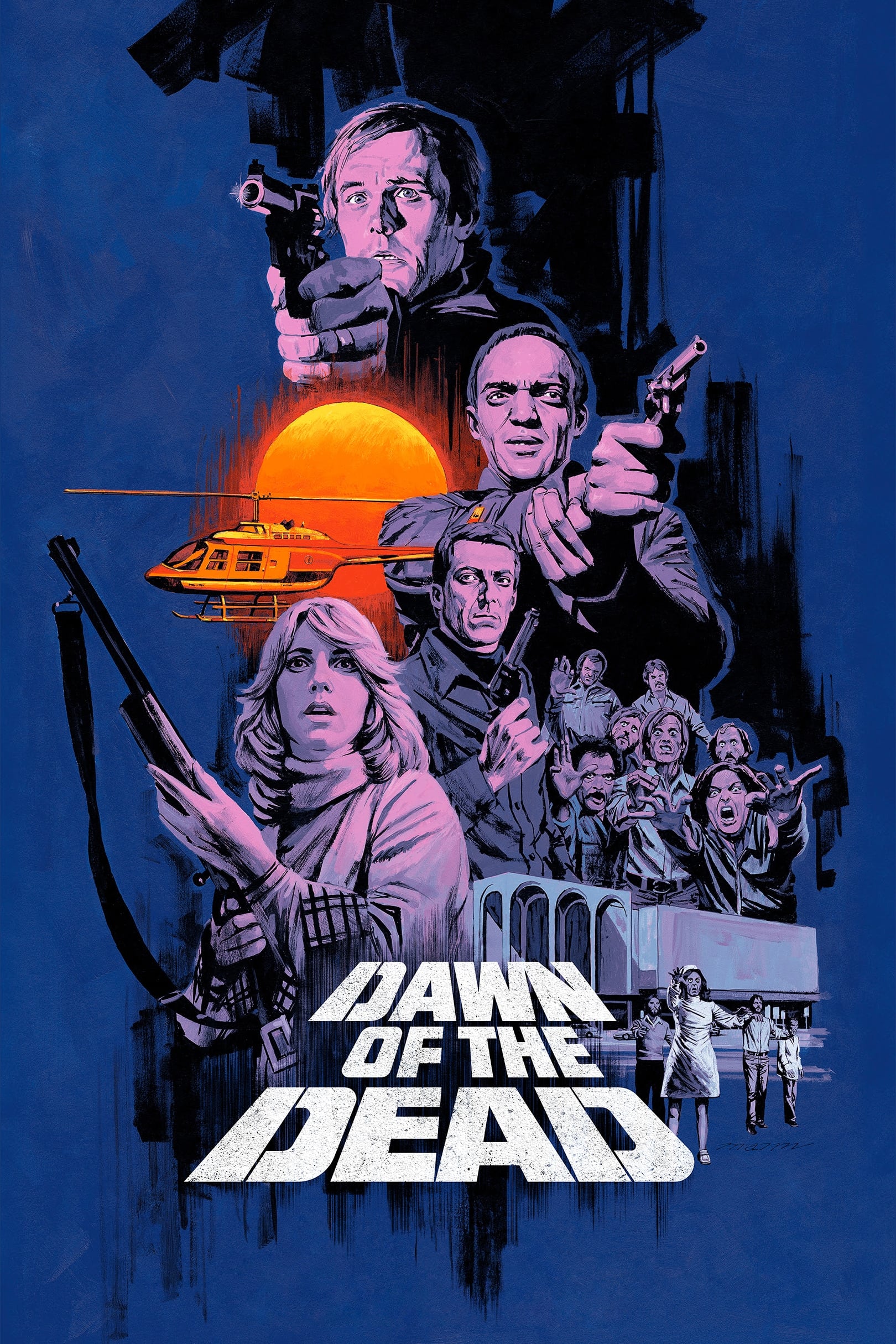
George A. Romero’s zombie classic ends with two of the main characters, Peter and Francine, escaping the zombie-infested shopping mall in a helicopter. Their future is uncertain, but there is a glimmer of hope as they fly away to safety with limited fuel.
The original ending was much more pessimistic. In this version, Peter shoots himself in the head rather than face the zombies, and Francine, in despair, sticks her head into the blades of the helicopter. The director decided against this ending, feeling that the characters deserved a chance at survival.
The Descent (2005)
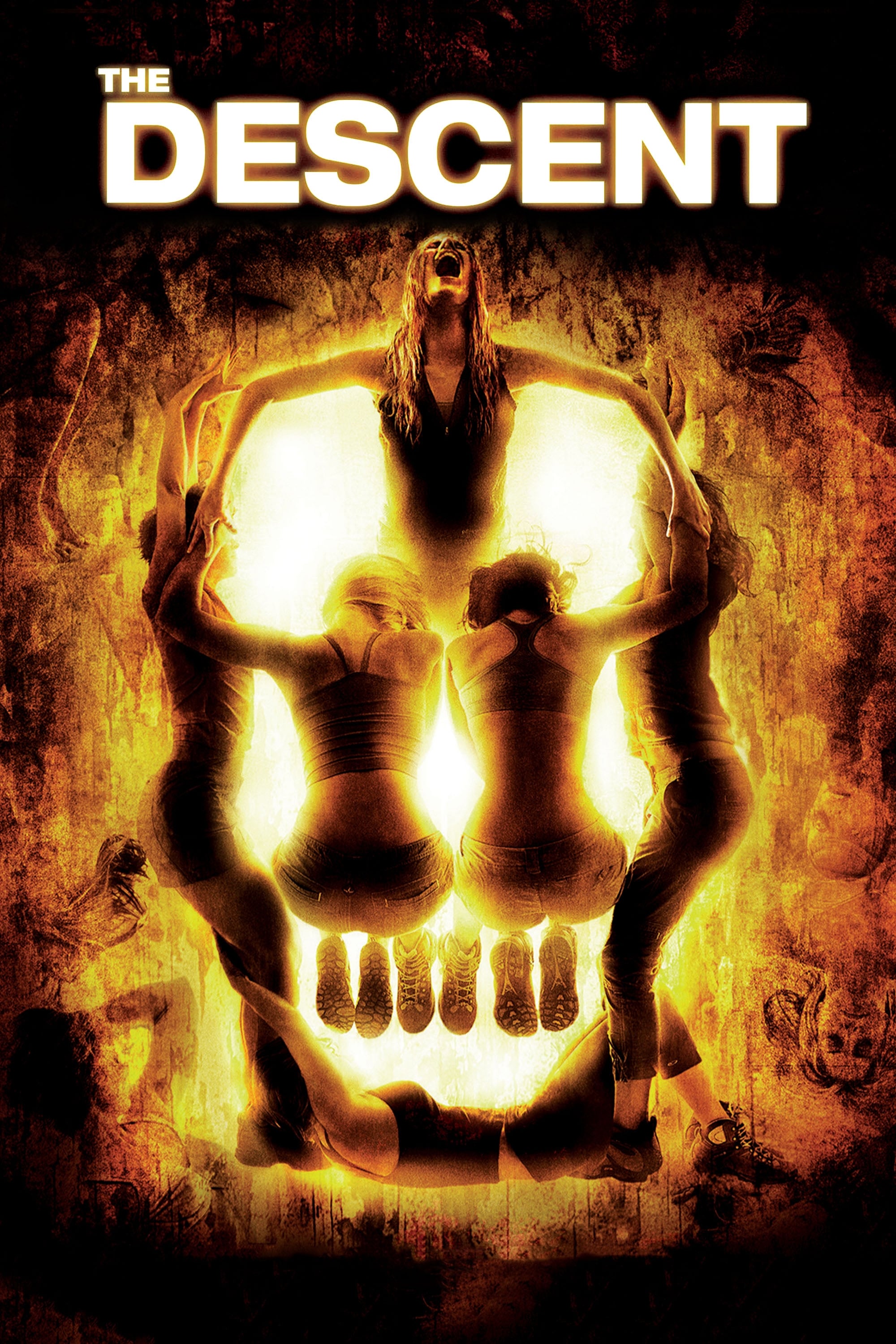
The American release of this horror film has a more hopeful ending. Sarah, the final survivor, escapes the cave system and drives away in a panic. The film ends with her hallucinating one of her dead friends, suggesting she is traumatized but alive.
The original UK version has a much bleaker conclusion. After a brief scene showing her escape, it is revealed that this was just a hallucination. Sarah is still trapped in the dark cave, and the film ends with her seeing an apparition of her deceased daughter as the sounds of the creatures close in.
Die Hard: With a Vengeance (1995)
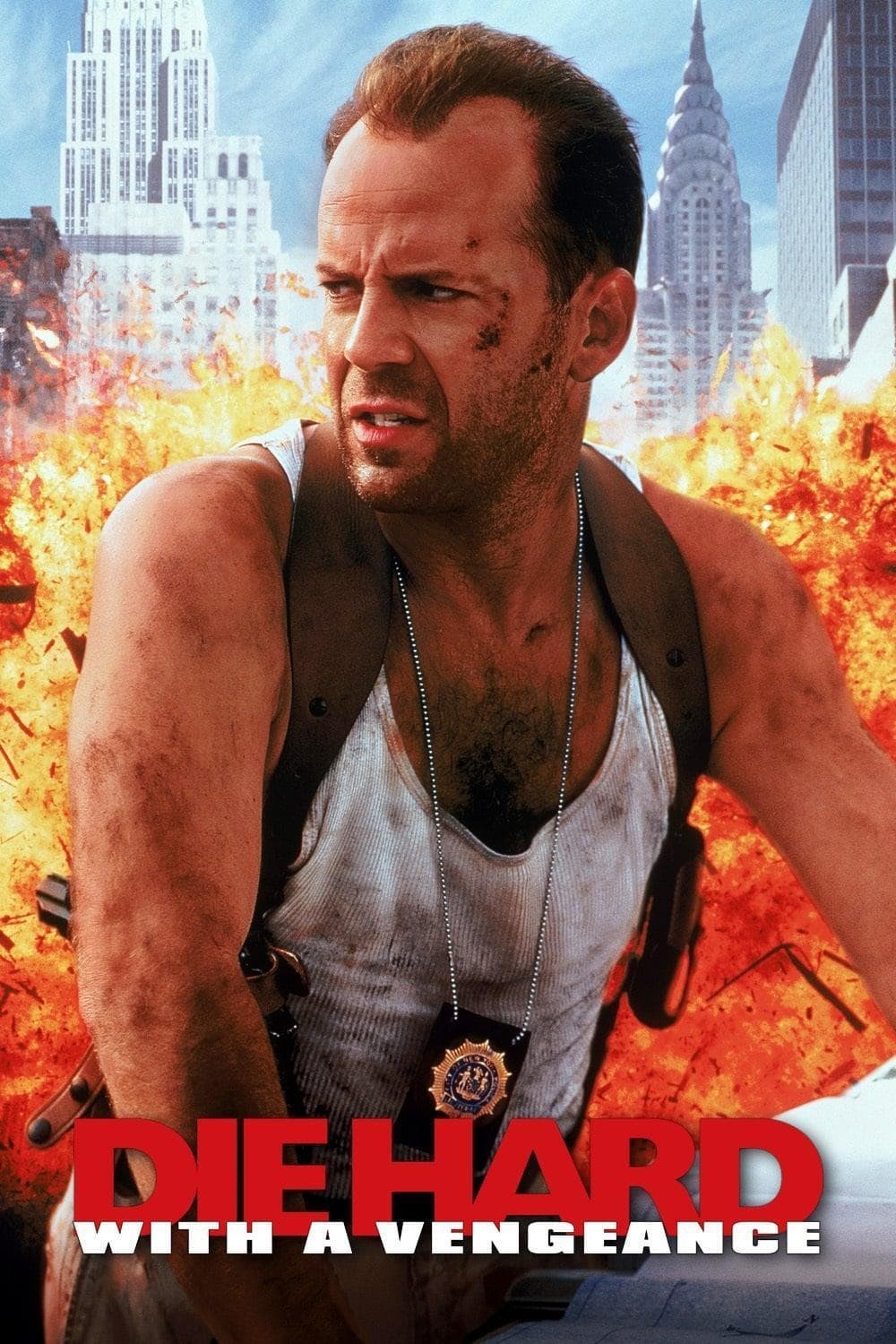
The theatrical ending of the third Die Hard film sees John McClane track down the villain, Simon Gruber, as he tries to escape in a helicopter. In a classic action movie finale, McClane shoots a power line that swings into the helicopter, causing it to explode.
An alternate ending was filmed that offered a very different resolution. Set sometime after the main events, it shows a disgraced McClane tracking down Simon in Europe. In a tense conversation, McClane forces Simon to play a game of “McClane Says,” a version of Russian roulette with a rocket launcher, which results in Simon’s death.
Dr. Strangelove or: How I Learned to Stop Worrying and Love the Bomb (1964)
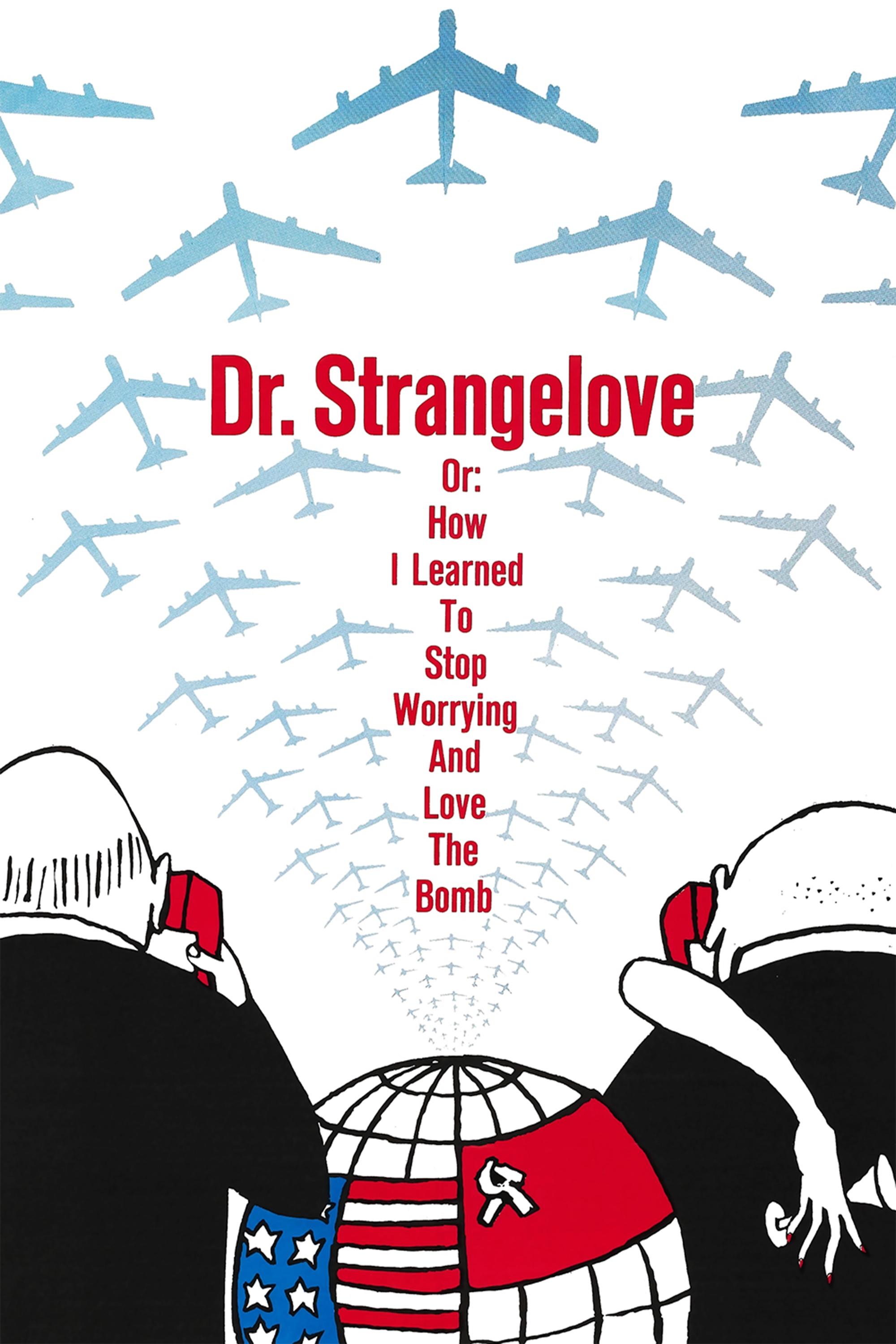
Stanley Kubrick’s Cold War satire ends with the unforgettable image of Major T. J. “King” Kong riding a nuclear bomb to its target, triggering a doomsday device that will destroy all life on Earth. The film concludes with a montage of nuclear explosions set to the song “We’ll Meet Again.”
An alternate ending was filmed that involved a massive pie fight in the War Room. After the Russian ambassador throws a pie at the American president, the entire room descends into chaos. Kubrick ultimately decided to cut this scene because he felt its farcical tone was at odds with the serious nature of the film’s subject matter.
E.T. the Extra-Terrestrial (1982)
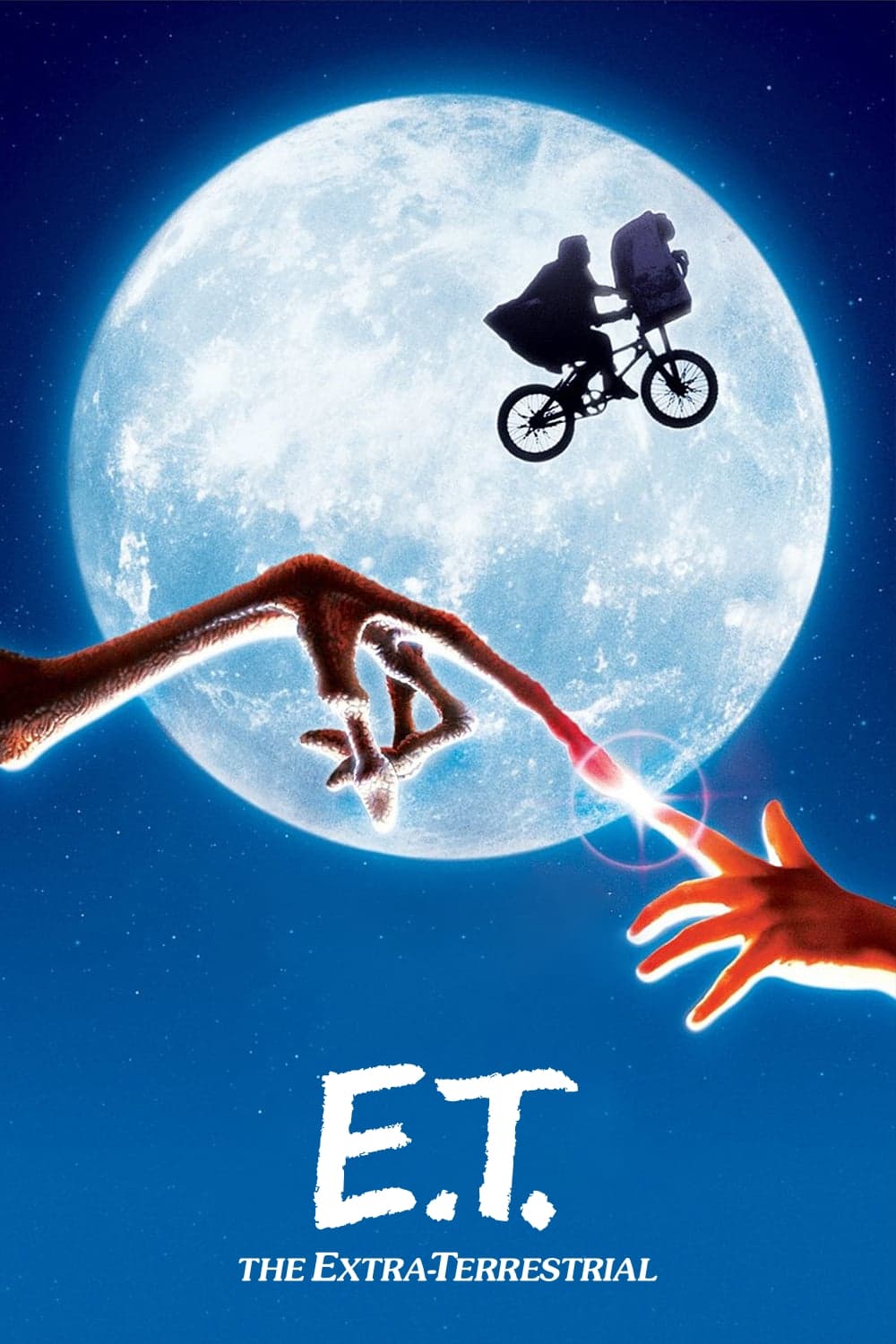
The beloved film ends with E.T. saying goodbye to Elliott before boarding his spaceship to return to his home planet. It’s a heartwarming and emotional farewell that has become one of the most iconic endings in cinema history.
A lesser-known alternate ending was considered that would have continued the story. In this version, after E.T. leaves, the camera would pan up to the roof where the communication device is still working, suggesting that Elliott is still in contact with his extraterrestrial friend.
Fatal Attraction (1987)
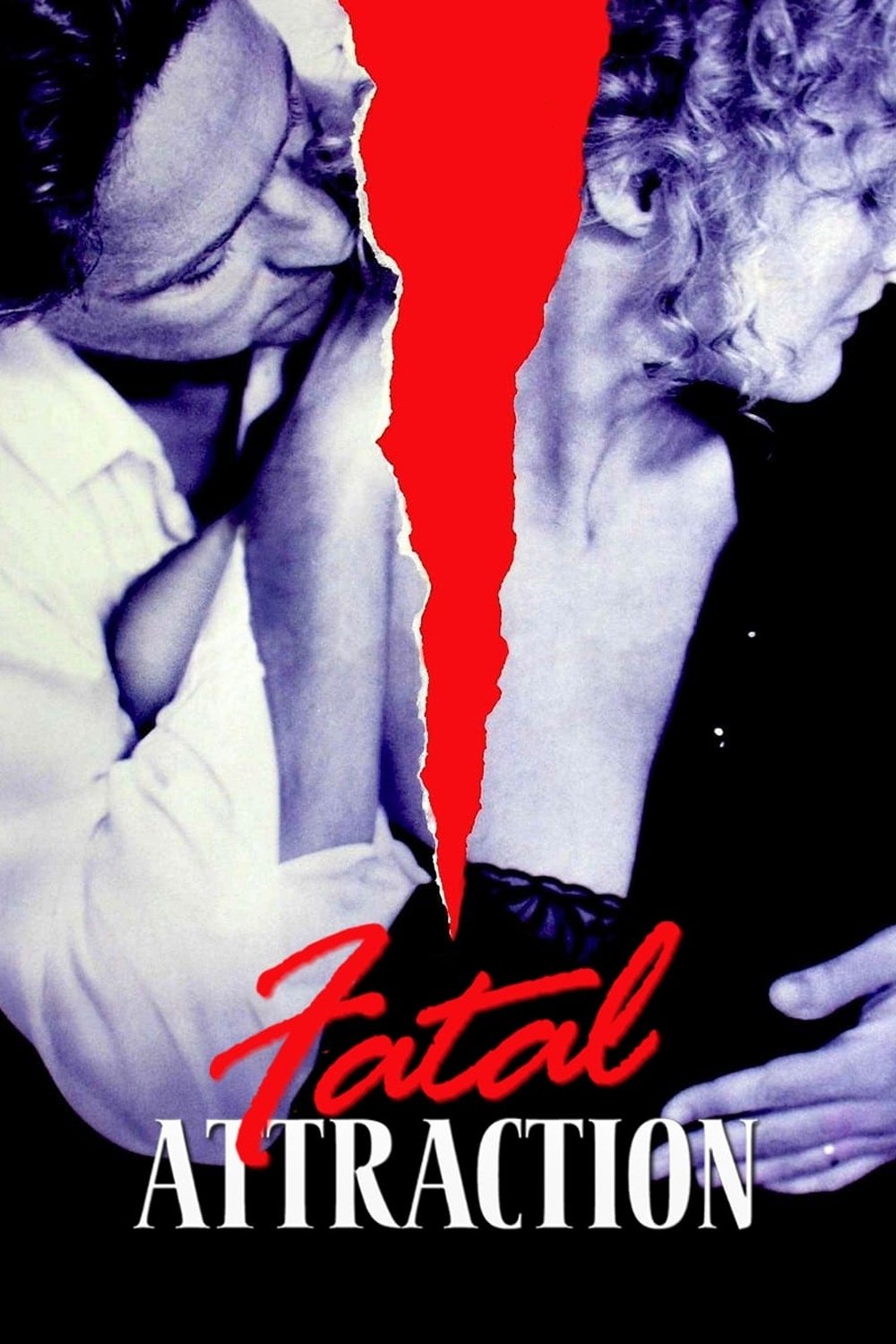
The theatrical version of this thriller ends with a dramatic and violent confrontation. Alex Forrest attacks Dan Gallagher’s wife with a knife, and after a struggle, she is shot and killed by Dan’s wife. This ending positions Dan’s wife as the protector of her family.
The original ending was more subtle and psychological. In this version, Alex frames Dan for her murder by taking her own life with a knife that has his fingerprints on it. Dan is arrested, and the film ends with his wife finding a cassette tape from Alex that could potentially clear his name.
Fight Club (1999)

In the original ending of David Fincher’s film, the Narrator and Marla Singer hold hands as they watch buildings explode, signifying the success of Project Mayhem. This ambiguous conclusion leaves the future of society and the characters in question.
For the film’s release in China, the ending was altered to be more in line with government censorship. In this version, the screen cuts to black before the explosions, and text appears on screen explaining that the authorities foiled the plot, and the Narrator was sent to a psychiatric institution.
First Blood (1982)
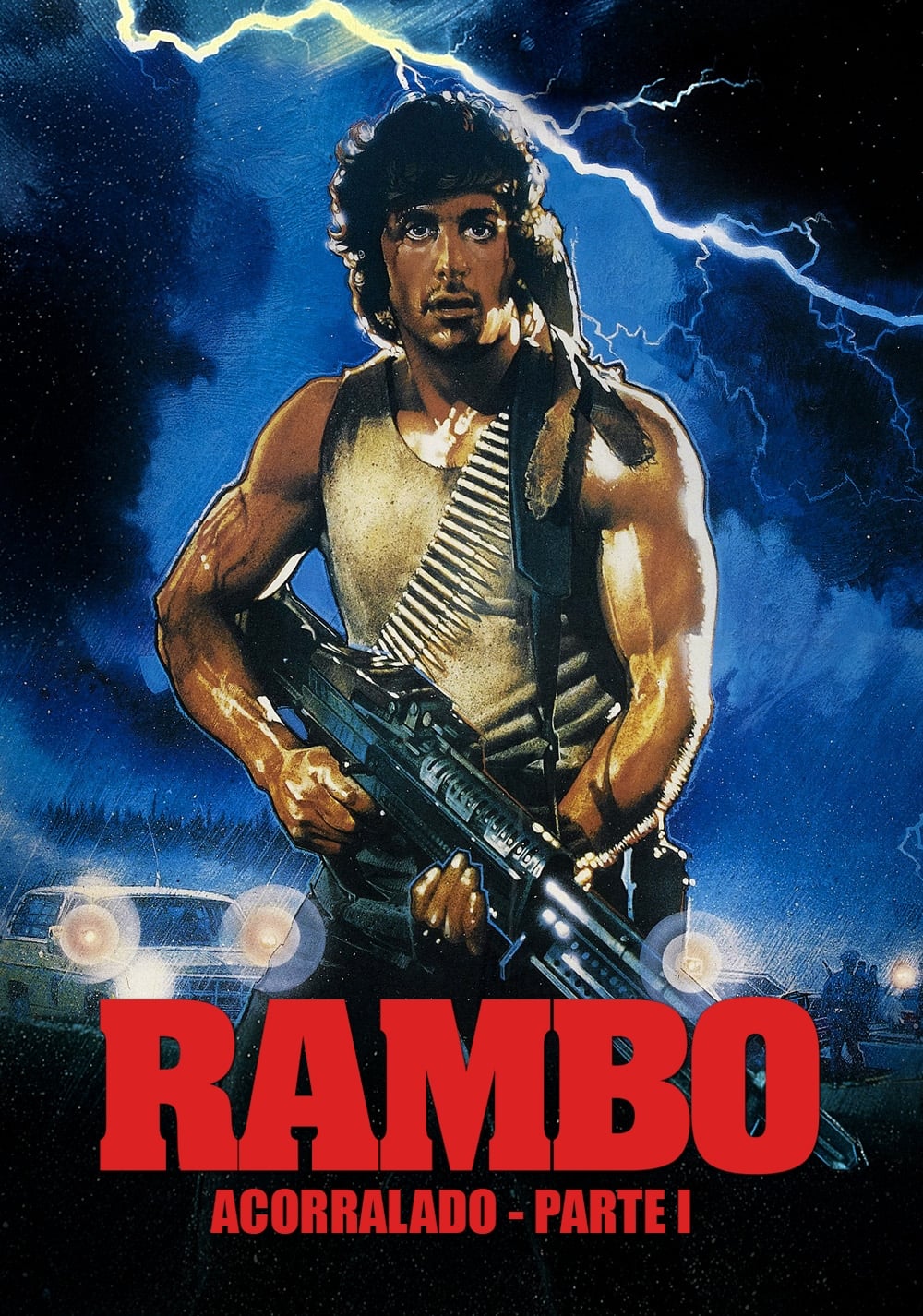
The film that introduced the world to John Rambo ends with the troubled Vietnam veteran being arrested after a destructive rampage through a small town. He has an emotional breakdown in front of his former commanding officer, Colonel Trautman, before surrendering to the authorities.
An alternate ending stayed true to the novel the film was based on. In this much darker conclusion, Rambo, seeing no way out of his situation, convinces Trautman to kill him. This ending would have prevented the character from becoming the action hero of the sequels.
Get Out (2017)
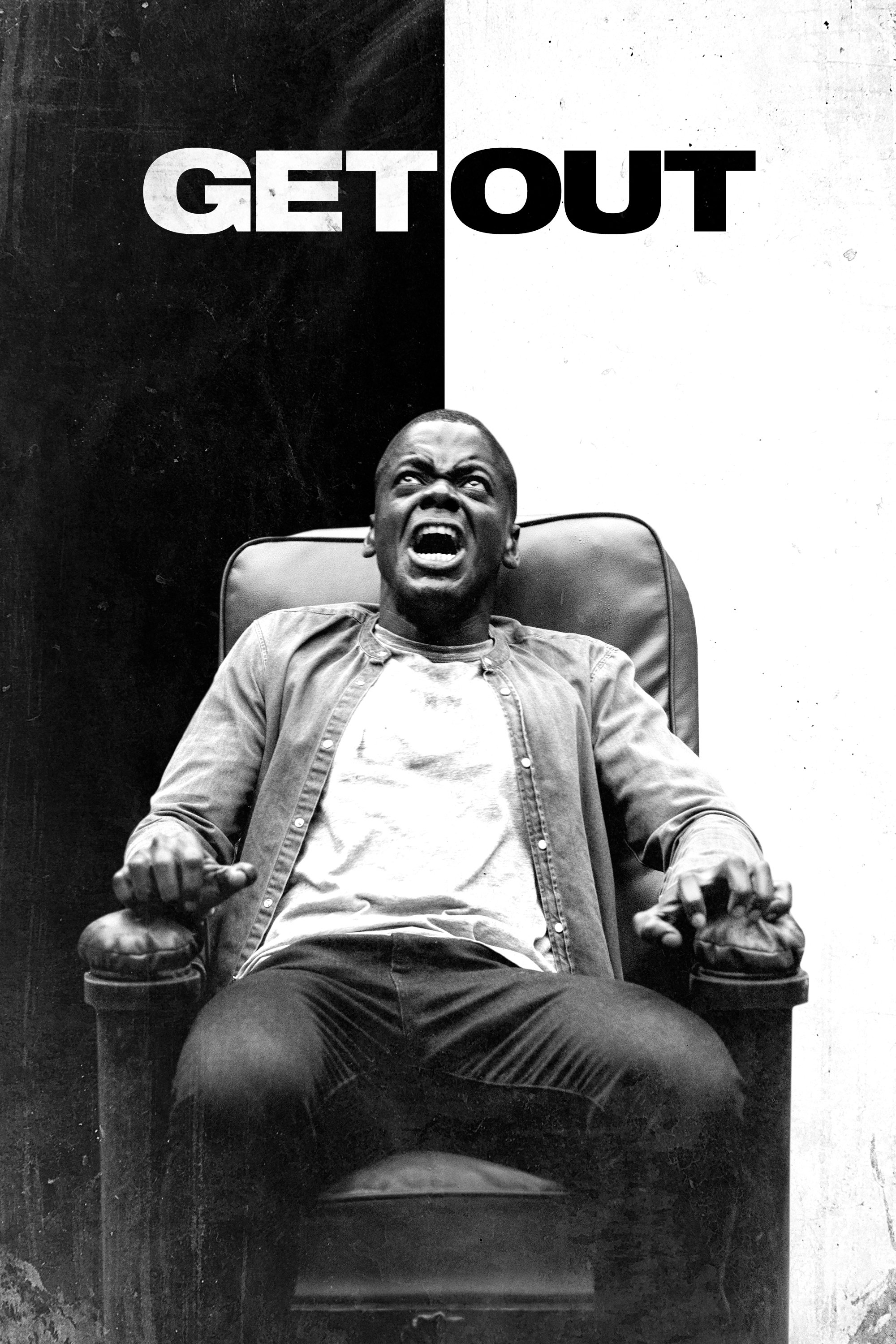
Jordan Peele’s horror film ends with the main character, Chris, being rescued by his friend Rod, who arrives in a TSA vehicle. This ending provides a sense of relief and justice, as Chris escapes the clutches of the sinister Armitage family.
An alternate, more unsettling ending was also filmed. In this version, when the police arrive at the scene, they find Chris with the bodies of the Armitage family and arrest him for their murders. The final scene shows Rod visiting Chris in prison, where Chris tells him he is glad he was able to stop the family, even at the cost of his own freedom.
The Godfather Part III (1990)
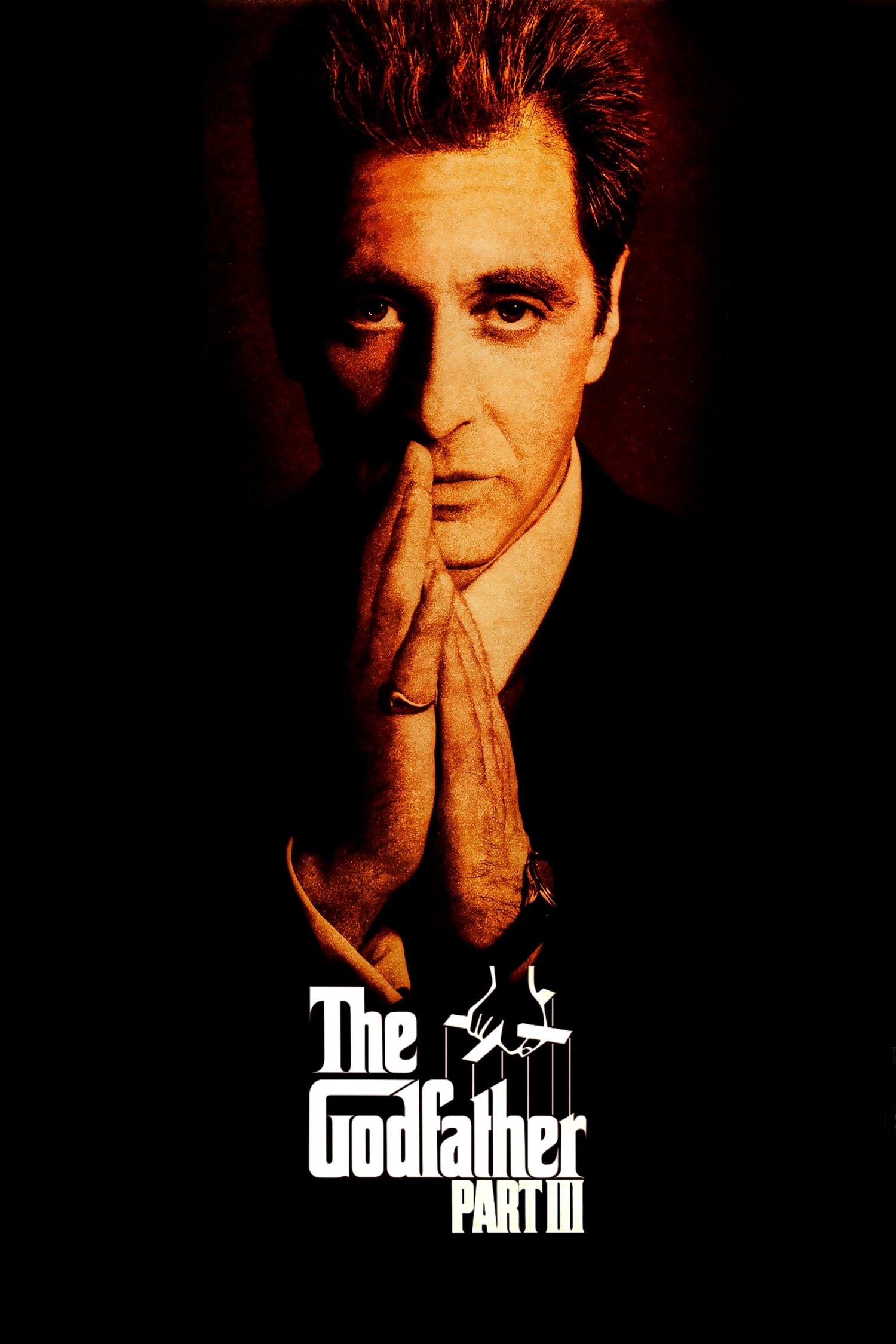
The original version of the final film in the trilogy ends with an elderly Michael Corleone dying alone in his chair in Sicily, a tragic and lonely end for the powerful mafia boss. This conclusion emphasizes the personal cost of his life of crime.
In 2020, director Francis Ford Coppola released a new version of the film titled The Godfather Coda: The Death of Michael Corleone. This recut version features a different ending. It removes Michael’s on-screen death, instead ending with a title card that reads, “When the Sicilians wish you ‘Cent’anni,’ it means ‘for long life.’ …and a Sicilian never forgets.”
Guardians of the Galaxy (2014)
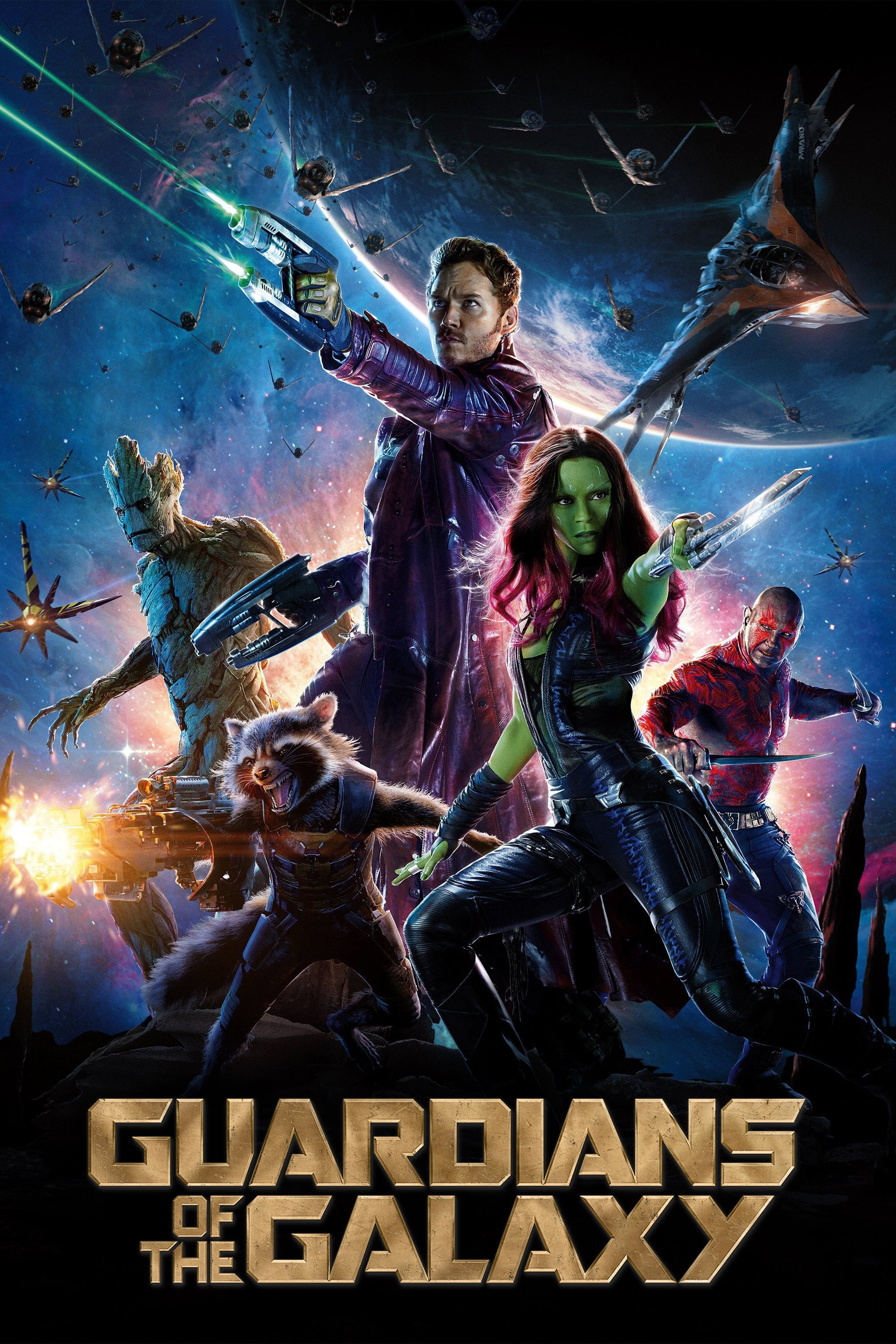
The first Guardians of the Galaxy film ends with the team having saved the galaxy and Peter Quill, also known as Star-Lord, finally opening a gift from his deceased mother. Inside, he finds a second mixtape, a symbol of his connection to his past and his new family.
An alternate ending was considered that would have added a poignant family connection for another character. In this version, after the final battle, a scene would have shown that the Ravager leader, Yondu, had a small collection of troll dolls, the same kind of toy that Peter had as a child. This would have hinted at a deeper, more paternal affection Yondu had for Peter.
Heathers (1988)
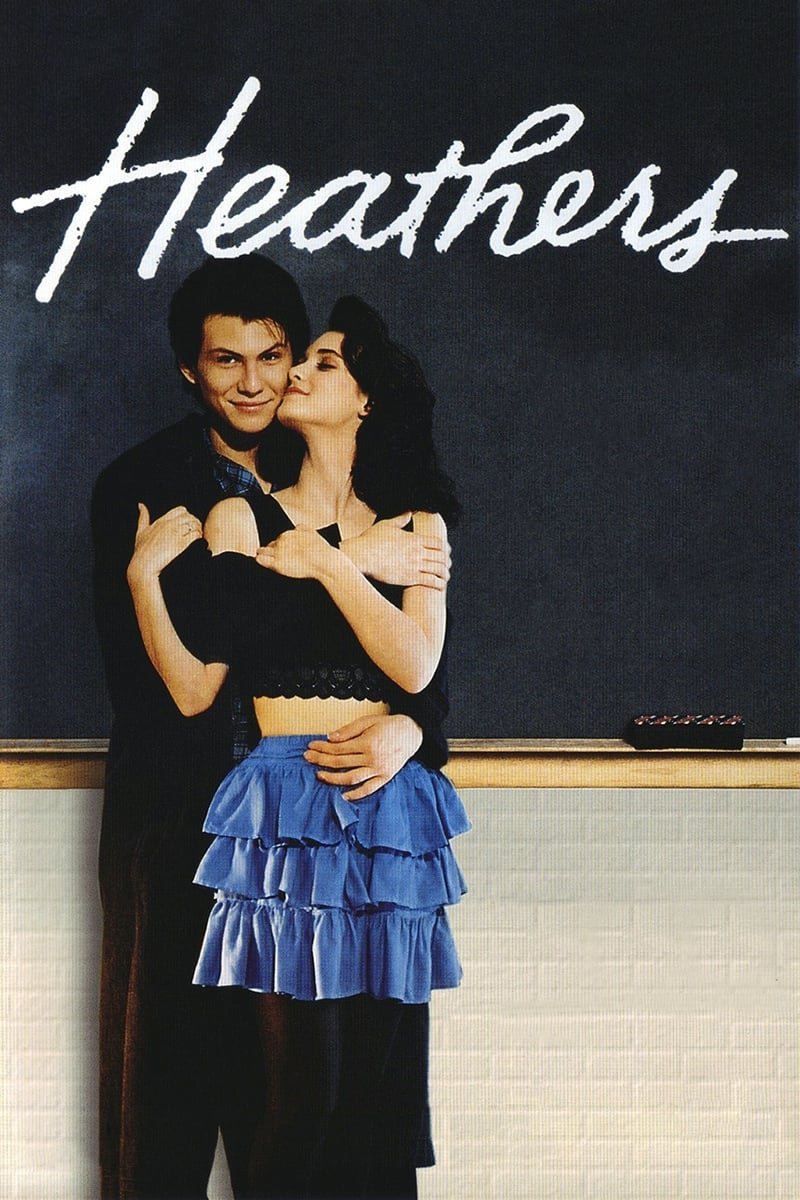
This dark teen comedy ends with Veronica Sawyer confronting her murderous boyfriend, J.D., and preventing him from blowing up the school. J.D. then blows himself up outside, and Veronica emerges as the new, more benevolent leader of the popular clique.
The original script had a much darker and more shocking ending. In this version, Veronica would have shot J.D., and then the bomb he planted would have detonated, killing everyone at the prom. The final scene would have shown a wedding in heaven, with the prom theme being “I’ll Be There for You.”
I Am Legend (2007)
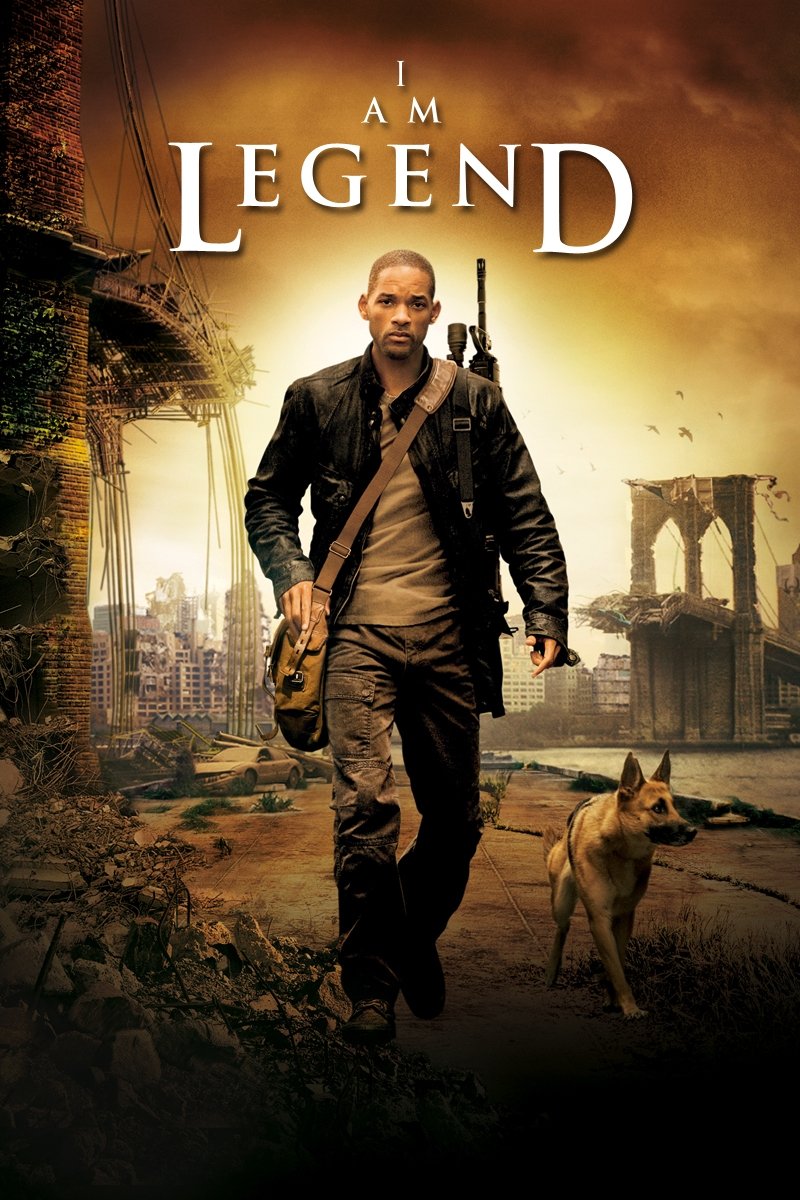
In the theatrical ending, Robert Neville sacrifices himself by detonating a grenade to kill the Darkseekers and save Anna and Ethan. His death allows them to escape with a cure for the virus, making him a legend in the new world. This ending presents Neville as a hero who gave his life for humanity.
The alternate ending is more in line with the novel the film is based on. In this version, Neville realizes that the Darkseekers are intelligent beings with their own society and that they see him as a monster. He returns the female Darkseeker he was experimenting on and leaves the city, his understanding of the “monsters” completely changed.
Interstellar (2014)
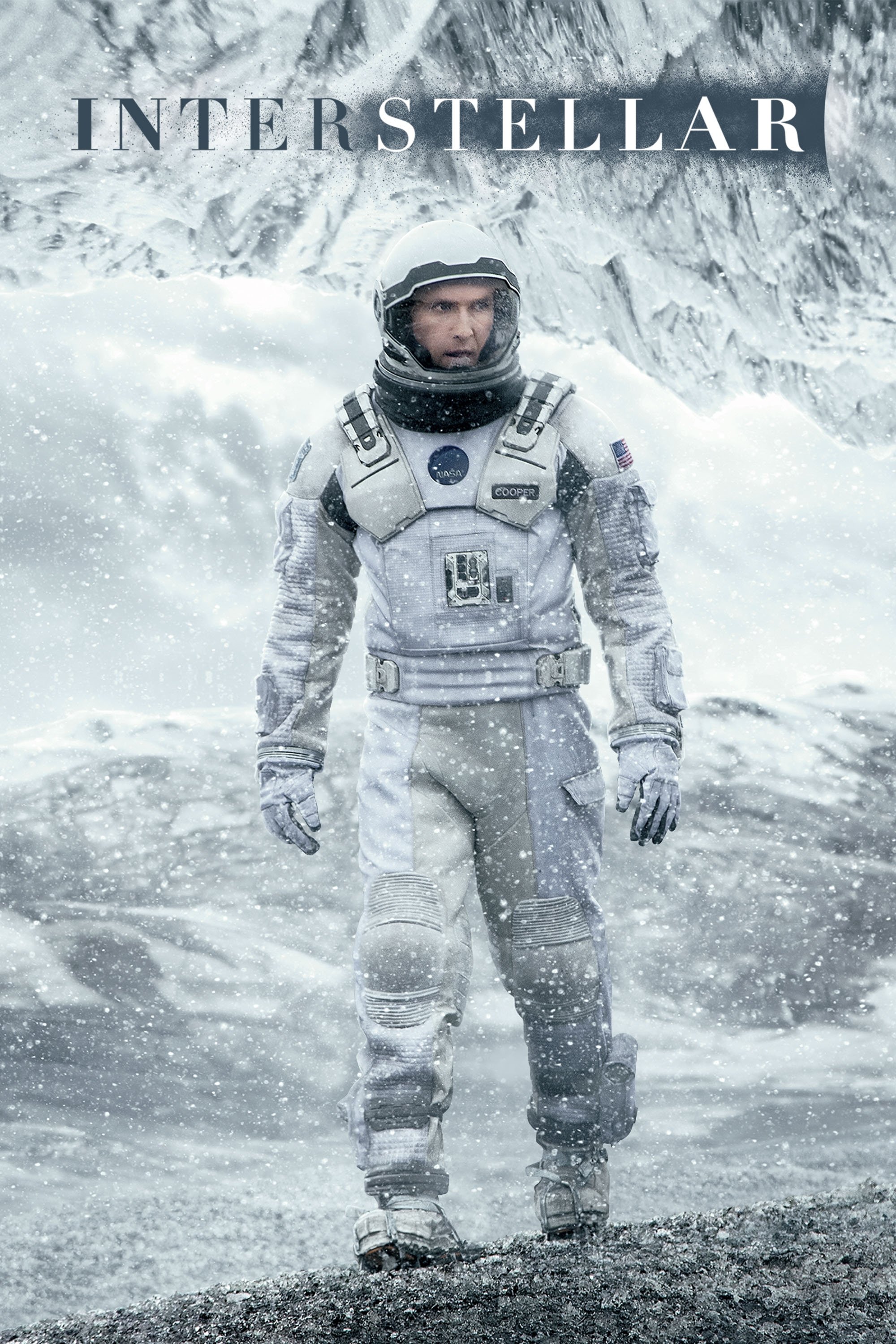
Christopher Nolan’s sci-fi epic ends with Cooper reuniting with his elderly daughter, Murph, on a space station. After their brief and emotional reunion, he decides to leave in search of Brand, who is on a potentially habitable planet in another galaxy.
An alternate ending was scripted that was much less hopeful. In this version, the wormhole would have collapsed as Cooper was trying to transmit the data to Murph, leaving him stranded in space and humanity’s fate on Earth sealed. This would have been a much more tragic conclusion to the story.
The Lion King (1994)
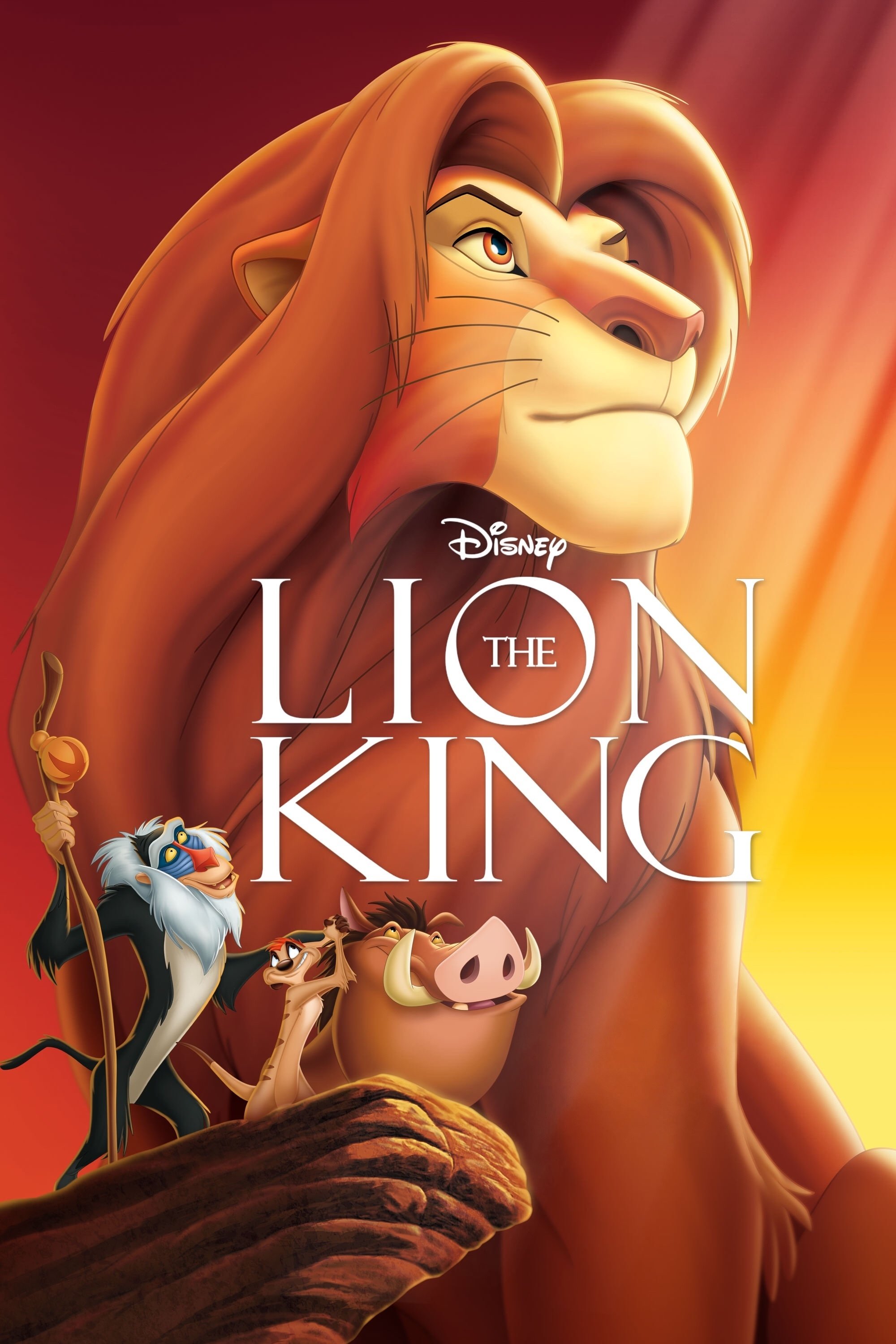
The animated classic ends with Simba defeating his evil uncle, Scar, and taking his rightful place as the king of the Pride Lands. The film concludes with the presentation of Simba and Nala’s newborn cub, symbolizing the continuation of the circle of life.
An alternate ending was storyboarded that was much darker. In this version, Scar would have thrown Simba off Pride Rock to his death. However, Scar would then have been consumed by the fire that was engulfing their home, leading to a much more grim and less family-friendly conclusion.
Little Shop of Horrors (1986)
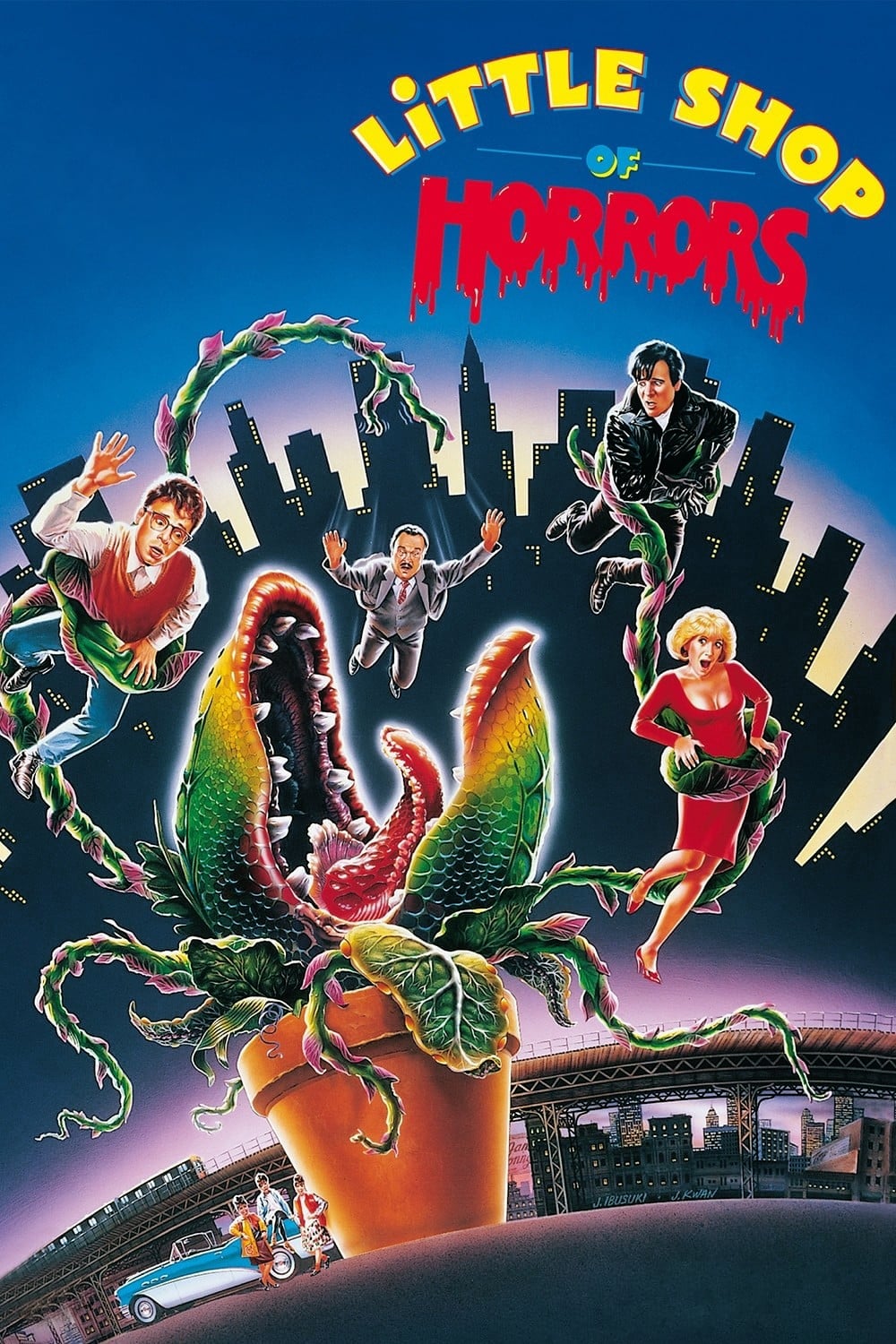
The theatrical version of this musical comedy ends on a happy note. Seymour saves Audrey from the man-eating plant, Audrey II, and then manages to destroy the alien creature by electrocuting it. The film concludes with Seymour and Audrey living happily ever after in their dream home.
The original ending was a massive, special effects-filled sequence that was true to the off-Broadway musical. In this version, Audrey II eats both Audrey and Seymour and then multiplies, with giant plants taking over the world in a “Godzilla”-style rampage. This ending was changed after test audiences found it too depressing.
The Mist (2007)
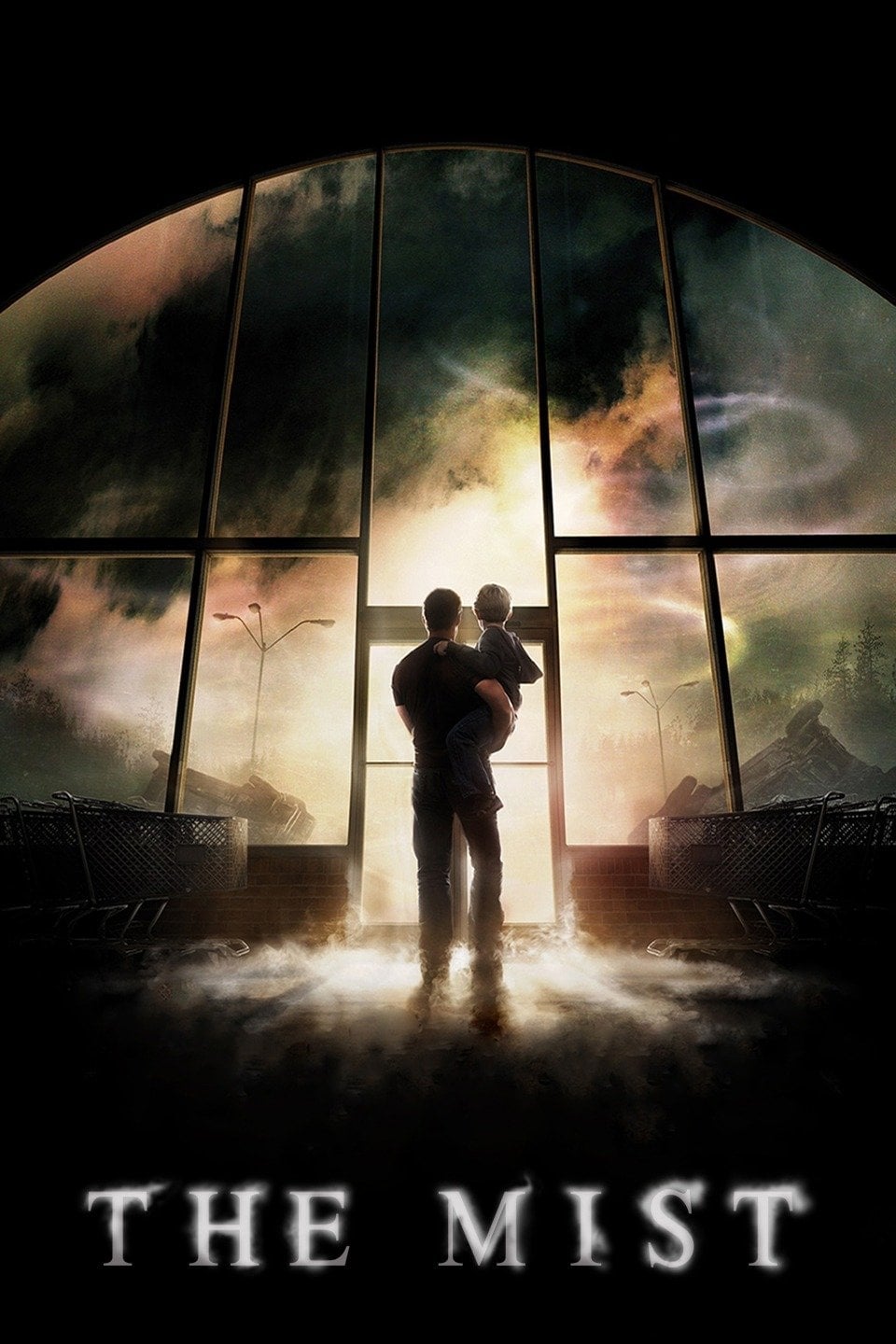
The film adaptation of Stephen King’s novella has a famously bleak ending. After escaping the mist in a car, David Drayton and a small group of survivors, including his young son, run out of gas. Believing there is no hope, David uses his remaining bullets to end their suffering, only to have the mist clear moments later, revealing that the army has arrived and they were on the verge of rescue.
The original novella has a more ambiguous and slightly more hopeful ending. David and the other survivors are still driving, and they hear a faint voice on the radio that gives them a glimmer of hope that there may be other survivors and a safe place to go.
National Lampoon’s Vacation (1983)
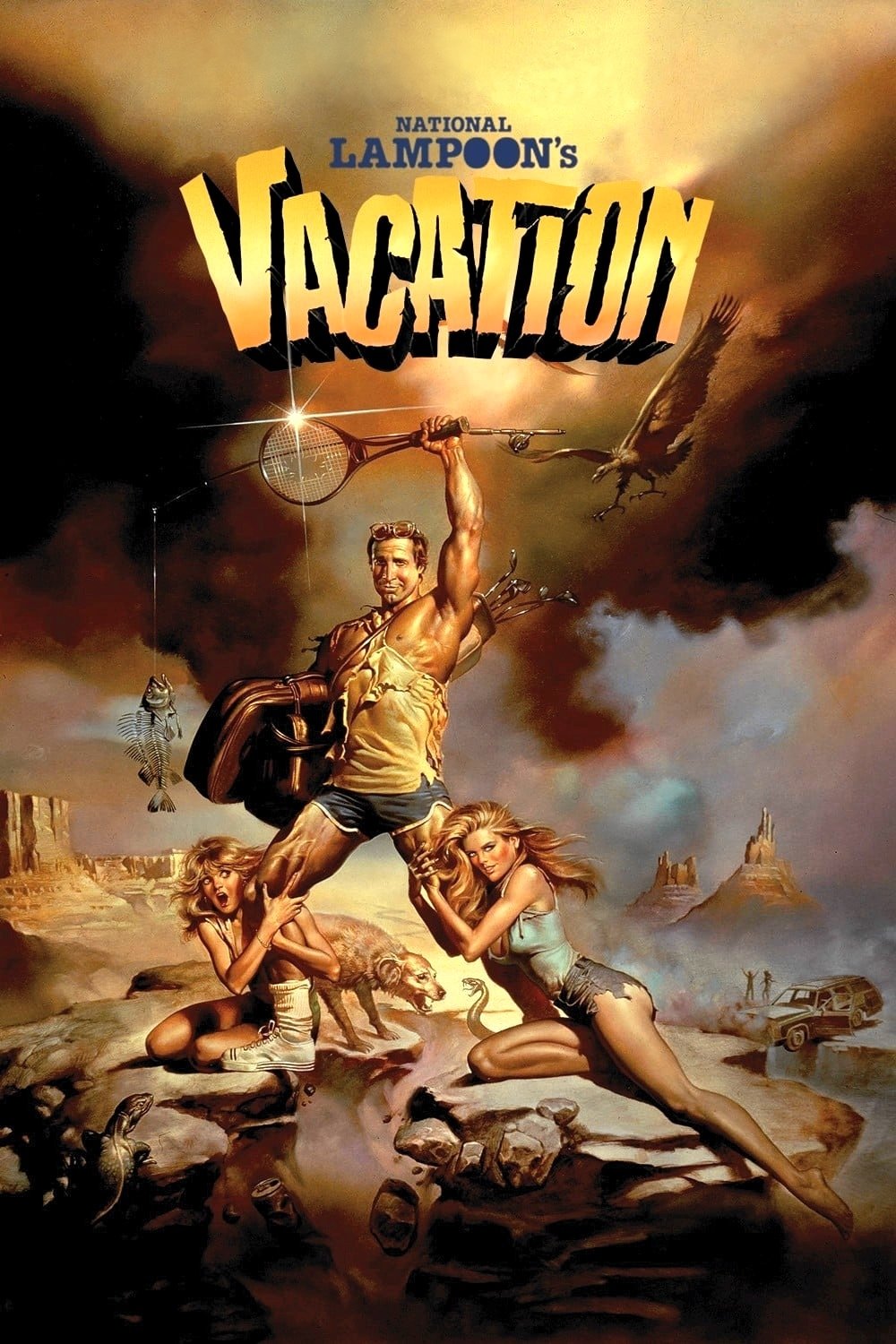
The film ends with the Griswold family finally arriving at Walley World, only to find it closed for repairs. In a fit of frustration, Clark Griswold buys a BB gun and forces a security guard to let them on the rides. The film concludes with the arrival of a SWAT team and Walley World’s owner, who decides not to press charges.
The original ending was quite different. In this version, after finding the park closed, Clark tracks down Walt Disney’s home and holds him at gunpoint, demanding that he entertain his children. This ending was changed after test audiences reacted poorly to it.
The Notebook (2004)
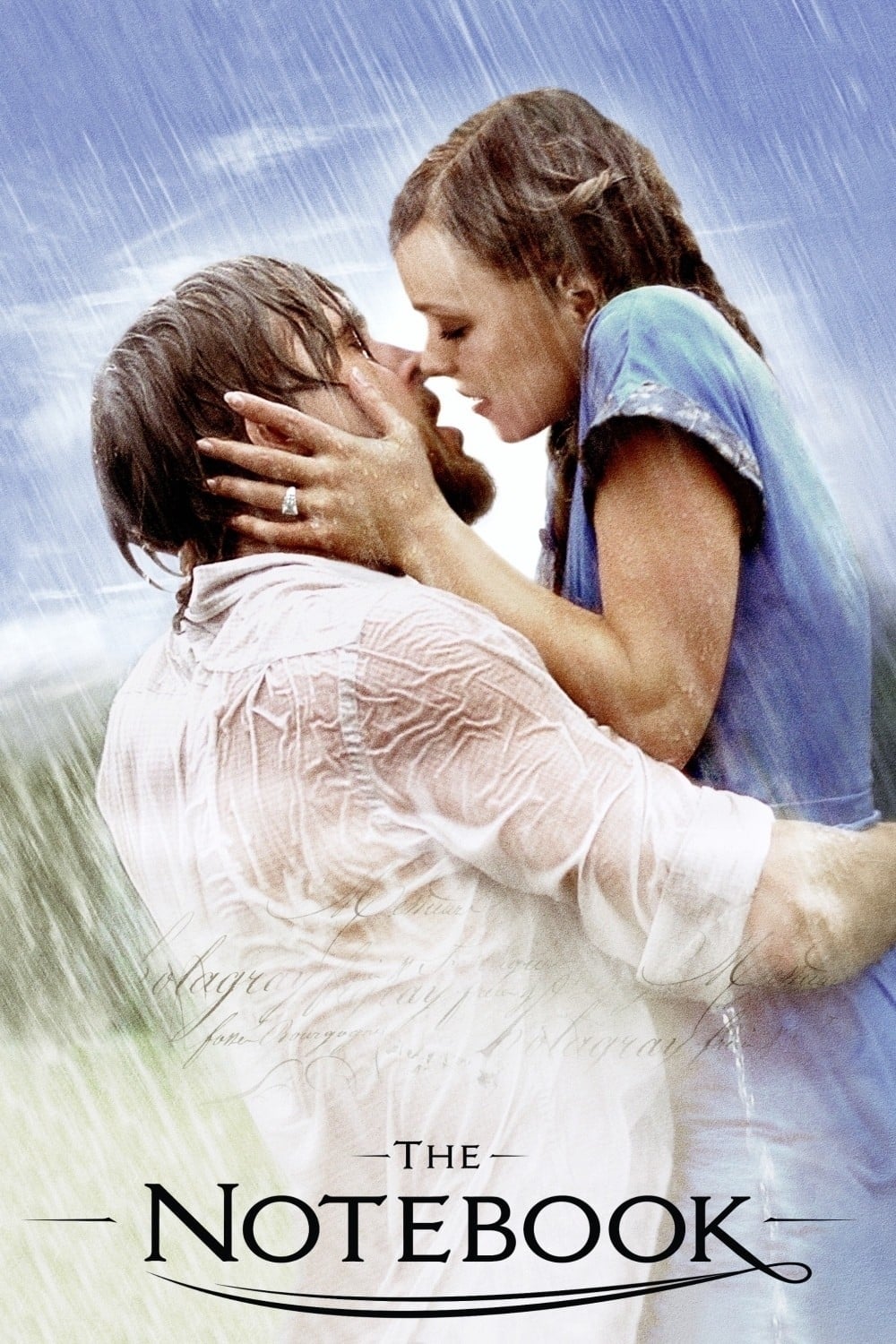
The romantic drama’s theatrical ending is both heartwarming and heartbreaking. An elderly Allie remembers her past with Noah, and they pass away peacefully in each other’s arms in her nursing home bed.
An alternate version released in some regions, including the UK on Netflix for a time, has a more ambiguous ending. It cuts before their deaths are shown, ending instead with a shot of birds flying over a lake. This leaves their ultimate fate open to interpretation.
Once Upon a Time in America (1984)
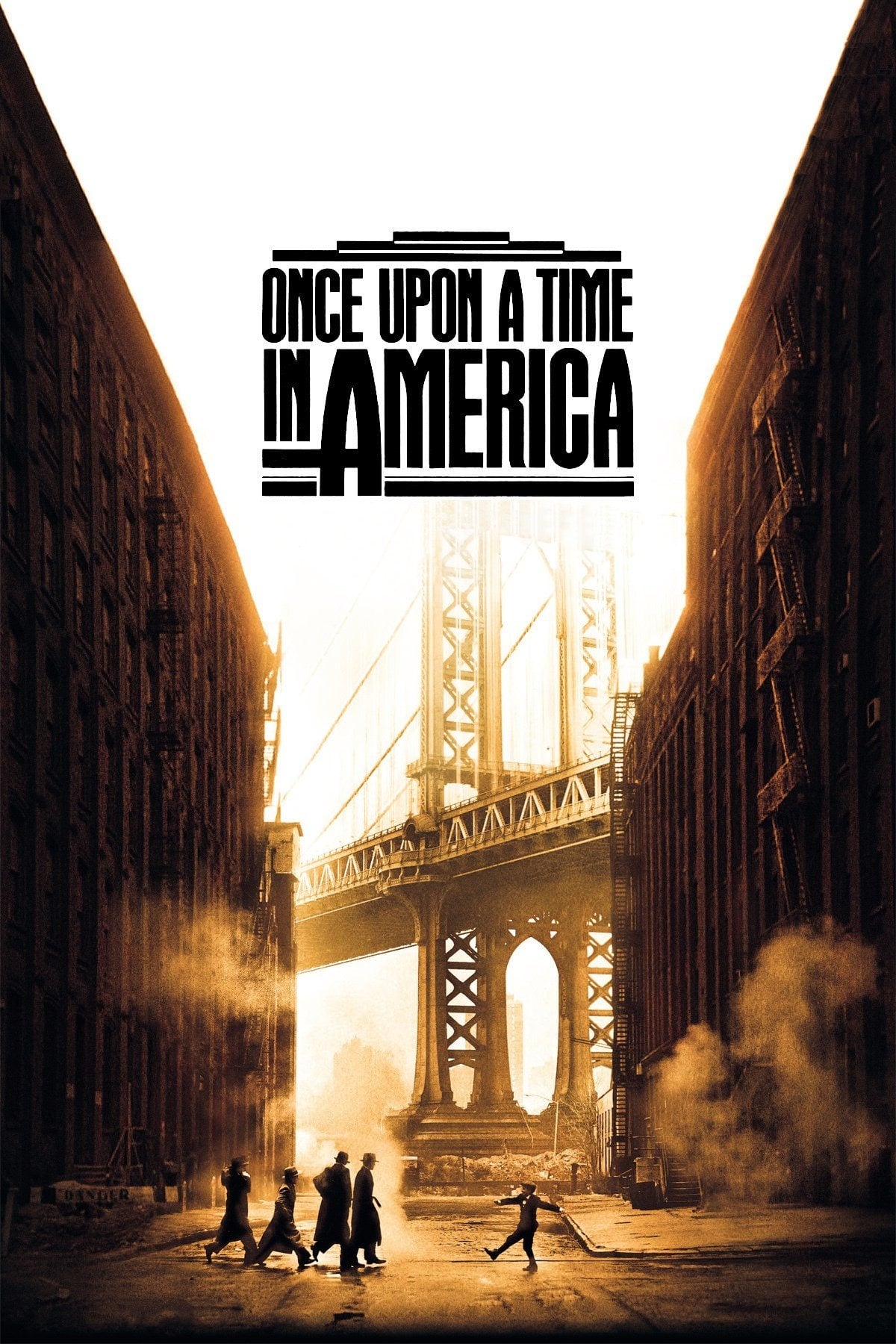
Sergio Leone’s gangster epic has a famously ambiguous ending in its original European cut. After a long and complex story of friendship, betrayal, and crime, the film ends with the main character, Noodles, in an opium den, smiling enigmatically at the camera.
The American theatrical version was drastically cut down and re-edited into chronological order, against the director’s wishes. This version had a more straightforward ending that removed much of the ambiguity and complexity of the original, leading to a very different viewing experience.
Orphan (2009)
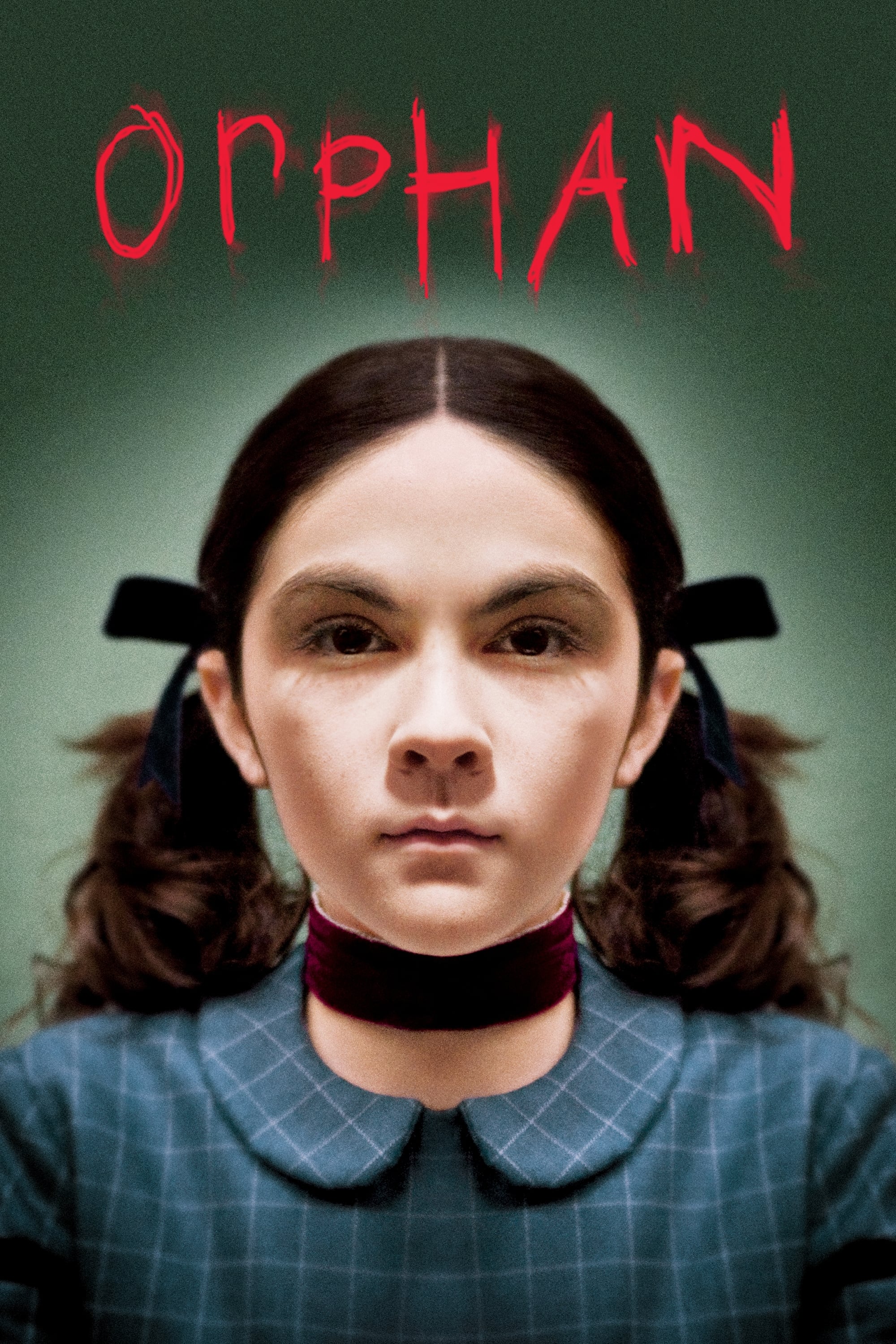
The horror film concludes with Kate, the adoptive mother, discovering that the “child” she adopted is actually a 33-year-old woman with a rare hormonal disorder. In the final struggle, Kate breaks the woman’s neck and lets her fall into a frozen pond.
An alternate ending offers a more chilling conclusion. In this version, the “child,” Esther, manages to escape the house after the fight. She reapplies her makeup to look like an innocent girl just as the police arrive, leaving her free to potentially victimize another family.
Paranormal Activity (2007)
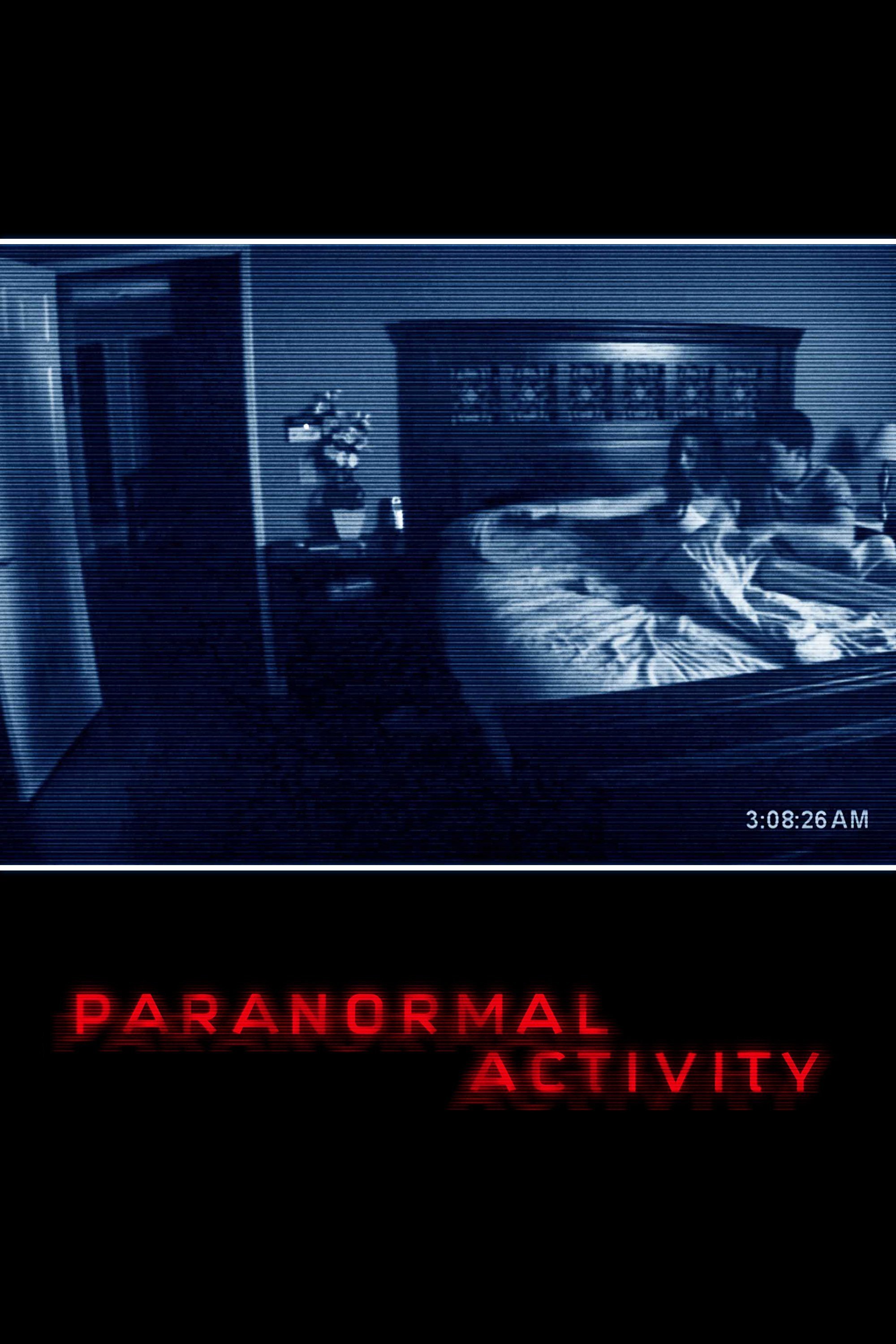
The original theatrical ending of this found-footage horror film sees a possessed Katie throw her boyfriend, Micah, at the camera before lunging at it herself. The screen then cuts to black, and a title card explains that Micah’s body was discovered by police and Katie’s whereabouts are unknown.
Several alternate endings exist. One of the most notable has Katie returning to the bedroom after killing Micah and slitting her own throat in front of the camera. Another ending, which was the original festival version, shows police arriving at the house and shooting Katie after she approaches them with a knife.
Pretty in Pink (1986)
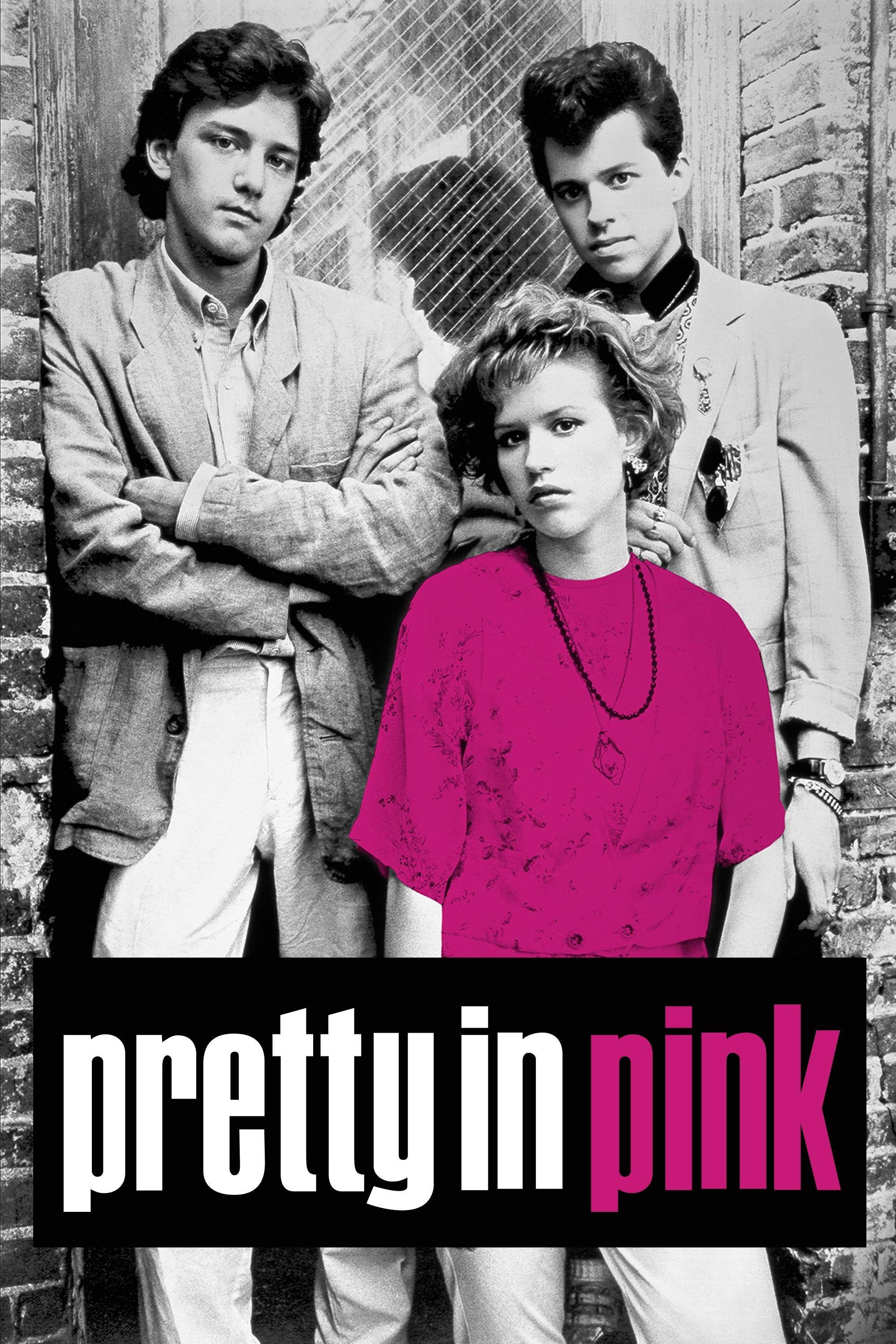
John Hughes’ classic teen film ends with Andie choosing the wealthy and popular Blane over her quirky best friend, Duckie. The two share a kiss in the parking lot after the prom, a classic romantic comedy ending.
The original ending had Andie ending up with Duckie. However, test audiences booed this conclusion, as they felt that Andie and Blane had more chemistry. This led to the reshooting of the ending to the one that was released in theaters.
Pretty Woman (1990)
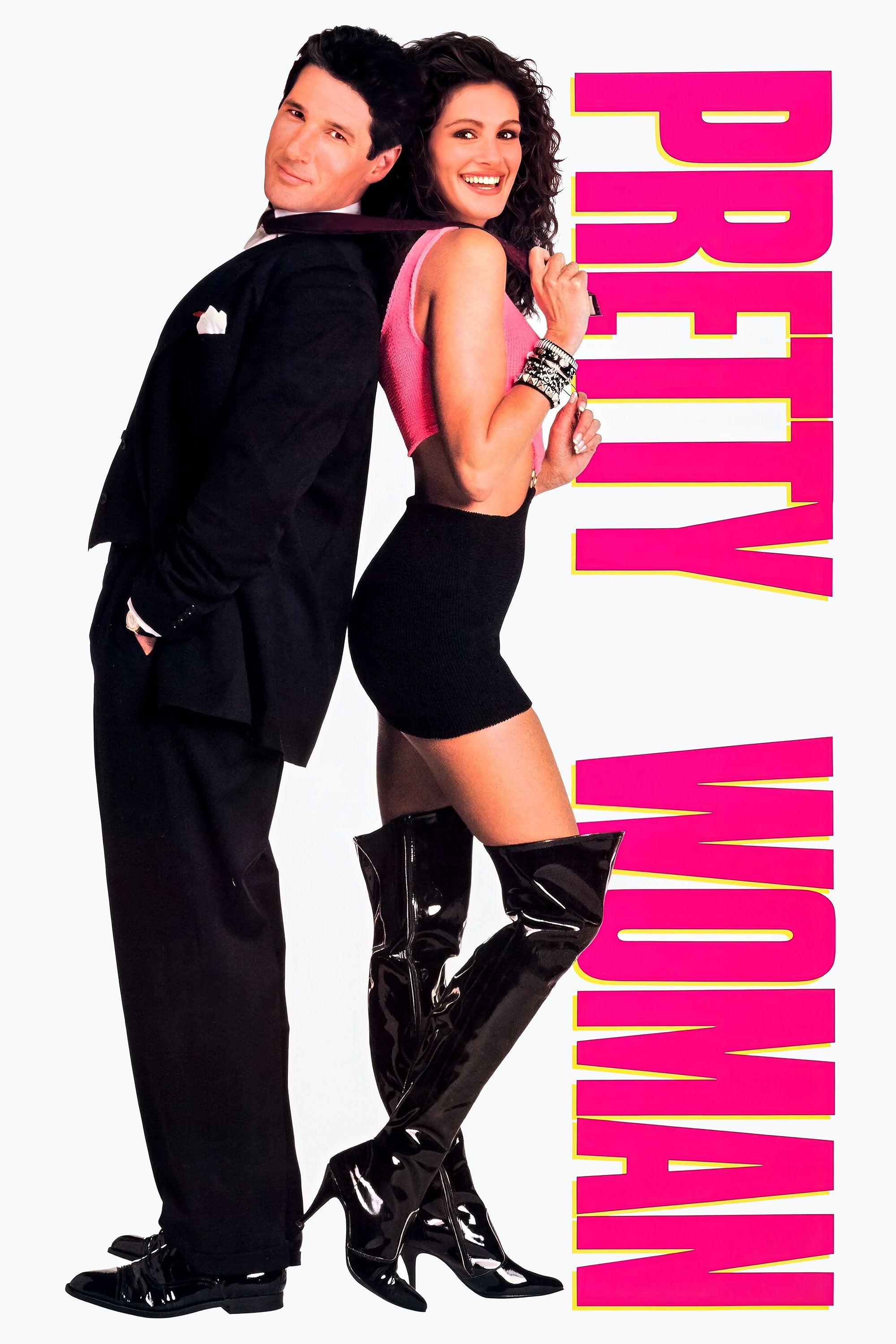
The beloved romantic comedy ends with Edward climbing the fire escape of Vivian’s apartment building with a rose in his mouth, mirroring the classic fairy tale trope of a knight rescuing a princess. The film concludes with them together, implying a happy future.
The original script, titled “3,000,” was a much darker and more realistic story about prostitution in Los Angeles. The original ending would have seen Edward and Vivian going their separate ways after their week together, with Vivian returning to her life on the streets.
Pride & Prejudice (2005)
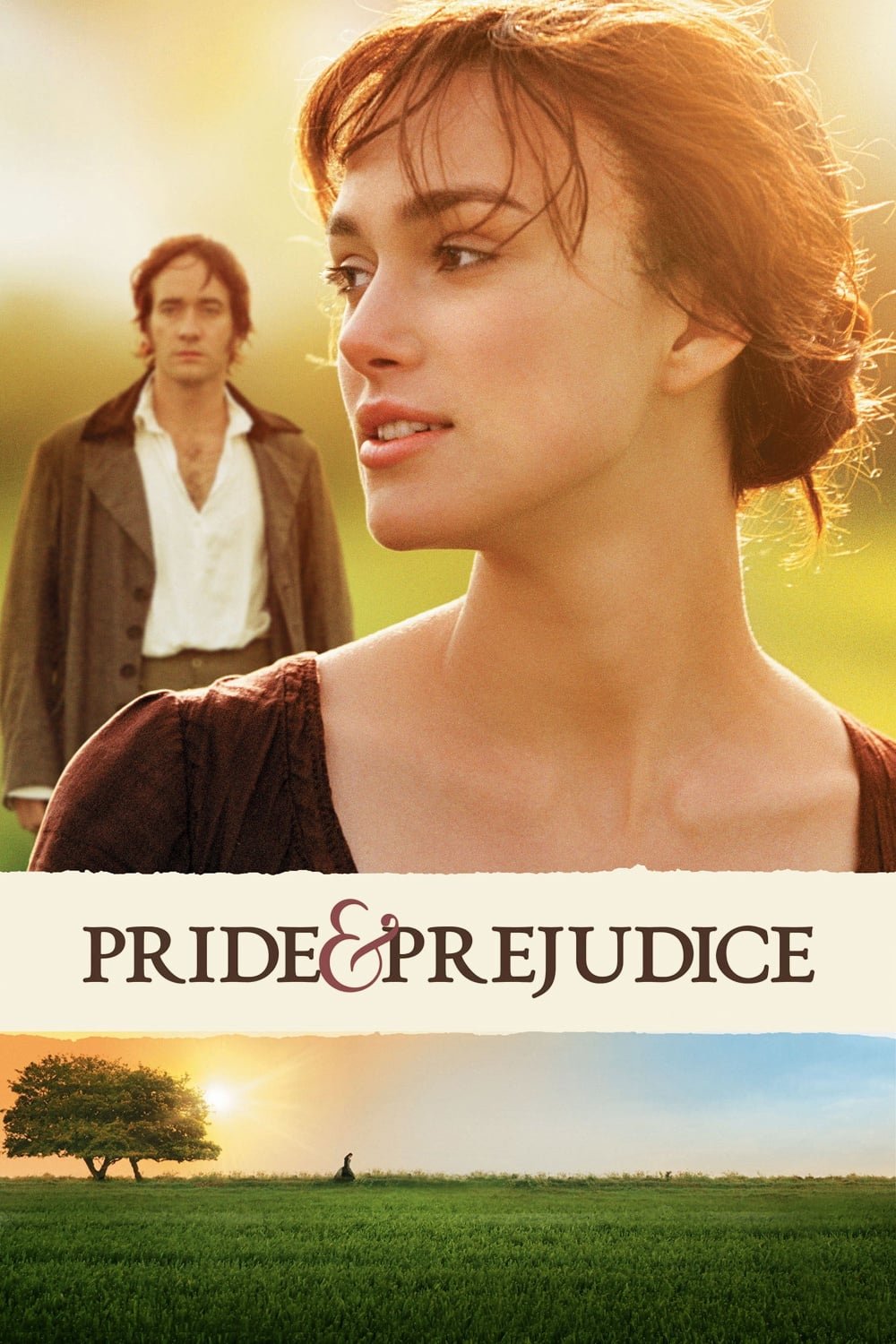
The UK version of this Jane Austen adaptation ends with Mr. Bennet giving his blessing to the marriage of his daughter, Elizabeth, to Mr. Darcy. It’s a sweet and satisfying conclusion to the story.
The American release features an additional scene after this. It shows Elizabeth and Darcy as a married couple, sharing a romantic and intimate moment at their home, Pemberley. This more overtly romantic ending was added to appeal to American audiences.
Star Wars: Return of the Jedi (1983)
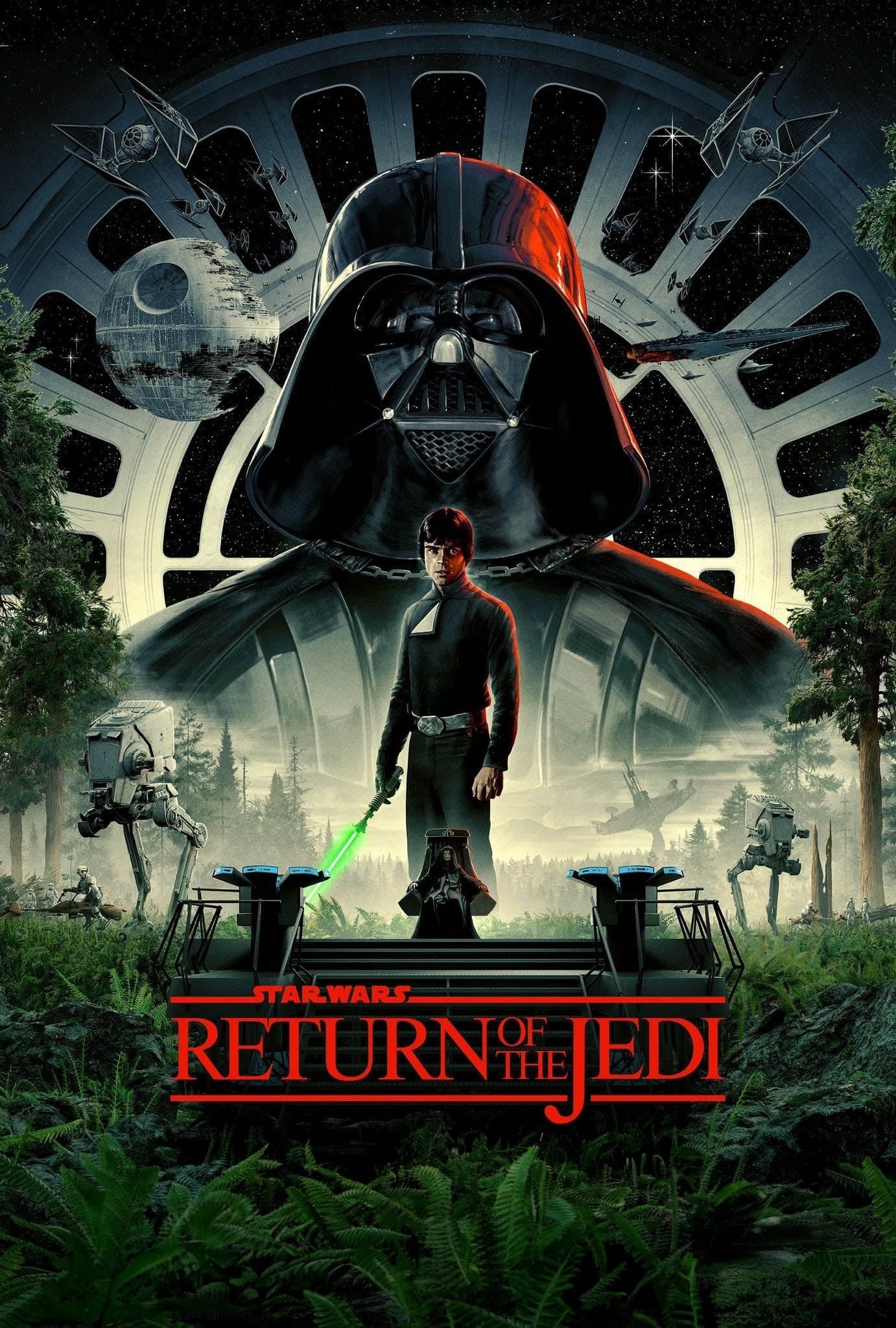
The final film in the original Star Wars trilogy ends with the celebration of the Rebel Alliance’s victory over the Empire on the forest moon of Endor. Luke Skywalker sees the Force ghosts of his father, Anakin, along with Yoda and Obi-Wan Kenobi, smiling at him.
An alternate ending was considered that would have been much darker. In this version, after defeating the Emperor and Darth Vader, Luke would have put on Vader’s helmet and declared, “Now I am Vader,” turning to the dark side and setting up a new trilogy with him as the villain.
Rocky (1976)
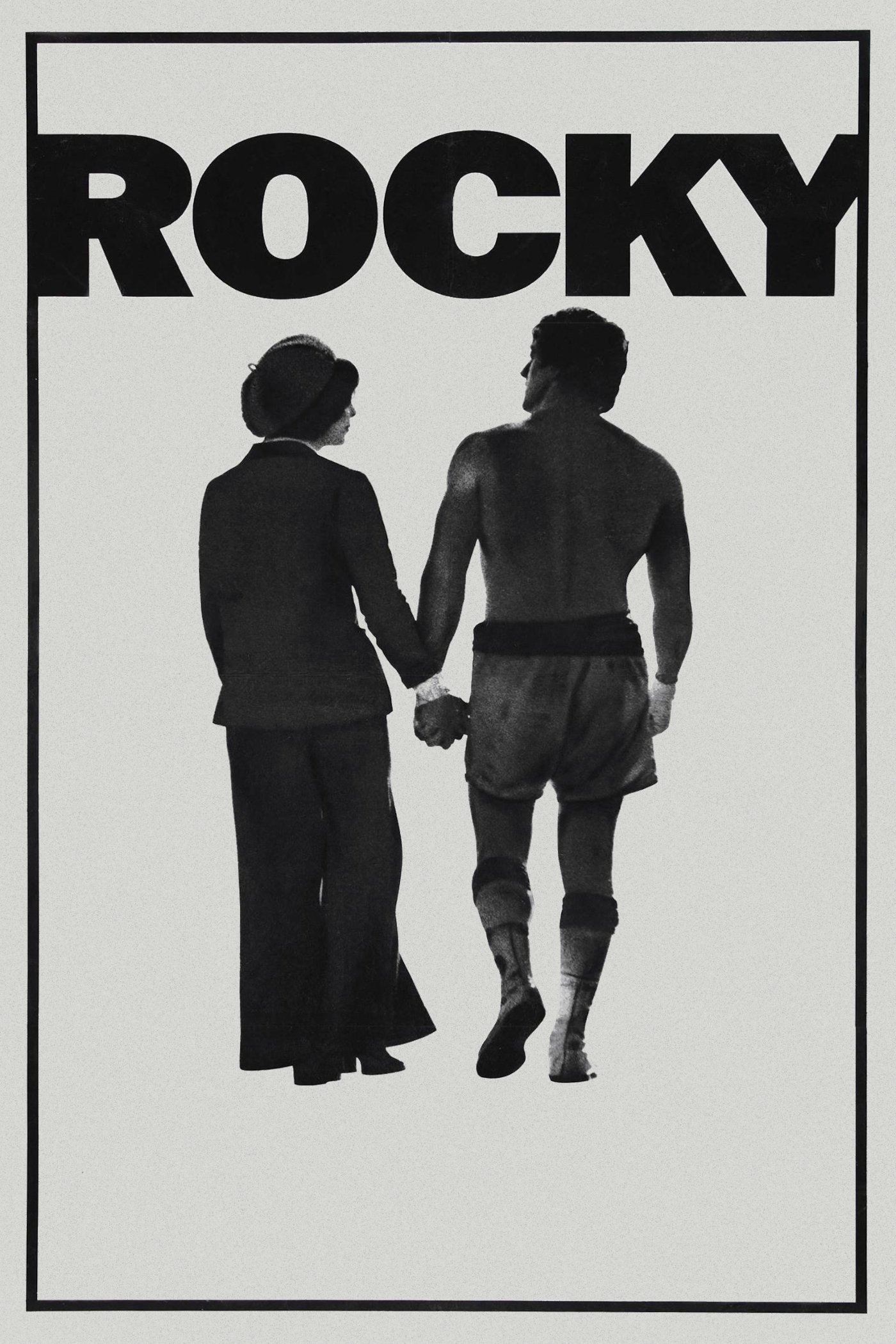
The iconic boxing film ends with Rocky Balboa losing the championship fight to Apollo Creed by a split decision. However, the outcome of the fight doesn’t matter to Rocky, as he has proven to himself that he can go the distance. He and his love interest, Adrian, embrace in the ring as the film ends.
An alternate ending was filmed that was much more low-key. In this version, after the fight, Rocky and Adrian walk away from the arena hand-in-hand, with a less triumphant and more intimate feel. The filmmakers decided that the in-ring celebration was a more powerful conclusion.
Ronin (1998)
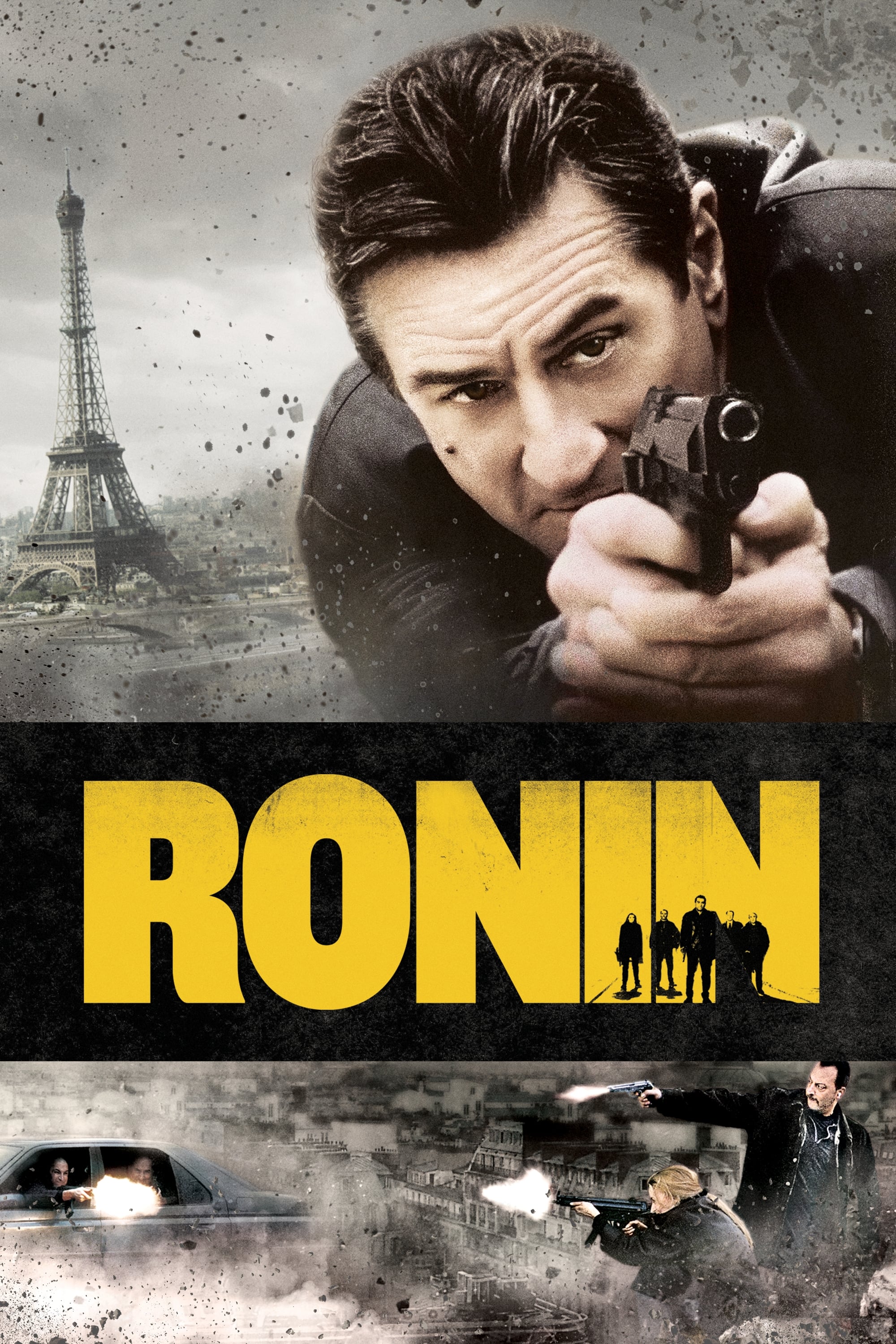
This action-thriller ends with the two main characters, Sam and Vincent, parting ways after successfully completing their mission. The final scene shows them in a cafe, with a radio broadcast announcing a peace agreement between the IRA and the British government, suggesting that their actions had a positive impact.
An alternate ending would have revealed the fate of another character, Deirdre. In this version, as Sam is leaving the cafe, he would have seen Deirdre being forced into a car by IRA members, implying that she was being taken away to be punished for her actions.
Salt (2010)
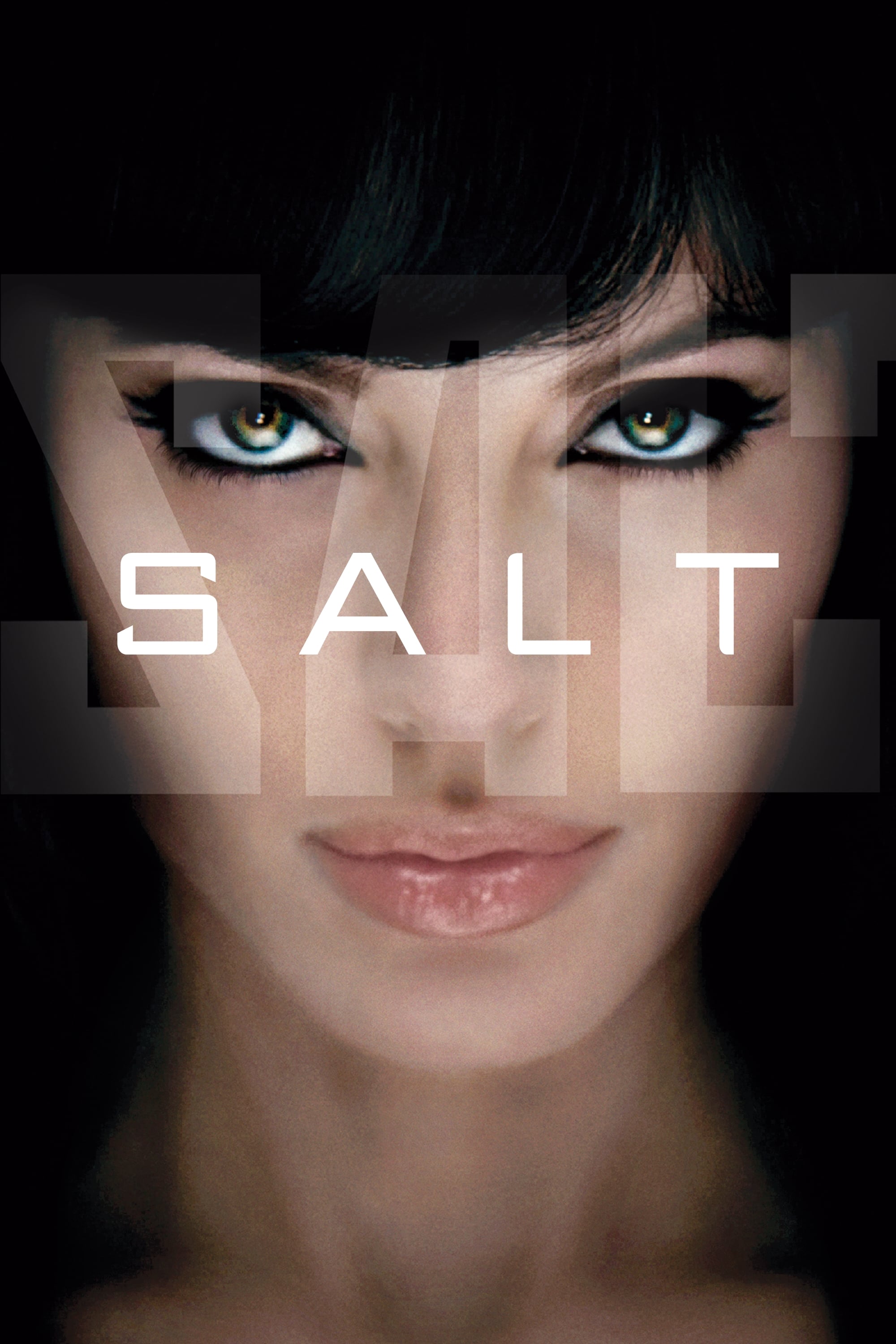
The theatrical cut of this spy thriller ends with Evelyn Salt being allowed to escape by a CIA agent after she proves her loyalty by killing the main villain. The film concludes with her on the run, setting up a potential sequel where she hunts down other sleeper agents.
The director’s cut has a different conclusion. In this version, a news report reveals that the new President of the United States is also a Russian sleeper agent. This ending provides a more definite direction for a sequel and raises the stakes of Salt’s mission.
Scott Pilgrim vs. the World (2010)
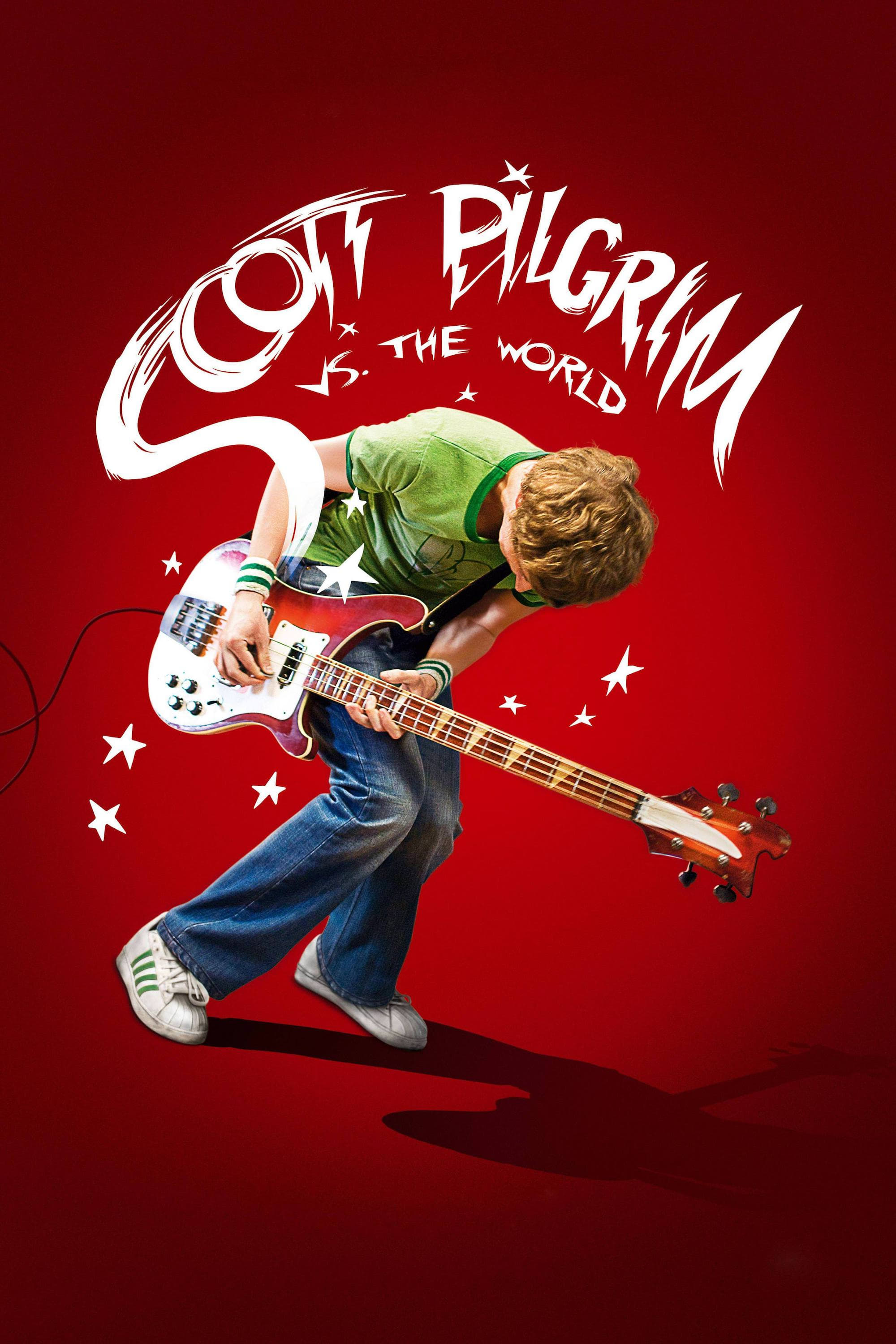
The final version of this action-comedy sees Scott Pilgrim defeat Ramona Flowers’ evil exes and ultimately choose to be with her. They walk off together into an uncertain future, having both grown as individuals.
An alternate ending was filmed where Scott ends up with his high school admirer, Knives Chau. In this version, after defeating the final ex, Ramona leaves, and Scott and Knives are shown playing a video game together, with the implication that they are now a couple.
Se7en (1995)
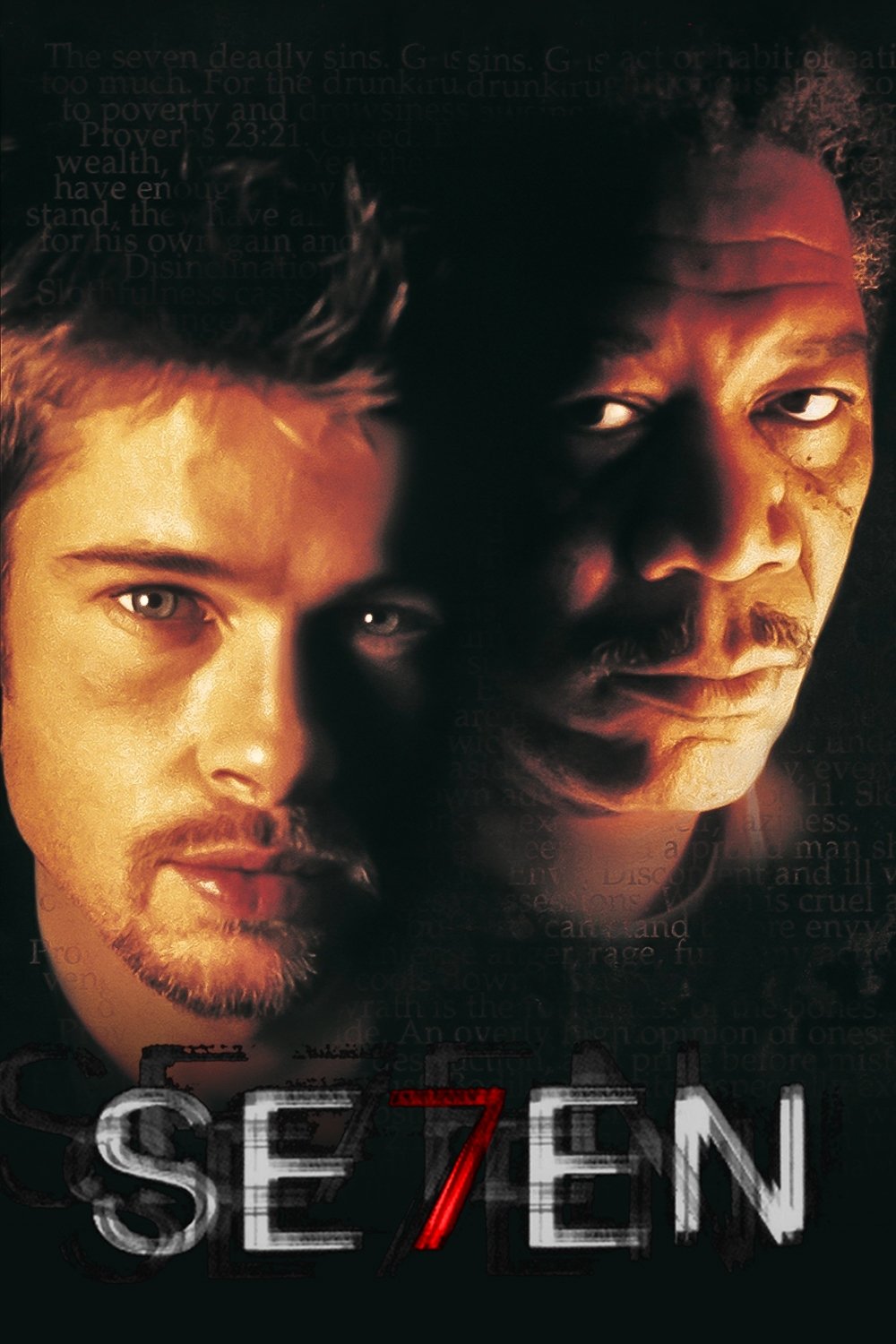
The chilling ending of this crime thriller is one of the most famous in modern cinema. After discovering that the killer, John Doe, has murdered his wife, Detective Mills gives in to his rage and shoots him, becoming the final victim in Doe’s deadly sin-themed murders.
Several alternate endings were considered. One version had Detective Somerset preventing Mills from shooting John Doe. Another idea that was storyboarded but never filmed had Somerset being the one to kill John Doe to spare Mills from doing so.
The Shining (1980)
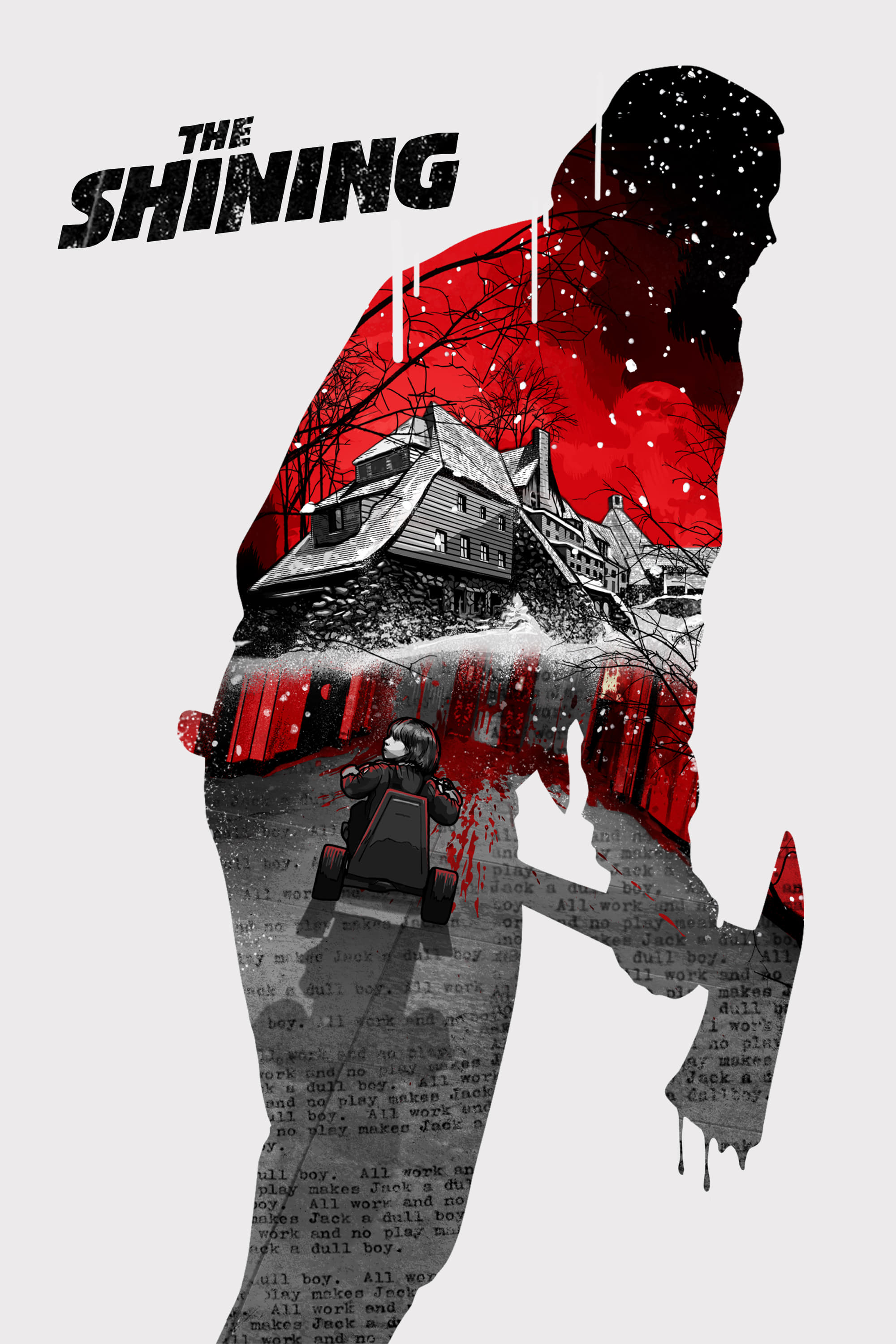
Stanley Kubrick’s horror masterpiece ends with Jack Torrance frozen to death in the hotel’s hedge maze and a final shot of a 1921 photograph in the hotel that includes Jack, suggesting he has always been a part of the Overlook.
A scene was originally included at the end of the film that was later cut by Kubrick. This scene took place in a hospital and featured the hotel manager visiting Wendy and Danny. He tells them that nothing unusual was found at the hotel, leaving the audience to question Wendy’s sanity.
The Sound of Music (1965)
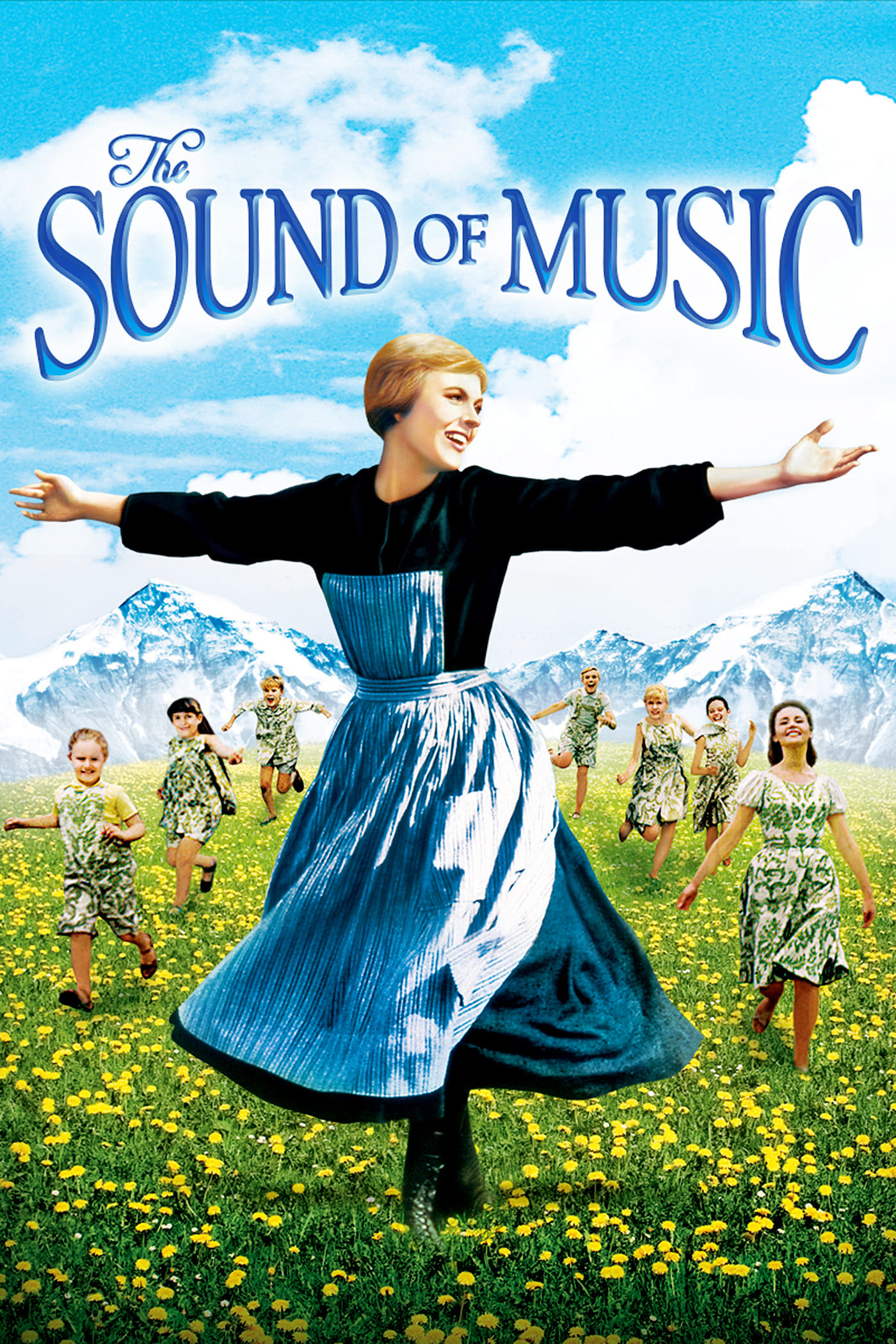
The classic musical ends with the von Trapp family escaping from the Nazis by hiking over the mountains into Switzerland. This triumphant and hopeful ending has become iconic.
For the film’s release in Germany, the ending was changed. The German version cut the entire Nazi subplot and the family’s escape, ending instead with Maria’s wedding to Captain von Trapp. This was done to remove the uncomfortable historical elements for the German audience at the time.
Return of the Jedi (1983)
The conclusion of the original trilogy sees the Rebel Alliance celebrating their victory over the Galactic Empire. On the forest moon of Endor, Luke Skywalker sees the Force ghosts of Obi-Wan Kenobi, Yoda, and his redeemed father, Anakin Skywalker.
A darker alternate ending was conceived during the film’s development. In this version, after defeating the Emperor, Luke would have taken his father’s place at the head of the Empire, turning to the dark side. This idea was ultimately abandoned in favor of a more heroic and hopeful conclusion for the saga’s main protagonist.
Terminator 2: Judgment Day (1991)
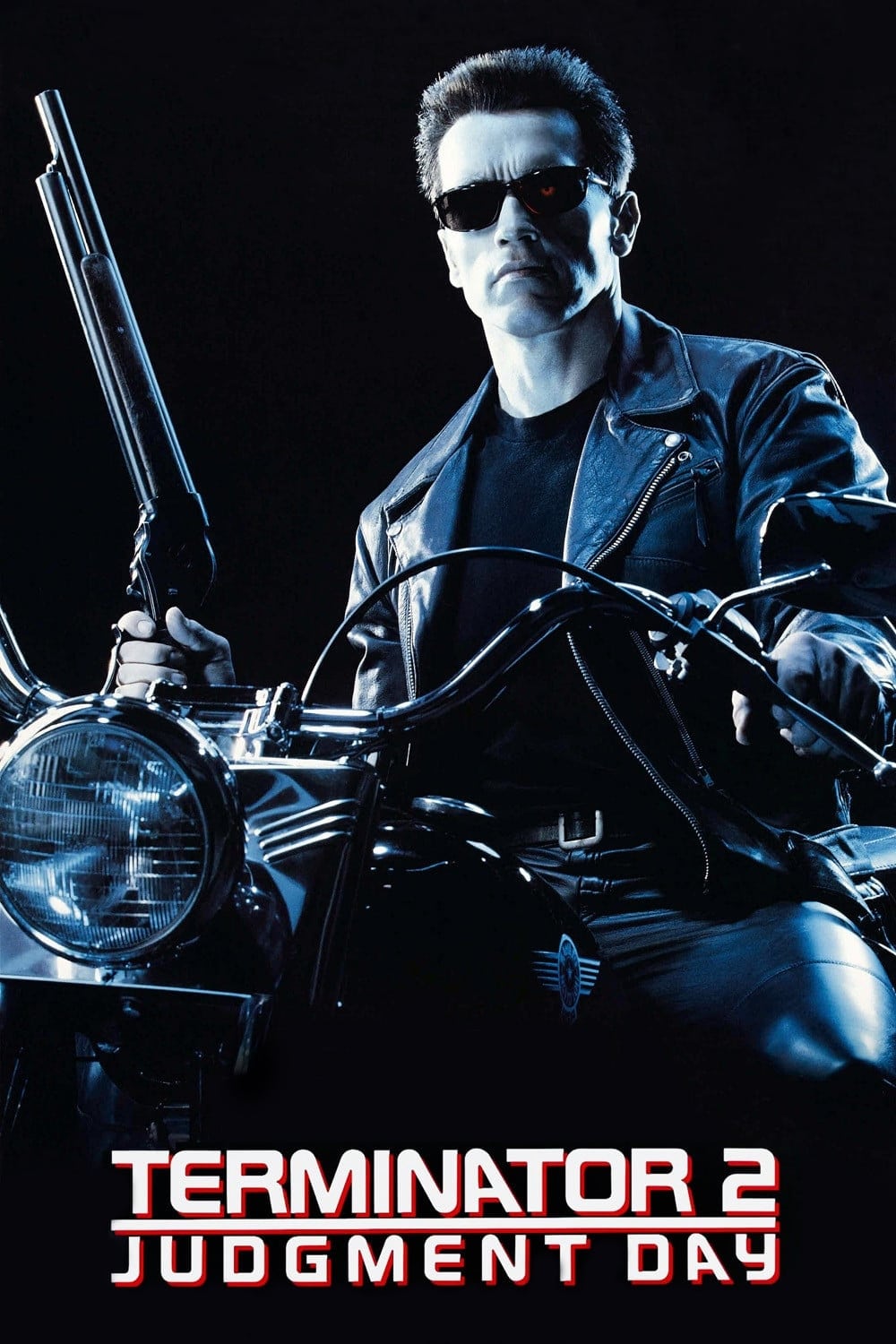
The theatrical cut of this sci-fi action classic ends with Sarah Connor and her son, John, on a dark highway, with Sarah’s voiceover reflecting on the uncertain future. The T-800 has been destroyed, and Judgment Day has been averted, but the future is still unwritten.
An alternate ending provided a much more definitive and happy conclusion. It flashes forward to the year 2029 and shows an elderly Sarah Connor watching her son, now a U.S. Senator, playing with his daughter in a park. This ending confirmed that there was no war and that humanity was safe.
Titanic (1997)
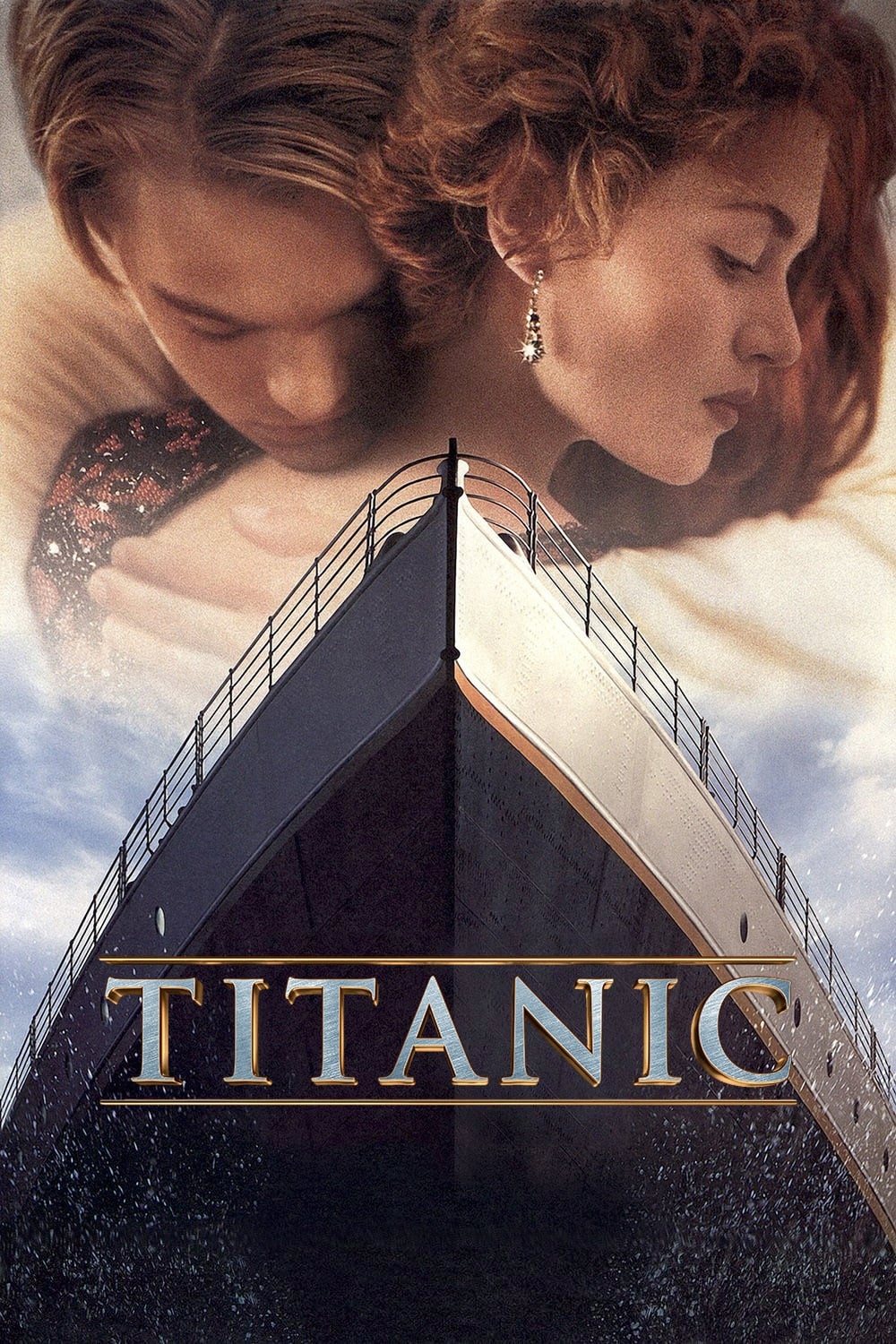
The film ends with an elderly Rose returning the “Heart of the Ocean” diamond to the sea before passing away peacefully in her sleep to reunite with Jack and the other passengers in the afterlife.
An alternate ending features the treasure hunters discovering Rose on the deck as she is about to throw the diamond overboard. She lets them hold it for a moment before tossing it into the ocean, telling them that the real treasure is life itself.
Unfriended: Dark Web (2018)
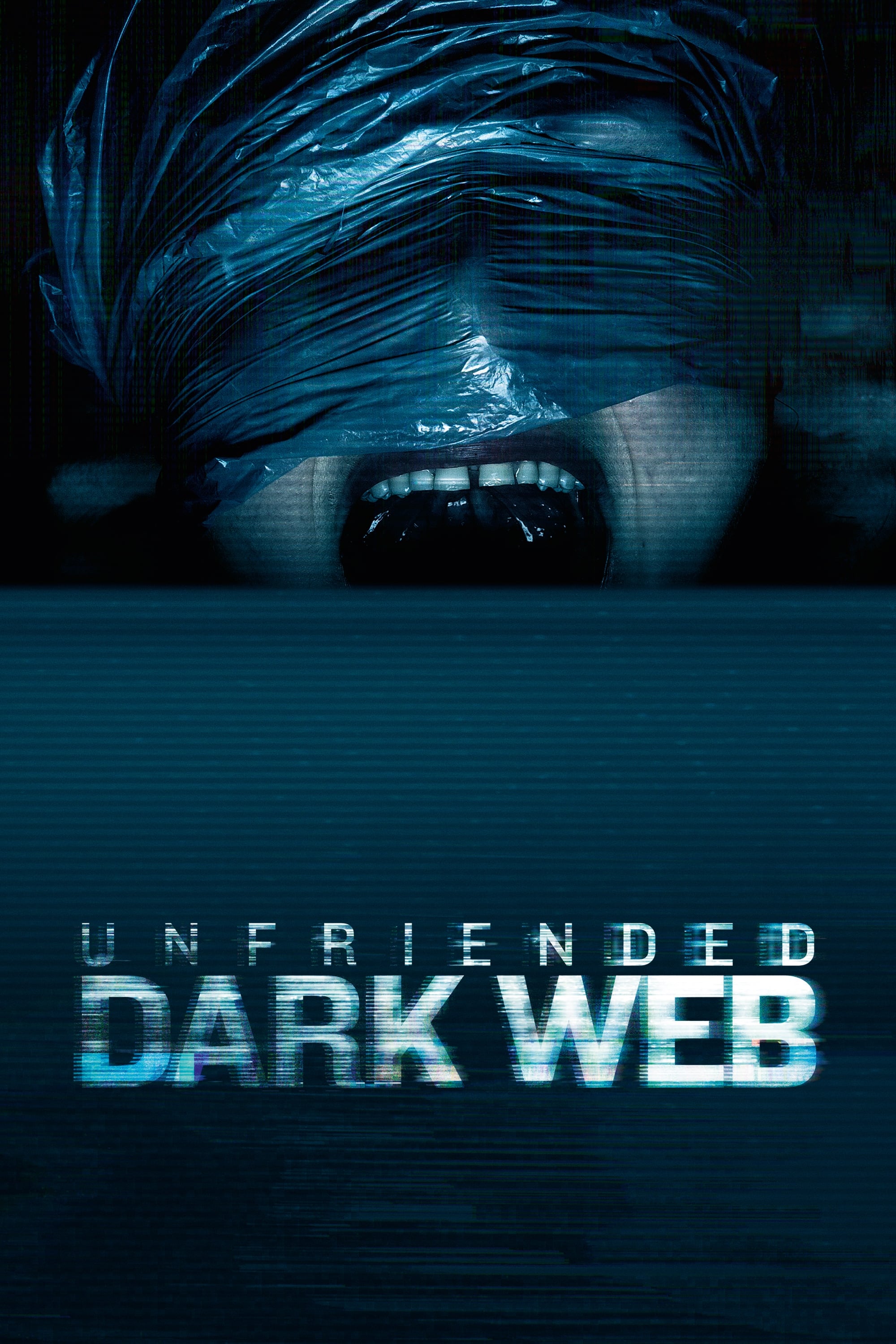
This horror film, which takes place entirely on a computer screen, had two different endings that were shown in theaters. In the first ending, the main character, Matias, is run over by a van, and his death is orchestrated by the dark web group known as “The Circle.”
In the second ending, Matias is buried alive in a coffin by The Circle. He tries to communicate with his deaf girlfriend, but his attempts are futile. The audience is left with the grim reality of his fate, making for a much more claustrophobic and terrifying conclusion.
Wayne’s World (1992)
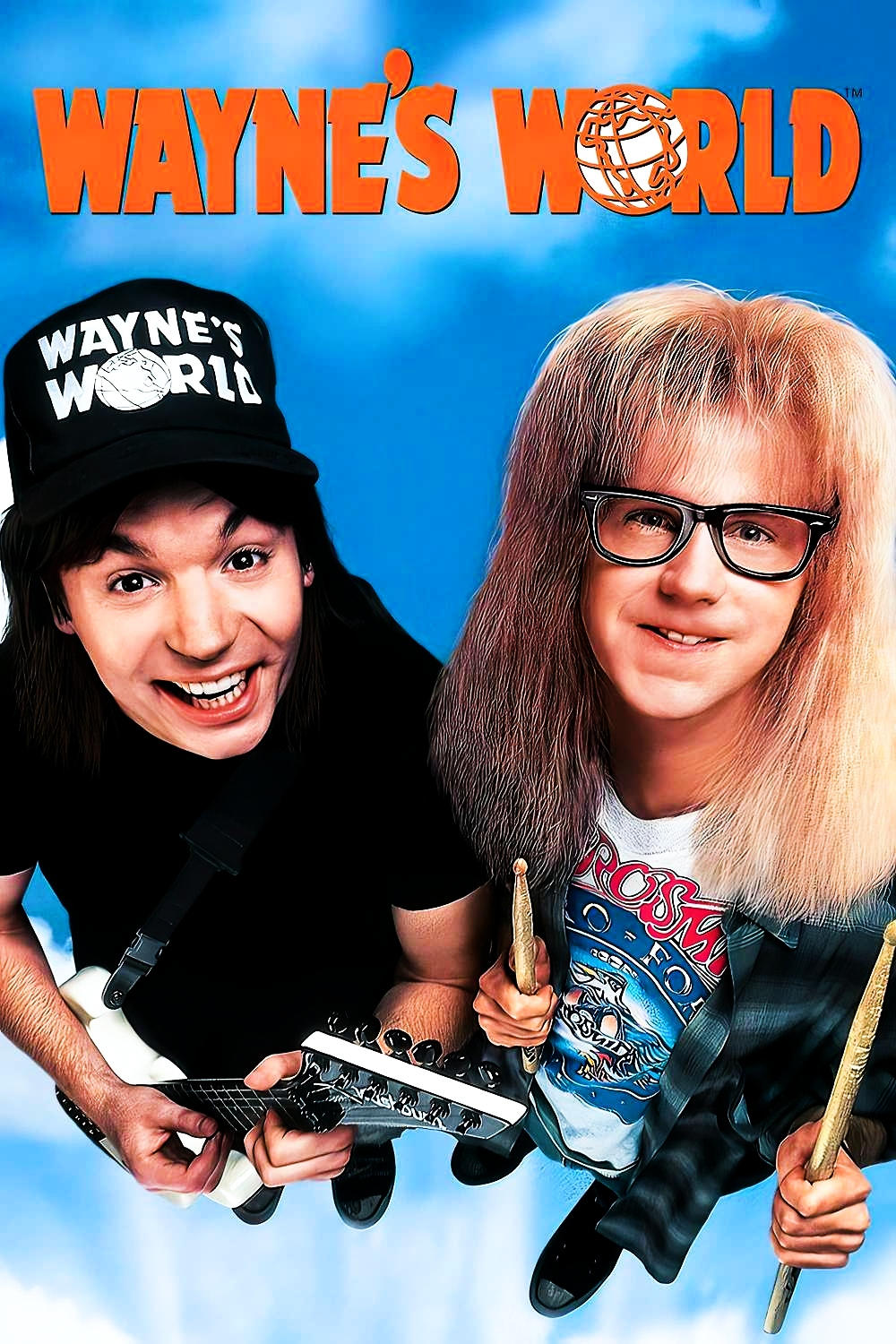
This comedy famously breaks the fourth wall to present three different endings. The first is a “sad ending” where Wayne’s girlfriend leaves him, his show is taken over by a corporate sponsor, and his house burns down.
The second is the “Scooby-Doo ending,” where the villain is revealed to be a completely different character in a mask. The final, “mega happy ending,” is the one that is presented as the true conclusion, where Wayne gets the girl, saves his show, and gets a record deal.