Actors Who Took Huge Pay Cuts for a Role


Many people think top actors always get huge paychecks for their movies. While they often do, sometimes they choose to take a big pay cut. This might seem strange, but there are many reasons why an actor would take less money. They might really believe in a project and want to see it get made, even if the budget is small. Taking a lower salary can help a movie with a limited budget afford other costs.
Sometimes, an actor will take a pay cut so that another famous actor can be hired for a role. This can make the movie better and more successful in the end. Other times, actors agree to a smaller upfront salary in exchange for a percentage of the movie’s profits. This is a risk, but if the movie becomes a big hit, they can end up making much more money than their original salary. In all these cases, the actors are making a choice to support the films they are passionate about.
Keanu Reeves – The Devil’s Advocate (1997) & The Replacements (2000)
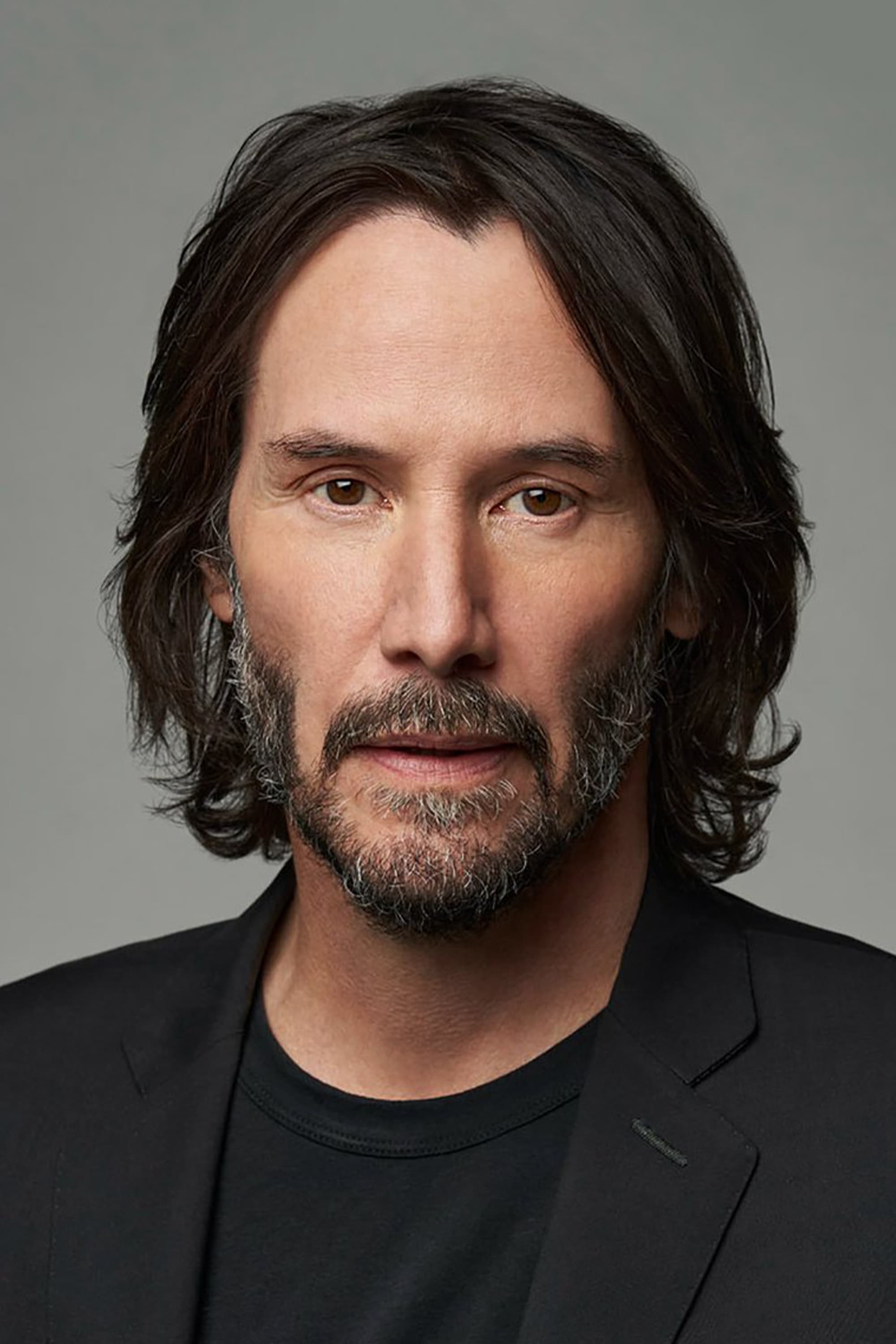
Keanu Reeves is known for his generosity, and he has taken pay cuts on more than one occasion to help a film’s production. For the 1997 thriller The Devil’s Advocate, Reeves agreed to a smaller salary so that the studio could afford to hire Al Pacino. Reeves was excited to work with the legendary actor and was willing to give up some of his own pay to make it happen.
He did something similar for the 2000 football comedy The Replacements. In this case, he took a pay cut to allow the production to bring on another legendary actor, Gene Hackman. For Reeves, the opportunity to work with talented actors he admired was more important than a larger paycheck, showing his dedication to the craft of filmmaking.
Jonah Hill – The Wolf of Wall Street (2013)
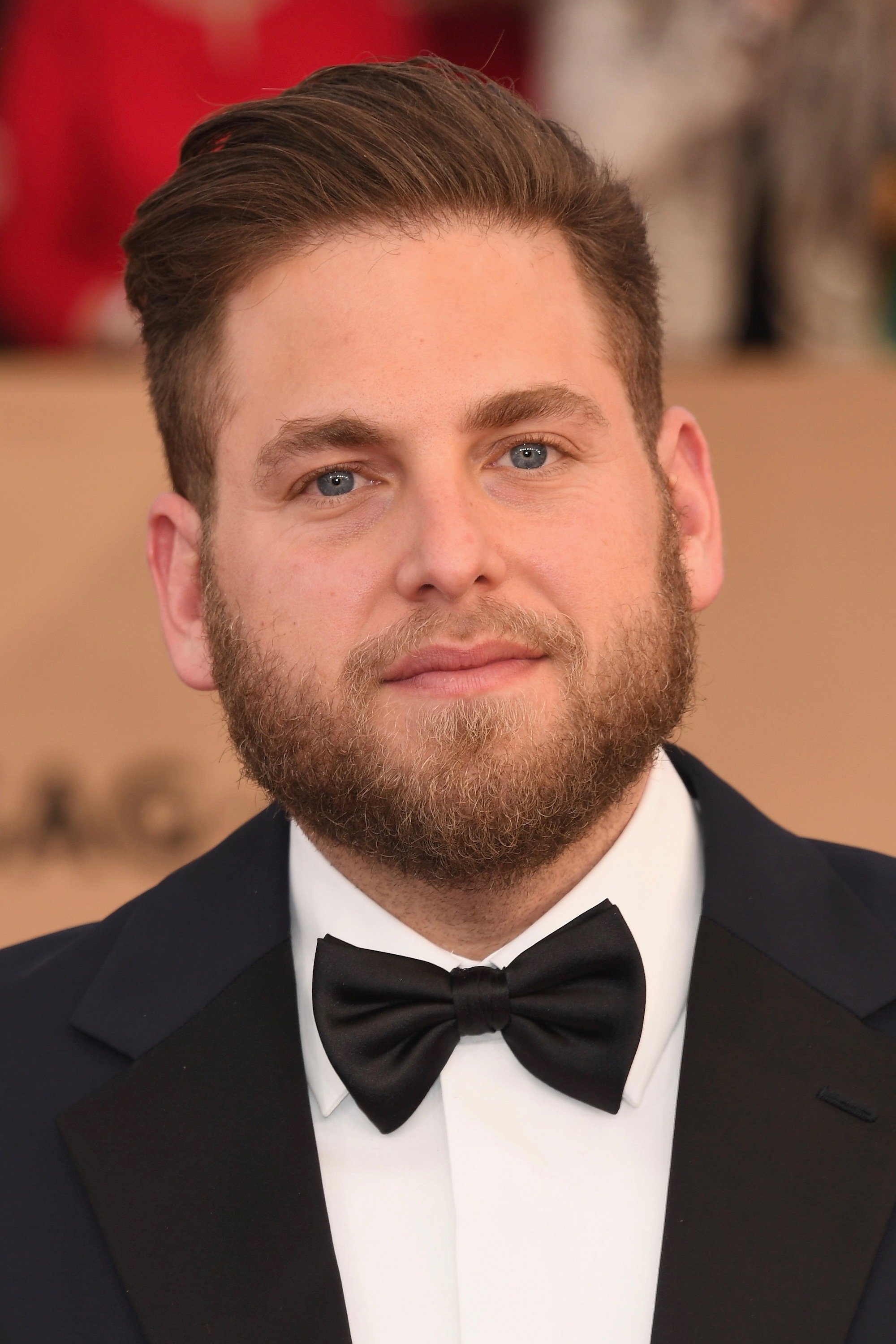
Jonah Hill was so determined to work with director Martin Scorsese that he accepted the lowest possible salary allowed by the Screen Actors Guild for his role in The Wolf of Wall Street. He was paid $60,000 for his work on the film, while his co-star Leonardo DiCaprio earned millions. Hill said in interviews that he would have done anything to be in the movie.
His decision paid off in a big way. The role of Donnie Azoff earned him an Academy Award nomination for Best Supporting Actor and became one of the most memorable performances of his career. Taking a huge pay cut gave him the chance to work with one of his heroes and led to one of his most acclaimed roles.
Ryan Reynolds – Deadpool (2016)
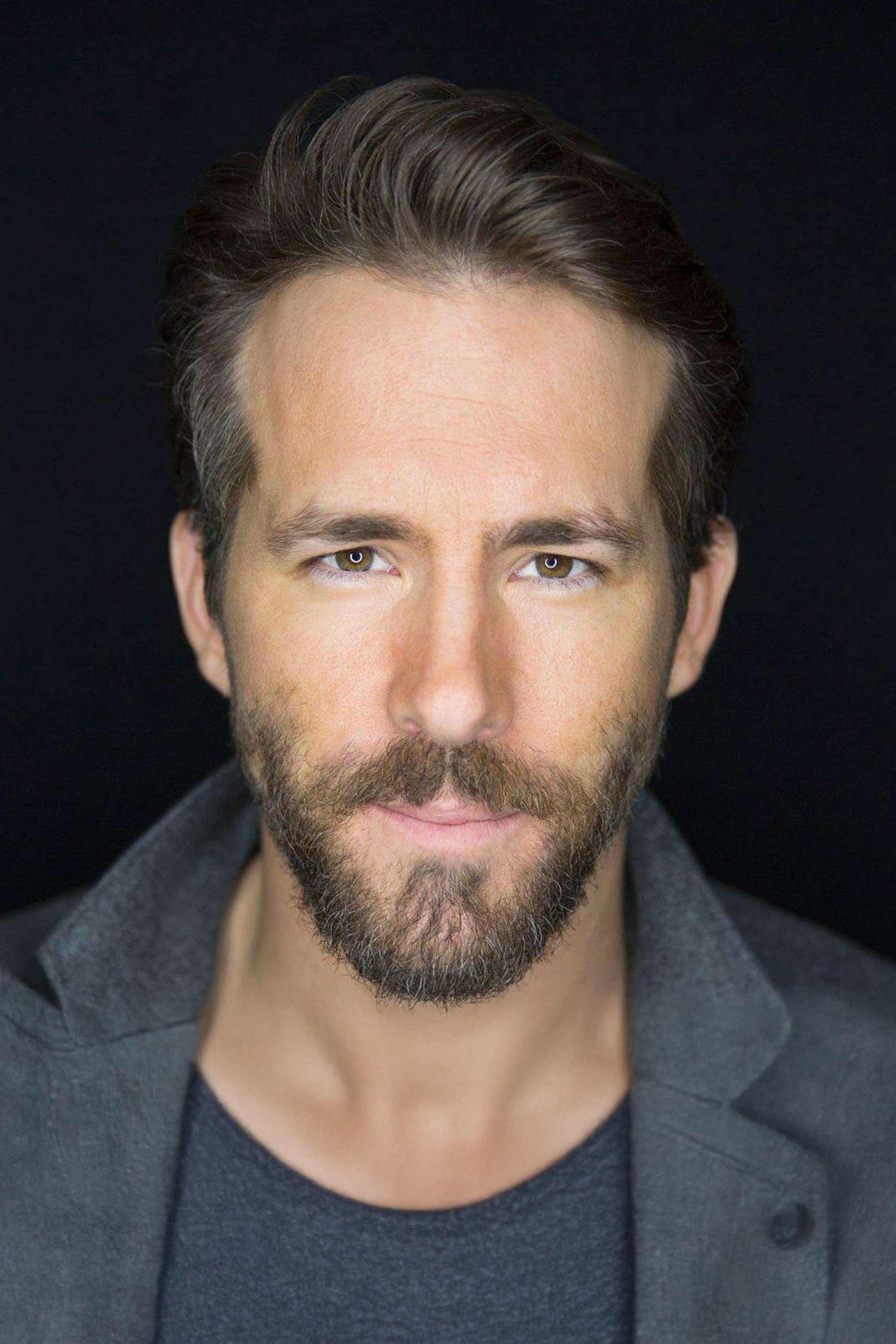
The journey to get the movie Deadpool made was a long one, and star Ryan Reynolds was its biggest champion. The project was a passion for him, and he was determined to see it through, even if it meant taking a smaller paycheck. He reportedly took a significant pay cut from his usual salary to get the film greenlit.
Reynolds’ belief in the project was rewarded when Deadpool became a massive box office success. Because he had a deal for a percentage of the film’s profits, he ended up making a large amount of money from its success. Beyond the financial rewards, the film was a huge critical and commercial hit, solidifying Reynolds’ status as a top star.
George Clooney – Good Night, and Good Luck (2005)
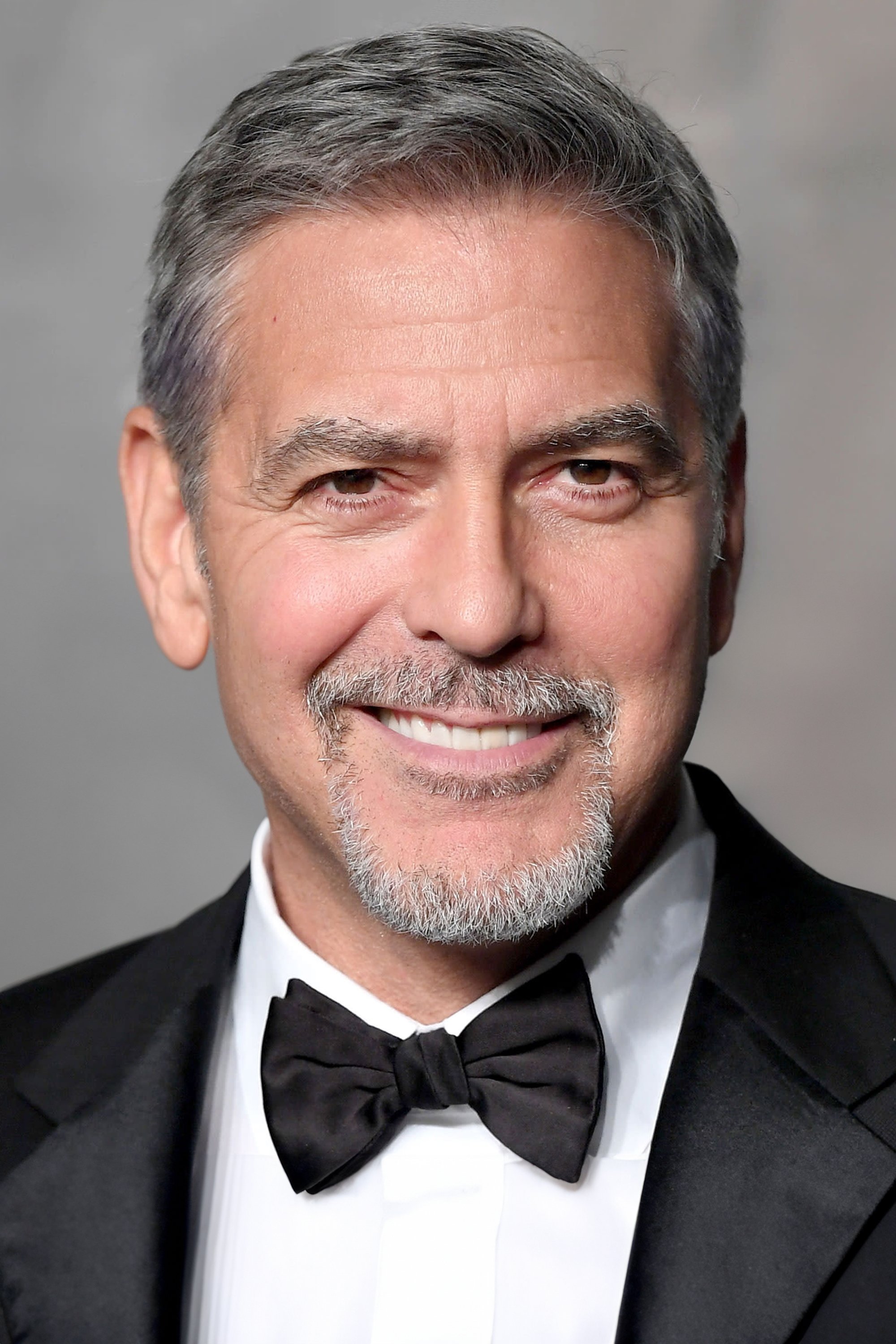
George Clooney took on multiple roles for the 2005 film Good Night, and Good Luck, serving as director, co-writer, and actor. Because it was a passion project for him with a small budget, he took a very small upfront salary of just $120,000 for all of his work on the movie. He wanted to ensure the film could be made without financial compromises.
His gamble paid off. Good Night, and Good Luck was a critical success, earning six Academy Award nominations, including Best Director and Best Original Screenplay for Clooney. By taking a small salary, he was able to make the film he wanted to make, and it became one of the most acclaimed projects of his career.
Tom Hanks – Forrest Gump (1994)
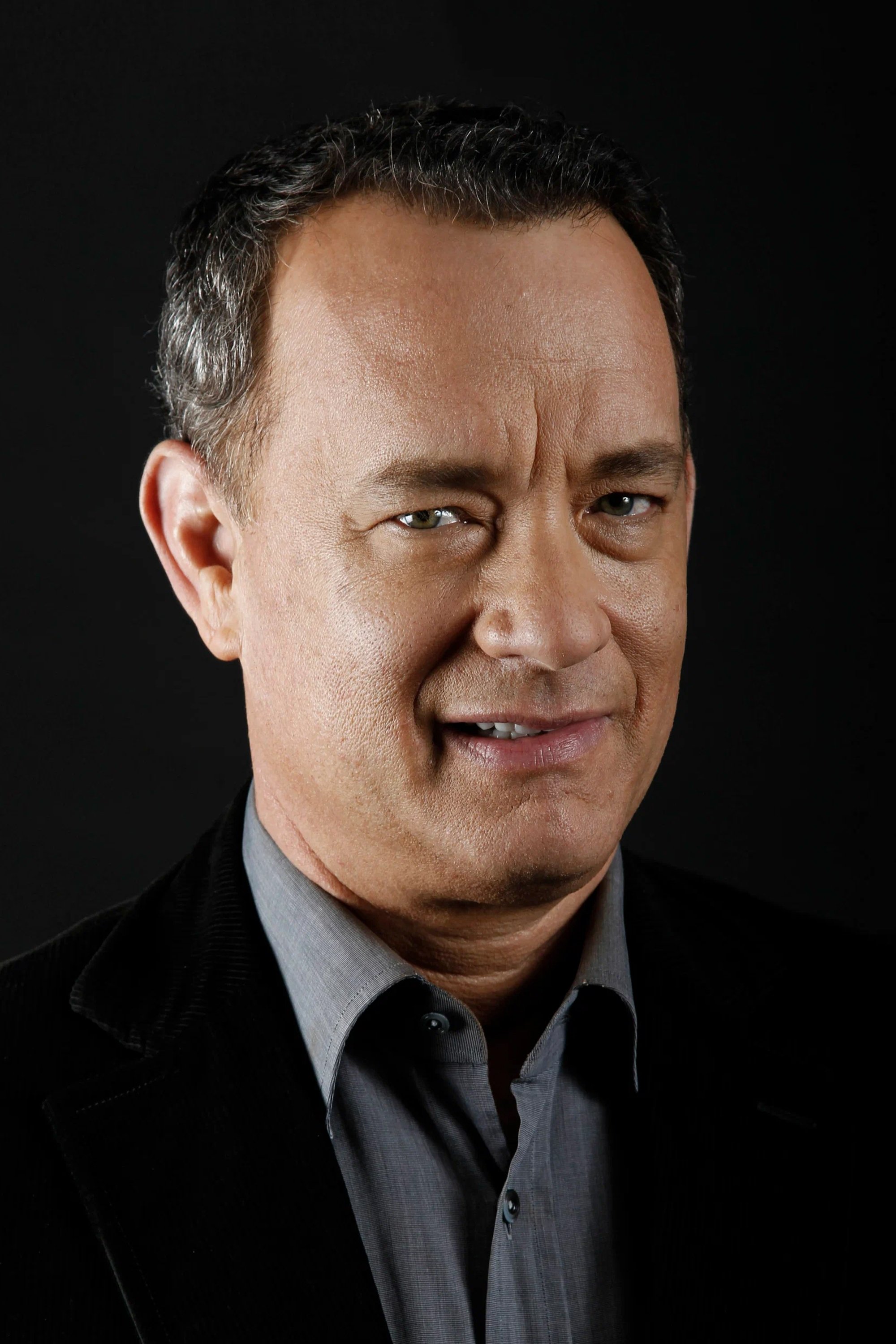
For the iconic film Forrest Gump, Tom Hanks made a deal that was a big risk but had a huge reward. Instead of taking his usual large salary, he agreed to take a smaller upfront payment in exchange for a percentage of the film’s profits. At the time, no one knew if the movie would be a success.
The film went on to become a cultural phenomenon and a massive box office hit. Because of his profit-sharing deal, Hanks earned a very large sum of money from the movie’s success. This smart but risky move not only paid off financially but also earned him his second consecutive Academy Award for Best Actor.
Jim Carrey – Yes Man (2008)
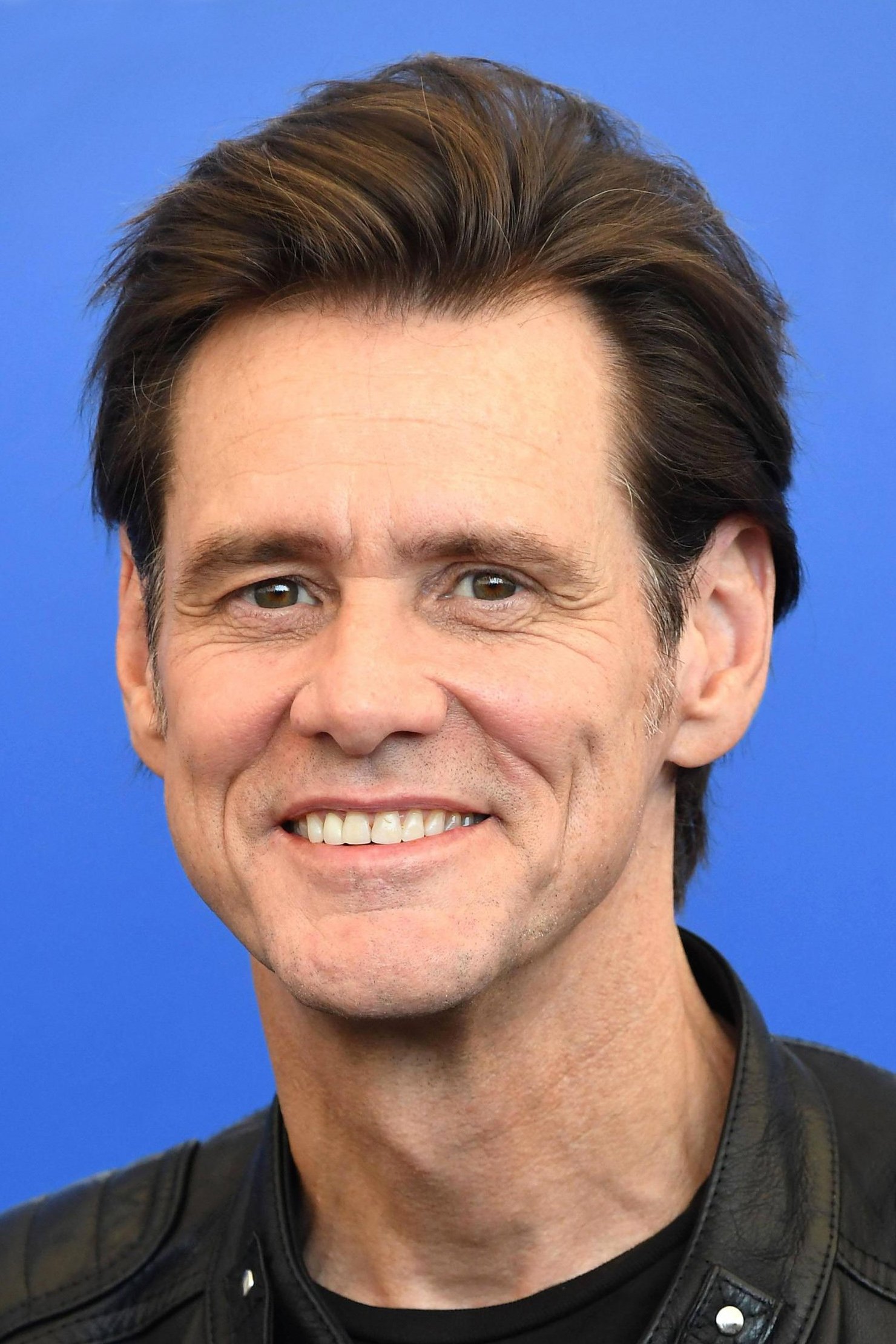
For the 2008 comedy Yes Man, Jim Carrey decided to forgo an upfront salary altogether. Instead, he made a deal for a percentage of the film’s profits. This was a big risk, as his pay depended entirely on how well the movie performed at the box office.
The movie was a hit with audiences, and Carrey’s gamble paid off handsomely. He ended up earning a substantial amount from his back-end deal. By betting on himself and the film’s appeal, Carrey secured a significant payday and another successful comedy on his resume.
The Cast of Friends (1994-2004)
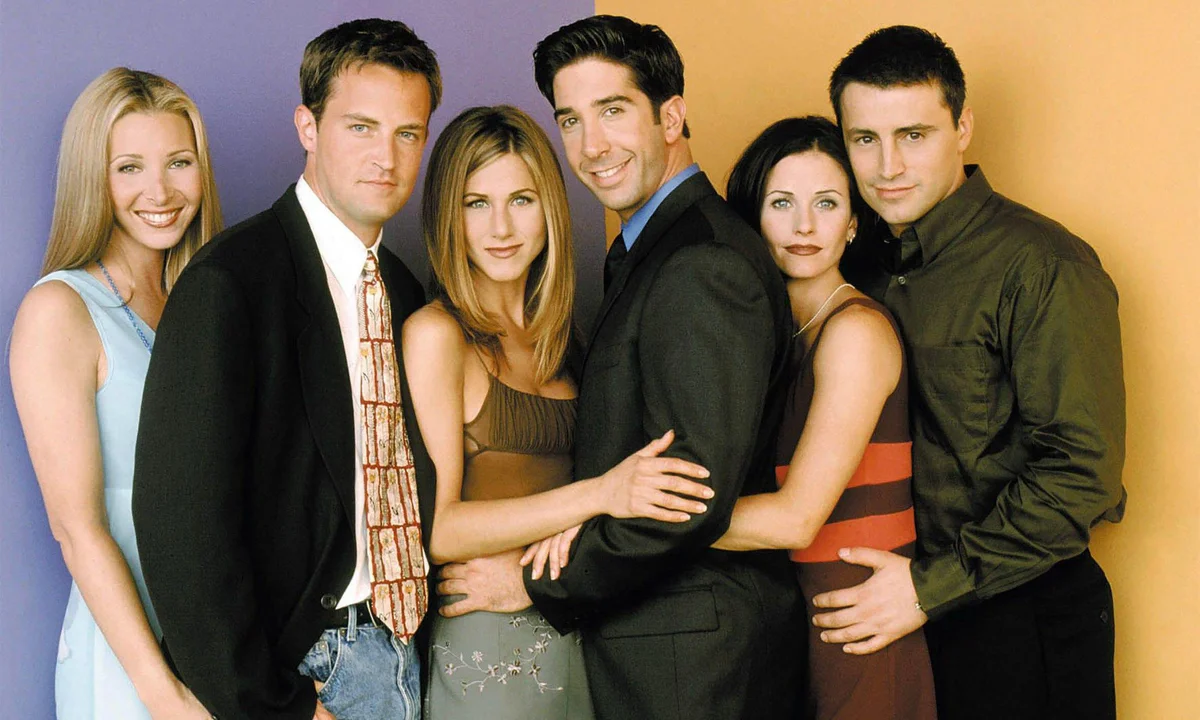
In the early seasons of the hit sitcom Friends, the six main cast members were paid different salaries. However, as the show’s popularity grew, they decided to negotiate together. For the third season, the cast, including Jennifer Aniston and David Schwimmer who were earning more, collectively bargained for equal pay. This meant Aniston and Schwimmer took a pay cut to match their co-stars’ salaries.
Their unity became a famous example of cast solidarity in Hollywood. For the final two seasons, their collective negotiations resulted in each of the six main actors earning $1 million per episode. This move not only made them some of the highest-paid television actors at the time but also showed their commitment to each other as a team.
Chadwick Boseman – 21 Bridges (2019)
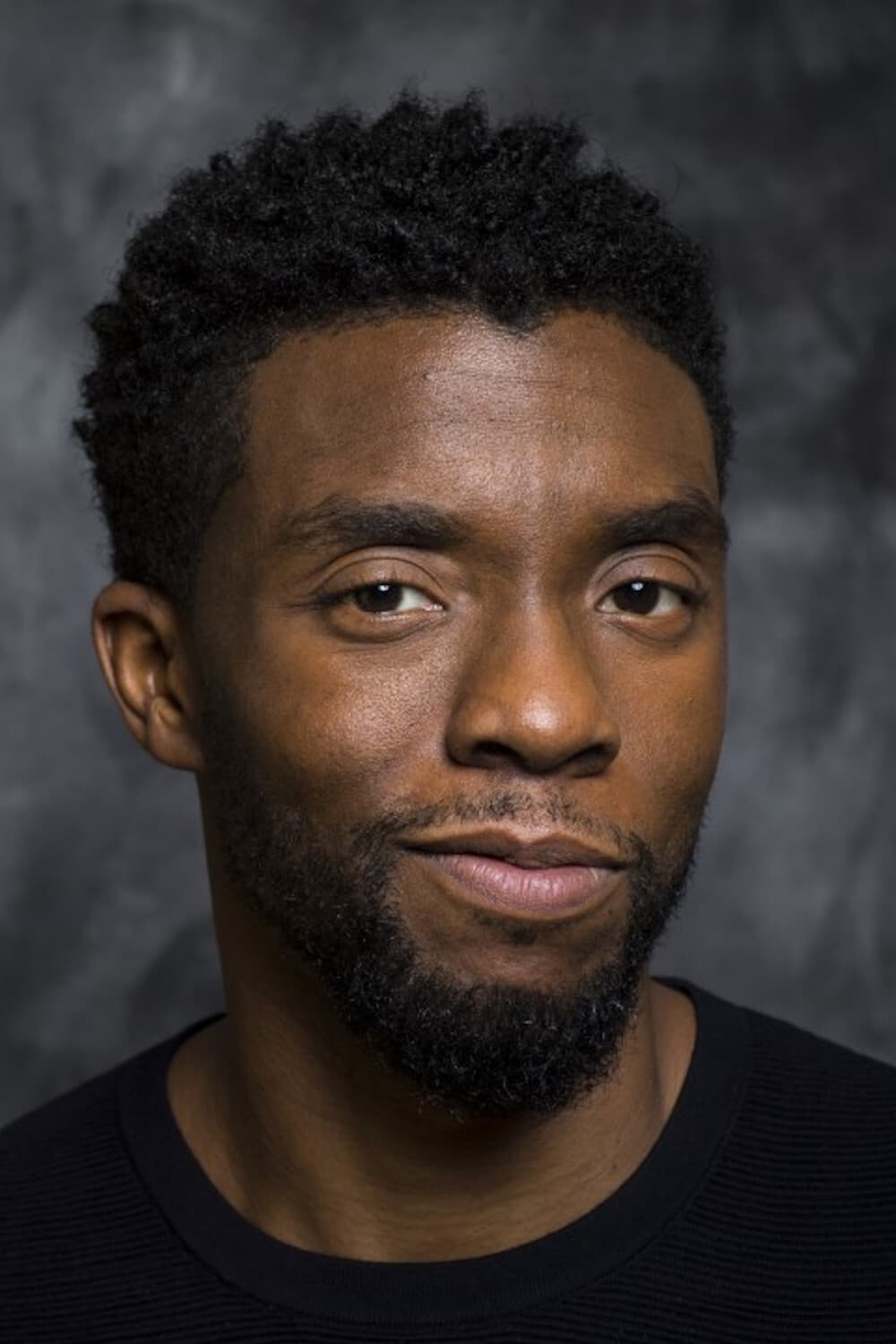
The late Chadwick Boseman was not only a talented actor but also a generous one. For the film 21 Bridges, he served as a producer and wanted to cast Sienna Miller in a key role. When the studio wouldn’t meet Miller’s salary request, Boseman donated a portion of his own salary to make up the difference.
Miller later shared that she was amazed by his gesture, stating that it was a testament to his character and respect for his fellow actors. Boseman’s act of kindness ensured that the film had the cast he envisioned and highlighted the importance of pay equity in Hollywood.
Will Smith – King Richard (2021)
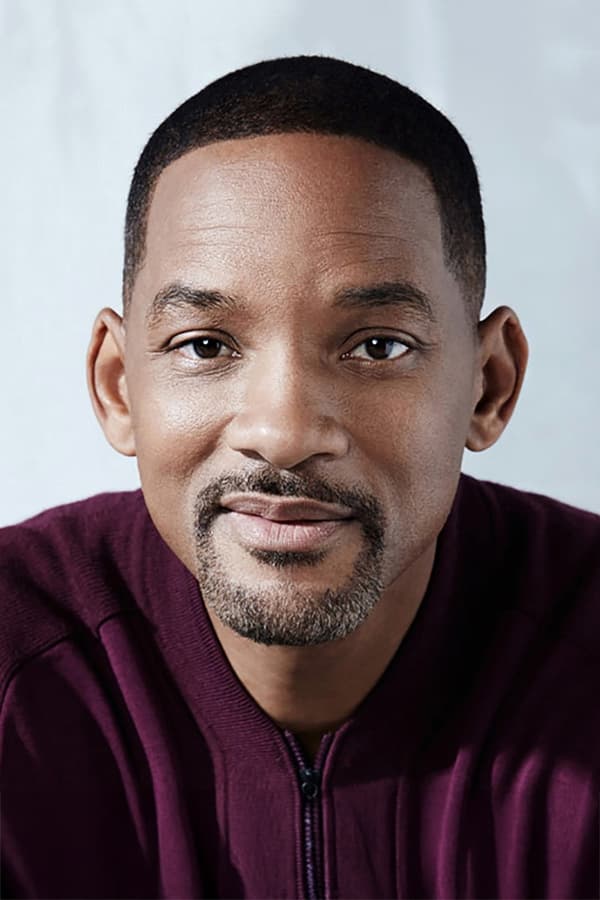
Will Smith was a producer and the star of the film King Richard, a biopic about the father of tennis legends Venus and Serena Williams. When the film’s release strategy shifted to a simultaneous debut in theaters and on the streaming service HBO Max, the cast’s potential earnings from box office bonuses were affected.
To compensate his co-stars for any potential losses, Smith used his own money to pay them bonuses. It was a gesture of goodwill and a way to show his appreciation for their work on the film, ensuring that everyone felt valued for their contributions.
Leonardo DiCaprio – Inception (2010) & J. Edgar (2011)
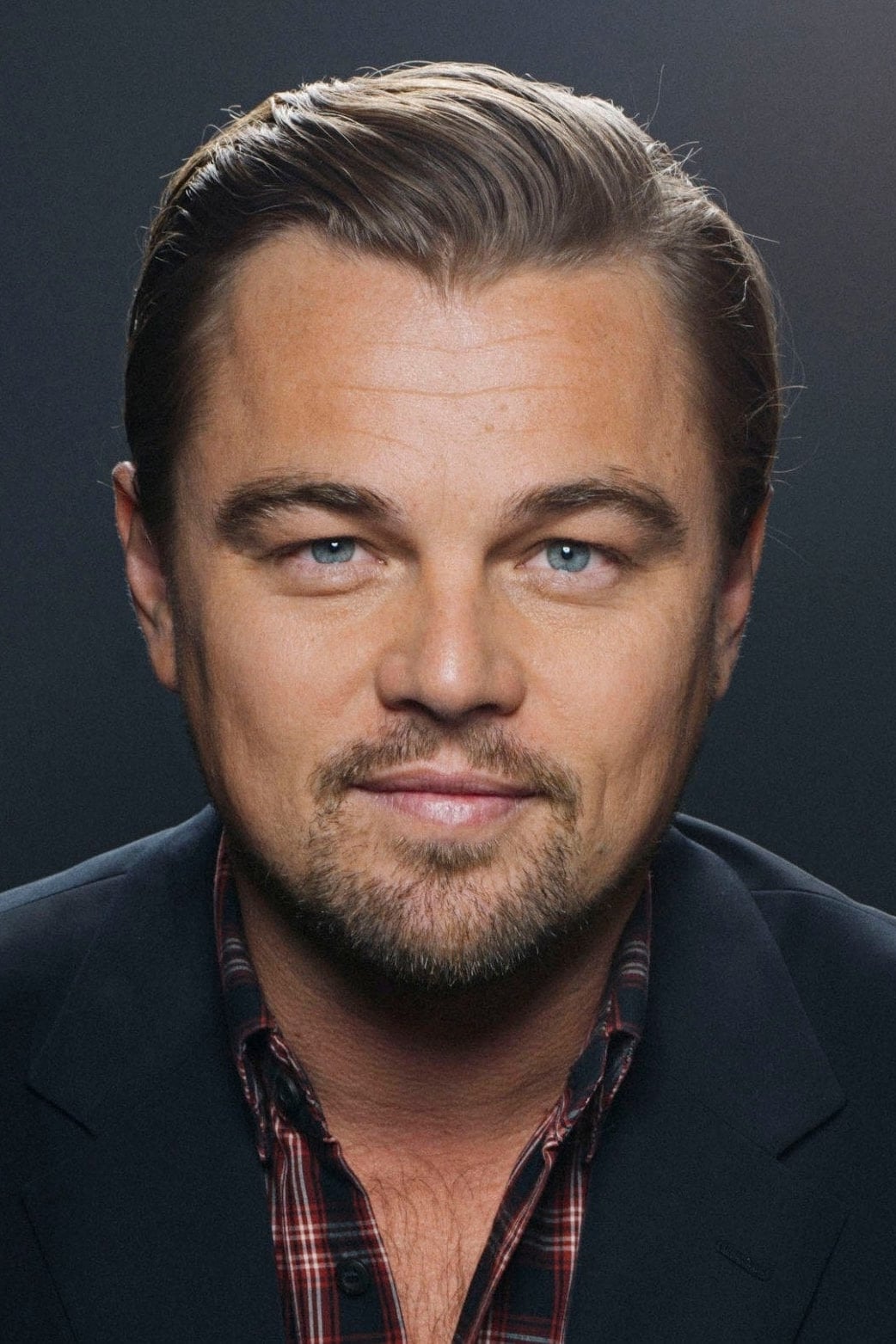
Leonardo DiCaprio is one of the highest-paid actors in Hollywood, but he has been willing to take a pay cut for projects he believes in. For Christopher Nolan’s complex sci-fi thriller Inception, which was considered a risky project, he agreed to a reduced upfront salary in exchange for a share of the profits. The film’s massive success meant this was a very lucrative decision.
He also took a significant pay cut for the 2011 biopic J. Edgar. His willingness to reduce his fee for these films demonstrates his commitment to working with visionary directors and taking on challenging roles, regardless of the initial paycheck.
Kristen Stewart – On the Road (2012)
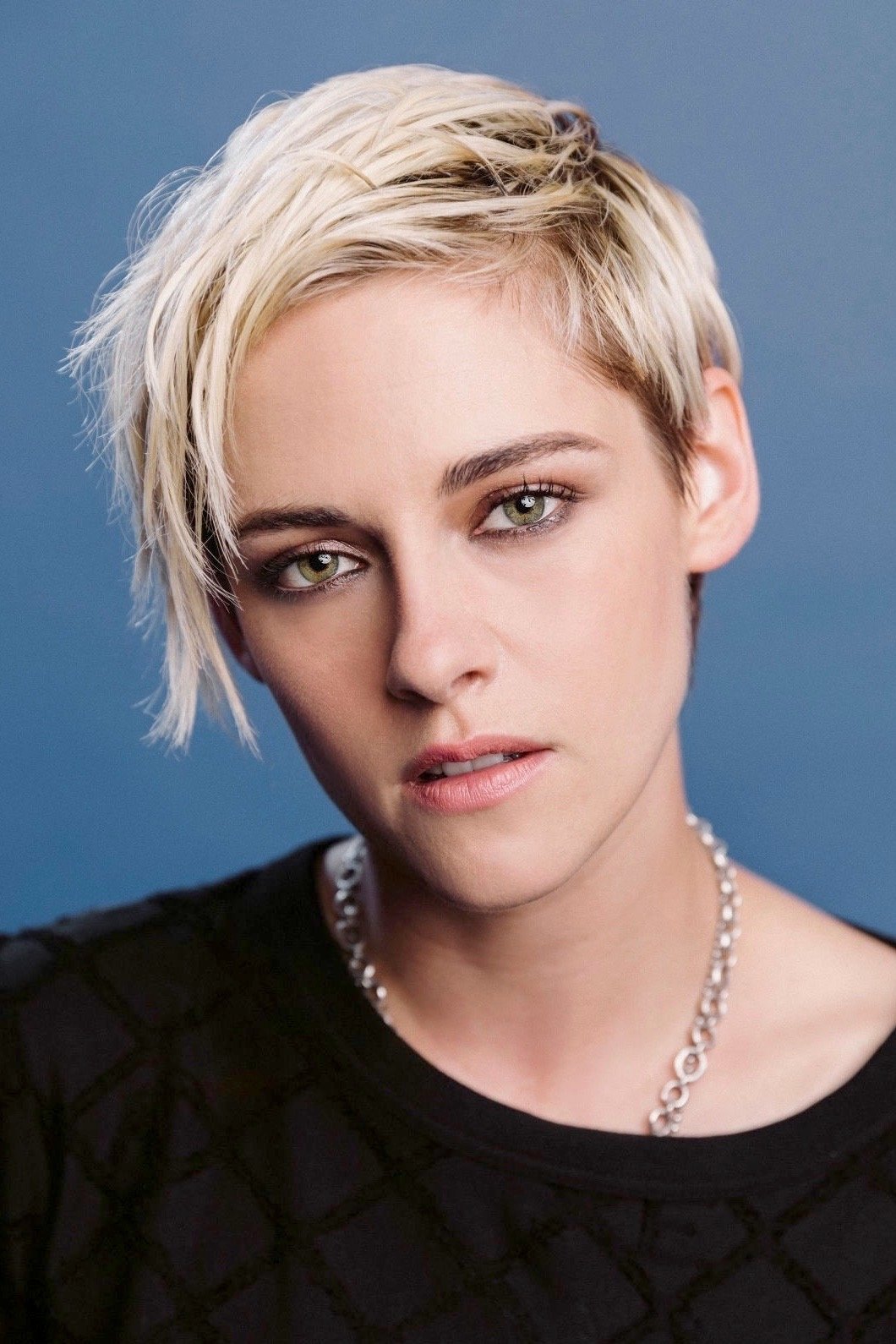
After the massive success of the Twilight franchise, Kristen Stewart was one of the highest-paid actresses in Hollywood. However, she was passionate about starring in the film adaptation of Jack Kerouac’s classic novel On the Road. The project had a much smaller budget than the blockbuster films she was used to.
Due to budget cuts, Stewart agreed to a significantly reduced salary of around $200,000 to ensure the film could be made. Her decision showed her dedication to artistic projects she cared about, using her star power to help get a smaller, more personal film produced.
Matthew McConaughey – Dallas Buyers Club (2013)
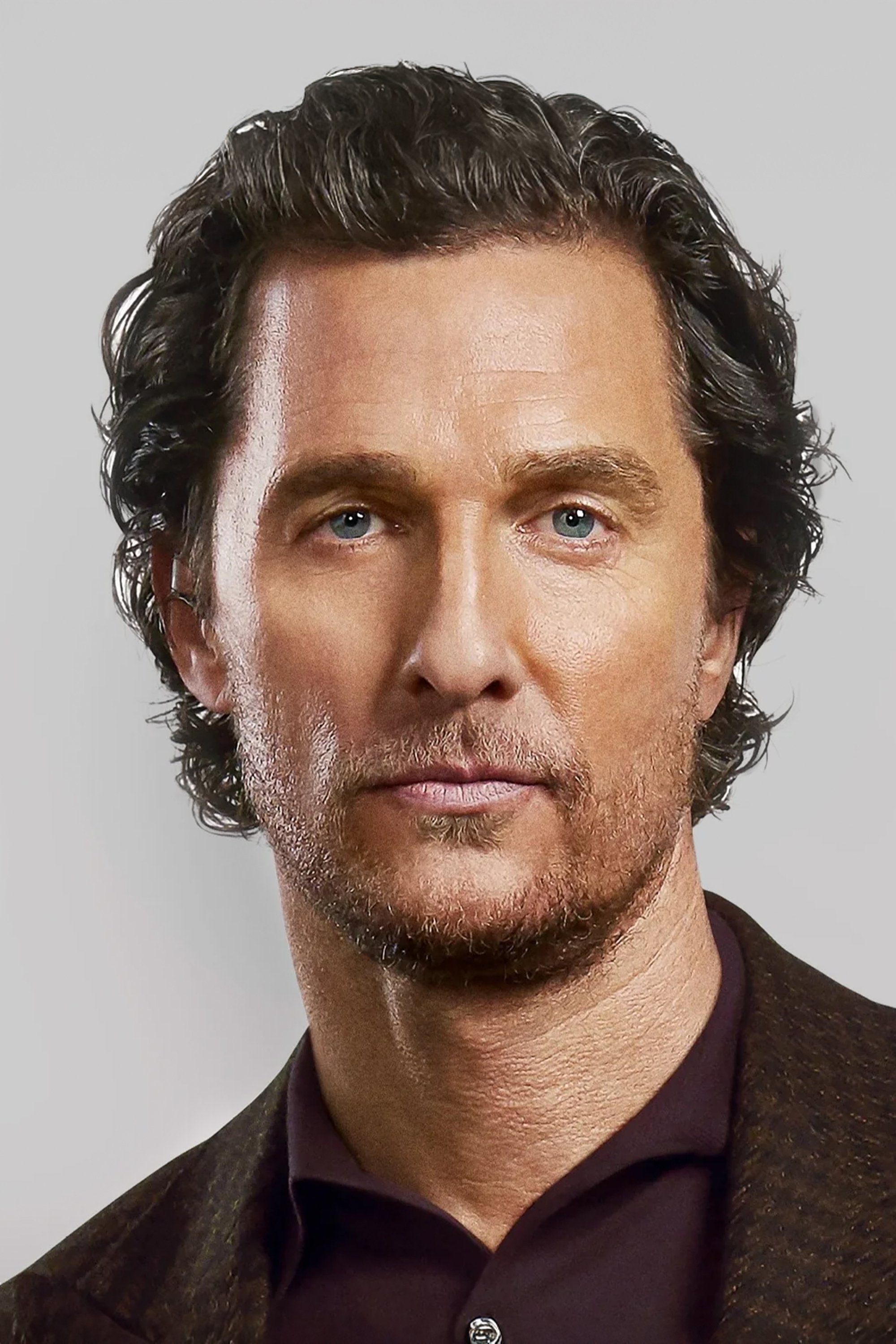
In the early 2010s, Matthew McConaughey made a conscious decision to shift his career away from romantic comedies and towards more dramatic and challenging roles. This led him to the independent film Dallas Buyers Club, a project he was deeply passionate about. The film had a very small budget, and he took a drastically reduced salary of under $200,000 for the lead role.
His commitment to the role of Ron Woodroof, a man diagnosed with AIDS in the 1980s, was immense, as he famously lost a significant amount of weight for the part. The sacrifice was well worth it, as his powerful performance earned him the Academy Award for Best Actor and completely reinvented his career.
Ethan Hawke – The Purge (2013)
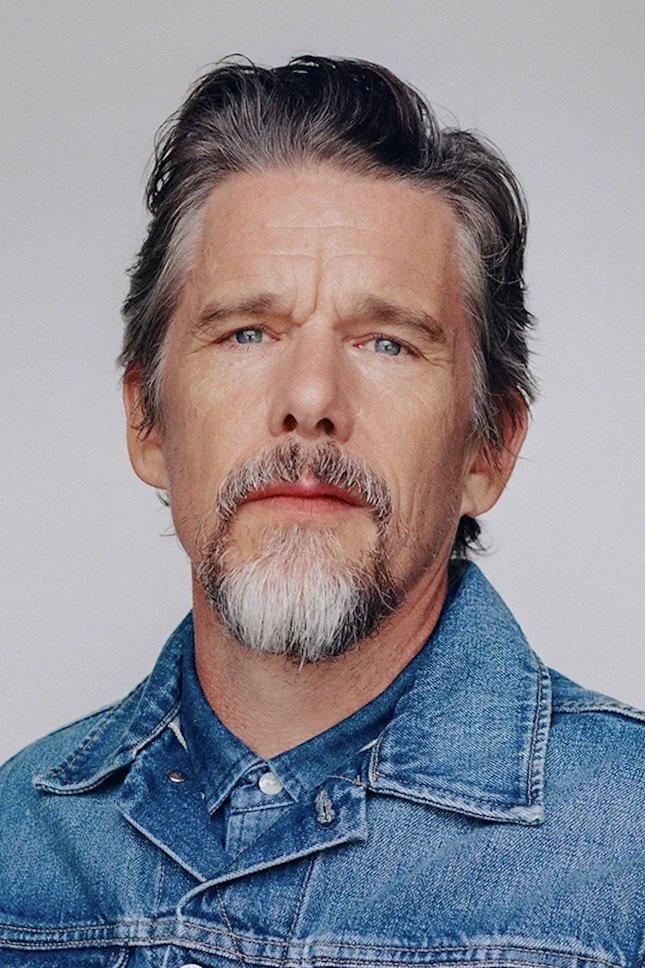
Ethan Hawke starred in the low-budget horror film The Purge for a very small upfront fee. The film was made with a tiny budget, so there wasn’t much money for large actor salaries. Hawke believed in the project and its director, James DeMonaco, and was willing to work for a fraction of his usual pay.
His faith in the film was rewarded when it became a surprise box office hit. Because he had a deal for a percentage of the profits, Hawke ended up earning a significant amount from the film’s success. It was a smart gamble that showed his willingness to support independent and original filmmaking.
Ryan Gosling – Half Nelson (2006)
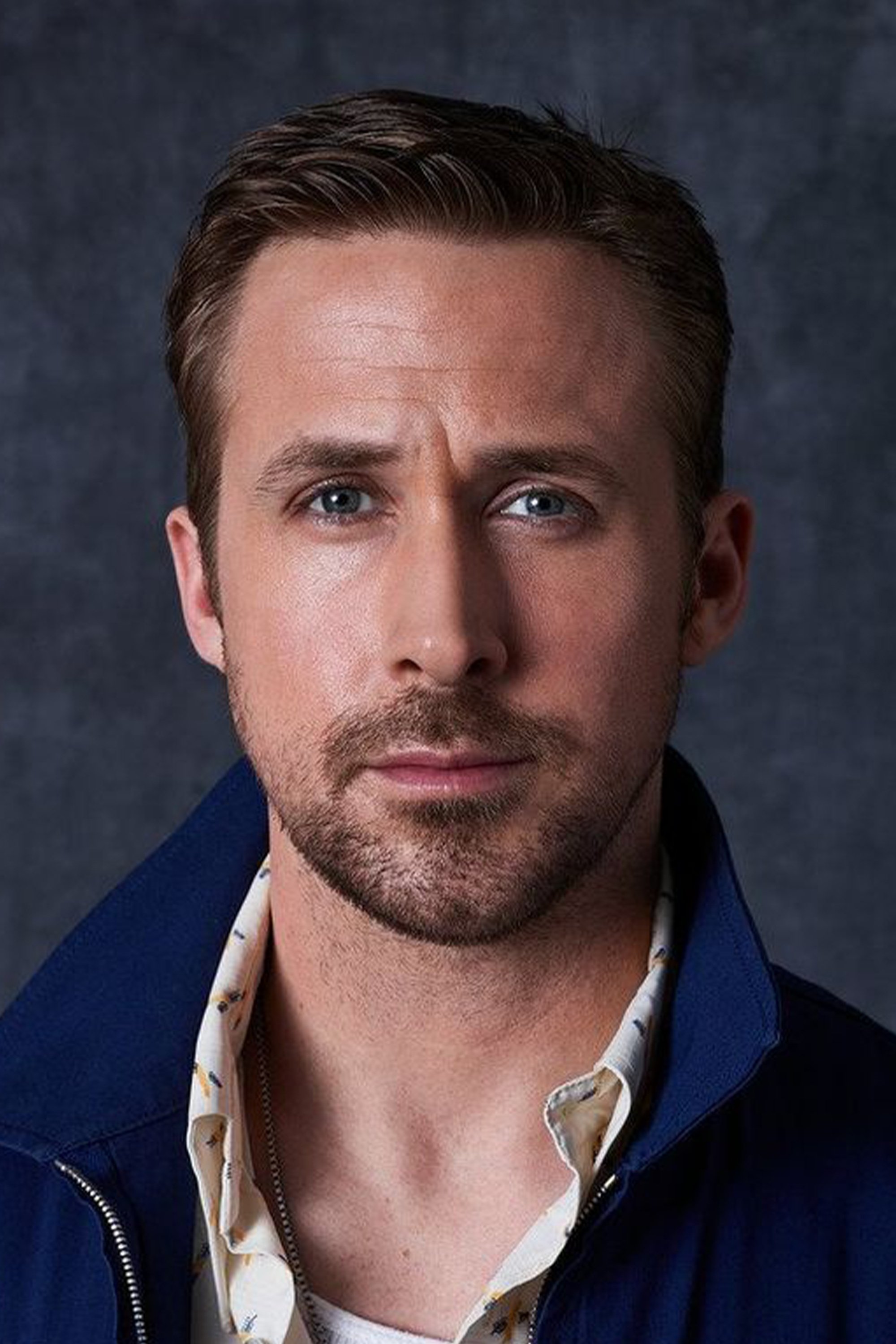
Early in his career, after gaining fame from The Notebook, Ryan Gosling chose to focus on smaller, character-driven films. For the 2006 drama Half Nelson, he played a middle school teacher with a drug addiction. The film had a very small budget, and Gosling was paid only $1,000 per week for his work.
His powerful and nuanced performance earned him widespread critical acclaim and his first Academy Award nomination for Best Actor. Taking a massive pay cut allowed him to take on a role that showcased his incredible talent and set the stage for his future success as one of Hollywood’s most respected actors.
John Travolta – Pulp Fiction (1994)
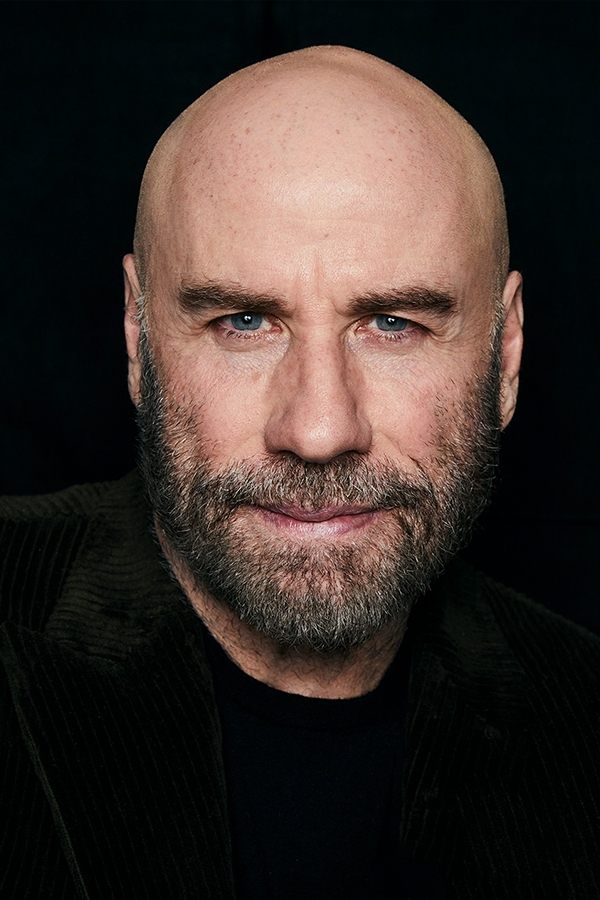
In the early 1990s, John Travolta’s career was in a slump. When director Quentin Tarantino offered him the role of Vincent Vega in Pulp Fiction, Travolta was eager for the opportunity, even though the pay was a modest $150,000. It was a significant pay cut from what he had earned at the peak of his fame.
The role reignited his career in a spectacular way. His performance was iconic, earning him an Academy Award nomination and putting him back on the Hollywood A-list. Pulp Fiction became a cultural phenomenon, and Travolta’s decision to take a smaller salary for a great role proved to be one of the best moves of his career.
Hilary Swank – Boys Don’t Cry (1999)
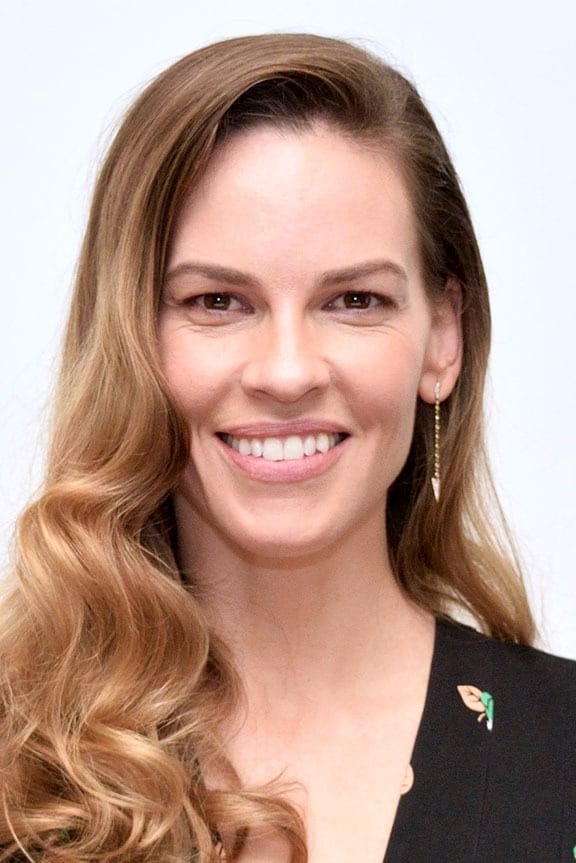
For her role in the independent film Boys Don’t Cry, Hilary Swank was paid just $3,000. She has said that the salary was so low that she hadn’t even earned enough to qualify for health insurance. She took the role because she was passionate about the story and the character.
Her dedication to the role of Brandon Teena was undeniable, and her performance was hailed by critics. She went on to win the Academy Award for Best Actress for her work in the film. The low pay was a small price for a role that launched her career and established her as a major talent in Hollywood.
Harrison Ford – Star Wars: A New Hope (1977)
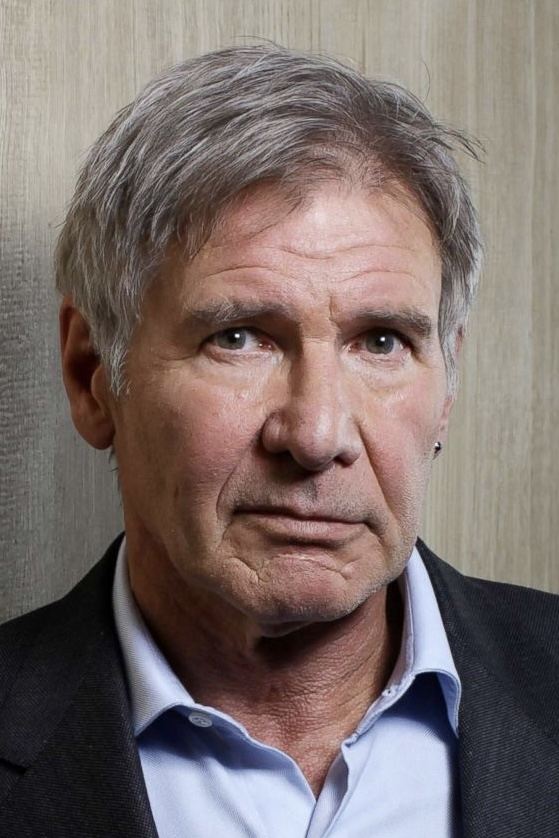
When Harrison Ford was cast as Han Solo in the first Star Wars film, he was a relatively unknown actor. He was paid a modest salary of just $10,000 for his work on the movie. At the time, no one, not even the creators, knew that the film would become one of the biggest blockbusters of all time.
While his initial paycheck was small, the success of Star Wars made him a household name and an international star. For the sequels, his salary increased significantly, and his role as the charming smuggler became iconic. His low upfront pay for the first film is a famous example of how a small role in the right project can lead to a massive career.
Brad Pitt – Thelma & Louise (1991)
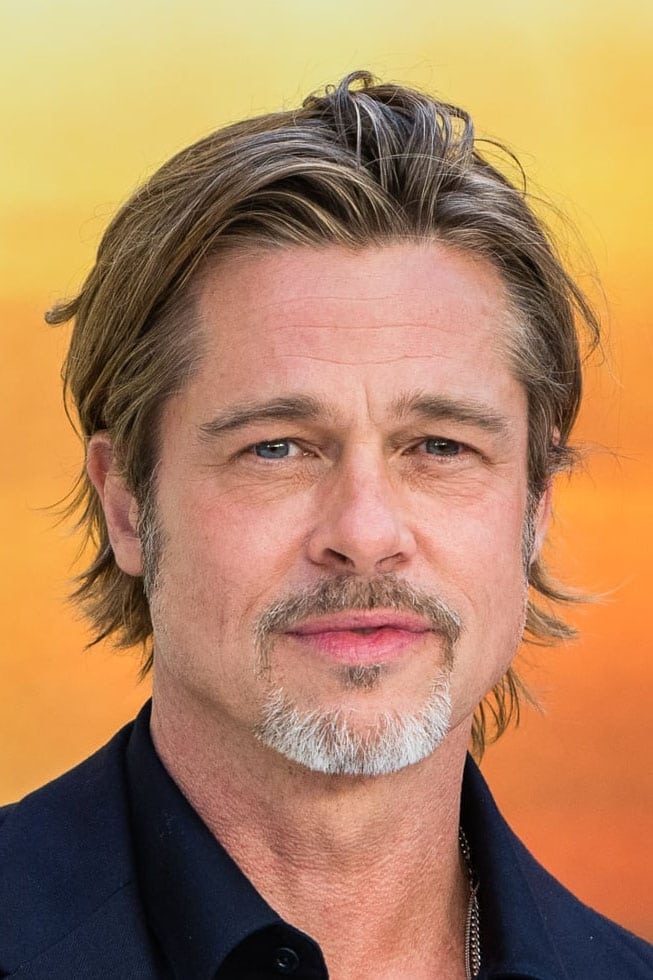
Brad Pitt’s breakout role was a small but memorable part in the 1991 film Thelma & Louise. At the time, he was a newcomer in Hollywood and was paid just $6,000 for his role as the charming thief, J.D. It was a small part, but it made a big impression on audiences and casting directors.
The role launched his career, and he soon became one of the biggest stars in the world. While the initial paycheck was tiny, the exposure he gained from the film was priceless. It was the first step in a long and successful career that would see him command multi-million dollar salaries.
Will Ferrell, Steve Carell, and Paul Rudd – Anchorman 2: The Legend Continues (2013)
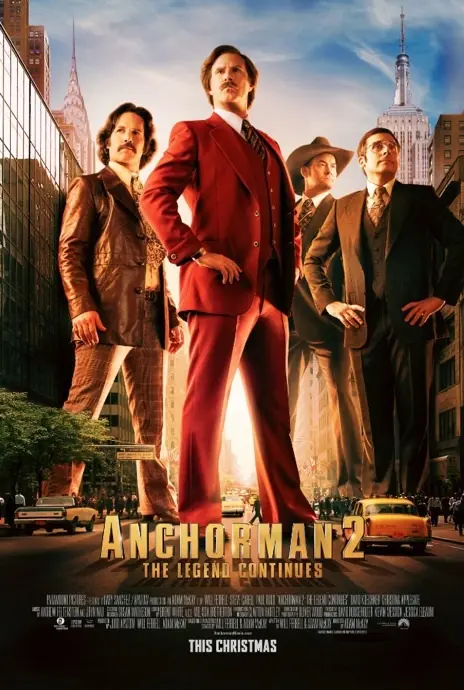
The first Anchorman film became a cult classic, and fans were eager for a sequel. However, getting the original cast back together proved to be a challenge, partly due to budget issues. By the time the sequel was in development, stars Will Ferrell, Steve Carell, and Paul Rudd were all major comedy stars with much higher salary expectations.
To make the movie happen, Ferrell, Carell, and Rudd all agreed to take significant pay cuts. Their love for the characters and the project was strong enough that they were willing to work for less to bring Ron Burgundy and the news team back to the big screen. Their sacrifice allowed the much-anticipated sequel to finally get made.
The Cast of The Big Bang Theory (2007-2019)

In the later seasons of the hugely popular sitcom The Big Bang Theory, the five original main cast members—Jim Parsons, Johnny Galecki, Kaley Cuoco, Simon Helberg, and Kunal Nayyar—were all earning $1 million per episode. However, their co-stars Mayim Bialik and Melissa Rauch, who joined the show later, were earning significantly less.
In a display of solidarity, the original five cast members agreed to take a $100,000 pay cut per episode each so that the money could be distributed to raise the salaries of Bialik and Rauch. This generous act ensured that all seven main cast members were compensated more equitably and demonstrated the close bond they had formed over the years.
Jack Nicholson – Batman (1989)
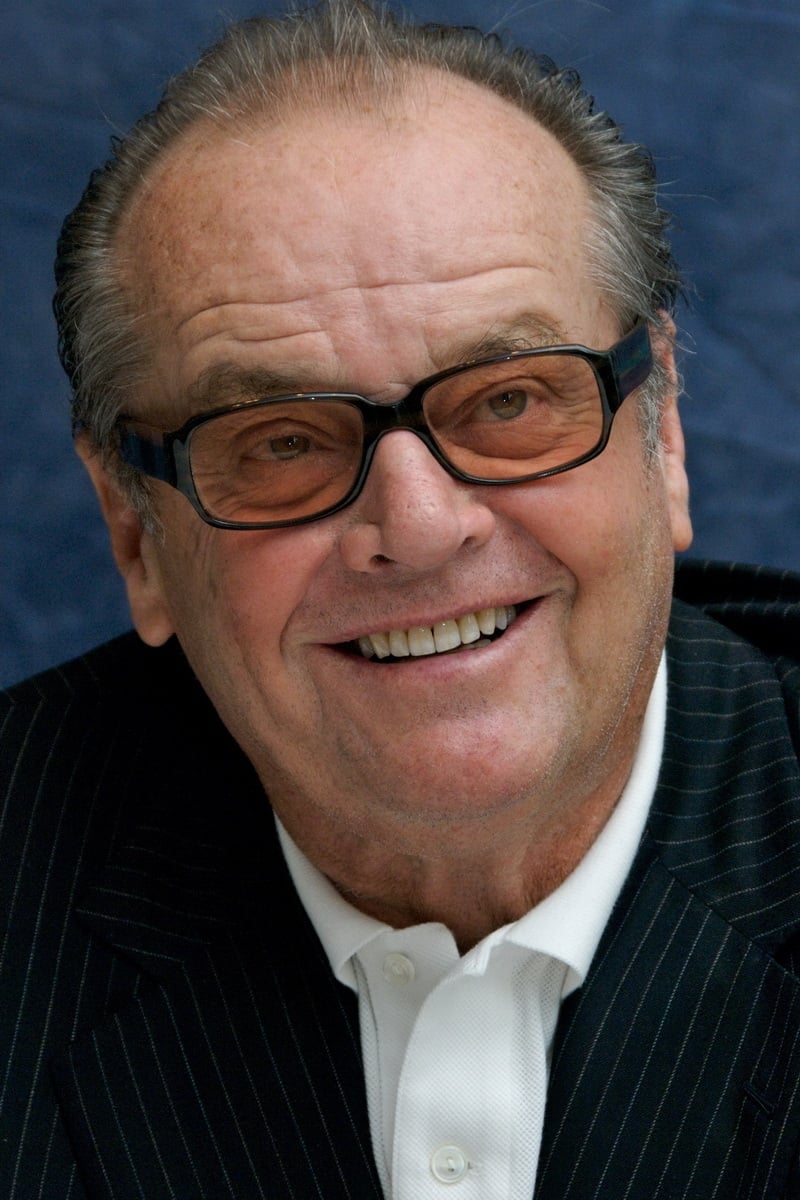
For Tim Burton’s Batman, Jack Nicholson, who played the Joker, made a very smart deal. He agreed to a lower-than-usual upfront salary of $6 million in exchange for a percentage of the film’s profits and, crucially, a share of the merchandise sales. This included merchandise for all future Batman films in that series, even those he didn’t appear in.
The movie was a massive commercial success, and the merchandise sold incredibly well. As a result, Nicholson’s earnings from the film far exceeded his initial salary, with some estimates putting his total take at over $60 million. His savvy deal set a new standard for how stars could be compensated for their roles in blockbuster films.
Bruce Willis – Pulp Fiction (1994)
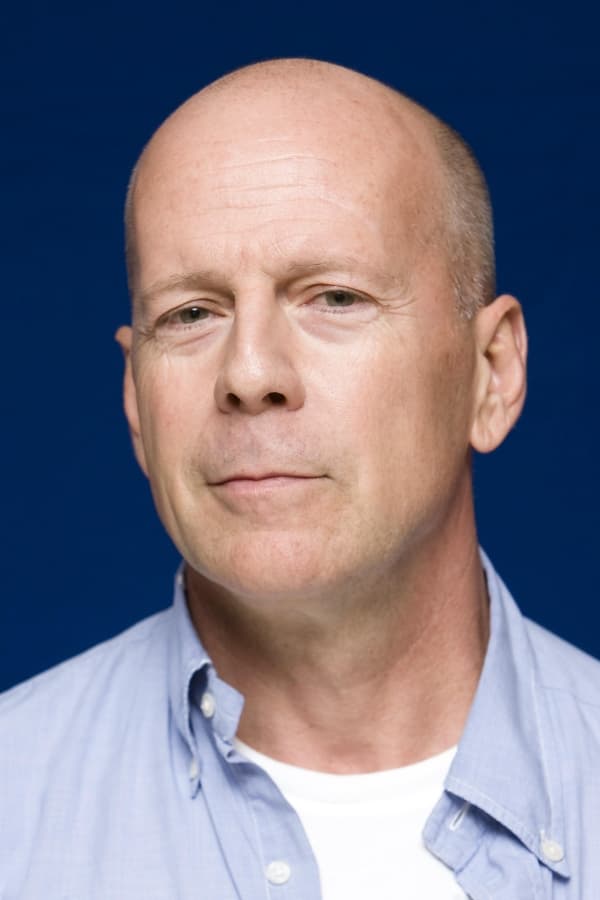
Much like his co-star John Travolta, Bruce Willis’s career was in need of a boost when he was offered the role of the boxer Butch Coolidge in Pulp Fiction. He was a big star but had a string of recent box office disappointments. To be in the highly anticipated film by Quentin Tarantino, he agreed to a significantly reduced salary.
His decision paid off, as Pulp Fiction was a huge critical and commercial success that helped to revitalize his career. The role showcased a different side of his acting abilities and put him back on top. Taking a pay cut for a quality project proved to be a smart move for the action star.
Samuel L. Jackson – Pulp Fiction (1994)
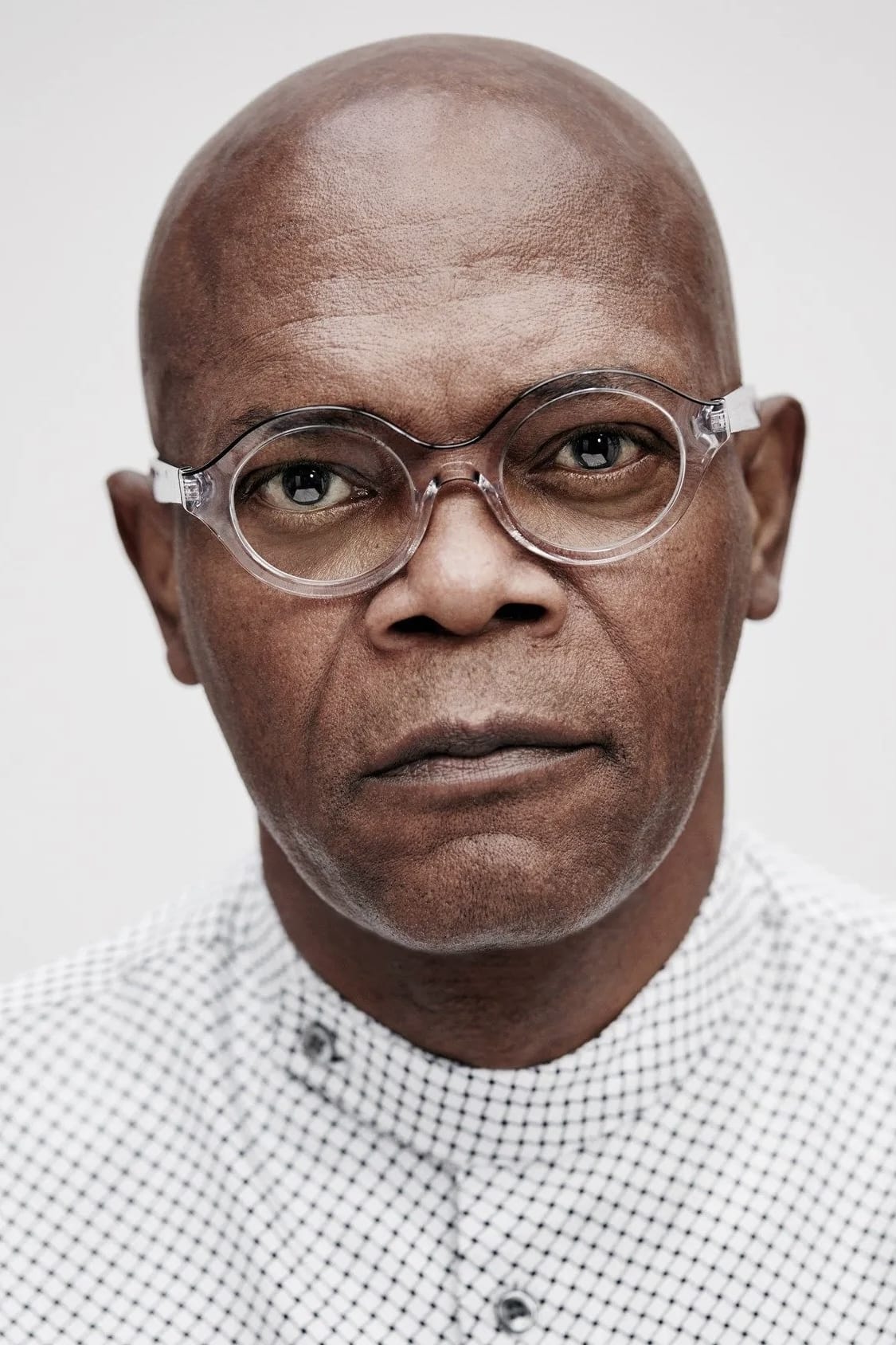
Samuel L. Jackson delivered one of his most iconic performances as the hitman Jules Winnfield in Pulp Fiction. Like his co-stars, he worked for a relatively low salary to be a part of Quentin Tarantino’s groundbreaking film. The movie was made on a modest budget, and the actors were passionate about the script.
Jackson’s powerful performance earned him an Academy Award nomination and made him a major star. The role is still one of his most celebrated, and it demonstrates how choosing a great part over a big paycheck can have a lasting impact on an actor’s career.
Uma Thurman – Pulp Fiction (1994)
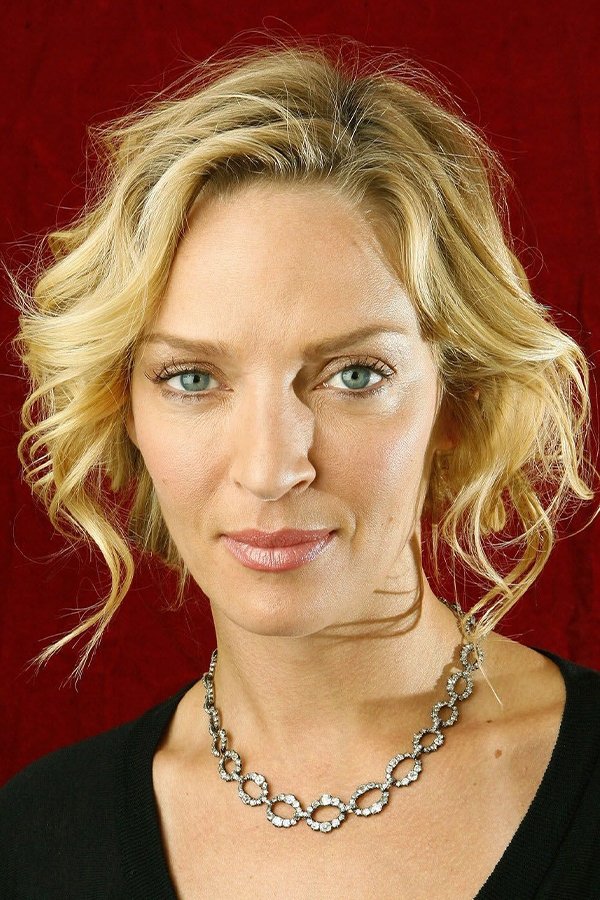
Uma Thurman’s role as Mia Wallace in Pulp Fiction became one of the most iconic of the 1990s. She, too, took a lower salary to be in the film, which was known for its talented ensemble cast working for less than their usual fees. The opportunity to work with Quentin Tarantino and on such a unique script was a major draw.
The role catapulted her to international fame and earned her an Academy Award nomination for Best Supporting Actress. The image of her character dancing with John Travolta became an enduring pop culture moment. Her decision to take a pay cut resulted in one of the most defining roles of her career.
Sienna Miller – 21 Bridges (2019)

Sienna Miller has spoken about the generosity of her 21 Bridges co-star and producer, the late Chadwick Boseman. When the studio was unwilling to meet her salary request for the film, Boseman stepped in and gave her a portion of his own salary to make up the difference.
Miller was incredibly moved by his gesture, highlighting it as a rare and commendable act of support and advocacy for pay equity in Hollywood. It showed Boseman’s commitment to his fellow actors and to making the film with the cast he believed in.
Ben Affleck – The Way Back (2020)
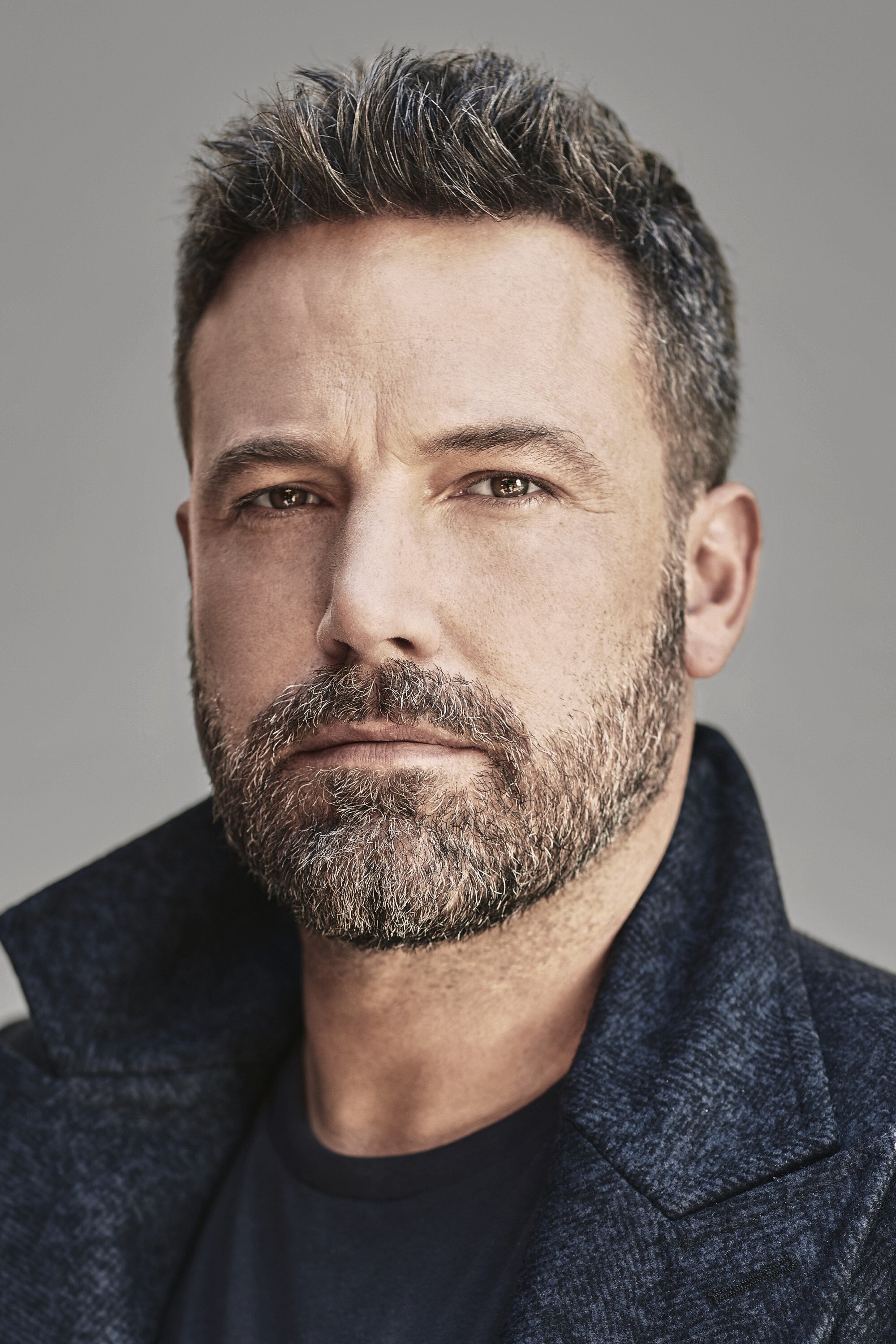
After stepping away from the role of Batman, Ben Affleck chose to star in a smaller, more personal drama called The Way Back. In the film, he played a former high school basketball star struggling with alcoholism who gets a chance at redemption when he becomes the coach of his old team. It was a role that hit close to home for Affleck.
He took a significant pay cut to be in the film, as it was a passion project for him. The role allowed him to deliver one of his most praised performances, earning him critical acclaim for his raw and vulnerable portrayal. It was a clear example of an actor choosing a meaningful role over a large paycheck.
Robert Pattinson – The Batman (2022)
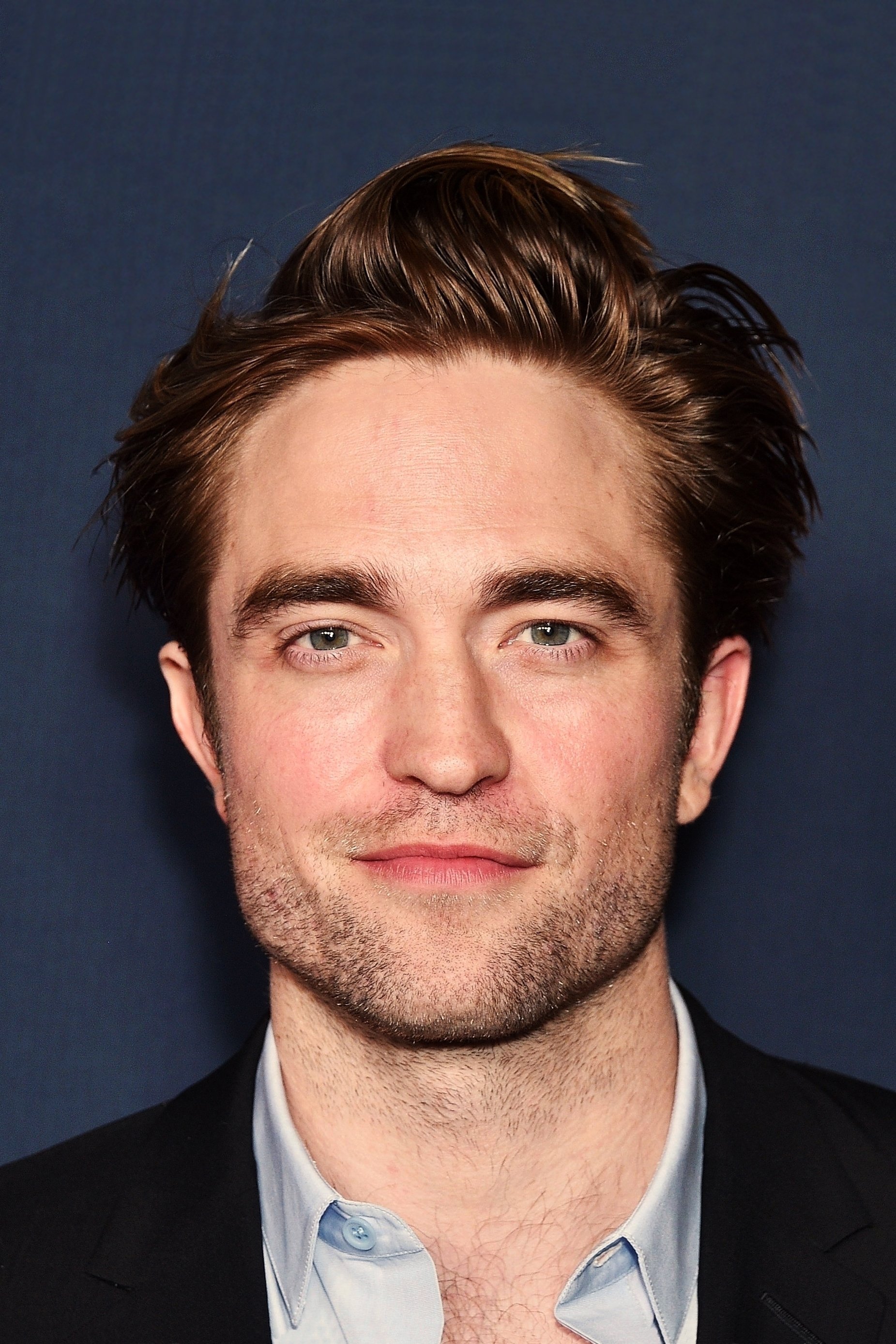
When Robert Pattinson was cast as the new Batman, he was stepping into one of the most iconic roles in cinema. While he received a substantial salary, it was reportedly less than what some previous Batman actors had earned for their first outing as the character. He was eager to take on the role and work with director Matt Reeves.
Pattinson’s commitment to the role and his intense performance were highly praised by critics and audiences. The film was a box office success, and his portrayal of a younger, more tormented Bruce Wayne was seen as a fresh and compelling take on the character. His focus was on delivering a great performance in a film he believed in.
Andrew Garfield – Silence (2016)
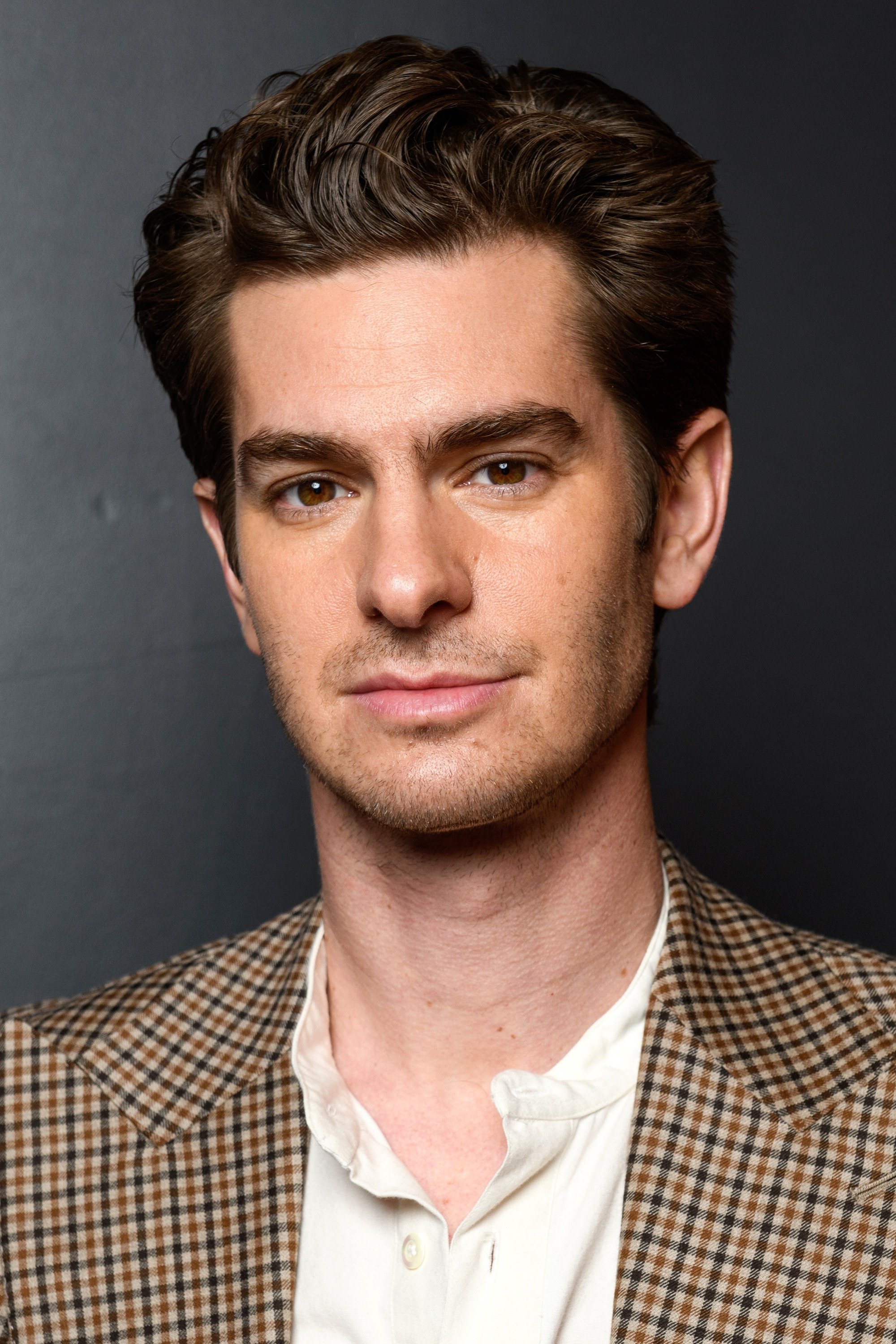
After his time as Spider-Man, Andrew Garfield sought out more challenging and artistic roles. He was cast in Martin Scorsese’s passion project, Silence, a historical drama about Jesuit priests in 17th-century Japan. The film was in development for decades and had a modest budget.
To work with the legendary director on a project he was deeply committed to, Garfield worked for a significantly reduced salary. His performance was praised by critics, and the film, while not a commercial blockbuster, was a testament to his dedication as an actor and his desire to be a part of meaningful cinema.
Robert Downey Jr. – Various Roles
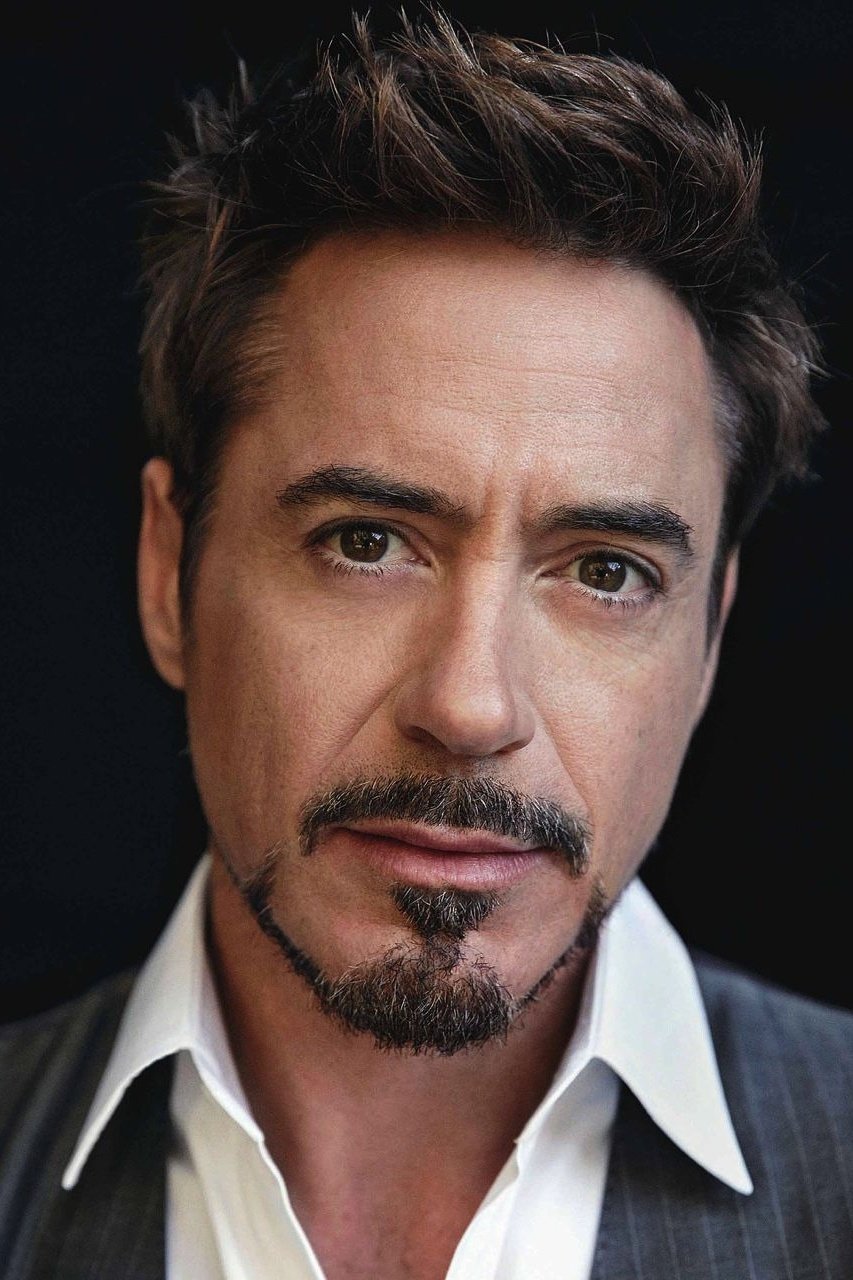
In the late 1990s and early 2000s, Robert Downey Jr.’s career was derailed by personal struggles. After getting his life back on track, he had to work his way back up in Hollywood. He took on smaller roles in independent films and television shows for much lower pay than he had previously commanded.
These roles, in films like A Guide to Recognizing Your Saints and on the show Ally McBeal, helped to re-establish him as a reliable and talented actor. His willingness to take smaller paychecks to prove himself again eventually led to his massive comeback as Iron Man, which made him one of the highest-paid actors in the world.
Natalie Portman – Black Swan (2010)
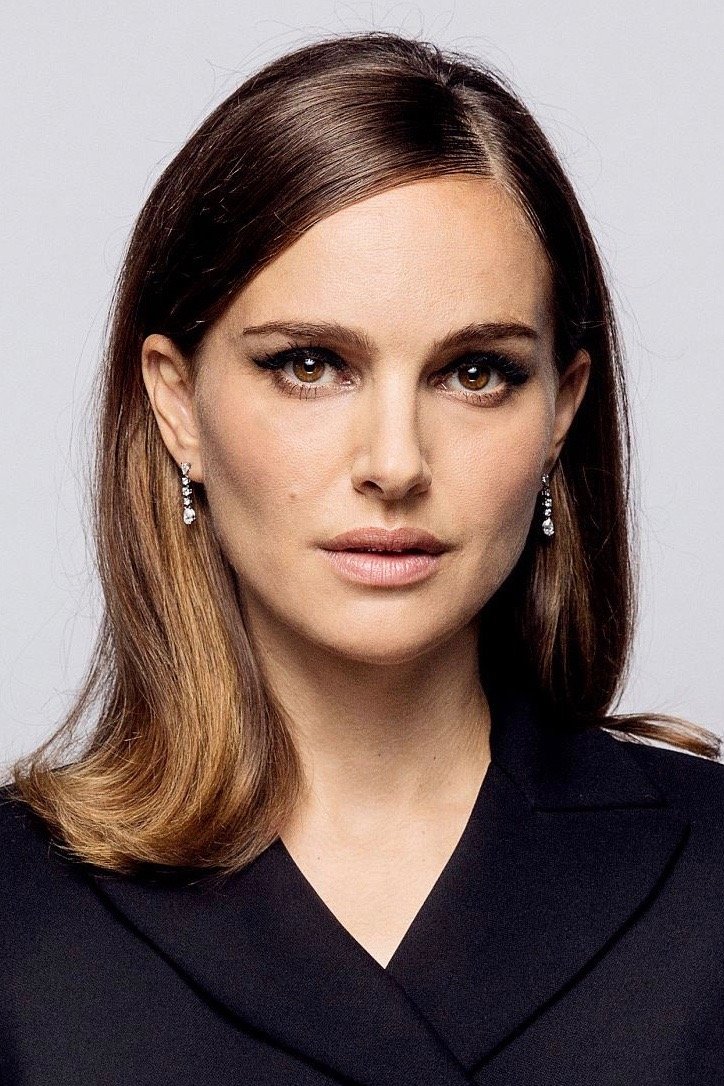
Natalie Portman has often balanced big-budget blockbusters with smaller, more artistic films. For the psychological thriller Black Swan, she took on the demanding role of a ballerina for a relatively low upfront salary. The film was an independent production with a limited budget.
Her dedication to the role, which included a year of intense ballet training, was extraordinary. Her powerful and haunting performance earned her the Academy Award for Best Actress. By prioritizing a challenging role in a passion project over a large paycheck, she achieved one of the biggest critical successes of her career.
Daniel Radcliffe – Various Roles
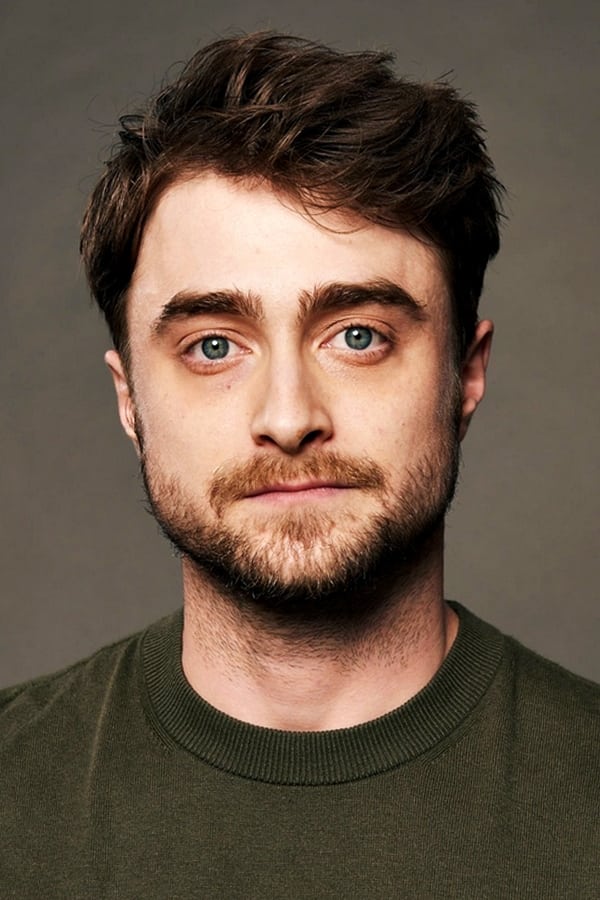
After the enormous success of the Harry Potter series, Daniel Radcliffe could have continued to star in big-budget blockbusters. Instead, he made a conscious choice to pursue a diverse range of roles in independent films and on stage to prove his versatility as an actor.
Many of these projects, such as the horror film The Woman in Black and the quirky comedy Swiss Army Man, had much smaller budgets than the Harry Potter films. He often took lower salaries to be a part of these unique and challenging projects, demonstrating his commitment to growing as an artist rather than just chasing the biggest paychecks.
Emma Watson – Various Roles
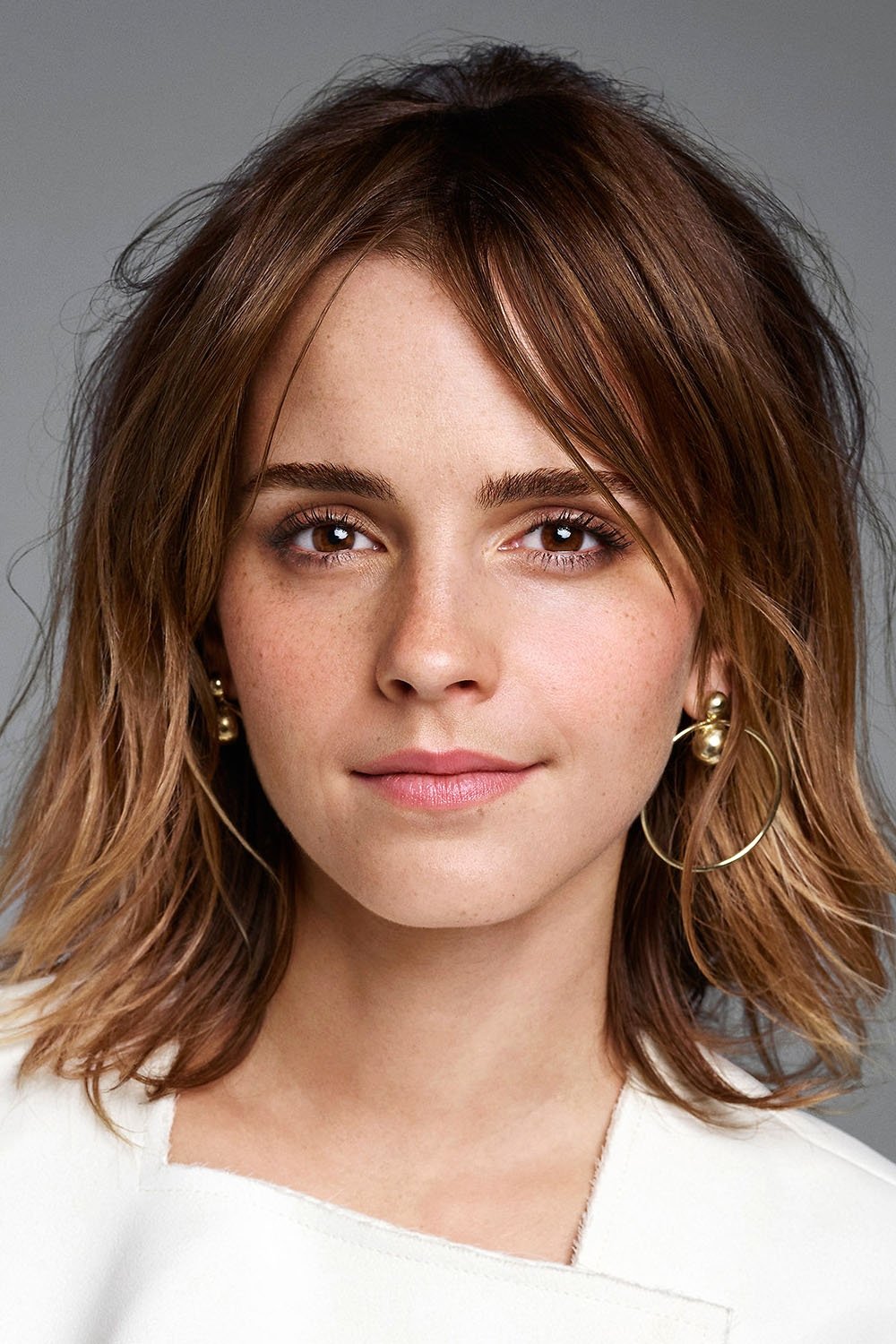
Like her Harry Potter co-star Daniel Radcliffe, Emma Watson has also used her post-franchise career to explore a variety of roles in both big and small films. While she has starred in blockbusters like Disney’s live-action Beauty and the Beast, she has also taken on roles in smaller, independent films for less money.
For example, her role in Sofia Coppola’s The Bling Ring and the acclaimed drama The Perks of Being a Wallflower were in films with more modest budgets. Her choices reflect a desire to work on projects she finds meaningful and to collaborate with respected directors, balancing commercial success with artistic pursuits.
Rupert Grint – Various Roles
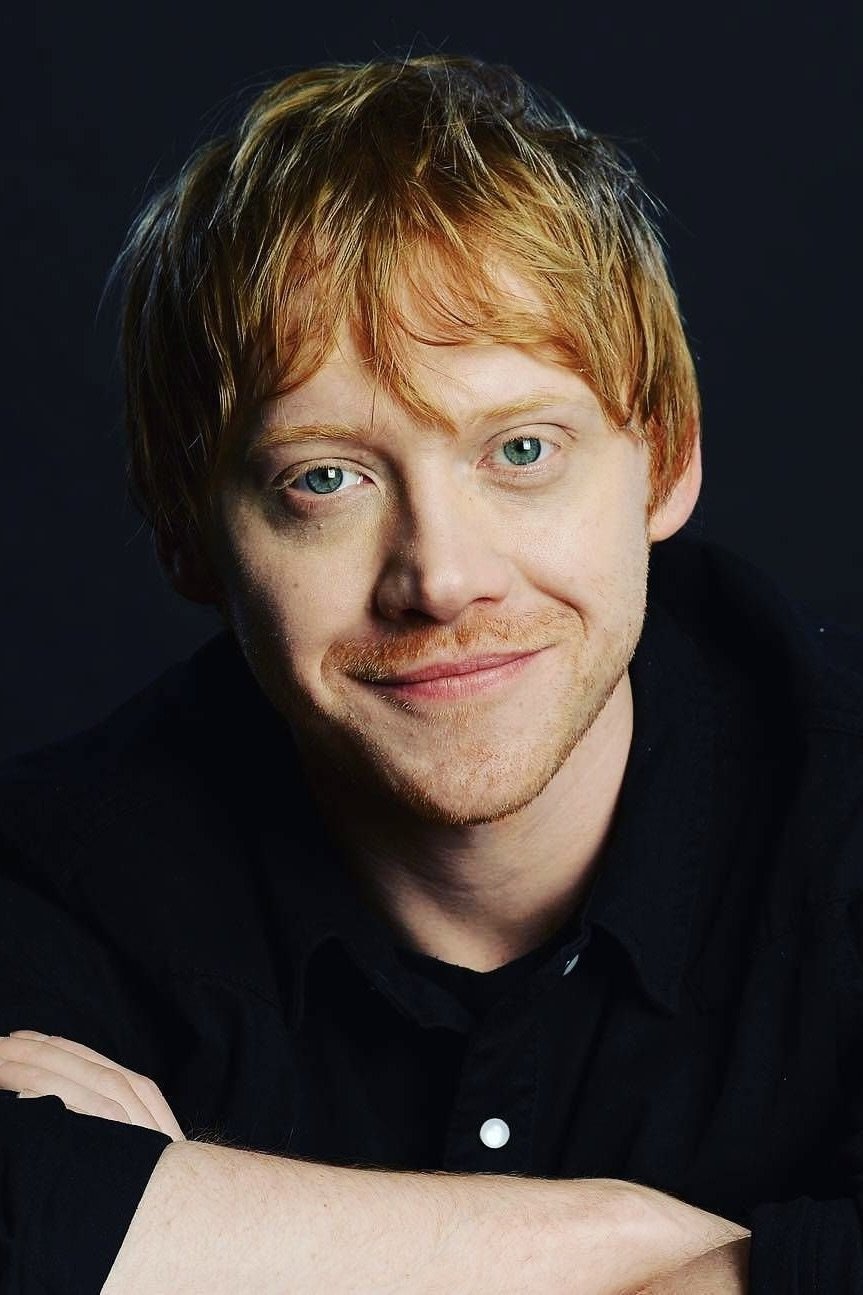
Rupert Grint, who played Ron Weasley in the Harry Potter series, has also taken a path of choosing interesting and varied roles since the franchise ended. He has appeared in a number of independent films and television series that do not come with the massive paychecks of a blockbuster franchise.
His work in films like Into the White and the television series Servant showcases his desire to take on different types of characters and projects. Like his famous co-stars, he has used the financial security from Harry Potter to pursue roles that are creatively fulfilling, regardless of the salary.
The Cast of The Lord of the Rings Trilogy (2001-2003)
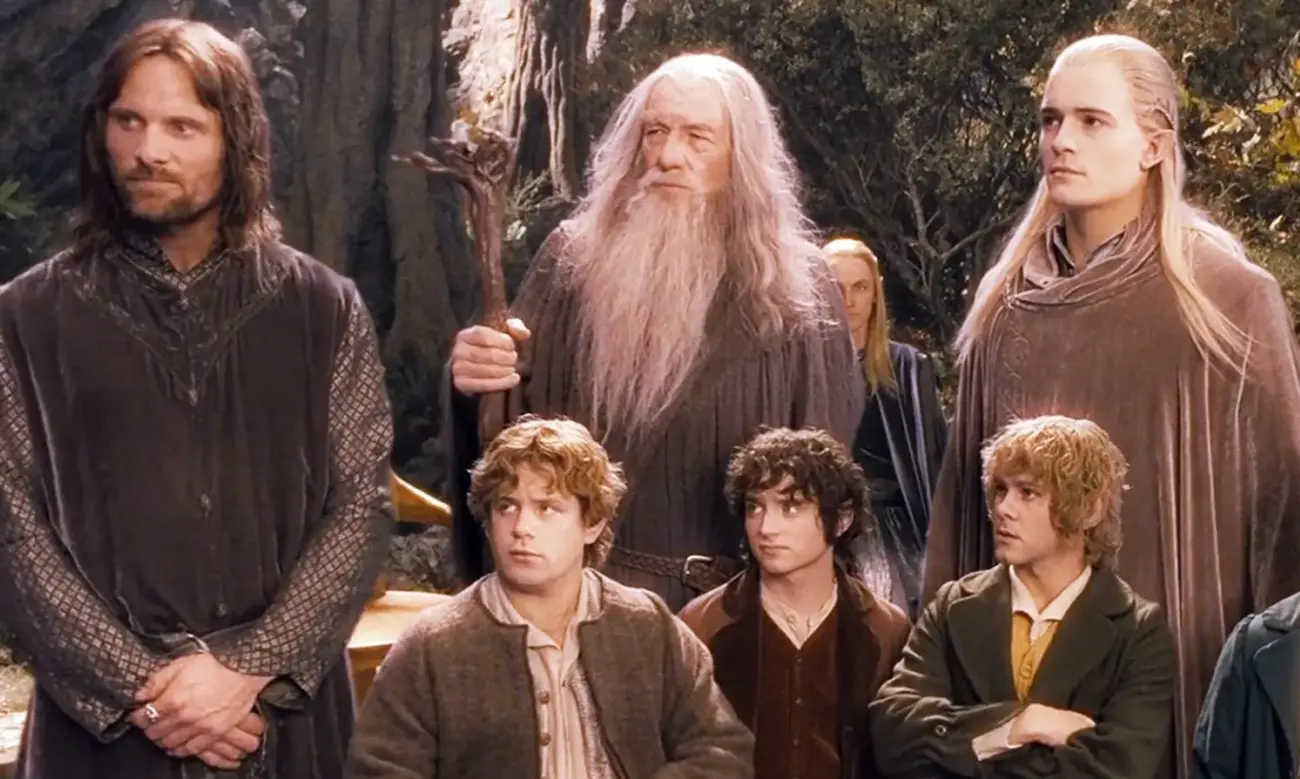
The actors in Peter Jackson’s epic trilogy, The Lord of the Rings, were part of one of the most ambitious film productions ever. However, many of the principal cast members, especially the actors playing the hobbits and other members of the Fellowship, were paid relatively low salaries for their years of commitment to the project. The budget was focused on the massive scale of the production itself.
For many of the actors, like Elijah Wood and Orlando Bloom, it was a career-making opportunity. Despite the modest pay, they were part of a cinematic masterpiece that became a global phenomenon. The success of the films launched their careers to new heights, which was a reward far greater than their initial salaries.
Sean Astin – The Lord of the Rings Trilogy (2001-2003)
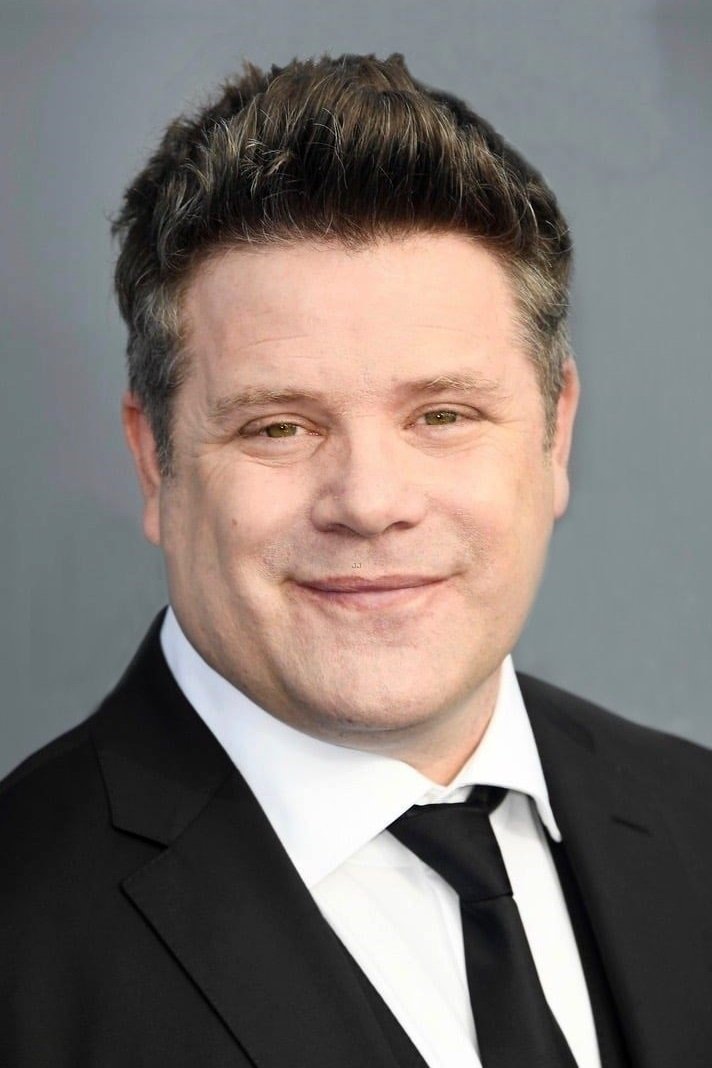
Sean Astin, who played the loyal Samwise Gamgee in The Lord of the Rings, has spoken about his relatively low salary for the films. He reportedly earned around $250,000 for his work on the entire trilogy, which involved years of filming in New Zealand.
Despite the modest pay, Astin has always expressed immense pride and gratitude for being a part of the films. His performance as Sam is one of the most beloved in the series, and the role has made him a fan favorite around the world. The experience and the legacy of the films were clearly more important to him than the money.
Orlando Bloom – The Lord of the Rings Trilogy (2001-2003)
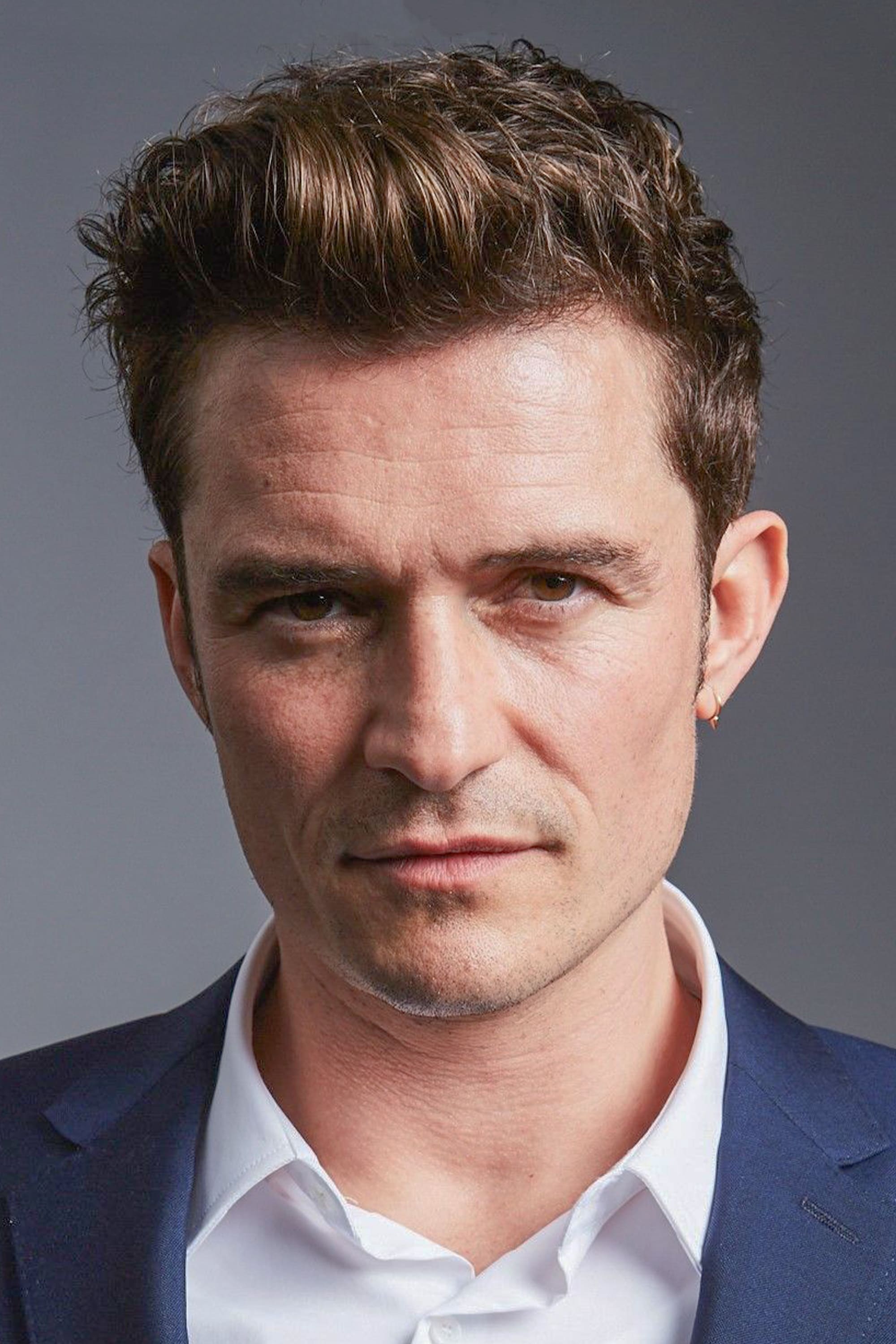
Orlando Bloom was a relative newcomer when he was cast as the elf Legolas in The Lord of the Rings. He was reportedly paid just $175,000 for his role in the entire trilogy. It was a small amount for a film series of that magnitude, but it was his first major role.
The role of Legolas made him an international star and led to other major roles, including in the Pirates of the Caribbean franchise, where he earned much larger paychecks. His low salary for The Lord of the Rings is a classic example of a breakout role in a massive project leading to a hugely successful career.
Viggo Mortensen – The Lord of the Rings Trilogy (2001-2003)
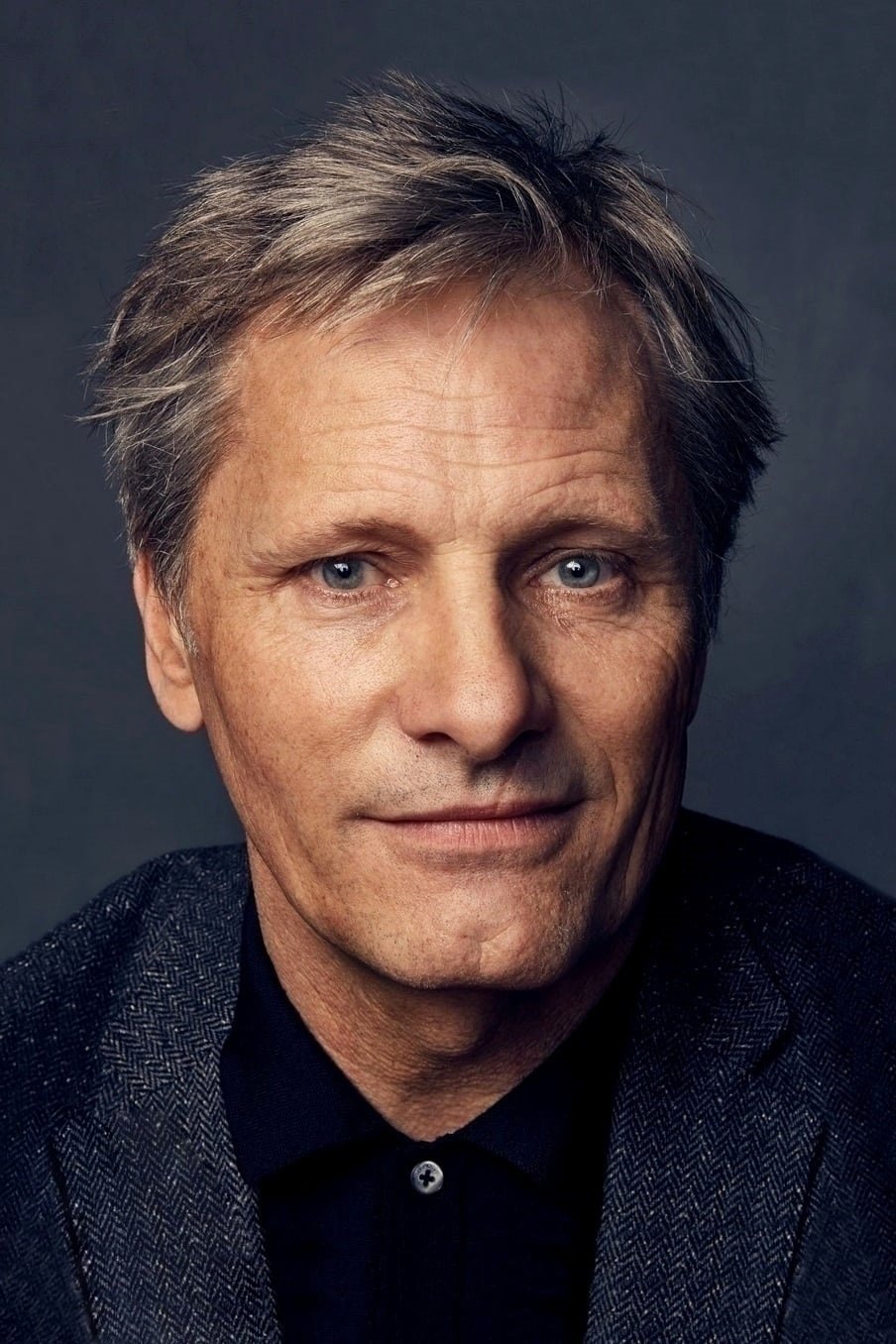
Viggo Mortensen stepped into the role of Aragorn at the last minute, replacing another actor just as filming was about to begin. While his salary was likely more than some of the lesser-known actors, it was still modest for a lead role in such a massive production.
His portrayal of Aragorn was iconic and central to the success of the trilogy. The role made him a household name and a respected leading man. The opportunity to play such a legendary character in a groundbreaking film series was a significant moment in his career.
Ian McKellen – The Lord of the Rings Trilogy (2001-2003)
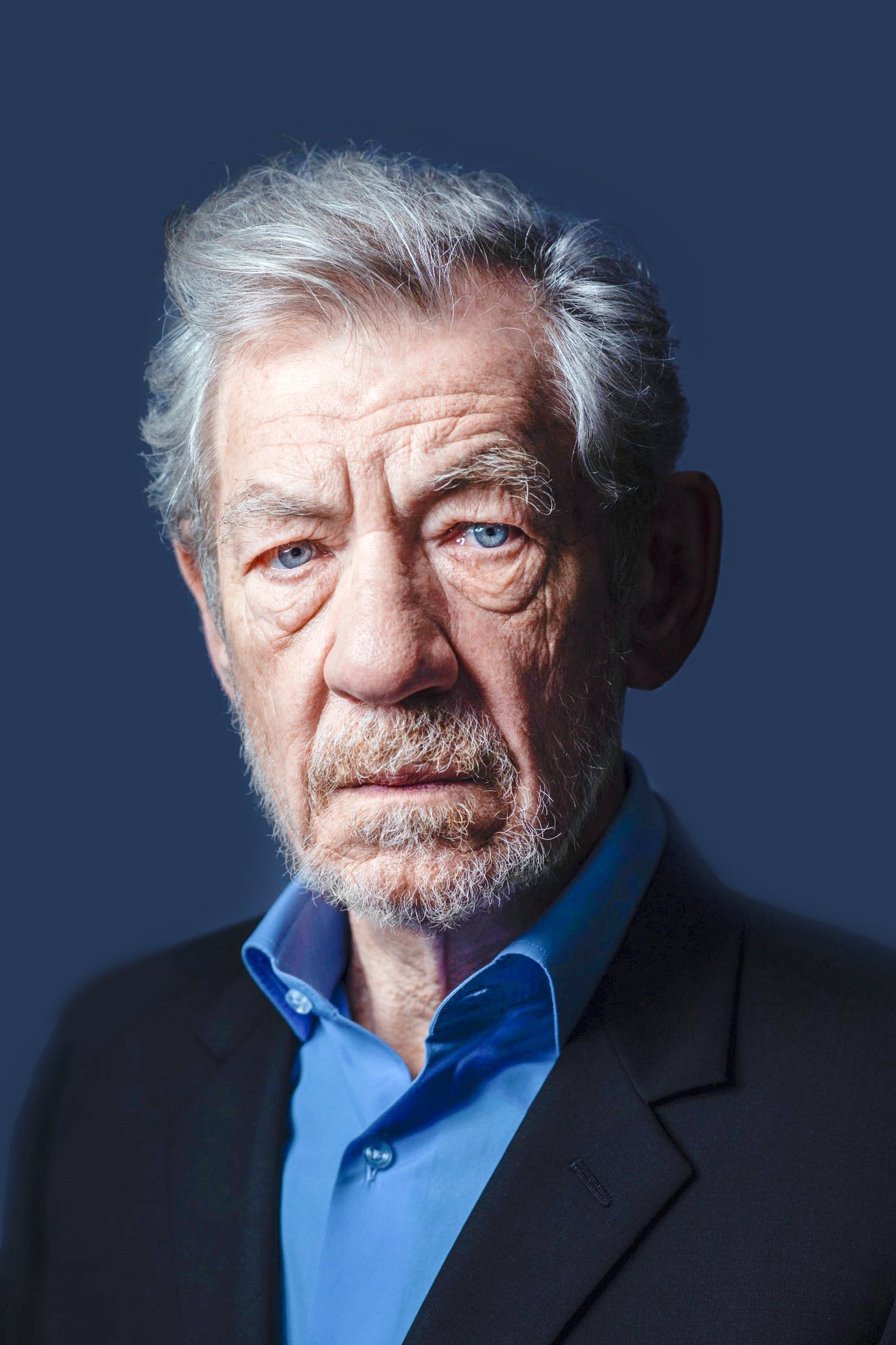
Sir Ian McKellen, who played the wise wizard Gandalf, was one of the most established actors in the cast of The Lord of the Rings. While his salary was higher than many of his co-stars, he still likely worked for less than he could have commanded for another project, given the film’s ensemble nature and budget priorities.
His performance as Gandalf is one of the most celebrated in modern cinema, earning him an Academy Award nomination. His presence brought a level of gravitas and talent to the films that was essential to their success. He has become synonymous with the character, a testament to his incredible portrayal.
Cate Blanchett – The Lord of the Rings Trilogy (2001-2003)
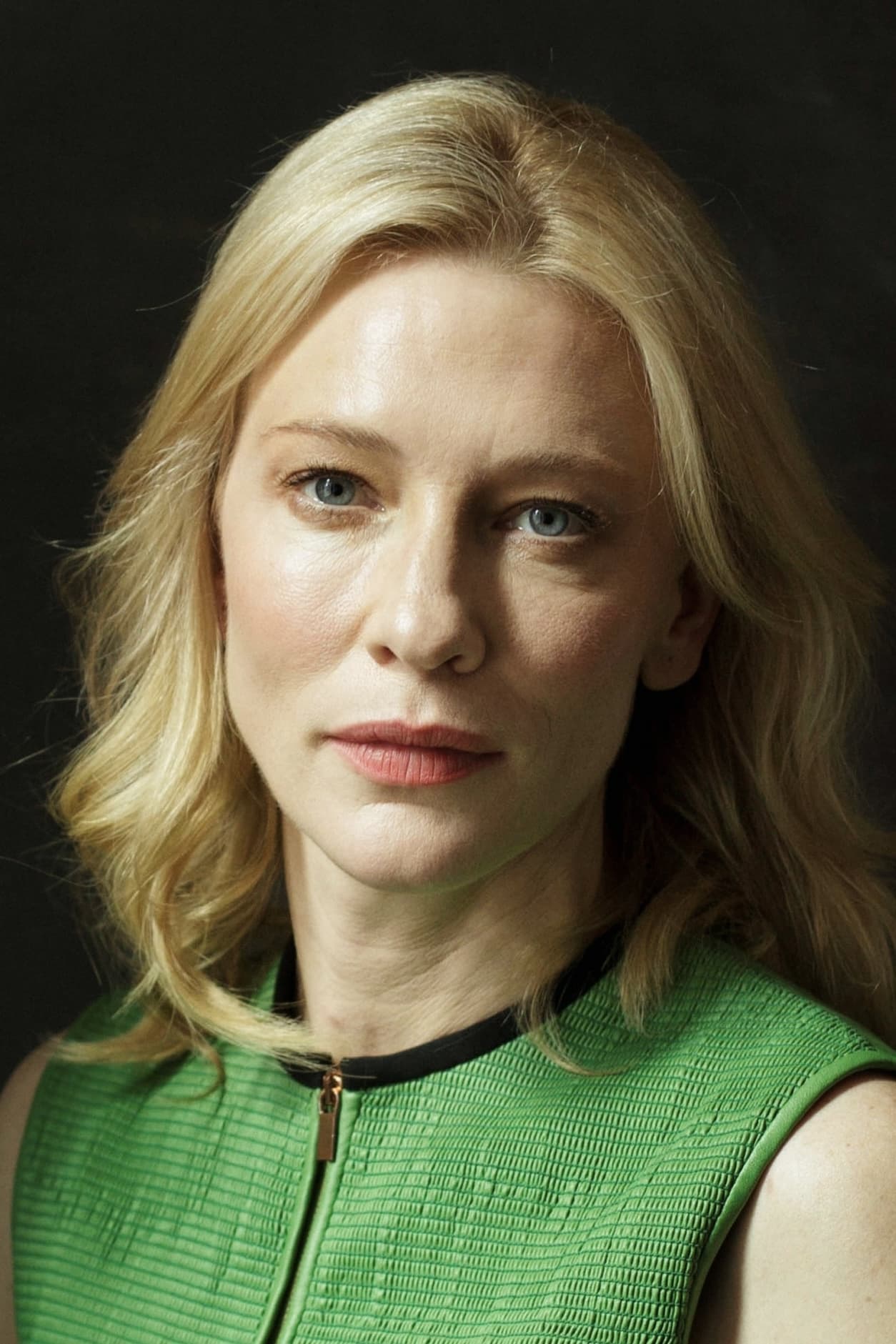
Cate Blanchett, who played the ethereal elf queen Galadriel, was already an acclaimed actress when she joined the cast of The Lord of the Rings. Like her co-stars, she was part of an ensemble that was focused on bringing the world of Middle-earth to life, and the salaries were not the primary motivation.
Her mesmerizing performance added a powerful and graceful presence to the films. Being a part of such a beloved and critically acclaimed trilogy was a significant addition to her already impressive career.
John Rhys-Davies – The Lord of the Rings Trilogy (2001-2003)
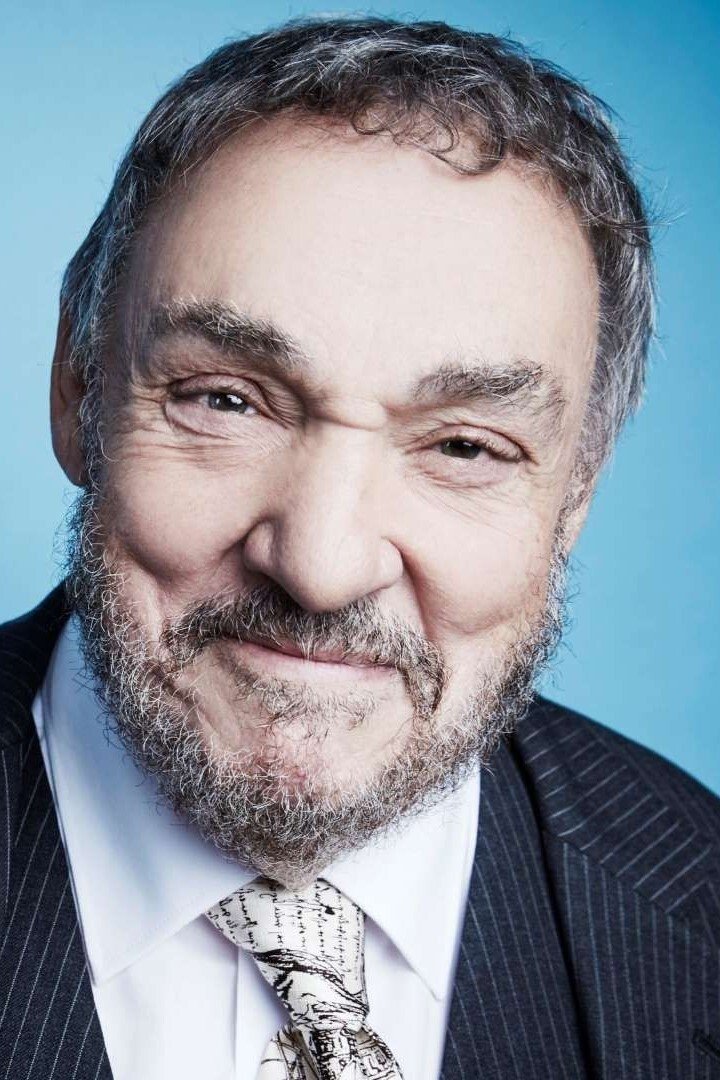
John Rhys-Davies, who played the dwarf Gimli, endured a particularly challenging filming experience due to the extensive prosthetics he had to wear. Despite the physical difficulties and a modest salary for a principal role, his performance brought humor and heart to the Fellowship.
His gruff but lovable portrayal of Gimli made the character a fan favorite. Like the rest of the cast, the reward for his work was being part of a timeless cinematic achievement that continues to be celebrated by audiences around the world.
Michael Keaton – Batman (1989)
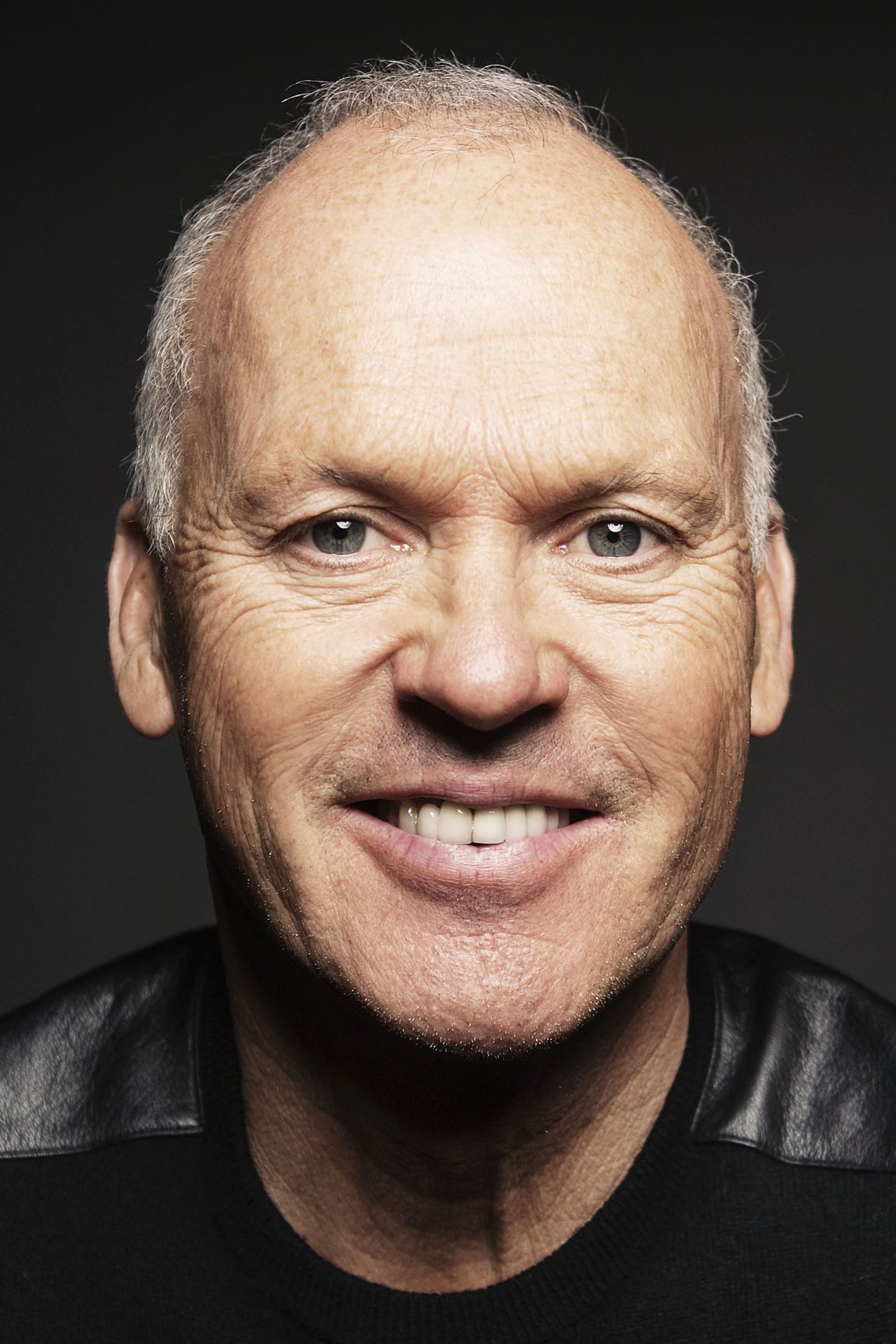
When Michael Keaton was cast as Batman, it was a controversial choice, as he was primarily known for his comedic roles. He was paid a solid salary for the film, but his co-star, Jack Nicholson, who played the Joker, negotiated a much more lucrative deal that included a percentage of the profits and merchandise.
Keaton’s performance as the brooding hero was a huge success, and he proved the doubters wrong. He was praised for his dark and intense portrayal of the character. While he may not have had the same back-end deal as Nicholson, his work in the film solidified his status as a versatile leading man.
Michelle Williams – All the Money in the World (2017)
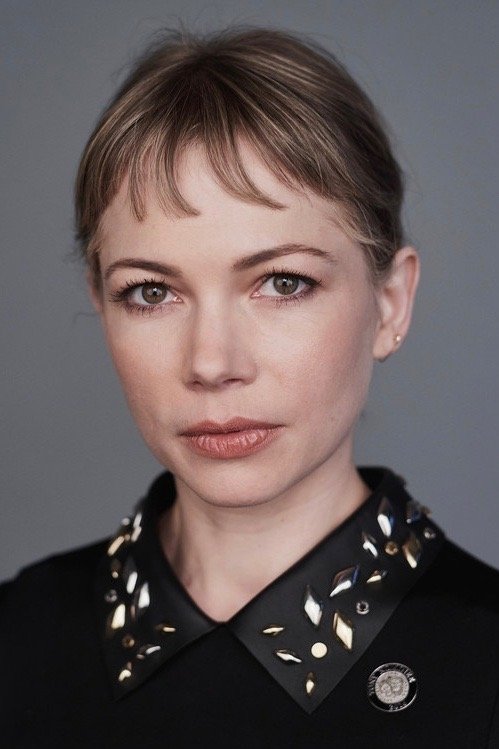
For the film All the Money in the World, reshoots were required after one of the lead actors was replaced. Michelle Williams returned for the reshoots and was paid a per diem of around $80 a day, totaling less than $1,000. She did it to support the film and the director, Ridley Scott.
It was later revealed that her male co-star, Mark Wahlberg, was paid $1.5 million for the same reshoots. The significant pay disparity sparked a major controversy and a public conversation about gender pay equity in Hollywood. Williams became a powerful advocate for equal pay, using her experience to push for change in the industry.
Mark Wahlberg – All the Money in the World (2017)
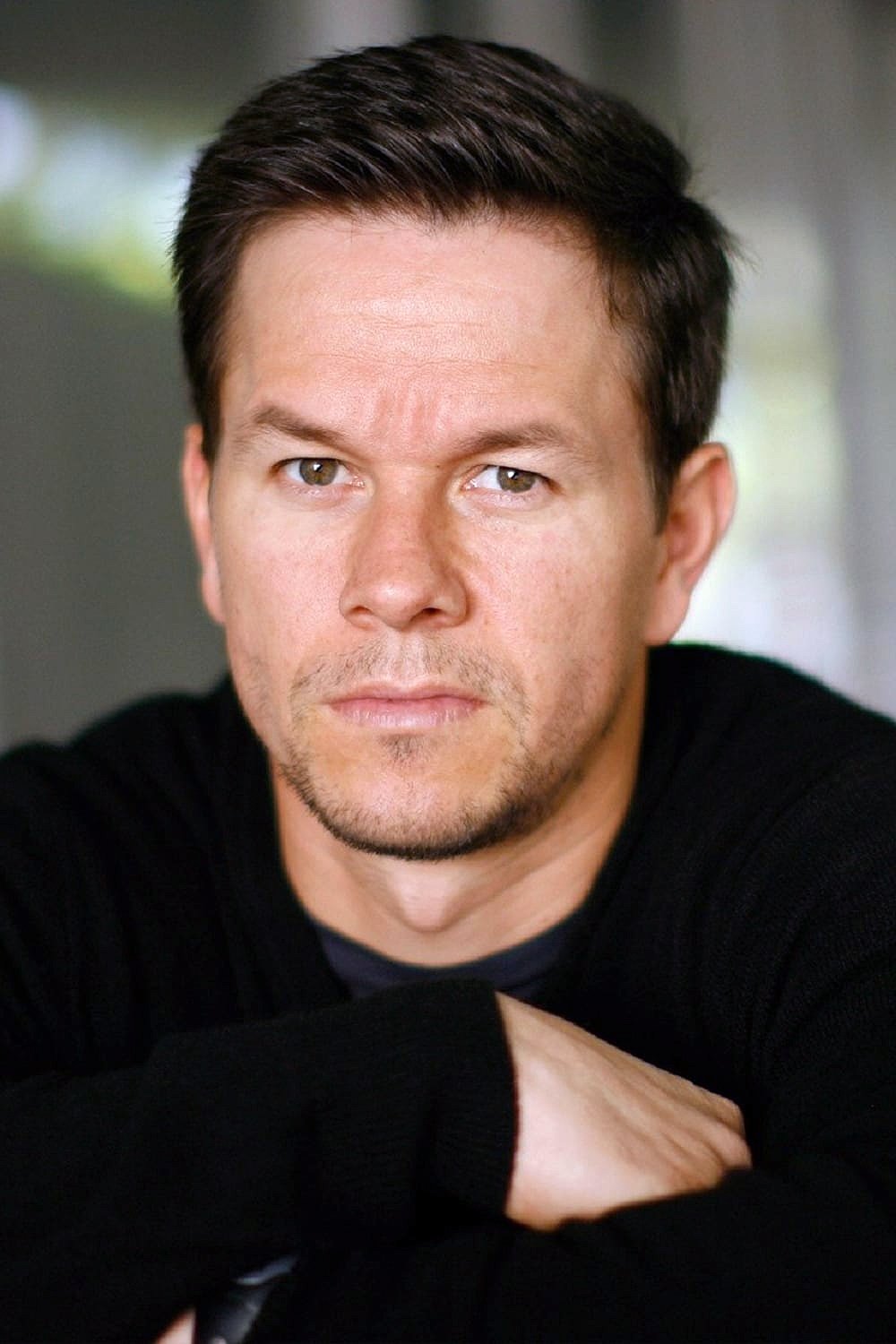
Following the controversy over the pay disparity on the reshoots for All the Money in the World, Mark Wahlberg announced that he would be donating his entire $1.5 million fee to the Time’s Up Legal Defense Fund in Michelle Williams’ name. The fund was established to support individuals who have experienced sexual harassment or inequality in the workplace.
Wahlberg stated that he wholeheartedly supported the fight for fair pay. His donation was a direct response to the public outcry and a significant gesture to show his support for his co-star and the broader movement for pay equity in Hollywood and other industries.
Oprah Winfrey – The Color Purple (1985)
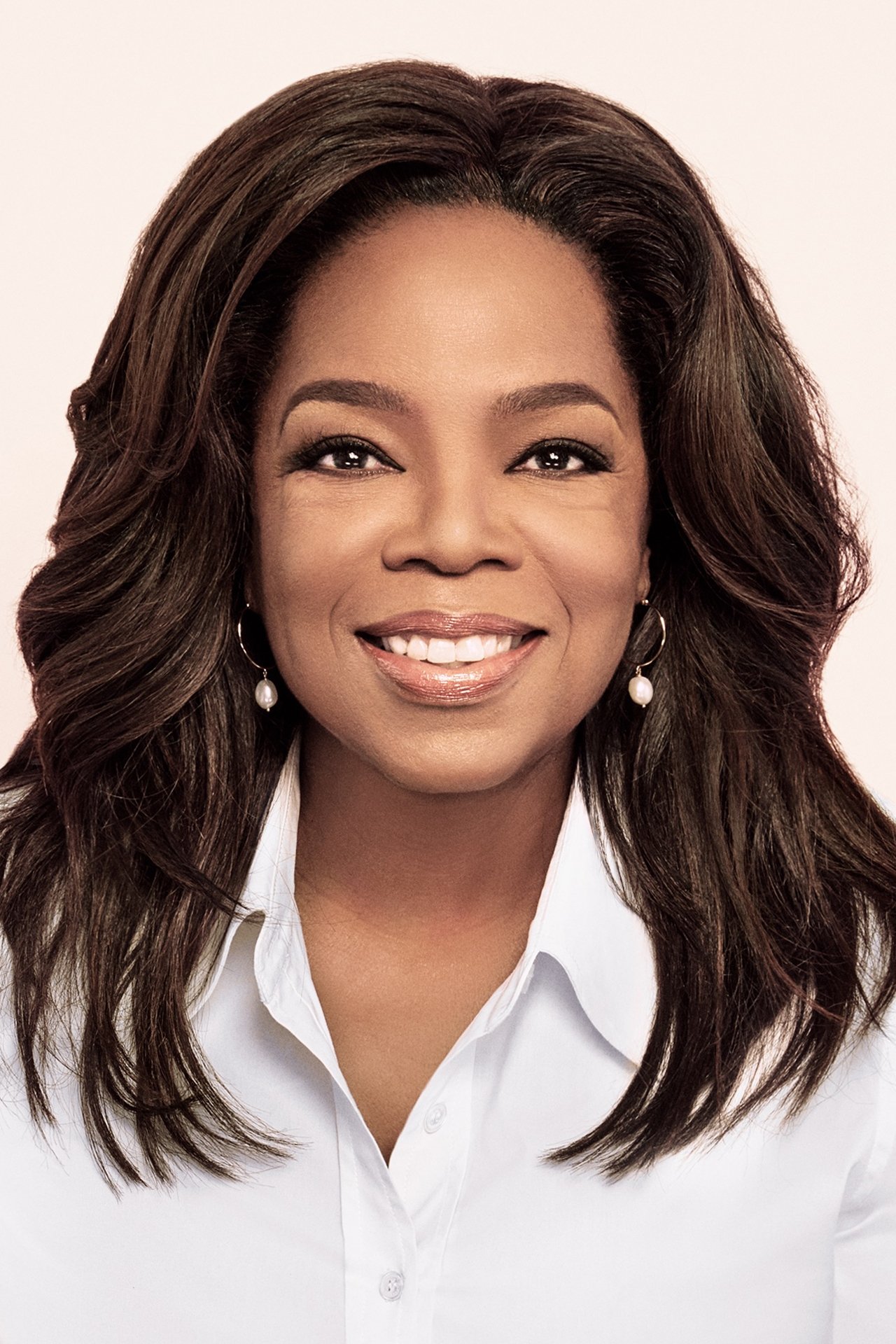
Before she became a global media mogul, Oprah Winfrey was a local talk show host who desperately wanted to be in the film adaptation of Alice Walker’s novel The Color Purple. She was so passionate about the project that she agreed to work for a very small salary to be a part of it.
Her powerful performance as Sofia earned her an Academy Award nomination for Best Supporting Actress and launched her acting career. Her willingness to take a pay cut for a role she believed in led to one of the most acclaimed performances of her career and was an early sign of her determination and passion.
Cameron Diaz – Bad Teacher (2011)

For the comedy Bad Teacher, Cameron Diaz took a significant pay cut from her usual multi-million dollar salary. She agreed to a much smaller upfront fee of $1 million in exchange for a percentage of the film’s profits. This was a risk, as her total earnings would depend on how well the movie performed.
The film was a surprise hit at the box office, and Diaz’s gamble paid off in a big way. She ended up earning a very large sum from her back-end deal, far more than her standard salary. It was a smart business move that demonstrated her confidence in the film’s commercial appeal.
Joan Crawford – Mildred Pierce (1945)
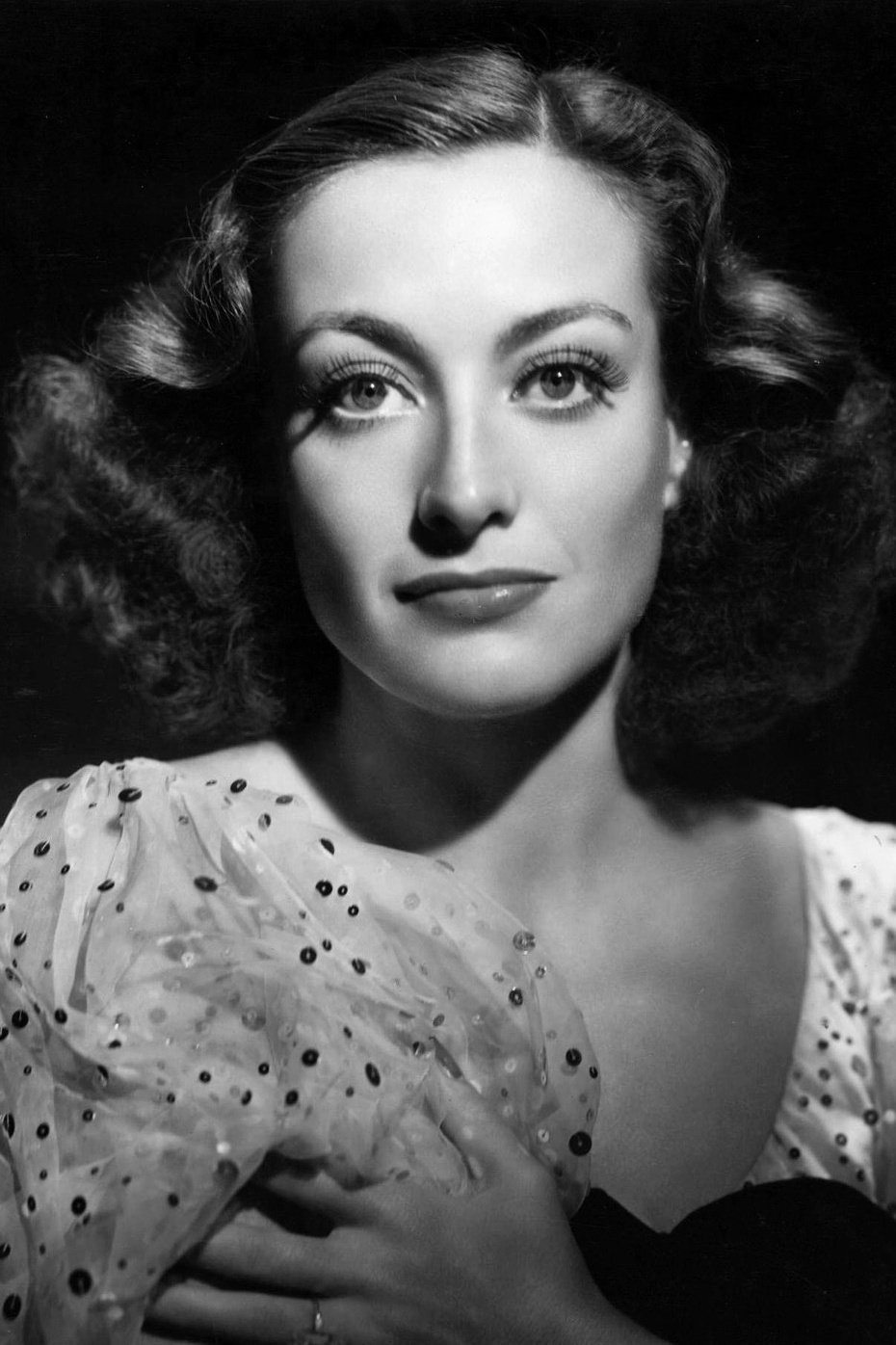
In the 1940s, Joan Crawford’s career had stalled, and she was struggling to find good roles. She left her longtime studio, MGM, and signed a new contract with Warner Bros. for a much lower salary. She was hoping that the pay cut would give her the opportunity to take on more serious and challenging roles.
Her gamble paid off when she was cast in the lead role of Mildred Pierce. The film was a huge success, and Crawford’s performance earned her the Academy Award for Best Actress, revitalizing her career. Her willingness to take a pay cut in order to get better roles proved to be a brilliant career move.
Marlon Brando – A Dry White Season (1989)
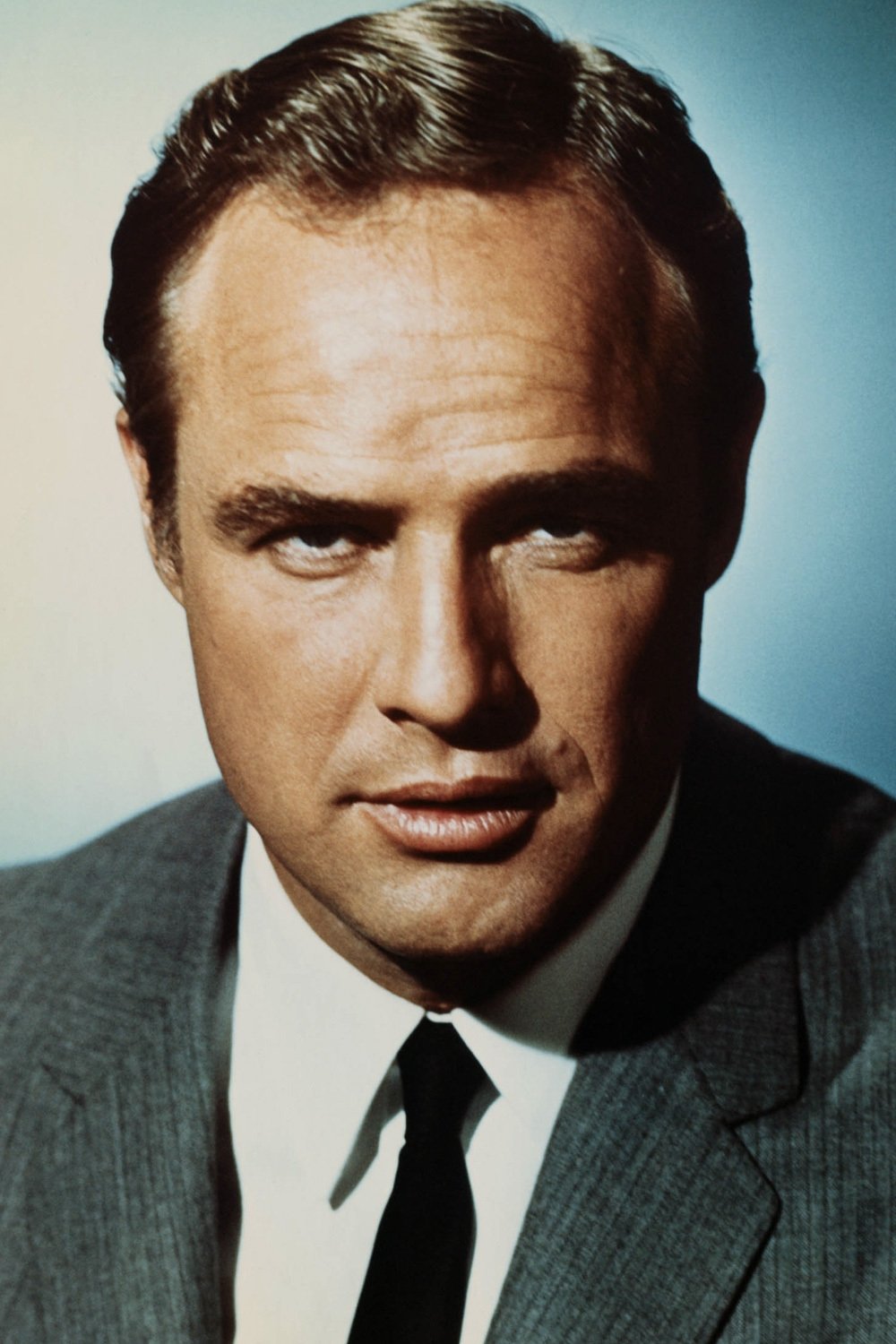
Marlon Brando was known for being a very selective actor, but he was also passionate about social and political causes. For the 1989 anti-apartheid film A Dry White Season, he agreed to work for a very low salary. He wanted to support the film’s message and bring attention to the injustices of apartheid in South Africa.
His powerful supporting performance earned him an Academy Award nomination, his first in over a decade. It was a clear example of Brando using his fame and talent to support a cause he believed in, putting the importance of the film’s message above any personal financial gain.
Harvey Keitel – Various Roles
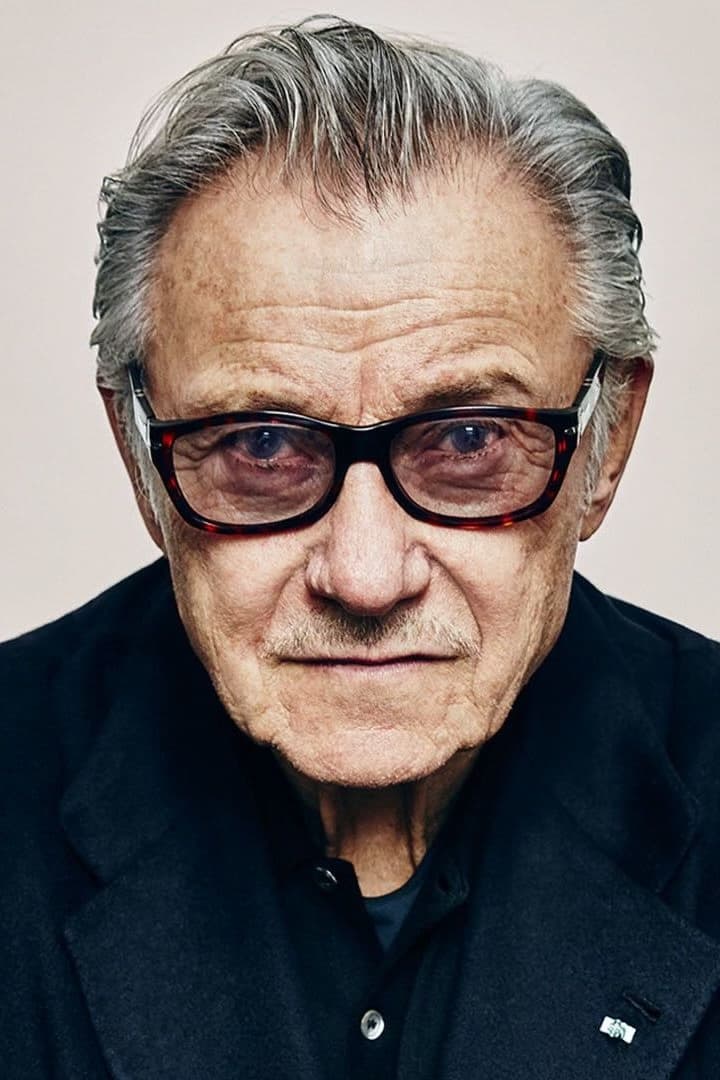
Harvey Keitel has had a long and acclaimed career, and he is known for his dedication to independent film. He has often worked for little or no money on projects he believes in. He is passionate about his craft and has even invested his own money to help get films made.
His commitment to supporting new and emerging filmmakers has made him a beloved figure in the independent film community. He has consistently chosen interesting and challenging roles over big paychecks, building a career based on artistic integrity and a love for storytelling.
Bill Murray – Rushmore (1998)
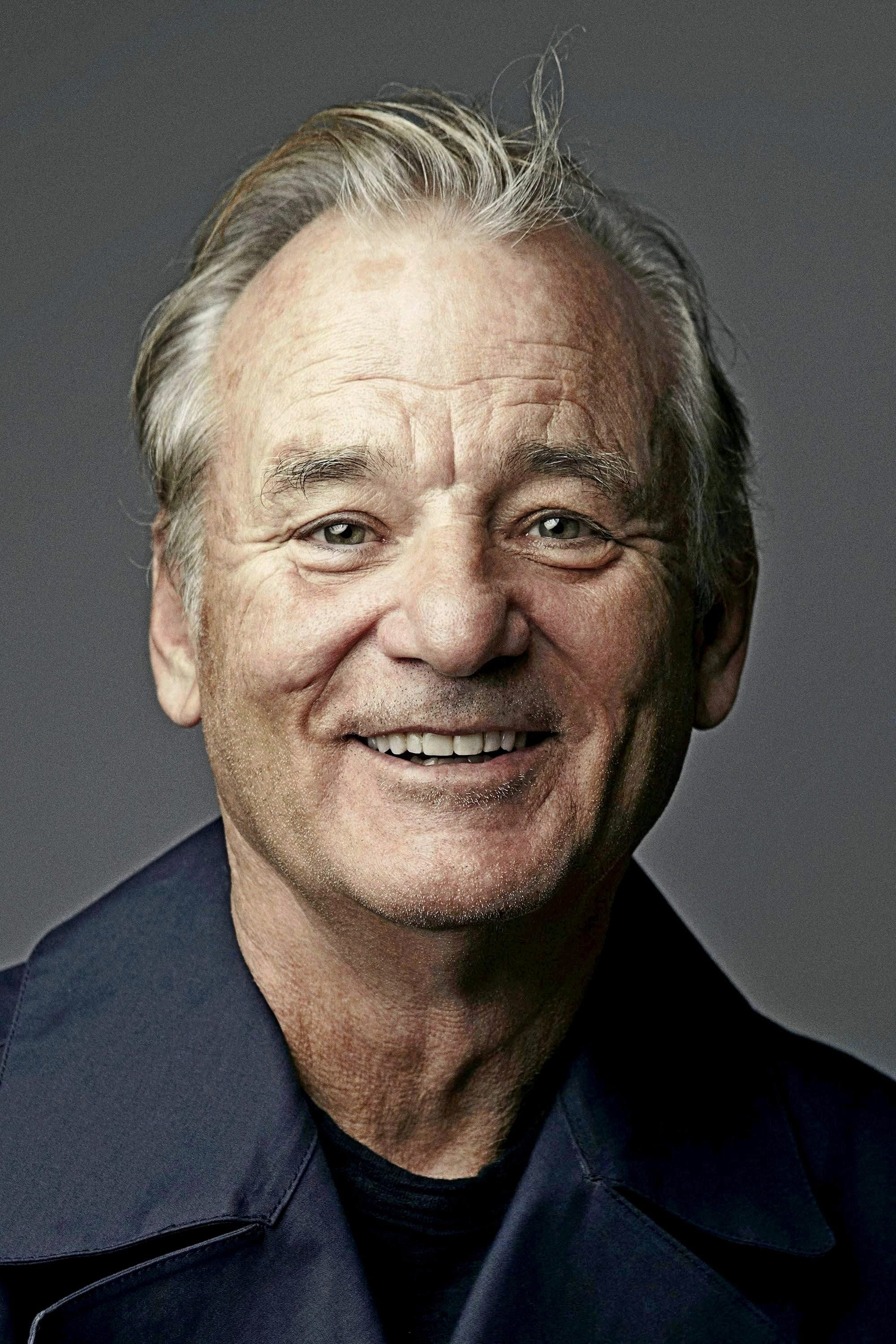
Bill Murray was a big star when he was offered a role in Wes Anderson’s second film, Rushmore. The film had a very small budget, and Murray was paid the minimum salary allowed by the Screen Actors Guild. He loved the script so much that he was willing to work for next to nothing.
He not only took a tiny salary but also gave the director a personal check to help cover the cost of a helicopter scene that the studio wouldn’t pay for. His support and participation were crucial to the film’s success and helped to launch Wes Anderson’s career. It remains one of Murray’s most beloved and critically acclaimed performances.