5 Things About ‘Barbie’ That Made Zero Sense & 5 Things That Made Perfect Sense


‘Barbie’ mixes toy logic with a sharp look at real life. It is bright, fast, and full of jokes. It also jumps between fantasy and real emotions without warning. Some parts are silly on purpose. Some parts cut deep and feel true.
This list looks at both sides. It points out moments that break logic. It also notes choices that track with how people act and feel. The goal is simple: show where the movie bends belief, and where it nails it.
Zero Sense: The Road to the Real World
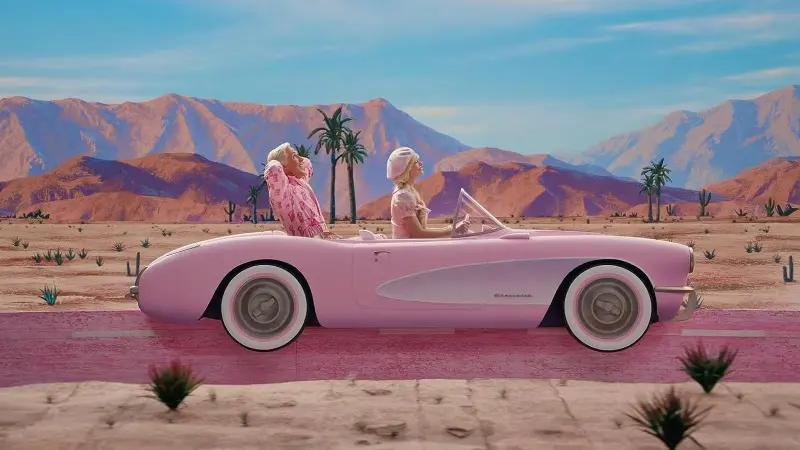
Barbie leaves Barbieland by boat, rocket, camper, and skates. The path works like a kid’s play set. It has no clear rules. There is no map, time frame, or barrier. She just goes.
This jump makes the world feel weightless. It helps the comedy, but it kills stakes. If travel is this easy, why is the Real World a big deal?
Perfect Sense: Barbie’s Existential Crisis
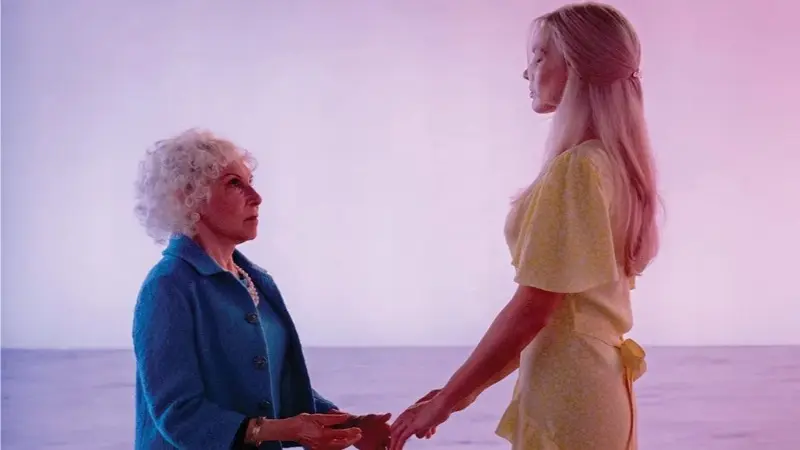
Barbie starts to think about death, cellulite, and purpose. It happens after a child and mother project their worries onto her. That cause-and-effect feels right for a doll that reflects users.
When you change how you play, the toy “changes” too. The film turns that idea into a character arc. It is clean and believable.
Zero Sense: Mattel’s Box Trap Plan
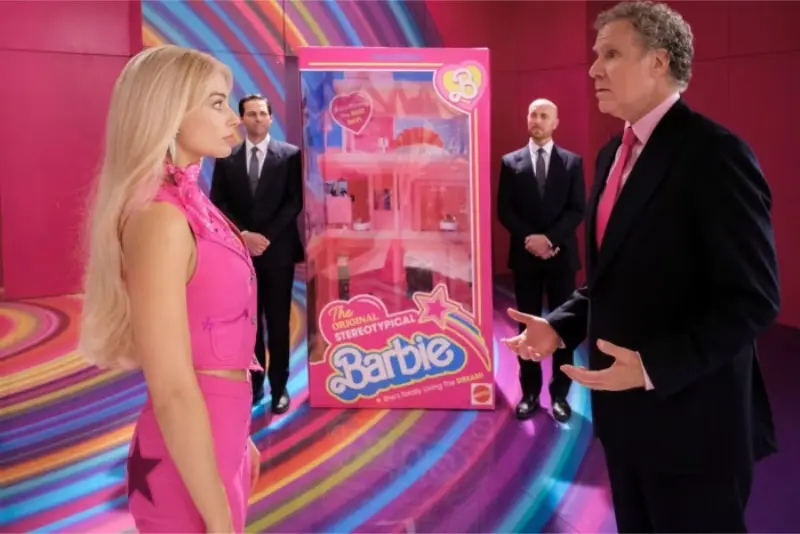
The executives try to solve a crisis by “boxing” Barbie again. They even chase her with a life-size package and twist ties. It is a funny visual. It is not a real plan.
A global company would not fix image problems with tape and a smile sticker. The scene is satire, but it still breaks basic logic inside the story.
Perfect Sense: Ken’s Search for Worth

Ken sees status in the Real World and brings the idea back. He wants respect and a role. That tracks. He has little power in Barbieland, so he grabs the first system that rewards him.
People copy what makes them feel seen. Ken’s move is messy, but the motive is simple and human. It makes sense.
Zero Sense: Kendom’s Overnight Takeover

Barbieland flips to Kendom in a snap. The Barbies give up courts, jobs, and homes after a few songs and horse posters. The switch is too fast.
Change that big needs time and conflict. Here, it happens between cuts. It stretches belief even for a toy world.
Perfect Sense: Gloria’s Role in Saving Barbieland
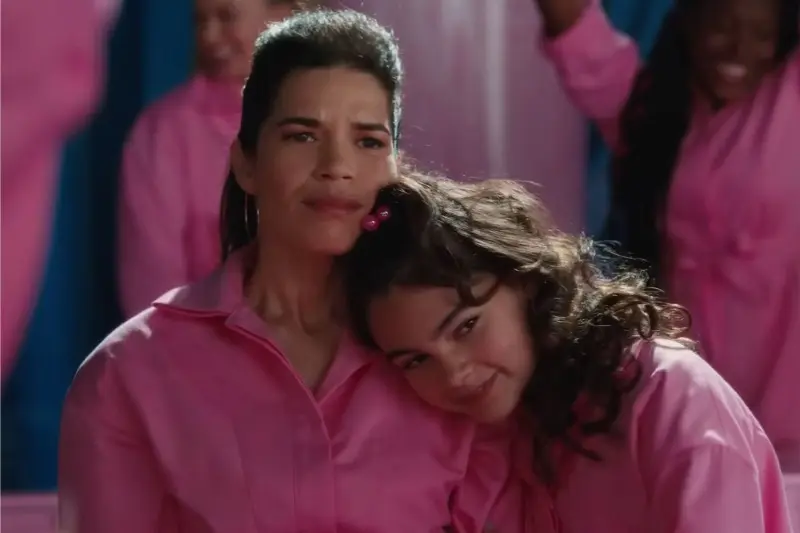
Gloria names the pressures women live with. Her words break the Barbies out of a haze. That works. Many people need someone to describe what they feel before they can act.
The film shows how language can unlock action. The turnaround flows from that speech and shared experience. It fits.
Zero Sense: Weird Barbie’s Powers and Exile
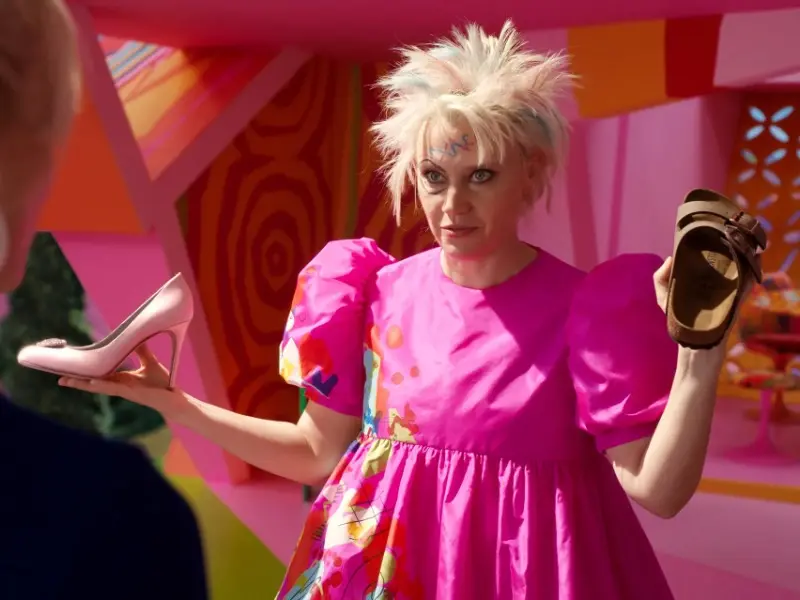
Weird Barbie knows the rules of both worlds. She has a map, a prophecy vibe, and tech no one else has. The movie never explains why she, and only she, gets this role.
Her exile also raises questions. If everyone plays with dolls, why is only one Barbie “weird” and all-knowing? The logic is thin.
Perfect Sense: The Double-Standards Speech
The speech about being “too much and never enough” rings true. It lists real conflicts many face at work, at home, and online. It explains why the Barbies lost focus.
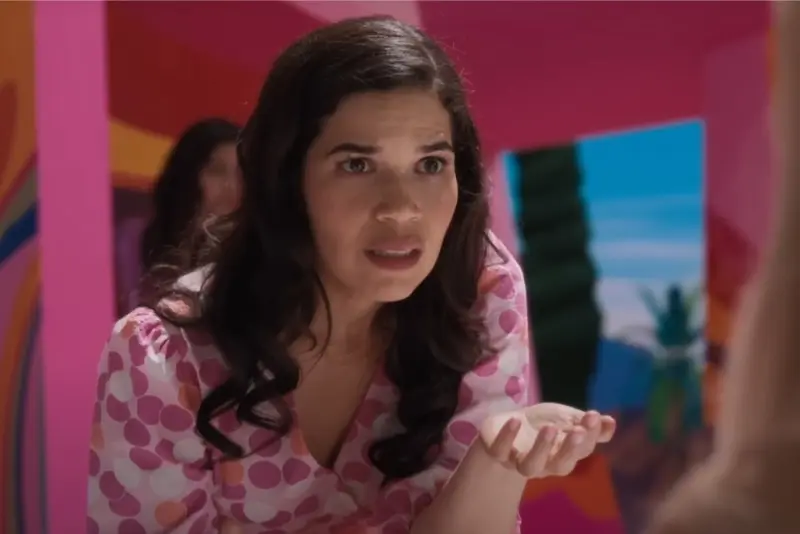
This moment ties plot to theme. It gives the characters a reason to wake up. It grounds the story in real life.
Zero Sense: Flat Feet and Hard Physics
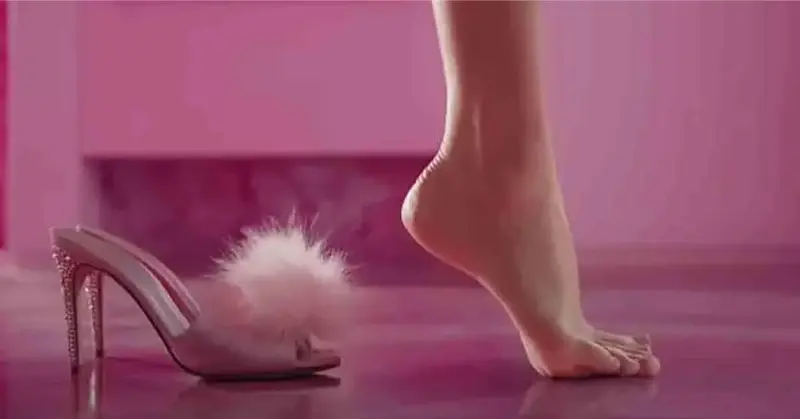
Barbie’s heels drop and her feet go flat. It signals a crisis. But her body also shifts between plastic rules and human pain with no clear system. Sometimes falls do not hurt. Sometimes they do.
The movie uses “toy physics when funny, human physics when needed.” It works for laughs. It fails as a consistent world rule.
Perfect Sense: Barbie Choosing to Be Human

Barbie picks a real life over a perfect plastic one. She wants feelings, growth, and choice. That is a clear end to her arc from object to person.
The decision honors the journey. She moves from being played with to writing her own story. That choice makes emotional sense.
Share your take: which parts of ‘Barbie’ broke your brain and which felt true—drop your thoughts in the comments.