5 Things About ‘The Green Mile’ That Made Zero Sense & 5 Things That Made Perfect Sense

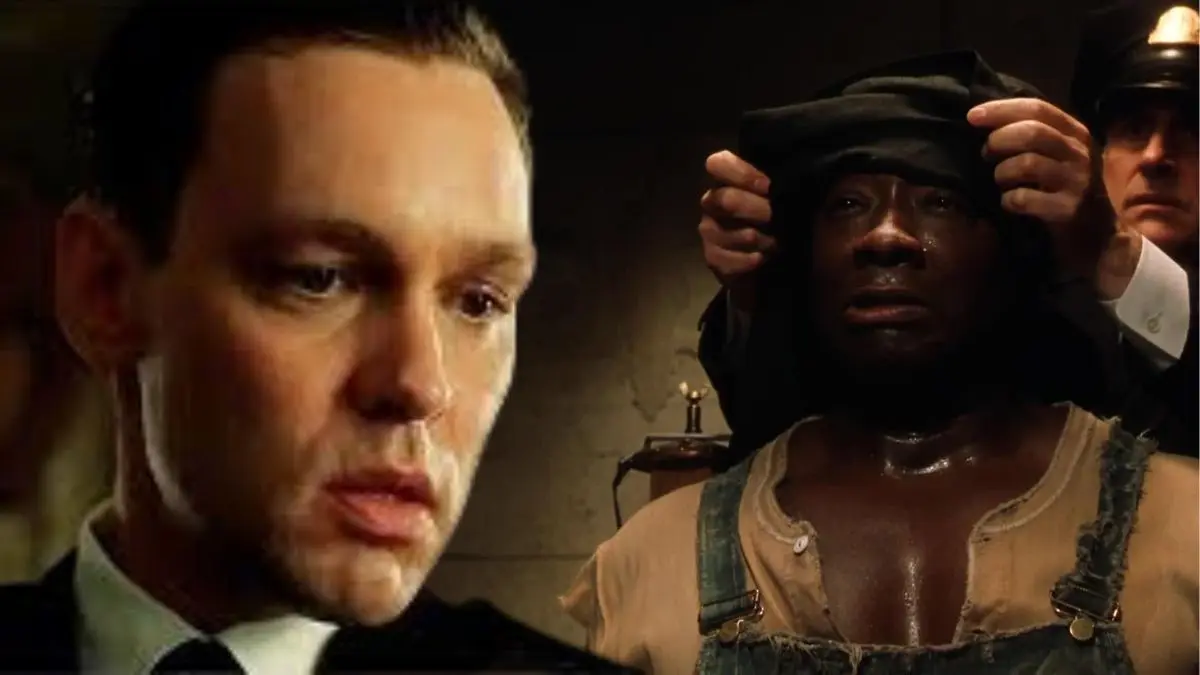

‘The Green Mile’ mixes prison drama with the supernatural. It gives us big emotions and clear heroes and villains. But some parts feel shaky when you think about them.
Here are five things that made zero sense and five that made perfect sense. We’ll switch between them to keep it balanced.
Zero Sense: Sneaking John Coffey Out Of Death Row
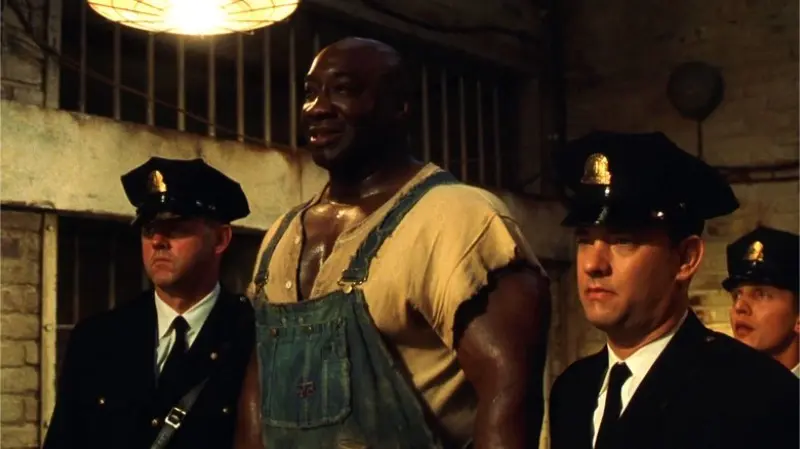
The guards take John to the warden’s house at night. They do it to heal Melinda. It is a huge risk. He is a condemned inmate. If anything went wrong, everyone would lose their jobs or worse.
They also drug another inmate and lock a guard in a padded room. This is not a small slip. It is a full covert operation with a truck and no backup. In real life, a move like this would be unthinkable.
Perfect Sense: Percy’s Power Comes From Politics
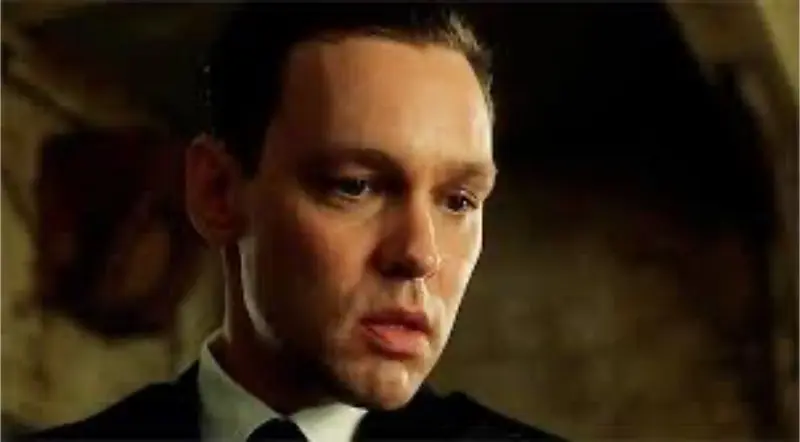
Percy Wetmore acts untouchable. He mocks prisoners, breaks rules, and dodges blame. The film explains why. He has family ties to the state’s top office.
That detail makes his behavior believable. Nepotism protects him. The other guards hate it but know they cannot stop it.
Zero Sense: Letting Percy Run An Execution
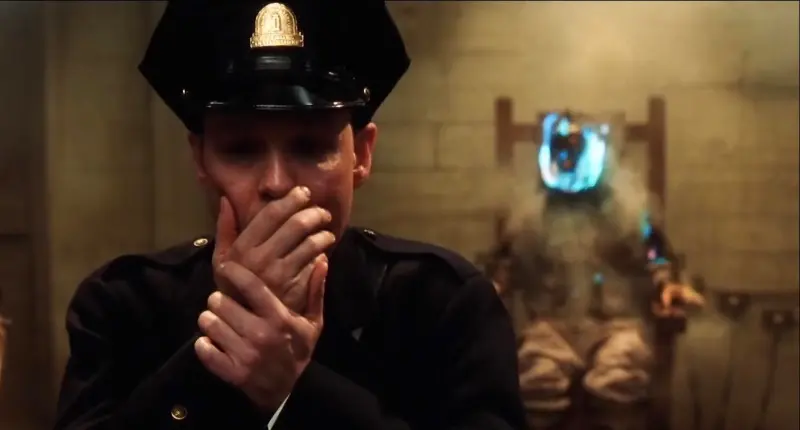
After many warnings and ugly behavior, Percy still gets to lead Del’s execution. That is a critical duty. It needs a steady hand.
Putting him in charge makes no sense. The team knows he is cruel and unstable. Giving him that role is asking for disaster.
Perfect Sense: The Electric Chair Details
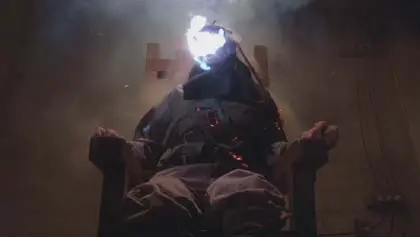
The wet sponge is not a random prop. It is a real part of chair protocol. A soaked sponge helps conduct electricity and shortens pain.
When the sponge is dry, the scene turns brutal. That grim outcome fits known failures with the chair. The movie gets the mechanics right.
Zero Sense: The Rules Of John Coffey’s Powers
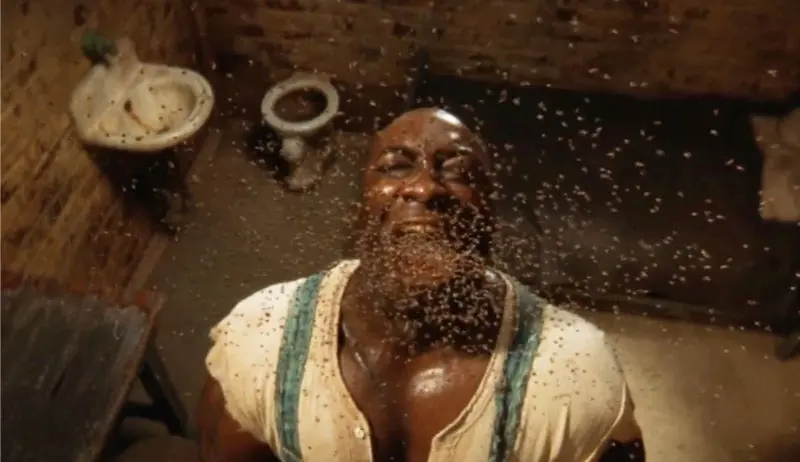
John heals a bladder infection, revives a mouse, cures a tumor, shares visions, and passes illness into others. But the story never sets clear limits.
Sometimes he exhales the sickness like flies. Other times he transfers it into a person. The power works when the plot needs it, which makes the rules feel loose.
Perfect Sense: Why Clearing John’s Name Was Near Impossible
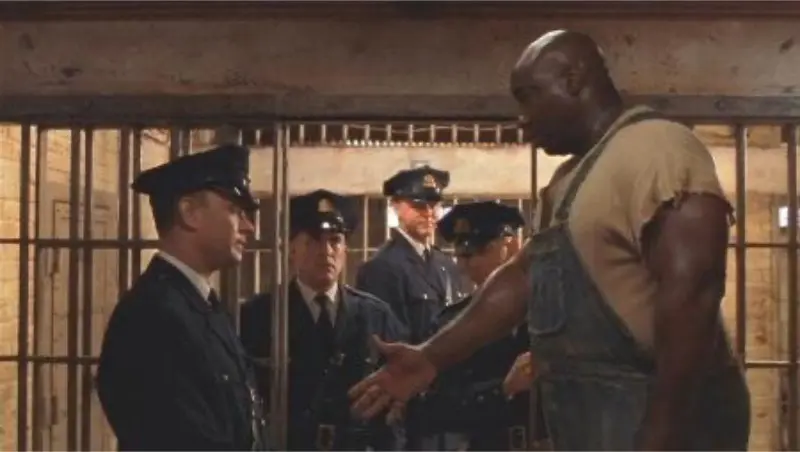
The setting is the Deep South in the 1930s. A Black man is found holding two dead girls. There is no forensic science to help him.
The guards suspect the truth later, but they have no hard proof a court would accept. Given the time and place, their options are grim and narrow.
Zero Sense: Little Action After The Vision Of The Real Killer
Paul learns that ‘Wild Bill’ did the crime. Even so, the group does not try real steps to reopen the case. They do not push the sheriff or seek a stay.
You could argue time is short. Still, the lack of any legal move is hard to swallow. A witness statement or a visit to the victims’ family might have started something.
Perfect Sense: The Mile’s Step-By-Step Procedures
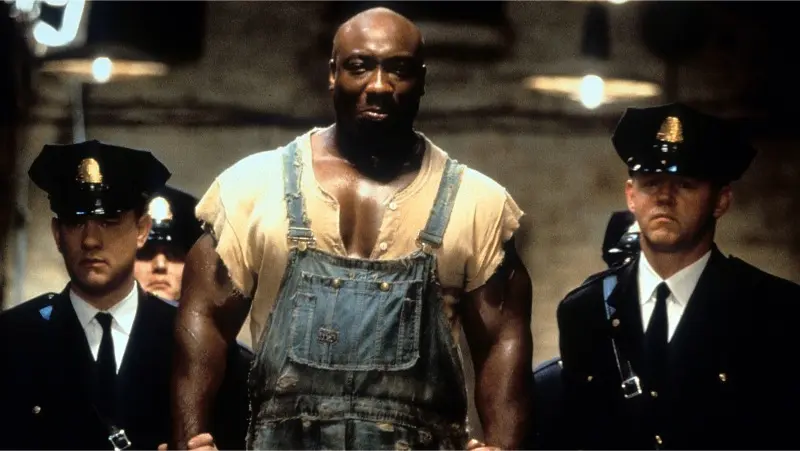
The guards rehearse the walk. They check straps, last words, and witnesses. They keep the block clean and quiet.
These details track with real execution prep. It shows how professionals try to control a terrible task. The routines feel authentic.
Zero Sense: Mr. Jingles Living For Decades
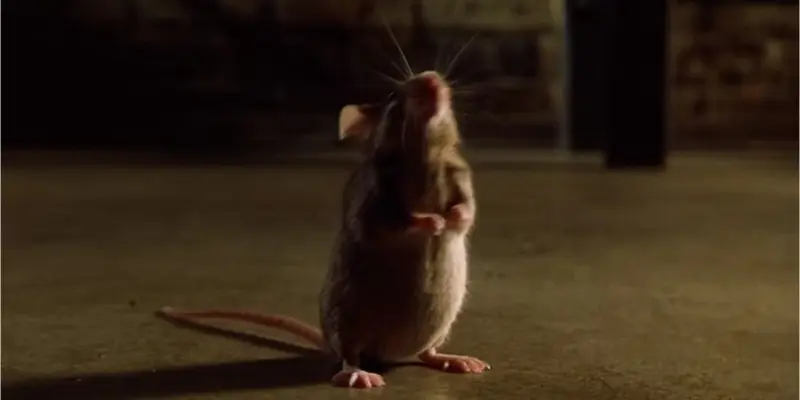
A mouse living decade after decade is a stretch. The film links it to John’s touch. Even so, it pushes belief.
It works as a symbol for Paul’s long life. But as a literal outcome, it strains logic, even within a fantasy story.
Perfect Sense: John’s Fear Of The Dark And The Hood
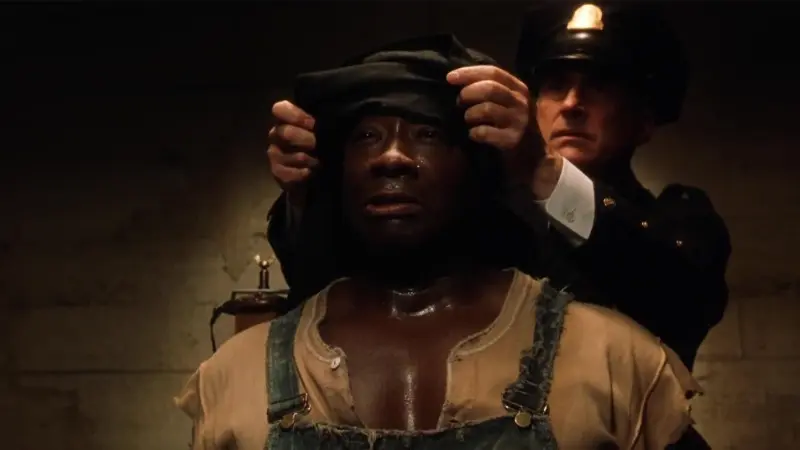
John asks them not to put the hood on. He says he is afraid of the dark. It matches how gentle and childlike he is from the start.
This small choice deepens the tragedy. It fits his character and the guards’ respect for him. The moment rings true.
Share the Mile wisdom: which scene felt most true—or most off—to you? Drop your take in the comments.