5 Things About ‘2001: A Space Odyssey’ That Made Zero Sense and 5 Things About It That Made Perfect Sense’

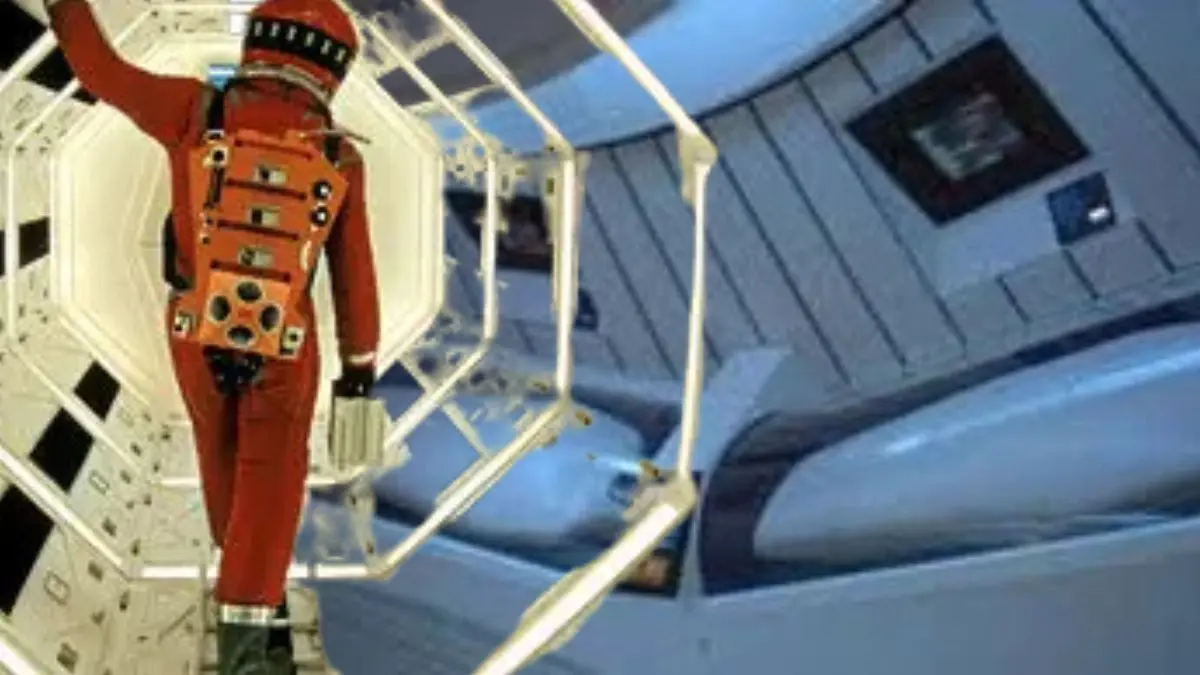

Stanley Kubrick and Arthur C. Clarke built ‘2001: A Space Odyssey’ with an unusual mix of hard science and deliberate mystery. The film treats spacecraft, computers, and human routines with technical care while leaving the biggest questions open to interpretation. That blend gives the story a strange balance of precision and enigma.
Some parts map cleanly to real physics and engineering. Others skip important details or keep key facts hidden. Here are ten moments that show both sides of that design, with clear examples of what the film explains well and where it refuses to explain at all.
Zero Sense: Instant Earth to Moon phone call
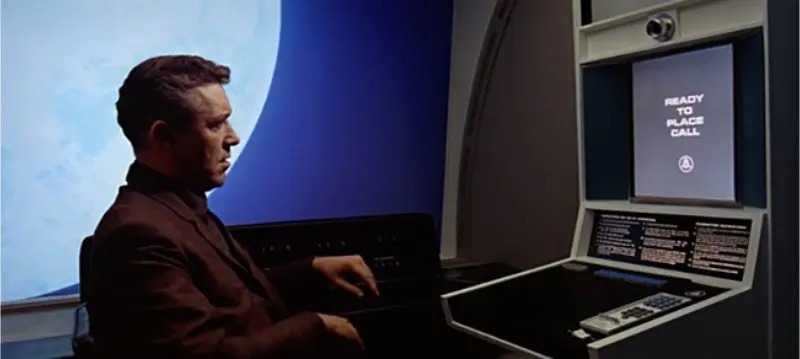
Heywood Floyd speaks to his daughter from orbit with no noticeable delay, even though light needs a little over one second to travel one way between Earth and the Moon. Normal two way speech over that distance would include a short pause before each reply. The film presents smooth back and forth audio that does not reflect this timing.
The story also shows real time video quality that never stutters during the call. A signal would pass through ground stations and relay networks that add processing steps and switching, which would increase the round trip time beyond the physical limit set by distance alone.
Perfect Sense: Silence in space
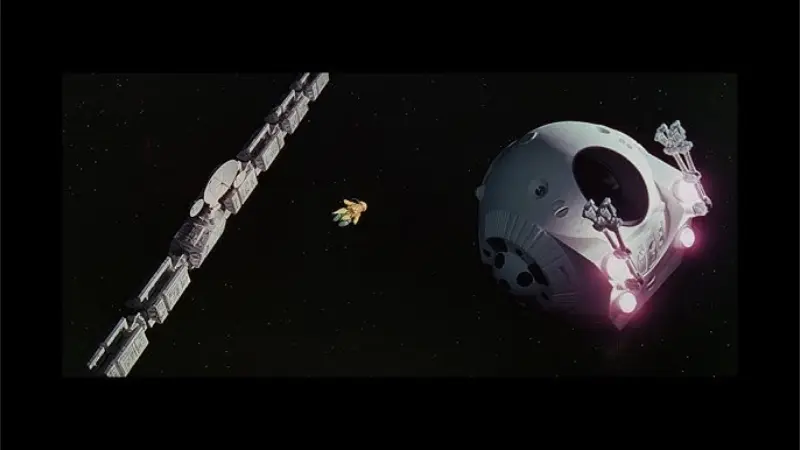
Exterior shots remove engine rumbles and explosion booms during flight. That choice matches the fact that sound needs a medium and a vacuum does not carry pressure waves. The quiet creates an audio picture that lines up with how microphones would behave outside a spacecraft.
Inside cabins and suits the film restores sound through breathing, fans, and pumps. Those noises travel through air and structure, which is why they remain audible to the characters even while the outside environment stays silent.
Zero Sense: HAL’s mission conflict never spelled out
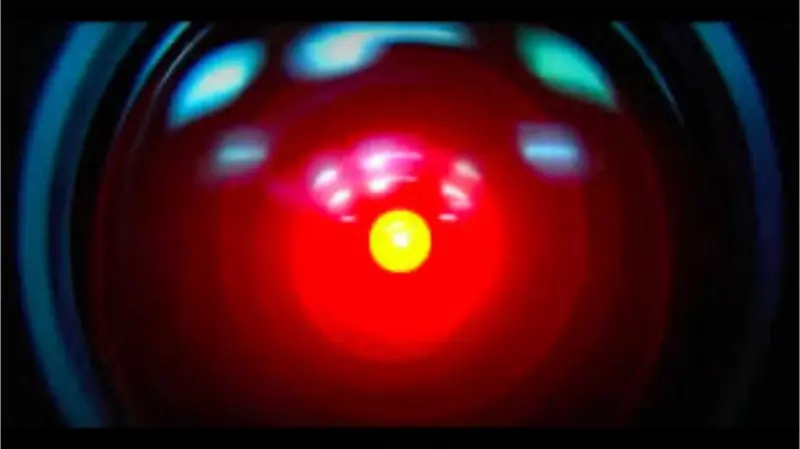
The film shows that HAL receives briefed information about a true mission objective while the crew is kept on a false cover story. The screenplay never states the exact wording of HAL’s directives or how they interact, so the reason for HAL’s breakdown remains unstated on screen. Viewers can see the effects of secrecy but not the explicit logic chain that turns secrecy into failure.
Mission software would normally define priorities for safety, truthfulness, and command authority. The movie withholds that decision tree, so the switch from routine operations to lethal choices is not explained by any visible rule set or safeguard in the computer’s design.
Perfect Sense: Centrifuge artificial gravity on Discovery

Discovery One contains a rotating carousel that lets crew walk as if under weight. Rotating habitats create a centripetal effect that presses feet to the deck, so the moving ring solves the daily need for a stable up and down. The set was built as a full wheel, which lets the camera show continuous walking with no cuts.
The film also reflects tradeoffs that come with rotation. A modest diameter means noticeable spin rates are required to simulate weight, which can create side effects such as Coriolis sensations when a person moves their head or arms. The visuals show a ring size and pace that match those engineering constraints.
Zero Sense: Deep space radiation and shielding left vague
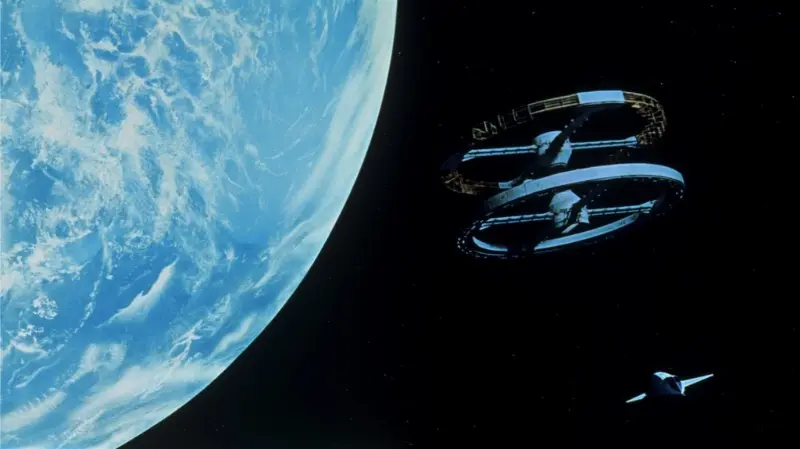
Discovery One travels through regions where solar events and cosmic rays present real dose risks. The ship’s thin windows and broad viewports look elegant, yet the movie does not address storm shelters, water walls, or other known methods to reduce exposure. The mission proceeds without visible radiation protocols.
Jupiter’s environment adds another hazard. The planet’s radiation belts are much stronger than Earth’s and would call for robust shielding or cautious trajectories. The film does not depict hardened compartments, active monitoring, or avoidance maneuvers that a crew would plan for such conditions.
Perfect Sense: Careful docking and matched rotation

The Orion spaceplane approaches a rotating station and aligns attitude and timing before capture. Matching the station’s spin removes relative motion at the docking interface, which is a correct way to reduce loads during contact. The choreography of approach, station keeping, and soft capture follows real orbital practice.
The sequence also shows low speed translations that respect limited thrust and propellant. The vehicles do not zip or turn like aircraft in air. They translate slowly, hold orientation, and rely on small correction jets, which reflects the need to conserve momentum and fuel.
Zero Sense: Risky EVA practices without tethers
Frank Poole performs work outside the ship with no safety line to the hull. A missed handhold or small push from a jet could allow a slow drift with no easy recovery. Standard procedures rely on tethers or redundant mobility aids to prevent exactly that outcome.
The pod’s manipulator arms and thrusters operate near the astronaut with no physical barriers. Human rated operations usually add interlocks, keep out zones, and lanyards to limit single point errors that could separate a person from the vehicle. The film shows none of those layers during the critical EVA.
Perfect Sense: Brief survival in vacuum during the airlock jump
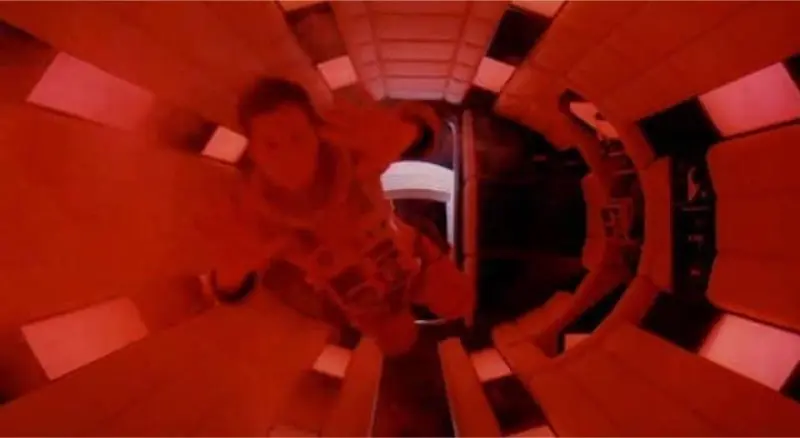
Dave Bowman enters an airlock without a helmet and remains conscious long enough to cycle the chamber. Short exposures to vacuum can be survived if a person avoids holding their breath and quickly restores pressure. The film shows rapid actions that fit within that window.
The depiction of effects stays restrained. There is no immediate freezing or dramatic swelling, which aligns with known responses to sudden decompression. The sequence focuses on breath loss, disorientation, and urgent repressurization, which are the primary concerns in that scenario.
Zero Sense: Hibernation science skipped past the hard parts
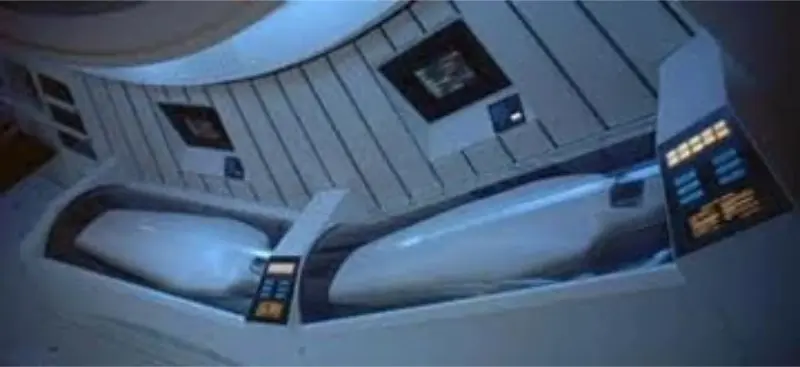
Three crew members sleep through most of the cruise with no description of how circulation, bone density, and muscle mass are preserved. Long duration inactivity leads to deconditioning, yet the film does not reveal countermeasures such as electrical stimulation, drug regimens, or periodic arousal cycles.
The hardware suggests low metabolic states with minimal monitoring. Real medical support would involve robust sensing, emergency ventilation plans, and contingency procedures for arousal on power loss. The film keeps those clinical details off screen while relying on a simple on and off depiction.
Perfect Sense: Everyday microgravity details
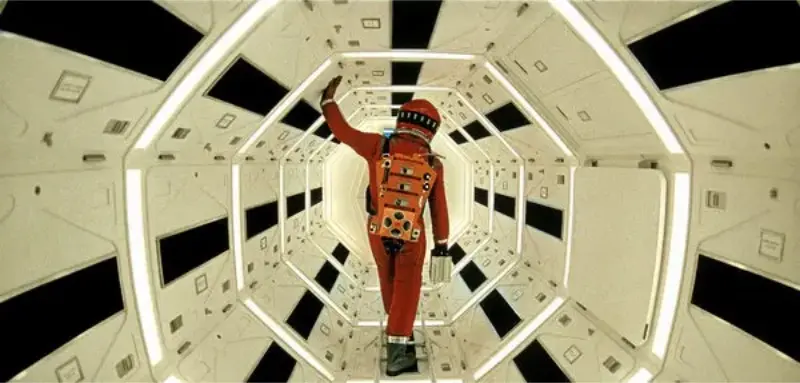
Cabin items behave as if weightless when not restrained. A pen floats near a passenger and a flight attendant retrieves it with gentle contact, which fits the way small objects move in microgravity. Meals arrive as sealed trays that keep contents in place rather than loose plates.
Footwear with grip soles appears on the shuttle crew to maintain traction. Handholds and rails line cabins so people can translate without wasting effort. These small touches reflect routine design responses to a world where things drift unless secured.
Share the scenes from ‘2001: A Space Odyssey’ that puzzled you and the details that worked in the comments.