5 Things About ‘Kill Bill’ That Made Zero Sense and 5 Things About It That Made Perfect Sense

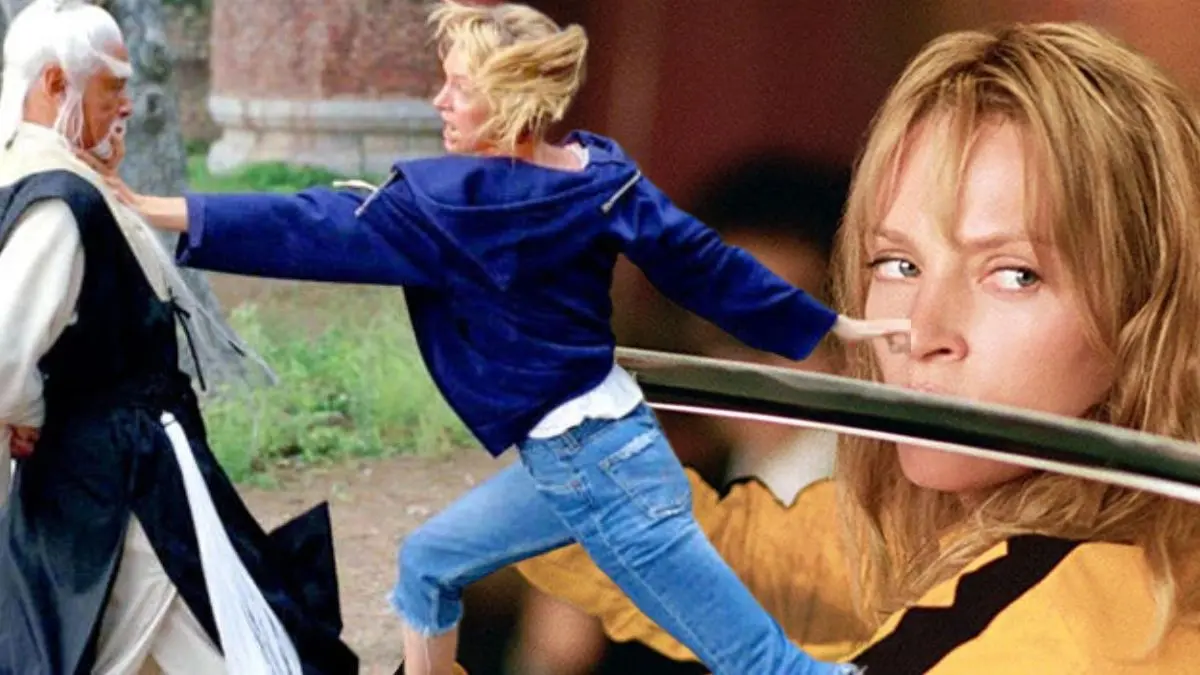

Rewatching ‘Kill Bill’ is a wild ride from the first hospital scene to the quiet final walkaway. The two volumes pack in martial arts lore, grindhouse flavor, and a revenge story that jumps across continents with a stack of names to cross off. The plot keeps moving and the set pieces are easy to remember even years later.
Along the way you get moments that stretch real world logic and others that line up neatly with details the story already gave you. The best way to see both sides is to hold each eyebrow raising beat next to something the film builds with care. Here are ten clear examples that show where it bends reality and where it lays solid tracks first.
Zero Sense: Coma recovery speed
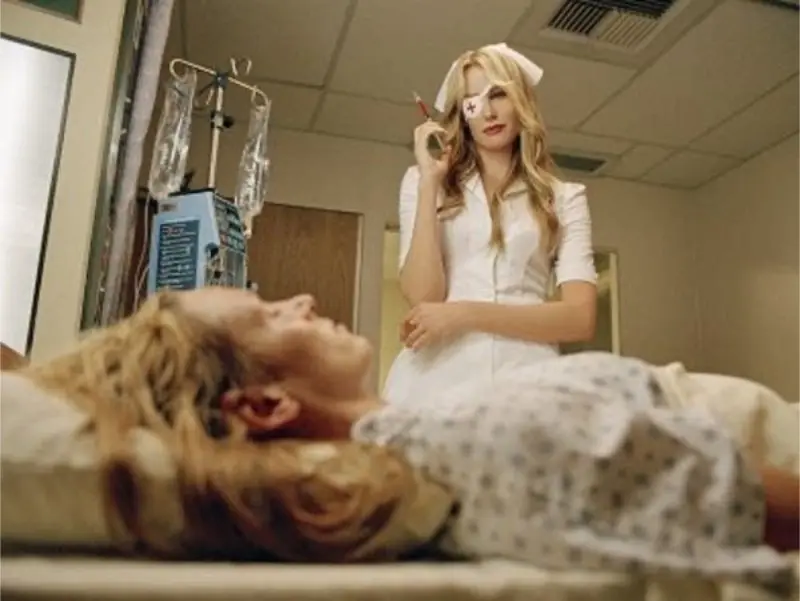
The Bride wakes from a four year coma and within hours stands, walks, drives, and fights. Long term immobilization usually brings severe muscle wasting and joint stiffness, which makes basic movement hard and can require months of rehab. Nerve function and balance also suffer after extended bed rest, which adds more time before someone can move with precision.
On screen she regains motor control fast after the wiggle your big toe effort in the back seat of the truck. Soon after she takes on trained opponents and executes high output techniques without any visible ramp up. The timeline between awakening and full combat ability is compressed in a way that does not match typical recovery patterns.
Perfect Sense: Pai Mei training payoff
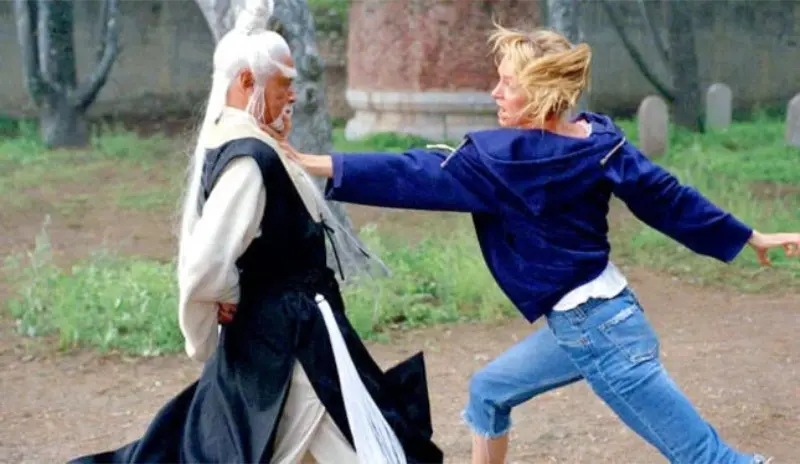
The films establish a long period of training under Pai Mei that focuses on explosive short strikes, pain tolerance, and disciplined form. He drills forearm conditioning, fingertip strength, and close range power that generates force from minimal distance. The lessons are harsh and repetitive, which suits skills that rely on muscle memory more than brute size.
Later scenes apply those exact pieces. The Bride uses a short power punch in tight quarters, keeps breath under control during panic moments, and measures output instead of flailing. The story shows the curriculum first and then cashes it out in situations where those specific techniques matter.
Zero Sense: House of Blue Leaves aftermath
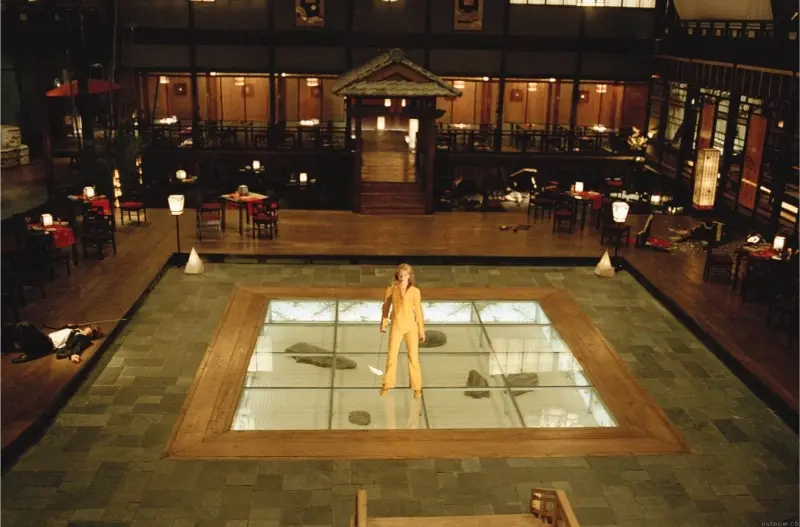
The battle at the House of Blue Leaves leaves dozens injured or dead inside a popular Tokyo venue. In real city incidents with that scale of violence, emergency response, media presence, and police action appear quickly and continue for days. Airports and transit hubs also tighten security after major crimes tied to organized groups.
The film does not depict any investigation or travel disruption for the protagonist after that night. The Bride exits Japan without screening complications while carrying a sword before and after the fight. The absence of visible consequences does not line up with normal procedures for violent crimes and weapons control.
Perfect Sense: O-Ren’s power base explained

The anime sequence and later council scene explain how O-Ren Ishii builds authority through targeted assassinations, a loyal inner circle, and control of revenue streams. She places Sofie Fatale in the money flow, keeps Crazy 88 as a standing force, and uses Go Go as a visible enforcer at public events. These choices centralize loyalty and create a clear chain of command.
When a yakuza elder insults her background she responds in front of the table to end dissent at once. The structure shown on screen gives her the ability to order large actions and expect results, which is exactly what happens when the Bride arrives. The organization she leads functions the way it is presented in the story.
Zero Sense: The invincible Hanzo blade
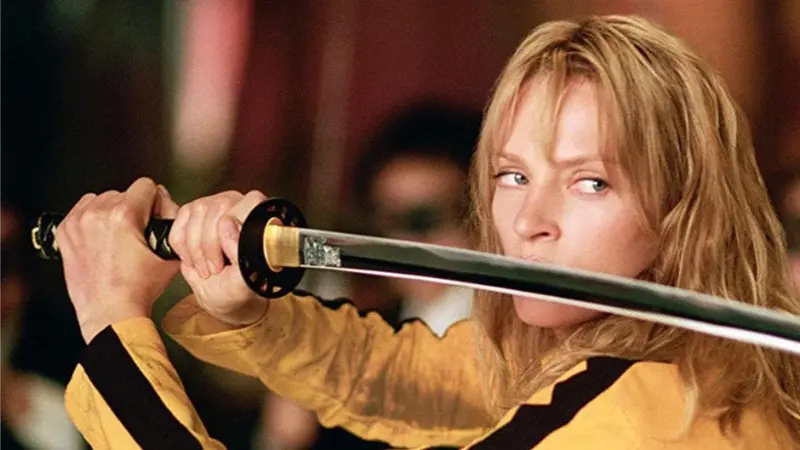
The Hattori Hanzo sword is shown cutting through other swords and human limbs without visible chipping or dulling. Real blades lose edge after repeated bone and blade contact, and impacts can cause micro fractures along the edge. In many materials tests even high carbon steel shows wear that needs maintenance and resharpening.
The movies skip any upkeep for this weapon while showing extended sequences of hard contact. The edge behaves like an unbreakable tool that keeps peak performance no matter the workload. That behavior does not reflect known limits of steel under stress.
Perfect Sense: How the story justifies the sword
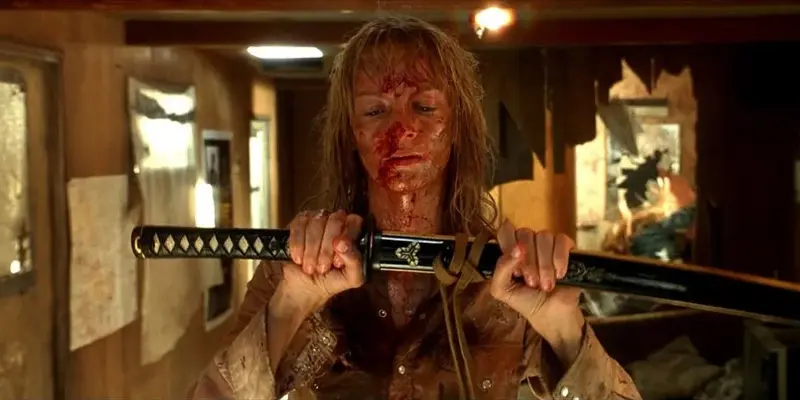
Hattori Hanzo is introduced as a master who quit making instruments of death and lives in quiet work above a bar in Okinawa. He agrees to forge one last sword after learning the target is Bill, which ties the weapon to personal history rather than chance. The montage implies careful forging and quenching with significant time passing before delivery.
Within the story that setup explains why the Bride carries a blade that outclasses others. It comes from a named artisan, is made for a single purpose, and is presented as the endpoint of a lifetime of craft. The film uses character history to account for the sword’s extraordinary performance.
Zero Sense: Surviving burial without air
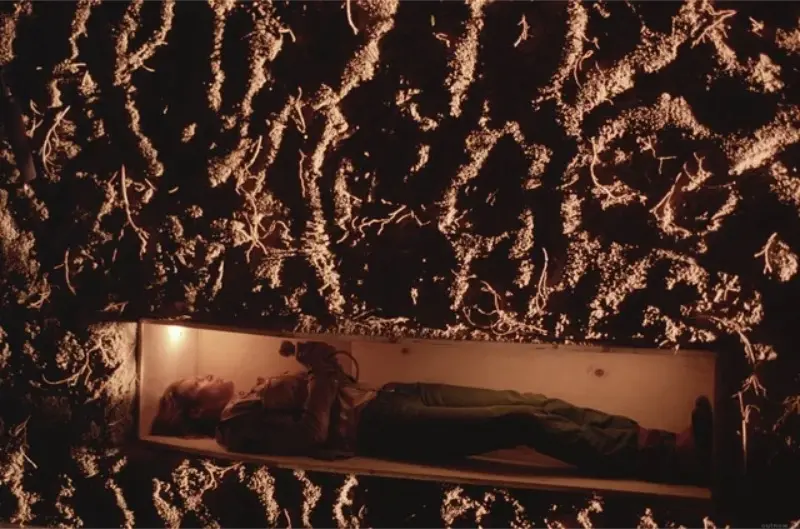
Budd seals the Bride in a wooden coffin, nails the lid, and drops it into a grave that is quickly filled with soil. A closed container underground offers very little breathable air and rising carbon dioxide can overwhelm a person in minutes. The weight of packed earth also resists movement from inside and increases oxygen use through panic.
The scene shows no air tube or outside help and stretches long enough for a flashlight sequence and a series of strikes. The available volume and the rate of gas exchange in that setup make the survival window very small. The length and activity level shown do not match expected limits.
Perfect Sense: Coffin escape method shown earlier
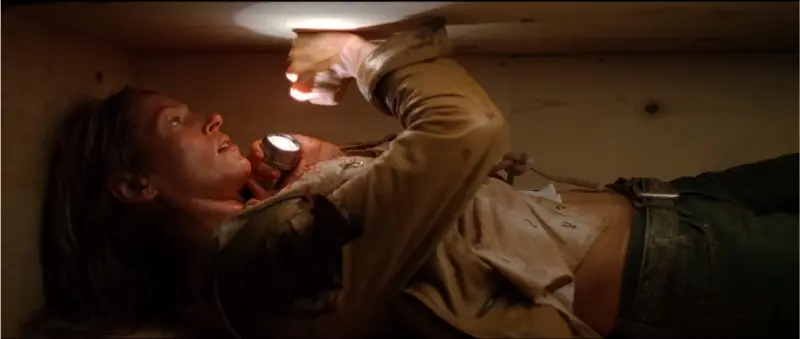
Pai Mei trains the Bride to generate force in inches with a straight wrist and relaxed shoulder. He forces repetition on wood surfaces and corrects stance and breathing until the technique works without a full windup. That training matches the constraints inside a coffin where there is no room to swing.
Inside the box she calms her breath to slow oxygen use, aligns her knuckles, and fires short bursts to crack the boards. After opening a gap she uses controlled kicks to widen space and then pushes through loose soil. The sequence follows the technical steps the film already taught.
Zero Sense: Elle’s black mamba trap
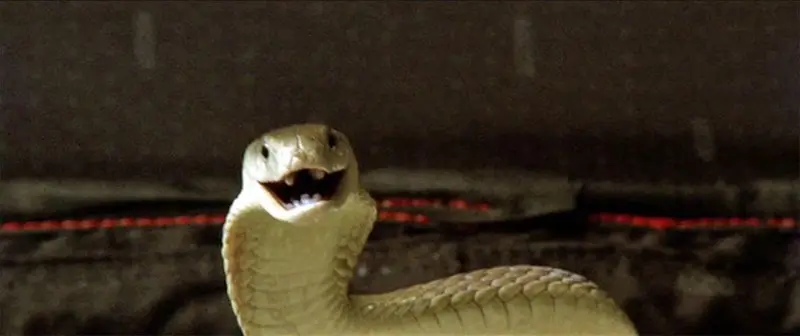
Elle places a black mamba in a cash suitcase and relies on Budd to open it in a way that exposes hands and torso to multiple bites. Handling a large venomous snake without a secure tool or container risks a strike during placement or transport. Leaving the animal in a hot vehicle or a bag also introduces stress that changes behavior.
The plan needs several conditions to line up. Budd must open the case indoors, he must keep his hands inside long enough for more than one bite, and he must not slam the lid or throw the case aside at the first strike. The number of assumptions makes the trap fragile in practical terms.
Perfect Sense: Bill’s controlled final meeting
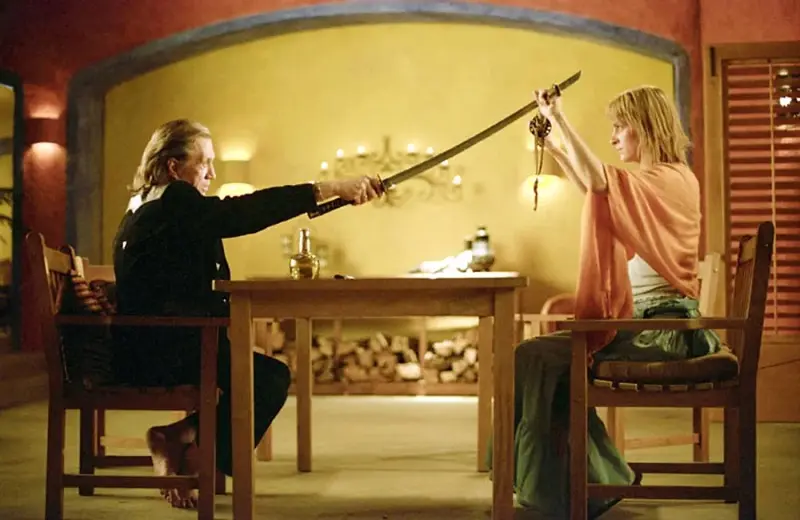
Bill neutralizes the Bride with a dart that delivers a fast acting tranquilizer and a truth serum and then seats her for a calm conversation. He keeps their daughter nearby and uses questions to confirm motives and timelines, which reduces the chance of a chaotic fight in a house with a child present. The setting gives him control over pace and distance.
He only moves to the final technique after the talk resolves who left whom and why. The sword remains within reach, yet the decisive move is a hand technique taught by Pai Mei and hidden from his students. The scene matches his established planning style and his personal connection to the target, and it explains why the fight ends quickly.
Share the moments in ‘Kill Bill’ that puzzled you or clicked for you in the comments.