5 Things About ‘Breaking Bad’ That Made Zero Sense and 5 Things About It That Made Perfect Sense



‘Breaking Bad’ blends meticulous detail with big swings, which is why it sticks in people’s minds long after the final shot. The show packs memorable heists, forensic detective work, ruthless business moves, and quiet family choices into one story about a chemistry teacher who turns himself into a criminal powerhouse.
Some moments land with careful logic and payoff, while others lean on coincidences or spectacle. Here are ten standouts from both sides, alternating between the parts that strain belief and the parts that fit the world like a glove.
Zero Sense: The midair collision fallout
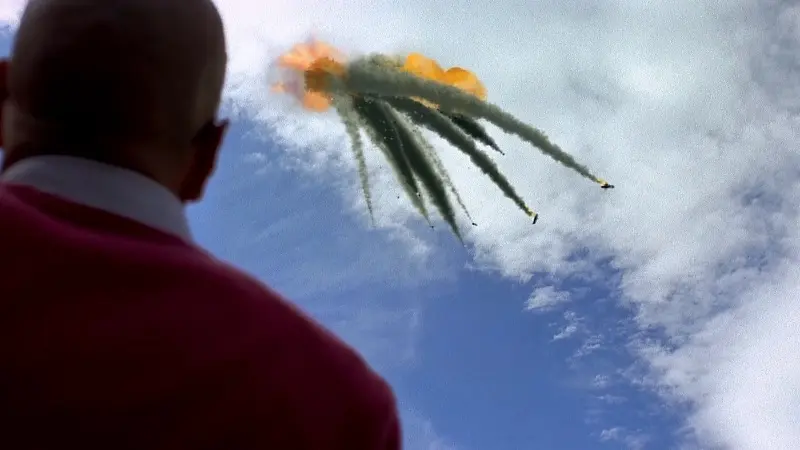
Jane’s overdose pushes her father, air traffic controller Donald Margolis, back to work while he is still grieving, and his mistakes lead to a midair collision over Albuquerque. The show connects Walter’s private decisions to a citywide disaster as debris rains down across town and onto his neighborhood. A pink teddy bear falls into the White family pool, which appears in multiple cold opens to echo the aftermath.
Emergency crews comb the wreckage, and investigators swarm the area, yet no visible link lands on the quiet chain that began with Jane. The event functions as a narrative shock, with scorched evidence showing up around Walter’s home, while authorities and neighbors react to the catastrophe without any knowledge of the hidden cause.
Perfect Sense: Hank’s slow path to Heisenberg
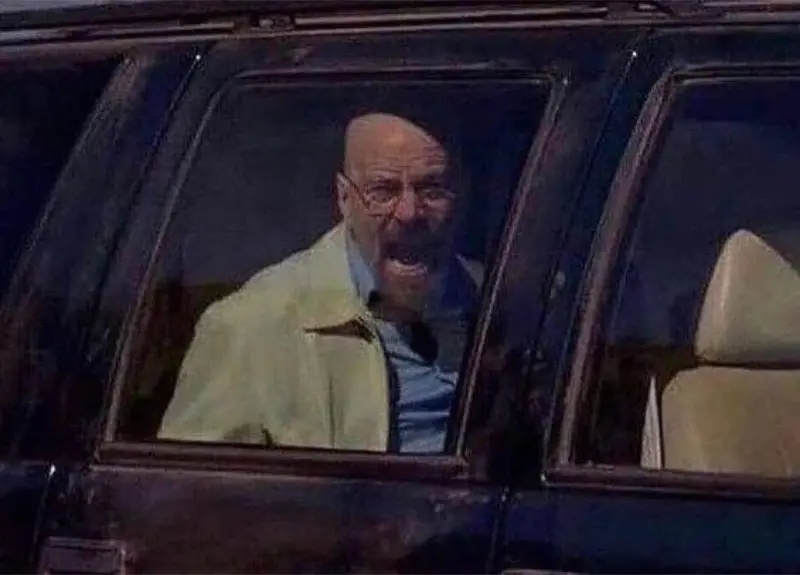
Hank’s case work builds piece by piece as he gathers details from Gale Boetticher’s lab notebook and photos, then tags a cryptic “W. W.” inscription. He toys with Walt Whitman as a reference, files details from surveillance, and stores names and sketches in the same mental drawer. The case turns when Hank sees Gale’s gifted book in Walt’s bathroom and connects it to the inscription he already knew.
Hank’s methods follow standard steps, including tailing suspects, checking phone records, and planting a GPS tracker on Walt’s car after a tense garage conversation. His approach relies on patience, evidence, and memory, which matches the profile of a determined career investigator who does not drop threads.
Zero Sense: Gus walks after the blast
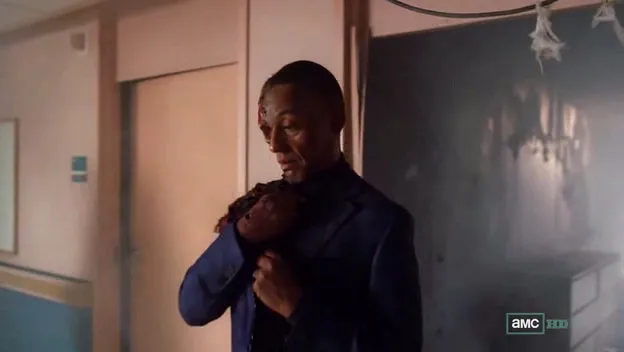
Walt straps a bomb to Hector Salamanca’s wheelchair and sets the trigger to Hector’s bell. Gus Fring enters the nursing home room with Tyrus, the bell rings, and the room erupts. Moments later, Gus steps into the hallway and adjusts his tie before the camera reveals catastrophic injuries, and he collapses. The sequence lands as a striking visual that overshadows practical considerations.
The explosion kills Gus and Tyrus and wrecks part of the building, ending the superlab partnership in one move. The depiction prioritizes the reveal of Gus in the hallway, which the show treats as an image that seals his fate and closes that chapter of the distribution network.
Perfect Sense: The Los Pollos cover and supply chain
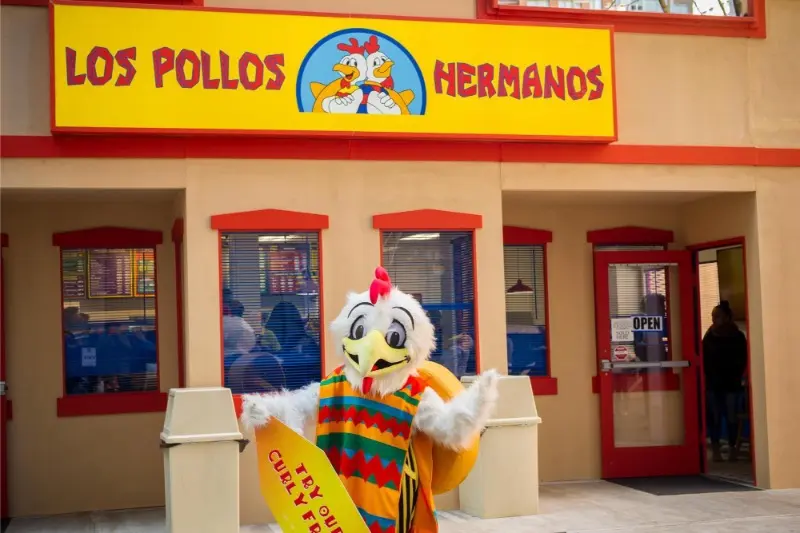
Gus runs Los Pollos Hermanos as a spotless public brand while building a distribution system that hides in plain sight. The fried chicken restaurants move cash and provide a friendly face for meetings, while Madrigal Electromotive supplies industrial equipment and logistics that keep attention away from the real product. The industrial laundromat hides the superlab under day to day operations that look ordinary.
Security practices include compartmentalized crews, clean fronts, careful hiring, and Mike Ehrmantraut’s oversight. Communication runs through layers and dead drops rather than open lines, and deliveries follow regular commercial routes. The entire setup reads like a legitimate enterprise on surface inspection, which blocks routine scrutiny.
Zero Sense: The junkyard magnet caper
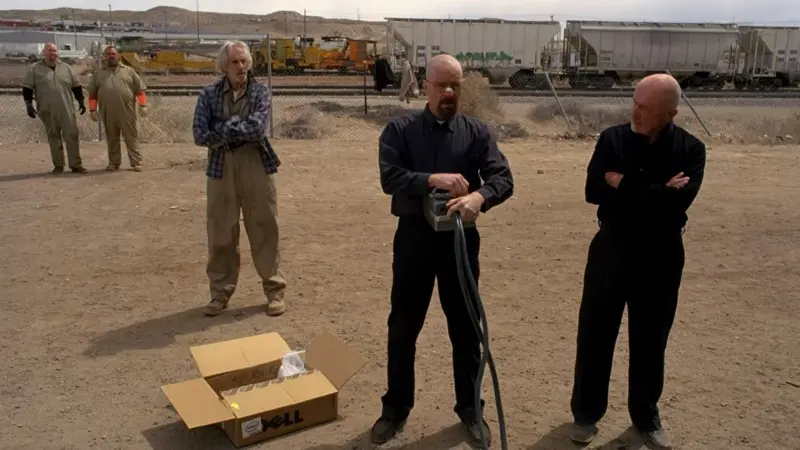
Walt, Jesse, and Mike buy a massive electromagnet, rig it to truck batteries, and park it outside the police evidence room wall. They crank the power and pull the field through concrete and steel to scramble Gus’s seized laptop inside the building. The plan also drags metal across the room, smashes shelves, and leaves obvious physical damage that points to tampering.
The blast of magnetism knocks down a framed photo and exposes account numbers tied to offshore funds, which becomes the trail that leads investigators toward Madrigal. The crew speeds away with a wrecked truck and no pursuit on screen, and the police later focus on the new financial clue rather than a manhunt for whoever hauled a magnet to a city facility.
Perfect Sense: Laundering through the car wash
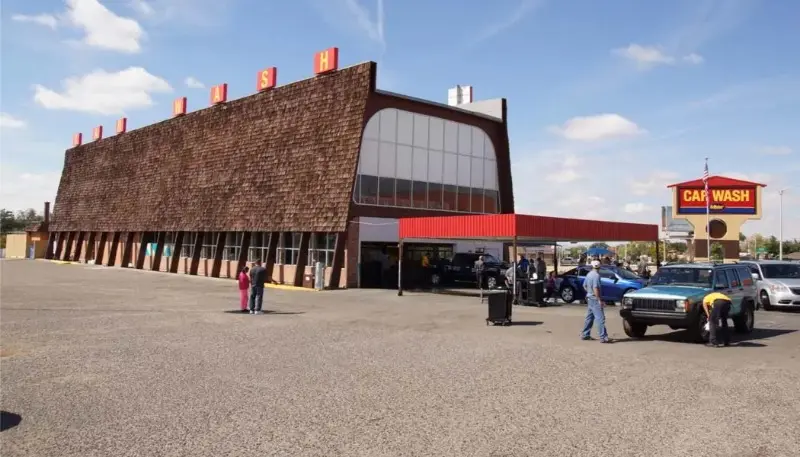
Skyler targets the A1A Car Wash because it handles a lot of cash and can justify spikes in revenue without drawing immediate suspicion. She negotiates a purchase from Bogdan, updates processes, and folds in bookkeeping that matches the flow of fake receipts, payroll, and supply costs. The business gives the White family a plausible source of declared income when questions come up.
The operation includes staged growth, structured deposits, and a story that covers tax queries. When the IRS looks into Ted Beneke’s numbers, Skyler prepares a gambling win cover as a shield for Walt, showing how the car wash and other narratives can serve as parallel tracks for money and audits.
Zero Sense: The ricin cigarette fake out
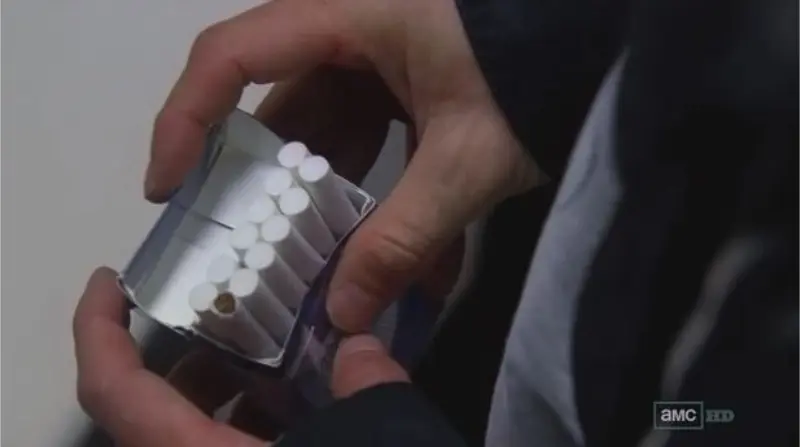
Brock falls ill and doctors suspect poisoning, which pushes Jesse to think about the missing ricin cigarette he kept for emergencies. Later, it emerges that Huell lifted the cigarette during a staged pat down and the ricin never reached Brock. Walt used lily of the valley to sicken the child, which the show confirms with a final shot of the plant at the White house.
Medical staff stabilize Brock and the police have no clear culprit to charge, which leaves Jesse in the dark while the plan moves him against Gus. The sleight of hand depends on timing and on Jesse not checking the pack closely after Huell’s bump, which allows the story to pivot without an official finding that could shut the door.
Perfect Sense: Jesse’s conscience shaping his choices

Jesse attends recovery meetings, drifts back to using, and then tries to keep people safe as guilt mounts after Gale’s death. He supports Andrea and Brock, hands out cash in a scattered attempt to make amends, and pushes back when violence hurts bystanders. These steps map a person who struggles to live with what he has done while still being pulled into the lab.
His decisions steer the plot toward cooperation with law enforcement when he turns on Walt, wears a wire, and sets a plan with Hank and Gomez. After Jack’s crew captures him and forces him to cook, he endures until a chance to escape arrives, which sets up his next chapter in ‘El Camino’.
Zero Sense: The train heist with a perfect swap
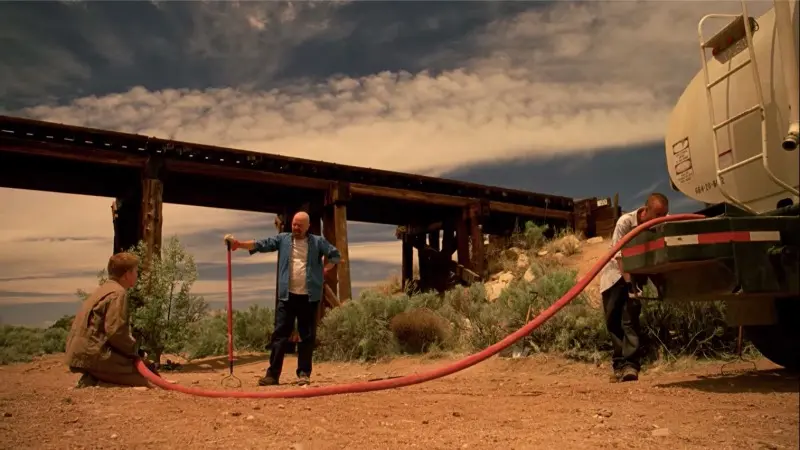
Walt, Jesse, and Todd stage a breakdown on a remote crossing to stop a freight train and then pump methylamine from a tanker while pumping water back in. They rely on timers, radios, and a buried hose to keep the crew unaware as the weight stays close to normal. The engineer and conductors restart the train and it pulls away as the team covers their tracks.
The caper depends on the stretch of track being unwatched and on the delayed tow giving just enough time to switch the liquid. A boy on a dirt bike appears at the end and Todd shoots him, which exposes the crew to a witness problem and kicks off a chain of internal pressure and retaliation.
Perfect Sense: The last stand and final admissions
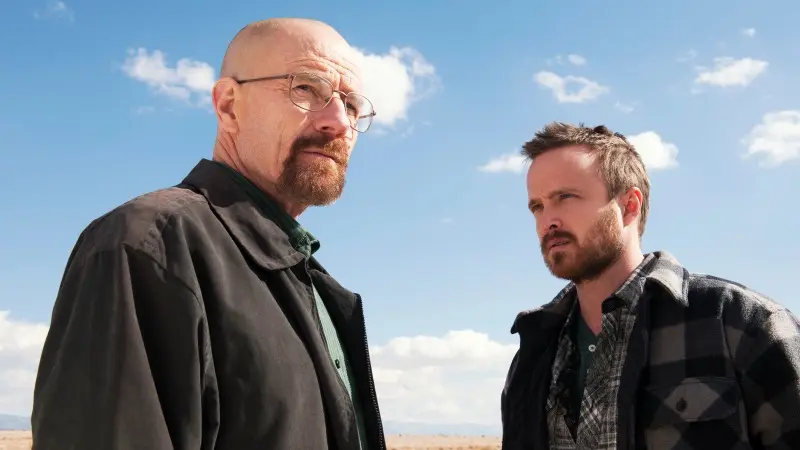
Walt builds a trunk rig with a remote fired machine gun and returns to New Mexico to confront Jack’s crew. He drives into the compound, triggers the rig during a staged argument, and clears the room while shielding Jesse. The device ends the gang in seconds and opens a path to free Jesse from the chain on the lab floor.
Walt admits the truth to Skyler about his motives and then settles unfinished details before visiting the lab one last time. He dies among the equipment that defined his second life, while Jesse drives away to claim whatever freedom he can find, which closes the circle on teacher, student, and empire.
Share your favorite examples of where ‘Breaking Bad’ went too far or nailed it, and drop your picks in the comments.