Actors Who Anglicized Their Names for Hollywood


Names have always been part of Hollywood’s image-making machinery. From the studio era to modern times, many performers adopted simpler, more “American-sounding” stage names to fit the industry’s expectations or to avoid being typecast. Sometimes the change was suggested by a studio publicist; other times, actors made the switch themselves to get in the room for that first audition.
Below are 15 actors who Anglicized their names on the way to stardom. Each entry notes the birth name, the name they took, and verifiable context for why or how the change happened—because behind every marquee is a paper trail.
Cary Grant
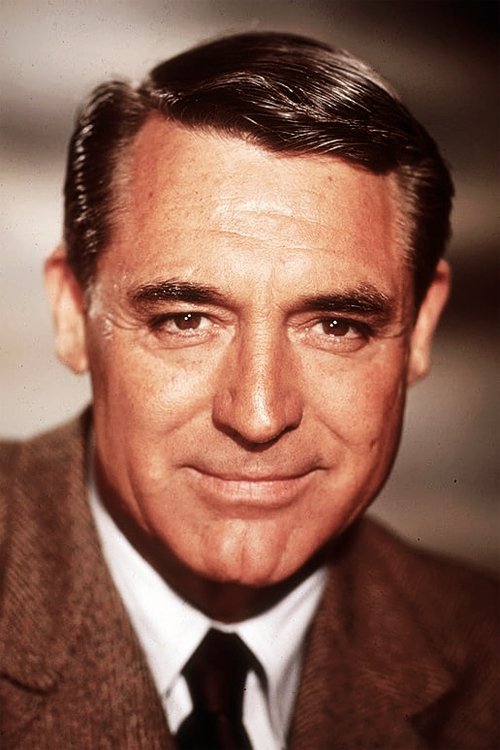
Cary Grant was born Archibald Alec Leach in Bristol, England. When Paramount signed him in 1931, executives pushed for a more marketable screen name; he briefly tried “Cary Lockwood,” then chose “Grant” from a studio list. He became a U.S. citizen and legally changed his name to Cary Grant on June 26, 1942.
Studio branding and the new name aligned with the sophisticated persona he built in films like ‘His Girl Friday’ and ‘Suspicion.’ Contemporary and retrospective accounts agree the change was a condition of his Paramount deal, with the “Lockwood” trial run originating from a role he’d played on stage.
Marilyn Monroe
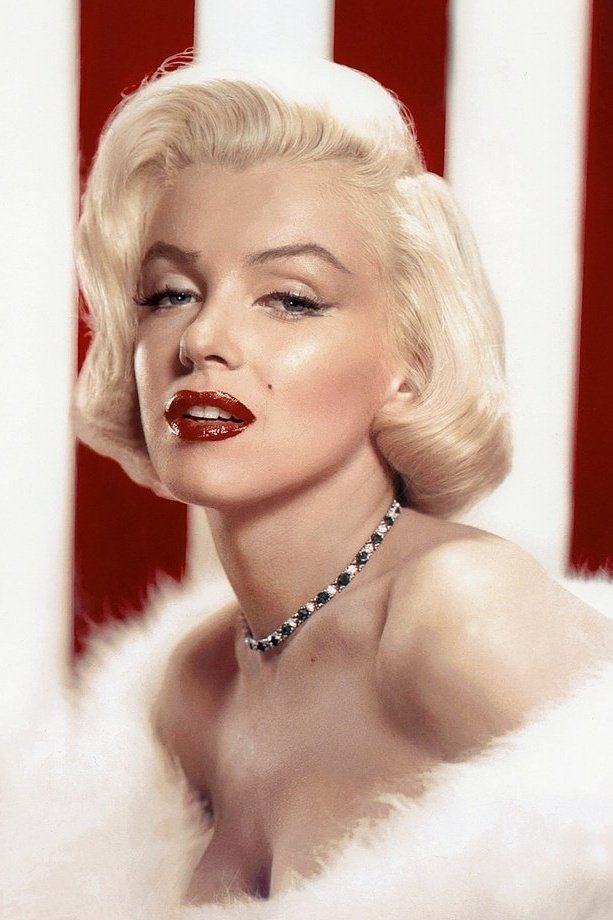
Marilyn Monroe was born Norma Jeane Mortenson (later using Baker). After signing a new contract at 20th Century-Fox on August 24, 1946, she and executive Ben Lyon landed on “Marilyn” (after stage star Marilyn Miller) and “Monroe,” her mother’s maiden name; she made it her legal name on February 23, 1956.
The documented timeline shows she worked under the stage name for nearly a decade before formalizing it, a common studio-era practice as an actor’s screen identity solidified. Standard references and contemporary coverage detail Lyon’s role and the 1956 legal change.
Tony Curtis
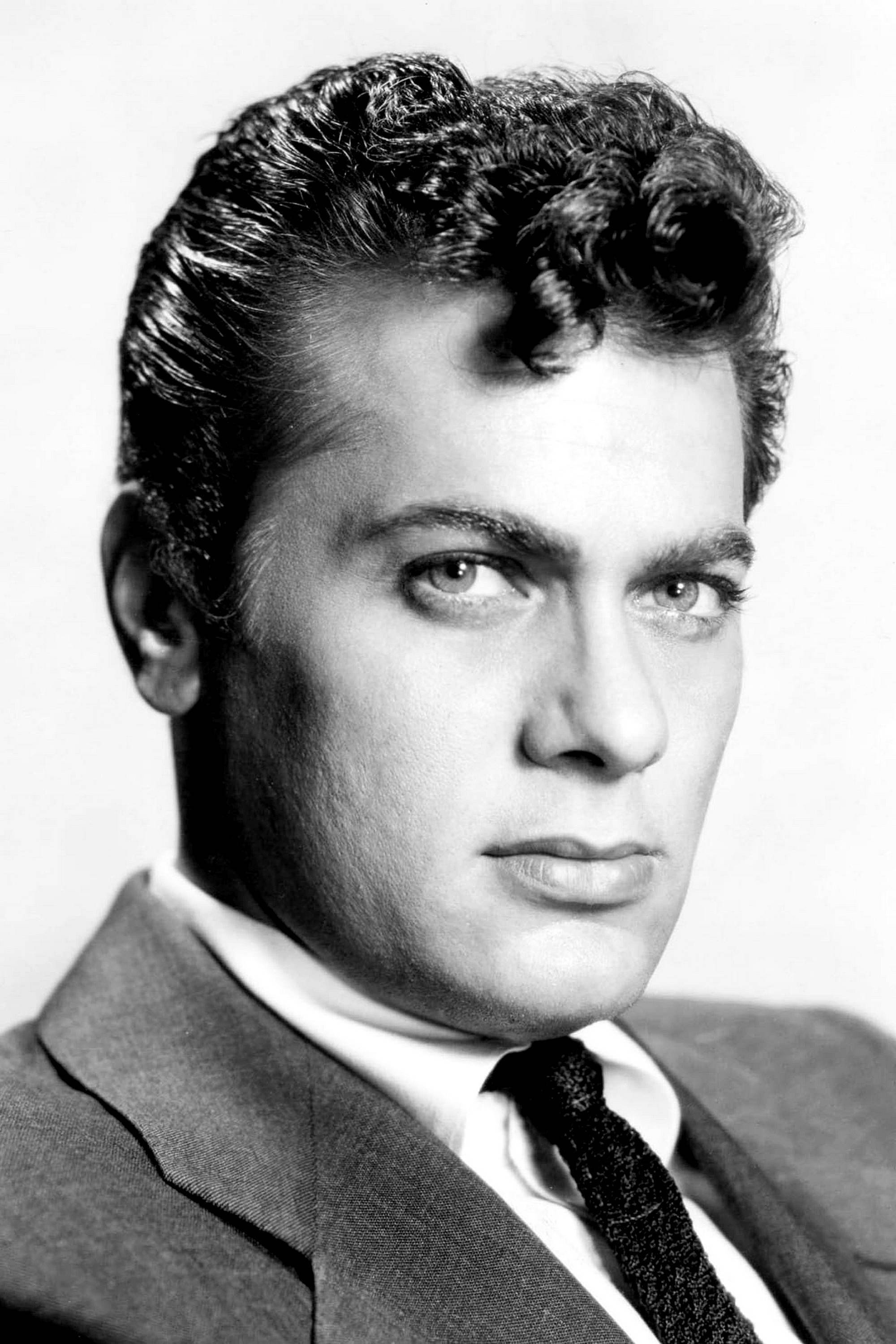
Tony Curtis was born Bernard Schwartz in New York City. Upon signing with Universal, he first appeared as “Anthony Curtis,” taking “Anthony” from the novel ‘Anthony Adverse’ and “Curtis” from Kurtz, a surname on his mother’s side; he soon shortened it to “Tony.”
Studio grooming—riding and fencing lessons alongside the new name—was typical of Universal’s launchpad for young leads at the time, and Curtis’s credits show the rapid shift from “Anthony” to “Tony” as his screen time grew.
John Wayne
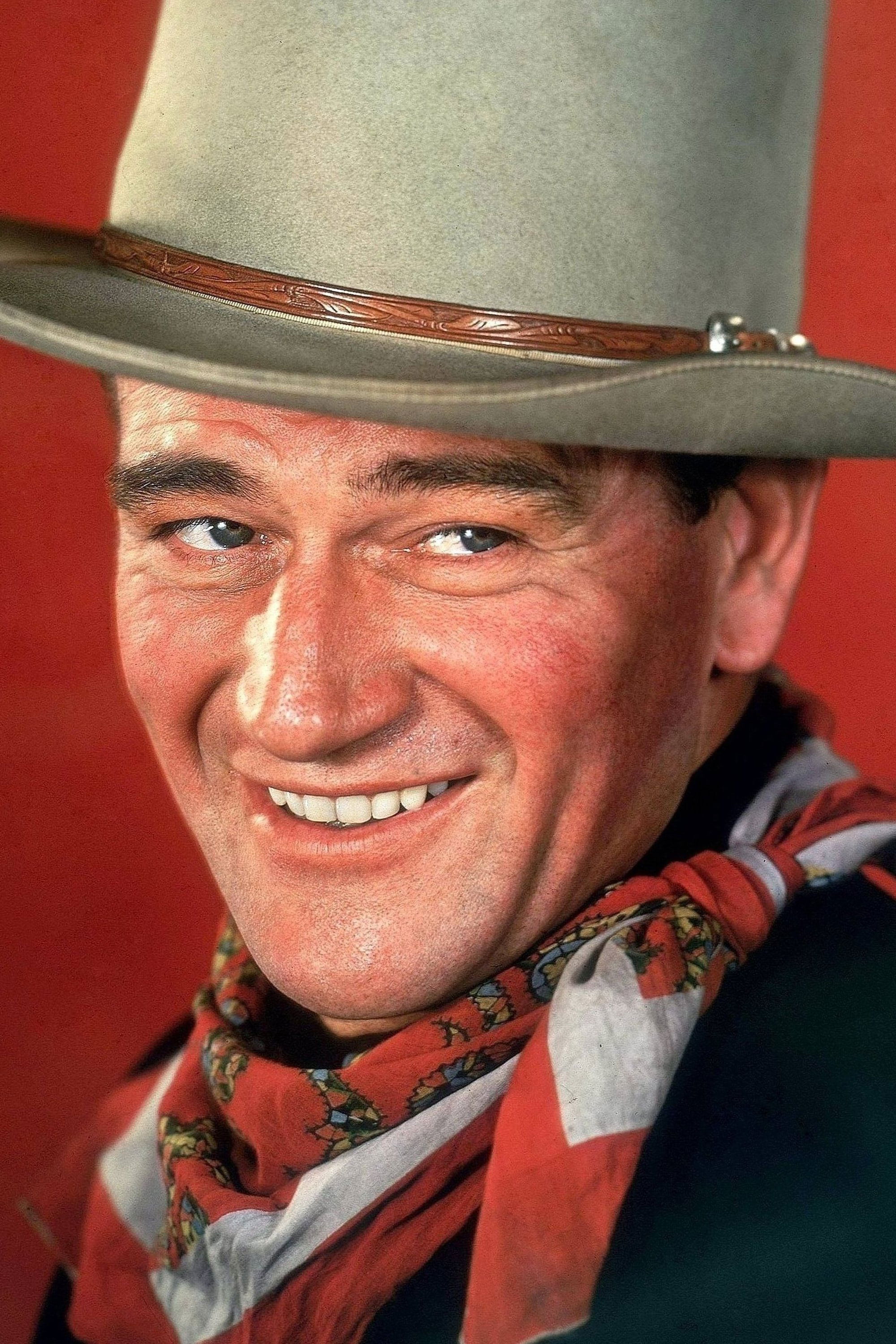
John Wayne was born Marion Robert Morrison. Director Raoul Walsh cast him in ‘The Big Trail’ and, with Fox chief Winfield Sheehan, changed “Marion Morrison” to “John Wayne” after rejecting “Anthony Wayne” as unsuitable; the decision was made without the actor present.
Biographies and studio histories trace the rename directly to that first leading role and the western image the studio wanted to project, anchoring the on-screen persona that followed.
Judy Garland
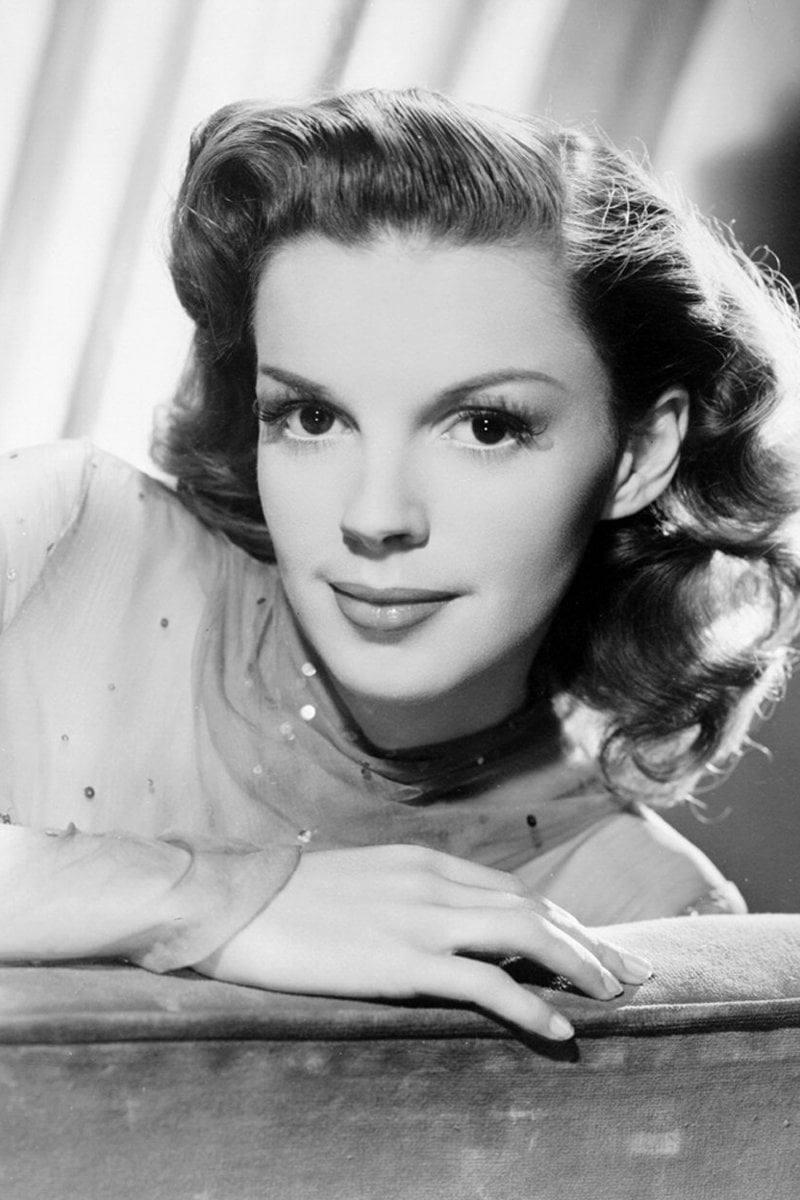
Judy Garland entered show business as Frances Ethel Gumm. In 1934, after the Gumm Sisters rebranded as the Garland Sisters—reportedly at George Jessel’s suggestion—Frances adopted “Judy,” inspired by a popular Hoagy Carmichael song; MGM signed her the following year.
Standard references consistently place the first-name change shortly after the trio’s rename, situating it within her transition from vaudeville family act to MGM contract player.
Rita Hayworth
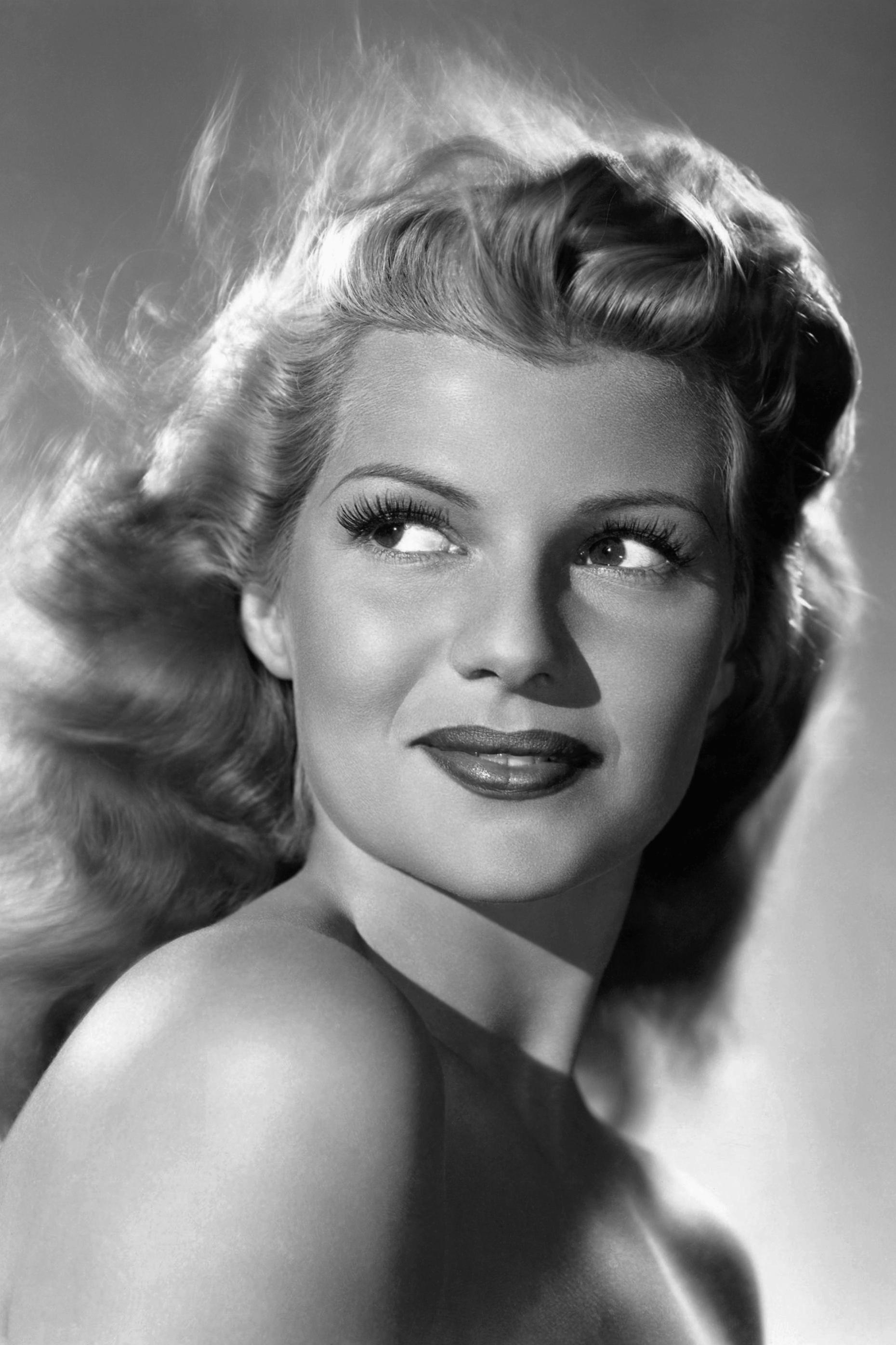
Rita Hayworth was born Margarita Carmen Cansino. To broaden her casting beyond “exotic” parts, she adopted her American mother’s maiden name, Hayworth, and underwent a highly publicized makeover that included electrolysis to raise her hairline and a new hair color.
Archival features detail that the rename began before Columbia fully launched her, with later studio promotion emphasizing the transformation to help reposition her as an all-American leading lady.
Kirk Douglas
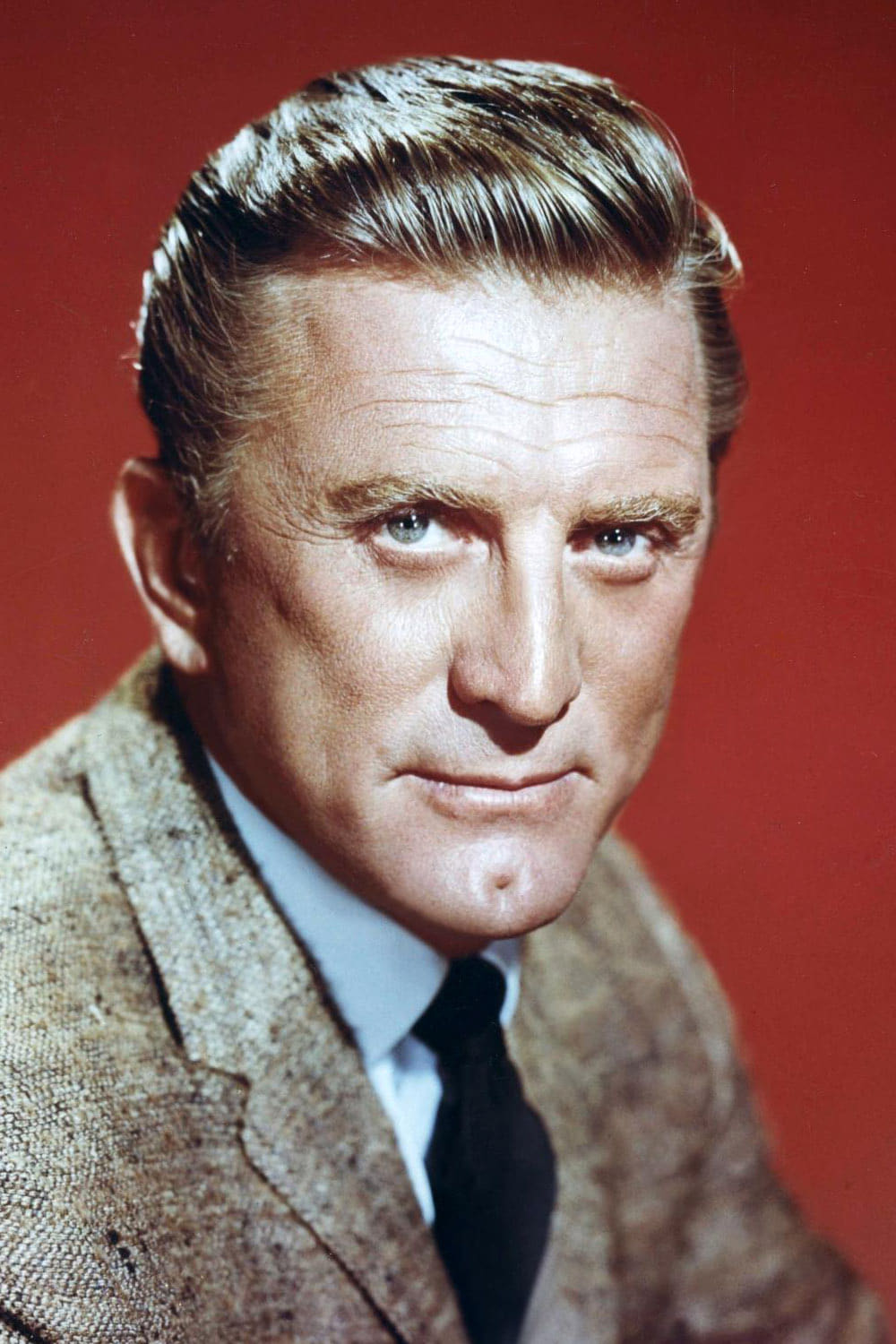
Kirk Douglas was born Issur Danielovitch and used “Izzy Demsky” in the U.S. He legally changed his name to Kirk Douglas before entering the U.S. Navy during World War II, reflecting the era’s pressure on actors to Americanize names perceived as “foreign.”
Obituaries and encyclopedias recount both the immigrant-family context and Douglas’s later comments about the decision, placing the change just ahead of his military service and film debut.
Martin Sheen
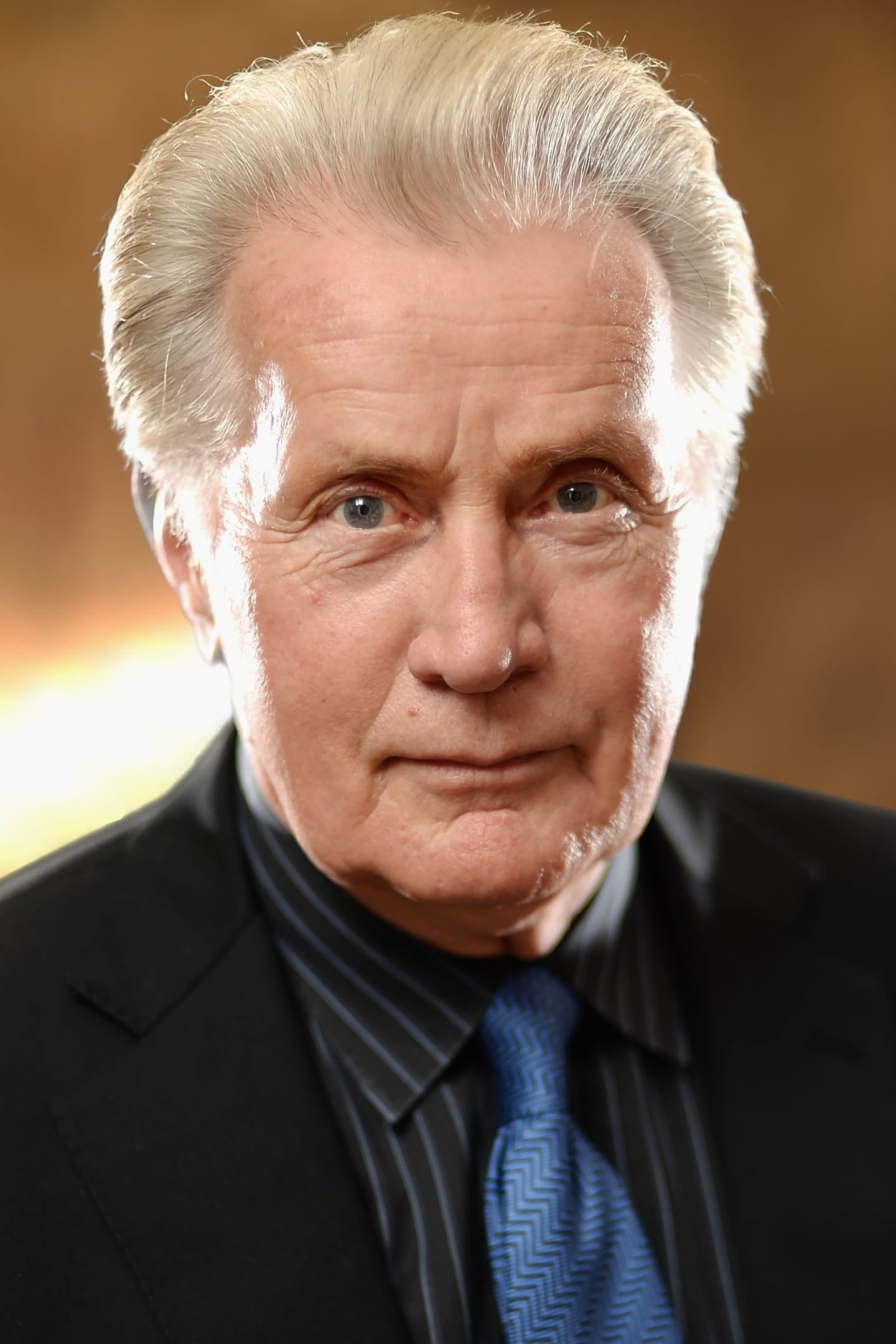
Martin Sheen was born Ramón Antonio Gerardo Estévez. Early career advice pushed him to adopt “Martin Sheen” professionally; he has repeatedly said he never changed it legally and has expressed regret about not using Estévez on screen.
Coverage from major outlets quotes him explaining that all official documents still bear his birth name and that he encouraged his son Emilio to keep “Estévez,” underscoring the industry pressures that led to his choice.
Charlie Sheen
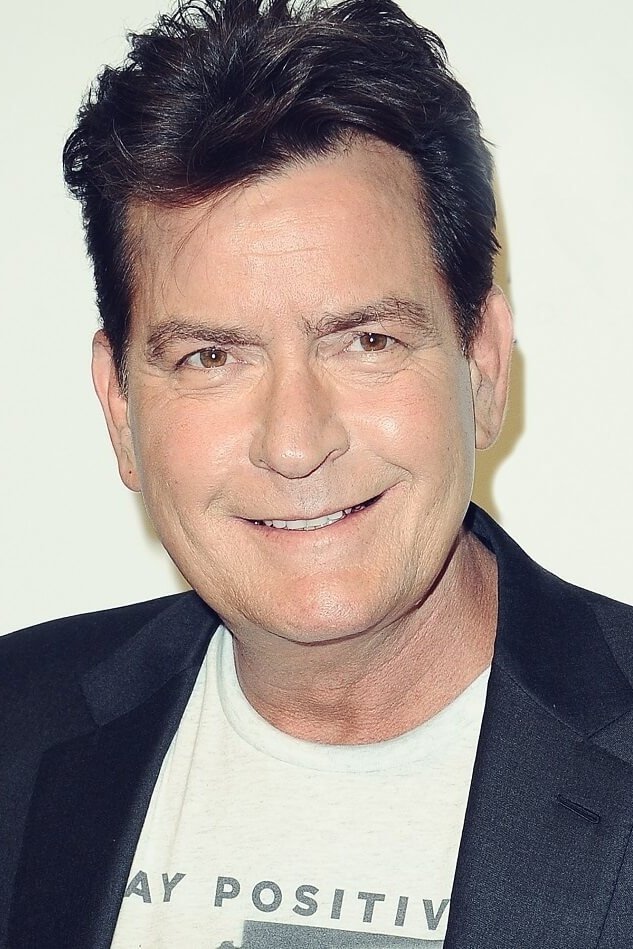
Charlie Sheen was born Carlos Irwin Estévez. Following his father’s example, he adopted “Charlie Sheen” early in his career; recent reporting tied the decision and its timing into his newly released memoir.
Family profiles and news coverage contrast his choice with his siblings—most notably Emilio Estévez—illustrating how actors in the same family navigated name decisions differently when pursuing roles in projects like ‘Platoon’ and ‘Wall Street.’
Ben Kingsley
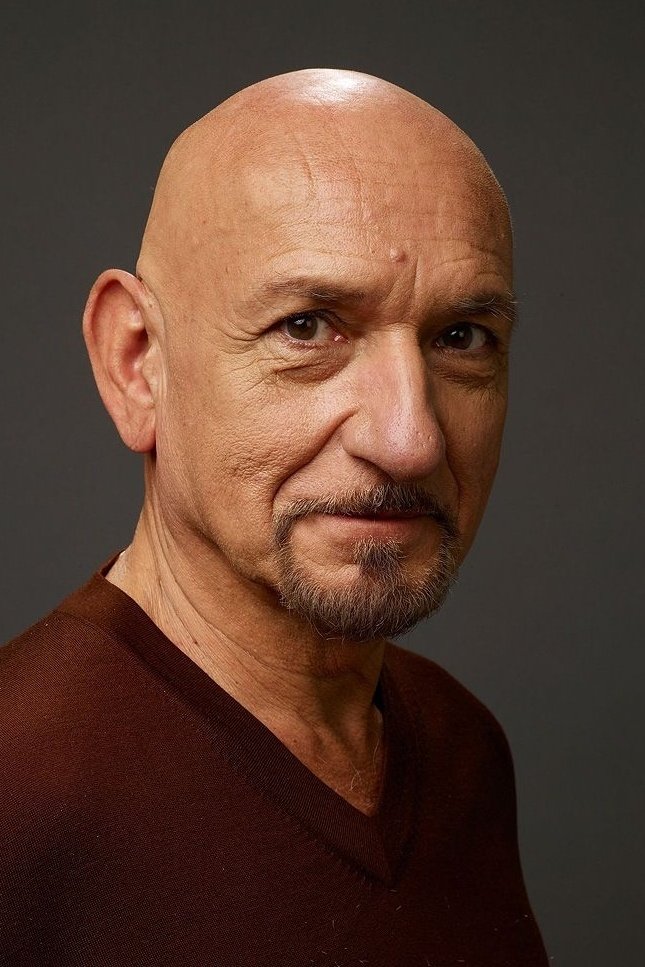
Ben Kingsley was born Krishna (Krishna Pandit) Bhanji. He adopted “Ben Kingsley” in the 1960s, a change he has said helped him secure casting at a time when ethnically marked names narrowed opportunities in British theatre and film.
Biographical entries place the rename well before his screen breakthrough in ‘Gandhi,’ documenting its roots in the professional realities of the period and the way it opened doors across stage and screen.
Lauren Bacall
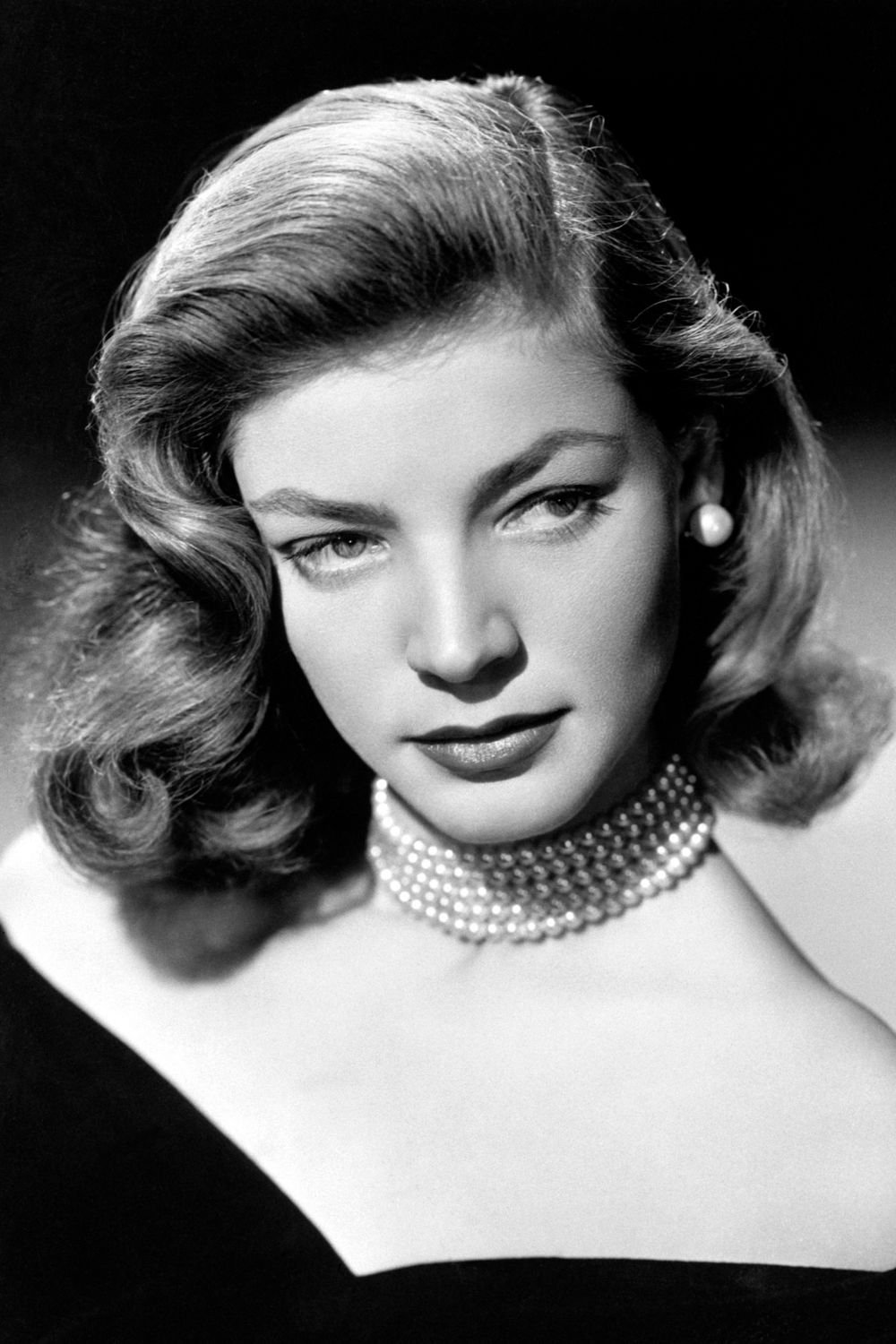
Lauren Bacall was born Betty Joan Perske. After Howard Hawks signed her, he changed her first name to “Lauren,” and she selected “Bacall,” a variant of her mother’s surname, as her screen surname before her film debut opposite Humphrey Bogart.
Reference works corroborate the original name and the timing and method of the change, linking it directly to the launch of her Hollywood career and carefully shaped star persona in films such as ‘To Have and Have Not.’
Hedy Lamarr
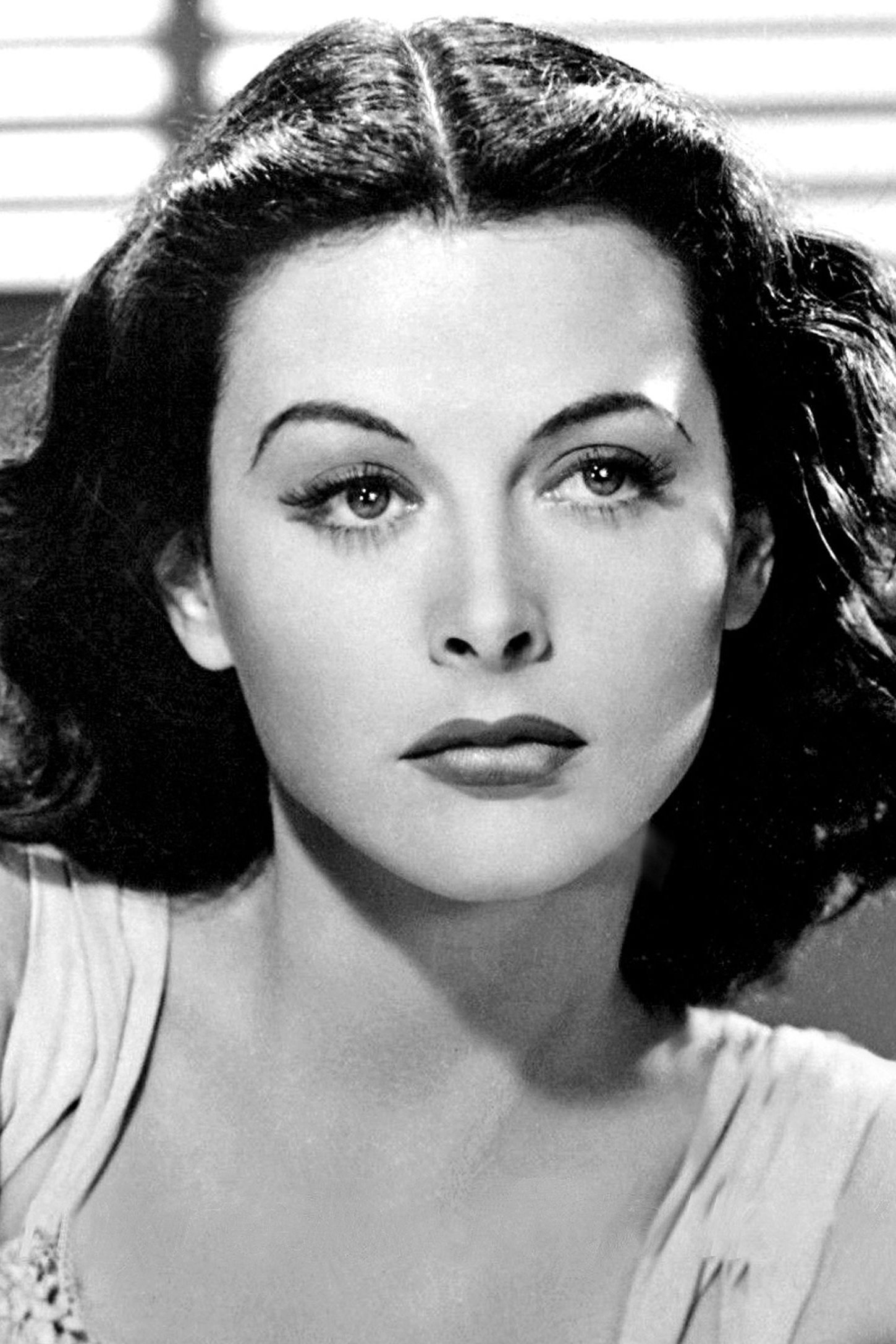
Hedy Lamarr was born Hedwig Eva Maria Kiesler in Vienna. After meeting MGM’s Louis B. Mayer in London in 1937, she signed a Hollywood contract and—at Mayer’s urging—took “Hedy Lamarr,” reportedly honoring silent-era star Barbara La Marr to distance her from earlier European notoriety.
Encyclopedic sources outline the rename alongside her studio debut and later U.S. citizenship, situating the change as part of MGM’s standard playbook for launching imported talent.
Joan Crawford
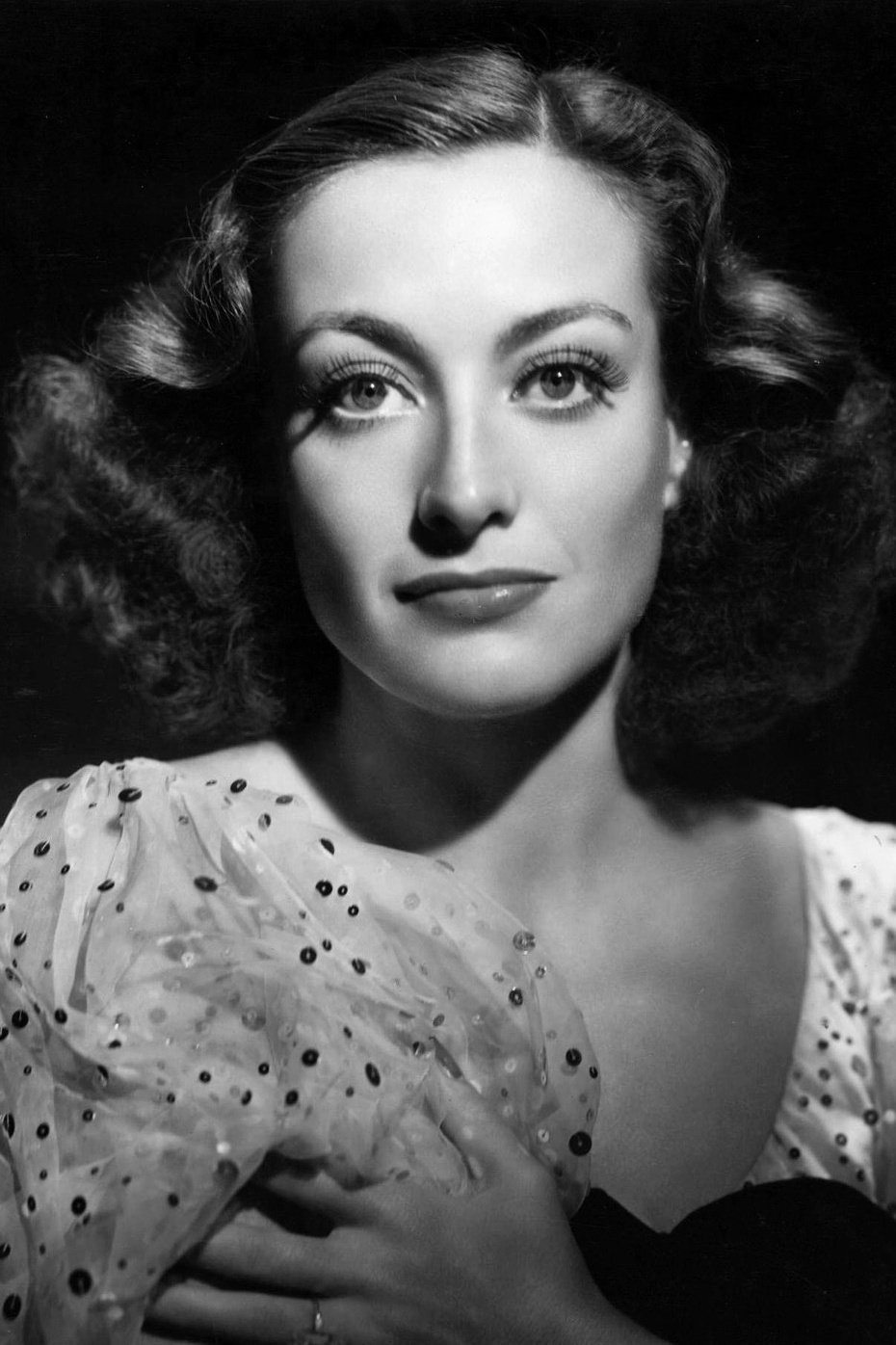
Joan Crawford was born Lucille Fay LeSueur. MGM publicity head Pete Smith arranged a Movie Weekly contest to rename her; after an initial conflict with “Joan Arden,” the studio settled on “Joan Crawford,” which she used for the rest of her career.
Industry histories preserve the contest’s details, noting that it was an overt rebrand to move a rising contract player into marquee status and that Crawford herself disliked the chosen surname but accepted the studio decision.
Anthony Quinn
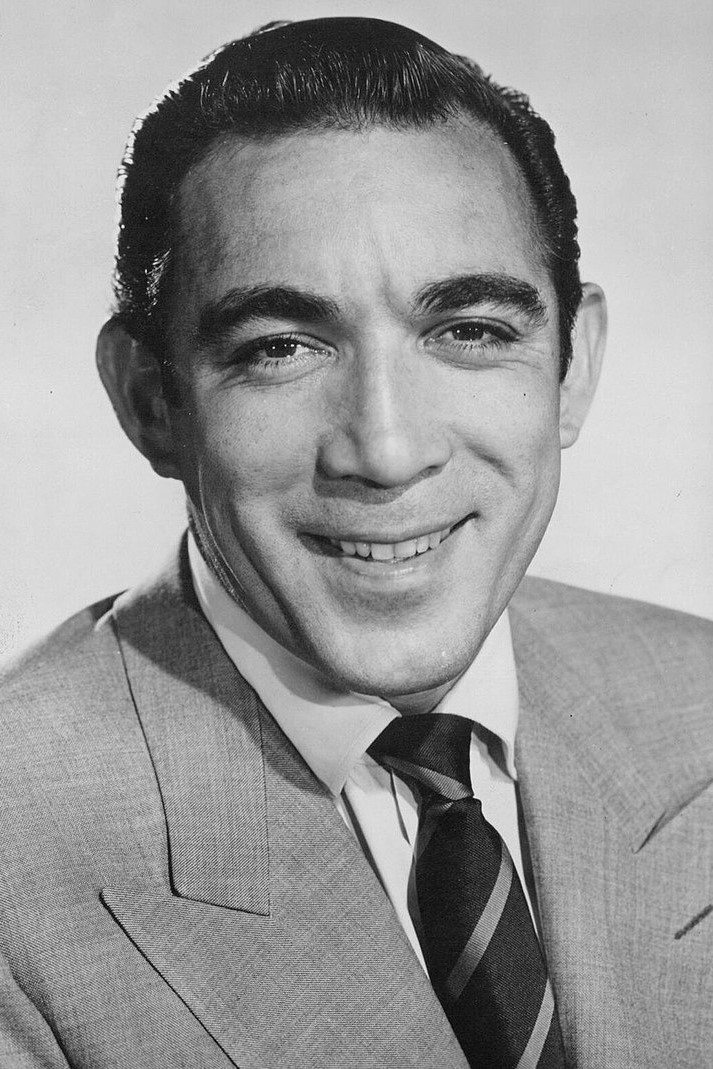
Anthony Quinn was born Manuel Antonio Rodolfo Quinn Oaxaca in Chihuahua, Mexico. As he built a Hollywood career from the 1930s onward, he worked under the Anglicized “Anthony Quinn,” a streamlined version that aligned with the era’s credit conventions.
Authoritative references list his full birth name and long-standing professional name, with career summaries emphasizing how the simplified screen name appeared consistently as he moved from supporting roles to awards and worldwide recognition.
Albert Brooks
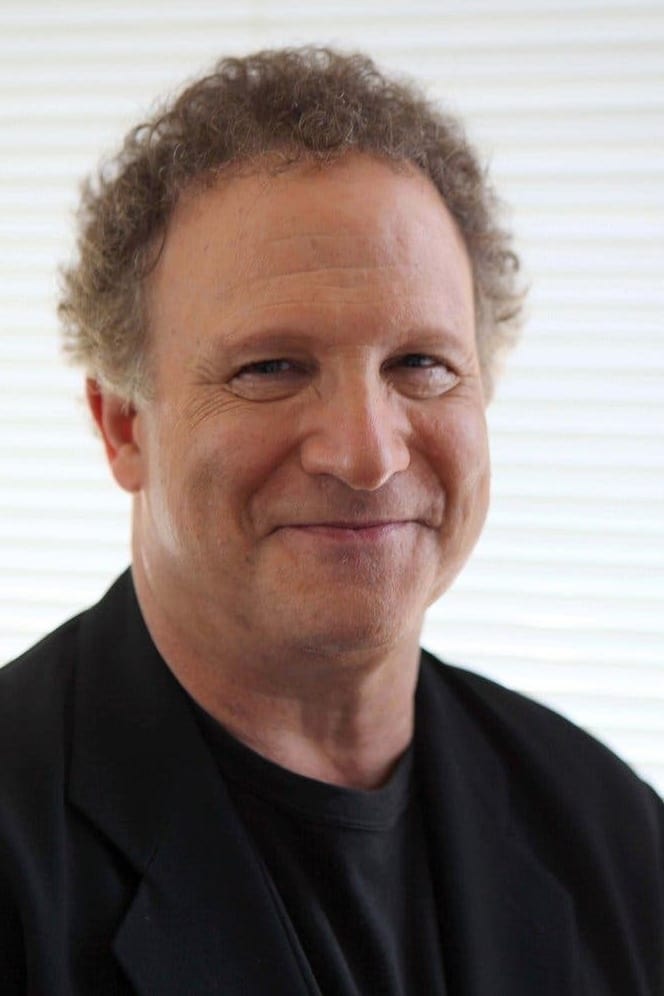
Albert Brooks was born Albert Lawrence Einstein. He adopted “Albert Brooks” as a teenager when he began performing professionally, a practical change to avoid confusion with the world-famous physicist of the same name.
Reference entries and career overviews note that the rename pre-dated his film work and accompanied his early stand-up and television appearances before he wrote, directed, and starred in films like ‘Modern Romance’ and ‘Lost in America.’
Share the ones we missed and tell us whose story surprised you most in the comments!