Best TV Shows of the 2000s


The 2000s reshaped television across formats, genres, and distribution. Cable and public broadcasters funded ambitious dramas, networks experimented with serialized storytelling, and reality competitions standardized structures that could travel worldwide. High-definition production, DVD box sets, and the rise of digital platforms changed how audiences discovered and revisited series, creating long afterlives for shows beyond their original time slots.
This list highlights landmark titles that started in the decade and did essential work within it. For each entry you’ll find creators, networks, formats, casts, and verifiable milestones like awards, spinoffs, and distribution moves—details that help explain how these shows were made and how they circulated.
‘The Wire’ (2002–2008)
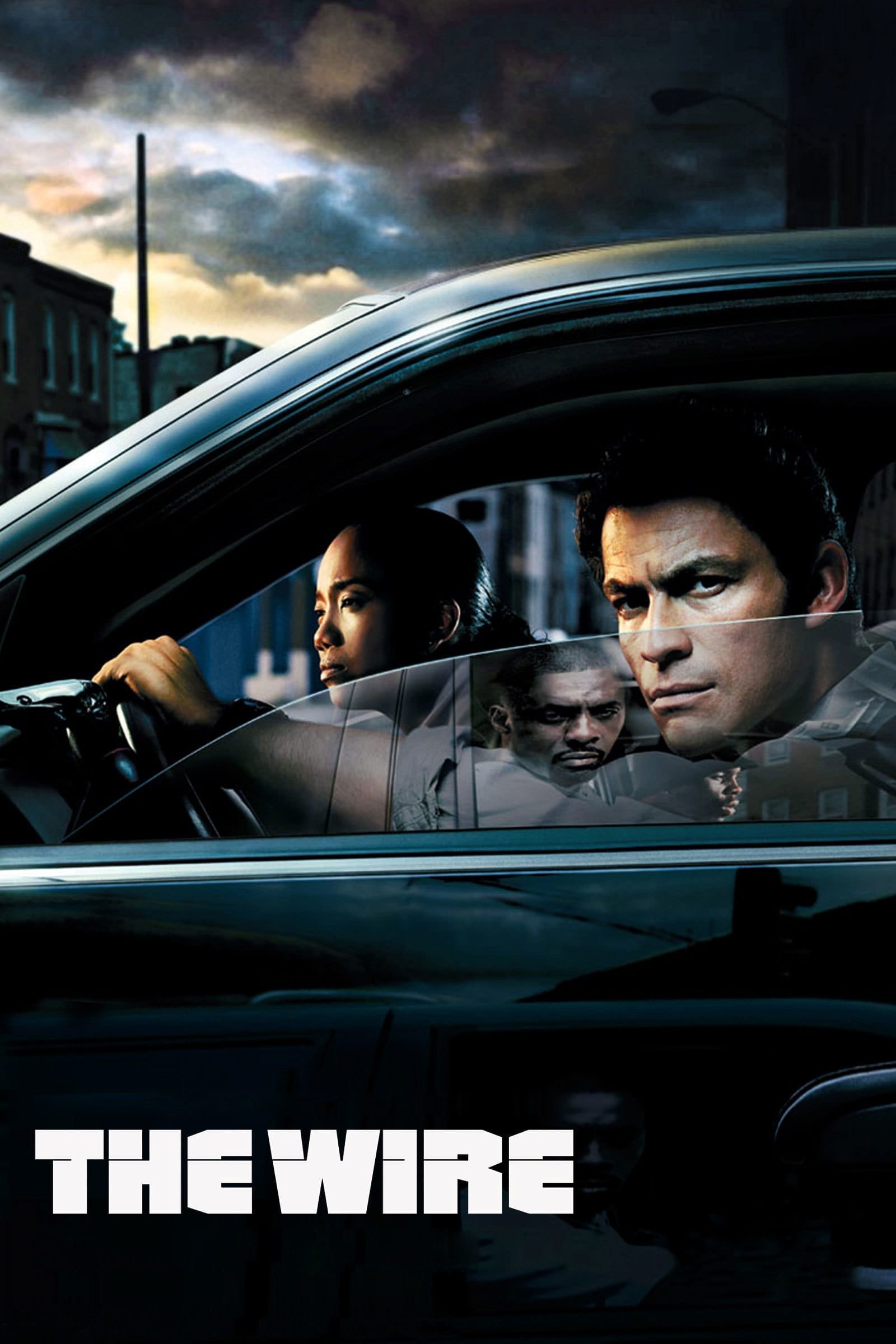
Developed by David Simon with Ed Burns for HBO, this Baltimore ensemble examines institutions including police, ports, city hall, schools, and the press, using season-length arcs and a large rotating cast. It employs detail-oriented procedure and a multi-perspective narrative to map systems rather than a single protagonist.
The production has been used in university courses focused on urban studies and narrative complexity. It earned critical awards and influenced subsequent ensemble dramas that foreground institutional structures.
‘Mad Men’ (2007–2015)
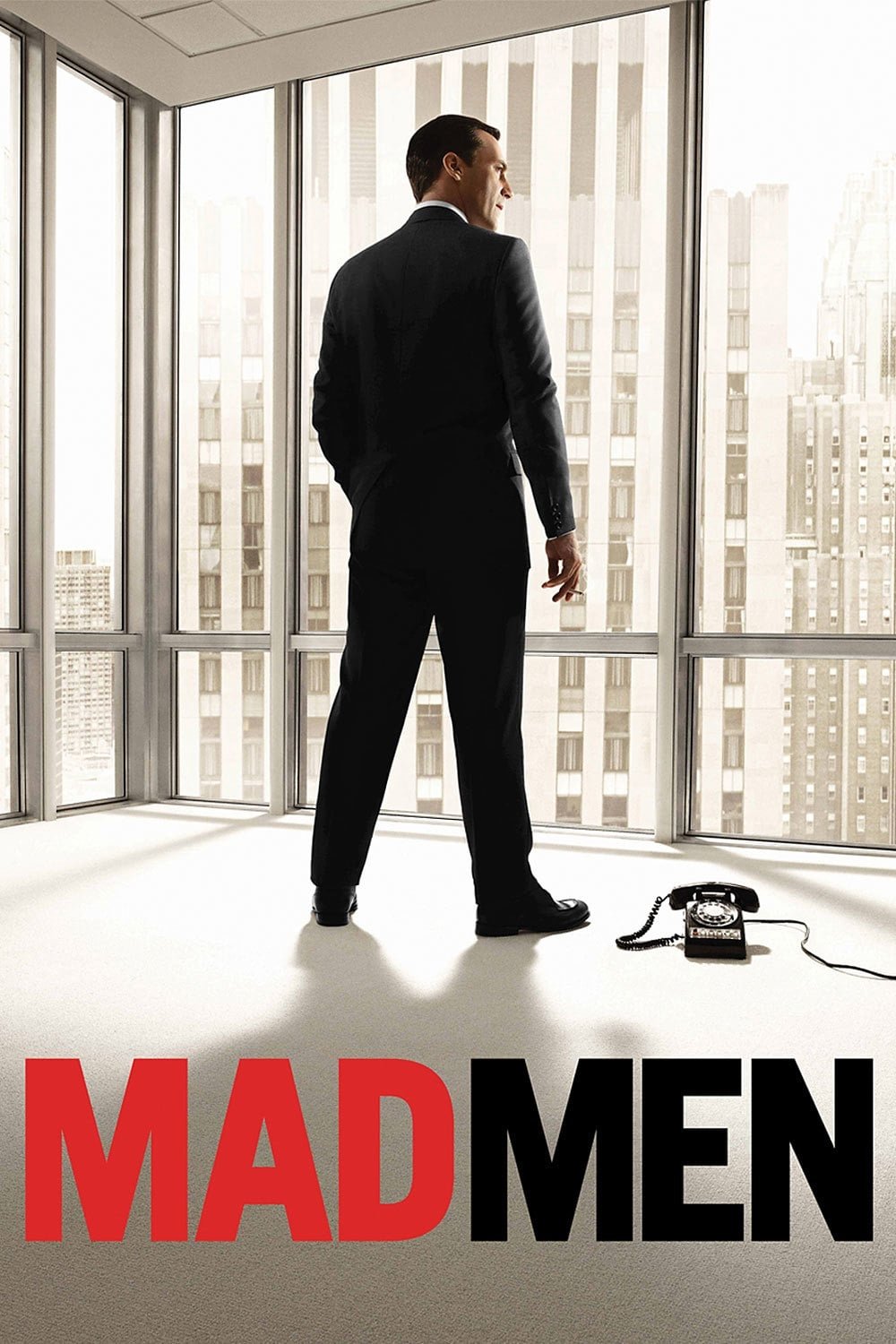
Created by Matthew Weiner for AMC, this period drama portrays an advertising agency in New York, starring Jon Hamm, Elisabeth Moss, and January Jones, with production design and wardrobe grounded in mid-century research. Writers and directors drew from cable-drama playbooks to build long-form character arcs within a workplace setting.
The show won multiple Emmys for drama series and aided AMC’s move into original scripted programming. Its design and music supervision sparked broad interest in mid-century aesthetics across media and marketing.
‘Breaking Bad’ (2008–2013)
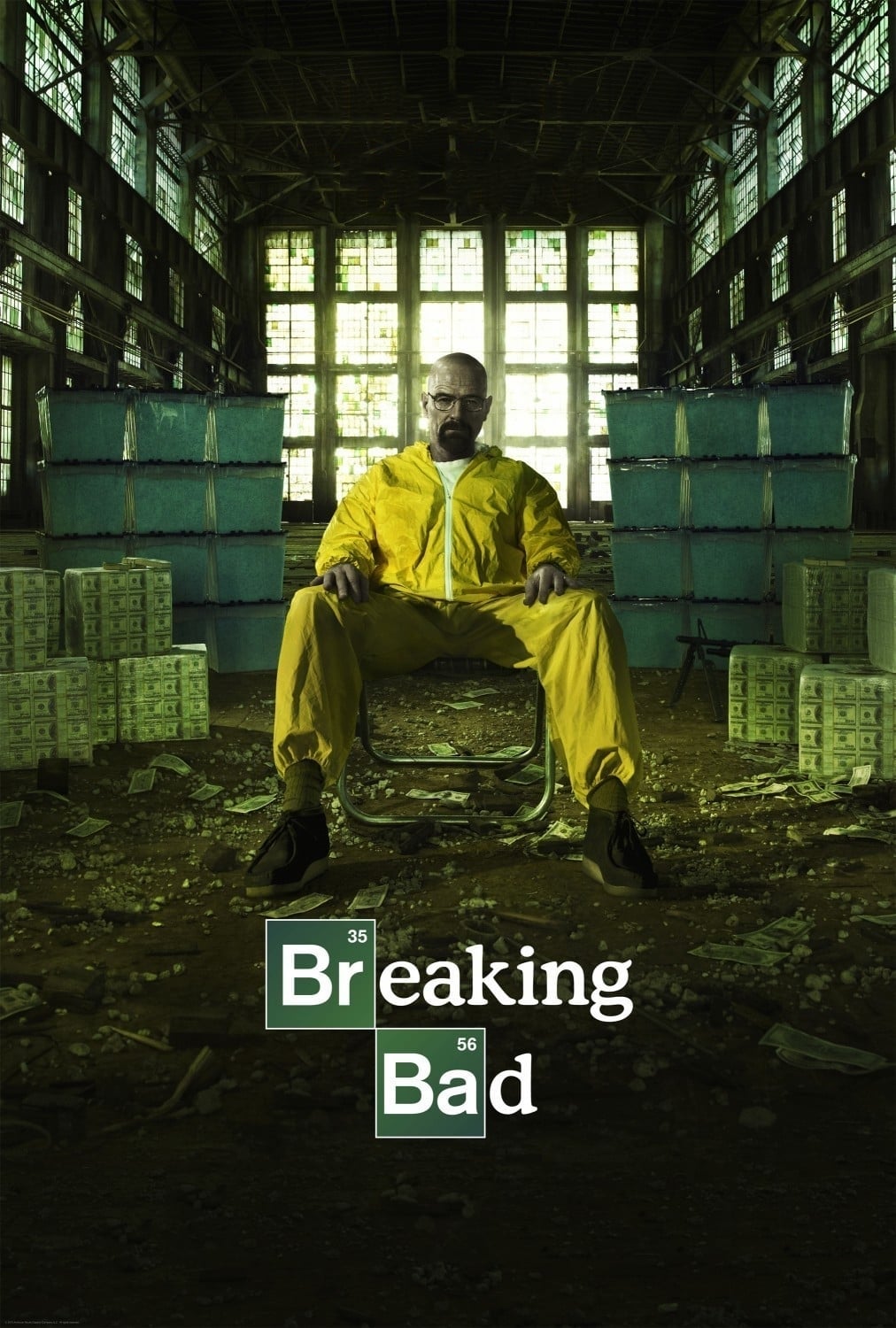
Vince Gilligan’s series follows a chemistry teacher who becomes a meth manufacturer, with Bryan Cranston and Aaron Paul in central roles and a style built around cause-and-effect plotting and visual motif. Bottle episodes and set-piece investigations demonstrate tight production planning on cable schedules.
The show won Emmys across acting, writing, and editing and produced the prequel ‘Better Call Saul’. Companion podcasts, in-world websites, and home releases documented craft decisions and expanded audience engagement.
‘Lost’ (2004–2010)
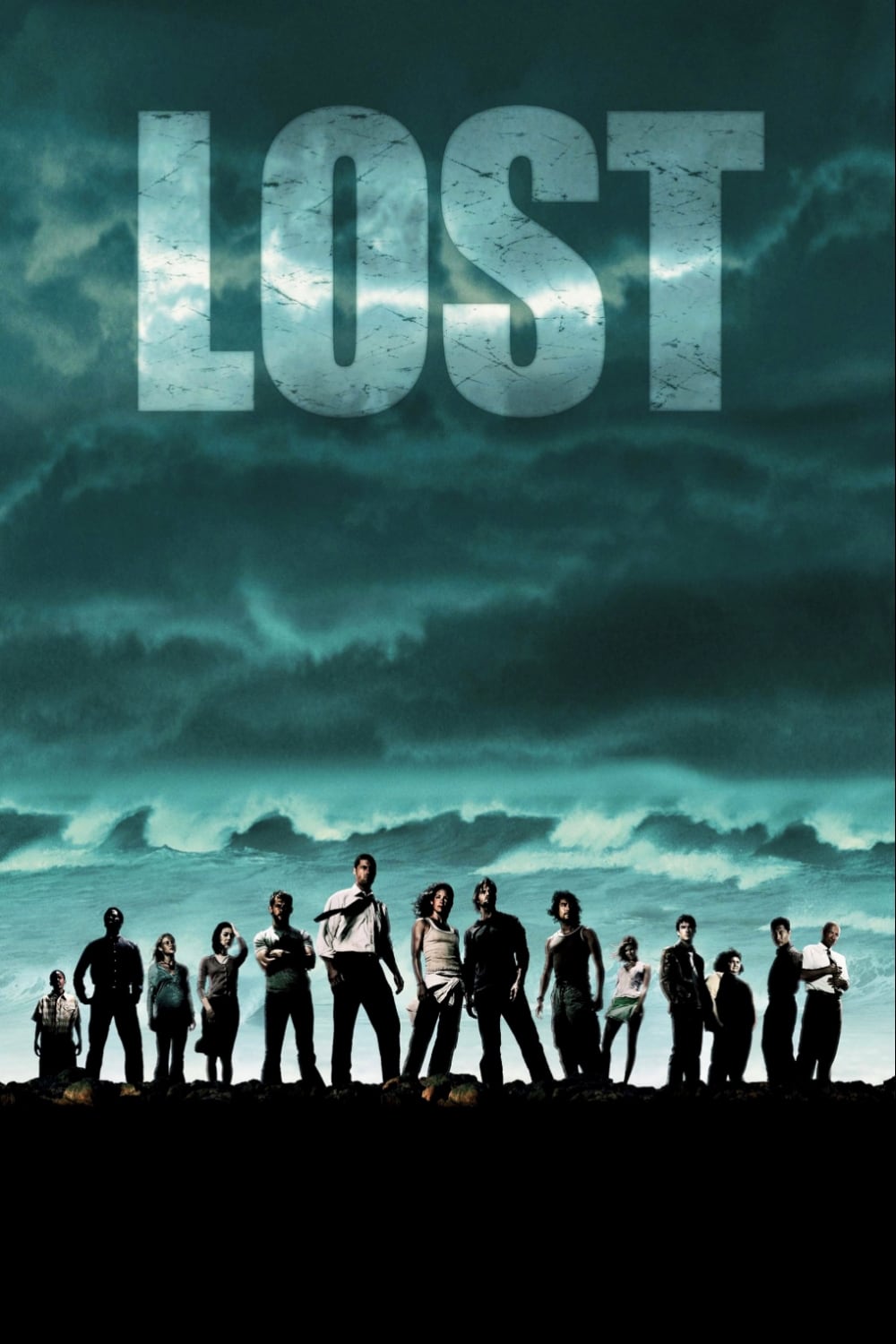
Created by J.J. Abrams, Damon Lindelof, and Jeffrey Lieber for ABC, this ensemble mystery follows plane-crash survivors on a remote island using flashbacks, flash-forwards, and multi-timeline structures. The writers’ room organized character-centric episodes alongside mythology arcs.
Transmedia elements—webisodes, alternate-reality games, and official guides—supported viewer participation. International distribution and home video extended reach while weekly scheduling sustained speculation.
‘The Office (US)’ (2005–2013)
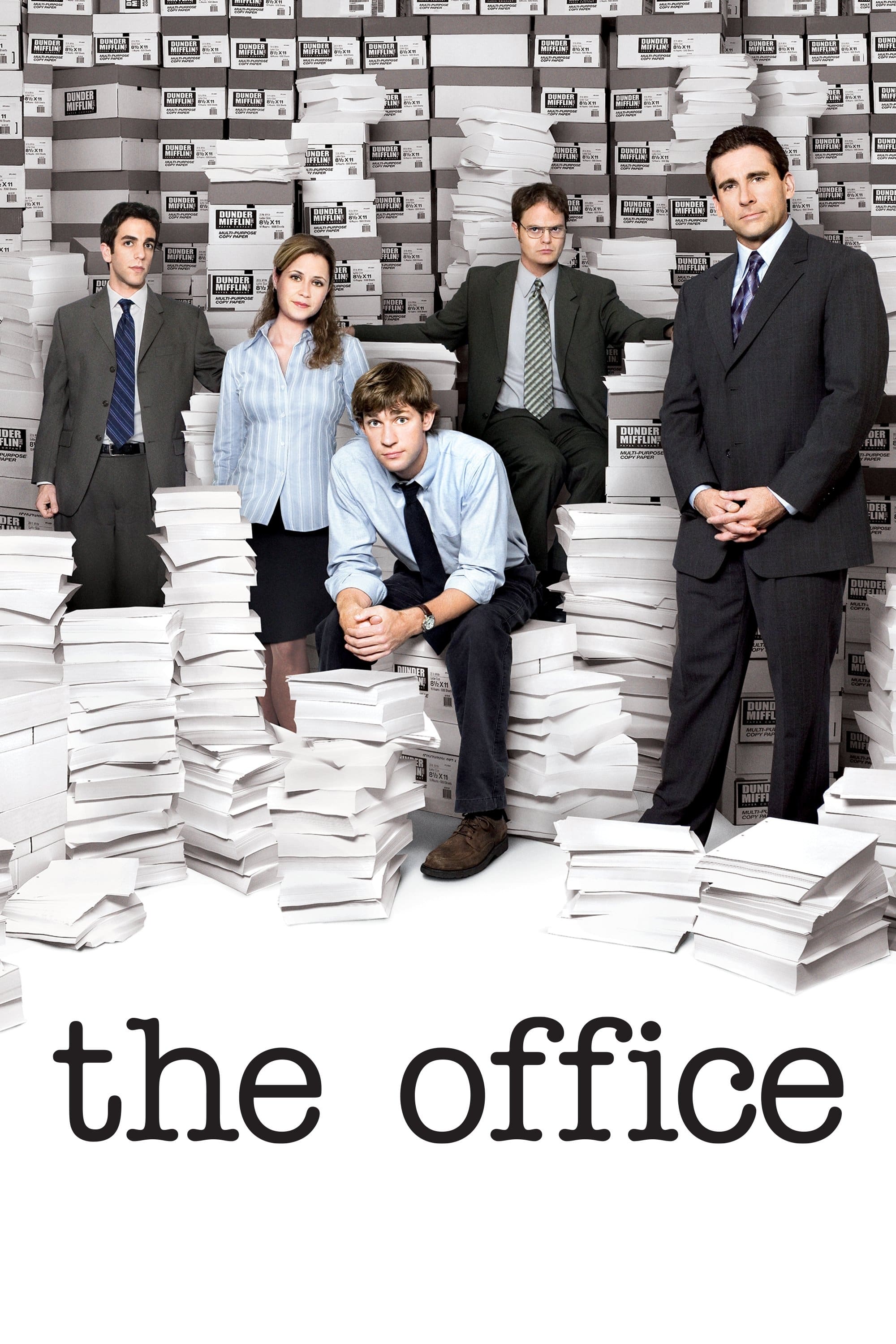
Adapted by Greg Daniels from the UK format, this mockumentary follows employees at a Scranton paper company, led by Steve Carell, with single-camera photography and talking-head interviews. Writers frequently appeared on-screen, bridging writing and performance.
Syndication and streaming multiplied its audience beyond initial broadcast runs. The series incubated future showrunners and established an ensemble-comedy template used by later workplace comedies.
’30 Rock’ (2006–2013)
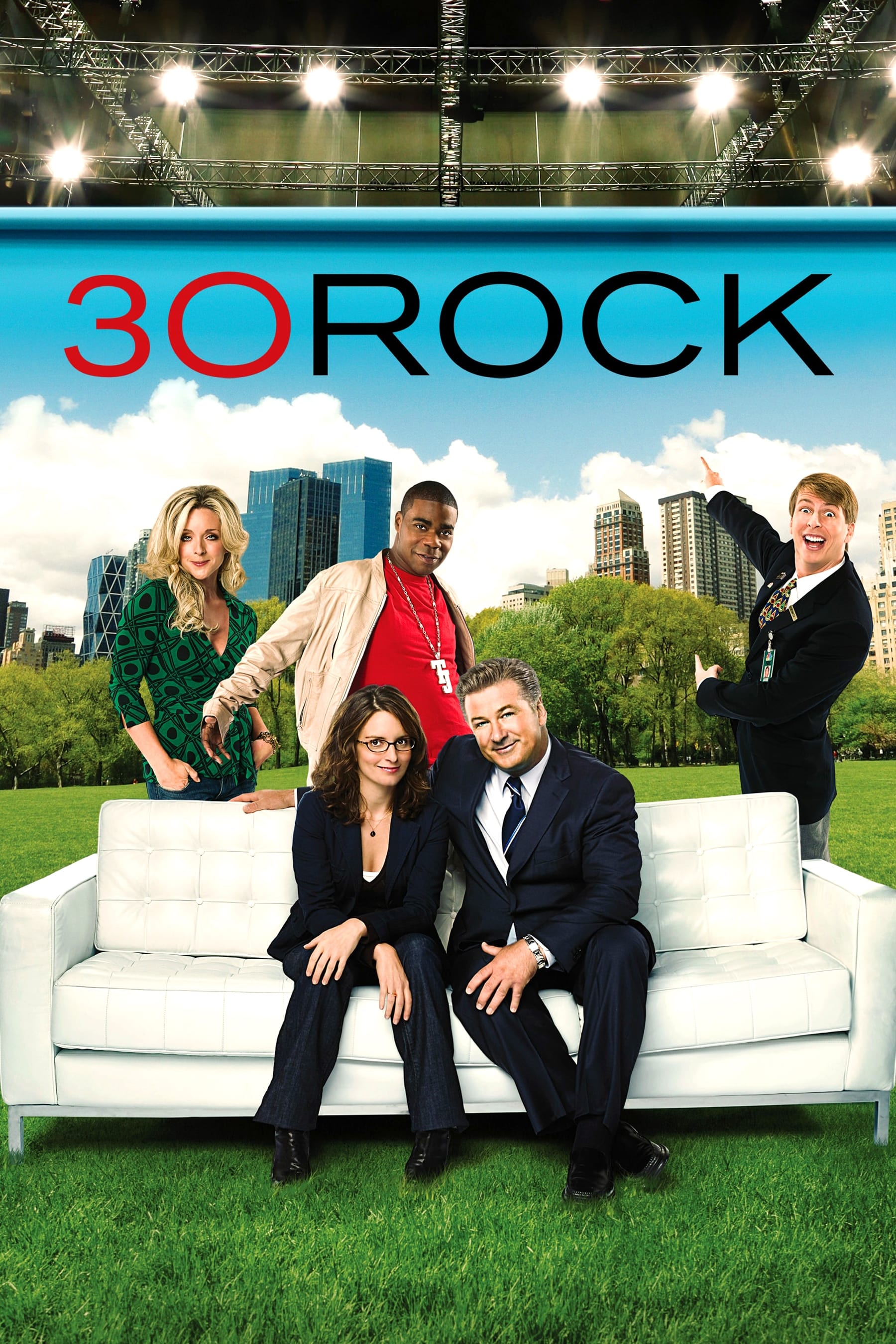
Created by Tina Fey for NBC, this workplace satire depicts the making of a sketch-comedy show, starring Fey, Alec Baldwin, and Tracy Morgan, emphasizing rapid-fire dialogue and cutaway gags. Studio sets and New York locations connect the show to live-TV infrastructure.
The series won multiple Emmys for comedy and acting and showcased the producer-performer model for showrunners. Recurring guest roles and music cues reinforced a consistent in-world entertainment ecosystem.
‘Arrested Development’ (2003–2006)
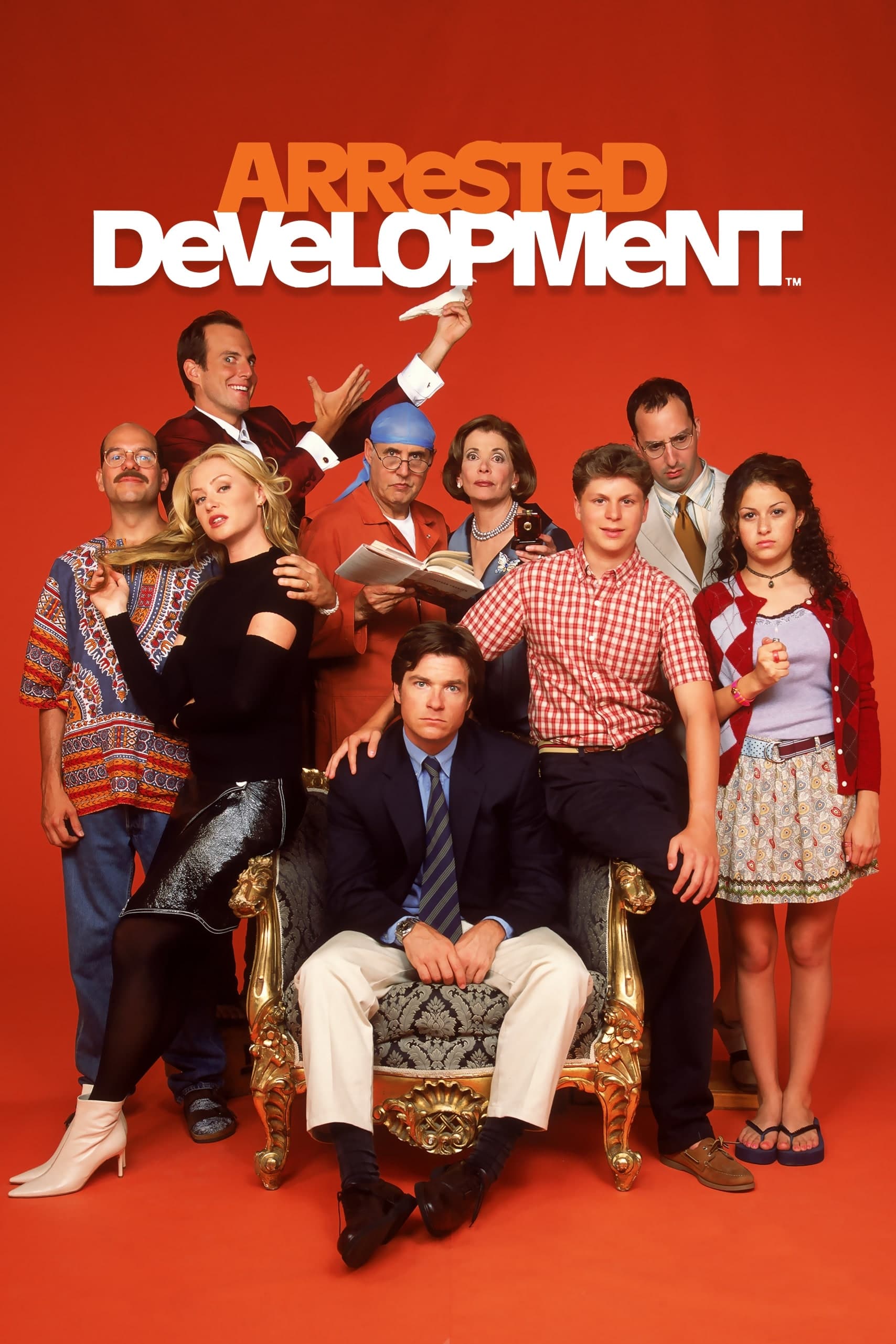
Mitchell Hurwitz’s single-camera comedy follows the Bluth family, narrated by Ron Howard and led by Jason Bateman, Jessica Walter, and Will Arnett. Dense callbacks, layered narration, and on-screen text are structural hallmarks.
It earned Emmys for writing and comedy series and later returned with revival seasons. Rewatch culture, home video, and streaming discovery sustained its profile after the initial network run.
‘The Shield’ (2002–2008)
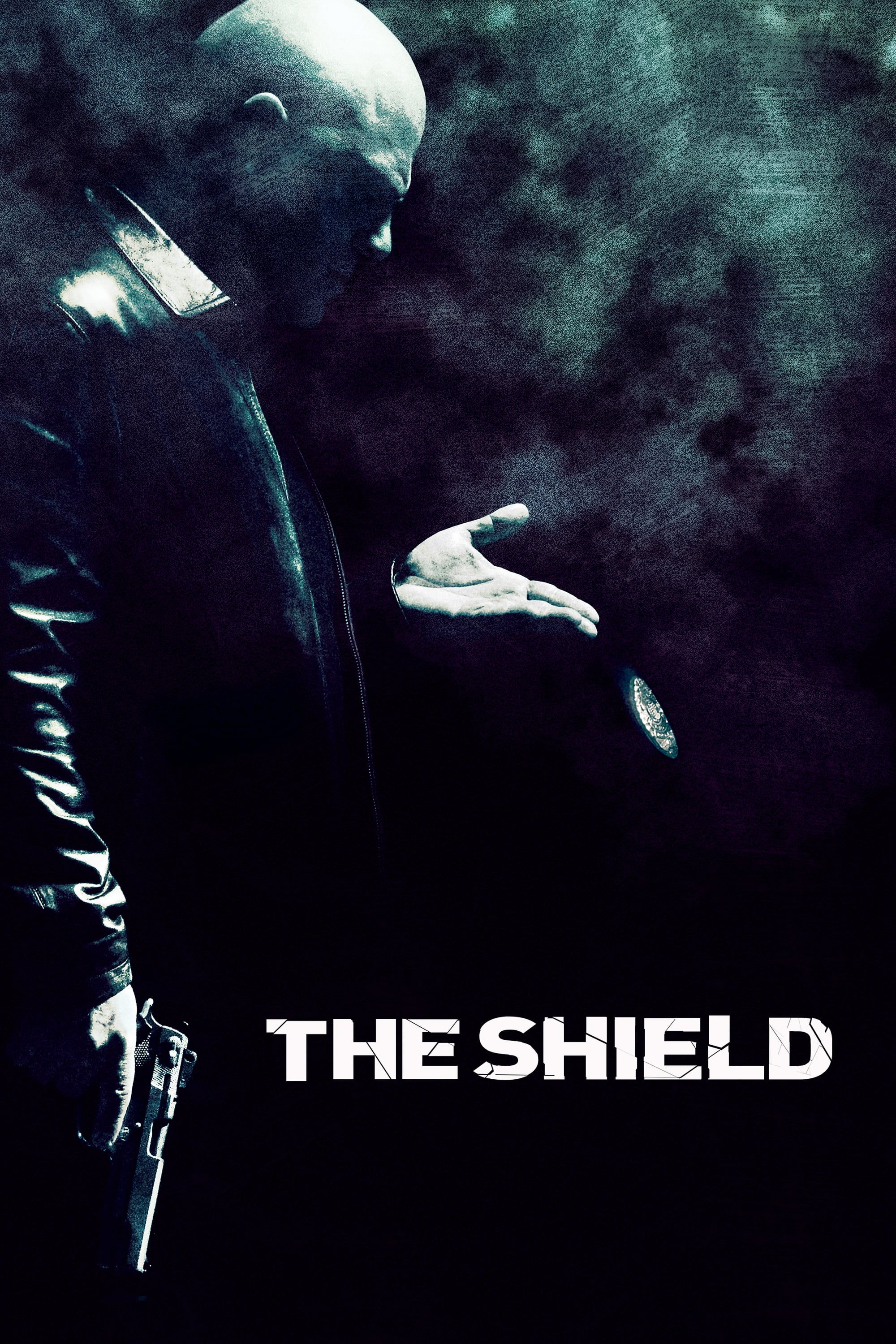
Created by Shawn Ryan for FX, this police drama centers on an anti-gang unit led by Vic Mackey, played by Michael Chiklis, using handheld camerawork and location shooting. Interlocking casework and internal-affairs arcs drive season structure.
The series won major acting awards and helped establish FX as a home for serialized crime dramas. Its pacing, framing, and sound design informed later cable police procedurals.
‘Deadwood’ (2004–2006)
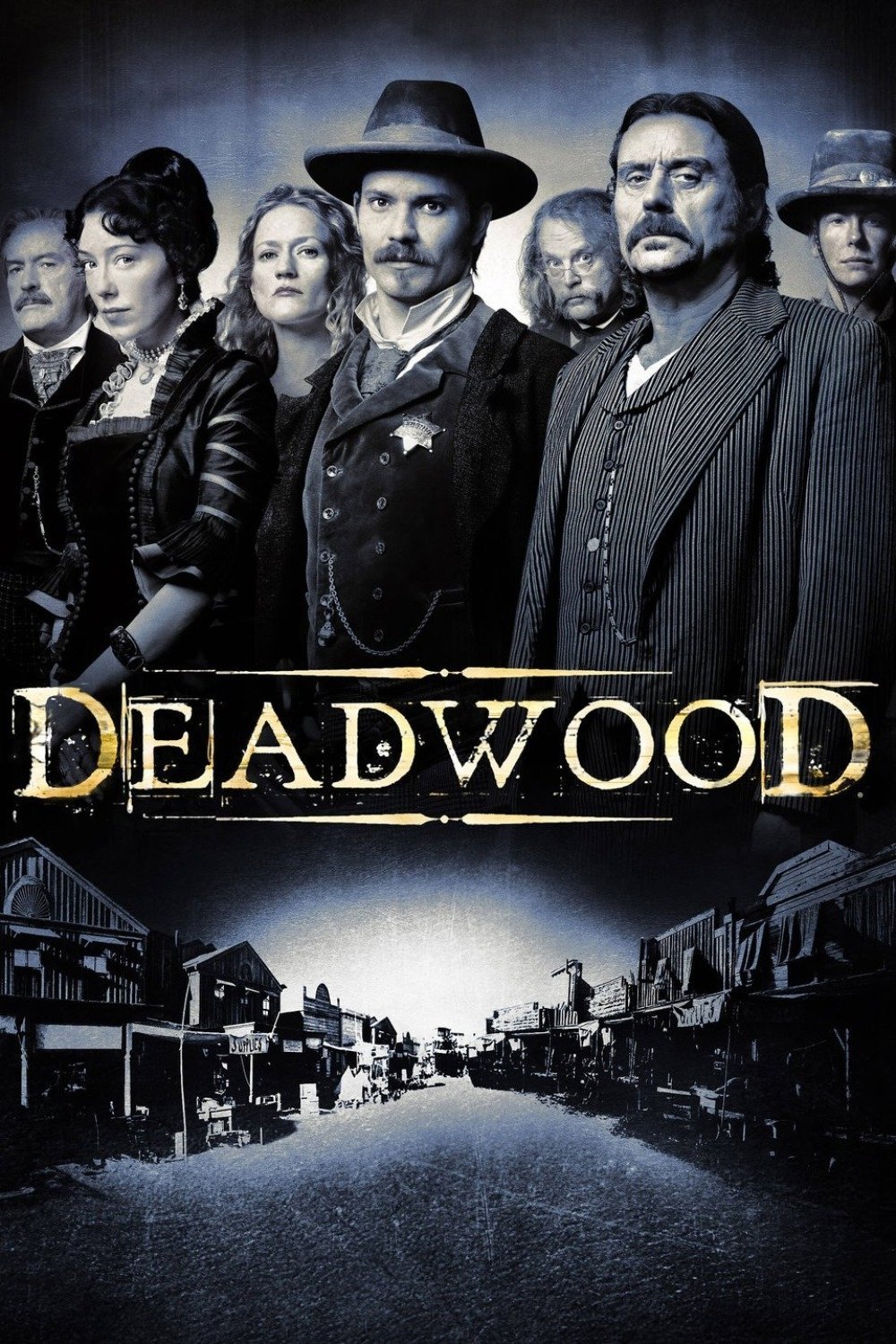
David Milch’s western for HBO chronicles a mining camp’s evolution into a town, with Ian McShane and Timothy Olyphant headlining, and dialogue drawn from historical sources and heightened rhetoric. Sets at Melody Ranch enabled large-scale period staging with continuous street action.
The show earned Emmys for art direction, costume design, and directing. Its ensemble management and location build-out became a reference for ambitious period television.
‘Battlestar Galactica’ (2004–2009)
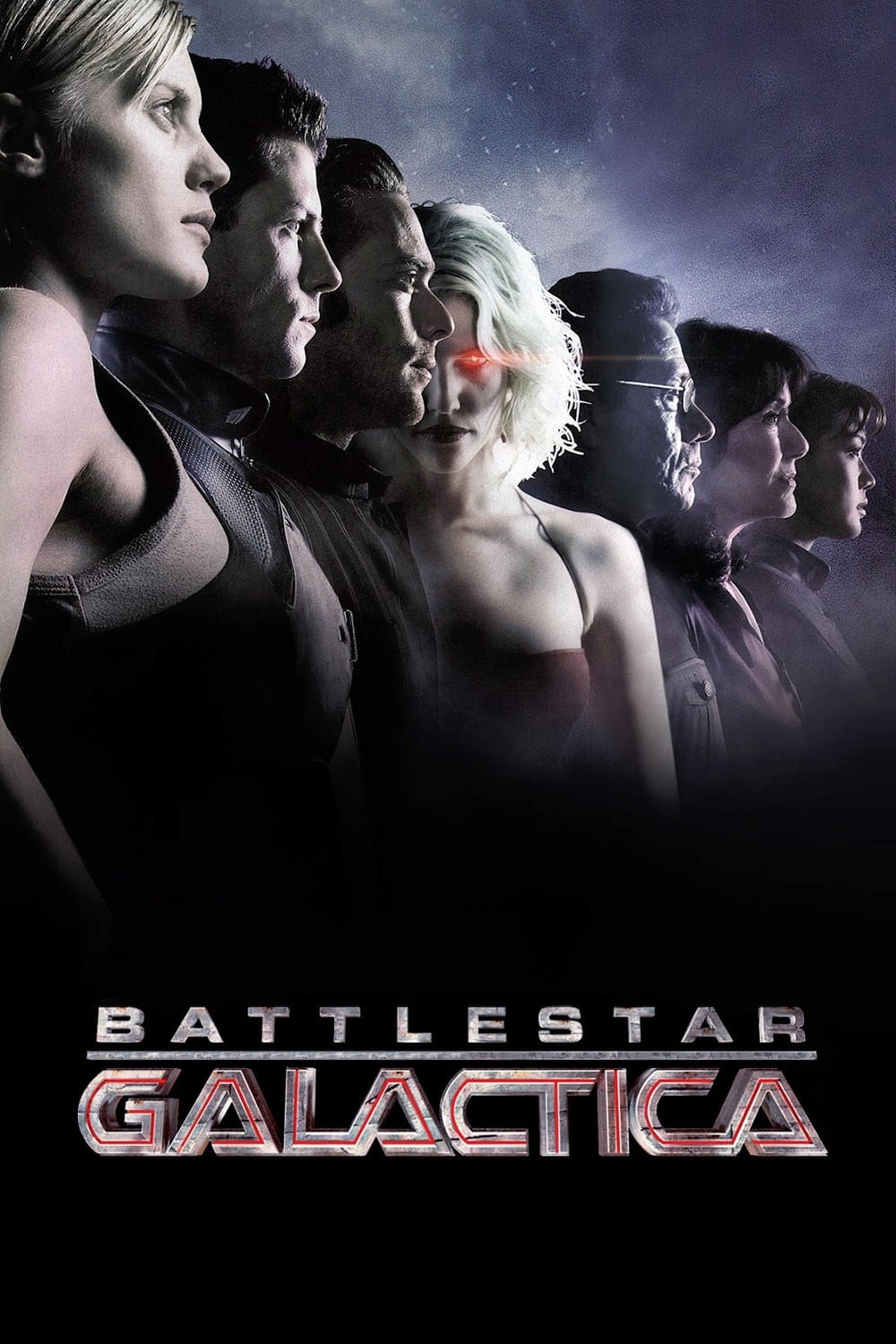
Developed by Ronald D. Moore for Syfy, this military science-fiction drama follows human survivors fleeing the Cylons, using a pseudo-documentary visual style and political allegory. The writers’ room deployed serialized arcs with mid-season pivots tied to production timelines.
The series received a Peabody and multiple technical awards. Companion webisodes, podcasts, and after-show media expanded context for episodes and production choices.
‘Friday Night Lights’ (2006–2011)
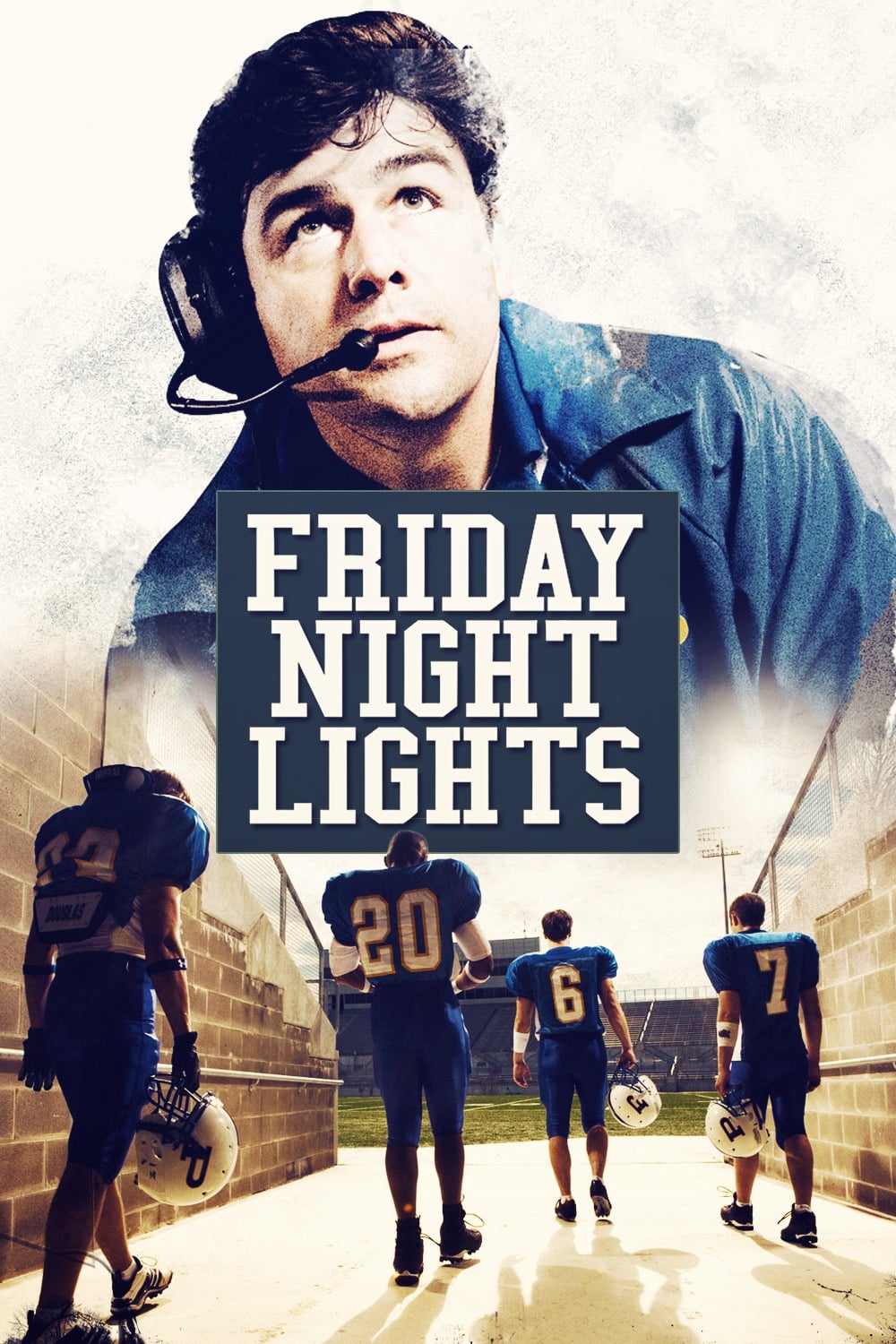
Peter Berg’s drama adapts a nonfiction book and a feature film to explore a Texas town through high-school football and family life, led by Kyle Chandler and Connie Britton. Roaming multi-camera techniques encourage naturalistic performances.
The show received awards for writing and casting and used location shooting in Austin to anchor community storytelling. Music supervision and local hiring supported a strong sense of place.
‘Curb Your Enthusiasm’ (2000–)

Larry David’s HBO comedy follows a heightened version of himself navigating social conflicts, staging scenes from outlines that emphasize improvisation. Guest stars often play themselves within industry settings.
The flexible production schedule accommodates long gaps between seasons while retaining continuity. The show has earned awards and sustained a distinctive improvisational format within cable comedy.
‘The Big Bang Theory’ (2007–2019)
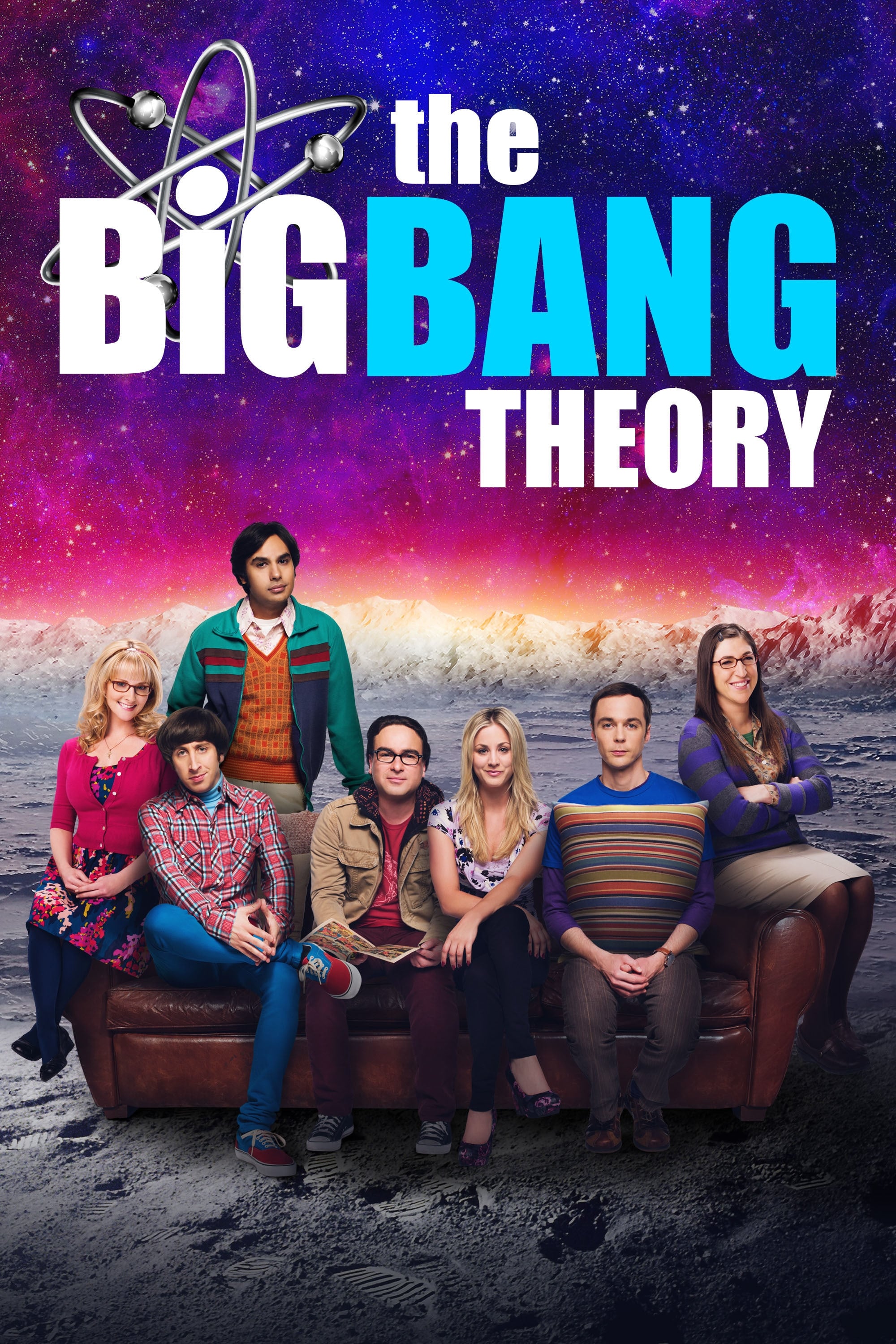
Created by Chuck Lorre and Bill Prady for CBS, this multi-camera sitcom centers on scientists and their neighbors, starring Jim Parsons, Johnny Galecki, and Kaley Cuoco. Apartment and workplace sets organize most action with traditional audience tapings.
The series became a syndication mainstay and launched the spinoff ‘Young Sheldon’. Episode structures integrated scientific references, running gags, and ensemble pairings across long seasons.
‘Dexter’ (2006–2013)
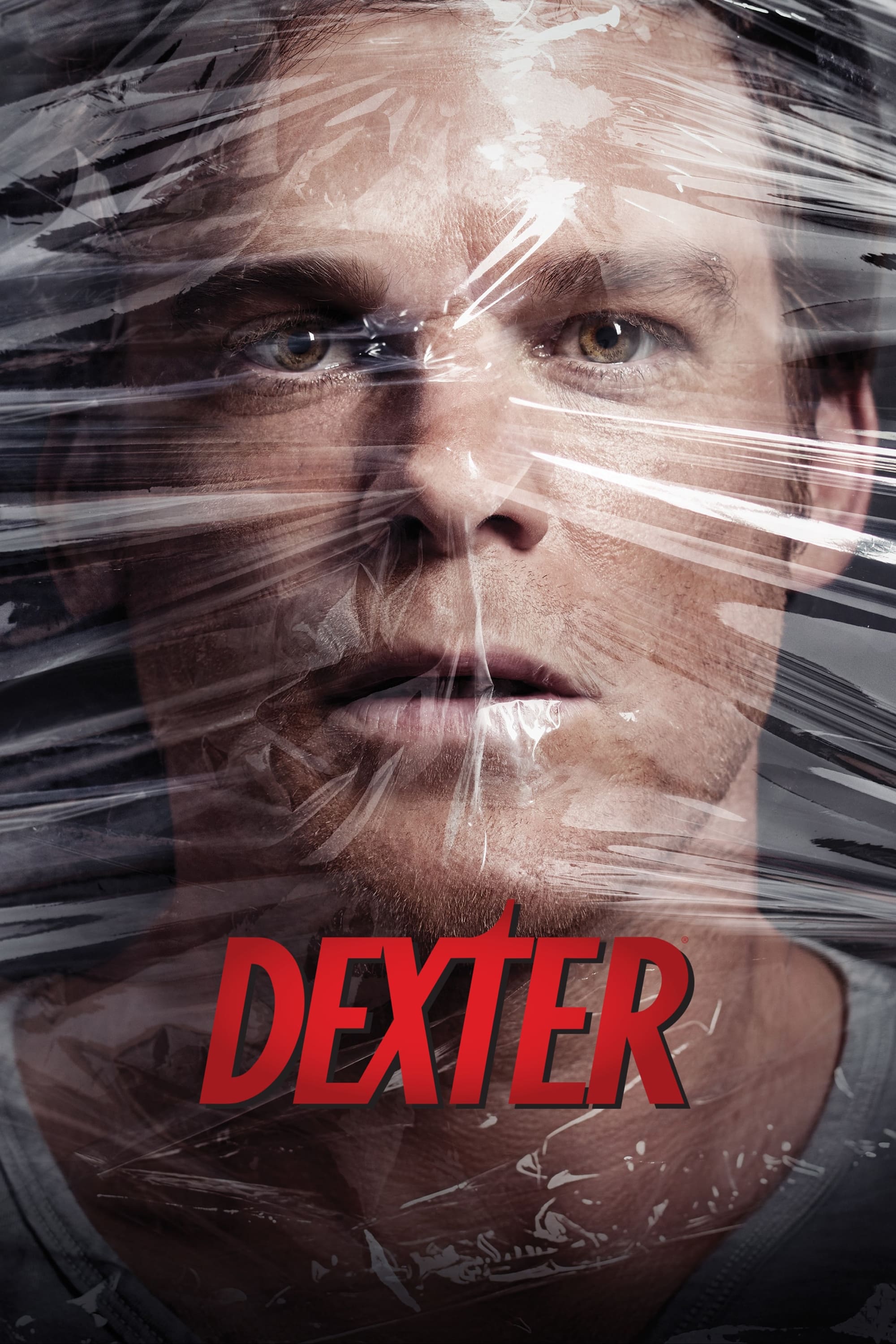
This Showtime crime drama stars Michael C. Hall as a forensic analyst who lives by a vigilante code, using voiceover and forensic detail to frame investigations and inner monologue. Recurring antagonists and seasonal arcs provide structure.
It earned awards for acting and editing and inspired tie-in novels, games, and companion media. Release windows and premium-cable scheduling supported consistent subscriber engagement.
‘House’ (2004–2012)
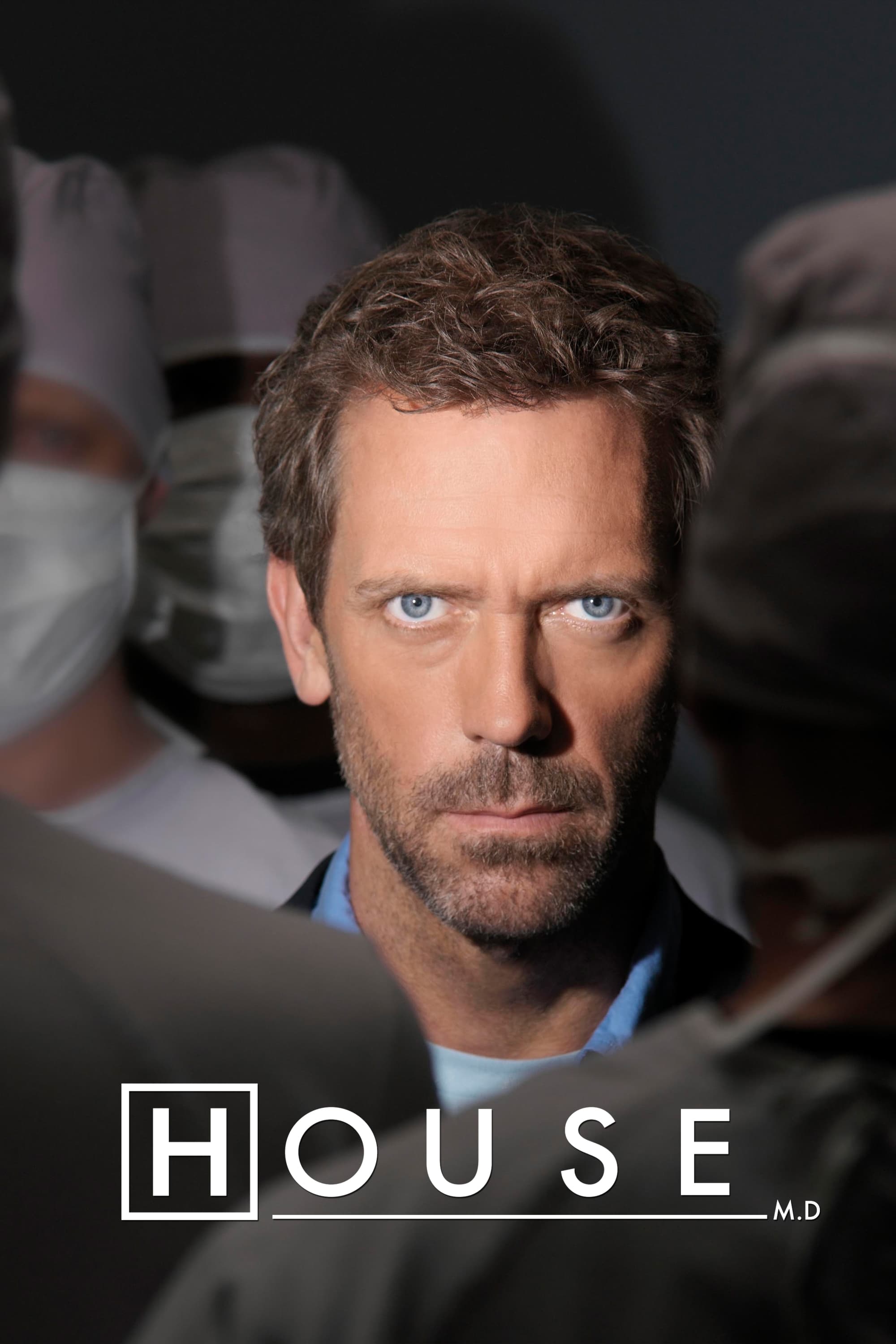
Created by David Shore for Fox, this medical drama follows diagnostician Gregory House, played by Hugh Laurie, and a rotating team solving complex cases through differential diagnosis. Visualizations of medical processes support puzzle-of-the-week storytelling.
The show achieved strong international sales and long-running syndication. It earned major acting awards and popularized diagnostic narrative engines across broadcast schedules.
‘Grey’s Anatomy’ (2005–)
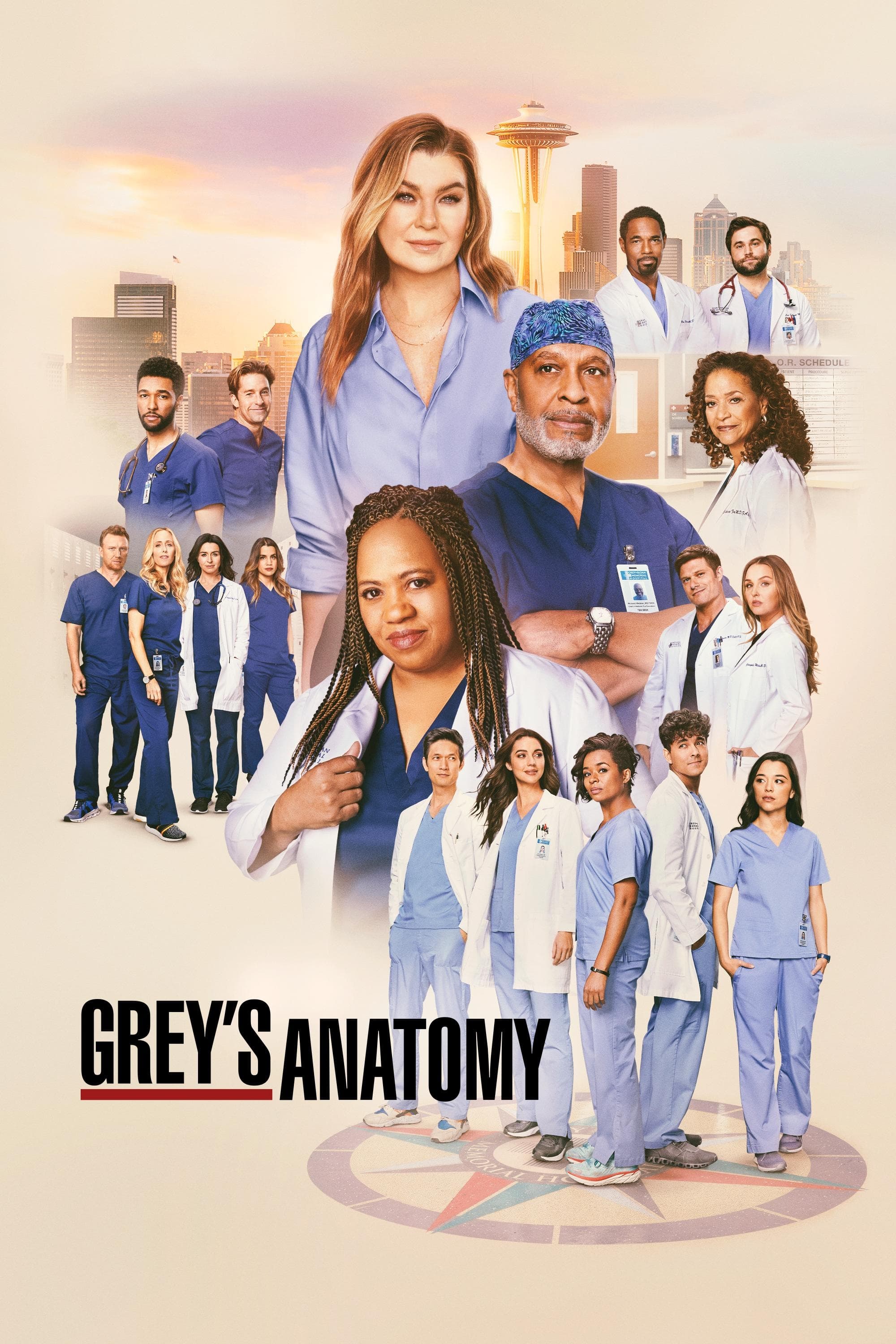
Shonda Rhimes’s ensemble hospital series focuses on surgical trainees and attendings in Seattle, combining character-centered arcs with medical cases. Music-driven montages and voiceover close many episodes.
The series generated multiple spinoffs and maintained high episode counts across seasons. Streaming availability expanded discovery for new viewers alongside broadcast and cable syndication.
‘How I Met Your Mother’ (2005–2014)
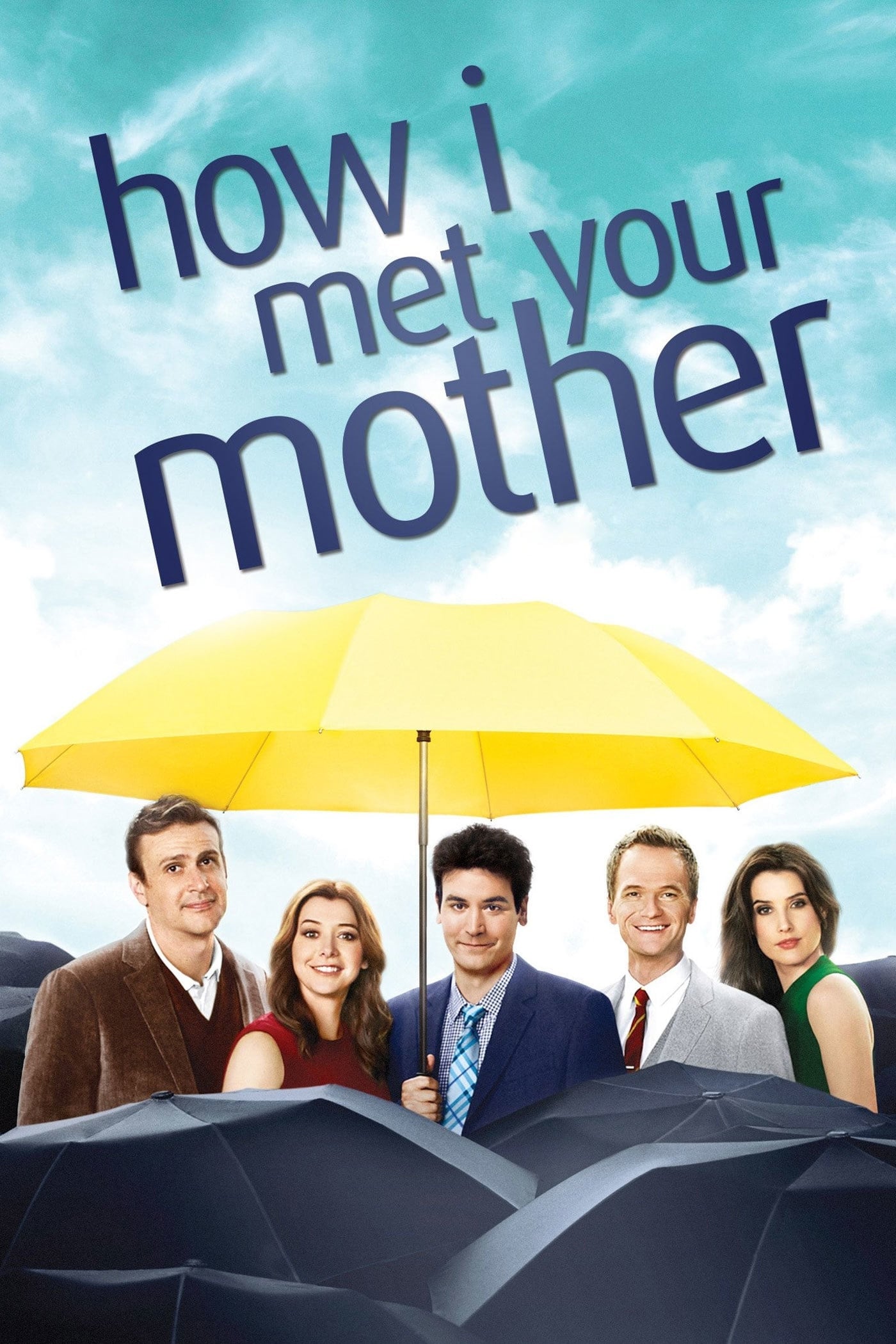
Created by Carter Bays and Craig Thomas for CBS, this sitcom uses a future narrator to frame stories about a New York friend group, integrating time jumps, recurring props, and long-running callbacks. Multi-camera taping coexists with frequent cutaways.
The series supported the spinoff ‘How I Met Your Father’. Music releases, official blogs, and prop-based Easter eggs added layers to episodic storytelling.
‘The Office’ (2001–2003)
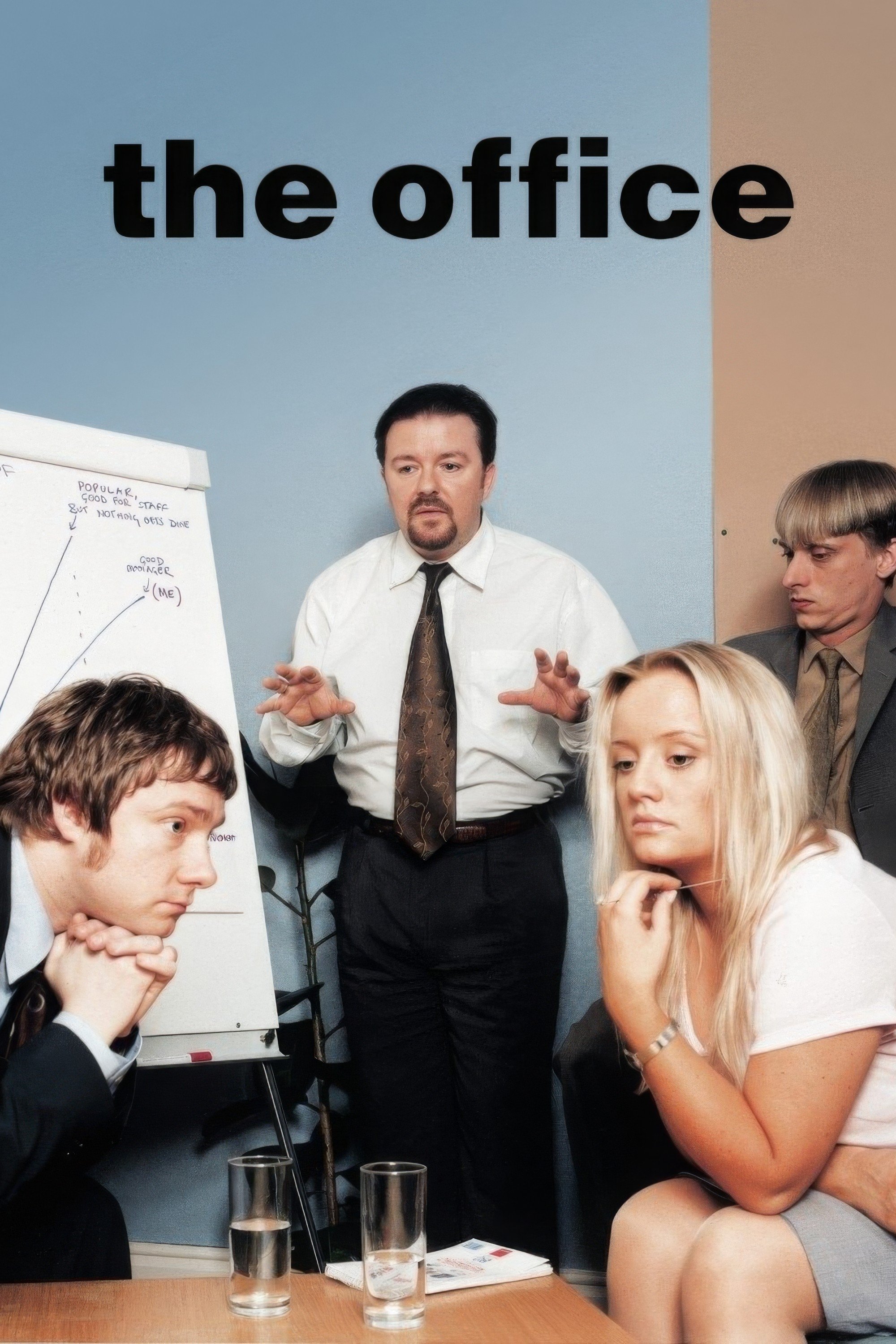
Ricky Gervais and Stephen Merchant’s mockumentary set in a Slough paper office stars Gervais and Martin Freeman and established cringe-comedy using documentary aesthetics. A two-series run and a special created a compact format.
The show won a Golden Globe and BAFTAs and spawned international remakes. Its casting, handheld camerawork, and talking-heads structure informed later workplace comedies.
‘Peep Show’ (2003–2015)
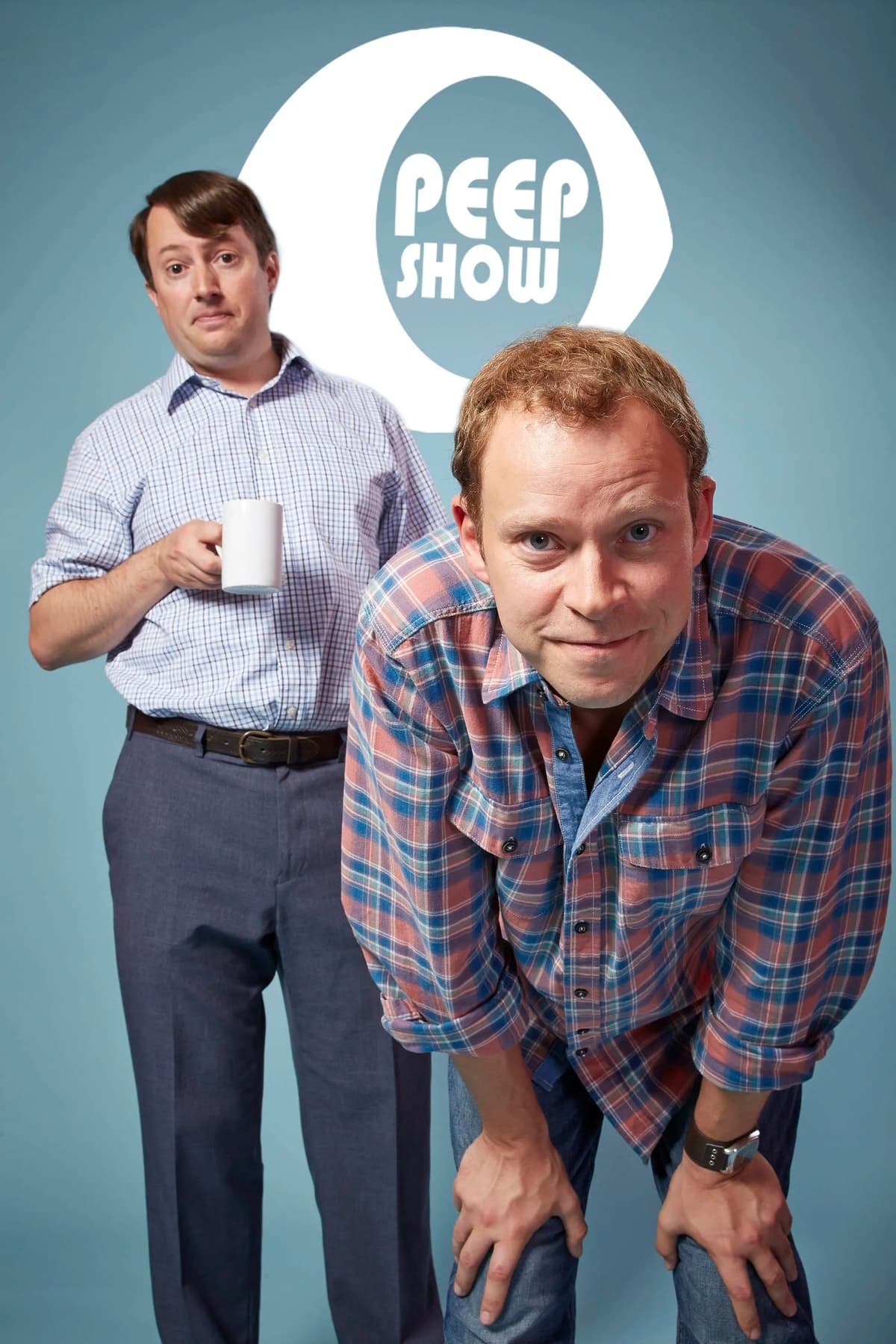
Created by Jesse Armstrong and Sam Bain for Channel 4, this sitcom follows two flatmates portrayed by David Mitchell and Robert Webb, using first-person shots and interior monologues. Scripts align point-of-view voiceover with objective action.
It won British Comedy Awards and influenced later series that experimented with subjective camera work. Consistent London locations and a stable core cast supported long-term continuity.
‘Skins’ (2007–2013)
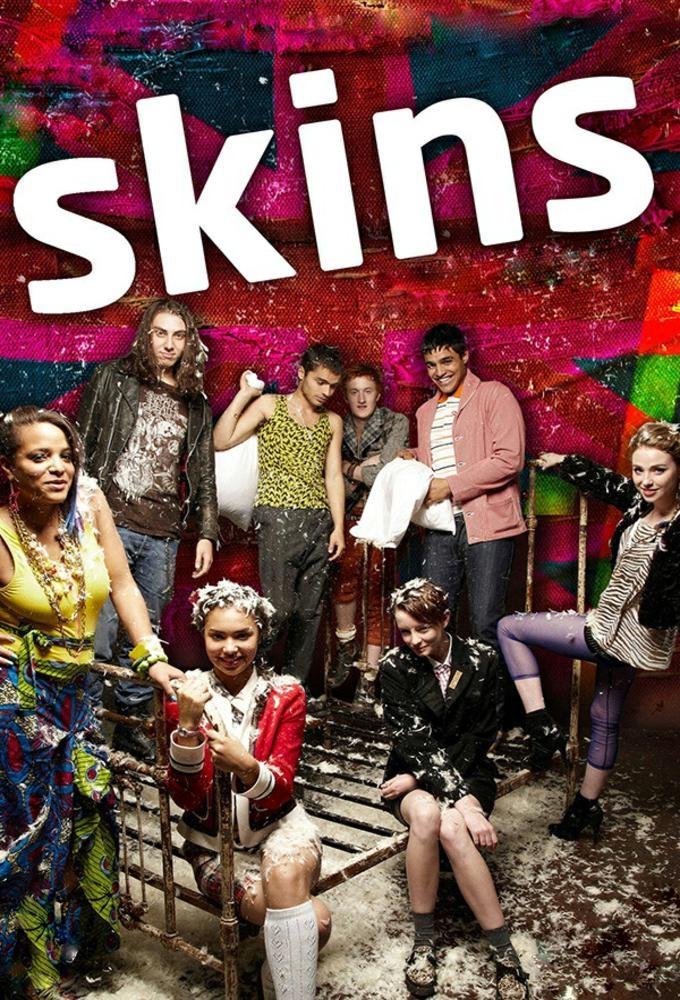
Bryan Elsley and Jamie Brittain’s teen drama rotates casts by generation while following sixth-form students in Bristol, blending episodic stories with cohort-wide arcs. The format foregrounds youth perspectives and music-led scenes.
The show launched multiple acting careers and prompted an American adaptation. Music supervision and on-location shooting contributed to its identity and international reach.
‘The IT Crowd’ (2006–2013)
Created by Graham Linehan for Channel 4, this studio-audience sitcom centers on a corporate basement tech-support team with Chris O’Dowd, Richard Ayoade, and Katherine Parkinson. Classic setup–punch structures support farce and workplace satire.
The series won BAFTAs and achieved strong streaming life after broadcast. Its catchphrases and office environment supported international syndication and remakes.
‘Six Feet Under’ (2001–2005)
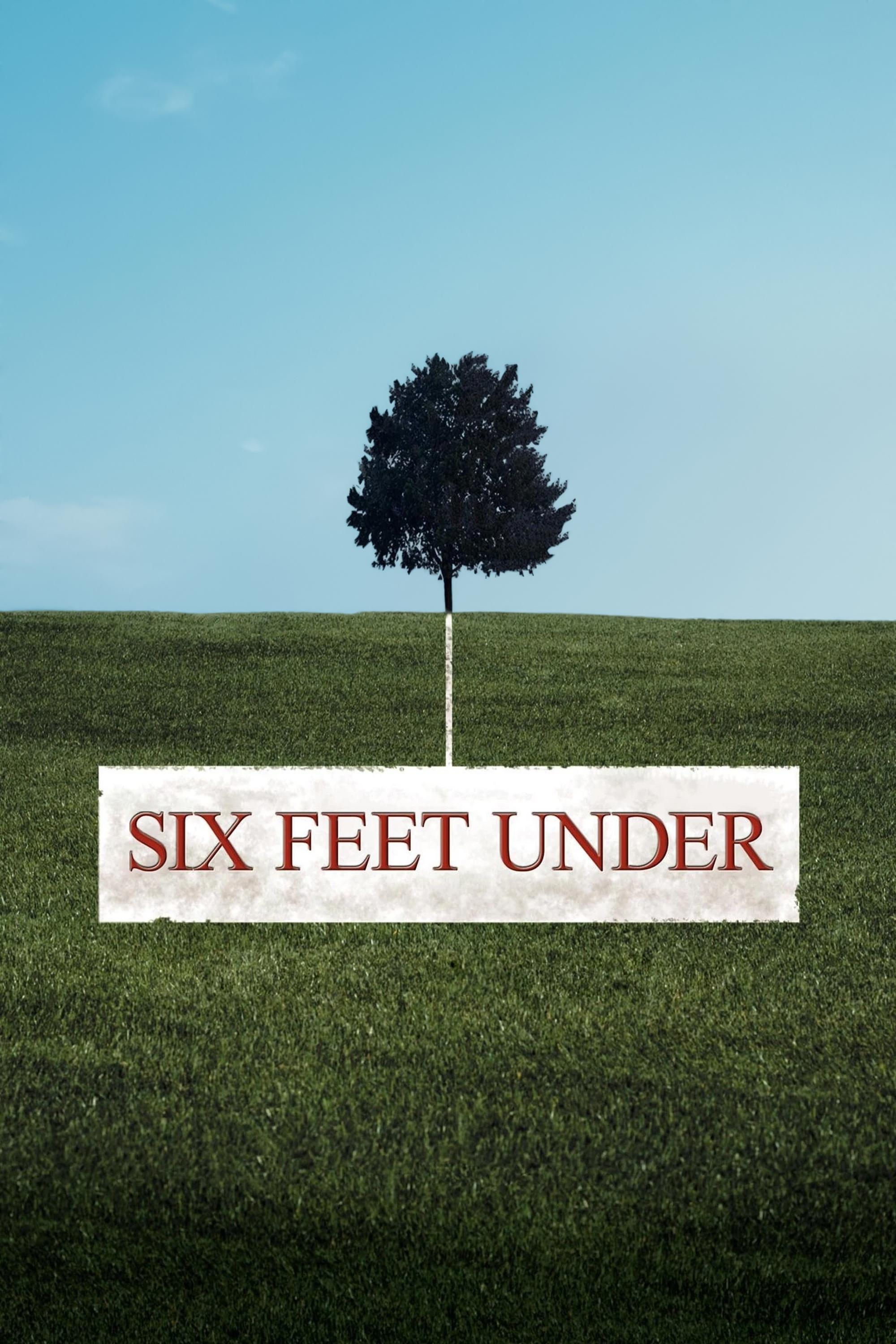
Alan Ball’s drama for HBO examines a family-run funeral home in Los Angeles, starring Peter Krause, Michael C. Hall, and Frances Conroy, with each episode opening on a death that frames themes. Ensemble casting and character arcs remain the narrative core.
The production earned Emmys and a Peabody. Its approach to grief, family systems, and vignette structure is frequently discussed in film and television studies.
‘Band of Brothers’ (2001)
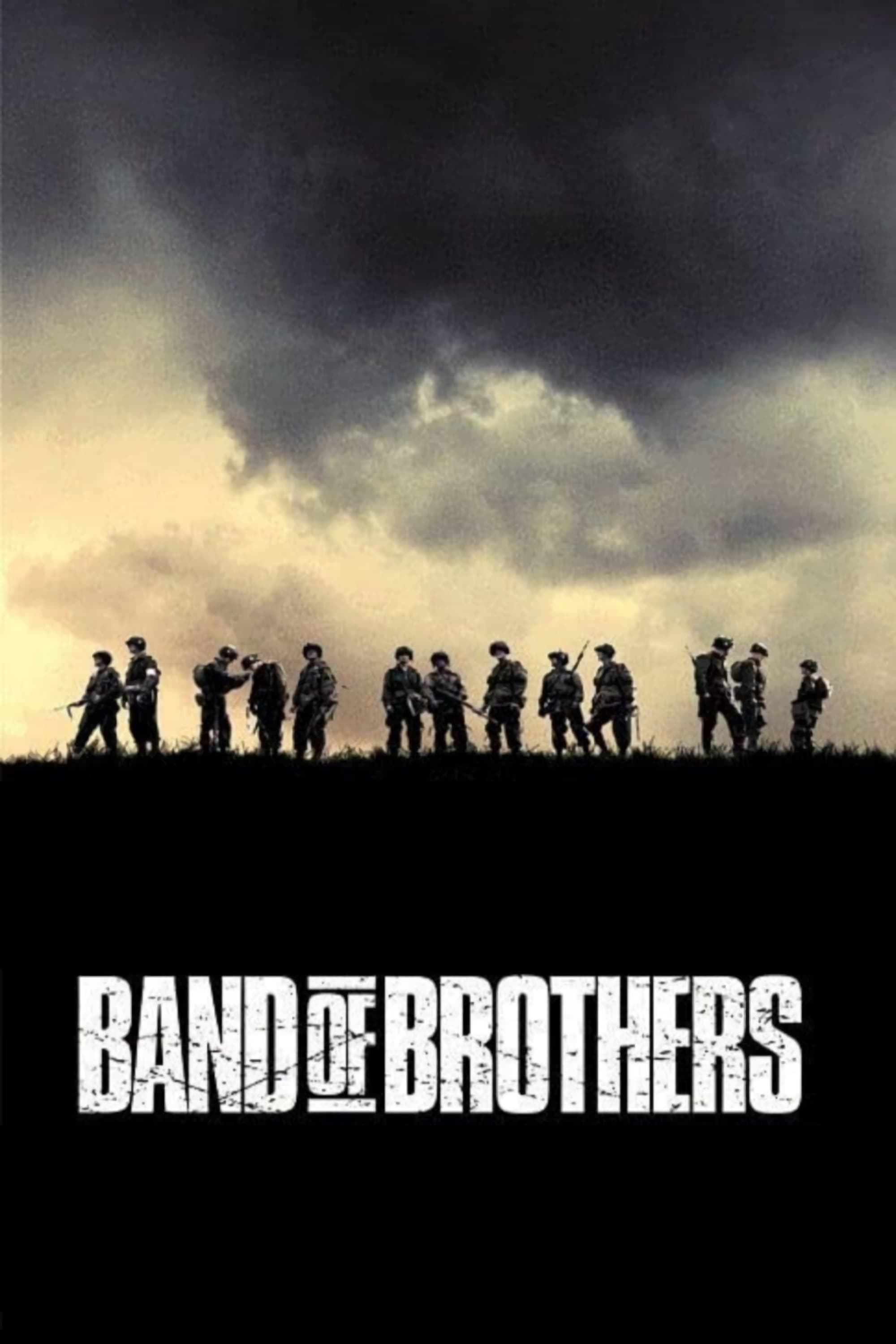
Produced by Tom Hanks and Steven Spielberg for HBO, this miniseries adapts Stephen E. Ambrose’s nonfiction account of Easy Company, integrating interviews with veterans and dramatized episodes. European location shoots and detailed costuming support authenticity.
It won Emmys and a Golden Globe and set a large-scale standard for historical staging on television. Archival consultation and military advising shaped training, props, and choreography.
‘Generation Kill’ (2008)

David Simon and Ed Burns adapted Evan Wright’s embedded reporting on a Marine reconnaissance battalion for this HBO miniseries. Casting blends emerging actors with military consultants to preserve procedure.
The production emphasized journalistic sourcing and received Emmy nominations. Scripted terminology and equipment handling reflect field research and unit structure.
‘Rome’ (2005–2007)
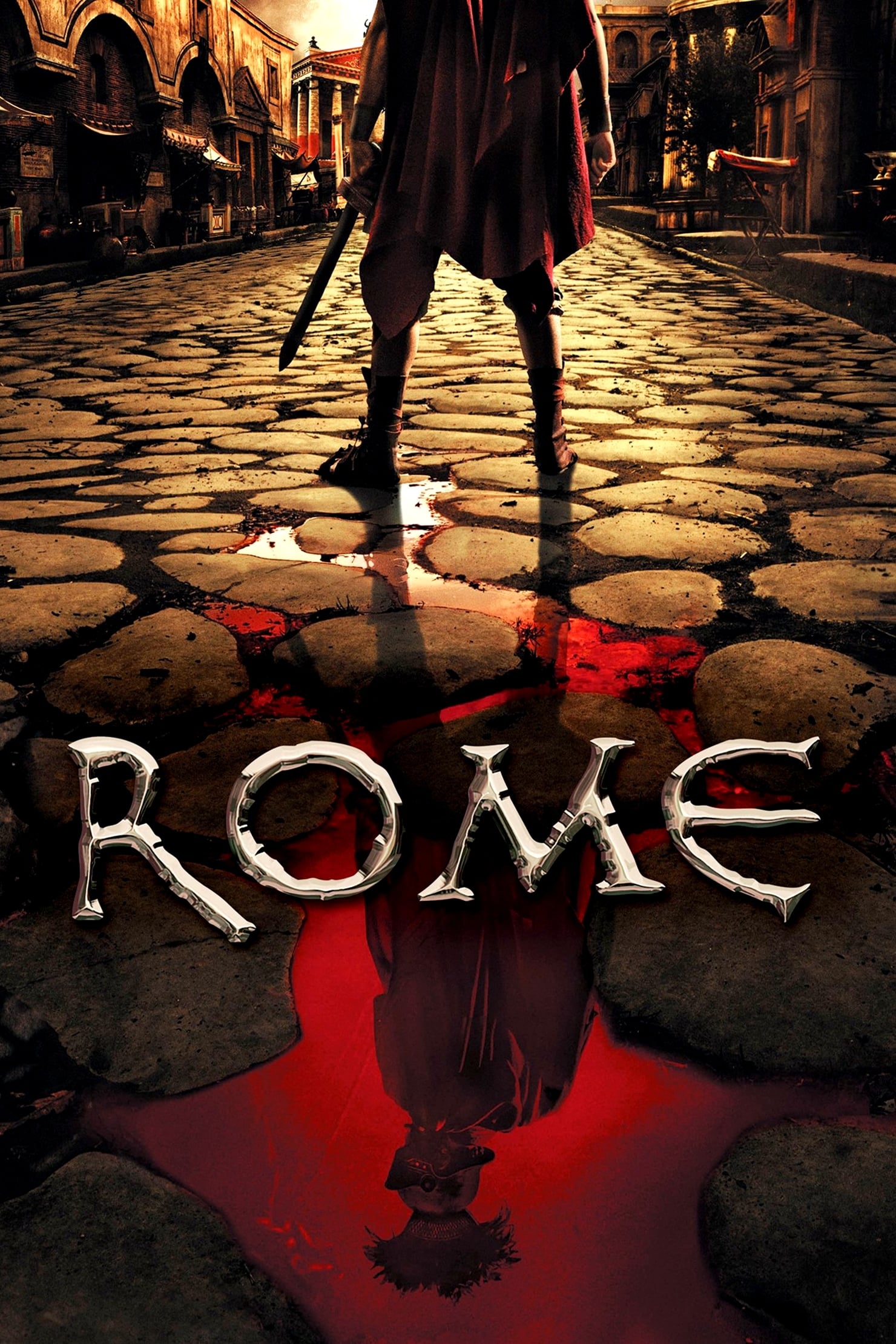
An HBO, BBC, and RAI co-production, this drama follows two legionaries amid the late Roman Republic’s power shifts, led by Kevin McKidd and Ray Stevenson. Standing sets at Cinecittà Studios enable complex crowd scenes and processions.
The show earned awards for production design and costuming and demonstrated the value of international co-financing. Multiple languages and regional crews coordinated across departments for scale.
‘Angels in America’ (2003)
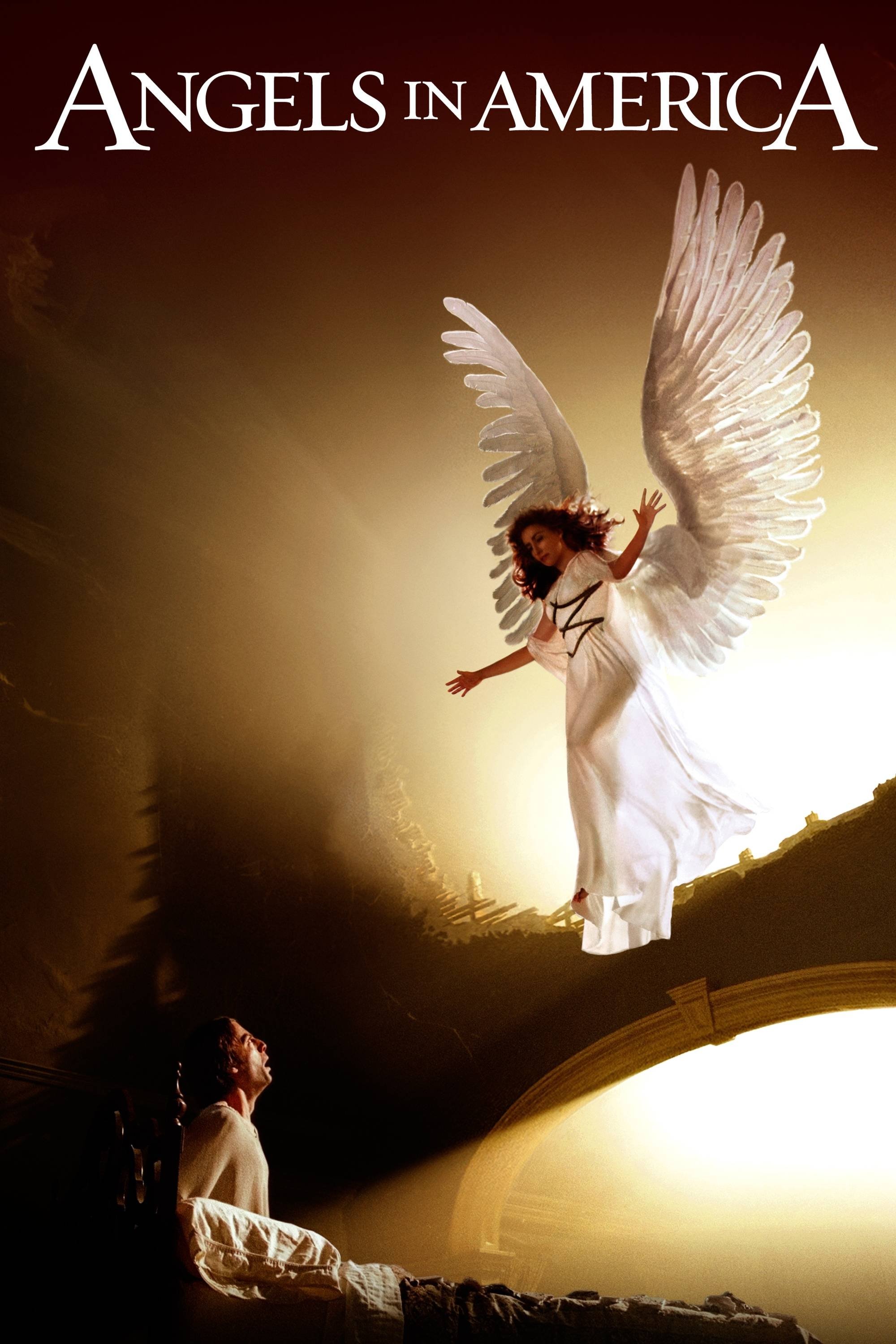
Mike Nichols’s HBO miniseries adapts Tony Kushner’s plays with Al Pacino, Meryl Streep, and Emma Thompson. Staging blends magical-realist sequences with intimate scenes anchored by theatrical roots.
The production won numerous Emmys and Golden Globes. Its limited-series structure preserved the play’s architecture while expanding visual scope for television.
‘Planet Earth’ (2006)

The BBC’s natural-history event series, narrated in the UK by David Attenborough, uses high-definition cameras and aerial systems to capture global biomes. Episodes group habitats to survey behavior and environment.
It earned Emmys and BAFTAs and became a major international factual export. Companion books, concert tours, and later spinoffs extended the brand across media.
‘The Blue Planet’ (2001)
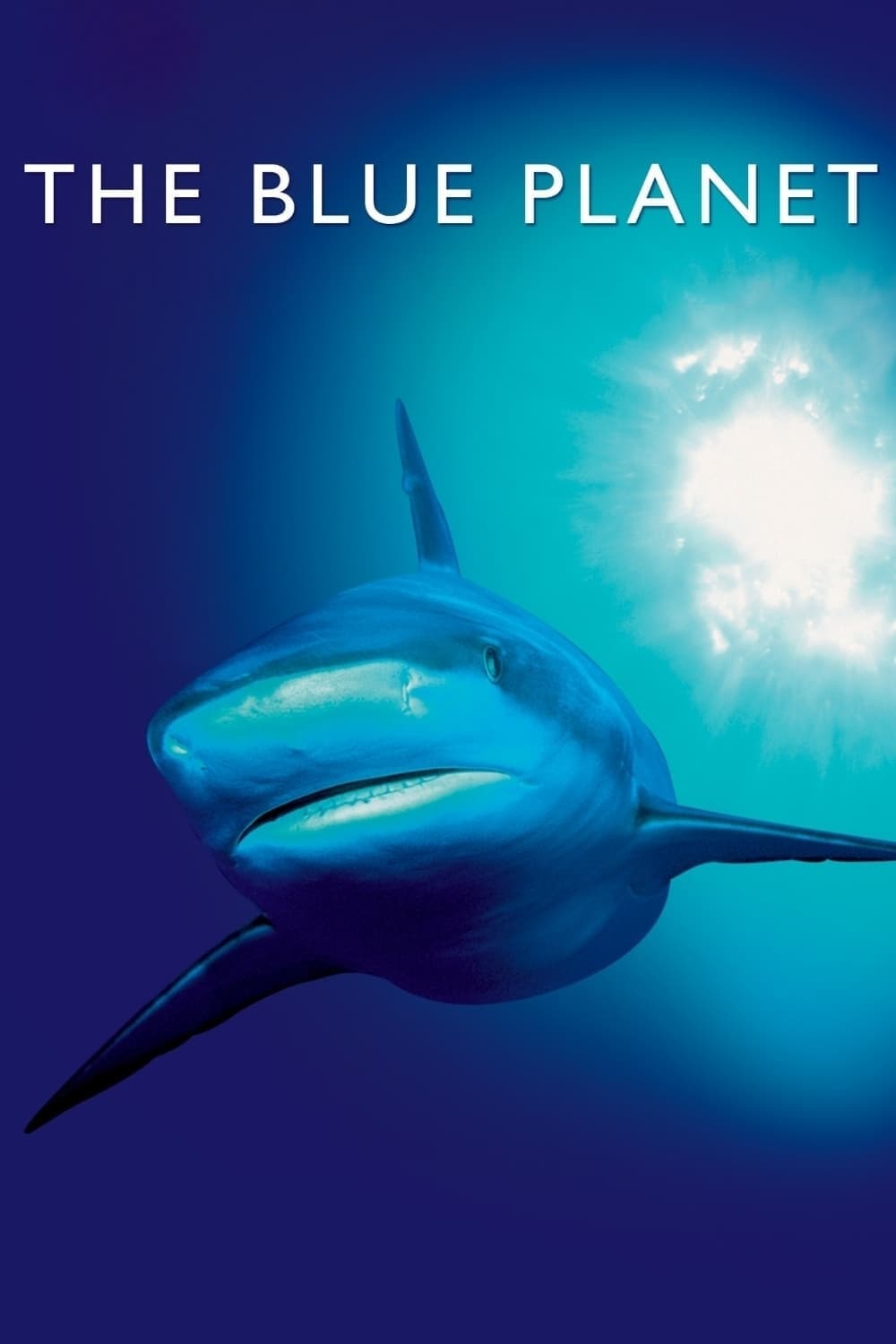
This BBC documentary series explores marine ecosystems using macro cinematography and deep-sea sequences and is narrated in the UK by David Attenborough. Orchestral scoring supports long-form sequences.
It won BAFTAs and Emmys and laid groundwork for later aquatic-focused documentaries. Educational licensing brought episodes into classrooms and museum screenings.
‘Top Gear’ (2002–)

The relaunched BBC motoring show combines studio segments, road tests, challenges, and timed laps with a masked test driver, supported by a revolving lineup of presenters. The format balances journalism with entertainment stunts.
The brand became one of the BBC’s most widely exported entertainment properties. International versions, home-video releases, and live events expanded global presence.
’24’ (2001–2010)
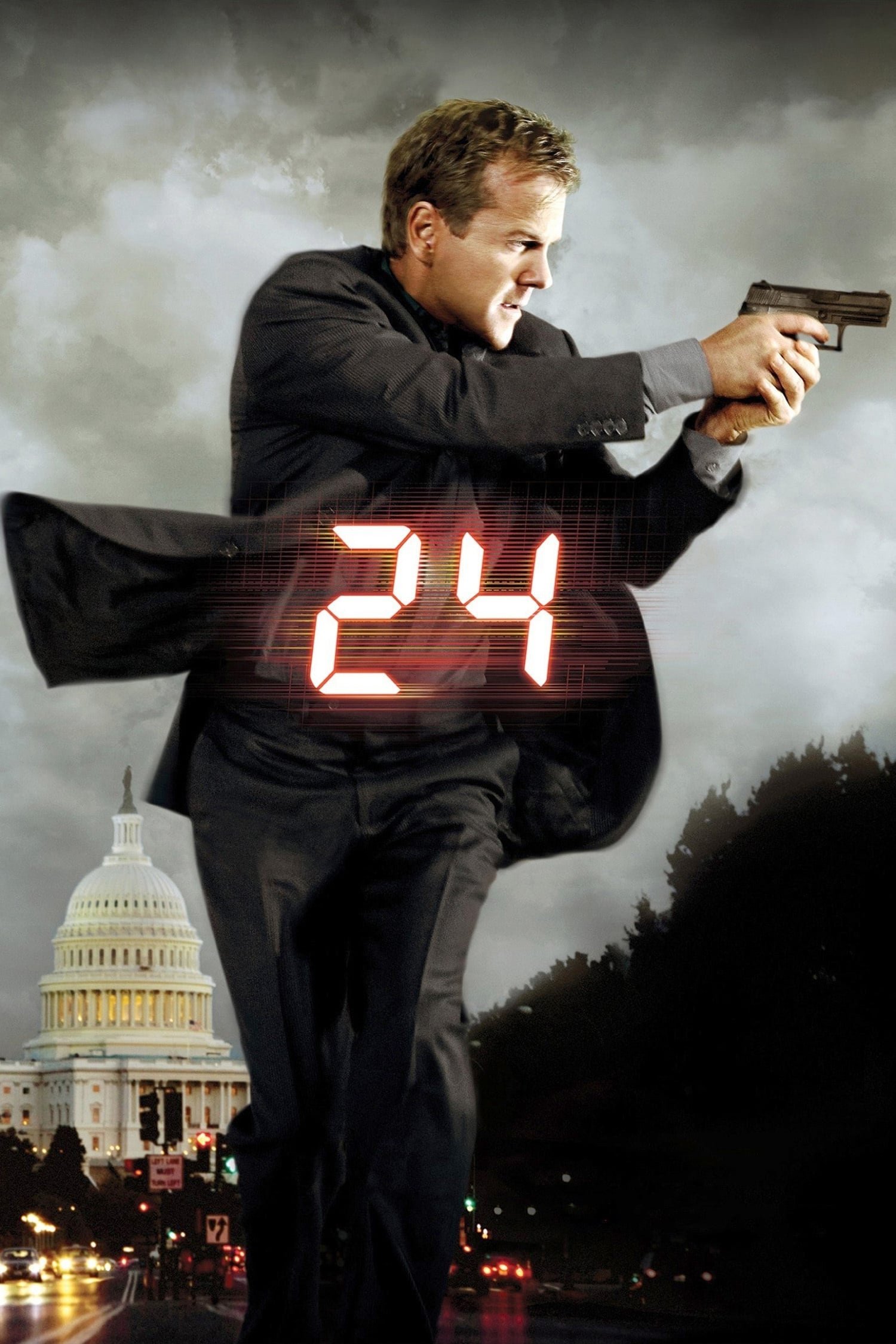
Created by Joel Surnow and Robert Cochran for Fox, this thriller uses real-time storytelling and split screens to follow counterterrorism operations with Kiefer Sutherland as Jack Bauer. Visual clocks and multi-panel editing guide viewers through parallel tracks.
The series won Emmys and demonstrated how constrained-time formats can structure network action shows. Event-style returns later reused the framework for limited runs.
‘Survivor’ (2000–)
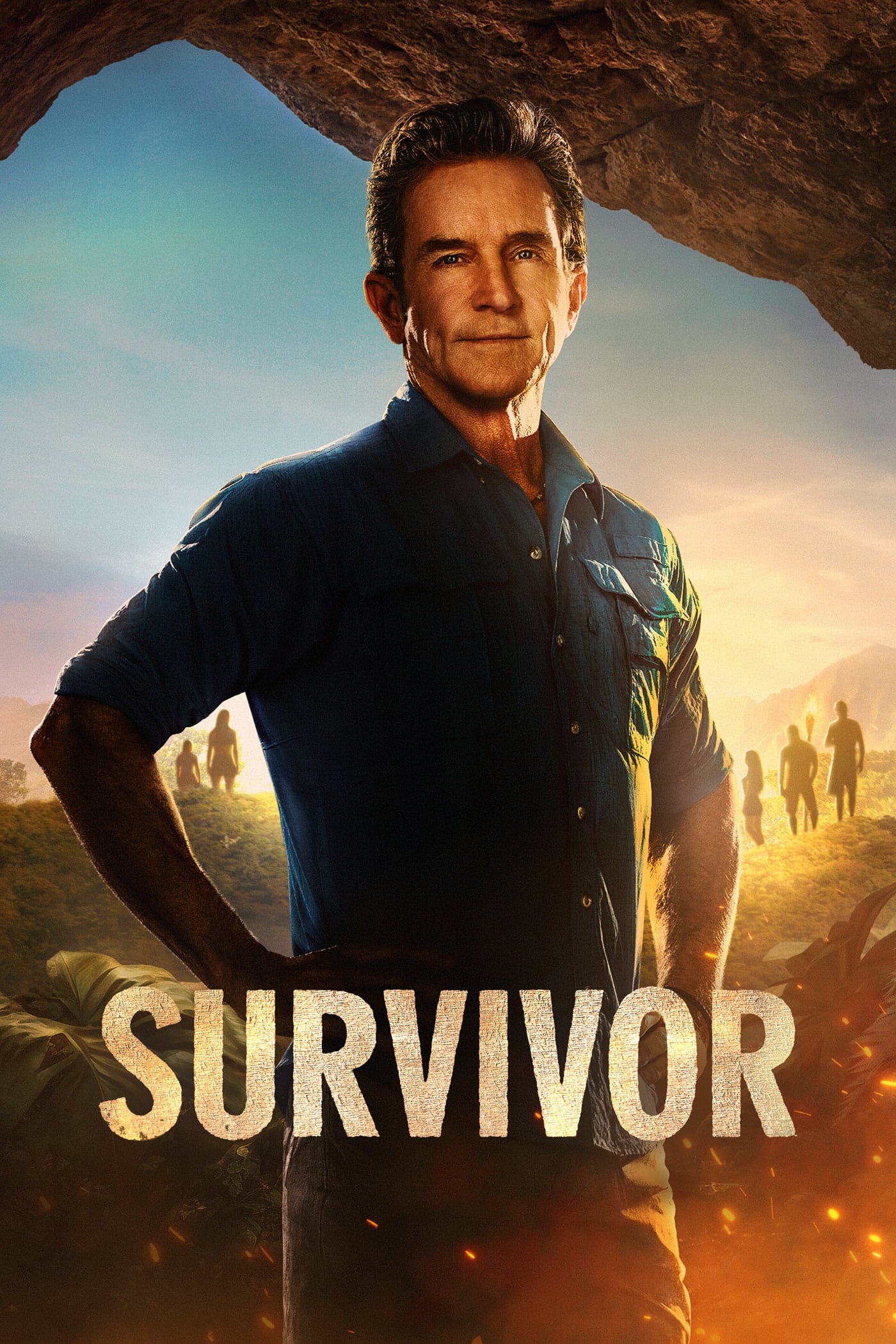
Brought to CBS by Mark Burnett from a European concept, this reality competition places contestants in remote locations with tribe divisions, challenges, and eliminations. Mechanics include hidden immunity idols and jury votes at final councils.
International editions multiplied rapidly, making it a template for global reality production. Long-running seasonal cycles established durable production calendars and location logistics.
‘American Idol’ (2002–)
Adapted from a UK format, this singing competition pairs auditions, live shows, and public voting with a rotating judging panel. Format elements include theme nights, mentorship, and tour tie-ins.
It produced recording artists with charting releases and sustained a long run with revivals across networks. Cross-platform voting, sponsorships, and music licensing shaped talent-show economics.
‘CSI: Crime Scene Investigation’ (2000–2015)
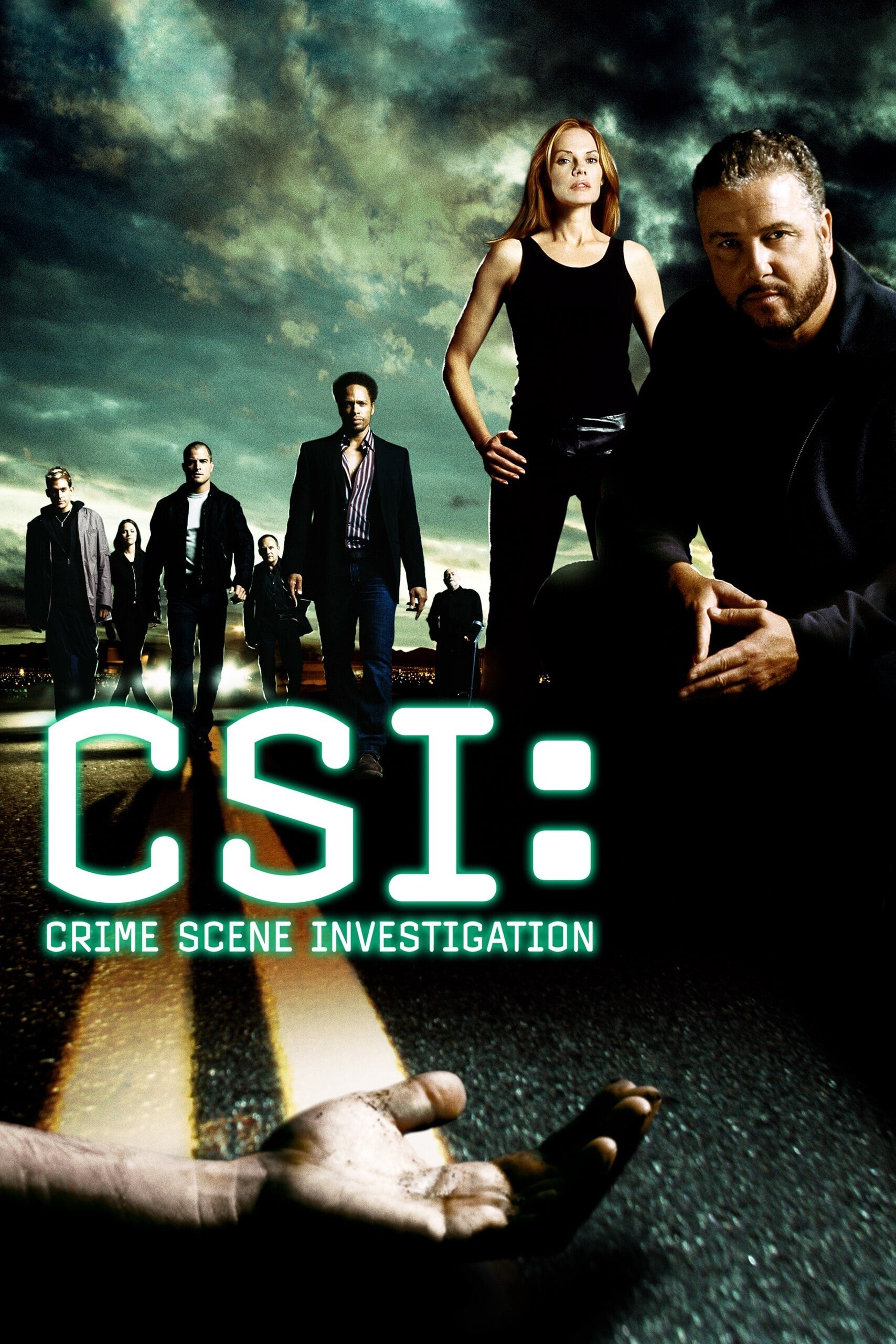
Anthony E. Zuiker’s procedural for CBS follows a Las Vegas forensics team using lab analysis and reconstruction, with stylized inserts visualizing microscopic processes. Episodic cases anchor a stable ensemble and lab sets.
The show generated a multi-city franchise and became a syndication staple. Its depiction of forensic science influenced public interest and courtroom expectations commonly labeled a “CSI effect.”
‘The Good Wife’ (2009–2016)
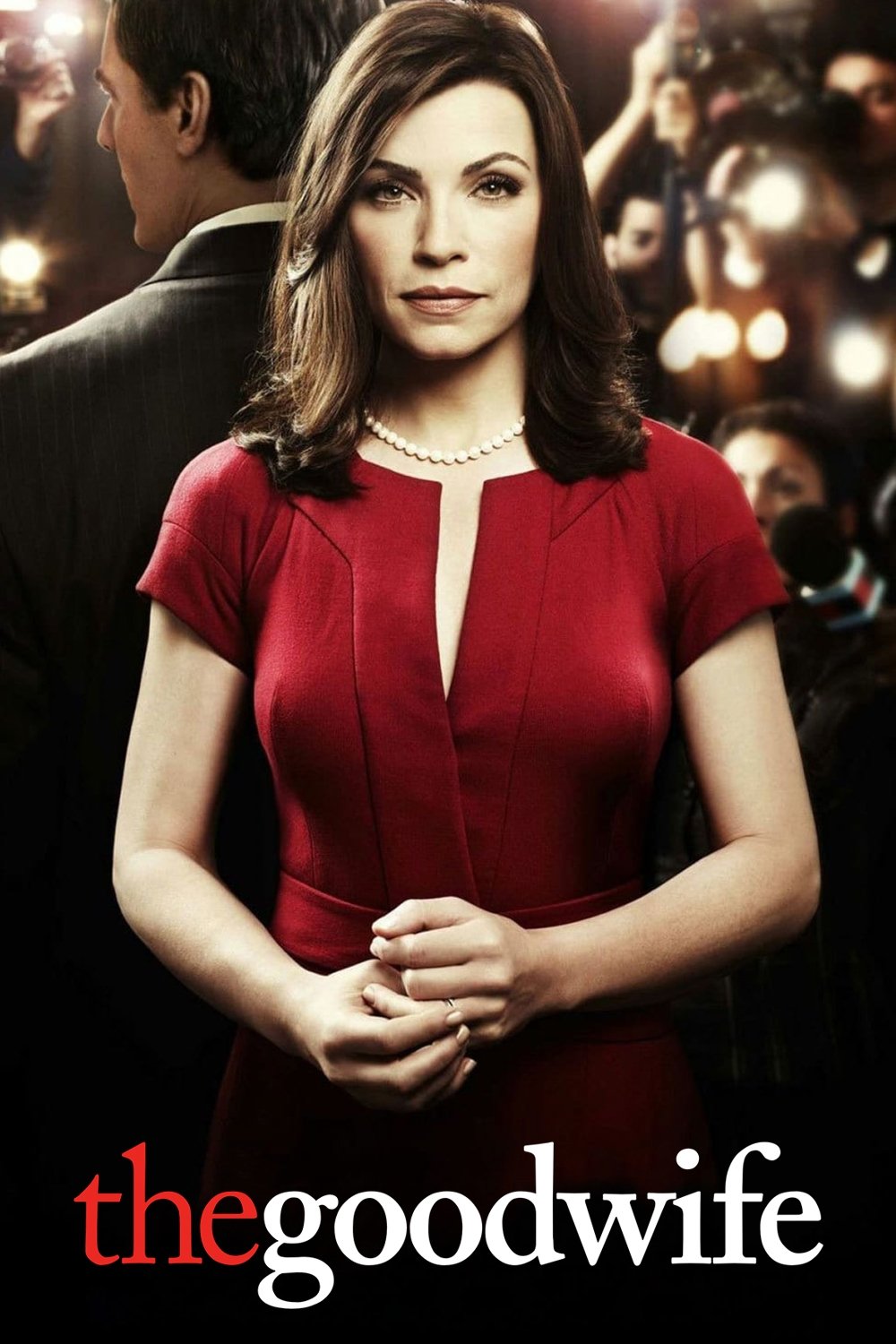
Created by Robert and Michelle King for CBS, this legal and political drama stars Julianna Margulies as a litigator returning to practice, combining case-of-the-week stories with firm dynamics and campaign arcs. Guest casting frequently draws from stage and film actors.
The series earned Emmys across acting and guest roles and launched the spinoff ‘The Good Fight’. Technology-centered plotlines and current-events analogues kept cases responsive to contemporary issues.
‘True Blood’ (2008–2014)

Alan Ball’s fantasy drama for HBO adapts Charlaine Harris’s novels about supernatural beings living openly among humans, led by Anna Paquin, Stephen Moyer, and Alexander Skarsgård. The production integrates practical effects, makeup, and music supervision.
The series functioned as a subscription driver with extensive merchandise and soundtrack releases. International sales and home media broadened reach across regions.
‘The L Word’ (2004–2009)
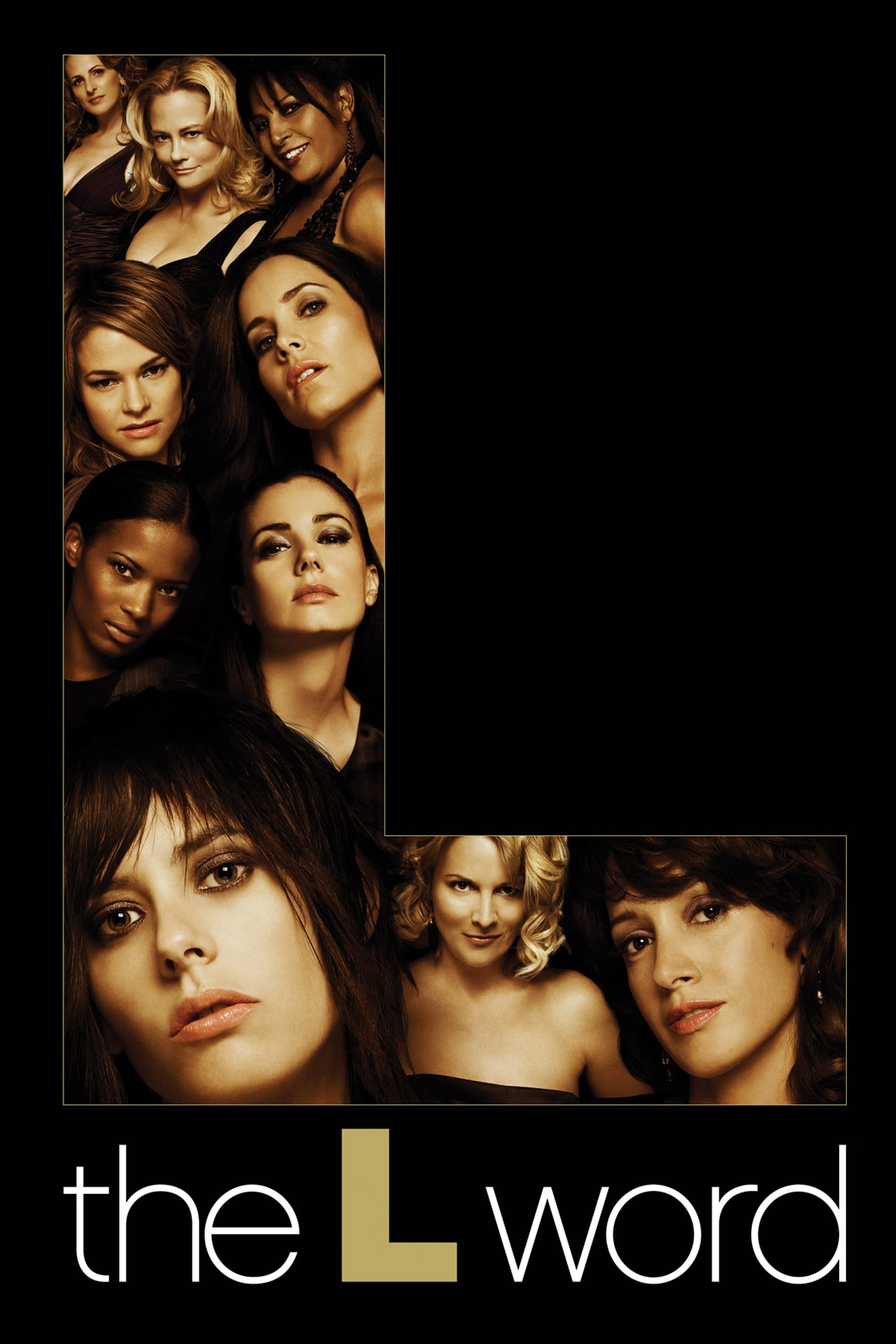
Created by Ilene Chaiken for Showtime, this drama follows a group of friends in Los Angeles, focusing on relationships, careers, and community networks. The ensemble includes Jennifer Beals, Katherine Moennig, and Leisha Hailey.
The show expanded representation in mainstream U.S. television and later returned with ‘The L Word: Generation Q’. Fan events and companion content supported an active audience community.
‘The O.C.’ (2003–2007)
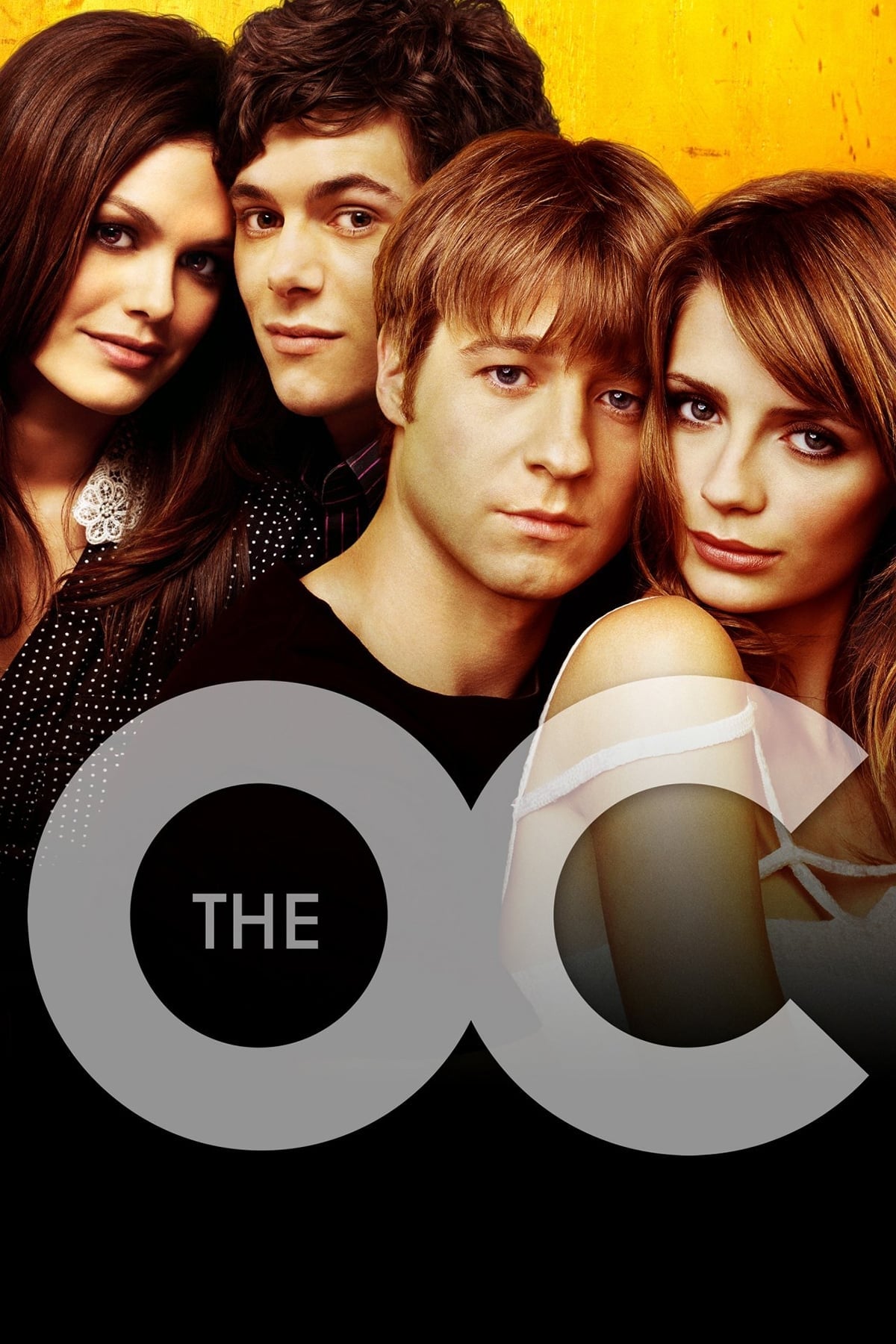
Josh Schwartz’s teen drama tracks a fish-out-of-water story in a wealthy Southern California community, starring Ben McKenzie, Mischa Barton, and Adam Brody. Music supervision is central to scene construction and branding.
Soundtrack albums promoted emerging artists and tied sequences to recognizable tracks. The show informed fashion and scheduling strategies for youth-oriented network dramas.
‘Veronica Mars’ (2004–2007)
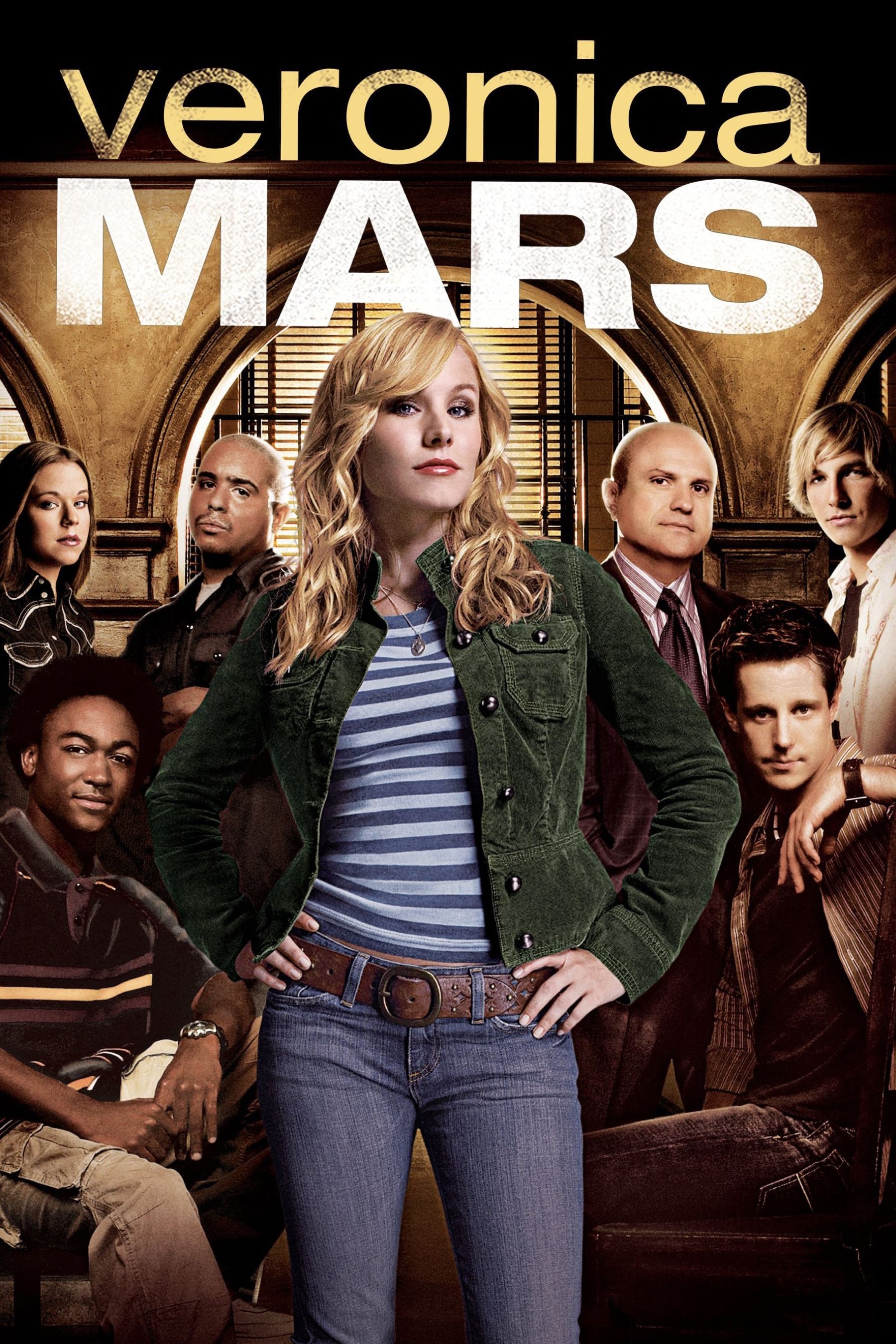
Rob Thomas created this mystery series about a student private investigator in a coastal California town, starring Kristen Bell and Enrico Colantoni. Season-long investigations interweave with episodic cases.
A crowdfunded feature and later revival demonstrated sustained audience engagement. The show is frequently referenced in discussions of neo-noir techniques on television.
‘Supernatural’ (2005–2020)
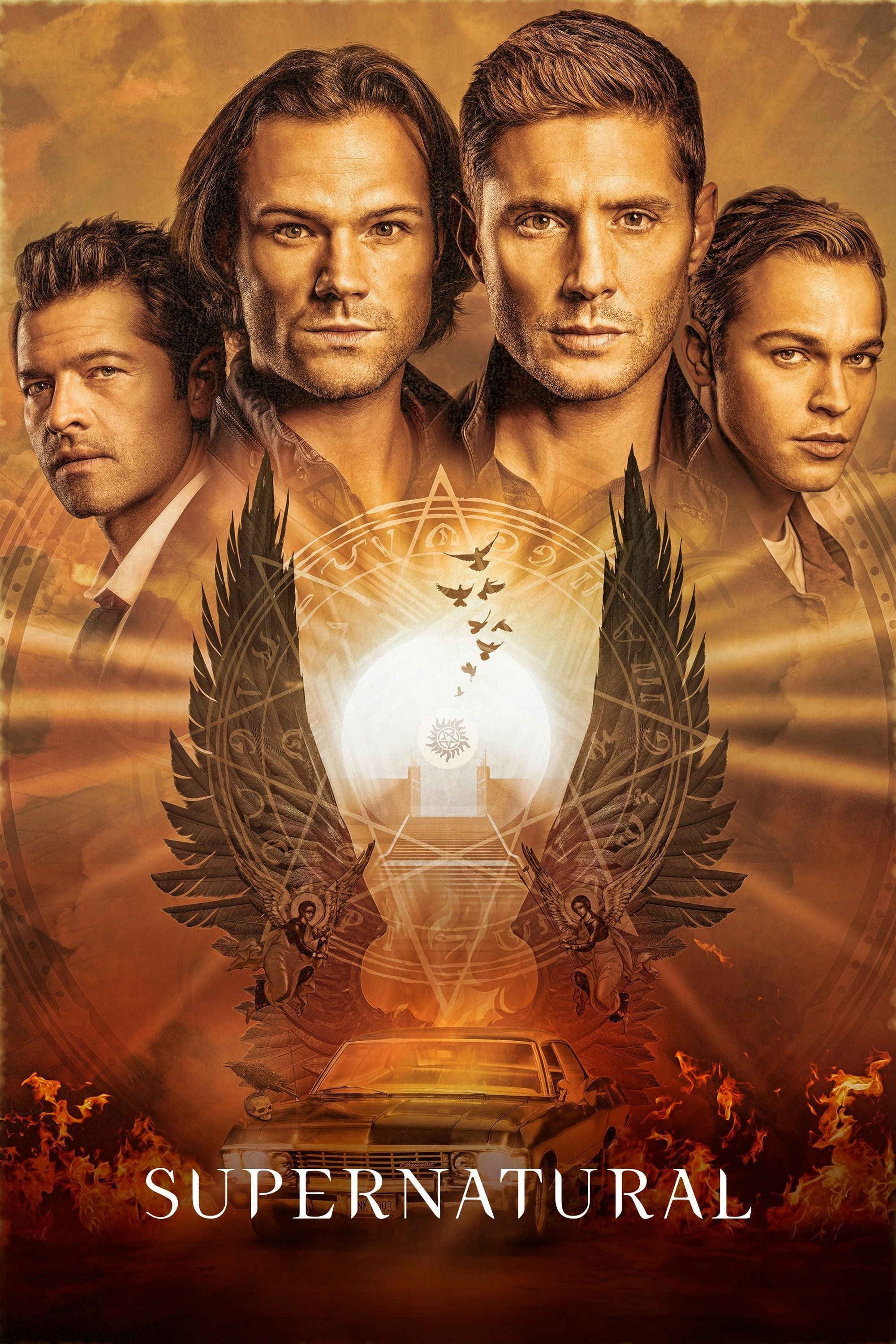
Eric Kripke’s series for The WB/The CW follows brothers who hunt monsters across North America, played by Jared Padalecki and Jensen Ackles, drawing on folklore and urban legends. Road-movie structures and motel-to-motel staging organize episodes.
The production built a large convention circuit and created companion novels and comics. Long-term scheduling anchored network lineups over many seasons with consistent viewership patterns.
‘Doctor Who’ (2005–)
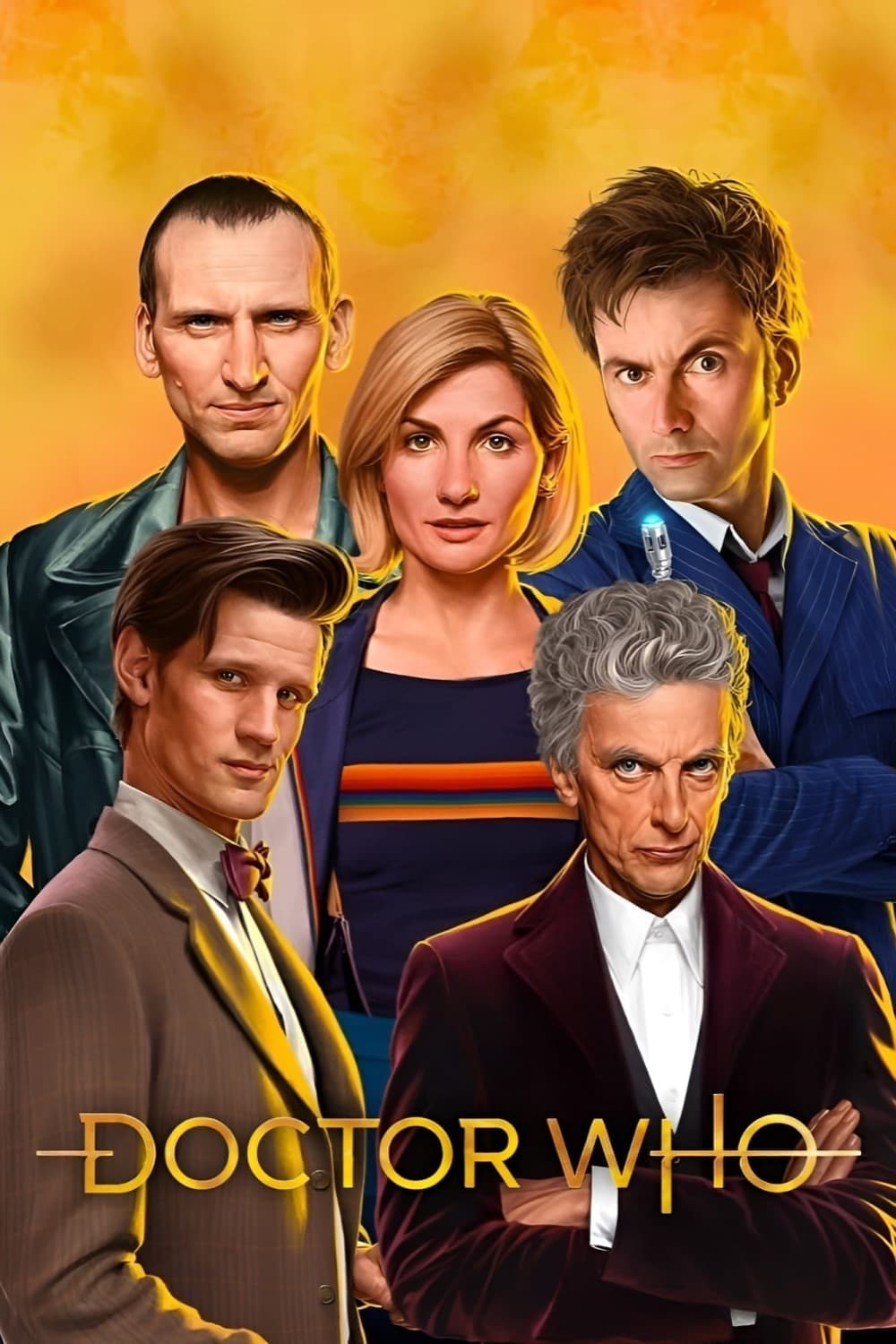
The BBC revived this science-fiction franchise with new Doctors, companions, and showrunners, using Cardiff and other UK locations. Episodes span historical adventures, present-day stories, and far-future arcs.
International sales expanded the brand and produced spinoffs including ‘Torchwood’ and ‘The Sarah Jane Adventures’. Orchestral concerts, exhibitions, and licensed audio dramas extended the franchise.
‘Torchwood’ (2006–2011)
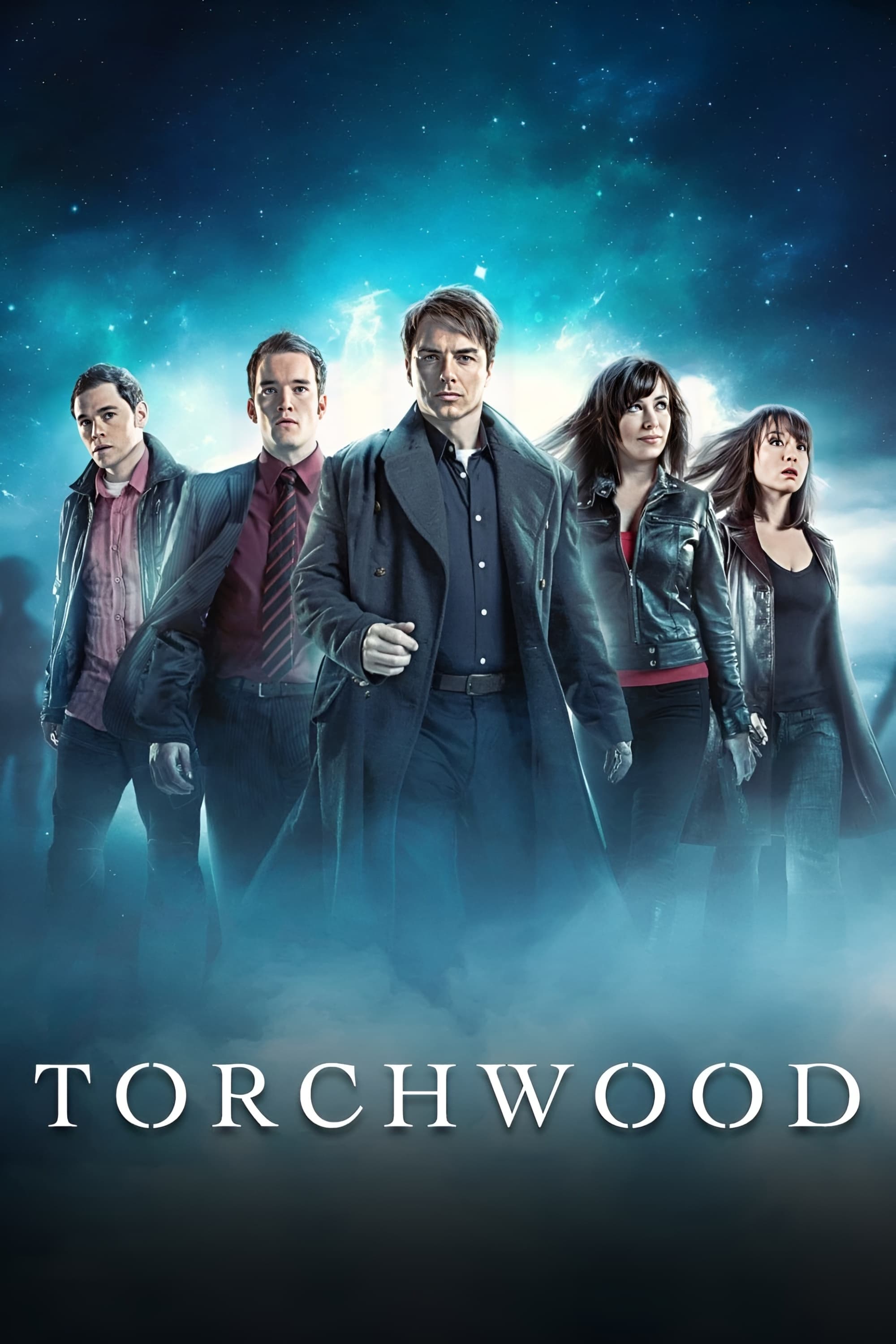
A ‘Doctor Who’ spinoff created by Russell T Davies, this series follows a Cardiff-based team investigating alien phenomena led by Captain Jack Harkness. The tone skews toward mature themes within a shared universe.
Later seasons experimented with international co-production and event-series formats. Crossovers preserved continuity with the parent series while developing independent storylines.
‘Spooks’ (2002–2011)

This BBC espionage drama follows officers in the UK’s domestic intelligence service, featuring a rotating cast including Matthew Macfadyen and Peter Firth. Real locations and tense procedural plotting are hallmarks.
The series won BAFTAs and influenced later intelligence dramas with its depiction of surveillance and tradecraft. Episodes frequently integrated contemporary security concerns and technology.
‘Shameless (UK)’ (2004–2013)
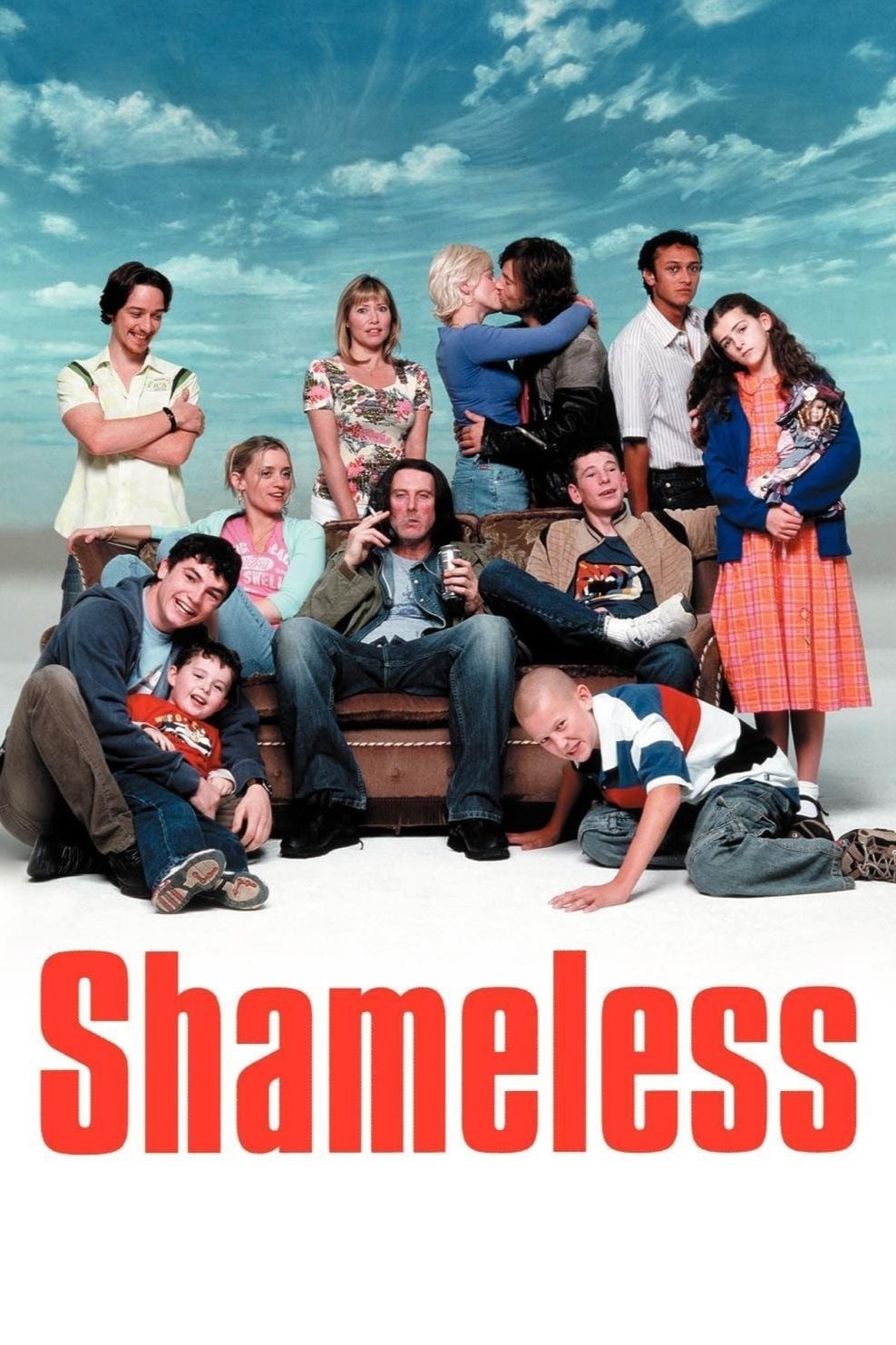
Created by Paul Abbott for Channel 4, this dramedy focuses on a working-class family on a Manchester estate, led by David Threlfall’s Frank Gallagher. The show blends social-realist elements with comedic set pieces.
It inspired a long-running U.S. adaptation and launched numerous acting careers. Location shooting and a large ensemble supported community-based storytelling over many series.
‘The Thick of It’ (2005–2012)
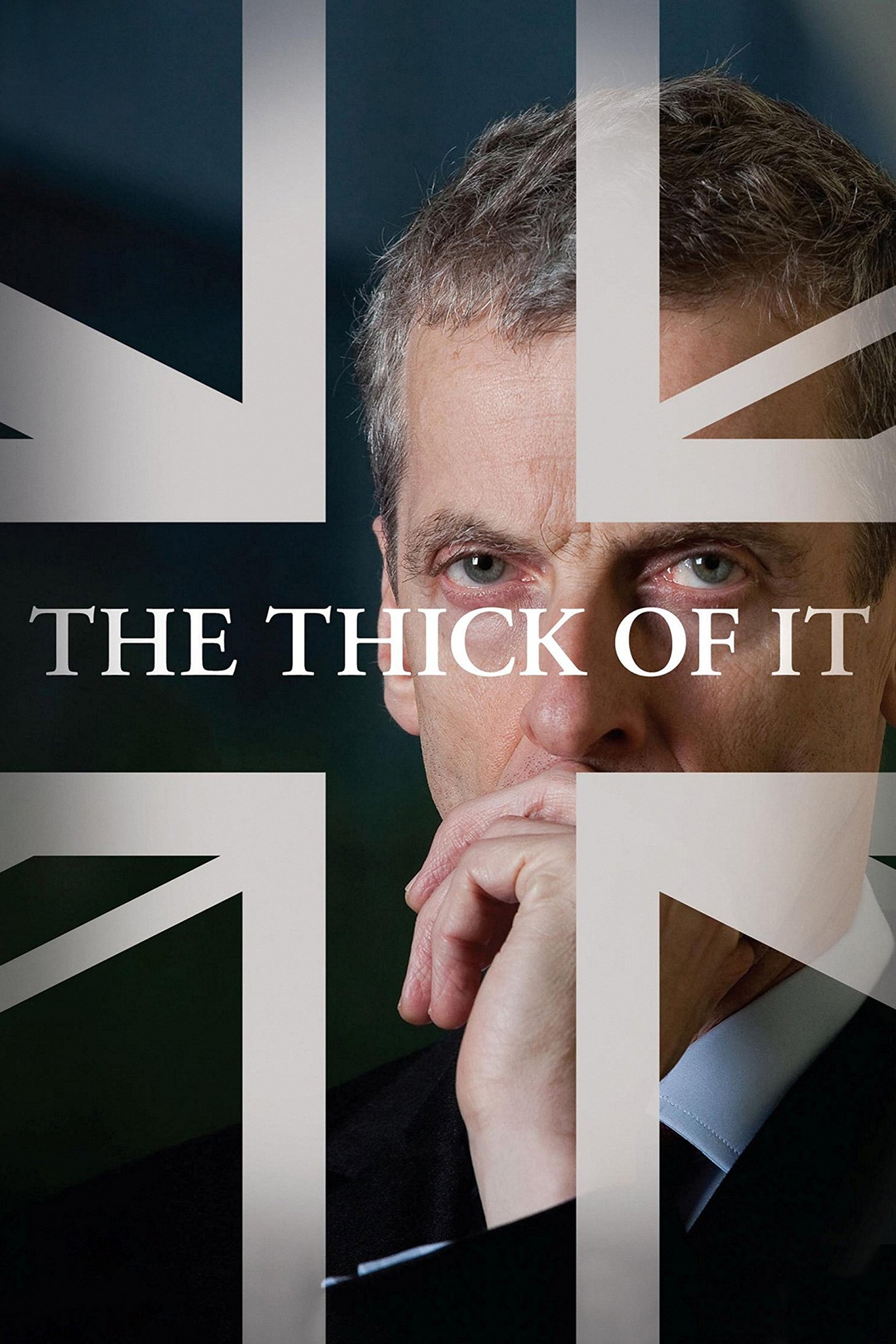
Armando Iannucci’s political satire for the BBC portrays government communications and policy chaos, with Peter Capaldi as Malcolm Tucker. Handheld camerawork and improvisation shape scenes.
It led to the film ‘In the Loop’ and influenced international political comedies. Language, pacing, and character archetypes entered media discussions of spin and bureaucracy.
‘Flight of the Conchords’ (2007–2009)
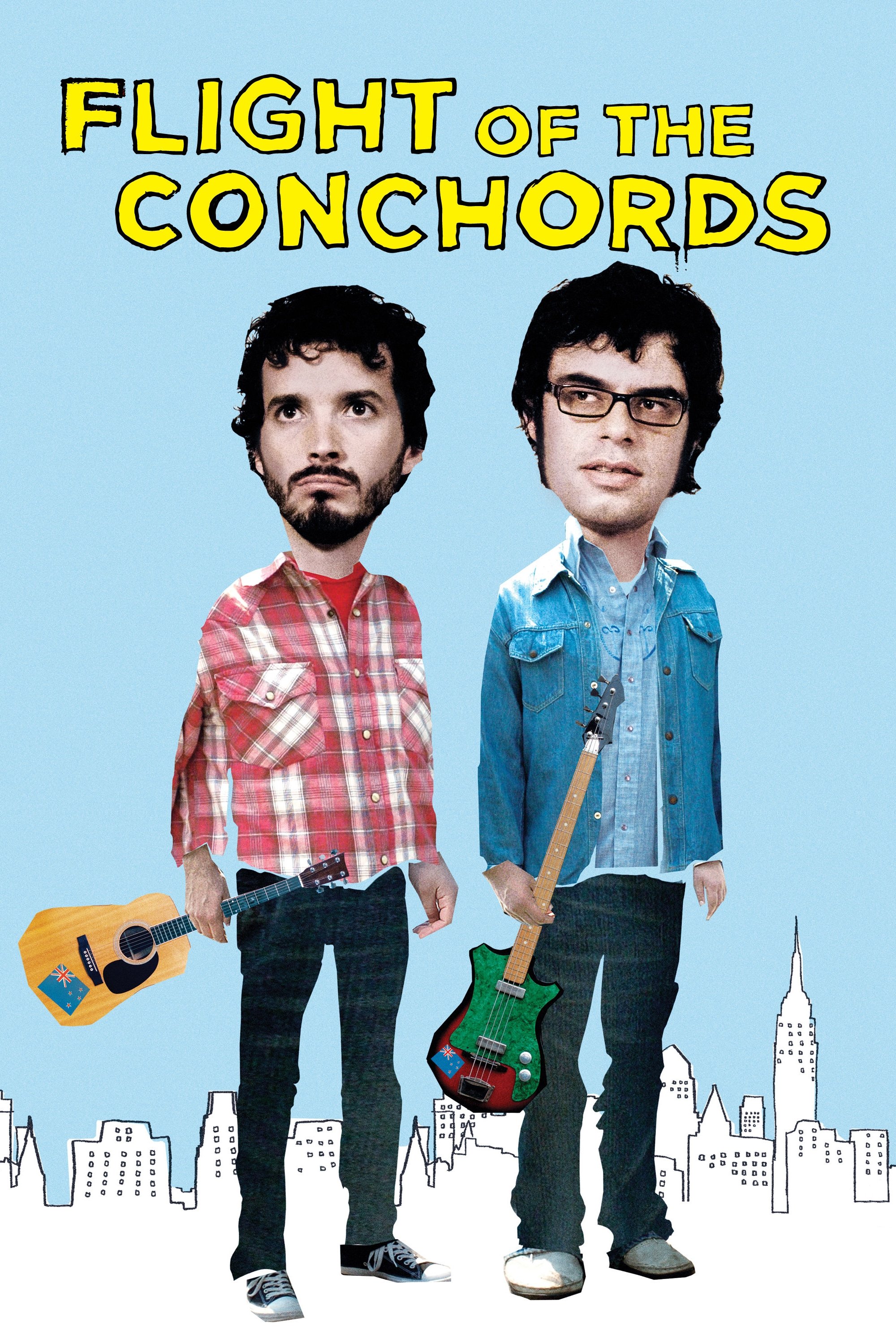
This HBO musical comedy stars Jemaine Clement and Bret McKenzie as a fictionalized duo navigating New York, integrating original songs into narrative. Music-video-style numbers punctuate character beats.
The show earned Emmy nominations for music and writing and boosted the duo’s touring and recording profile. Companion albums and live specials extended its reach beyond television.
‘Pushing Daisies’ (2007–2009)
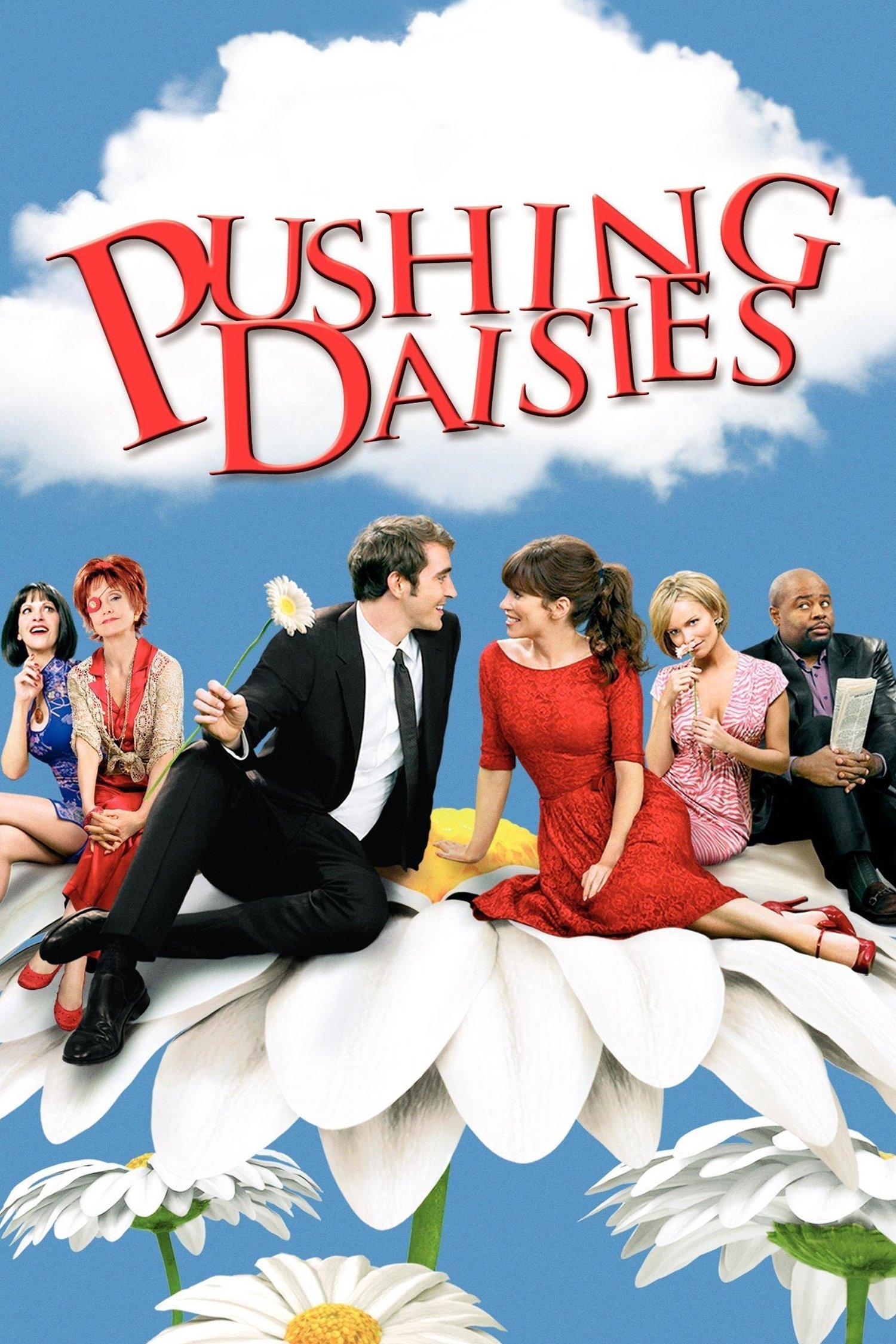
Created by Bryan Fuller for ABC, this whimsical mystery follows a pie-maker who can briefly revive the dead, starring Lee Pace, Anna Friel, and Chi McBride. Distinctive production design, narration, and color palettes define its look.
The series won Emmys for art direction and costumes and developed a strong afterlife through home media and streaming. Set construction and practical effects supported a storybook aesthetic.
‘Avatar: The Last Airbender’ (2005–2008)
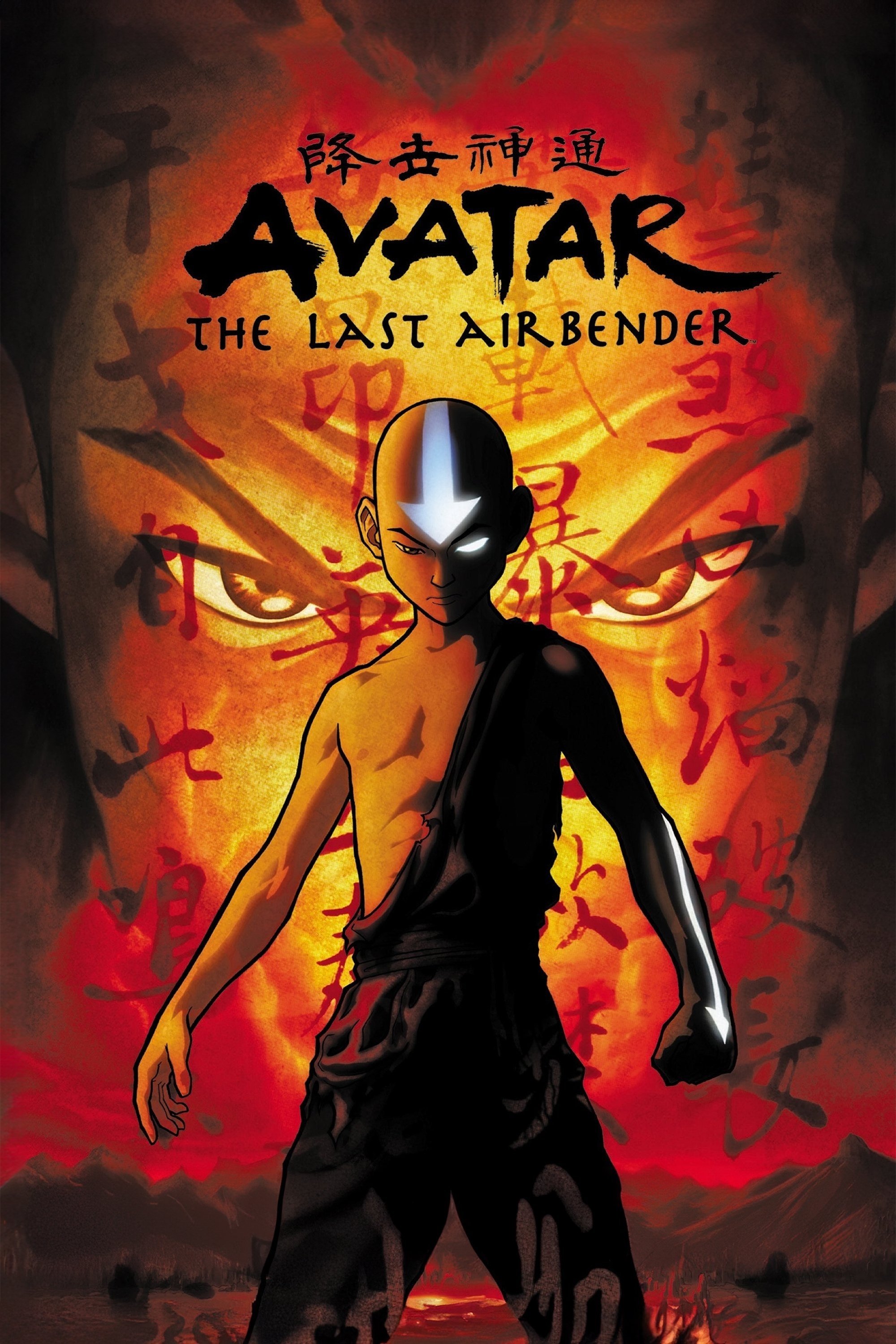
This Nickelodeon animated series from Michael Dante DiMartino and Bryan Konietzko blends martial-arts-inspired “bending” with expansive world-building across nations aligned to elements. Character arcs track personal growth alongside conflicts among regions.
It won Annie Awards and a Peabody and expanded U.S. interest in serialized all-ages animation. Comics, a sequel series, and live-action adaptations continued the narrative across media.
‘Death Note’ (2006–2007)
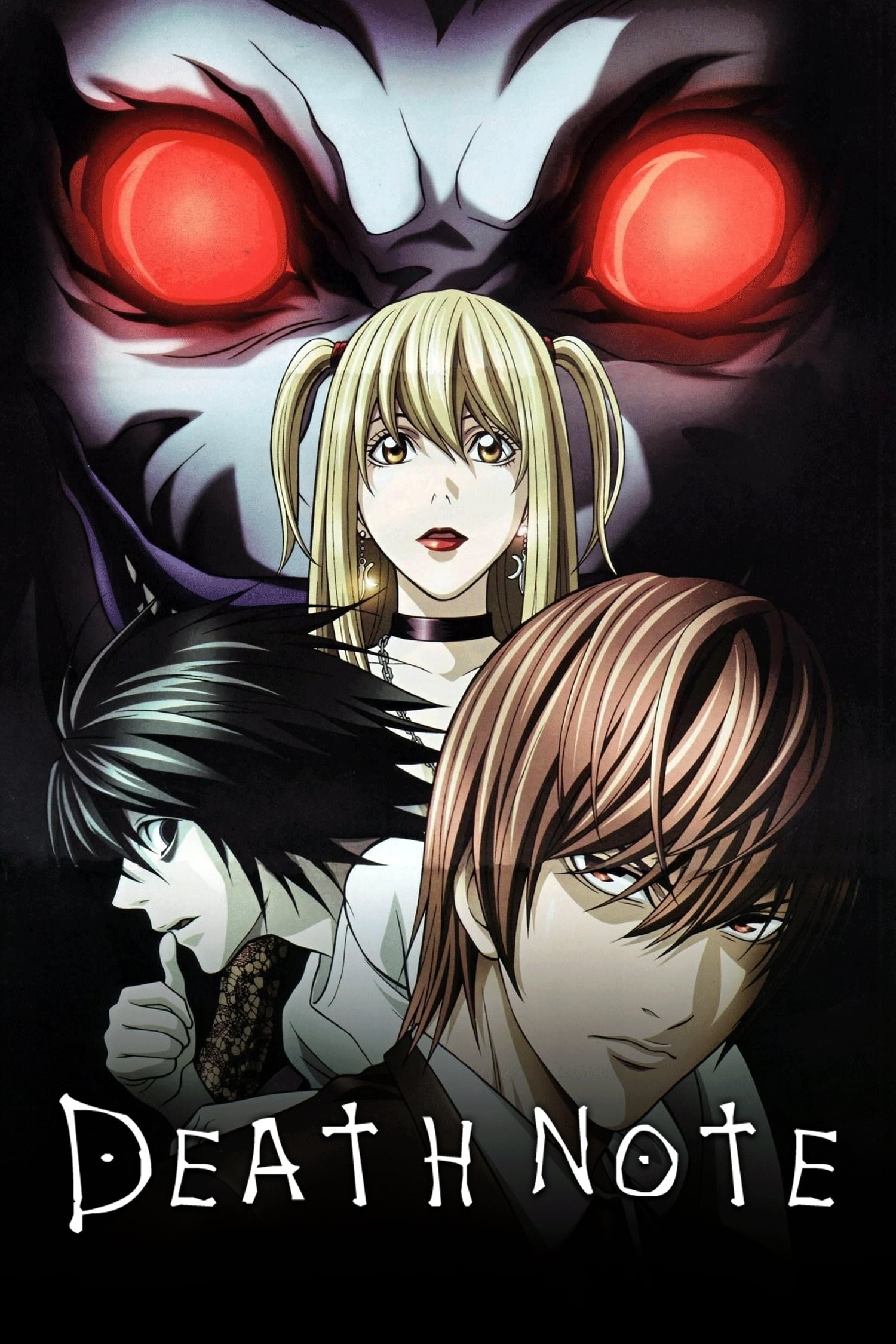
A Madhouse anime adaptation of the manga by Tsugumi Ohba and Takeshi Obata, this thriller follows a student who gains a notebook with lethal power and faces a detective adversary known as L. Cat-and-mouse plotting structures each phase of the story.
The series influenced global anime fandom through streaming and home video and spawned films and live-action series. Licensing, dubbing, and simulcast practices broadened international access.
‘Spiral (Engrenages)’ (2005–2020)

This Canal+ crime drama follows police, prosecutors, and judges in Paris, emphasizing legal procedure and interdepartmental dynamics, with Caroline Proust leading the ensemble. Season arcs cover complex investigations alongside courtroom strategy.
The show gained a strong international following through subtitled distribution. Festival recognition for crime television and partnerships with public broadcasters increased visibility in non-French markets.
‘Bleak House’ (2005)
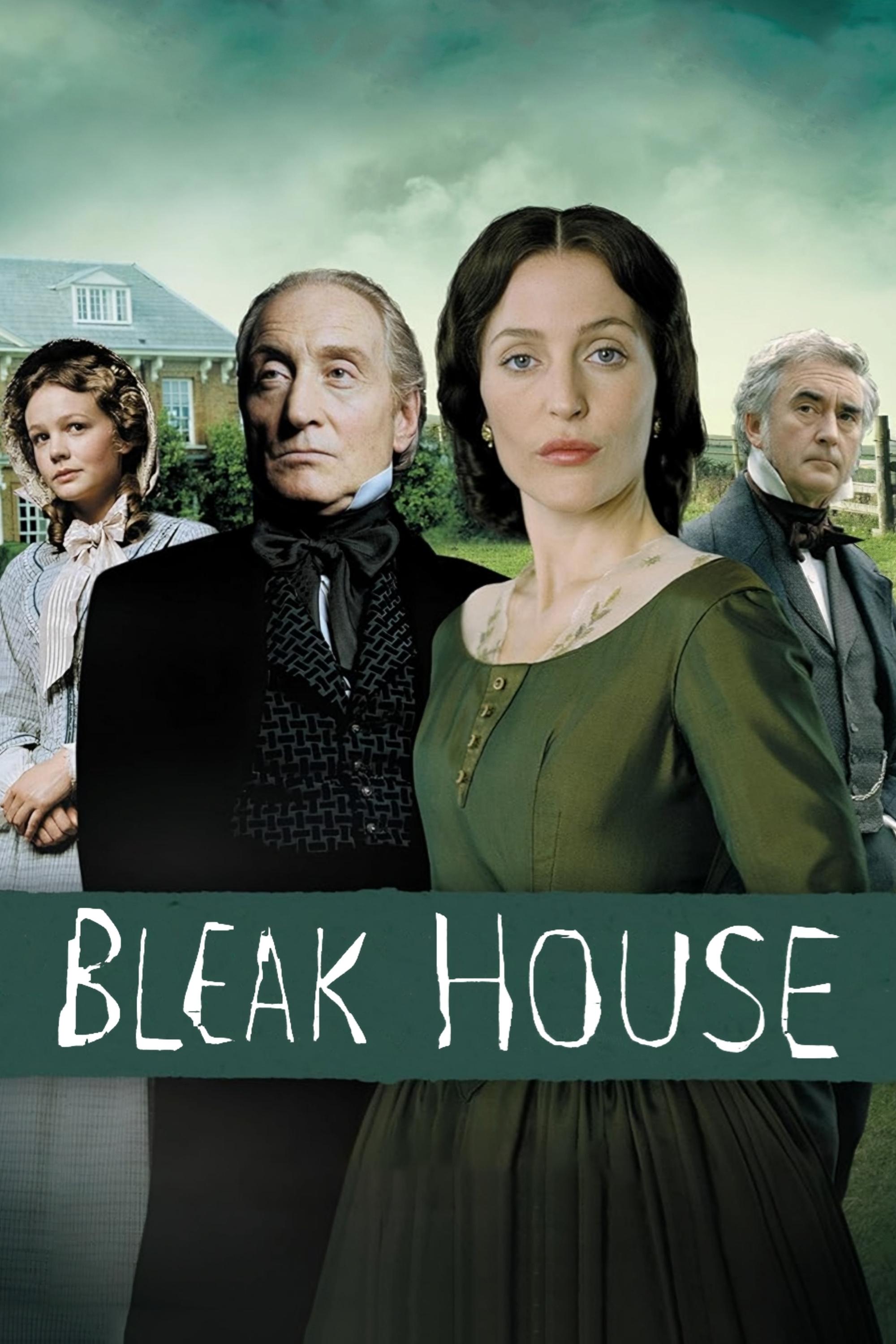
A BBC adaptation of Charles Dickens’s novel, this series uses short, contemporary-paced episodes with an ensemble led by Gillian Anderson and Charles Dance. Multi-camera and single-camera techniques combine to maintain momentum.
The production received BAFTA and Emmy recognition for acting and design. Its format updated classic serial storytelling for modern scheduling and audience habits.
Share your picks from the decade in the comments and tell us which other titles you’d include.