Biggest Plot Twist in Anime History


Some plot twists come out of nowhere, flip everything on its head, and then make every scene feel different when you rewatch it. Anime has delivered some of the most talked about reveals ever, the kind that ripple through entire fandoms and redefine what a story is really about.
Below are ten twist moments that changed the conversation around their shows. Each entry explains the setup that led to the reveal and what the twist actually meant for the characters and the world they live in, with a light touch about who brought the animation to life behind the scenes.
‘Neon Genesis Evangelion’ (1995–1996)
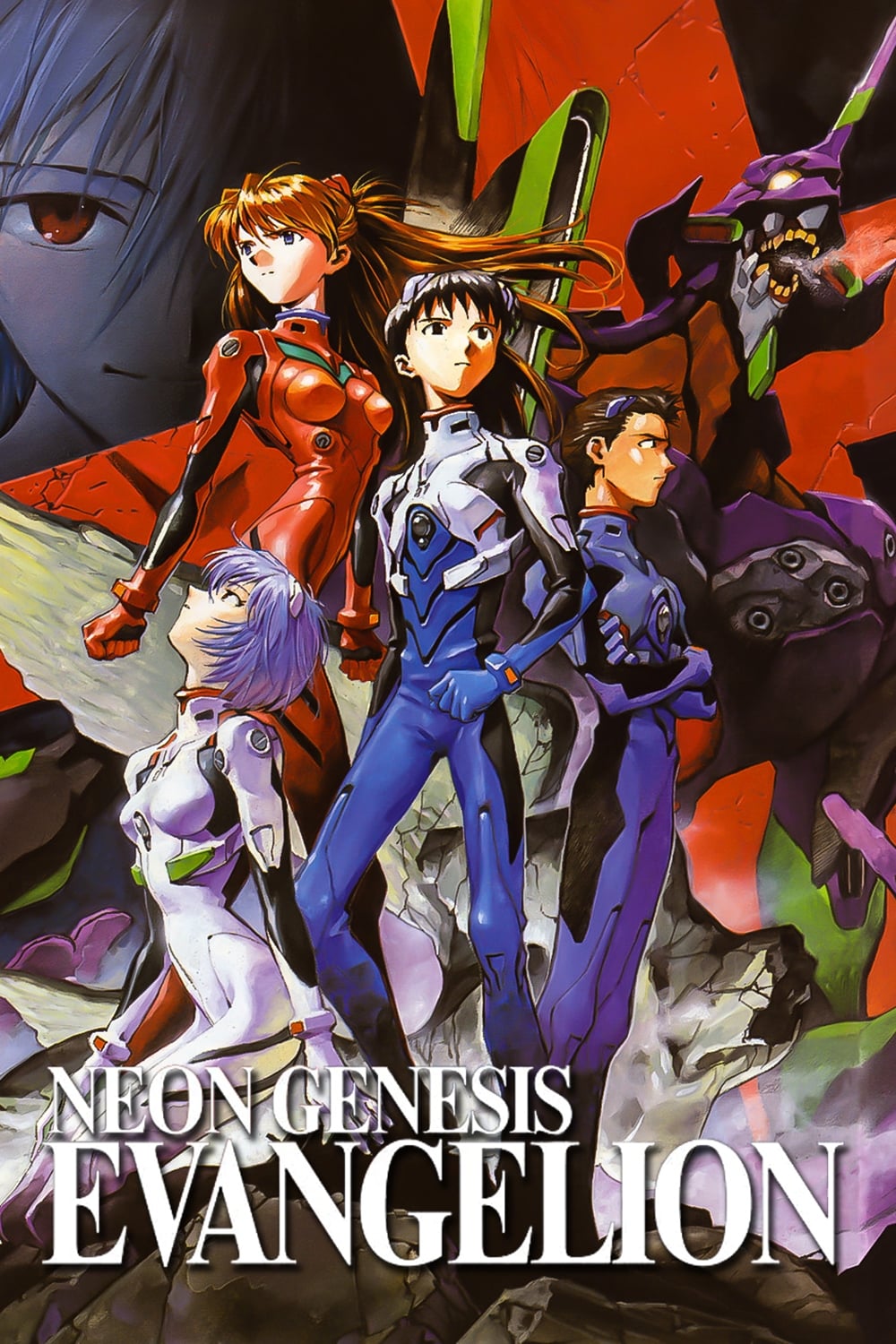
In the early going, the series presents the Evangelions as giant mechs built to fight Angels, with pilots chosen for their compatibility scores. As the battles mount, clues stack up about Unit 01’s unusual reactions and the eerily personal nature of its berserk states. The show gradually seeds backstory about the Human Instrumentality Project and the secret experiments surrounding the Contact experiments at NERV.
The turn lands when Unit 01’s true nature is exposed as a living being that houses Yui Ikari, which reframes the mechs as bioengineered entities tied to their pilots in profoundly intimate ways. The implications echo through every command Gendo makes and every memory Shinji carries. The original production from Gainax layered those hints through animation and design choices that reward close attention.
‘Attack on Titan’ (2013–2023)
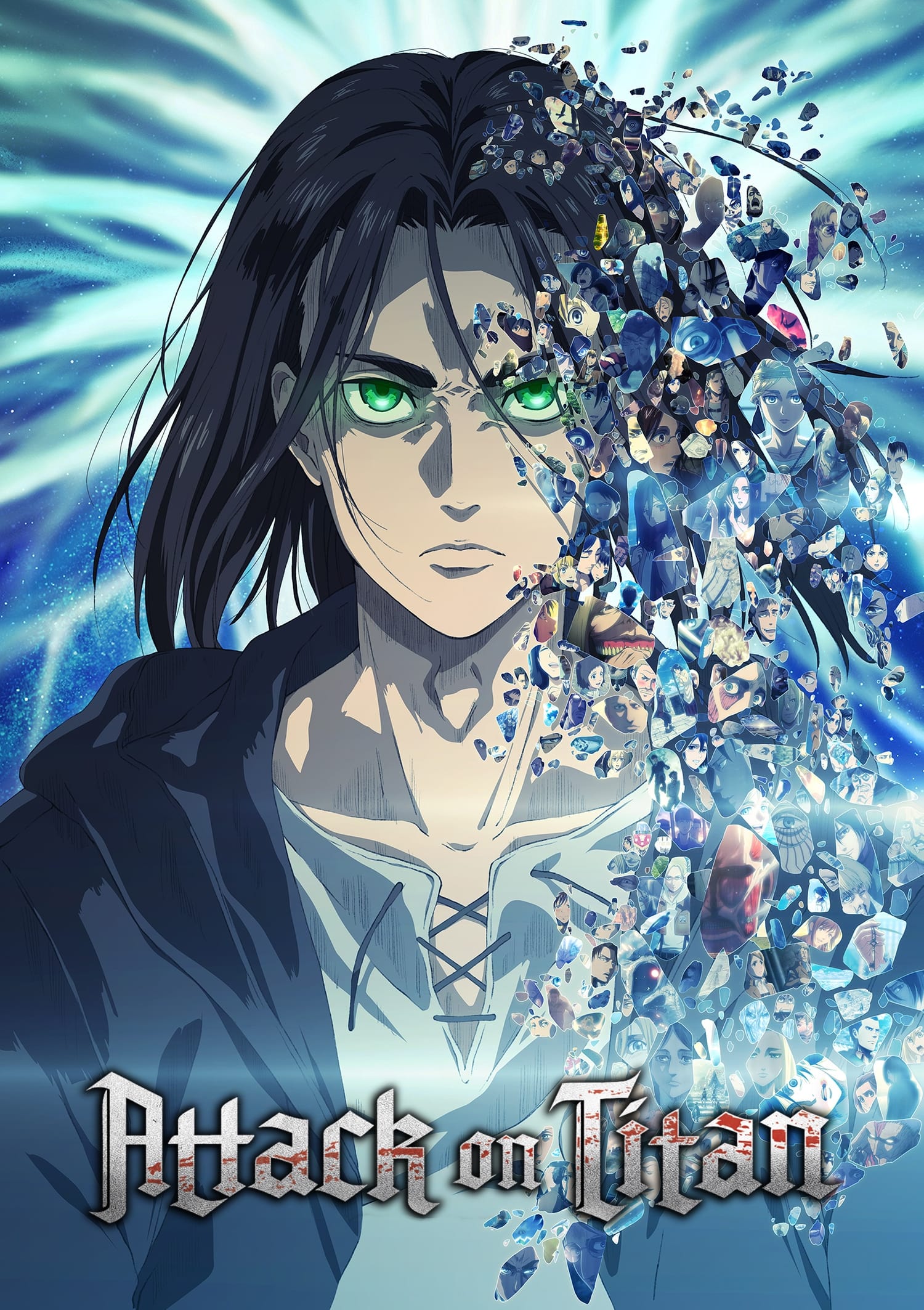
Humanity believes Titans are mindless monsters and that survival depends on the Walls and the Scout Regiment’s courage. Tension builds between soldiers who have seen too much and recruits who still trust the official story. A pattern of suspicious injuries and disappearances follows the fighting across the districts.
The reveal that Reiner and Bertholdt are the Armored and Colossal Titans arrives in quiet conversation rather than a dramatic courtroom, which forces the audience to reconcile camaraderie with betrayal. That single admission collapses the border between humans and Titans and sets up the larger world outside the Walls. Wit Studio staged the reveal with an understated visual approach that made the confession feel chillingly casual.
‘Death Note’ (2006–2007)
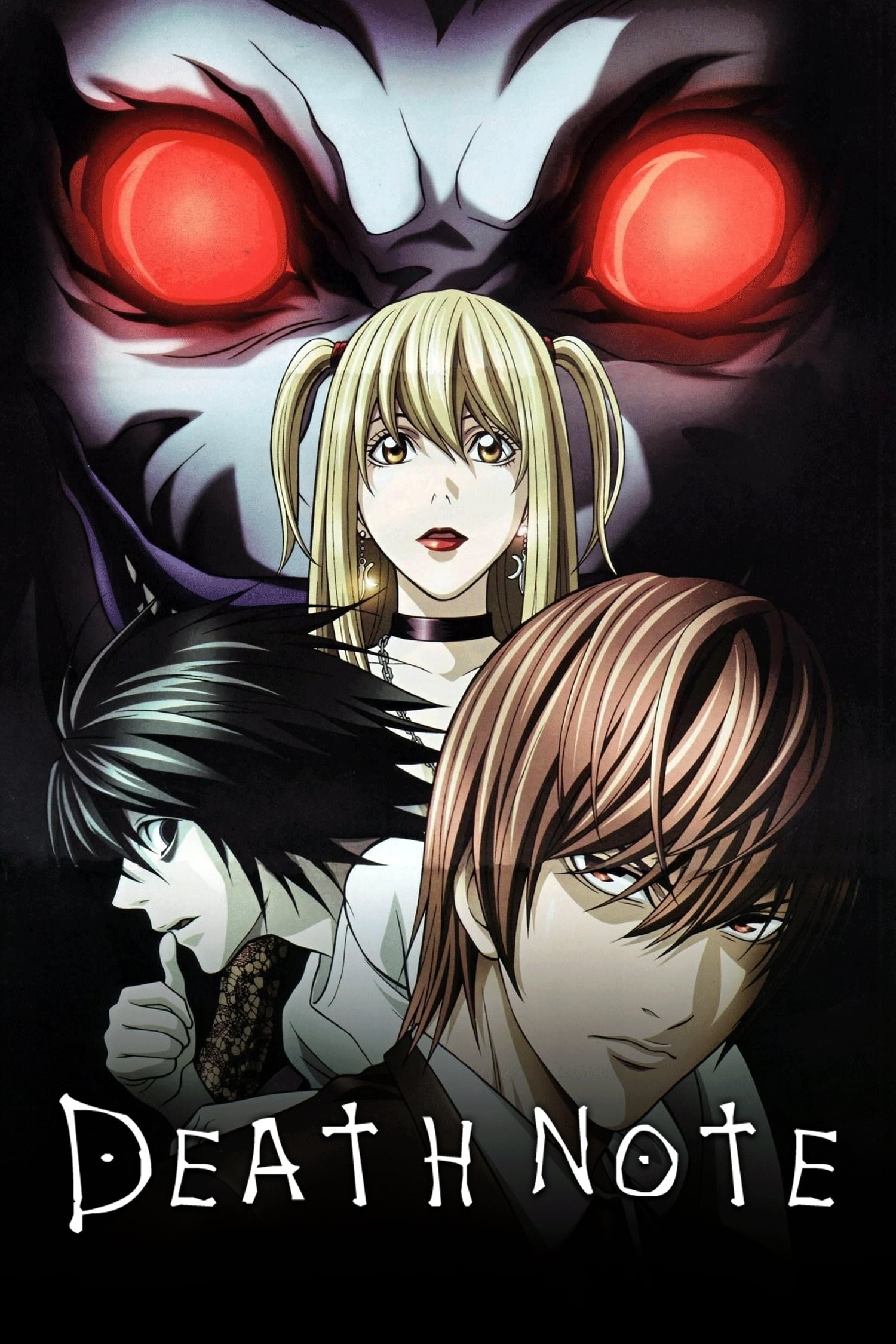
Light Yagami’s cat and mouse game with L pushes both men to take risks with rules that seem airtight. Midway through, Light orchestrates a plan that requires him to relinquish ownership of the notebook and lose all memory of being Kira. He assists the task force sincerely while a new Kira appears, which confuses the pursuit and buys him time.
When Light touches the hidden notebook and his memories return, the careful chain of conditions he set earlier snaps into place. The restored knowledge lets him manipulate the investigation with a new layer of insulation between himself and the crimes. Madhouse threads the legalistic notebook mechanics through tight editing so the reactivation of his plan lands with perfect clarity.
‘Code Geass’ (2006–2008)

Lelouch builds a rebellion with the tactical precision of a chess master while hiding his identity behind the mask of Zero. The conflict escalates with shifting alliances, the burden of the Geass power, and mounting civilian costs. Along the way, tiny callbacks to earlier conversations set expectations for a grand victory or an inevitable exposure.
The final turn, later known as the Zero Requiem, reveals Lelouch’s plan to become a tyrant and die by design so that peace has a credible villain to bury. His public fall redirects the world’s anger and unifies former enemies against a symbol rather than a nation. Sunrise frames the closing procession with purposeful imagery that makes the political calculus feel methodical rather than sentimental.
‘Puella Magi Madoka Magica’ (2011)

The show begins with familiar trappings of magical contracts and wishes that carry a price. Kyubey’s explanations leave gaps that do not quite fit the grim outcomes seen around town. Homura’s fierce devotion to Madoka points to a past the audience has not been allowed to see yet.
The twist clarifies that magical girls become witches and that Homura has been looping through timelines to try to save Madoka from that fate. The cycle reveals a system that harvests hope and despair as energy, turning every victory into fuel for the next tragedy. Shaft supports the reveal with collage like visuals that shift from bright transformation to nightmarish spaces whenever a barrier breaks.
‘Steins;Gate’ (2011)
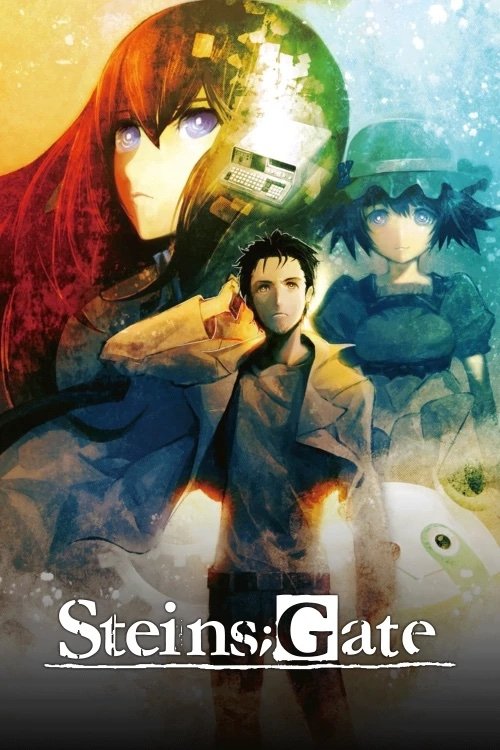
Okabe and the Future Gadget Lab stumble into time travel through text messages and a modified microwave. Small experiments begin to rewrite details around them, from friendships to careers, and the group tracks these shifts through a divergence meter. Each alteration creates new problems that pull the characters into a narrowing corridor of outcomes.
The twist is the realization that the only path to a true solution requires deceiving his future self, preserving a key death publicly, and engineering a new world line where both goals can stand. The operation forces precision with timing, memory, and performance. White Fox stages the plan with simple props and careful cuts that make the logic legible without technical jargon.
‘Fullmetal Alchemist: Brotherhood’ (2009–2010)
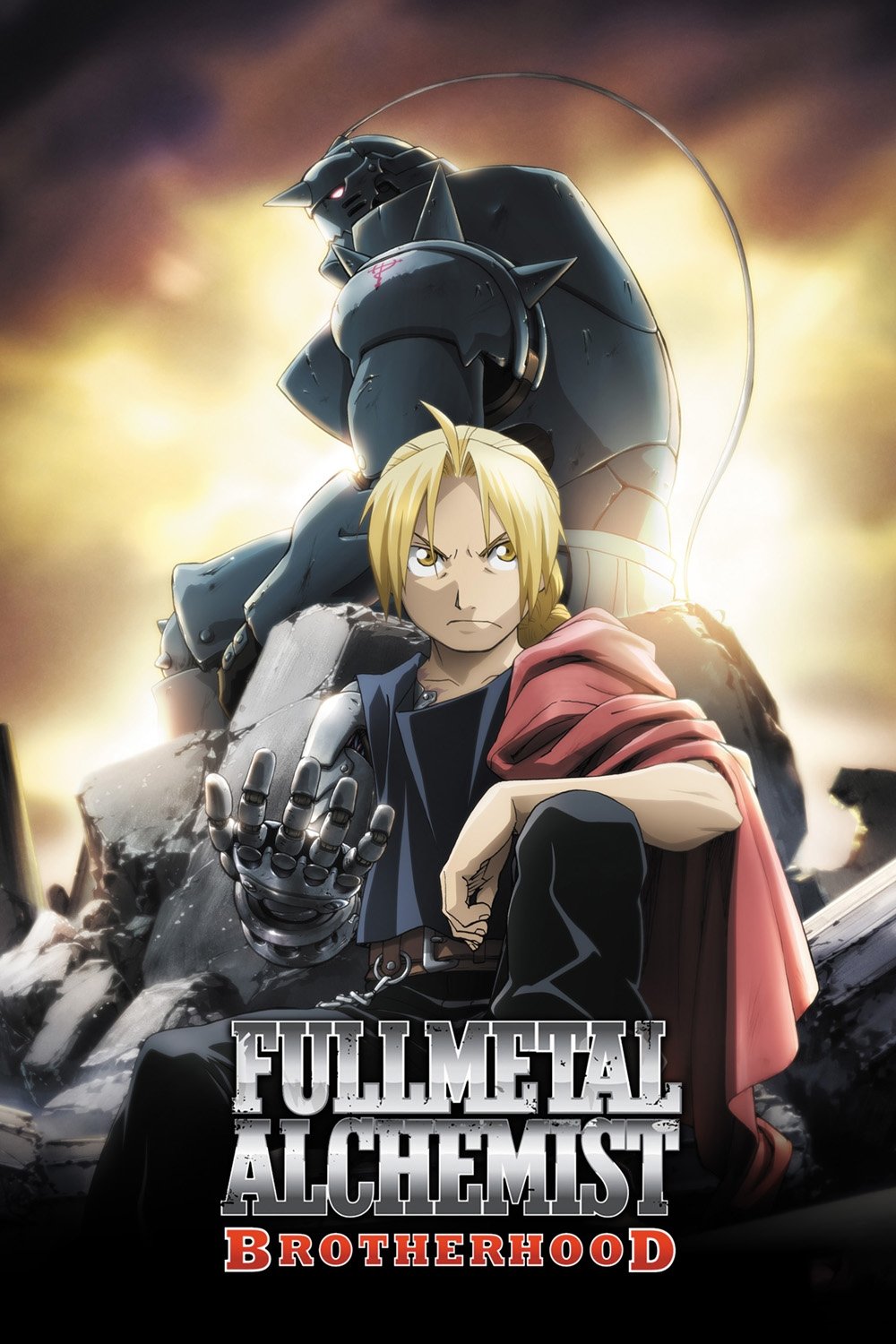
Edward and Alphonse chase the Philosopher’s Stone as a cure for the cost of their failed transmutation. Along the journey, they compare notes with alchemists across the country and investigate disappearances tied to restricted facilities. Historical records and the shape of the nation itself begin to look like clues rather than background.
The turning point is learning that the Philosopher’s Stone is made from human lives and that Amestris has been groomed as a nationwide transmutation circle. Every skirmish and every war becomes part of a larger equation. Bones lays out the geography and the sigils with clear visual logic so the continental revelation feels like the final piece in a long running puzzle.
‘The Promised Neverland’ (2019–2021)
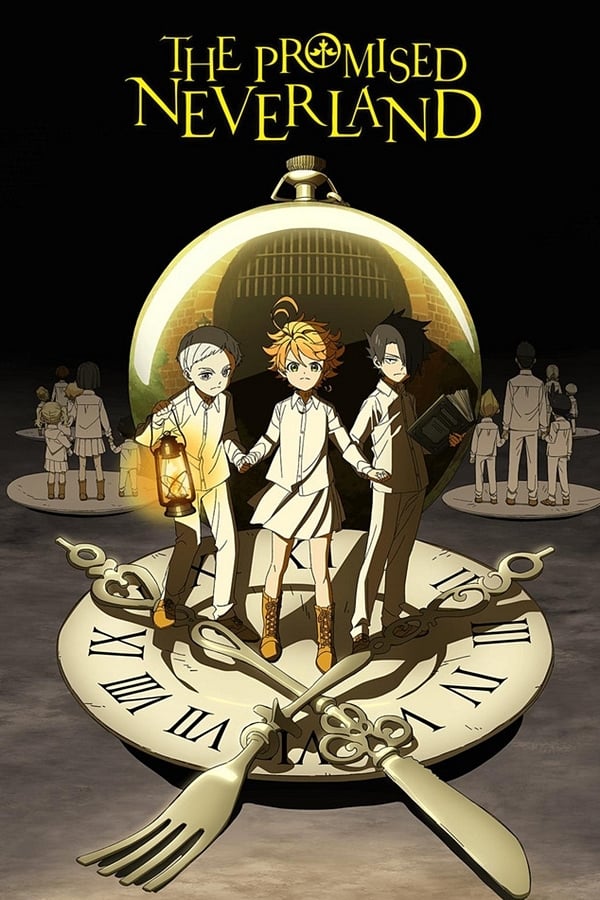
Grace Field House appears to be a model orphanage with good food, kind caretakers, and excellent test scores. The tight knit group of children follows routines that look designed to promote health and learning. A single broken rule leads to a late night trip beyond the gate and a discovery that changes the meaning of every smile.
The twist that the orphanage is a farm for demons reframes meals, medical checks, and shipments as parts of a supply chain. The children’s intelligence tests become livestock grading, and escape planning turns into logistics against a clock. CloverWorks uses soft lighting and warm palettes to contrast with the cold warehouse imagery that follows the reveal.
‘Psycho-Pass’ (2012–2013)
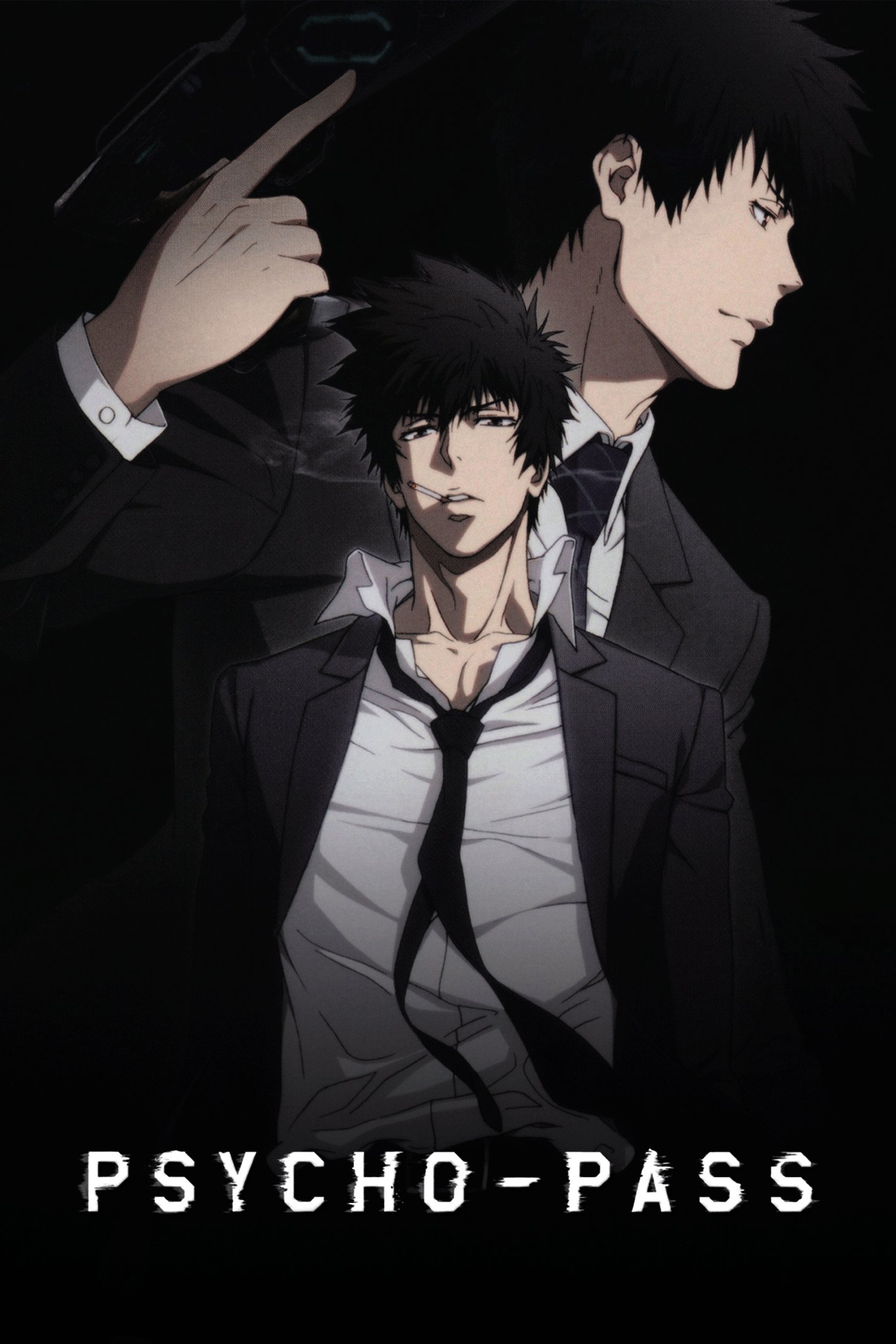
The Sybil System promises safety by quantifying criminal intent and guiding society through constant scans. Inspectors and Enforcers hunt latent threats before crimes happen, while citizens take comfort in clean cities and assigned careers. Odd cases involving criminals who do not register properly begin to pile up.
The reveal that Sybil is a collective of criminally asymptomatic brains explains the system’s blind spots and selective enforcement. Public order rests on people who cannot be measured by the very tool they administer. Production I.G frames the control room and the stacked modules with clinical precision to underline the ethical math behind every judgment.
‘Berserk’ (1997)
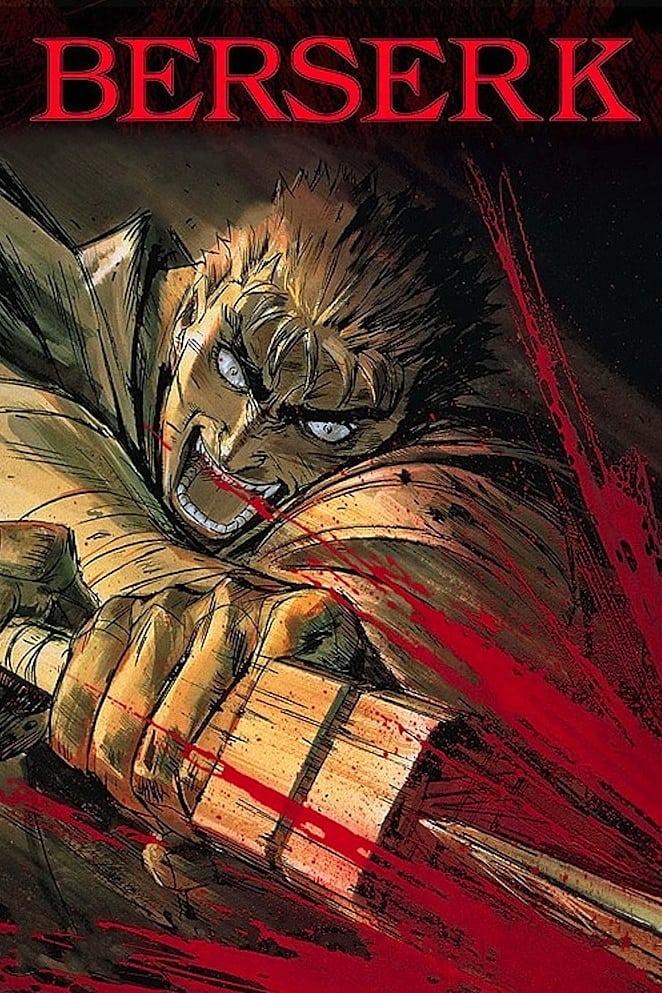
Guts and Griffith carve a path through battlefields with the Band of the Hawk, building reputation and influence through victory after victory. Political tensions in Midland and Griffith’s ambition create pressure that no longer yields to tactics or charm. A strange crimson artifact appears as a token without obvious use.
The Eclipse turns a dream of a kingdom into a sacrifice, with Griffith’s transformation into Femto and the annihilation of his own comrades. The event redefines every relationship and sets Guts on a path shaped by survival and vengeance. OLM staged the sequence with striking cuts and limited color to make the ritual feel otherworldly without losing the raw human terror at its center.
‘Neon Genesis Evangelion: The End of Evangelion’ (1997)

The follow up film revisits the closing stretch with a more literal depiction of the final emergency at NERV. Instrumentality proceeds as organizations converge, and the boundaries between individuals begin to dissolve. Familiar settings distort as personal memories and collective will collide.
The twist is not a single reveal but the explicit realization that the choice to accept or reject the dissolution of the self rests with an individual, and that a return to separation is possible at a cost. That choice reframes earlier scenes about connection and pain. The film’s animation team, drawing on talent associated with Gainax, presents shifting imagery that moves from apocalyptic scale to intimate moments in a single flow.
Share the twists you would add to this list in the comments.