Christopher Nolan Goes Viral After Explosive China Interview on Critics, Faith, and ‘The Odyssey’

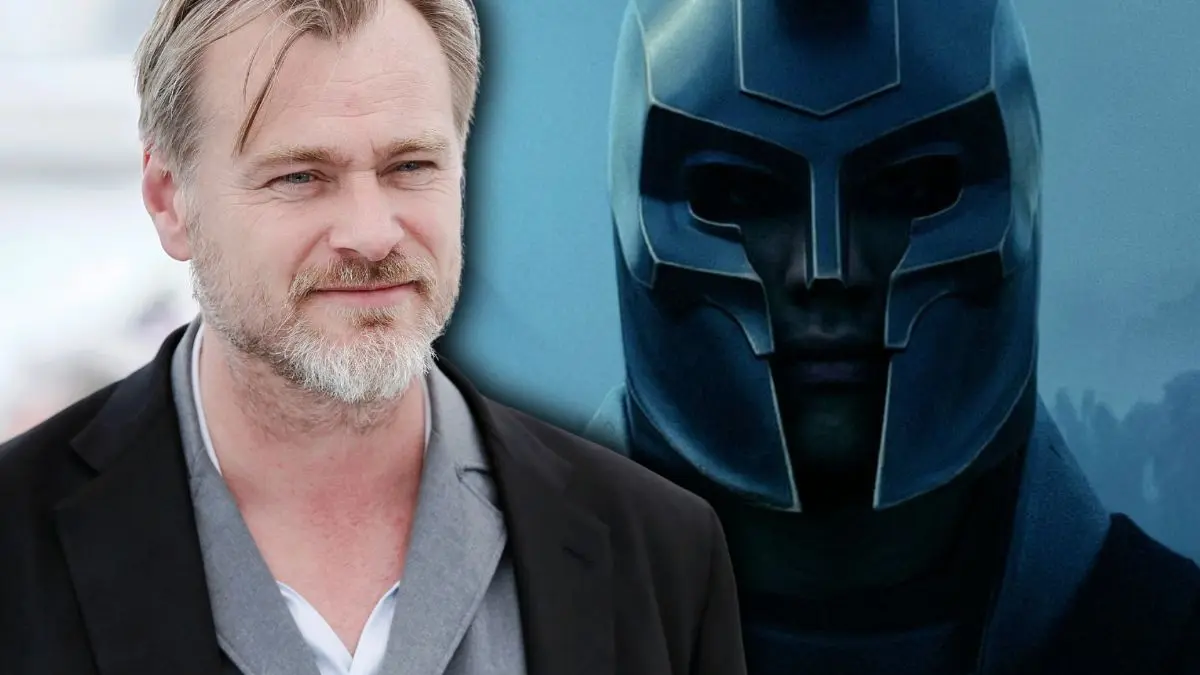

Christopher Nolan has never been known for giving ordinary interviews, and his recent conversation in China about ‘The Odyssey’ has quickly become one of his most talked-about appearances. Instead of focusing on behind-the-scenes stories or production details, the filmmaker was asked about deeper ideas behind his latest epic, including history, religion, storytelling, and the way audiences respond to movies.
The interview was conducted in Beijing with Chinese podcaster and political philosophy lecturer Zhong Shu, and it was first shared on China’s Bilibili platform. Unlike many promotional interviews from Nolan’s global press tour, the discussion focused heavily on his personal views and the philosophy behind his adaptation of Homer’s classic poem.
One of the biggest topics was Zhong’s description of Nolan as a modern-day “bard for a civilization at dusk,” comparing him to Homer, who documented the world of Ancient Greece. She pointed out that while Homer’s work looked back at a powerful civilization, Nolan’s version of ‘The Odyssey’ reflects a more uncertain modern era.
Nolan said he found the comparison interesting and explained that Homer himself was also writing about a world that existed long before his own time. According to the director, the idea of looking back at a lost golden age was already part of the original story.
“Homer’s writing about an era before his, he’s writing about an era hundreds of years before,” Nolan said during the interview.

The filmmaker explained that one of the things that interested him most was the collapse of the Bronze Age and what happened between the events of the Trojan War and the period when Homer’s story was written down. He added that his previous film, ‘Oppenheimer,’ also influenced the way he approached themes of civilization and collapse.
“I think I definitely carried that sensibility into this adaptation of The Odyssey,” Nolan said.
Another major part of the conversation focused on the theme of atonement in the film. Zhong questioned whether Nolan had added Christian ideas of redemption to a story that originally came from Ancient Greek mythology.
Nolan explained that his main focus was the Greek concept of “xenia,” which is based on hospitality, respect, and treating others properly. In the movie, he simplifies the idea by referring to it as Zeus’s Law.
“It’s that idea of mutual respect — that I treat you the way I want to be treated,” Nolan said.
He explained that the idea of atonement comes more from how modern audiences connect with the story rather than from a deliberate attempt to change Homer’s original themes.
“It’s not a deliberate attempt to Christianize it, but it’s an outgrowth or it’s a natural conclusion of burrowing in on this philosophical idea of what happens when you break Zeus’ Law,” Nolan said.
The conversation also moved into modern movie criticism and how audiences judge storytelling techniques. Nolan pushed back against the idea that understanding how a movie works automatically makes it less effective. “The fact that mechanism is identifiable to people doesn’t invalidate it,” the director explained.
He argued that filmmakers use a shared language built over decades of cinema, including familiar structures, character arcs, and storytelling patterns. According to Nolan, those tools are not weaknesses but part of how movies connect with audiences around the world.
He pointed to his 2000 film ‘Memento’ as an example, explaining that while the movie played with its timeline, it still relied on a traditional three-act structure underneath. “You have to make your choices in terms of ‘how am I orienting the story?’” Nolan said.
The interview has gained attention because it offered fans a rare look into how Nolan thinks about filmmaking beyond the usual questions about actors, visuals, and production. As ‘The Odyssey’ continues its theatrical run, the filmmaker’s comments show that the movie was designed to explore much bigger ideas than just an ancient adventure story.
Have something to add? Let us know in the comments!