Christopher Nolan Reveals the 20-Year-Old Image That Became the Heart of ‘The Odyssey’


Christopher Nolan has spent decades building a reputation as a filmmaker obsessed with images that linger long after the credits roll, and it turns out his adaptation of Homer’s ancient epic has its own origin story rooted in exactly that kind of obsession.
Long before ‘The Odyssey‘ ever became a film starring Matt Damon, Anne Hathaway, and Tom Holland, it existed as a single picture in Nolan’s head, one he carried with him for years before ever putting it on screen.
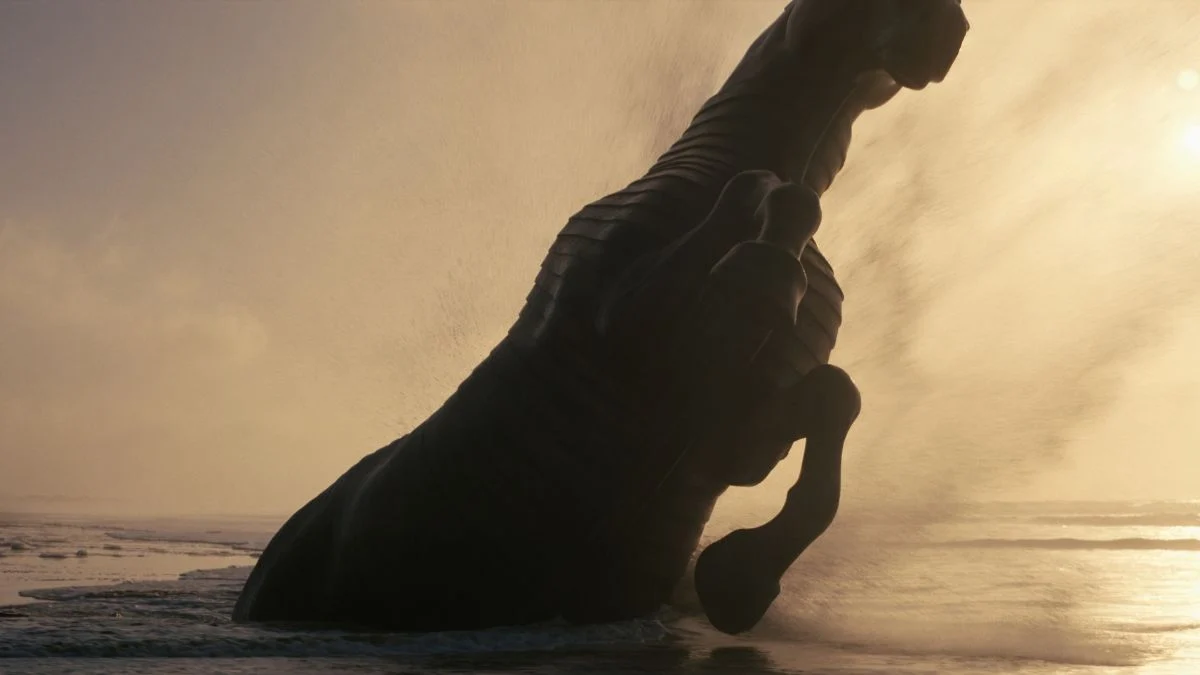
That image centers on the Trojan Horse, and Nolan has now opened up about just how long it sat with him before finally making it into the finished film. The director revealed that he had been picturing the horse half buried in the sand for two decades, long before production on ‘The Odyssey’ ever began, describing it as a piece of imagery he simply could not shake.
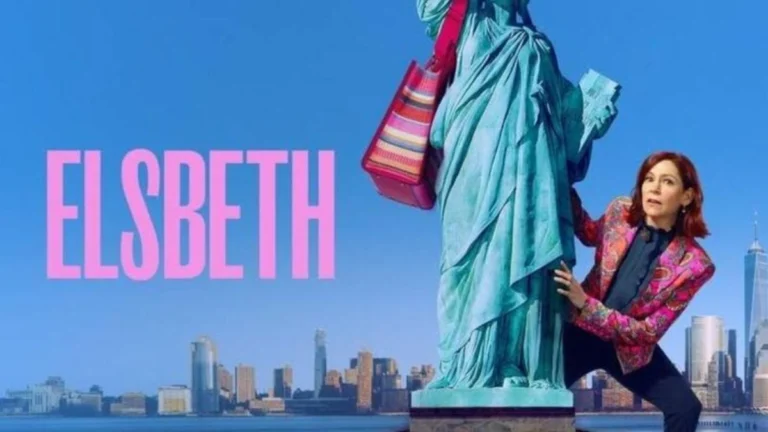
Nolan has traced that inspiration directly back to childhood, crediting the ending of the original ‘Planet of the Apes’ as a formative influence on how he envisioned the scene. He has described being drawn to the idea of a fallen monument, an image that recalls the film’s iconic shot of the Statue of Liberty half buried on a beach, repurposed here as a wrecked symbol of Troy’s downfall rather than a ruined future civilization.
That connection has not gone unnoticed by critics either. Several reviews of ‘The Odyssey’ have pointed out the direct visual echo between Nolan’s horse and the famous ‘Planet of the Apes’ ending, describing the composition as nearly identical, a monument to a fallen civilization jutting out of a coastline as a gut-punch reveal.
Nolan himself has confirmed the connection was intentional rather than coincidental, telling the Los Angeles Times that the image of the horse listing over in the sand had stuck with him since he was passed over to direct 2004’s ‘Troy.’
That earlier brush with Homer’s world adds another layer to how long this story has actually been sitting with Nolan. He was in contention to direct ‘Troy’ before the job ultimately went to Wolfgang Petersen, and the image that would eventually anchor ‘The Odyssey’ reportedly took shape around that same period, meaning the picture in his head predates the actual production by more than twenty years.
Nolan has also spoken more broadly about how deeply embedded Homer’s story has been in his creative life, tracing his connection to the epic back to childhood, when he saw older students perform it at school around the age of five or six. He has described the tale as something closer to cultural DNA than a simple piece of literature, a story he believes is embedded in all of us, regardless of whether we have read it directly.
That long gestation period seems to have paid off in the finished film. ‘The Odyssey’ has been described by multiple critics as a spectacle built around striking, painterly images, with the buried horse serving as one of its most talked-about visual moments, alongside comparisons to classical paintings in how certain sequences are staged and lit.
Christopher Nolan revealed that the iconic Trojan Horse image from The Odyssey was in his mind for over 20 years. Does that change how you view the film?
For a director known for meticulously planning his films years in advance, learning that one of the most memorable images in ‘The Odyssey’ predates the project itself by two decades offers a rare glimpse into just how long Nolan’s creative process can stretch before an idea finally makes it to the screen. It also reframes the film as less of a quick adaptation and more of a passion project decades in the making.
Have something to add? Let us know in the comments!