Did ‘Other Mommy’ Use Generative AI? The Truth Behind the Horror Film’s Uncanny Visuals


The intersection of generative artificial intelligence and modern filmmaking has sparked fierce debate across Hollywood in recent years. Audiences have grown exceptionally vigilant, scrutinizing visual effects and background elements in major releases for any hint of synthetic automation. With algorithmic tools advancing rapidly, questions surrounding production ethics and visual authenticity continue to dominate cinematic discussions.
That heightened cultural scrutiny heavily shadowed the theatrical rollout of Blumhouse and Atomic Monster’s supernatural chiller ‘Other Mommy‘, which arrived in theaters in October 2026. Directed by British filmmaker Rob Savage from a screenplay by Nathan Elston, the project adapted author Josh Malerman’s acclaimed 2024 psychological horror novel ‘Incidents Around the House’. The story follows seven-year-old Bela, played by Arabella Olivia Clark, whose family unravels when a malevolent entity appears in her bedroom closet wearing her mother’s face.
Why Audiences Suspected ‘Other Mommy’ Used AI
Despite widespread speculation swirling across social platforms since its opening weekend, ‘Other Mommy’ was not constructed using generative artificial intelligence tools. While rumors claimed computer algorithms were responsible for the film’s distorted, dreamlike style, studio materials and creative statements confirm the supernatural terror was achieved through conventional digital visual effects and live-action filmmaking. The project relied on professional animators, stunt choreography, and traditional post-production pipelines rather than generative machine learning models.
The initial rumors largely originated across online communities like Reddit following the film’s theatrical debut. Eagle-eyed moviegoers quickly dissected the unsettling visual palette, with some viewers pointing toward a brief, strange cartoon broadcast on a television set inside Bela’s bedroom as potentially synthetic. Others felt the fast editing transitions and uncanny facial expressions carried the surreal, rubbery gloss associated with automated software.
Critical commentary further fueled audience curiosity when early reviews drew stylistic comparisons to algorithmic imagery. Several critics described the film’s distorted hallways and hyper-artificial sequences as evocative of surreal dreamcore videos that circulate on social media feeds. Those visual descriptions were artistic assessments of the film’s nightmarish tone rather than literal claims regarding the technological software used behind the scenes.
Thematic Parallels to Synthetic Deception
Beyond the technical rumors, cultural commentators noted that the entity itself serves as an unnerving metaphor for generative software. In the movie, the shapeshifter mimics a loving parent to prey on a lonely child’s desire for connection, offering an imitation of maternal comfort that masks a parasitic void. The creature promises unconditional attention while gradually threatening to hollow out the young girl’s life from the inside.
In describing the monster’s predatory psychology, Savage emphasized how the figure weaponizes emotional manipulation rather than relying solely on brute force. “She’s an insinuating, gaslighting figure,” the director explained to SciFiNow while discussing the character’s deceptive behavior. Savage added that leaving the entity’s true supernatural rules ambiguous ensures the psychological dread lingers in the audience’s mind long after the story ends.
Practical Performances Over Digital Shortcuts
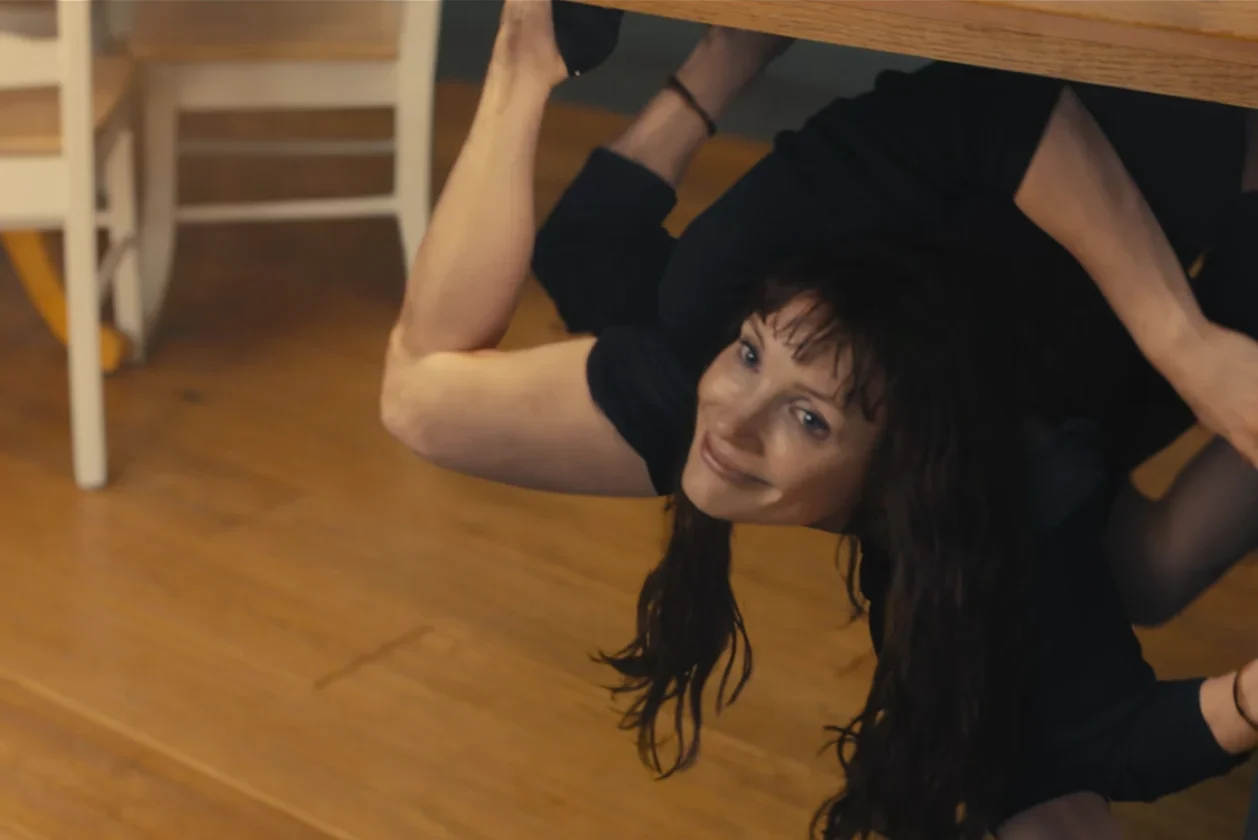
Much of the uncanny disorientation in ‘Other Mommy’ actually stemmed from Jessica Chastain’s visceral physical performance rather than digital automation. Taking on demanding dual roles as the distracted businesswoman Ursula and her demonic doppelgänger, the Oscar winner relied heavily on contortionist body language and chilling smiles. Chastain embraced the eerie physical mechanics of the impostor, executing unnerving bodily postures under kitchen tables and down domestic hallways.
Savage directly addressed the assumption that digital augmentation or complex visual software created the villain’s unsettling physicality. “There are things that Jessica can do just using her face, just using her body that are mind-blowingly terrifying,” Savage revealed to Bloody Good Horror regarding her on-set physical dedication. When the filmmaker nudged her to take the terrifying contortions even further during filming, Chastain bluntly responded, “Fucking watch this.”
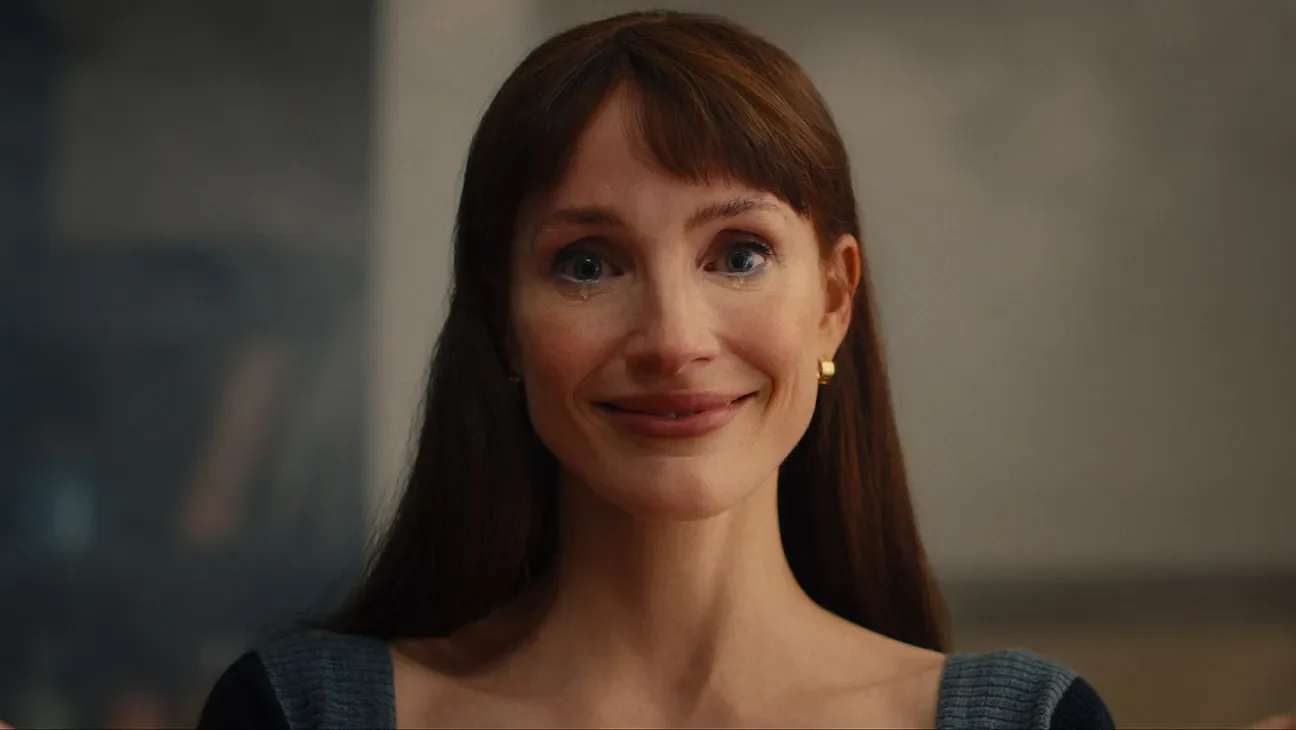
The film’s most elaborate supernatural set pieces, including an endless plastic ball pit and floating apparition sequences, were crafted through standard CGI and practical staging. Rather than cutting corners with generative tools, the $19 million production utilized veteran artists to build its surreal nightmare imagery. While some critics panned the heavy visual effects as overbearing, the technical team achieved every shot through industry-standard computer graphics software.
Despite earning a harsh D+ CinemaScore from early ticket buyers, ‘Other Mommy’ captured the domestic box office crown with an estimated $27.5 million opening weekend. The intense online debate over whether the horror project leaned on synthetic media illustrates how sensitive contemporary audiences have become toward emerging creative technologies. For now, the unnerving terror lurking behind the closet door remains a product of human craft and dedicated acting.
Share your thoughts in the comments below on whether the uncanny visual style in ‘Other Mommy’ felt like brilliant practical filmmaking or suspicious digital trickery.