Essential Books About Movies and Filmmaking

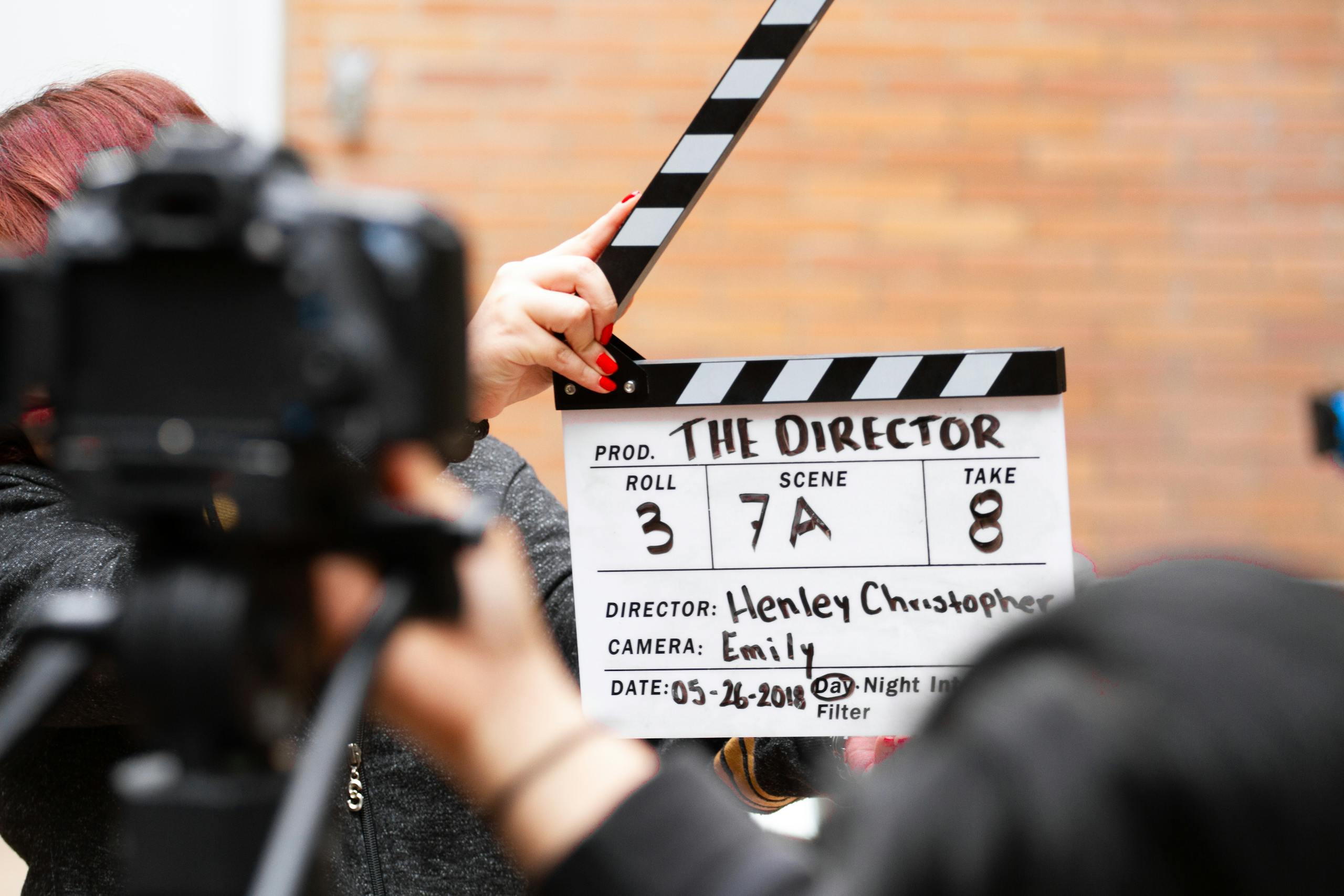

Whether you want to understand directing, editing, cinematography, or screenwriting, the best books about movies can provide a deeper look at how films are created. Many film enthusiasts also explore movies based on non-fiction books to compare how stories evolve from page to screen. Examining both formats can reveal how filmmakers adapt ideas, structure narratives, and make creative choices for different audiences.
We reviewed production manuals, university cinema syllabi, industry reviews, and top nonfiction books to select the following foundational titles. We also examined how modern learners consume educational content, including reading Mindvalley reviews and comparing other learning platforms, to understand how people combine long-form books with summaries and microlearning resources. The selections below offer practical filmmaking knowledge and historical context that can help readers better understand how films are made!
1. ‘Making Movies’ by Sidney Lumet: How Movie Sets Actually Work
Sidney Lumet outlines the logistical realities of running a feature film production crew. He details his personal rehearsal methods and the intense time pressures that force directors to make rapid artistic compromises on location. The text tracks his direct workflow on classic productions like Network and Dog Day Afternoon, showing how administrative choices shape final dramatic moments.
Students use this memoir to break down specific scenes. Lumet explains the constant friction caused by unpredictable actor timing and physical location restrictions. This practical approach keeps the book on contemporary university film school syllabi decades after its initial publication.
The chapters on assembly demonstrate how the delivery of dialogue shifts its emotional weight depending on when a director cuts to a close-up. Lumet highlights his work adapting stage plays, which helps anyone researching how writers restructure dense source materials for theatrical releases:
- Rehearsal planning examples from studio sets
- Scene breakdown notes regarding camera angles
- Production budget discussions involving union crews
- Camera placement explanations for dramatic emphasis
2. ‘In the Blink of an Eye’ by Walter Murch: Helping You Watch Films Differently
Walter Murch explains how film editing directly controls the subconscious emotional responses of an audience during an ordinary viewing session. He introduces the concept that a visual cut correlates with natural human eye-blinking patterns and cognitive shifts.
While Murch explores these concepts in depth, many modern learners supplement traditional reading with shorter educational formats, including apps like Nibble, to explore creative topics in smaller segments before diving into full-length books. Together, these approaches can make complex filmmaking concepts more accessible.
Murch analyzes frame timing by explaining how a two-frame adjustment completely alters the tension of a performance. You can use his concepts by pausing streaming videos at home, replaying specific cuts, and manually observing how background sounds smooth over sudden visual transitions.
The text serves as a reliable reference point that filmmakers return to throughout their careers as they watch more of cinema history. Murch holds significant industry credibility, having received multiple Academy Awards for his sound design and editing work on Apocalypse Now and The English Patient:
- Frame timing explanations across narrative scenes
- Emotional continuity examples during character close-ups
- Sound transition discussions involving multi-track mixing
- Practical scene analysis methods for independent projects
3. ‘Story’ by Robert McKee: Explaining Screenwriting Pressure
Robert McKee provides a structural breakdown of classical narrative architecture that dominates mainstream screenwriting discussions. He focuses on the mechanical components of a script, tracking how turning points and character crises function under strict runtime constraints.
McKee examines well-known movies about books to illustrate how screenwriters condense hundreds of pages of prose into functional visual beats. It is almost like listening to the movie podcasts. His material reads like an active transcript of his international writing seminars, using blunt language to explain why certain narrative sequences lose audience attention.
The book remains highly influential in Hollywood production offices, with prominent Pixar directors and independent screenwriters citing McKee’s analytical framework as a core tool during draft revisions.
4. ‘Awake in the Dark’ by Roger Ebert: Building a Stronger Eye for Film Criticism
Roger Ebert assembles a collection of essays and interviews that demonstrate how professional criticism deepens consumer engagement with media. He tracks the evolution of American newspaper commentary, showing how analytical writing translates complex camera movements or subtle lighting choices into clear prose for daily readers.
This text offers a slower, reflective rhythm that contrasts with dense instructional screenwriting manuals. Readers look to Ebert’s historical overviews to transition from casual internet star ratings into formal essays regarding genre evolution and studio politics.
5. ‘The Anatomy of Story’ by John Truby: Focusing on Character Decisions
John Truby addresses why many feature-length scripts lose narrative momentum during the middle section of the second act. He connects story progression directly to the moral flaws and internal decision chains of the protagonist, arguing that plot should grow from character choices. His system forces you to map character motivation through twenty-two distinct story milestones, providing an explicit blueprint for building a climax.
The framework is a standard study resource across online screenwriting communities. It is also great for independent writing workshops focused on contemporary television structures.
6. ‘Making Movies Work’ by Jon Boorstin: The Mechanics of Audience Perception
Jon Boorstin splits film analysis into three distinct viewpoints that he labels the voyeur’s eye, the vicarious eye, and the visceral eye. He explains that an audience processes an image through emotional empathy and raw physical reaction simultaneously.
This text can help you understand the technical trickery behind editing and visual effects choices. Directors balance these three perspectives to hide production flaws or build genuine suspense during horror and action sequences. Boorstin uses his background as a documentary filmmaker and feature producer to ground his psychological theories in everyday set management techniques.
7. ‘A History of Narrative Film’ by David A. Cook: Connecting Movies to Cultural Shifts
David A. Cook provides a global perspective on how technological developments and political movements directly shape international cinema trends. He covers major historical transformations, including the silent film transition to sound, the rise of the classical Hollywood studio system, and the French New Wave.
This comprehensive history helps you identify how government censorship laws or wartime propaganda requirements altered storytelling conventions in older film archives. Cook frequently examines movies based on non-fiction books when analyzing post-war realism and investigative journalism pieces, showing how social movements force industries to adopt documentary-style shooting methods.
Compare The Books About Movies and Learn Filmmaking Concepts Through Active Reading
The best way to learn filmmaking is to connect theory with observation. These books about movies provide practical frameworks for understanding directing, editing, cinematography, and storytelling, while real-world viewing helps bring those concepts to life. You can focus on one filmmaking technique at a time and watch how professionals apply it on screen.
If you’re interested in adaptation, exploring movies about books offers another valuable perspective on how stories evolve. Whether you read full texts or start with summaries, combining study with active viewing can deepen your appreciation of cinema and strengthen your understanding of film language. Continuous observation remains the most reliable method for building a deeper understanding of cinema history and screen story structure!