Essential Classic Movies Every Self-Proclaimed Fan Should Watch


If you love film history this lineup takes you through landmark achievements across genres and eras with the essentials that shaped how movies are made and watched. You will find pioneering storytelling choices smart technical craft and performances that still set the bar. Each entry notes who brought it to audiences so you can trace where and how these releases first made their mark. Consider this a compact tour of cinema’s most influential milestones and the studios that helped them reach the world.
‘Citizen Kane’ (1941)
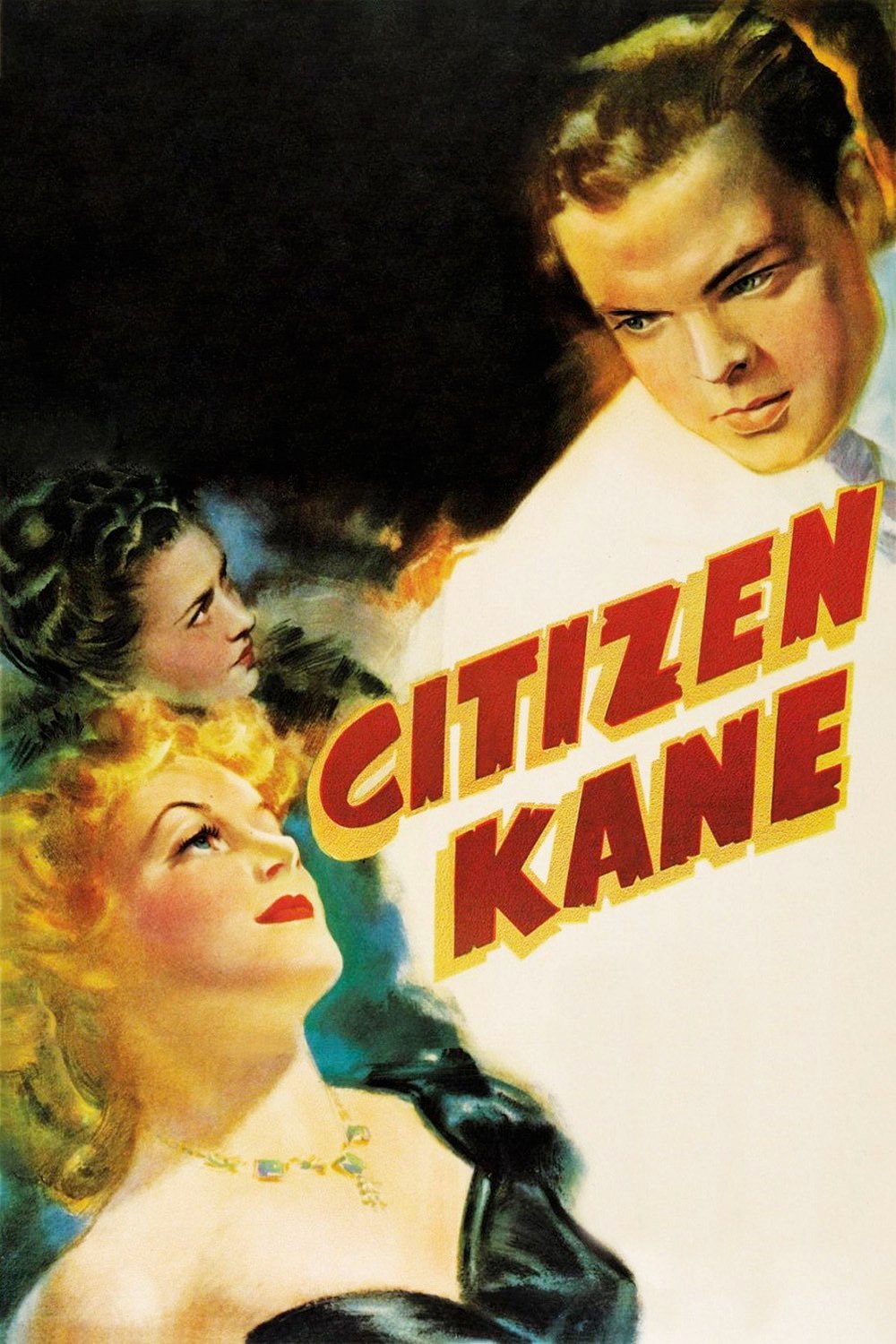
Orson Welles blends investigative journalism structure with bold camera work and deep focus photography. The film examines power ambition and memory through a reporter’s hunt for the meaning of a final word. It introduced innovative sound design and non linear storytelling that influenced generations. RKO Radio Pictures released it and helped usher its daring approach into the mainstream.
‘Casablanca’ (1942)
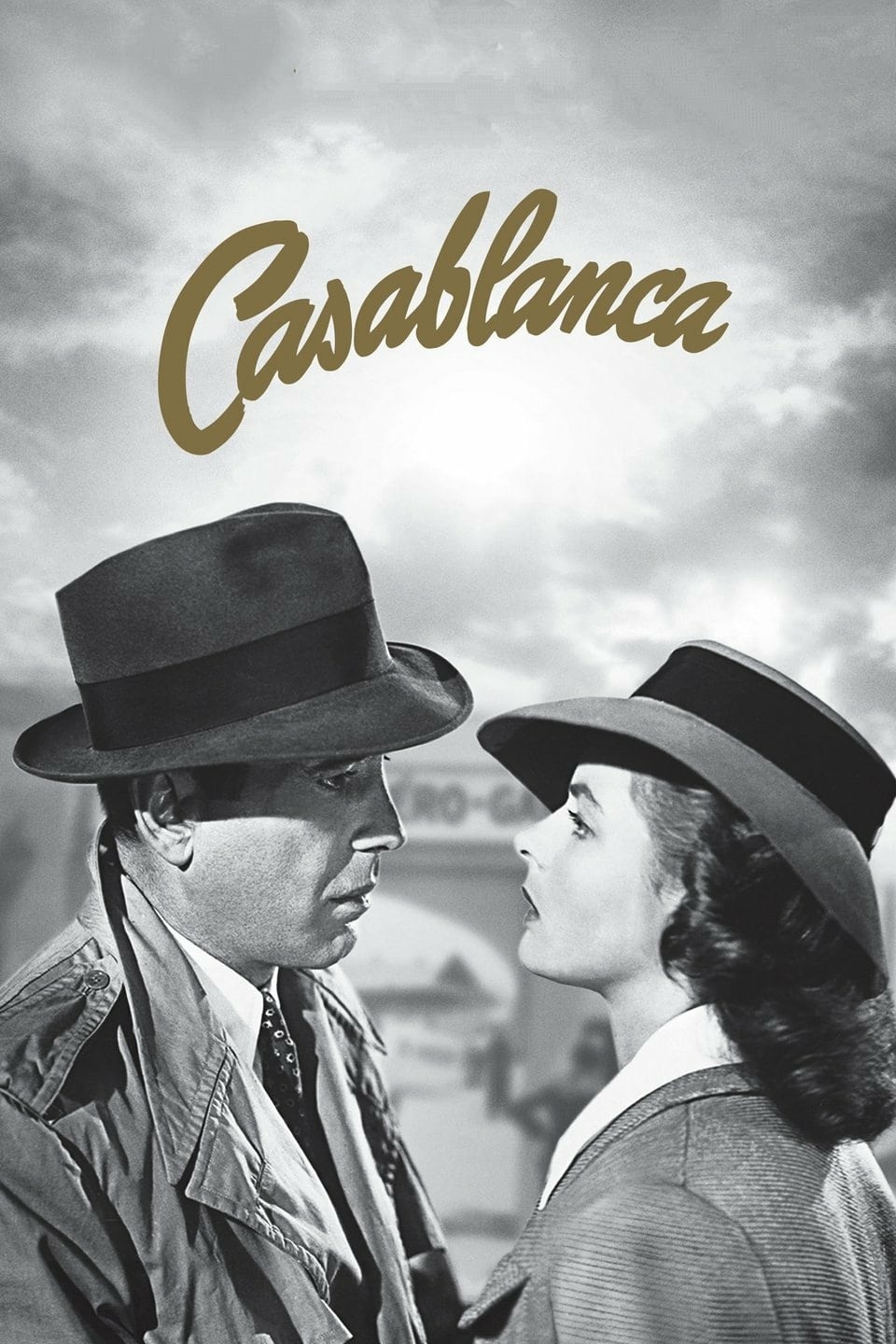
Set during wartime intrigue this romance follows a nightclub owner torn between love and duty. The script is loaded with concise character beats and memorable lines that remain widely quoted. Humphrey Bogart and Ingrid Bergman lead a cast whose chemistry anchors the suspense. Warner Bros. brought the film to theaters and cemented its global reach.
‘The Godfather’ (1972)
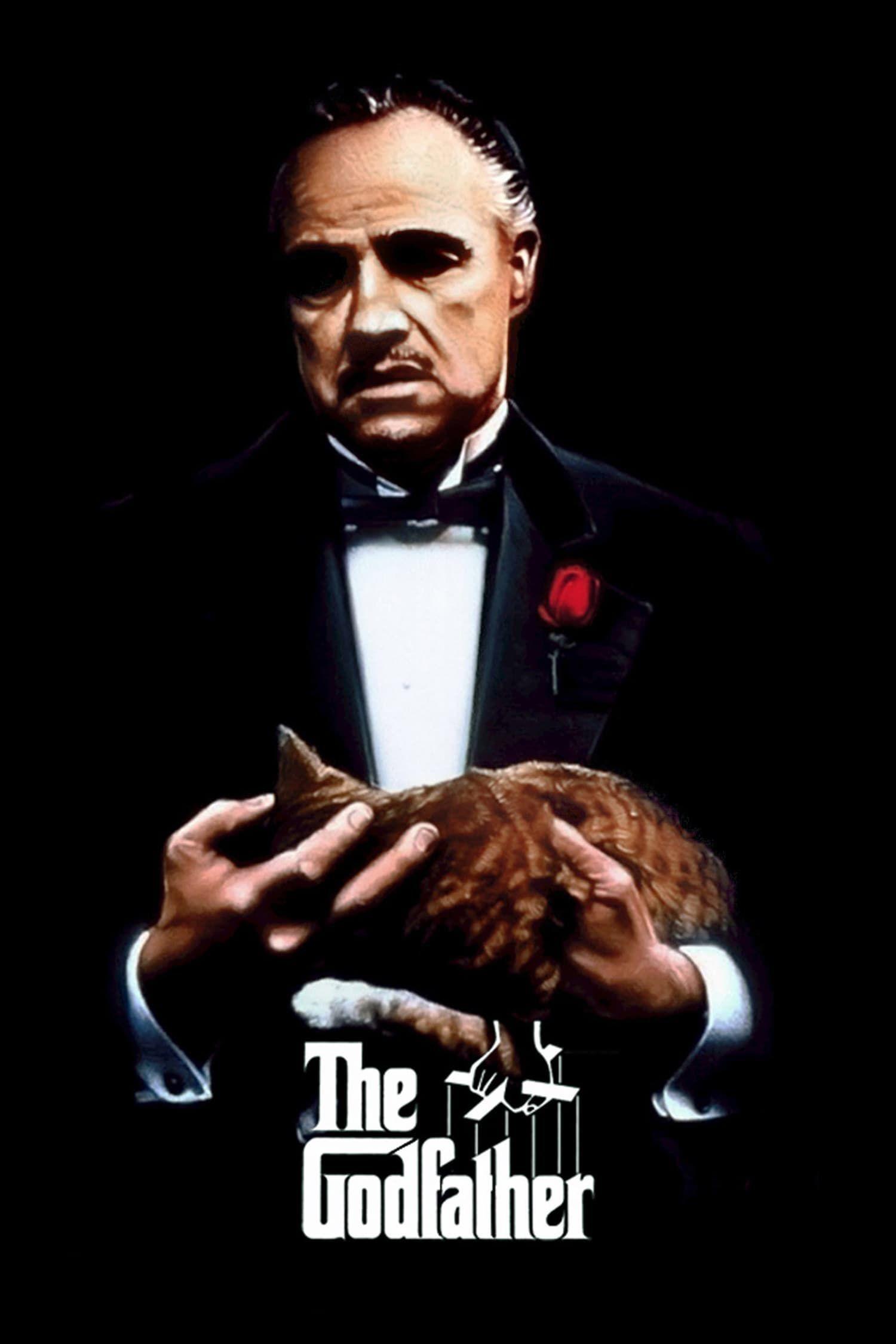
Francis Ford Coppola adapts organized crime into an intimate portrait of family succession and power. Marlon Brando and Al Pacino deliver defining performances backed by meticulous production design and restrained violence. Nino Rota’s score and Gordon Willis’s low key lighting became hallmarks of modern crime drama. Paramount Pictures handled the release that turned the saga into a cultural touchstone.
‘Seven Samurai’ (1954)
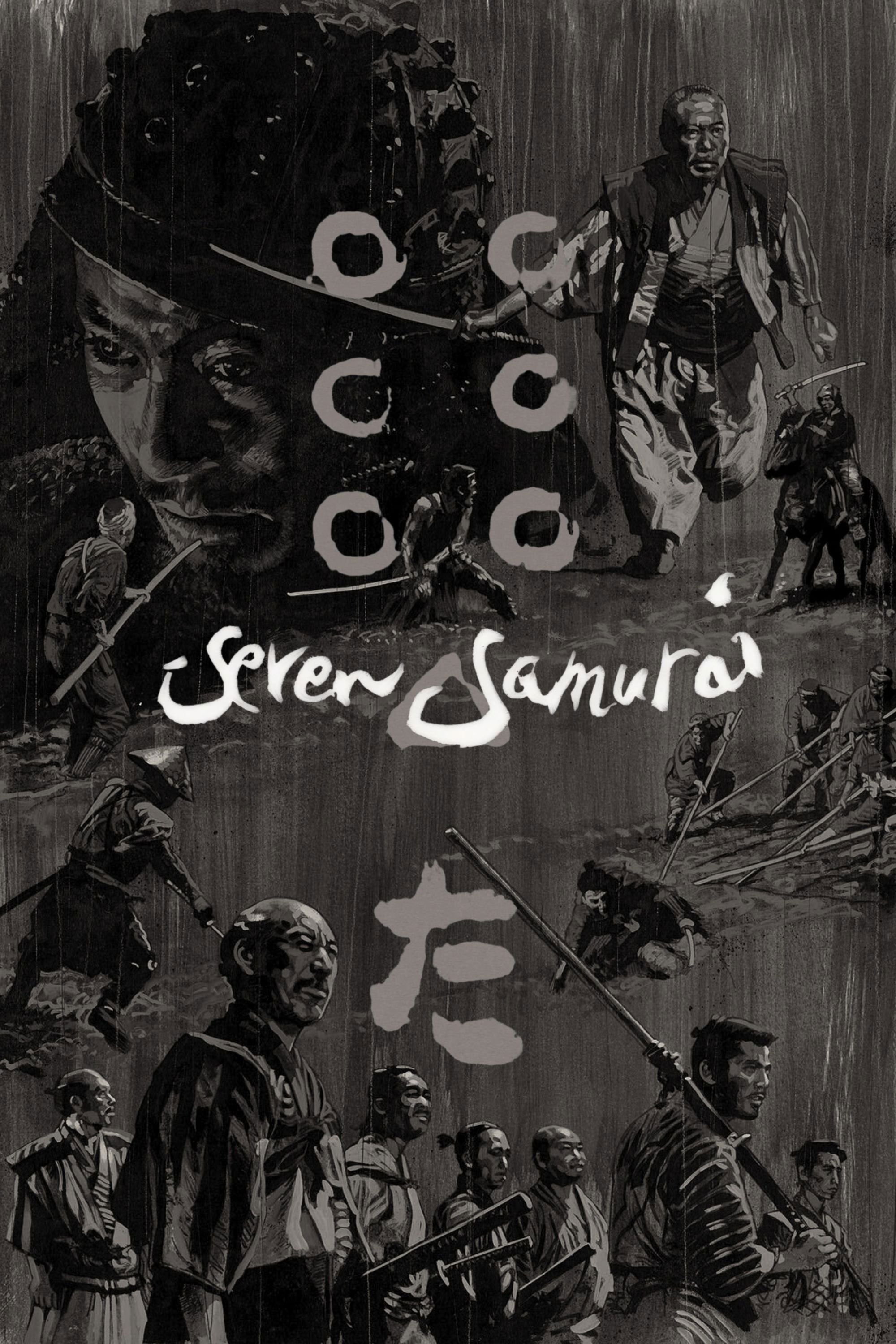
Akira Kurosawa builds an ensemble epic about villagers hiring masterless warriors for protection. Precision editing and dynamic staging of action scenes shaped the template for team based adventures. The film’s structure inspired remakes and countless homages across media. Toho distributed it and carried its influence far beyond Japan.
‘Psycho’ (1960)
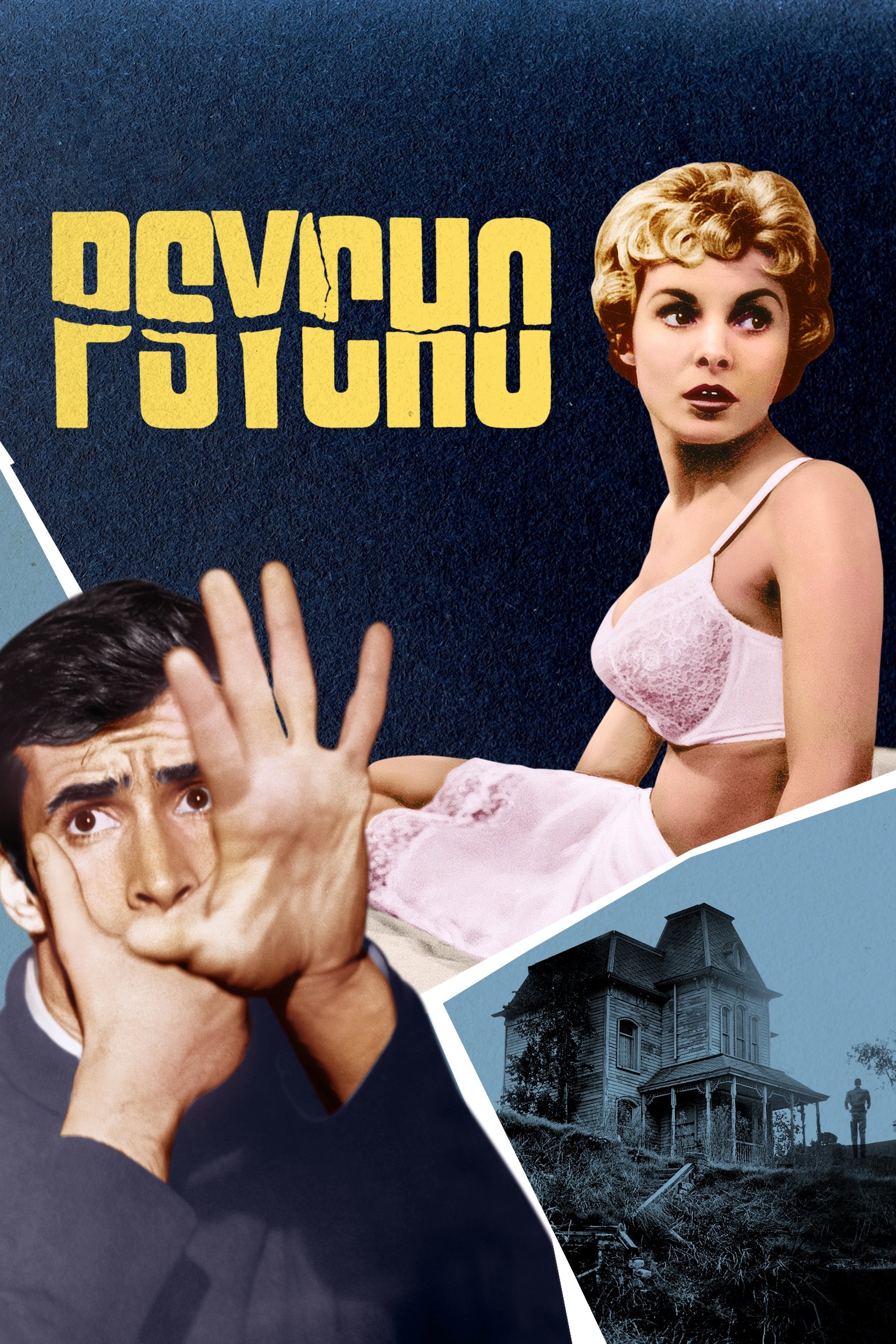
Alfred Hitchcock retools the thriller with a shocking midpoint twist and meticulous control of perspective. Bernard Herrmann’s strings and fast cutting create a model for modern horror rhythm. The production used economical sets and television style crews to maximize tension. Paramount Pictures released it and helped transform audience expectations for suspense.
‘2001: A Space Odyssey’ (1968)
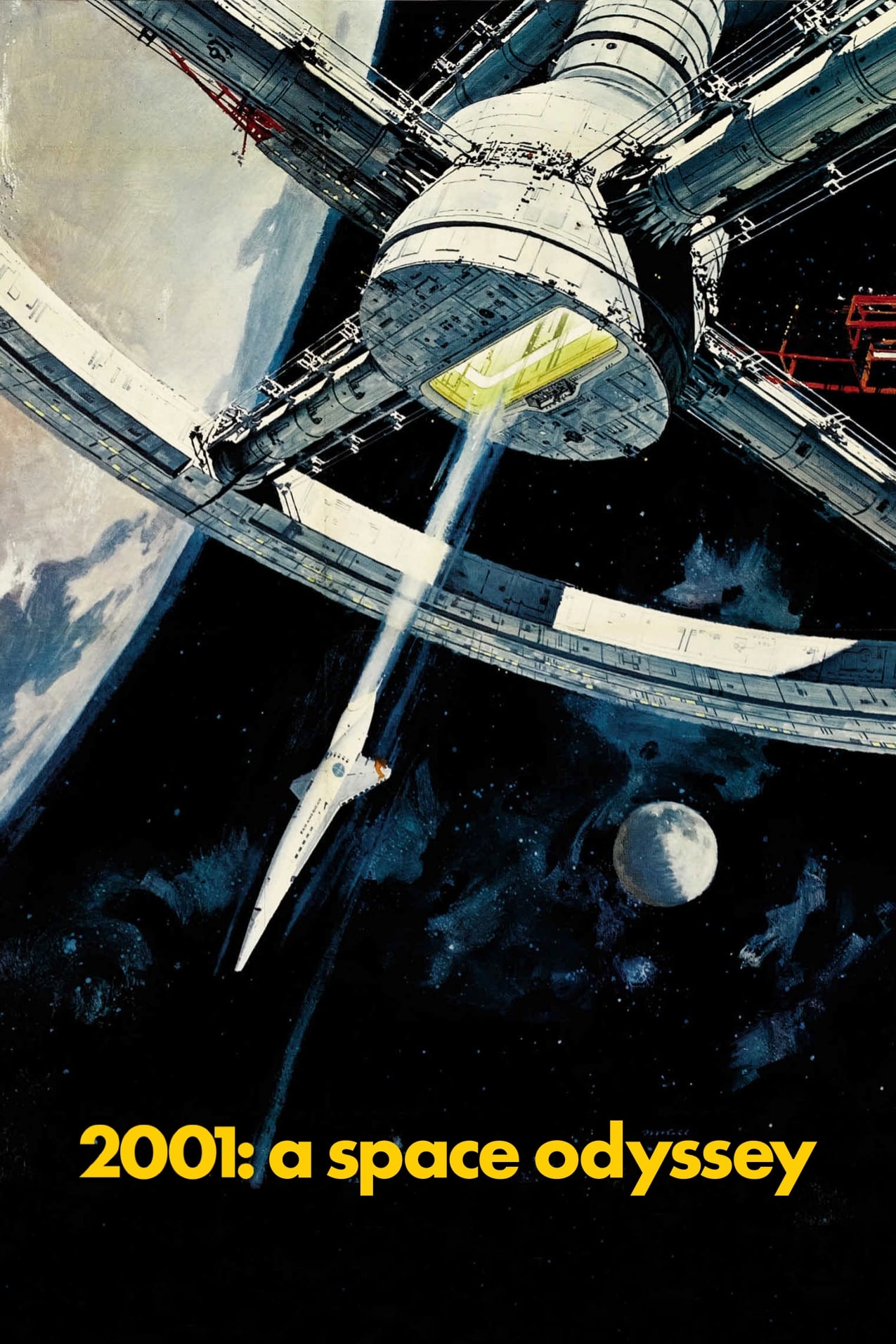
Stanley Kubrick crafts a mostly wordless meditation on evolution technology and contact. The film features groundbreaking visual effects and scientifically minded design that shaped later space cinema. Classical music selections guide the imagery and pacing with precision. Metro Goldwyn Mayer distributed it and supported its special roadshow presentation.
‘Lawrence of Arabia’ (1962)
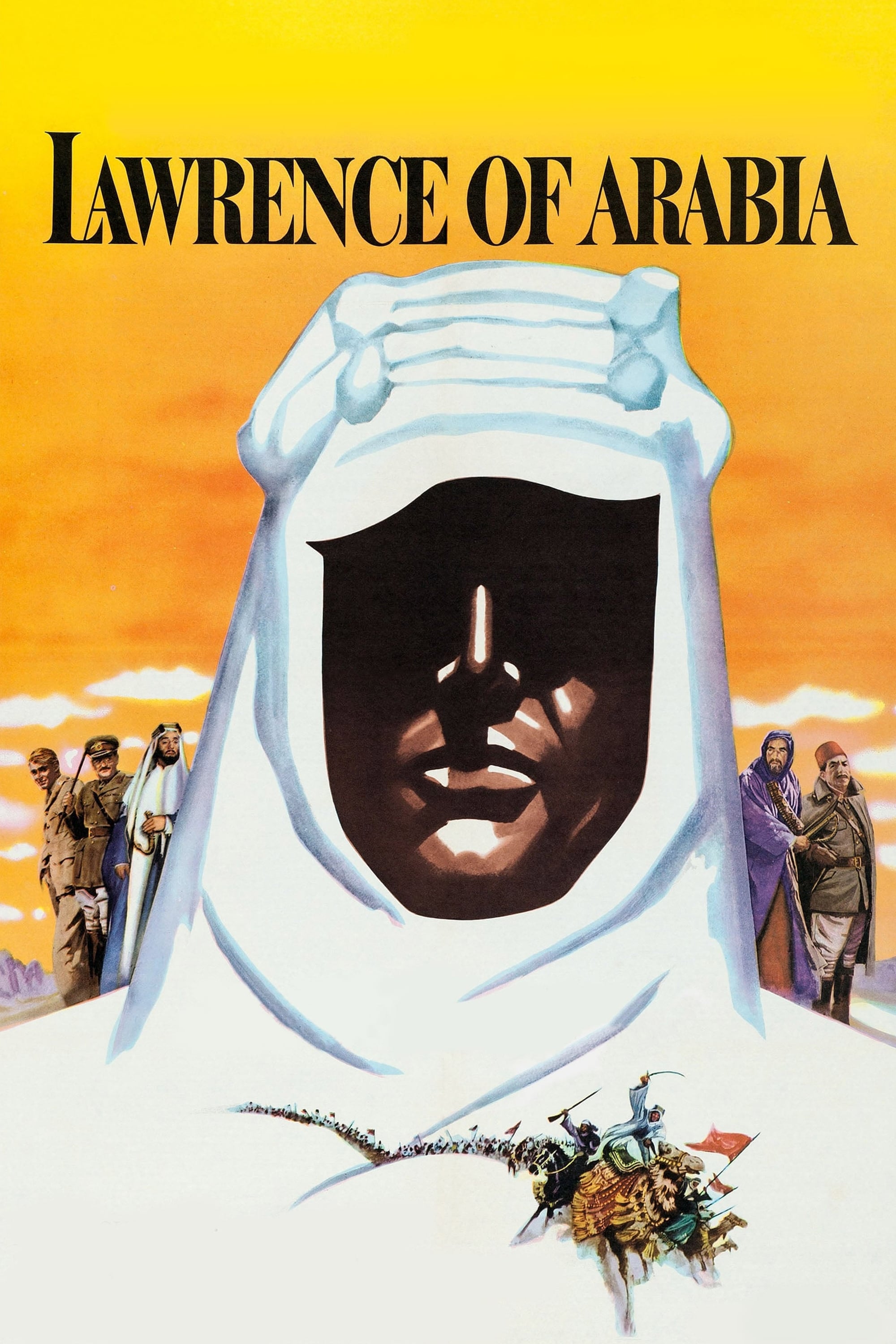
David Lean’s desert epic follows a British officer whose alliances and identity shift across a complex campaign. Panoramic compositions and long takes showcase expansive landscapes and careful logistics. Peter O’Toole’s performance anchors political and personal conflict with quiet intensity. Columbia Pictures released the film and supported its large format exhibition.
‘The Good, the Bad and the Ugly’ (1966)
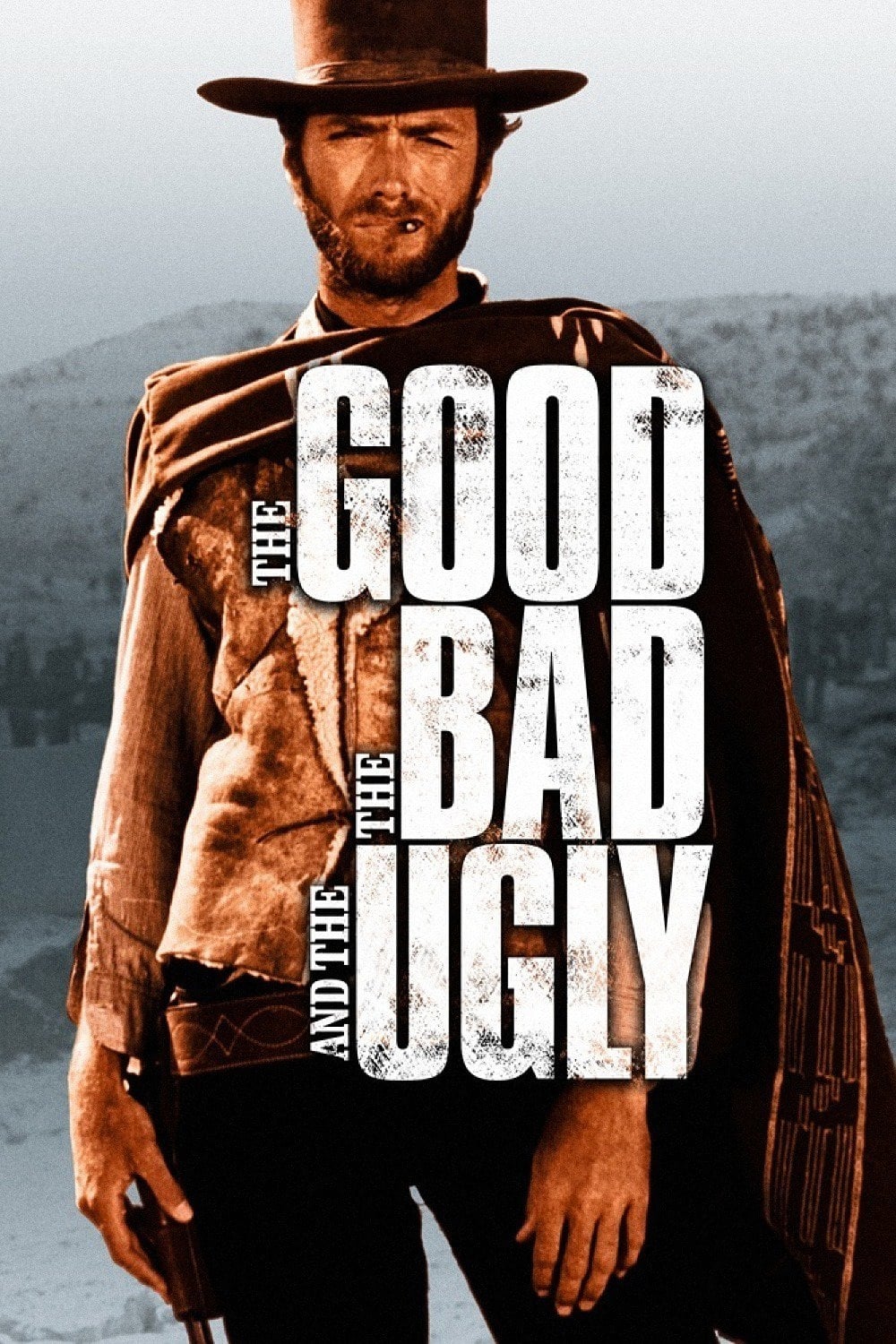
Sergio Leone refines the spaghetti western with operatic close ups long builds and sudden gunplay. Ennio Morricone’s themes cue character motives and elevate tension without heavy dialogue. The final standoff demonstrates precise geography and editing clarity. United Artists handled the release that carried the western to a wider audience.
‘Jaws’ (1975)
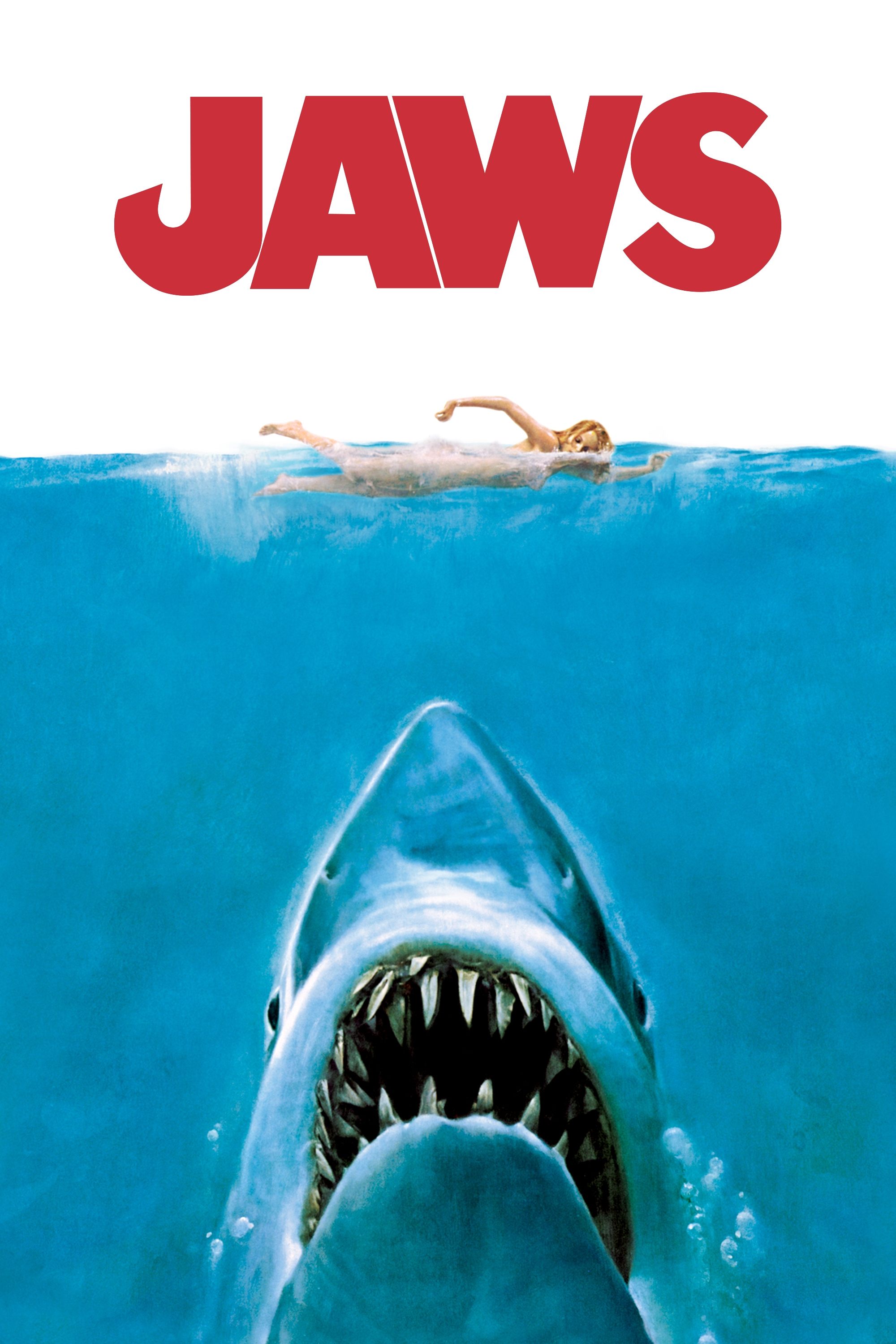
Steven Spielberg tells a small town survival story that scales into a nautical hunt. Restraint in showing the creature and John Williams’s two note motif generate sustained suspense. Location shooting and mechanical effects blend into a template for summer thrillers. Universal Pictures released it and set a new standard for wide national rollouts.
‘Some Like It Hot’ (1959)
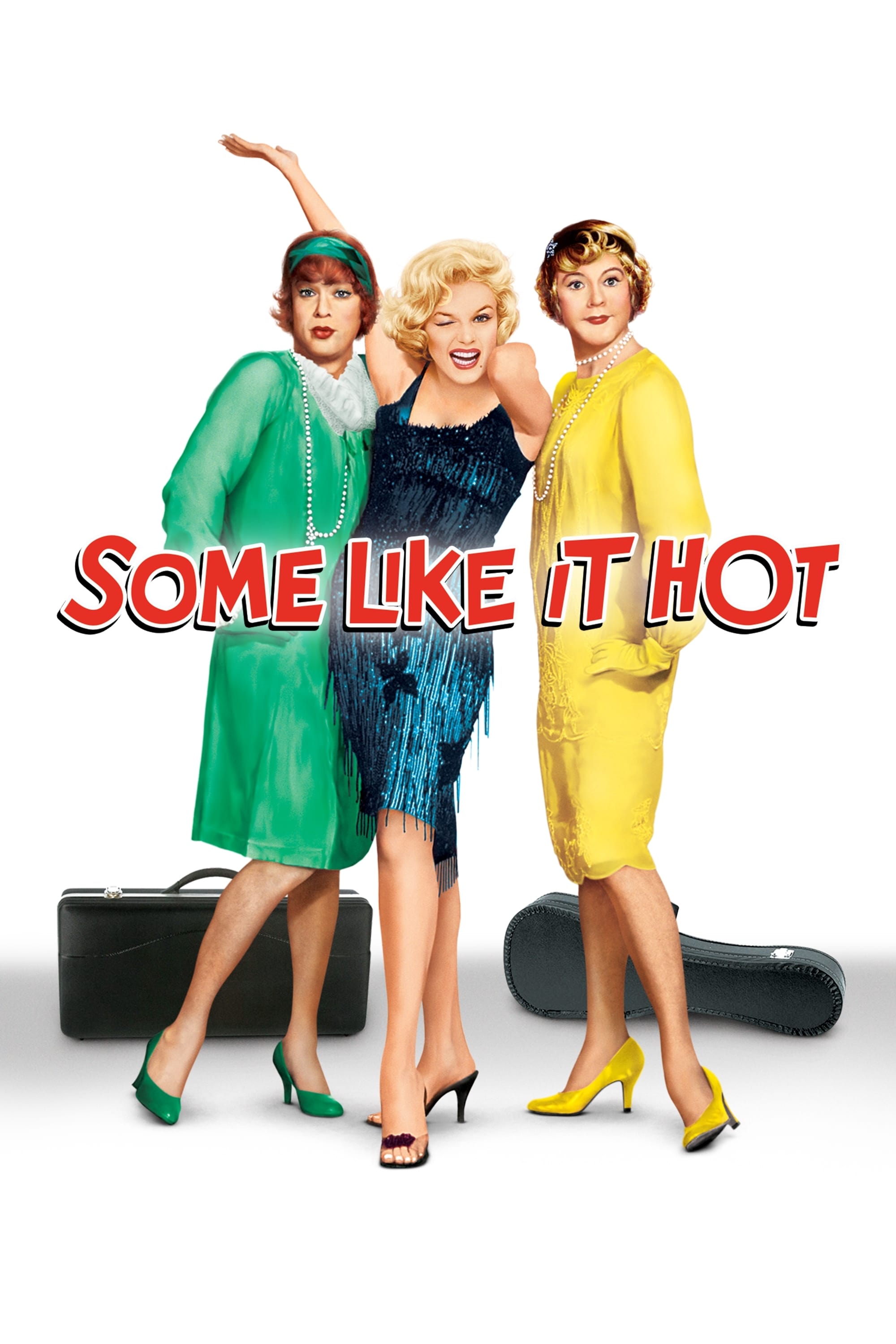
Billy Wilder’s comedy uses disguise mistaken identity and sharp dialogue to spin a fast moving caper. Marilyn Monroe Tony Curtis and Jack Lemmon play off tightly constructed gags and escalating stakes. The closing sequence remains a model for punchline timing. United Artists brought the film to audiences and supported its playful tone.
’12 Angry Men’ (1957)
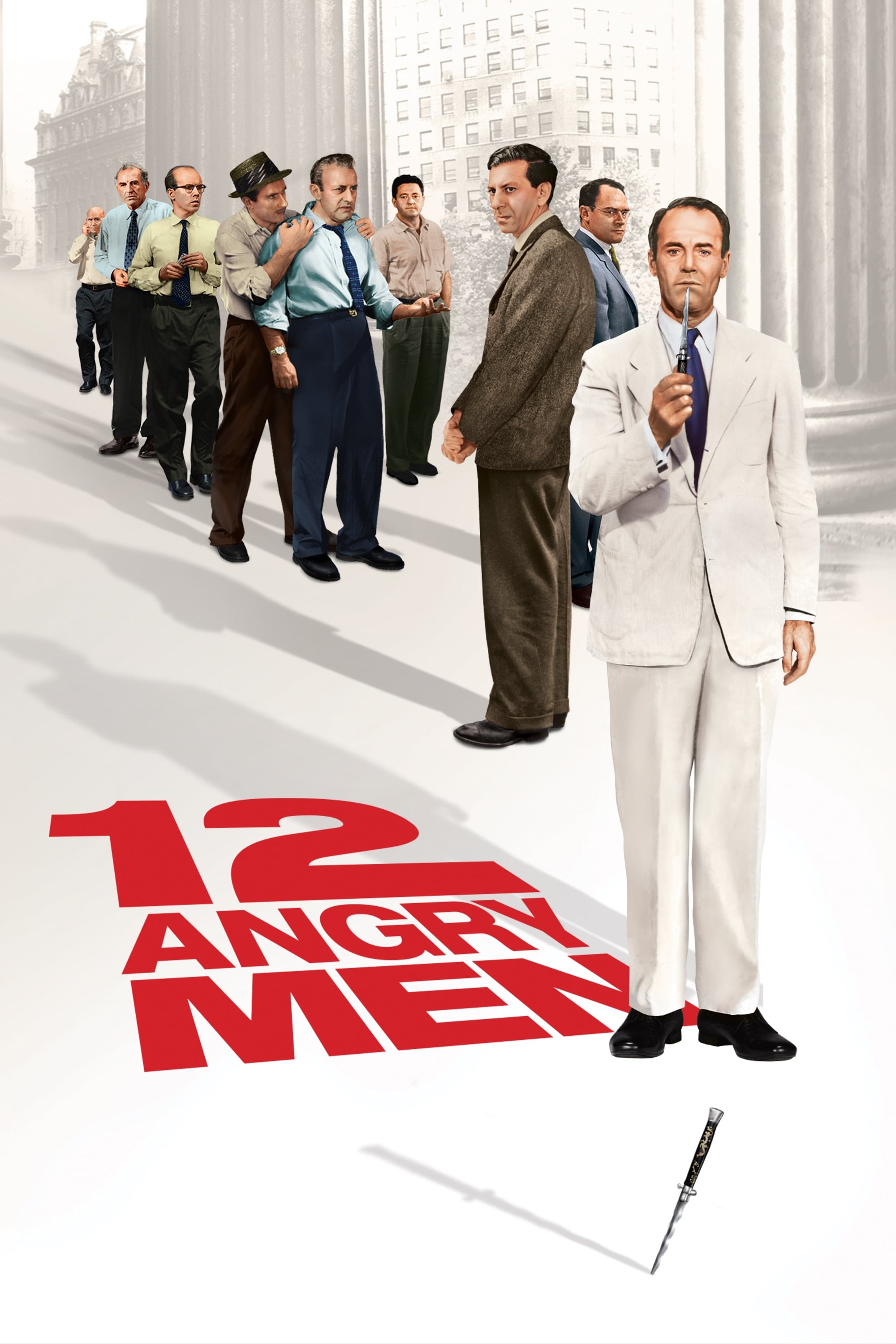
Sidney Lumet confines the drama to a jury room to explore bias doubt and civic duty. The camera shifts from wide to tight framing as tempers rise and perspectives change. Careful blocking and minimal props emphasize logic and persuasion over spectacle. United Artists released the film and helped circulate it to schools and civic groups.
‘Sunset Boulevard’ (1950)
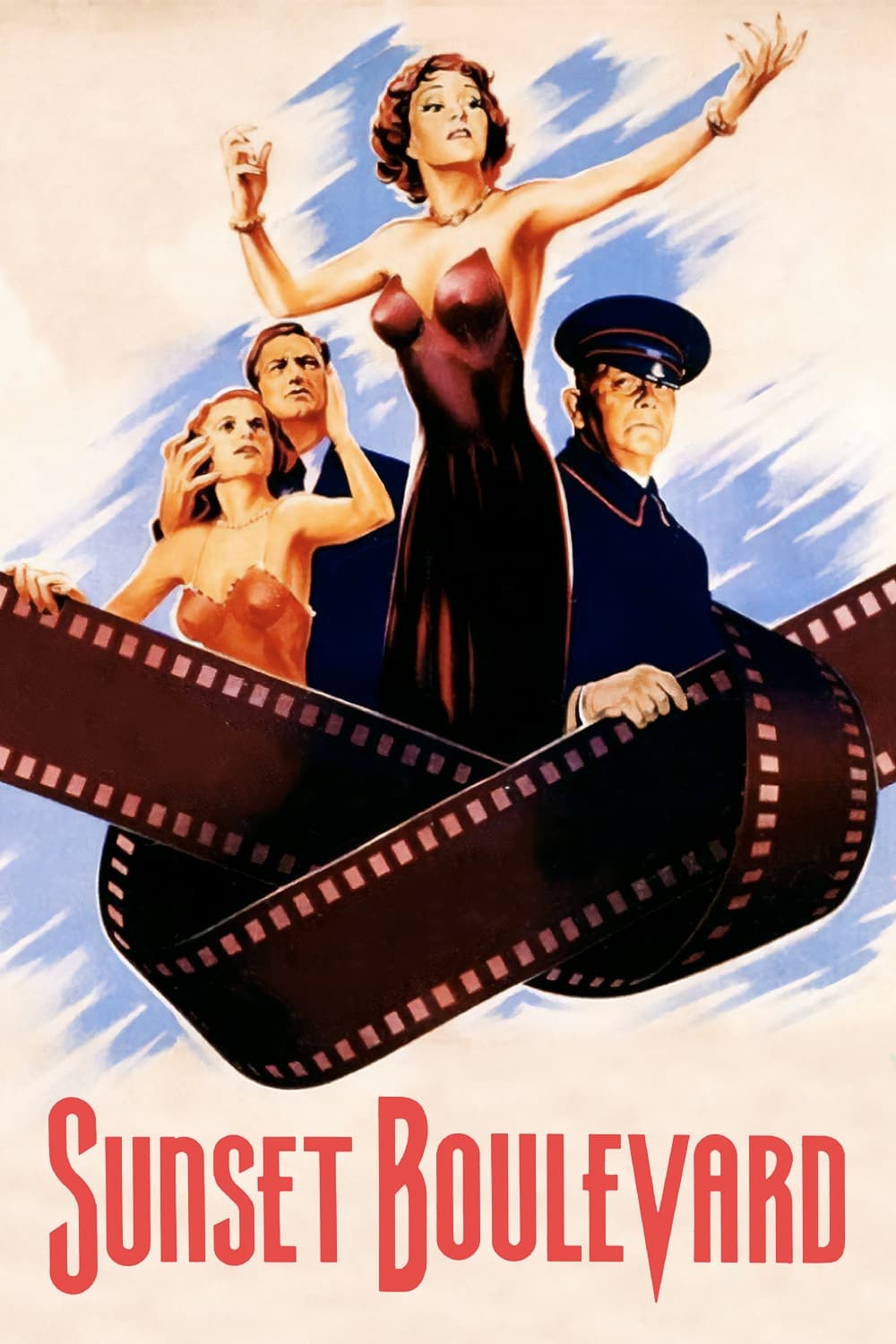
Billy Wilder exposes the machinery of fame through a fading star and a desperate writer. Voiceover and flashback structure merge noir elements with Hollywood self reflection. Iconic lines and a memorable final walk frame a cautionary portrait of obsession. Paramount Pictures released it and anchored its industry insider setting.
‘Rear Window’ (1954)
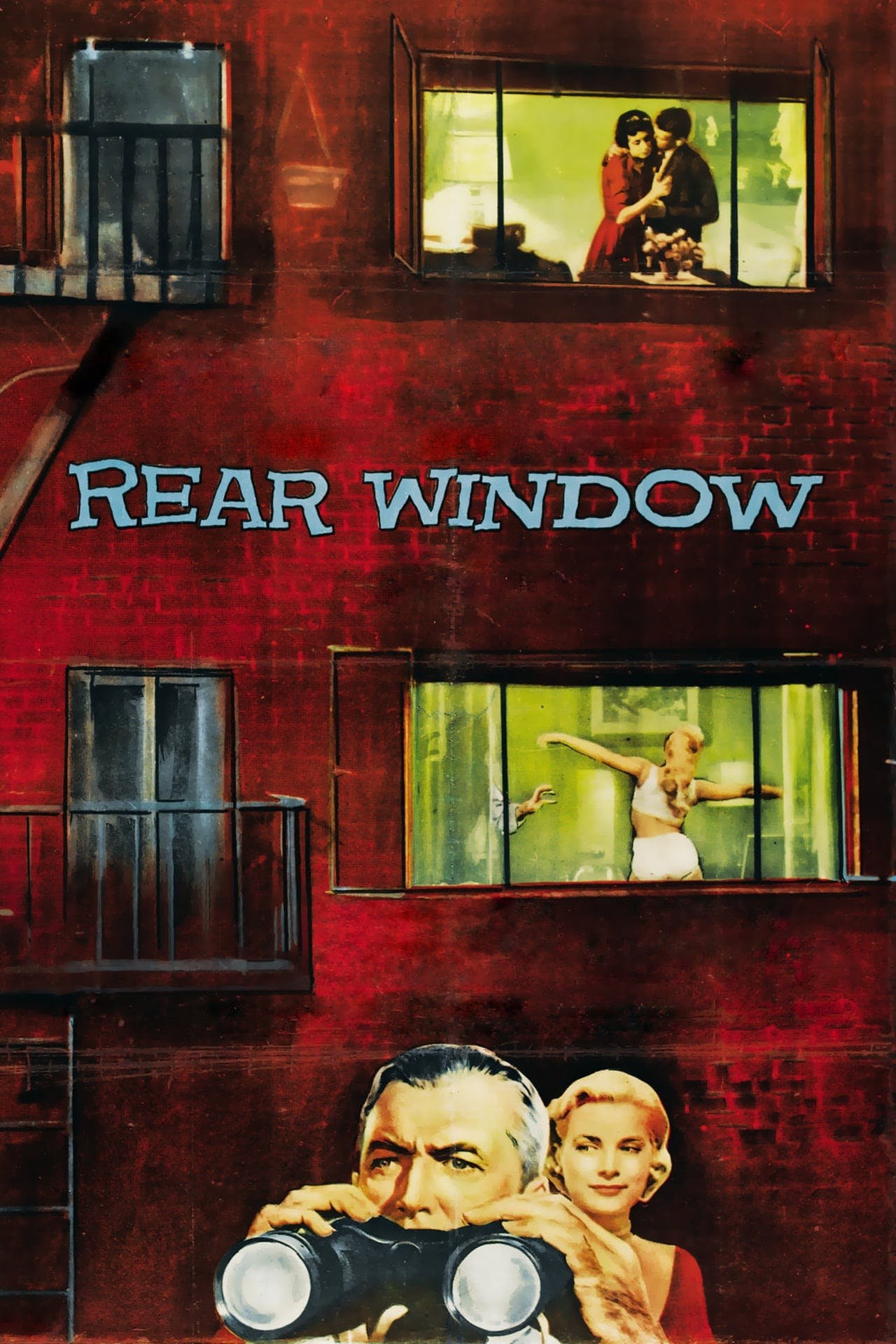
A confined photographer observes neighbors and suspects a crime while stuck in his apartment. The film builds tension through point of view and limited information with careful sound cues. James Stewart and Grace Kelly guide the audience through suspicion and doubt. Paramount Pictures managed the release that showcased meticulous set construction.
‘The Maltese Falcon’ (1941)
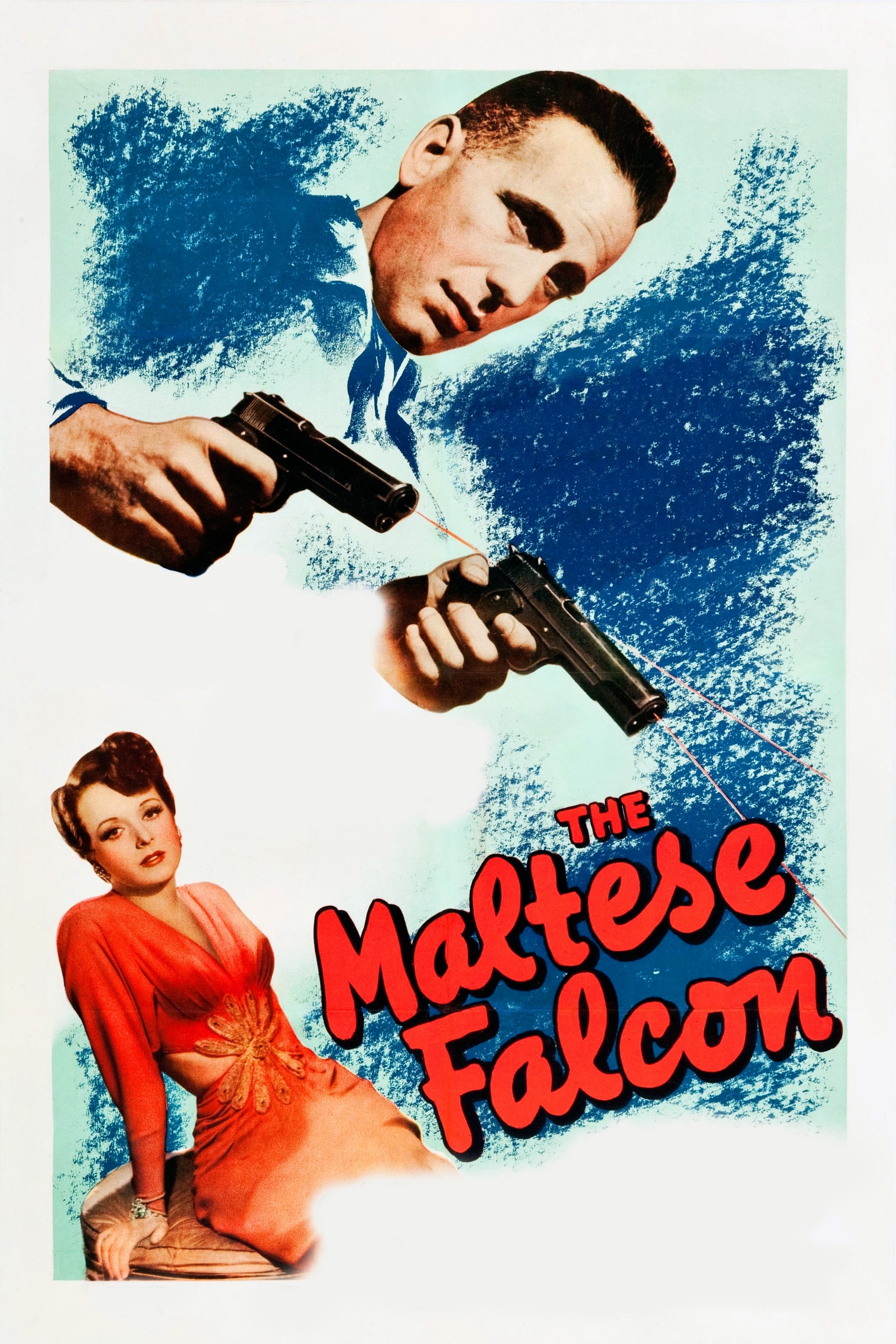
John Huston adapts hardboiled detective fiction with crisp dialogue and tightly staged confrontations. Humphrey Bogart’s private eye navigates shifting loyalties and a fabled statuette. The film standardizes visual markers of noir including shadowy interiors and moral ambiguity. Warner Bros. released it and solidified the studio’s reputation for crime stories.
‘It’s a Wonderful Life’ (1946)
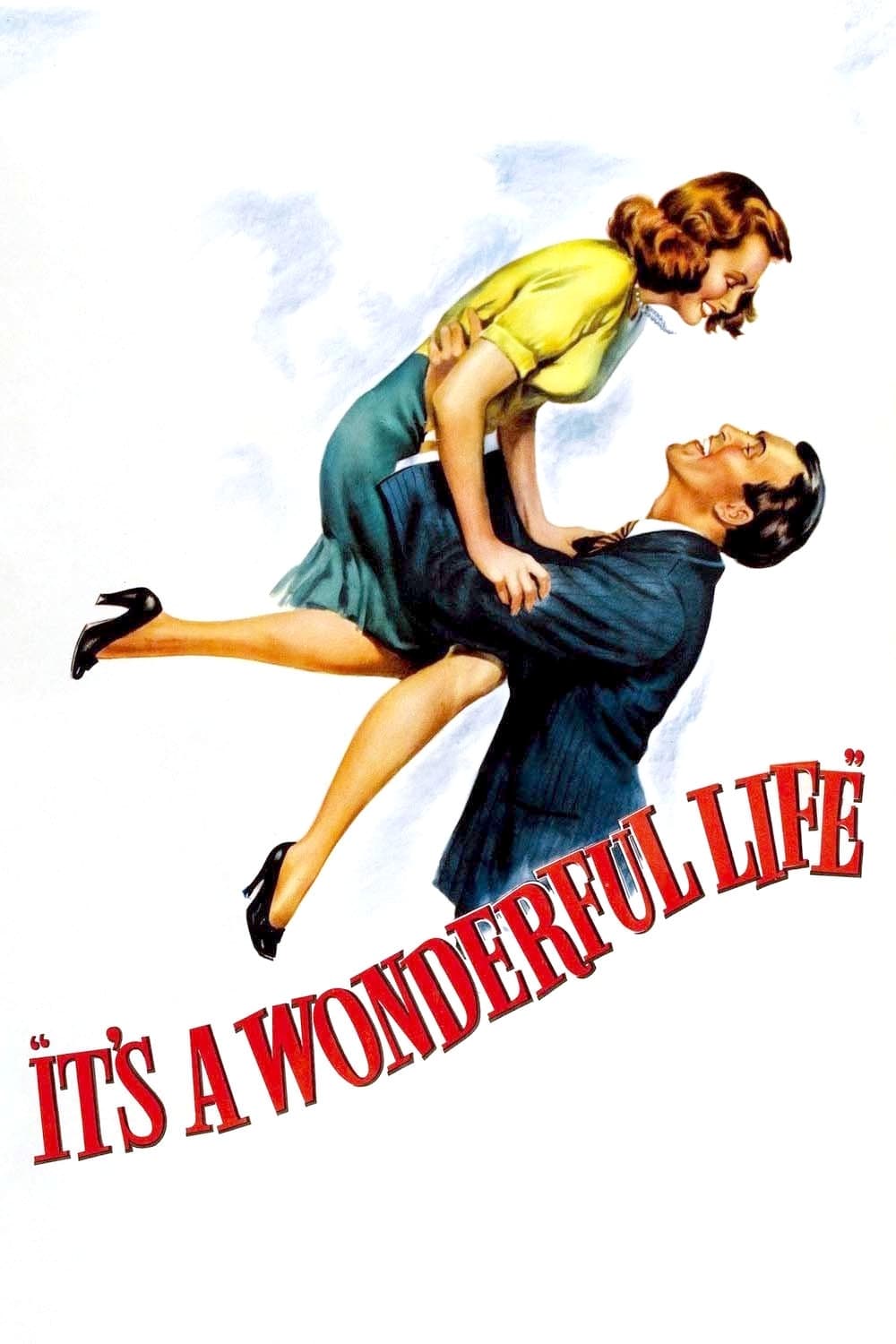
Frank Capra examines community resilience through a man who sees the impact of his choices. The narrative blends fantasy and small town detail to track cause and effect across a lifetime. James Stewart’s performance anchors themes of responsibility and connection. RKO Radio Pictures released the film and helped position it for repeat holiday broadcasts later on.
‘The Wizard of Oz’ (1939)
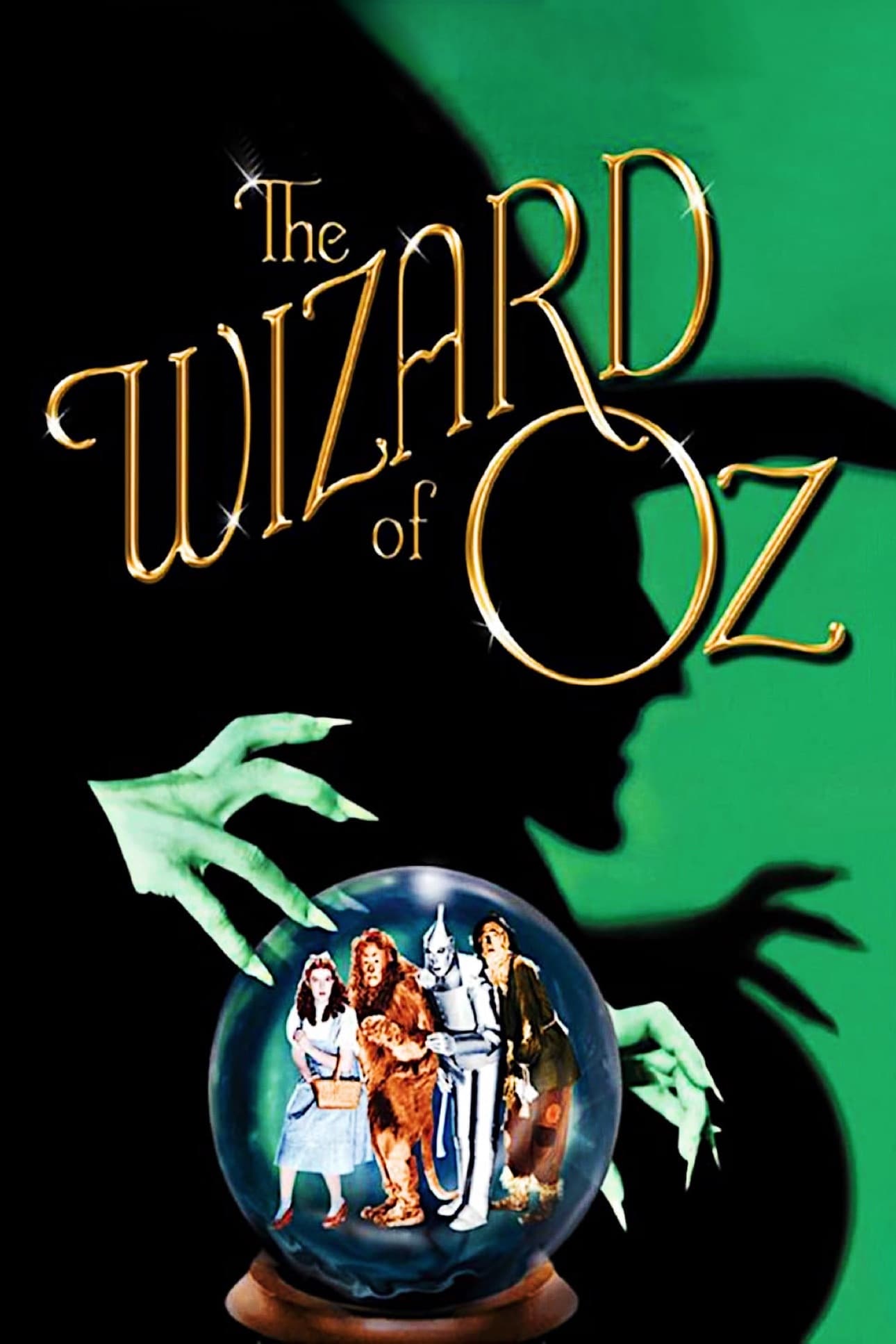
This fantasy follows a Kansas girl who is swept to a colorful land and travels a yellow brick road with new friends. Technicolor production design and songs like ‘Over the Rainbow’ turned it into a musical benchmark. Judy Garland leads a cast that balances whimsy and menace with lasting appeal. Metro Goldwyn Mayer guided the release and its roadshow strategy helped build enduring popularity.
‘Gone with the Wind’ (1939)
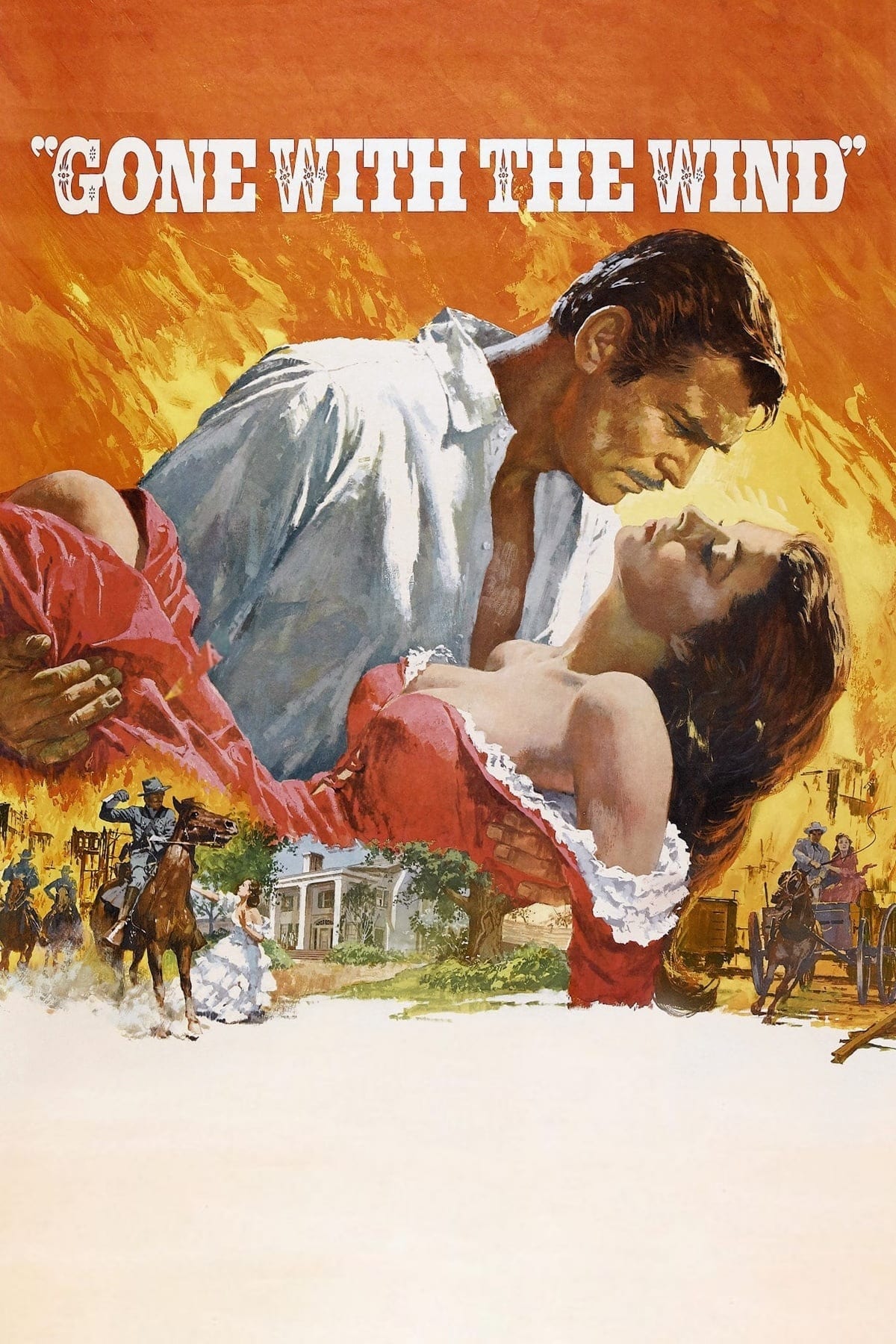
Set during the American Civil War and Reconstruction this drama tracks a plantation owner’s daughter navigating upheaval and survival. Large scale sets matte paintings and costume work showcase the scope of the production. Vivien Leigh and Clark Gable headline a cast supported by extensive crowd scenes and practical effects. Metro Goldwyn Mayer handled distribution and positioned the film as an event release.
‘Singin’ in the Rain’ (1952)
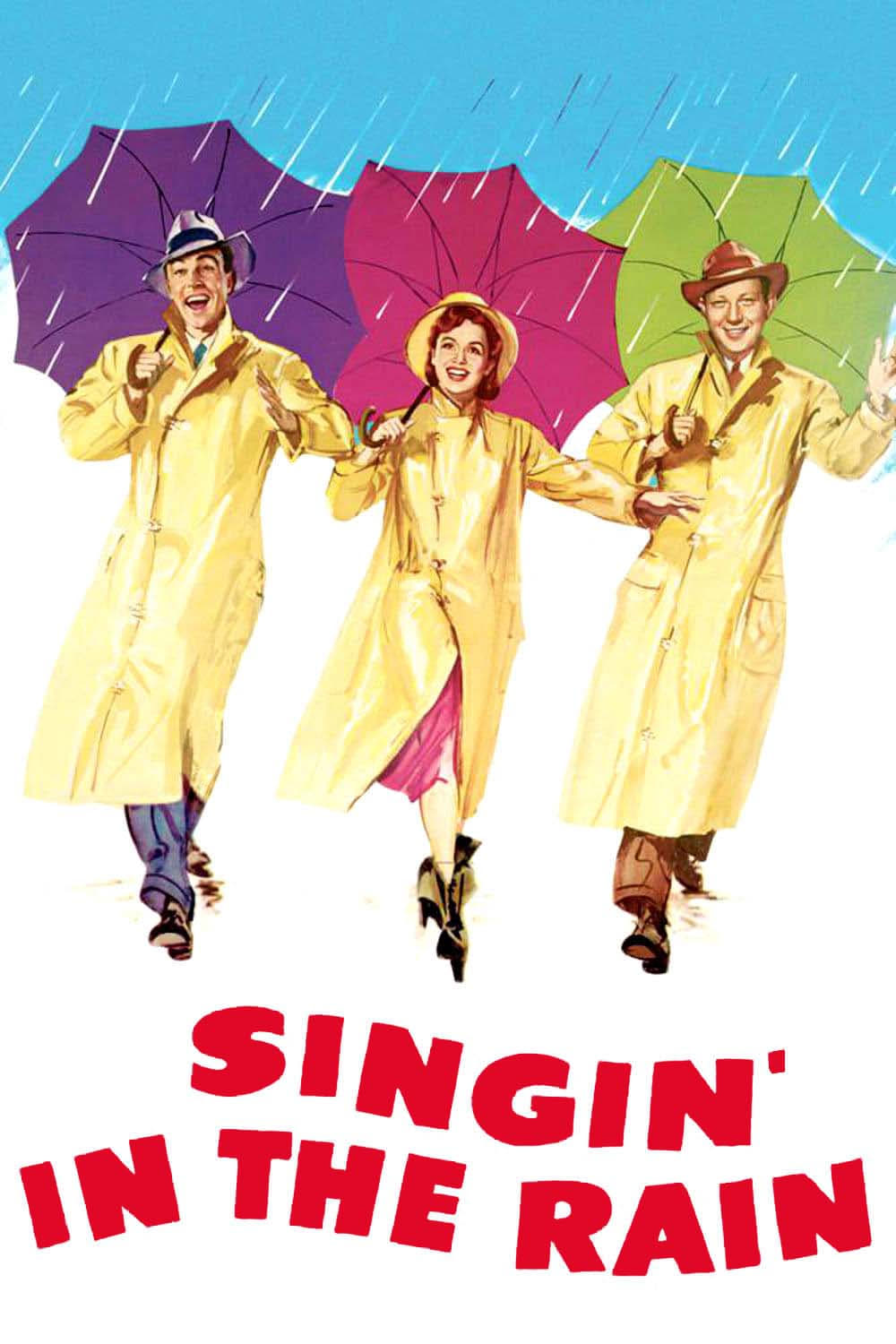
A silent era star faces the transition to talkies while a chorus girl helps rework a troubled production. Elaborate numbers like ‘Broadway Melody’ blend athletic choreography with inventive camera moves. Gene Kelly and Debbie Reynolds deliver tightly synchronized performances that frame the backstage narrative. Metro Goldwyn Mayer distributed the film and integrated it into the studio’s celebrated musical slate.
‘Vertigo’ (1958)
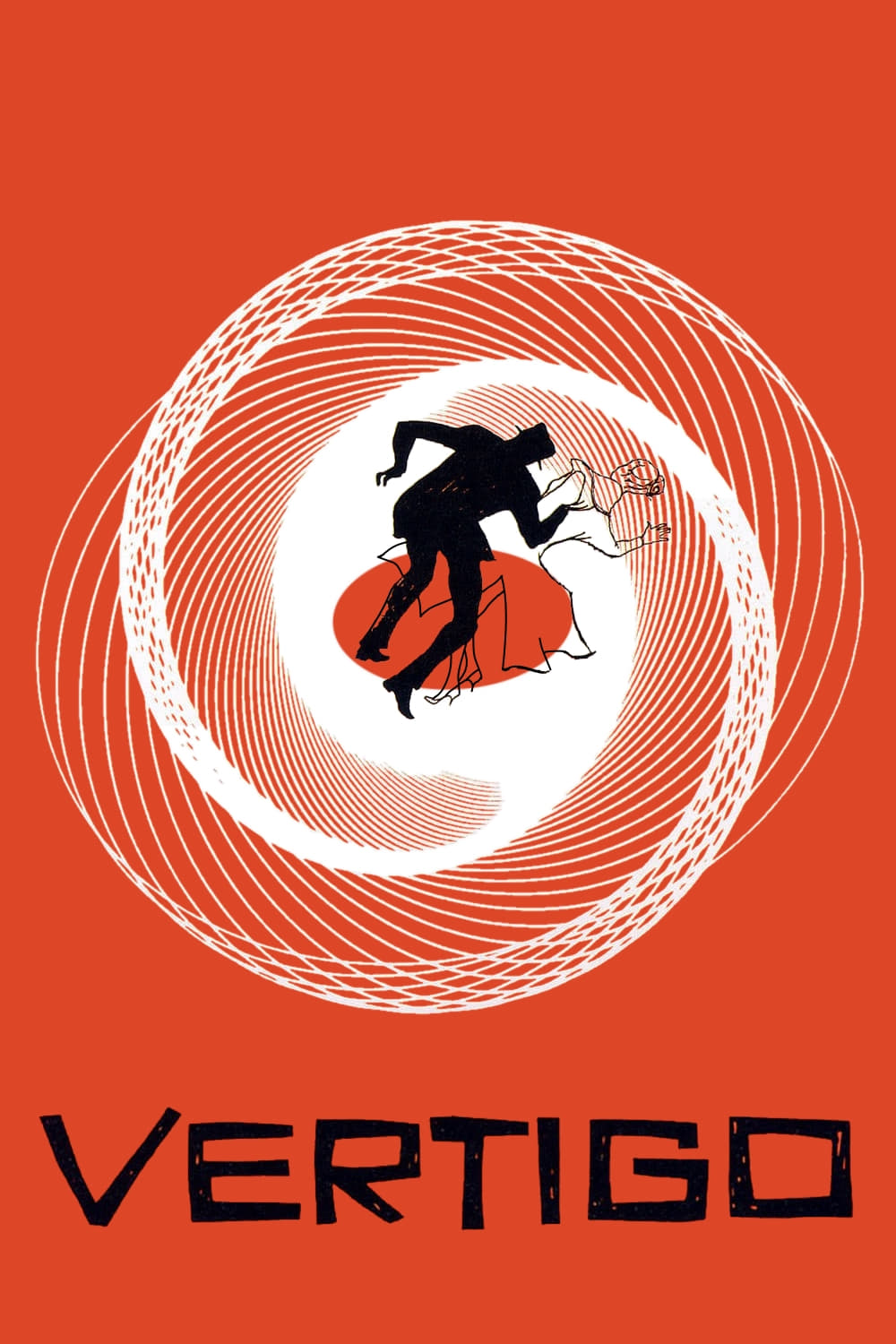
A retired detective with acrophobia is hired to follow a woman whose behavior raises unsettling questions. Point of view shots and the dolly zoom visualize disorientation and obsession. Bernard Herrmann’s score structures the mystery with recurring motifs. Paramount Pictures released the film and supported its prominent San Francisco location work.
‘Dr. Strangelove or: How I Learned to Stop Worrying and Love the Bomb’ (1964)
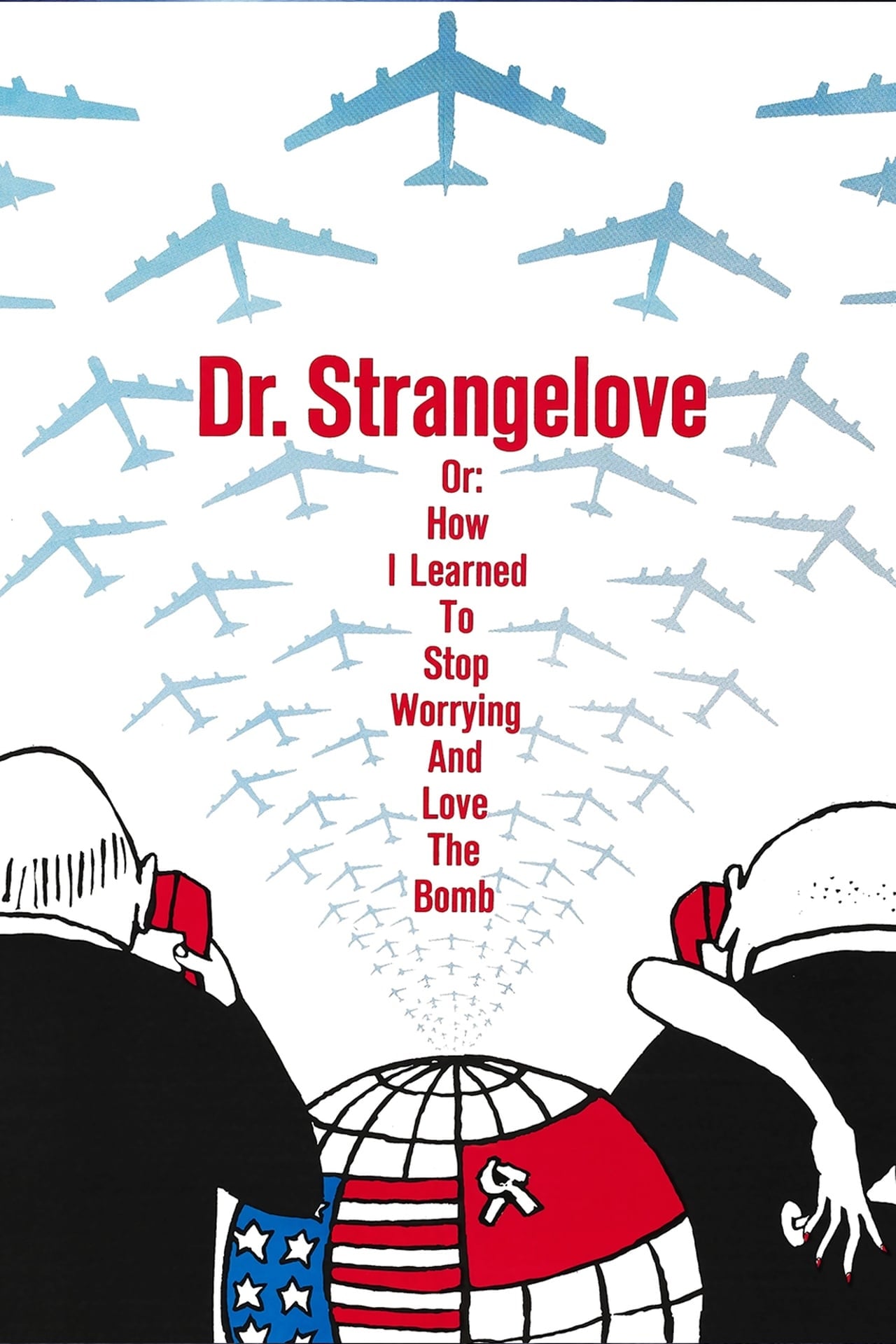
A nuclear alert spirals out of control as military and political figures scramble inside war rooms and bombers. Black and white cinematography and rear projection create a tight claustrophobic atmosphere. Peter Sellers’s multiple roles anchor the satire with precise verbal rhythms. Columbia Pictures brought the film to theaters and emphasized its bold political edge.
‘Apocalypse Now’ (1979)
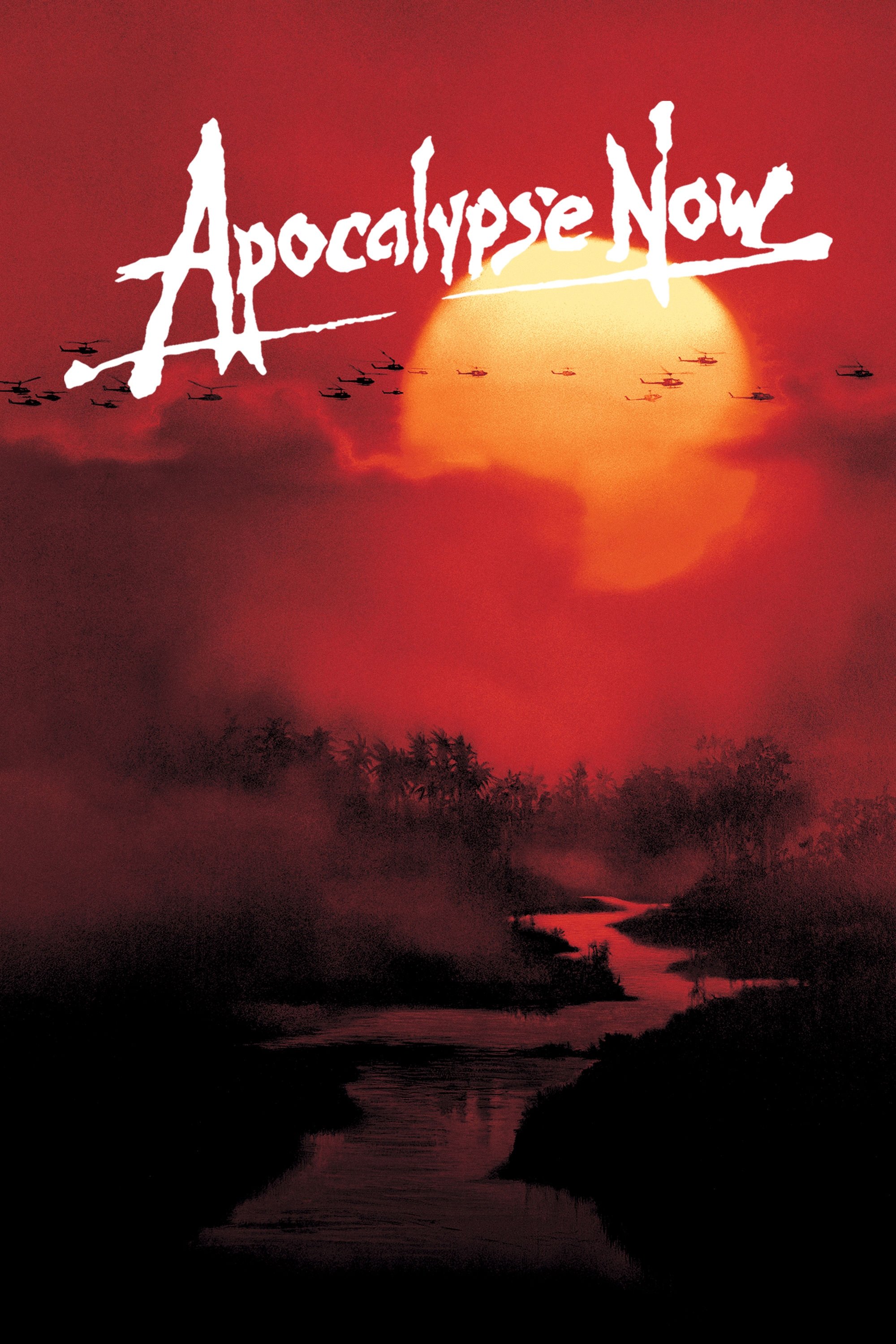
A river journey into a war zone leads a special operations officer toward a rogue colonel’s compound. The production combined location shooting in the Philippines with large scale practical effects and sound design. Theatrical and later redux versions showcase different editorial approaches to the same material. United Artists distributed the original release and helped position it as a major late summer title.
‘Chinatown’ (1974)
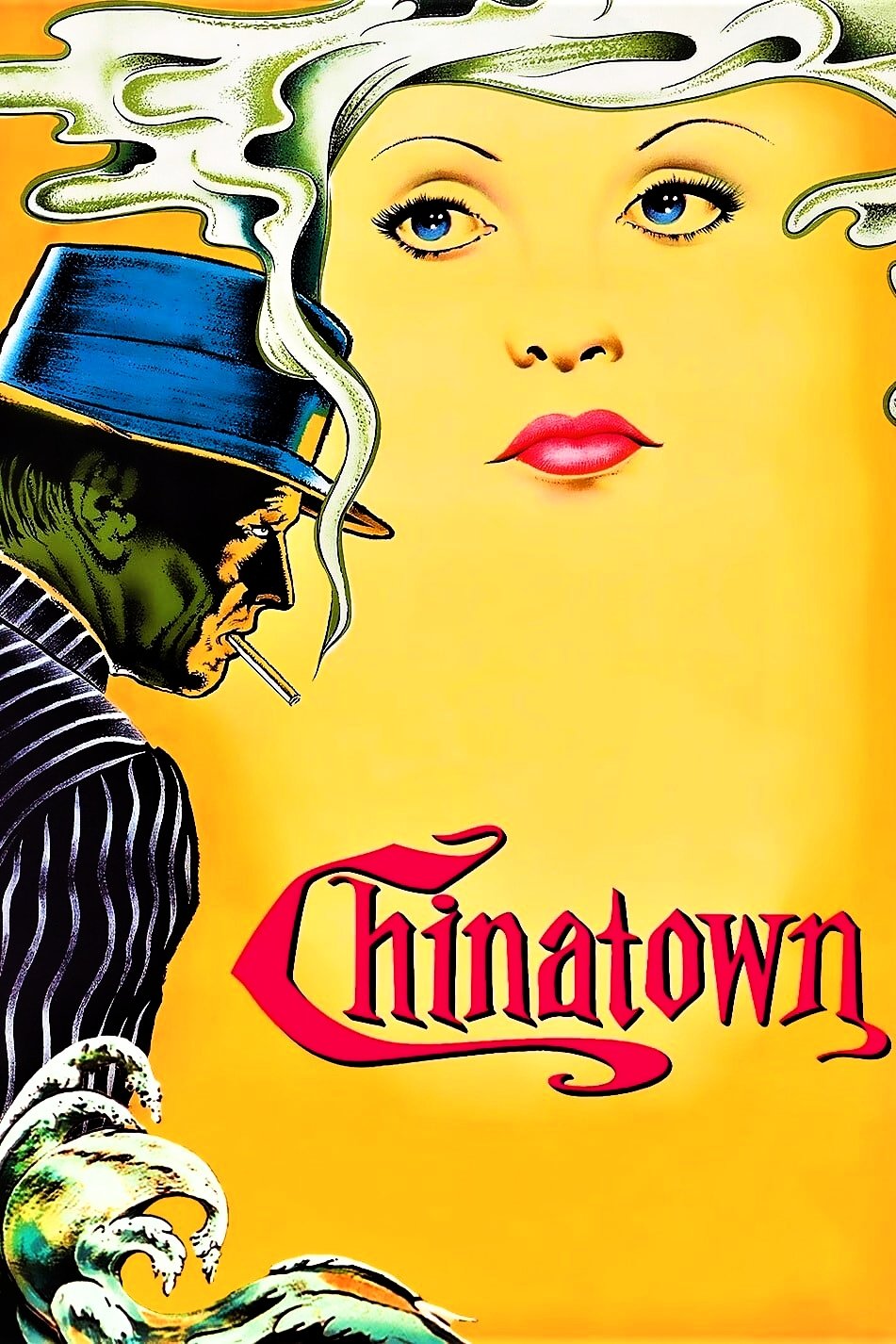
A private investigator uncovers a web of water rights corruption land deals and hidden identities in 1930s Los Angeles. Careful use of light and period detail builds a grounded neo noir setting. Jack Nicholson and Faye Dunaway guide the story through layered revelations. Paramount Pictures handled distribution and supported its meticulous period production.
‘The French Connection’ (1971)
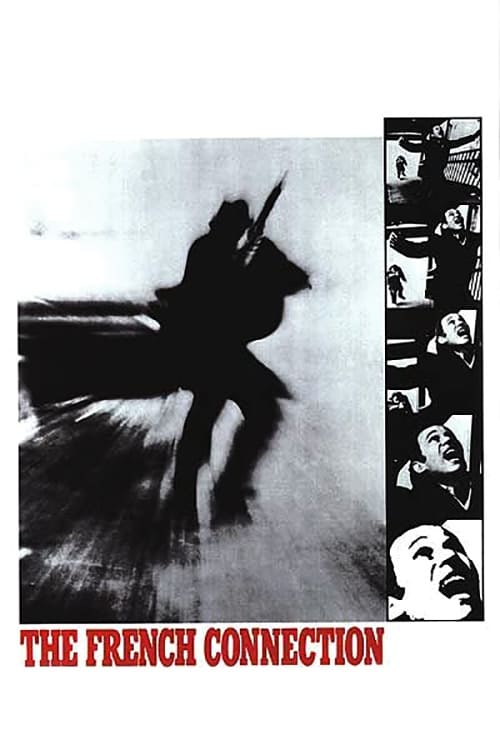
Two New York detectives pursue an international narcotics operation that threads through docks and city streets. Handheld camera work and on location shooting bring a documentary style intensity. The car and train pursuit remains a standout for editing rhythm and geography. 20th Century Fox released the film and helped elevate gritty urban police dramas.
‘The Apartment’ (1960)
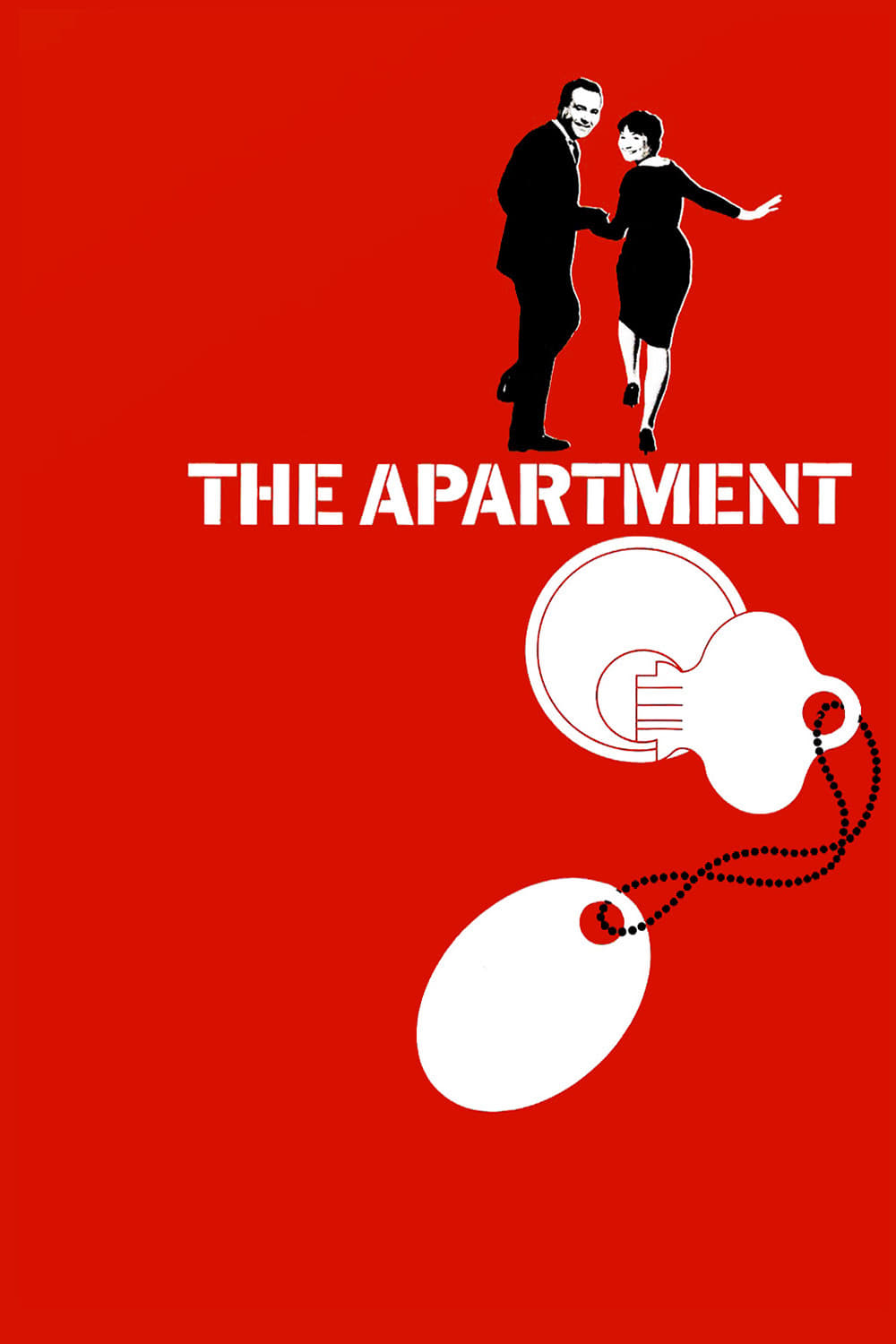
An insurance clerk loans his apartment to executives and confronts the personal cost of his arrangement. The script balances sharp workplace detail with closely observed character beats. Jack Lemmon and Shirley MacLaine center the story with performances calibrated to small gestures. United Artists distributed the film and supported its modern New York sensibility.
‘On the Waterfront’ (1954)
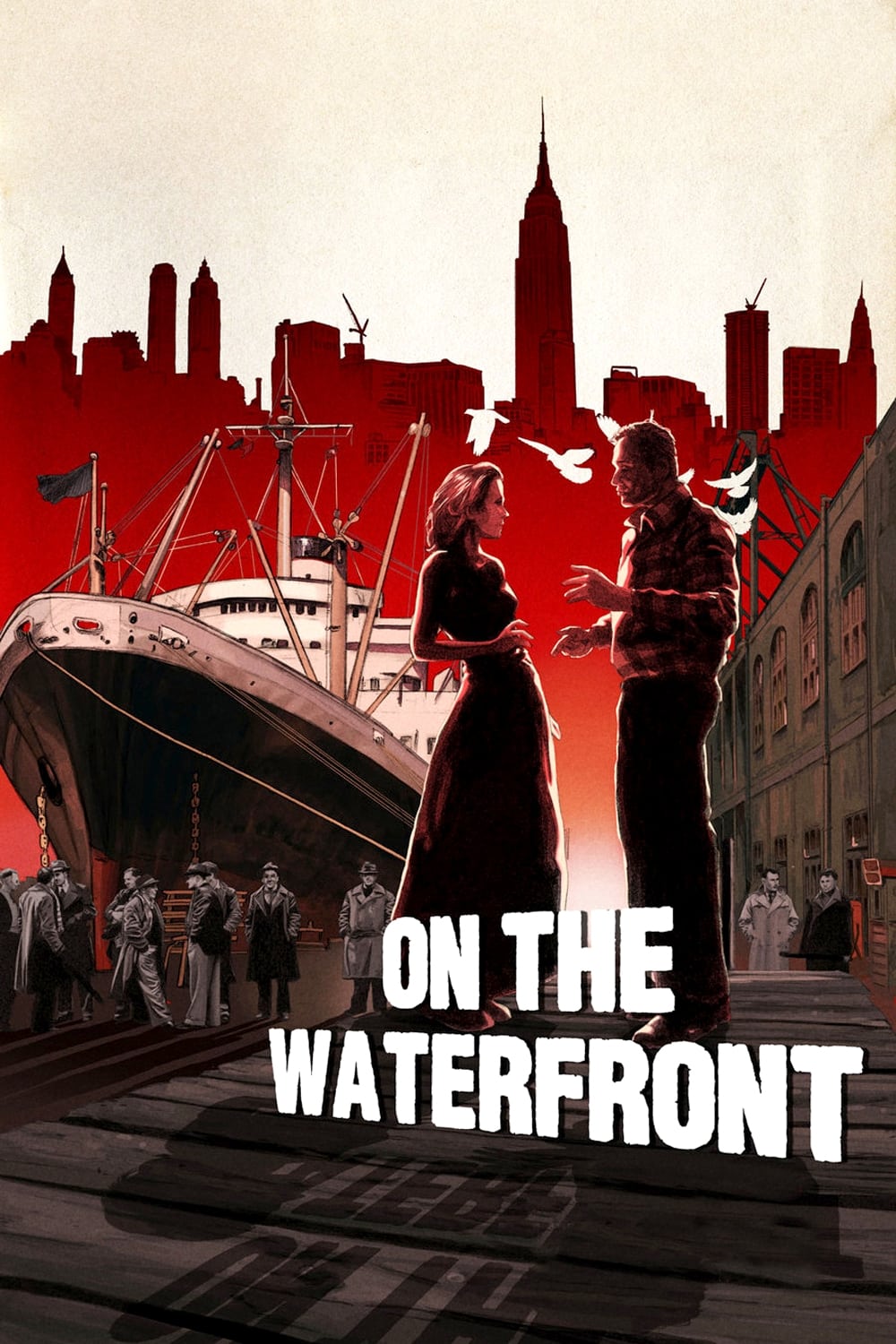
A former boxer faces pressure from corrupt union leaders as a port investigation unfolds. Location shooting on Hoboken docks brings texture to the moral conflict. Marlon Brando’s performance works in tandem with restrained sound and stark framing. Columbia Pictures released the film and amplified its social realism.
‘Rashomon’ (1950)
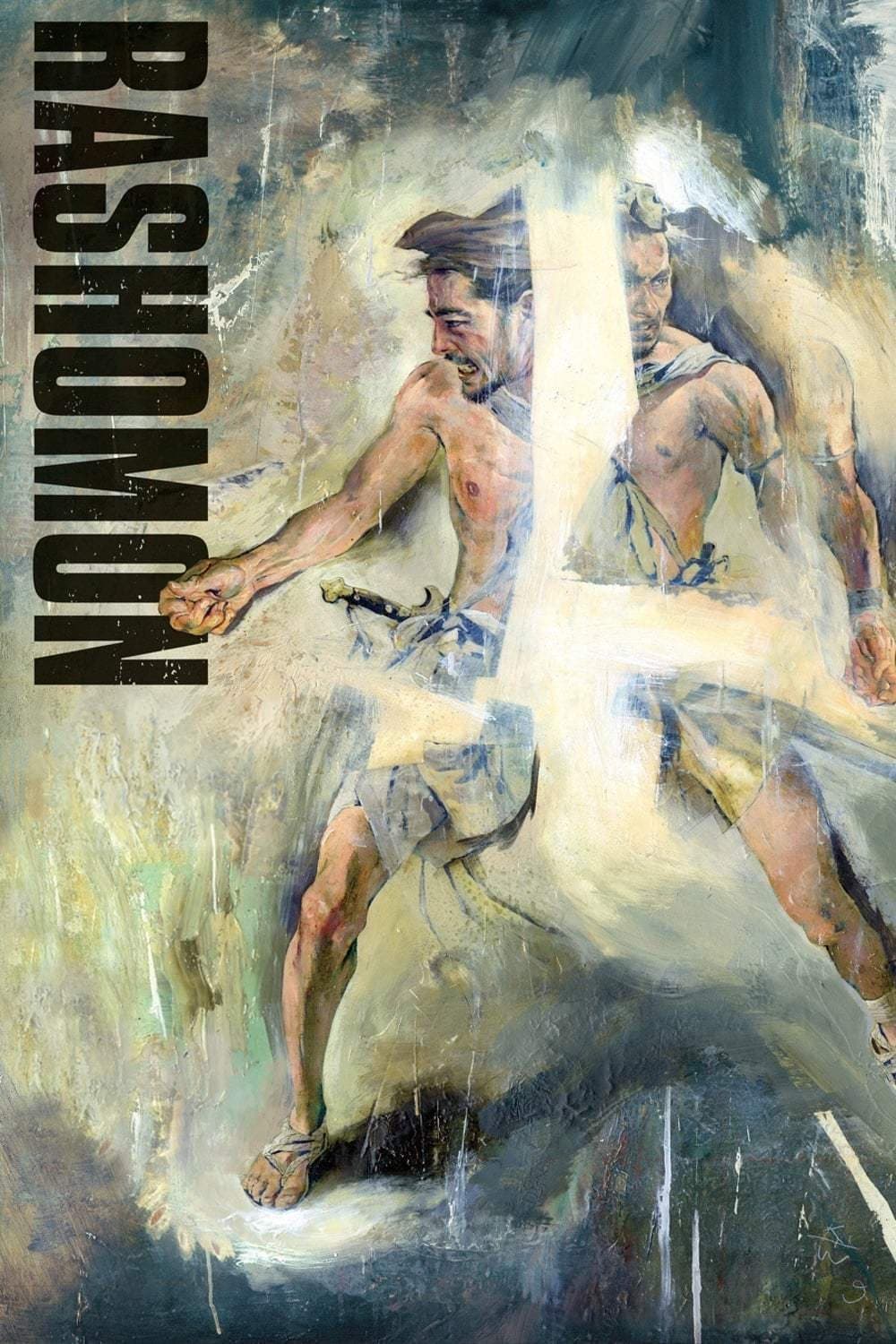
A crime in a forest is retold by multiple witnesses whose accounts contradict one another. Nonlinear structure and shifting perspectives examine truth and memory. Natural light and weather elements shape the look of the testimonies. Daiei Film oversaw the original Japanese release which later drew international attention.
‘Metropolis’ (1927)
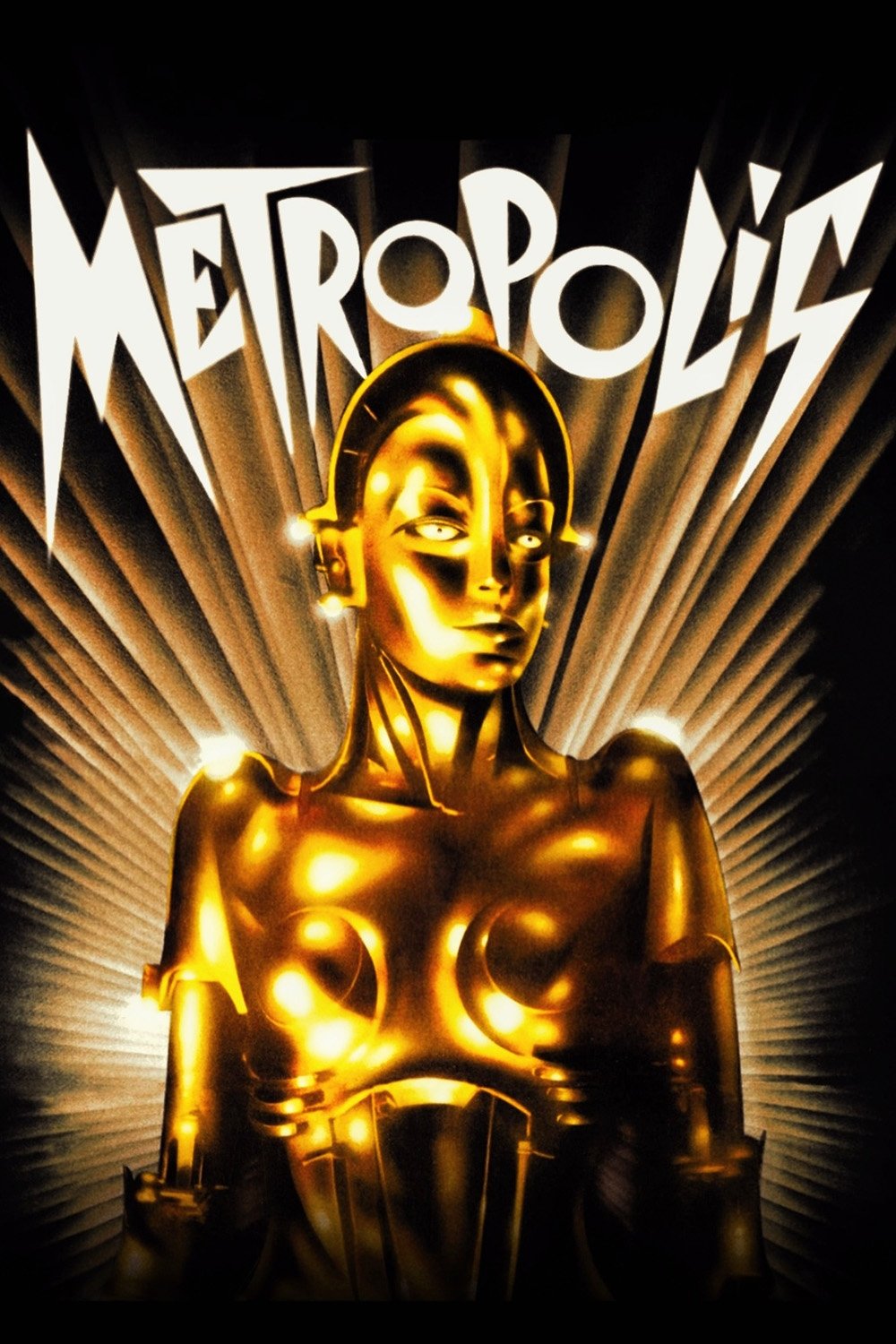
A futuristic city divides workers and elites until a mediator seeks to bridge the gap. Miniatures Schüfftan process shots and monumental sets create a distinctive machine age world. The restored editions reveal extensive narrative threads and visual detail. UFA managed the original distribution that carried the film across Europe.
‘Modern Times’ (1936)
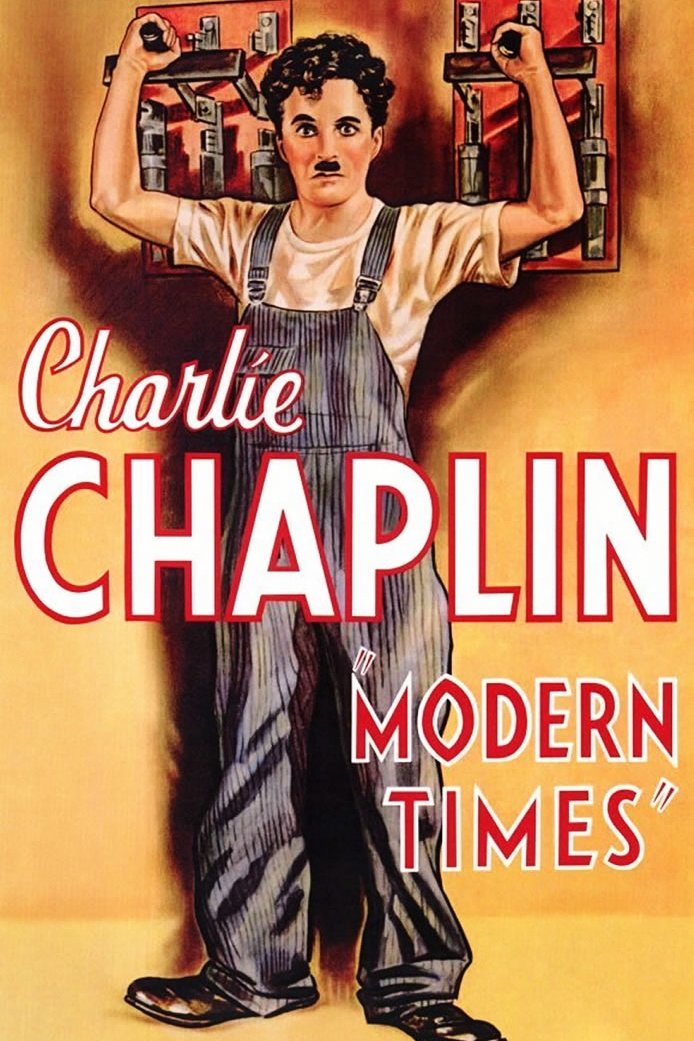
A factory worker struggles with assembly line pressures and modern life while crossing paths with a spirited companion. Visual gags and pantomime convey industrial satire with minimal dialogue. Set pieces like the feeding machine and conveyor belt sequence showcase precise choreography. United Artists distributed the film and aligned with the creator’s independent production model.
‘The Third Man’ (1949)
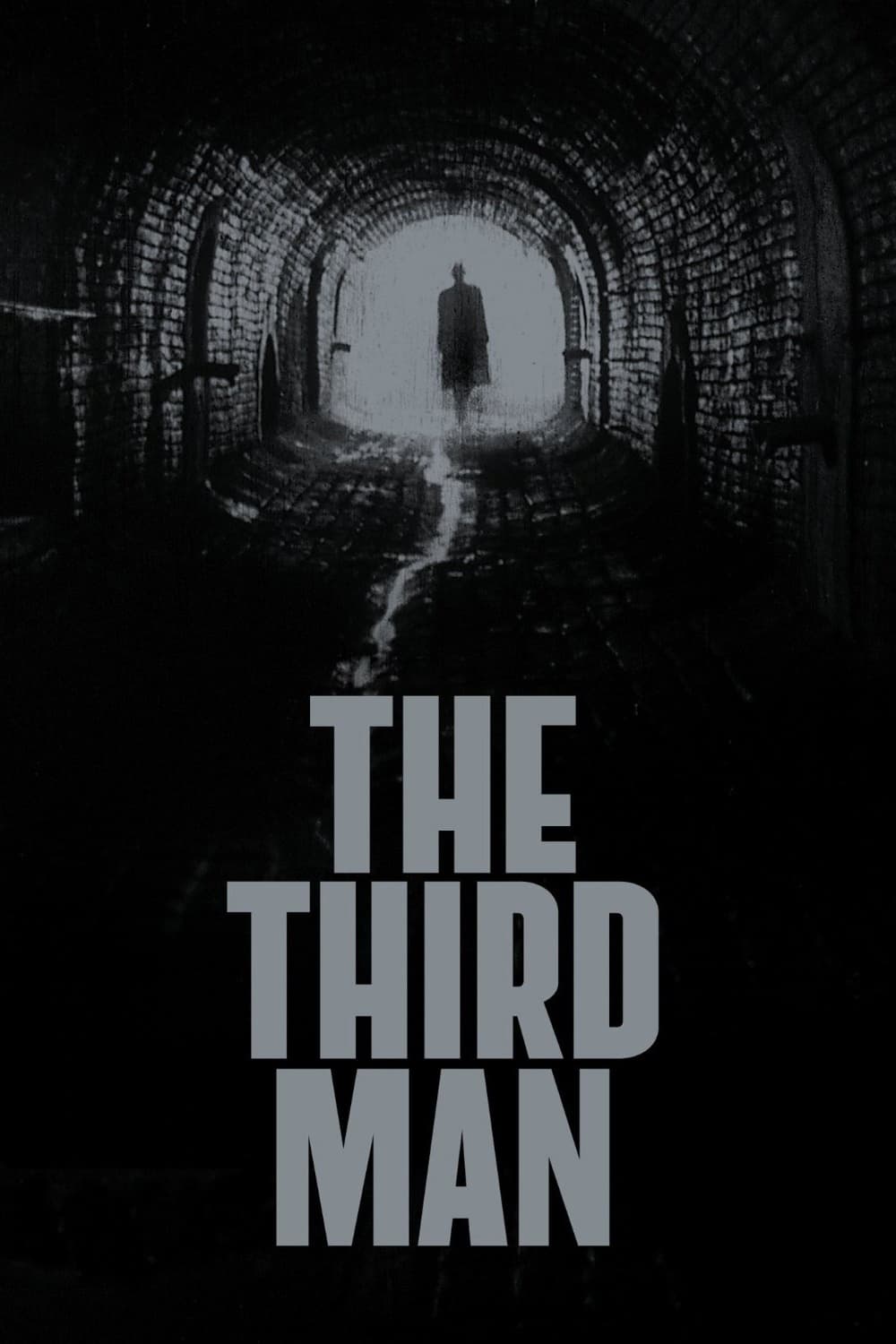
Postwar Vienna’s divided zones form the backdrop for a writer investigating a friend’s death. Zither music canted angles and nighttime streets establish a signature mood. The Ferris wheel scene and sewer chase highlight careful location choices. British Lion handled the UK release and helped make the mystery a transatlantic success.
‘Stagecoach’ (1939)

A group of travelers cross dangerous territory as personal histories collide inside a cramped carriage. Monument Valley landscapes and carefully staged set pieces define the western’s visual language. John Wayne’s breakout role emerges through measured screen time and decisive action. United Artists distributed the film and supported its wide circulation to audiences.
‘North by Northwest’ (1959)
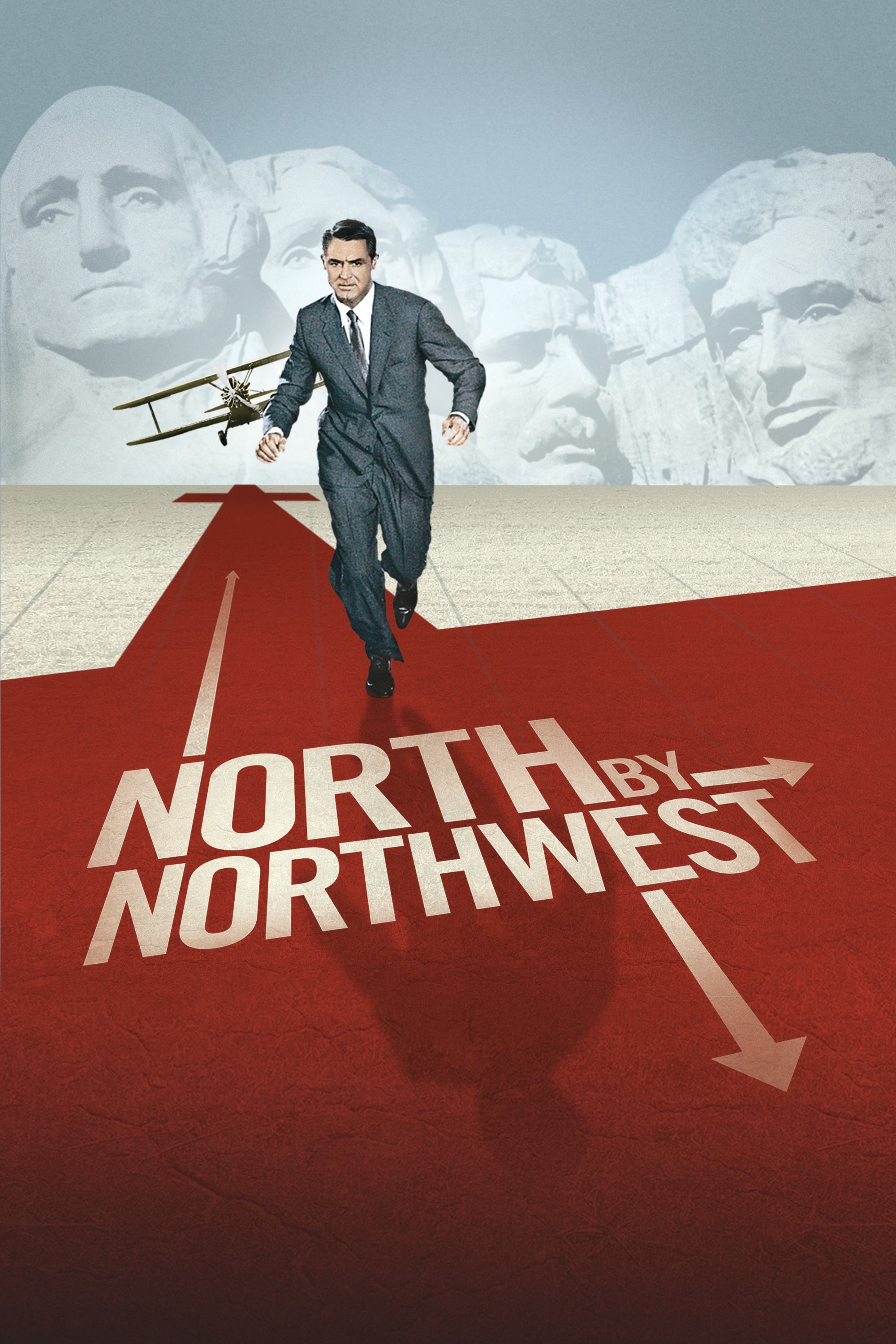
A mistaken identity chase sends an ad executive across cities and landmarks while enemy agents close in. Set pieces like the crop duster attack and Mount Rushmore finale showcase intricate staging and rear projection craft. The screenplay uses playful misdirection and repeating visual motifs to track suspicion and escape. Metro Goldwyn Mayer released the film and supported a large scale promotional rollout.
‘Double Indemnity’ (1944)
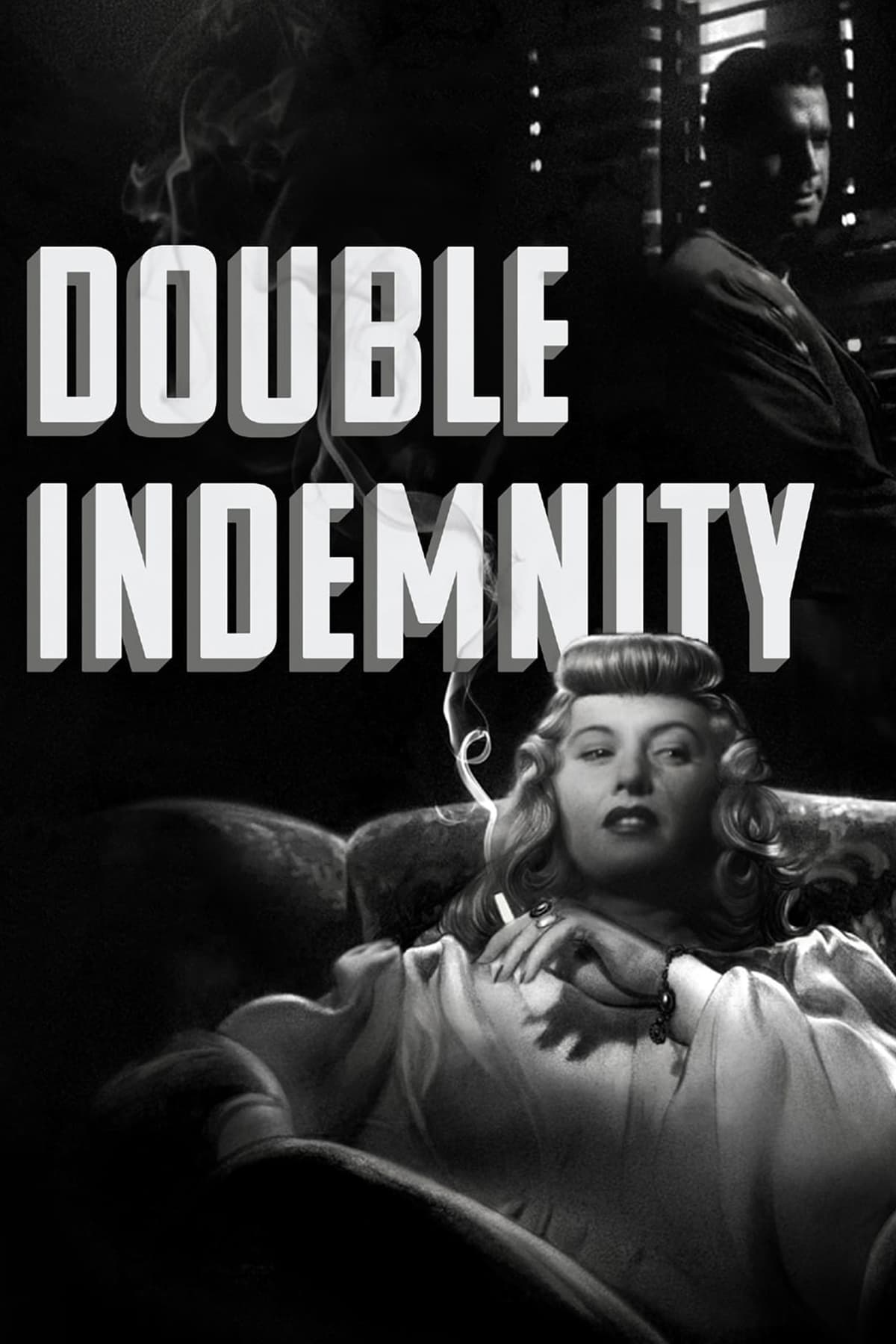
An insurance salesman and a housewife engineer a murder for profit and face the consequences of their scheme. Low key lighting and venetian blind shadows establish a template for noir interiors. Voiceover and flashback structure guide the investigation without breaking tension. Paramount Pictures handled distribution and positioned the release among the studio’s prestige dramas.
‘City Lights’ (1931)
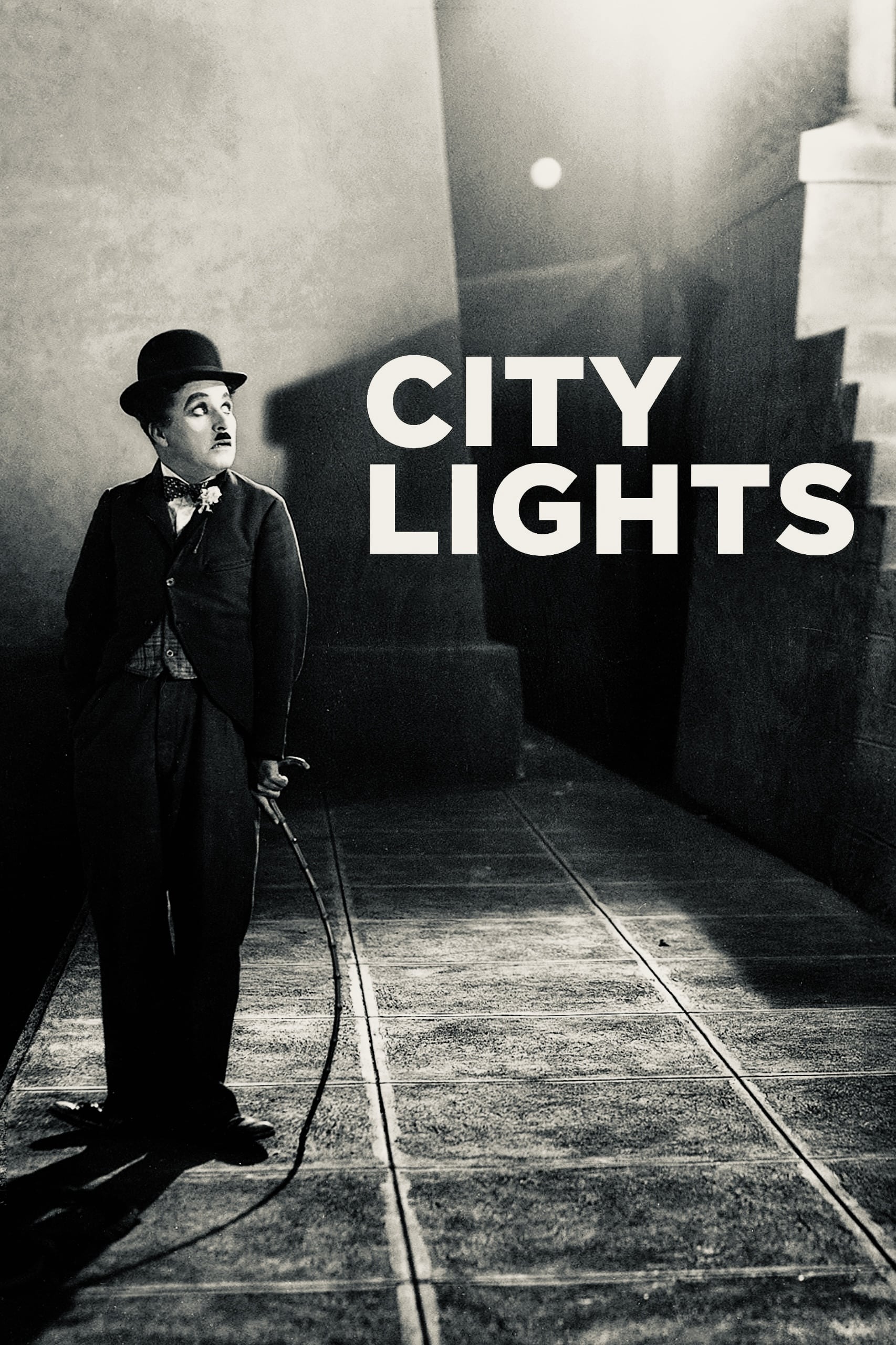
A tramp falls for a blind flower seller and tries to help her through a series of misadventures. Carefully designed gags and pantomime sequences carry the story with minimal dialogue. The boxing match centerpiece demonstrates precise rhythmic editing and choreography. United Artists distributed the film in partnership with the creator’s independent production company.
‘A Streetcar Named Desire’ (1951)
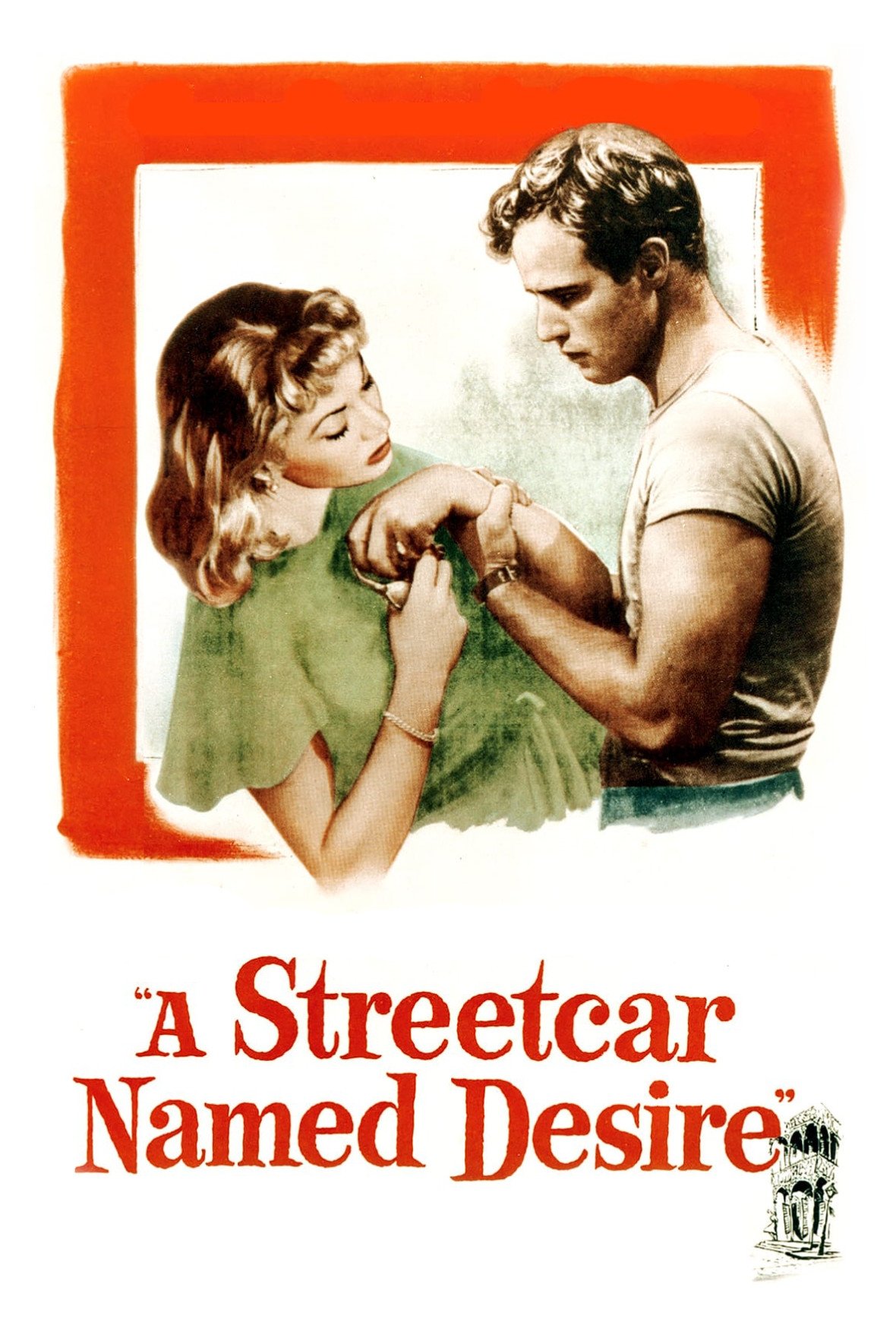
A former schoolteacher arrives at her sister’s home and clashes with a volatile brother in law. The adaptation retains the play’s layered dialogue while expanding the apartment set into a living environment. Performances highlight shifting power dynamics through body language and silence. Warner Bros. released the film and coordinated a wide awards season campaign.
‘The Grapes of Wrath’ (1940)
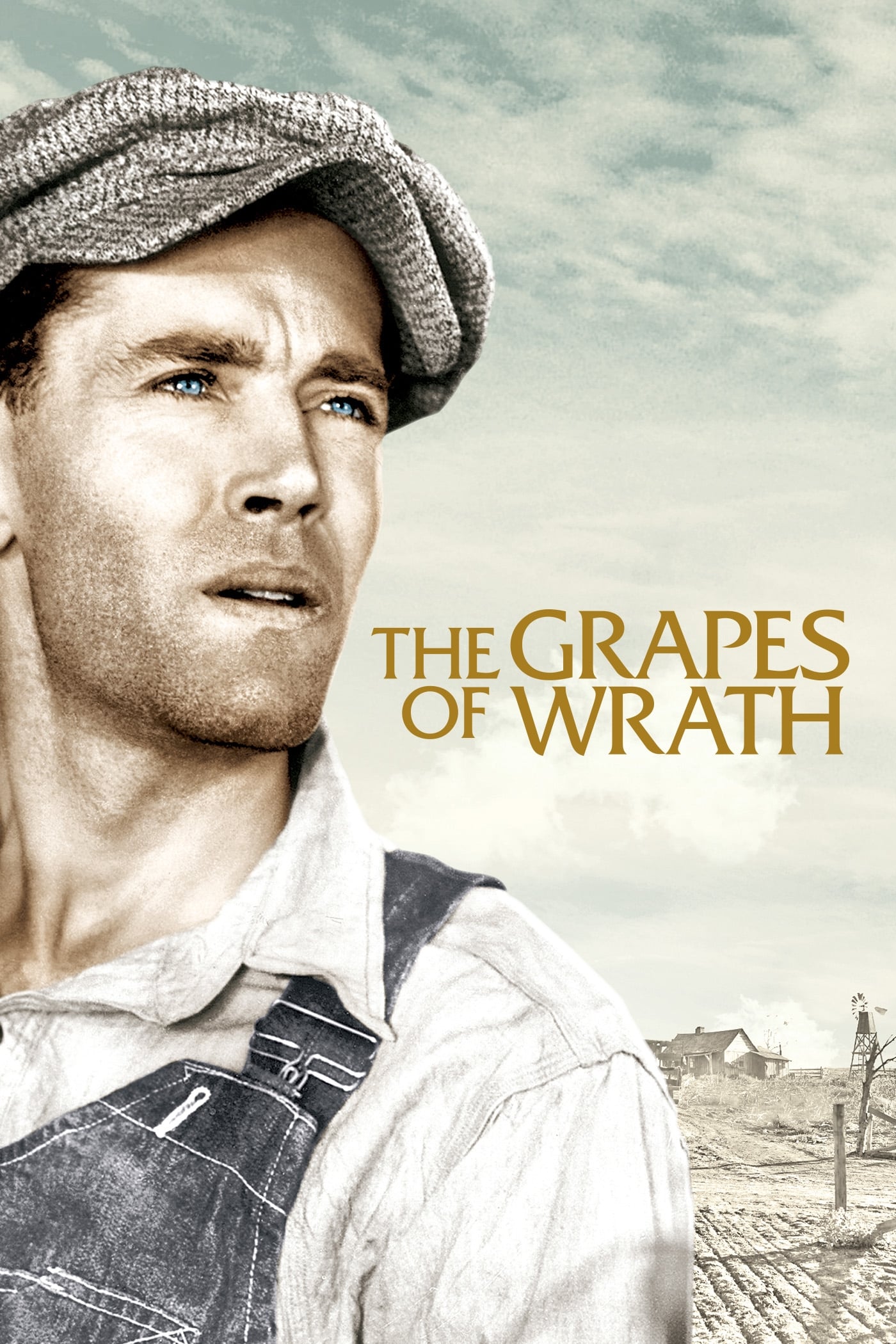
A displaced farming family travels west seeking work and stability amid economic hardship. Location shooting mixes with soundstage scenes to create a consistent visual geography. Stark compositions emphasize group movement and communal struggle. 20th Century Fox distributed the film and aligned it with socially conscious storytelling on its slate.
‘The African Queen’ (1951)
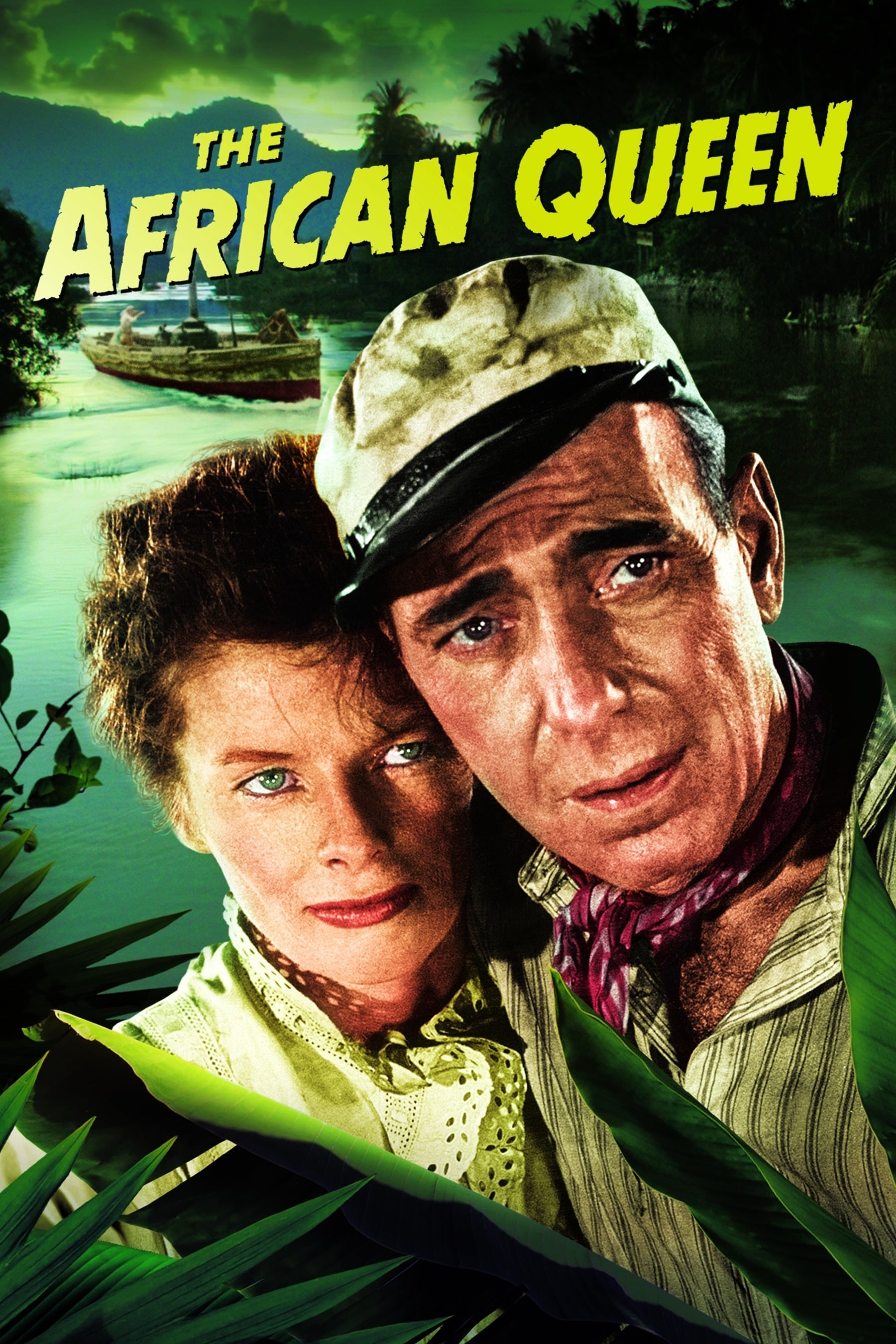
A missionary and a riverboat captain attempt a risky journey through hostile territory during wartime. Technicolor location photography captures rapids jungles and sudden storms with practical effects. The character dynamic shifts from friction to teamwork as the plan advances. United Artists released the film in the United States and supported its adventure marketing.
‘Raging Bull’ (1980)
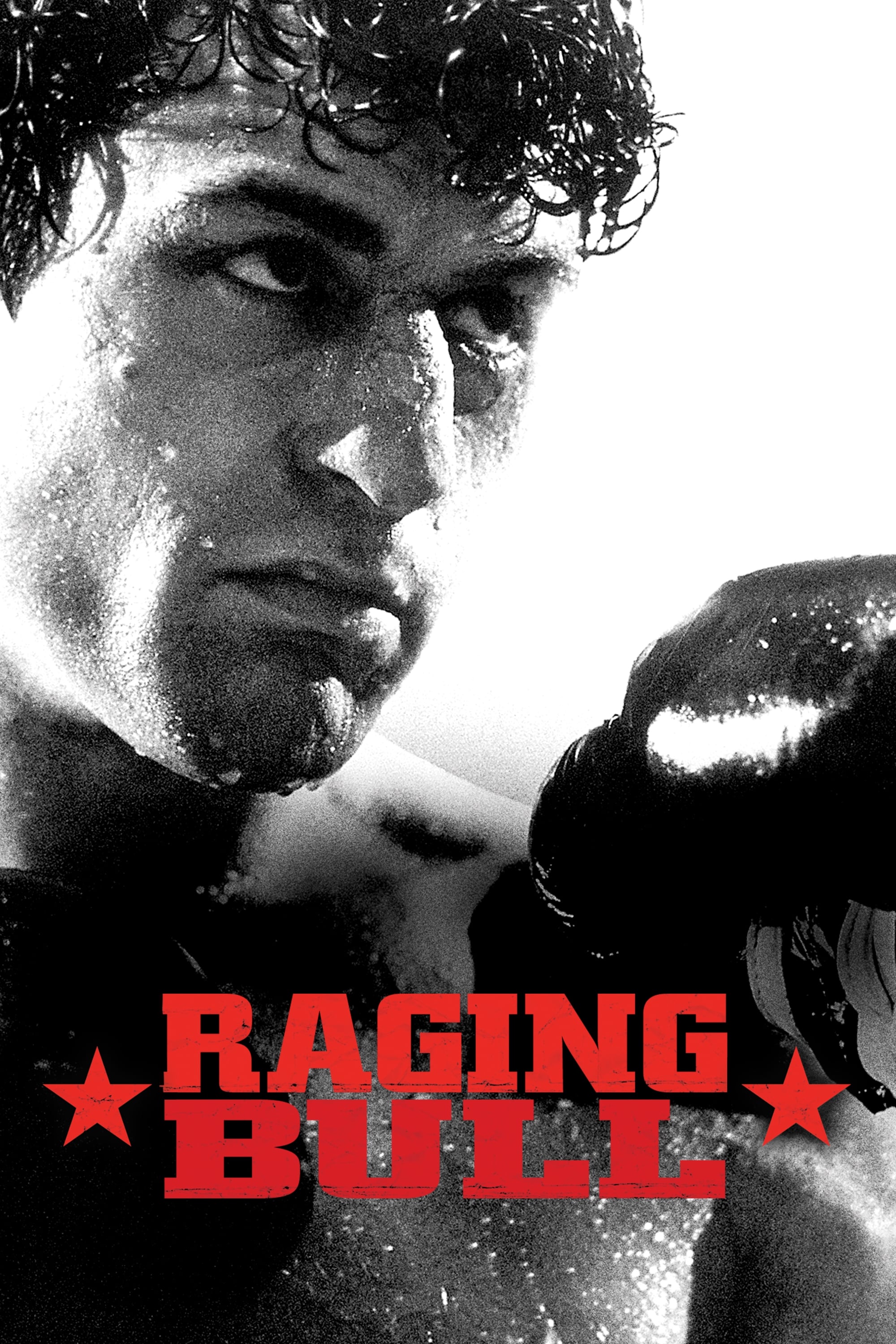
A middleweight boxer’s career and personal life unravel as rivalry and jealousy intensify. Black and white cinematography uses bold contrast and slow motion in the ring to track punishment and control. Production sound and editing isolate impacts to make each round distinct. United Artists distributed the film and framed it as a major year end release.
‘Taxi Driver’ (1976)
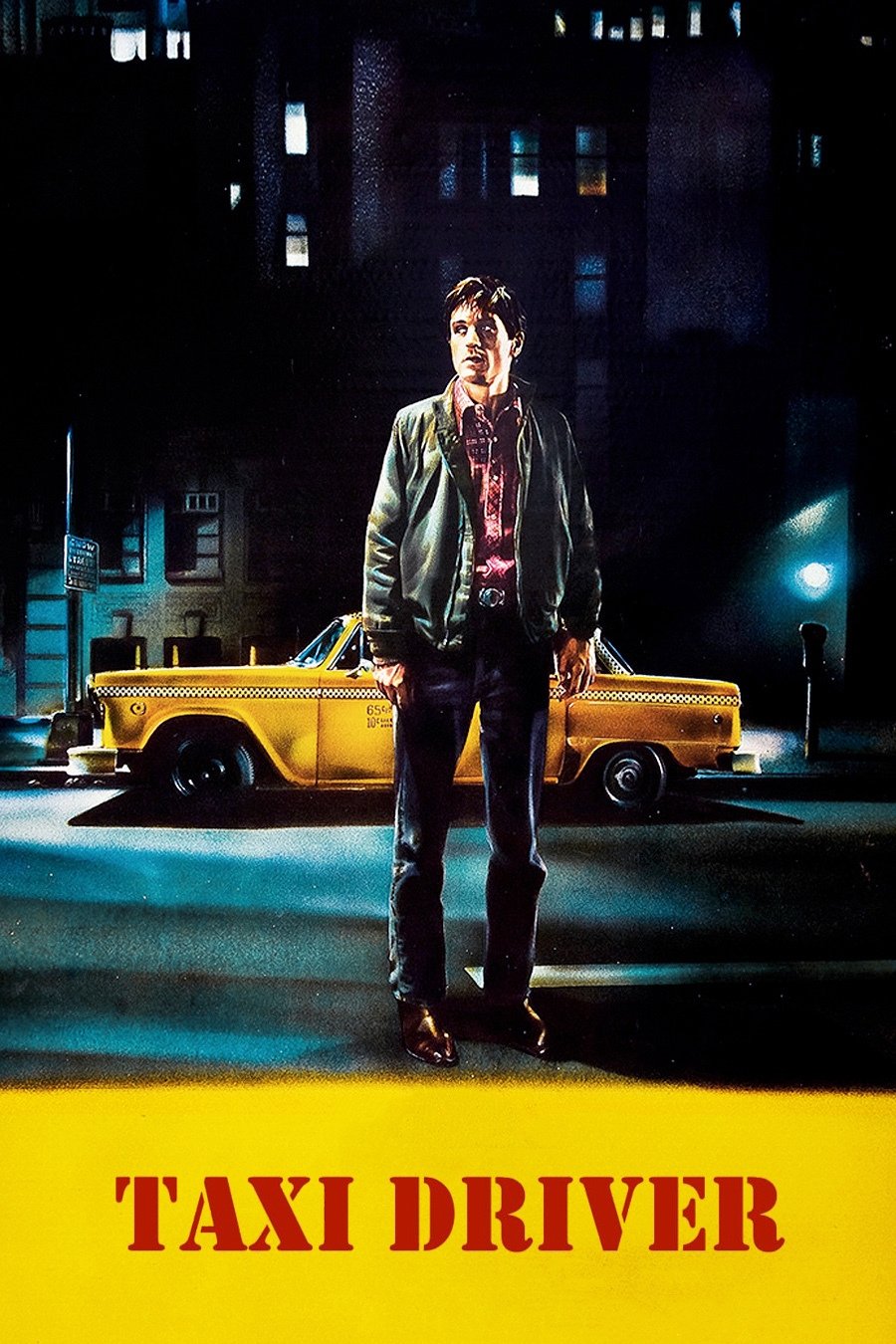
A night shift cabbie navigates a city’s underbelly while his isolation escalates into violent plans. Subjective camera work and journal narration map his shifting state of mind. Street level locations and a tense score create a claustrophobic environment for the final act. Columbia Pictures released the film and sustained its run through word of mouth.
‘Annie Hall’ (1977)
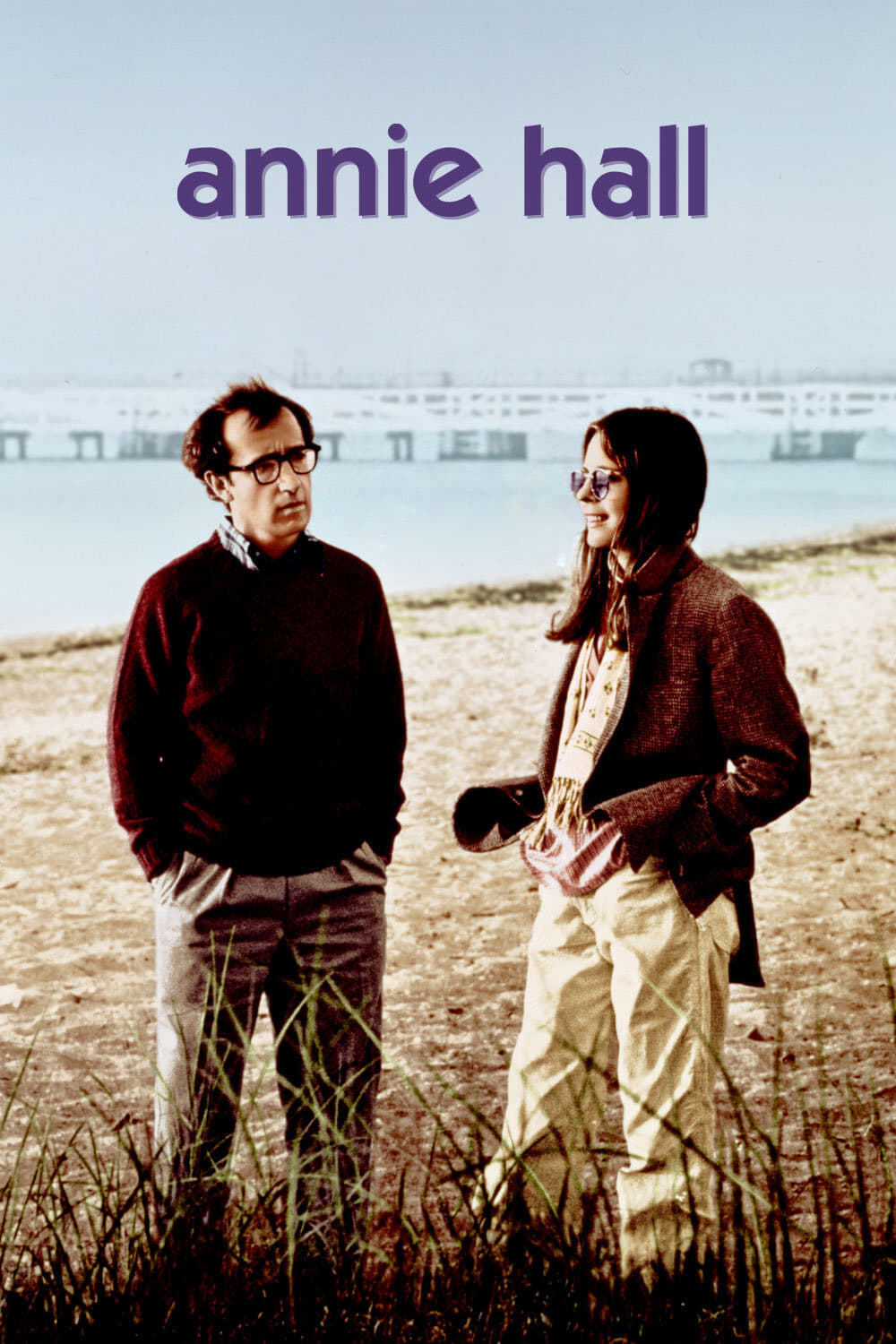
A comedian looks back on a relationship using vignettes that jump through memory and conversation. Split screens subtitles and direct address to the camera vary perspective without halting pace. New York locations and quick scene transitions create a lived in rhythm. United Artists distributed the film and supported its crossover from limited to wider playdates.
‘The Shawshank Redemption’ (1994)
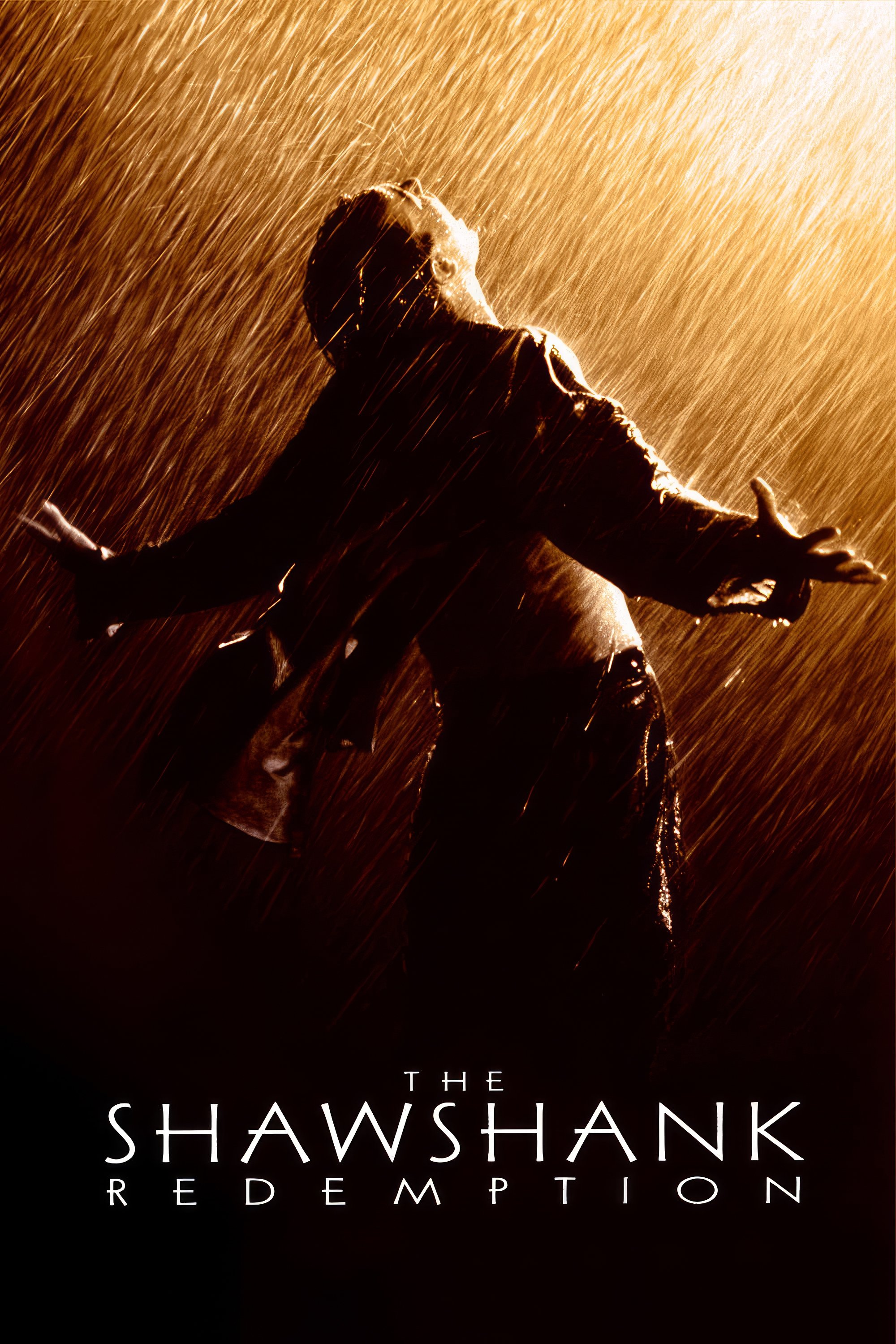
A banker adapts to prison life and forms a lasting friendship while working toward a plan. The narrative focuses on routine small favors and institutional detail to build momentum. A balanced mix of voiceover and dialogue connects years of events with clarity. Columbia Pictures released the film and later backed a strong home video circulation.
‘The Silence of the Lambs’ (1991)
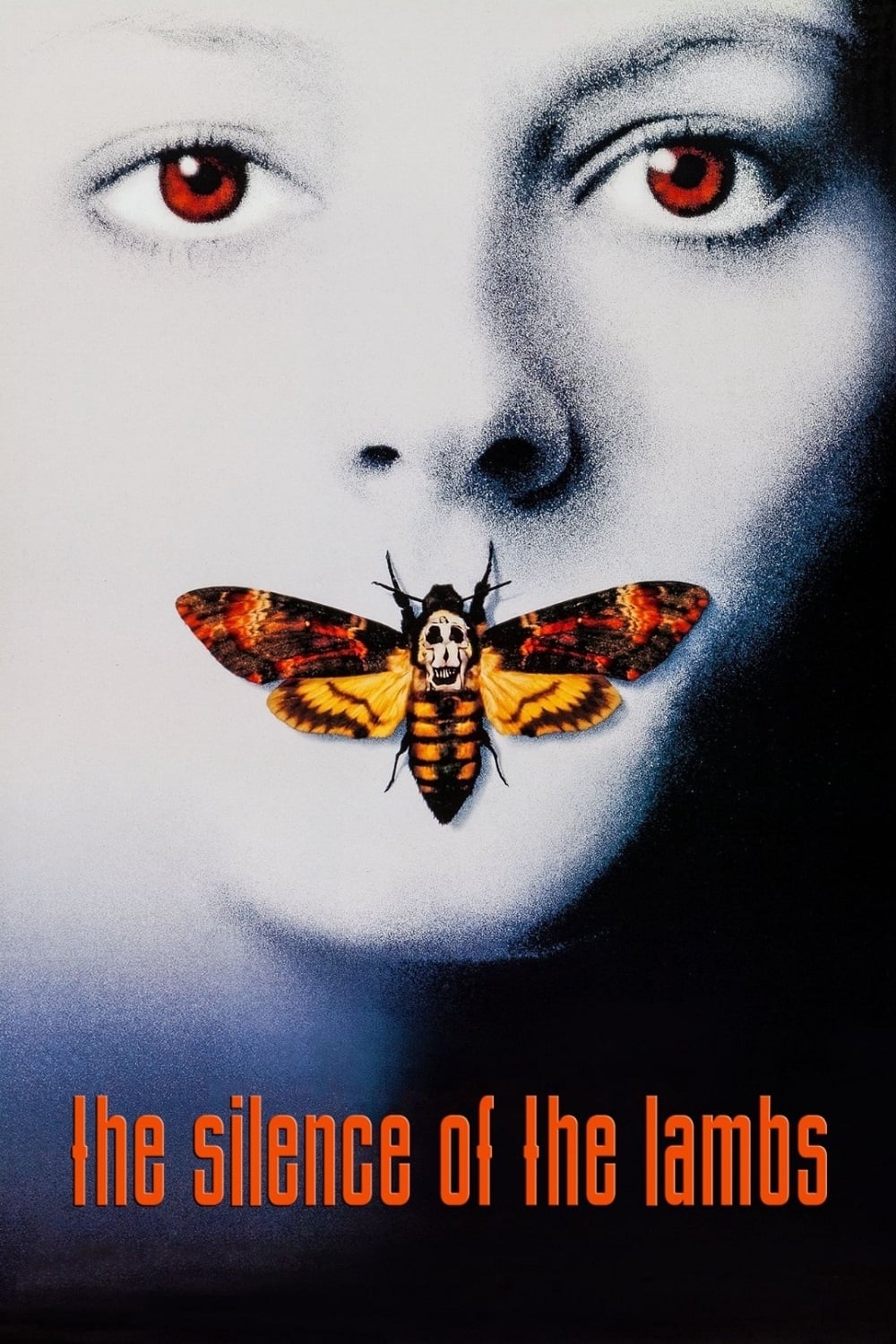
An FBI trainee seeks help from a brilliant prisoner to catch a serial killer. Tight shot reverse shot patterns emphasize eye contact and interrogation power shifts. Sound design and practical makeup effects support investigation beats without overexposure. Orion Pictures handled distribution and carried the film through a successful awards run.
‘Paths of Glory’ (1957)
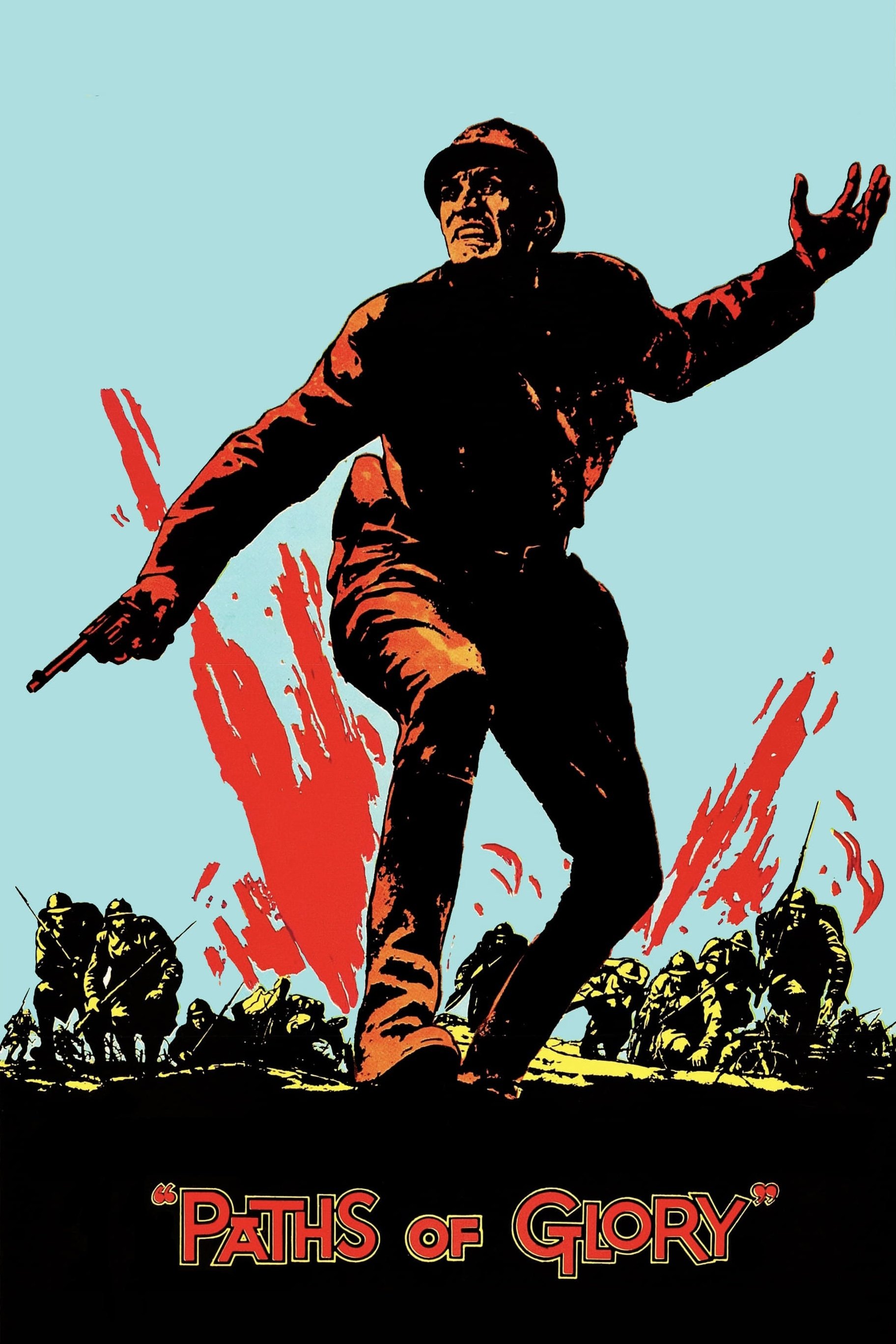
An army officer confronts a reckless assault order and its brutal aftermath inside courtrooms and trenches. Long tracking shots follow soldiers through dugouts to show scale and disorder. The final sequence contrasts military spectacle with the human cost of command. United Artists released the film and helped navigate its challenging subject matter.
‘The Philadelphia Story’ (1940)

On the eve of a high society wedding a journalist and an ex husband complicate the guest list. Witty dialogue rhythms and precise blocking keep entrances and exits crisp. Ensemble timing balances screwball energy with character shifts during the party. Metro Goldwyn Mayer distributed the film and aligned it with the studio’s star driven strategy.
‘The Treasure of the Sierra Madre’ (1948)
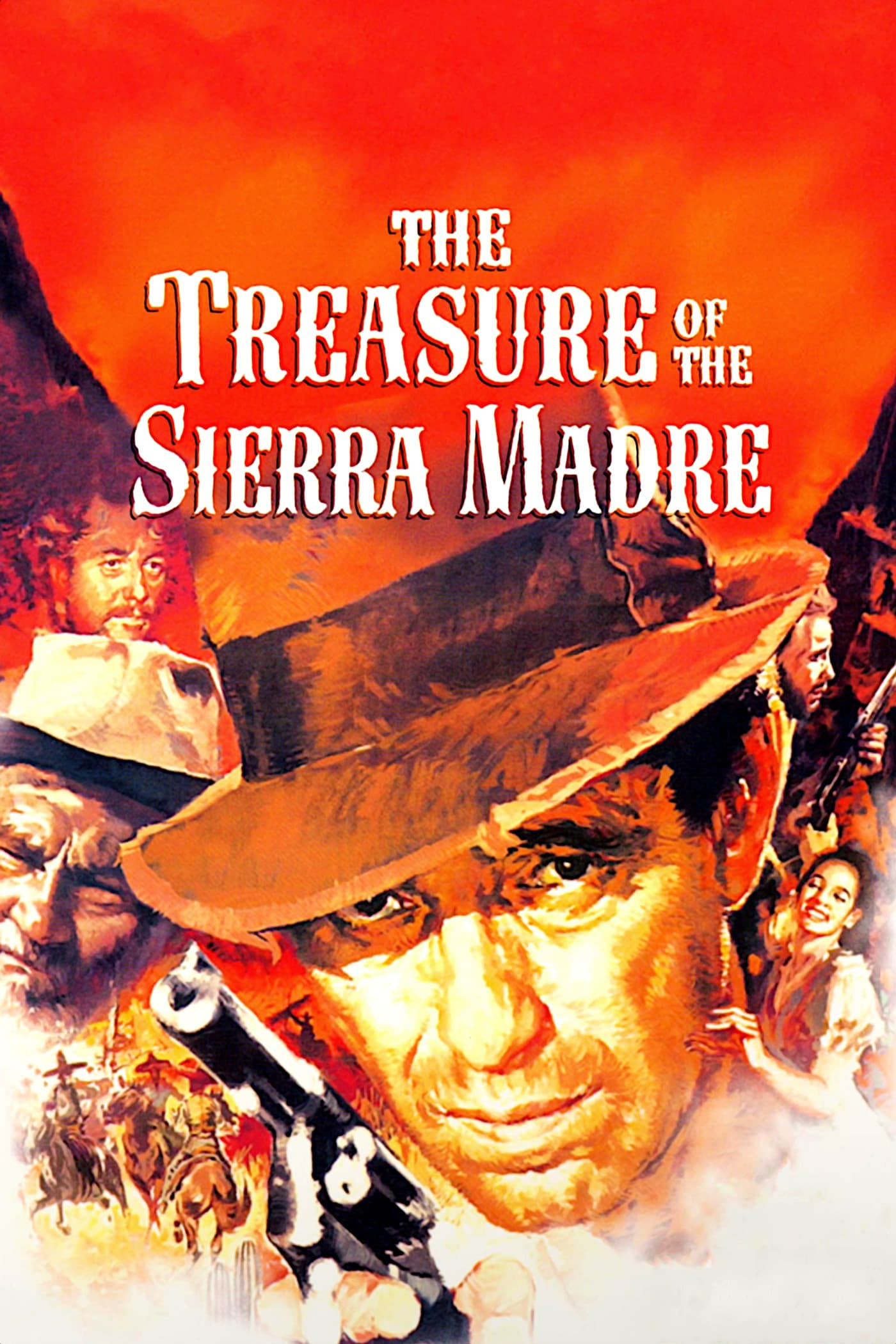
Prospectors venture into remote mountains where gold discovery tests trust and survival. On location shoots blend with studio work to capture dust heat and fatigue. The story traces how suspicion grows alongside the stash and reshapes decisions. Warner Bros. released the film and supported its rugged adventure positioning.
‘The Bridge on the River Kwai’ (1957)
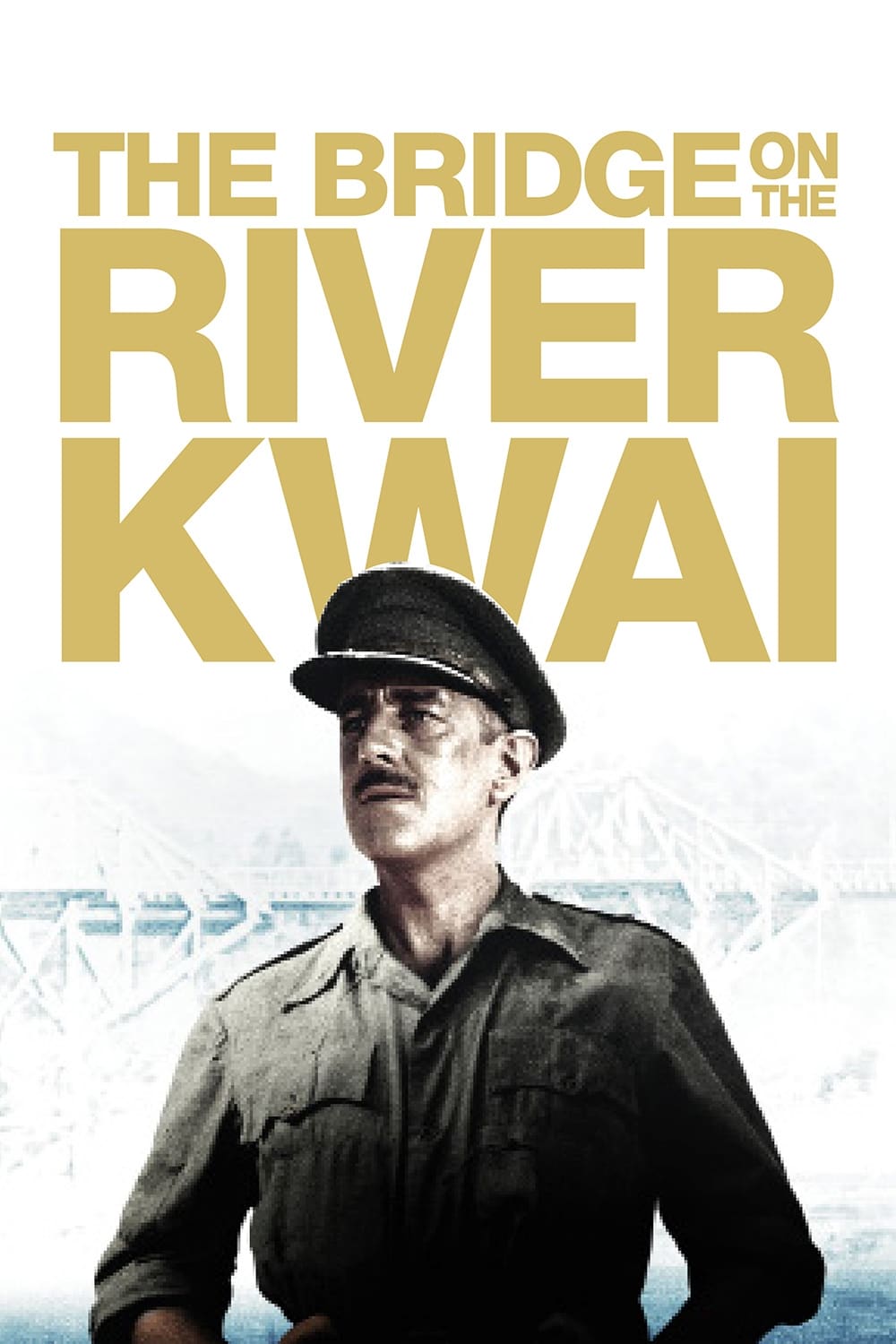
Allied prisoners of war are forced to build a bridge while leadership clashes shape the project’s fate. Large scale construction and jungle locations create a tangible sense of labor and time. Whistled marches and disciplined formations contrast with covert sabotage plans. Columbia Pictures distributed the film and supported its international roadshow engagements.
Share your picks for the essential classics we missed in the comments so everyone can build the perfect watchlist.