Essential Western Movies to Revisit Every Year


The Western keeps evolving, but these films remain the backbone of the genre—defining its heroes and outlaws, shaping how frontier stories are told, and influencing everything from cinematography to sound design. Below, you’ll find a friendly, fact-packed refresher on the directors, casts, production choices, and historical touchpoints that keep these titles essential viewing. Use it as a quick guide for what to queue up next time the call of the open range hits.
‘Stagecoach’ (1939)

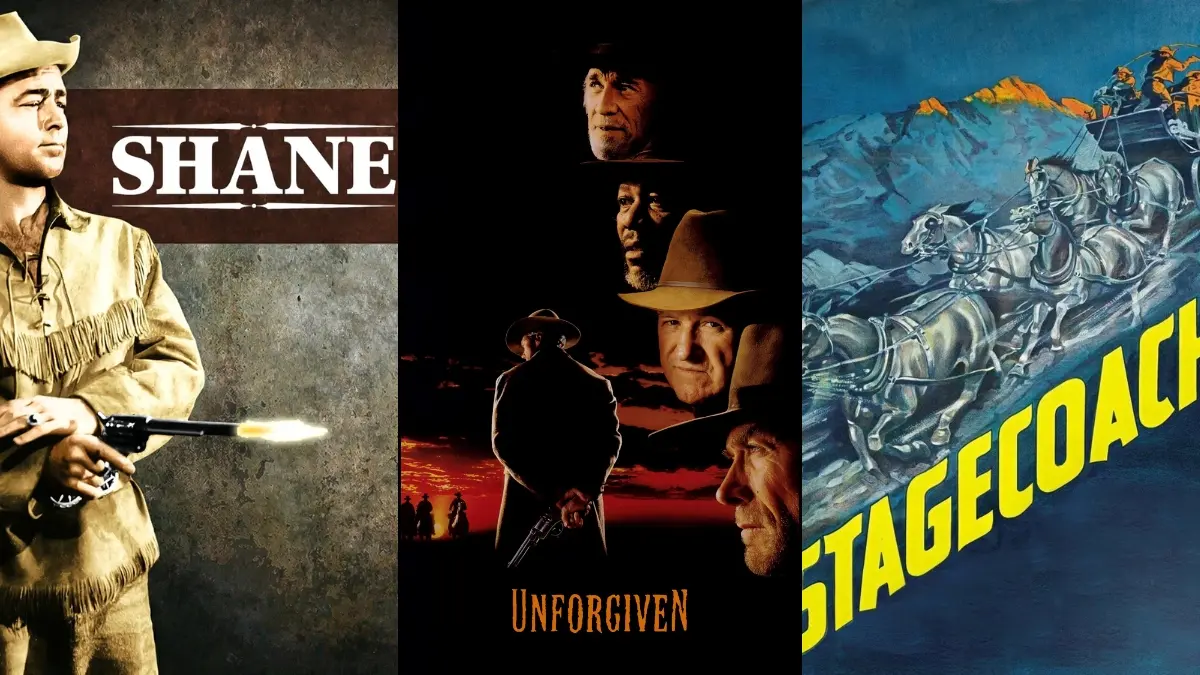
Directed by John Ford and adapted from Ernest Haycox’s short story, this ensemble piece follows a diverse group traveling through Apache territory. John Wayne’s breakout turn as the Ringo Kid helped launch him to stardom. Shot in Monument Valley, the film established Ford’s signature use of that landscape. It popularized the template of mixing social types in a confined journey to explore frontier tensions.
‘Red River’ (1948)
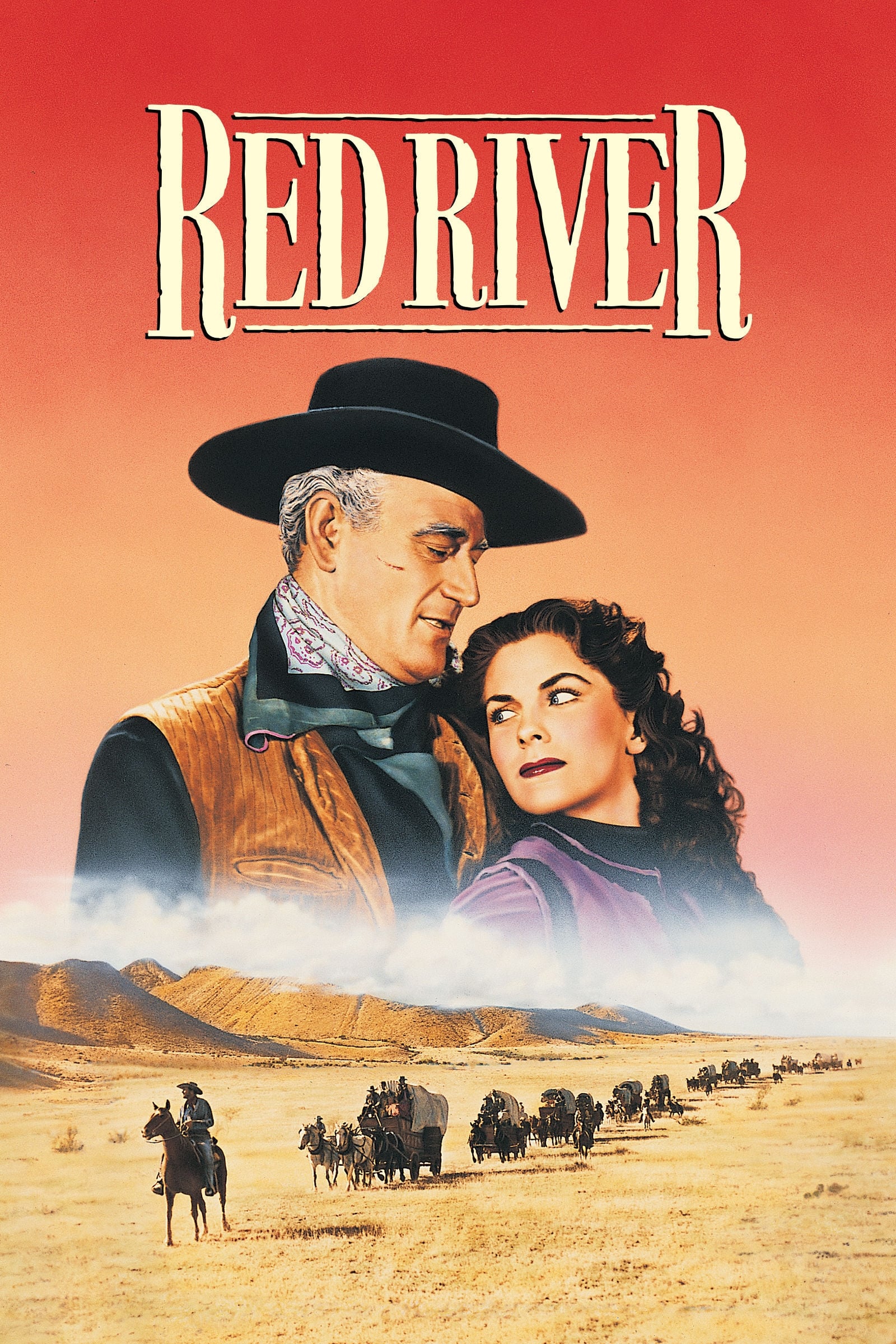
Howard Hawks directs a cattle-drive epic tracking a herd from Texas toward a far-off railhead. John Wayne plays a hard-edged trail boss opposite Montgomery Clift as his adopted son. The film showcases extensive location work and complex trail logistics. Its narrative examines leadership, succession, and the economics of open-range ranching.
‘High Noon’ (1952)
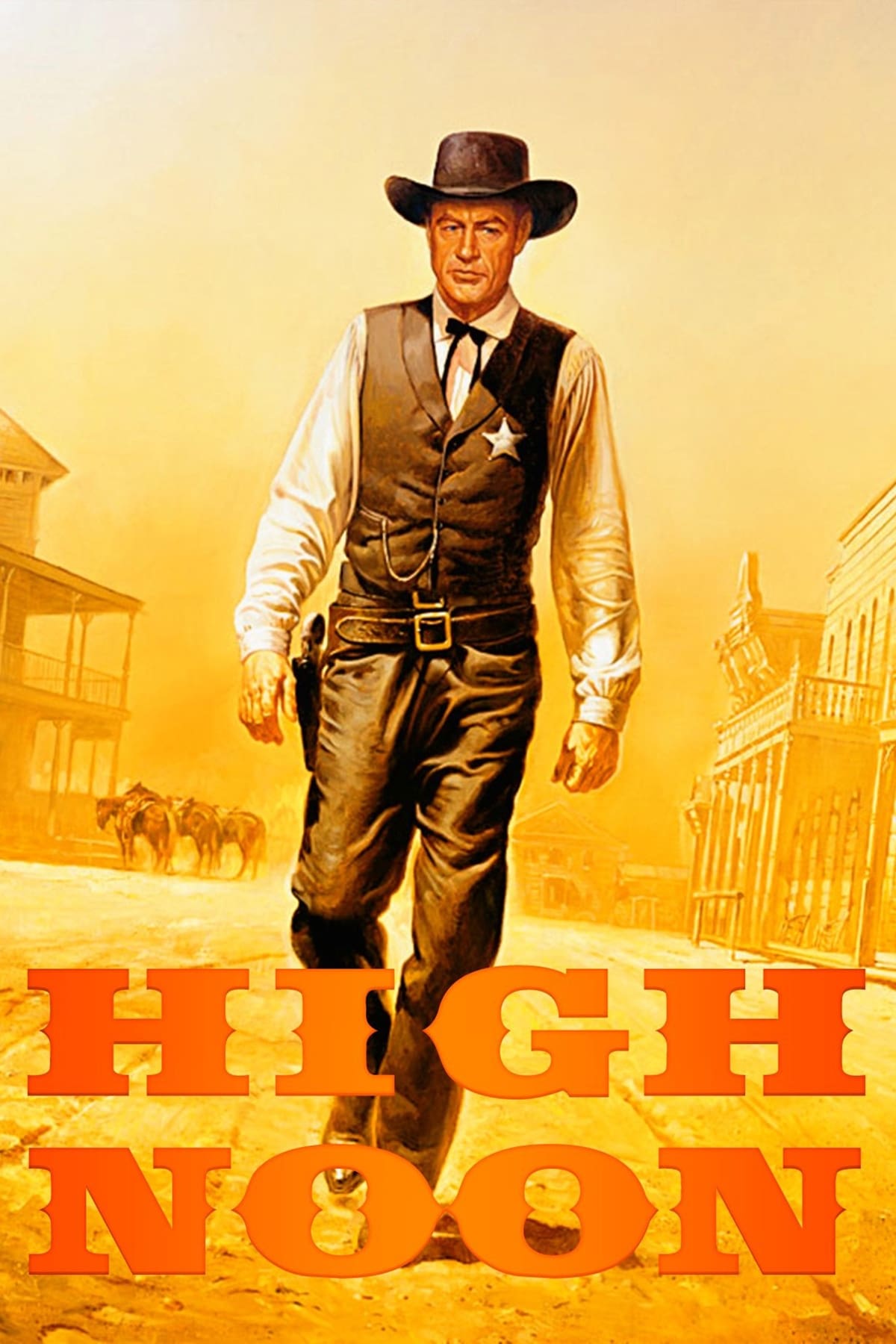
Directed by Fred Zinnemann, this real-time drama follows a marshal awaiting the arrival of a vengeful outlaw. Gary Cooper leads, with Grace Kelly in an early screen role. The soundtrack features the recurring ballad ‘Do Not Forsake Me, Oh My Darlin’.’ Its spare staging and ticking-clock structure shaped countless suspense narratives.
‘Shane’ (1953)
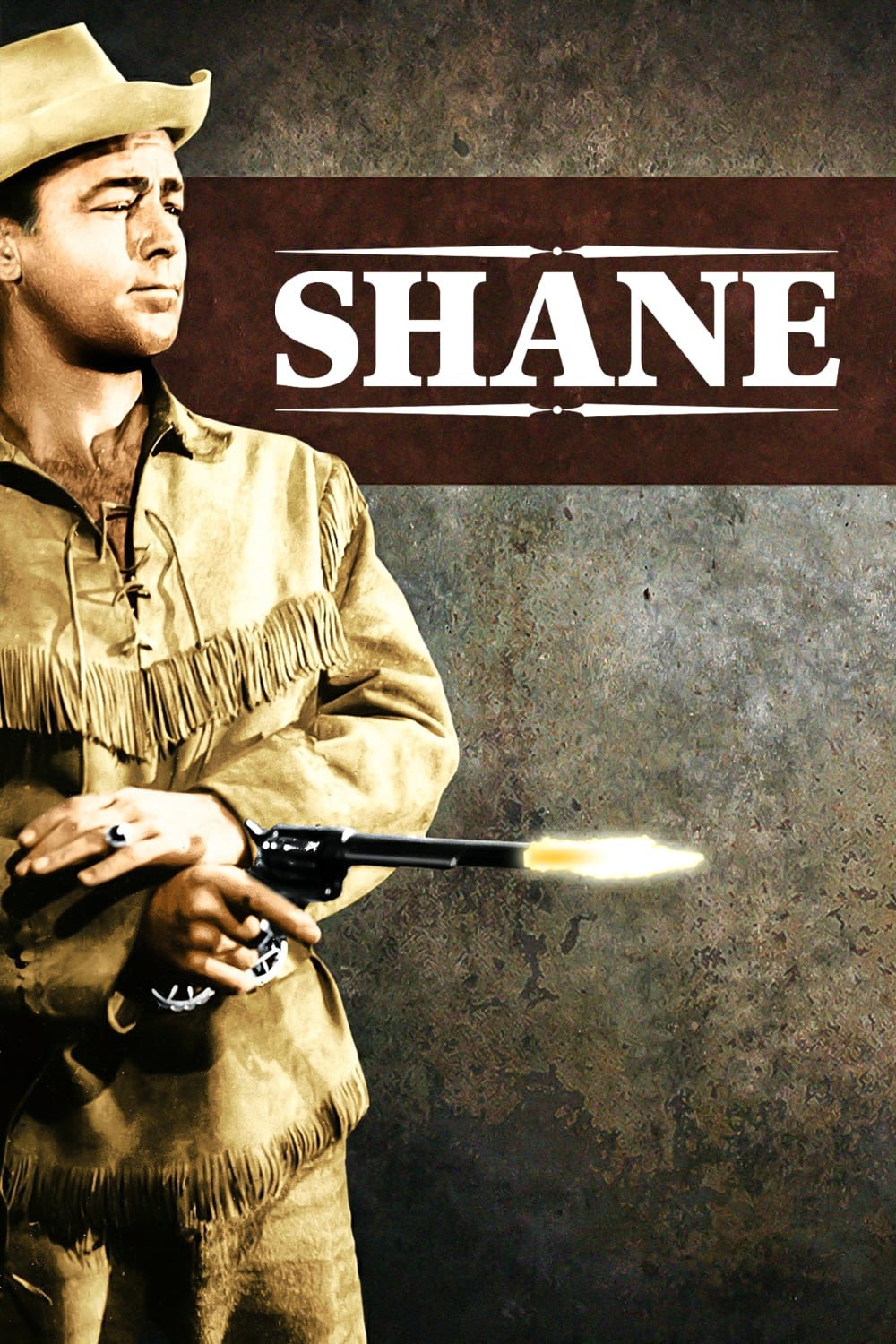
George Stevens directs this adaptation of Jack Schaefer’s novel about a weary gunfighter who aids homesteaders against a ruthless cattle baron. Alan Ladd, Jean Arthur, and Van Heflin headline the cast. Filmed in Wyoming’s Jackson Hole, it uses mountain vistas to heighten the homestead conflict. The story frames open-range ranching versus settlement as a decisive shift in frontier life.
‘The Searchers’ (1956)
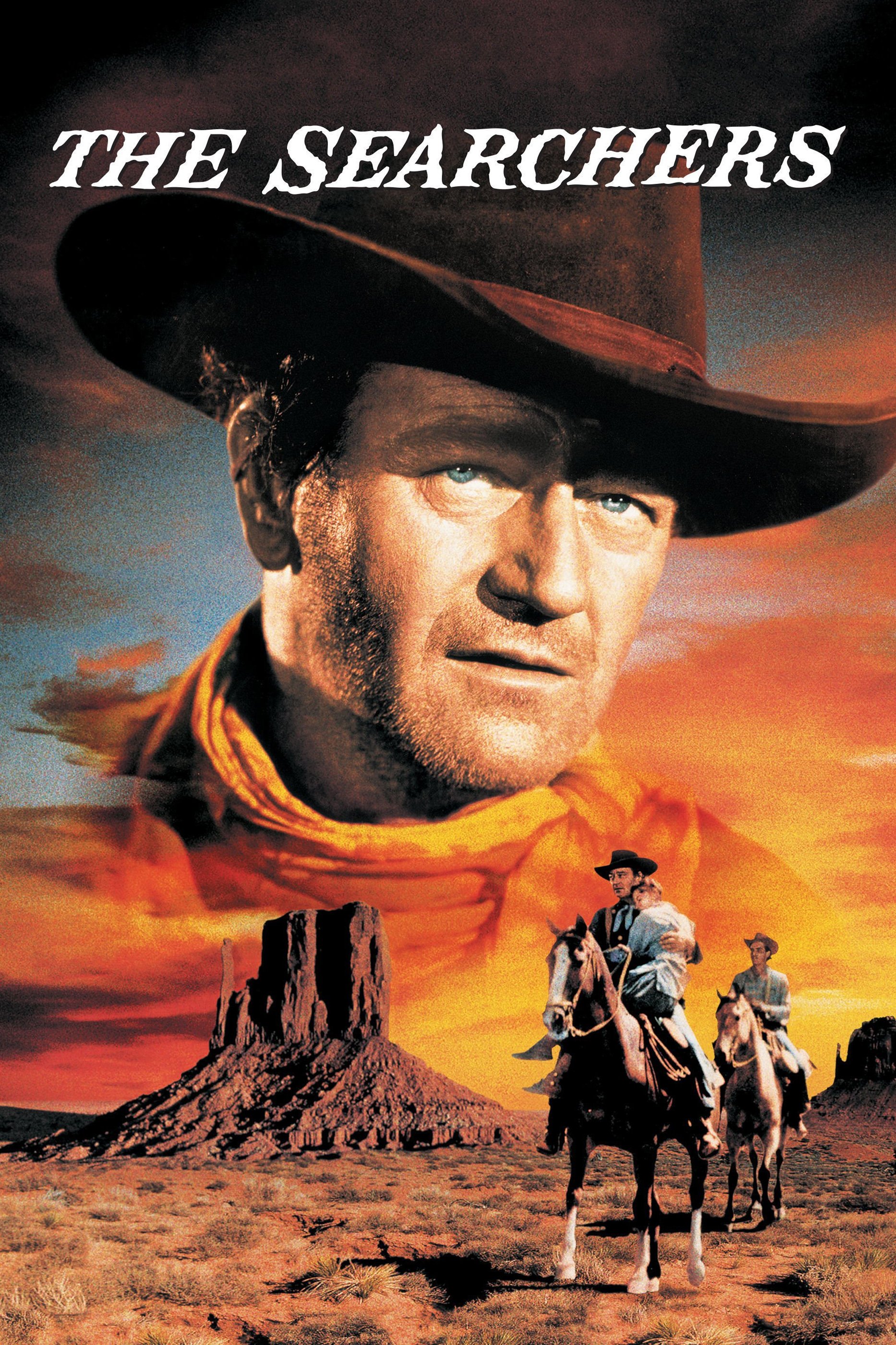
John Ford returns to Monument Valley for a story of a Civil War veteran’s years-long quest to find his kidnapped niece. John Wayne plays Ethan Edwards, with Jeffrey Hunter and Natalie Wood in key roles. The screenplay adapts Alan Le May’s novel and digs into themes of obsession and identity. Winton C. Hoch’s widescreen photography underscores the character’s isolation within vast spaces.
‘Rio Bravo’ (1959)
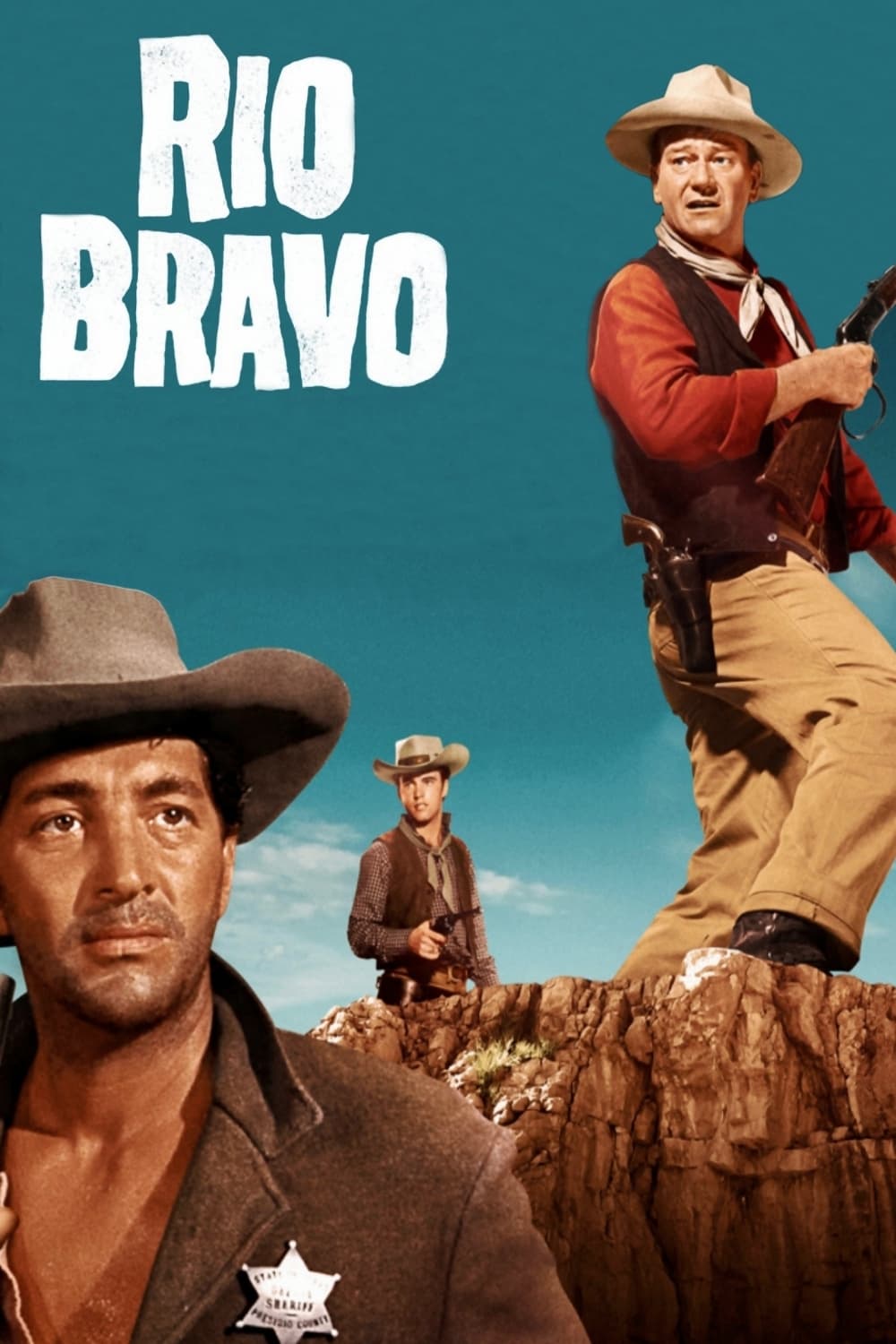
Howard Hawks stages a siege narrative centered on a small-town sheriff guarding an important prisoner. John Wayne, Dean Martin, Ricky Nelson, and Angie Dickinson round out the ensemble. Dialogue-driven scenes emphasize camaraderie, training, and preparation over spectacle. Dimitri Tiomkin’s music and on-screen songs add to the film’s relaxed, character-first rhythm.
‘The Magnificent Seven’ (1960)

This American remake of ‘Seven Samurai’ follows hired gunmen defending a village from bandits. John Sturges directs, with Yul Brynner, Steve McQueen, and Charles Bronson among the seven. Elmer Bernstein’s rousing main theme became one of the most recognizable Western scores. The production utilized Mexican locations to ground the village setting.
‘The Man Who Shot Liberty Valance’ (1962)
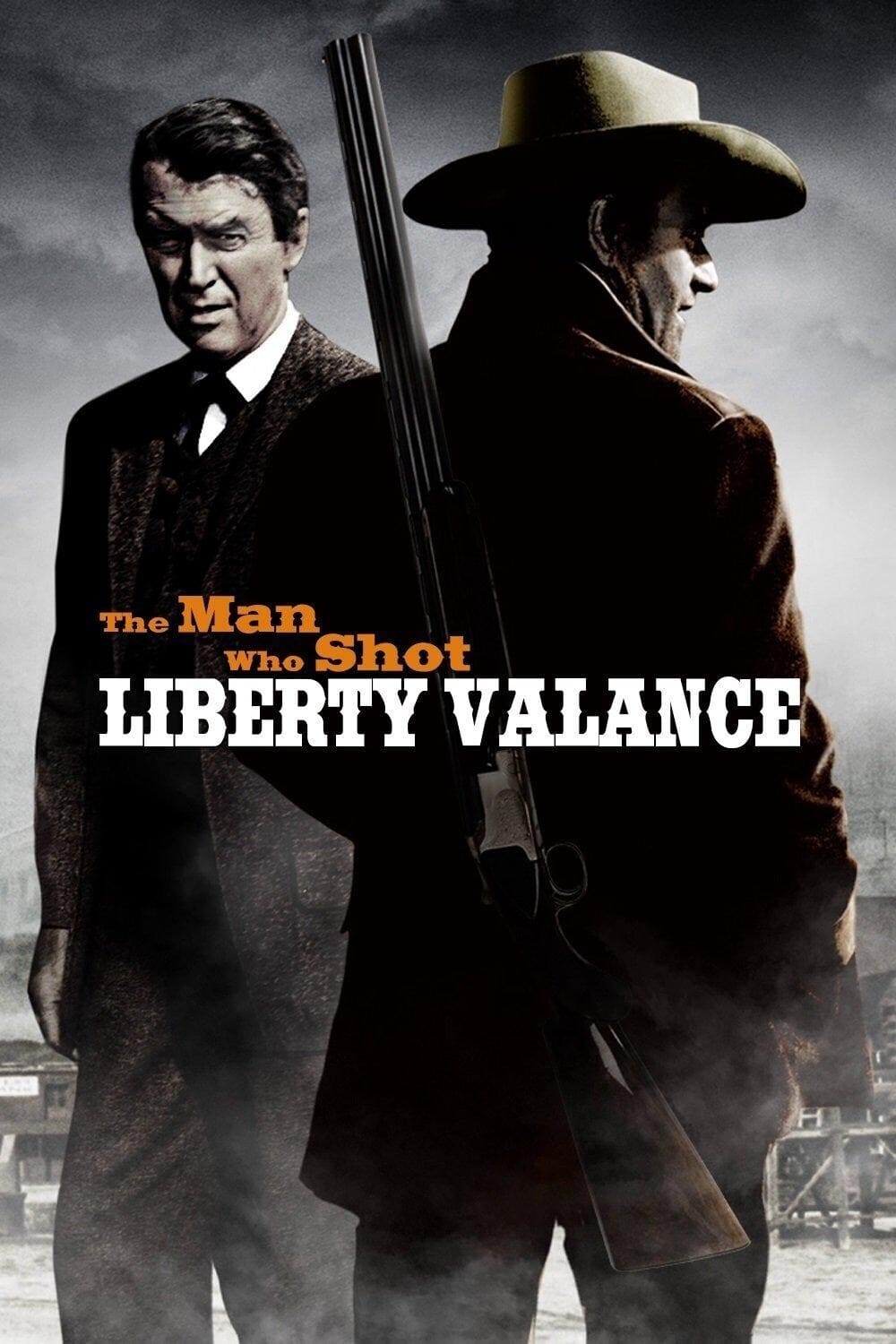
John Ford contrasts frontier myth and political reality through a tale recounted by a seasoned senator. James Stewart and John Wayne portray two men linked by a single gunfight. The film uses black-and-white photography to emphasize memory, legend, and the mechanics of statehood. It explores how newspaper accounts and public narratives shape reputations.
‘A Fistful of Dollars’ (1964)
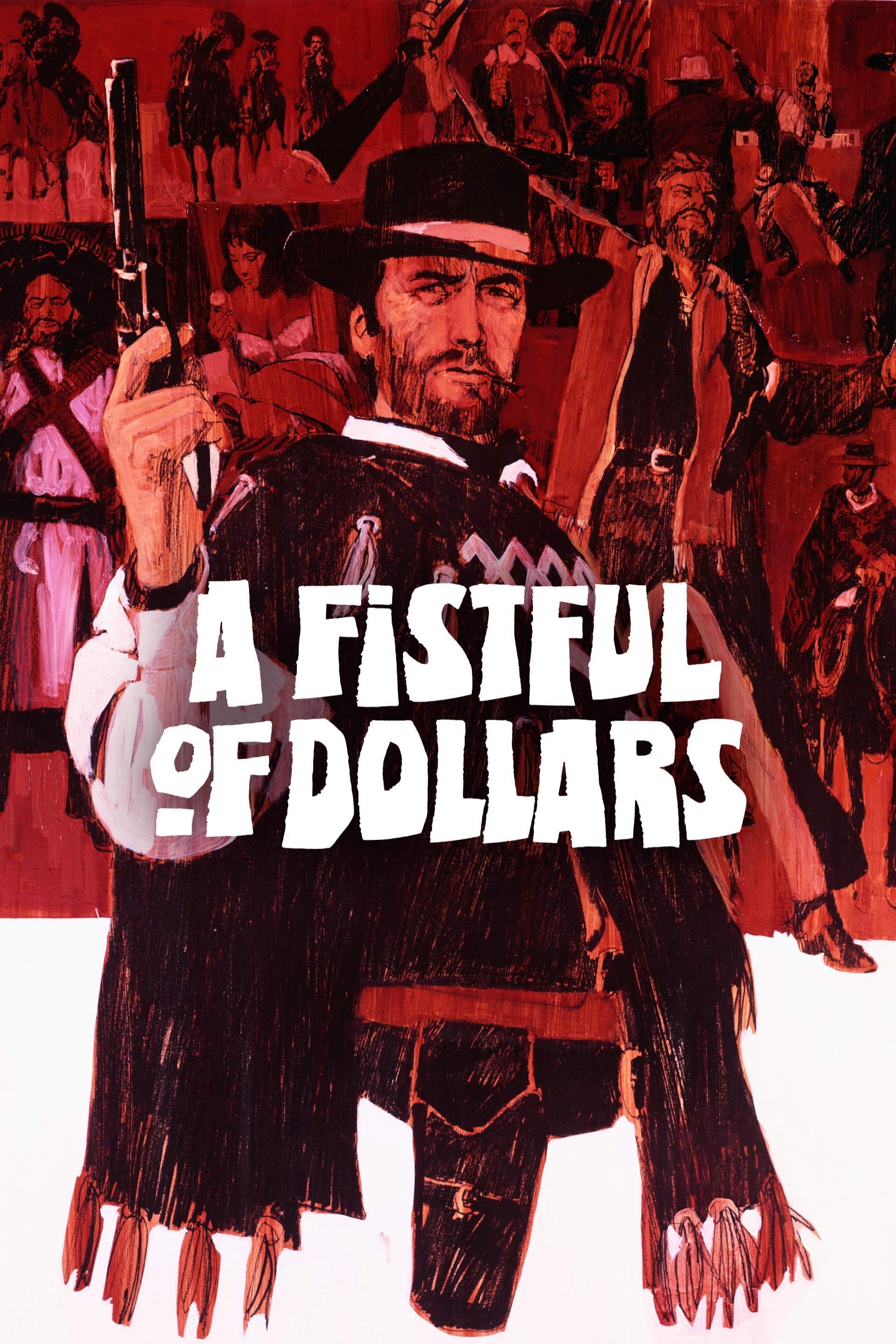
Sergio Leone launches the “Dollars Trilogy” with a story of a drifter who plays two rival families against each other. Clint Eastwood’s “Man with No Name” look and taciturn style became genre staples. Ennio Morricone’s score combines whistling, electric guitar, and unusual instrumentation. Spanish locations stand in for a lawless border town.
‘For a Few Dollars More’ (1965)
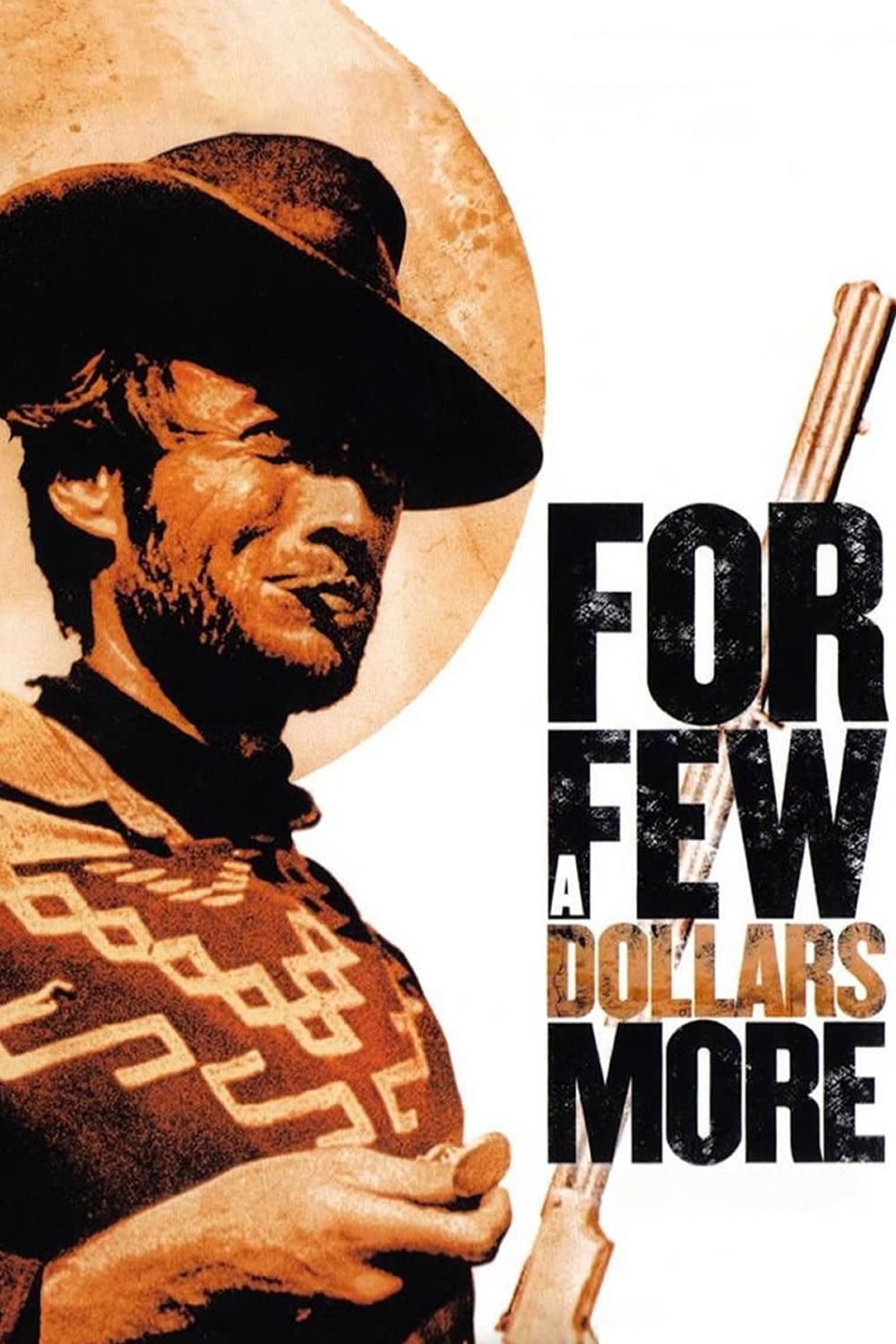
Leone reunites with Clint Eastwood and introduces Lee Van Cleef as a rival bounty hunter. The film expands the bounty-hunting premise into a cat-and-mouse pursuit with a ruthless gang leader. Innovative musical motifs, including a recurring pocket-watch chime, structure key showdowns. The production’s widescreen compositions highlight duels as choreography.
‘The Good, the Bad and the Ugly’ (1966)
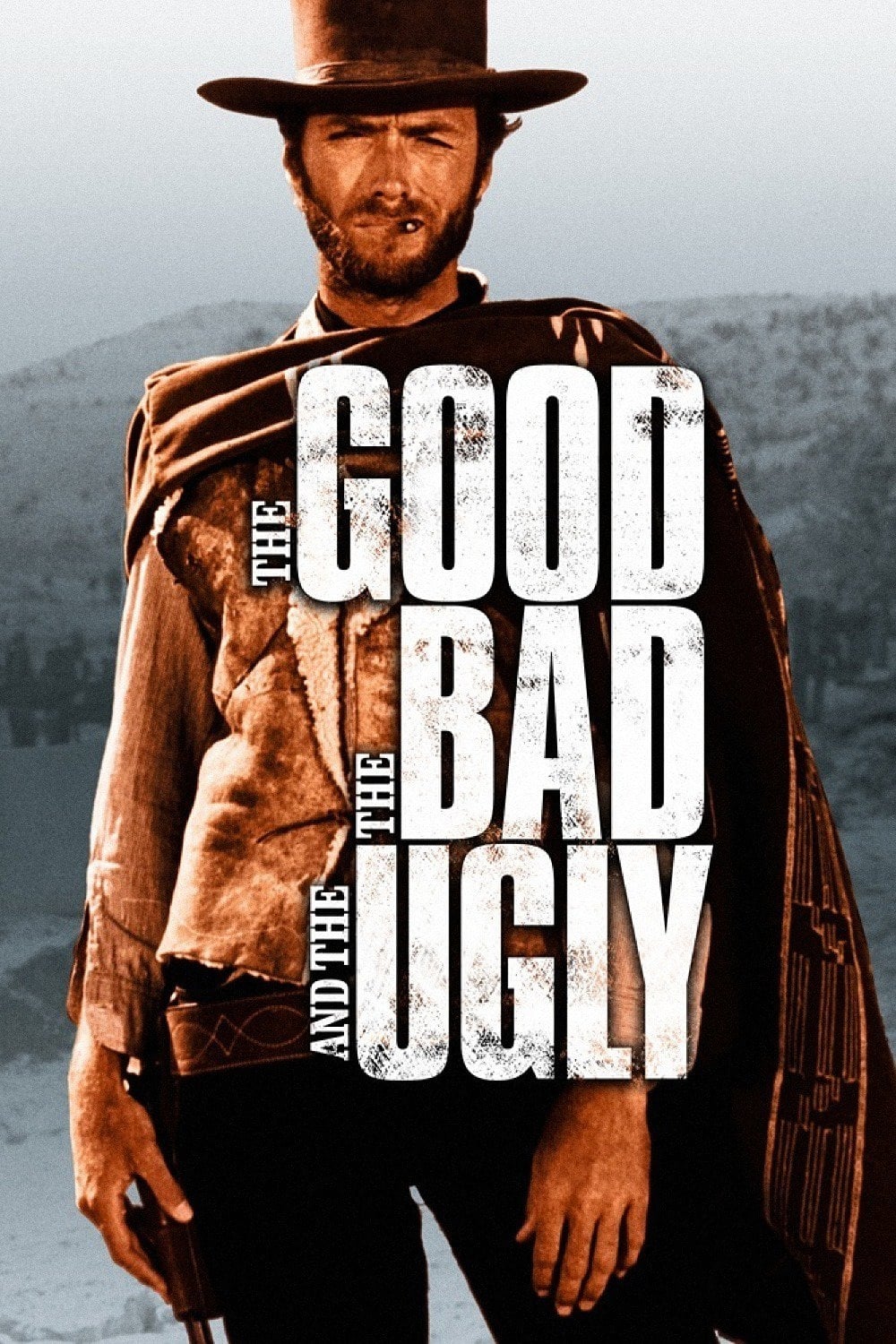
Leone completes the trilogy with three fortune-seekers racing to find buried gold against a war-torn backdrop. Clint Eastwood, Lee Van Cleef, and Eli Wallach anchor intersecting storylines. Tonino Delli Colli’s cinematography emphasizes extreme close-ups and panoramic vistas. Ennio Morricone’s vocalizations and surf-tinged textures redefine the Western soundscape.
‘Once Upon a Time in the West’ (1968)
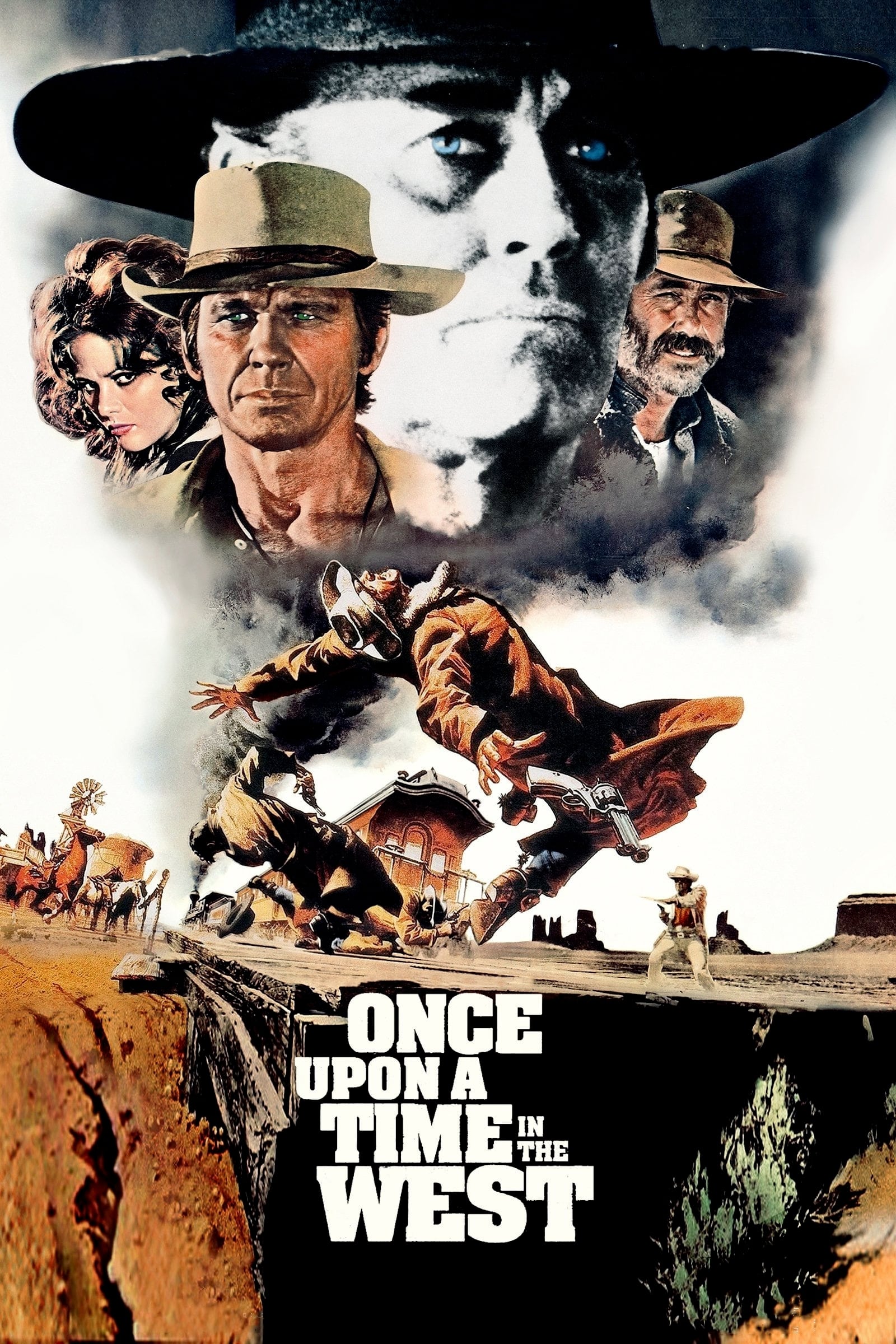
Sergio Leone crafts an operatic saga of railroads, land rights, and revenge. Henry Fonda plays against type as a cold-blooded killer, joined by Charles Bronson and Claudia Cardinale. The film uses extended silences, elongated standoffs, and precise sound design. Ennio Morricone assigns distinct musical themes to major characters for narrative clarity.
‘Butch Cassidy and the Sundance Kid’ (1969)

George Roy Hill dramatizes the exploits of two train-robbing partners under increasing pressure from law enforcement. Paul Newman and Robert Redford’s pairing established a lasting screen partnership. William Goldman’s screenplay blends outlaw tactics with changing frontiers. The film’s location work spans the American West and South America.
‘The Wild Bunch’ (1969)
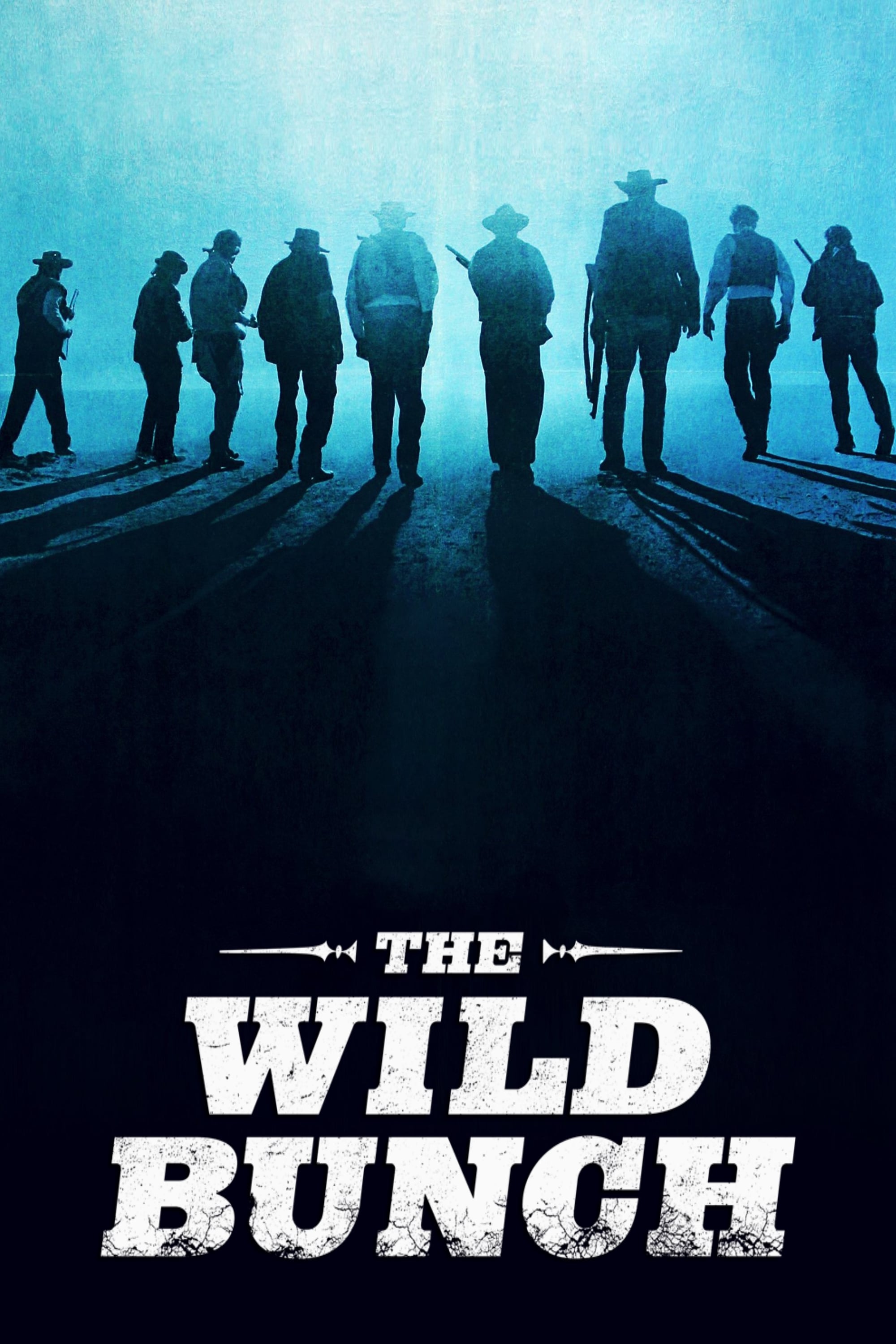
Sam Peckinpah chronicles aging outlaws confronting a mechanizing frontier. The film is noted for multi-camera coverage, rapid cutting, and stylized action. William Holden, Ernest Borgnine, and Robert Ryan lead the cast. Its depiction of shifting codes reflects the collision between open-range traditions and modern firepower.
‘McCabe & Mrs. Miller’ (1971)

Robert Altman’s frontier town story follows a gambler and a savvy entrepreneur building a brothel amid a mining boom. Warren Beatty and Julie Christie headline, with Vilmos Zsigmond’s gauzy cinematography. Naturalistic sound, overlapping dialogue, and ambient weather shape the mood. The soundtrack features the music of Leonard Cohen to underline the film’s melancholy register.
‘Pat Garrett & Billy the Kid’ (1973)
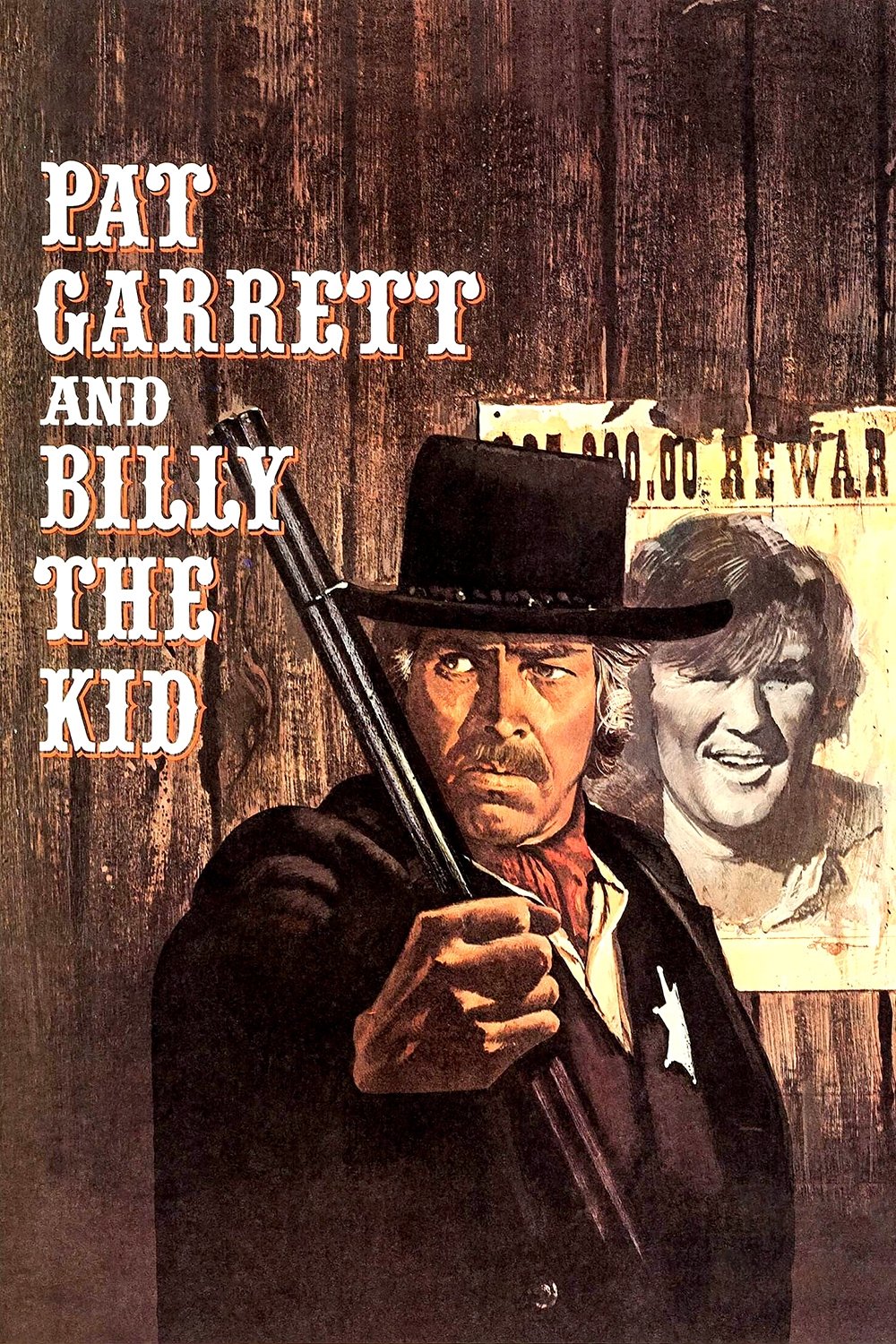
Sam Peckinpah revisits the legend of lawman Pat Garrett tracking his former friend. James Coburn and Kris Kristofferson star, with Bob Dylan contributing music and a small role. Different edits circulate, including versions reconstructed from studio and preview materials. The film examines loyalty, political pressure, and the commercialization of law enforcement.
‘The Outlaw Josey Wales’ (1976)
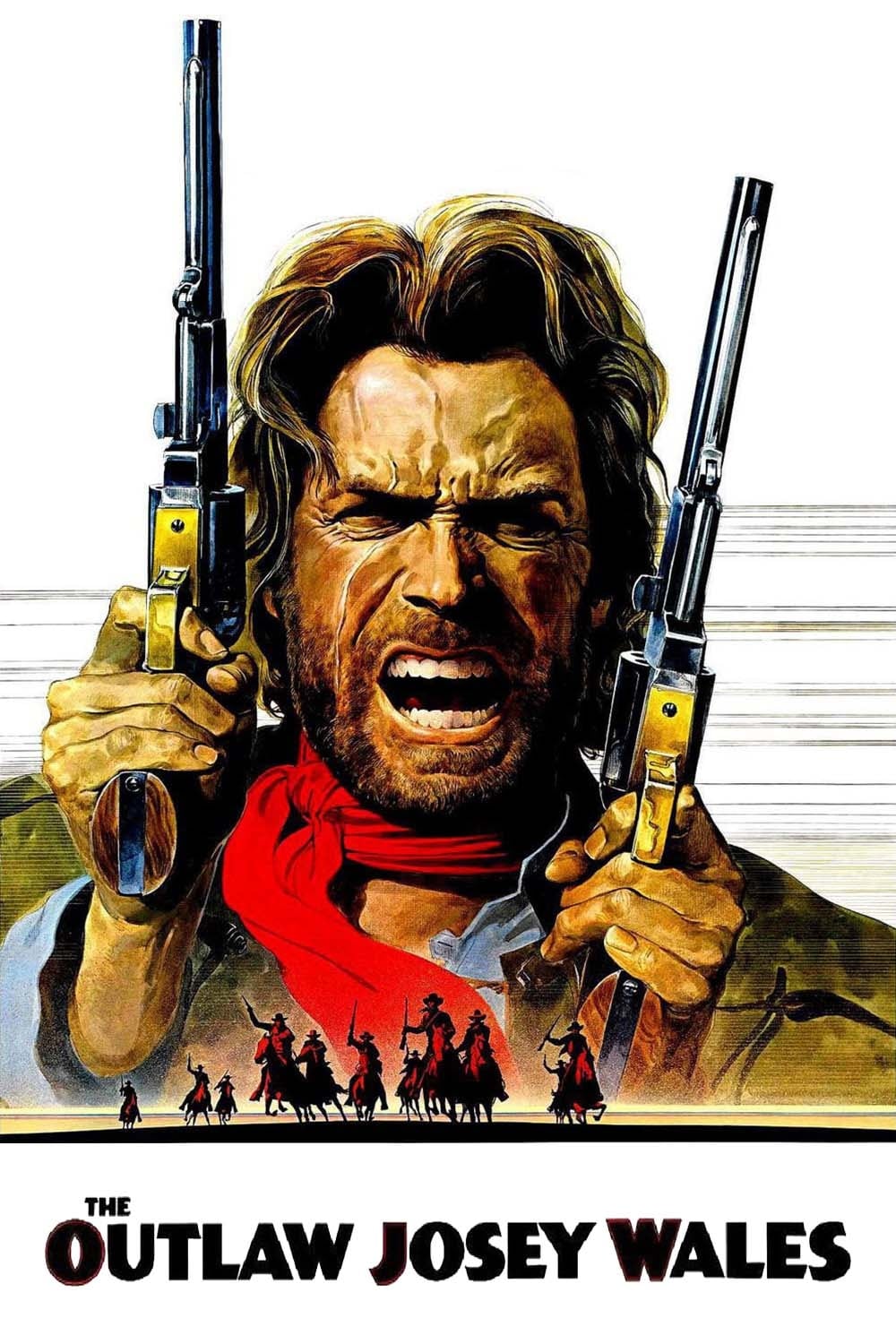
Clint Eastwood directs and stars as a Missourian driven west by wartime violence. The narrative follows a makeshift community that forms around the protagonist. Filming took place across multiple states to capture varied terrains, from riverlands to desert. The story integrates Indigenous characters and languages into its depiction of frontier alliances.
‘Heaven’s Gate’ (1980)
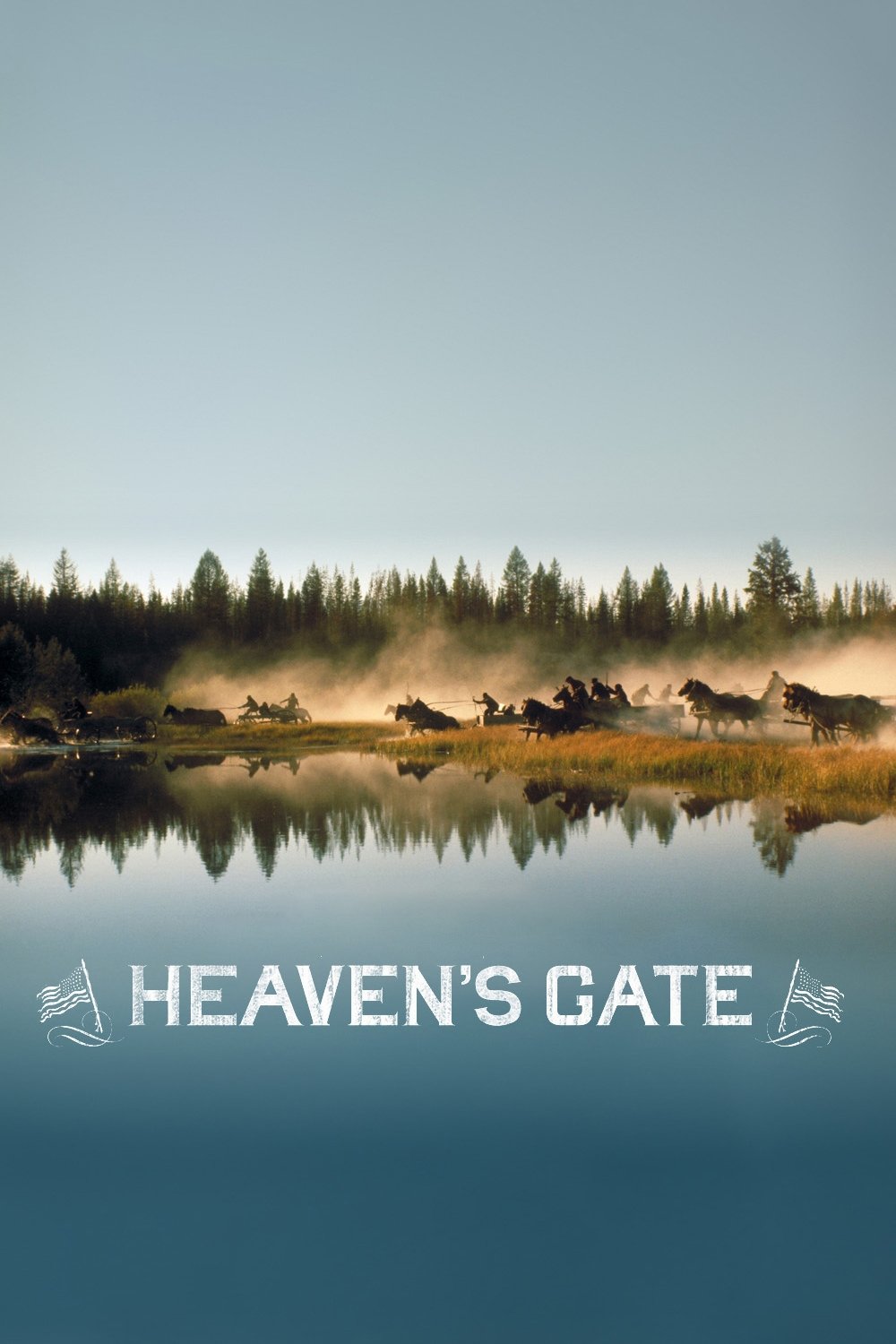
Michael Cimino dramatizes the Johnson County conflict between wealthy cattle interests and immigrant settlers. The production is known for large-scale sets, intricate costuming, and extensive location work. Kris Kristofferson, Christopher Walken, and Isabelle Huppert headline an international cast. Subsequent restorations have highlighted differences between release cuts.
‘Unforgiven’ (1992)
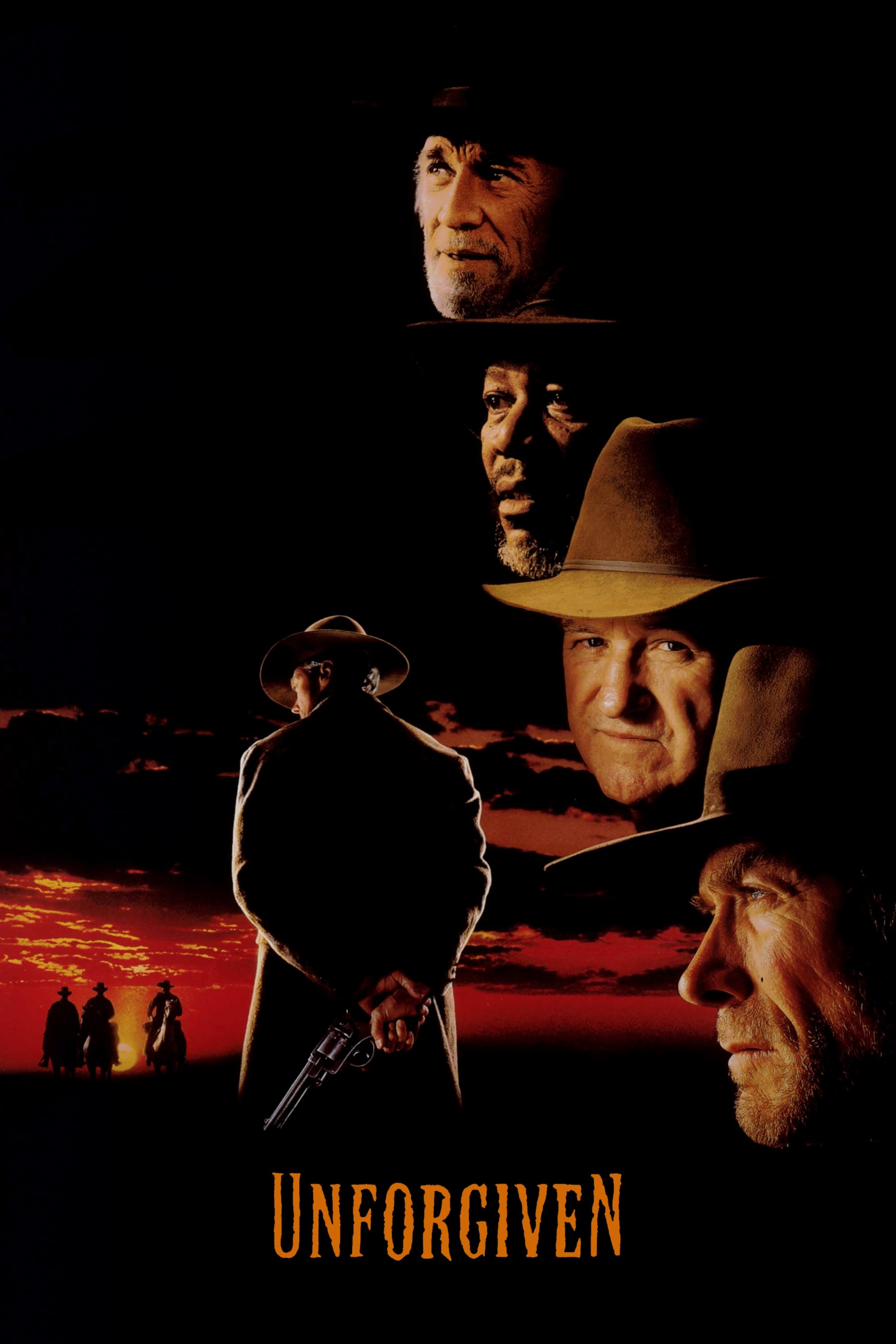
Directed by Clint Eastwood, this film centers on retired gunfighters drawn into a bounty dispute in a small town. Gene Hackman, Morgan Freeman, and Richard Harris join Eastwood in principal roles. The production emphasizes natural light and weathered costuming to evoke lived-in spaces. It examines how local ordinances, reputation, and community response shape frontier justice.
‘Tombstone’ (1993)
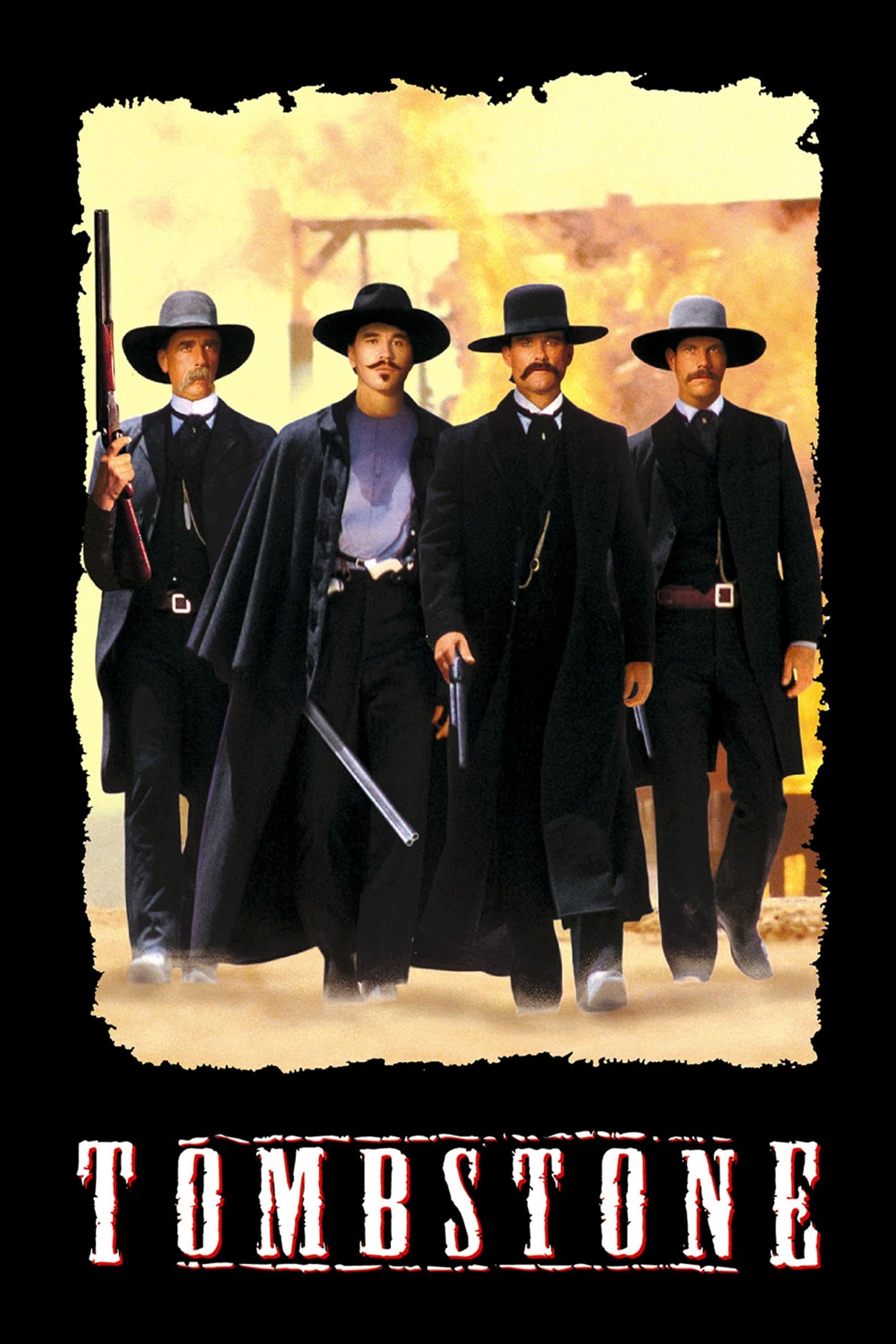
This retelling of the Earp-Clanton conflict covers the buildup, the street confrontation, and its aftermath. Kurt Russell portrays Wyatt Earp, with Val Kilmer as Doc Holliday. The film features detailed costuming and a focus on the political dynamics of a boomtown. Key sequences reconstruct saloon culture, vigilante groups, and territorial law.
‘Dead Man’ (1995)
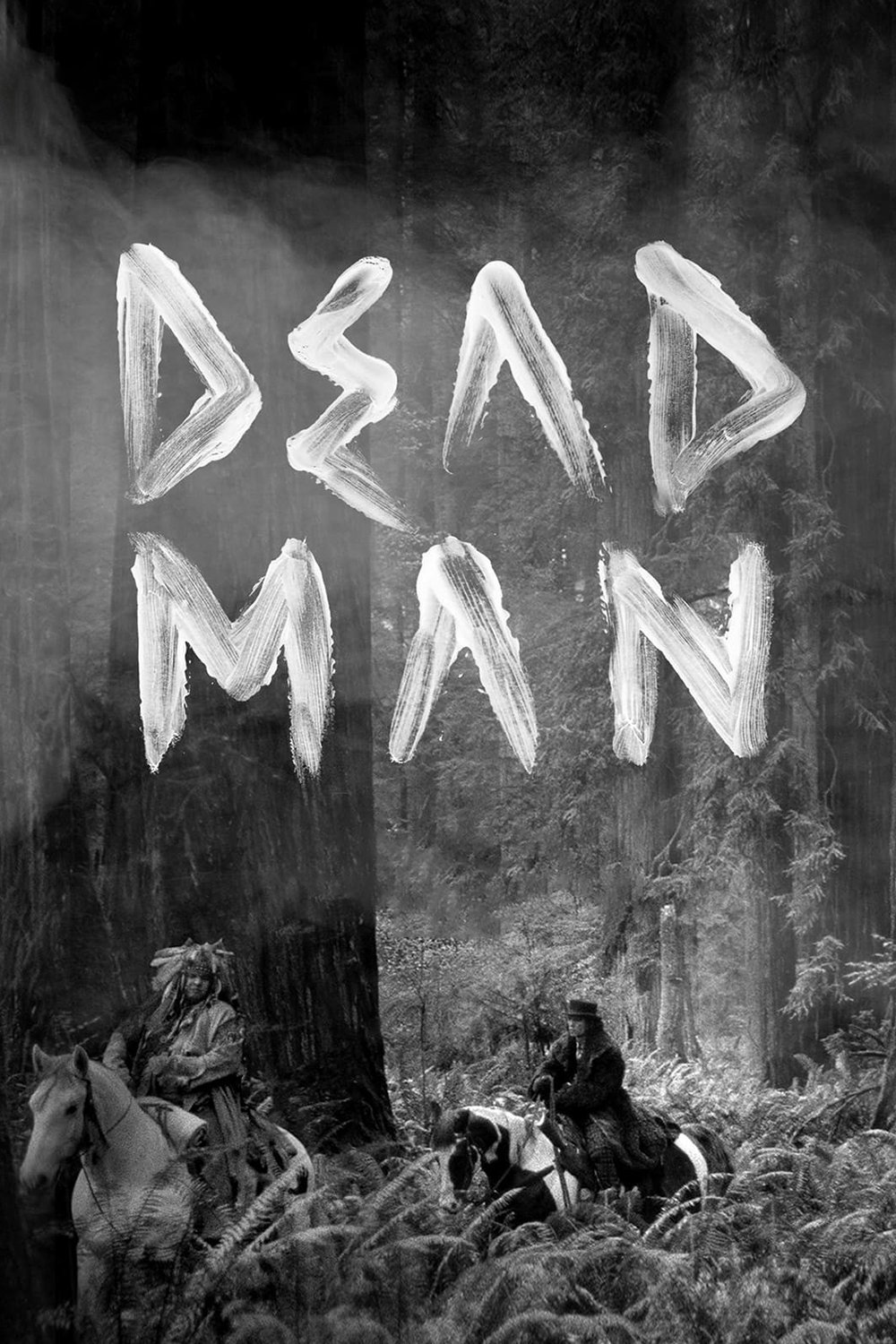
Jim Jarmusch presents a black-and-white odyssey that follows an accountant drifting into violence. Johnny Depp leads, with a soundtrack by Neil Young composed largely through improvised electric guitar. The film includes a multilingual cast and incorporates Indigenous languages. Its road-movie structure traces encounters across logging camps, trading posts, and wilderness.
‘Open Range’ (2003)

Kevin Costner directs and co-stars with Robert Duvall in a story about free-grazers clashing with a powerful rancher. The film highlights cattle work, range rights, and small-town economies. It stages a protracted street gunfight with emphasis on tactics and spatial awareness. Location photography showcases rolling plains, thunderclouds, and muddy thoroughfares.
‘The Assassination of Jesse James by the Coward Robert Ford’ (2007)
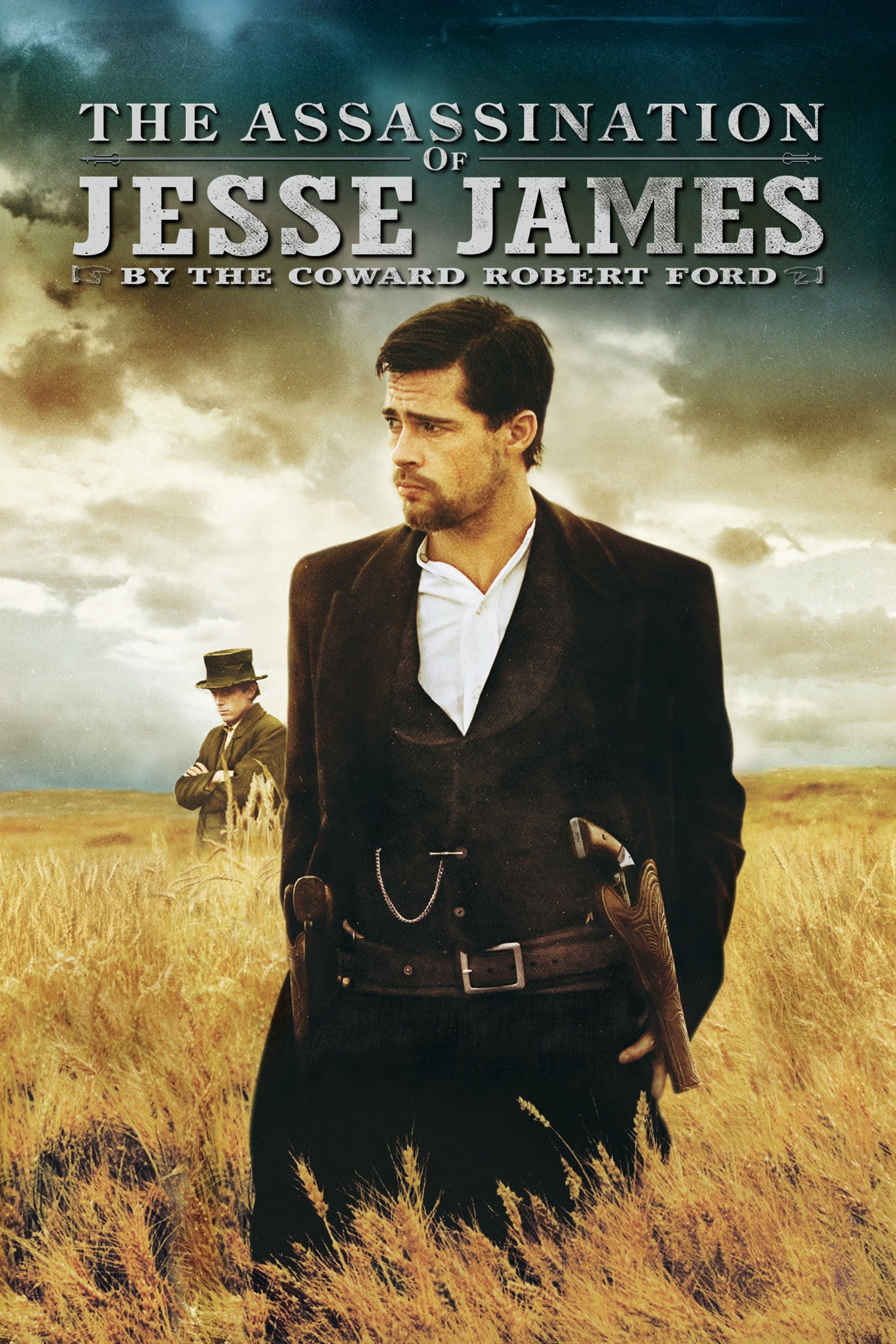
Andrew Dominik adapts Ron Hansen’s novel to explore the relationship between a famed outlaw and his admirer. Brad Pitt and Casey Affleck lead, with cinematography by Roger Deakins using partial lens-vignetting. The film details gang dynamics, rail and bank security, and press coverage. Nick Cave and Warren Ellis provide a spare, elegiac score.
‘3:10 to Yuma’ (2007)
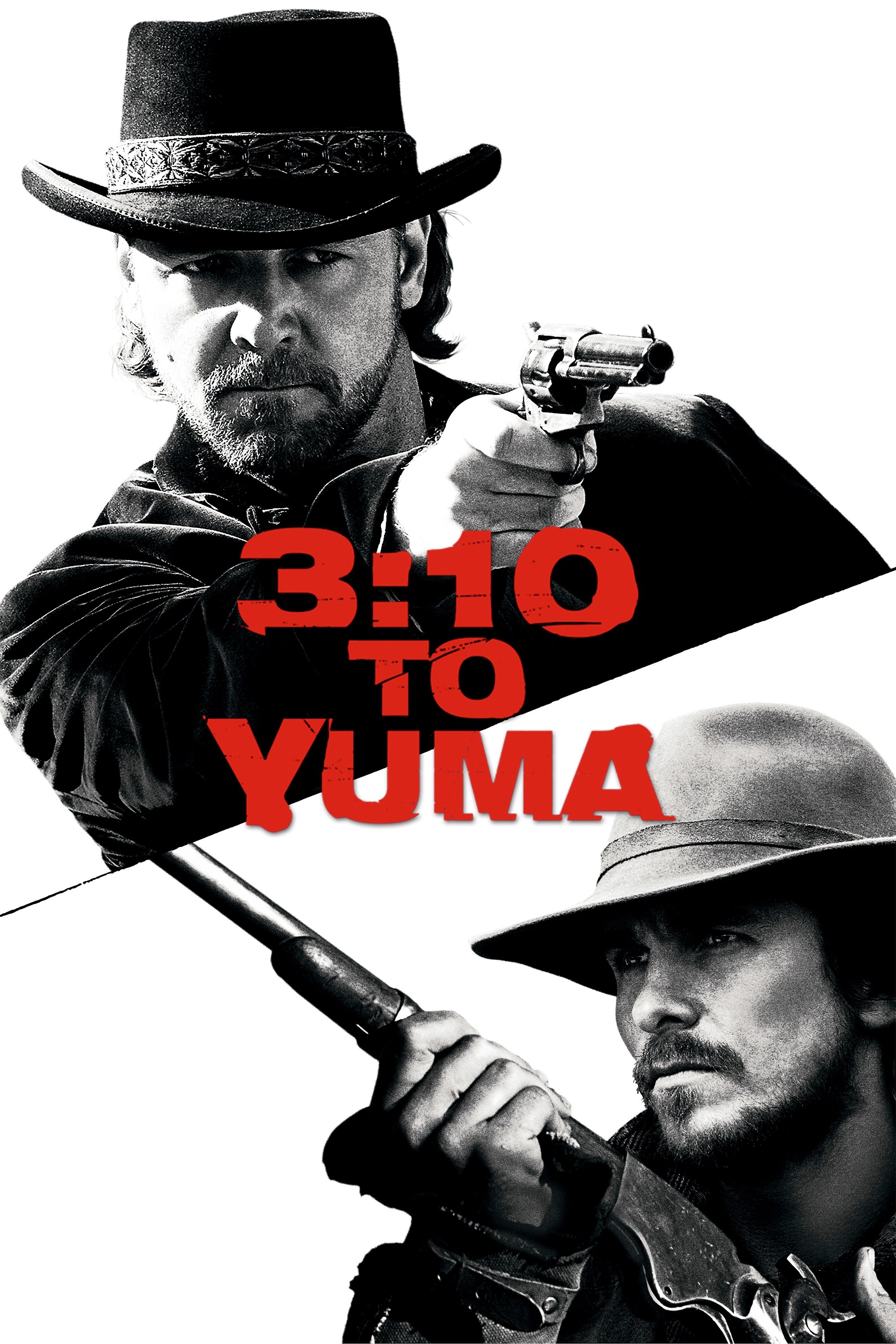
James Mangold remakes the earlier tale of a rancher escorting a captured outlaw to a departing prison train. Christian Bale and Russell Crowe star, supported by a large ensemble. The film emphasizes town layouts, stage routes, and the logistics of prisoner transport. Practical stunts and location work give the escort journey a rugged texture.
‘True Grit’ (2010)
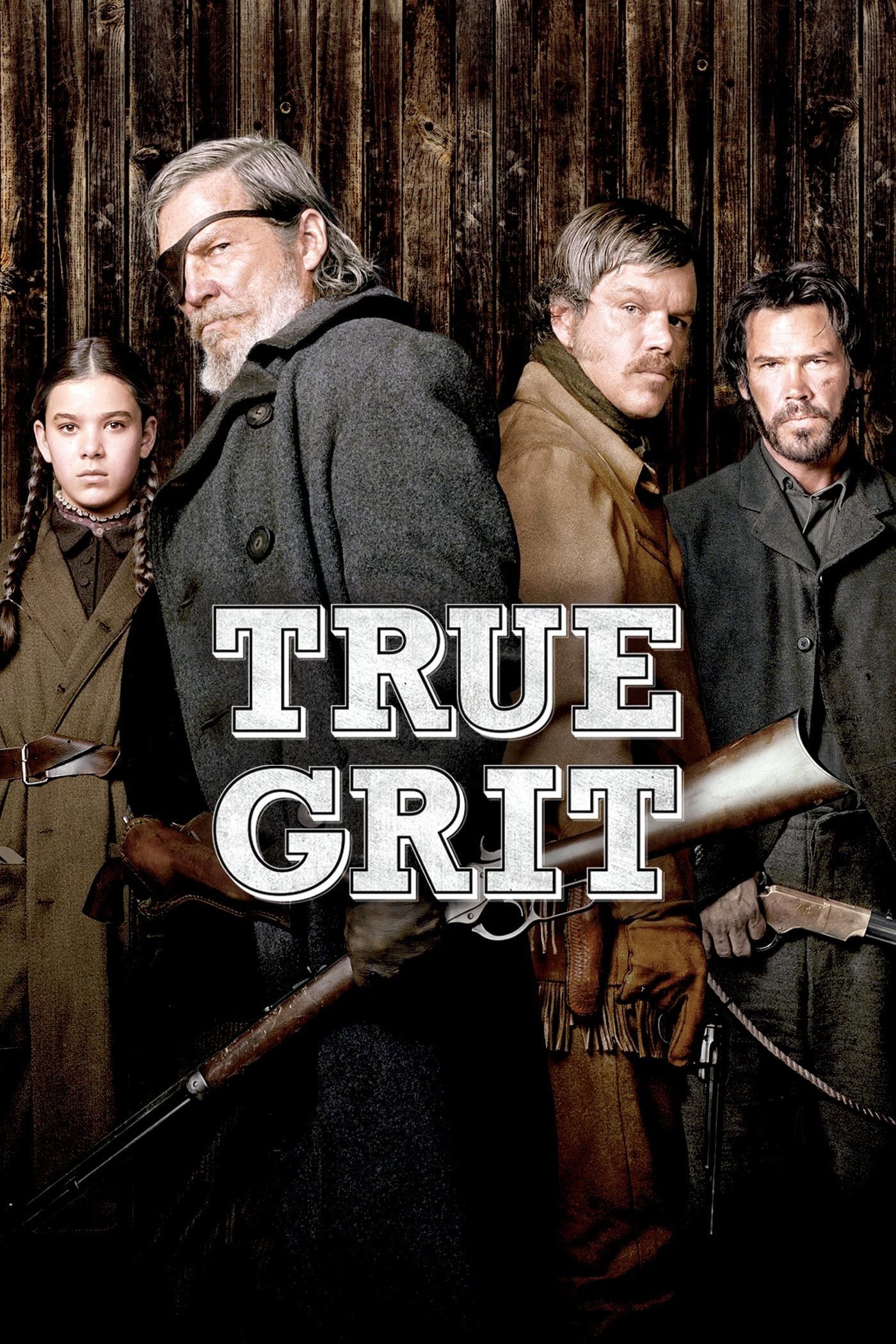
Joel and Ethan Coen adapt Charles Portis’s novel about a determined girl hiring a U.S. marshal to track her father’s killer. Hailee Steinfeld, Jeff Bridges, and Matt Damon headline, with period dialect drawn closely from the novel’s language. Carter Burwell’s score draws on hymns and frontier folk melodies. Costume and production design lean on archival research to reflect textiles, firearms, and signage of the era.
‘My Darling Clementine’ (1946)
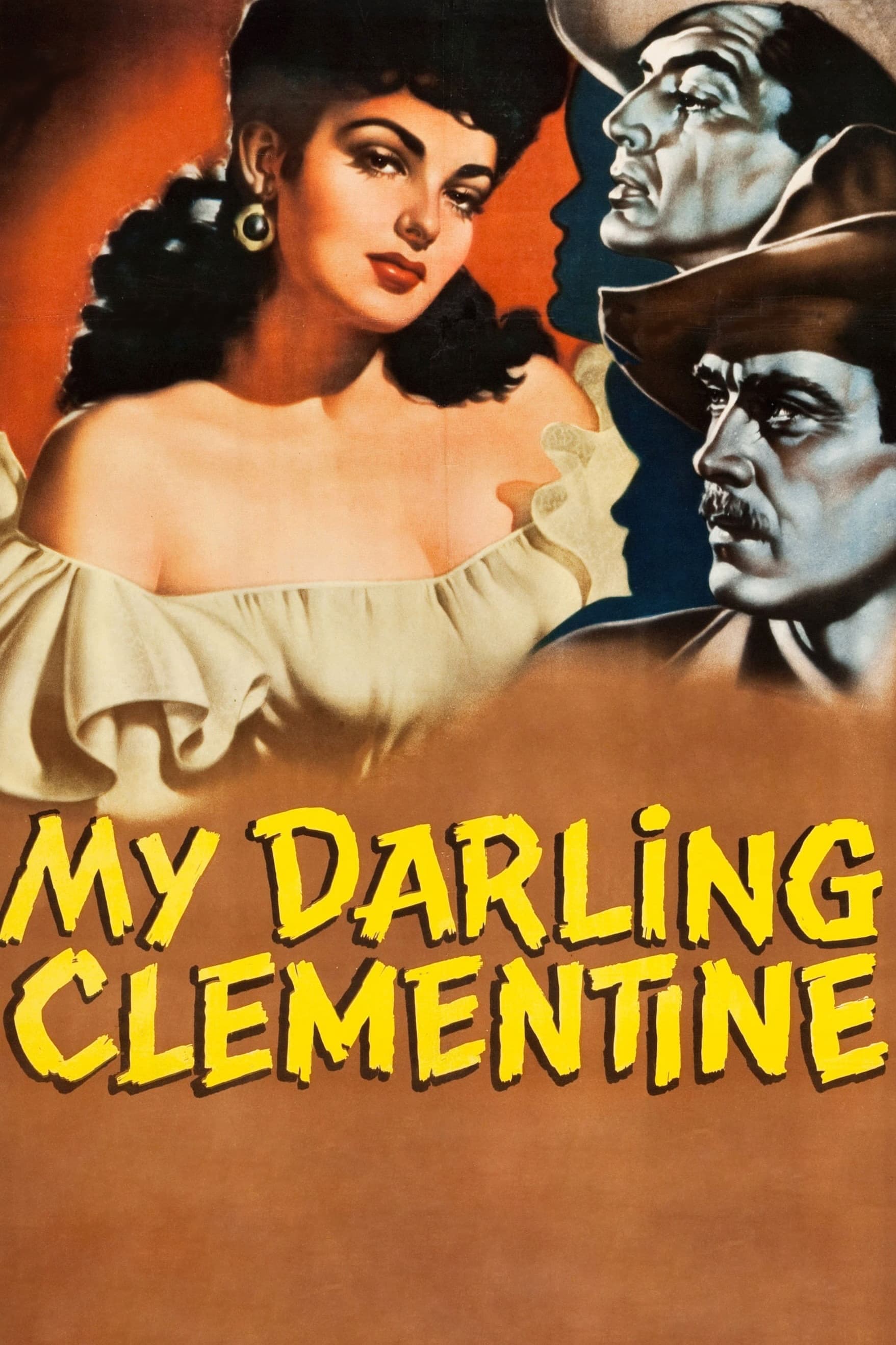
John Ford dramatizes the events around the Earp family and the O.K. Corral in a tightly focused town saga. Henry Fonda stars as Wyatt Earp, with Victor Mature as Doc Holliday. Monument Valley locations and low-key lighting emphasize stark moral lines. The film blends procedural detail—lawmen, saloons, stage lines—with a portrait of emerging civic order.
‘Ride the High Country’ (1962)
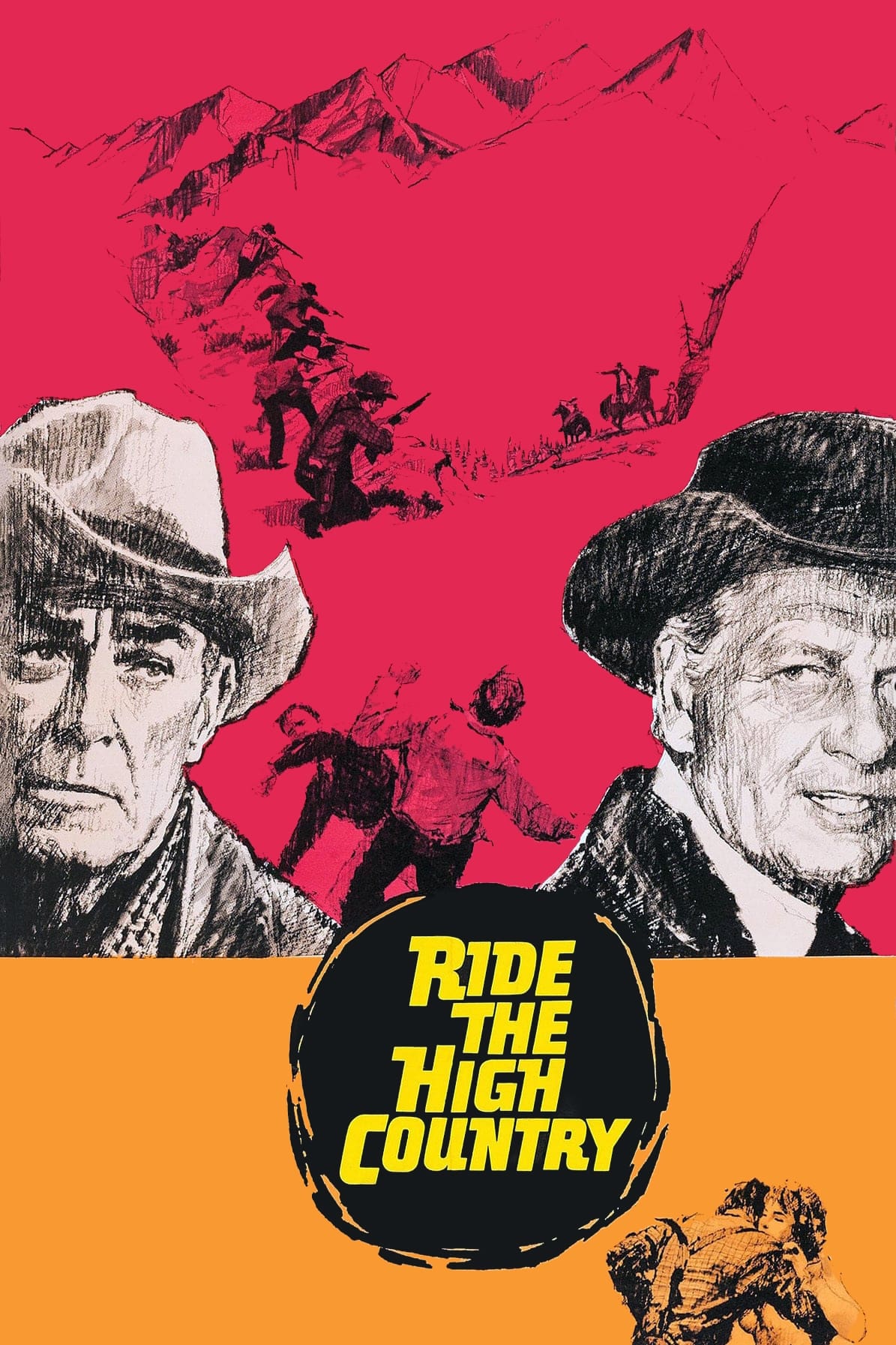
Sam Peckinpah charts two aging ex-lawmen escorting a gold shipment through dangerous territory. Randolph Scott and Joel McCrea anchor a story about professional codes in transition. Mountain locations and autumnal color reinforce themes of twilight careers. The script contrasts old-guard honor with opportunistic violence on the frontier.
‘The Big Country’ (1958)

William Wyler examines a feud between powerful ranching families and a sea captain who refuses to be drawn into macho rituals. Gregory Peck, Charlton Heston, and Jean Simmons lead an expansive ensemble. Wide compositions and Jerome Moross’s iconic score emphasize open-range scale. The narrative analyzes water rights, land control, and outsider ethics.
‘The Professionals’ (1966)
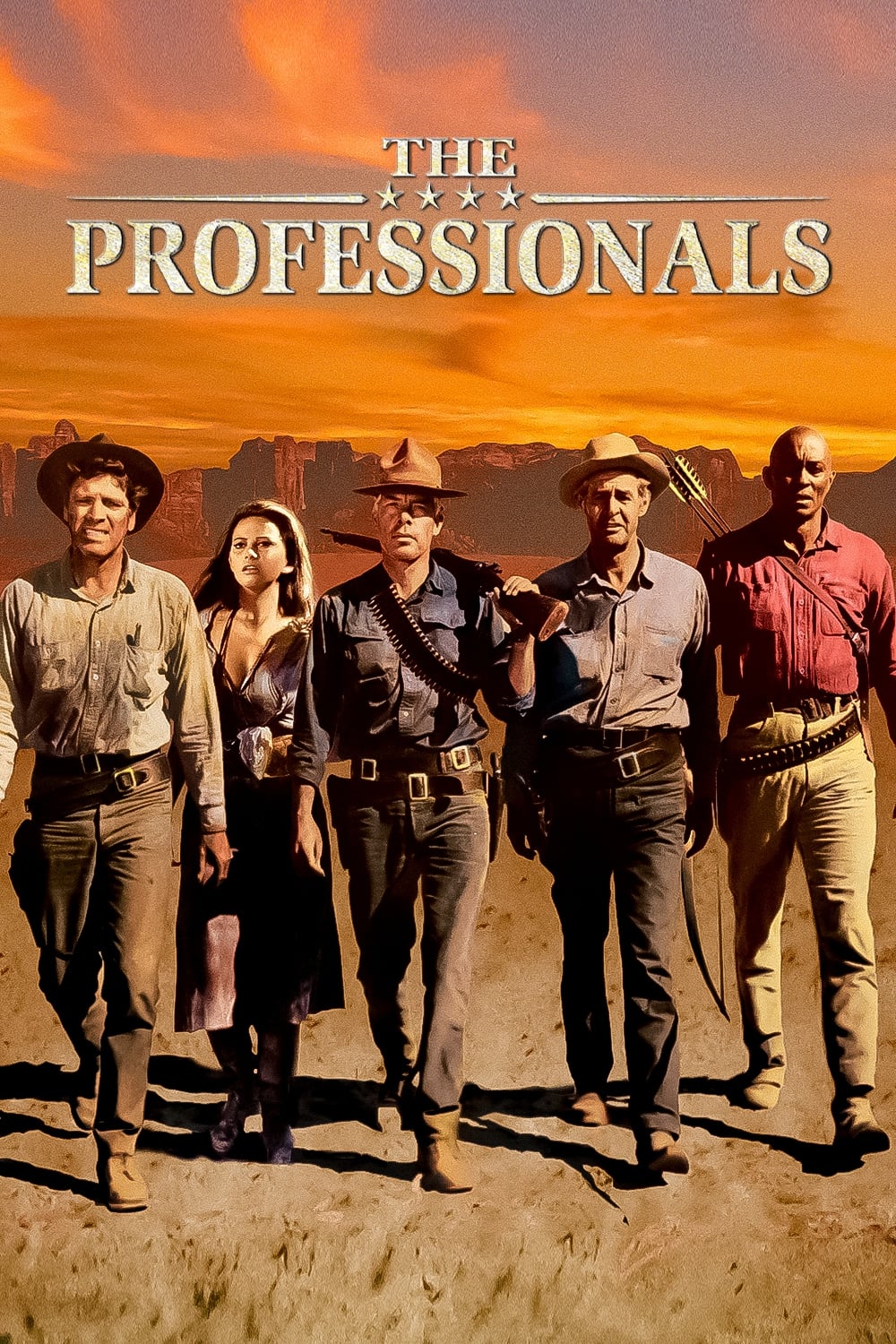
Richard Brooks adapts Frank O’Rourke’s novel about specialists hired for a cross-border rescue. Burt Lancaster, Lee Marvin, and Claudia Cardinale headline a mission that hinges on logistics and shifting loyalties. The production makes striking use of desert terrain and practical stunts. The plot dissects the line between mercenary work and political causes.
‘The Shootist’ (1976)
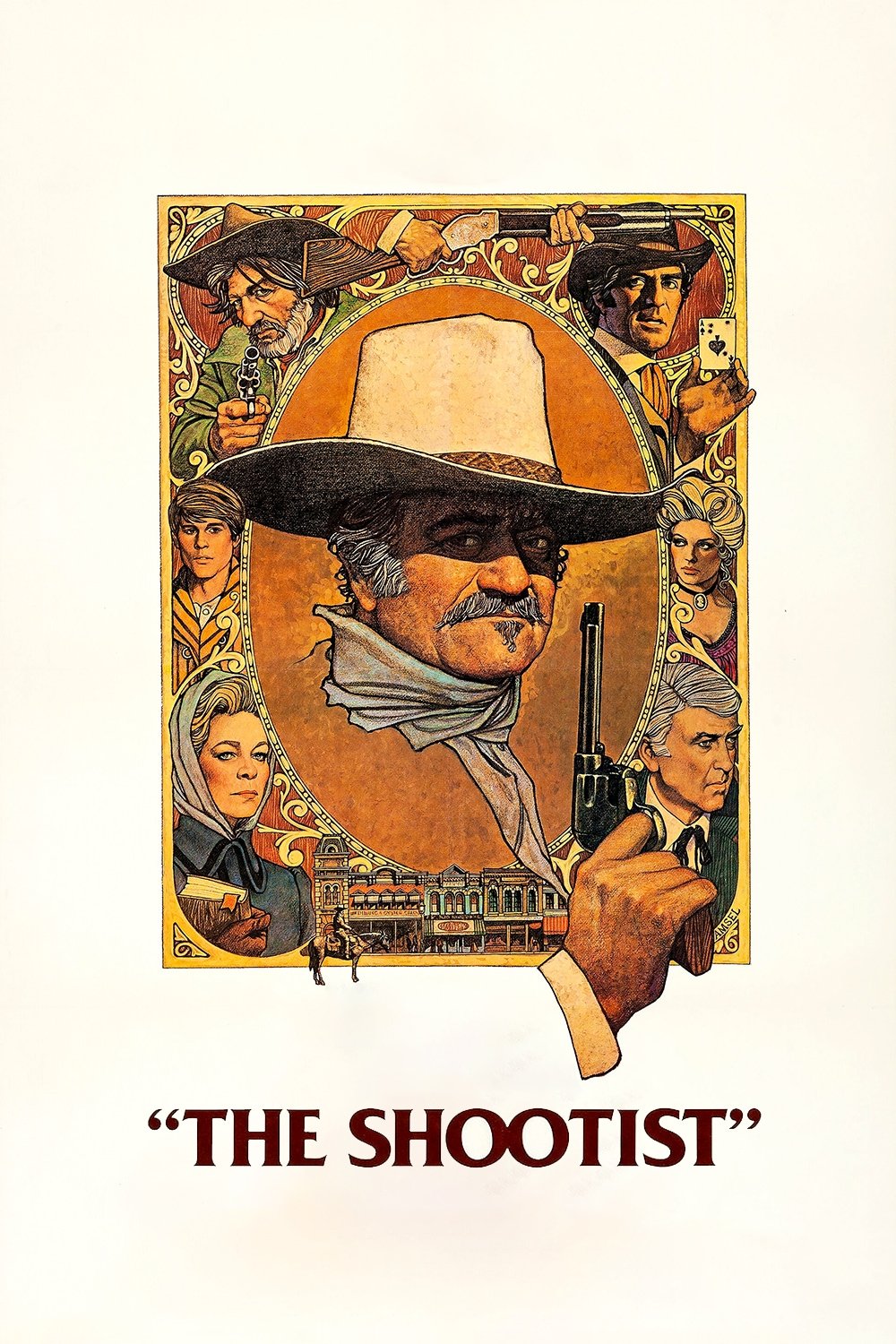
Don Siegel tells the story of an aging gunfighter seeking a decent end while navigating old enemies and new rules. John Wayne, Lauren Bacall, and James Stewart contribute to a reflective character piece. Period interiors, street sets, and careful costuming create a lived-in late-frontier atmosphere. The screenplay centers on reputation, legacy, and the economics of notoriety.
‘Jeremiah Johnson’ (1972)
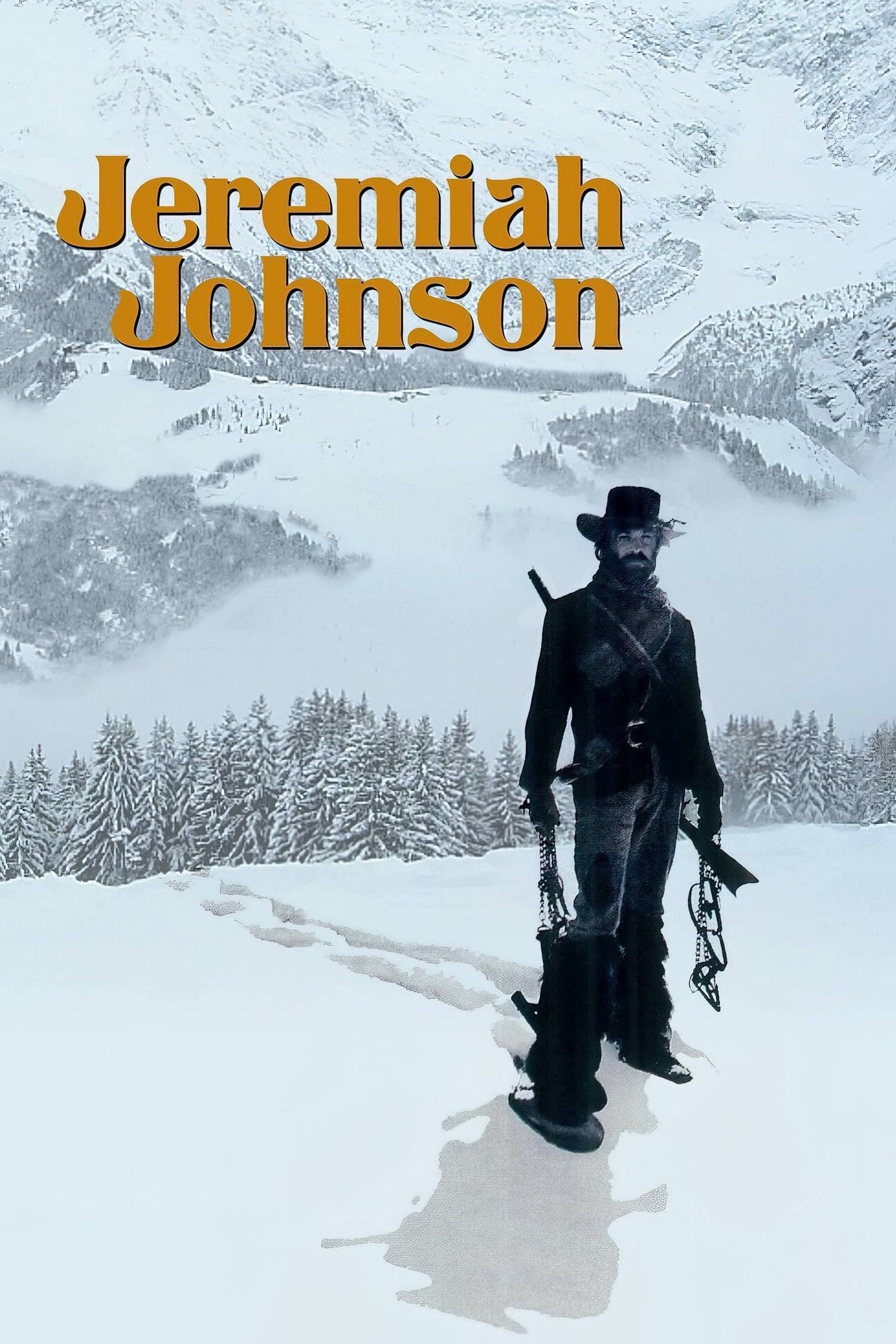
Sydney Pollack follows a former soldier who heads into the mountains to live as a trapper. Robert Redford’s performance is framed by extended wilderness sequences and minimal dialogue. The production emphasizes survival skills, seasonal cycles, and trade networks. Encounters with various communities map the human geography of remote territories.
‘High Plains Drifter’ (1973)
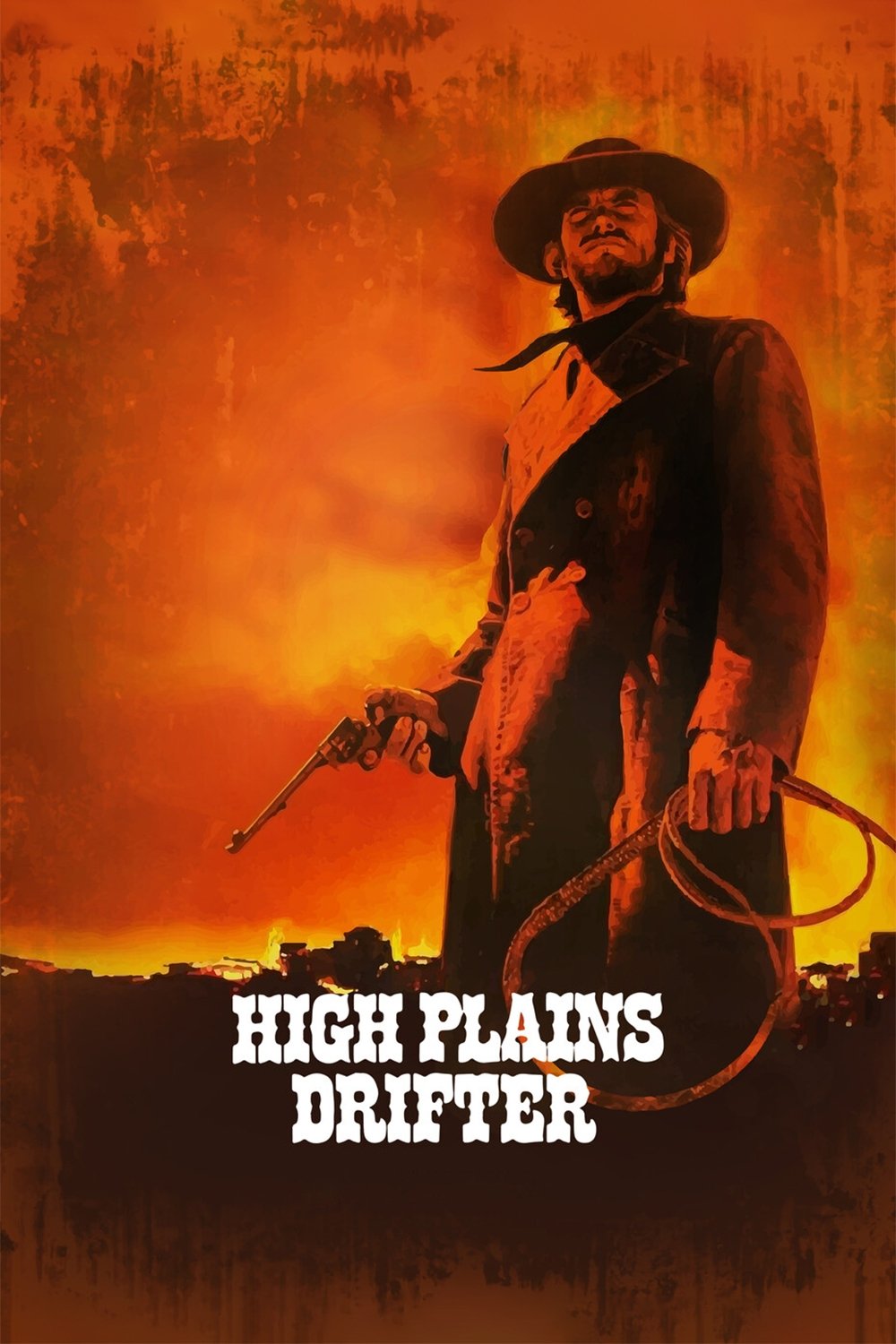
Clint Eastwood directs a tale of a mysterious stranger hired by a guilty town to fend off returning criminals. The film uses stylized production design to present a community built on concealment and complicity. Long takes, wind-swept exteriors, and ominous sound cues guide the atmosphere. Its plot studies collective responsibility and transactional justice.
‘Dances with Wolves’ (1990)
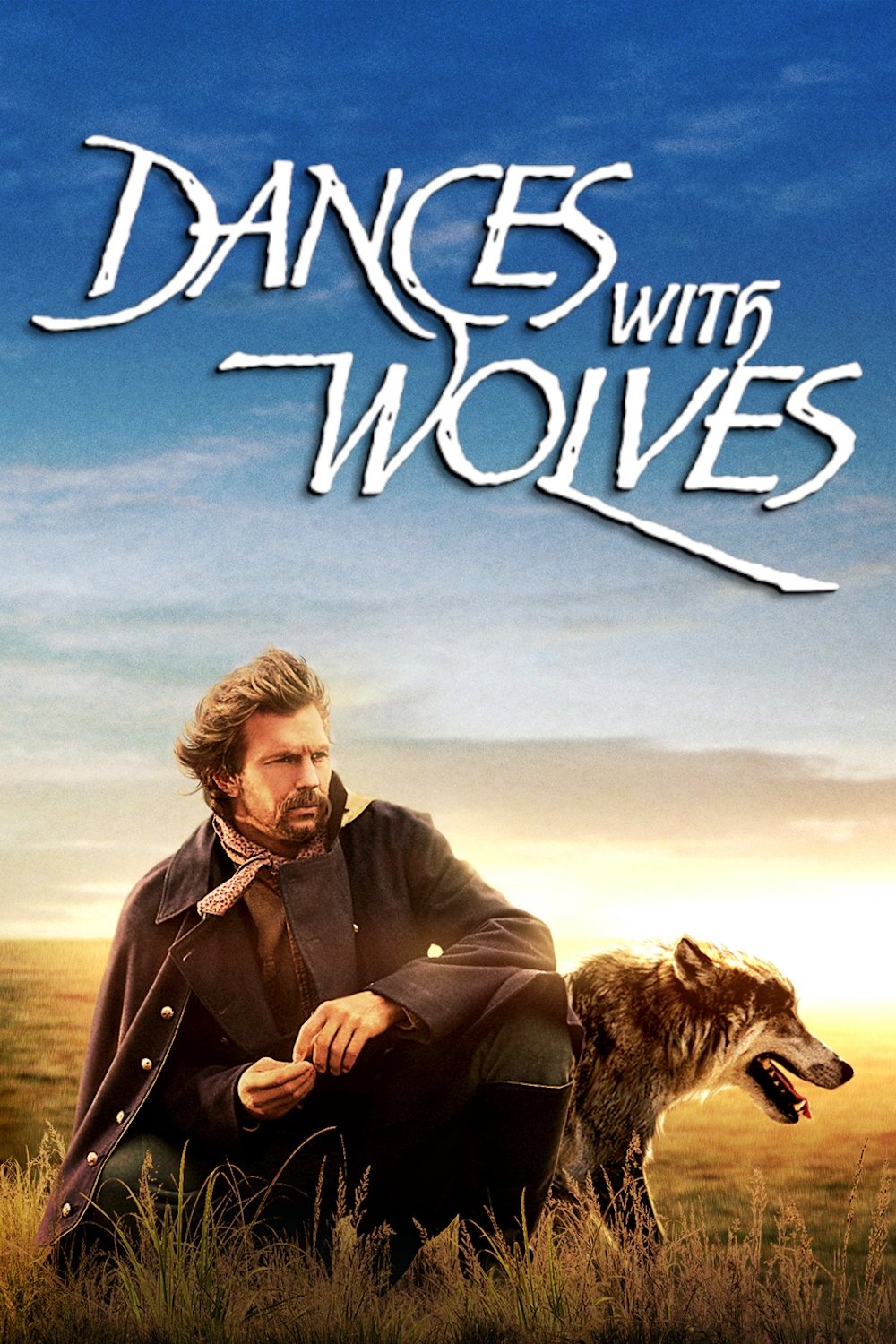
Kevin Costner directs and stars in a frontier story about an Army officer who develops ties with a Plains community. The film foregrounds language learning, trade customs, and camp lifeways. Large-scale buffalo sequences rely on coordinated wrangling and practical effects. The production balances letter-writing narration with ethnographic detail.
‘The Proposition’ (2005)
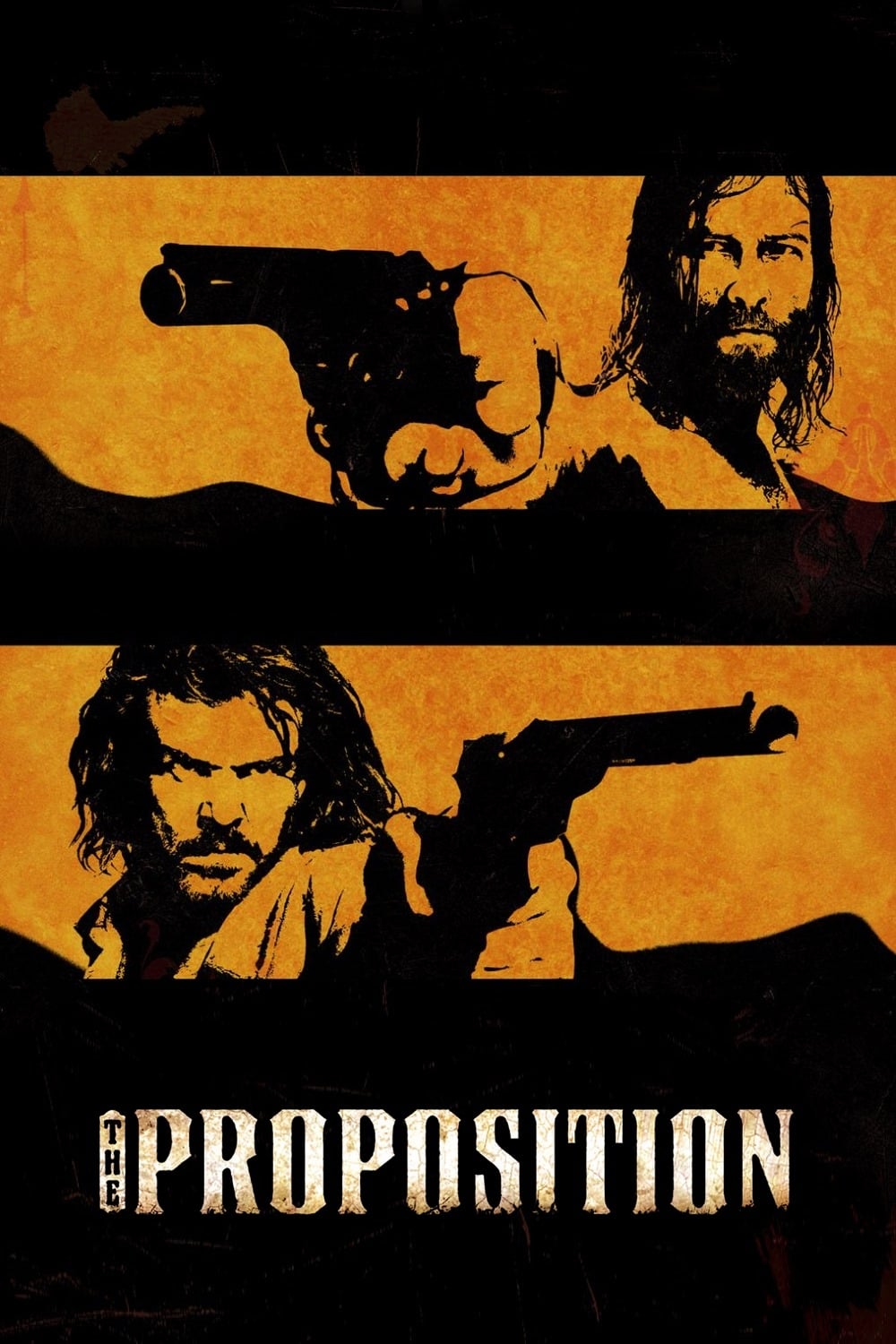
John Hillcoat sets a frontier morality play in Australia’s outback, examining law enforcement under extreme conditions. Guy Pearce, Ray Winstone, and Emily Watson lead a story shaped by colonial policy and kinship bonds. Sparse dialogue, dust-blown landscapes, and a haunting score define the texture. The script interrogates punishment, order, and the meaning of “civilization” at the edge.
‘Meek’s Cutoff’ (2010)
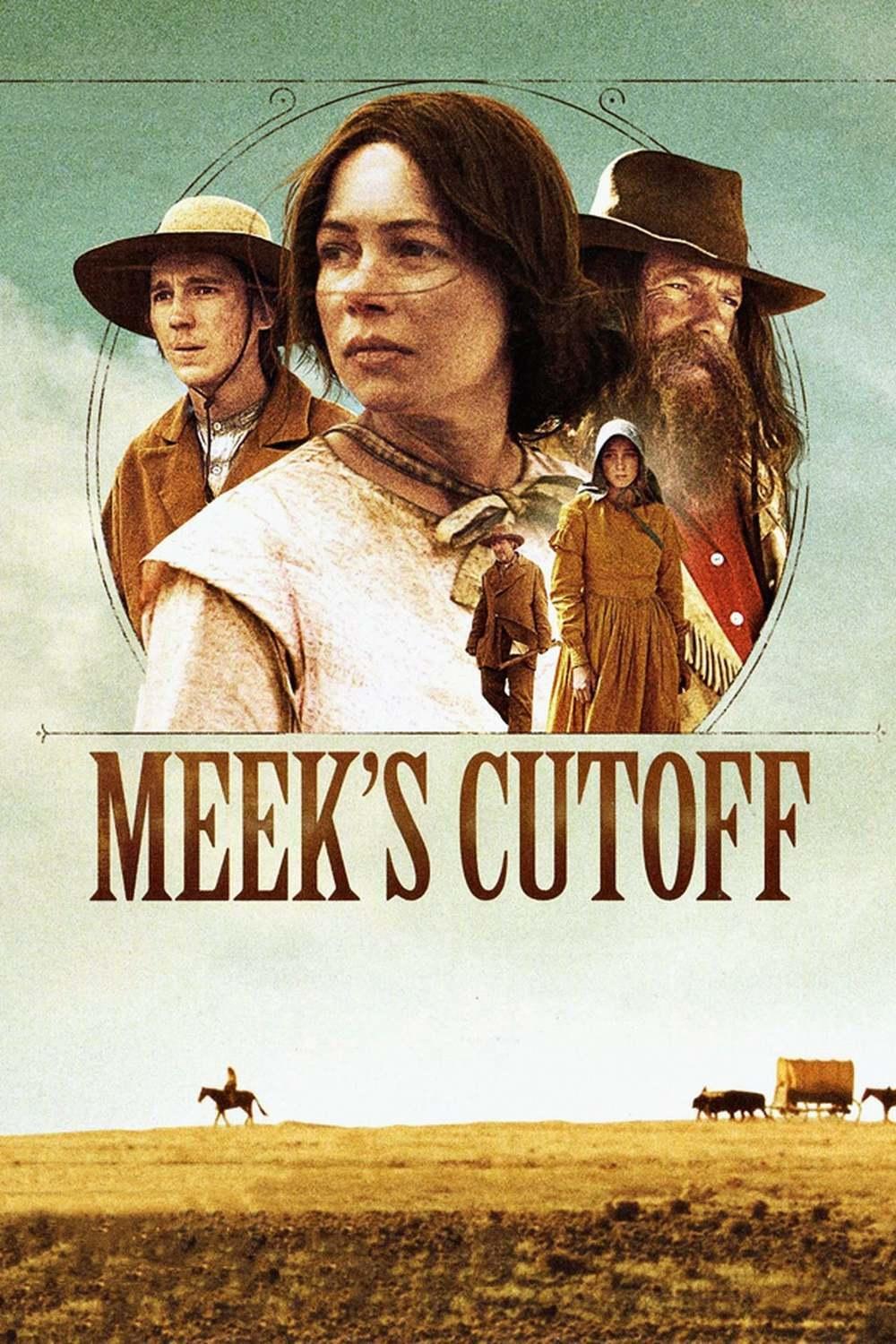
Kelly Reichardt reconstructs a wagon-train ordeal along a disputed desert route. Michelle Williams heads a cast focused on decision-making under severe scarcity. Natural light, long takes, and minimal exposition foreground daily labor—water rations, scouting, and repairs. The film emphasizes cartographic uncertainty and the politics of trust.
‘Bone Tomahawk’ (2015)
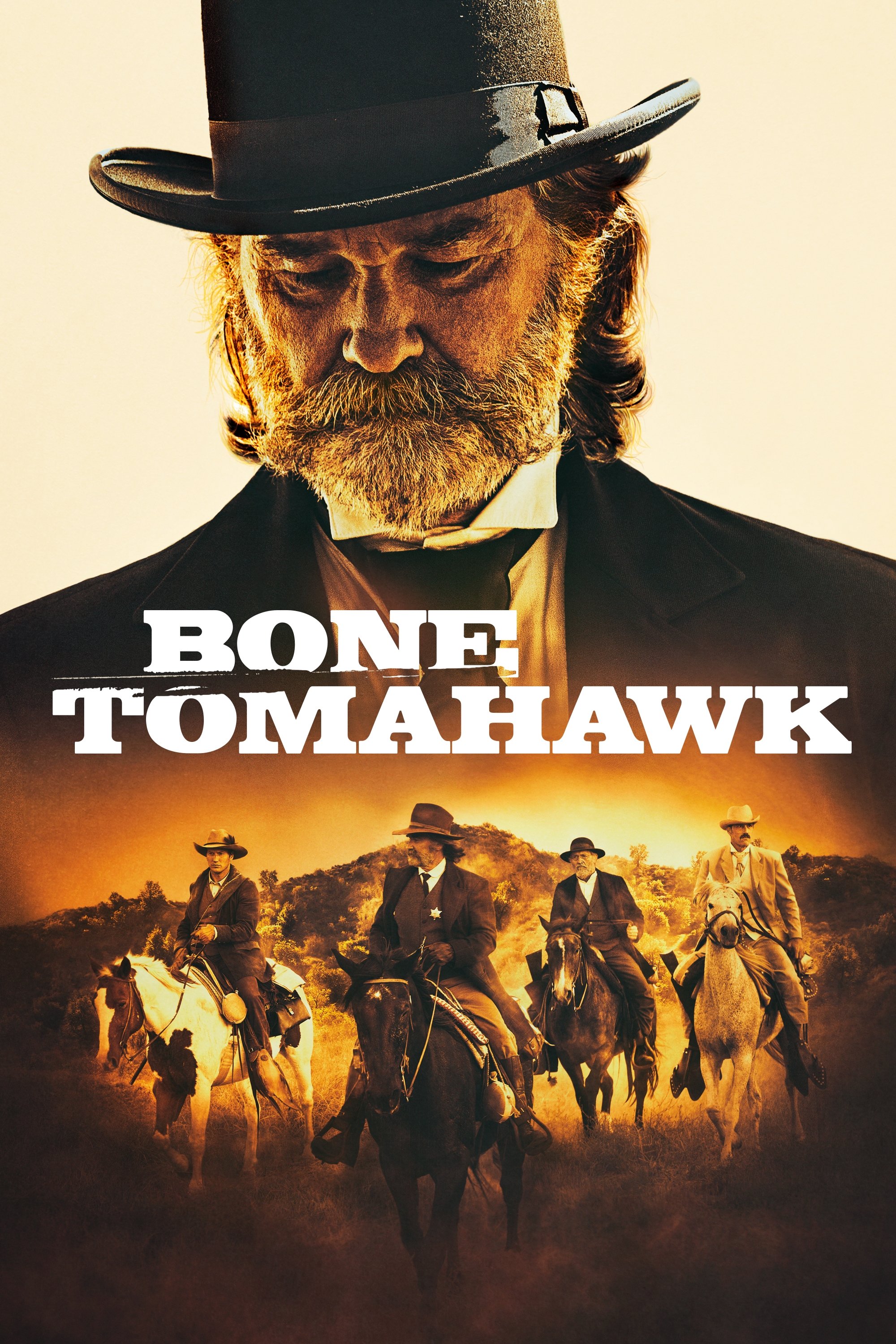
S. Craig Zahler blends frontier rescue with survival horror during a manhunt across harsh terrain. Kurt Russell, Patrick Wilson, and Richard Jenkins lead a small posse whose tactics and supplies are carefully tracked. Practical effects and measured pacing build tension around travel logistics. The story emphasizes navigation, tracking, and improvisation far from infrastructure.
‘Hell or High Water’ (2016)
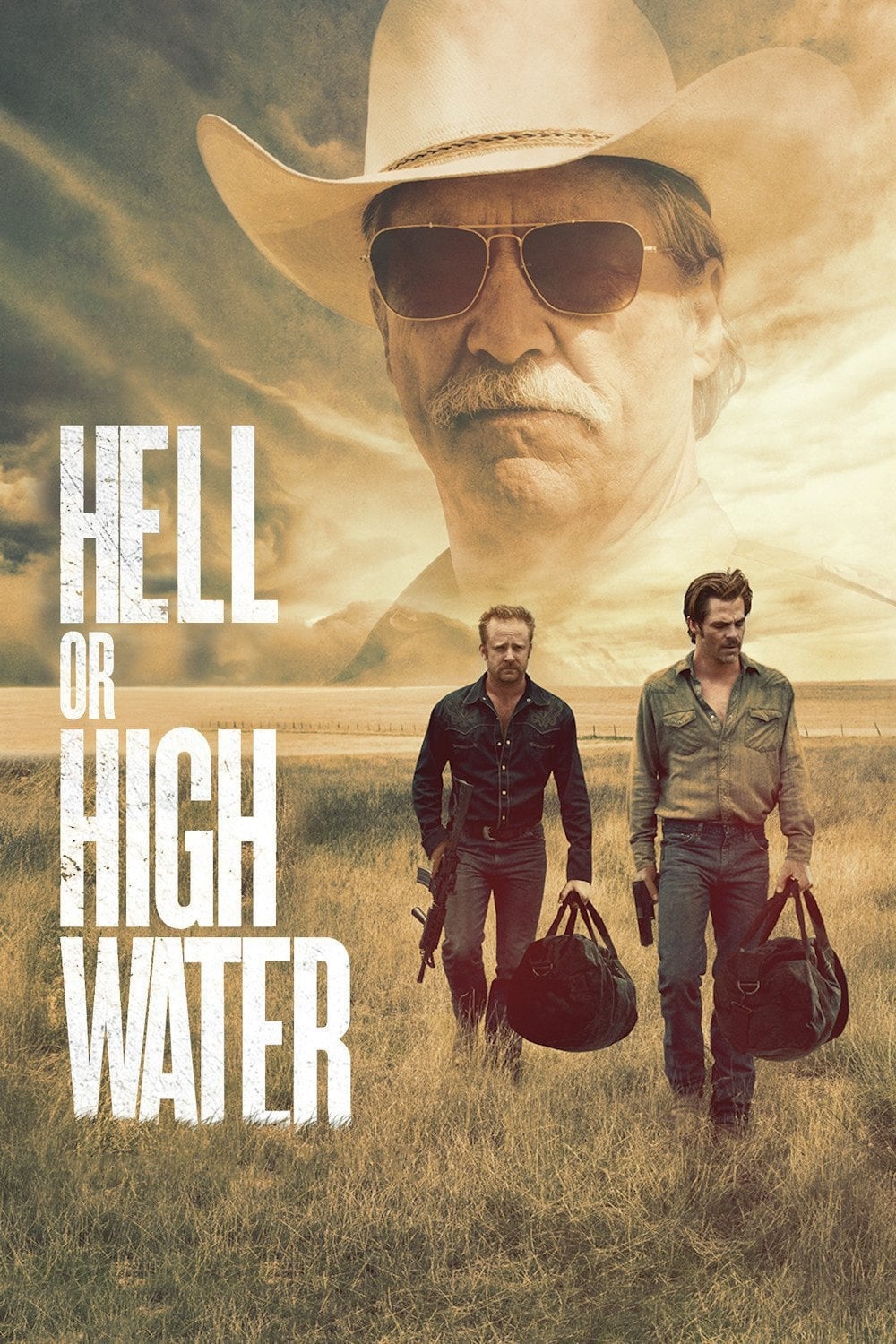
David Mackenzie frames a modern-day bank-robbery spree within ranch foreclosures and resource extraction. Chris Pine and Ben Foster play brothers targeted by a methodical Texas Ranger, portrayed by Jeff Bridges. The film maps small-town economies, oil leases, and rural policing. Location shooting and roadside detail ground a contemporary neo-western landscape.
‘Hostiles’ (2017)
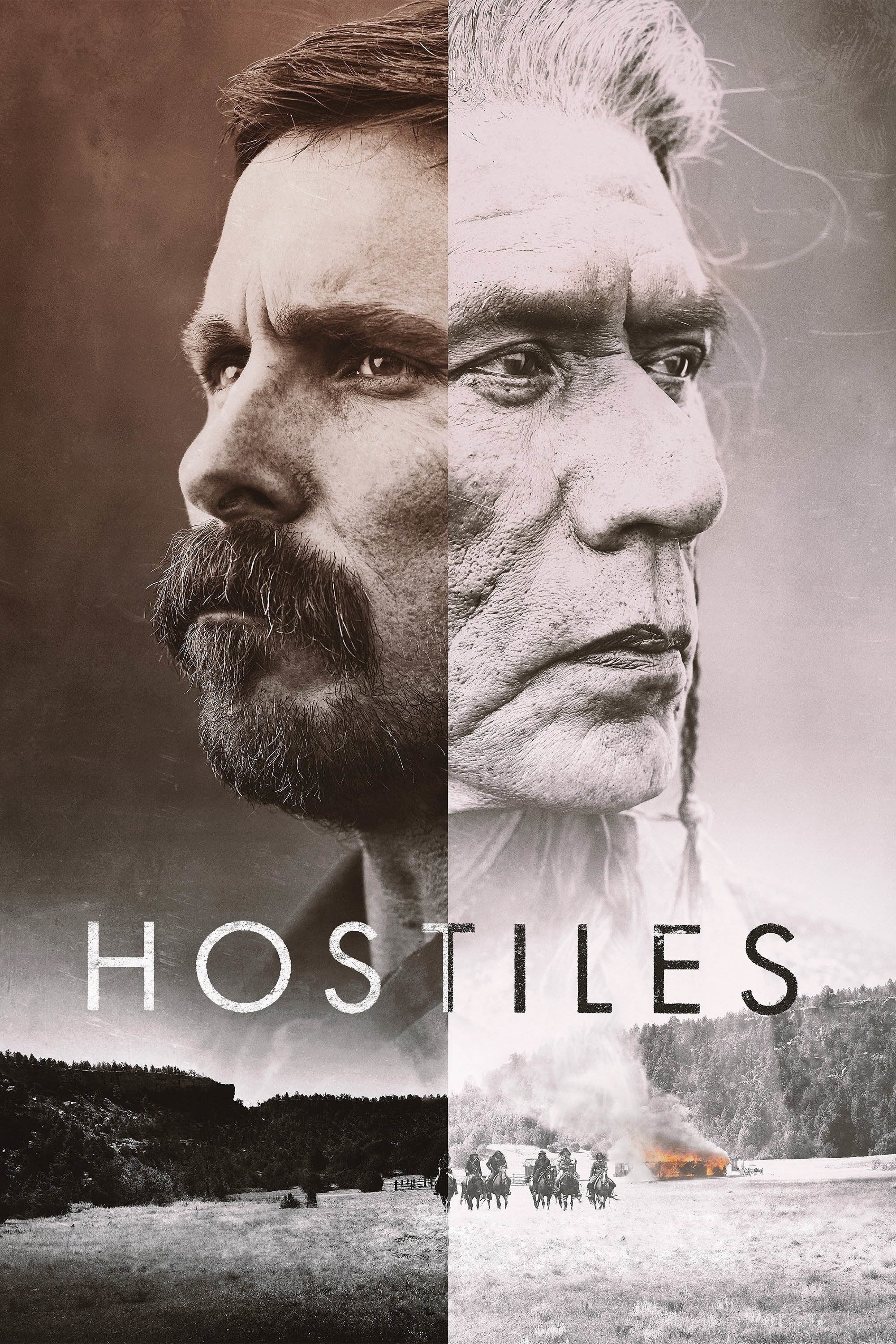
Scott Cooper follows an Army officer ordered to escort a Cheyenne family across contested territory. Christian Bale and Rosamund Pike lead a cast that moves through forts, ranches, and military bureaucracy. The production highlights chain-of-command tensions, field protocols, and mourning rituals. Dusty palettes and open skies underline the journey’s attrition.
‘The Power of the Dog’ (2021)
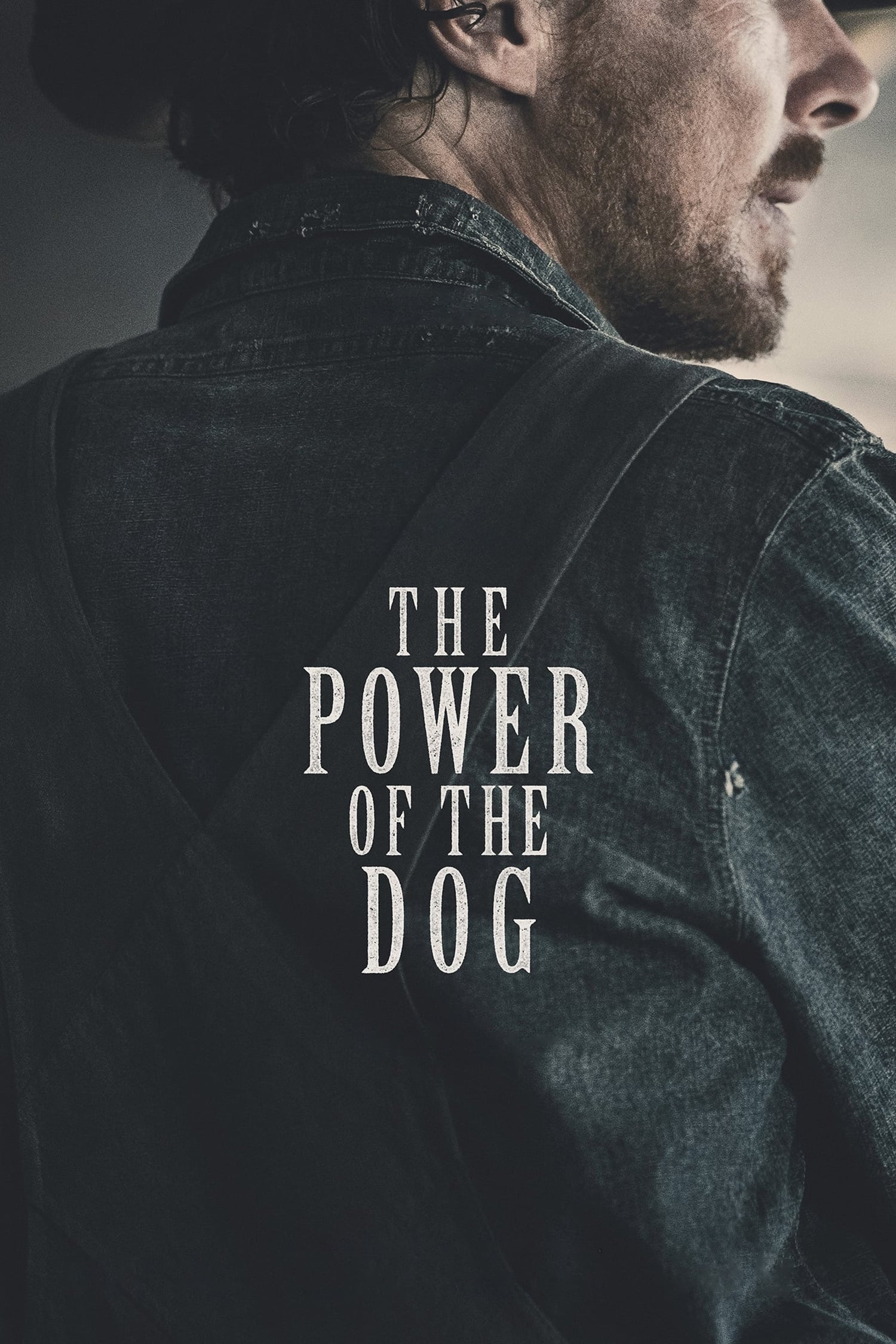
Jane Campion adapts Thomas Savage’s novel about ranching brothers and a new family dynamic on a remote spread. Benedict Cumberbatch, Kirsten Dunst, and Jesse Plemons anchor a study of work routines, education, and social codes. The film pays close attention to livestock care, leatherwork, and house management. Jonny Greenwood’s score and careful sound editing accentuate interior and exterior spaces.
‘The Rider’ (2017)
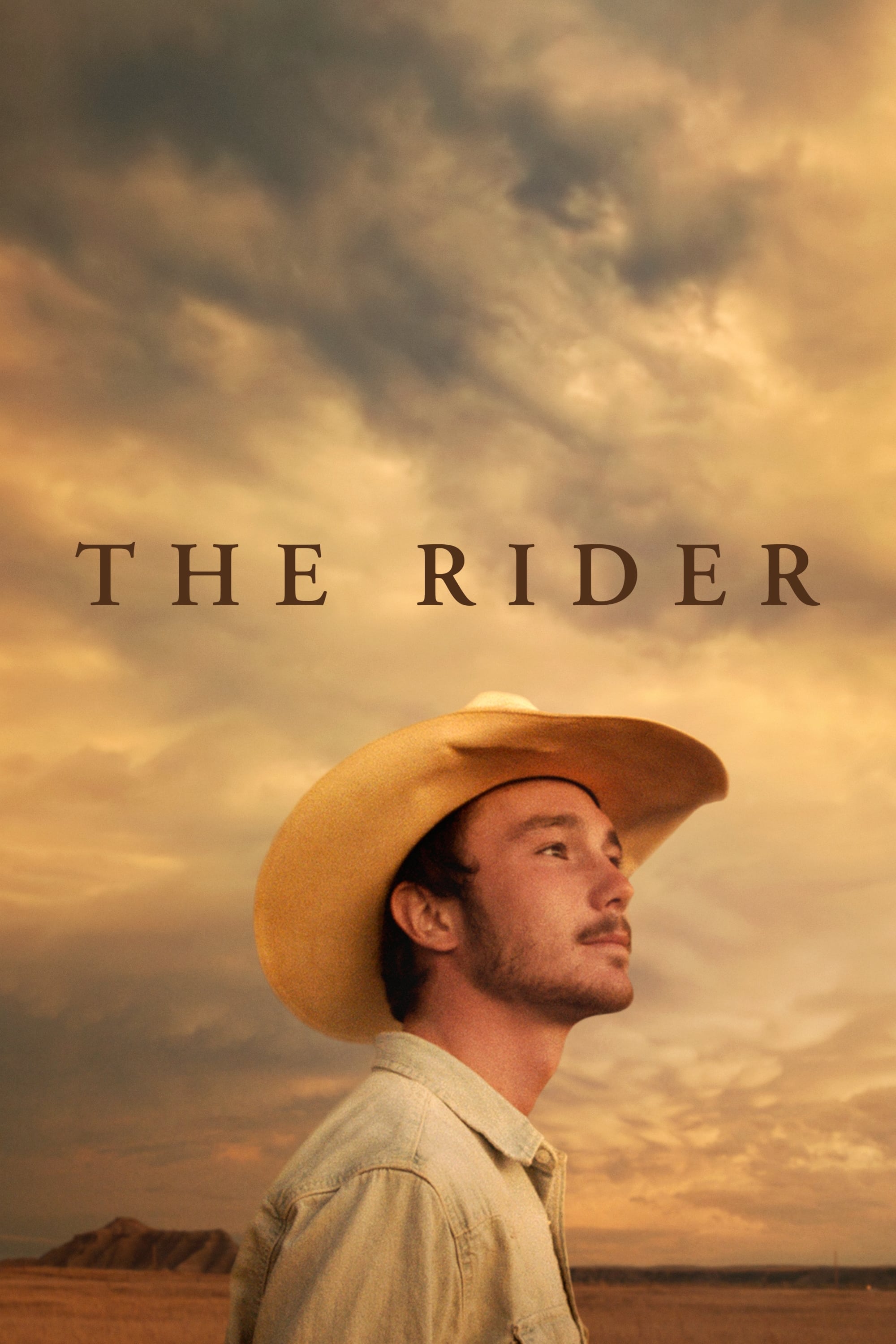
Chloé Zhao depicts a young bronc rider recovering from a severe head injury while navigating rodeo culture. Non-professional actors from the local community play versions of themselves, lending documentary texture. The production tracks veterinary care, retraining, and the economics of ranch work. Plains landscapes and quiet observational scenes situate identity within labor and environment.
Share your favorite picks and any must-add titles in the comments so everyone can compare watchlists.