Every Mainline ‘Resident Evil’ Game in Order

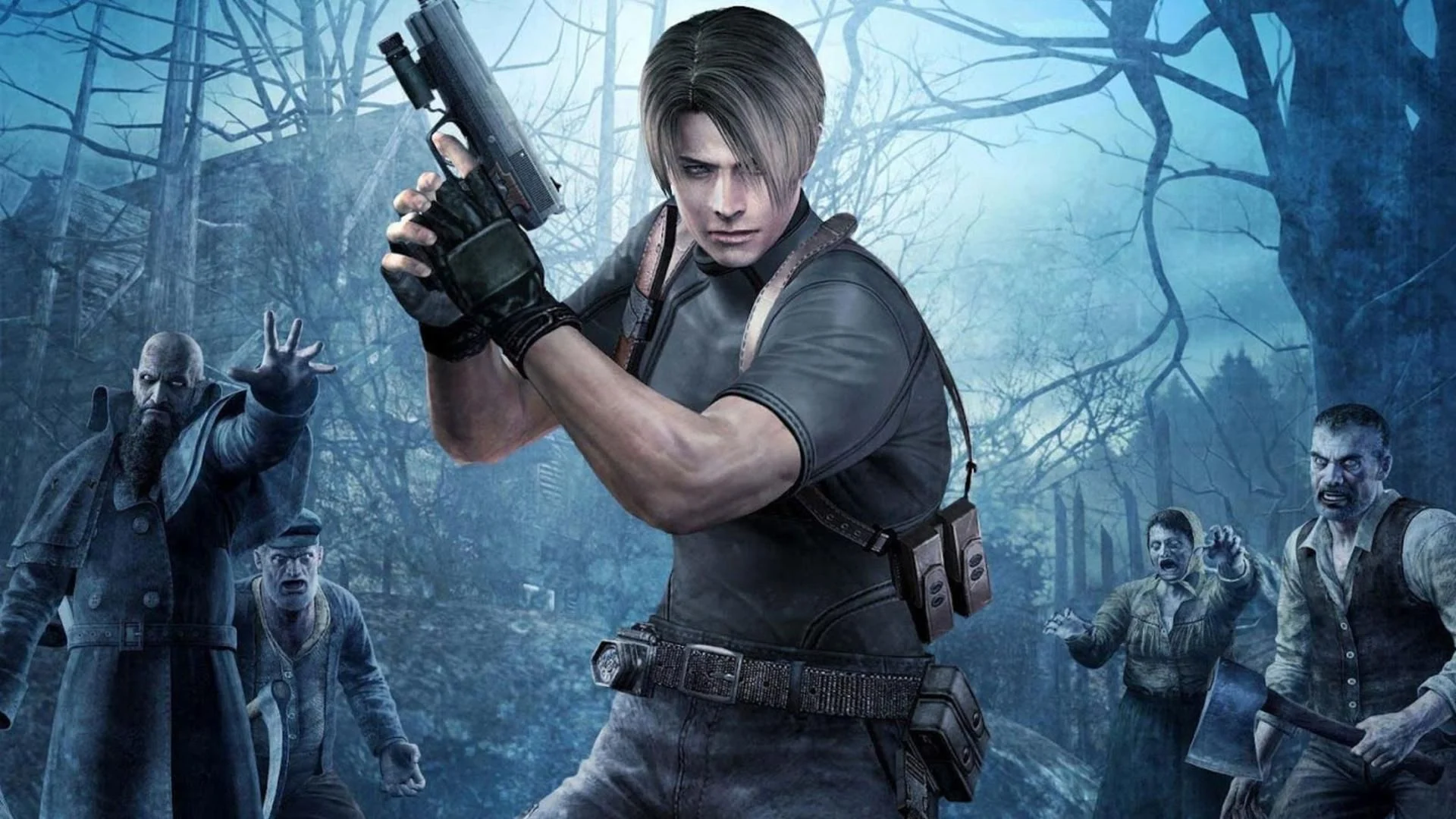

Capcom’s survival horror franchise has defined video game terror since its debut in the mid-1990s. Spanning multiple decades and hardware generations, the series evolved from fixed-camera puzzles to dynamic over-the-shoulder action and immersive first-person perspectives.
Players navigate treacherous environments filled with biological weapons engineered by corrupt pharmaceutical corporations. Tracking the release order of these iconic titles illustrates the technical and stylistic progression of the survival horror genre.
‘Resident Evil’ (1996)

Developed and published by Capcom, ‘Resident Evil‘ originally debuted on the PlayStation in March 1996. Players choose between Special Tactics and Rescue Service members Chris Redfield and Jill Valentine as they investigate a mysterious mansion in the Arklay Mountains. The gameplay established the survival horror formula through fixed camera angles, limited inventory slots, and resource management. An expanded version titled ‘Resident Evil: Director’s Cut’ was subsequently released in 1997 with rearranged item placements and additional modes.
‘Resident Evil 2’ (1998)
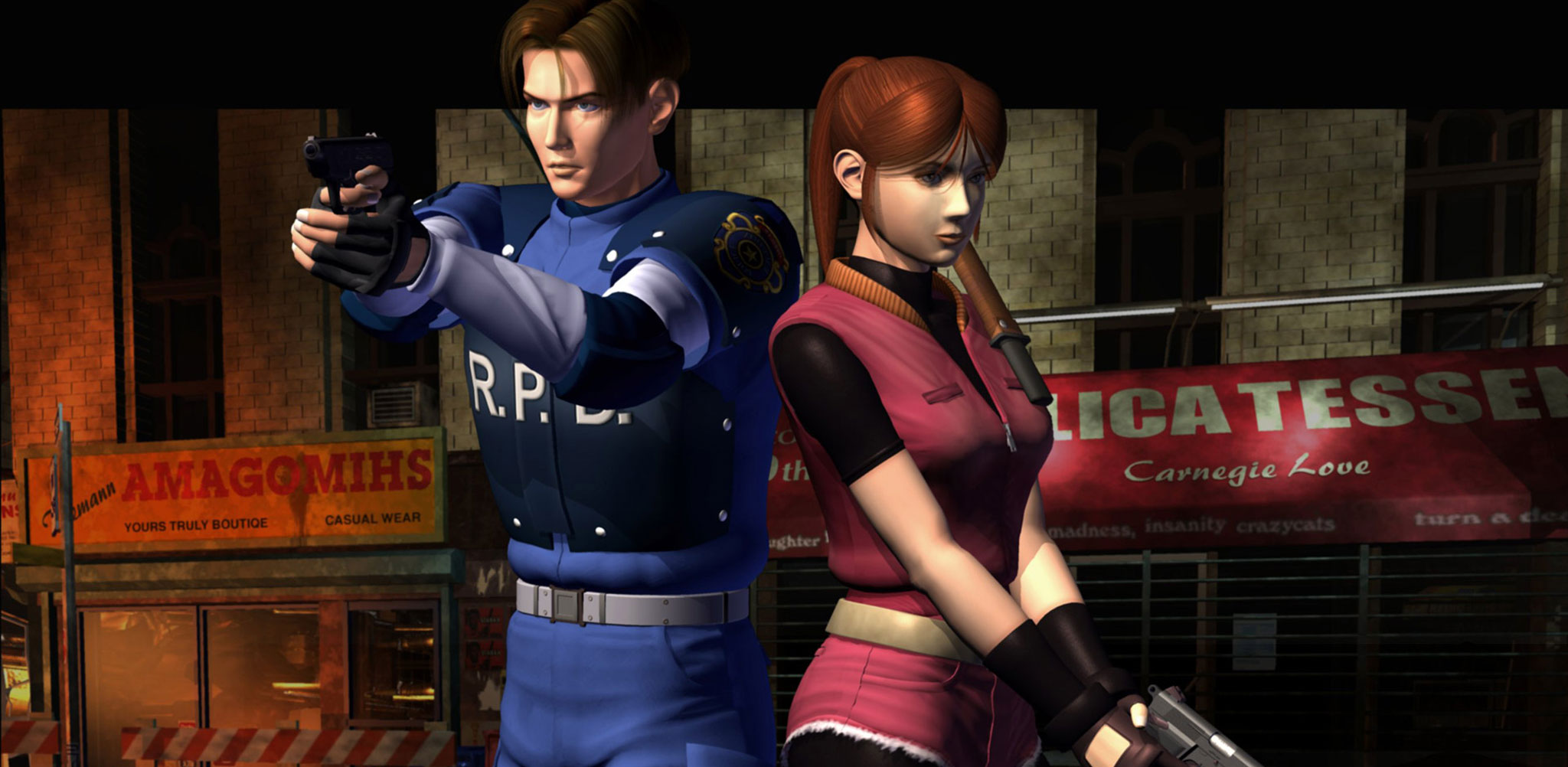
Directed by Hideki Kamiya, ‘Resident Evil 2’ arrived on the PlayStation in January 1998. The narrative shifts the viral outbreak from the isolated Spencer Mansion into the urban sprawl of Raccoon City. Players alternate between rookie police officer Leon S. Kennedy and college student Claire Redfield through the innovative Zapping system. The sequel expanded on the original mechanics by introducing larger environments, advanced branching scenarios, and deadlier biological threats.
‘Resident Evil 3: Nemesis’ (1999)
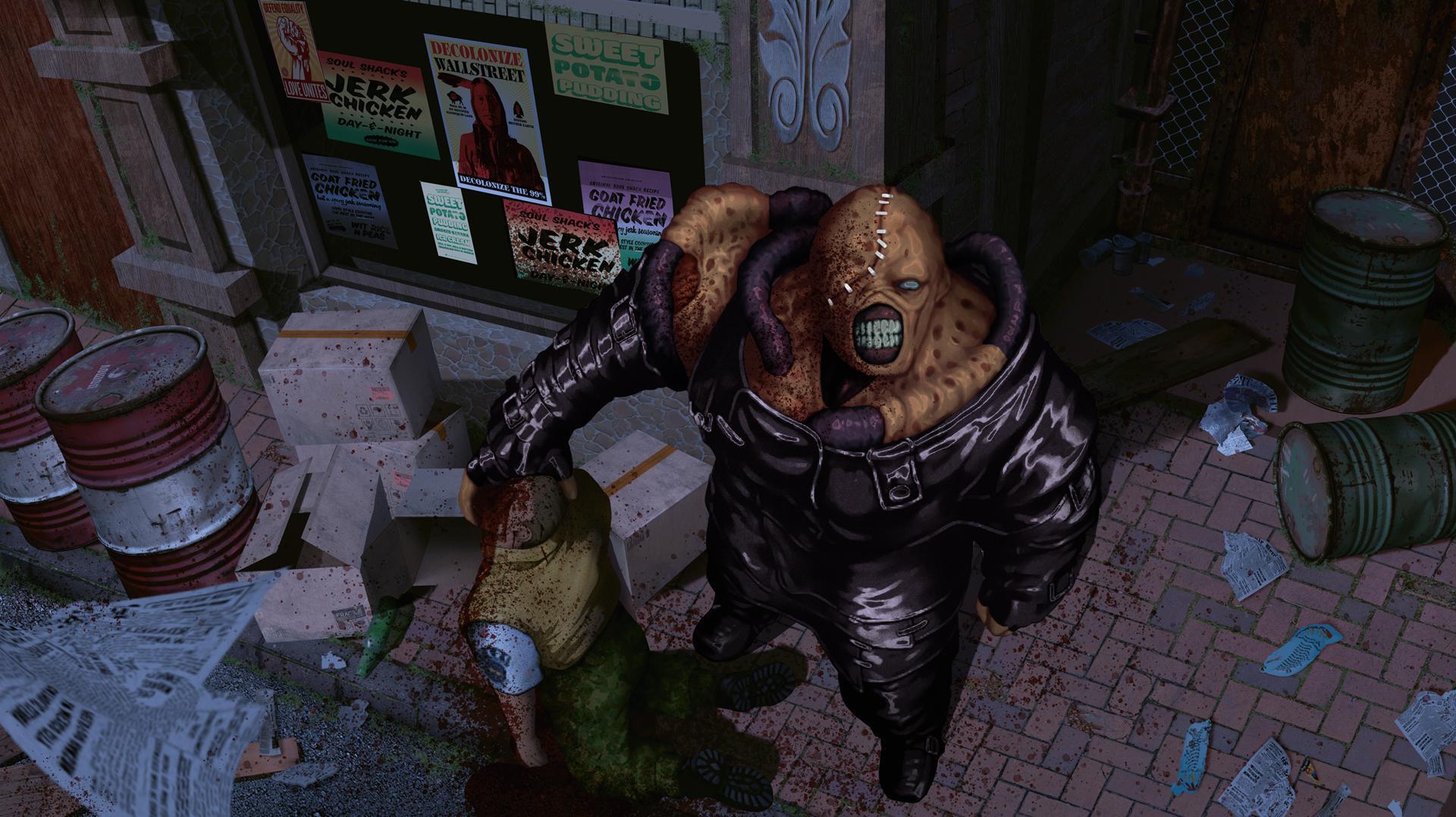
Released in 1999, ‘Resident Evil 3: Nemesis’ follows former S.T.A.R.S. operative Jill Valentine during the final hours of Raccoon City. The plot centers on Jill’s desperate escape while being pursued by Nemesis-T Type, an intelligent bioweapon programmed to eliminate surviving witnesses. Capcom introduced new gameplay mechanics including a quick-turn maneuver, a dodge system, and live-action decision points. The title also featured ‘The Mercenaries: Operation Mad Jackal’, an unlockable minigame that became a franchise staple.
‘Resident Evil – Code: Veronica’ (2000)
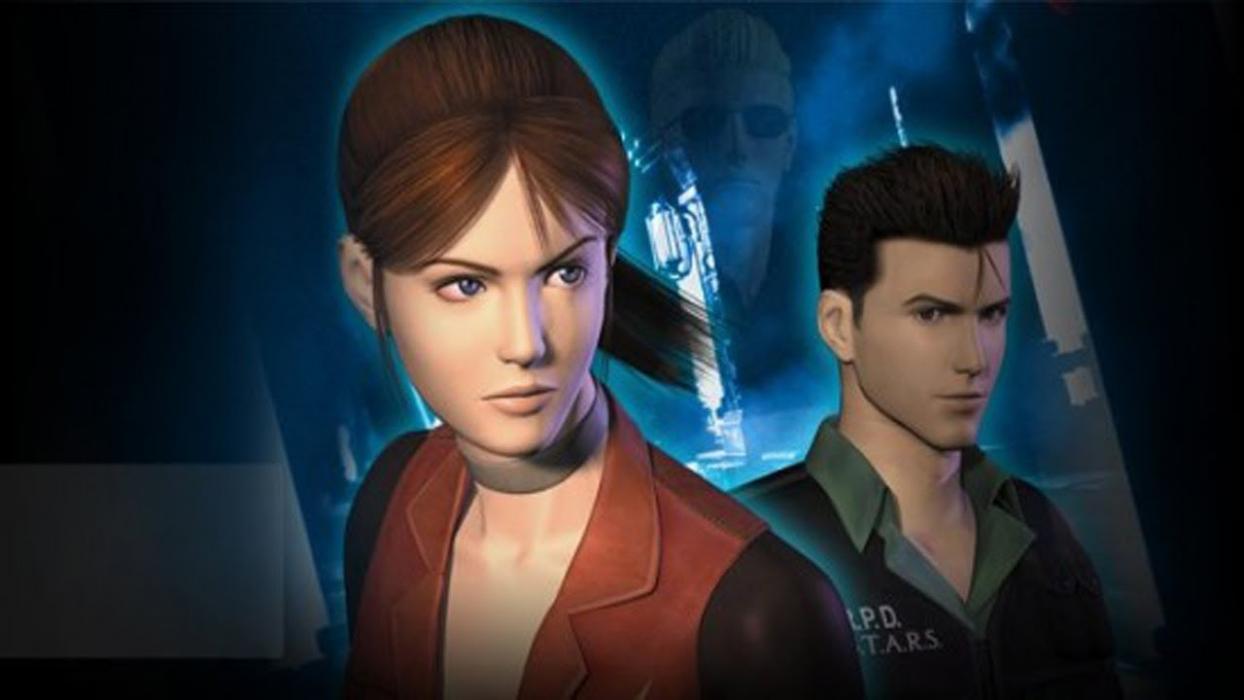
Debuting on the Sega Dreamcast in February 2000, ‘Resident Evil – Code: Veronica’ brought the series into full 3D environments. The storyline follows Claire Redfield as she searches for her missing brother Chris across Rockfort Island and an Antarctic research base. The narrative expands the lore surrounding the founders of the Umbrella Corporation, specifically the aristocratic Ashford family. Capcom later released an updated version titled ‘Resident Evil – Code: Veronica X’ featuring enhanced cutscenes for multiple home consoles.
‘Resident Evil’ (2002)
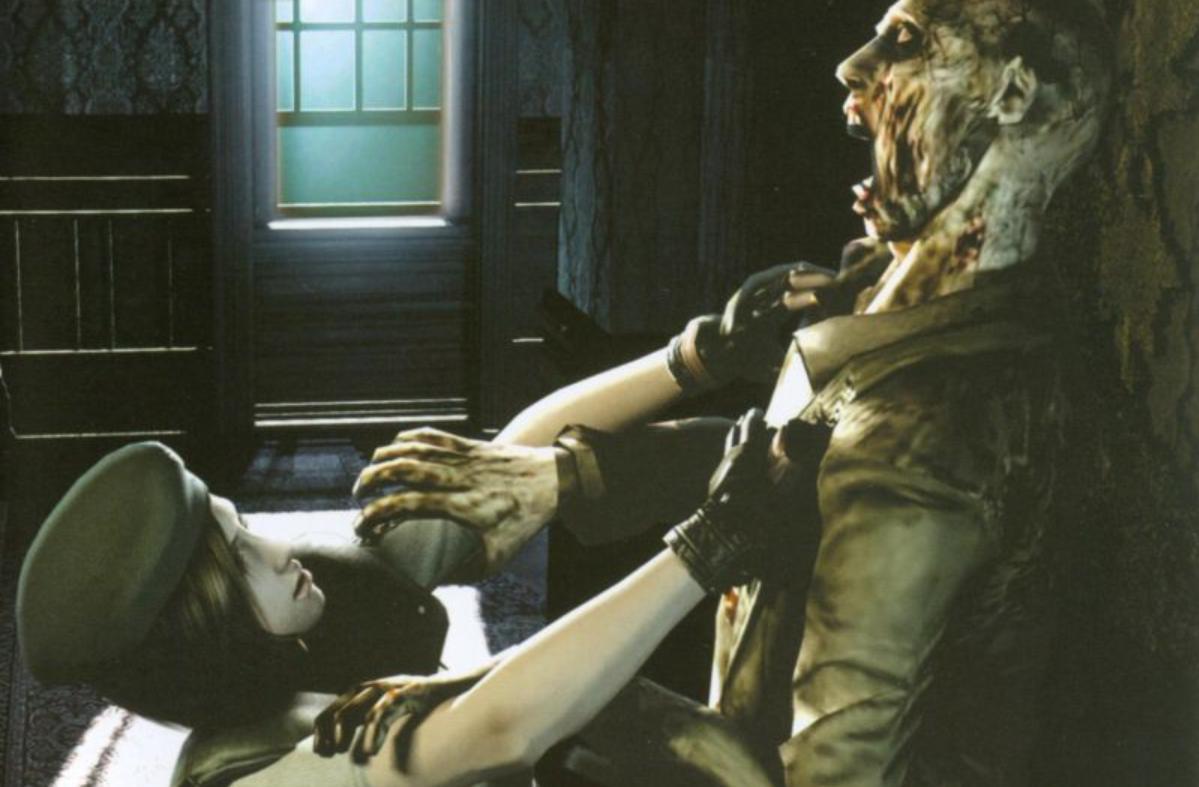
Directed by series creator Shinji Mikami, this 2002 remake of ‘Resident Evil’ was built from the ground up for the Nintendo GameCube. The title revamped the Spencer Mansion with pre-rendered backgrounds, dynamic lighting, and revised architectural layouts. New gameplay mechanics included defensive weapons and the introduction of Crimson Heads, which are resurrected zombies with increased speed and aggression. The game received a high-definition remaster in 2014, making the acclaimed survival horror experience accessible on modern platforms.
‘Resident Evil Zero’ (2002)

Released for the Nintendo GameCube in late 2002, ‘Resident Evil Zero’ serves as a direct prequel to the original game. The campaign follows S.T.A.R.S. medic Rebecca Chambers and escaped military prisoner Billy Coen as they investigate an Umbrella train derailment. Gameplay relies on the Partner Zapping mechanic, enabling players to control both characters simultaneously to solve cooperative puzzles. The traditional item box storage system was replaced with an on-ground item-dropping mechanic that requires strategic inventory placement.
‘Resident Evil 4’ (2005)
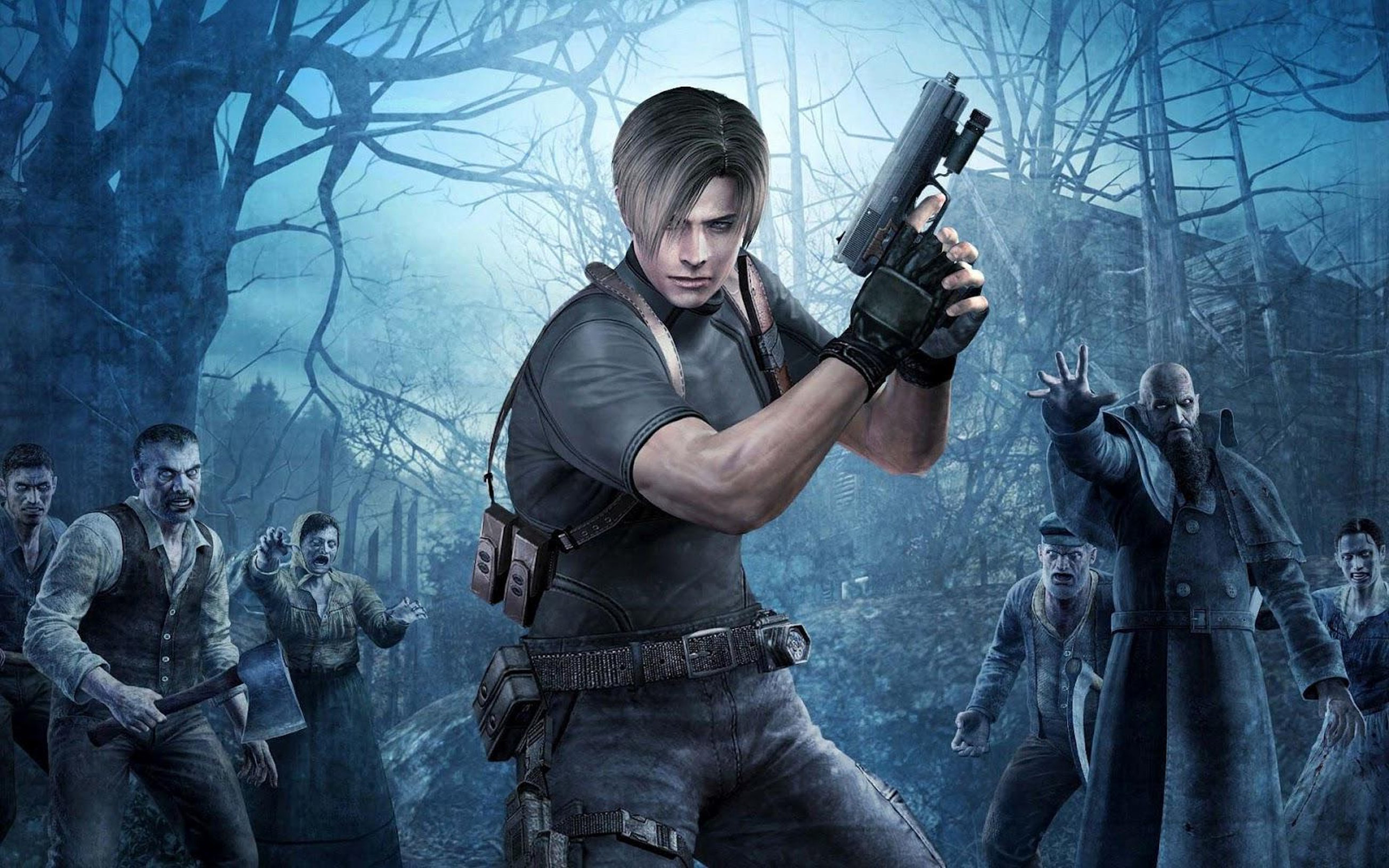
Launching on the Nintendo GameCube in January 2005, ‘Resident Evil 4’ fundamentally revolutionized third-person action and survival horror. The narrative follows federal agent Leon S. Kennedy on a rescue mission in rural Spain to save the President’s kidnapped daughter, Ashley Graham. Shinji Mikami replaced the fixed camera perspectives with an over-the-shoulder viewpoint paired with context-sensitive melee attacks. The title achieved widespread critical acclaim and was subsequently ported to over a dozen gaming platforms worldwide.
‘Resident Evil 5’ (2009)
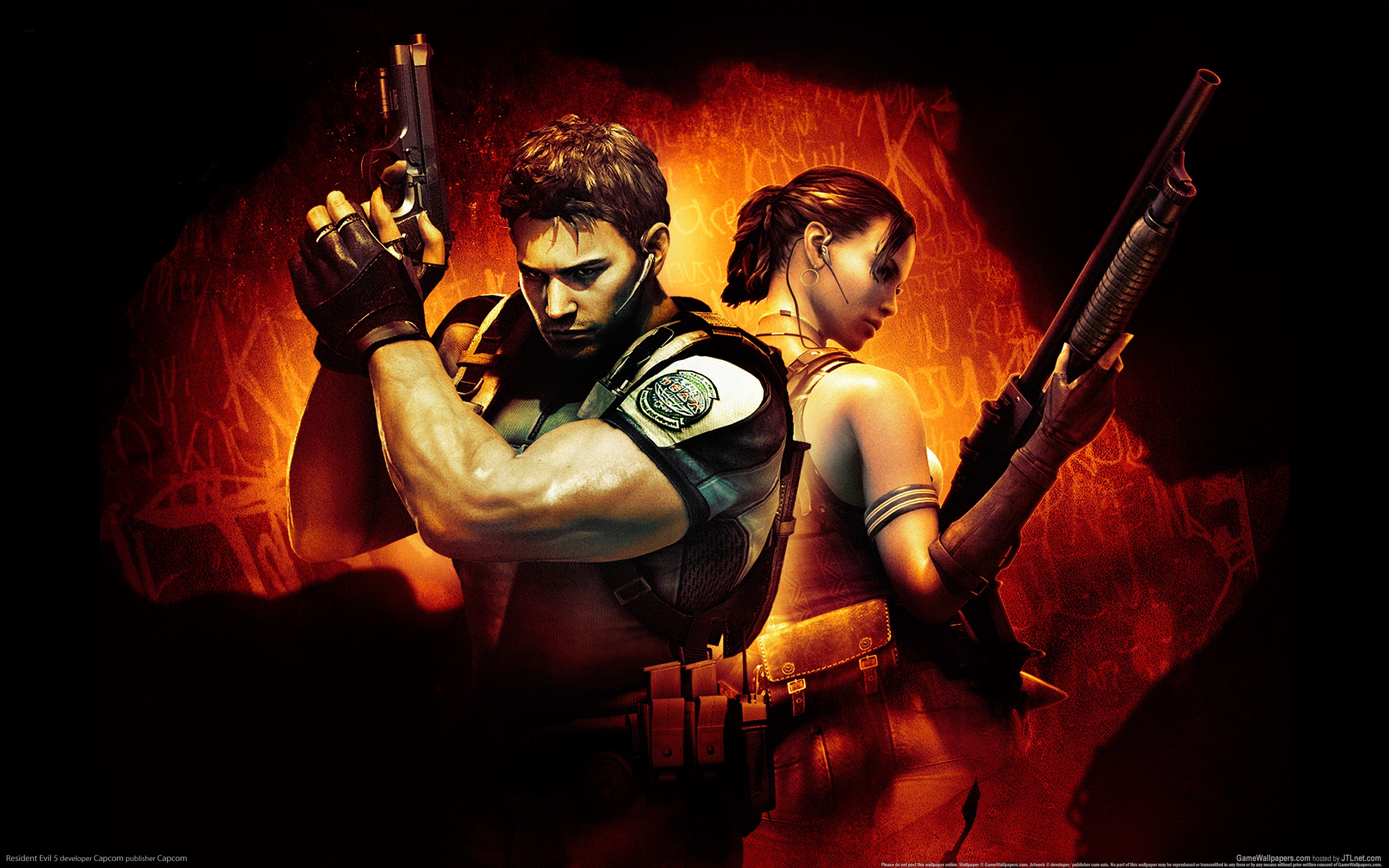
Published in March 2009, ‘Resident Evil 5’ brought the franchise into full high-definition across the PlayStation 3, Xbox 360, and PC. Chris Redfield and his new partner Sheva Alomar operate in the fictional African region of Kijuju on behalf of the Bioterrorism Security Assessment Alliance. The game introduced a two-player cooperative campaign mode that supports both local split-screen and online multiplayer. An expanded release titled ‘Resident Evil 5: Gold Edition’ introduced extra story chapters including ‘Lost in Nightmares’ and ‘Desperate Escape’.
‘Resident Evil 6’ (2012)
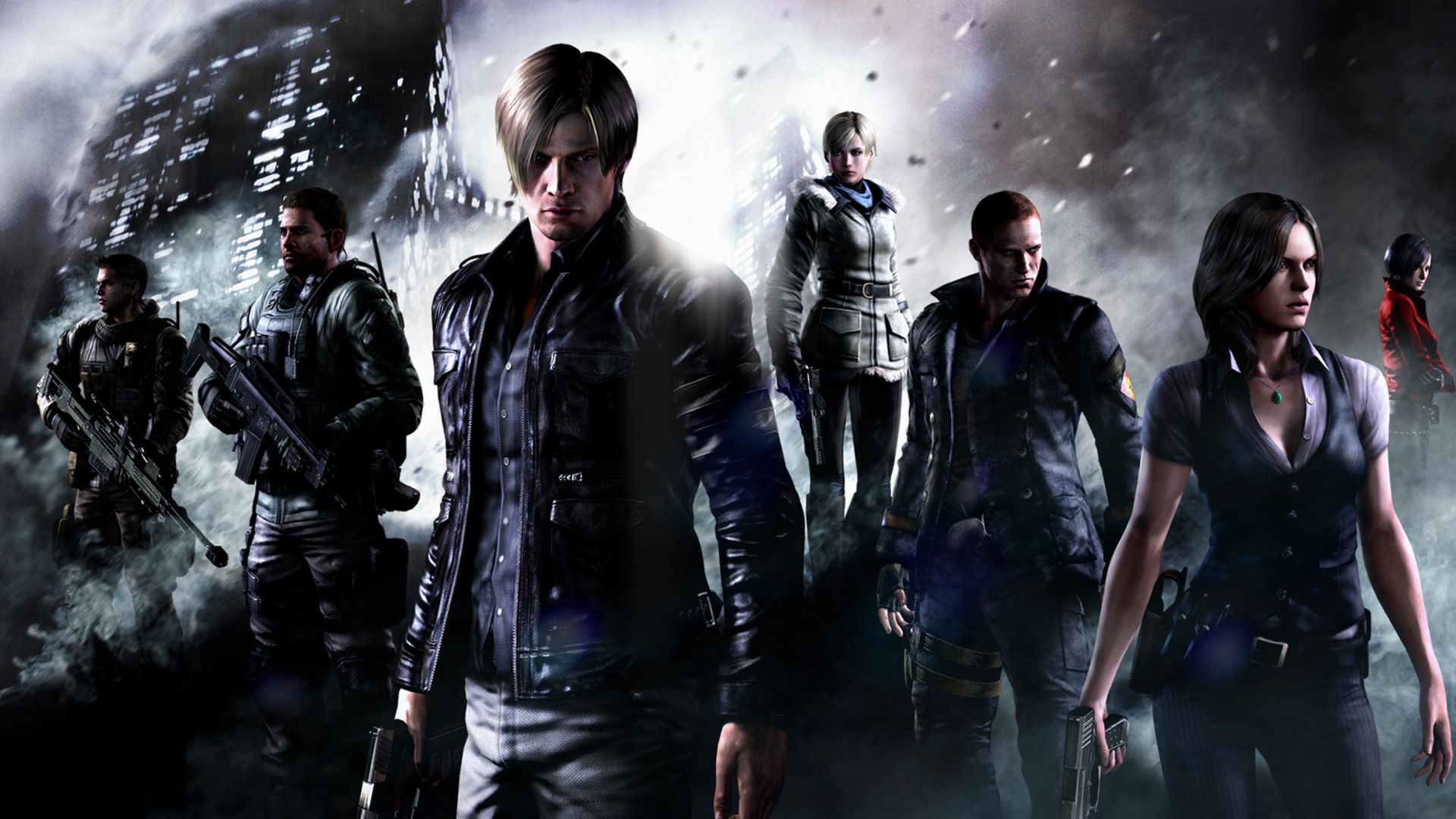
Arriving in October 2012, ‘Resident Evil 6’ features an interconnected global narrative split across four distinct campaigns. Players follow returning protagonists Leon S. Kennedy, Chris Redfield, and Sherry Birkin, alongside newcomer Jake Muller. The gameplay leans heavily into blockbuster action with enhanced mobility options like sliding, rolling, and sprinting while shooting. Each campaign offers a different tonal approach to the C-Virus outbreak, ranging from tense urban horror to military firefights.
‘Resident Evil 7: Biohazard’ (2017)
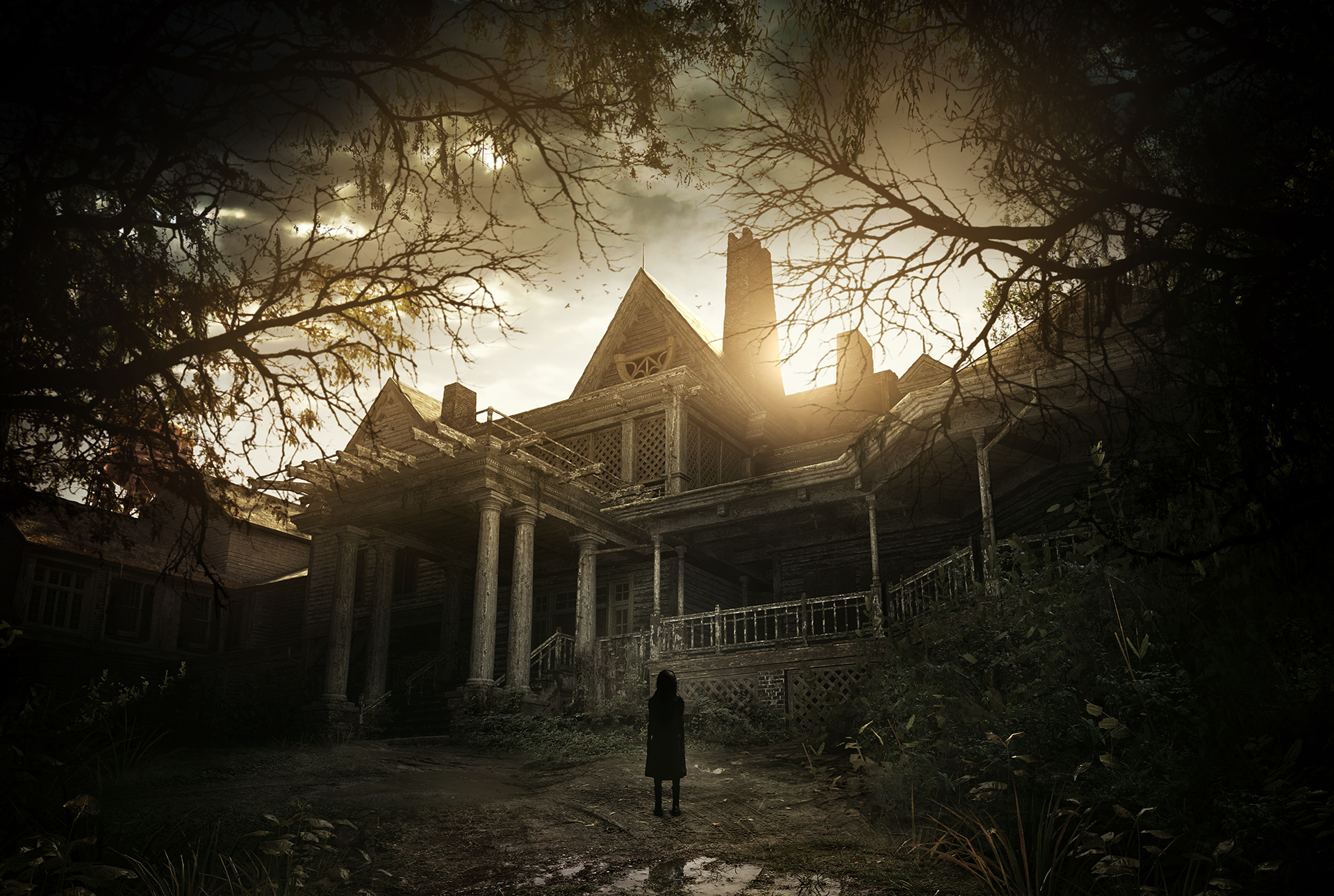
Released worldwide in January 2017, ‘Resident Evil 7: Biohazard’ marked a dramatic return to intimate survival horror. The story introduces Ethan Winters, who journeys to a derelict plantation in Louisiana to search for his missing wife, Mia. Capcom shifted the presentation to an immersive first-person perspective built using the proprietary RE Engine. The title supported full virtual reality integration on PlayStation VR, heightening the tension against the infected Baker family.
‘Resident Evil 2’ (2019)
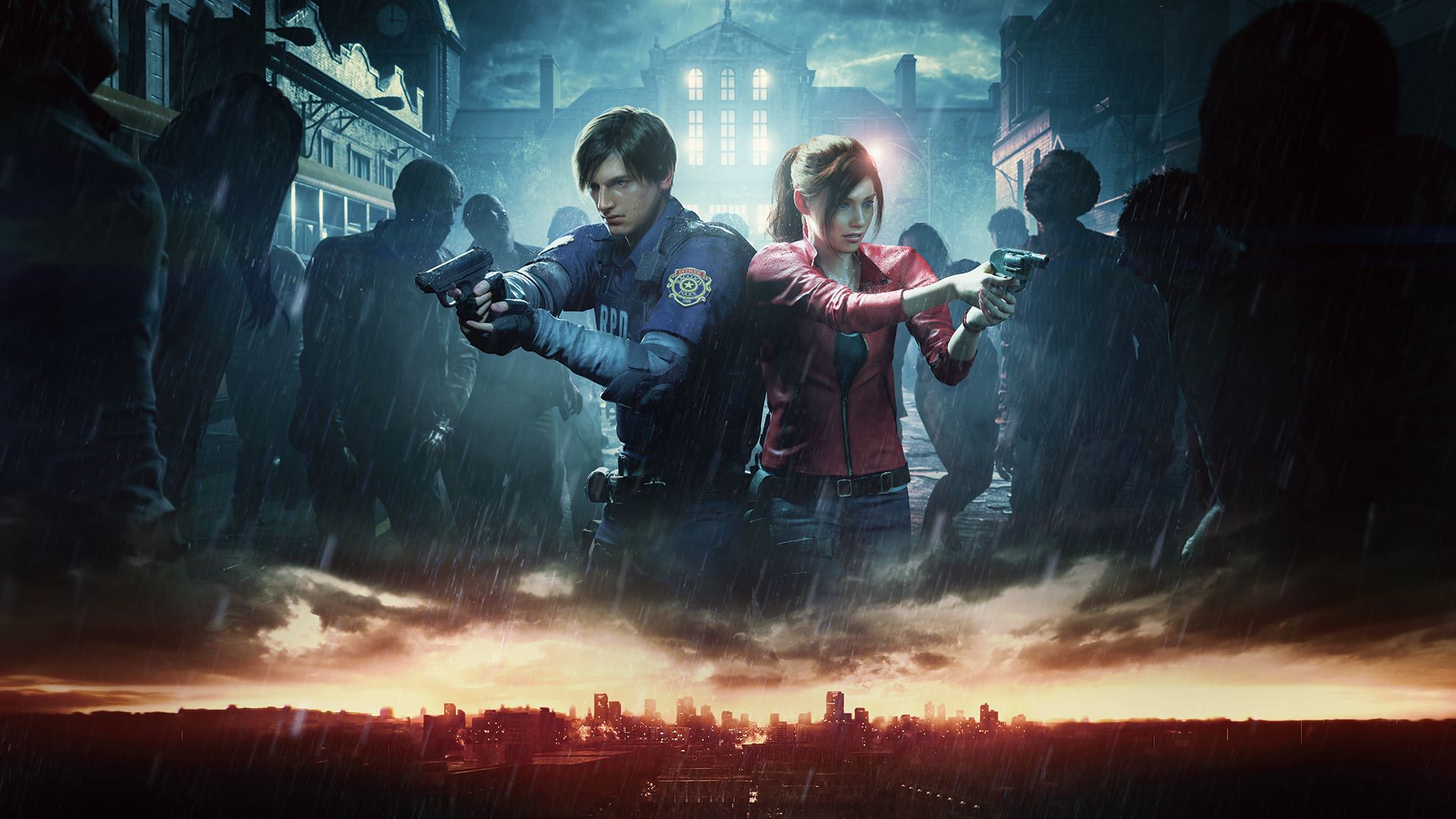
Capcom reimagined the 1998 classic with ‘Resident Evil 2’, which released in January 2019 for modern platforms. The remake trades the original fixed camera perspectives for a third-person over-the-shoulder camera and modern physics-based gore. Leon S. Kennedy and Claire Redfield navigate the dark corridors of the Raccoon City Police Department while evading the relentless Tyrant. The critically acclaimed title successfully modernized puzzle-solving, spatial navigation, and tense ammunition conservation.
‘Resident Evil 3’ (2020)
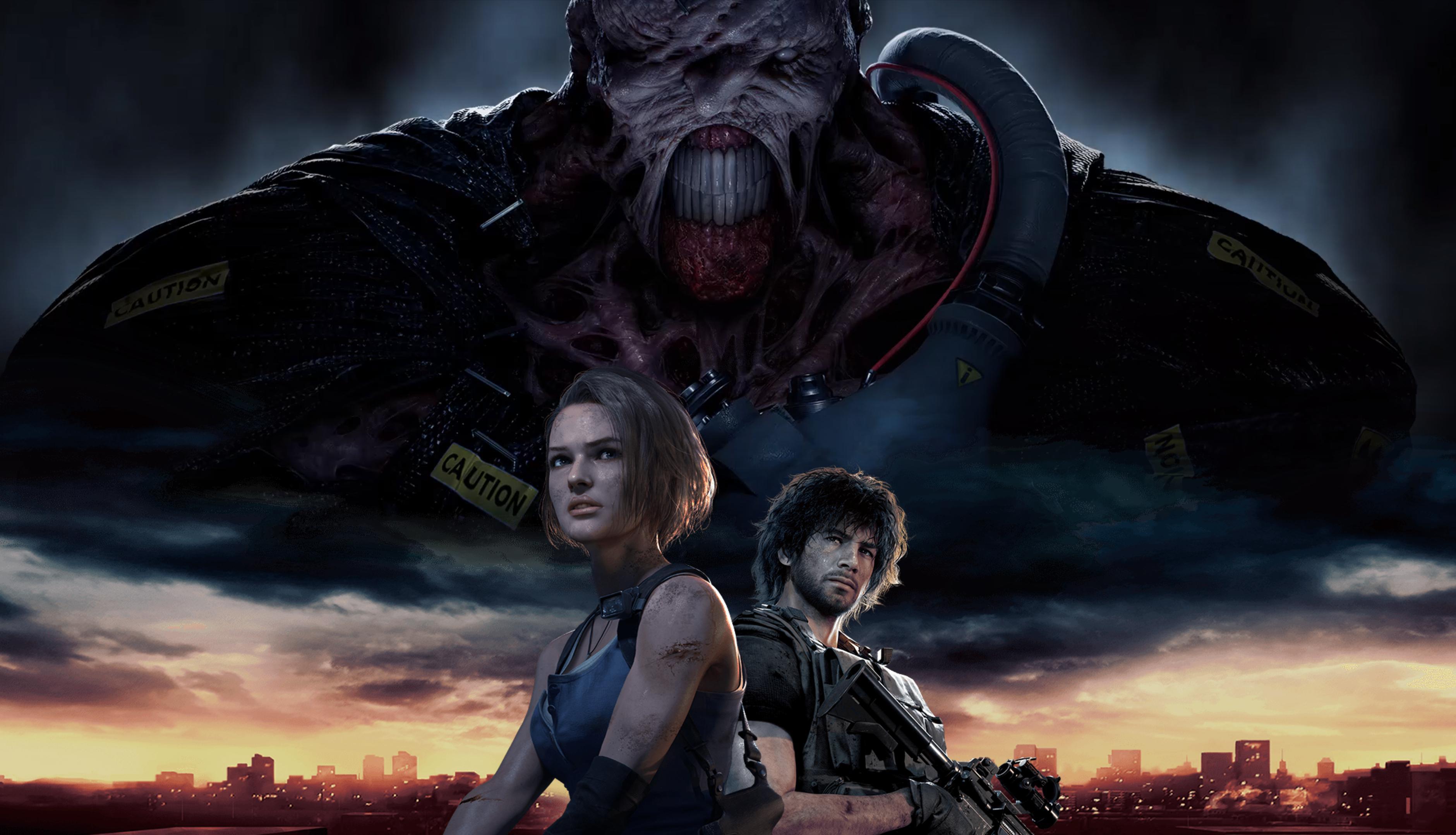
Following the success of its predecessor, ‘Resident Evil 3’ was released in April 2020 on consoles and PC. The game reimagines Jill Valentine’s frantic flight through Raccoon City during the catastrophic T-Virus contagion. Capcom streamlined the pacing with refined combat maneuvers, cinematic set pieces, and aggressive encounters against Nemesis. The package also included ‘Resident Evil: Resistance’, an asymmetrical multiplayer experience pitting survivors against a player-controlled Mastermind.
‘Resident Evil Village’ (2021)
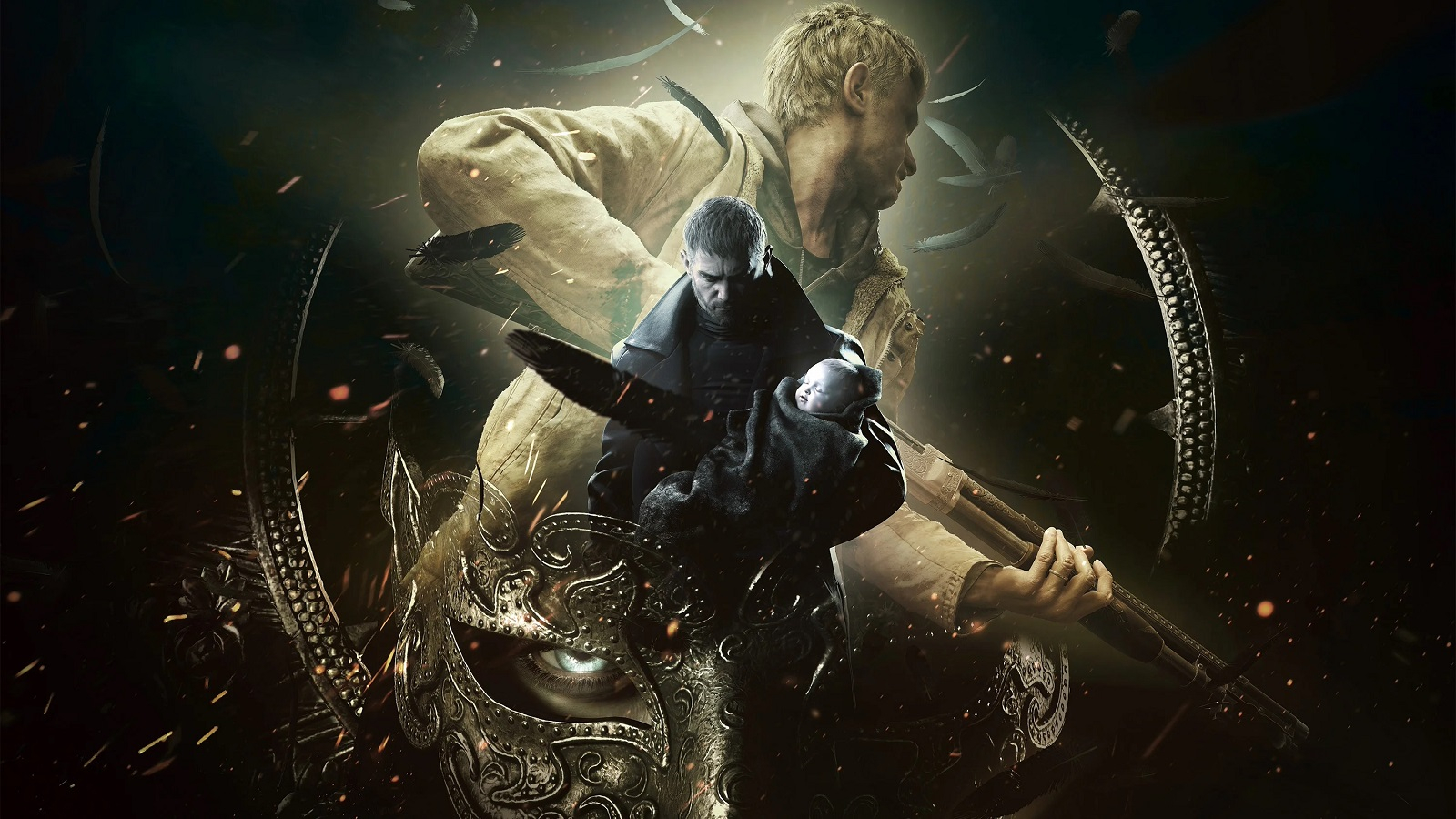
Debuting in May 2021, ‘Resident Evil Village’ continues the story of Ethan Winters following the events in Louisiana. Ethan is thrust into a snowy European settlement to rescue his kidnapped daughter Rose from Mother Miranda and her four lords. The game blends the first-person dread of ‘Resident Evil 7: Biohazard’ with the action-oriented pacing and merchant mechanics of ‘Resident Evil 4’. Capcom later expanded the title with third-person camera support, additional Mercenaries content, and the ‘Shadows of Rose’ narrative expansion.
‘Resident Evil 4’ (2023)

Released in March 2023, ‘Resident Evil 4’ reconstructs the seminal 2005 survival horror masterpiece with enhanced mechanics. Leon S. Kennedy returns with expanded combat capabilities, including knife parrying, stealth takedowns, and fluid weapon swapping. The narrative deepens character motivations and backstory while preserving the terrifying encounters with the Los Iluminados cult. The remake received universal praise and was later updated to include the ‘Separate Ways’ expansion and virtual reality support.
Share your favorite ‘Resident Evil’ game and your thoughts on the series in the comments.