‘Gentle Monster’ Ending Explained: Why Léa Seydoux’s Netflix Drama Refuses Easy Answers

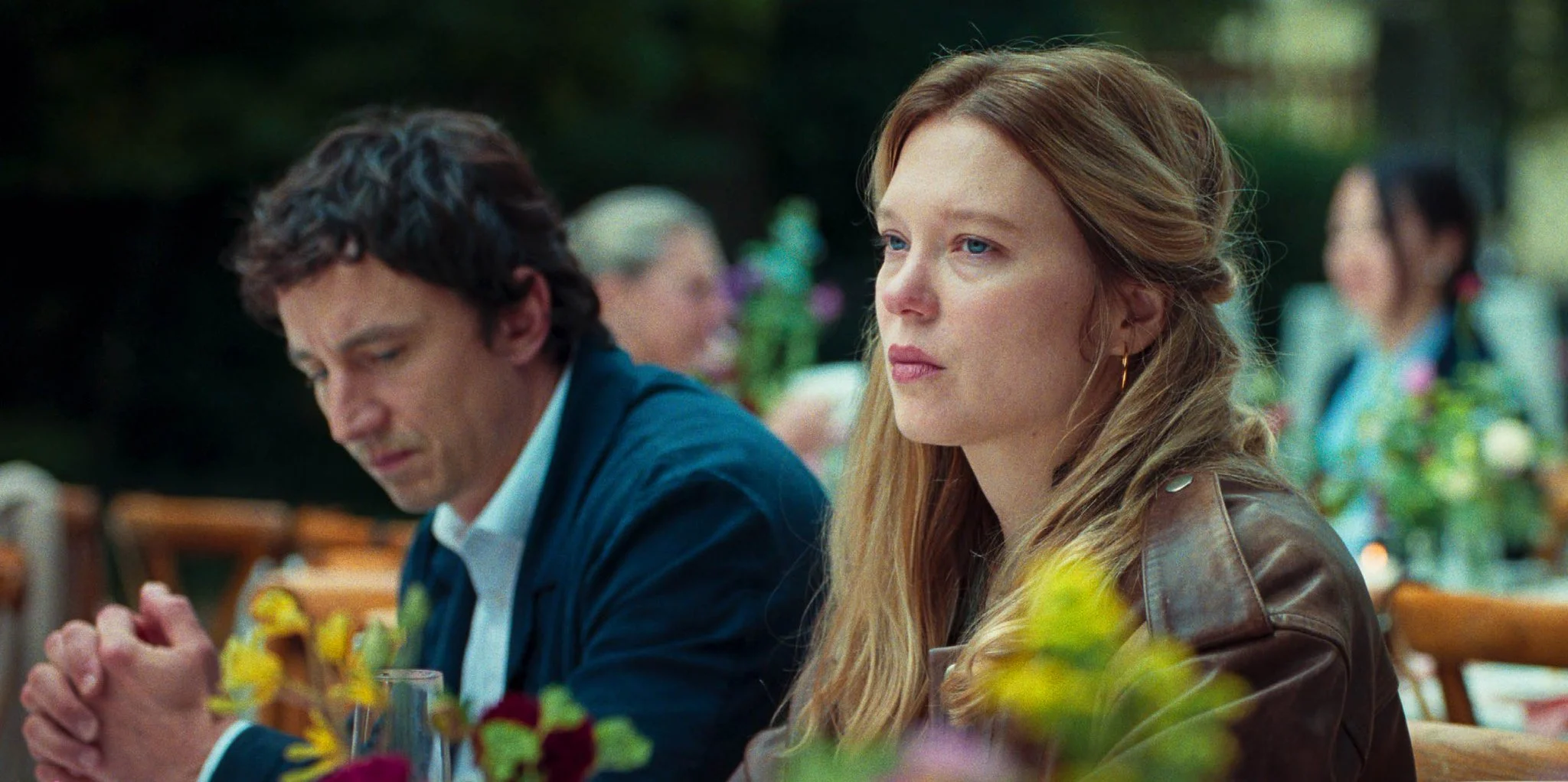
Marie Kreutzer’s ‘Gentle Monster’ is the kind of film that lingers long after the credits, and its final stretch has viewers hunting for meaning. The drama stars Léa Seydoux as concert pianist Lucy and opened in select theaters on October 30 before reaching Netflix on November 18. Anyone who has not watched it yet should know that spoilers follow.
The ‘Gentle Monster’ ending explained is a bigger conversation than it first appears, because the film is built to withhold the clean answers thrillers usually hand out. It opens with a loving couple moving to a farmhouse in Bavaria with their young son, until police arrive with a search warrant and their idyllic life falls apart. By the final scene, Kreutzer has deliberately left the biggest question hanging.
What Happens to Lucy and Philip by the Final Scene
Lucy is told that her husband Philip, played by Laurence Rupp, stands accused of a horrific crime, and she is torn between wanting to believe him and realizing she does not truly know him. Philip first claims he was doing research for a documentary, then says he circulated the material for money, and both explanations turn out to be untrue. The story of Lucy and Philip is really a story of illusions crumbling one piece at a time.
The closing movement is where the film lands its hardest blow. One review points to a devastating final sequence in which Lucy stumbles upon a hard drive that Philip left hidden. It is a moment that forces her to stop negotiating with the version of her husband she wanted to keep.
The film also circles back to the family trampoline, which Philip bought for his son as a symbol of his affection. Spectrum Culture describes the ambiguous ending around that trampoline as leaving Lucy unable to ever truly know whether her son was abused. The movie never shows any images of abuse and Lucy never witnesses any alleged misdeeds, so the terror lives in her mind and in ours.
Is the ‘Gentle Monster’ Ending Meant to Be Unresolved
Critics have read the open ending as a feature rather than a flaw. One analysis argues the film cares less about solving Philip than about showing what happens when Lucy’s certainty collapses. Deadline noted that a long flashback to happier days feels like a culminating reveal but proves to be one of several false summits that only resemble endings.
Kreutzer’s own perspective, as relayed in an interview, points toward something quietly hopeful. The Arts Desk observed that in the last scene, Lucy’s love for her child closes over her love for her husband, and that this feels hopeful despite how horrible the moment is. That reading reframes the bleakness as a choice, with Lucy finally putting her son first.
Not everyone has been charitable about the film’s choices. HeyUGuys felt that Philip’s home video clips leave things open to interpretation both morally and legally, and questioned whether the crimes needed visual representation at all. The disagreement says a lot about how divisive a film like this can be.
Léa Seydoux’s Performance Anchors the Drama
Almost every review agrees on the film’s greatest strength. What’s on Netflix wrote that the film is primarily anchored by Seydoux’s lived in, visceral performance. ScreenAnarchy called the central performance magnificent and said Seydoux is as vulnerable and self effacing as she has ever been.
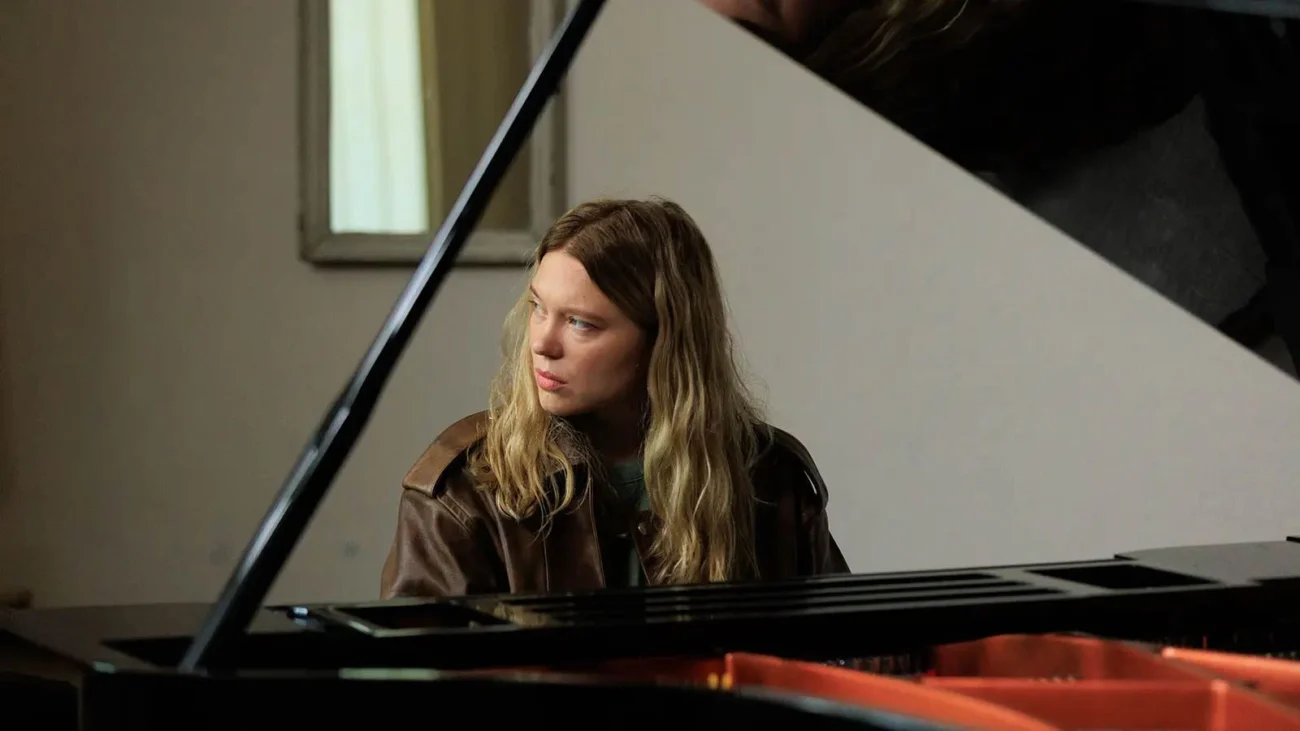
Seydoux spoke candidly about what drew her to the part. According to an interview with NPR, she said she cried when she read the script, and that a number of other actors had turned the role down because of its heavy subject matter. She also praised the unusual choice of telling the story through a woman’s perspective.
One line of dialogue has become shorthand for the whole film. When her mother questions how she can still love her husband, Lucy replies that there is no instant off button for love. Seydoux also noted that mothers tend to be blamed far more than fathers, and she gave birth to her second child shortly before filming.
Where to Watch ‘Gentle Monster’ on Netflix
Netflix picked up exclusive distribution rights after the film’s strong showing at the Cannes Film Festival. It carries an R rating for sexuality, graphic nudity and some language. Alongside Seydoux, the cast includes Jella Haase, Laurence Rupp, Sylvester Groth and Catherine Deneuve.
The film arrives with some real world baggage that viewers will want to know about. Kreutzer has said the 2023 scandal involving her previous film’s lead actor did not change her script, though it influenced the atmosphere around the production, and her closing credits thank the haters who criticized her at the time. Spectrum Culture called that credit jaw dropping and said it suggests the film has little perspective on its subject beyond explaining it.
It is a difficult watch by design, and it will not be for everyone. If you do press play, Lucy’s final choice may leave you wondering whether choosing her son over her husband is a sign of hope or simply the only door left open, so which reading of that last trampoline scene do you believe in the comments?