‘Godzilla minus Zero’ Director Reveals Exactly How That Bigger Budget Is Making the Sequel More Terrifying

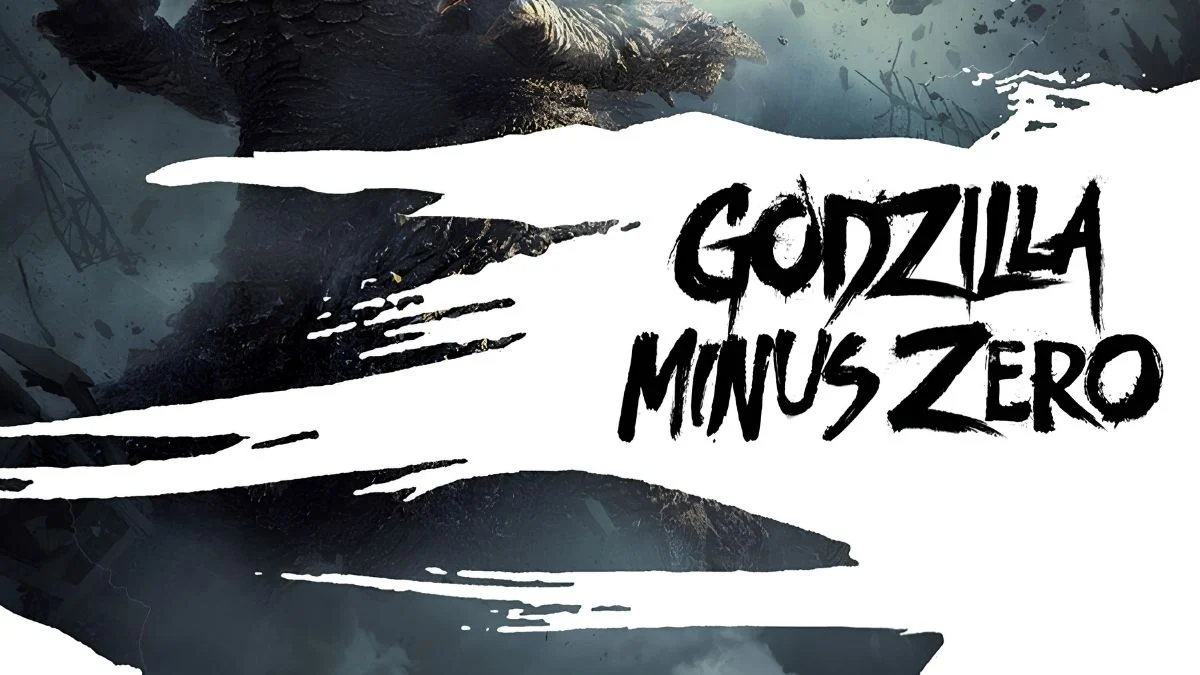

Few recent blockbusters have pulled off quite the underdog story that ‘Godzilla Minus One’ did. Made by a VFX team of just 35 artists on a budget that would barely cover catering on most Hollywood productions, the film still walked away with an Academy Award for Best Visual Effects and became a genuine global word-of-mouth phenomenon.
That kind of unlikely success naturally raises the stakes for whatever comes next, and writer-director Takashi Yamazaki has been candid about feeling that pressure heading into the sequel. ‘Godzilla Minus Zero‘ picks up the Shikishima family’s story in 1949, this time with a significantly larger budget and, notably, the backing of IMAX behind the camera.
Speaking with ScreenRant about how that jump in resources actually shaped the film, Yamazaki explained exactly where the extra money went. He described trying to put as much of the added budget onto the screen as possible, telling ScreenRant that he wanted audiences to feel the difference the moment they sat down in a theater.
Part of that meant rethinking how the film’s action sequences are staged entirely. Yamazaki said he tried to capture the intensity of a kaiju attack from the human perspective, adding that the approach helped the team achieve an added level of terror they hadn’t been able to reach in the first film.
The IMAX format plays directly into that goal. According to Yamazaki, the format adds a whole new layer of immersion on top of the expanded budget, with the explicit intention of making the kaiju feel like it genuinely exists and putting audiences on ground level, face to face with the creature itself.
That immersive, human-scale approach isn’t a new idea for Yamazaki, but it is one he’s clearly pushing further this time. In a separate conversation with Collider, he explained that ‘Godzilla Minus One’ required a smaller, more grounded perspective specifically because the scale of the kaiju was already so immense, and that lesson appears to be carrying directly into how the sequel’s biggest sequences were shot.
He’s also been careful not to let the acclaim around the first film change his instincts too much. Yamazaki has said he didn’t want to be overly swayed by how well ‘Godzilla Minus One’ was received, even as the sequel benefits from noticeably more firepower behind the camera.
Godzilla himself is getting an upgrade to match the bigger canvas. Yamazaki has described the creature’s new design as pointier, spikier, and edgier than before, and confirmed the kaiju will have greater control over its core destructive power, even if a heat ray still comes at a cost to the monster using it.
The story is also expanding well beyond its predecessor’s scope, broadening past Japan to involve the United States military, including the Department of Defense, Navy, and Army. It’s a shift that lines up with the larger budget and IMAX ambitions Yamazaki has been describing, giving the sequel room to operate on a genuinely bigger stage.
‘Godzilla Minus Zero’ is set to premiere at the New York Film Festival on September 26 before opening more widely on November 3, with an IMAX release following shortly after. For a franchise that just proved bigger doesn’t always mean better, all eyes are on whether this expanded version can capture the same magic that made the original such an unexpected triumph.
Will the bigger budget make ‘Godzilla Minus Zero’ even more terrifying?
Have something to add? Let us know in the comments!