How Does Ormund Hightower Die in the ‘Fire & Blood’ Book That Inspired ‘House of the Dragon’


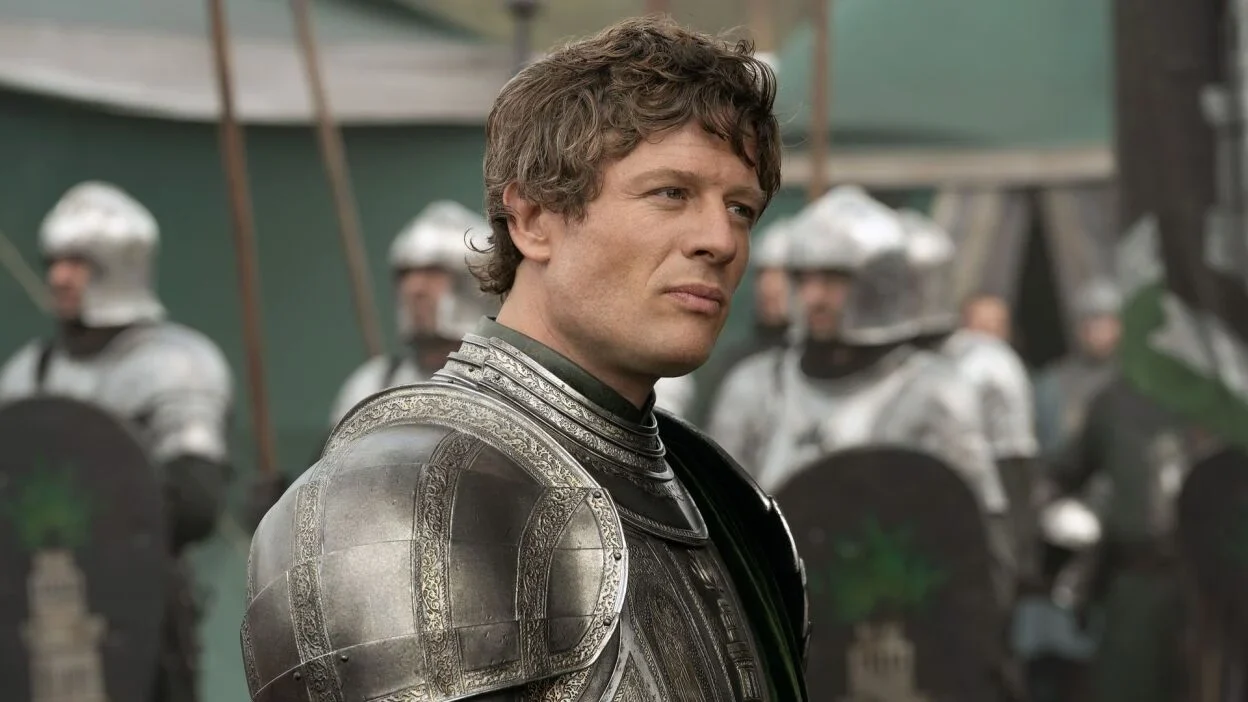
‘House of the Dragon‘ has spent its third season turning Ormund Hightower into one of the show’s most fascinating new threats, and that means fans are racing to George R.R. Martin’s source material to figure out what’s coming next. Portrayed by James Norton, Ormund is Alicent’s cousin and the commander of the Hightower army, and the show has already made clear he’s playing a longer, colder game than anyone realized.
That makes his eventual fate in Martin’s ‘Fire & Blood’ all the more important to understand. Ormund becomes a key player in ‘House of the Dragon’ as Alicent’s cousin and commander of the Hightower army, and his book counterpart’s story ends in one of the most consequential battles of the entire Dance of the Dragons.
Ormund Hightower’s Fate At The Battle Of Tumbleton
In the book, Ormund leads the Hightower army through the Reach toward Tumbleton, a market town that serves as the last stronghold between his forces and King’s Landing. Rhaenyra had sent Ulf White and Hugh Hammer to Tumbleton on their dragons, Vermithor and Silverwing, specifically to defend it from Ormund’s advancing host.
Roderick Dustin, Lord of Barrowton, leads his Winter Wolves out through a postern gate to meet the greens head on. Although the northmen are outnumbered roughly ten to one, they fight their way through the enemy lines until Roderick comes face to face with Ormund himself.
Ormund’s cousin, Ser Bryndon Hightower, tries to shield his liege and takes off Roderick’s arm with a longaxe, but Roddy the Ruin still manages to slay both men before succumbing to his own wounds. With their general dead, Lord Ormund’s host is left divided and without direction, as the Caltrops and the so called Two Betrayers begin competing for leadership.
What Ormund’s Death Means for the Two Betrayers
Ormund’s death should have been the turning point that swung the war firmly in Rhaenyra’s favor. Under normal circumstances, losing their commander scatters the Hightower host and topples their banners, and Tumbleton’s defenders briefly believe the fight is won.
That celebration does not last. The appearance of Prince Daeron’s dragon Tessarion does not initially worry the town’s defenders since Tessarion is smaller than both Vermithor and Silverwing, but the real danger comes from an unexpected direction. Ulf and Hugh betray Rhaenyra entirely, turning their dragonfire on the Black armies and the people of Tumbleton itself.
Buildings throughout Tumbleton burn to ash, and thousands of people burn to death or drown trying to cross the Mander while attempting to flee. The book’s fictional historians never agree on why Ulf and Hugh suddenly turned on civilians and soldiers alike, weighing explanations ranging from fear of facing Ormund’s army to simple disenchantment with Rhaenyra, though greed is considered the most likely motive.
The Aftermath for House Hightower
Ormund’s death sends ripples through his entire family line in ‘Fire & Blood.’ Ser Hobert Hightower, Ormund’s cousin, tries to claim command of the army but proves largely ineffective at controlling it, and the once mighty Hightower host ultimately dissolves following the Second Battle of Tumbleton.
Succession moves quickly once word of Ormund’s death spreads. His fifteen year old son Lyonel succeeds him as Lord of the Hightower, a massive responsibility to inherit in the middle of a brutal civil war. Ormund’s household is left in turmoil, with his sons Lyonel, Martyn, and Garmund and daughter Bethany all too young to have marched to war alongside him.
The chaos that follows Ormund’s death is not confined to the battlefield either. The victorious green soldiers, left leaderless, proceed to sack Tumbleton in a lengthy and horrifying rampage against the town’s remaining residents, a grim coda to a battle that was supposed to be decided by military strategy rather than betrayal and fire.
How the Show Has Already Diverged from the Book
‘House of the Dragon’ has signaled it is not simply copying Ormund’s arc page for page. In the show, Ormund takes Tumbleton first rather than the town being defended against him from the outset, which is a significant flip from how the sequence plays out in Martin’s history. That change, paired with the show’s invention of Ormund secretly swapping out Daeron for a decoy, suggests the character may be even more calculating on screen than he was on the page.
Whether the show ultimately sends Ormund to the same fate at Roddy the Ruin’s hands remains to be seen, but the book gives fans a clear blueprint for how brutally and suddenly his story could end. Given how the series has already reshaped Tumbleton’s setup, it is worth wondering just how much of the source material’s devastating conclusion will survive the adaptation.
Given everything Ormund has been building toward this season, how do you think ‘House of the Dragon’ will handle his reckoning at Tumbleton when it finally arrives on screen?