Insane 1990s Movies You Forgot About (& Need To Rewatch Again)


The 1990s delivered a wild streak of movies that bent reality, messed with your head, and pushed genre boundaries in fearless ways. Some became cult favorites, others slipped through the cracks, but all of them still hit hard today. If you remember them at all, you probably remember a feeling more than specific scenes, which is why a fresh viewing lands so well now. Here are the craziest blasts from that decade that deserve another night on your screen.
‘Cube’ (1997)
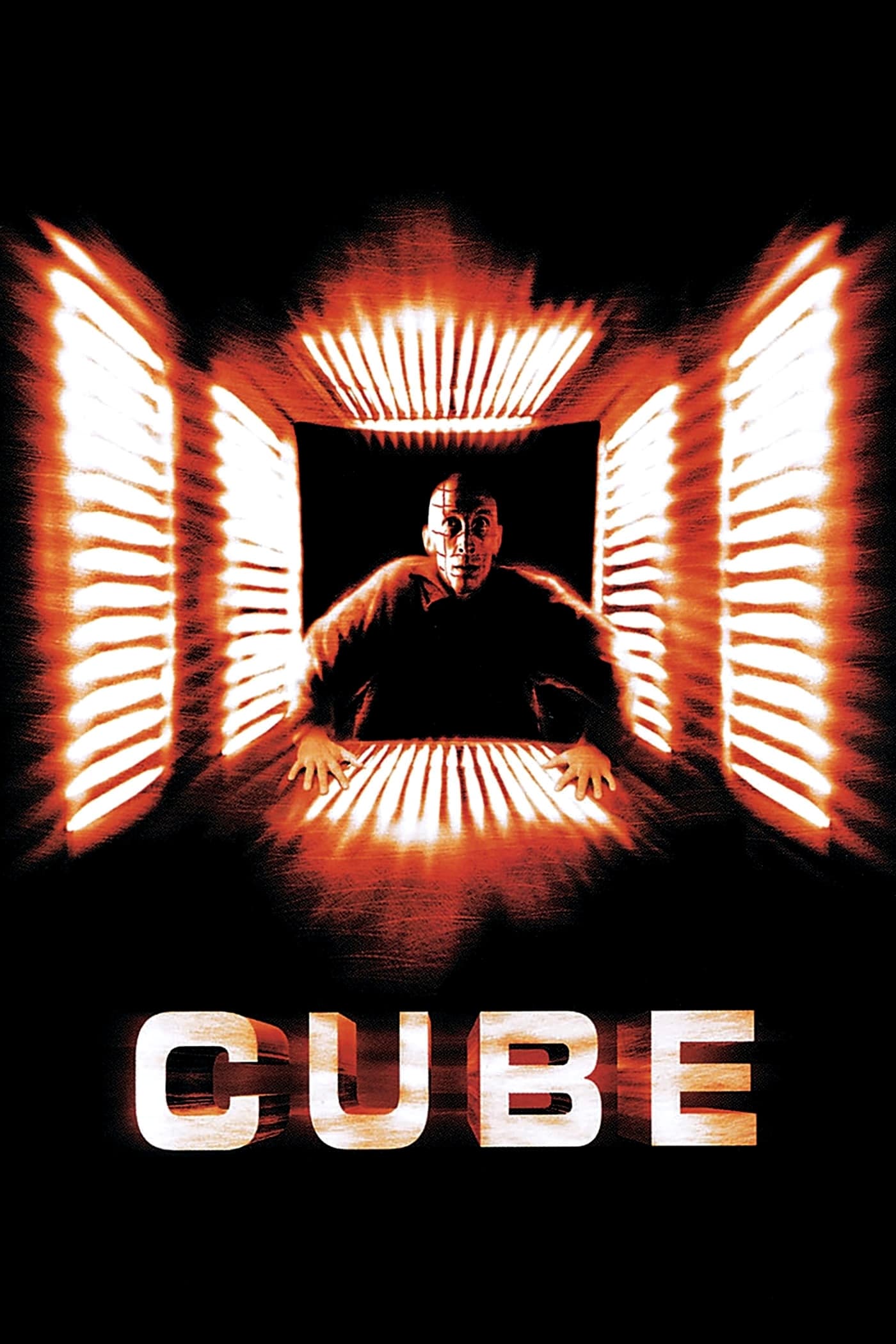
A group of strangers wakes up inside a massive structure made of interlocking rooms with deadly traps. The film was shot on a tiny budget using a single set that changed colors to suggest new rooms. It leans on puzzle logic and escalating paranoia as alliances form and collapse. The stark production design and mathematical clues still make every scene feel like a ticking problem.
‘Dark City’ (1998)
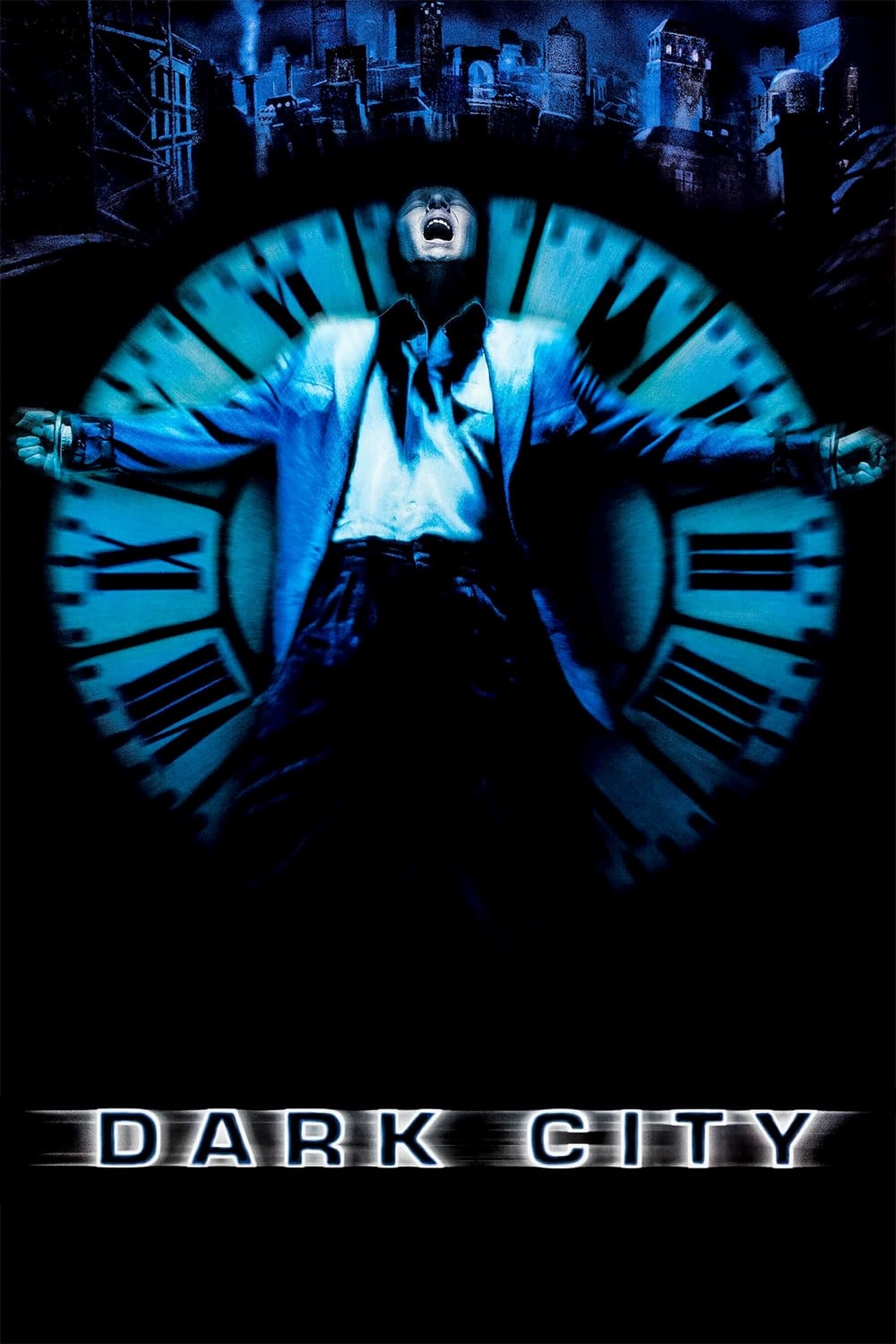
A man with no memory is hunted through a perpetual night by mysterious beings who can alter the city at will. The movie blends noir atmosphere with science fiction concepts about identity and manipulated reality. Its intricate sets and practical effects create a maze of shifting streets and impossible architecture. The final reveal ties the world building to the hero’s search for self in a striking way.
‘Event Horizon’ (1997)
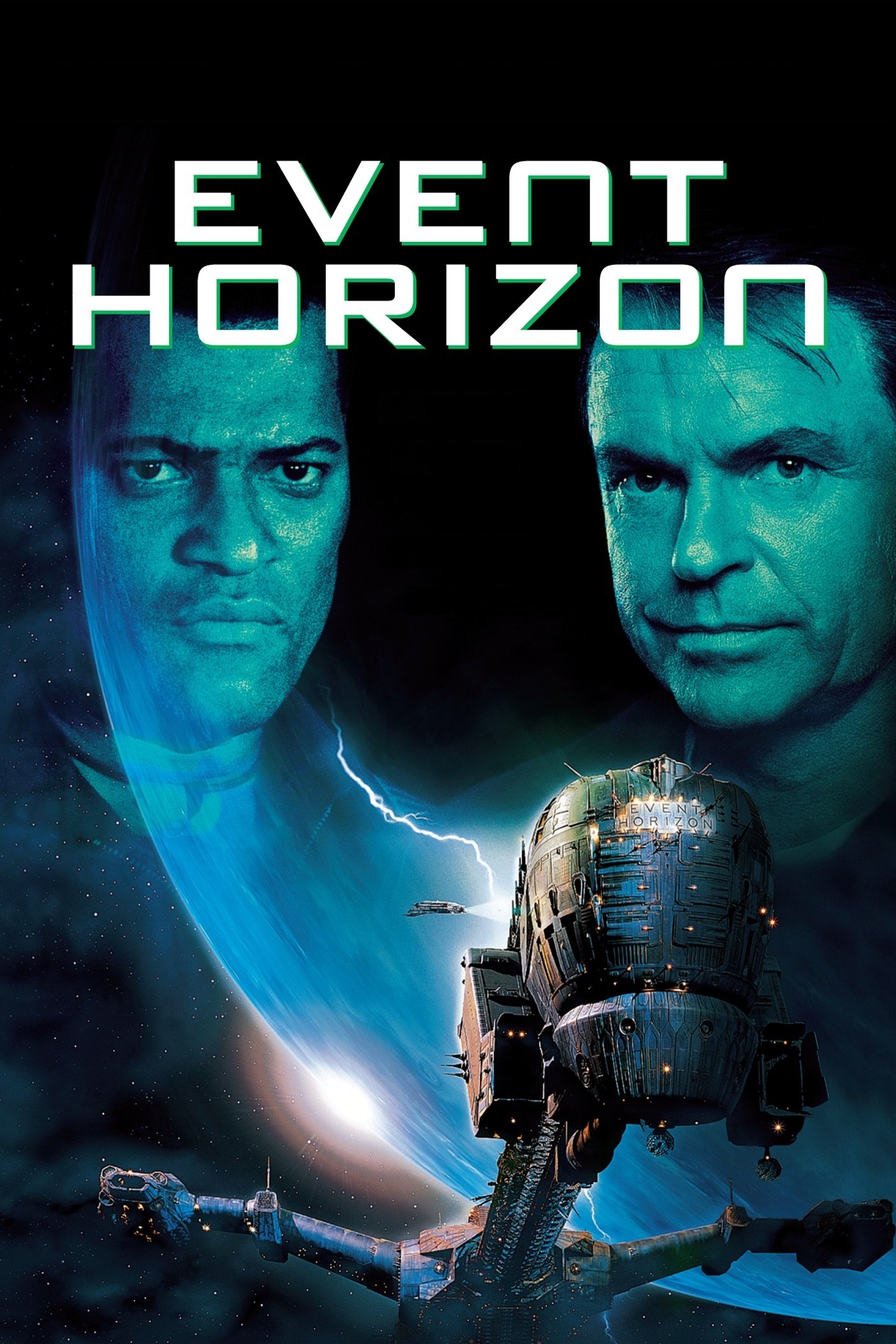
A rescue crew boards a starship that vanished and returned with something sinister onboard. The production uses gothic shapes and industrial corridors to turn a spacecraft into a haunted house. Psychological breakdowns mount as the characters confront visions pulled from their worst memories. The result is a blend of cosmic suggestion and visceral horror that never lets up.
‘Ravenous’ (1999)
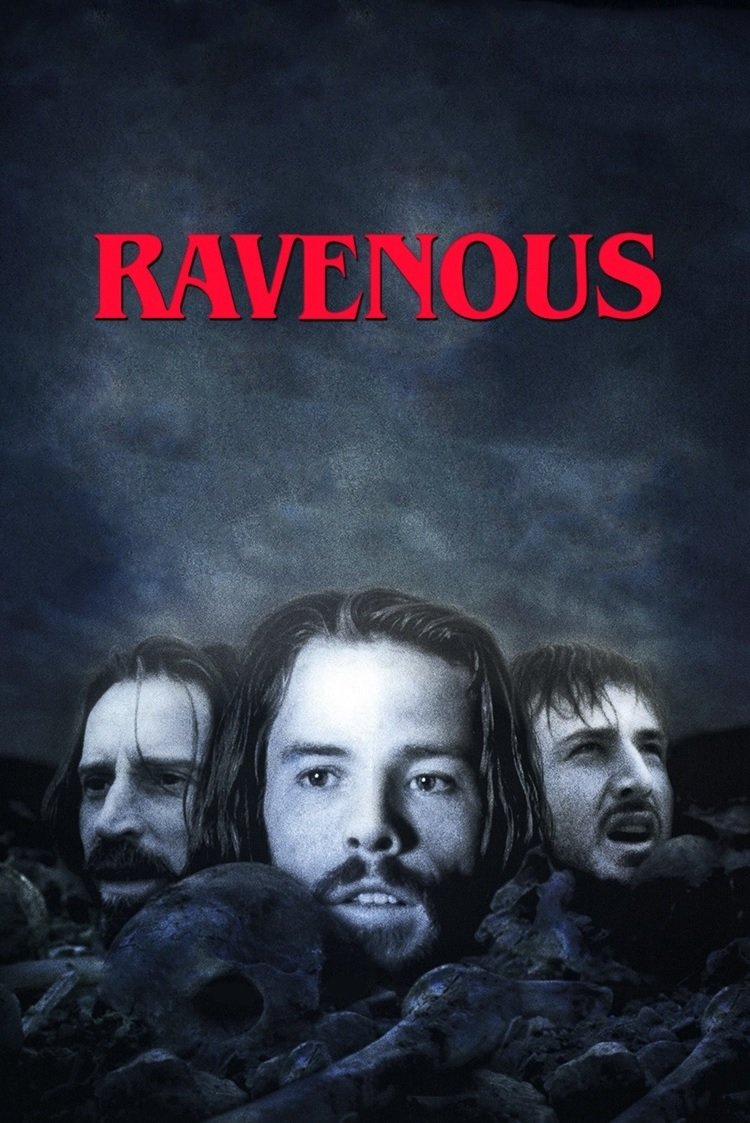
Set at a remote military outpost in the Sierra Nevadas, this frontier horror story follows a survivor with a disturbing tale of cannibalism. The movie mixes dark humor with unnerving violence and a memorable score full of shrill strings and offbeat rhythms. The snowbound setting keeps the characters trapped and suspicious of each other. It builds to a brutal showdown that plays like a twisted morality play.
‘Existenz’ (1999)
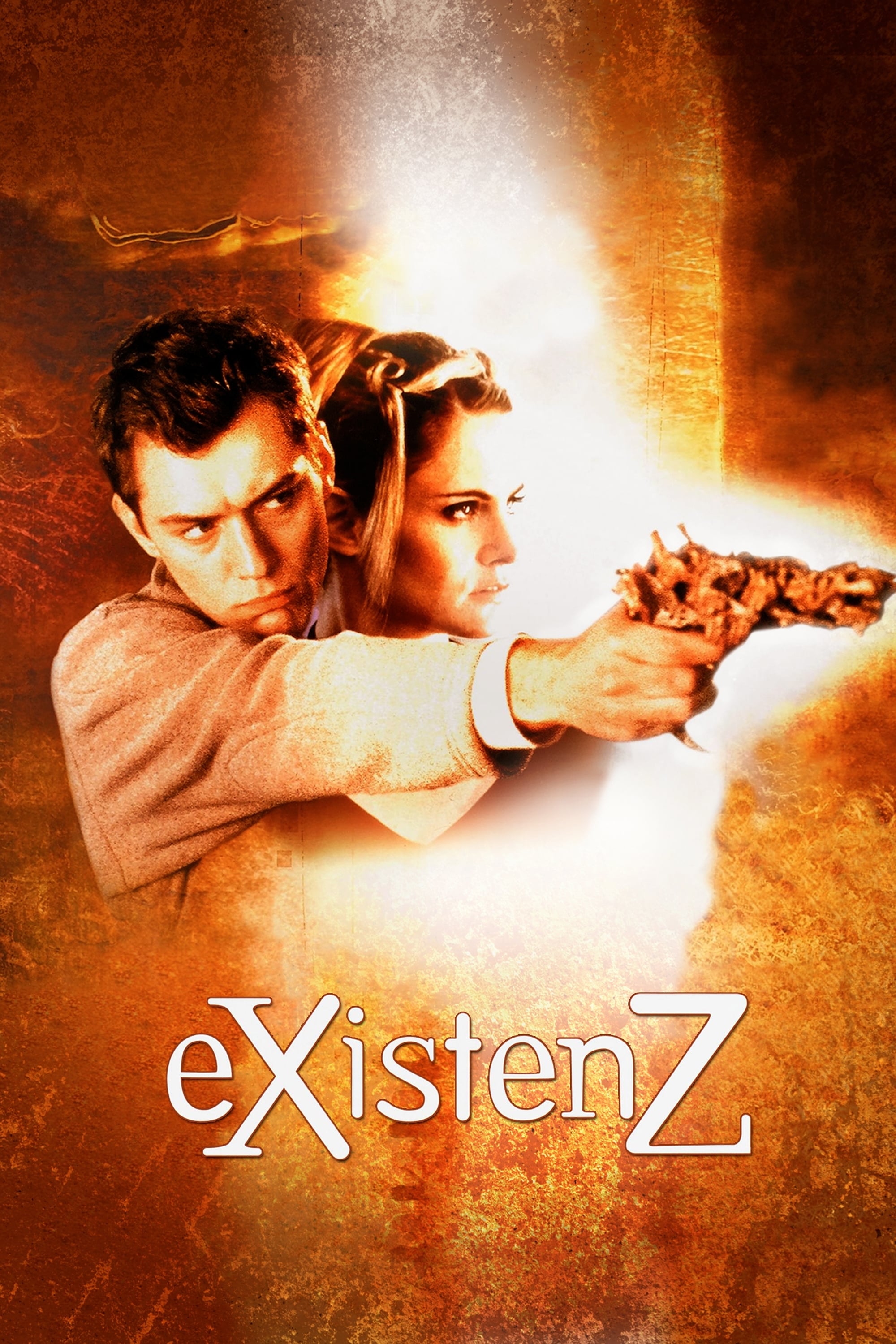
A game designer tests a new bio organic virtual reality system while assassins close in. The film treats gaming hardware as living tissue with ports, pods, and cables that feel uncomfortably organic. Layers of reality and play blur until the characters and audience question every rule. The tactile props and playful dialogue keep the heady ideas grounded.
‘Perfect Blue’ (1997)
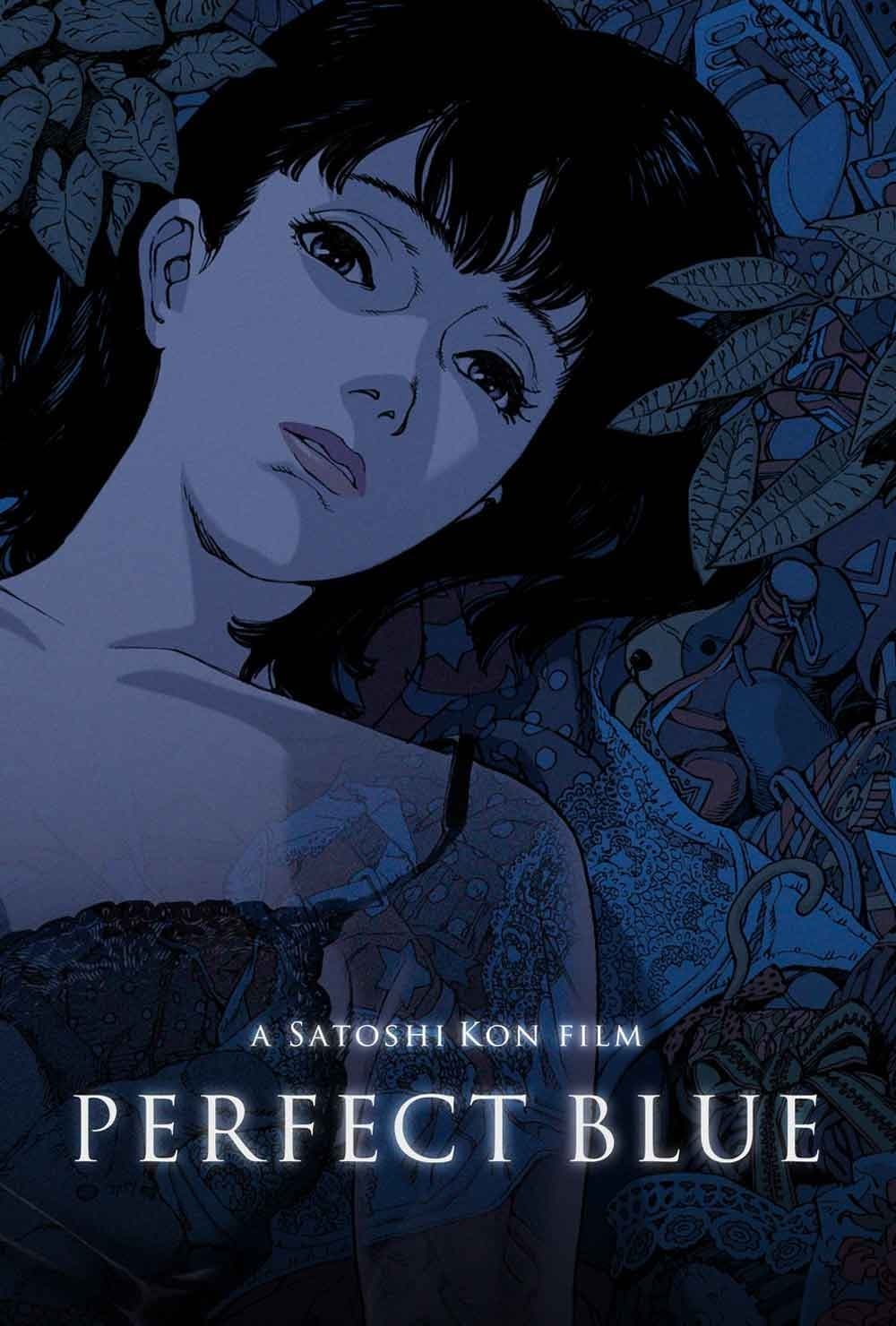
A pop idol transitions into acting and finds herself stalked while a TV role bleeds into her real life. The animation uses reflections, jump cuts, and repeated beats to scramble the timeline. Identity fractures as stage personas and private selves collide. Its commentary on celebrity and surveillance culture remains sharp and unsettling.
‘The Frighteners’ (1996)

A small town scam artist who can see ghosts gets pulled into a string of supernatural murders. The film blends playful spectral effects with a growing sense of threat. Practical gags mix with early digital work to pack scenes with rubbery energy. A twisty backstory emerges that reframes the haunting around guilt and obsession.
‘Jacob’s Ladder’ (1990)

A Vietnam veteran suffers nightmarish hallucinations while searching for the truth about his past. The movie uses quick cuts, shaking heads, and hospital imagery to create a signature style of horror. Spiritual themes run underneath the shocks as lost memories resurface. The final scenes connect grief and memory in a way that lingers.
‘Naked Lunch’ (1991)
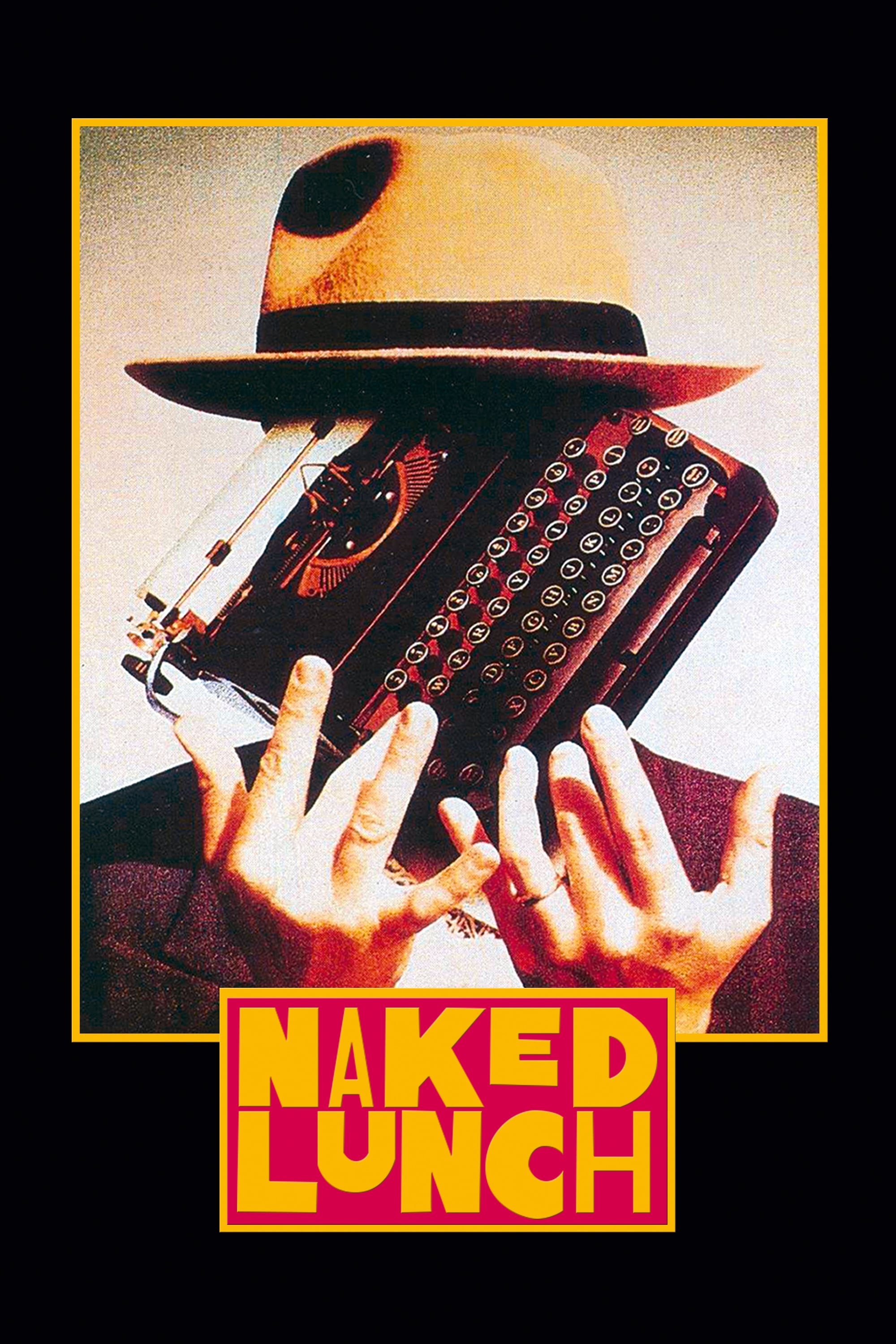
A bug exterminator drifts into a hallucinatory underworld of talking typewriters and conspiracies. The production builds insectoid props and smoky rooms that feel both bureaucratic and alien. Scenes flow like fever dreams as the lead writes a strange report from a place called Interzone. It is a rare case where the impossible is presented with grimy tactile detail.
‘Strange Days’ (1995)
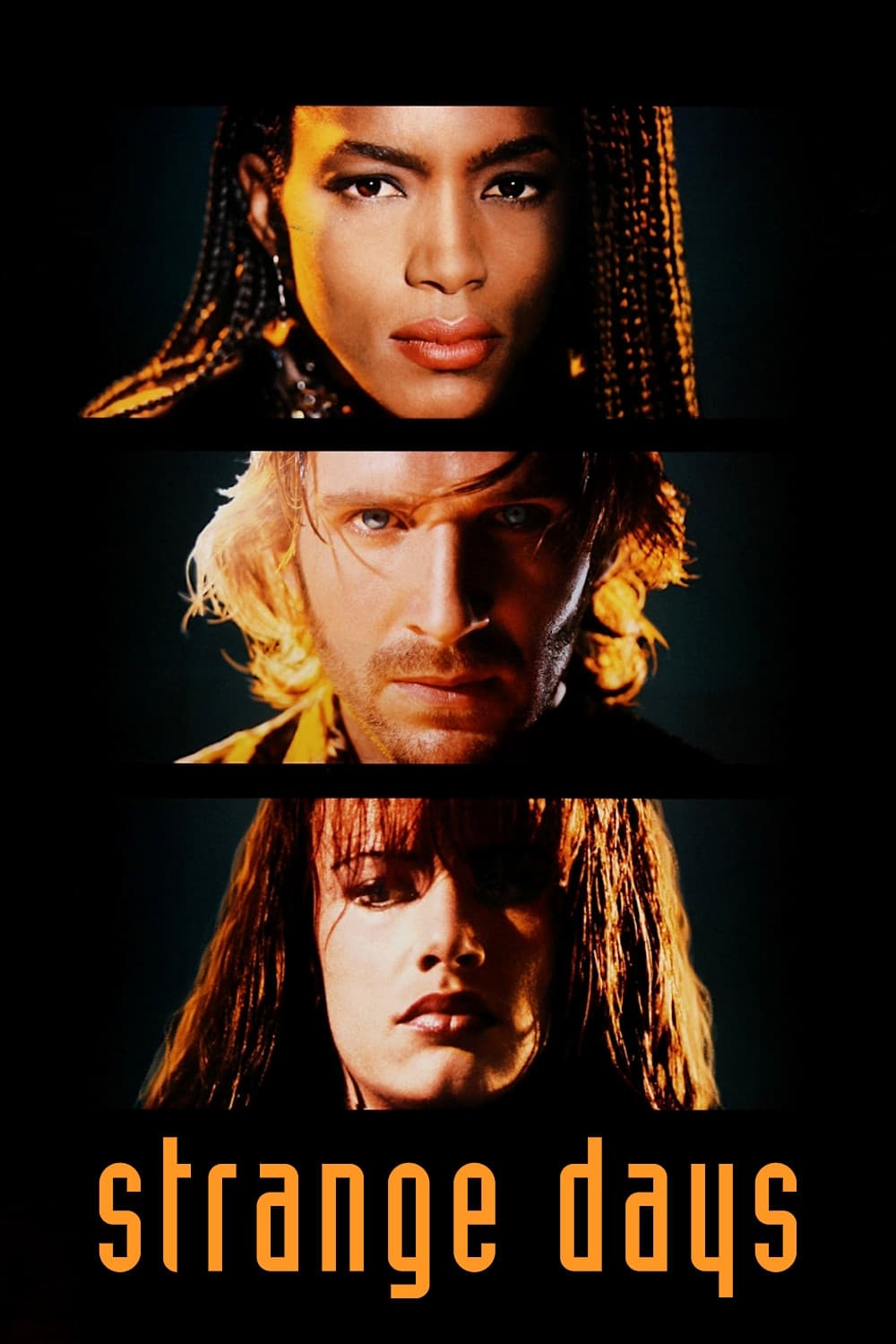
A former cop deals in recordings that let users experience other people’s memories and sensations. The plot runs through a city on edge during a tense holiday countdown. Head mounted rigs and point of view sequences simulate illicit thrills and crimes. The story wrestles with voyeurism, corruption, and the cost of replaying trauma.
‘The City of Lost Children’ (1995)
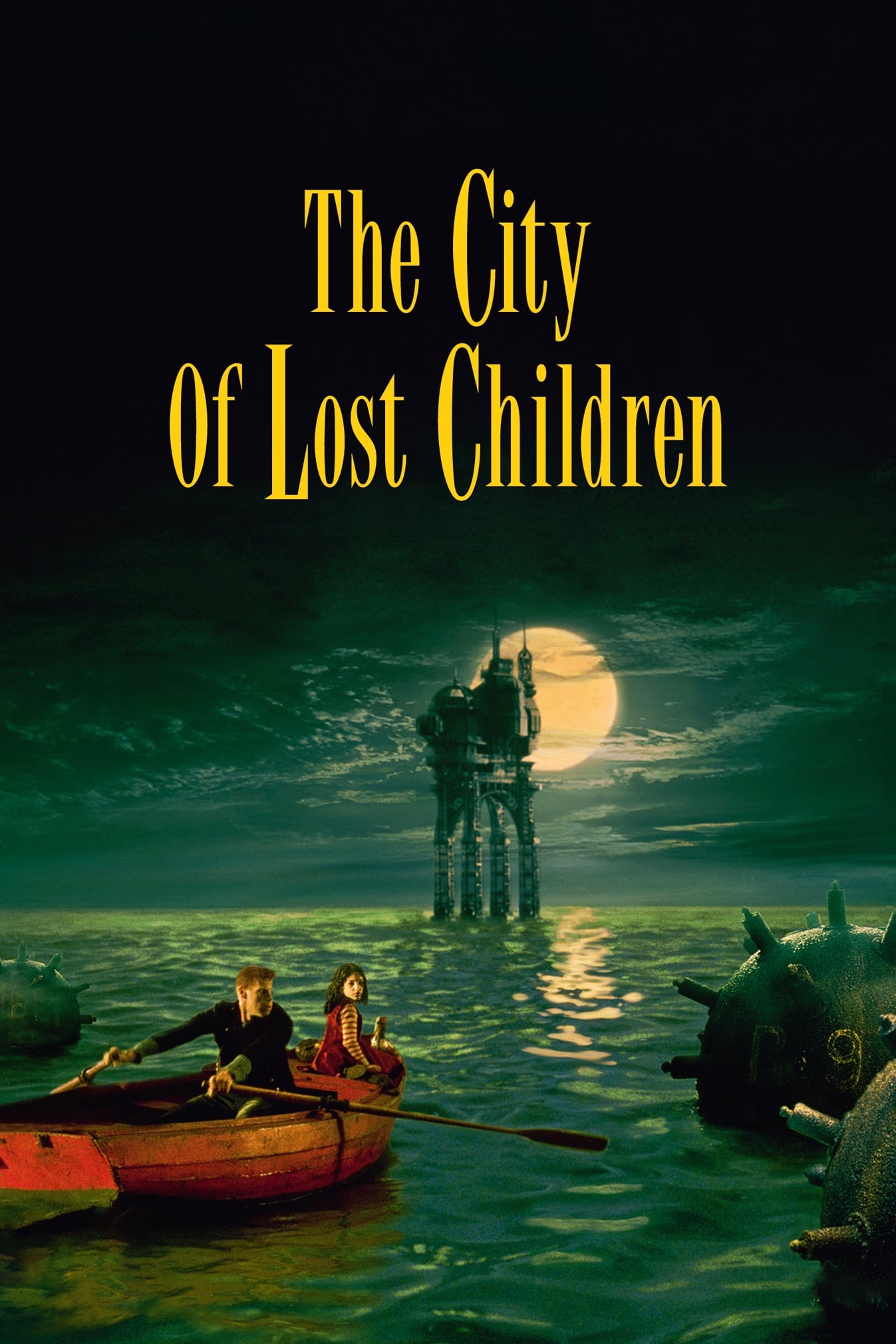
A scientist steals dreams from children on a fog shrouded harbor complex. The film is packed with clockwork gadgets, strongmen, and clones wandering through green tinged streets. Miniatures and practical effects create a handmade fantasy world. The tone balances melancholy with whimsy as a boy and a carnival performer take on the mystery.
‘Hardware’ (1990)
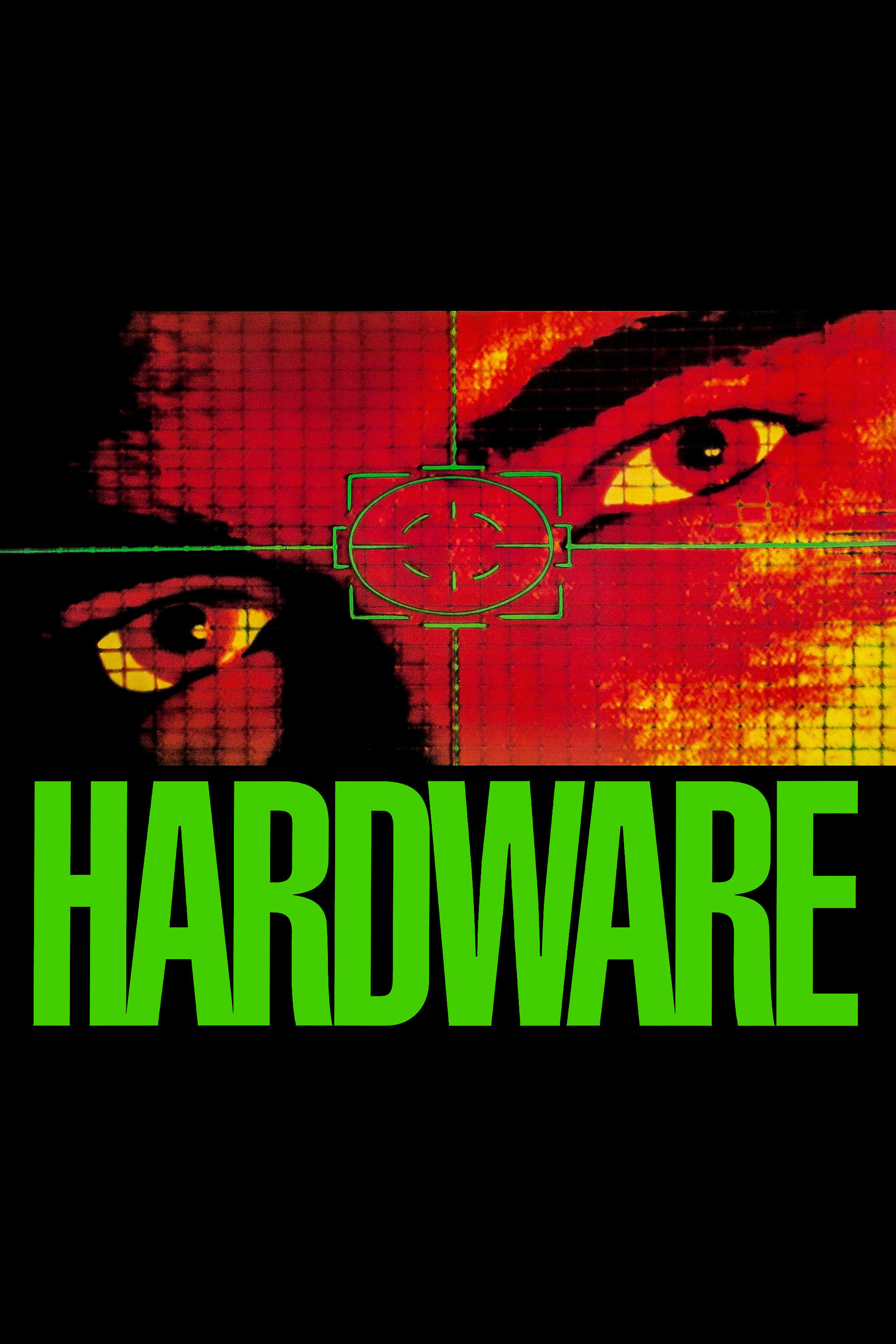
In a scorched future a woman unknowingly rebuilds a military robot from scrap inside her apartment. The movie traps the action in a cramped studio filled with metal sculptures and neon reds. The machine learns and adapts while a blackout turns the building into a cage. Industrial sound and radio chatter drive the tension as the siege escalates.
‘Lost Highway’ (1997)
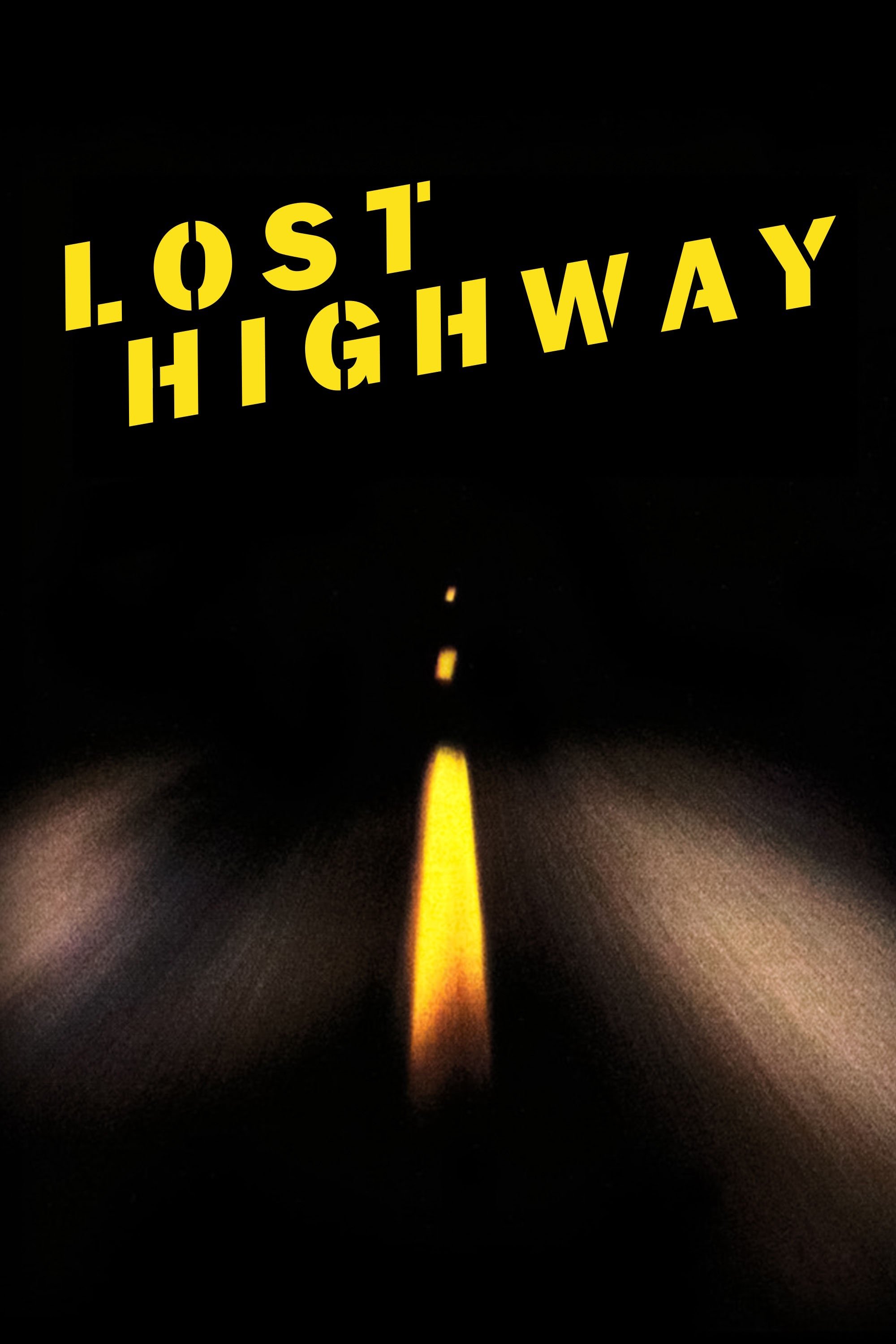
A musician accused of murder slips into a reality that refashions his identity. The soundtrack and nighttime imagery give the roads and interiors a charged, uneasy vibe. A pale stranger appears in key moments to prod the mystery forward. The narrative loops back on itself in a way that invites multiple interpretations.
‘In the Mouth of Madness’ (1994)
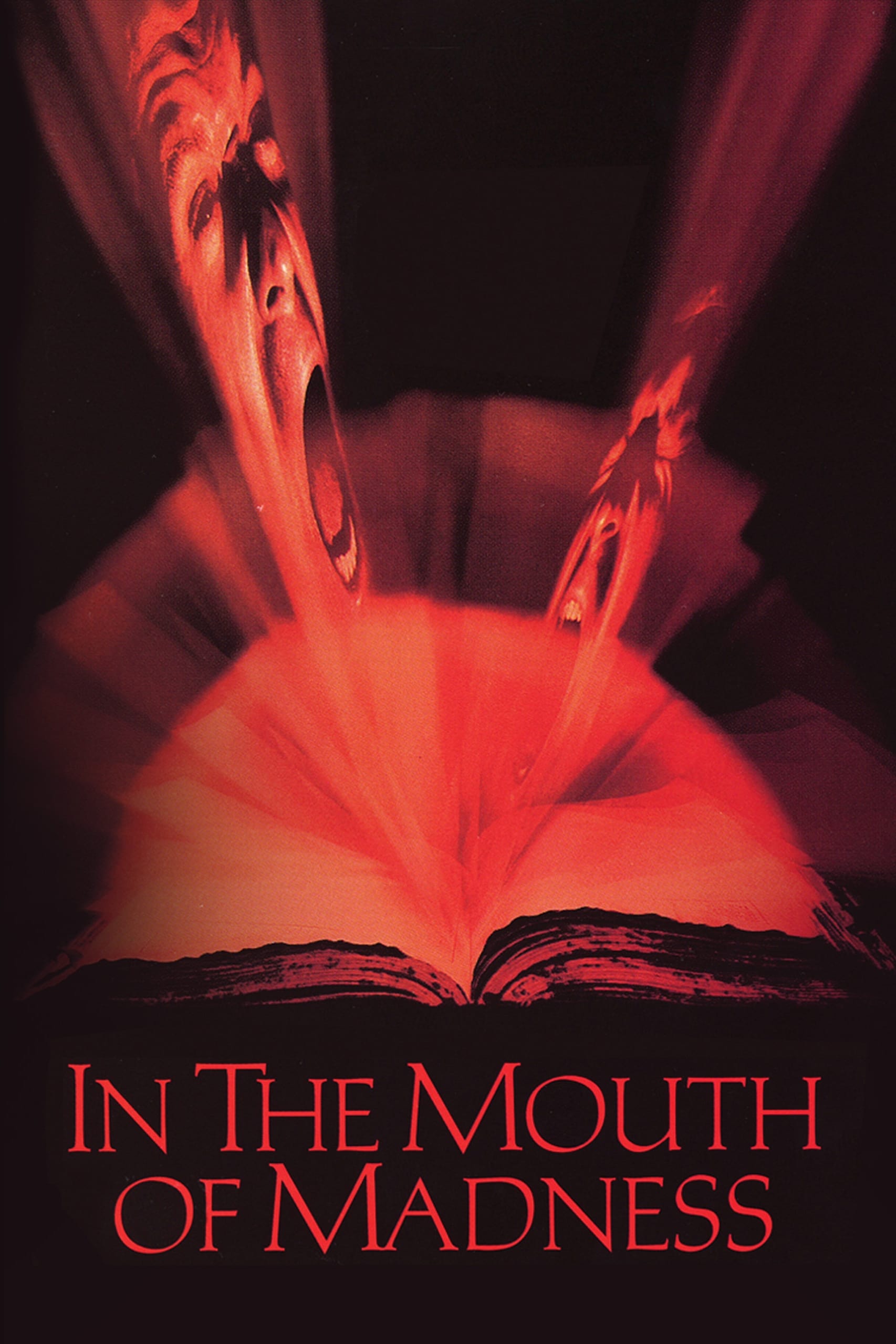
An insurance investigator tracks a missing horror author whose books may be warping reality. The trail leads to a quaint town that seems copied from the author’s pages. Practical creatures and warped architecture push the story into full cosmic territory. It all builds to a meta finale that plays with the act of reading itself.
‘The Game’ (1997)
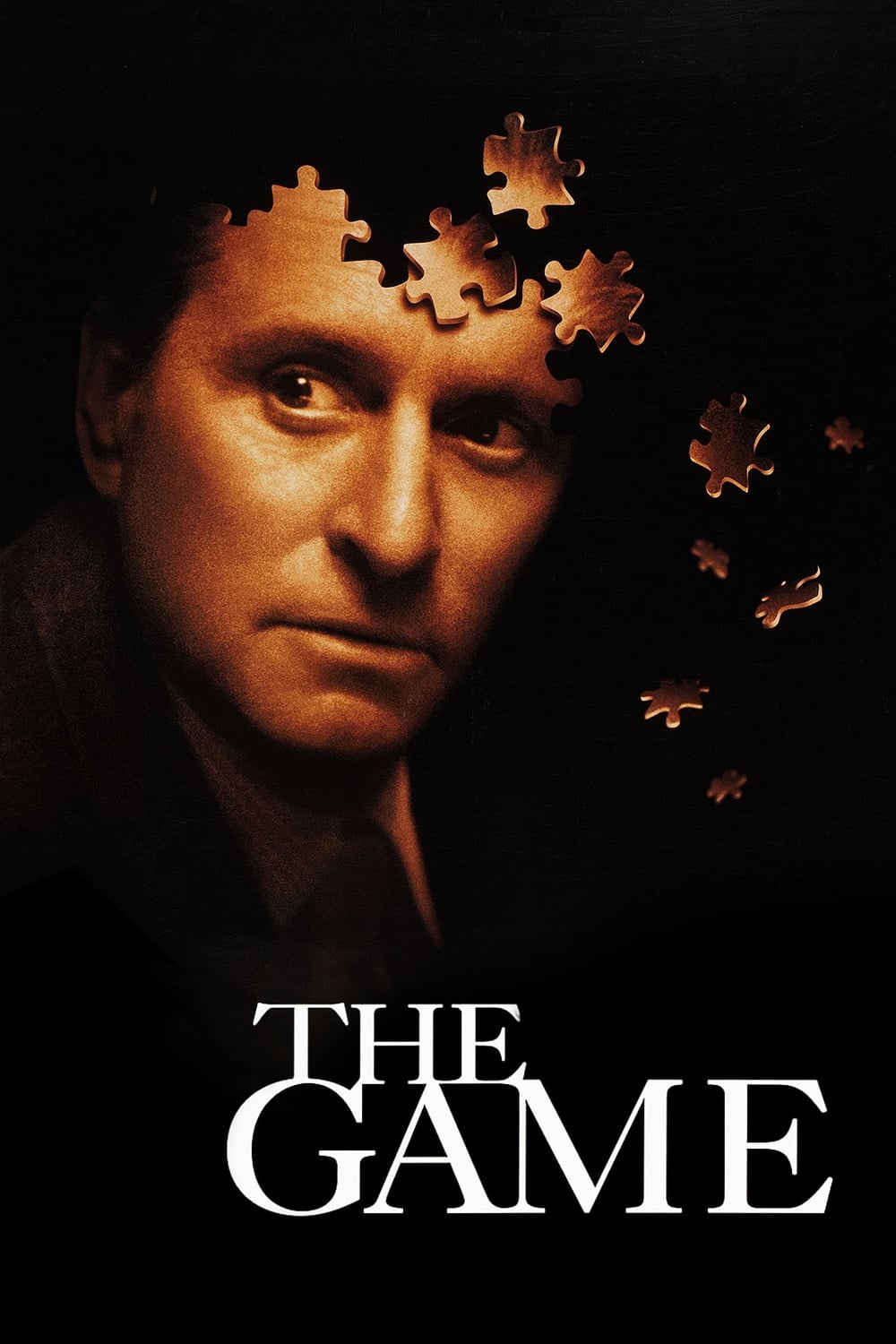
A wealthy financier receives a birthday gift that draws him into an elaborate experience with no clear boundaries. The production turns familiar city spaces into stages for carefully planned stings. Paranoia mounts as his assets, contacts, and routines are stripped away. Careful planting of clues makes the last act click into place with precision.
‘Cemetery Man’ (1994)
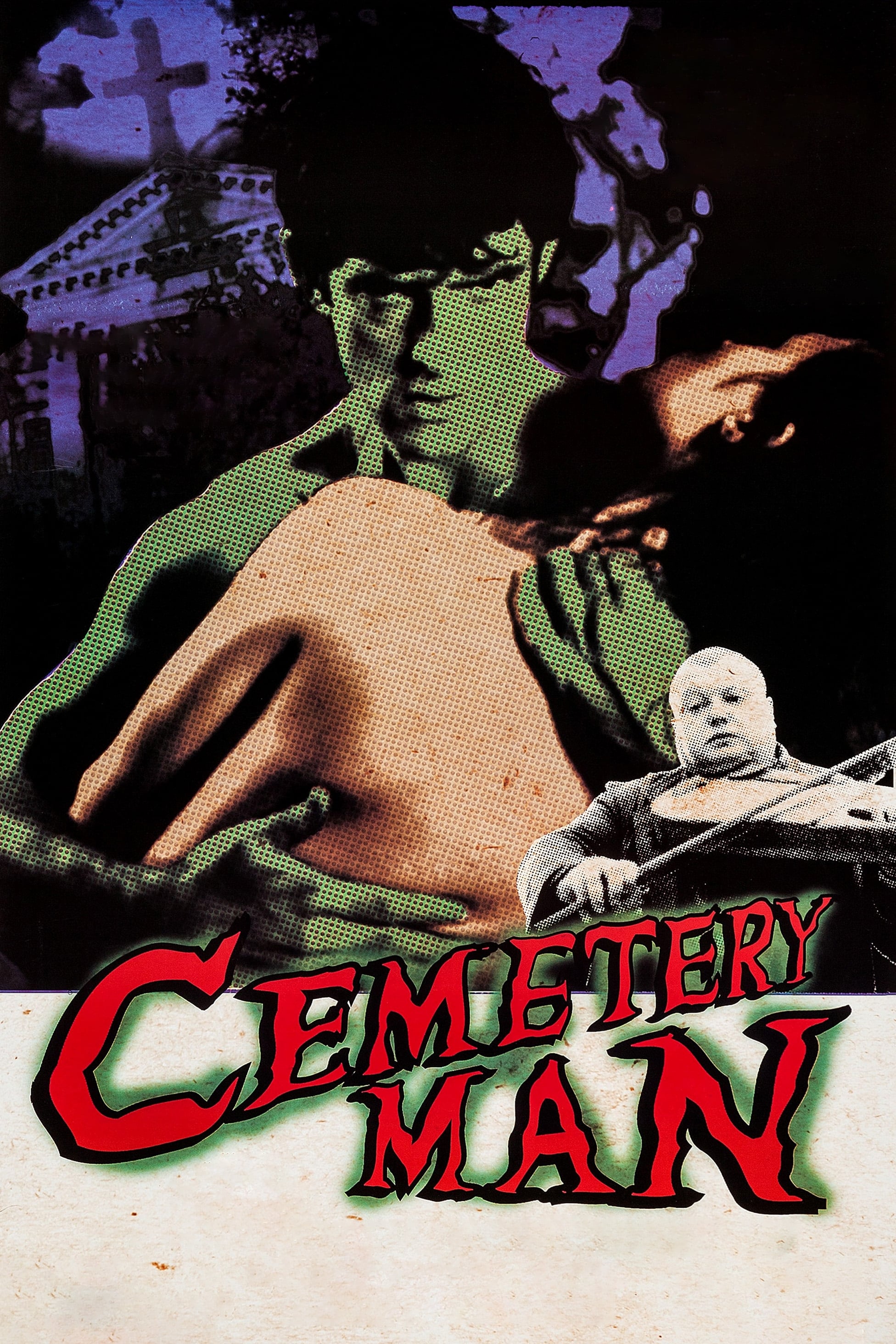
A cemetery caretaker discovers that the dead rise after burial and tries to keep the problem quiet. The story blends romance, crime, and surreal horror as the bodies pile up around a small Italian town. It stars Rupert Everett and Anna Falchi with direction by Michele Soavi. The film adapts Tiziano Sclavi’s novel connected to his Dylan Dog universe.
‘Pi’ (1998)
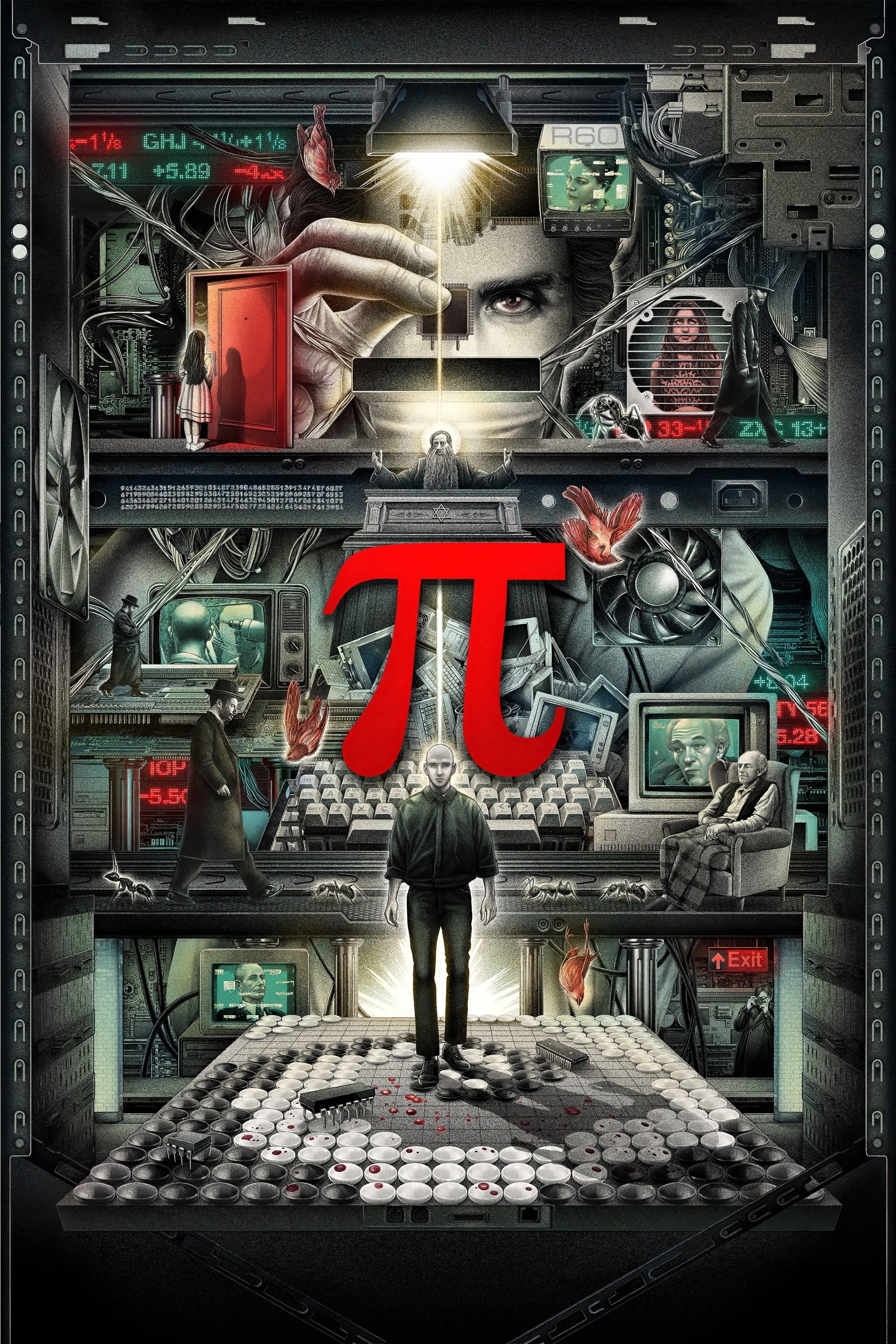
A reclusive mathematician hunts for a number that could unlock market patterns and hidden order. He builds custom rigs in a cramped apartment and suffers migraines that worsen as he closes in on answers. Darren Aronofsky directs with grainy black and white photography and an electronic score. The plot pulls in Wall Street brokers and a Hasidic cabal chasing a sacred code.
‘The Thirteenth Floor’ (1999)
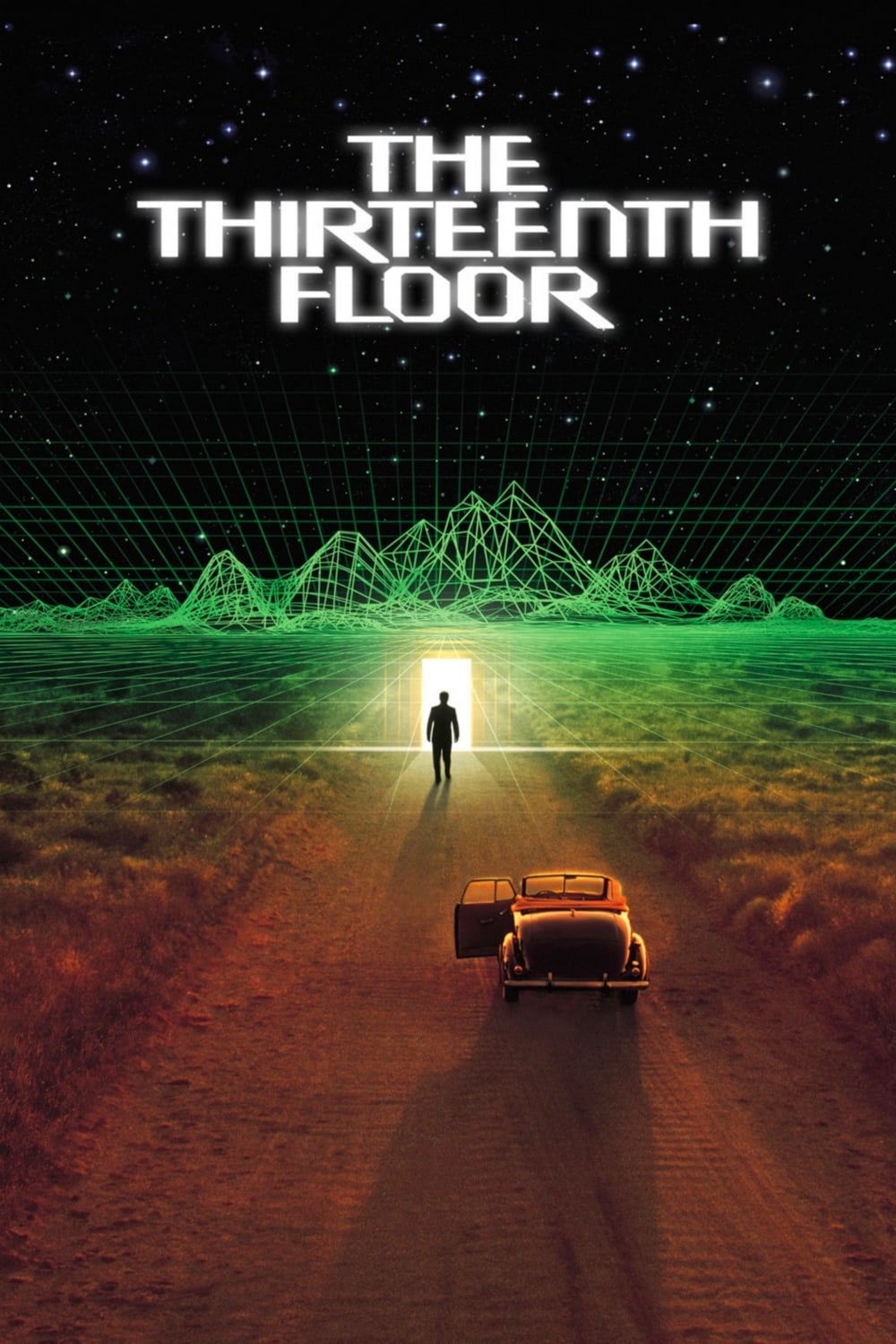
A computer scientist discovers that his virtual city might be hiding a larger truth about reality. Corporate intrigue mixes with a murder investigation that starts in a simulated version of old Los Angeles. The production uses layered sets and period costuming to switch between worlds. Its final reveal hinges on a discovered map and a boundary no one is supposed to cross.
‘Screamers’ (1995)
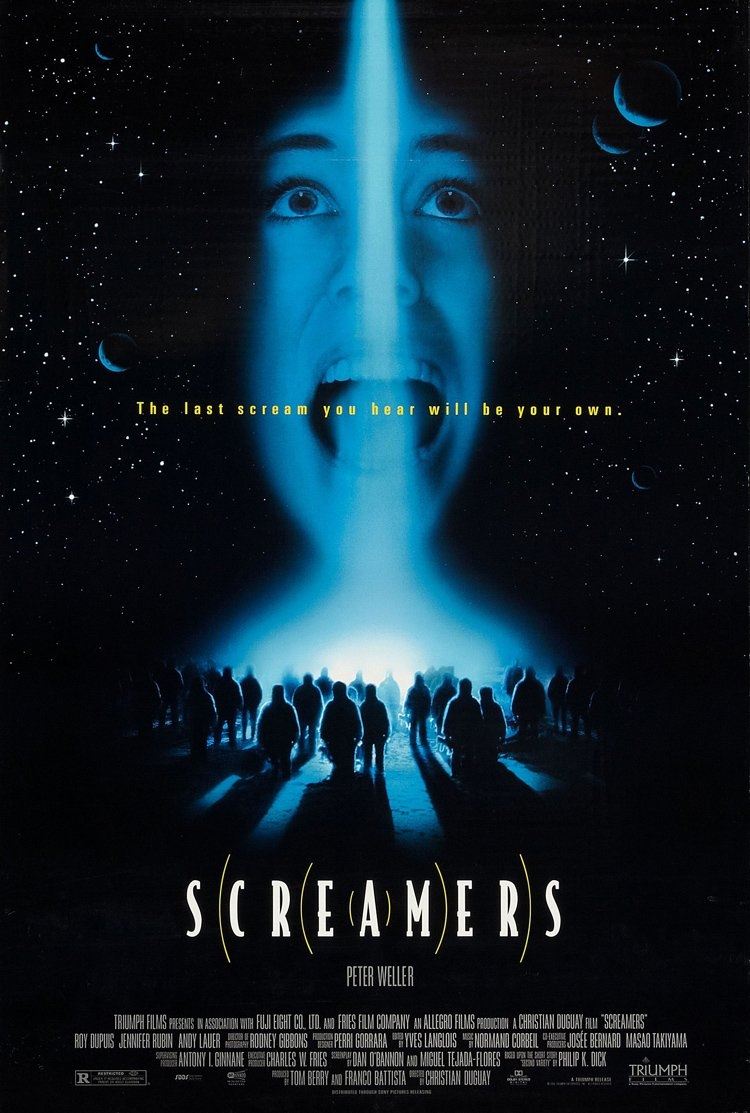
On a distant mining colony, autonomous weapons evolve into new forms that can pass as human. Peter Weller plays a commander trying to broker peace while navigating a landscape of traps. The story adapts Philip K. Dick’s short fiction with a focus on shifting enemy types. Practical effects and harsh deserts sell a war that never really ended.
‘Cronos’ (1993)
An antique dealer finds a golden device that grants youth with a troubling cost. The discovery draws the attention of a dying businessman and his violent nephew. Guillermo del Toro crafts a blend of Catholic imagery and insect inspired mechanics. Ron Perlman co stars in a story that treats vampirism like a family curse.
‘Twin Peaks: Fire Walk with Me’ (1992)
This prequel follows Laura Palmer through her final days as strange forces close in. David Lynch returns with Angelo Badalamenti’s music and a cast that includes Sheryl Lee and Ray Wise. The plot connects small town routines to visions of the Red Room and a figure named Bob. New scenes fill in the investigation that the series could only hint at.
‘The Reflecting Skin’ (1990)
A boy in rural America imagines that a widow down the road is a vampire. As his family falls apart, the landscape fills with burned barns, shrouded figures, and visiting soldiers. Viggo Mortensen appears as an older brother returning from overseas. The images play like a fever dream of childhood fear and guilt.
‘Body Melt’ (1993)
Residents of a cul de sac become test subjects for a new supplement with grotesque side effects. The Australian setting lets the story hop between households as symptoms escalate. Exploding torsos and rubbery transformations showcase practical effects work. The plot ties everything to a shady wellness company with a lab on the outskirts.
‘Brainscan’ (1994)
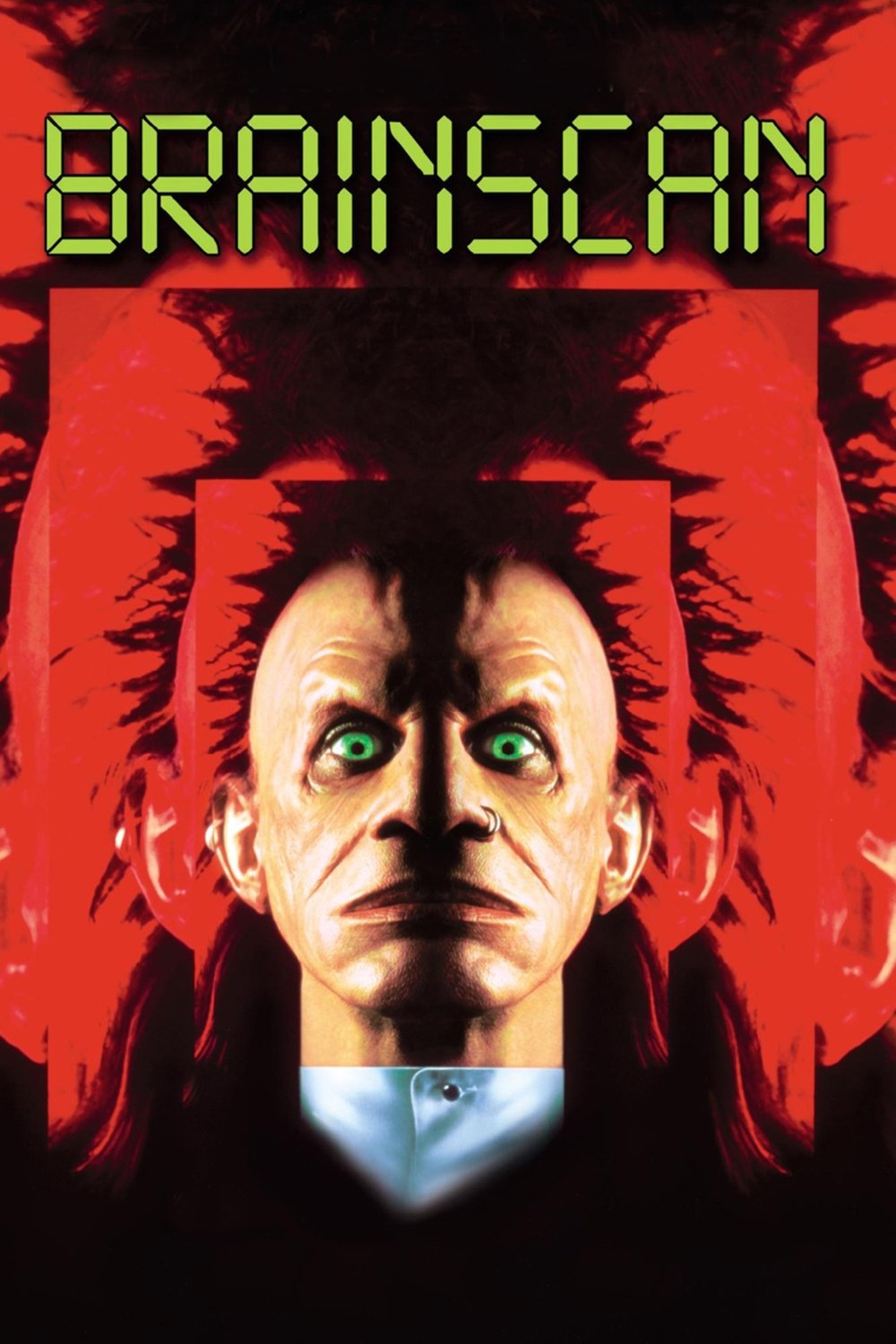
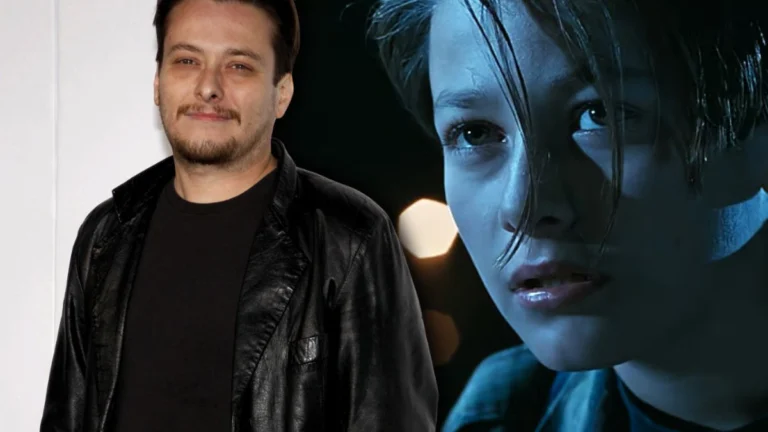
A lonely teen tries an interactive horror game that manipulates his actions in the real world. Edward Furlong stars alongside a trickster host who appears from the disc to coach him. The movie leans on early CD ROM culture and suburban police procedures. Set pieces involve planted evidence and time windows that keep closing.
‘The Ugly’ (1997)
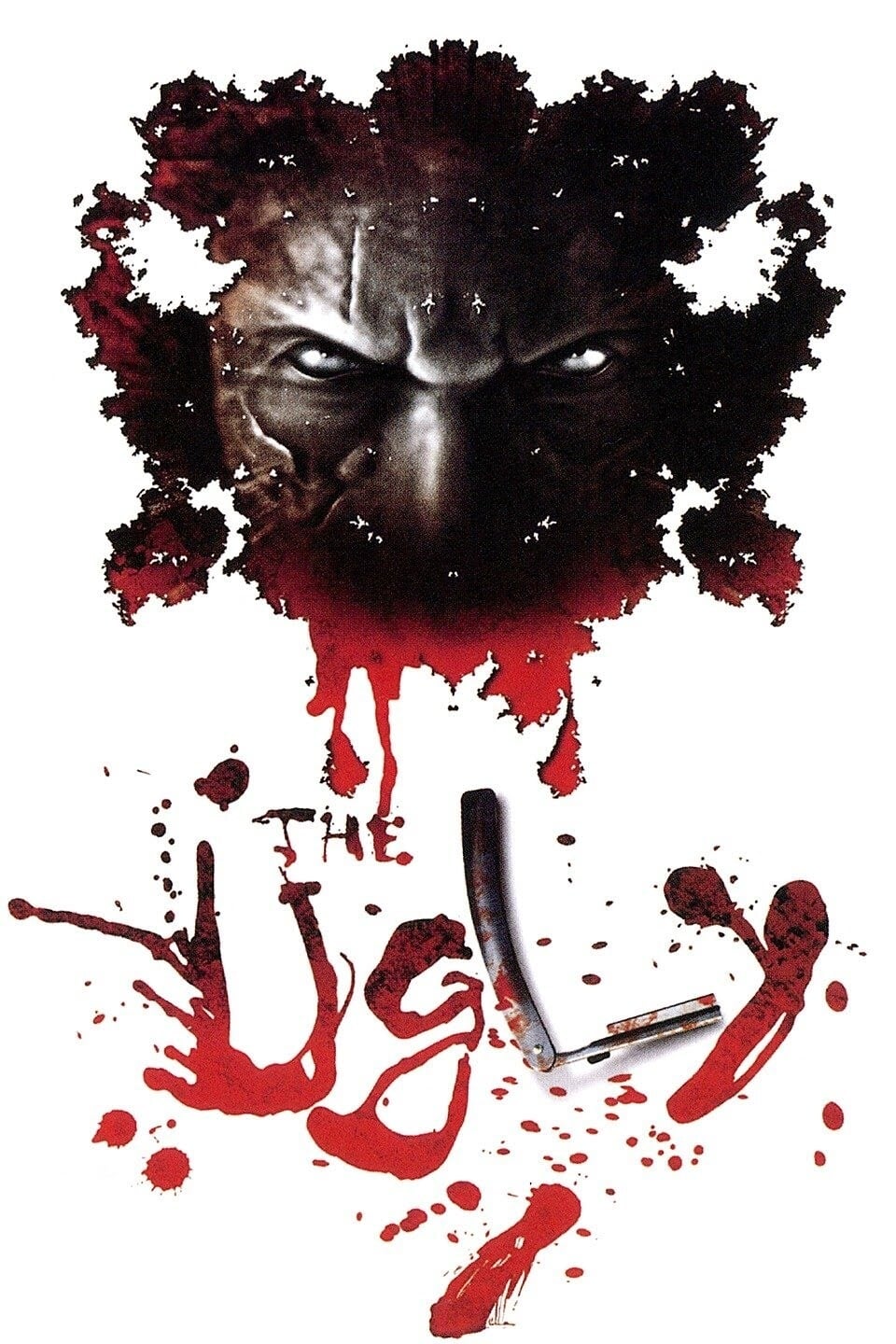
A psychiatrist interviews a confessed killer inside a stark hospital while flashbacks complicate the case. The New Zealand production uses stark lighting and minimalist sets to keep focus on testimony. Scenes replay with altered details as the patient steers the conversation. Its ending hinges on institutional power and who controls the narrative.
‘The Addiction’ (1995)
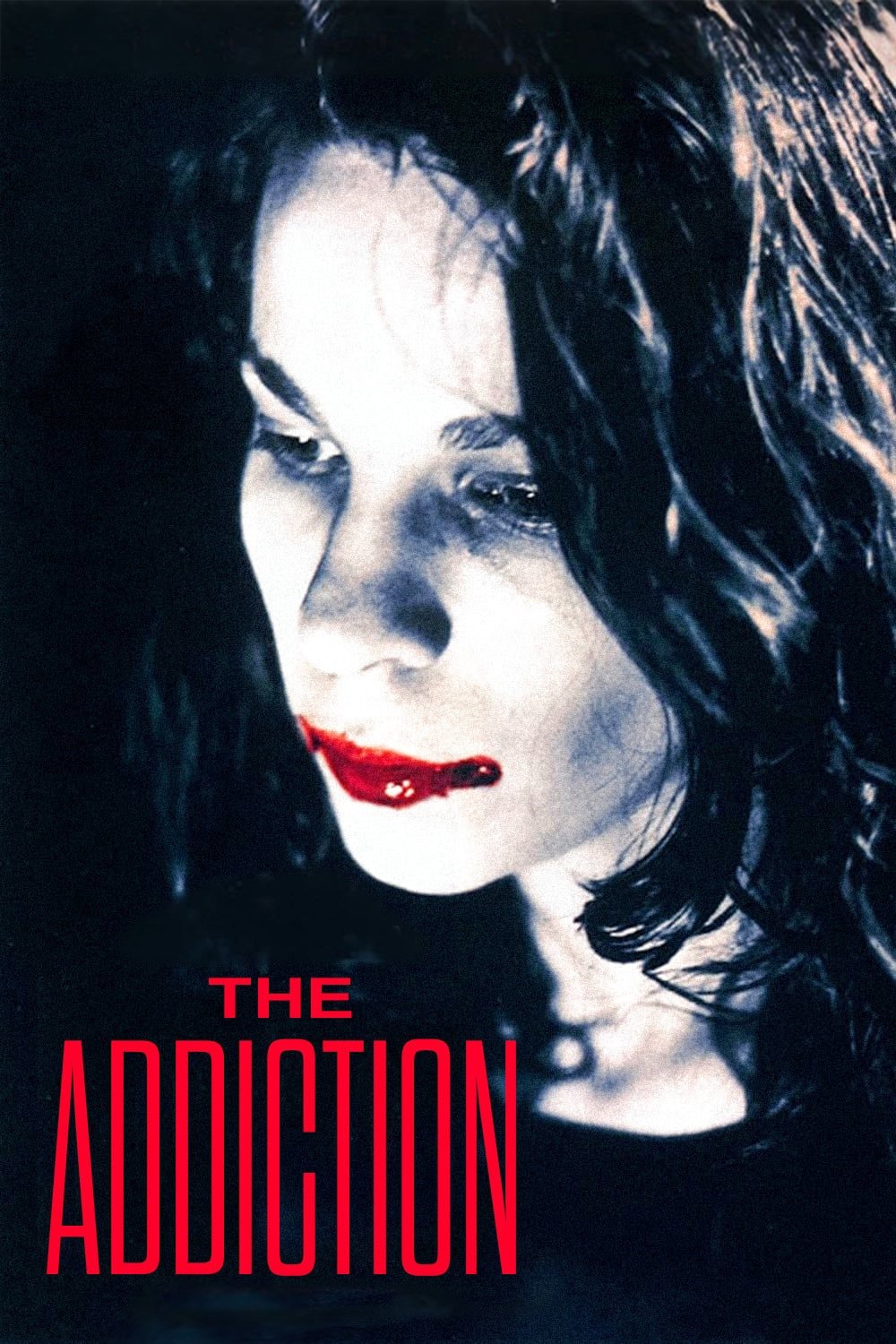
A philosophy student is bitten in an alley and develops a hunger that reads like a moral disease. Abel Ferrara shoots in high contrast black and white across New York streets and classrooms. Lili Taylor leads with cameos from Christopher Walken and Annabella Sciorra. The dialogue borrows from existential texts as the hunger spreads through academic circles.
‘Funny Games’ (1997)
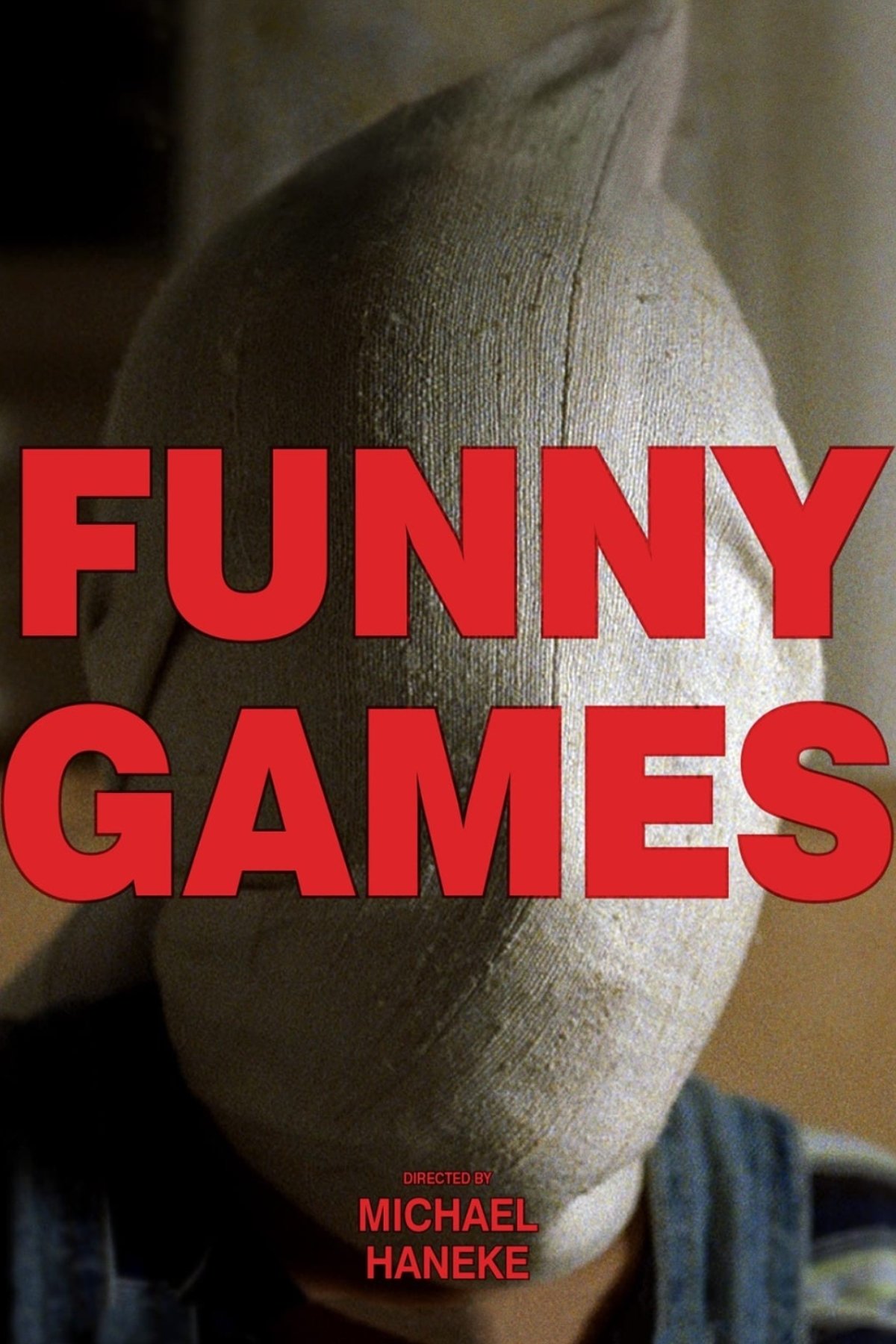
A family on holiday receives a visit from two polite young men who won’t leave. Michael Haneke directs a chamber piece that breaks rules and addresses the audience. The intruders regulate events with bets and arbitrary time limits. Remote controls and offscreen space become part of the threat.
‘The Ninth Gate’ (1999)
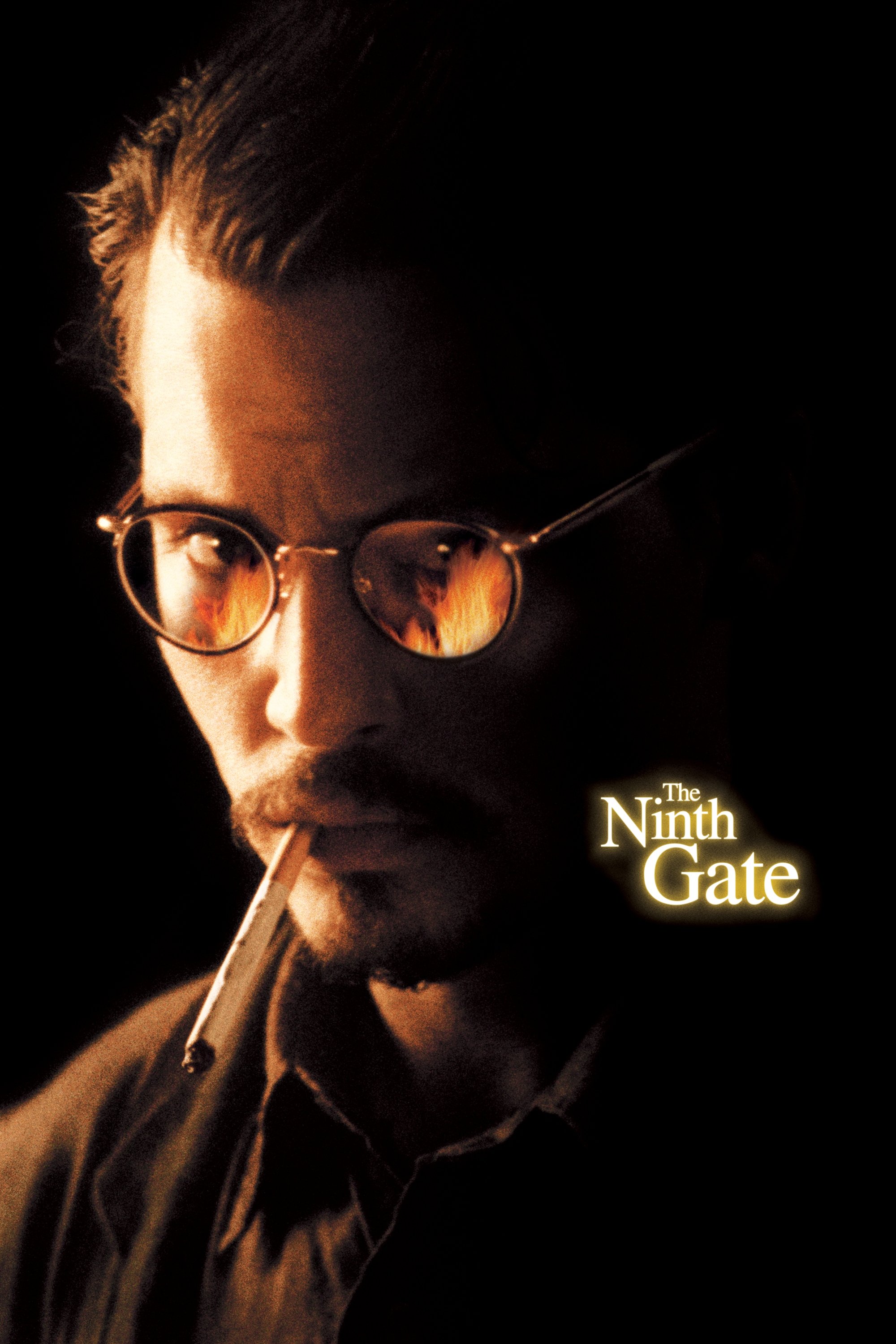
A rare book dealer is hired to authenticate a volume said to summon dark forces. Johnny Depp travels between Paris, Toledo, and New York following woodcut clues and rival collectors. Roman Polanski directs with library stacks, auctions, and private estates as key locations. The trail leads to a secluded castle where the final plates slot into place.
‘Begotten’ (1990)
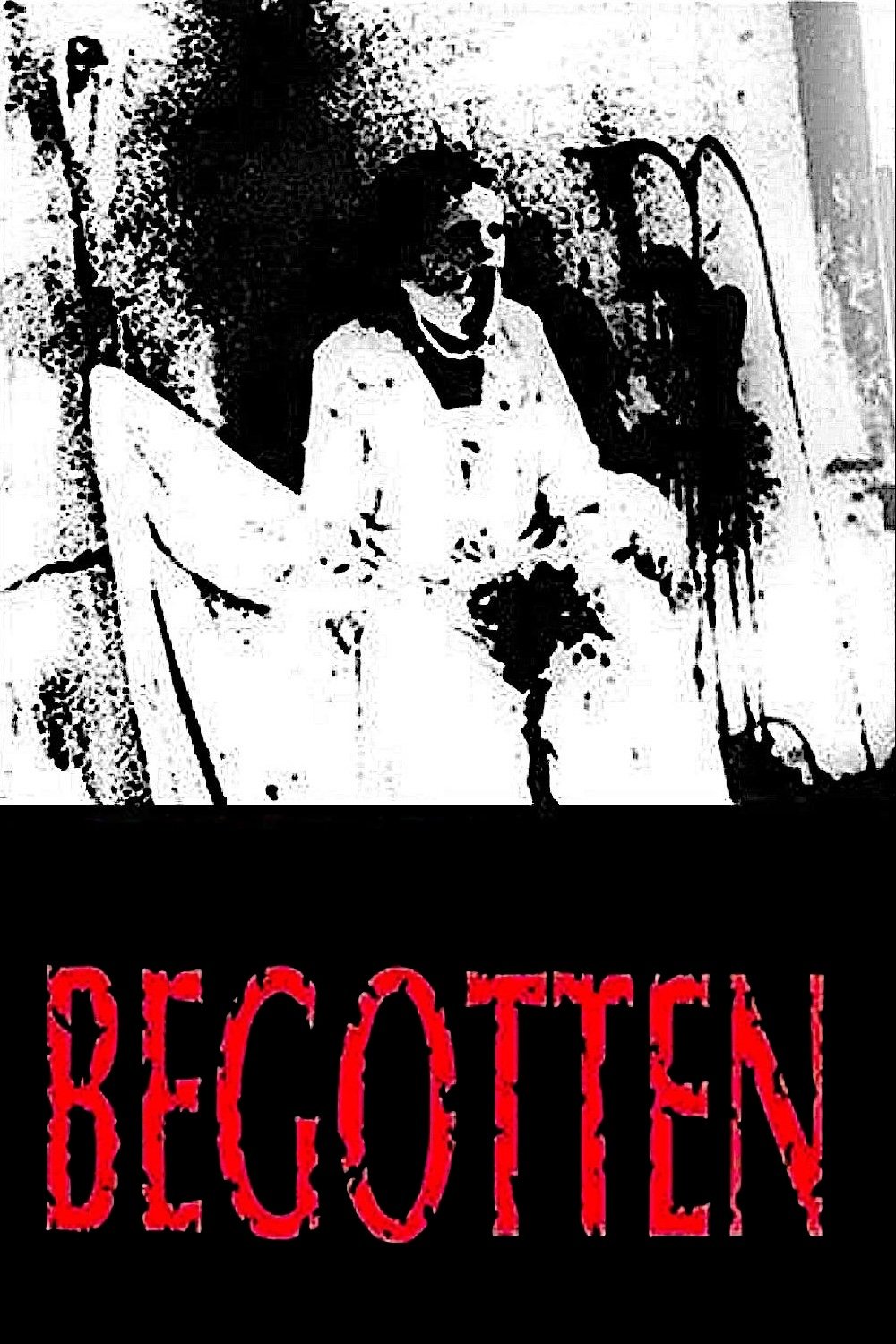
An experimental black and white film presents a creation myth through stark imagery and no dialogue. Director E Elias Merhige shot with extreme processing to create a textured look that resembles damaged film. The production uses masks, ritual staging, and outdoor locations to tell a wordless story. Its soundtrack layers ambient noise and distant rumble instead of traditional music.
‘Tetsuo II: Body Hammer’ (1992)
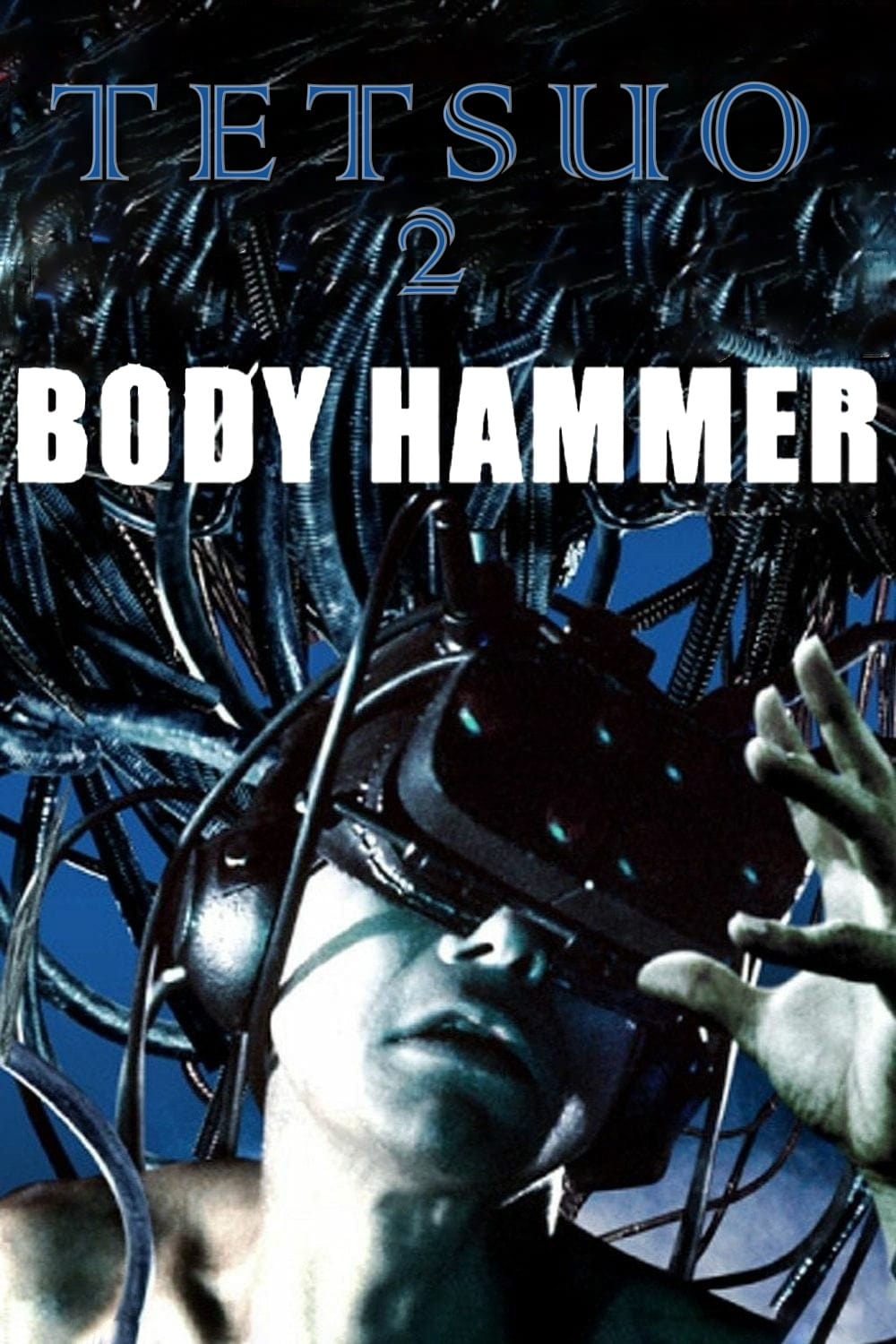
Shinya Tsukamoto expands his cyberpunk vision with a father who transforms into living weaponry under stress. The film uses handheld cameras and industrial locations across Tokyo. Practical effects turn skin into pipes and metal as the protagonist confronts a violent cult. Chu Ishikawa’s percussion heavy score pushes the momentum of the chase scenes.
‘964 Pinocchio’ (1991)
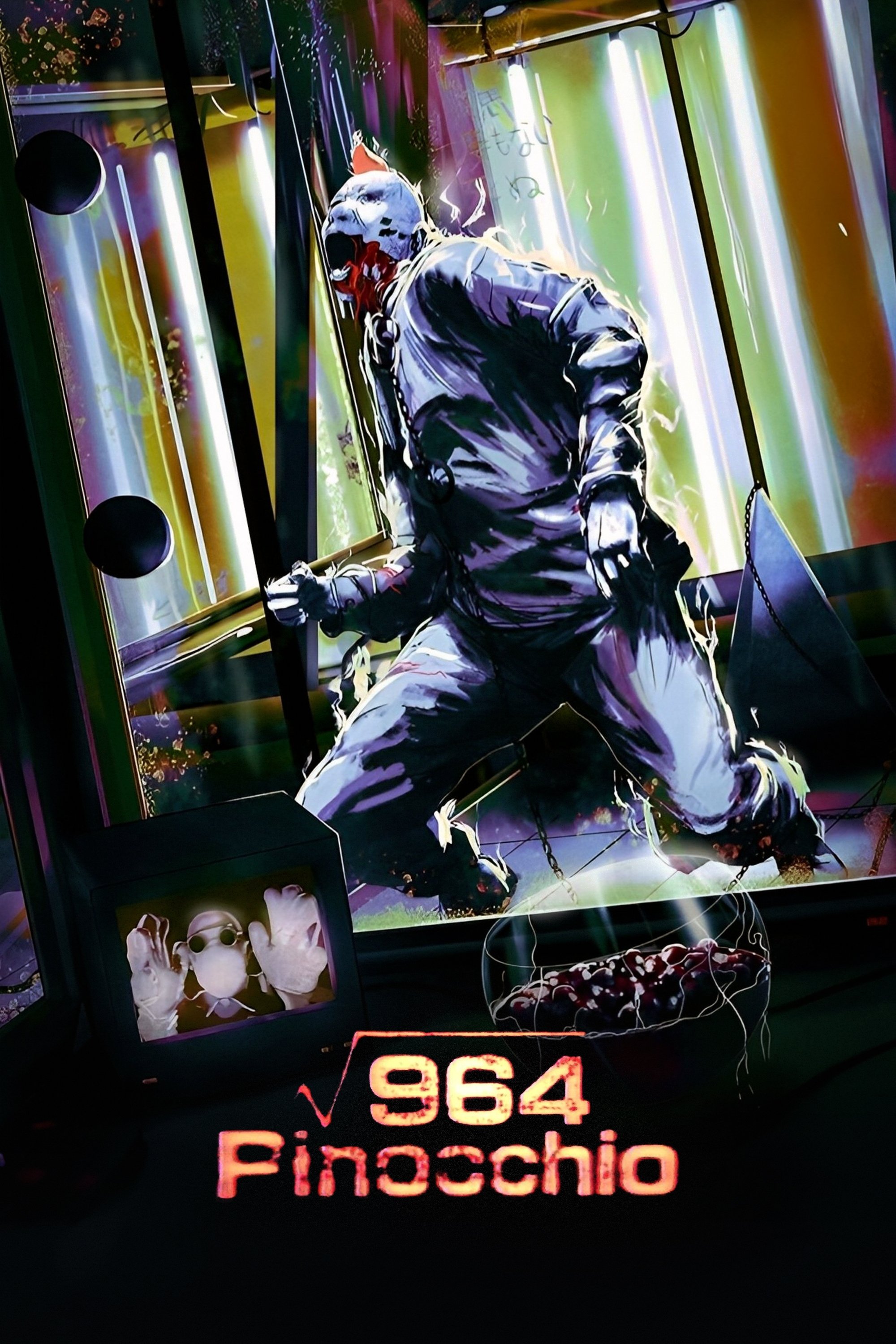
A bio engineered runaway with erased memory wanders a city with a woman who tries to help him. Director Shozin Fukui shoots in alleys, markets, and stairwells with frantic movement. The story mixes body horror with street level surrealism and extended panic sequences. Dialogue is minimal as sound design carries long stretches of confusion and pursuit.
‘Rubber’s Lover’ (1996)
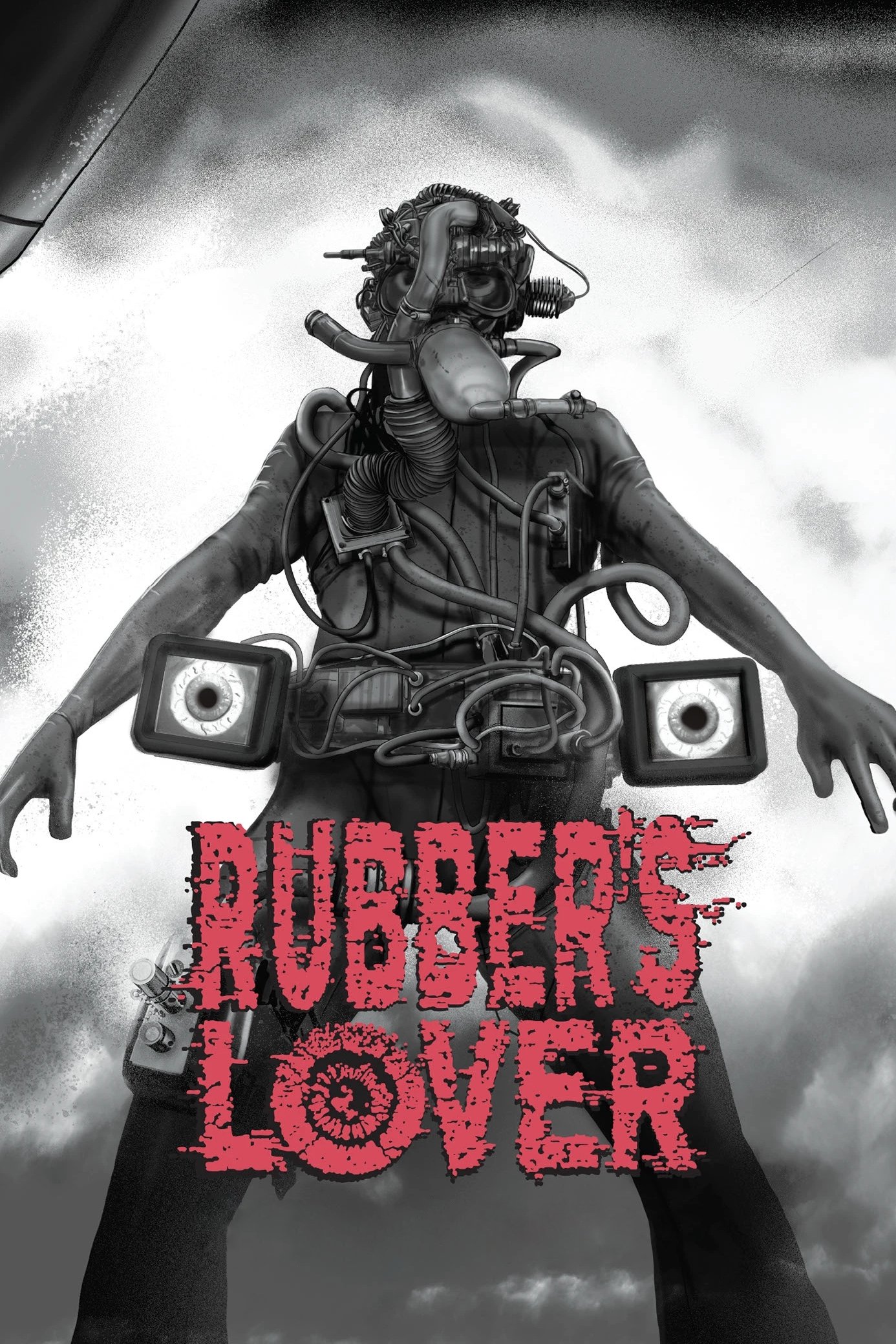
Scientists attempt to harness psychic power through painful experiments that overload the body. The movie is shot in stark black and white inside a crumbling facility. Electronic noise and alarms punctuate scenes as volunteers lose control. The finale spills out of the lab as the project collapses under its own methods.
‘Tokyo Fist’ (1995)

A salaryman discovers a love triangle that spirals into boxing and full body modification. Shinya Tsukamoto directs and stars while shooting around cramped apartments and gyms. The camera jumps between matches and intimate arguments to track obsession. Bruises and piercings mark the characters as the conflict grows.
‘The Doom Generation’ (1995)
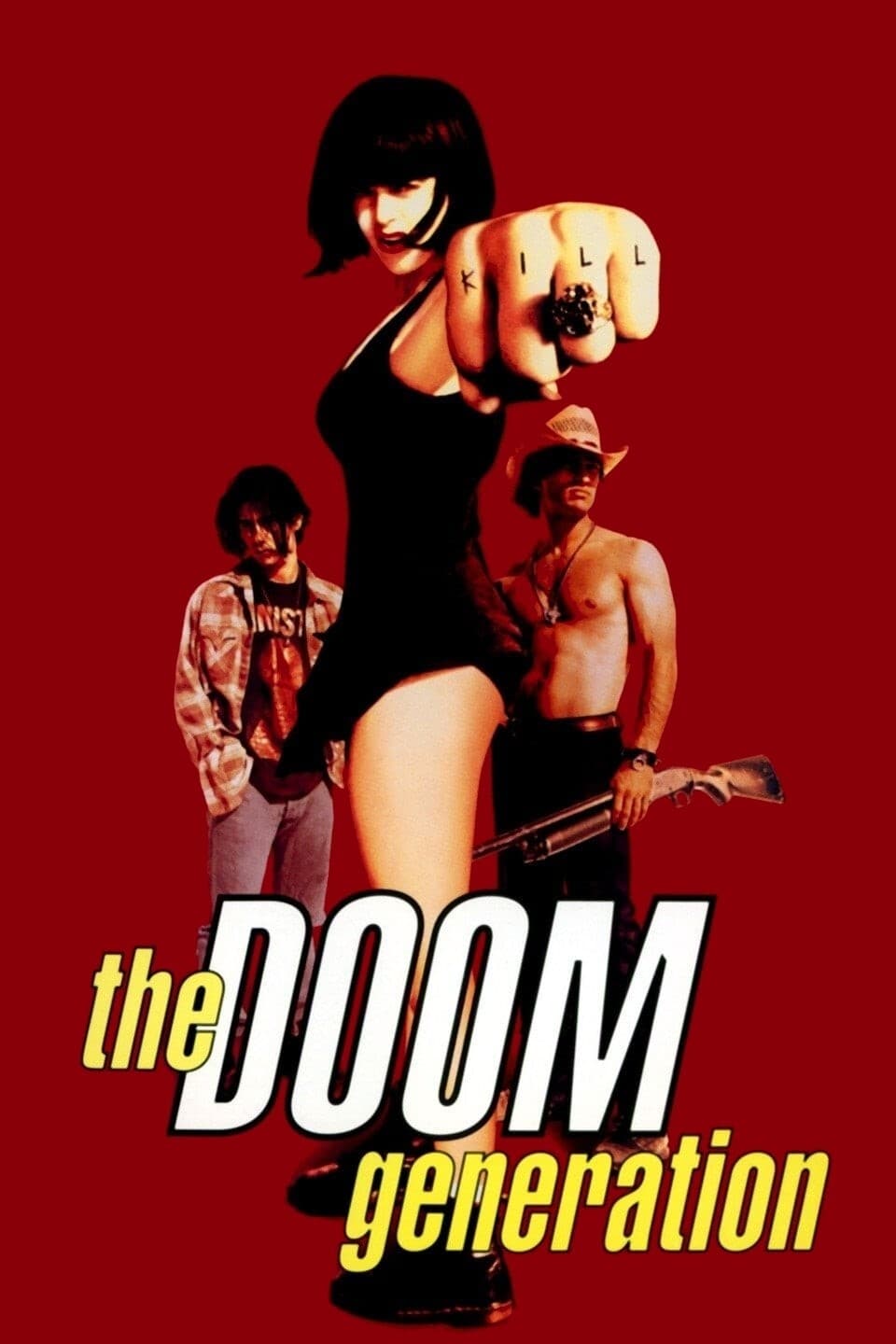
Three drifters cross a series of night time spaces after a convenience store incident. Gregg Araki shoots with saturated colors and pop culture backdrops. The road trip structure links motel rooms, parking lots, and empty warehouses. Music cues from alt rock acts frame each stop on the run.
‘Freaked’ (1993)
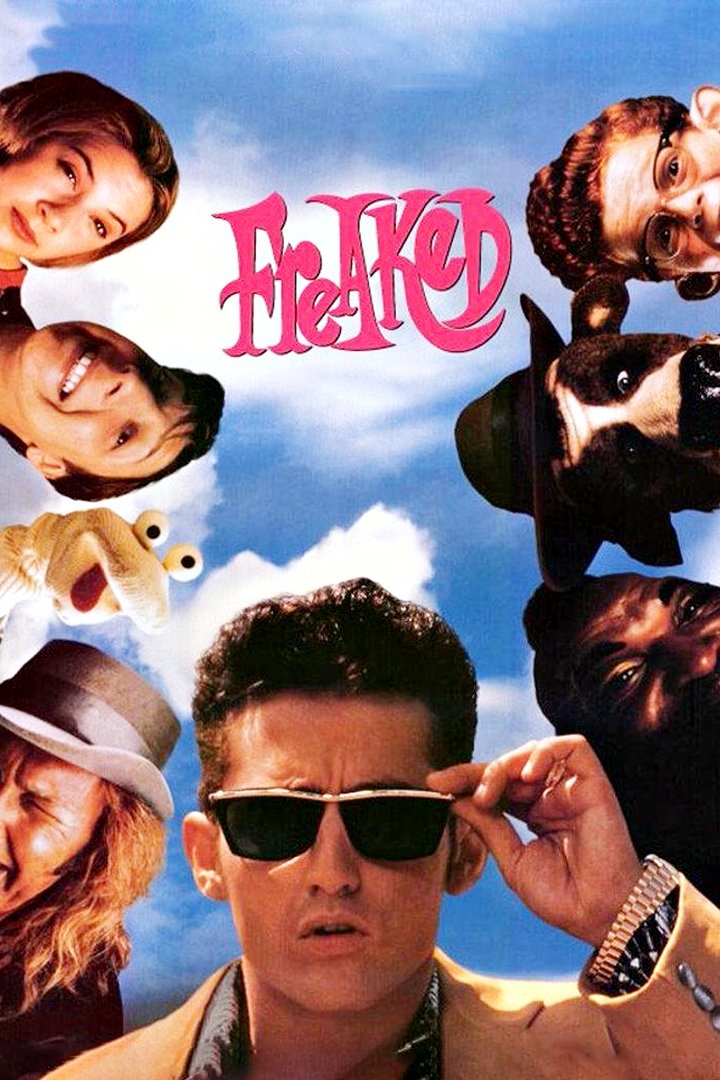
A former child star gets trapped by a sideshow owner who transforms victims with experimental chemicals. Alex Winter co directs and stars with Randy Quaid and Brooke Shields. The production builds elaborate creature suits and uses early digital gags. Cameos from musicians and comedians pop up across the carnival set.
‘Boxing Helena’ (1993)

A surgeon becomes fixated on a woman after a car accident and confines her in his home. Jennifer Lynch directs with most of the action set inside a suburban mansion. The film focuses on control and dependency through staged visits and medical props. Its score underscores a dreamlike mood around the central relationship.
‘Riki-Oh: The Story of Ricky’ (1991)
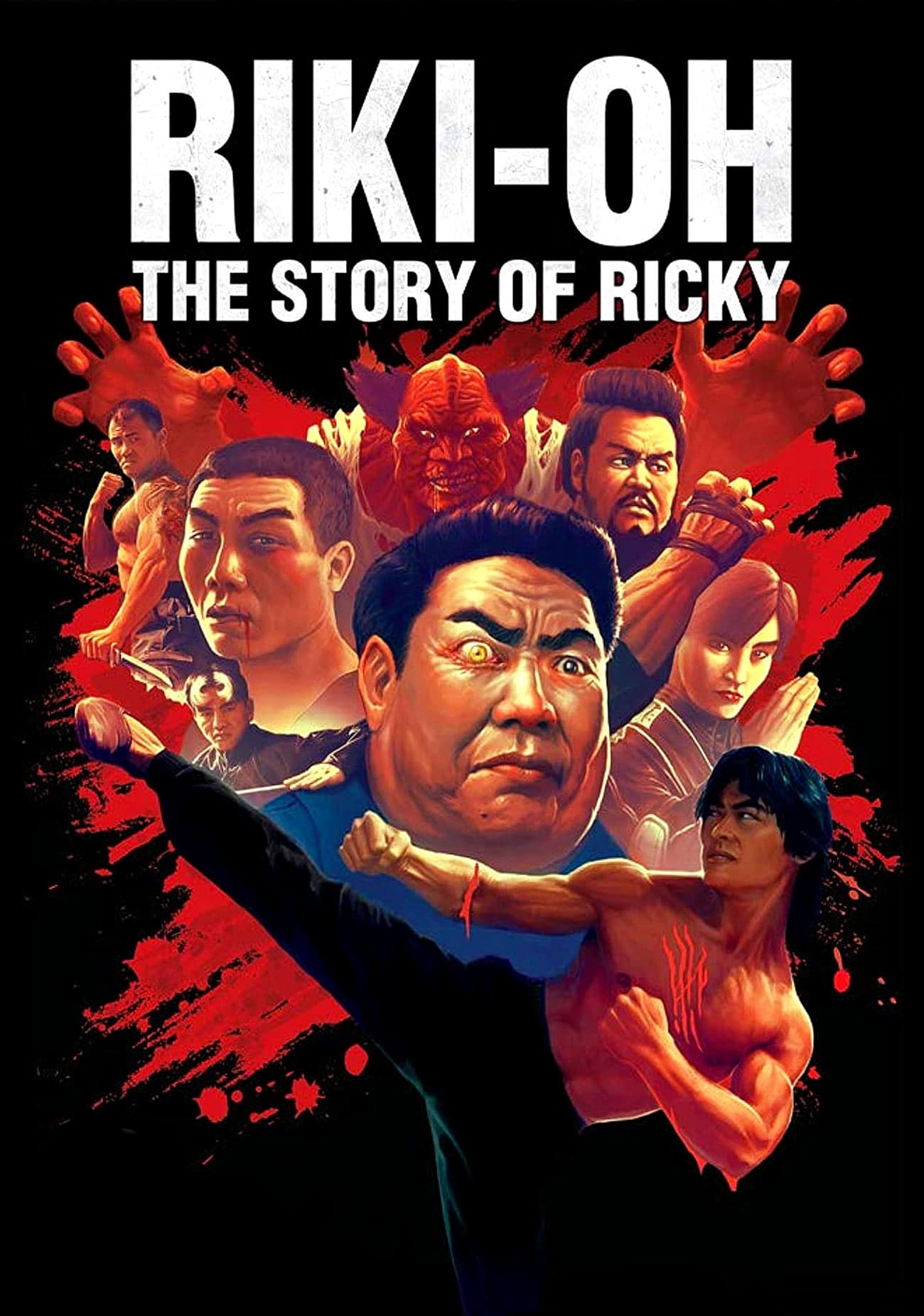
A martial artist is sent to a privatized prison where corrupt officials run violent schemes. The Hong Kong production uses exaggerated fight choreography and practical gore effects. Sets include cell blocks, workshops, and a yard used for brutal challenges. The finale pits the hero against the warden in a memorable transformation.
‘Cure’ (1997)
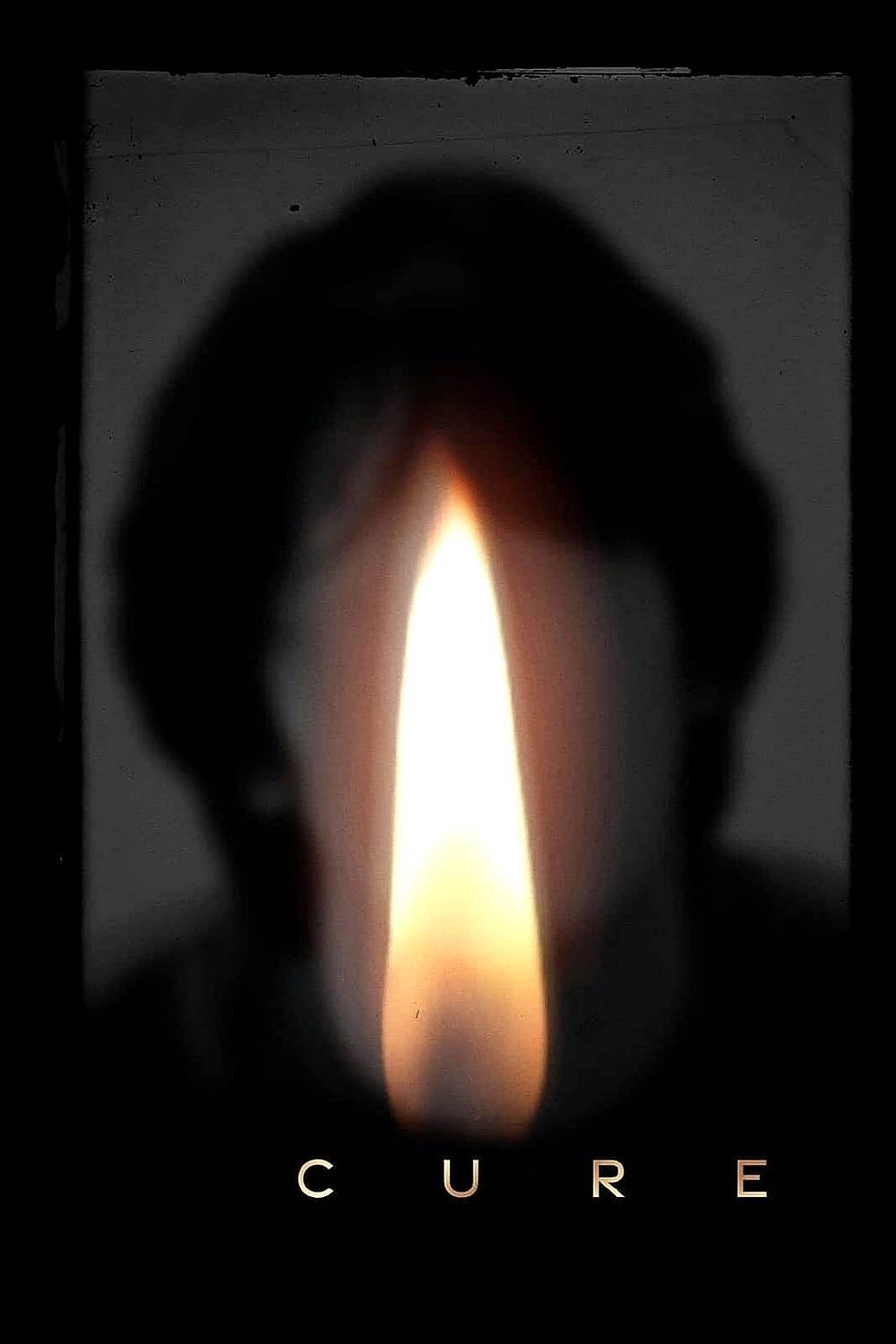
A series of murders across Tokyo share the same method while the killers have no clear motive. Director Kiyoshi Kurosawa follows a weary detective through hospitals, classrooms, and empty lots. A drifter who asks strangers about identity becomes the focus of the investigation. Long takes and ambient sound create a steady unease.
‘Charisma’ (1999)
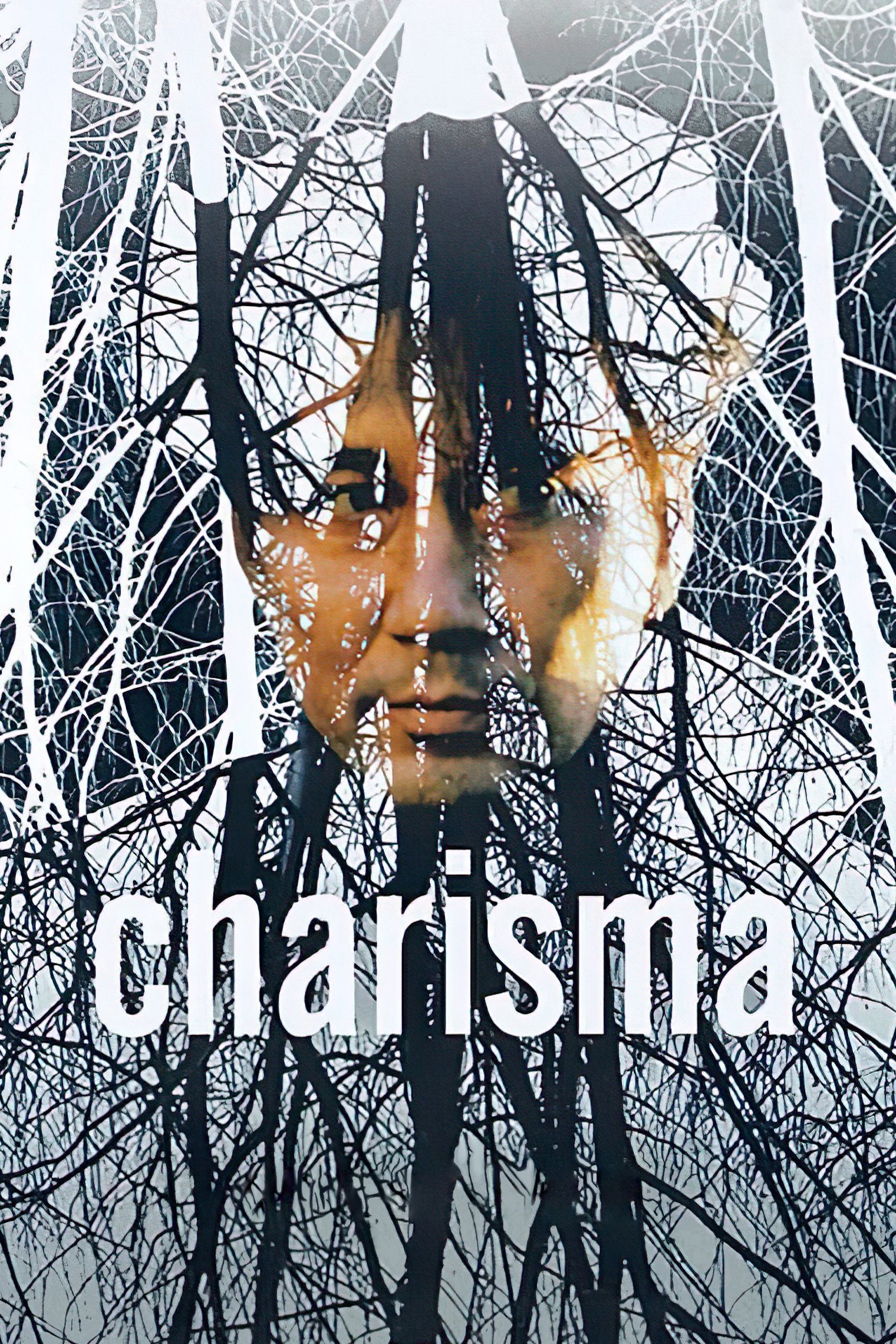
A detective on leave enters a forest where a single tree divides the local community. Kiyoshi Kurosawa builds a quiet conflict around preservation and survival. Dialogue circles a debate over whether the tree endangers the ecosystem. The setting rarely leaves the woodland paths and a nearby facility.
‘Gummo’ (1997)
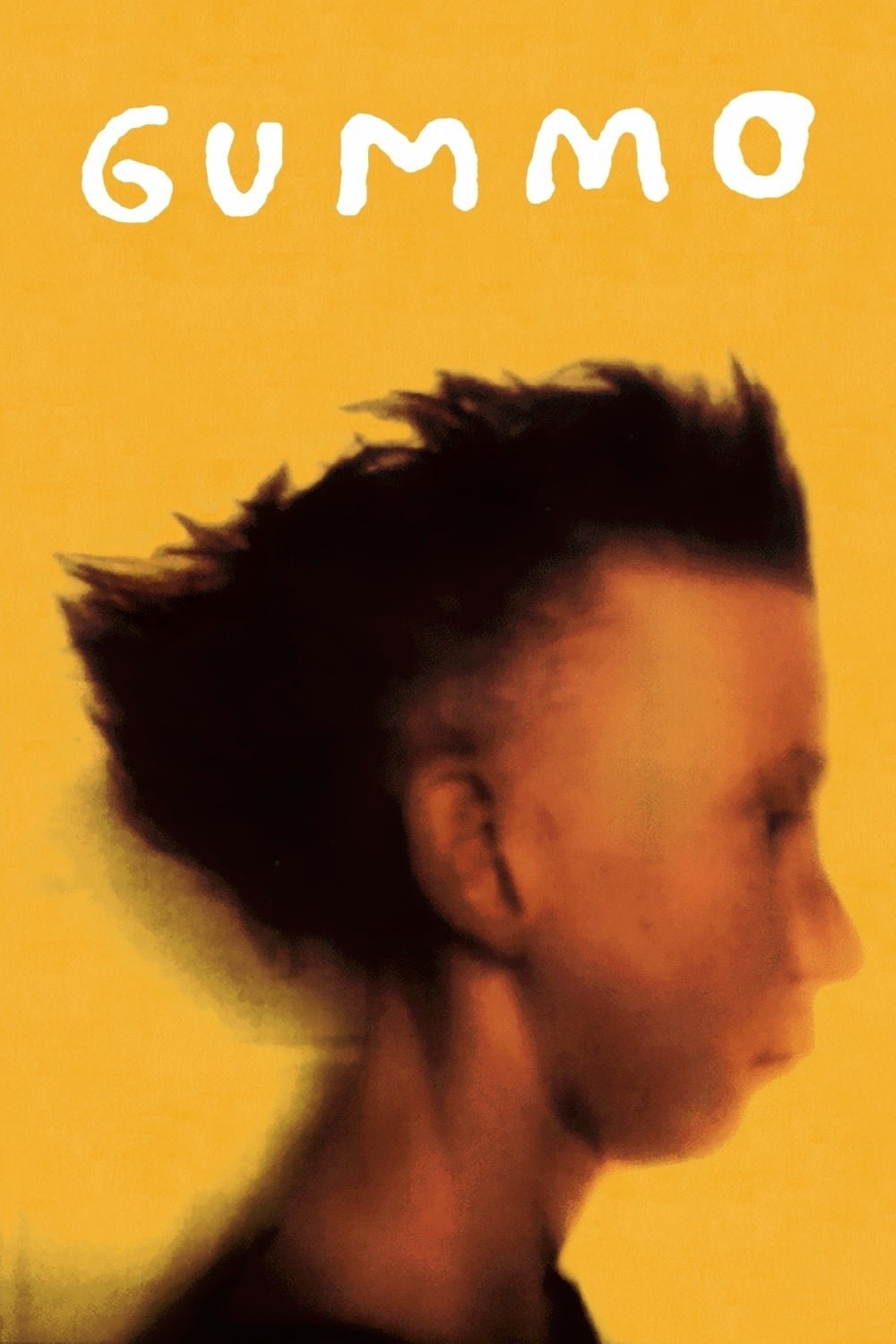
Portraits of a tornado struck town unfold through vignettes of kids, families, and drifters. Harmony Korine uses non actors alongside a few known faces and shoots on 35mm and video. Scenes move through kitchens, parking lots, and abandoned houses. The soundtrack pulls from metal, folk, and classical pieces to shape the mood.
‘The Baby of Mâcon’ (1993)
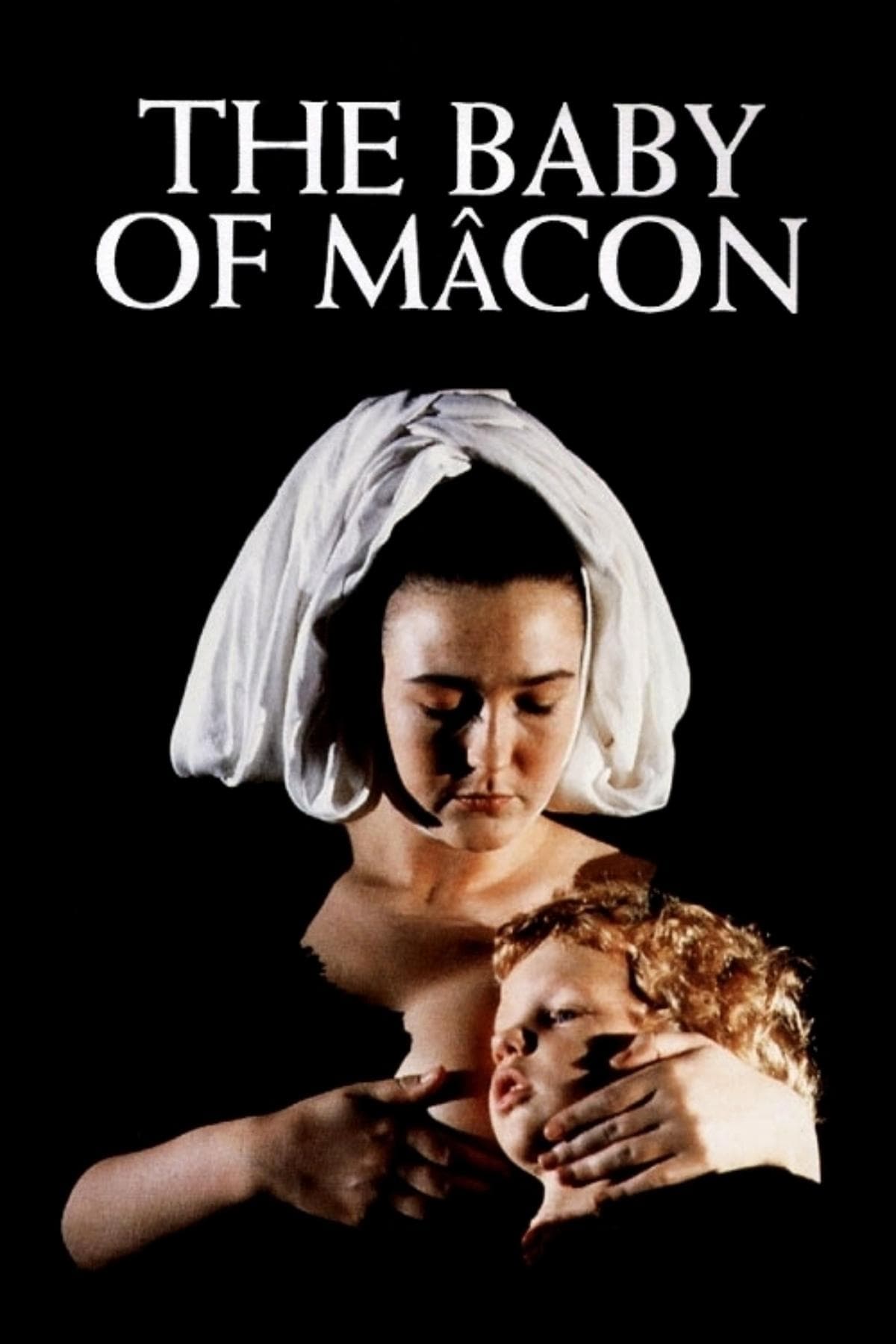
A Renaissance theater troupe stages a miracle birth that draws crowds and powerful patrons. Peter Greenaway structures the story as a play within a court performance. Elaborate costumes and symmetrical sets fill halls and chapels with ritual action. The film examines authority and spectacle through choreographed tableaux.
Share your own forgotten 90s mind benders in the comments so everyone can add a few wild picks to their rewatch list.