LGBTQ+ Actors Who Quit Hollywood


Leaving the spotlight isn’t always about fading fame—sometimes it’s a deliberate pivot. These LGBTQ+ male actors stepped away from Hollywood’s studio system or on-camera careers for reasons ranging from industry pressures to new creative callings. Here’s how and why they moved on, plus what they did next.
William Haines
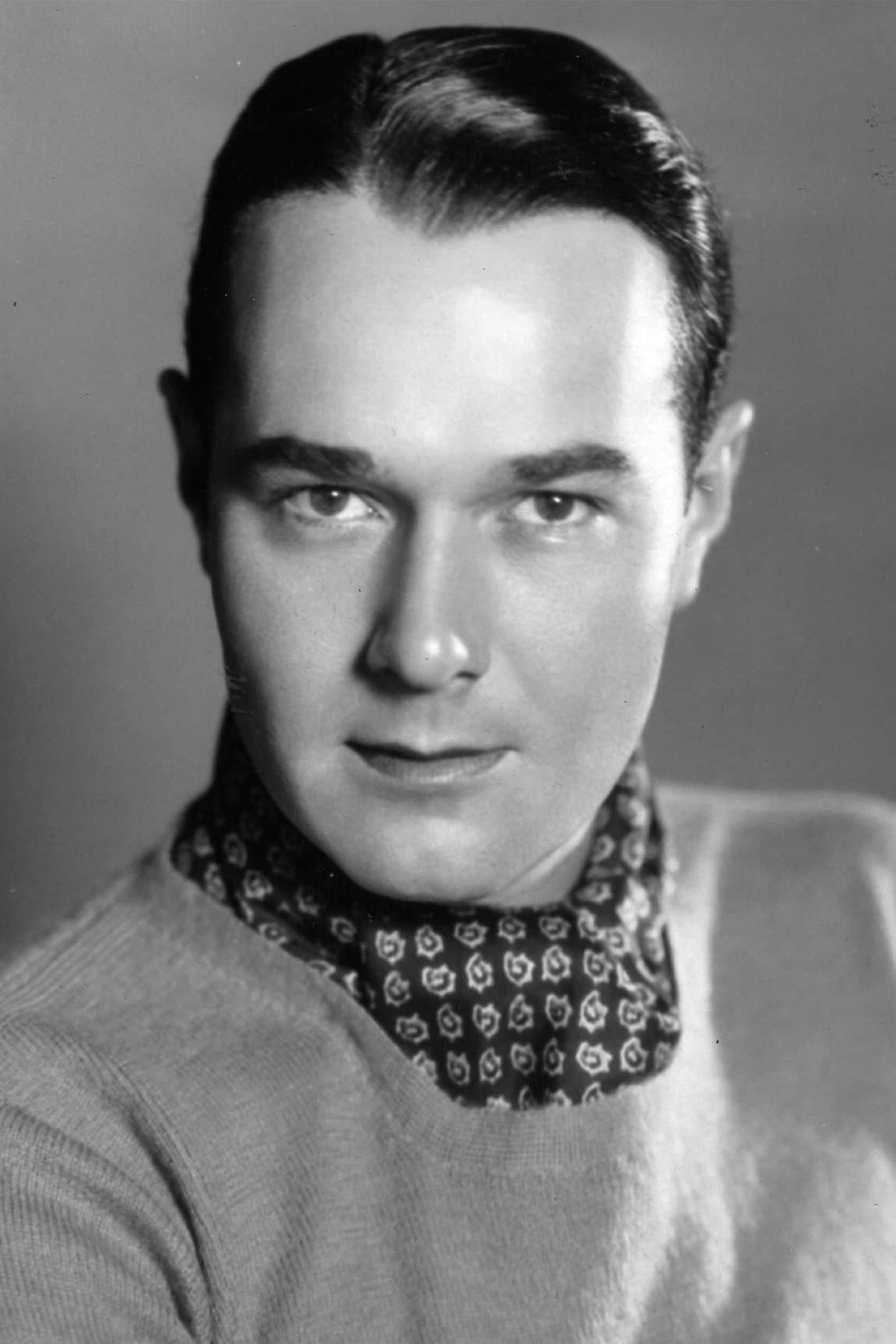
A top leading man of the silent era, William Haines refused a studio demand to hide his same-sex relationship and walked away from acting at the height of his career. After leaving films, he built a thriving Los Angeles interior-design firm that counted major stars among its clients. He remained with his partner, Jimmie Shields, for decades while growing his business and social circle far from studio control. Haines is widely cited as one of the first openly gay figures in classic Hollywood to choose life outside the system.
Jaye Davidson
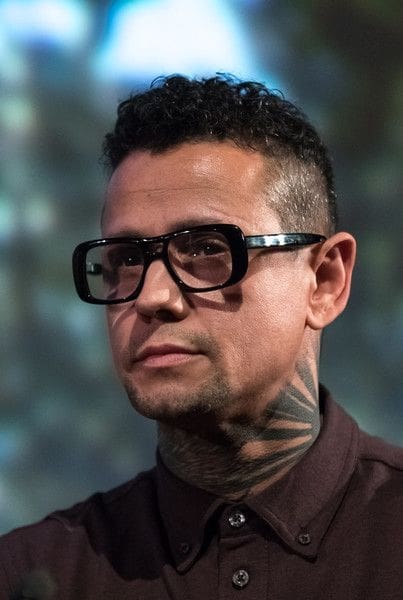
After earning an Academy Award nomination for ‘The Crying Game’, Jaye Davidson took a high-profile role in ‘Stargate’ and then stepped away from acting entirely. He shifted to fashion, working as a stylist and in the luxury sector rather than pursuing additional film or TV credits. Davidson has kept a low public profile and consistently declined offers to return to major screen roles. His exit stands as one of the clearest examples of a breakthrough performer opting out of Hollywood by choice.
George Nader
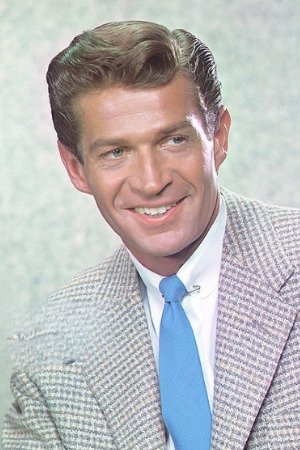
Studio-groomed in the 1950s, George Nader left Hollywood after tabloid pressures and career obstacles made steady work difficult. He relocated to Europe, where he acted in German productions before retiring from on-camera roles due to lasting eye issues that made studio lights problematic. Nader later wrote the science-fiction novel ‘Chrome’ and lived privately with his partner, Mark Miller. His career shift illustrates how off-screen scrutiny and health challenges pushed an LGBTQ+ actor to build a life beyond Hollywood.
Rupert Everett
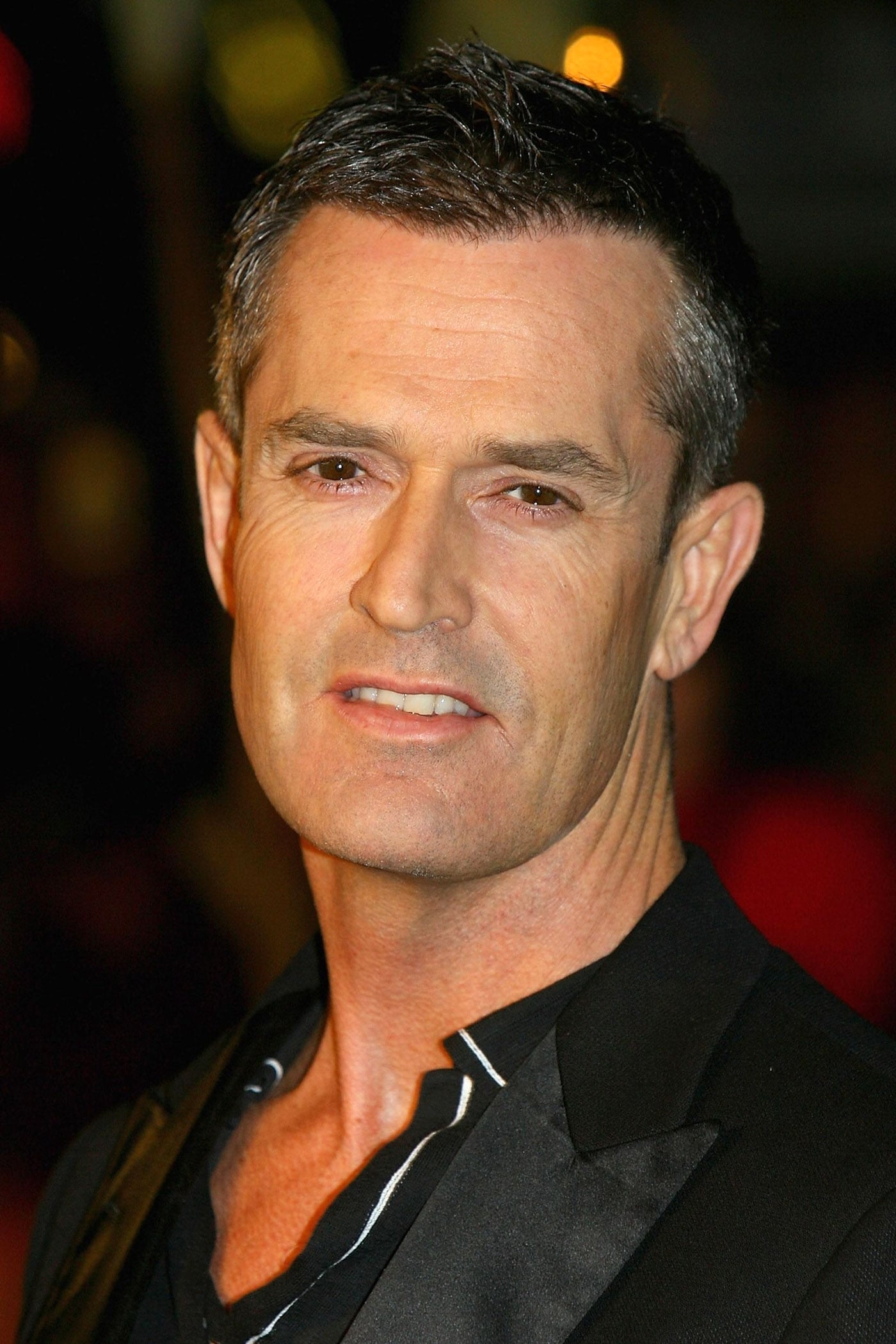
Rupert Everett became an international name with films like ‘My Best Friend’s Wedding’ and ‘An Ideal Husband’, but he has repeatedly described stepping back from Hollywood to focus on European projects, theater, and writing. He published best-selling memoirs and took on stage roles in London and regional venues instead of chasing Los Angeles leads. Everett also wrote and directed, concentrating on independent work outside the studio pipeline. The move reflects his long-stated preference for creative control over mainstream screen visibility.
Tab Hunter
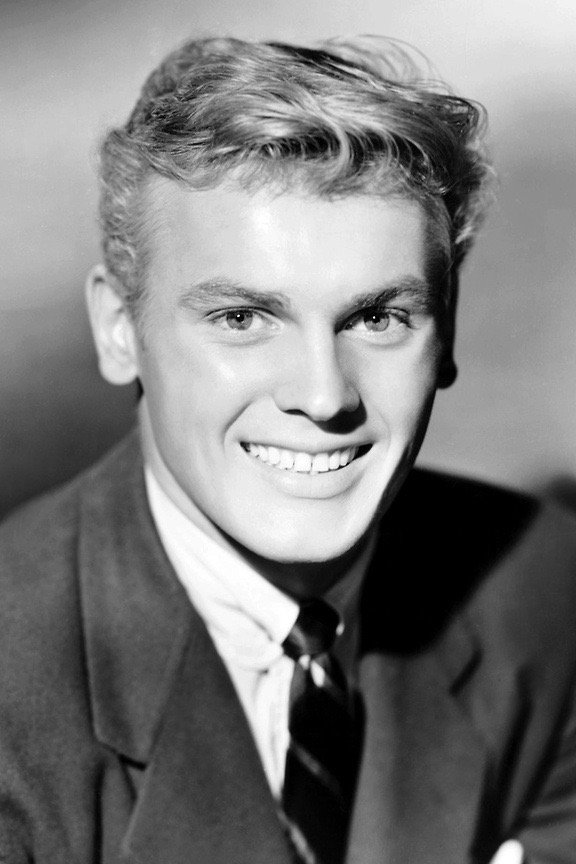
A 1950s heartthrob, Tab Hunter later revealed his long-guarded private life and gradually withdrew from Hollywood’s front lines. He spent extended periods devoted to competitive horseback riding and life outside the studio circuit, returning only occasionally for select projects like ‘Polyester’. Hunter eventually told his story in the memoir ‘Tab Hunter Confidential’, which led to the documentary of the same name. His trajectory shows a deliberate shift away from the industry’s demands toward personal priorities.
Wentworth Miller
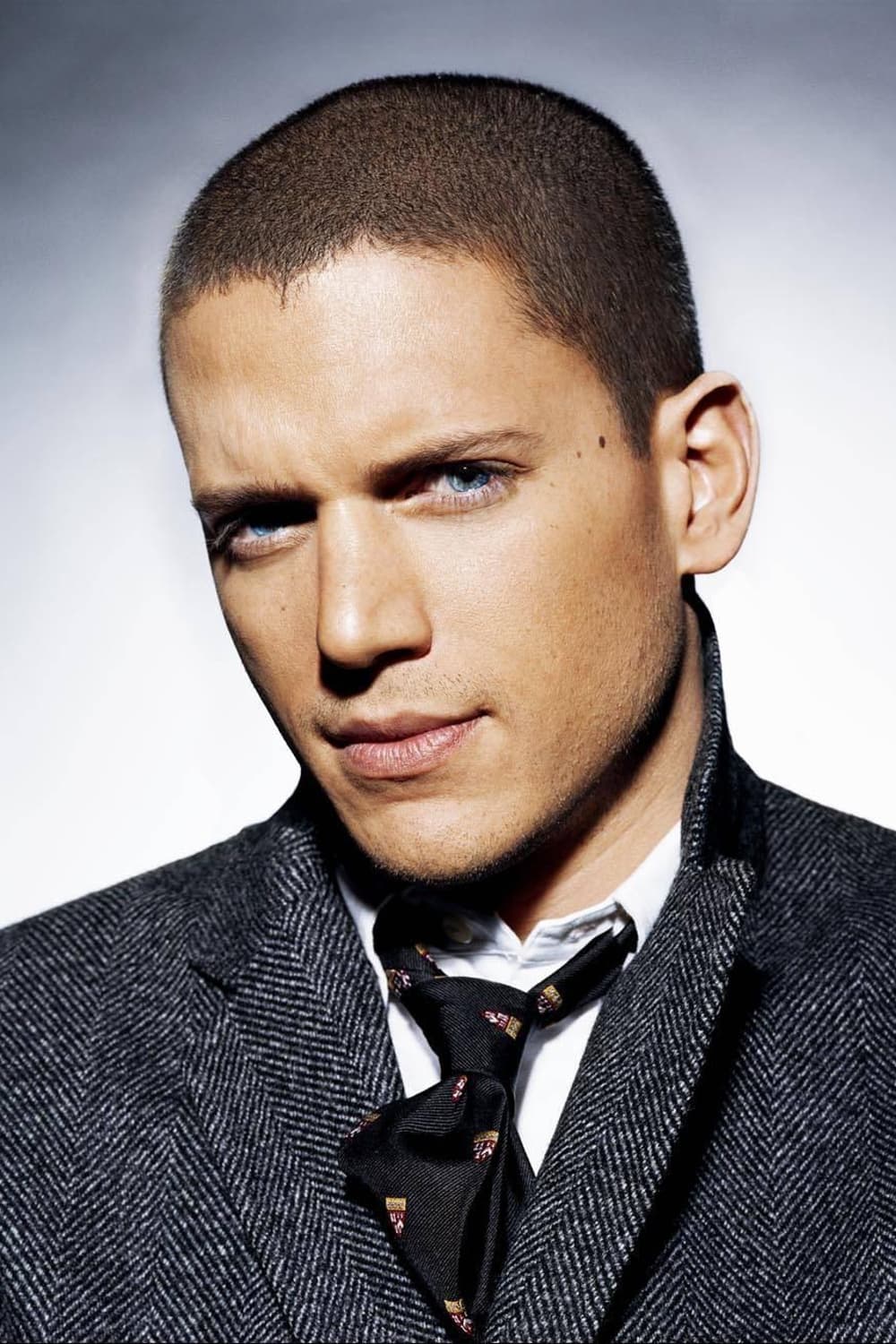
Wentworth Miller, known worldwide for ‘Prison Break’, publicly came out and later announced he would no longer play straight roles, stepping back from certain on-camera work. He focused increasingly on writing, contributing scripts such as the thriller ‘Stoker’, and choosing projects that aligned with his values. Miller also used public platforms to discuss mental health and representation rather than pursuing a heavy audition schedule. His choices mark a clear move away from traditional Hollywood pathways toward selective, self-directed work.
Share your thoughts—who else belongs on this list, and what stories did we miss?