Most Claustrophobic Movies Ever Filmed


Sometimes the most gripping stories happen in the tightest spaces—submarines, basements, courtrooms, elevators, and even phone booths—where characters have nowhere to run and tension builds with every minute. This list collects films that confine their action to cramped locations, using limited settings, focused casts, and precise filmmaking to drive their plots. You’ll find thrillers, dramas, horrors, and survival stories that make powerful use of single locations or very restricted spaces. Each entry below highlights the premise, key creatives, principal cast, and where the action unfolds, so you can dive straight into what makes each title a standout in the “trapped-in-a-box” tradition.
‘Buried’ (2010)
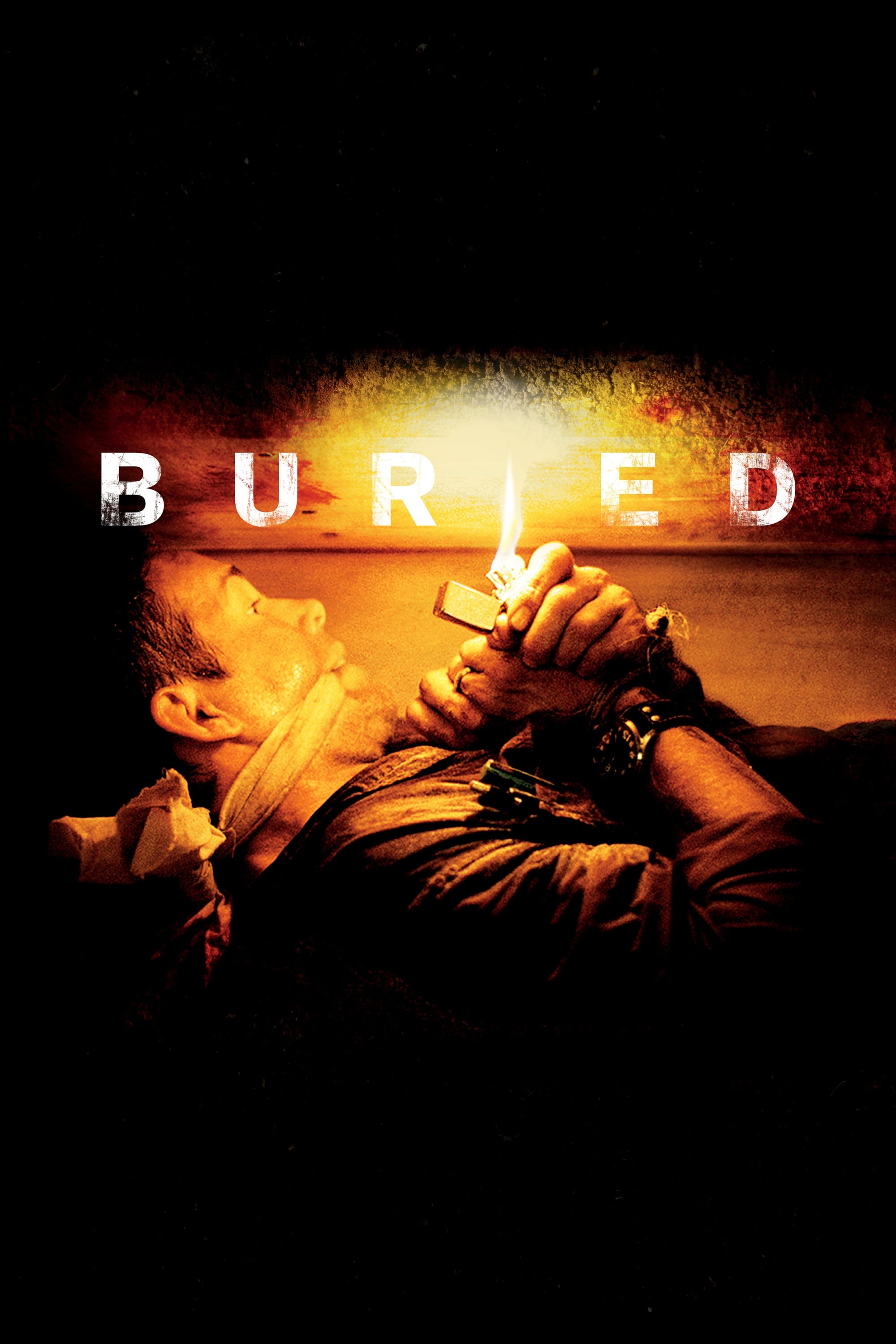
Directed by Rodrigo Cortés, this thriller follows a civilian contractor trapped in a wooden coffin beneath the ground with only a lighter and a phone. Ryan Reynolds carries the film solo, performing almost the entire runtime in real time from a single location. The narrative unfolds through phone calls and timed demands that escalate the stakes. Production employed a series of coffin sets to enable different camera setups while retaining the single-location illusion.
‘Cube’ (1997)
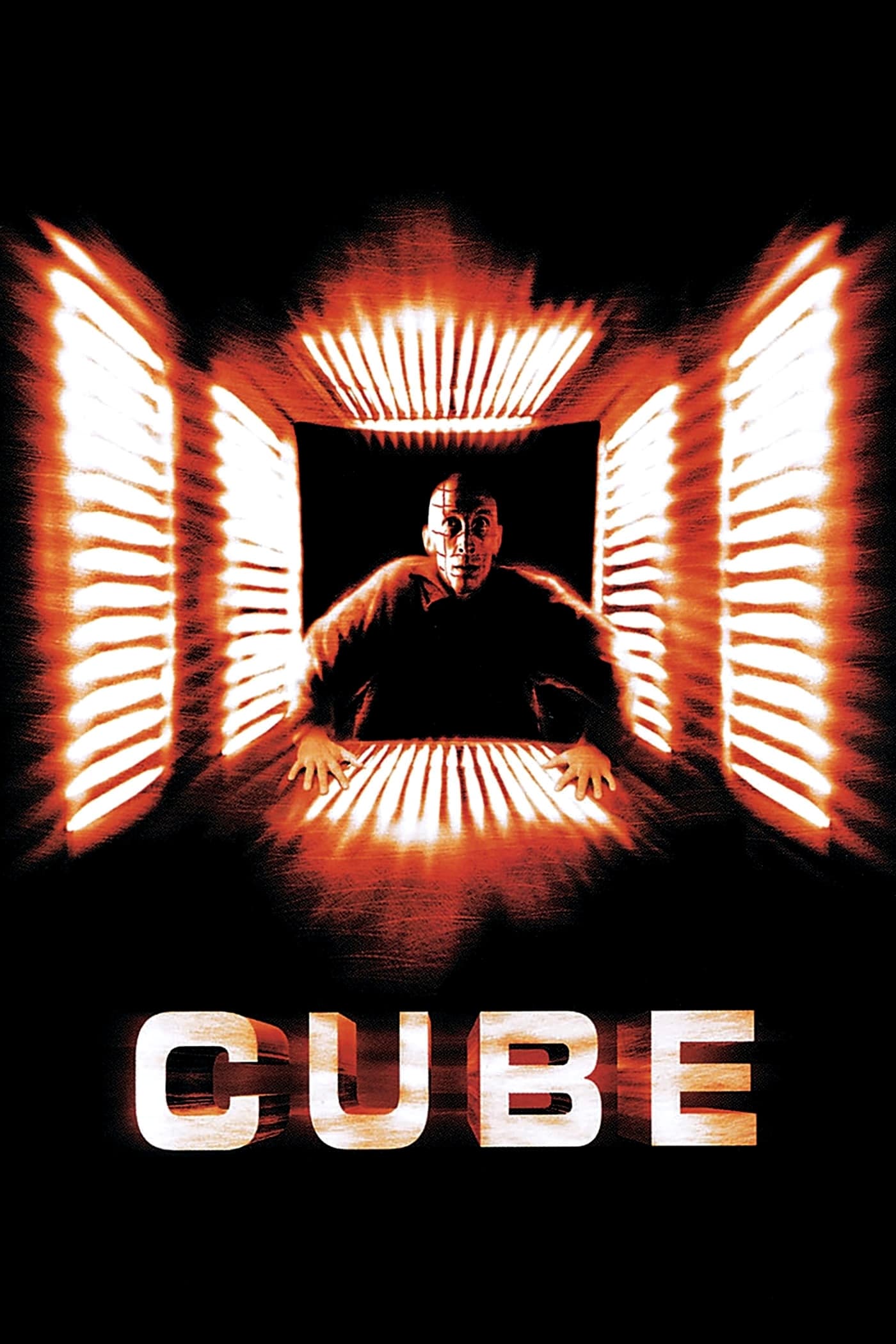
Vincenzo Natali’s sci-fi puzzle places strangers inside a maze of identical cube-shaped rooms booby-trapped in deadly ways. Nicole de Boer, Maurice Dean Wint, and David Hewlett lead an ensemble that must deduce safe paths using math and logic. The production reused modular sets with changing lighting to suggest an infinite labyrinth. Its minimalist design and rules-based worldbuilding helped launch a small franchise.
‘Panic Room’ (2002)
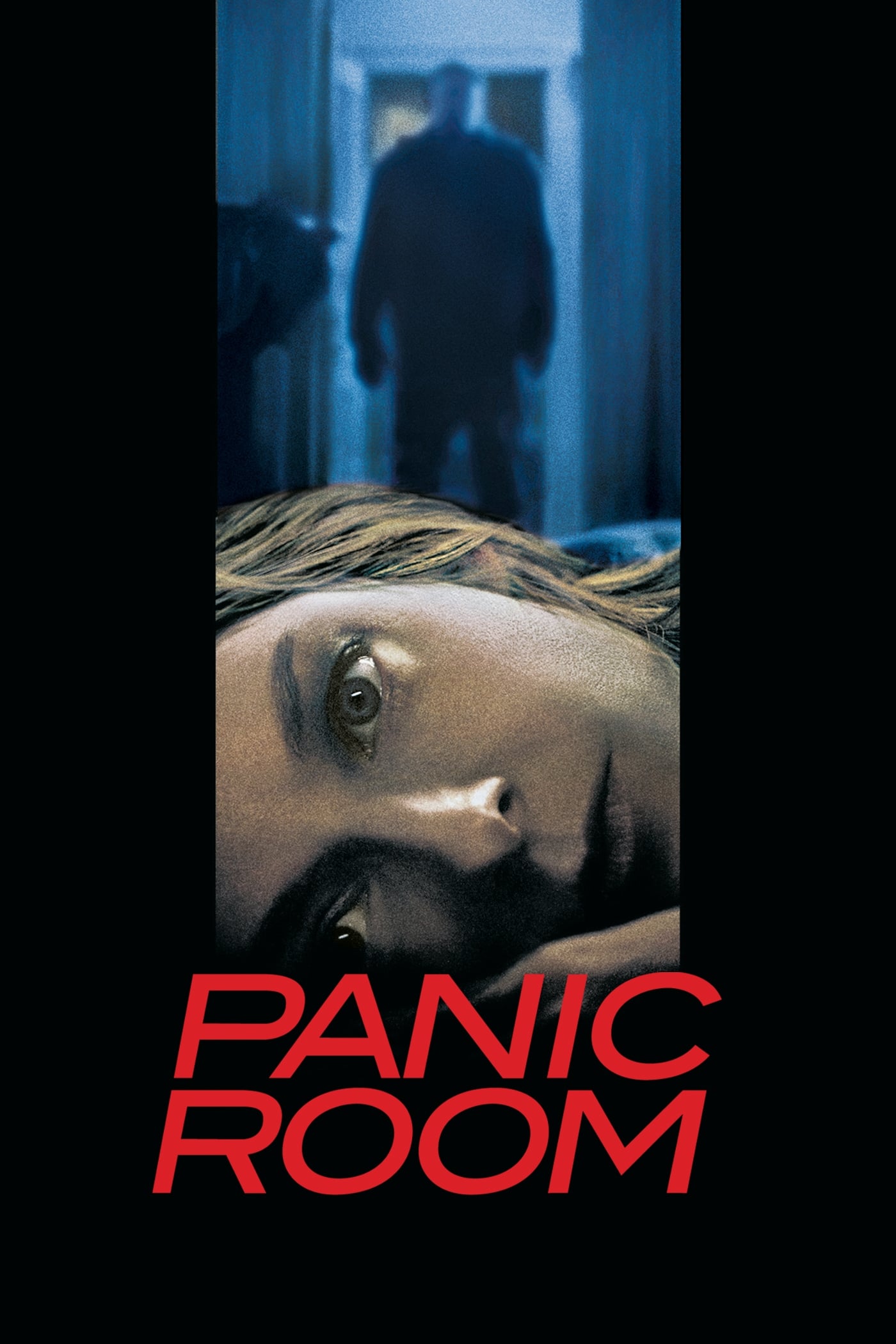
David Fincher directs Jodie Foster and Kristen Stewart as a mother and daughter who barricade themselves in a fortified room during a home invasion. Forest Whitaker, Jared Leto, and Dwight Yoakam play the intruders searching for a hidden safe. The townhouse interior was built as an elaborate, contiguous set to enable complex camera moves. The film’s real-time siege structure keeps nearly all action confined to the house.
‘Phone Booth’ (2002)
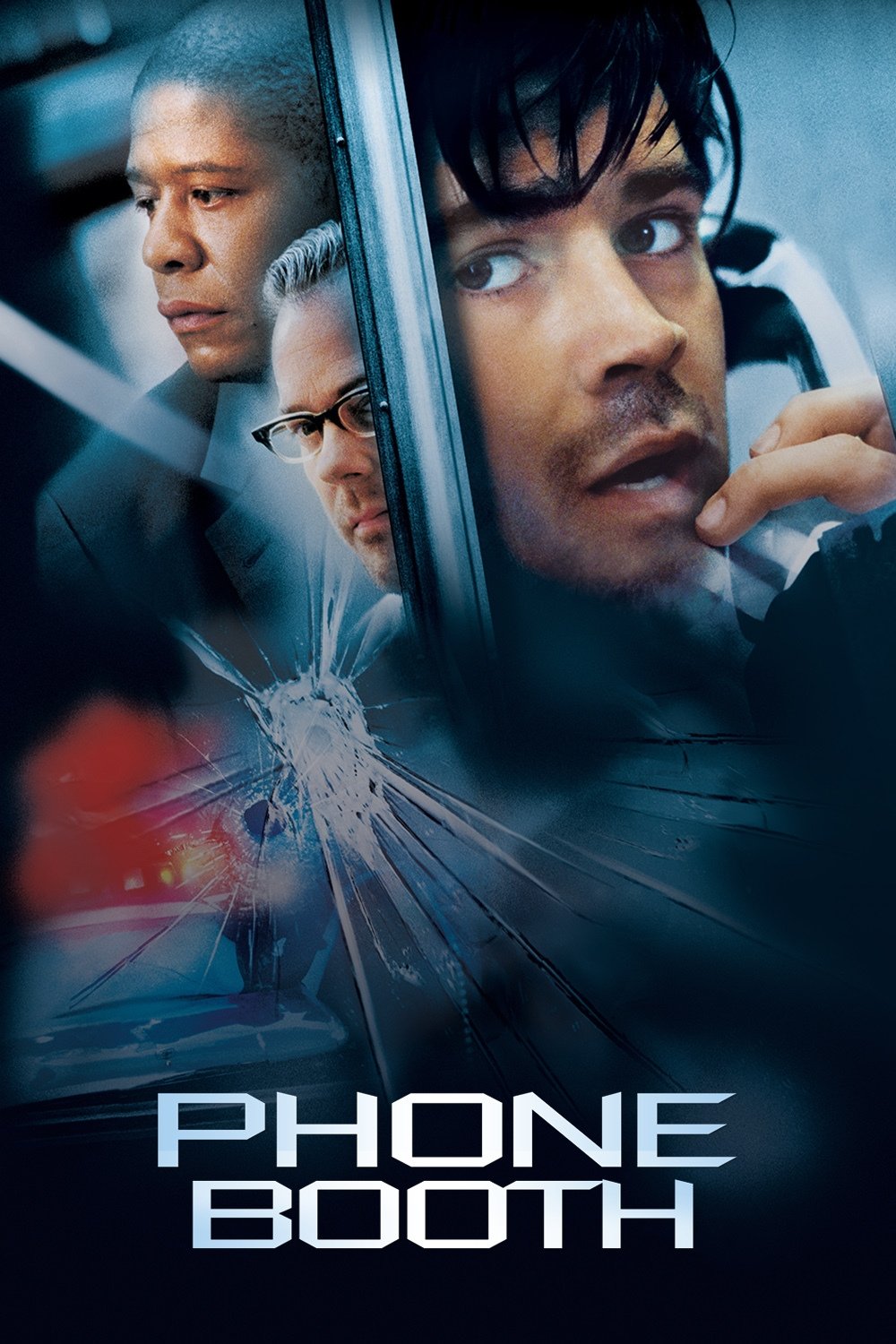
Joel Schumacher centers the action on a public phone booth where a fast-talking publicist, played by Colin Farrell, is pinned by a sniper’s red dot. Kiefer Sutherland voices the unseen caller who manipulates events from a distance. The tight staging uses a limited block of Manhattan and the booth interior as primary locations. Rapid cutting and news-crew perspectives widen the scenario without breaking the geographic constraint.
‘Das Boot’ (1981)
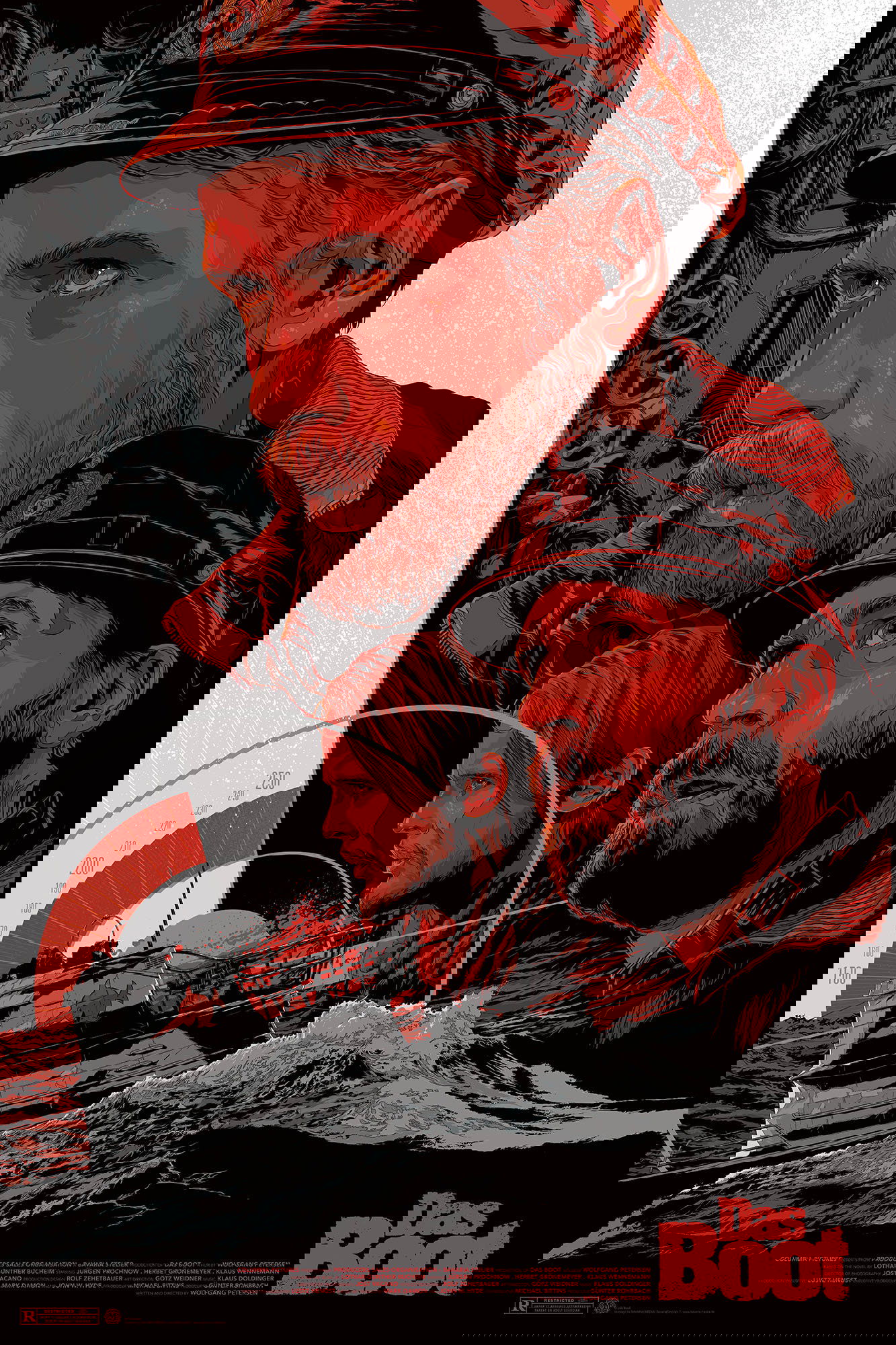
Wolfgang Petersen’s war drama chronicles a U-boat crew enduring depth charges, mechanical breakdowns, and dwindling supplies. Jürgen Prochnow leads the ensemble inside meticulously recreated submarine sets designed to flex and sway. Cinematography tracks the crew through narrow corridors to emphasize the vessel’s cramped layout. Sound design plays a major role, with metal groans and sonar pings amplifying the pressure.
‘The Descent’ (2005)
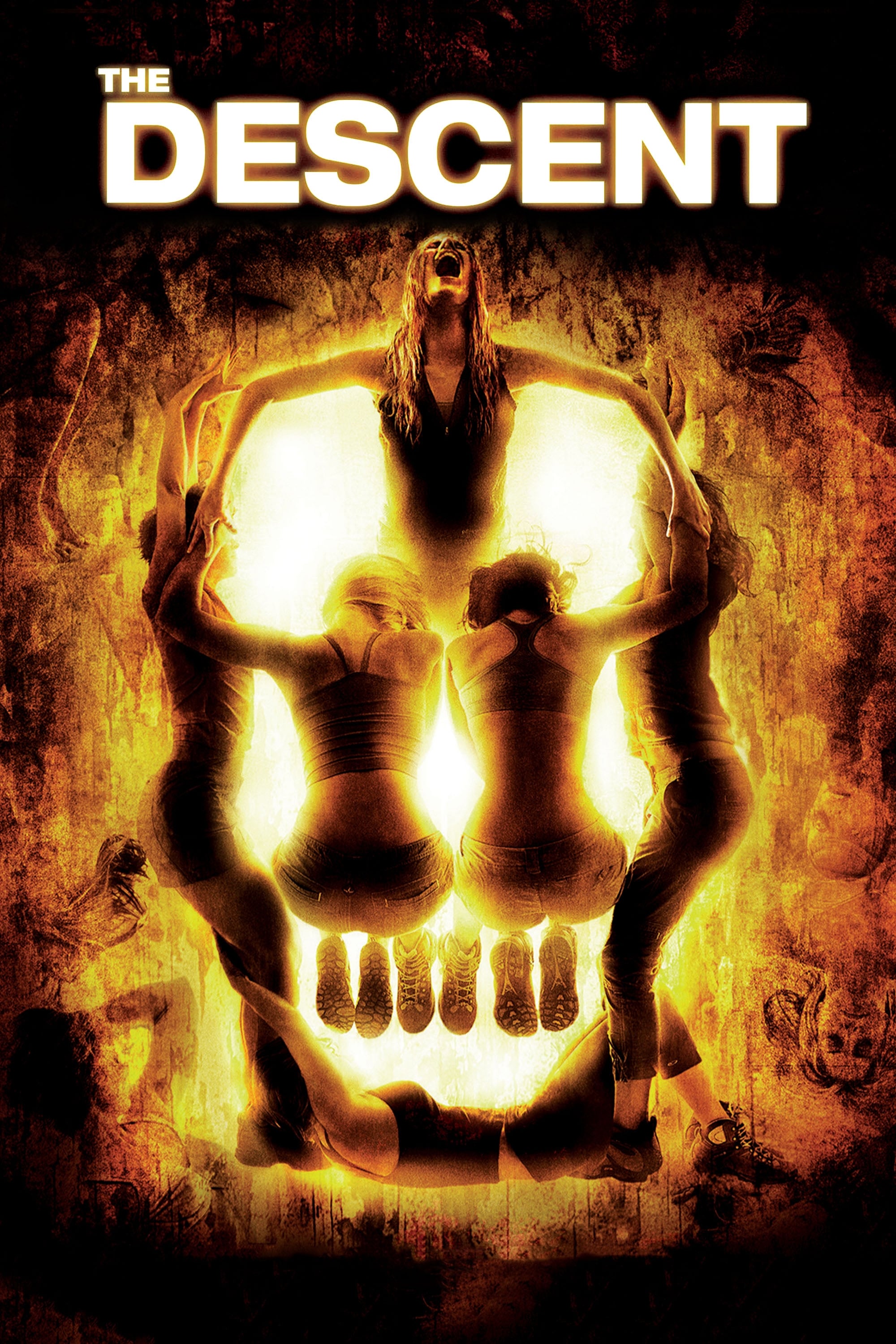
Neil Marshall’s horror film follows a group of spelunkers who become trapped in an uncharted cave system. Shauna Macdonald heads the cast as the team faces collapses, tight squeezes, and hostile underground creatures. The cave environments were constructed on soundstages with varied textures and low ceilings to force crawling and scrambling. Practical lighting—headlamps, flares, and glow sticks—shapes the visuals within the darkness.
’12 Angry Men’ (1957)
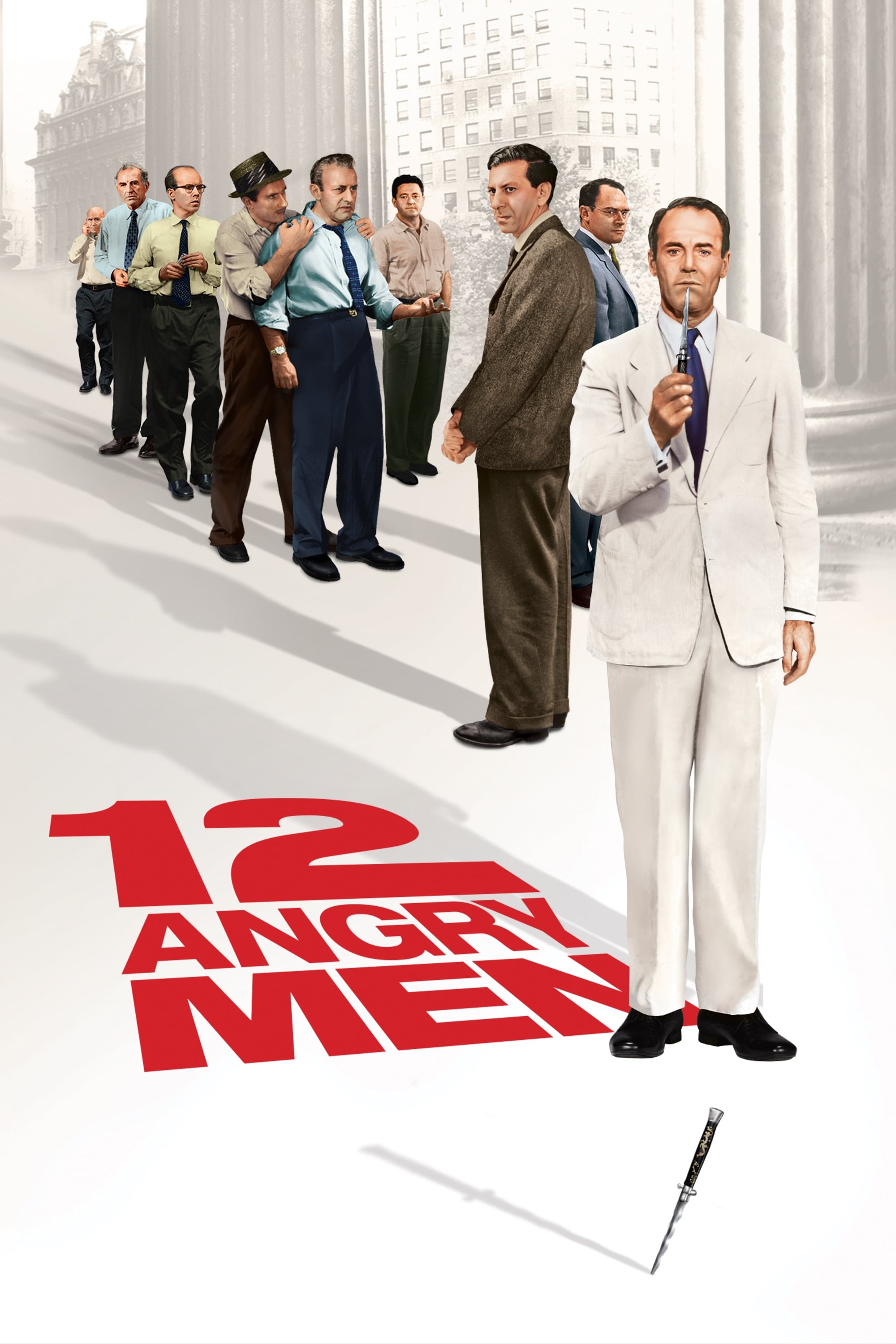
Sidney Lumet’s courtroom drama confines nearly all of its runtime to a jury deliberation room. Henry Fonda stars as Juror 8, challenging the group’s initial vote and prompting a meticulous reexamination of testimony. The film strategically shifts to longer lenses and lower camera angles over time to make the room feel smaller. Blocking and dialogue rhythms generate momentum without changing locations.
‘Lifeboat’ (1944)
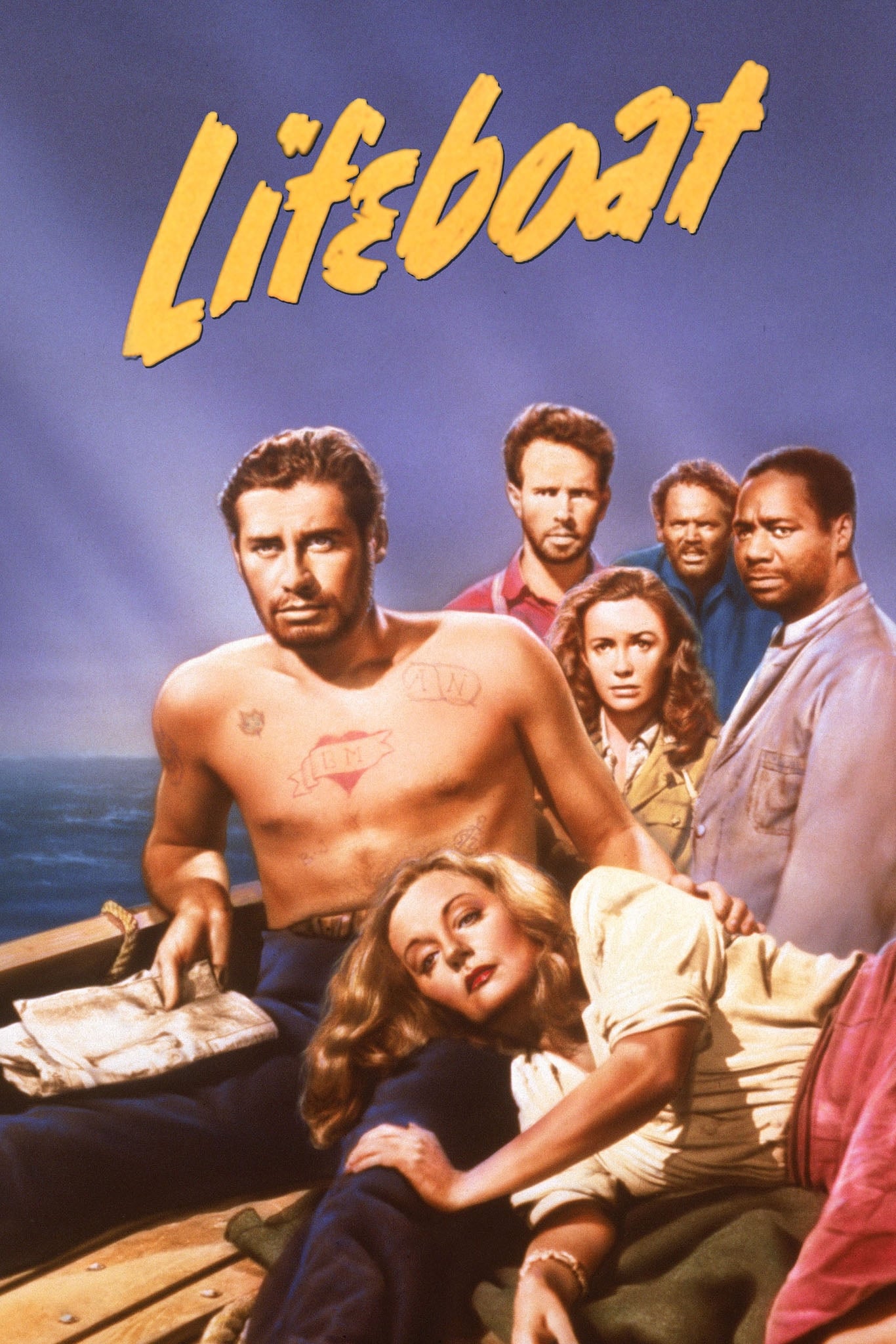
Alfred Hitchcock sets this wartime thriller entirely on a single lifeboat after a passenger ship is torpedoed. Tallulah Bankhead leads a group of survivors whose resources and trust erode as days pass. The production used water tanks and gimbaled rigs to simulate ocean movement. Limited space forces conversations, decisions, and power shifts to play out within a few feet.
‘Room’ (2015)
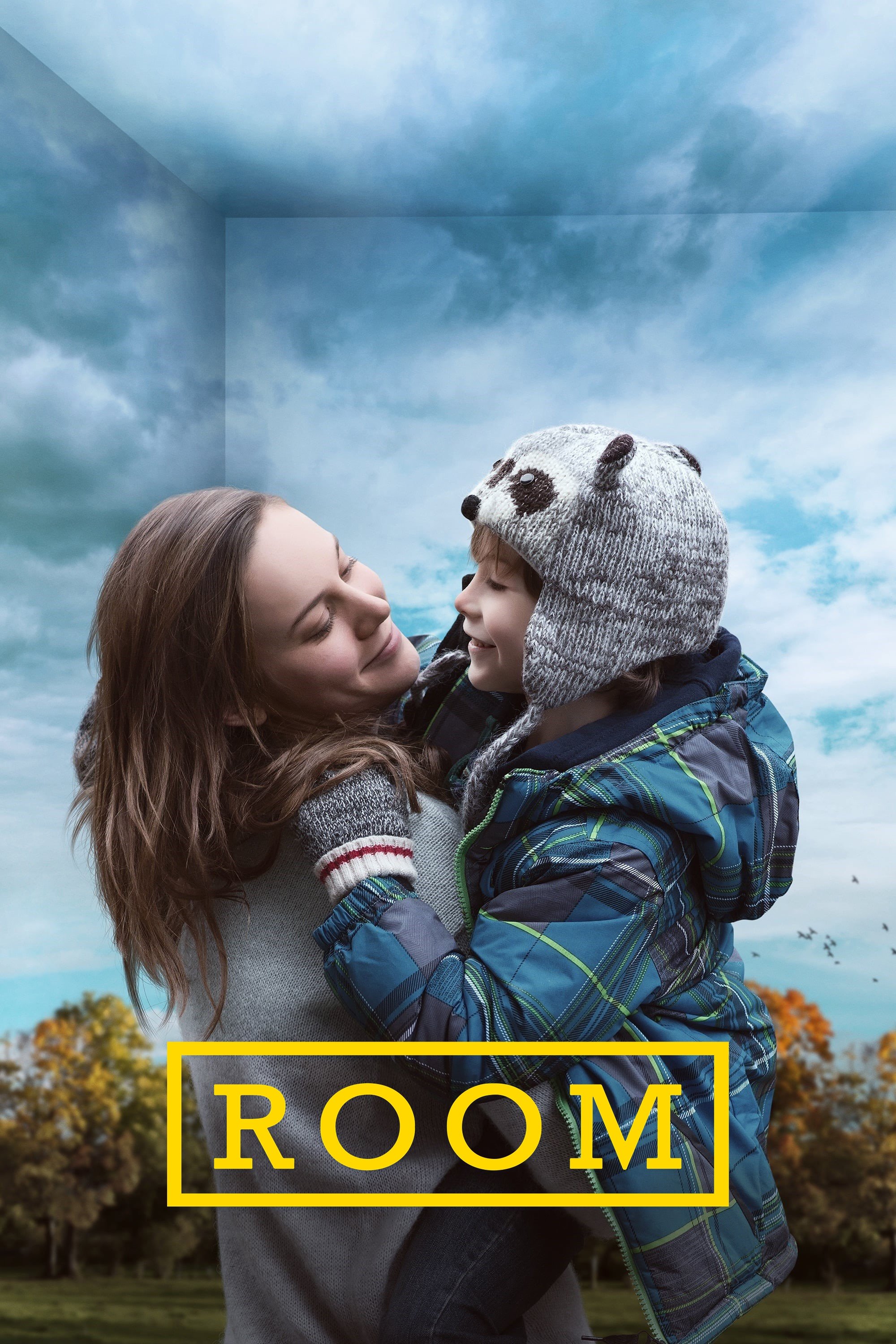
Directed by Lenny Abrahamson, this adaptation centers on a young woman and her child confined to a small outbuilding. Brie Larson and Jacob Tremblay portray the mother-child bond that structures the story’s two distinct halves. Production designed the set to be fully practical, allowing the camera to shoot in every direction. The script focuses on routines, vocabulary, and coping mechanisms shaped by confinement.
‘Green Room’ (2015)

Jeremy Saulnier’s siege thriller strands a punk band inside a remote club after they witness a crime. Anton Yelchin, Imogen Poots, Alia Shawkat, and Patrick Stewart anchor the conflict between the trapped musicians and the venue’s operators. The location’s corridors, performance space, and back rooms provide a compact battlefield. Practical effects and controlled geography keep the action tight and readable.
‘127 Hours’ (2010)

Danny Boyle recounts the true survival story of canyoneer Aron Ralston after a boulder pins his arm in a slot canyon. James Franco carries the film with extensive voice recordings, hallucination sequences, and memory fragments. Production combined on-location plates with stage-built canyon sections to control camera access. The narrative uses timekeeping and dwindling supplies to structure the ordeal.
‘Exam’ (2009)
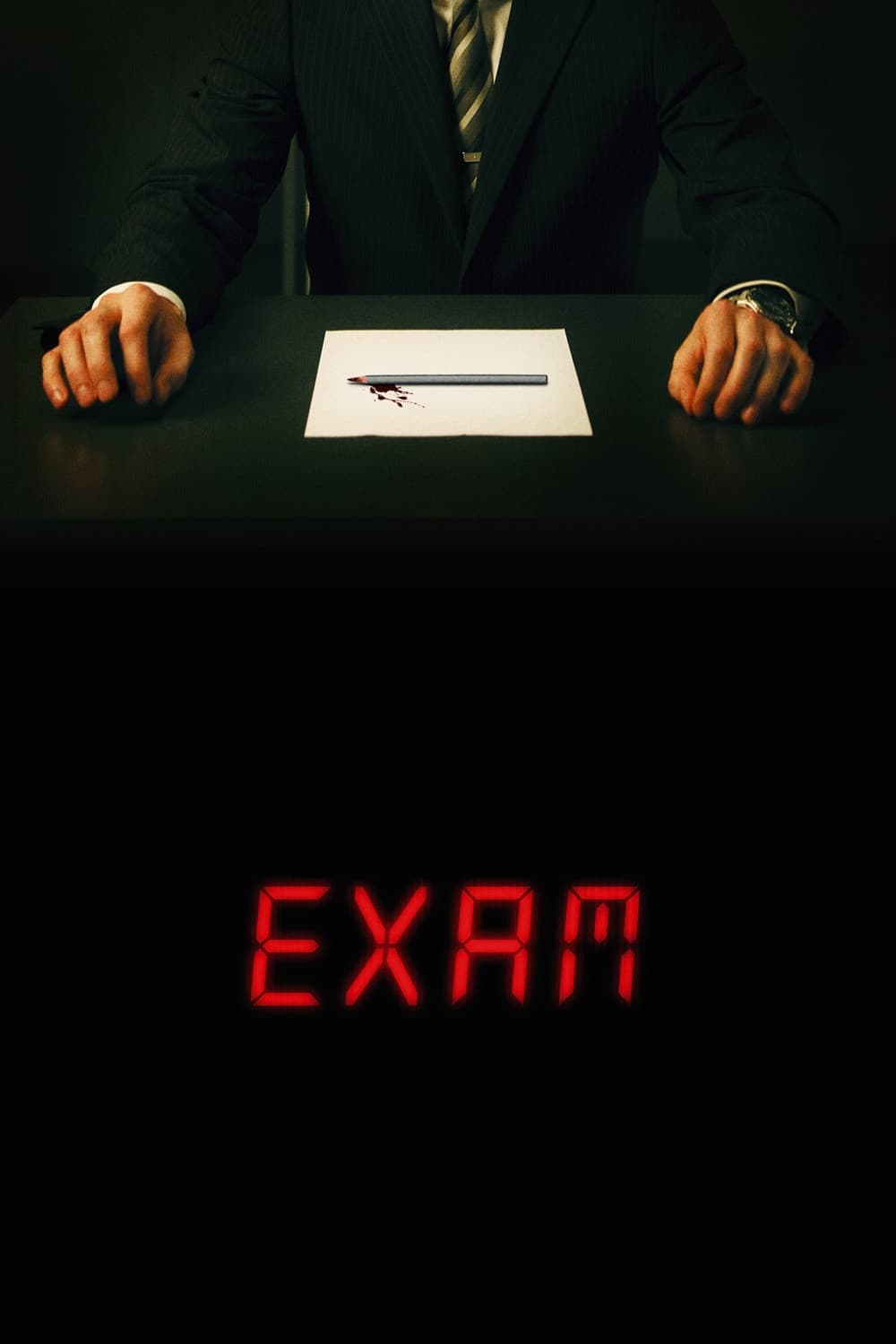
Set in a single testing room, Stuart Hazeldine’s thriller brings eight candidates together for a mysterious final assessment. The ensemble cast navigates opaque rules, observed by an invigilator who prohibits speaking to him or damaging the paper. The script leans on logic problems, alliances, and sabotage within a minimalist environment. The confined setting spotlights shifting group dynamics and procedure.
‘Locke’ (2013)
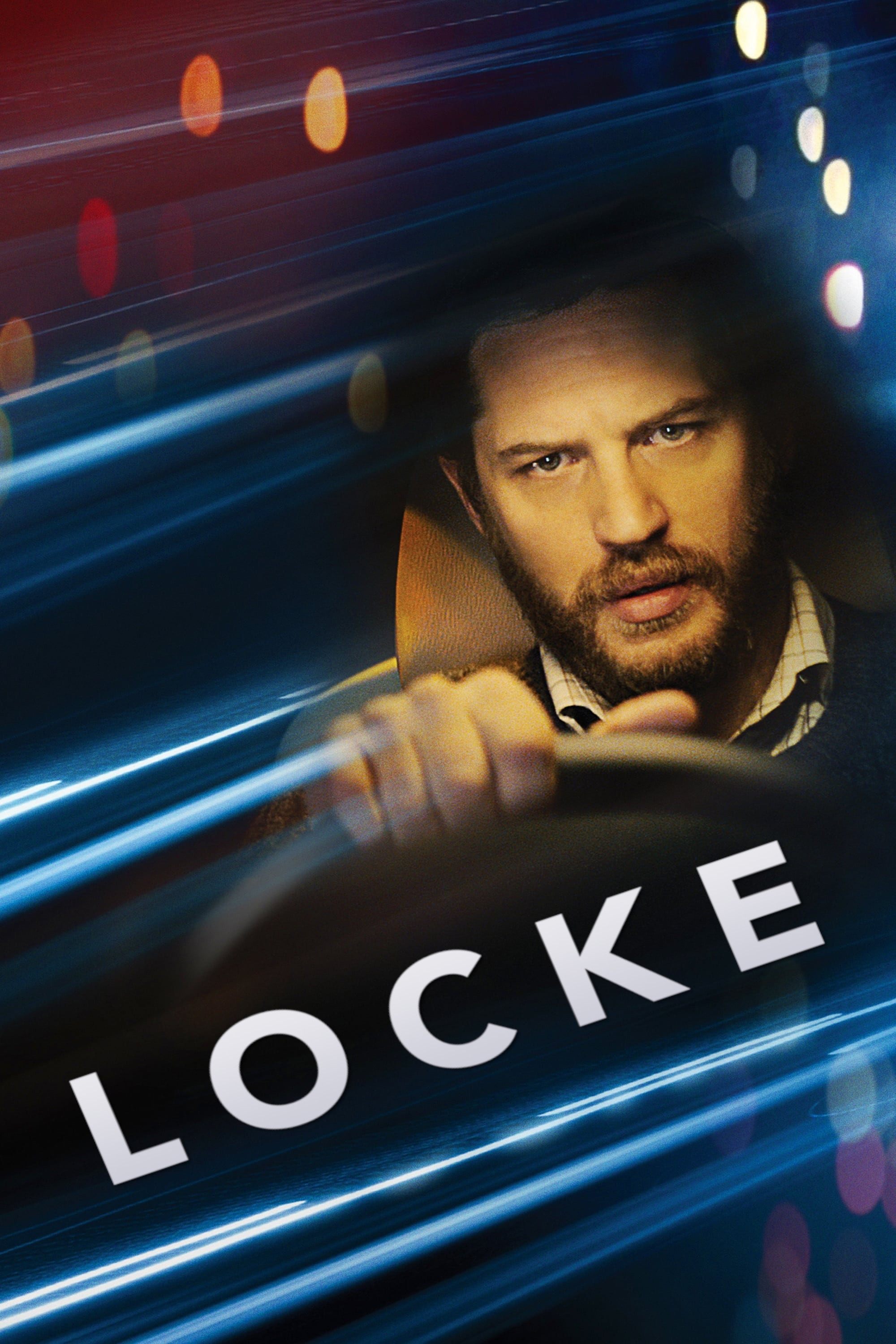
Tom Hardy stars as a construction manager driving alone at night while juggling urgent personal and professional calls. Steven Knight directs the entire film from inside a moving car, using dashboard lighting and highway reflections for texture. Voice performances from Olivia Colman, Ruth Wilson, and Andrew Scott accompany the one-man lead. The production shot multiple consecutive takes per journey to preserve continuity.
‘Oxygen’ (2021)

Alexandre Aja’s sci-fi thriller features Mélanie Laurent as a woman who wakes inside a sealed medical cryo-unit with failing systems. The story unfolds through a companion AI interface that answers queries and withholds key details. The single pod set includes integrated screens, vents, and tubing to support physical action. Gradual information reveals explain the character’s identity, mission, and options for escape.
‘The Guilty’ (2018)
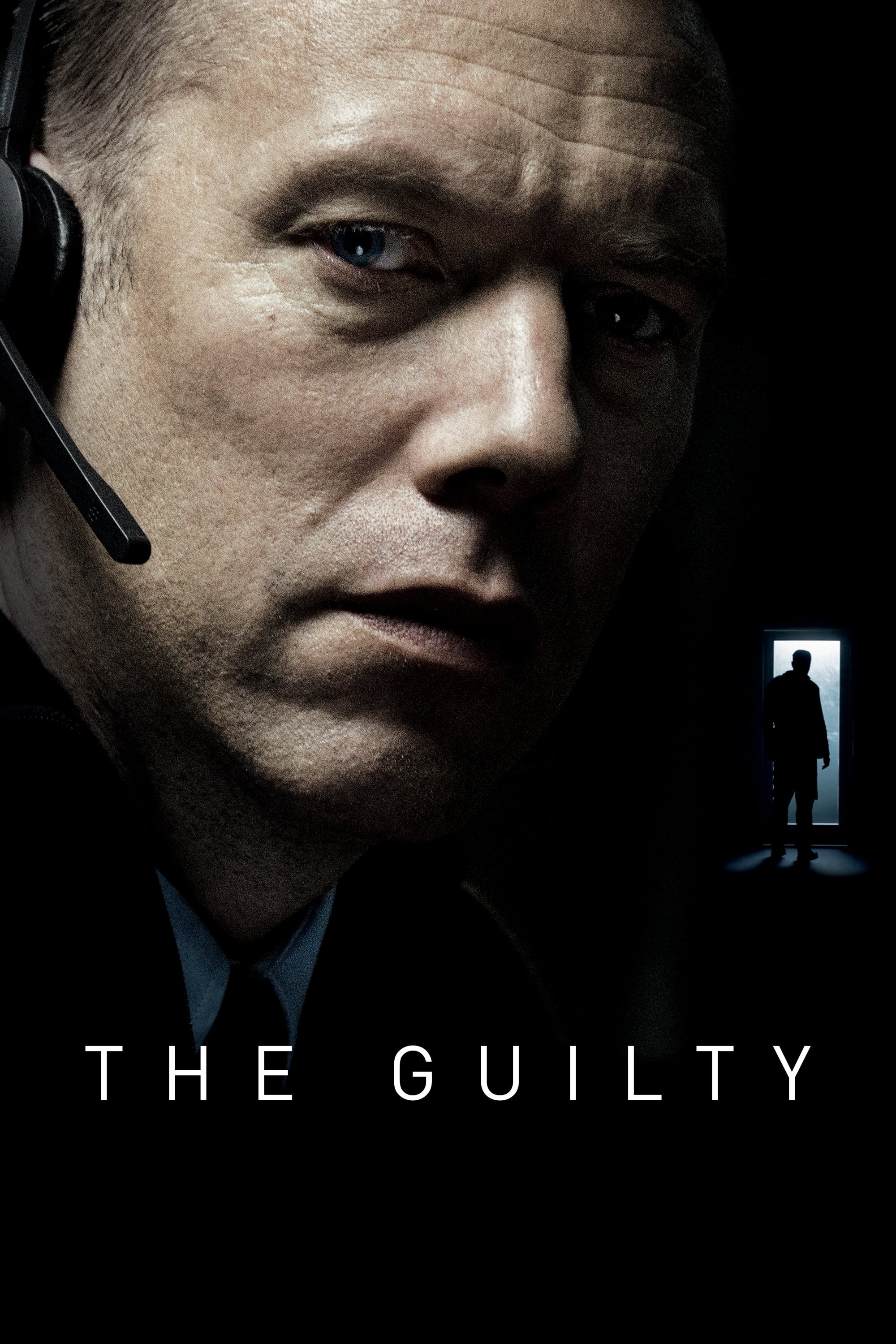
Gustav Möller’s Danish thriller places a police officer at an emergency call center as he handles a kidnapping in progress. Jakob Cedergren leads with a performance built around headsets, screens, and off-screen voices. The film limits itself to interior office spaces, relying on audio cues to paint the larger world. Real-time pacing and call-routing procedure drive the investigation.
‘Pontypool’ (2008)
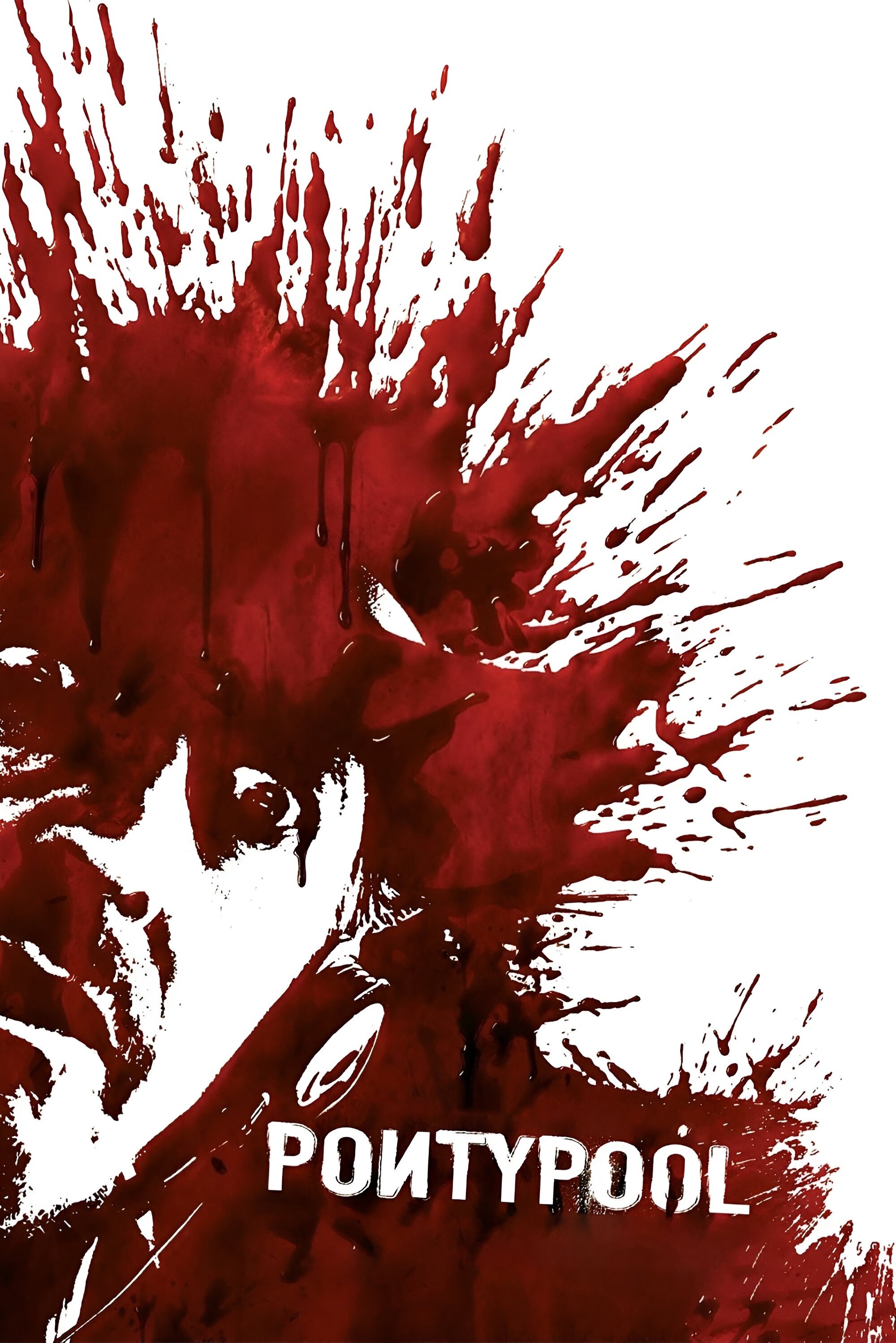
This Canadian horror film, directed by Bruce McDonald, confines its outbreak scenario to a small-town radio station. Stephen McHattie plays a shock jock who reports unfolding events while barricaded in the studio. The script uses audio reports, interviews, and linguistic concepts to explain the transmission mechanism. Booths, hallways, and a soundproofed control room supply a tight geography.
‘The Mist’ (2007)
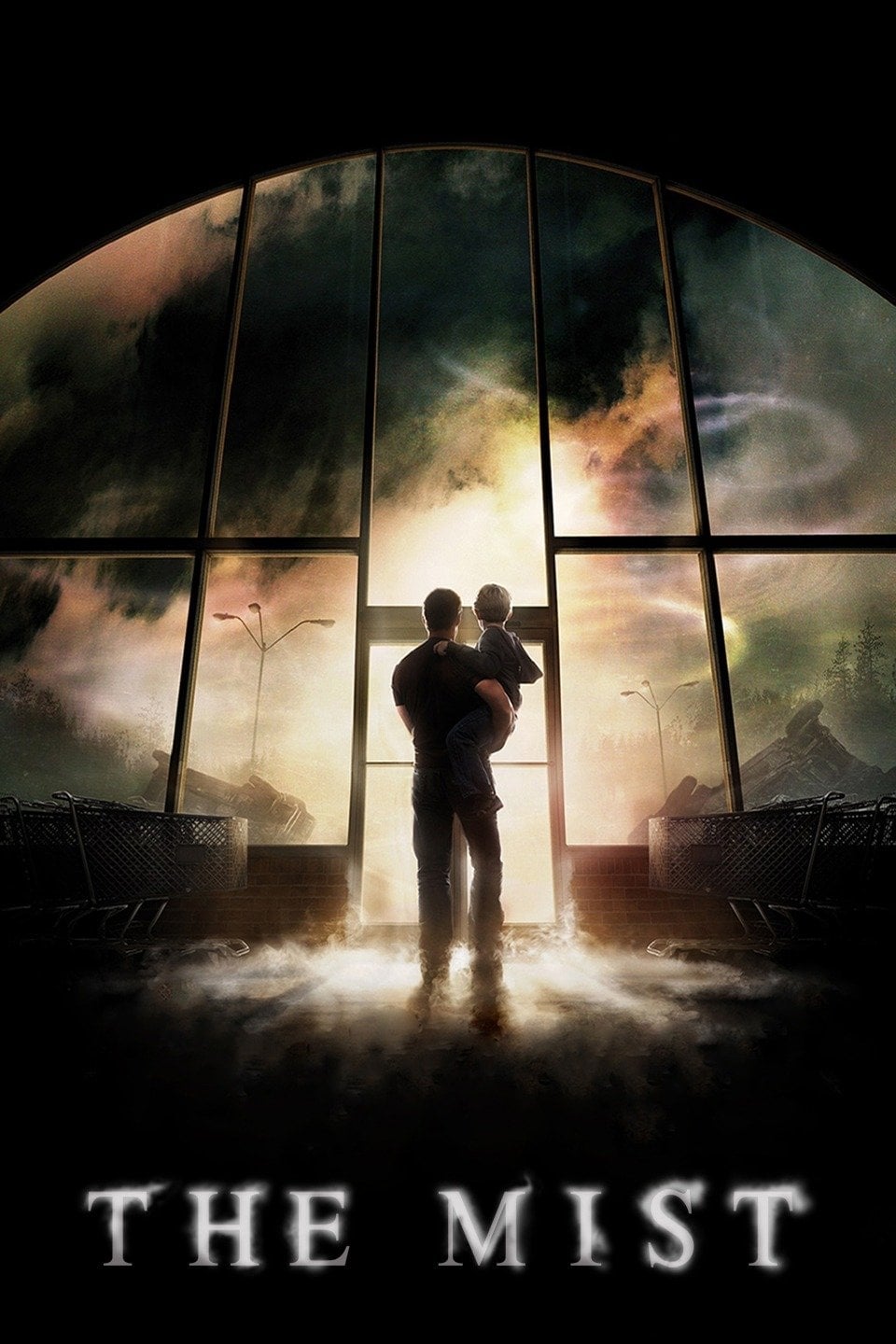
Frank Darabont adapts a Stephen King novella about townspeople trapped in a supermarket when a strange fog rolls in. Thomas Jane leads an ensemble that includes store staff, shoppers, and military figures. The location offers aisles, loading docks, and a glass front that keep dangers close. Practical creature effects and limited visibility support the contained survival scenario.
‘As Above, So Below’ (2014)
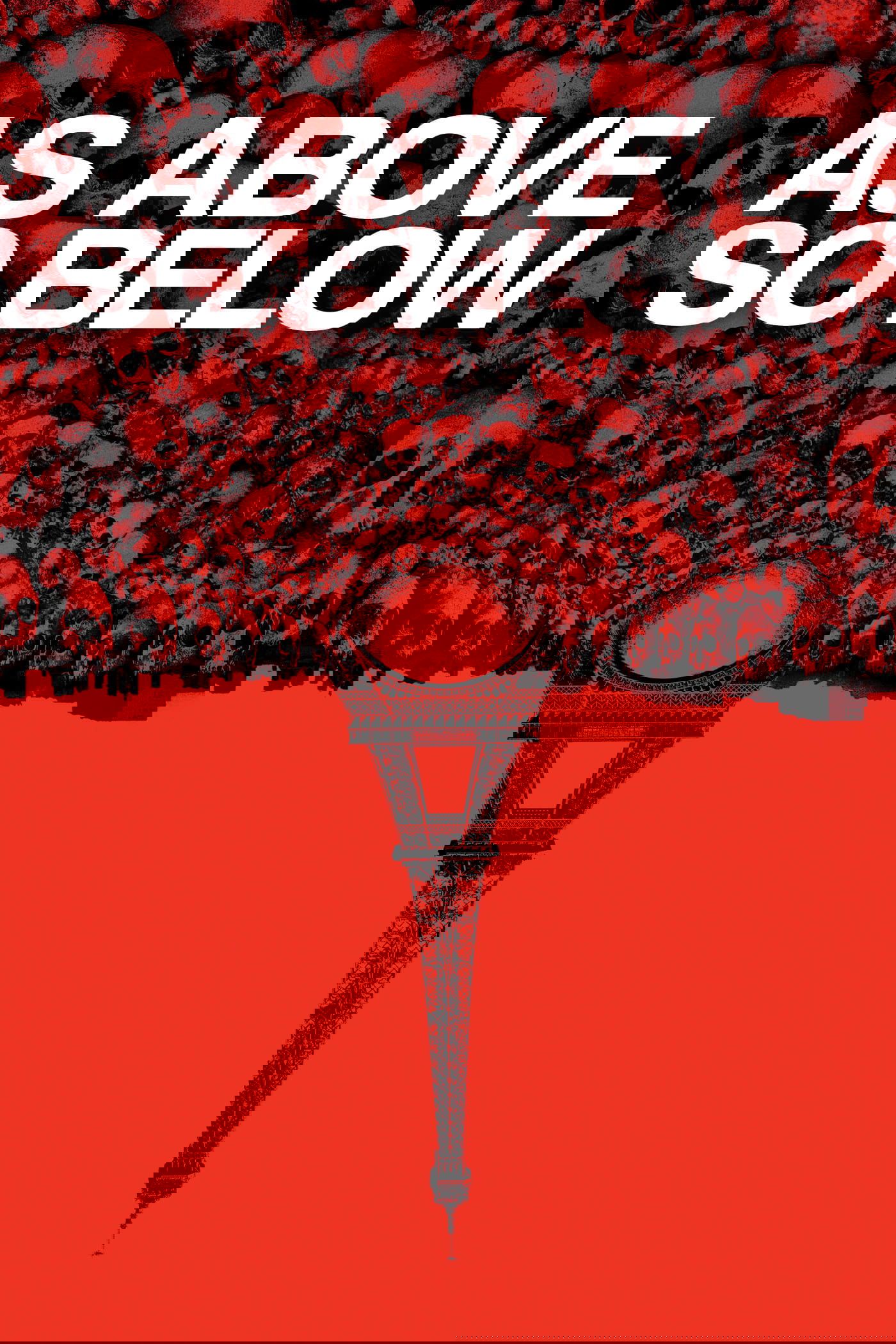
John Erick Dowdle’s found-footage horror descends into the Paris catacombs with an archaeology team searching for a legendary relic. Perdita Weeks and Ben Feldman head the cast as tunnels collapse and pathways loop back on themselves. The production combined real catacomb access with set builds for hazardous sequences. Handheld cameras and narrow corridors create a constantly enclosed perspective.
‘[REC]’ (2007)
!['[REC]' (2007)](https://image.tmdb.org/t/p/original/hgyJR4sgMsee6xMFM3xYiG6cDCh.jpg)
Jaume Balagueró and Paco Plaza shoot this outbreak horror as a TV news report inside a quarantined apartment building. Manuela Velasco plays the reporter whose camera becomes the audience’s viewpoint. Stairwells, hallways, and individual flats form the entire play area, sealed by authorities outside. The film’s format and contained setting influenced several international remakes.
‘The Platform’ (2019)
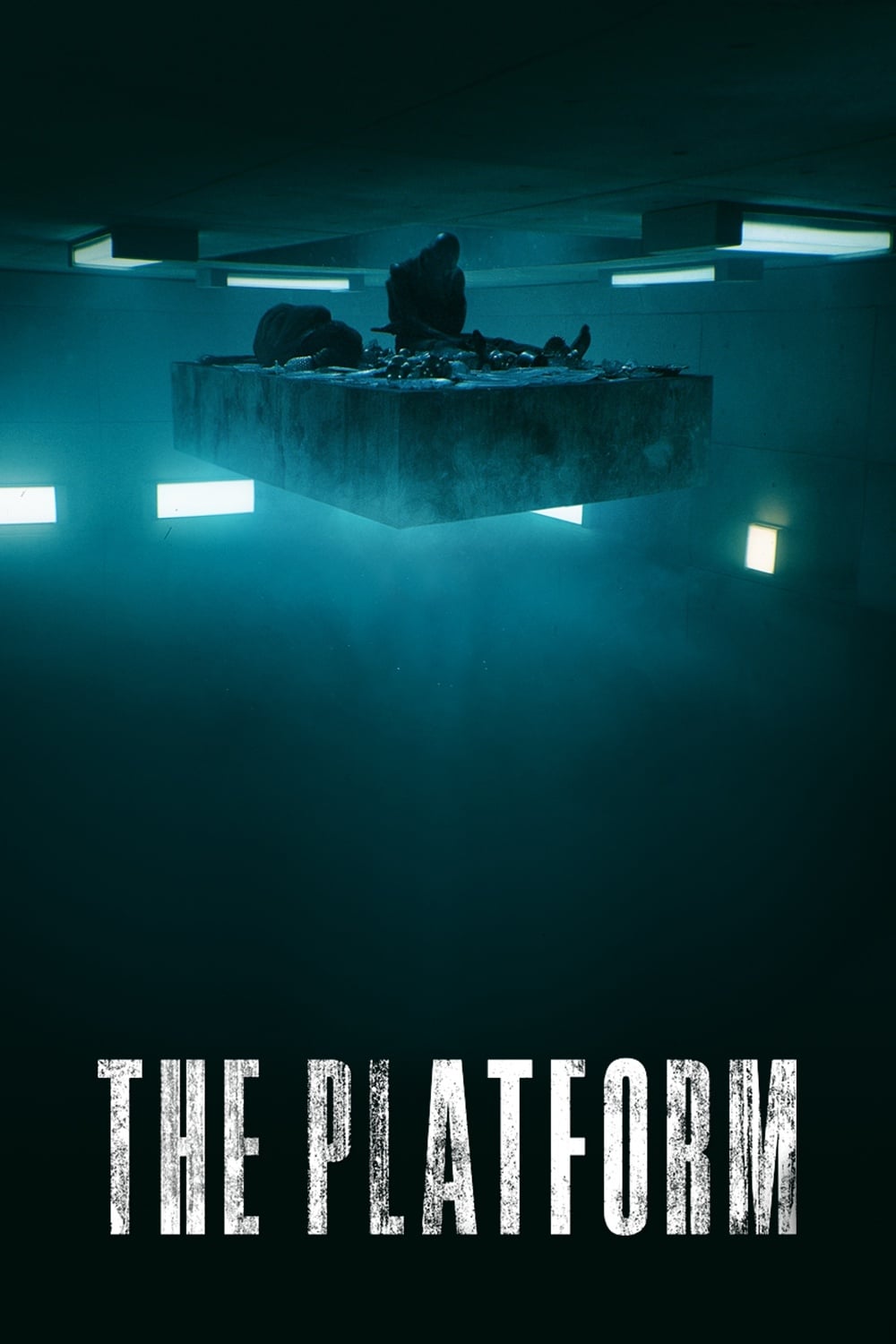
Galder Gaztelu-Urrutia’s dystopian drama takes place in a vertical prison where food descends on a platform level by level. Iván Massagué stars as a new inmate learning the system’s brutal mechanics. The production’s modular cell design repeats with small variations to suggest vast scale. The narrative structure shifts with cell reassignments, forcing new pairings and strategies.
‘Devil’ (2010)
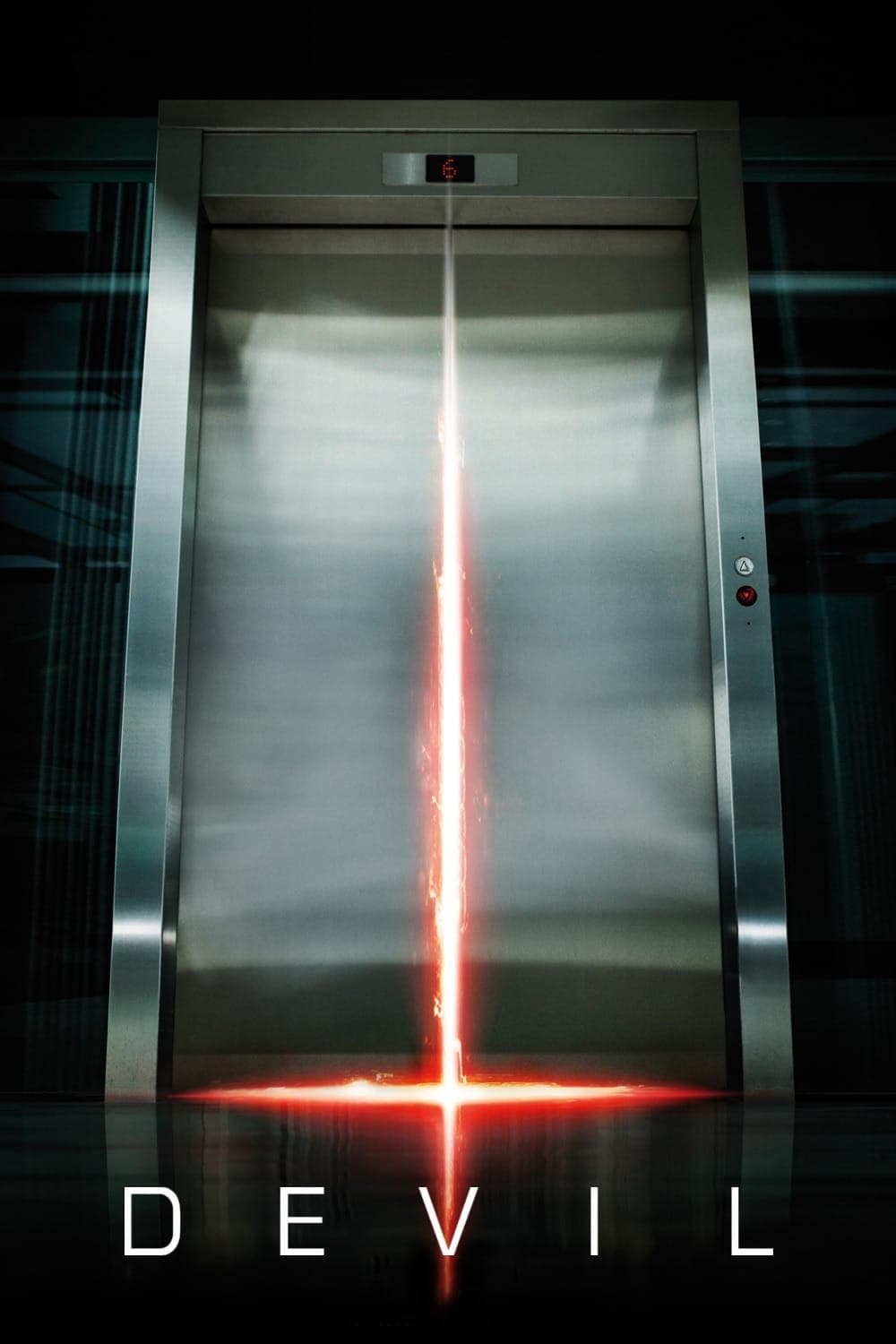
Produced from a story by M. Night Shyamalan and directed by John Erick Dowdle, this supernatural thriller traps a group of strangers in an elevator. Chris Messina plays a detective coordinating building security to manage the crisis. The film alternates between the elevator interior and the control rooms monitoring it. Tight framing and flickering lights keep attention on shifting suspicions.
‘The Hateful Eight’ (2015)
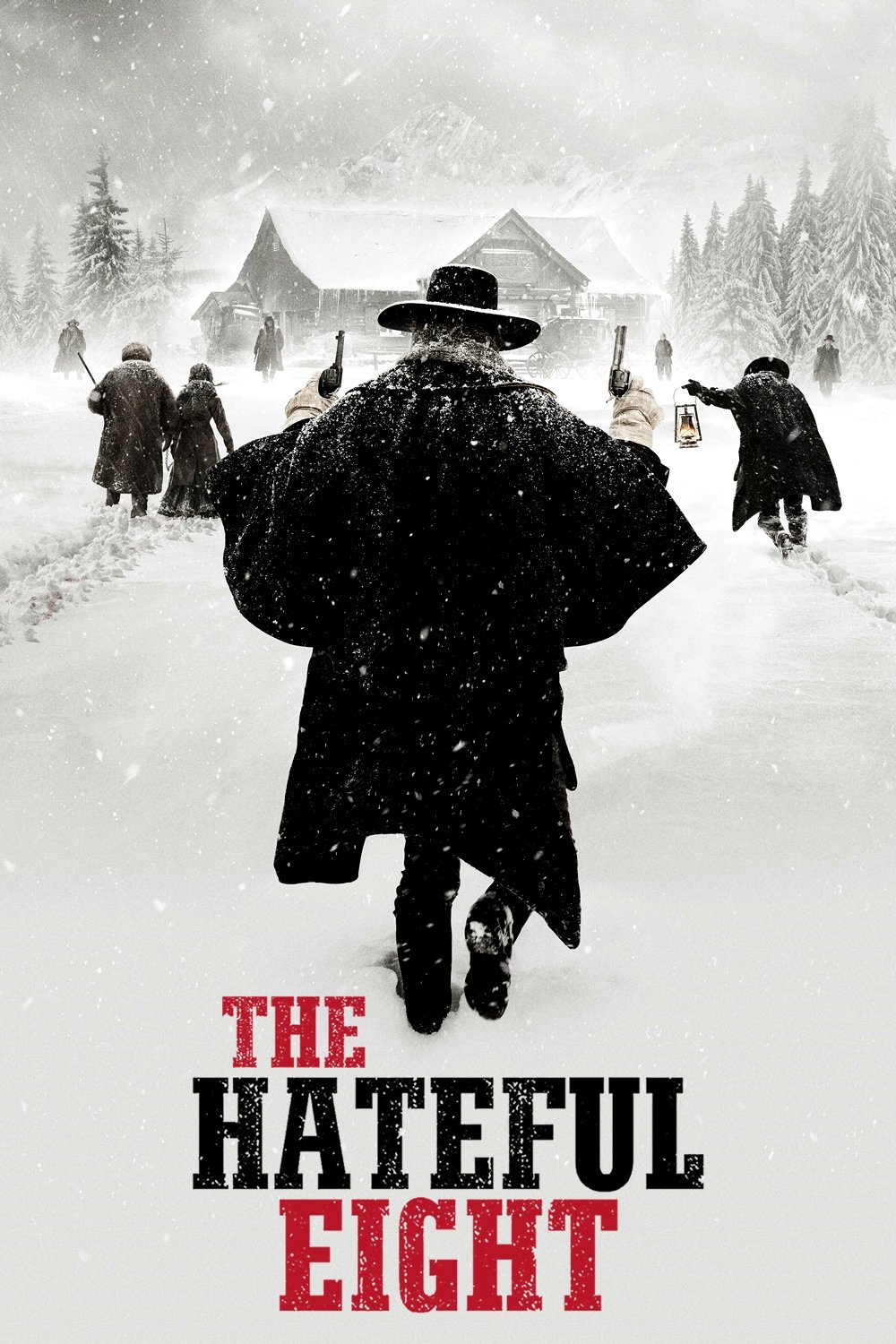
Quentin Tarantino stages a post-war standoff in a Wyoming haberdashery during a blizzard. Samuel L. Jackson, Kurt Russell, Jennifer Jason Leigh, and an ensemble of travelers share one interior space. Despite large-format photography, the action remains anchored to a single room and adjoining stable. The script uses poisoned coffee, false identities, and uneasy alliances to structure confrontations.
‘Saw’ (2004)

James Wan’s breakout thriller centers on two men chained in a dilapidated bathroom by a puzzle-obsessed captor. Cary Elwes and Leigh Whannell lead the main storyline, intercut with investigations that never stray far from the core room. Practical traps, tape-recorded instructions, and limited resources define the rules. The film’s contained approach set a template for subsequent entries.
‘Alien’ (1979)
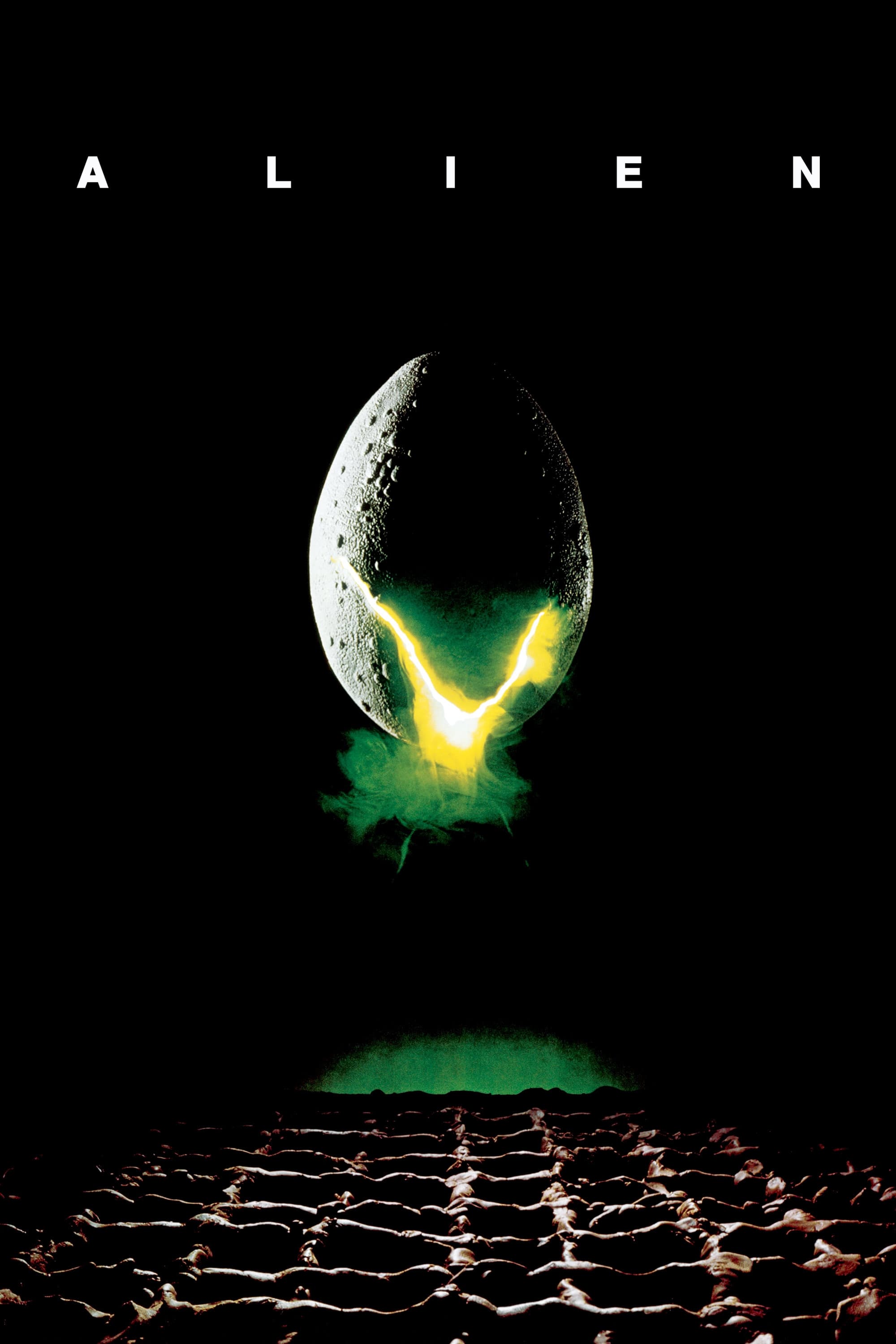
Ridley Scott’s sci-fi horror confines a commercial spaceship’s crew to corridors, air ducts, and engineering bays as they hunt a hostile lifeform. Sigourney Weaver, Tom Skerritt, and John Hurt anchor the ensemble. The ship’s production design supplies a maze of claustrophobic passageways and low ceilings. Sound cues, motion trackers, and sealed doors guide the crew’s tactics.
‘The Thing’ (1982)
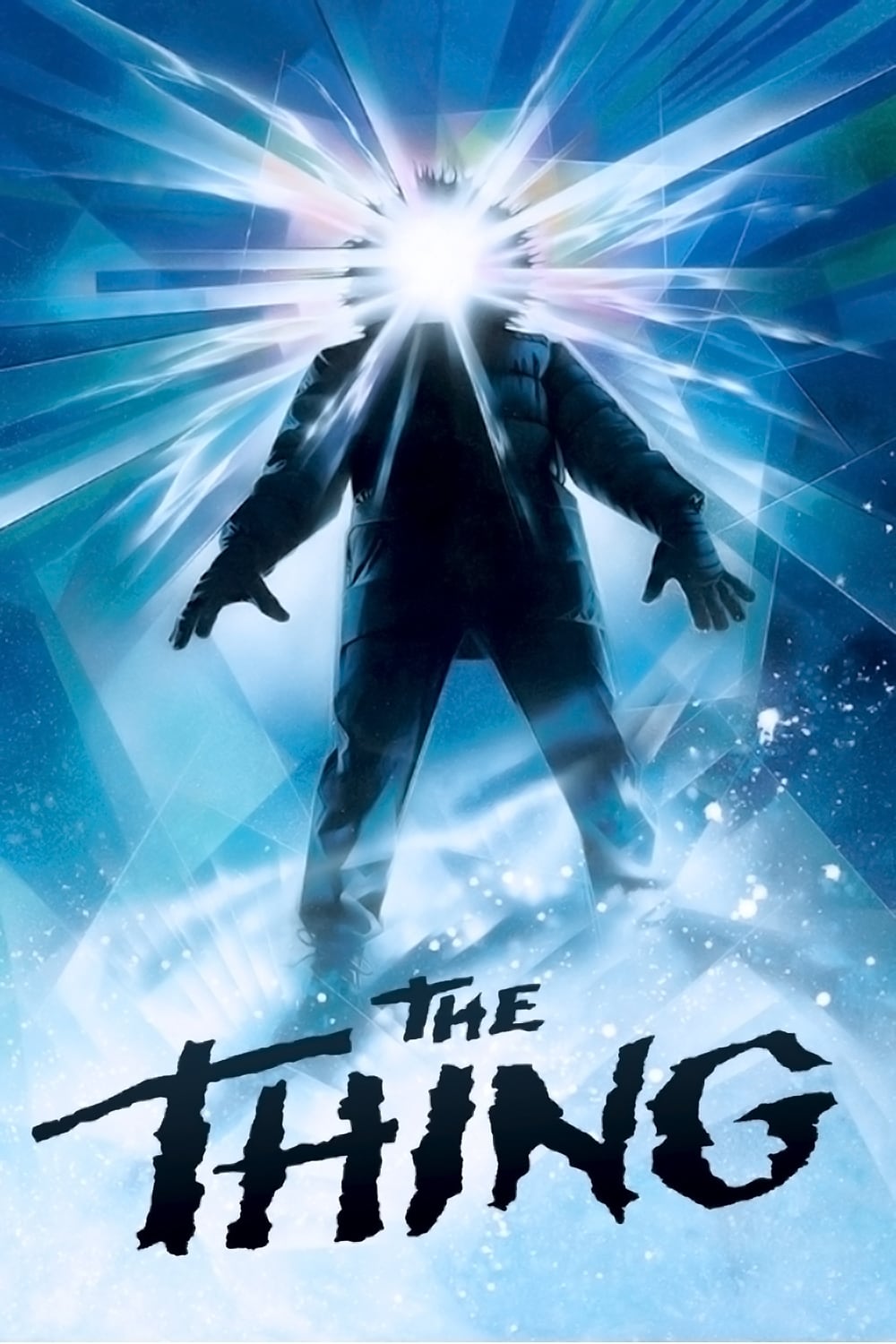
John Carpenter situates a research team at an isolated Antarctic outpost as a shape-shifting organism infiltrates the group. Kurt Russell leads an ensemble forced to test blood samples and burn contaminated areas. Sets include cramped labs, storage rooms, and snow-buried hallways connected by exterior cables. Containment procedures and power failures tighten the already limited environment.
’10 Cloverfield Lane’ (2016)
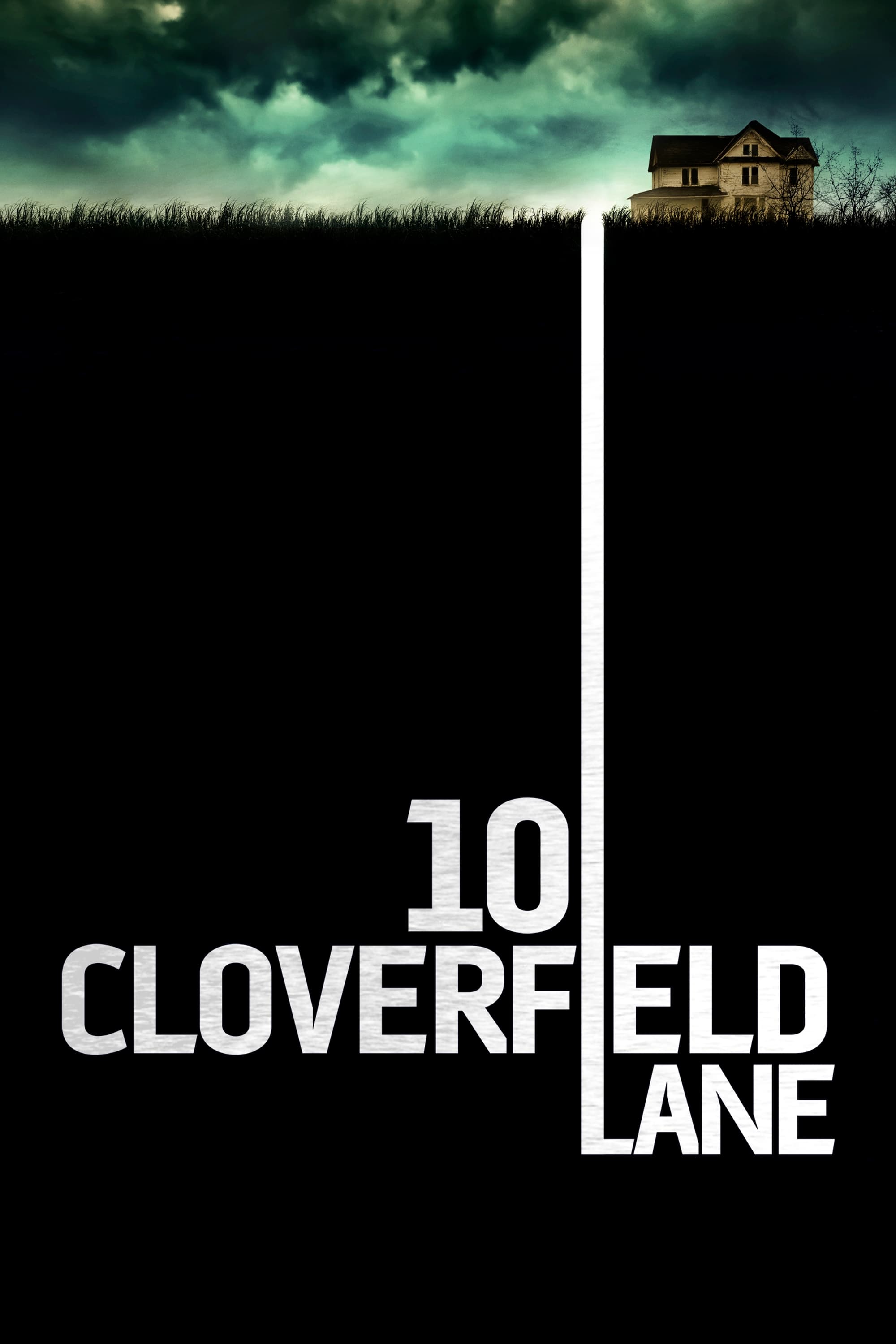
Dan Trachtenberg confines most of the story to an underground bunker shared by three people after a roadside accident. Mary Elizabeth Winstead, John Goodman, and John Gallagher Jr. drive a tense domestic routine of chores, rules, and contingency drills. The production’s interconnected rooms—kitchen, living area, workshop—let scenes play out without leaving the shelter. Outside information arrives only through filtered signals and brief, controlled outings.
‘The Lighthouse’ (2019)
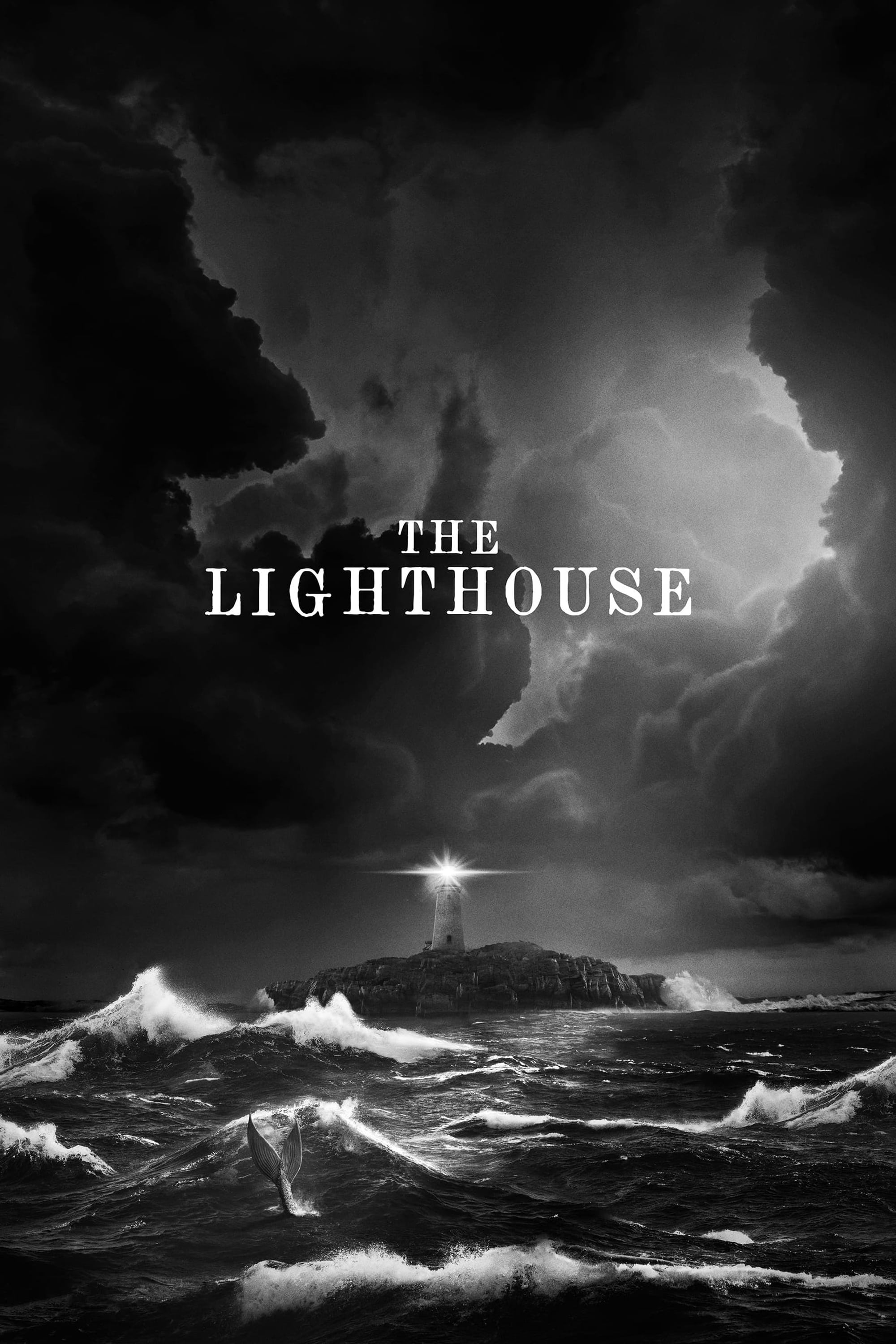
Robert Eggers focuses on two lighthouse keepers tending a remote station as isolation erodes their working arrangement. Willem Dafoe and Robert Pattinson perform within cramped interiors like a galley, sleeping quarters, and a staircase to the lantern room. Boxy framing and tight sets emphasize low ceilings, slick floors, and confined sightlines. Practical weather effects and limited exterior access keep the environment closed off.
‘Hush’ (2016)

Mike Flanagan centers the action on a writer living alone whose hearing impairment shapes a meticulously planned home invasion defense. Kate Siegel leads the film mostly inside a small house with clearly mapped entry points and windows. The production uses interior and porch spaces, keeping geography consistent for stalking and countermeasures. Visual cues and improvised tools replace dialogue-driven exposition.
‘Don’t Breathe’ (2016)
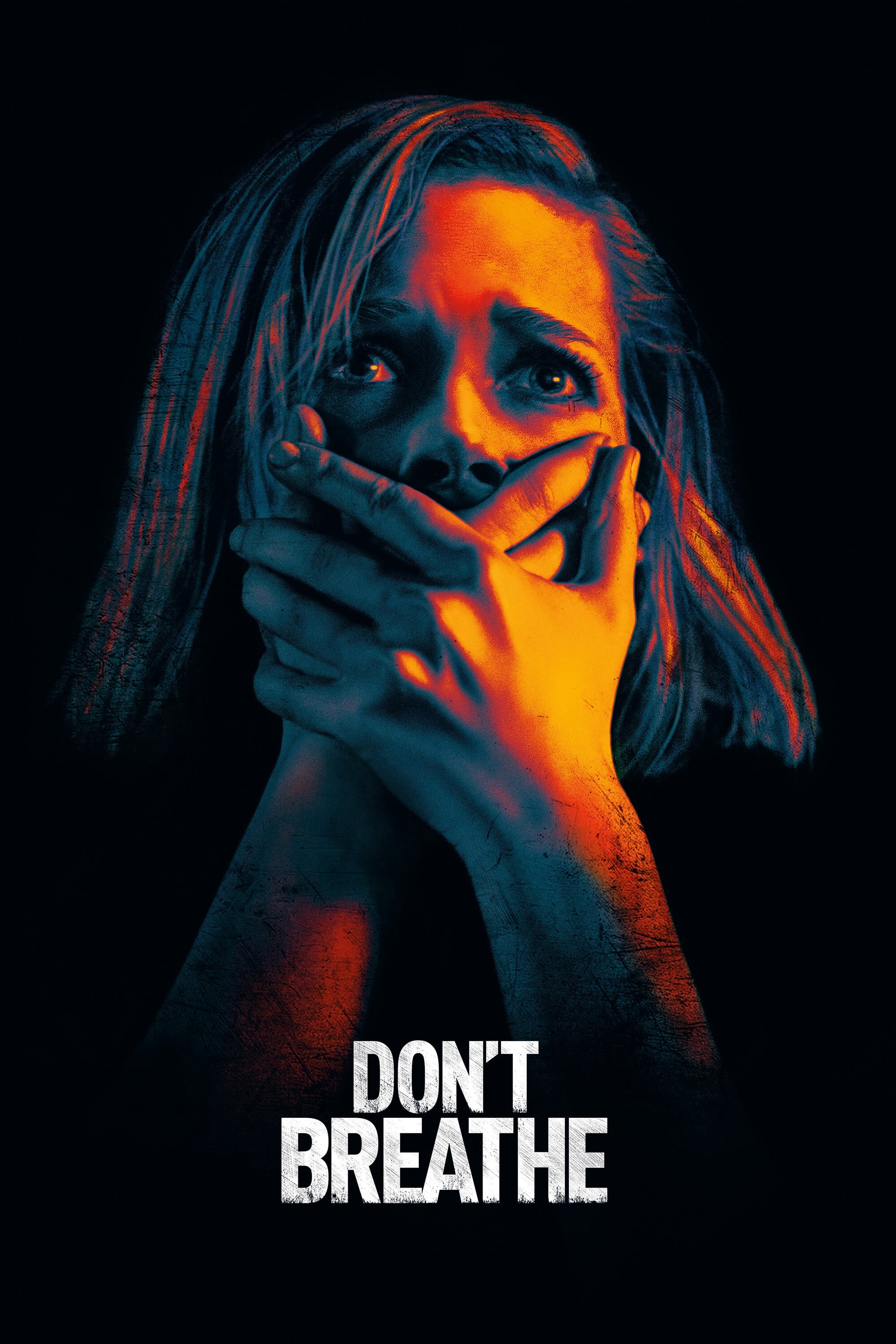
Fede Álvarez stages a reverse-home-invasion where would-be burglars become trapped inside a fortified Detroit house. Stephen Lang’s character controls the space with boarded windows, alarms, and hidden rooms that restrict movement. The film charts chases through a basement, ventilation spaces, and narrow hallways using precise blocking. Night-vision and power-out sequences increase reliance on touch and proximity.
‘Rear Window’ (1954)
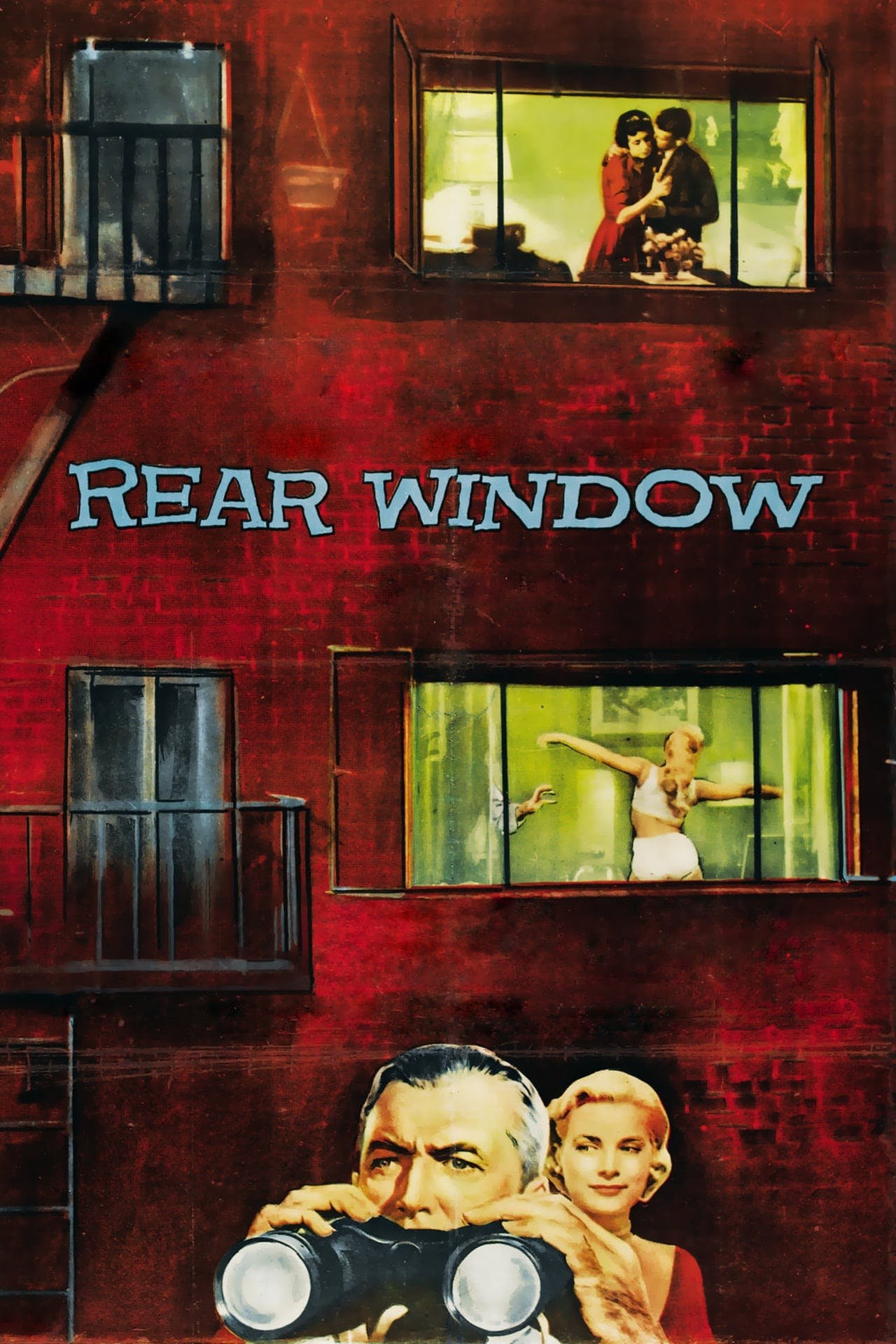
Alfred Hitchcock builds a voyeuristic mystery from a single apartment vantage point overlooking a courtyard. James Stewart and Grace Kelly operate within one main room equipped with cameras, lenses, and a wheelchair-bound viewpoint. The courtyard set comprises multiple neighboring apartments whose windows serve as framed stages. Action rarely leaves the apartment, turning the lens into the primary tool for inquiry.
‘The Killing Room’ (2009)
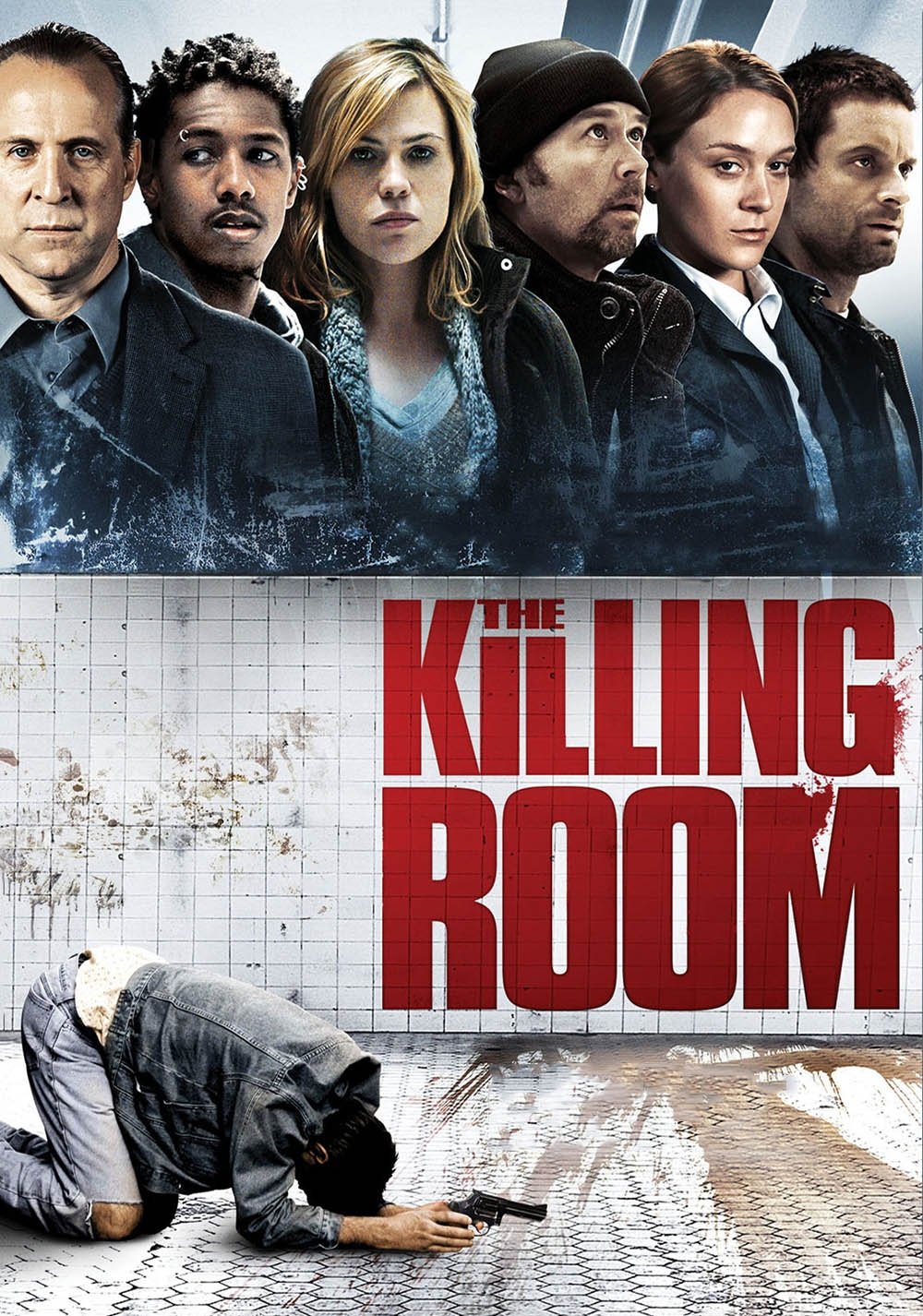
Jonathan Liebesman’s thriller gathers four volunteers for a behavioral study that becomes a coercive confinement experiment. Nick Cannon, Timothy Hutton, Shea Whigham, and Clea DuVall occupy a stark room observed by researchers. Rules are communicated via intercom and written directives that change midstream. The setting’s sparse furnishings, single door, and observation window define the boundaries.
‘Circle’ (2015)
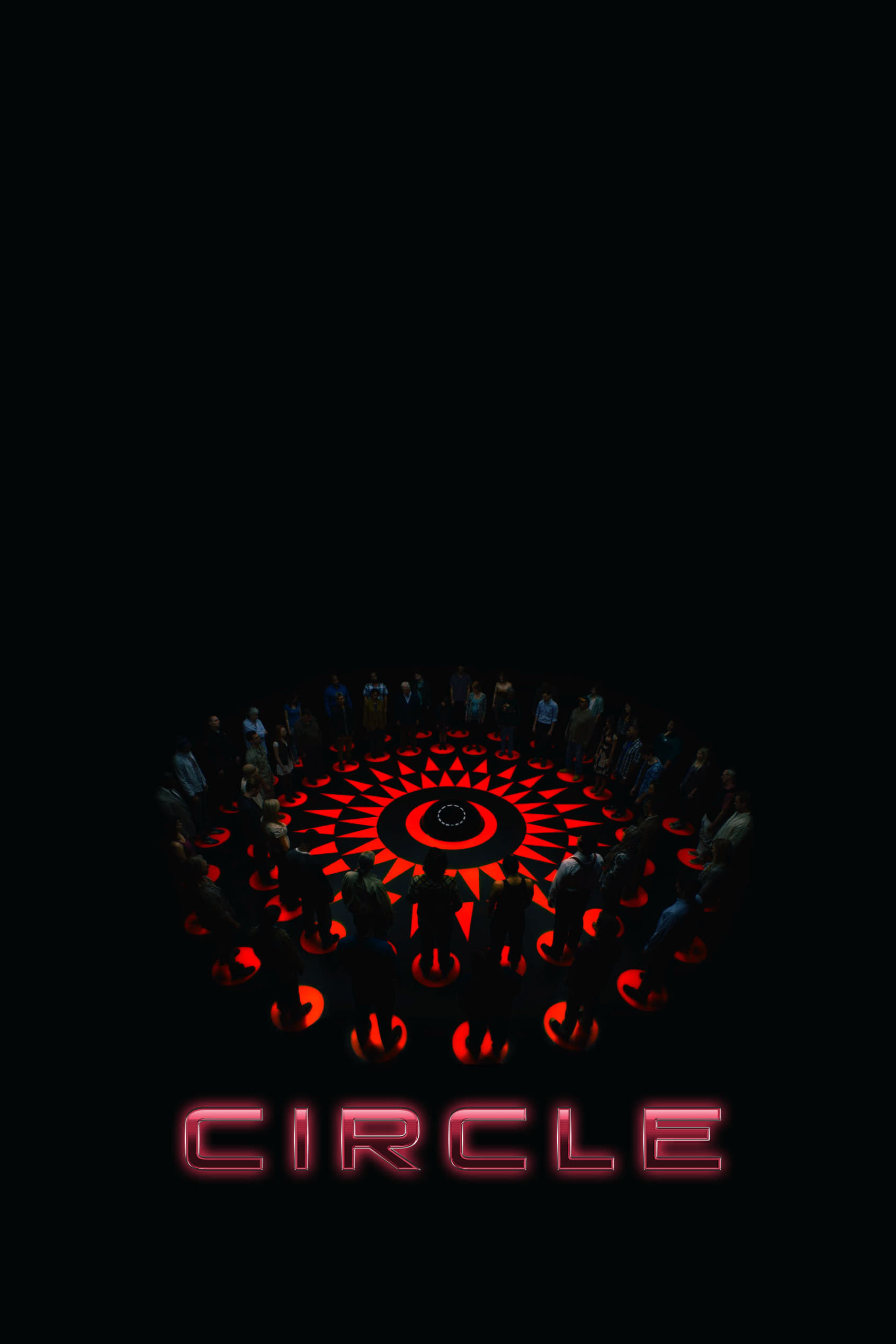
In this minimalist high-concept narrative, fifty strangers awaken standing in a dark chamber where timed votes decide who survives. The ensemble remains largely stationary on marked spots with only a central control device in view. Dialogue and quick, alternating decisions provide the primary motion. The lack of props, exits, and personal space pushes the scenario’s social mechanics to the forefront.
‘Snowpiercer’ (2013)
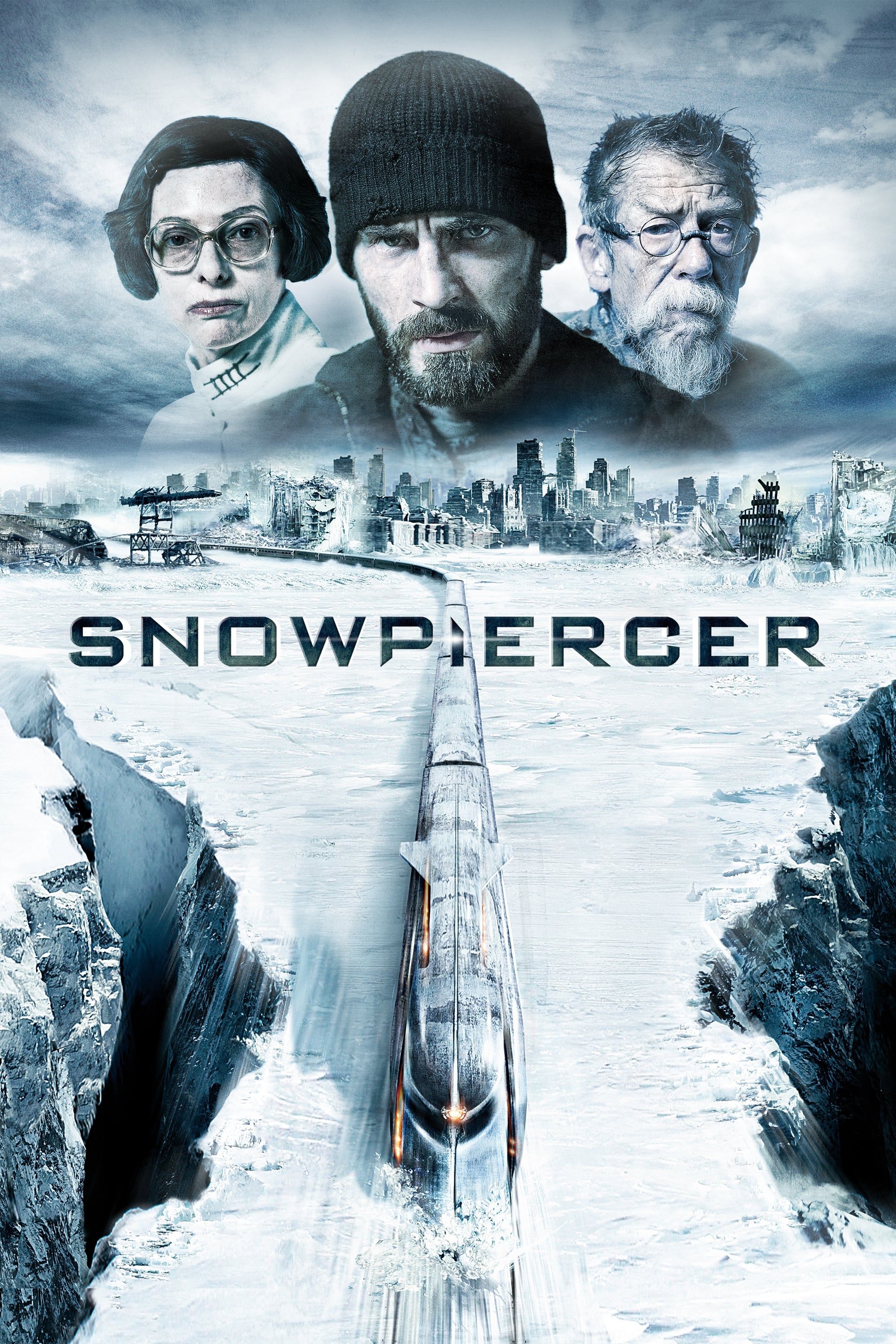
Bong Joon Ho’s dystopian allegory unfolds aboard a continuously moving train divided into rigidly stratified cars. Chris Evans, Song Kang-ho, Tilda Swinton, and Octavia Spencer advance through narrow carriages with doors that separate each micro-world. Production design varies car dimensions and functions while maintaining a consistent, limited width. Fight choreography and crowding emphasize elbows-out movement through aisles and thresholds.
‘Train to Busan’ (2016)

Yeon Sang-ho sets a viral outbreak on a high-speed rail service where passengers are locked by automatic doors and carriage partitions. Gong Yoo, Ma Dong-seok, and Jung Yu-mi lead a group that must navigate seat rows, vestibules, and lavatories as chokepoints. Station stops provide short, contained detours before reboarding. Window lines, luggage racks, and tight seating define the action’s lanes.
‘Escape Room’ (2019)

Adam Robitel assembles strangers invited to a prize challenge that reveals a sequence of engineered trap rooms. Taylor Russell and Logan Miller anchor the ensemble as each space introduces new rules, props, and time limits. The production builds modular sets that reset geography with every solved puzzle while keeping walls close. Surveillance elements and hidden mechanisms reinforce the controlled environment.
‘The Divide’ (2011)
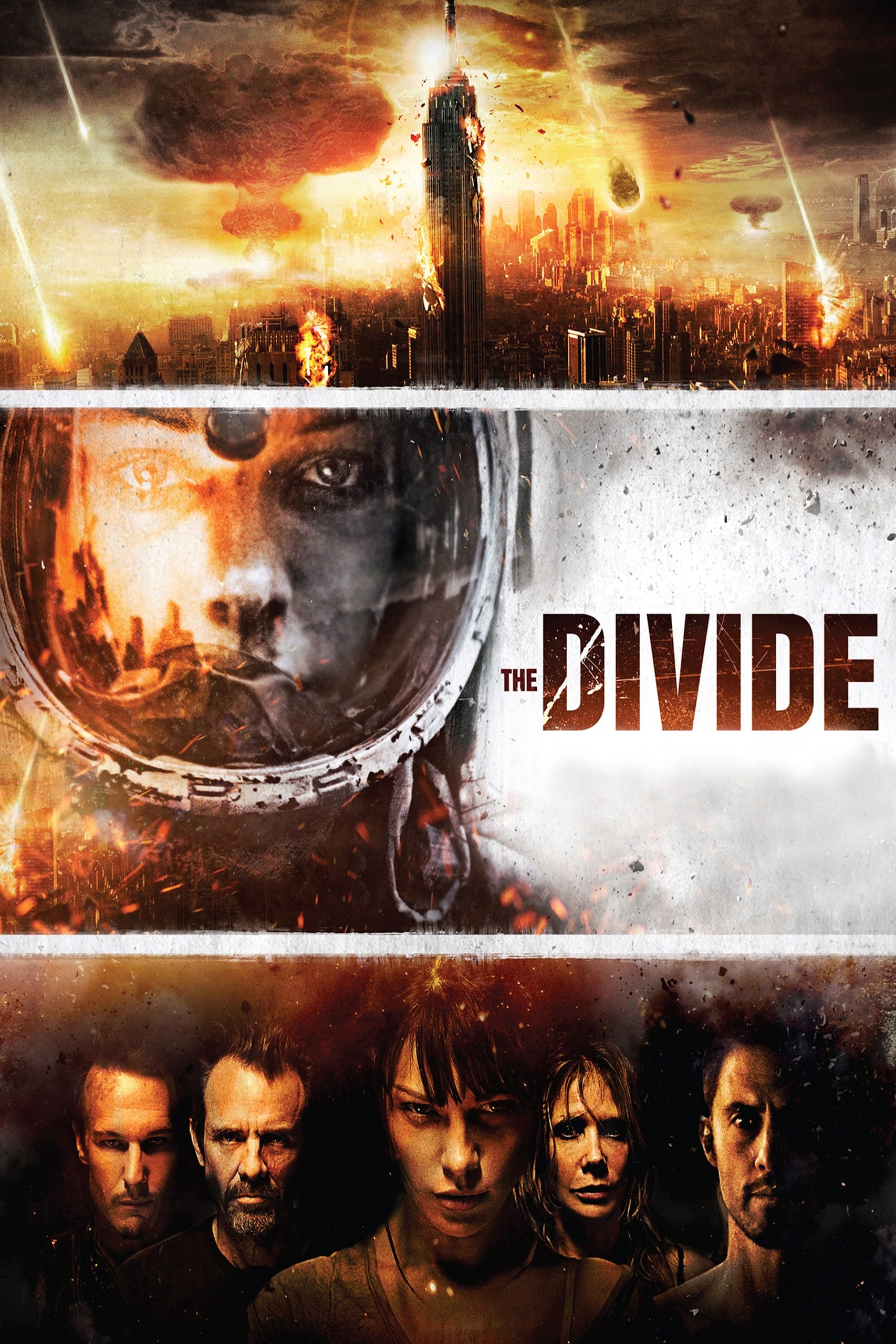
Xavier Gens follows apartment residents who retreat to a basement shelter after a catastrophic event. Michael Biehn and Lauren German lead a group negotiating rations, sanitation, and territorial control. Corridors, storage cages, and a locked bulkhead provide the entire layout. Contaminated air and intermittent external incursions keep characters inside for extended stretches.
‘The Hole’ (2001)
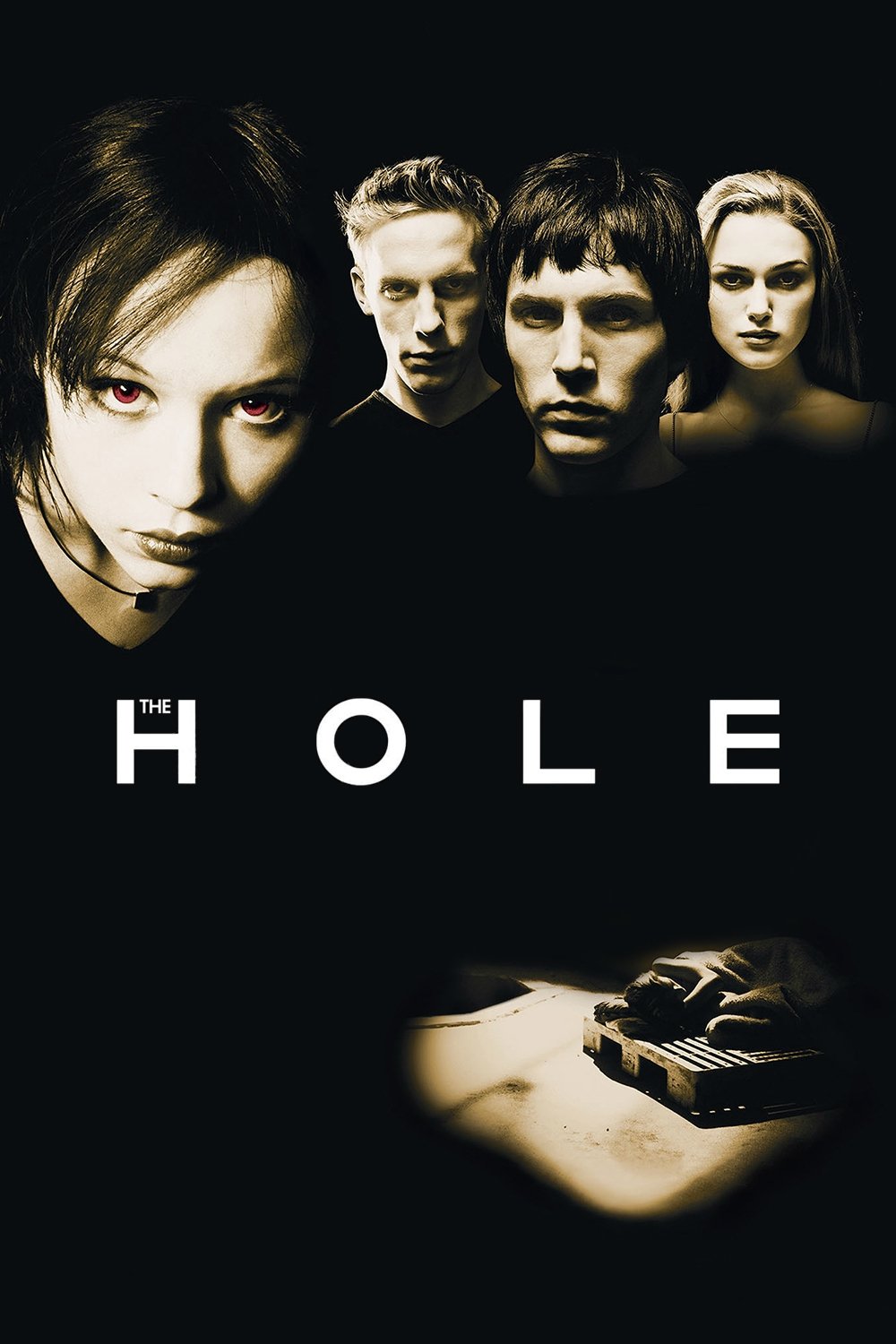
Nick Hamm’s psychological thriller traps a small group of students in an abandoned underground service bunker after a risky plan goes wrong. Thora Birch and Keira Knightley feature prominently as the situation deteriorates across a few interconnected chambers. The location offers a hatch entry, ladder access, and bare rooms with limited supplies. Flashback testimony and police interviews reconstruct events without expanding the geography.
‘All Is Lost’ (2013)

J.C. Chandor presents a near-wordless survival story about a solo sailor contending with hull damage, flooding, and failing equipment. Robert Redford performs tasks within a cabin, deck, and small life raft that confine available choices. The film emphasizes repairs, navigation, and rationing as discrete, spatially limited activities. On-water shooting and compact vessel design keep most action within arm’s reach.
‘Gravity’ (2013)
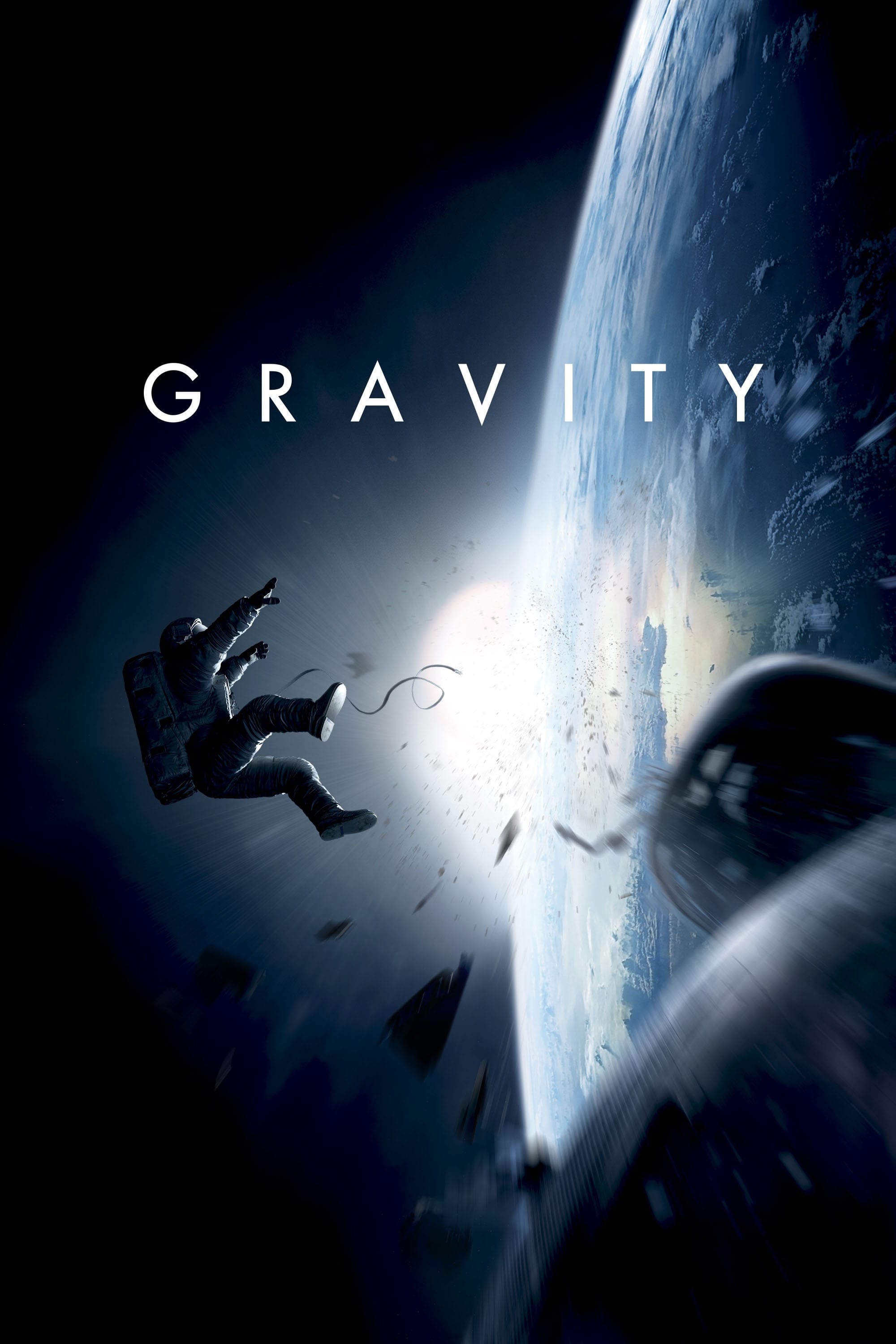
Alfonso Cuarón follows two astronauts dealing with debris strikes, suit life-support limits, and module access procedures. Sandra Bullock and George Clooney work inside and around small spacecraft interiors, airlocks, and tethered EVA paths. The production combines stage-built capsules with digital set extensions while keeping movement bounded by equipment. Checklists, oxygen readouts, and docking protocols constrain every decision.
‘The Autopsy of Jane Doe’ (2016)

André Øvredal confines a father-and-son coroner team to a small-town morgue during a late-night examination. Emile Hirsch and Brian Cox move between an operating table, cold storage, and a few adjacent rooms. Procedures, instruments, and labeled drawers structure the workflow and limit escape routes. Storm conditions and sealed exits reinforce the building as the sole setting.
Share your picks—what did we miss, and which titles would you add—in the comments!