Most Popular Actresses Who Got Blacklisted by Hollywood


Hollywood has a long, complicated history with “blacklists”—formal and informal. In the late 1940s and 1950s, studio bosses and TV sponsors often froze out performers named in anti-communist probes. Decades later, careers could still be derailed for crossing powerful figures, challenging the system, or getting swept up in a backlash after public controversies.
This list gathers documented cases of actresses whose careers were stalled or shut out by blacklisting—whether through the McCarthy-era machinery, studio retaliation, influential producers’ pressure campaigns, or widely reported industry blowback. Each entry includes sources so readers can verify what happened and learn more.
Marsha Hunt

A rising MGM star in the 1930s and ’40s, Marsha Hunt’s career collapsed after she was named in ‘Red Channels’ in 1950 amid the postwar anti-communist panic. She worked only sporadically in films for years, later speaking publicly about the blacklist’s chilling effect on actors’ livelihoods.
Hunt ultimately rebuilt a life in television and onstage, and became an activist and historian of the era, recounting how informal studio bans and sponsor pressure closed doors regardless of talent or box-office draw.
Lee Grant
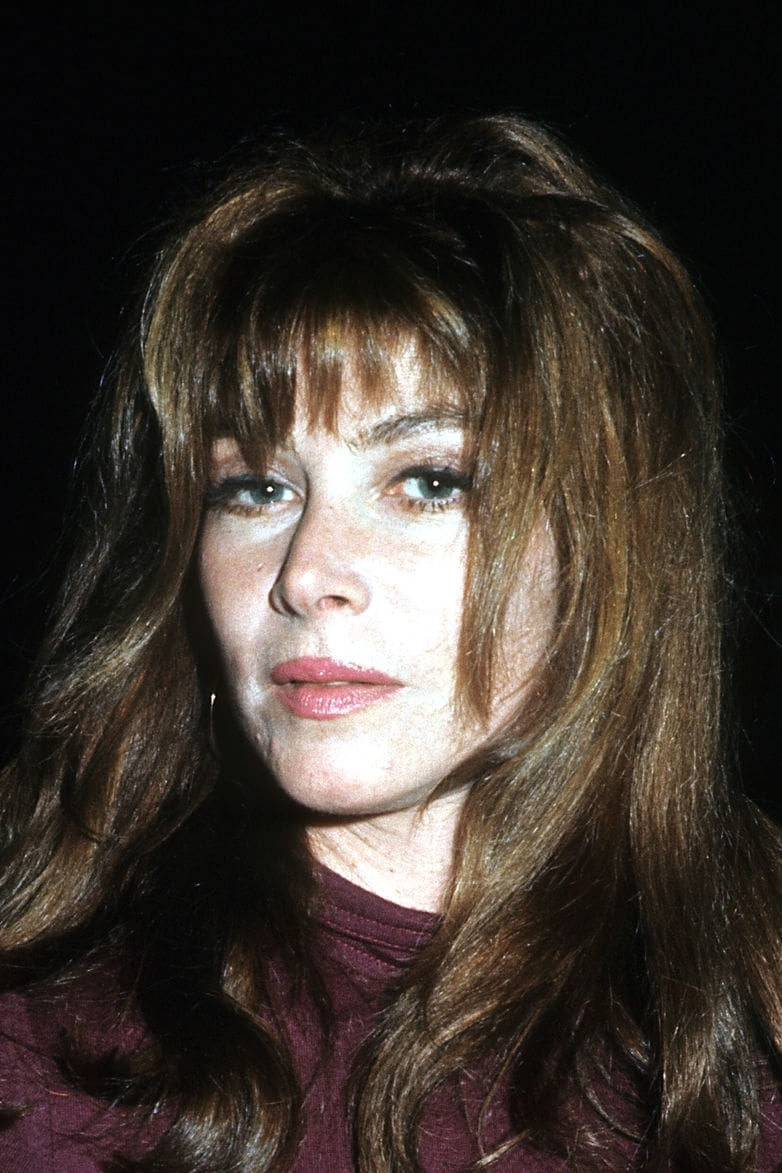
Lee Grant was sidelined for about 12 years after refusing to inform on colleagues before the House Un-American Activities Committee (HUAC). The interruption stalled a promising screen career and pushed her into smaller stage and TV work under the radar.
When the blacklist eased in the mid-1960s, Grant returned to high-profile roles and later moved into directing, eventually winning Oscars as both actor and documentarian—an uncommon second act after a blacklist exile.
Kim Hunter
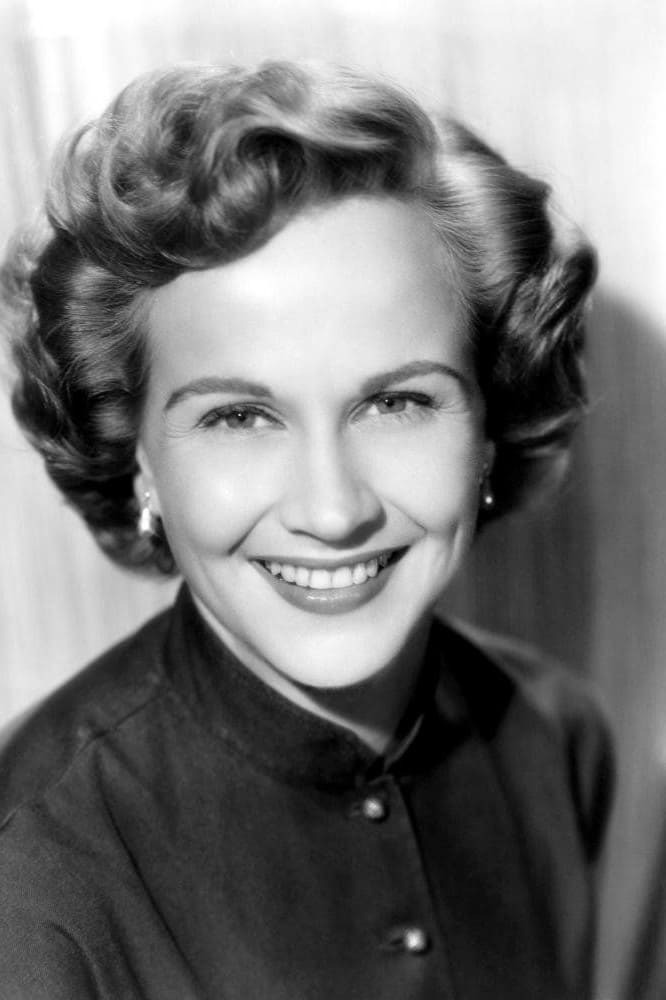
Oscar winner Kim Hunter was cut out of many film and TV opportunities in the 1950s after being swept up in blacklist suspicions, despite acclaim for playing Stella in ‘A Streetcar Named Desire’. Contemporary obits and profiles pointed to the blacklist’s role in limiting her film output.
Hunter continued working on stage and later in genre films, but the HUAC era marked a clear break in her screen momentum that contemporary coverage has repeatedly linked to blacklisting.
Anne Revere
Anne Revere, an Academy Award–winning character actor, lost film work after being named in anti-communist investigations and did not appear in Hollywood features for nearly two decades.
Her screen absence aligns with the period when studios and sponsors shunned those listed in investigations or targeted by ‘Red Channels’—a de facto industry ban that only eased in the 1970s.
Gale Sondergaard
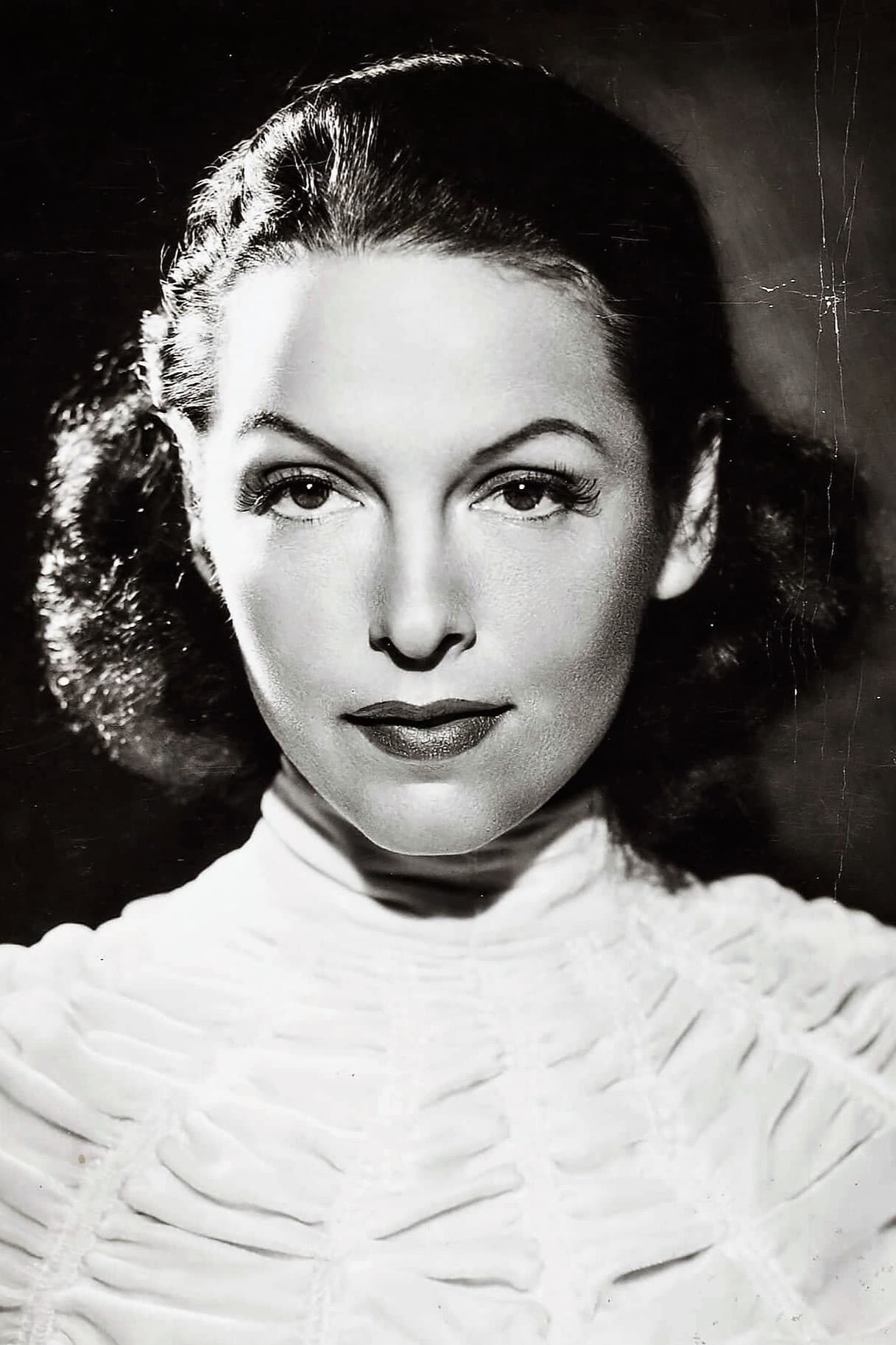
Two-time Oscar nominee Gale Sondergaard’s screen career abruptly stopped around 1949 after she and her husband were pulled into HUAC proceedings; she did not resume major screen work until 1969.
Archival accounts and obituaries describe how congressional inquiries and studio caution effectively locked her out for 20 years, forcing a pivot to theater until the blacklist thawed.
Dorothy Comingore
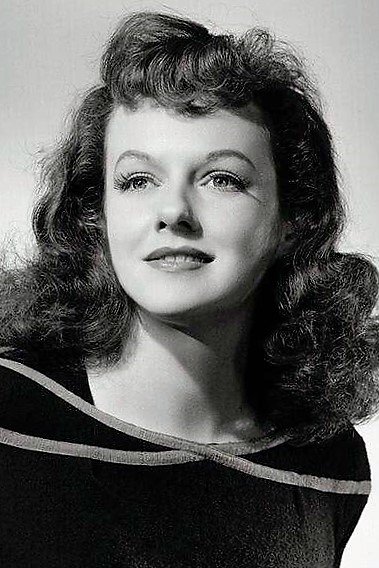
Best known as Susan Alexander in ‘Citizen Kane’, Dorothy Comingore’s film career ended in 1951 after she appeared as an “unfriendly witness” and refused to “name names” before HUAC.
Contemporary reports and later retrospectives detail how legal troubles and a public smear campaign compounded the blacklist, and she never returned to screen acting.
Jean Muir
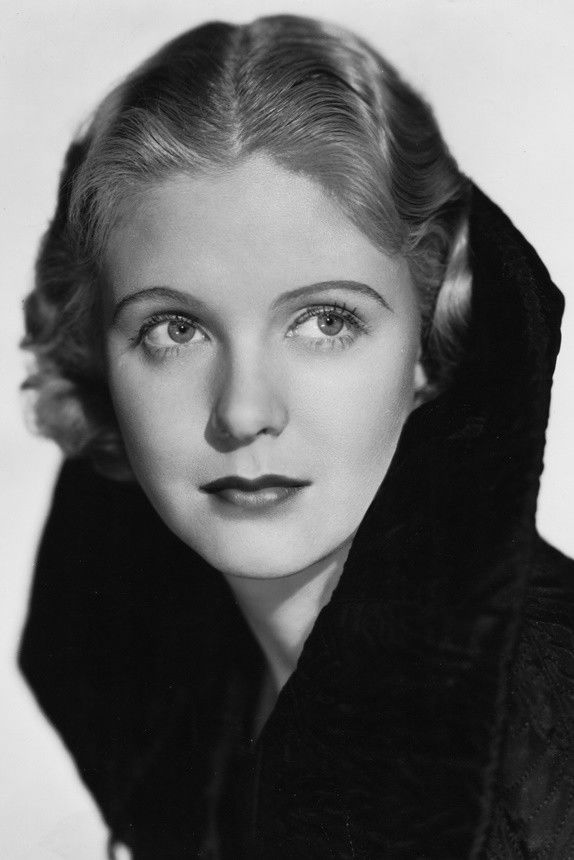
Jean Muir became a cautionary first in 1950 when sponsor and network pressure—sparked by a ‘Red Channels’ listing—got her removed from TV’s ‘The Aldrich Family’ days before debut.
Newspaper obituaries and blacklist histories still cite Muir’s ouster as an early, emblematic television blacklist case driven by fear of sponsor backlash.
Lena Horne
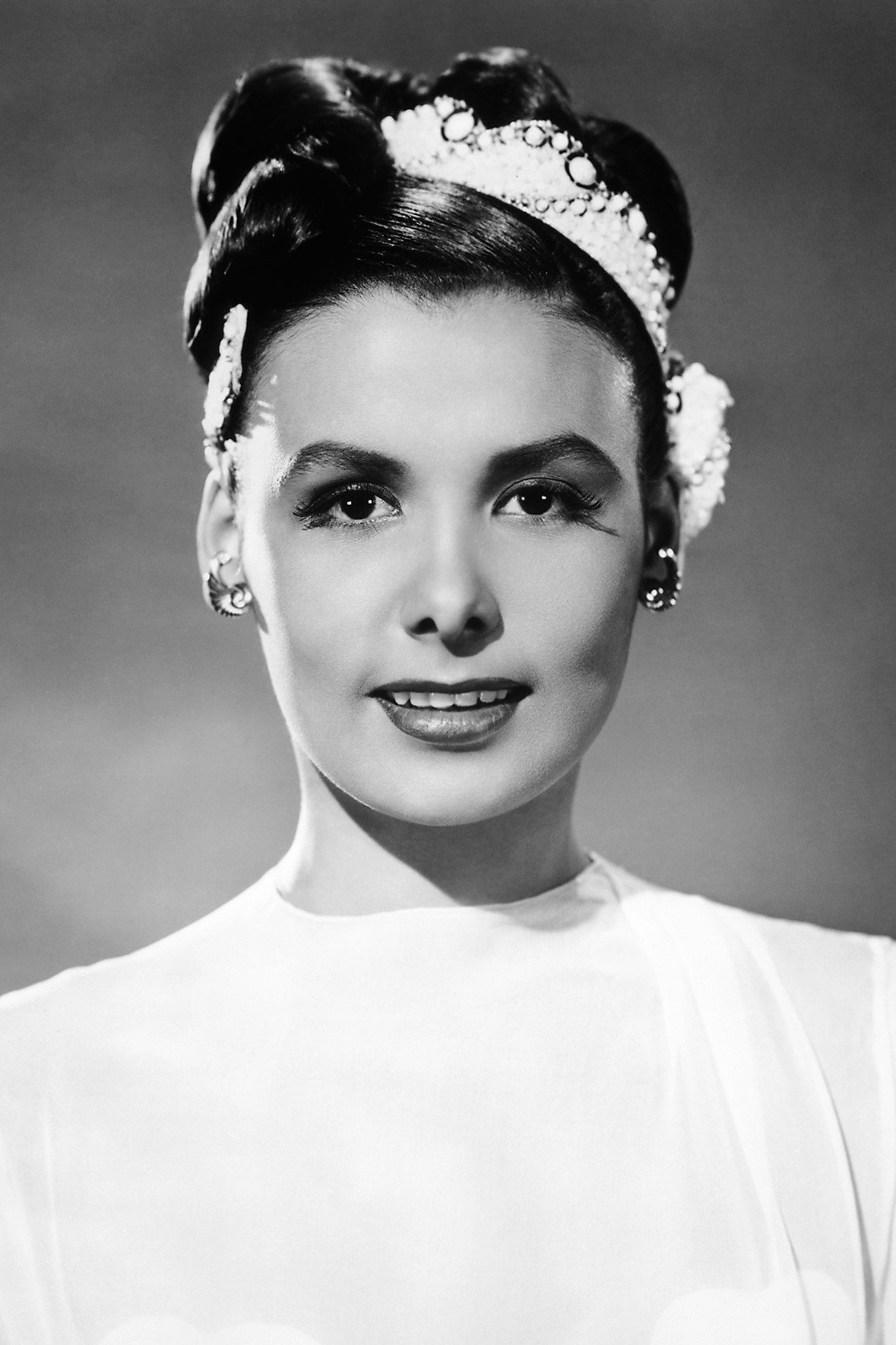
Singer-actress Lena Horne’s Hollywood opportunities narrowed sharply after her name appeared in anti-communist publications and she was scrutinized for activism; she spent productive years on the road as film offers dried up.
Historical overviews note how Horne navigated the period by focusing on music and, later, stage work, returning to wider visibility only after the blacklist era receded.
Hazel Scott
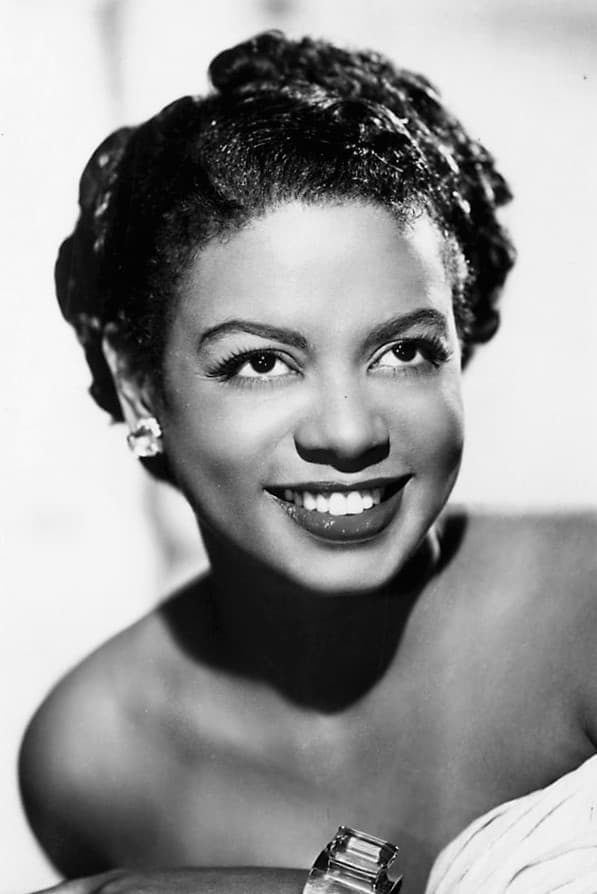
A concert pianist and actress with her own network TV show, Hazel Scott’s career nosedived after she voluntarily testified to HUAC in 1950 to refute claims in ‘Red Channels’; she soon lost the show and much U.S. work.
Official histories and later scholarship describe how accusations and sponsor skittishness effectively blacklisted Scott, pushing her to perform abroad for stretches before a partial U.S. comeback years later.
Eartha Kitt
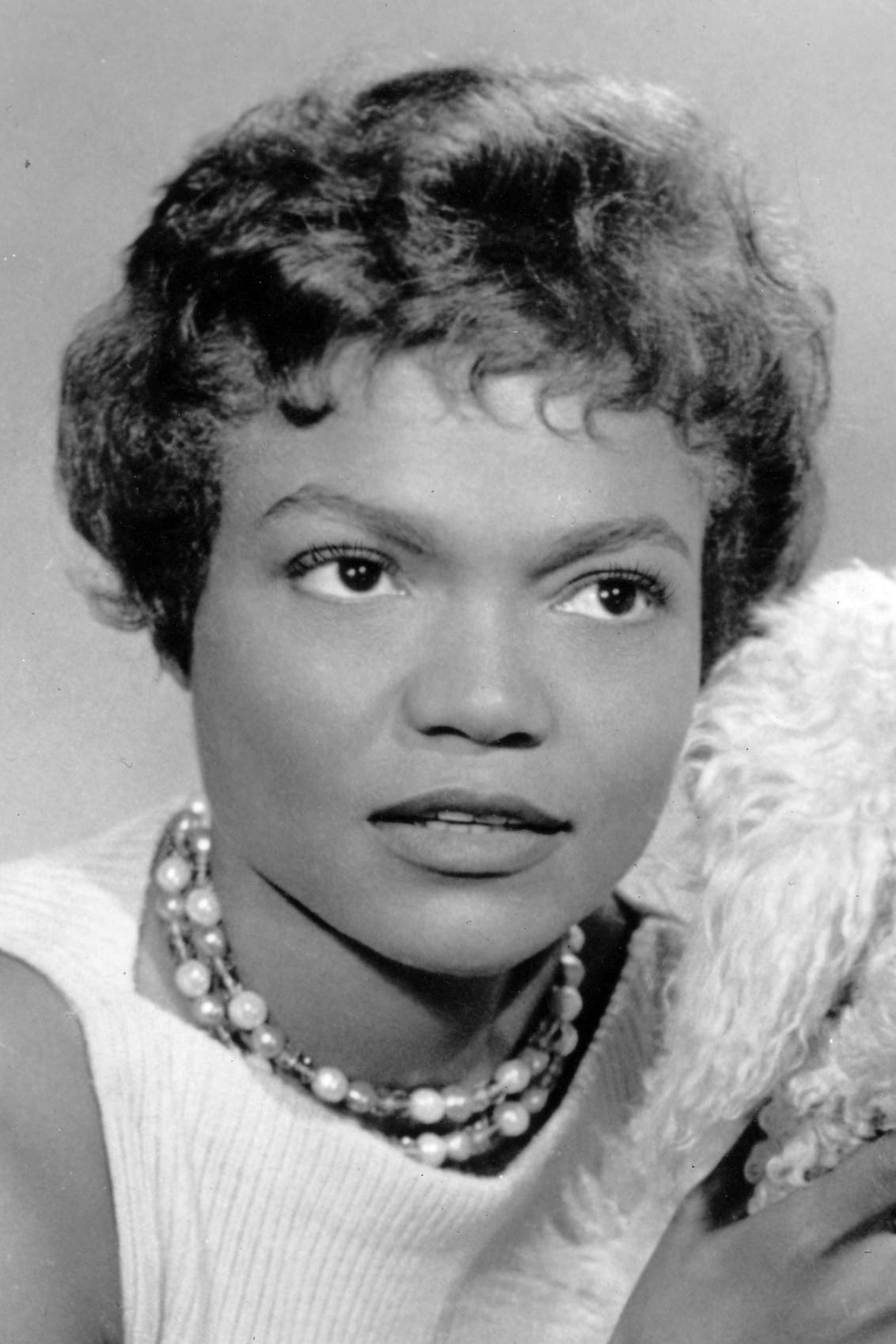
Eartha Kitt’s U.S. bookings collapsed after she criticized the Vietnam War at a White House luncheon in January 1968, leading to an effective domestic blacklist for several years.
Profiles and institutional histories recount how surveillance and political backlash kept Kitt largely overseas until her mid-1970s return to major American stages.
Barbara Bel Geddes
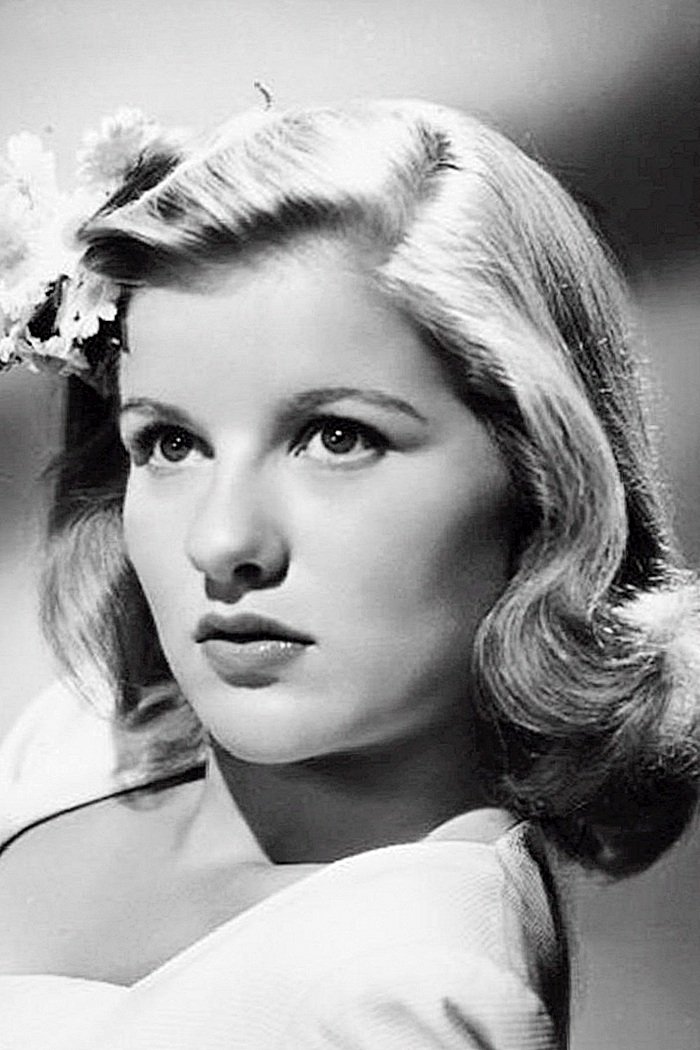
Barbara Bel Geddes’ film career slowed significantly after HUAC scrutiny placed her on industry blacklist lists in the early 1950s, pushing her into theater and episodic TV work until the atmosphere shifted.
Later fame on ‘Dallas’ often obscures how the blacklist period stalled a promising screen trajectory for the Tony-nominated actress.
Dolores del Río
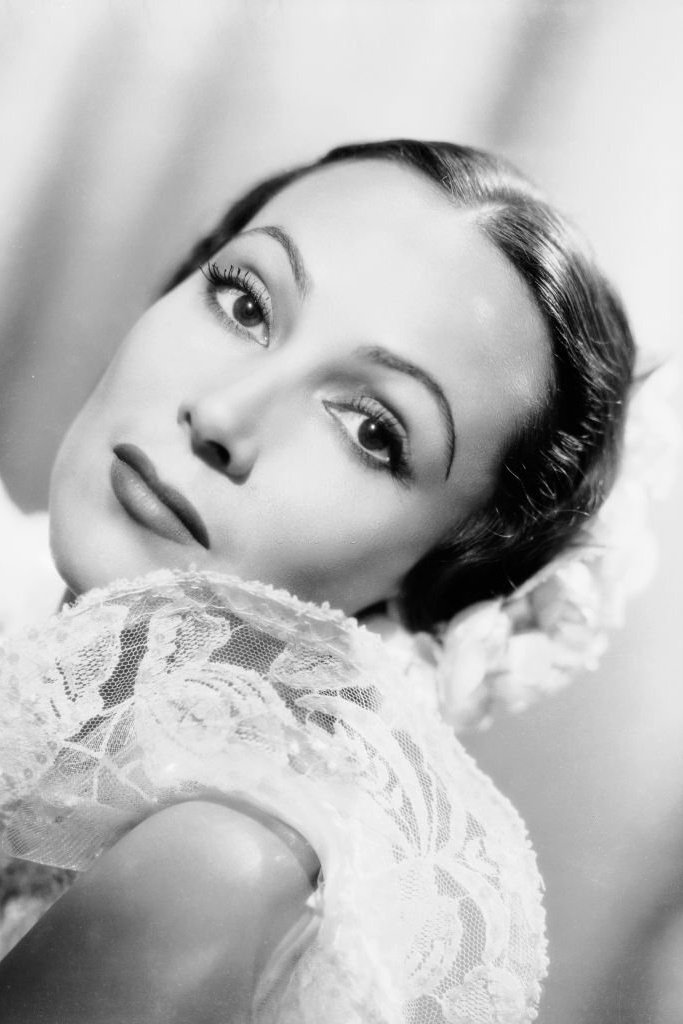
In 1954, Dolores del Río was denied permission to work in the U.S. on a major studio feature over alleged communist sympathies; she was replaced and barred from Hollywood projects until the mid-1950s.
Biographies and reference entries describe how political suspicion—amplified by her activism and associations—briefly put del Río on the McCarthy-era blacklist before she resumed theater and U.S. television work.
Olivia de Havilland

After winning a landmark 1944 court case limiting studio contracts to seven calendar years, Olivia de Havilland faced industry retaliation that kept her off screens for roughly two years before a celebrated comeback.
Trade coverage and legal histories note how studios’ “virtual blacklist” against de Havilland followed her victory, even as she soon returned to award-winning roles.
Tippi Hedren
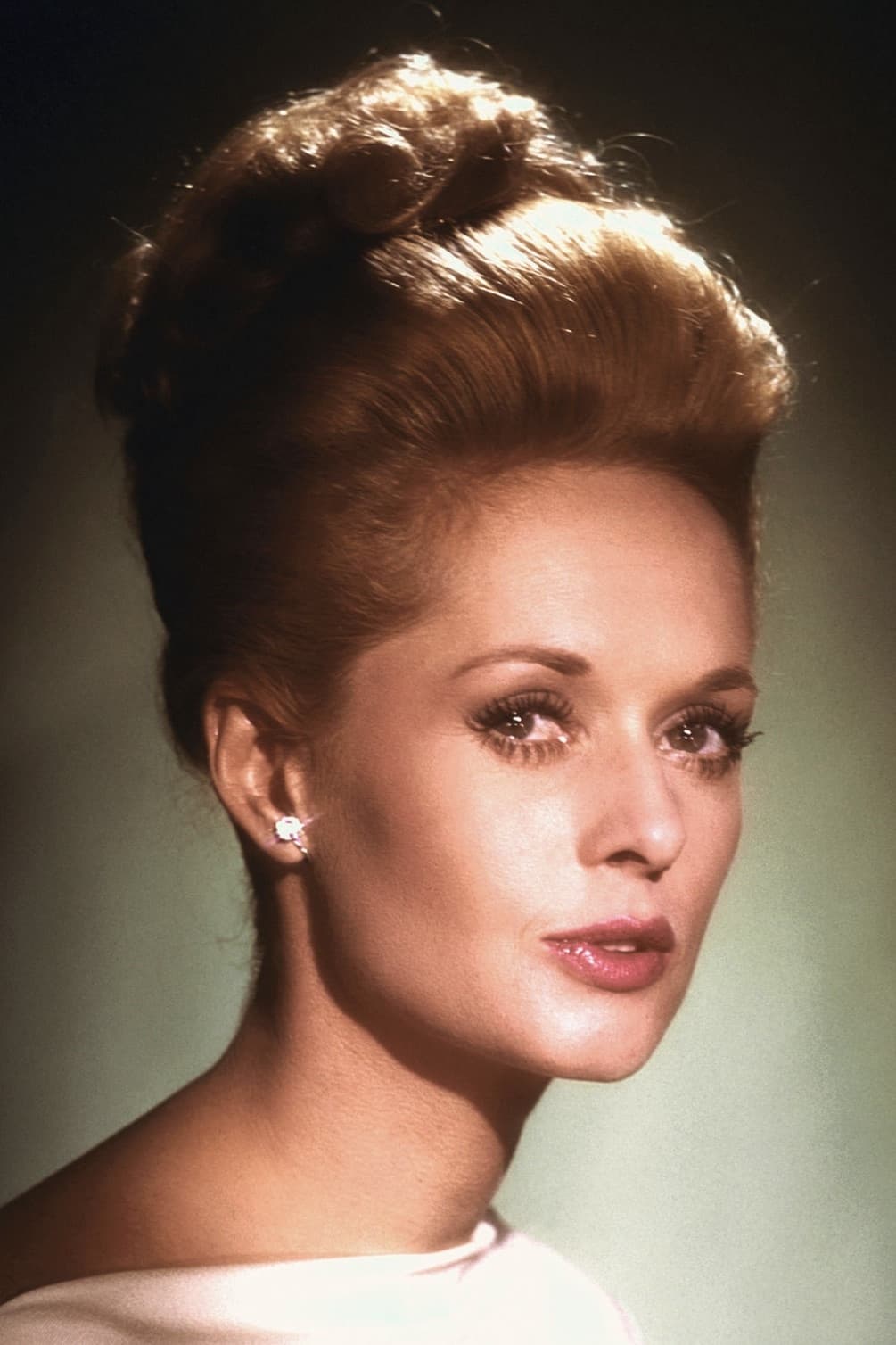
Tippi Hedren has long maintained that Alfred Hitchcock retaliated when she rejected his advances—keeping her under contract while withholding meaningful film roles and warning others off working with her.
Entertainment press and later docudramas have chronicled how contractual control and whisper campaigns limited Hedren’s big-screen opportunities in the years after ‘The Birds’ and ‘Marnie’.
Sondra Locke
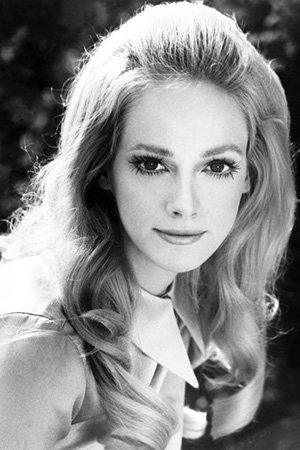
After her split with Clint Eastwood, Sondra Locke alleged that a Warner Bros. “development” pact was a sham that effectively blocked her from directing or developing films; Eastwood later settled a separate fraud suit.
Court records and reporting outline Locke’s claim that studio cooperation with a powerful star sidelined her, with appellate opinions and coverage documenting the unusual arrangement revealed during litigation.
Sean Young
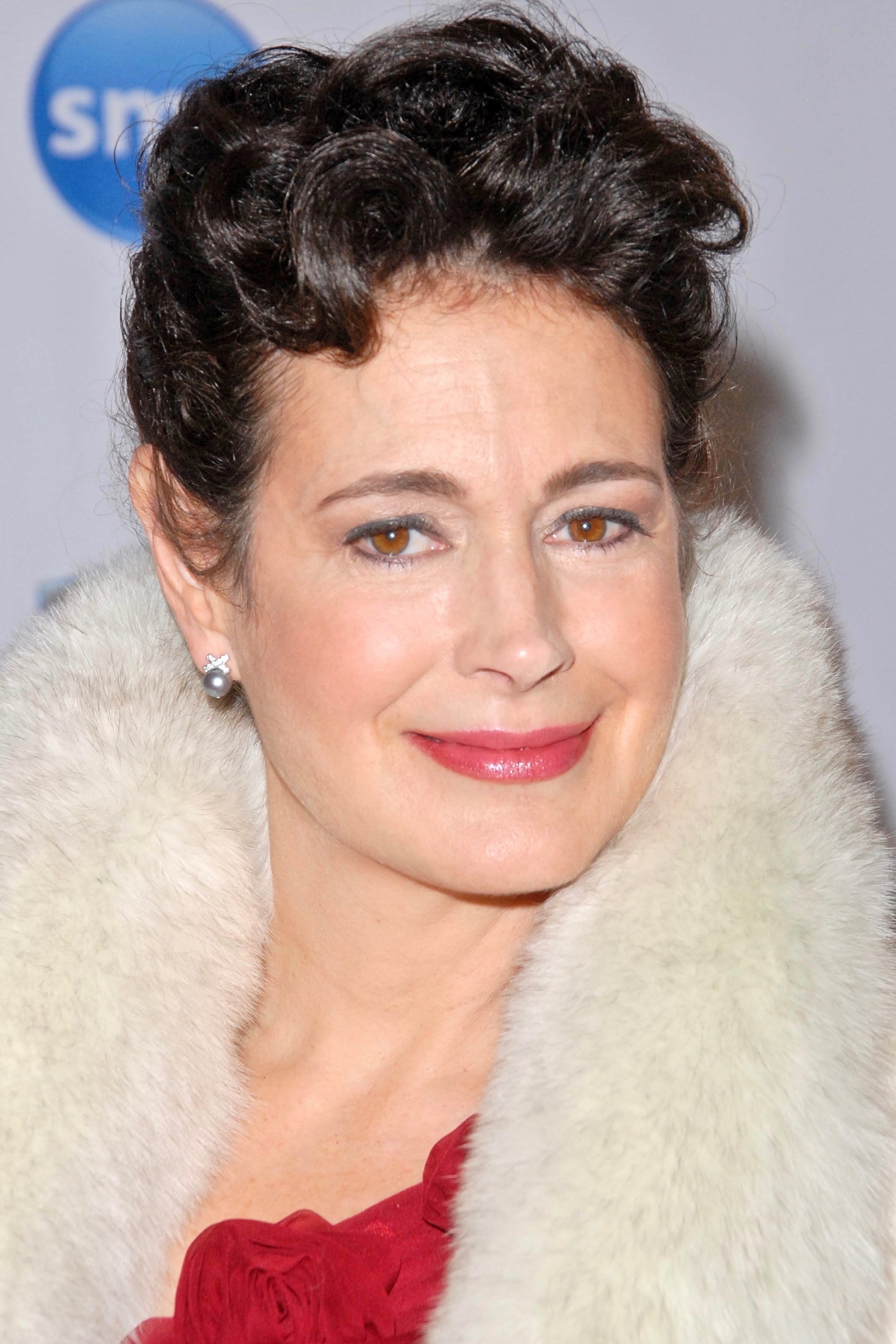
Sean Young has said that high-profile directors branded her “difficult,” which she believes triggered an industry blacklist that derailed major roles after early career peaks. Trade interviews have repeated the “blacklisted” label in recounting her career stall.
Press accounts trace flashpoints such as her firing from projects and public disputes, alongside claims that powerful figures’ hostility kept her off lists for prestige roles for years.
Janet Hubert
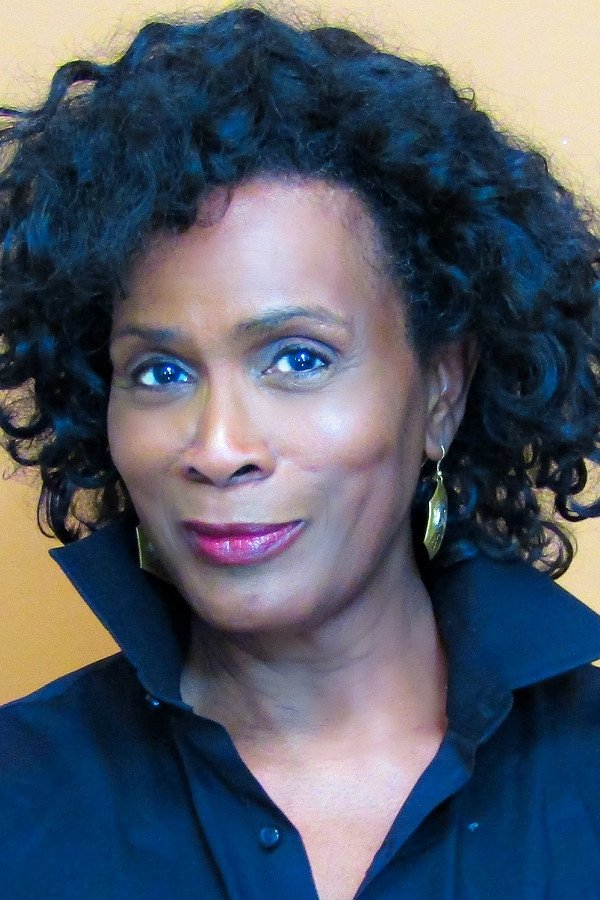
Janet Hubert—original Aunt Viv on ‘The Fresh Prince of Bel-Air’—has described how being labeled “difficult” after a contract dispute harmed her career prospects for years. A 2020 on-air reconciliation with Will Smith revisited the fallout and its impact on her livelihood.
News features since then have noted continued healing and renewed collaborations, but Hubert’s own words underscore how informal industry blacklisting can follow public disputes.
Roseanne Barr
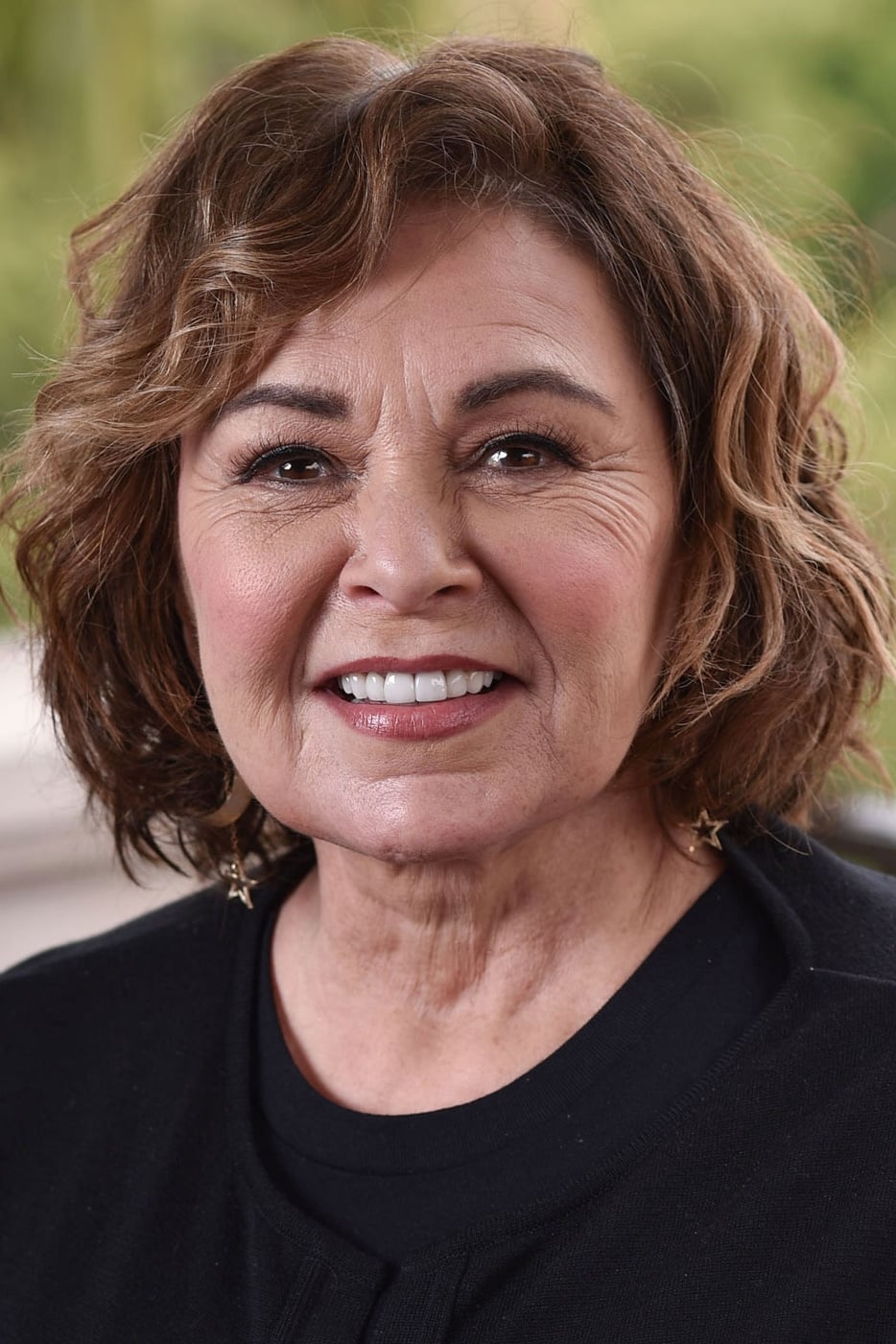
ABC canceled ‘Roseanne’ in 2018 the day after Barr posted a racist tweet about Valerie Jarrett, cutting off a massively successful comeback. Coverage has frequently framed the abrupt end as an industry blackballing.
In recent interviews, Barr has contrasted the permanence of her ouster with how other TV stars weather controversies, arguing that her career was effectively frozen out by the decision.
Gina Carano
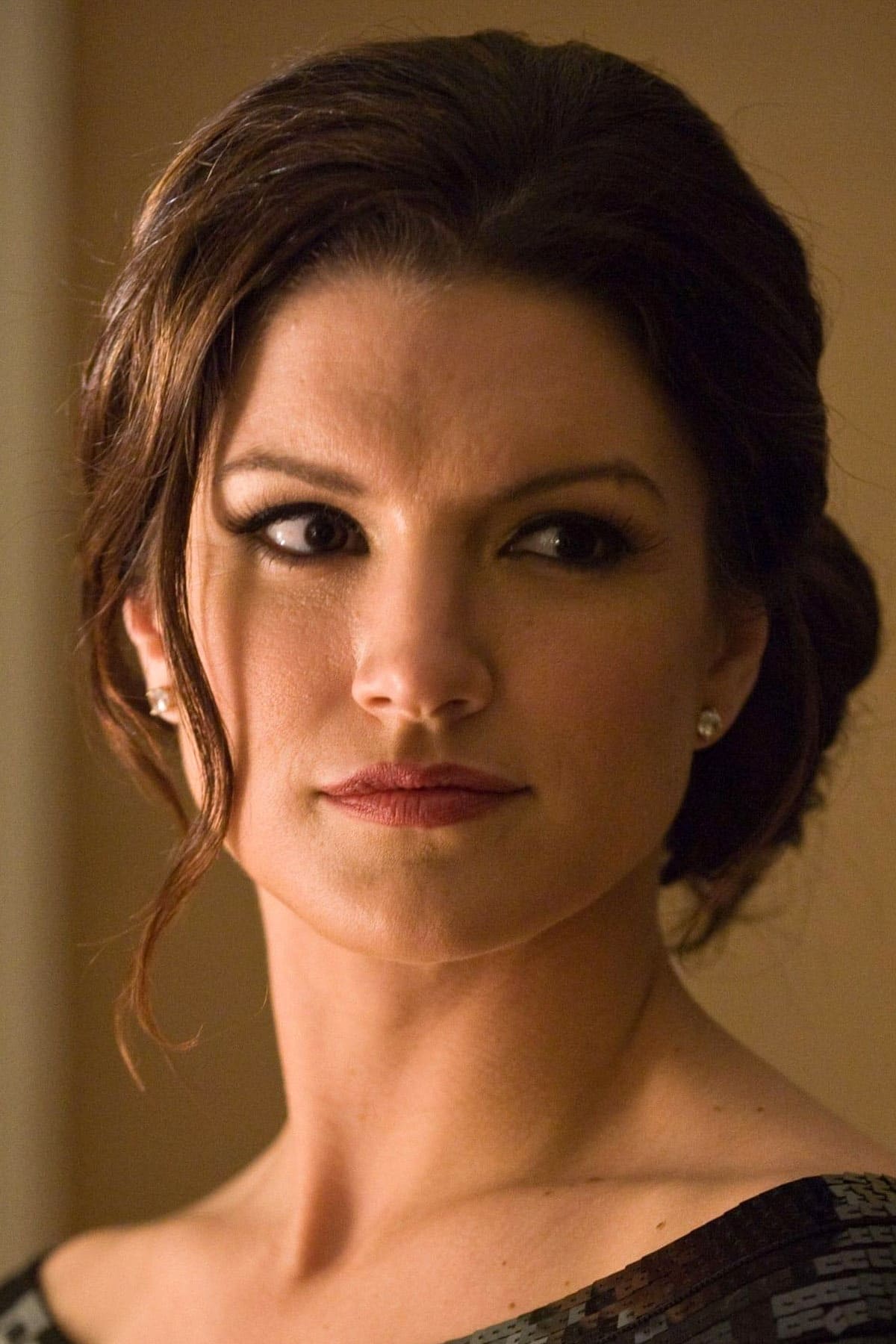
Gina Carano was dropped from ‘The Mandalorian’ and her agency in 2021 after social-media controversies; she has since described the fallout as a modern blacklist and pursued legal action against Disney/Lucasfilm.
Opinion pieces and industry reporting traced how the firing, agency exit, and public backlash curtailed mainstream casting opportunities, with ongoing debates about “blacklisting” in the streaming era.
Mo’Nique
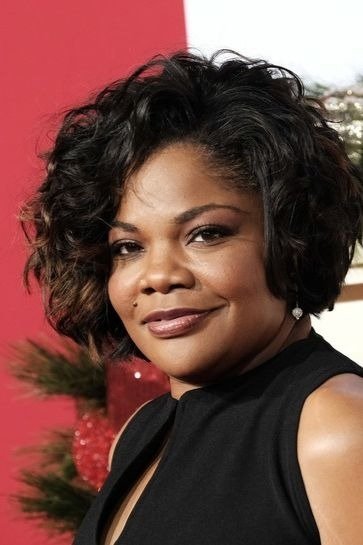
After winning an Oscar for ‘Precious’, Mo’Nique said she was “blackballed” for not campaigning in the conventional awards-season way; Lee Daniels publicly acknowledged tensions surrounding expectations at the time.
Years later, the two reconciled and worked together again, but the intervening period is widely cited as an example of informal industry ostracism following a public rift.
Rose McGowan

Rose McGowan has said she was blacklisted after she accused Harvey Weinstein of rape, describing how job offers evaporated and reputational smears spread through the industry.
Subsequent reporting on the Weinstein scandal documented alleged retaliation tactics against accusers and critics, and McGowan’s years-long campaign to expose them.
Mira Sorvino

Director Peter Jackson said he was advised by Weinstein’s company not to cast Mira Sorvino in a major franchise because she was “difficult,” a warning he later called part of a smear campaign; Sorvino has described the resulting career freeze as blacklisting.
Recent profiles note Sorvino’s gradual resurgence after two decades of diminished studio opportunities, underscoring how off-screen influence can sideline an Oscar winner.
Ashley Judd
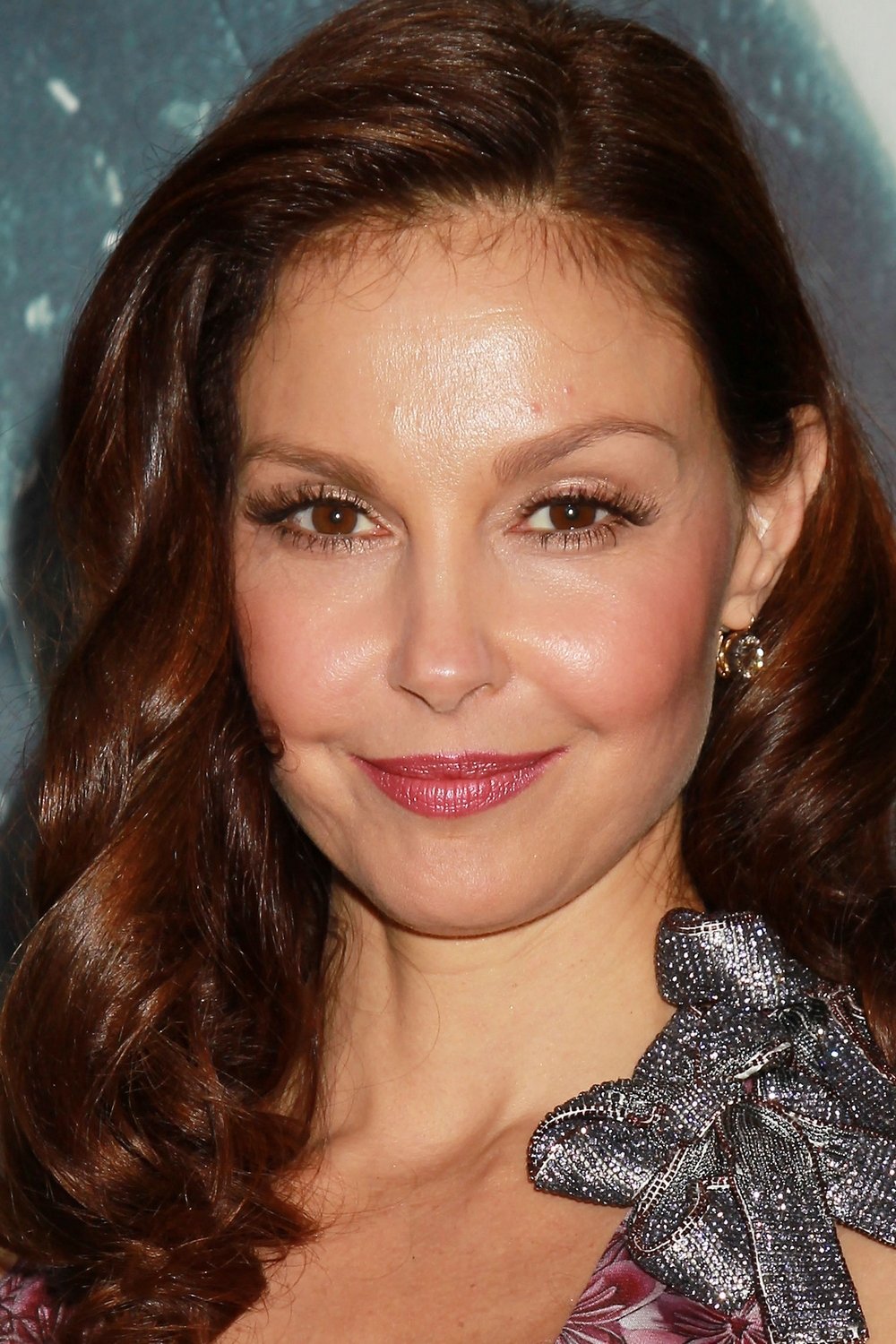
Jackson similarly said he was told to avoid casting Ashley Judd—advice he linked to Weinstein’s pressure—contributing, Judd has argued, to lost roles during crucial career years.
Trade and mainstream outlets recorded Judd’s response and the broader picture of how private warnings and reputational attacks can function as an informal blacklist.
Annabella Sciorra

Annabella Sciorra told investigators and later testified in court that Weinstein raped her and that her career suffered afterward; stories at the time detailed how she struggled to book roles for years.
Coverage of the trial and earlier investigations highlighted claims of retaliation and gatekeeping that limited work for Sciorra and others who spoke up.
Megan Fox

Megan Fox lost her lead role in the ‘Transformers’ franchise after publicly comparing director Michael Bay to “Hitler”; contemporaneous reporting attributed her firing to executive producer Steven Spielberg’s insistence, a decision that temporarily chilled major studio offers.
News outlets and interviews from that period connected the dismissal to an industry cooling-off toward Fox, a short-term blacklist effect she later overcame with a mix of indie and studio projects.
Thora Birch

Thora Birch’s early-2000s momentum stalled after she was fired from an Off-Broadway ‘Dracula’ revival amid reports that her manager father had threatened a co-star—an incident widely cited in later “what happened to” profiles as contributing to a prolonged industry chill.
Trade coverage at the time and follow-ups describe how the episode fed a reputation that hindered casting and precipitated years of lower-profile work.
Jean Seberg

Jean Seberg was targeted by the FBI’s COINTELPRO program for supporting civil-rights causes; the bureau admitted planting a damaging false story about her, and scholars have argued she was effectively blacklisted from Hollywood productions afterward.
Investigations and histories connect the smear campaign to Seberg’s withdrawal from U.S. films and enduring personal harm, illustrating how political reprisals could function as an off-screen blacklist.
Share who you think we missed—and why—in the comments below.