Movie Directors Who Hate CGI


Some filmmakers keep computers at arm’s length and lean hard on in-camera craft—real sets, stunts, miniatures, animatronics, and meticulous production design. Below are ten directors known for minimizing digital trickery and favoring practical methods whenever possible, with examples of how they’ve done it on set and on screen.
Christopher Nolan

Nolan is famous for staging large-scale action practically, from flipping an eighteen-wheeler in ‘The Dark Knight’ to crashing a real 747 in ‘Tenet’. He favors IMAX photography, on-location shooting, and practical explosions, then uses VFX mainly for cleanup. ‘Dunkirk’ relied on real boats and aircraft with scale models augmenting the action. ‘Oppenheimer’ recreated complex physics imagery in-camera with experimental techniques rather than computer simulations.
George Miller
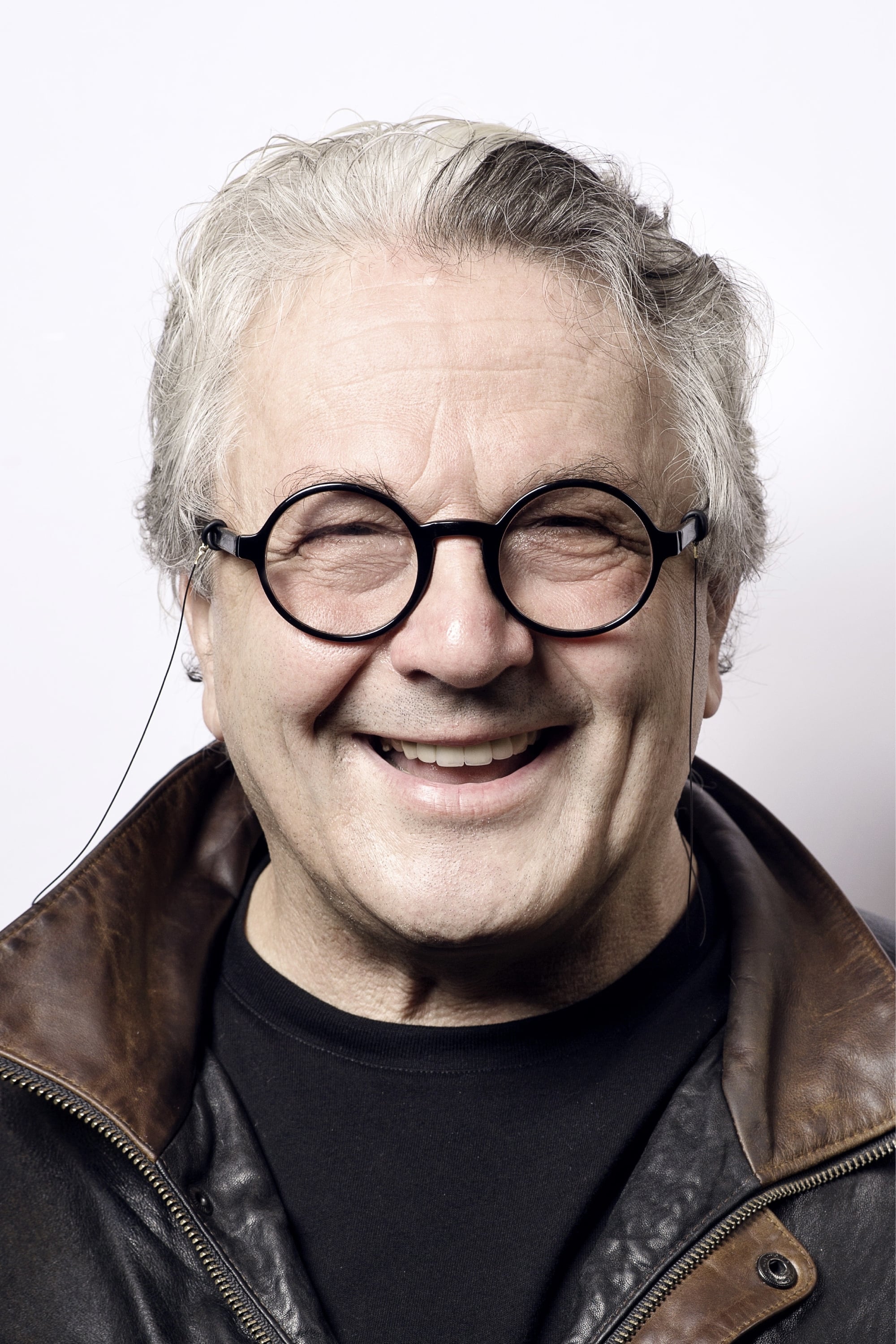
For ‘Mad Max: Fury Road’, Miller emphasized real vehicular stunts, wire-work, and desert locations, with VFX used primarily to remove rigs and enhance skies. The production engineered custom rigs like the swinging Pole Cats to capture movement for real. Hundreds of practical explosions and crashes were coordinated across long chase sequences. Miller has said the approach keeps performances and physics grounded.
Quentin Tarantino
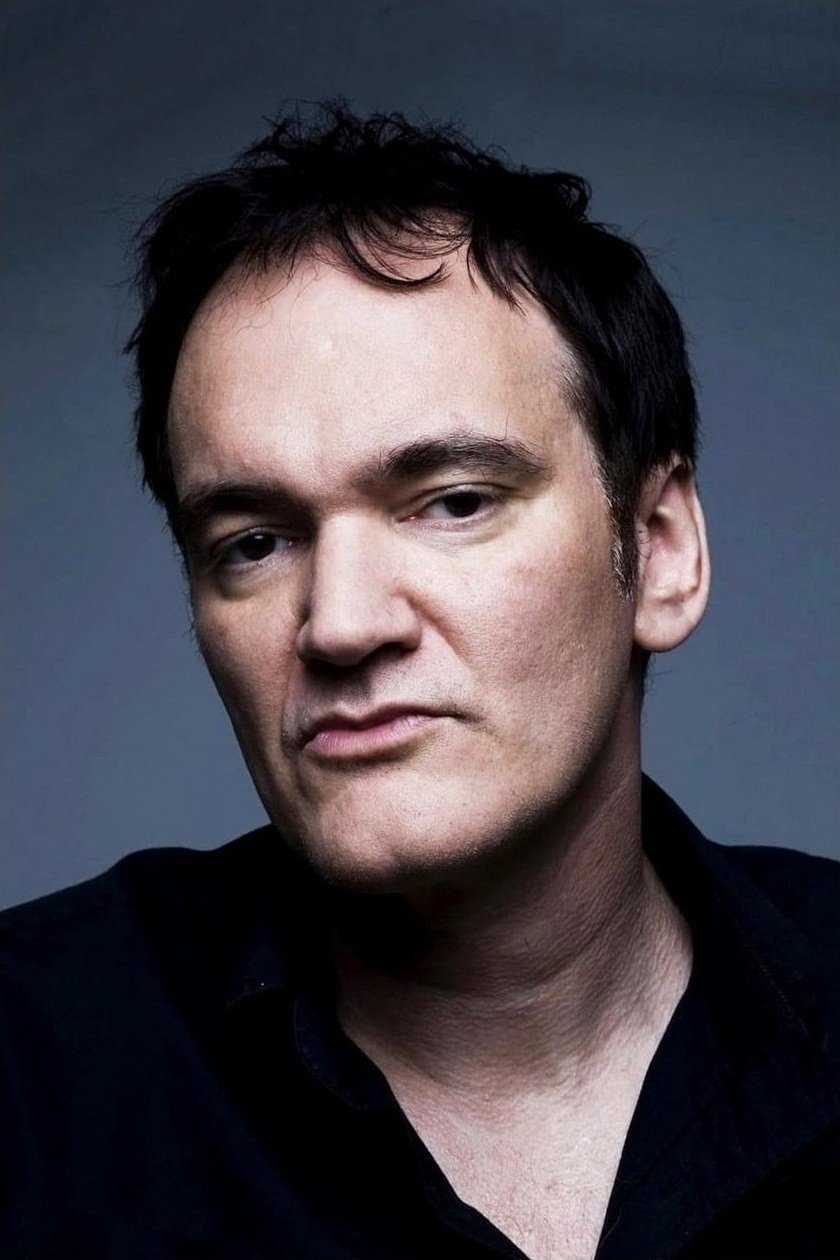
Tarantino’s sets and gags are heavily practical, from squibbed blood effects to in-camera car work. ‘Death Proof’ uses real high-speed driving and a stunt performer standing in for key shots rather than digital doubles. In ‘The Hateful Eight’, he shot on 65mm with large, physical sets and practical snow effects on stage. He routinely avoids green screen, leaning on old-school makeup and props.
Paul Thomas Anderson
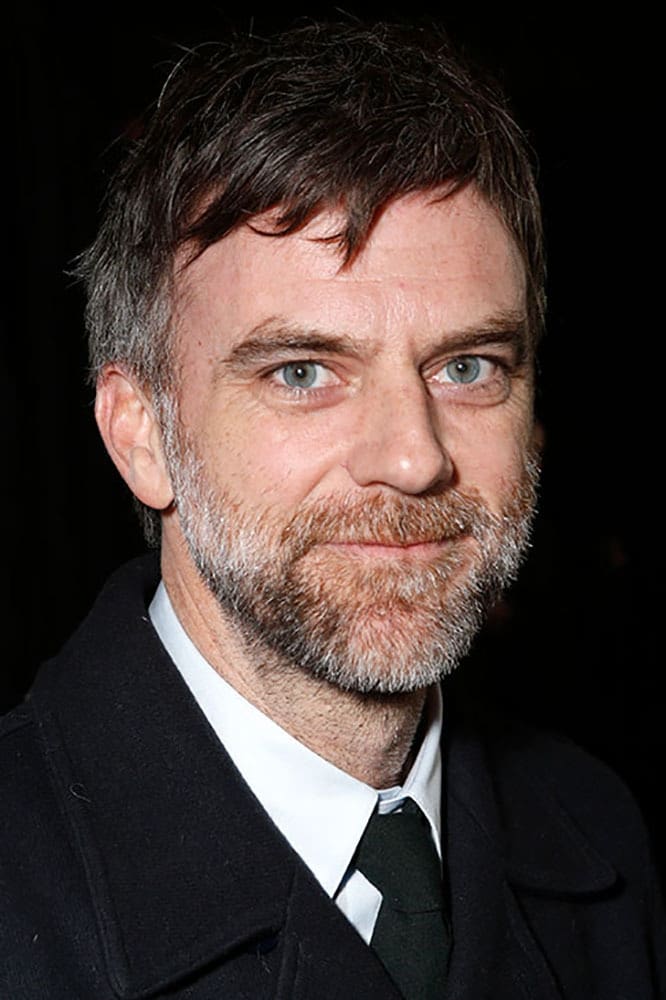
Anderson prioritizes real locations, hand-built sets, and optical texture, keeping digital manipulation minimal. ‘There Will Be Blood’ staged its oil-derrick fire practically, supported by controlled pyrotechnics and special-effects engineering. ‘The Master’ and ‘Phantom Thread’ focus on in-camera lighting and period-authentic production design rather than digital backdrops. He’s known for preferring film stock and photochemical workflows over heavy CGI pipelines.
Christopher McQuarrie

In the ‘Mission: Impossible’ installments he directed, McQuarrie designs set pieces around Tom Cruise’s practical stunts, from HALO jumps to helicopter chases. Aircraft, trains, and vehicles are shot for real with VFX used for safety and removal of equipment. ‘Mission: Impossible – Fallout’ features an on-location rooftop chase and a real helicopter pursuit tailored to capture authentic motion. ‘Dead Reckoning’ incorporated a real cliff motorcycle jump engineered with extensive rigging.
Chad Stahelski

The ‘John Wick’ films emphasize stunt-driven action and tactical choreography captured in-camera. Gunfights and grappling are designed with long takes, practical muzzle flashes, and squibs, with VFX mostly for cleanup. Car combat in ‘John Wick: Chapter 4’ was staged on real streets with precision drivers and wire assists. The series builds elaborate sets for immersive lighting rather than relying on digital environments.
Robert Eggers

Eggers favors natural light, practical sets, and historically accurate props, minimizing digital augmentation. ‘The Witch’ built period-correct structures and used on-location shooting to achieve atmosphere without CG landscapes. ‘The Lighthouse’ constructed a working lighthouse set and employed practical water, weather rigs, and in-camera optical tricks. ‘The Northman’ staged large battle scenes with real extras and terrain, reserving VFX for removals.
Damien Chazelle

Chazelle’s ‘First Man’ relied on a giant LED backdrop, miniatures, and practical spacecraft interiors to capture realistic reflections and lighting, with CG primarily for composites and stitching. The approach preserved authentic interaction between actors and their environment. ‘La La Land’ staged its opening freeway number with real dancers and traffic control, then used digital stitching and cleanup to blend the sequence. He often prioritizes choreographed camera moves and physical sets to anchor performances.
J.J. Abrams

Abrams publicly pushed for practical creature effects and sets on ‘Star Wars: The Force Awakens’, commissioning animatronics and in-costume performers. The production built full-scale sets like the Millennium Falcon and desert marketplaces, using VFX mainly to extend environments. ‘Super 8’ combined large-scale pyrotechnics, physical set pieces, and extensive CG augmentation for the train crash rather than staging real railcar impacts. His films often blend lens-based techniques with digital enhancements that serve physical photography.
Hayao Miyazaki
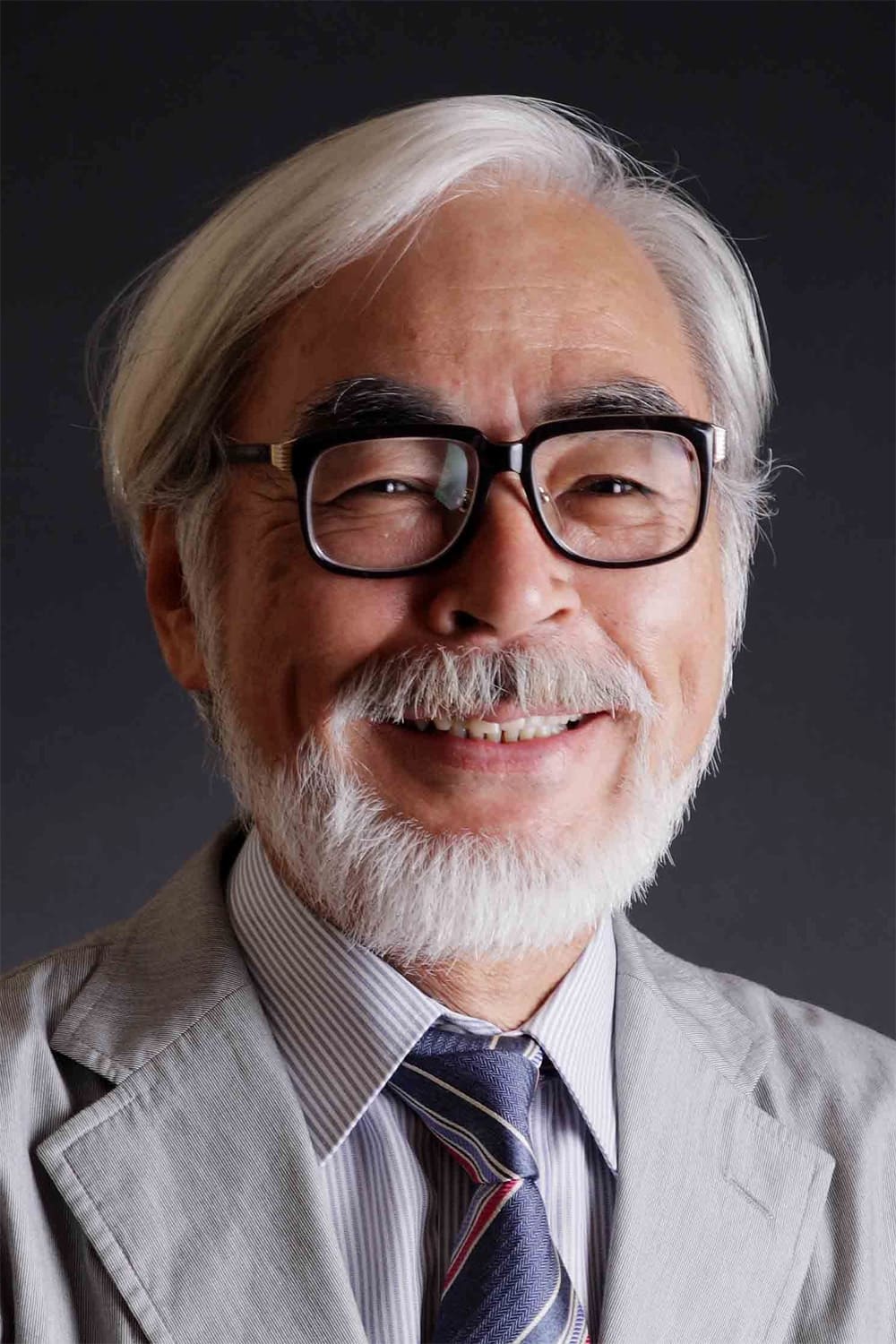
At Studio Ghibli, Miyazaki’s films are primarily hand-drawn, with computers used sparingly for compositing, digital paint, and occasional 3D props. Works like ‘Spirited Away’ and ‘Princess Mononoke’ rely on traditional animation methods to achieve motion and detail without 3D character models driving performances. He has repeatedly advocated for human-driven draftsmanship over automated processes. Even when digital tools are employed, they are subordinated to hand-crafted artwork.
If you have another director who shuns digital trickery, share your pick in the comments and tell us why they belong on the list!