Movies That Keep Getting Better with Every Rewatch


Some films are built like intricate clocks, where every gear—dialogue, production design, editing, and score—quietly points to something you notice only after you’ve lived with the story for a while. This list gathers titles known for layered writing, meticulous craft, and purposeful details that become easier to catch once you know where the story is heading.
You’ll find puzzle-box thrillers, nonlinear crime sagas, visionary science fiction, and animation that hides visual clues in plain sight. Each entry highlights concrete elements—structure, filmmaking choices, and documented influences—that make a second (or tenth) pass especially revealing.
‘The Godfather’ (1972)
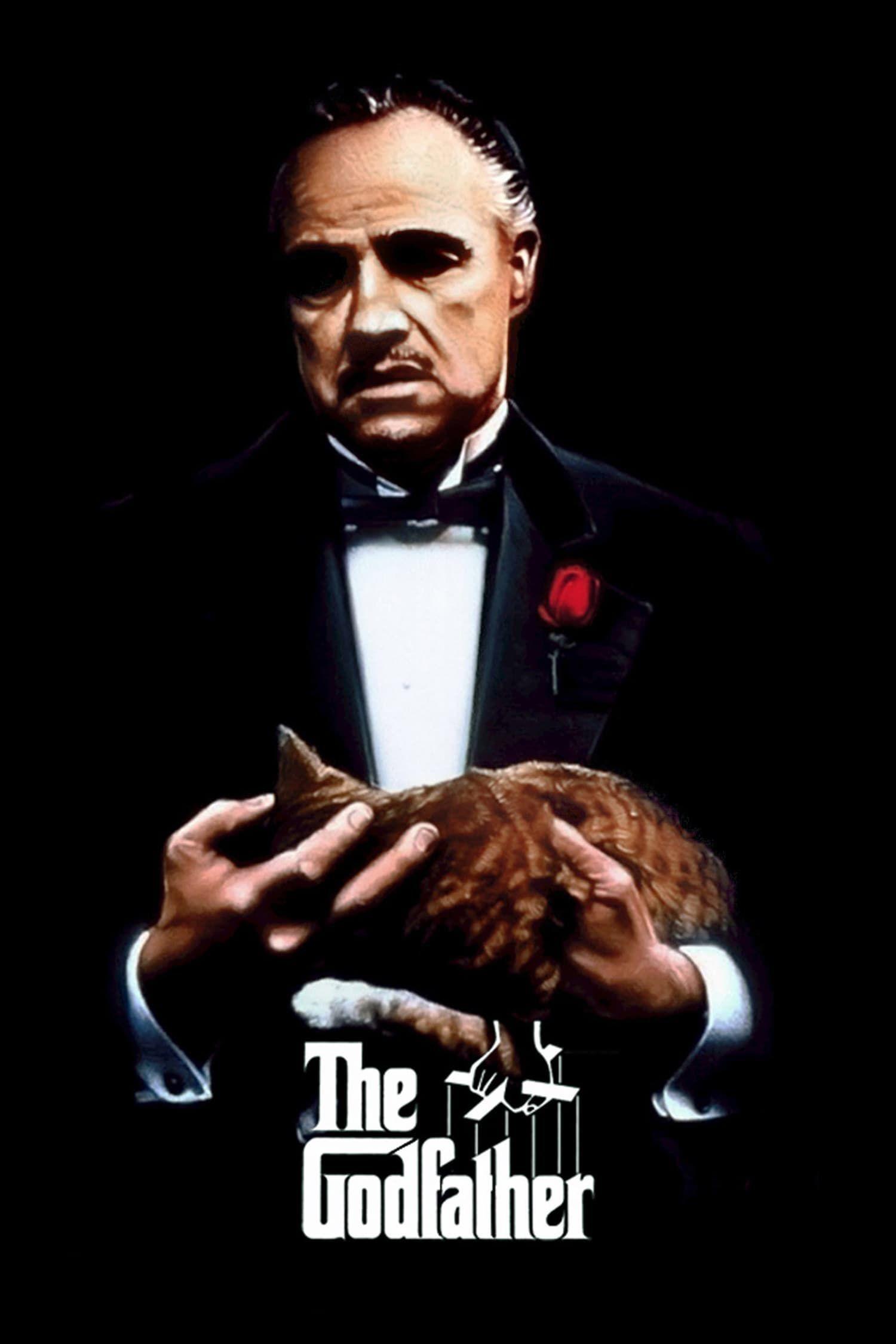
Francis Ford Coppola directed from a screenplay by Coppola and Mario Puzo, adapting Puzo’s novel about the Corleone family’s shift in power. Cinematographer Gordon Willis used low-key lighting and careful color control to create the film’s signature chiaroscuro look, while Nino Rota’s score threads a consistent musical identity through changing settings.
Scenes mirror one another to track Michael’s ascent, with cross-cutting—especially during the baptism sequence—aligning ritual and violence. Production design and costuming signal family hierarchy and shifting loyalties, and repeated motifs—orange props, closed doors, and table meetings—visually mark turning points.
‘The Godfather Part II’ (1974)
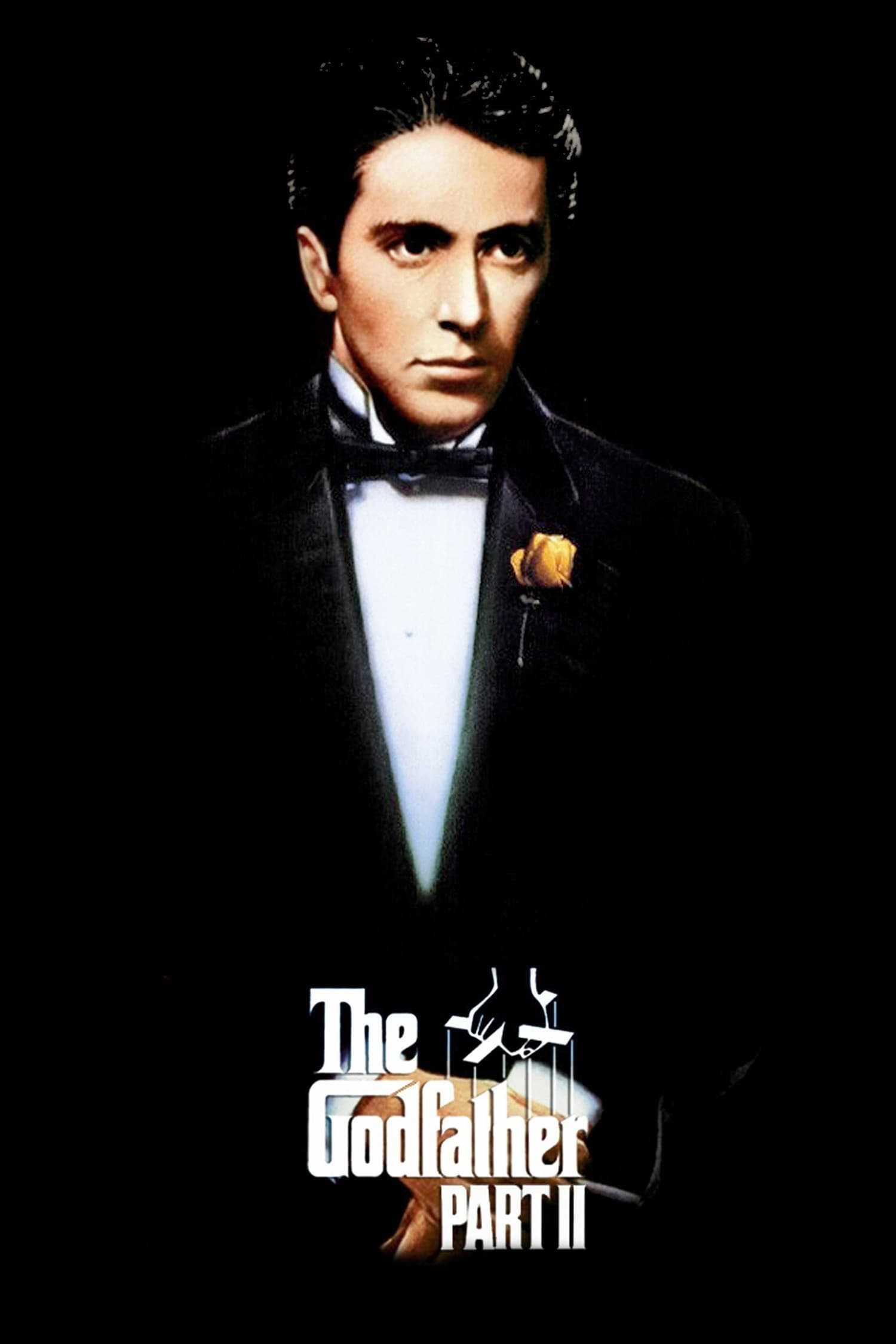
The structure alternates between Michael’s consolidation of power and Vito’s early life, using parallel editing to compare methods of leadership and family dynamics. The script by Coppola and Puzo expands the source mythology with invented backstory, while keeping continuity with recurring themes and musical cues.
Gordon Willis maintains a distinct palette to separate timelines, and the score reprises leitmotifs to bind both halves. Location work in New York, Lake Tahoe, and Sicily adds geographic texture that underscores the family’s expanding influence and isolation.
‘Blade Runner’ (1982)
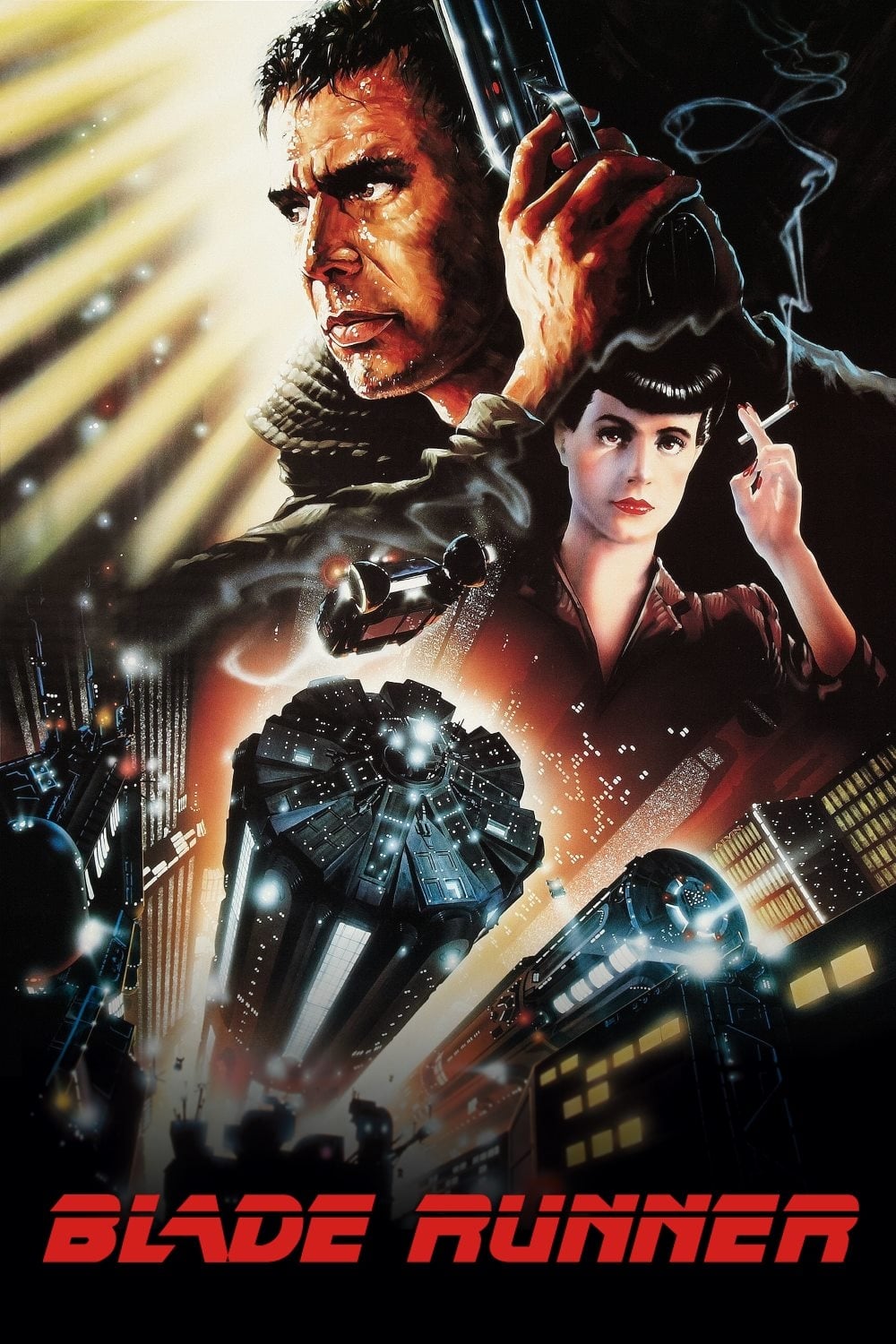
Ridley Scott’s film adapts elements from Philip K. Dick’s novel and layers them with heavy production design led by Lawrence G. Paull and conceptual art by Syd Mead. Multiple official cuts alter narrative emphasis, and Vangelis’s synthesizer score provides a consistent sonic atmosphere across versions.
Miniature effects, optical compositing, and neon-drenched sets establish a dense visual language. The Voight-Kampff sequences, origami motifs, and advertising billboards serve as recurring visual anchors that reward attention to framing and set dressing.
‘Blade Runner 2049’ (2017)
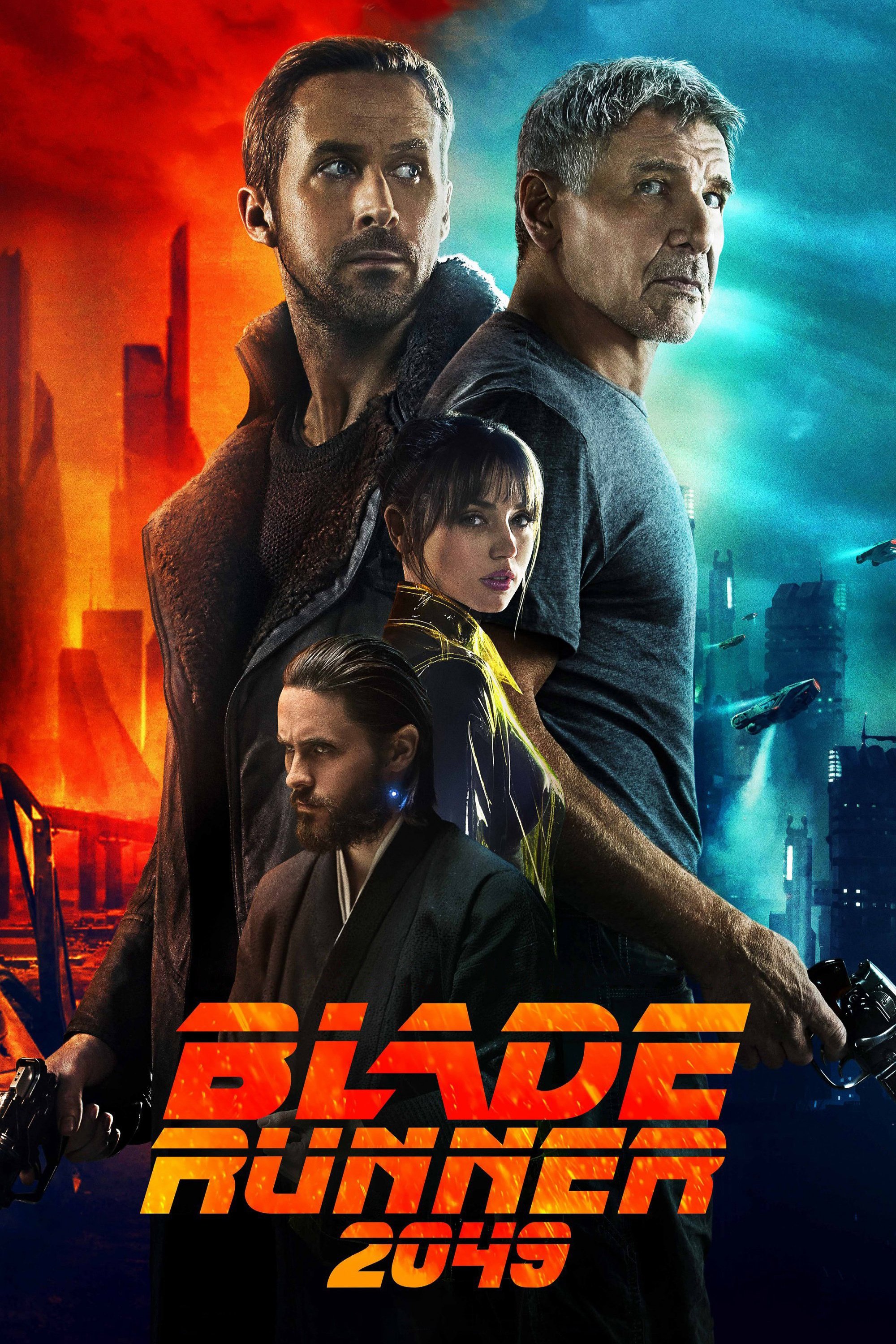
Denis Villeneuve continues the story with a screenplay by Hampton Fancher and Michael Green, integrating new characters with established mythology. Roger Deakins’s cinematography employs large-format digital capture and practical light sources to create distinct color environments.
The film uses diegetic archives, baseline tests, and repeated imagery to encode character history. Production design by Dennis Gassner and sound work by Mark Mangini and Theo Green layer environmental detail, making background textures—graffiti, signage, and industrial noise—informational.
‘Inception’ (2010)
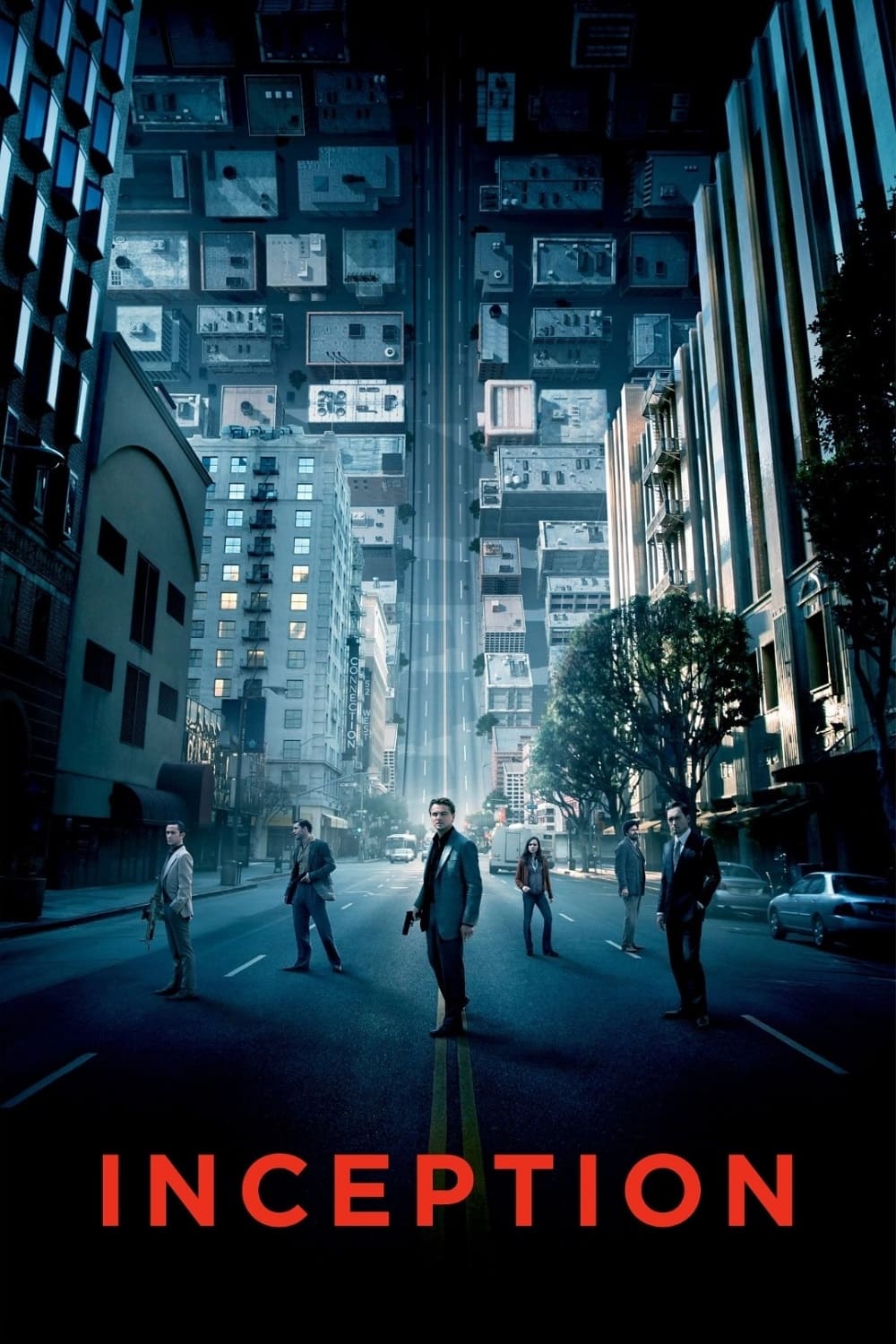
Christopher Nolan’s heist framework is organized by nested dream levels, each with individualized production design, time dilation, and rules of gravity. Editor Lee Smith cross-cuts between planes of action while Hans Zimmer’s score uses rhythmic structure that maps to the narrative’s temporal compression.
The film establishes explicit mechanics—kicks, totems, and shared dreaming protocols—so visual callbacks carry functional meaning. Practical effects, including a rotating hallway and multi-angle mount shots, provide physical continuity that clarifies geography across layers.
‘Memento’ (2000)
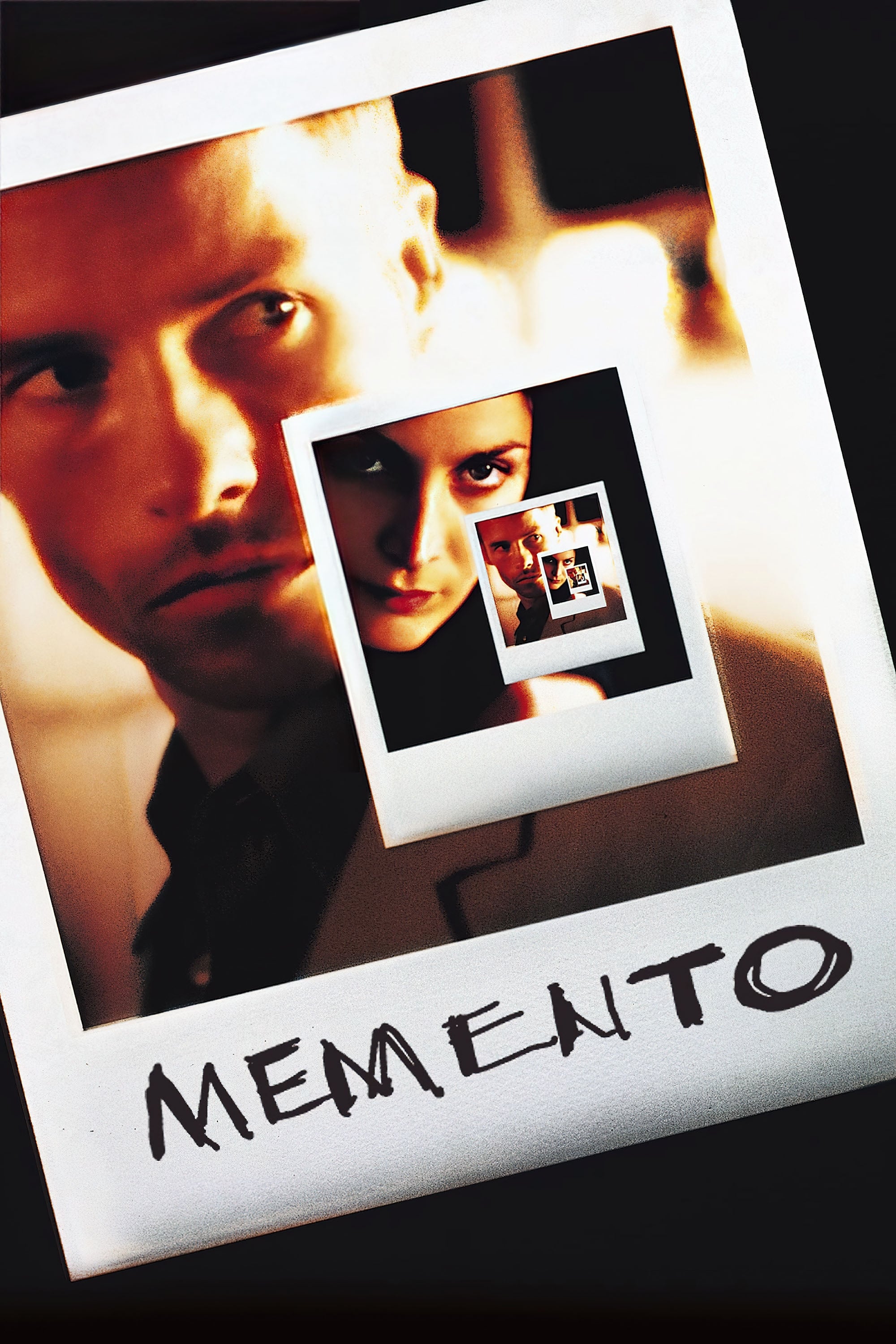
Told in alternating color and black-and-white sequences, the screenplay by Christopher Nolan adapts a short story by Jonathan Nolan. The color scenes move in reverse order, while the monochrome scenes progress forward, converging at a central junction.
Prop placement—Polaroids, tattoos, and motel paraphernalia—acts as narrative memory. The editing pattern, repeated transitional sounds, and meticulous continuity create a closed loop that reveals cause-and-effect only after the structure becomes clear.
‘Fight Club’ (1999)

David Fincher’s adaptation of Chuck Palahniuk’s novel integrates voiceover with precise sound design to align interior and exterior action. Visual effects and single-frame insertions are deployed as deliberate cues, and the production design tracks consumer objects as functional markers.
The film’s credit sequences, split-location sets, and recurring signage guide viewers through changes in setting and identity. Cinematographer Jeff Cronenweth’s palette and lens choices differentiate corporate environments from underground spaces, creating parallel visual systems.
‘Se7en’ (1995)
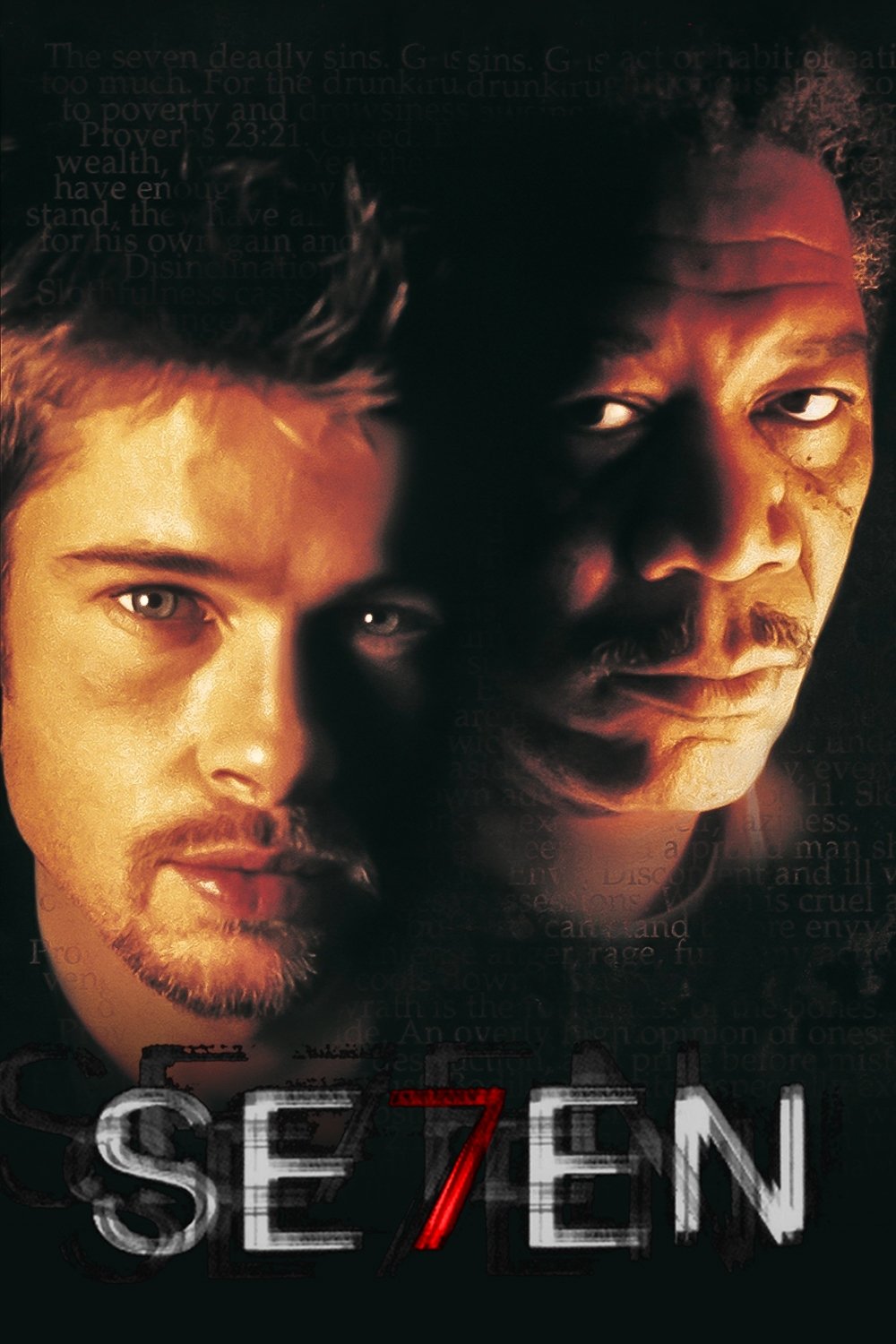
Andrew Kevin Walker’s screenplay structures the investigation around a sequence of themed crime scenes. Fincher’s direction emphasizes procedural detail—evidence handling, library research, and casework rhythms—supported by Darius Khondji’s cinematography.
The opening credits, designed by Kyle Cooper, establish a tactile motif that repeats through notebooks and forensic props. Soundscapes underline location character, and the timeline’s weather patterning and city geography act as narrative constraints.
‘The Prestige’ (2006)
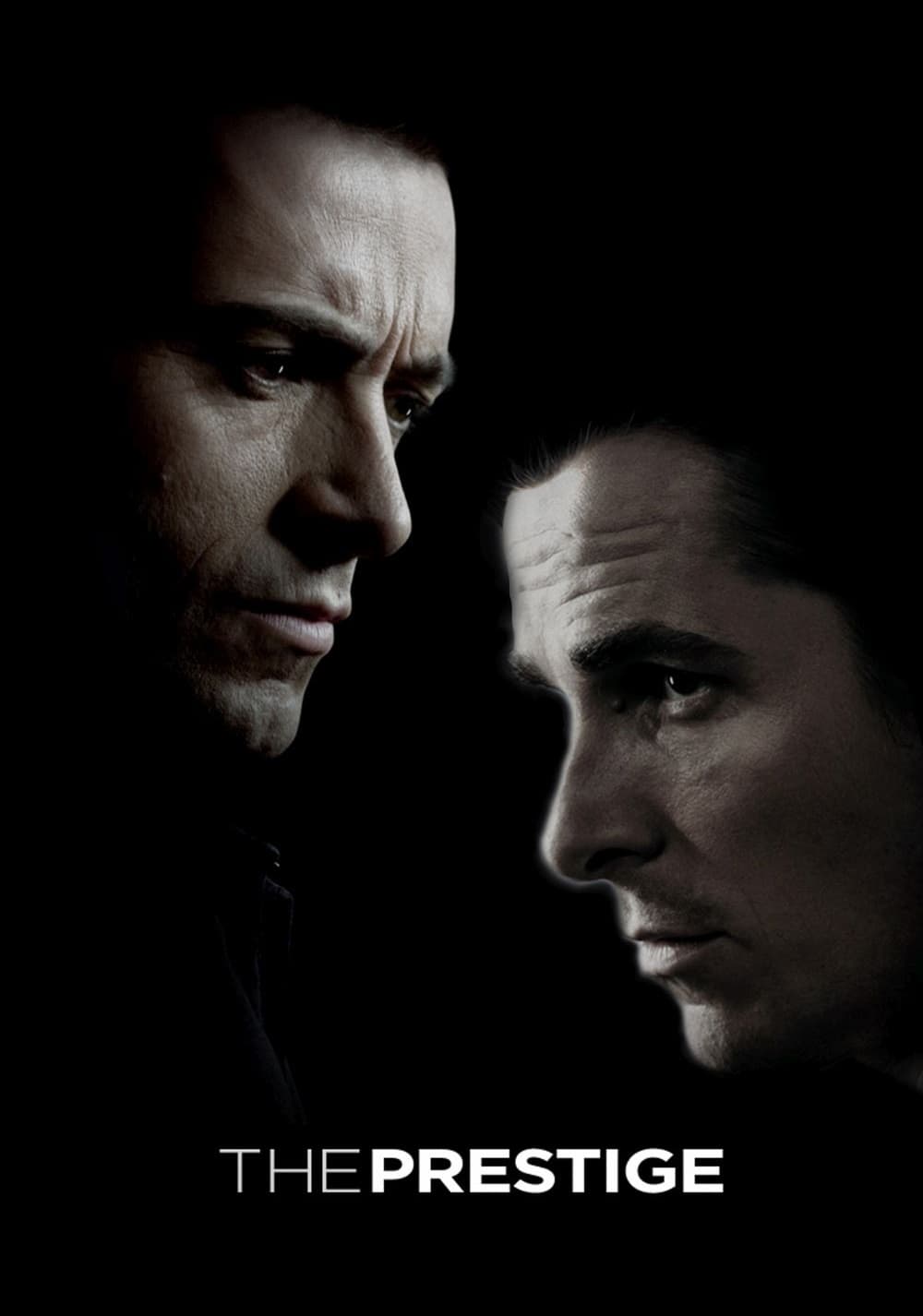
Adapted from Christopher Priest’s novel, the film is built around three-act magic terminology—pledge, turn, prestige—embedded into the script by Jonathan and Christopher Nolan. Dual journals and nested flashbacks create a mirrored structure that recontextualizes earlier scenes.
Production design tracks rival stagecraft through distinct apparatus, workshop tools, and costume details. The inclusion of historical figures and period technology grounds the illusion mechanics in documented practices of stage engineering and electricity.
‘The Matrix’ (1999)
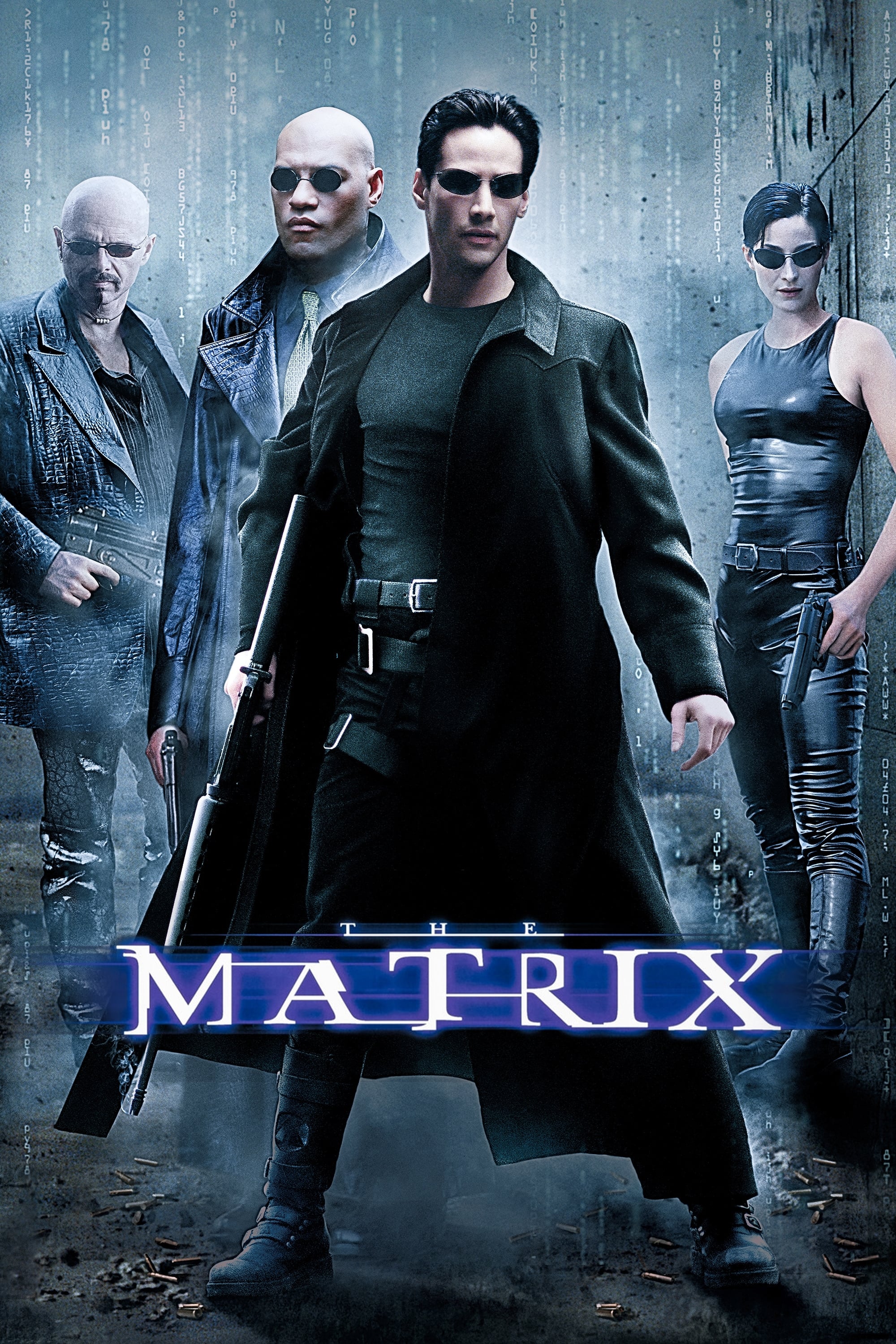
Lana and Lilly Wachowski combine cyberpunk influences, wire-fu choreography, and virtual-world logic into a codified ruleset. The film popularized bullet time using multi-camera arrays, while editor Zach Staenberg’s pacing links action beats with exposition.
Color timing differentiates environments, and costume design builds visual shorthand for character roles. The use of screen code, mirrored surfaces, and red-versus-blue props forms a consistent system of cues about choice and control.
‘Mulholland Drive’ (2001)
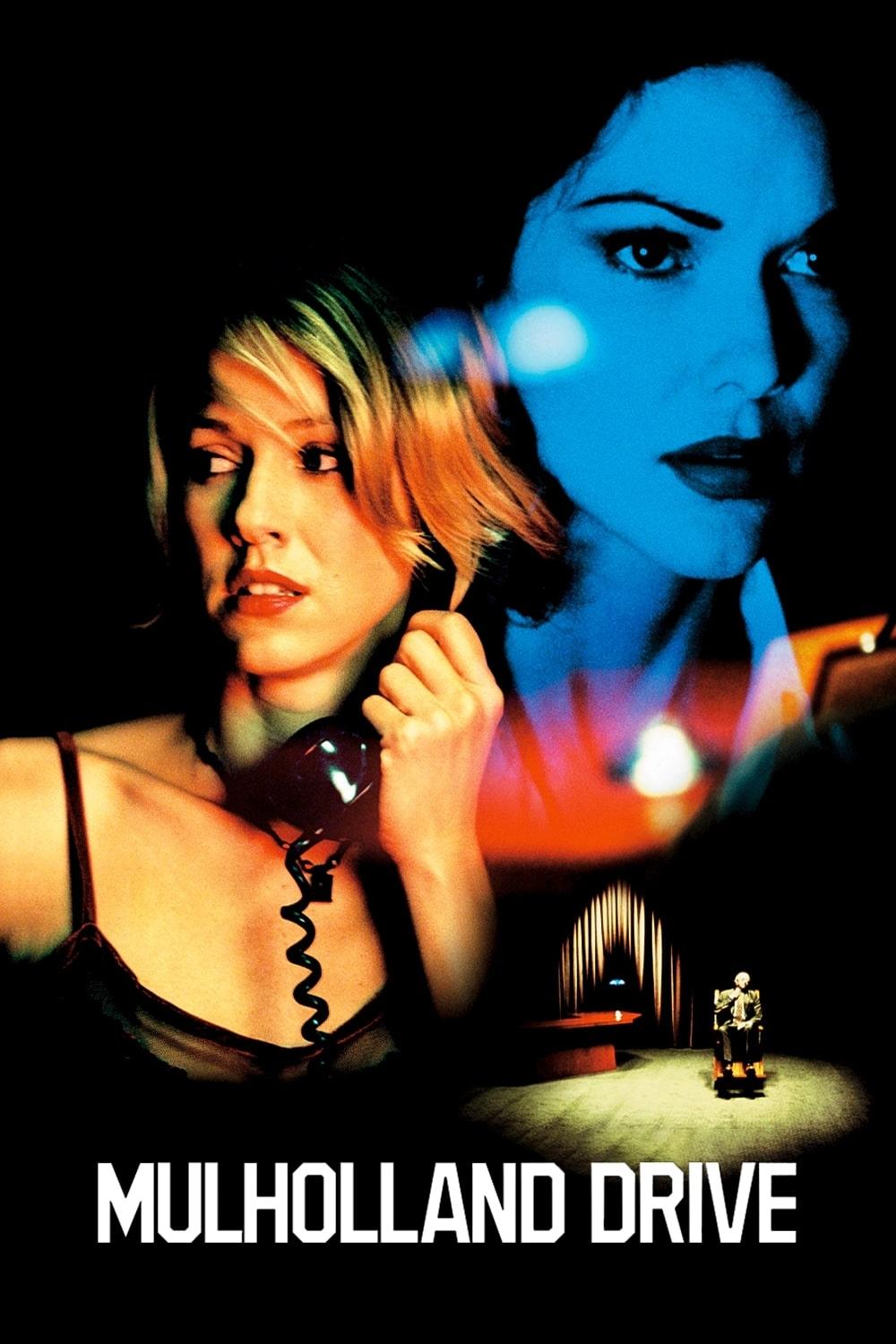
David Lynch’s film reorders cause and effect through dream logic, using repeated locations and performances to suggest fractured identities. Angelo Badalamenti’s score and sparse ambient sound establish mood while allowing environmental noises to carry narrative weight.
Props—blue key, blue box, and specific wigs—operate as anchors between segments. Club Silencio’s scene acts as a structural hinge, and casting selection leverages type and voice to echo roles across shifting contexts.
‘Donnie Darko’ (2001)
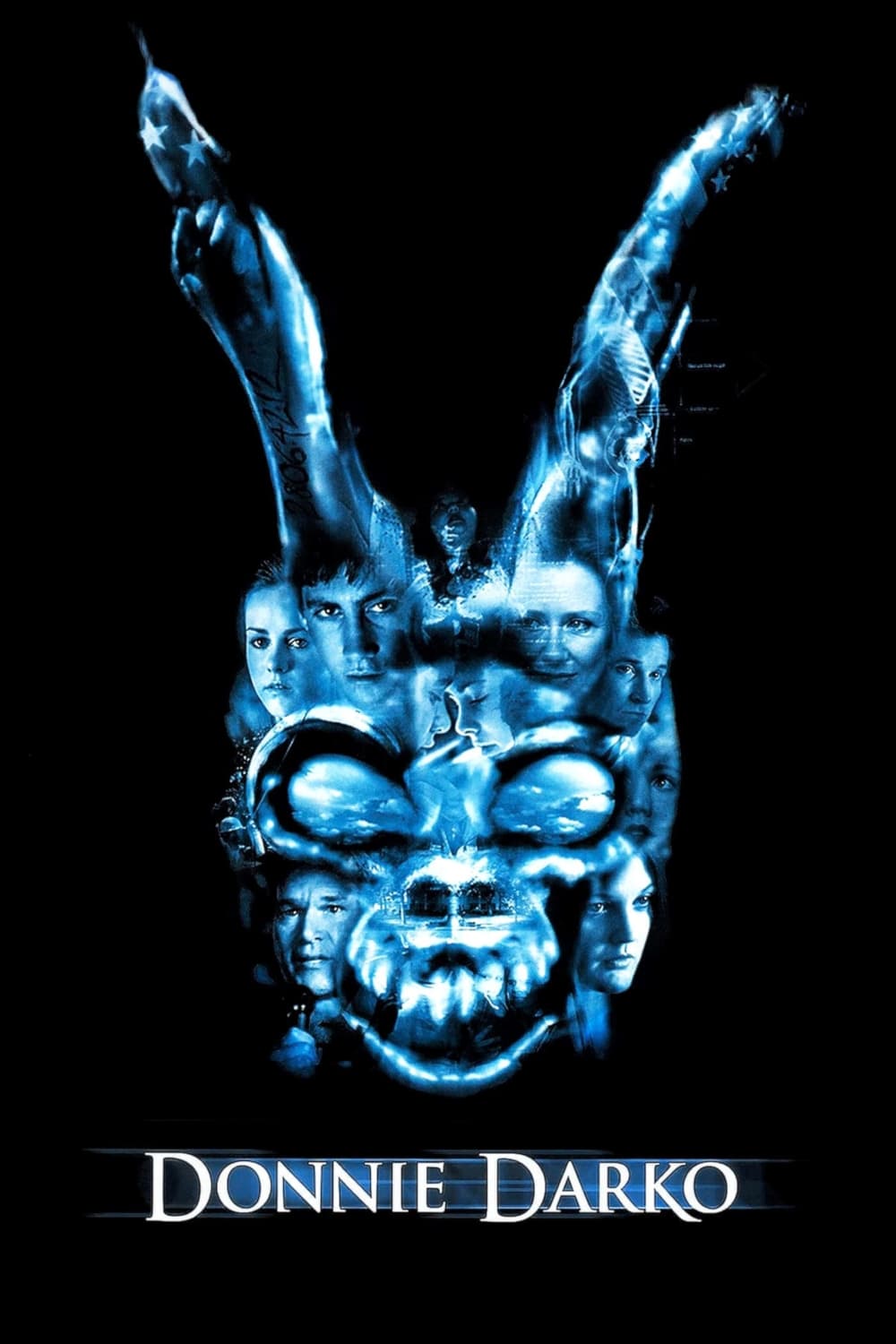
Richard Kelly’s screenplay mixes suburban drama with speculative elements, using a coded calendar of events, notebooks, and classroom scenes. The director’s cut adds textual inserts that outline in-universe concepts, clarifying cause-and-effect chains.
Production design supports temporal mapping through repeated poster art and school signage. Needle drops and location revisits help track character routes, and Frank’s costume design functions as a reliable waypoint across scenes.
‘Arrival’ (2016)
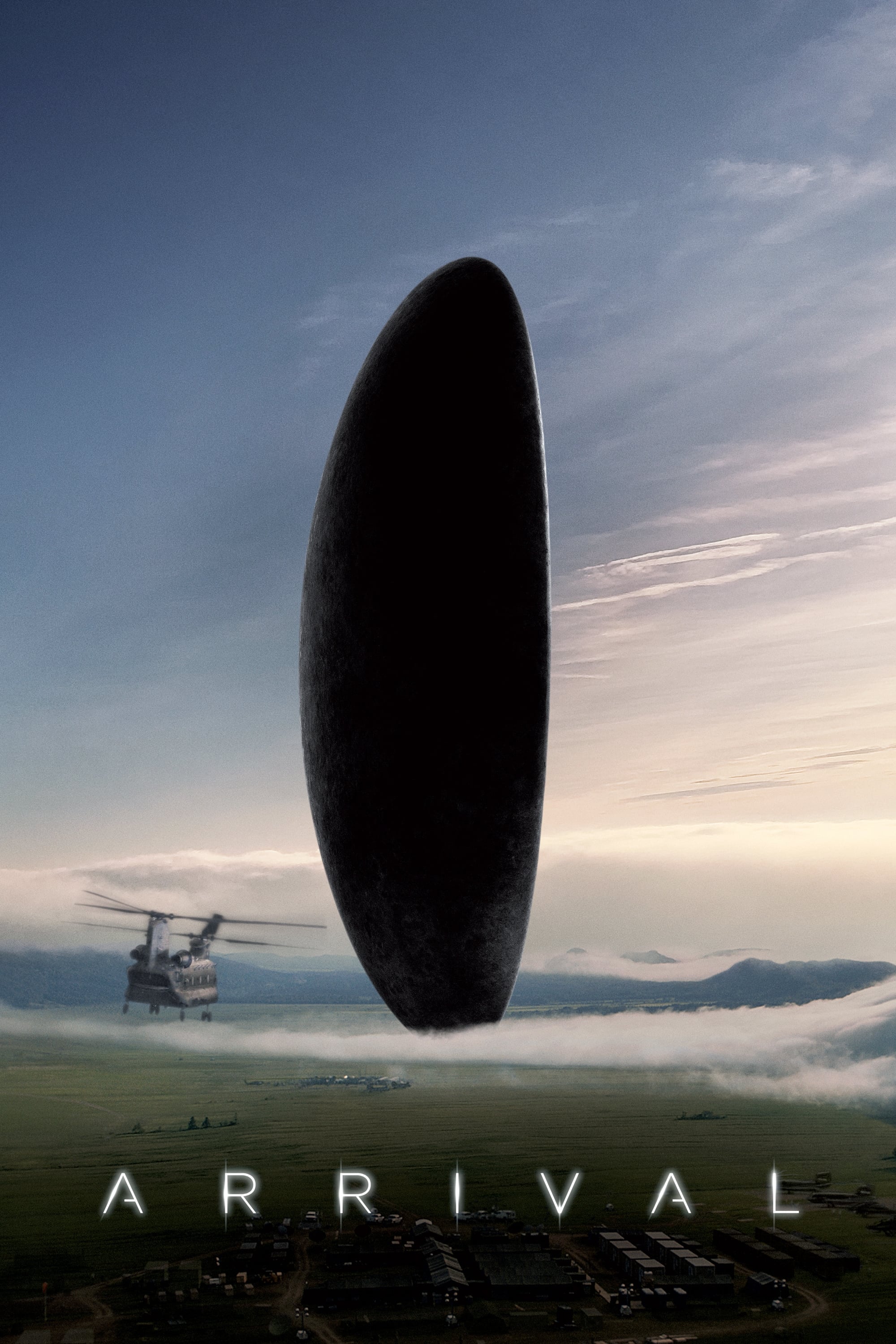
Denis Villeneuve’s adaptation of a Ted Chiang story centers on linguistics, with on-screen analysis of logograms, field methods, and translation protocols. Bradford Young’s cinematography and Jóhann Jóhannsson’s score create a tactile sense of process in the temporary camp.
Montage patterns connect language acquisition with personal imagery. The heptapod writing system has consistent internal rules, and production elements—whiteboards, audio spectrograms, and camera housings—visualize the scientific workflow.
‘Her’ (2013)
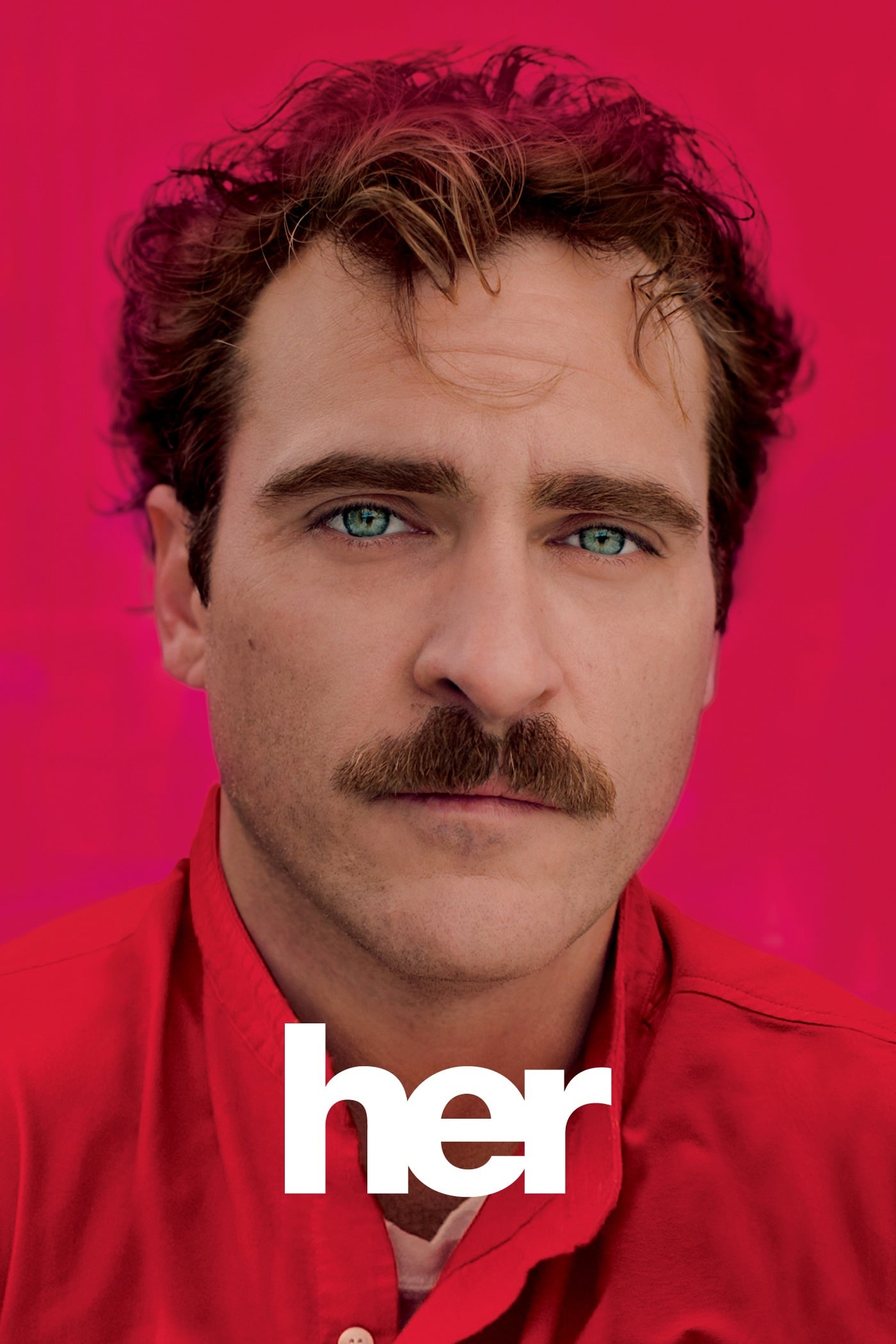
Spike Jonze’s original screenplay focuses on interface design, urban architecture, and human–AI interaction. Production design merges recognizable devices with near-future materials, grounding the story’s technology in plausible ergonomics.
The color palette and costuming favor warm textiles and minimal hardware, aligning with a quiet soundscape. On-screen UI, voice command latency, and file organization are depicted with consistent behavior that supports the narrative’s timeline.
‘Interstellar’ (2014)
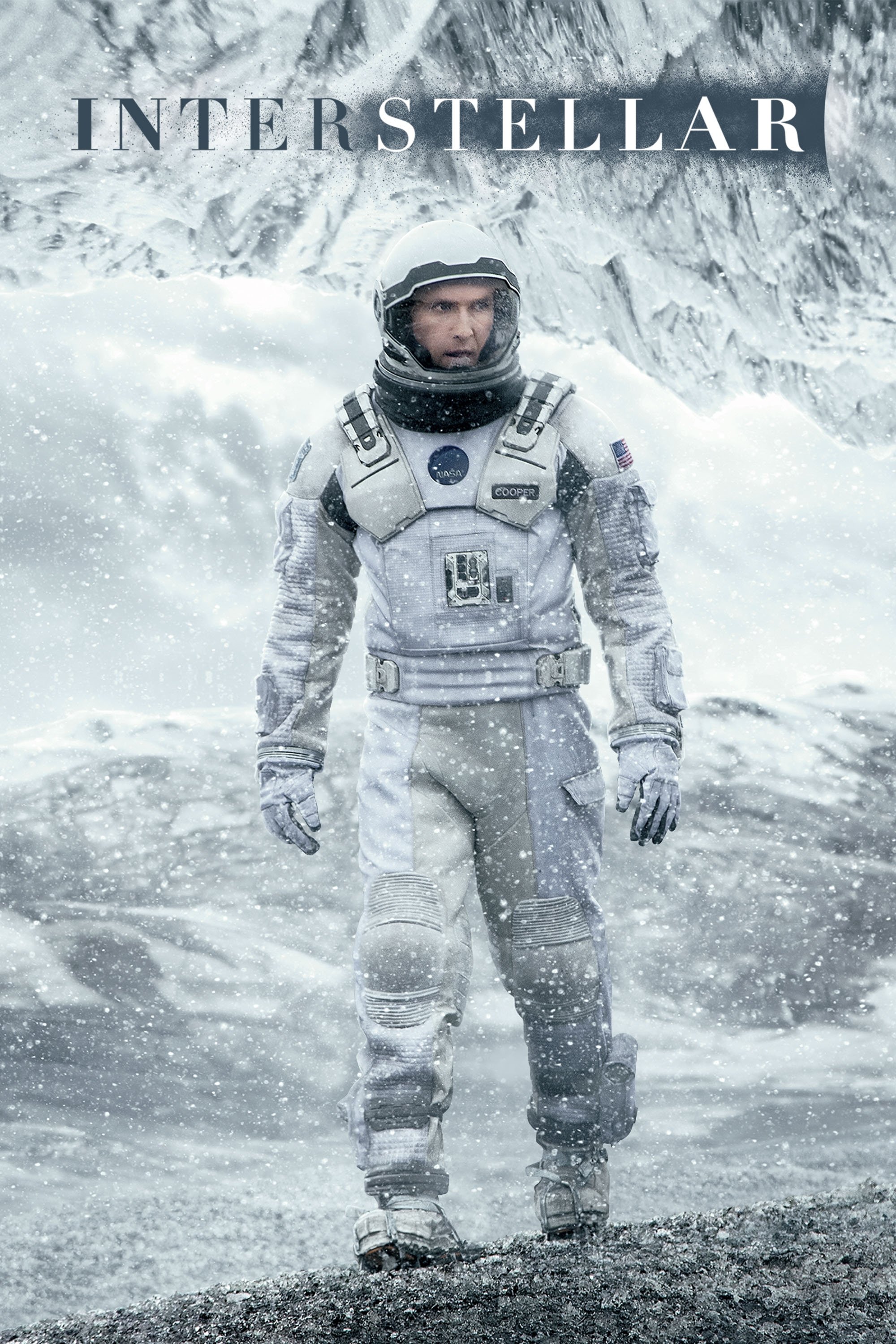
Nolan’s film integrates relativity with practical spacecraft sets and projection-based exteriors. Physicist Kip Thorne consulted on visualizations for accretion disks and gravitational lensing, producing data-informed imagery.
Time dilation is mapped through clocks, audio motifs, and the editing of parallel storylines. TARS and CASE are realized with mechanical rigs, giving the robots stable physics that match the environments.
‘Parasite’ (2019)
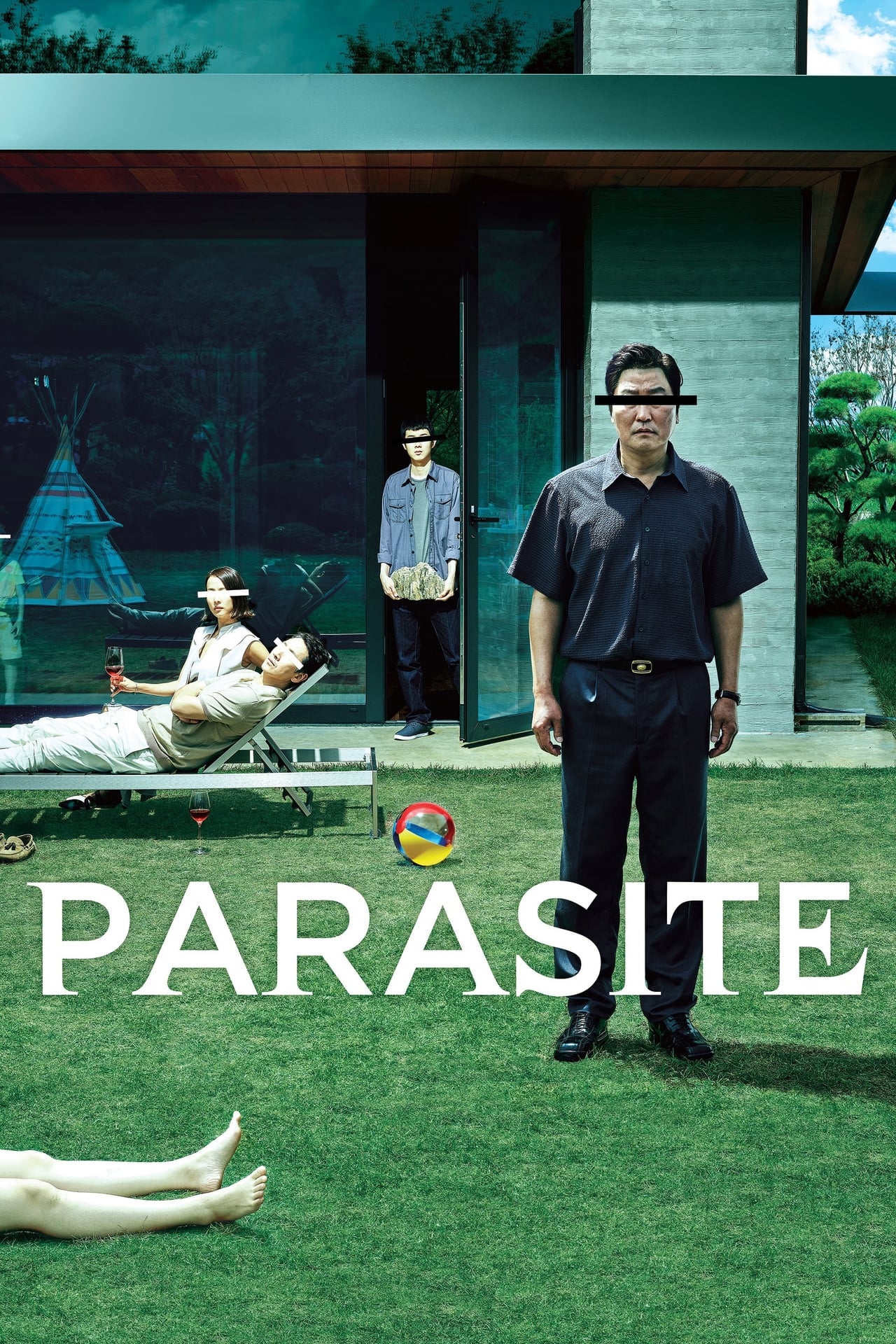
Bong Joon-ho’s film uses a purpose-built house with layered architecture to stage class dynamics. The set’s lines of sight, window placements, and elevation changes enable complex blocking that tracks character movement.
Rain sequences and flood staging are integrated with production design to show spatial cause and effect. The screenplay maps jobs, objects, and lessons into recurring motifs, while the score uses repeated themes that align with location shifts.
‘Oldboy’ (2003)
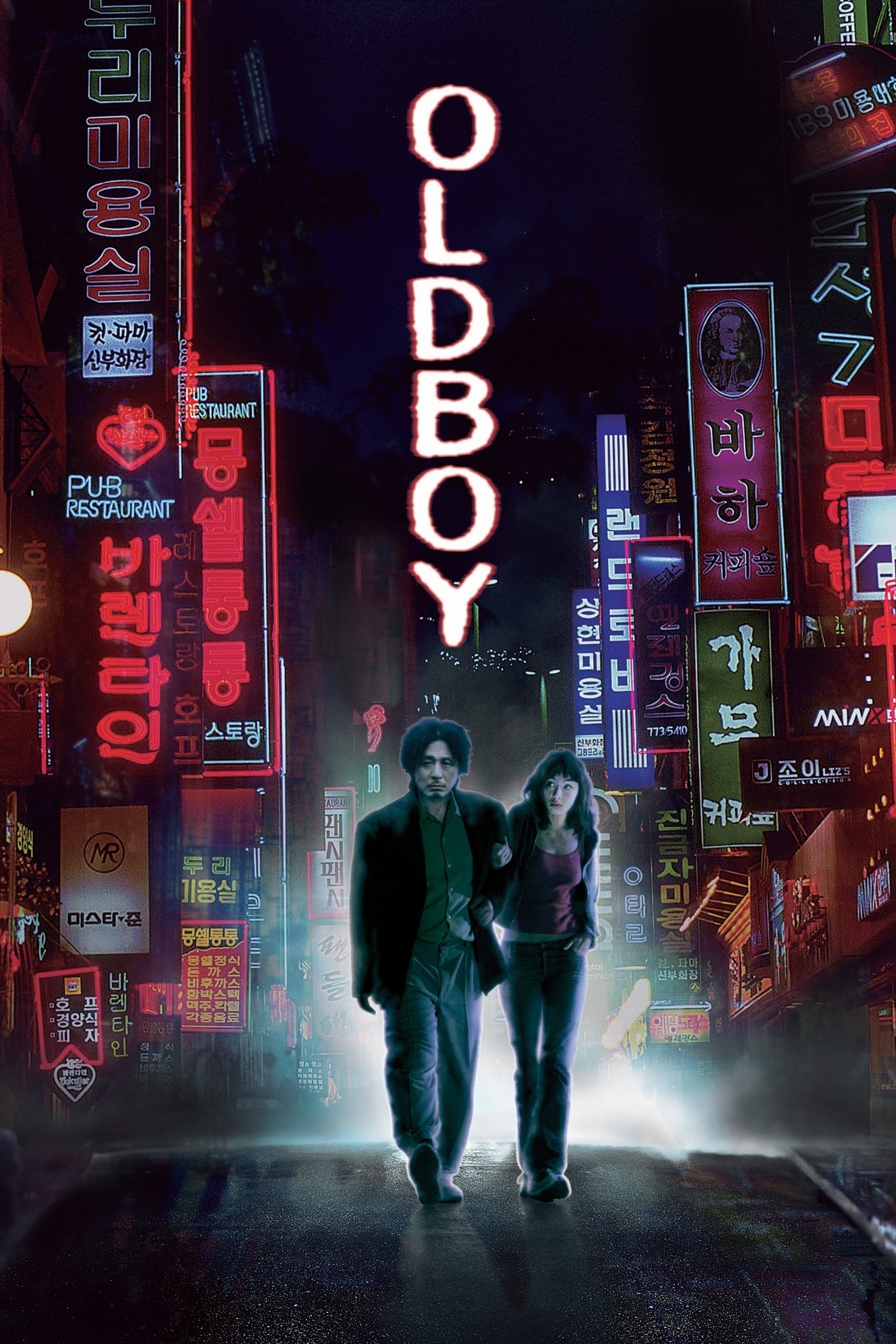
Park Chan-wook’s adaptation of a manga sources its corridor fight and seafood restaurant sequences from carefully choreographed long takes. The timeline uses captivity markers and a specific investigative trail to organize reveals.
Props—gift boxes, hypnosis tools, and photo albums—are used as narrative devices. Sound bridges and location pairings support memory themes, and the production’s color choices mark stages of discovery.
‘The Sixth Sense’ (1999)
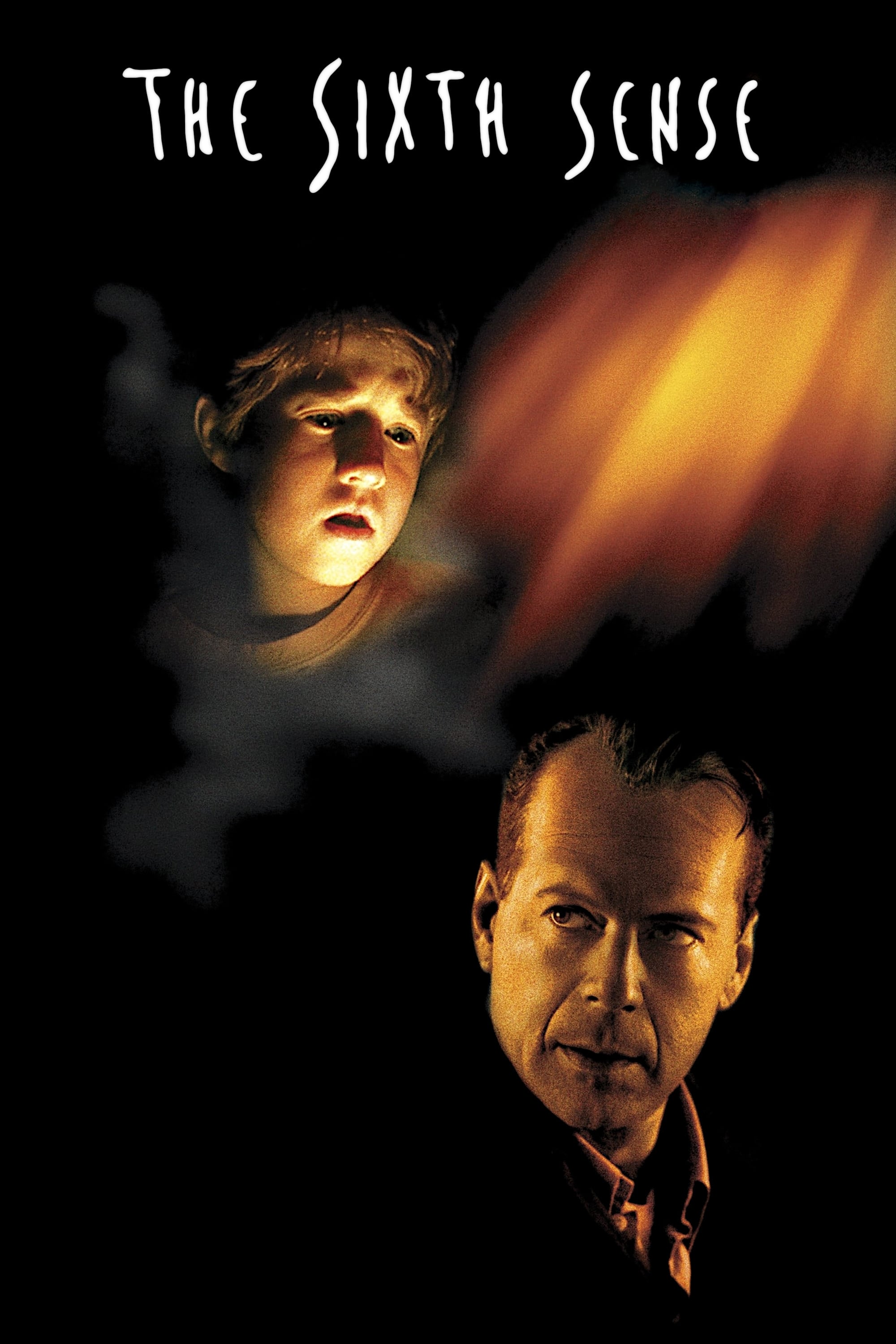
M. Night Shyamalan’s screenplay embeds clues in dialogue, blocking, and costume accents. The camera frequently adopts a restrained perspective, allowing set dressing to hold information within the frame.
Color motifs and temperature control in lighting separate domestic and clinical spaces. The film’s therapy sessions and school scenes provide functional exposition, and the score uses recurring motifs to connect scenes.
‘Shutter Island’ (2010)
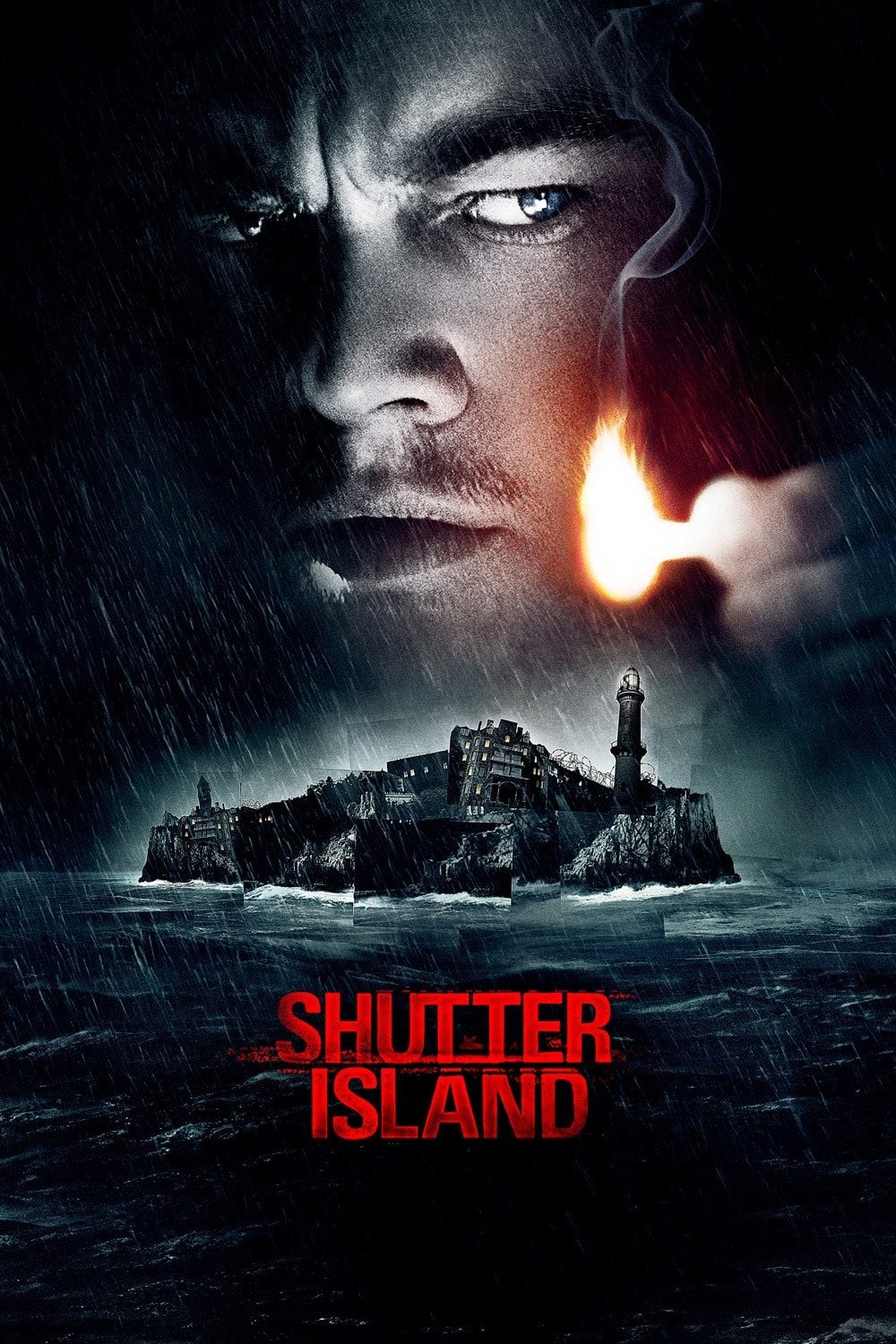
Martin Scorsese adapts Dennis Lehane’s novel with a focus on institutional procedures, patient files, and restricted areas. Robert Richardson’s cinematography and Thelma Schoonmaker’s editing lean into subjective point-of-view transitions.
Hurricane conditions and power outages are used as structural obstacles. Ward maps, badges, and medication props provide a consistent system for tracking authority and access across locations.
‘Get Out’ (2017)
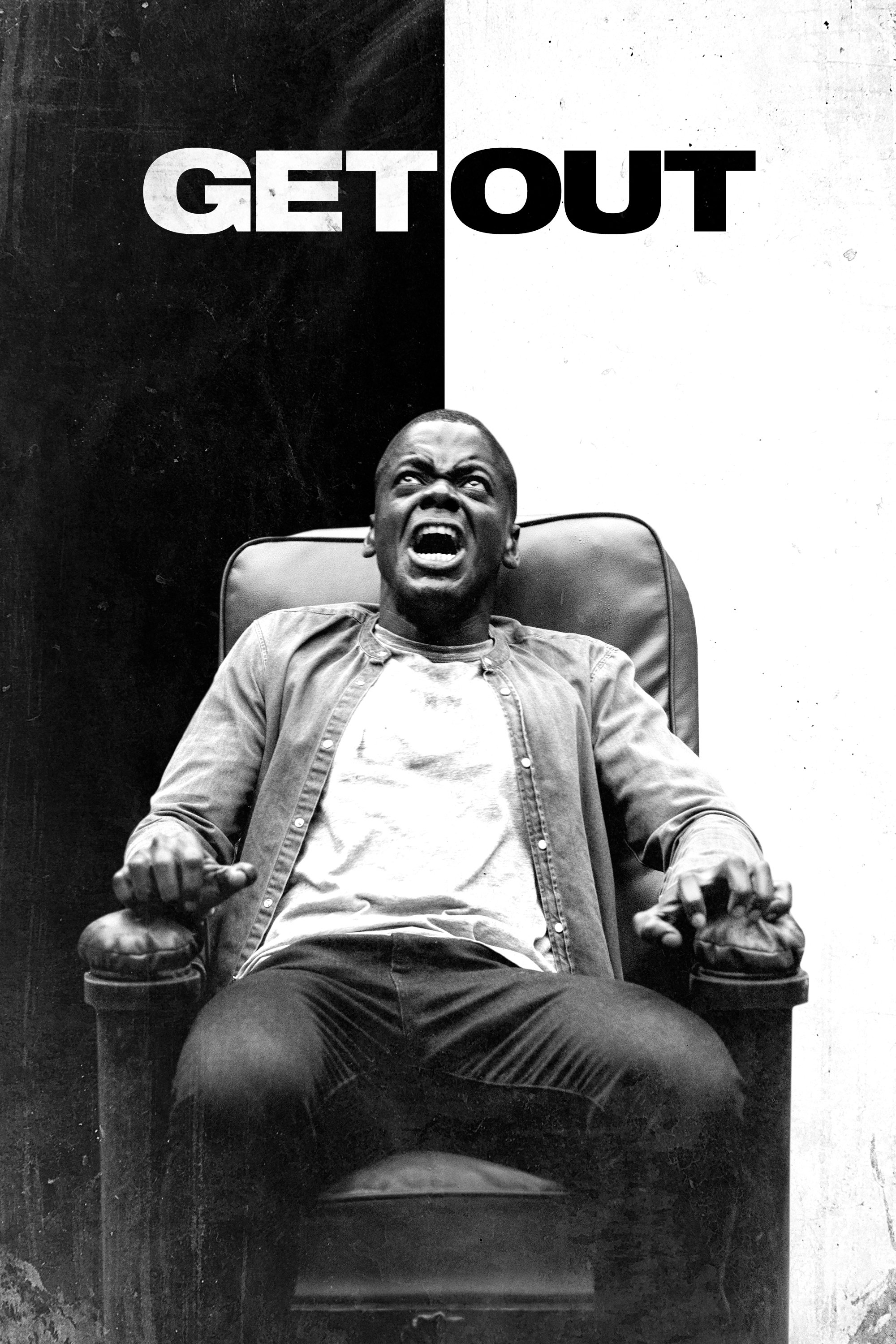
Jordan Peele’s script details social rituals, microaggressions, and household routines as plot mechanisms. The party sequence functions as a compact survey of character intent, and the hypnosis scenes standardize visual and audio cues for altered states.
Production design coordinates props—photographs, deer imagery, and teacups—as recurring signals. Foley and sound design emphasize small domestic noises, and the score blends choral elements with suspense patterns to mark transitions.
‘Us’ (2019)
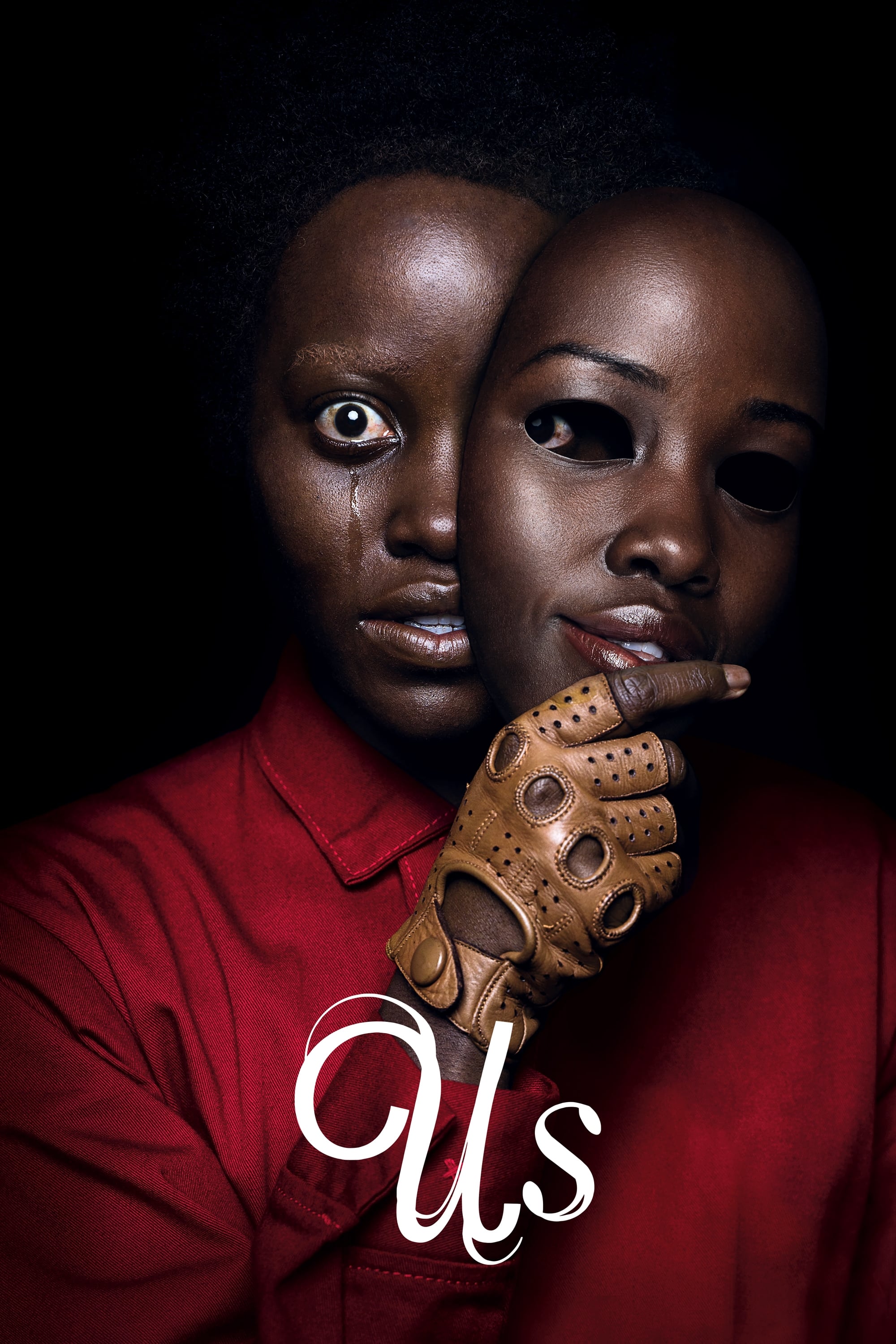
The film establishes an underground infrastructure with defined tools, clothing, and mirrored actions. Opening text and classroom references provide a baseline of in-universe context for later visual echoes.
Scissors, red jumpsuits, and a specific chain gesture serve as repeating emblems. The use of hands-across imagery, boardwalk geography, and tethered choreography creates formal parallels between spaces.
‘The Shining’ (1980)
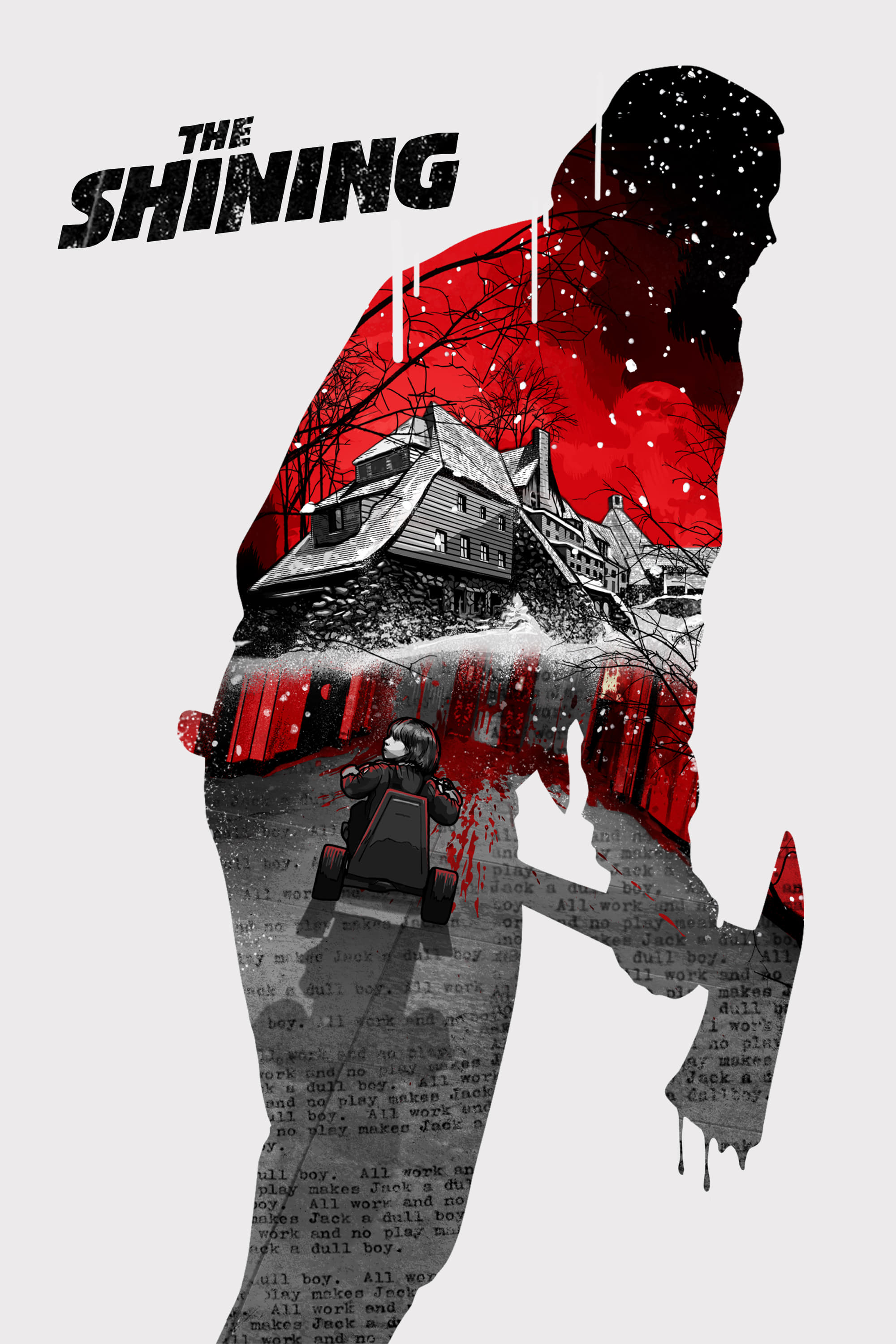
Stanley Kubrick reimagines Stephen King’s material with Steadicam tracking and precisely designed hotel corridors. The Overlook’s set is built to support long, symmetrical shots that map movement and isolation.
Patterns in carpeting, window placement, and signage create spatial puzzles. Typewritten pages, ballroom décor, and pantry inventory act as concrete, repeatable elements that tie scenes together.
‘2001: A Space Odyssey’ (1968)
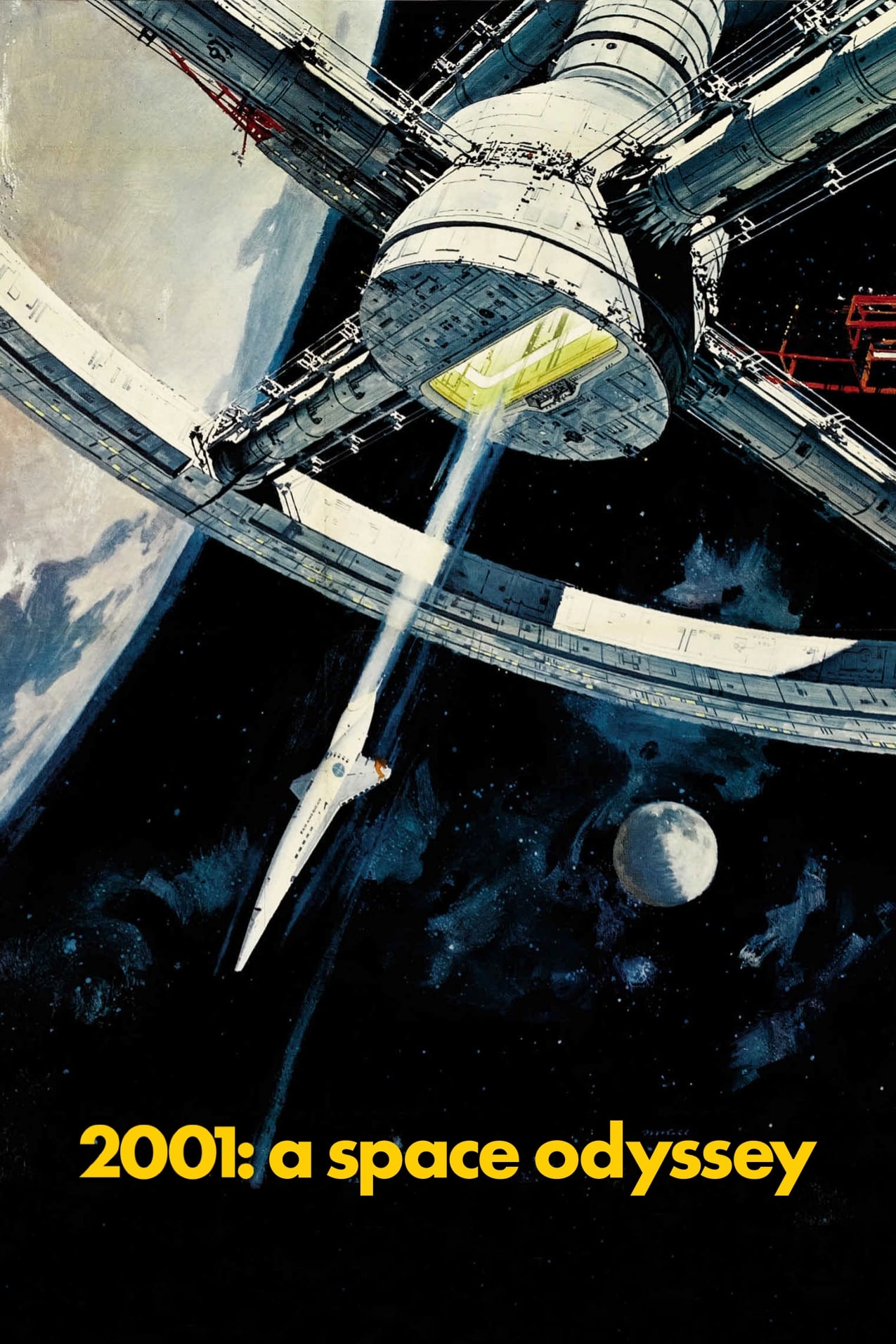
Kubrick’s collaboration with Arthur C. Clarke produced an effects pipeline using front projection, slit-scan photography, and miniatures. The film’s structure divides into clear sections with music choices functioning as narrative markers.
Set design emphasizes functional spacecraft controls and consistent typography. HAL’s interface, mission briefings, and EVA protocols are detailed with procedural accuracy that informs character decisions.
‘Pulp Fiction’ (1994)
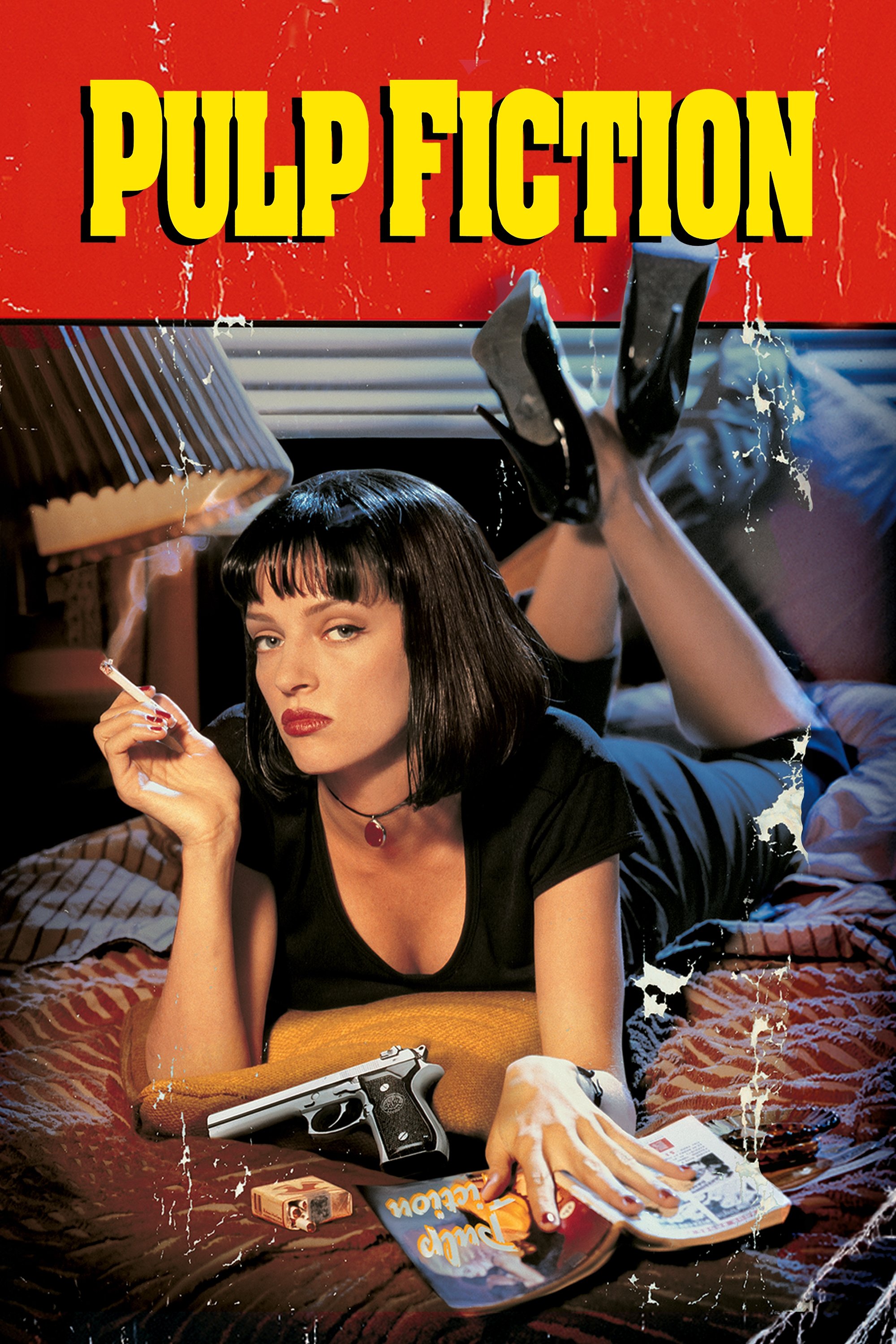
Quentin Tarantino orders interlocking stories out of sequence, using props—watches, briefcases, and diner menus—as connective tissue. Title cards and musical needle drops clearly bracket segments.
The screenplay assigns character-specific idiolects, and the camera maintains consistent lensing for recurring locations. Production design differentiates apartments, bars, and a pawnshop with distinctive textures that repeat on reappearance.
‘Reservoir Dogs’ (1992)
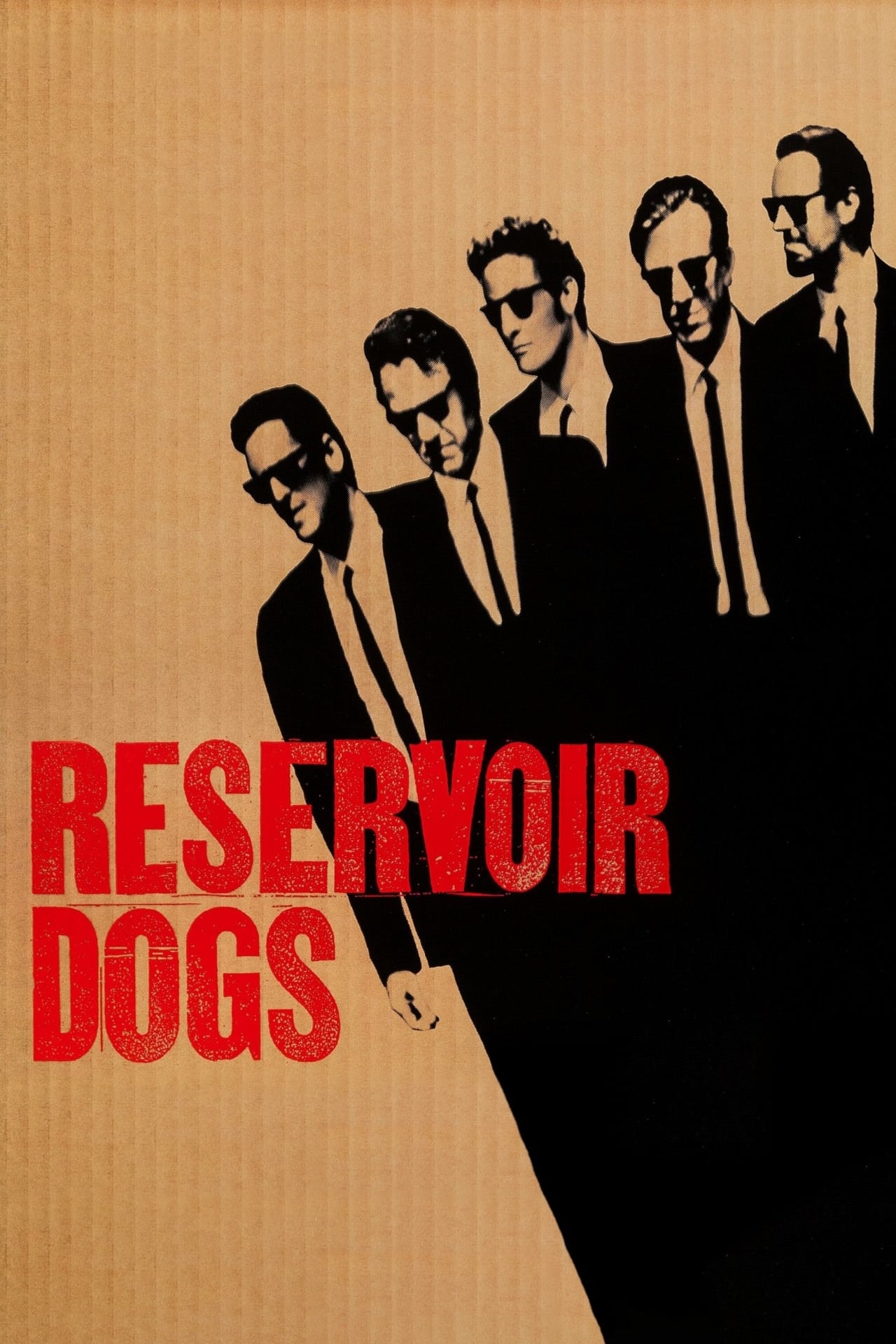
The heist structure omits the central robbery and instead reconstructs events through colored code names and interrogation scenes. Costuming and location reuse emphasize budget-conscious staging that turns a warehouse into a narrative hub.
Dialogue-heavy scenes provide factual timelines, while radio chatter and pop songs locate the story in a specific cultural moment. The script’s flashbacks fill in recruitment and preparation as functional exposition.
‘The Usual Suspects’ (1995)
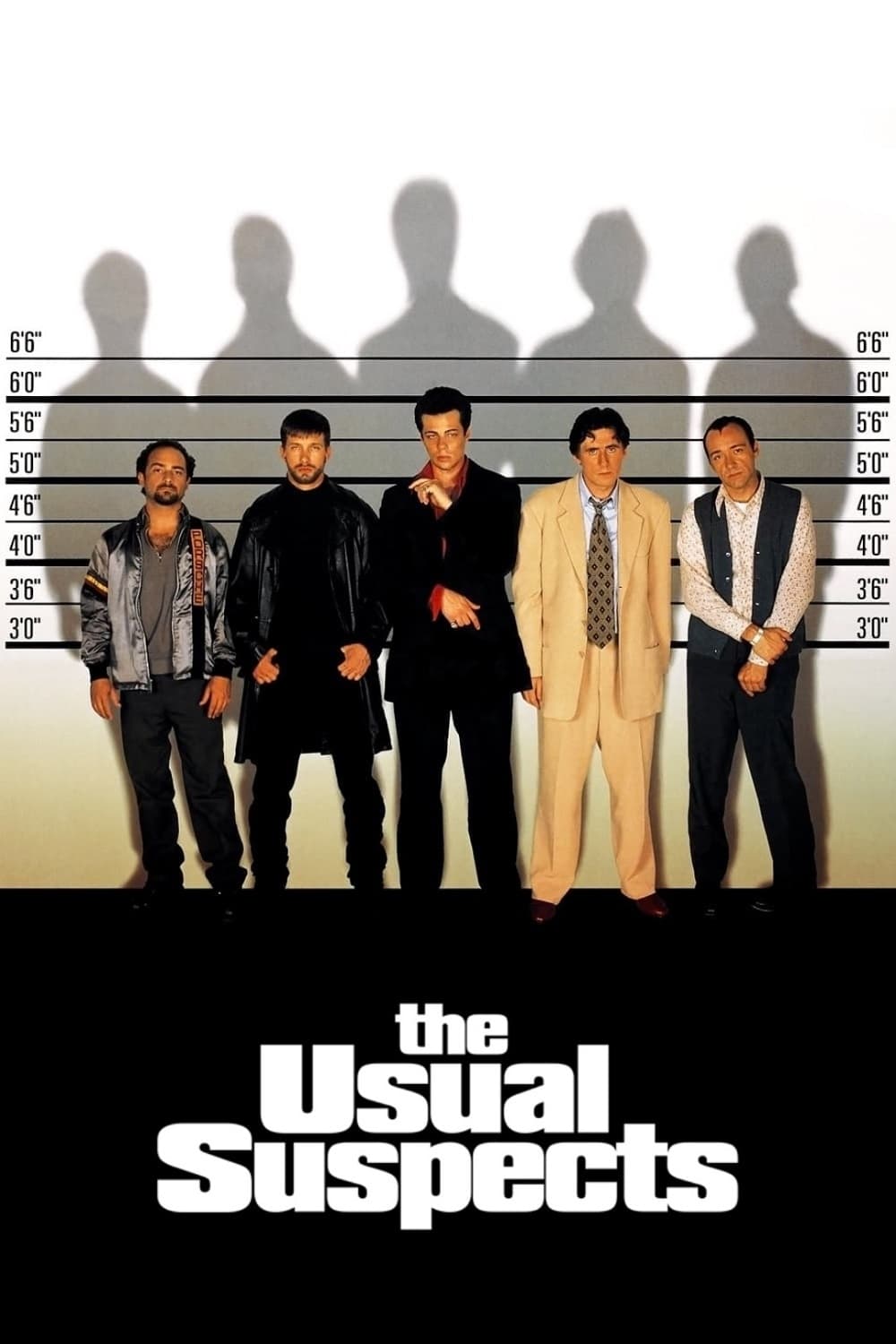
Christopher McQuarrie’s script centers on a police interview that anchors the timeline. Visual cues—bulletin boards, coffee cups, and ship manifests—populate the background with data.
Bryan Singer’s direction uses cross-cut testimony and lineup scenes to align multiple accounts. Editorial choices place emphasis on props and signage, encouraging close reading of set details.
‘The Big Lebowski’ (1998)
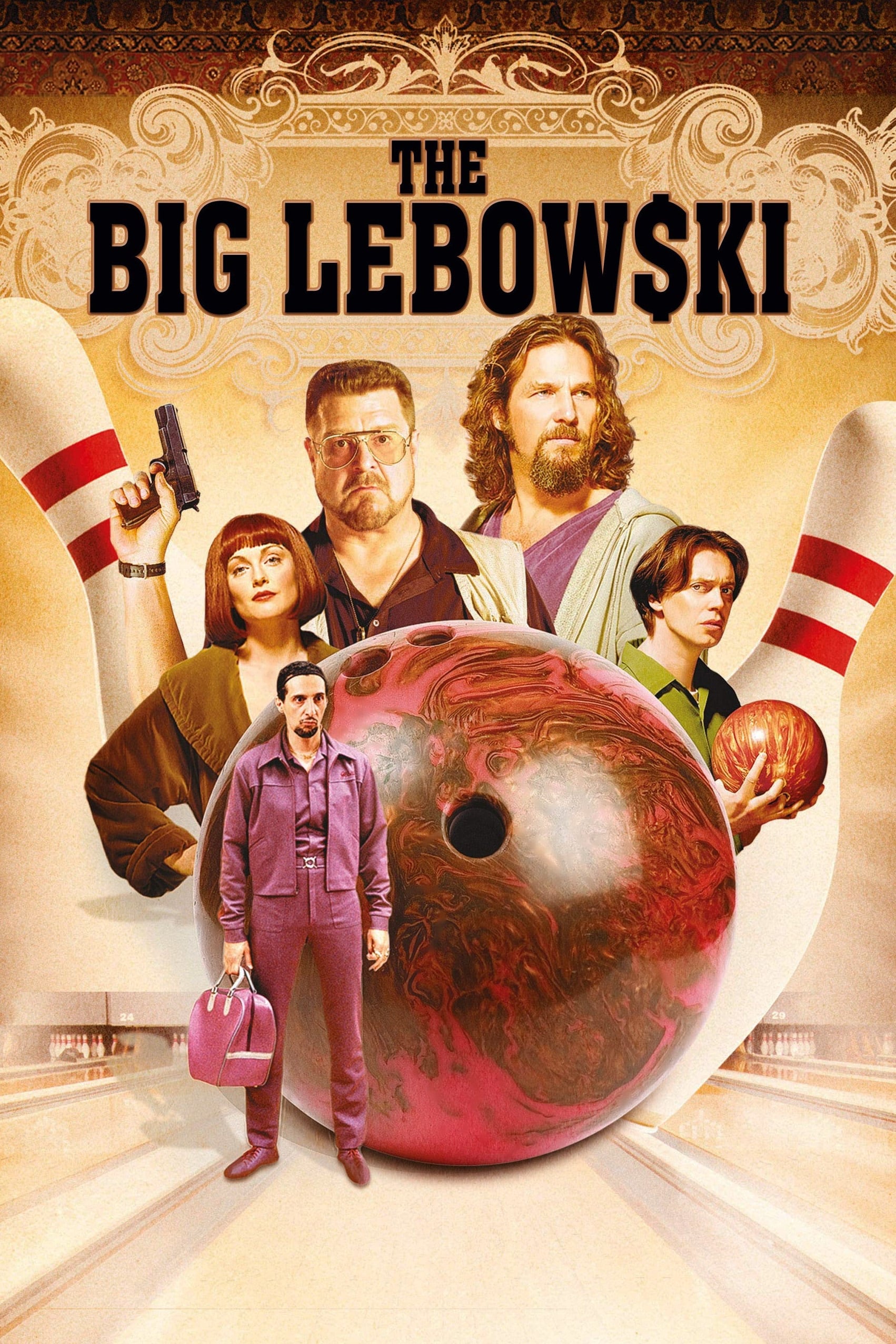
Joel and Ethan Coen’s screenplay riffs on detective-story structures, substituting bowling alleys and Los Angeles neighborhoods for traditional noir haunts. Character nicknames, rugs, and league schedules act as repeating markers.
Dream interludes use choreographed set pieces that echo real-world props. The soundtrack’s curated tracks and diegetic performances connect scenes through musical callbacks.
‘Heat’ (1995)
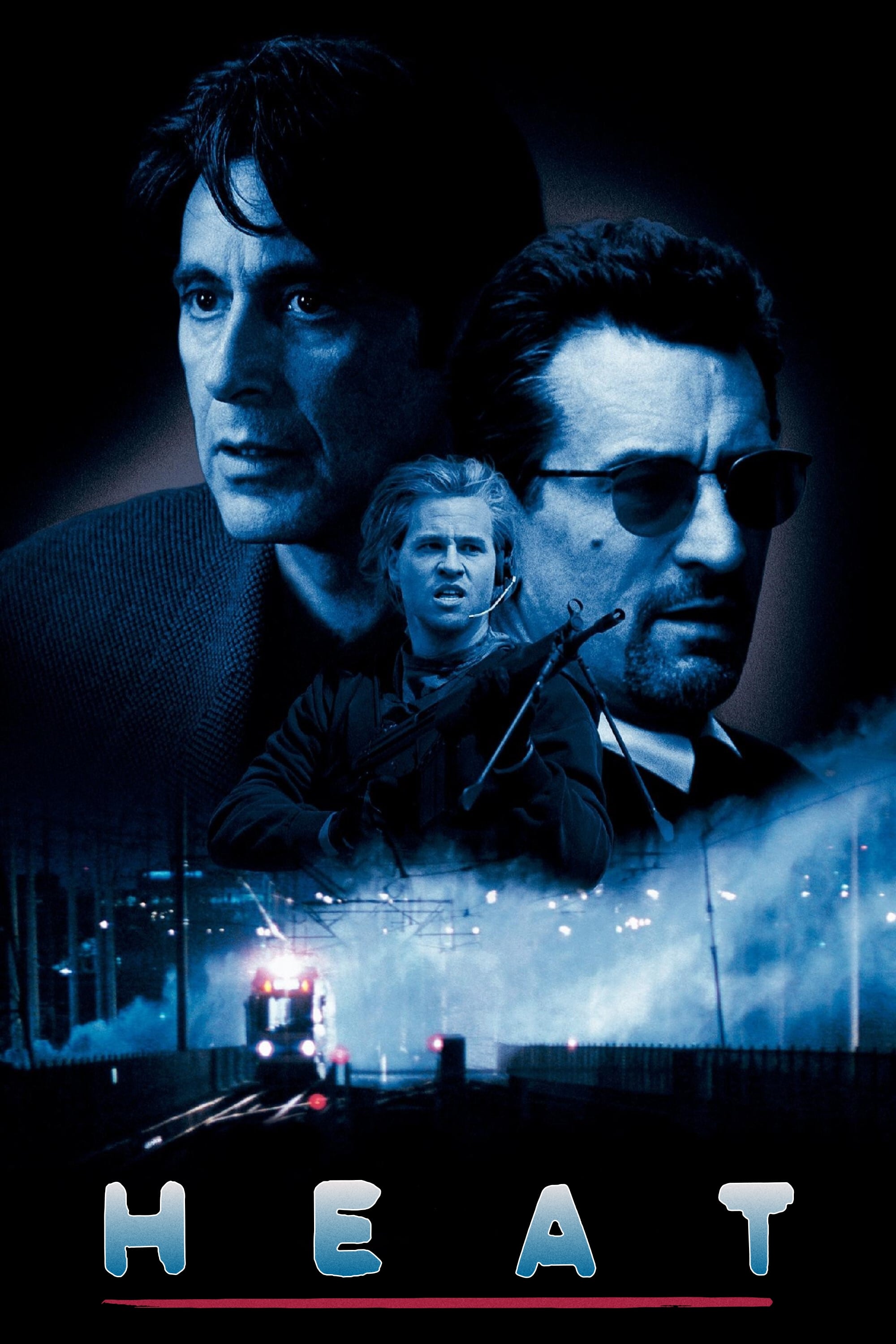
Michael Mann stages professional procedure on both sides of a crime story, with documented tactics for surveillance, counter-surveillance, and crew logistics. The downtown shootout uses live-fire sound recording for realistic acoustics.
Location photography maps routes along freeways, diners, and industrial sites. The script tracks work–home conflicts through calendars, pagers, and job prep sequences that show workflow.
‘Zodiac’ (2007)
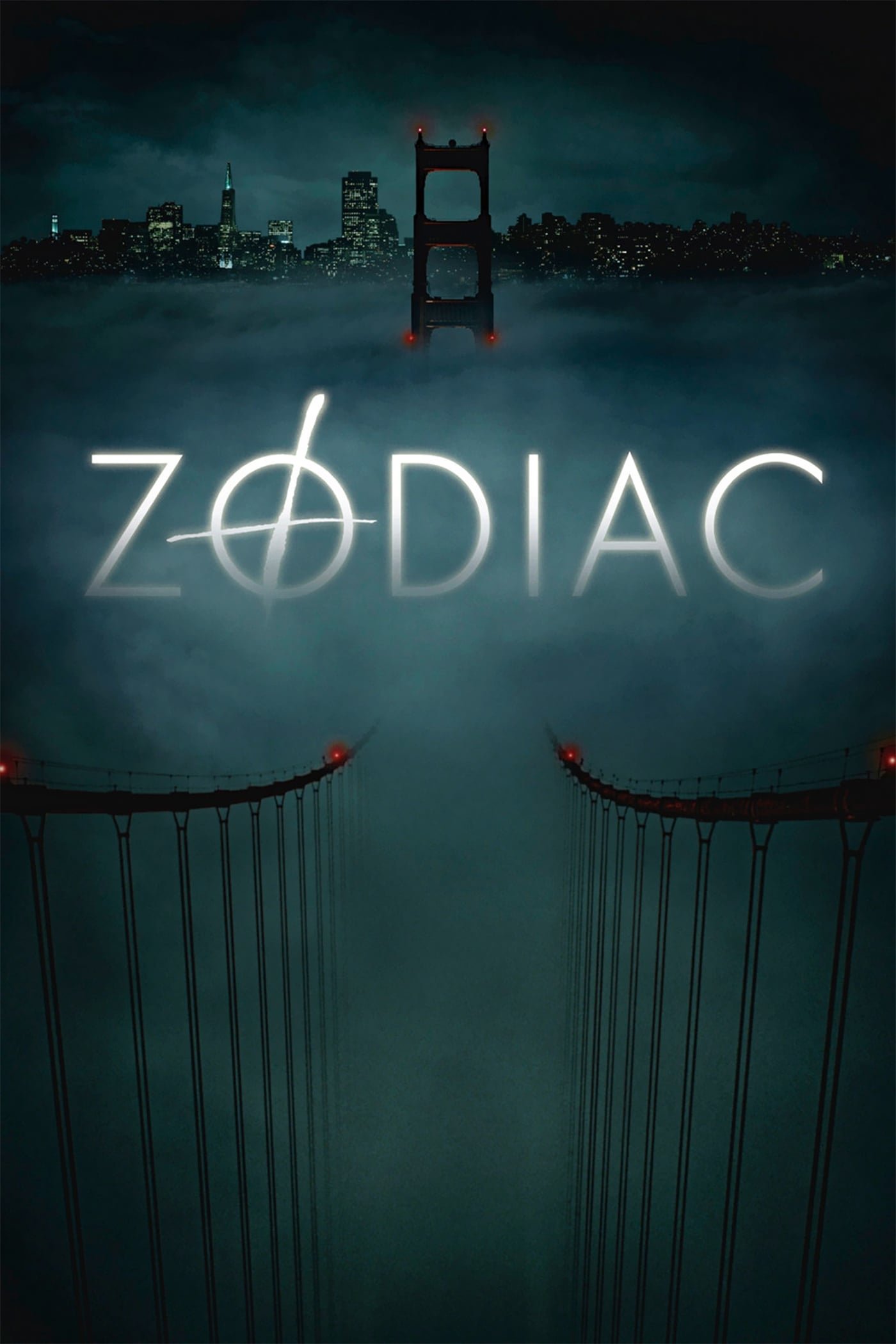
Fincher’s film chronicles journalism and police work with date-stamped documents, case files, and typography that mirrors print layouts. Digital effects reconstruct cityscapes and time-lapse sequences to visualize research spans.
The film uses multiple suspects and shifting jurisdiction to structure dead ends and updates. Sound design emphasizes newsroom machinery and handwriting analysis, grounding scenes in process.
‘The Social Network’ (2010)
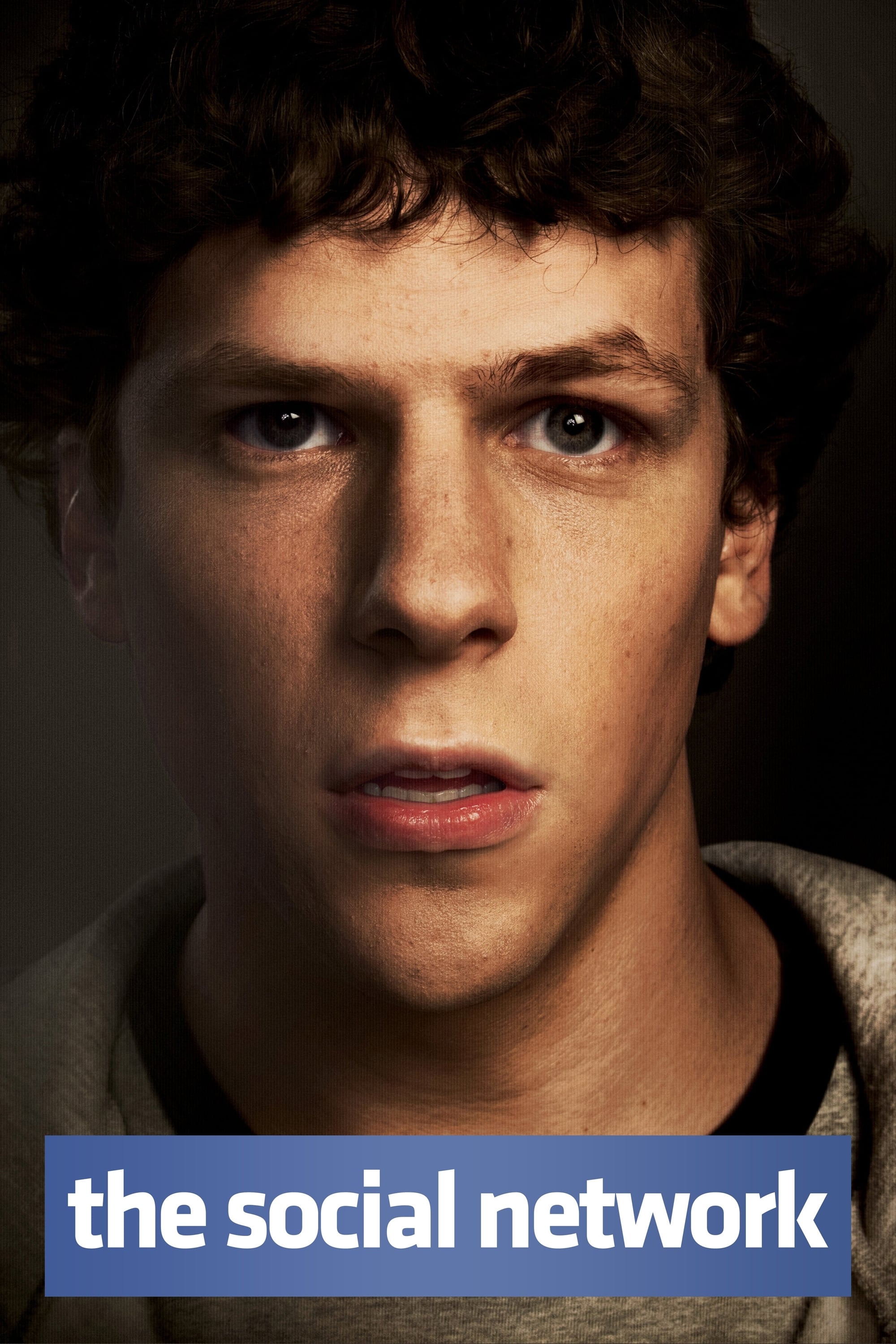
Aaron Sorkin’s screenplay uses dual depositions as framing devices, cutting between testimony and earlier events. Atticus Ross and Trent Reznor’s score blends electronic textures with percussive motifs to pace legal and coding sequences.
Montage contrasts coding sprints, crew recruitment, and expansion milestones. The film’s prop selection—laptops, whiteboards, and business cards—tracks company evolution across locations.
‘There Will Be Blood’ (2007)
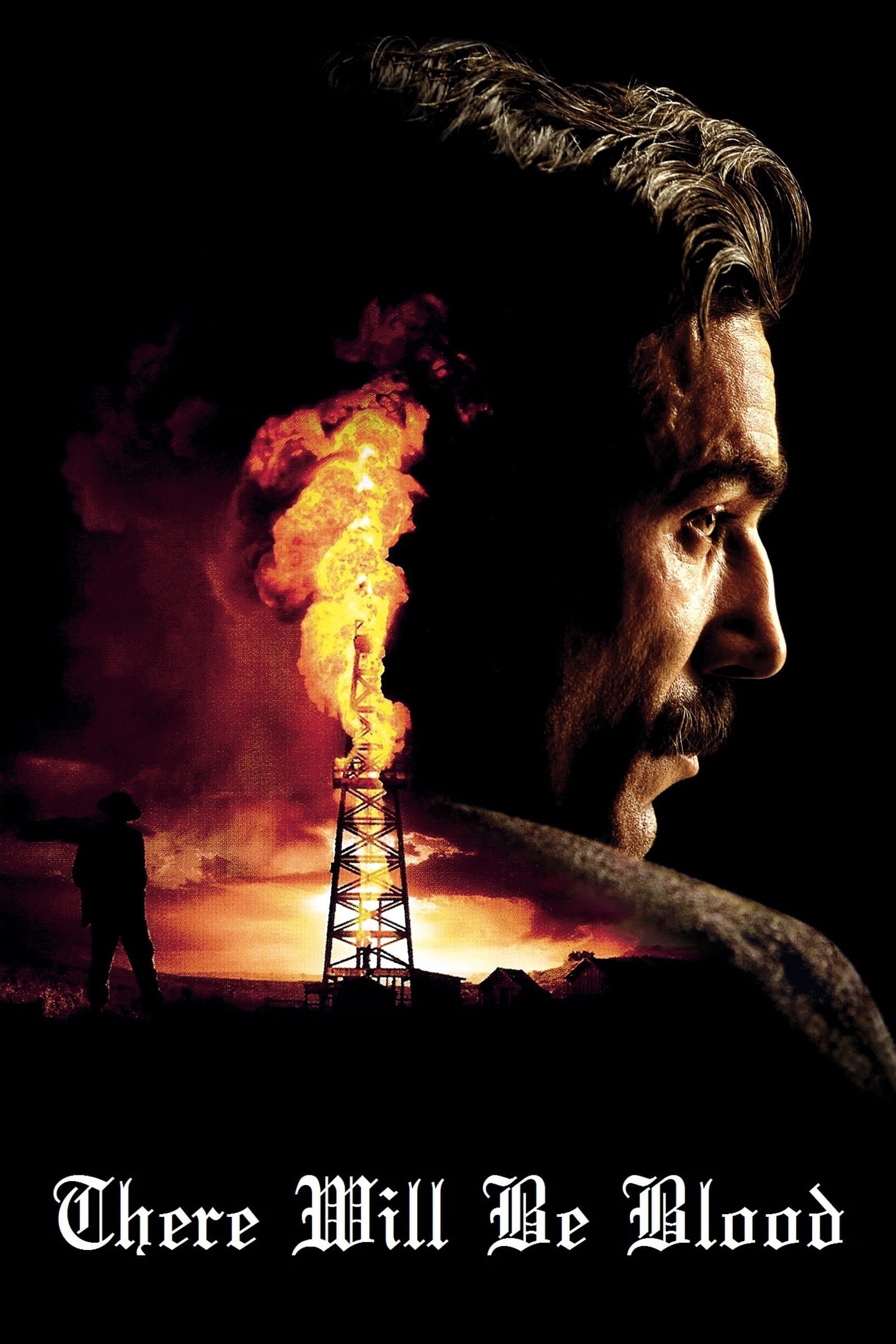
Paul Thomas Anderson adapts from Upton Sinclair’s work, focusing on the development of oil extraction and land deals. Jonny Greenwood’s score underscores machinery and geological pressure through nontraditional orchestration.
Production design details tools, rigs, and early corporate infrastructure. The film’s set pieces—derrick construction and blowouts—are staged with practical effects that map risk and reward.
‘No Country for Old Men’ (2007)
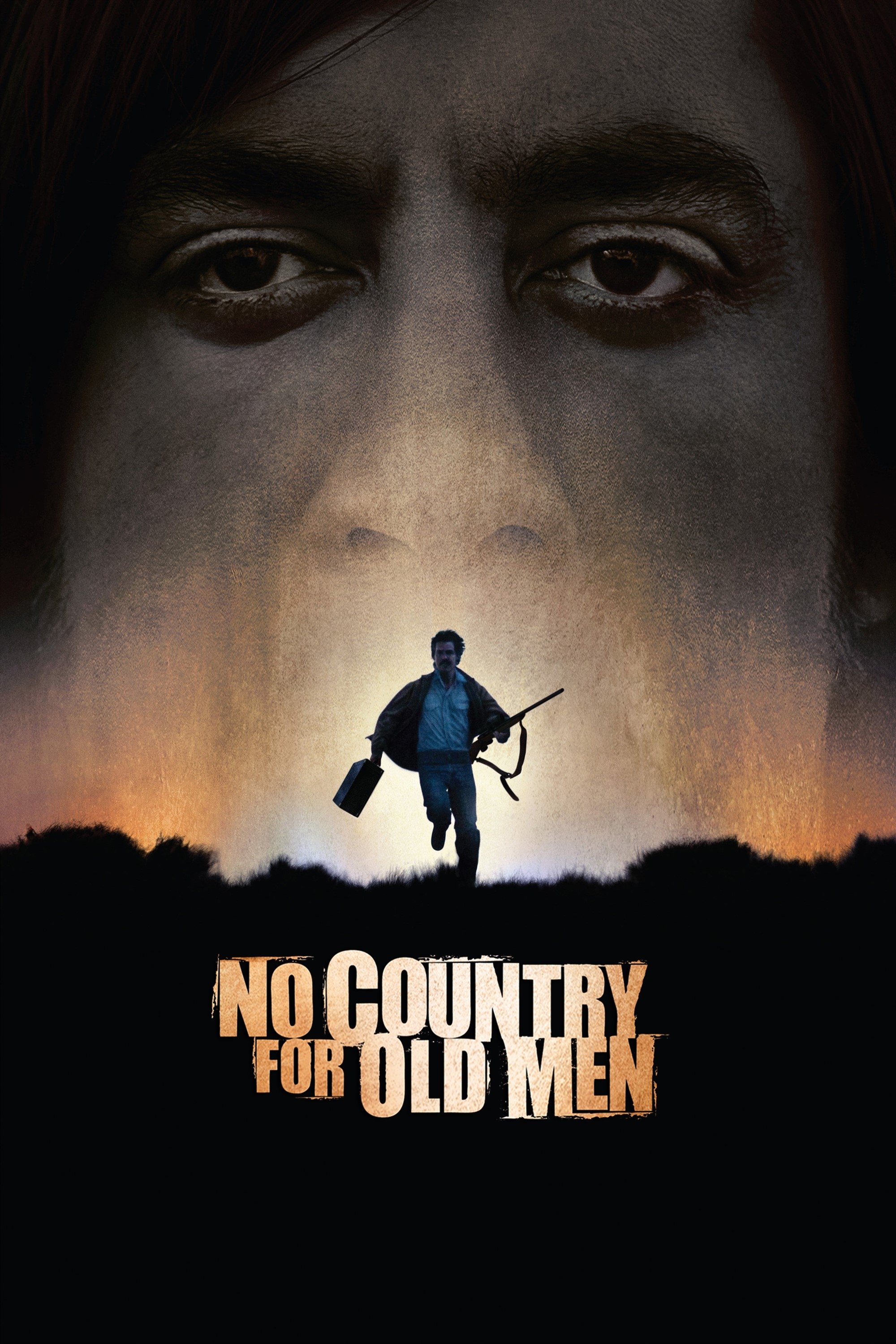
The Coen brothers adapt Cormac McCarthy with stripped-down dialogue and precise soundscapes. Javier Bardem’s character is tracked through props and footprints, while Tommy Lee Jones’s scenes rely on monologues and case summaries.
Cinematography by Roger Deakins uses naturalistic lighting across desert and motel settings. The coin toss motif and satchel logistics create measurable stakes and spatial reasoning.
‘The Silence of the Lambs’ (1991)
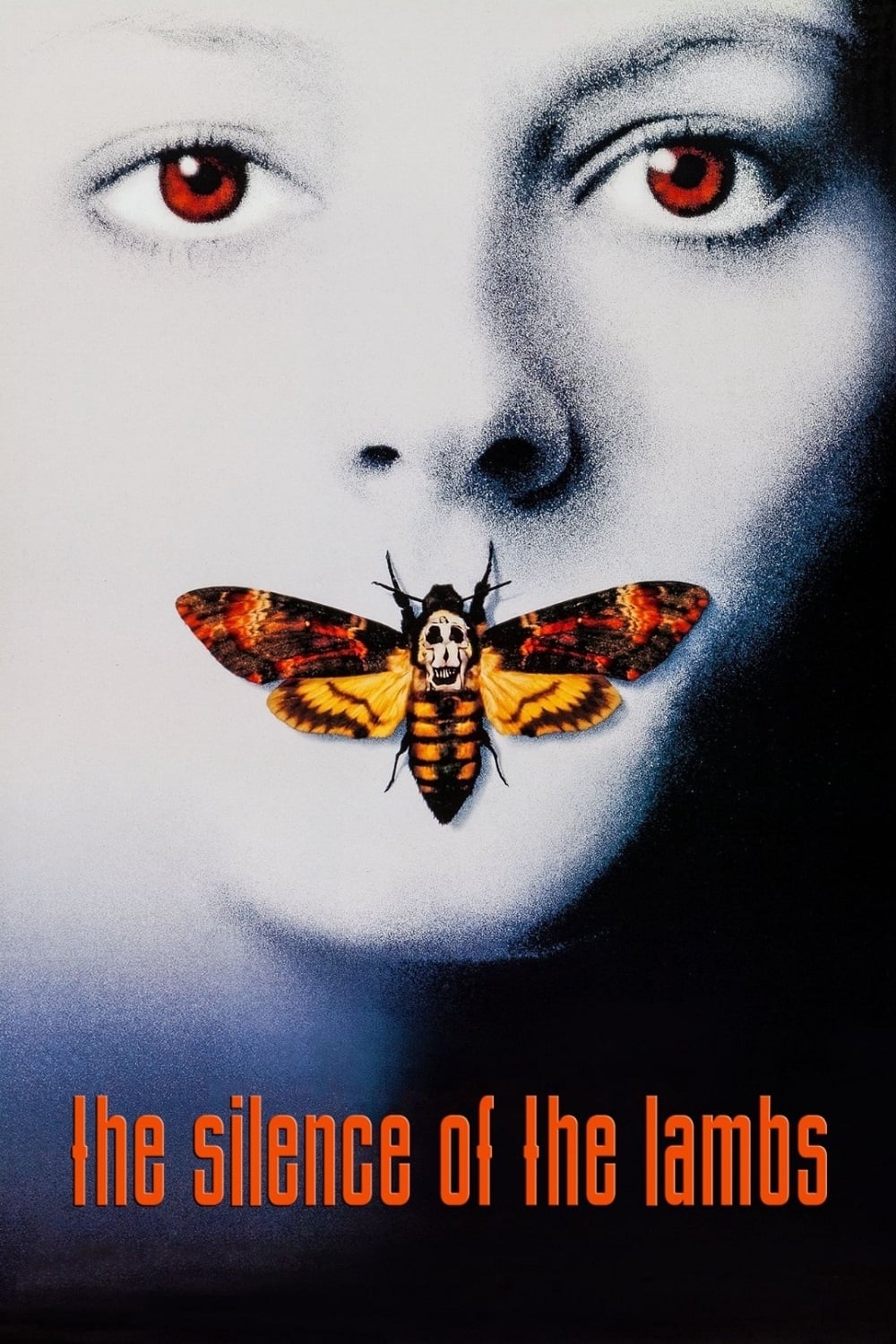
Jonathan Demme’s direction employs head-on close-ups to align viewer gaze with interrogations and interviews. The film adheres to procedural rhythms—briefings, autopsies, and fieldwork—that structure the investigation.
Costuming and set dressing reflect institutional hierarchies, and Howard Shore’s score reprises themes to link locations. The geography of basements and safe houses is laid out with consistent signposting.
‘Chinatown’ (1974)
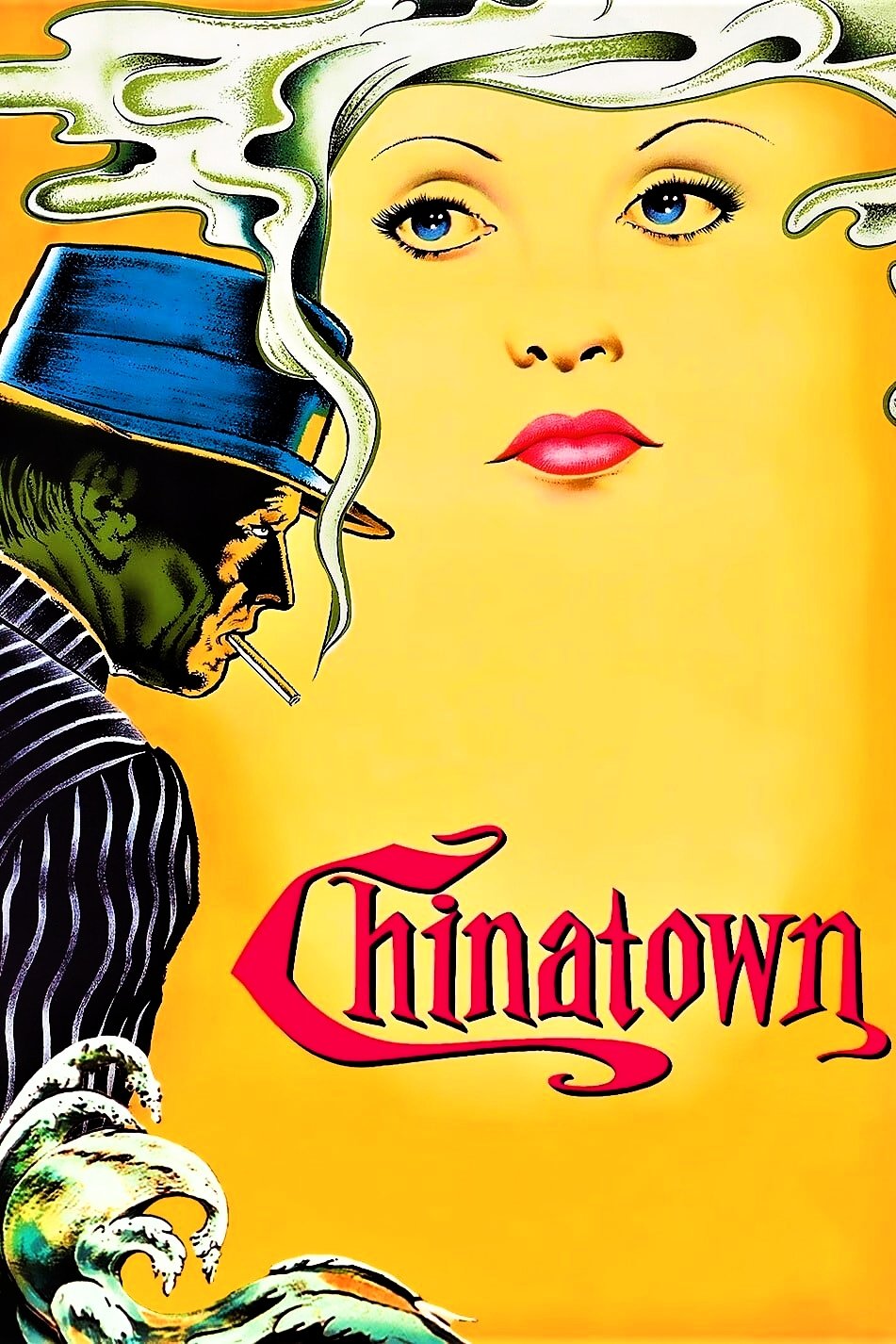
Robert Towne’s script integrates municipal history, water rights, and real estate schemes into a detective narrative. Roman Polanski’s direction uses restrained camera movement and period detail to ground the plot.
Maps, cadastral records, and photographs are central props that drive discovery. The film’s recurring locations—city offices, orange groves, and reservoirs—form a coherent investigative circuit.
‘The Thing’ (1982)
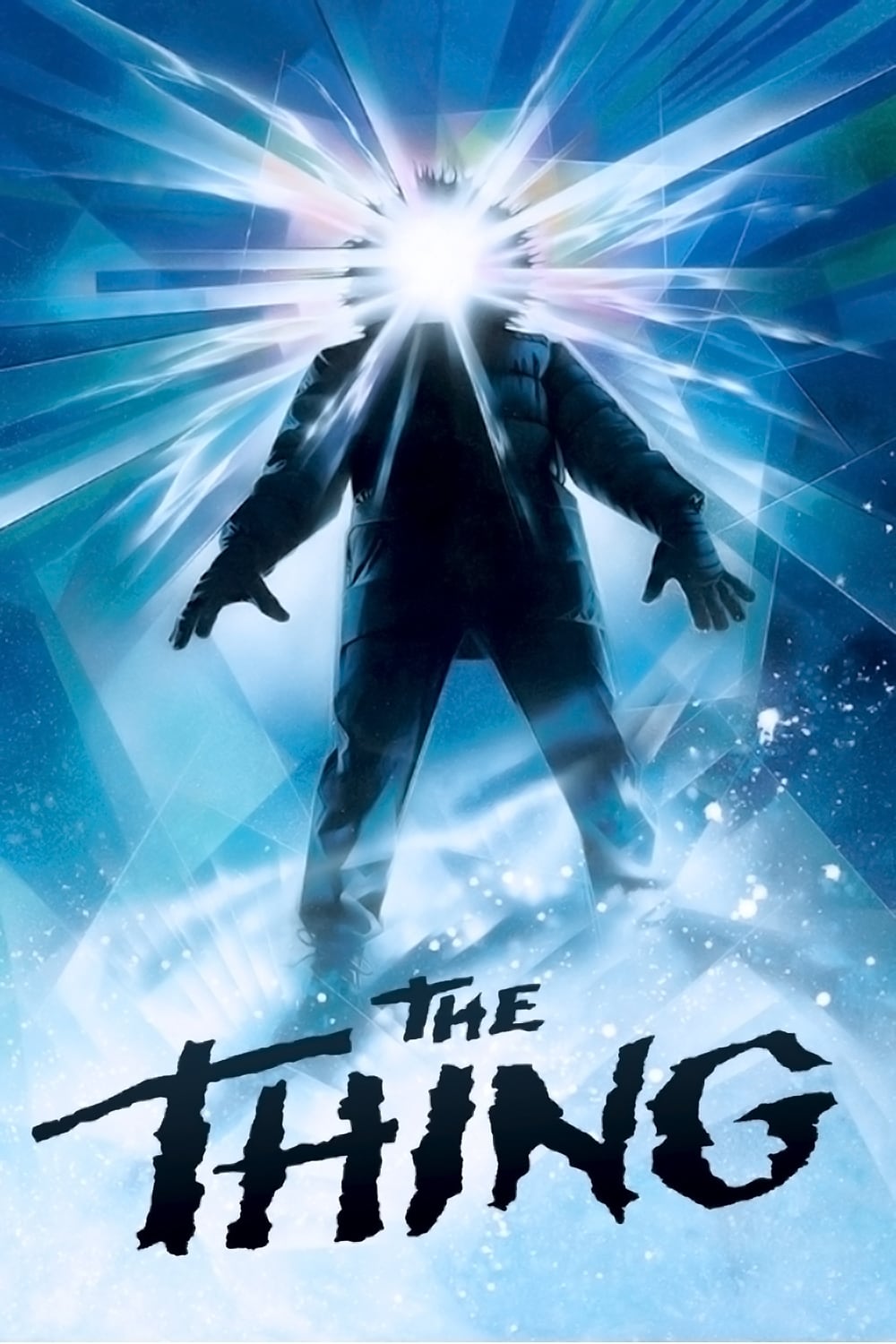
John Carpenter’s adaptation features practical creature effects by Rob Bottin, photographed with careful lighting to preserve texture. The Antarctic base layout is mapped for viewers through repeated corridors and doorways.
Prop tests—blood samples, flamethrowers, and keys—serve as procedural checkpoints. Ennio Morricone’s minimal motifs and ambient wind track the base’s isolation and rising uncertainty.
‘Akira’ (1988)
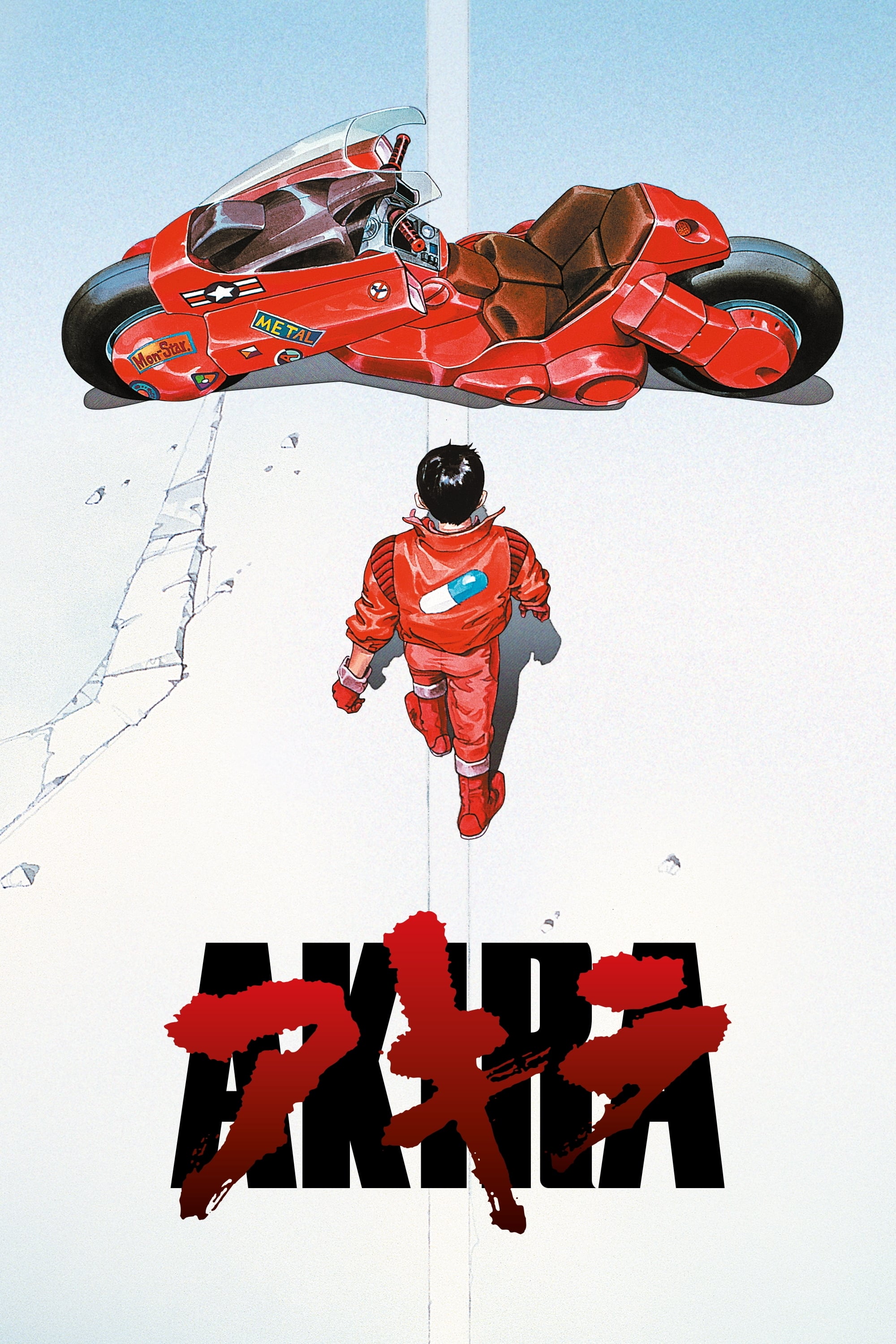
Katsuhiro Otomo adapts his manga with high-density cityscapes and pioneering animation techniques, including extensive use of pre-scored dialogue to sync lip movements. The film’s mechanical designs and biker sequences established a reference library for later productions.
Recurring symbols—capsules, government insignia, and stadium imagery—connect political and personal arcs. The Geinoh Yamashirogumi score combines traditional instruments with experimental vocals, aligning with the film’s technological themes.
‘Spirited Away’ (2001)

Hayao Miyazaki’s film builds a complete bathhouse economy with rules governing names, contracts, and labor. Background animation includes functioning signage and inventory that track tasks and hierarchy.
Recurring objects—train tickets, bath tokens, and soot sprites’ burdens—have defined roles. Joe Hisaishi’s score threads character themes across locations, while the train sequence uses minimal dialogue to convey spatial continuity.
‘Princess Mononoke’ (1997)
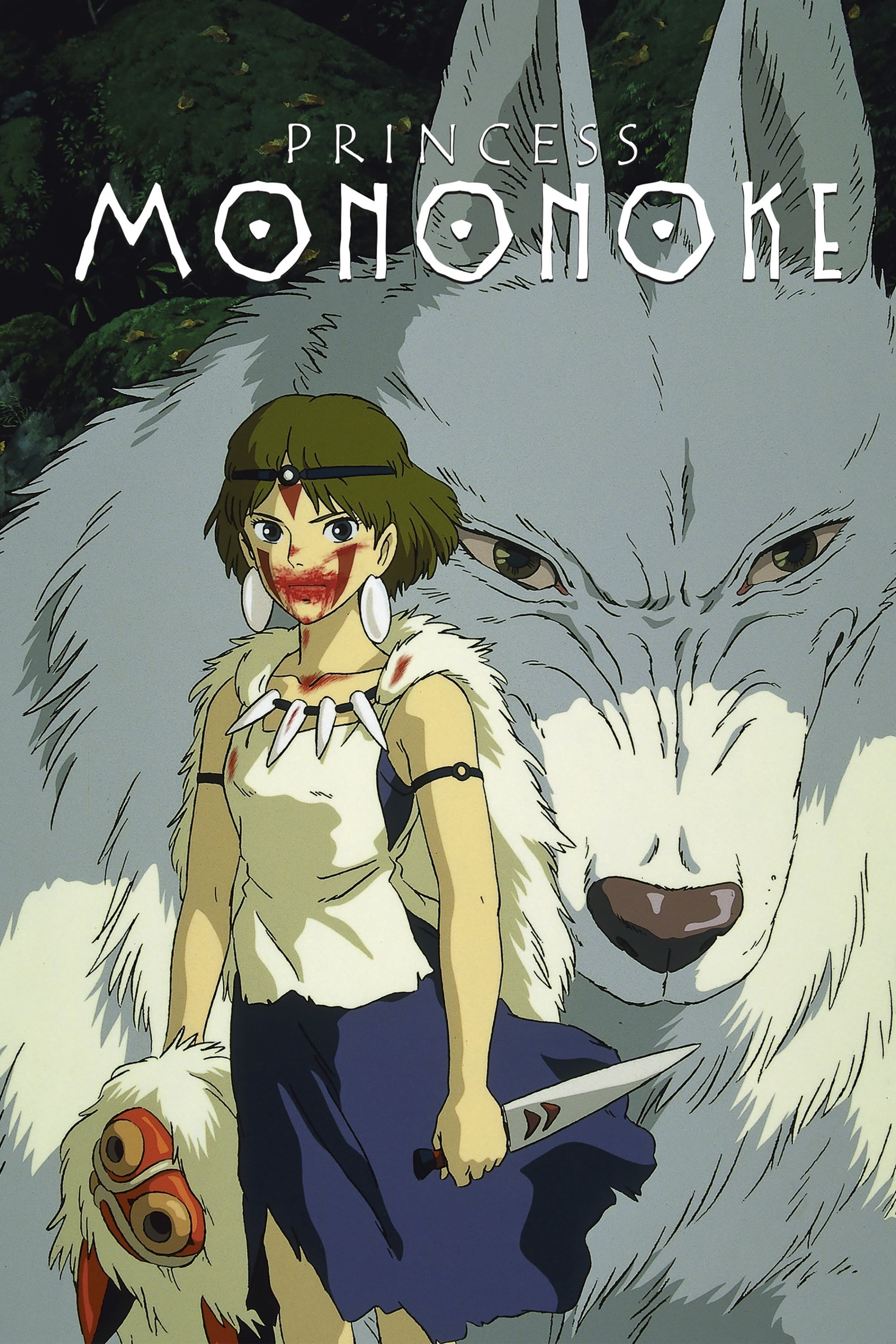
Miyazaki constructs a frontier between forest gods and ironworks, detailing tools, smelting processes, and clan structures. The film’s creature designs follow internal anatomical logic that informs movement.
Maps, paths, and markers establish clear routes through contested territory. Repeating emblems—mask motifs, arm braces, and iron shot—carry story information between scenes.
‘Rashomon’ (1950)
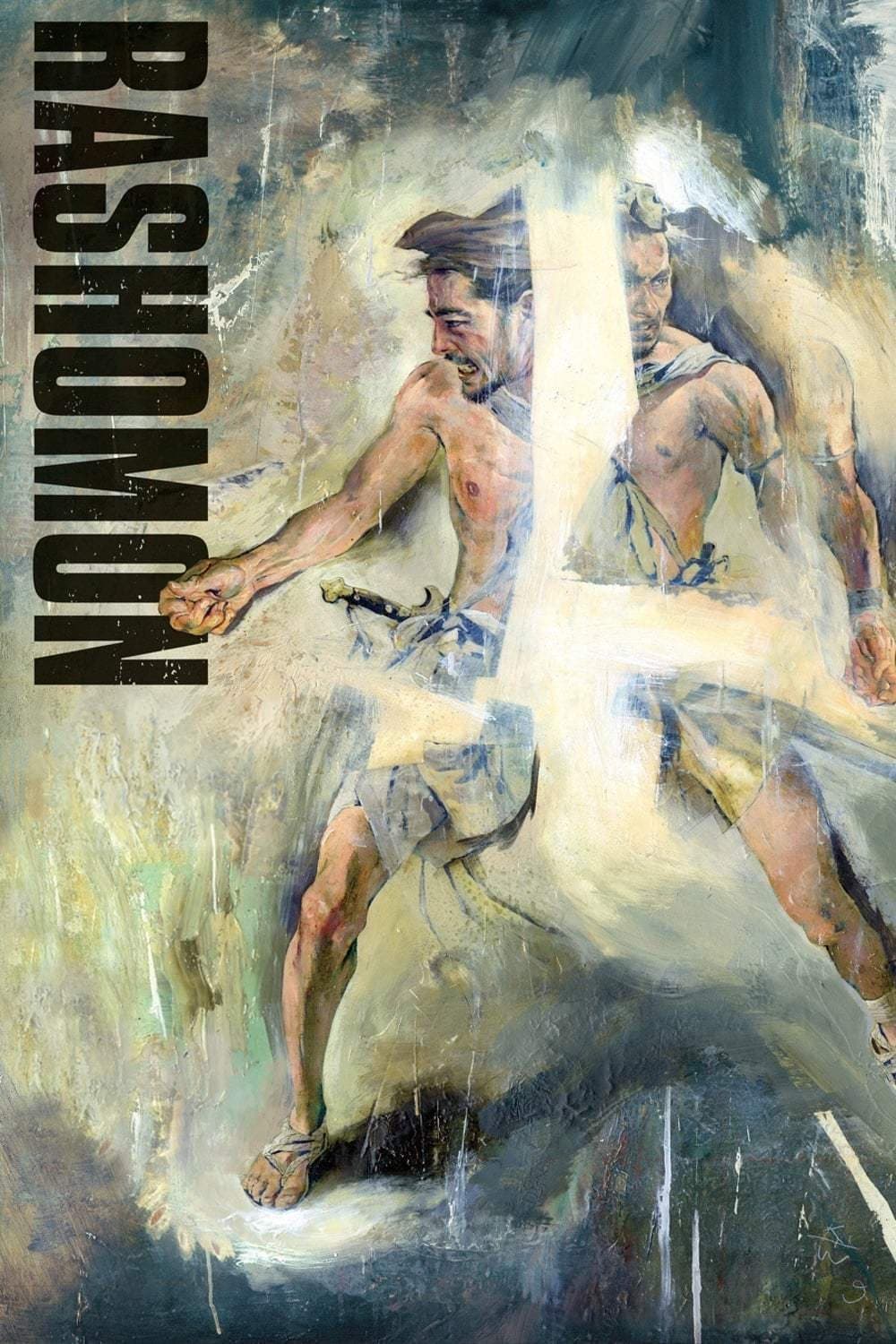
Akira Kurosawa structures the film around multiple testimonies of the same event, using distinct staging for each account. Cinematographer Kazuo Miyagawa’s shots through foliage and use of sunlight became formally influential.
Editing and blocking change with each version, while props—dagger, hat, and rope—remain fixed reference points. The courtroom and gate locations frame the narrative as a set of controlled spaces.
‘Vertigo’ (1958)
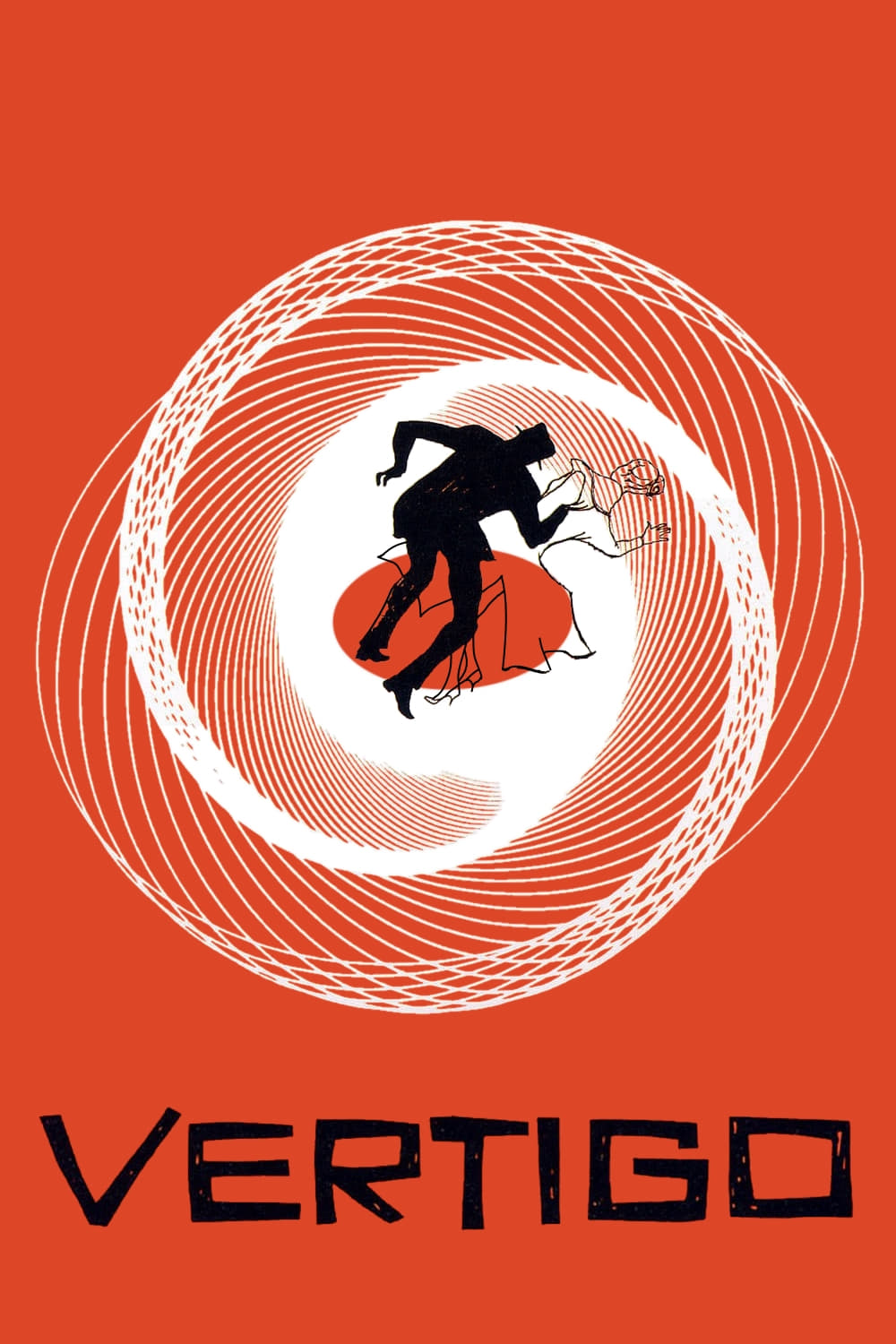
Alfred Hitchcock’s film uses color motifs, spiral imagery, and San Francisco landmarks to track obsession and identity. Bernard Herrmann’s score uses repeating phrases that align with camera movements and character arcs.
Costuming and hair design are integral to plot mechanics, with specific transformations documented on screen. The dolly zoom technique visualizes acrophobia and recurs at key moments.
‘Psycho’ (1960)
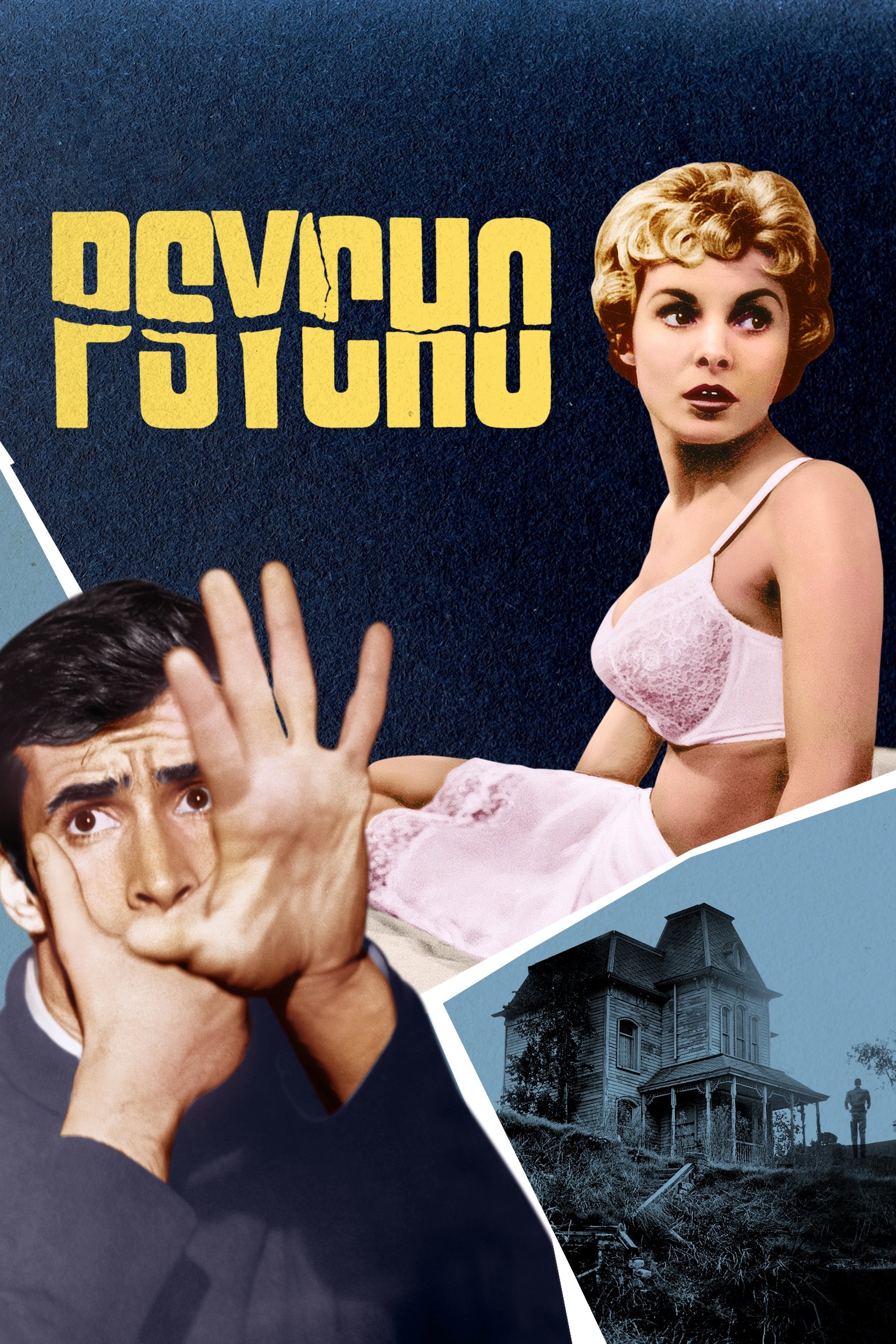
Hitchcock deploys a mid-story structural shift anchored by motel bookkeeping, highway travel, and small-town investigation. Saul Bass’s title design and Bernard Herrmann’s strings establish a rhythmic identity from the start.
Set geography—register desk, cabin doors, and staircase—enables precise staging of action. The film’s prop economy, including cash and newspaper, ties disparate scenes together.
‘The Dark Knight’ (2008)
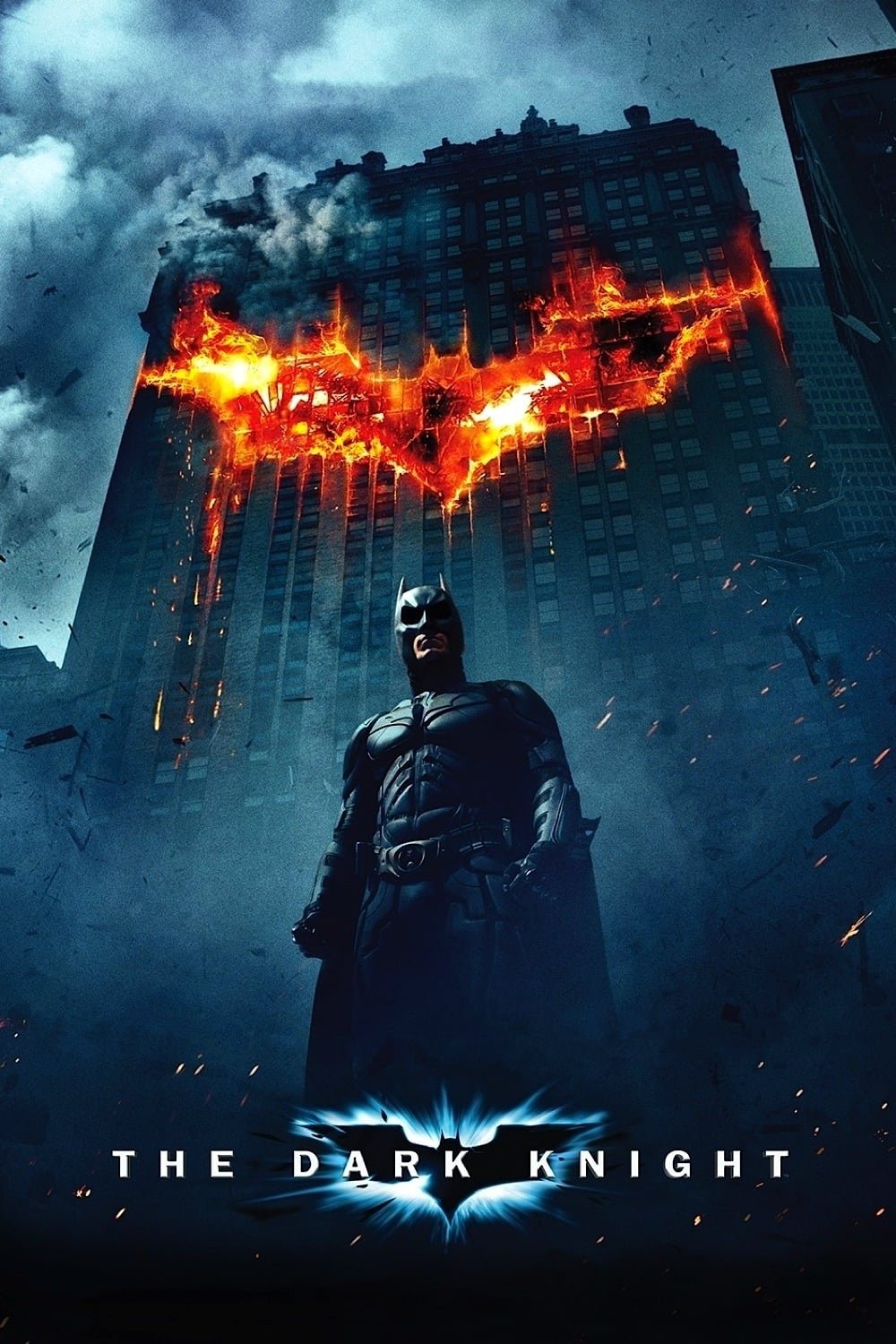
Nolan’s crime saga structures set pieces around heists, jurisdictional conflicts, and surveillance tactics. IMAX photography and practical stunts, such as a truck flip, ground large-scale action in real-world physics.
Recurring objects—calling cards, chalk marks, and cell-phone sonar—carry plot function. The score by Hans Zimmer and James Newton Howard uses textural motifs to distinguish character approaches to order and chaos.
‘Mad Max: Fury Road’ (2015)
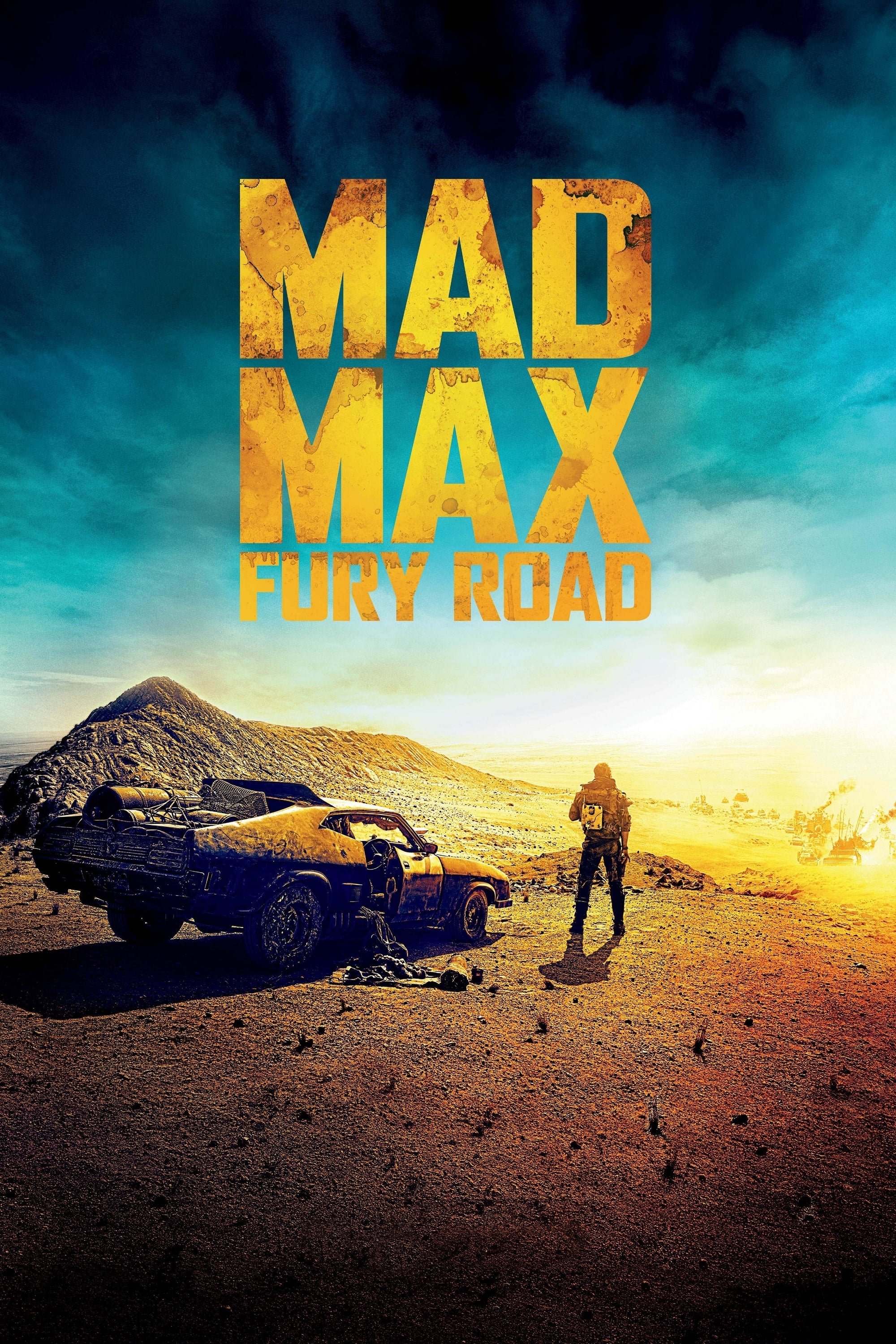
George Miller designs continuous-action storytelling, using center-framed compositions to guide the eye through high-speed chases. The production built working vehicles and operated with extensive stunt coordination.
The film’s prop language—steering wheels, flares, and signal flags—communicates faction identity and tactical choices. Diegetic drumming and amplified engines create a rhythmic bed that structures scene momentum.
‘Eternal Sunshine of the Spotless Mind’ (2004)
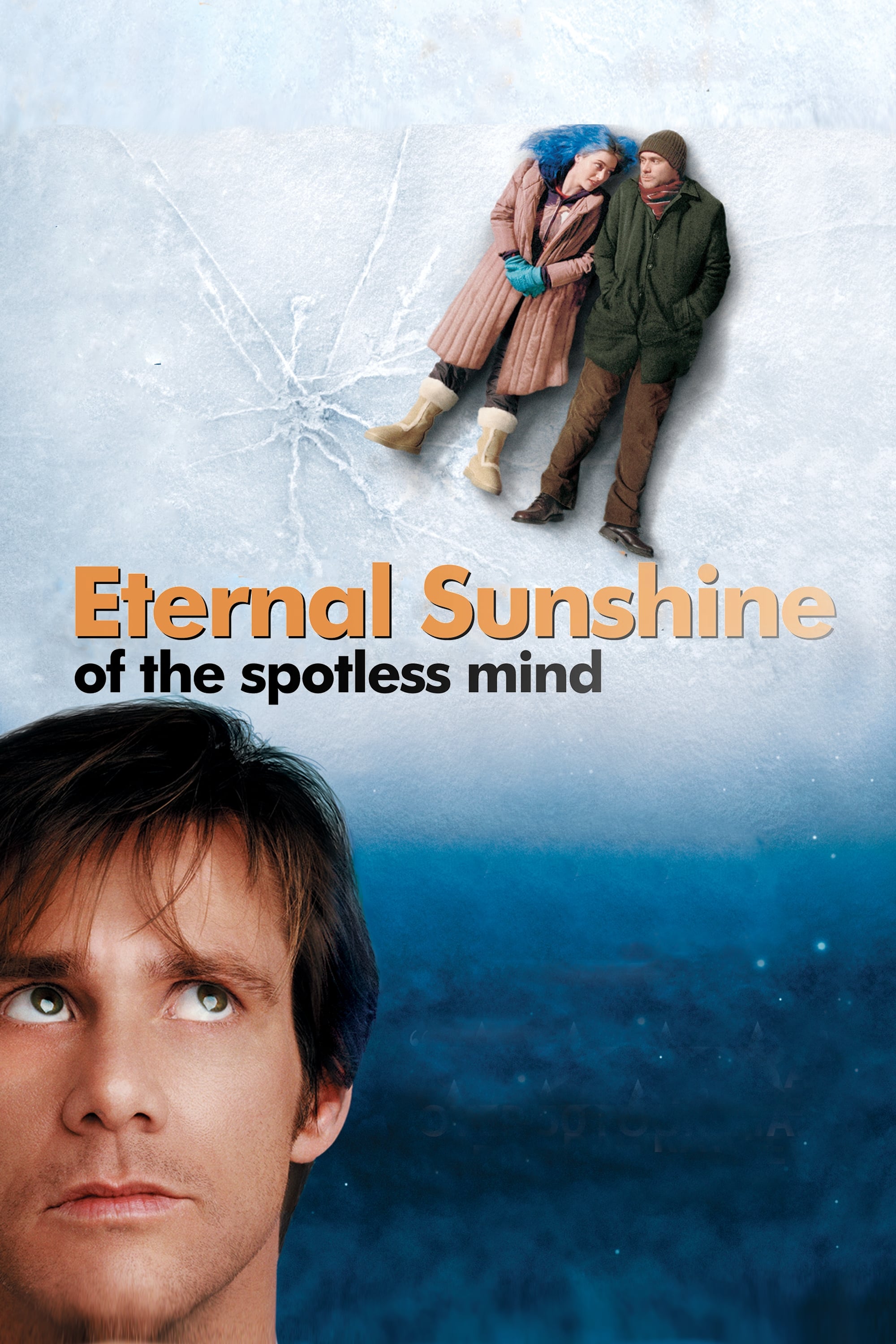
Michel Gondry visualizes memory alteration with in-camera tricks, forced perspective, and hidden cuts. Charlie Kaufman’s script integrates forms—files, questionnaires, and maps—into the narrative machinery.
Shifting locations collapse into each other as signals of erasure, with recurring objects anchoring continuity. The sound mix and lighting transitions mark boundaries between memory states without relying on overt effects.
‘Hot Fuzz’ (2007)
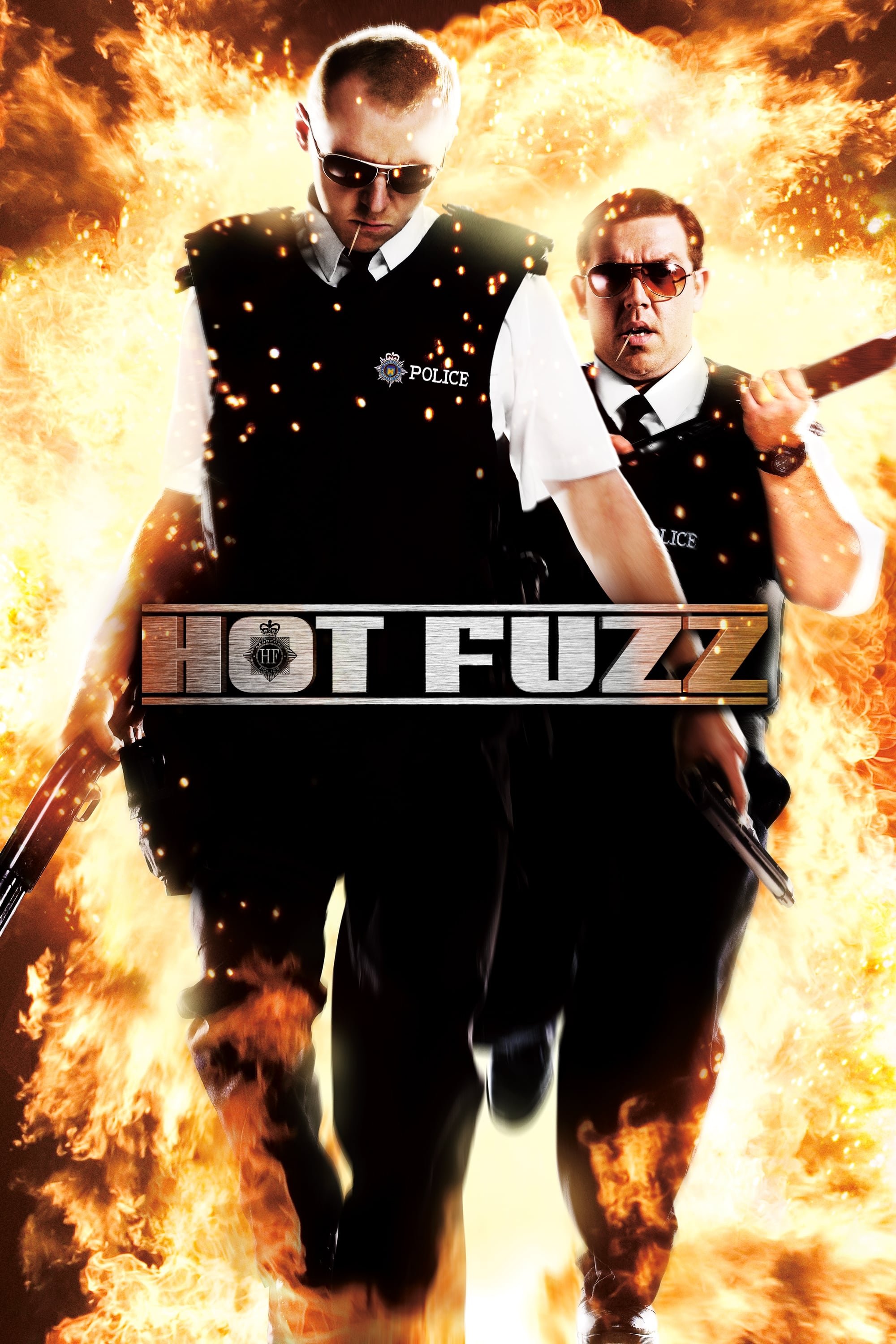
Edgar Wright and Simon Pegg’s script layers set-ups and payoffs into friendly small-town routines. The film catalogs regulations, paperwork, and police procedures that later reappear in action contexts.
Shot transitions, whip pans, and sound bridges create visual rhymes across scenes. Background posters, pub signs, and model villages seed information that becomes functionally relevant.
‘The Grand Budapest Hotel’ (2014)
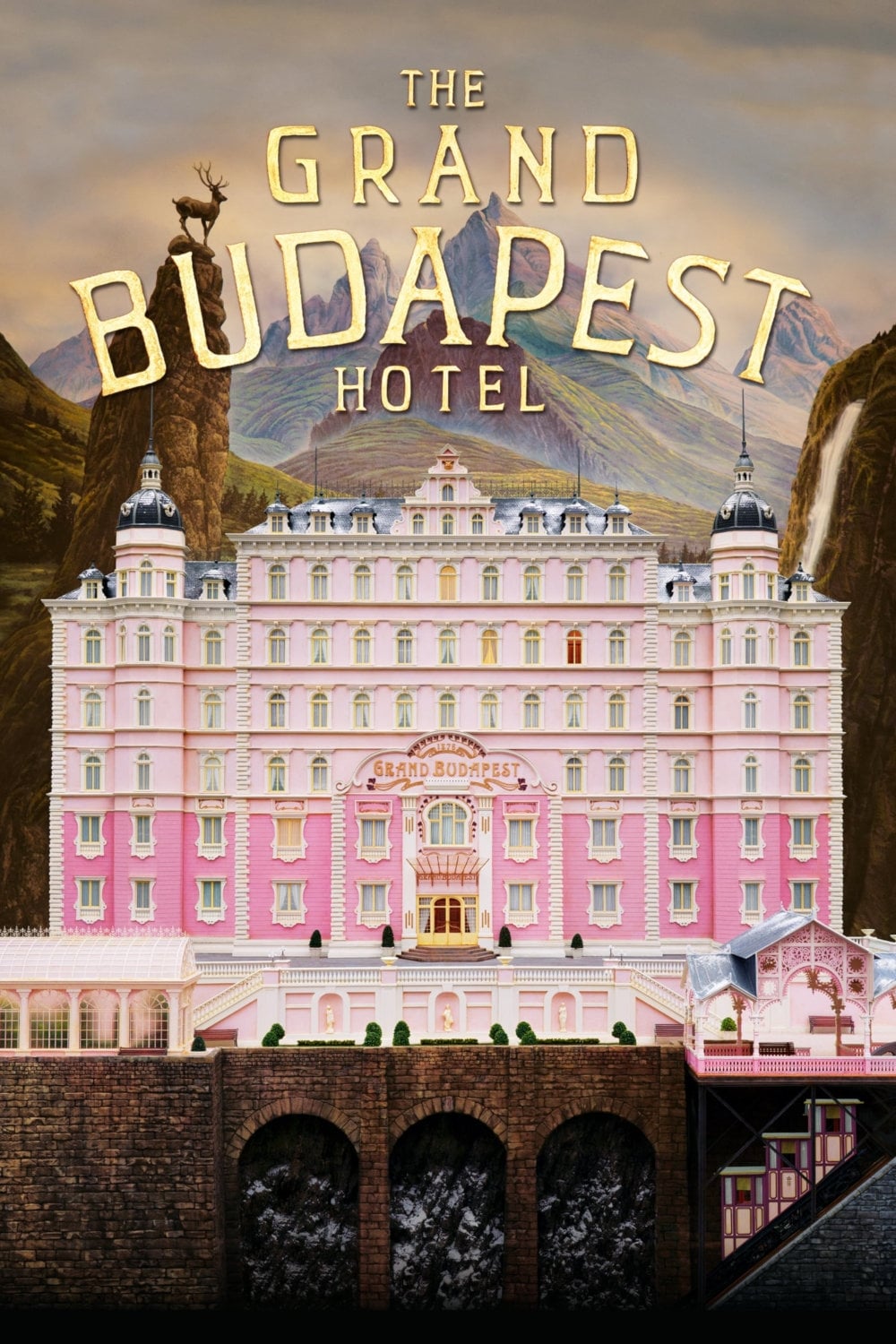
Wes Anderson uses multiple aspect ratios to indicate time periods, supported by miniatures and carefully scaled sets. The film catalogs documents—wills, letters, and paintings—that drive plot mechanics.
Costuming and pastry props act as recurring emblems with clear logistical roles. Alexandre Desplat’s score reprises themes across nested narratives, aligning music with structural chapters.
‘The Departed’ (2006)
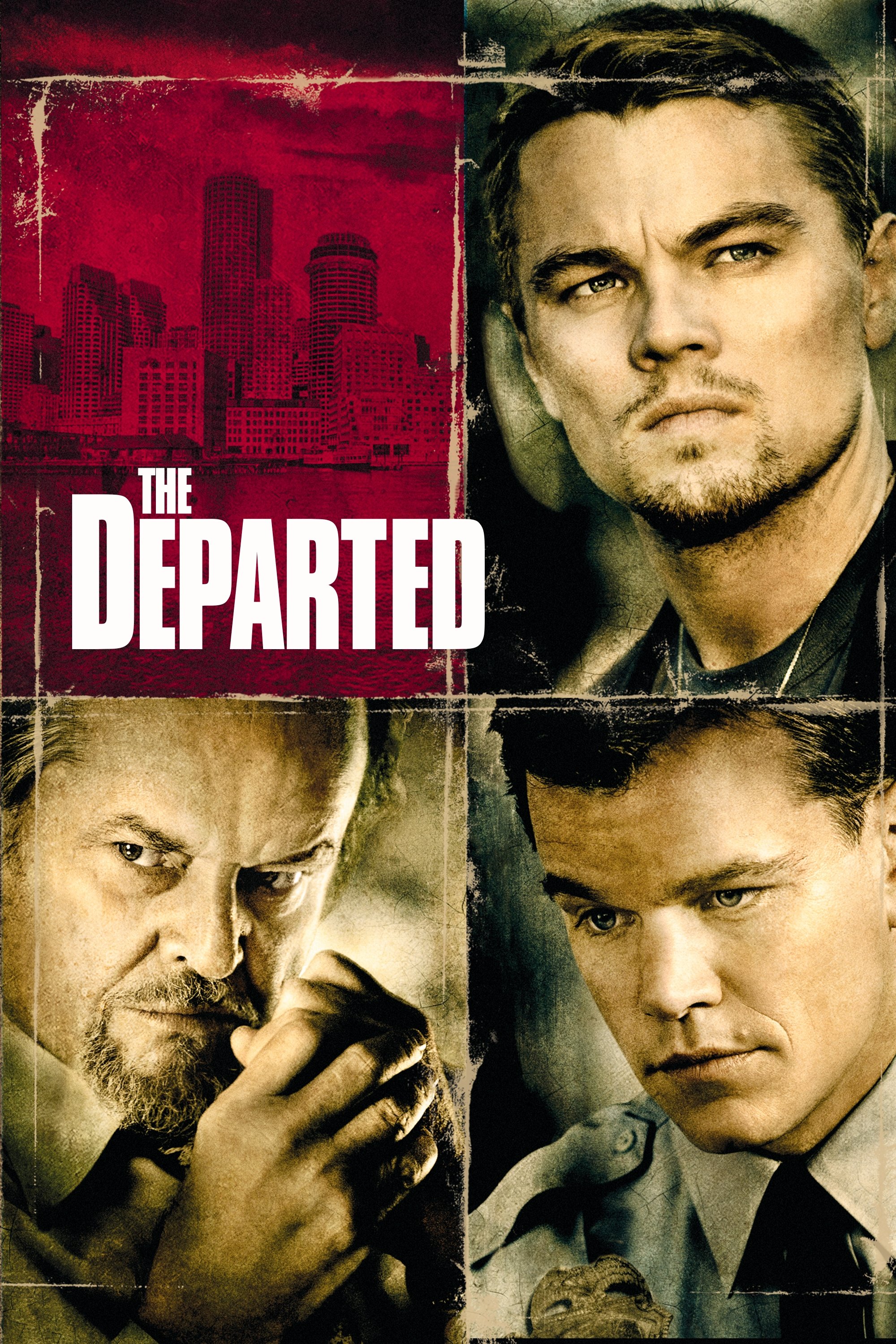
Scorsese adapts a Hong Kong thriller framework, retaining dual-infiltration mechanics and coded communications. The screenplay uses parallel scenes to align police and mob workflows.
Recurring signals—X marks, cell phones, and envelopes—track impending events. The Boston setting is mapped through specific neighborhoods and institutions that reappear during key exchanges.
‘Pan’s Labyrinth’ (2006)
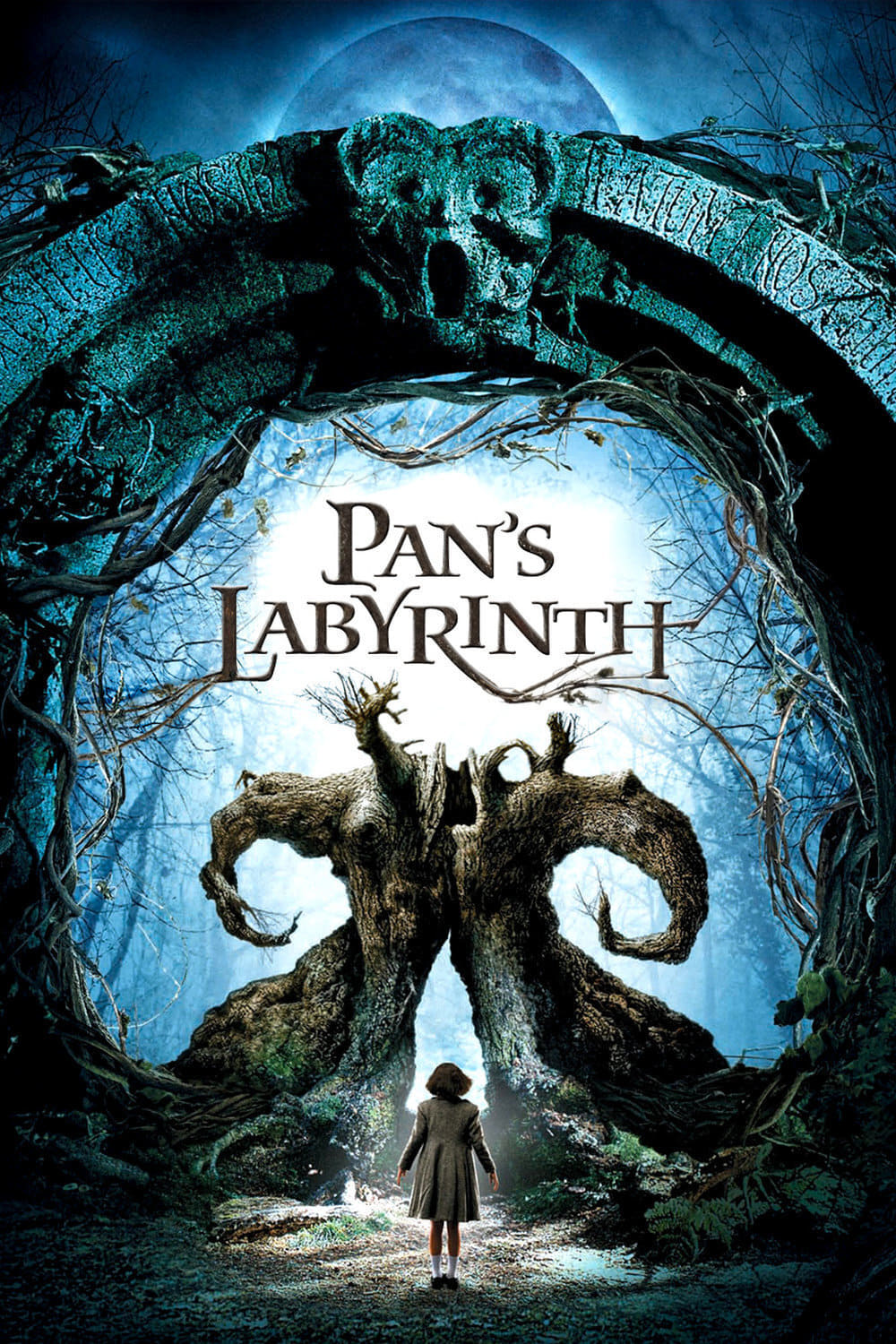
Guillermo del Toro interlaces a historical setting with a rule-based fantasy world. The creature designs integrate anatomical motifs with practical makeup and animatronics for tactile presence.
Prop-driven tasks—keys, chalk, and a ledger—structure the protagonist’s objectives. The color and lighting divide locations into distinct palettes, with lullaby themes connecting real and fantastical realms.
‘Cloud Atlas’ (2012)
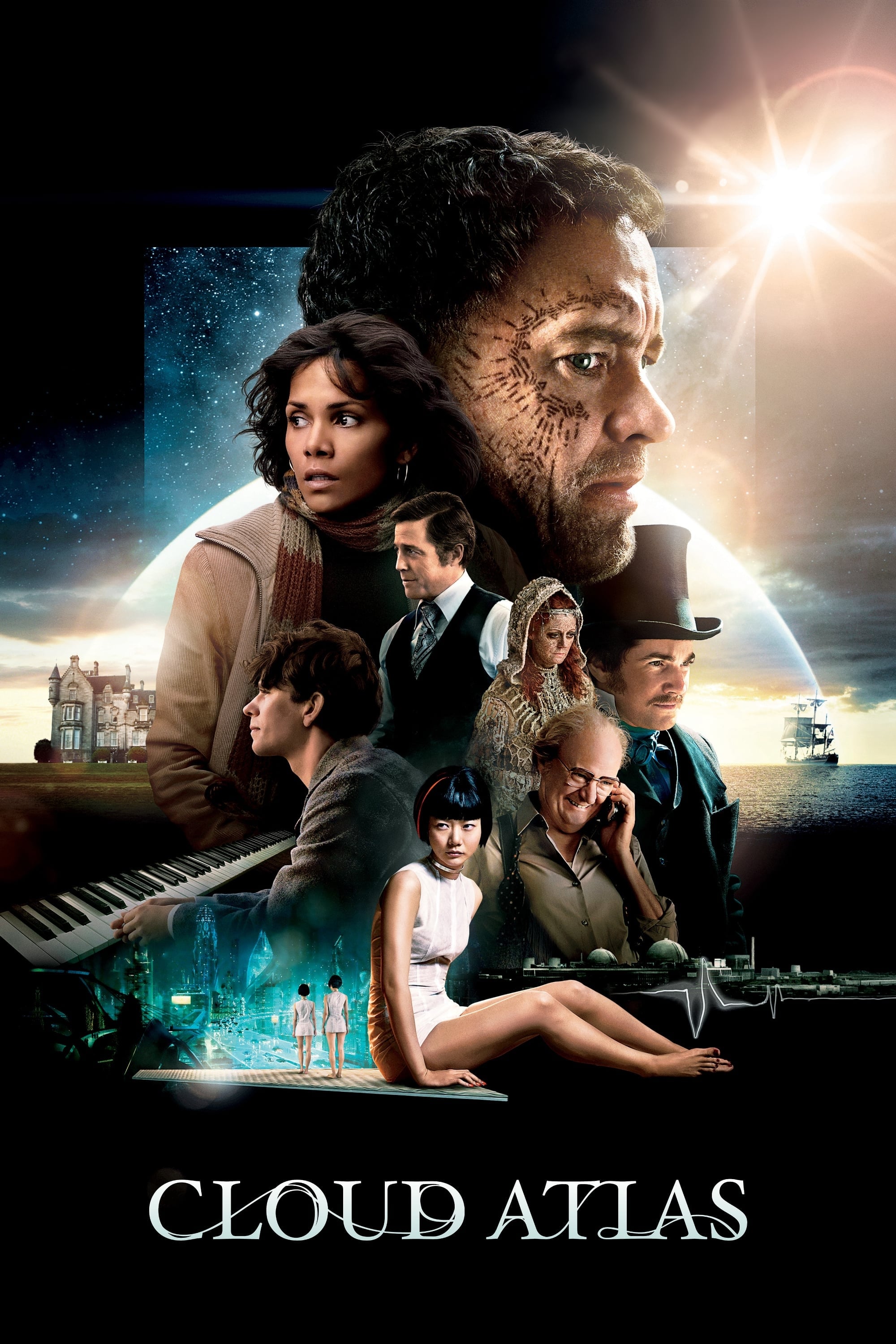
Lana Wachowski, Lilly Wachowski, and Tom Tykwer adapt David Mitchell’s novel with six intercut storylines performed by a repertory cast. Makeup, costuming, and recurring musical motifs link characters across settings.
Editorial structure echoes themes through mirrored scenes and matched cuts. Props and phrases recur as connective tissue, while the score’s central melody operates as a cross-story anchor.
‘Synecdoche, New York’ (2008)
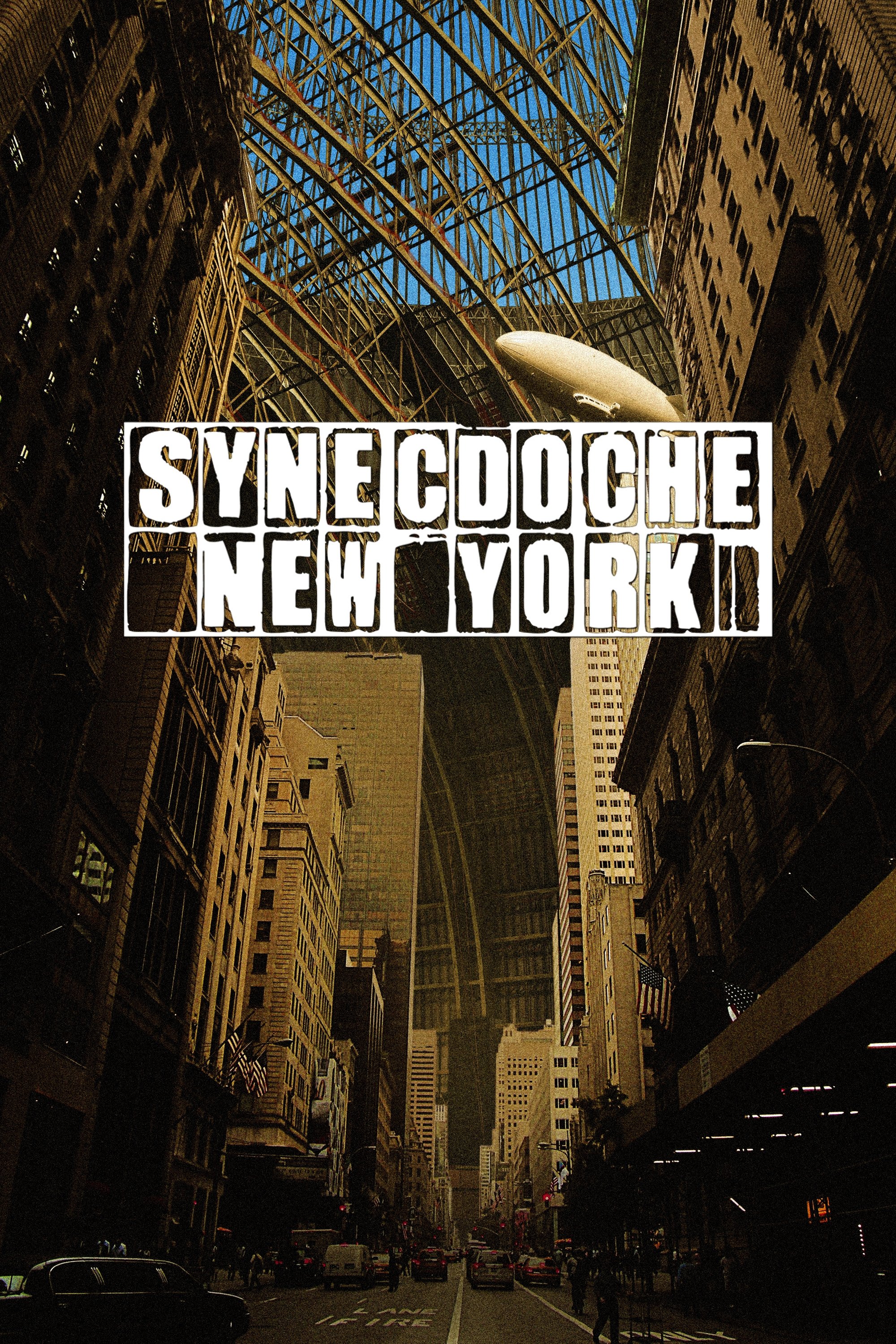
Charlie Kaufman constructs a play-within-a-play that expands into a city-sized set. The production design visualizes administrative systems—mail, casting calls, and rehearsal schedules—as practical logistics.
Time is tracked through health records, apartment changes, and production memos. Recurring roles and doubles are integrated into staging, creating a visible network of substitutions and echoes.
Tell us which titles you revisit the most and what hidden details you’ve spotted—drop your picks in the comments!