Movies That Will Keep You Up All Night Thinking


If you like films that stick in your head long after the credits, this list is for you. These titles play with memory, identity, time, technology, and the slippery line between reality and perception. You’ll find sci-fi puzzles, psychological thrillers, and existential dramas from around the world, each built on ideas you can unpack, debate, and revisit from new angles.
‘Inception’ (2010)
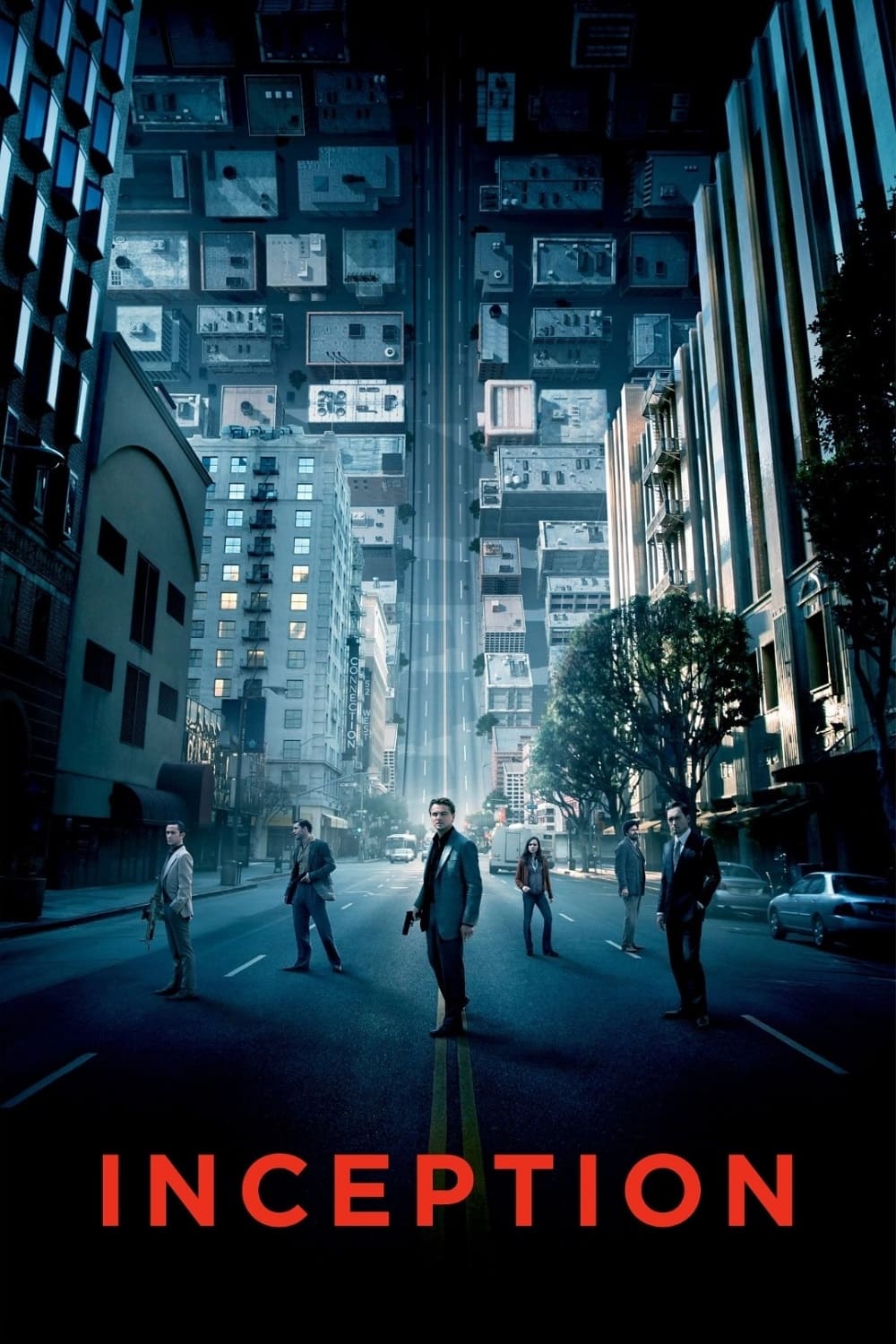
Christopher Nolan’s heist story unfolds inside layered dreamscapes engineered by specialists who design and invade the subconscious. The film maps rules for shared dreaming, including totems, dream levels, and time dilation. It was shot across multiple countries with extensive practical effects like rotating corridor sets. Hans Zimmer’s score famously manipulates tempo to mirror the dream logic.
‘Mulholland Drive’ (2001)
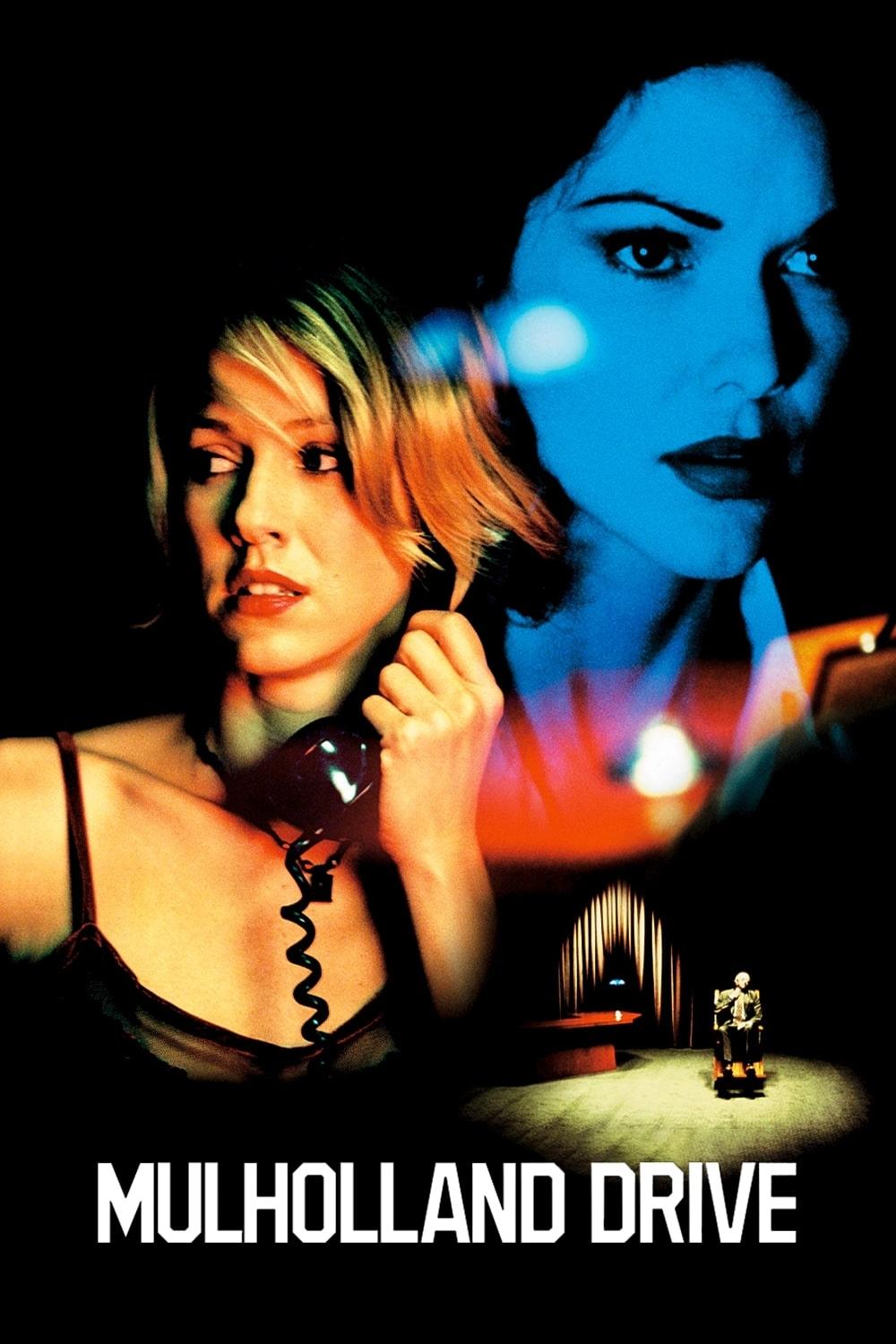
David Lynch’s Los Angeles mystery interweaves an amnesiac woman, a hopeful actor, and surreal show-business fragments. The narrative shifts midway, introducing doubles and altered identities tied to Hollywood’s dream machinery. The production began as a TV pilot before being expanded and restructured into a feature. Angelo Badalamenti’s music and sound design anchor the film’s uncanny mood.
‘Primer’ (2004)
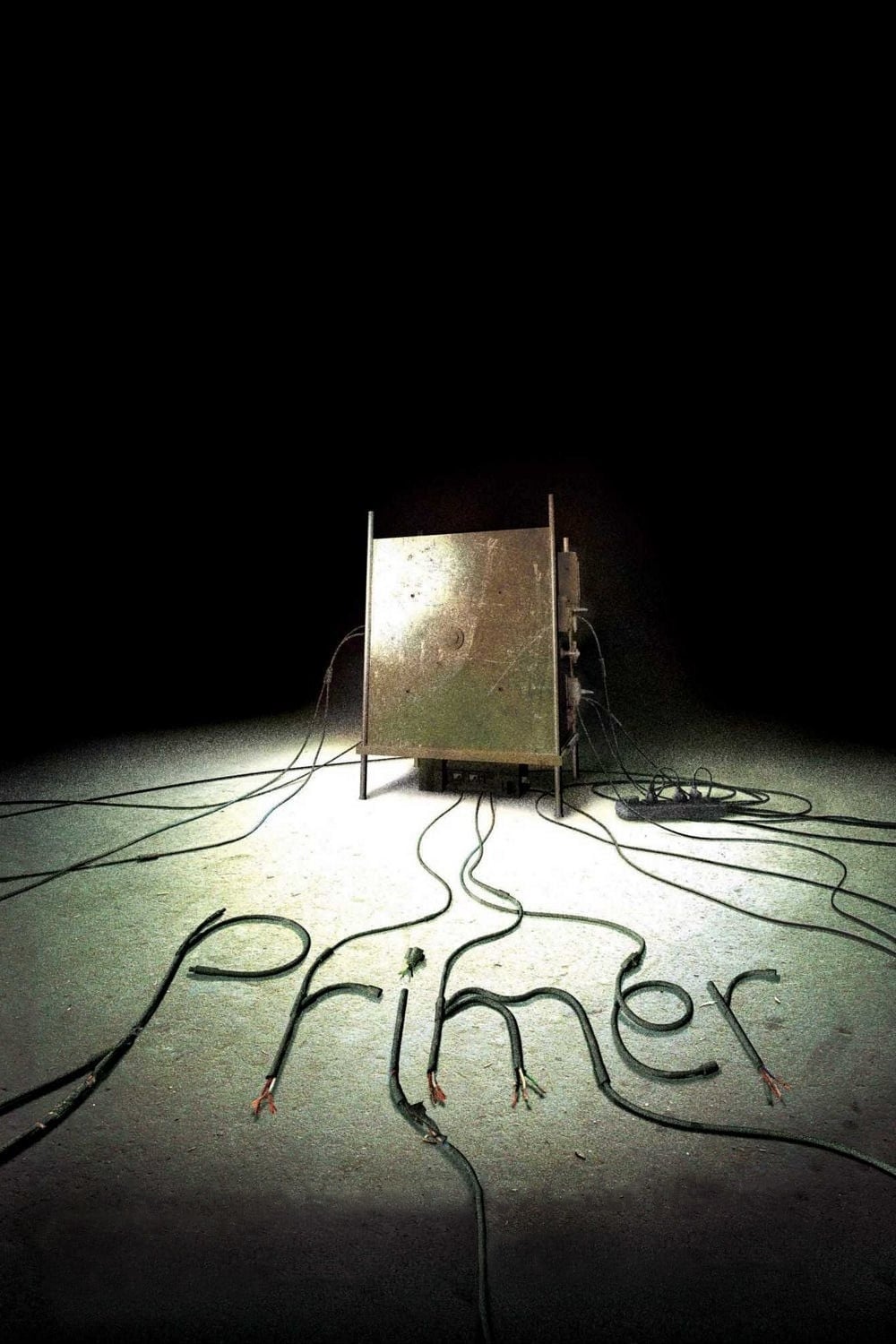
Shane Carruth’s micro-budget indie follows two engineers who accidentally build a time-altering device in a garage. The script uses dense technical dialogue and overlapping timelines without exposition hand-holding. Shot on 16mm film, it became a festival breakout for its intricate structure. Multiple “failsafe” boxes and duplicate characters create a diagram-worthy chronology.
‘Donnie Darko’ (2001)
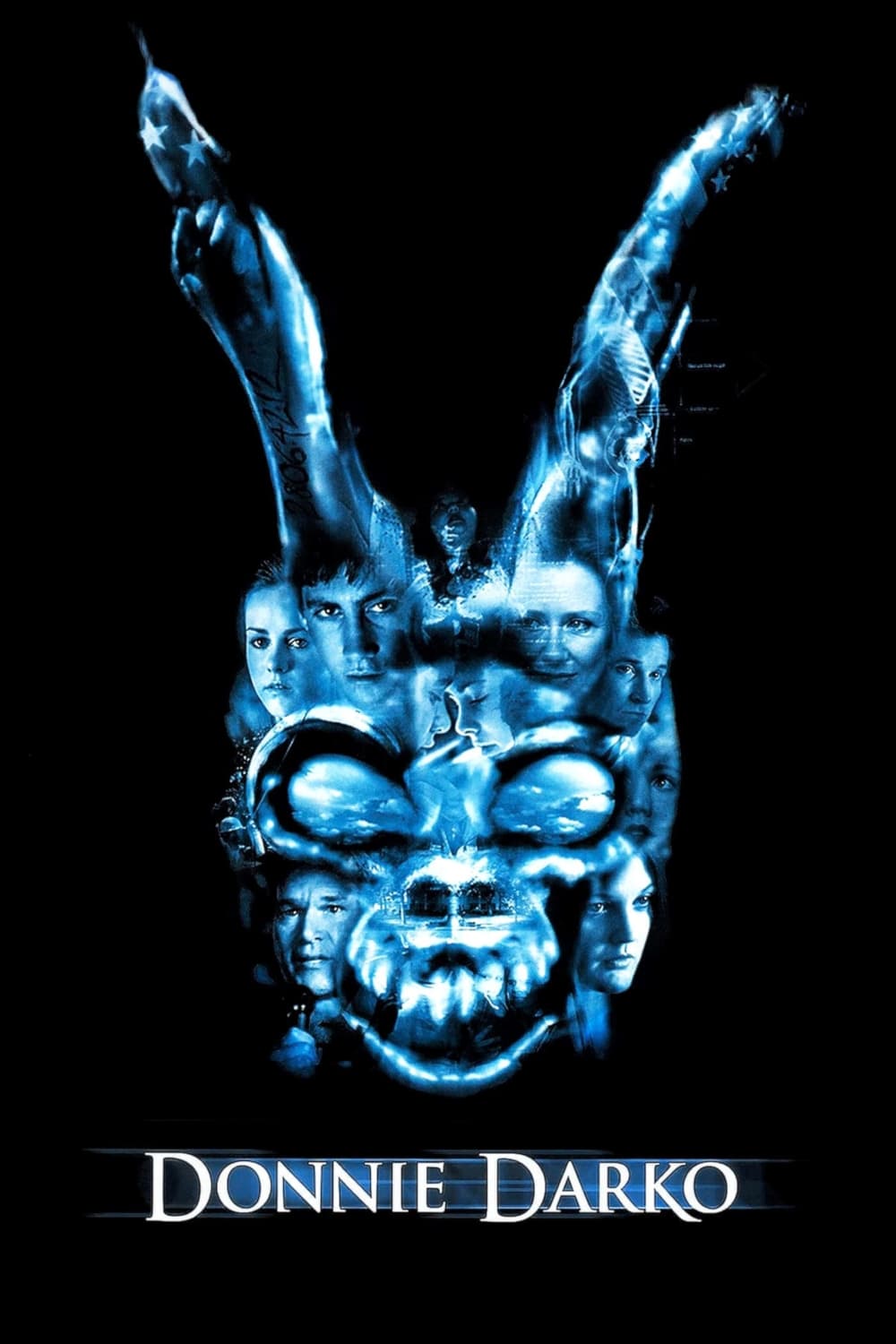
Set in suburban America, the story tracks a teenager who experiences visions involving a countdown and a figure in a rabbit suit. It blends teen drama with concepts like tangent universes and manipulated living. A director’s cut later clarified elements with additional pages from in-world texts. The soundtrack’s period needle-drops became closely associated with its tone.
‘Memento’ (2000)
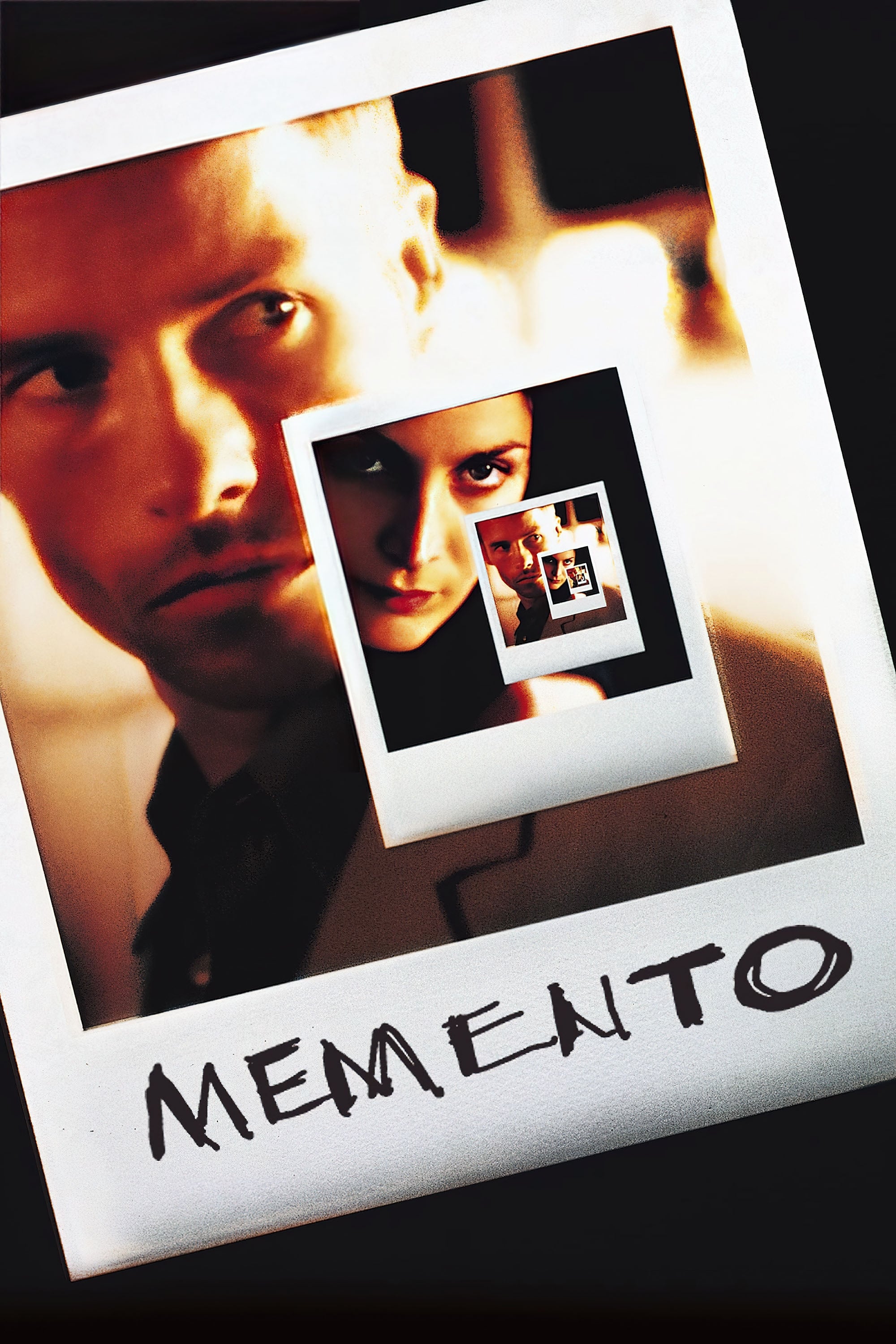
Told in reverse order, the plot follows a man with short-term memory loss who uses notes and tattoos to investigate a crime. Scenes alternate between color (moving backward) and black-and-white (moving forward) until they converge. The screenplay adapts a story concept by Jonathan Nolan. Its structure demonstrates how editing can control information flow and audience inference.
‘Arrival’ (2016)
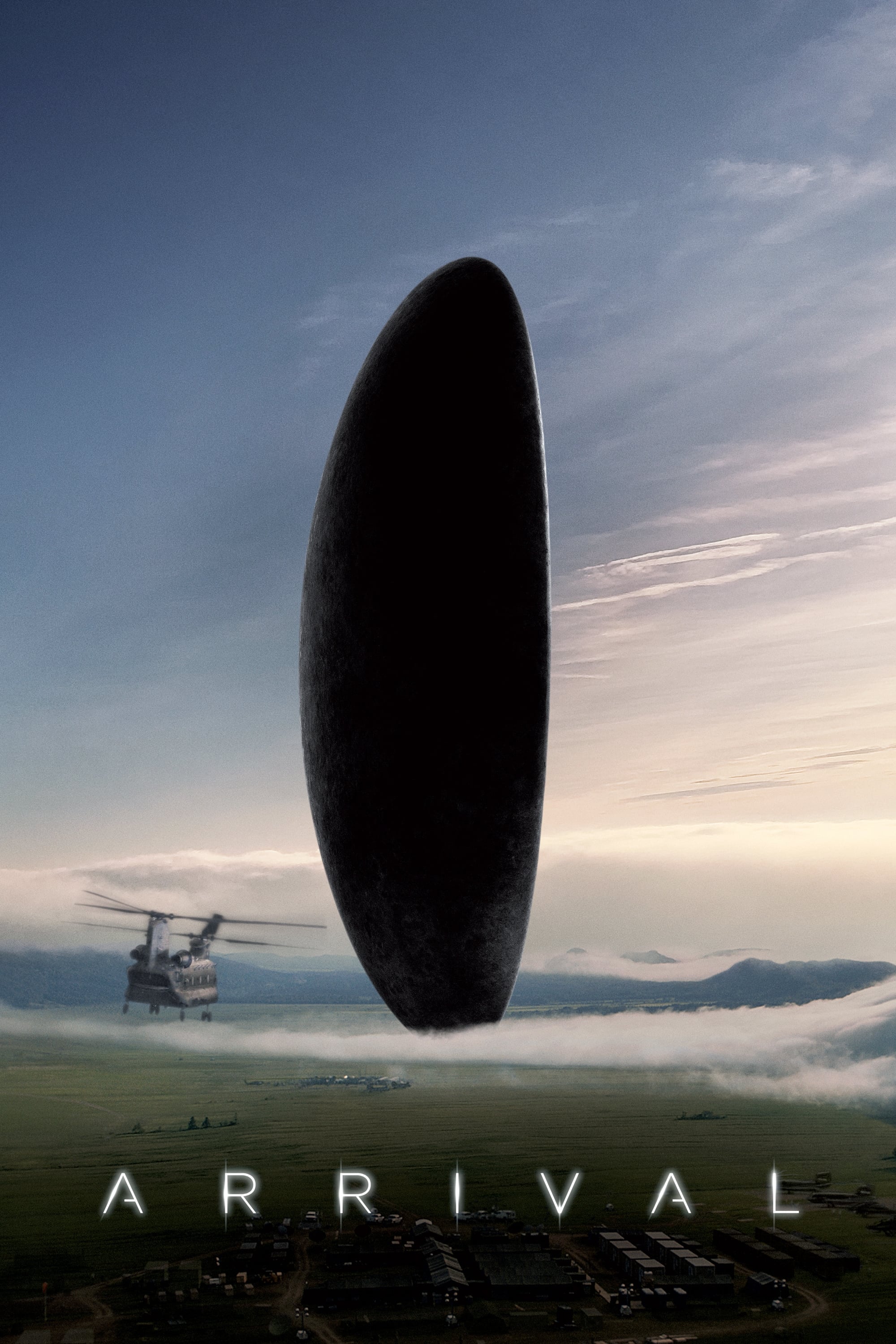
A linguist works to decode an alien language composed of nonlinear logograms that alter one’s perception of time. The film adapts Ted Chiang’s short story ‘Story of Your Life’ and foregrounds linguistic relativity. Production designed circular symbols with consistent internal grammar. Jóhann Jóhannsson’s score and sound design emphasize communication over spectacle.
‘Annihilation’ (2018)
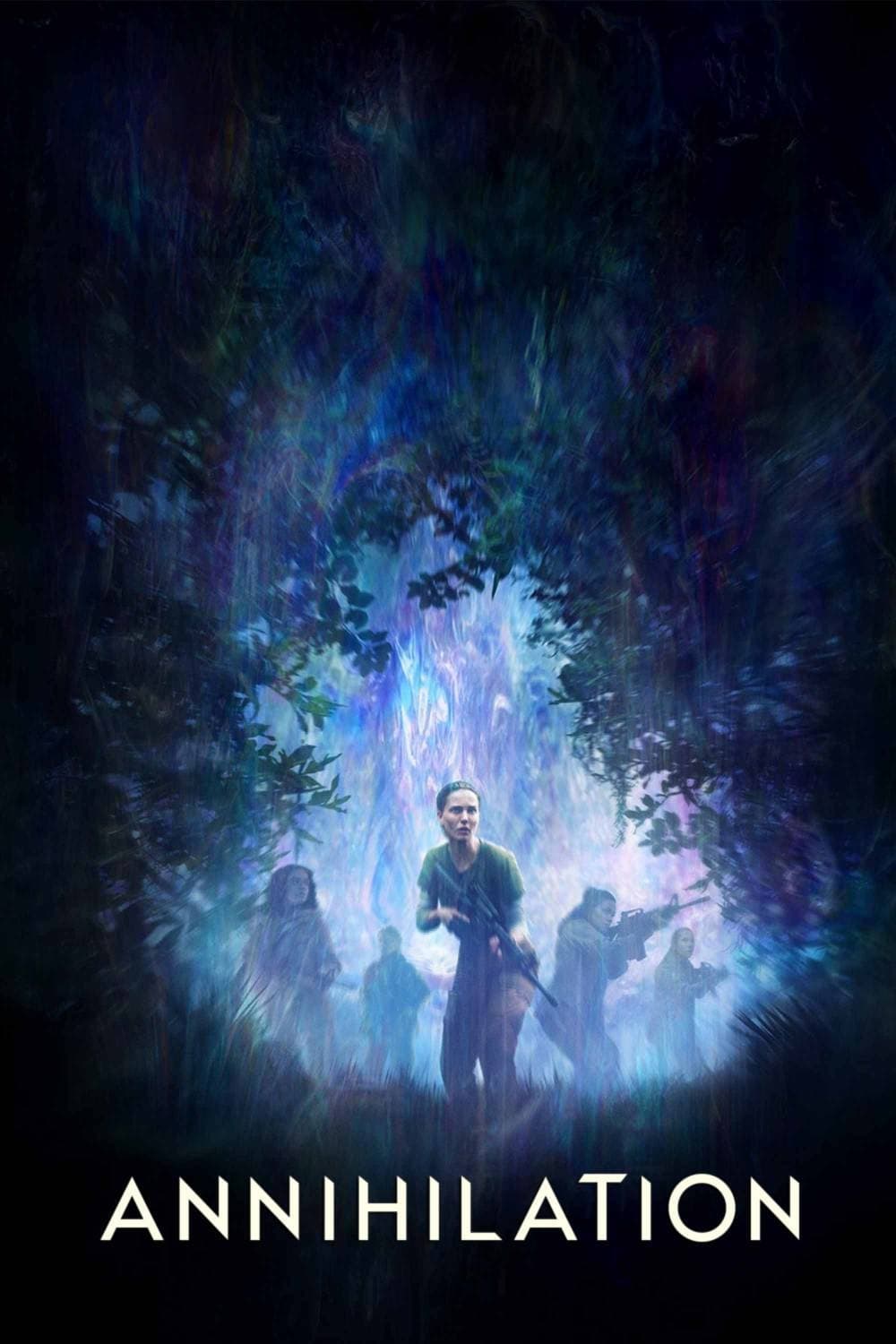
A team of scientists enters a quarantined zone where biology mutates under a refractive phenomenon called the “Shimmer.” Adapted from Jeff VanderMeer’s novel, it explores self-destruction, doubling, and ecological change. The production used practical creature work blended with digital effects for hybrid lifeforms. Its ending presents an ambiguous replication event tied to identity.
‘Perfect Blue’ (1997)
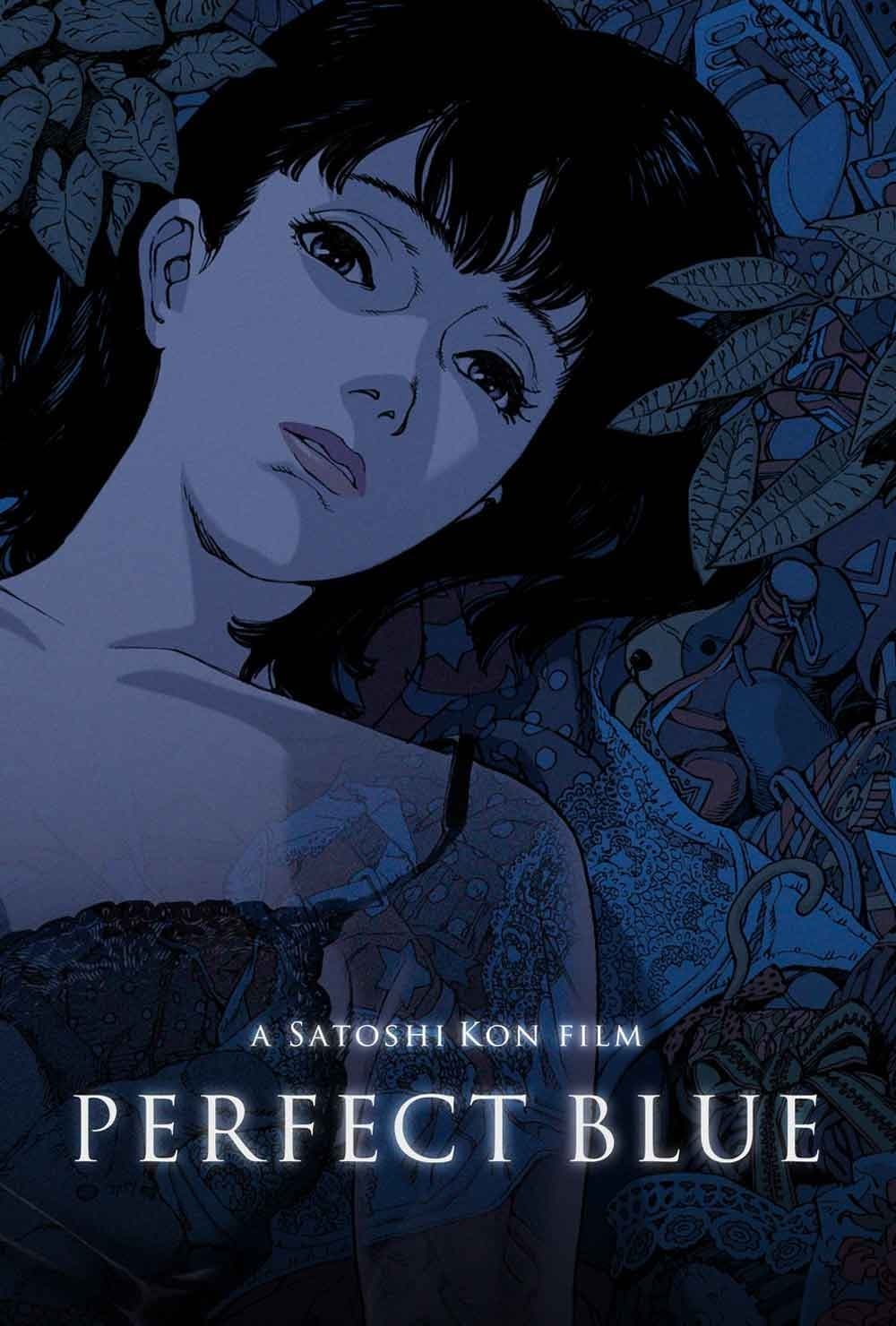
Satoshi Kon’s animated thriller centers on a pop idol whose shift to acting triggers blurred boundaries between performance and self. The film integrates TV scripts, stalker notes, and media reflections to question what’s staged or real. It influenced later works that examine celebrity and surveillance. Kon’s match-cuts and scene transitions create purposeful discontinuities.
‘Paprika’ (2006)
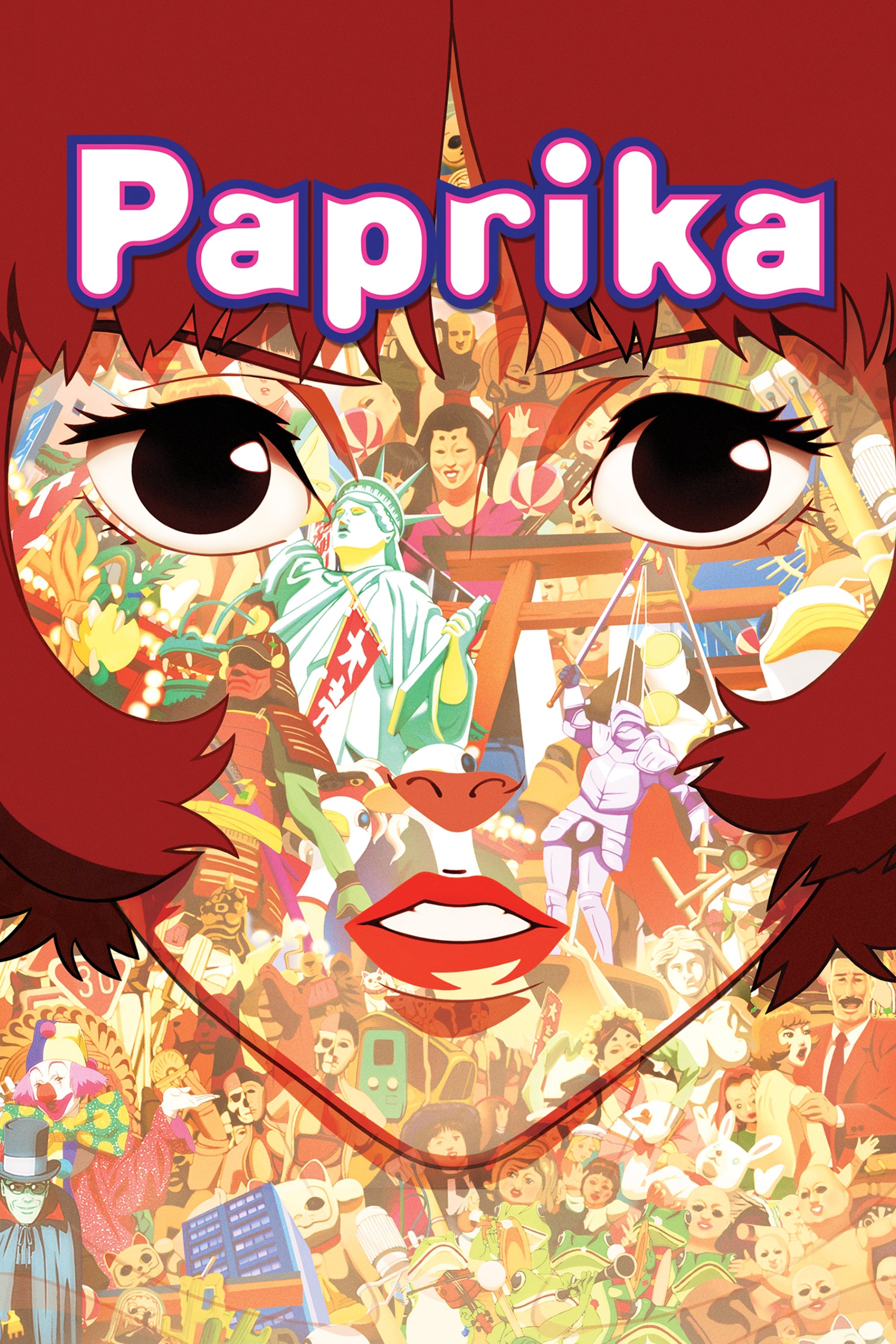
A research team deploys a device that lets therapists enter patients’ dreams, which spills into waking reality when it’s stolen. Based on Yasutaka Tsutsui’s novel, the film visualizes dream logic with parade imagery and collapsing space. Composer Susumu Hirasawa’s electronic score underscores the shifting identities. Editing frequently bridges scenes through objects and motion.
‘Synecdoche, New York’ (2008)
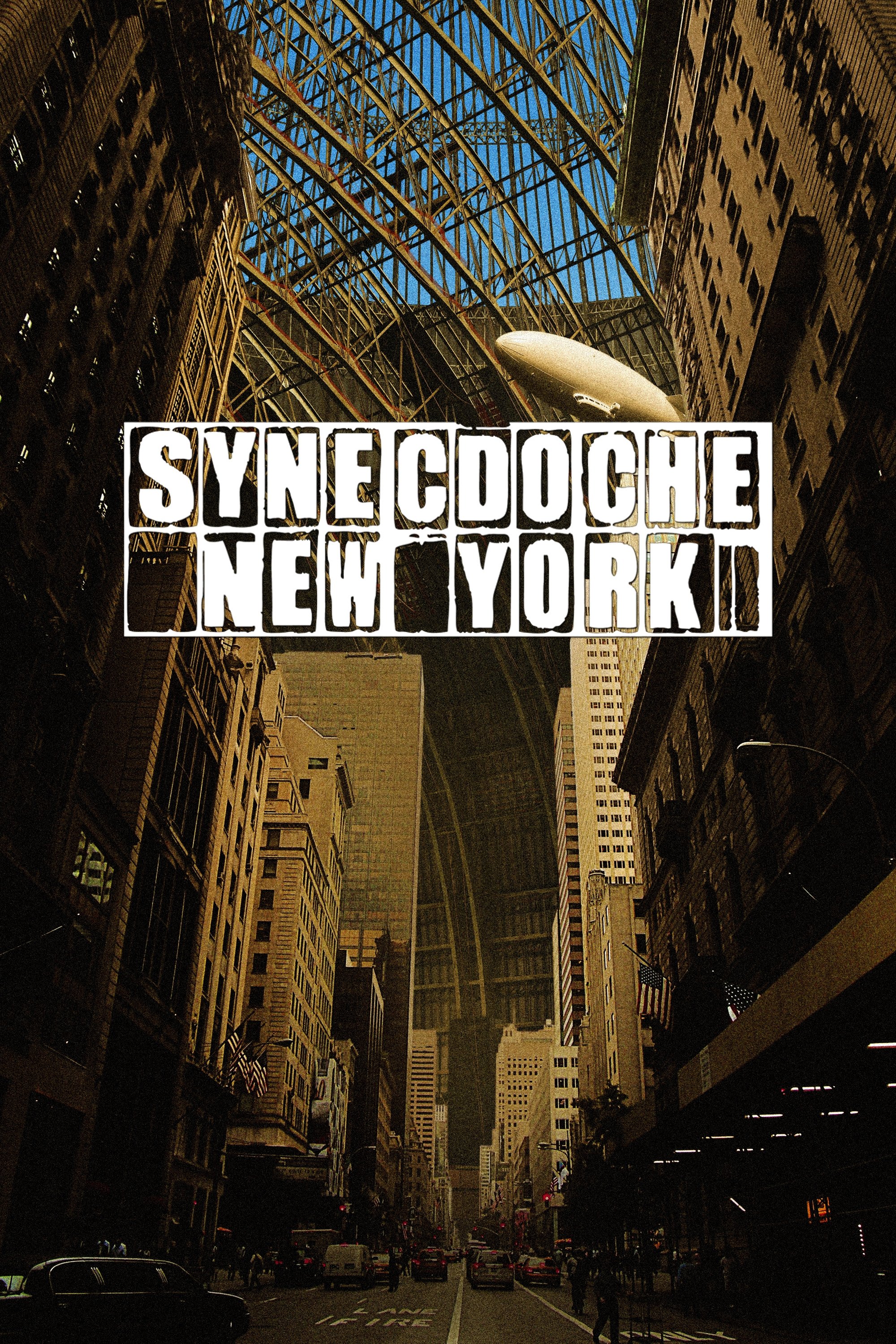
A theater director mounts an ever-expanding play that recreates his life inside a warehouse set. The production constructs nested versions of people and locations, generating a city within a city. The film tracks years of time via makeup, casting changes, and evolving architecture. Names and roles double back on themselves to show self-authorship.
‘The Prestige’ (2006)
Two magicians escalate a rivalry through misdirection, stagecraft, and emerging science. Nikola Tesla appears as a historical figure linked to a machine that alters the logistics of a trick. The narrative uses journal-within-journal framing and non-linear reveals. Practical illusions and period production design ground the story’s technological puzzles.
‘2001: A Space Odyssey’ (1968)
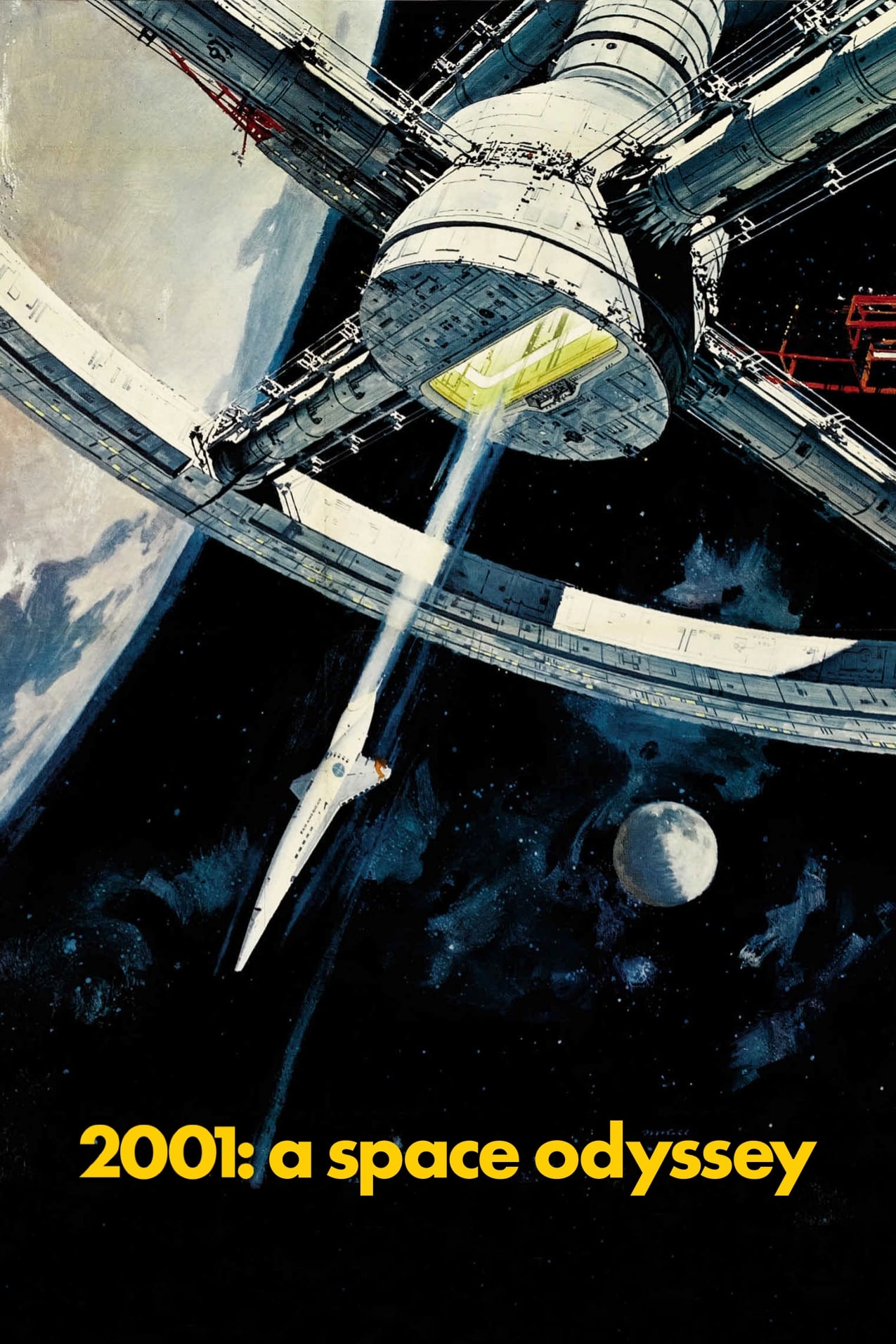
This space epic charts human evolution from prehistoric tool use to deep-space exploration. It features minimal dialogue, extended visual sequences, and the sentient computer HAL 9000. The effects pioneered front-projection, rotating sets, and slit-scan techniques for the stargate sequence. Classical music selections structure the film’s movements like a symphony.
‘Stalker’ (1979)

Three men traverse the “Zone,” a restricted area rumored to grant innermost desires. The film uses long takes and measured pacing to turn a simple journey into a philosophical expedition. Color shifts mark transitions between everyday spaces and the Zone’s landscape. It was filmed under challenging conditions across industrial locations.
‘Solaris’ (1972)

A psychologist visits a space station orbiting an ocean planet that materializes human memories. The story examines grief and perception through visitors conjured from a scientist’s past. The production balances austere sets with extended Earth sequences to emphasize contrast. Music and soundscapes maintain a meditative, interior atmosphere.
‘The Matrix’ (1999)
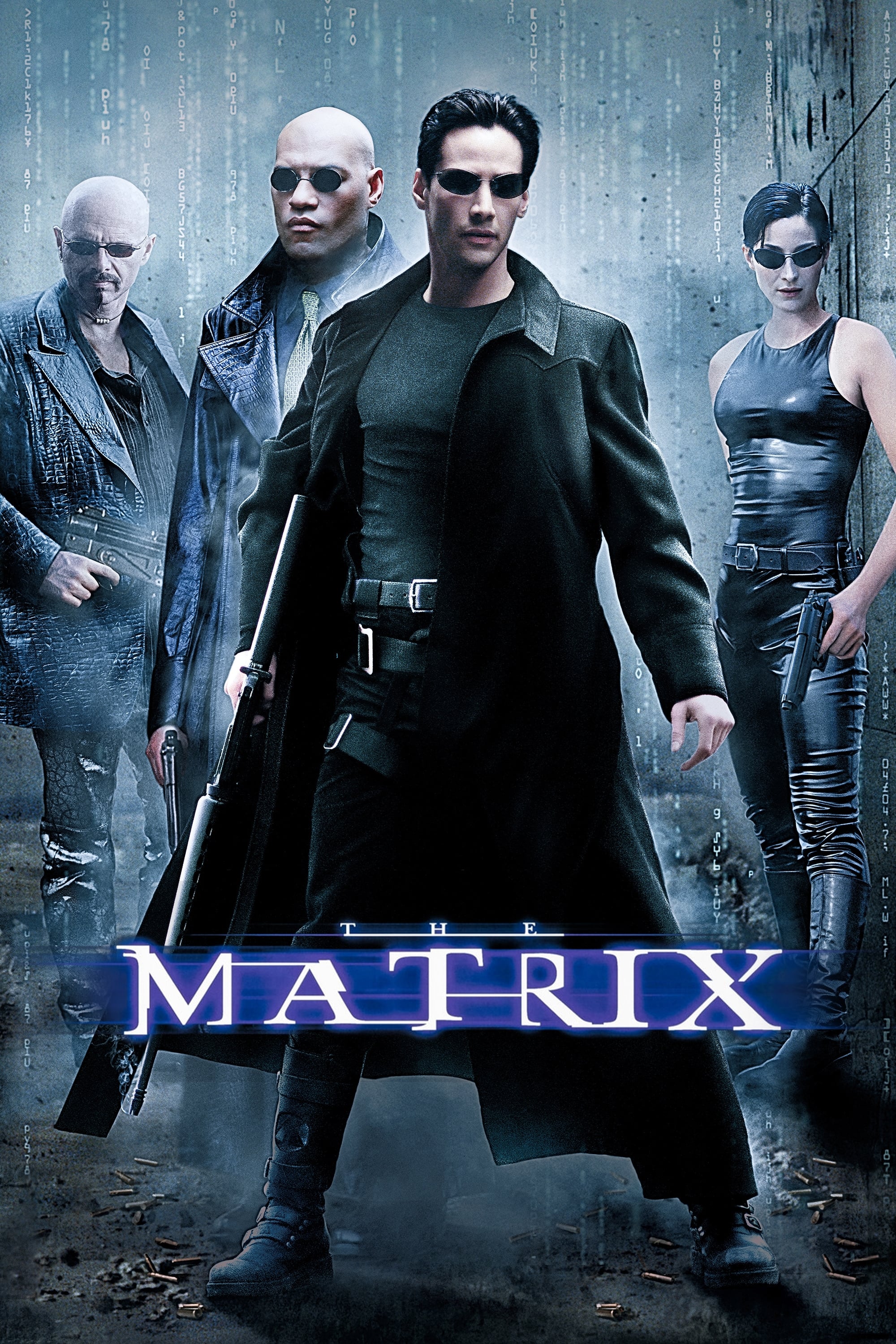
A hacker learns that reality is a simulated construct controlled by sentient machines. The film popularized “bullet time,” wire-fu choreography, and cyberpunk design language. It draws on philosophy and computer culture, weaving artificial intelligence and simulated worlds into an action framework. Costume and green-tinted grading distinguish layers of reality.
‘Enemy’ (2013)
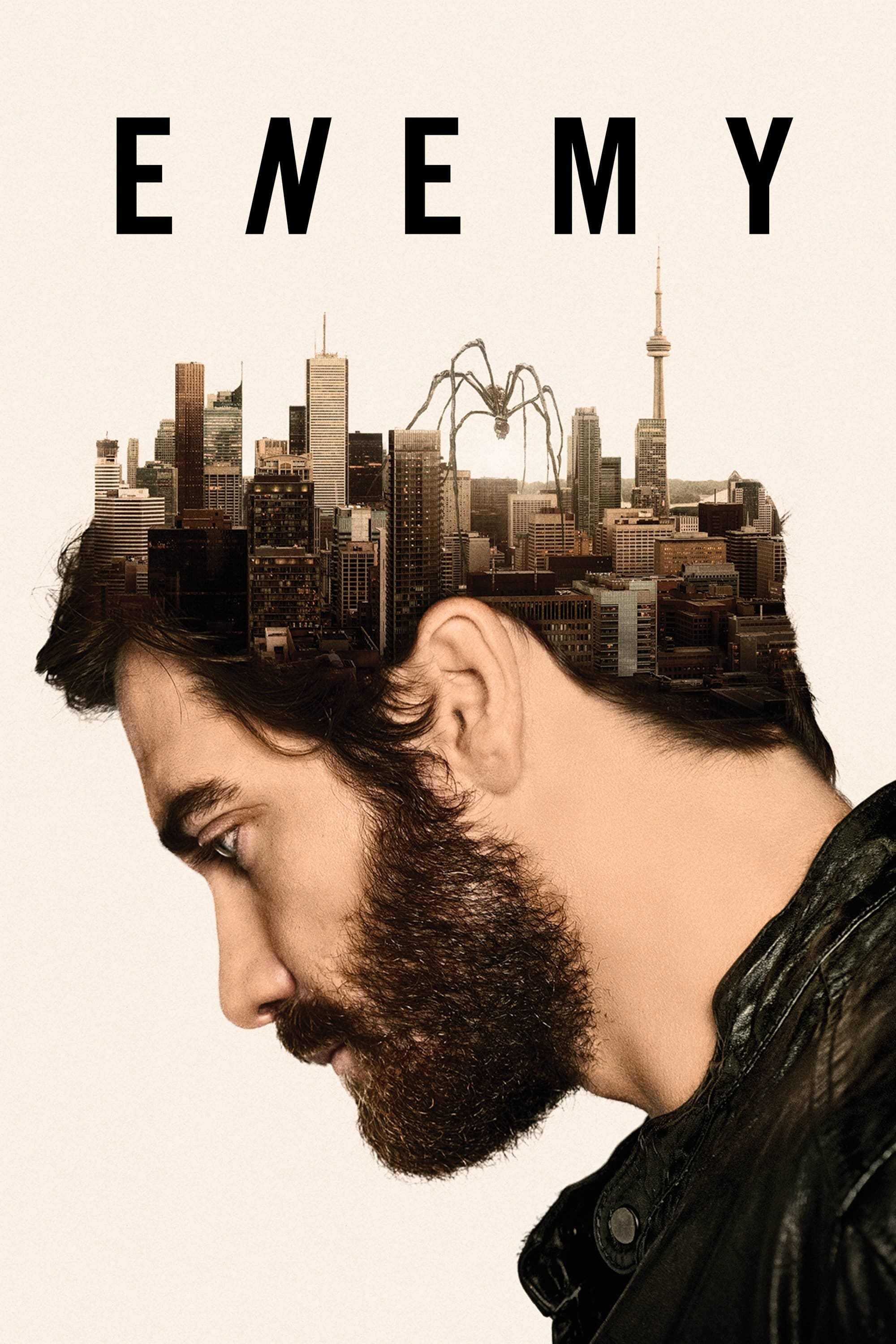
A university lecturer discovers a physically identical man living nearby, triggering a pattern of mirrored lives. Adapted from José Saramago’s novel ‘The Double,’ it uses recurring symbols and a muted color palette. Toronto locations are framed with oppressive architecture and sparse crowds. The closing image has become a widely discussed cipher.
‘Coherence’ (2013)
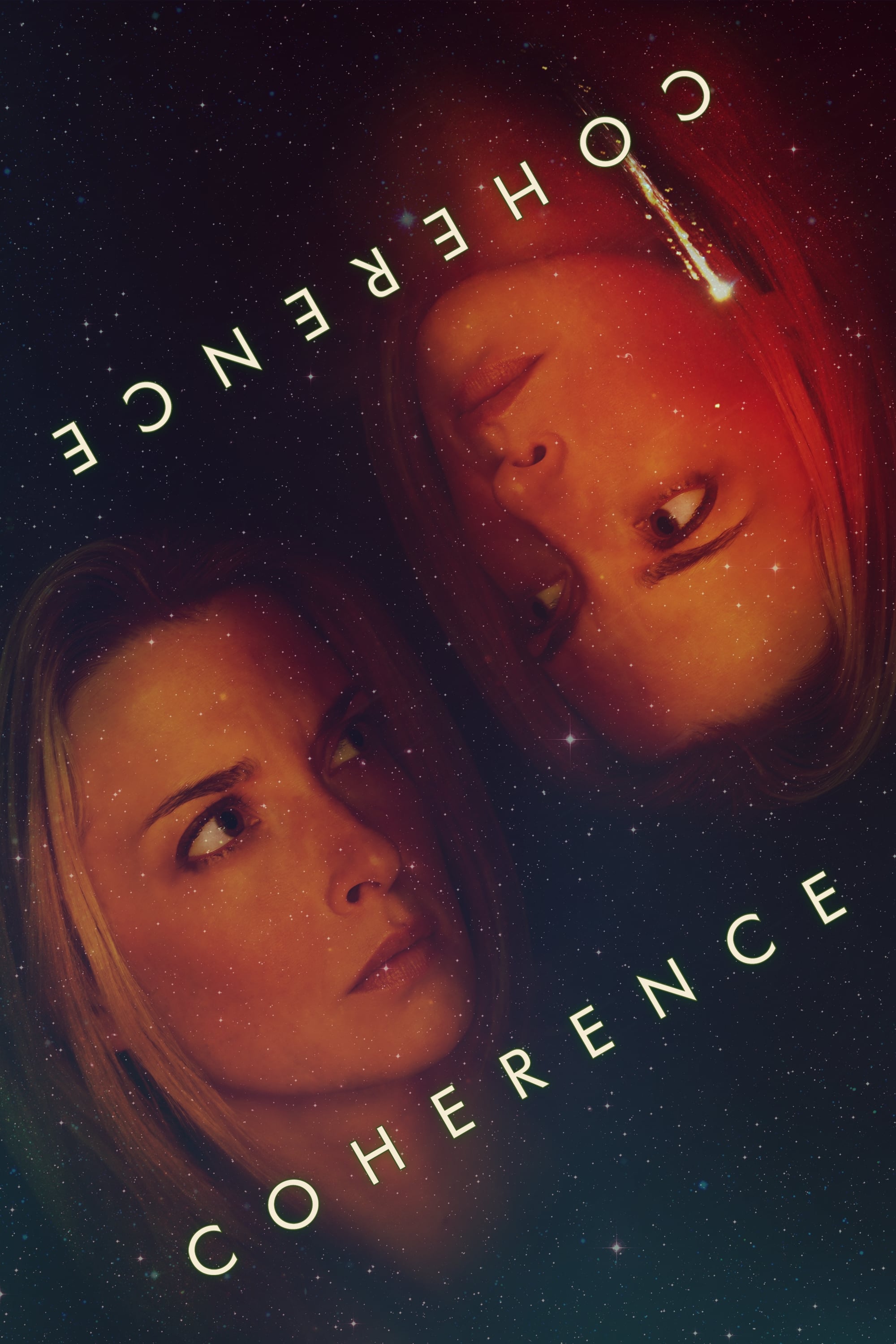
During a dinner party, a comet’s passing fractures reality, causing overlapping versions of the same group to collide. The production used improvisation with scene prompts rather than a traditional script. A single house, minimal lighting, and handheld cameras create a contained environment. Color-coded objects and numbers track branching timelines.
‘Under the Skin’ (2013)
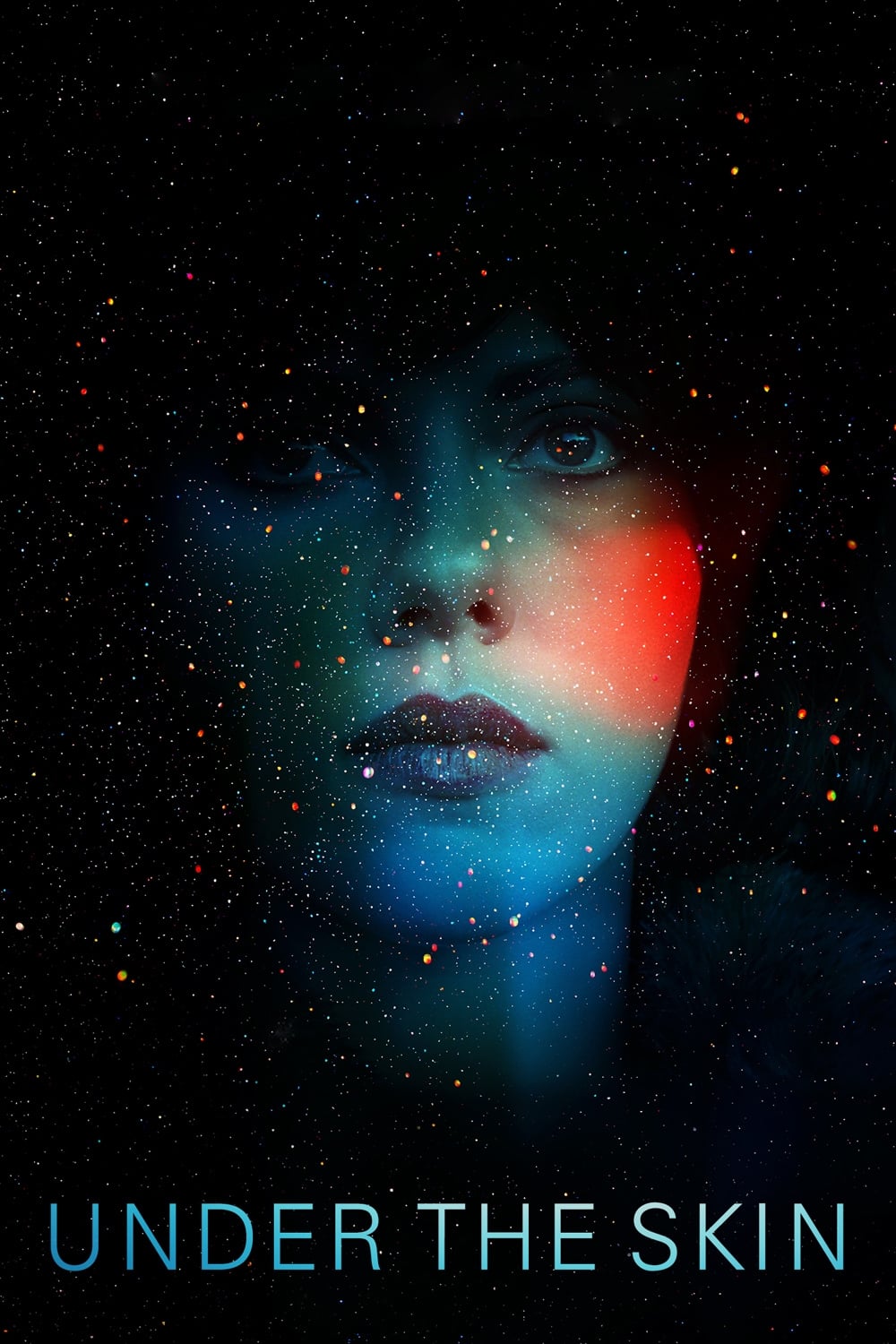
An otherworldly visitor in human form drives through Scotland and lures men into a voidlike space. Non-actors and hidden cameras capture real street interactions woven into the narrative. The score by Mica Levi employs microtonal textures to heighten alien perspective. Visual effects render the “black room” with stark, abstract imagery.
‘Her’ (2013)
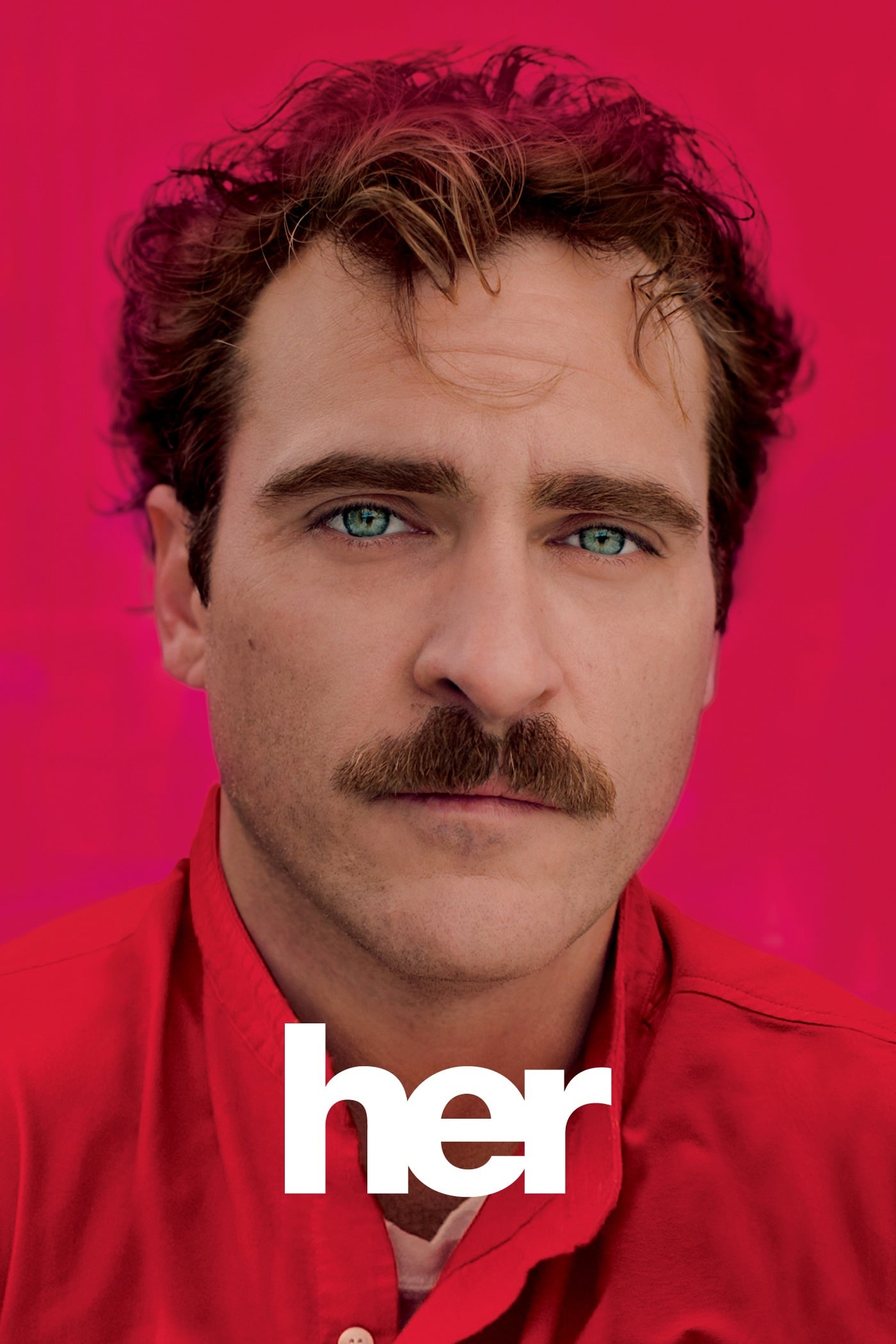
A writer develops an intimate relationship with an operating system designed to learn and evolve. The production blends Los Angeles with Shanghai exteriors to depict a near-future urban warmth. Costume and set design favor soft colors and high-waisted silhouettes to avoid typical tech minimalism. Voice performance and sound cues build the OS’s presence without a body.
‘Ex Machina’ (2014)
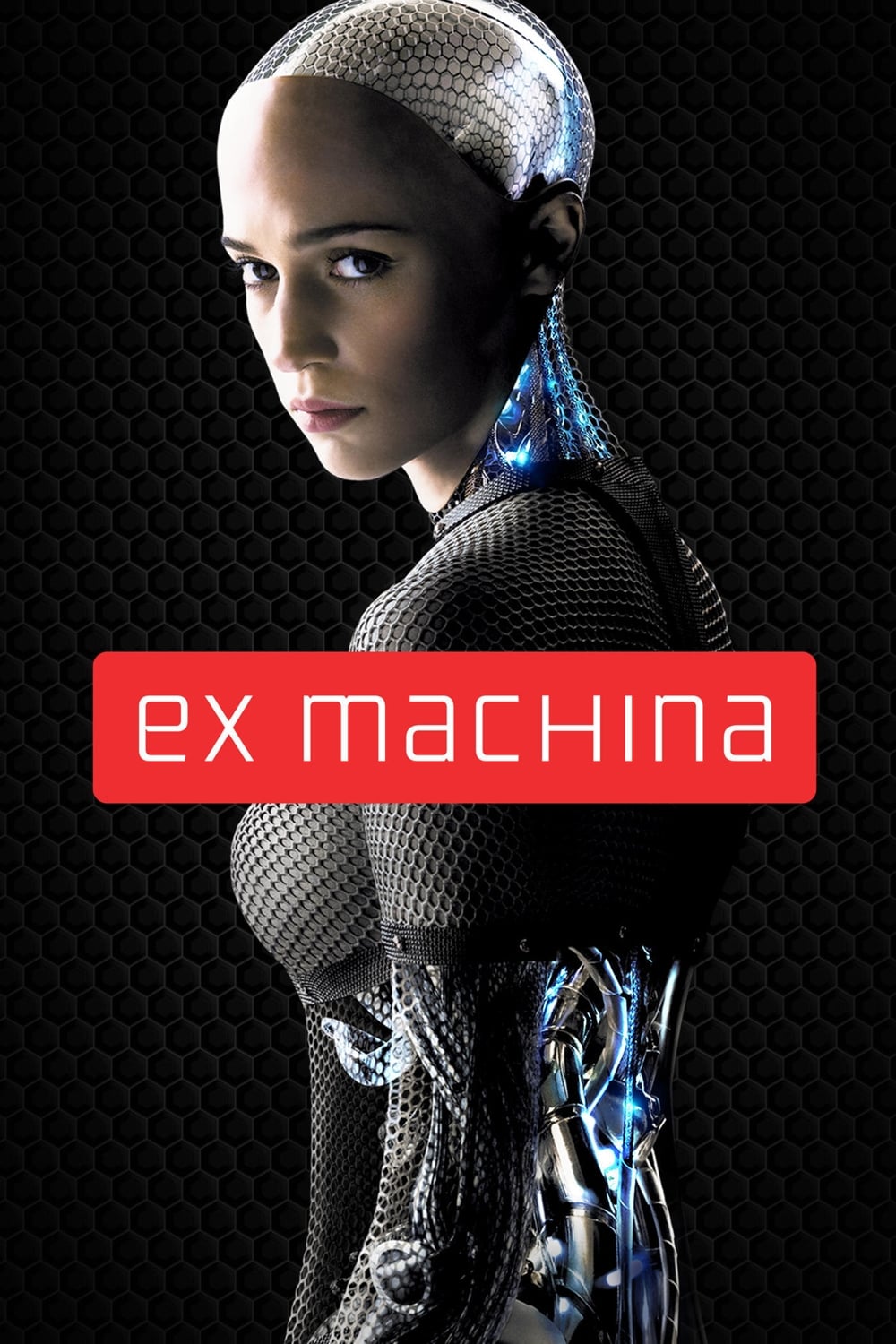
A programmer evaluates a humanoid AI in isolated sessions overseen by its creator. The film stages a series of interviews that function like a test of consciousness and intent. Visual effects integrate translucent robotics with live-action footage inside real architectural locations. Lighting shifts and surveillance angles reinforce questions about control.
‘The Fountain’ (2006)
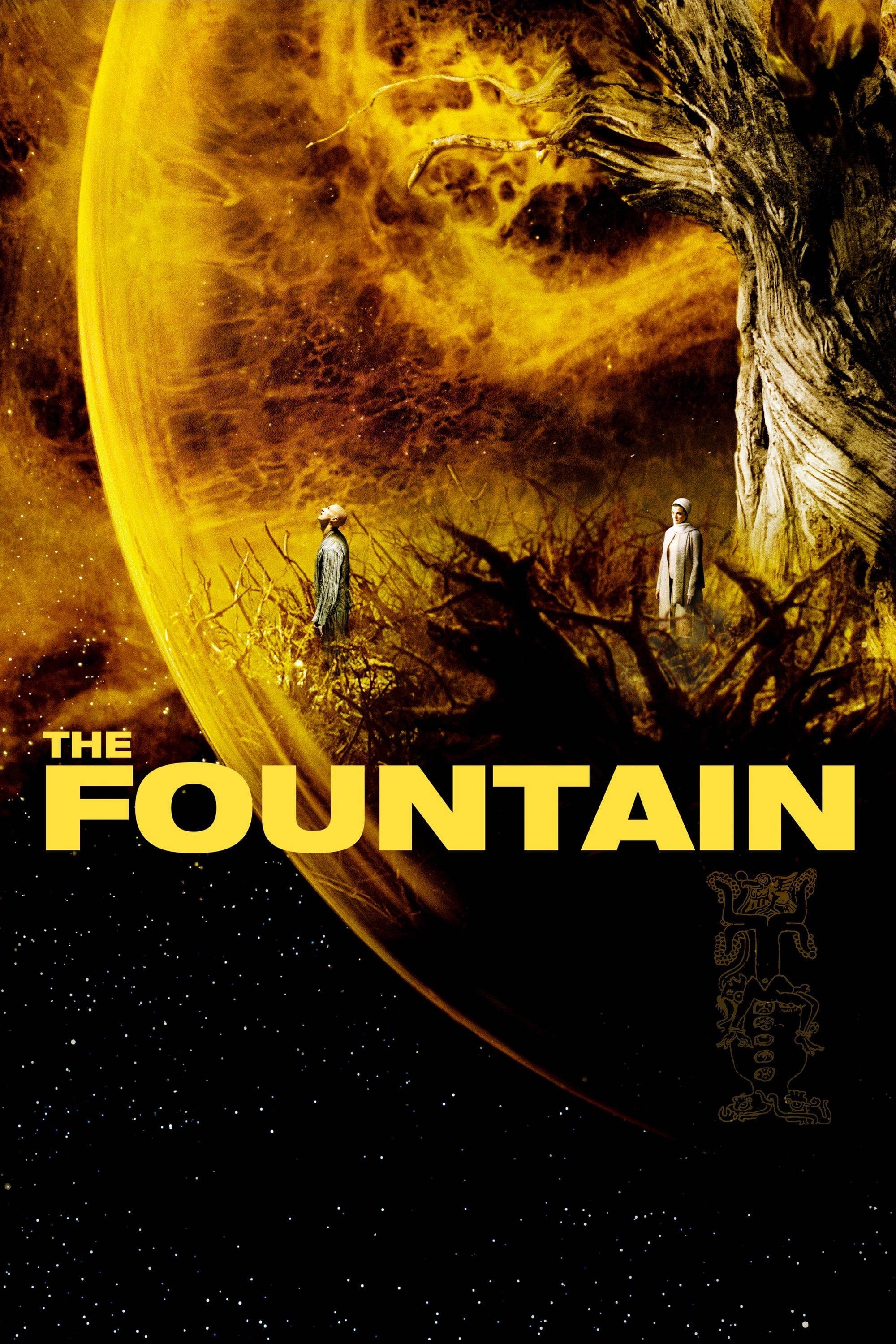
Intercut storylines follow a researcher, a conquistador, and a space traveler linked by recurring imagery and a single relationship. The production used macro photography of chemical reactions to create cosmic visuals. A recurring musical motif ties the timelines together. The narrative structure cycles symbols across centuries to connect mortality and myth.
‘Triangle’ (2009)

A sailing trip leads to a temporal loop aboard an abandoned liner where events repeat with variations. The film uses visible prop resets and traced blood trails to map cycles. Characters’ choices create overlapping versions of key scenes. Its closed setting allows the plot to track cause, effect, and recurrence.
‘The Sixth Sense’ (1999)
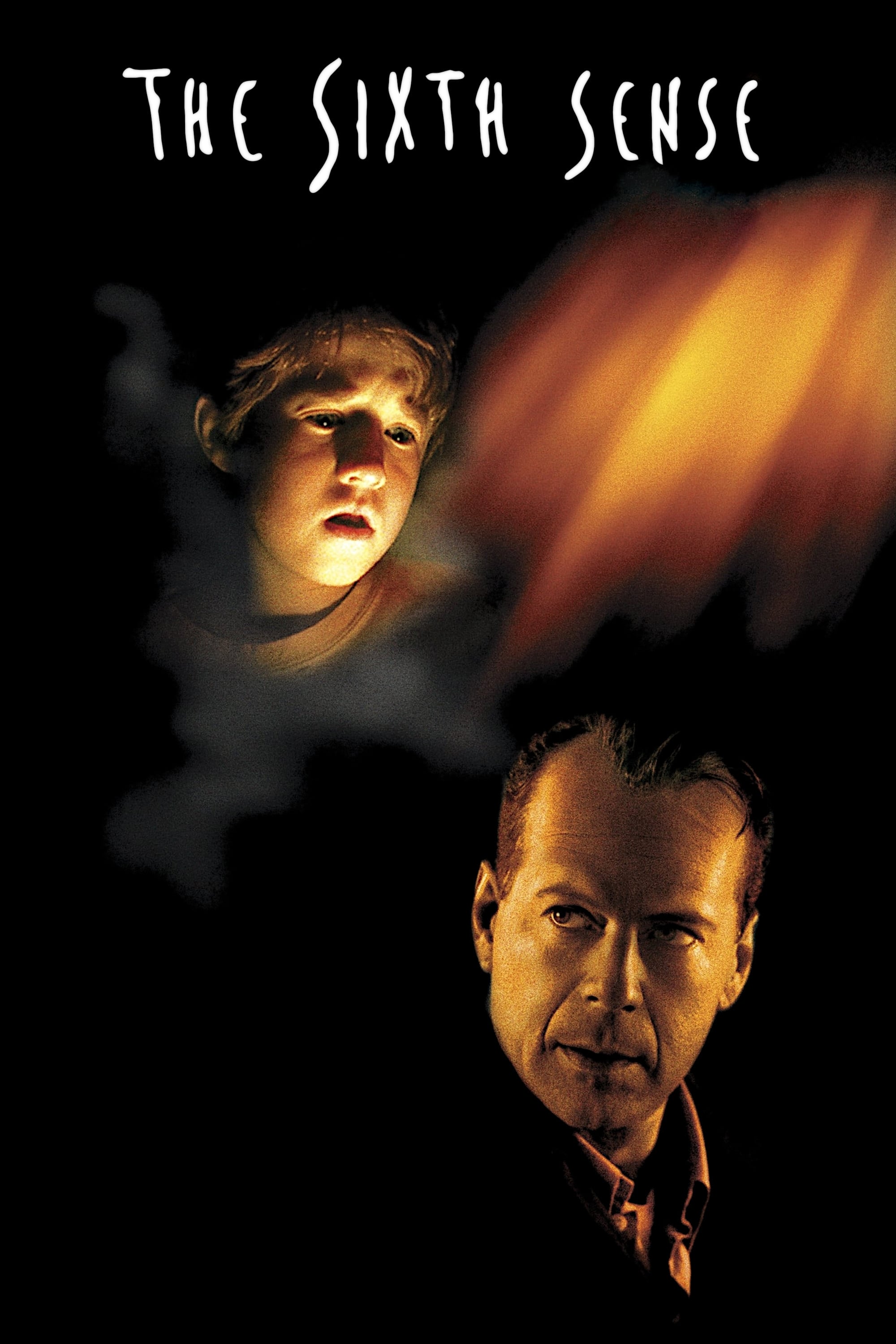
A child who sees the dead works with a psychologist to interpret the encounters. Clues embedded in production design and framing foreshadow the story’s central revelation. The film uses restrained visual effects and a controlled color scheme to mark supernatural moments. Its structure rewards close attention to dialogue and background details.
‘Oldboy’ (2003)
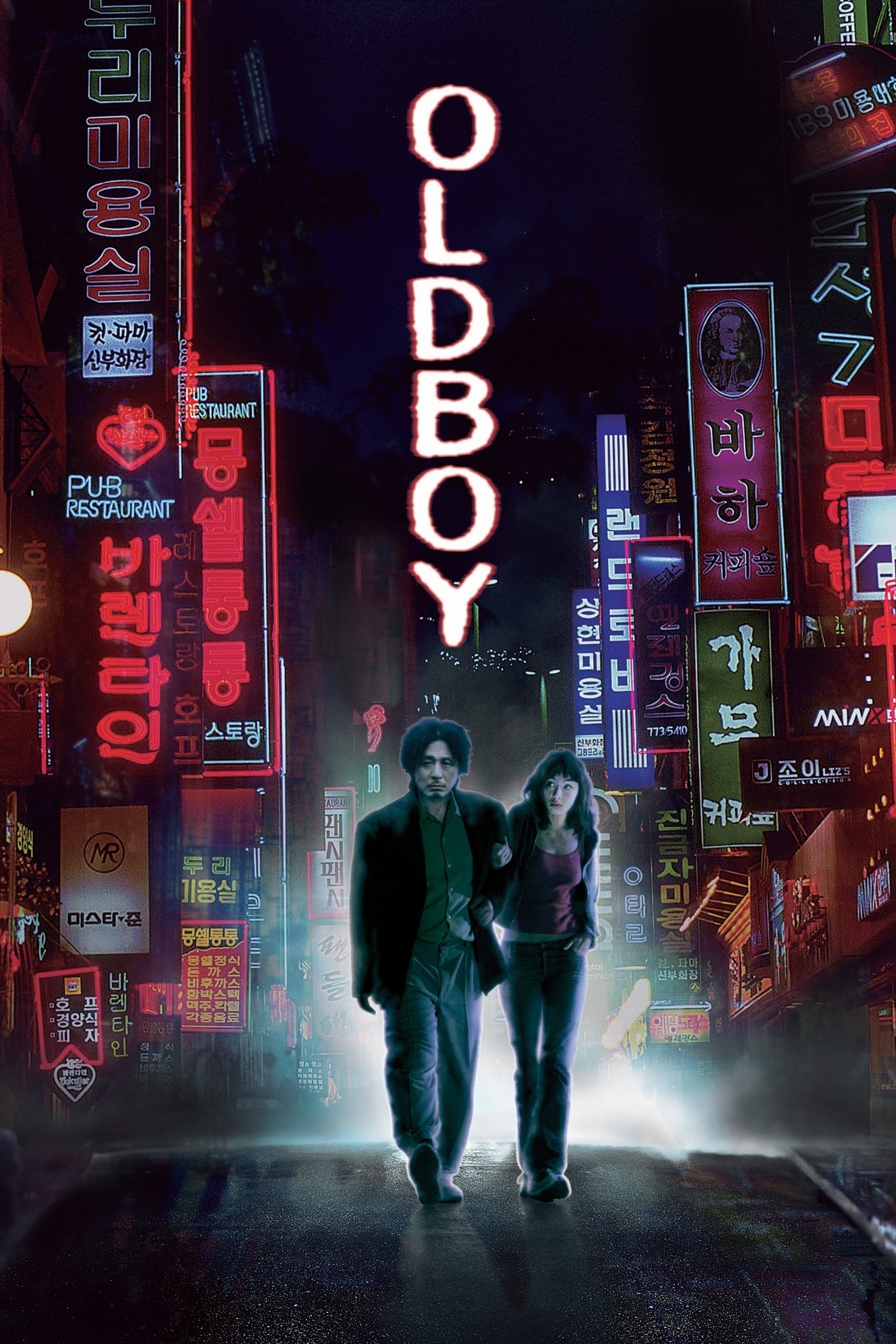
After a sudden abduction, a man is imprisoned for years and then released to solve who orchestrated it and why. The story unfolds as a revenge investigation with carefully placed visual motifs. Stylized fight staging, including a notable corridor sequence, was achieved through extended takes. The narrative’s end reframes earlier information without repeating scenes.
‘A Ghost Story’ (2017)
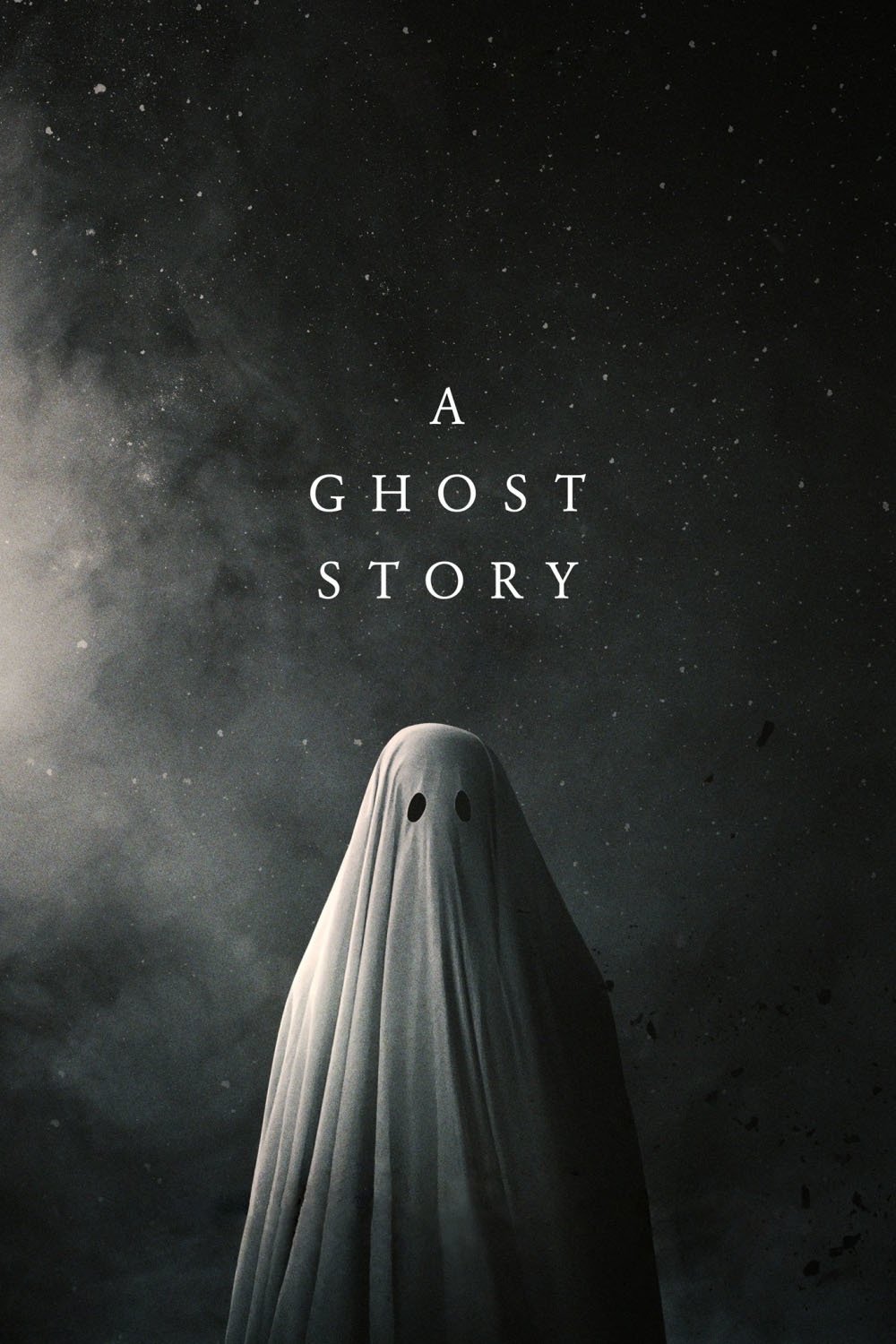
A recently deceased man, now under a simple sheet, observes time passing around the home he shared. The production uses a nearly square aspect ratio and rounded corners to evoke old photographs. Sparse dialogue and long static shots shift focus to setting and duration. The film compresses years into minutes to show how places accumulate memory.
Share your favorite head-spinning picks in the comments and tell us which ones kept you awake the longest.