Psychological Movies You Actually Have to Watch Twice


Some stories bury crucial details in plain sight, and catching them often takes a second pass. These psychological films use unreliable narrators, fractured timelines, and visual breadcrumbs that only snap into focus when you know what’s coming. Watch once for the ride, then again to trace the clues you missed the first time. Along the way, note how studios positioned these releases, because distributors often shaped how their mysteries reached audiences.
‘Memento’ (2000)
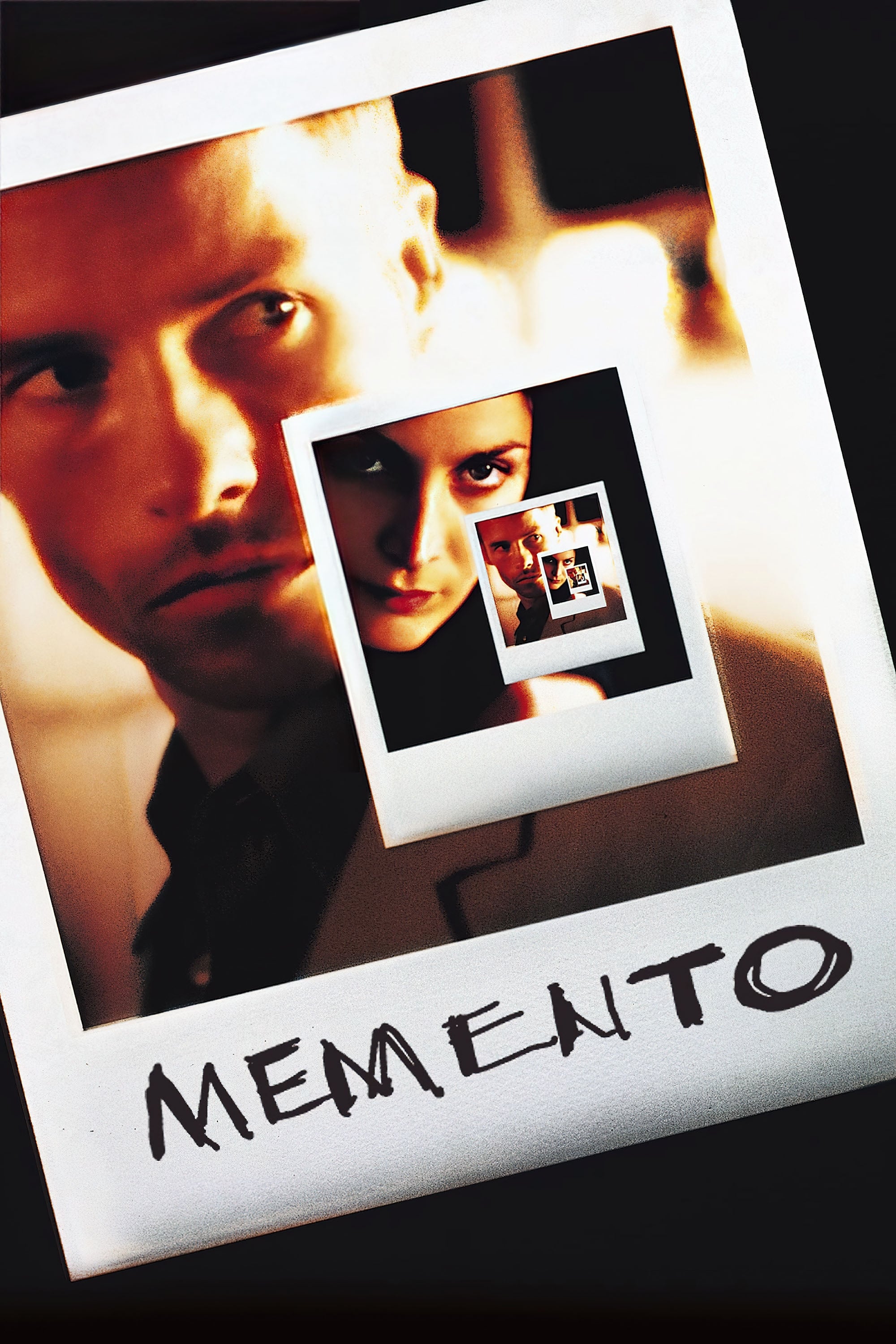
Christopher Nolan structures the narrative in alternating color and black-and-white sequences that meet in the middle, which makes a rewatch essential for mapping cause and effect. The film tracks short-term memory loss with scene-to-scene resets that reveal information in reverse. Pay attention to tattoos, Polaroids, and repeated lines to see how the investigation loops back on itself. Newmarket Films handled its U.S. release, helping the nonlinear thriller find word-of-mouth momentum.
‘Fight Club’ (1999)

The story relies on an unreliable narrator whose perspective colors every scene, so a second viewing clarifies character interactions and background hints. Visual cues, editing stutters, and blink-and-you-miss-them inserts foreshadow the big reveal. Rewatching highlights how locations and props change meaning once identities are understood. 20th Century Fox released the film, initially marketing it as a dark drama before its cult following grew.
‘The Sixth Sense’ (1999)
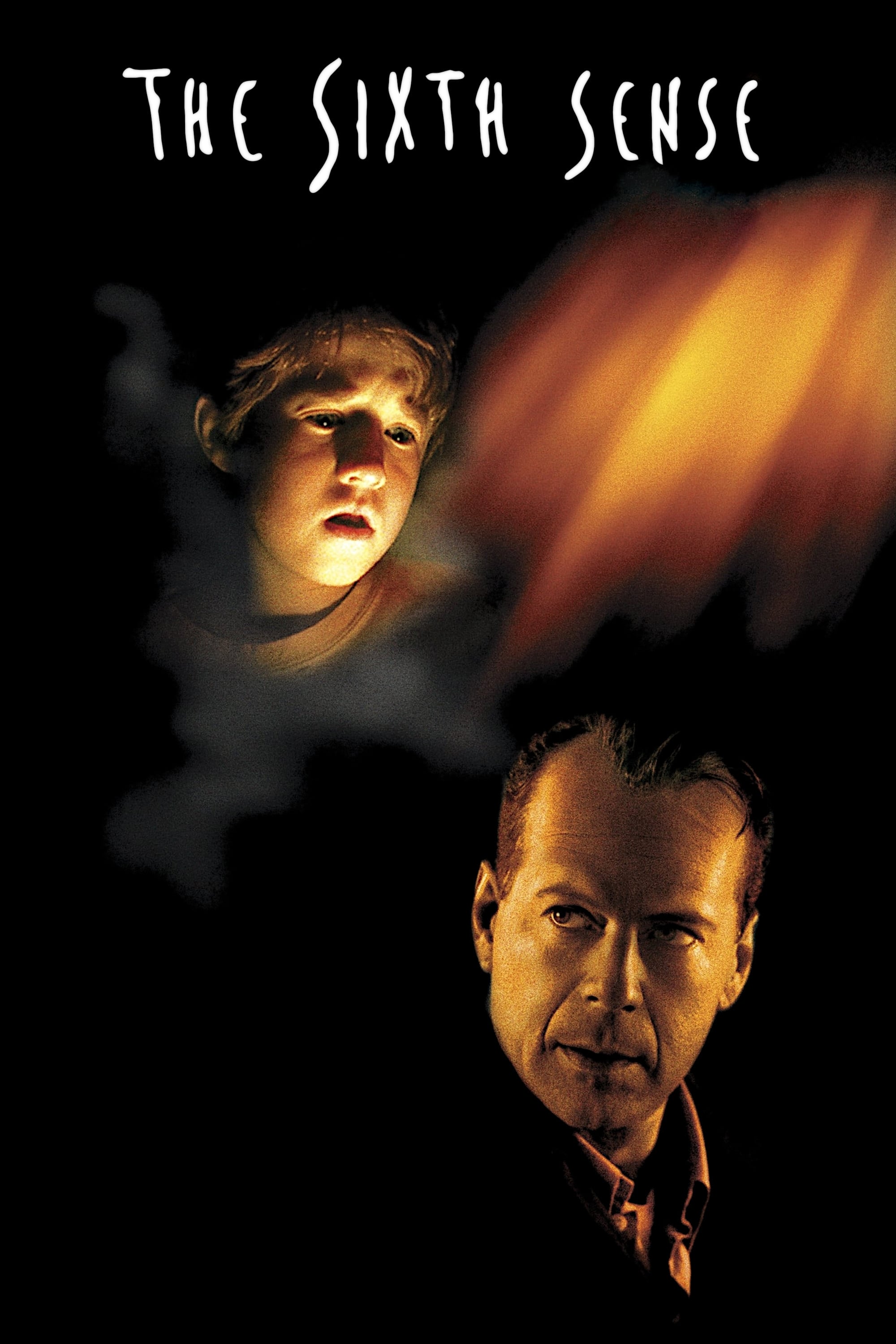
Subtle staging and dialogue rules govern who speaks to whom and how rooms are blocked, which becomes clear when you revisit key conversations. The color red marks emotional or supernatural turning points that take on new significance later. A second look shows how everyday scenes are quietly reframed by the final revelation. Buena Vista Pictures distributed it widely, positioning the movie as a prestige thriller.
‘Shutter Island’ (2010)
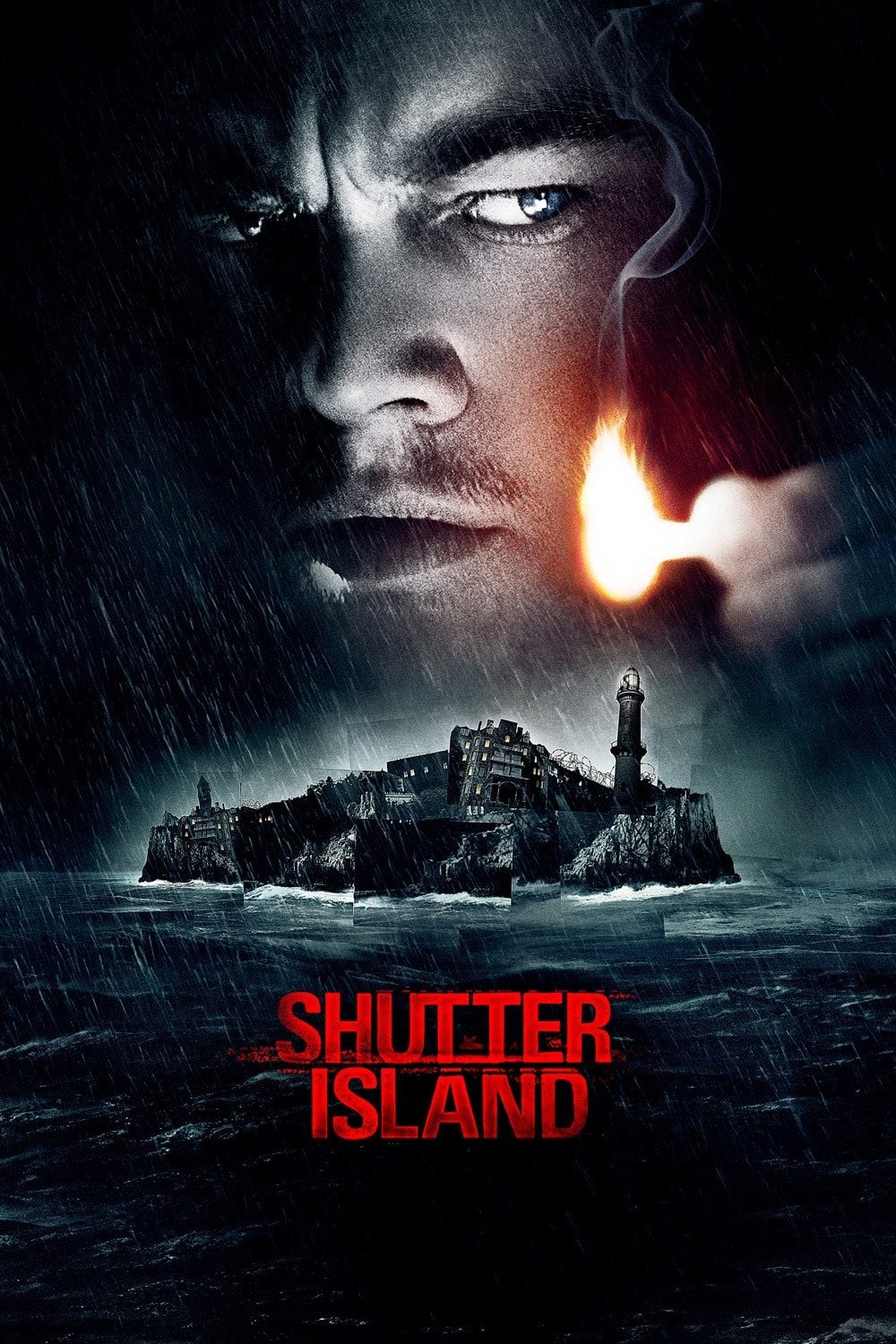
The investigation unfolds inside a closed environment where weather, sound, and geography mirror the protagonist’s mindset. Medical records, dream imagery, and repeated phrases are structured to be reinterpreted once the truth surfaces. On rewatch, motifs in names and patient files line up into a coherent pattern. Paramount Pictures led the domestic release, underscoring the film’s noir-tinged mystery.
‘Black Swan’ (2010)

Mirrors, doubles, and costume details signal a progressive blurring between performance and reality. The choreography of the camera tracks psychological strain through physical transformation. A second viewing helps separate staged hallucinations from real events during key rehearsals and performances. Fox Searchlight Pictures distributed the film, presenting it as an elevated psychological drama.
‘Mulholland Drive’ (2001)
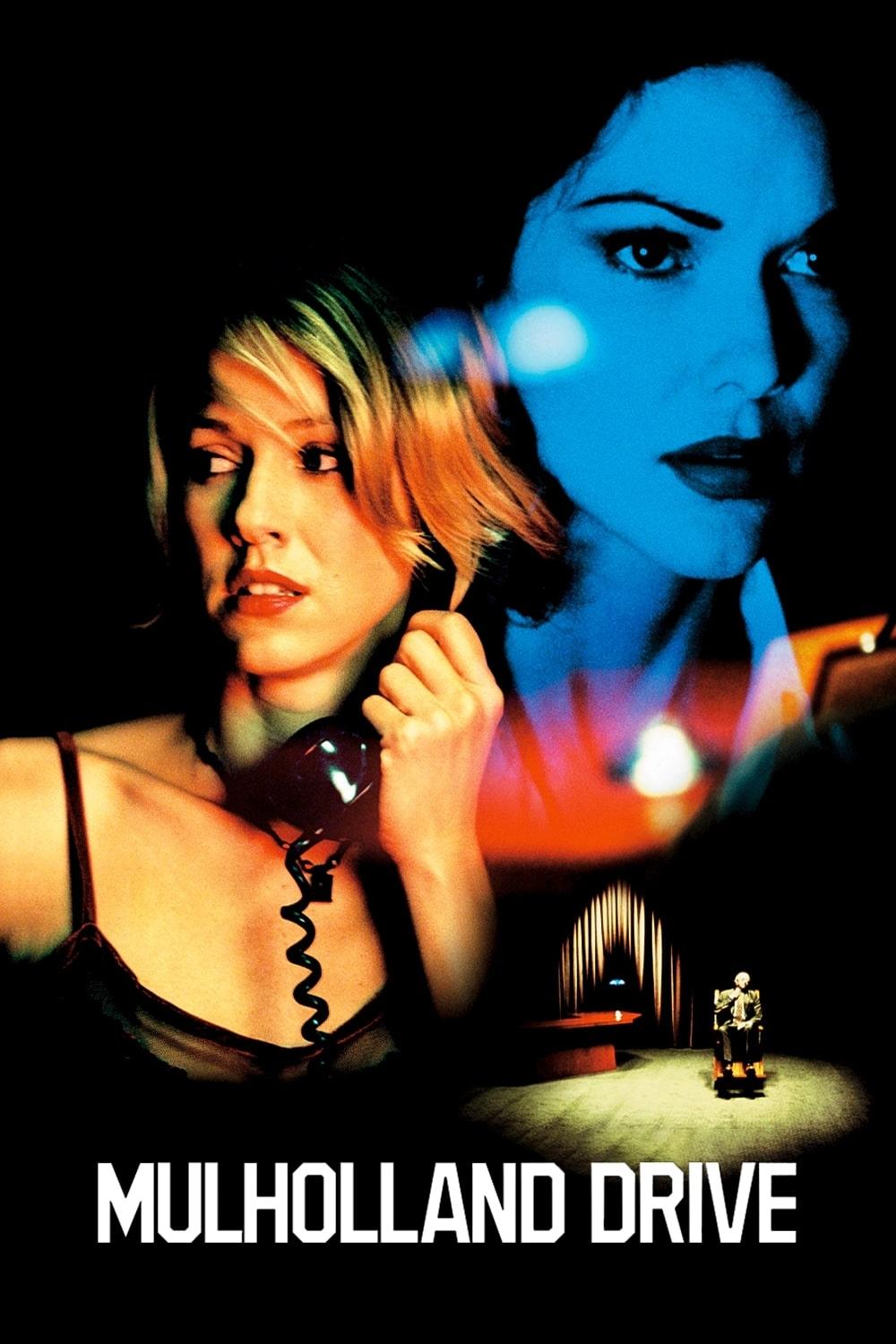
The narrative shifts midway, with characters and settings echoing earlier scenes under altered identities. Objects like a blue box and key unify separate story threads that only connect on a revisit. Rewatching with attention to auditions, club sequences, and swapped names maps the dream-reality divide. USA Films, part of Universal’s specialty operations, shepherded its North American release.
‘Donnie Darko’ (2001)

The film layers time loops, manipulated paths, and artifact motifs that become clearer with foreknowledge of the ending. Classroom readings and peripheral headlines embed clues about the timeline. A second pass clarifies how supporting characters guide the protagonist toward a fixed outcome. Newmarket Films distributed the U.S. theatrical run, later boosted by a director’s cut and home video.
‘Oldboy’ (2003)
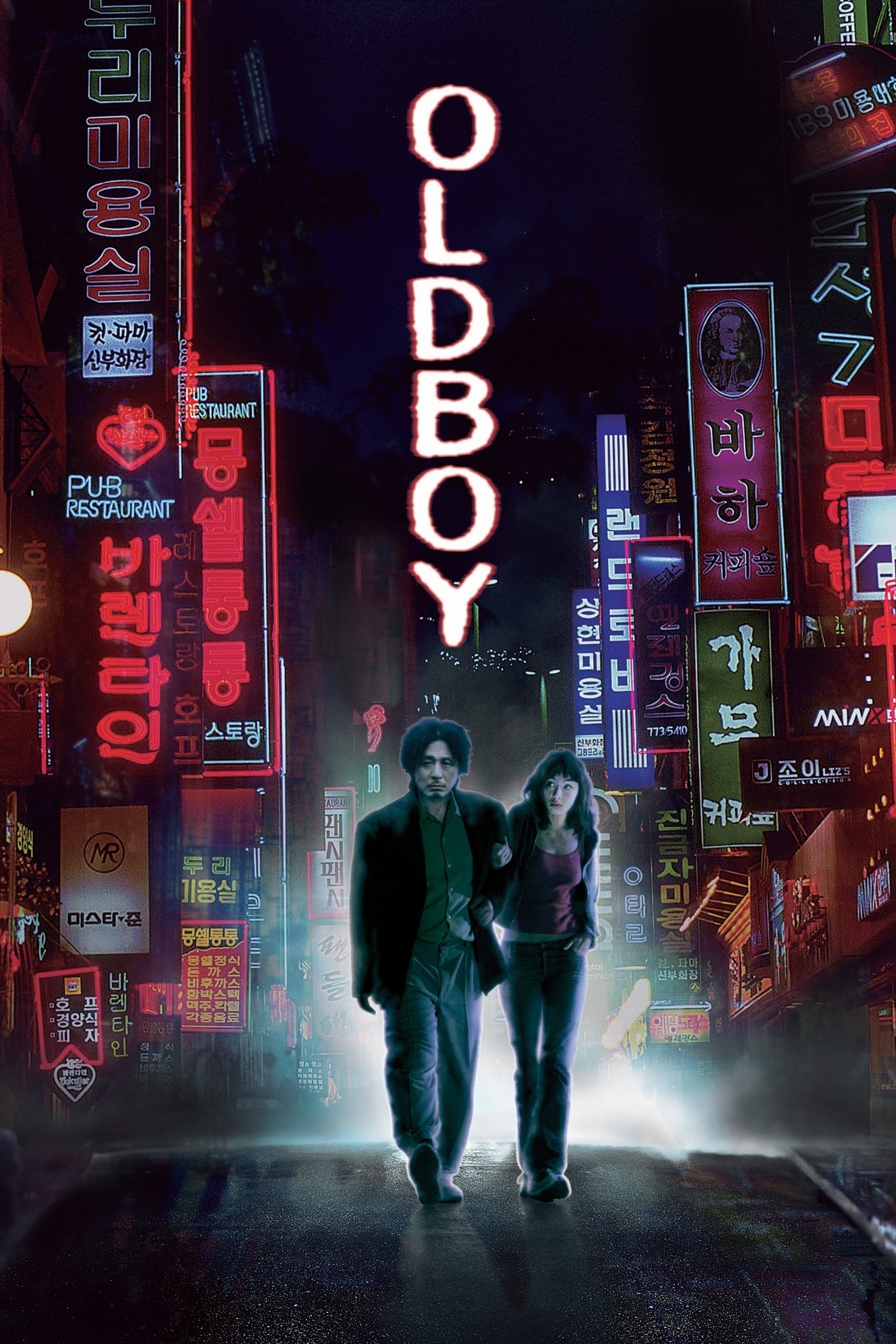
Framed as a personal vendetta, the story sprinkles cryptic evidence in school records, news clippings, and shared memories. Rewatching aligns flashbacks with present-day discoveries to reveal how the plan was engineered. Visual parallels between prison life and freedom also reorder themselves once the twist lands. Show East handled the original Korean release, while Tartan Films introduced it to many U.S. viewers.
‘Primer’ (2004)
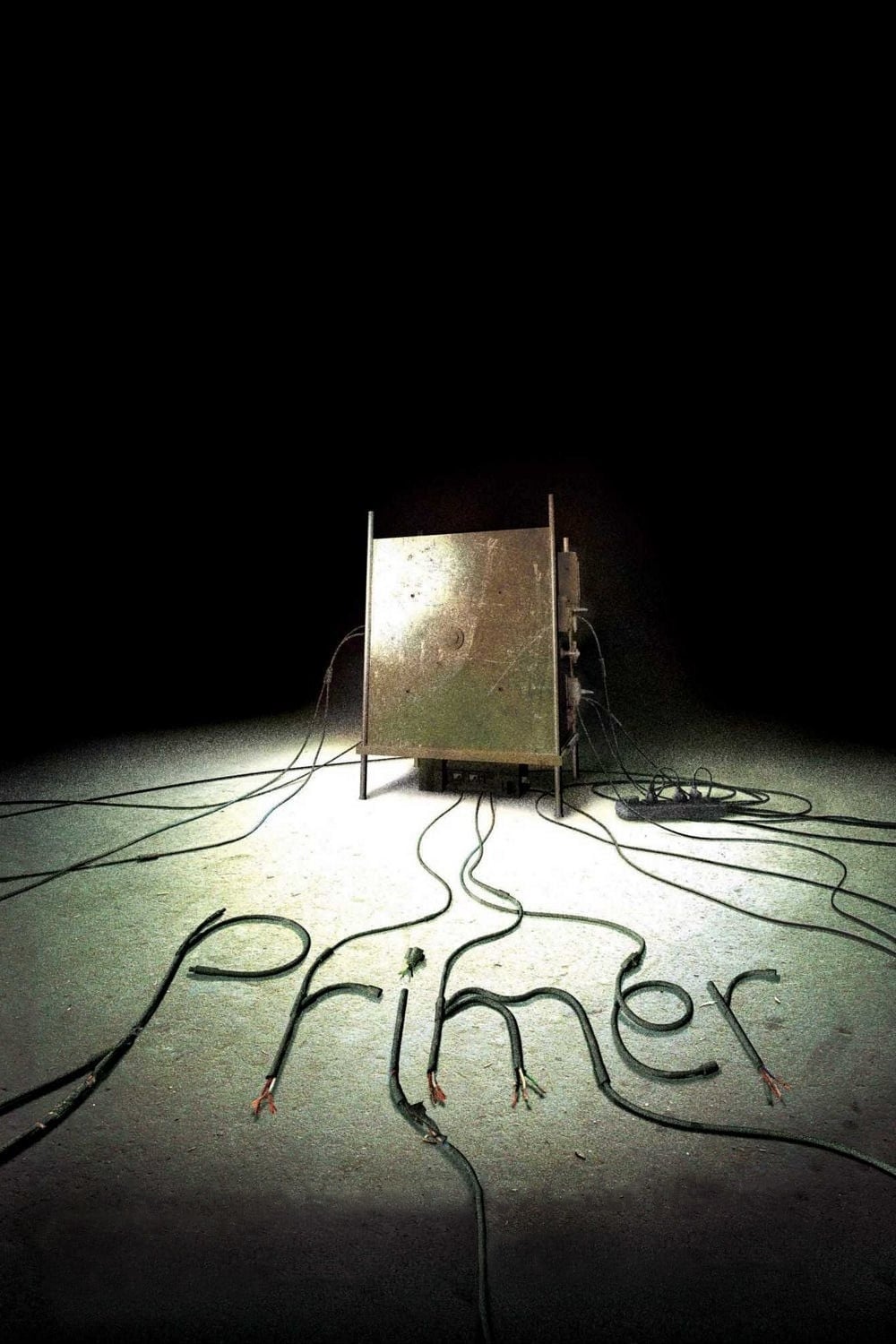
Technical dialogue and overlapping scenes conceal a web of duplicate timelines and altered causality. Diagramming meetings, party scenes, and box usage on a second viewing clarifies who knows what and when. Small wardrobe tells and audio glitches mark divergent paths. THINKFilm distributed the movie after its festival success, emphasizing its grounded approach to time travel.
‘The Machinist’ (2004)
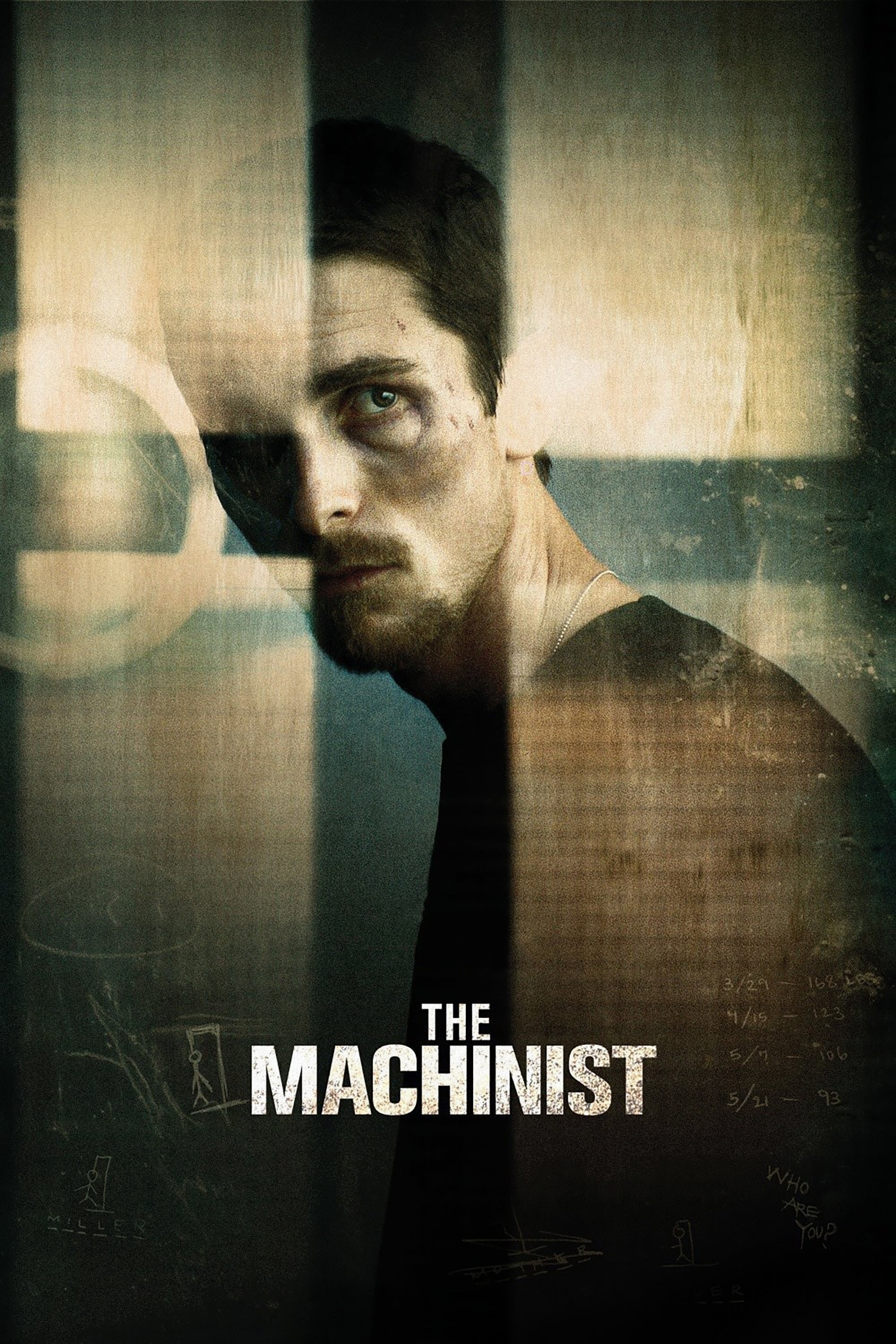
Physical clues in the apartment, workplace, and notes on machinery point toward the source of the protagonist’s insomnia. Rewatching shows how recurring symbols and names connect disparate incidents. The film’s timeline tightens once you recognize the memory anchors that recur across locations. Paramount Classics released it stateside, positioning the story as an intense character study.
‘The Prestige’ (2006)
Journal entries within journal entries create layered accounts of the same rivalry. Props like cages, knots, and duplicated stage mechanics pay off differently once the secret is known. A second viewing reveals how pledge, turn, and prestige map onto the plot’s three-act structure. Touchstone Pictures handled the U.S. release, with Warner Bros. supporting internationally.
‘Coherence’ (2013)
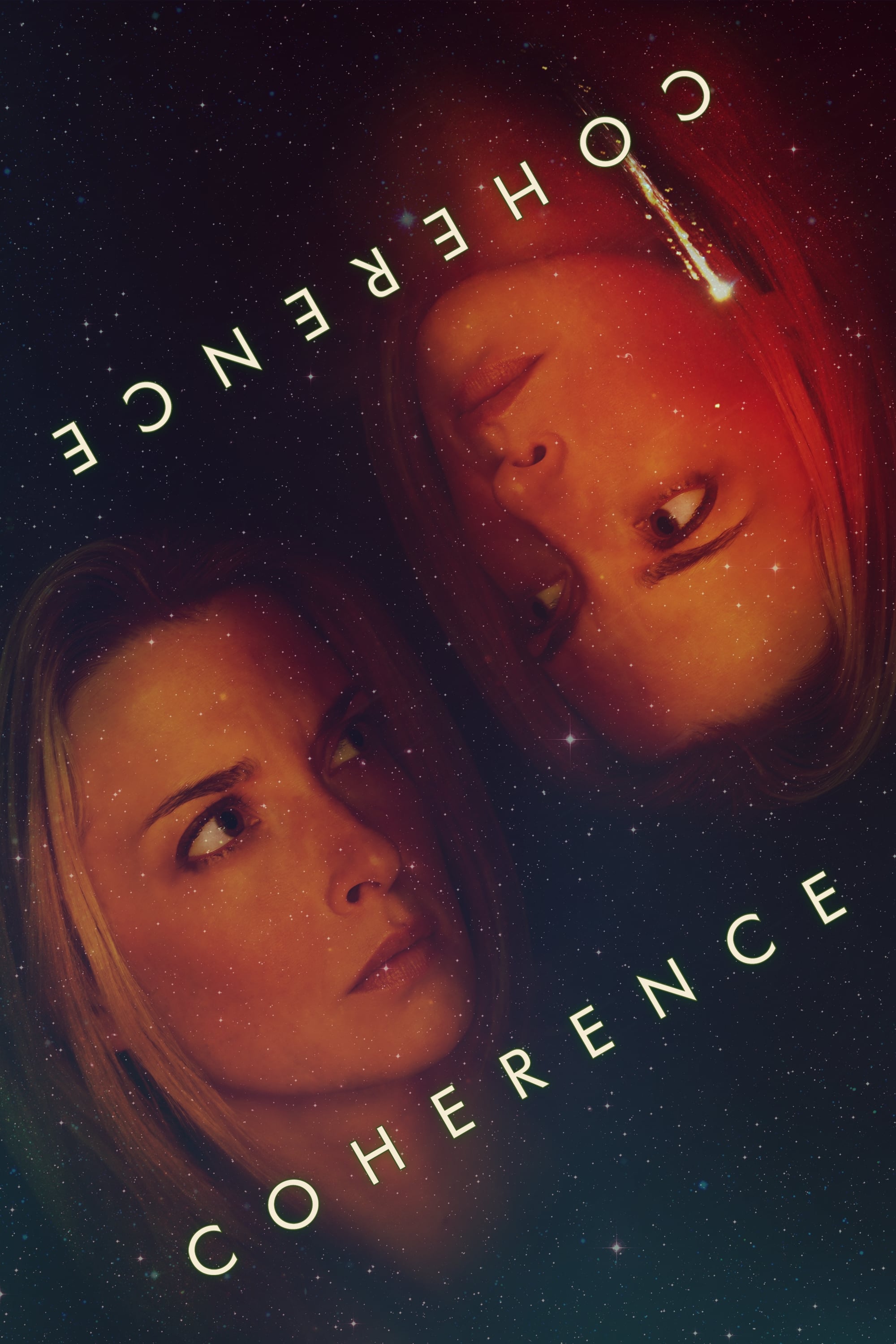
A dinner party becomes a branching set of realities, tracked through simple markers like glow sticks, photos, and scribbled notes. Rewatching helps sort which group enters which house and when the swaps occur. Background chatter often contains the key to which version of events you’re seeing. Oscilloscope Laboratories distributed the film, highlighting its micro-budget ingenuity.
‘Enemy’ (2013)

Dual roles and recurring spider imagery invite close attention to patterns in lighting and architecture. On a second pass, apartment layouts, wardrobe choices, and lecture topics line up with the doppelgänger theme. The final moments recontextualize earlier meetings and phone calls. A24 released the movie in the U.S., building interest around its enigmatic approach.
‘The Others’ (2001)
Strict household rules about light and noise set up a reveal that reframes every closed-door scene. Photographs, the servants’ behavior, and the children’s ailments serve as seeded clues. Rewatching shows how conversations carefully avoid direct contradictions. Dimension Films managed the U.S. release, tying the gothic mood to mainstream audiences.
‘The Game’ (1997)
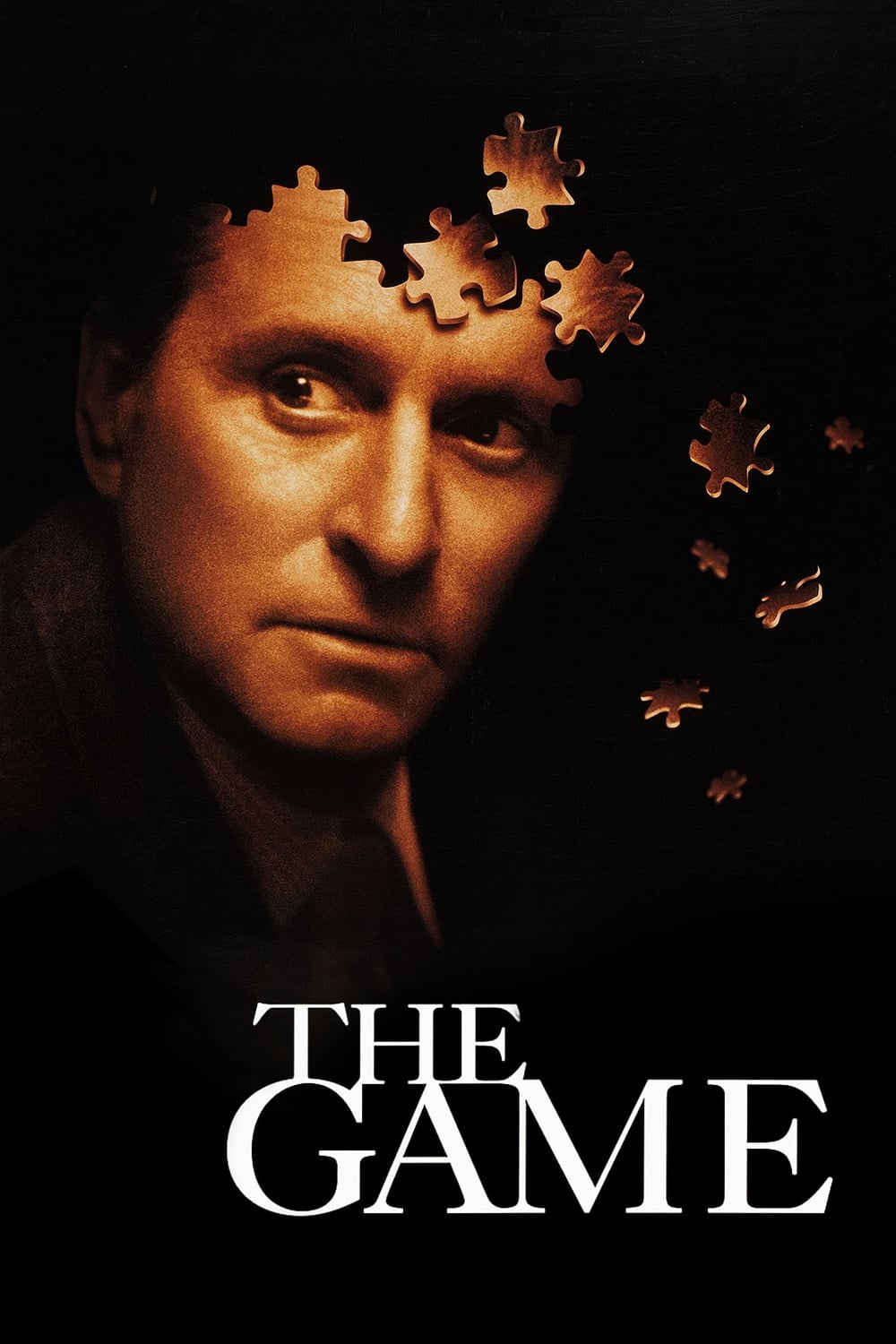
Contracts, street encounters, and financial records are staged to blur a boundary between life and orchestrated play. On revisit, you can trace how each incident nudges the protagonist toward specific choices. Prop placement and timing of phone calls reveal the planning behind the surprises. PolyGram Filmed Entertainment released it in theaters, supported by a sleek marketing campaign.
‘A Tale of Two Sisters’ (2003)

Family dynamics, medical history hints, and carefully framed doorways point to layered realities within the home. A second viewing clarifies the significance of recurring table settings and wardrobe colors. The film’s structure folds back on itself as memories reappear from new angles. CJ Entertainment released it in Korea, with Tartan bringing it to U.S. arthouses.
‘Prisoners’ (2013)
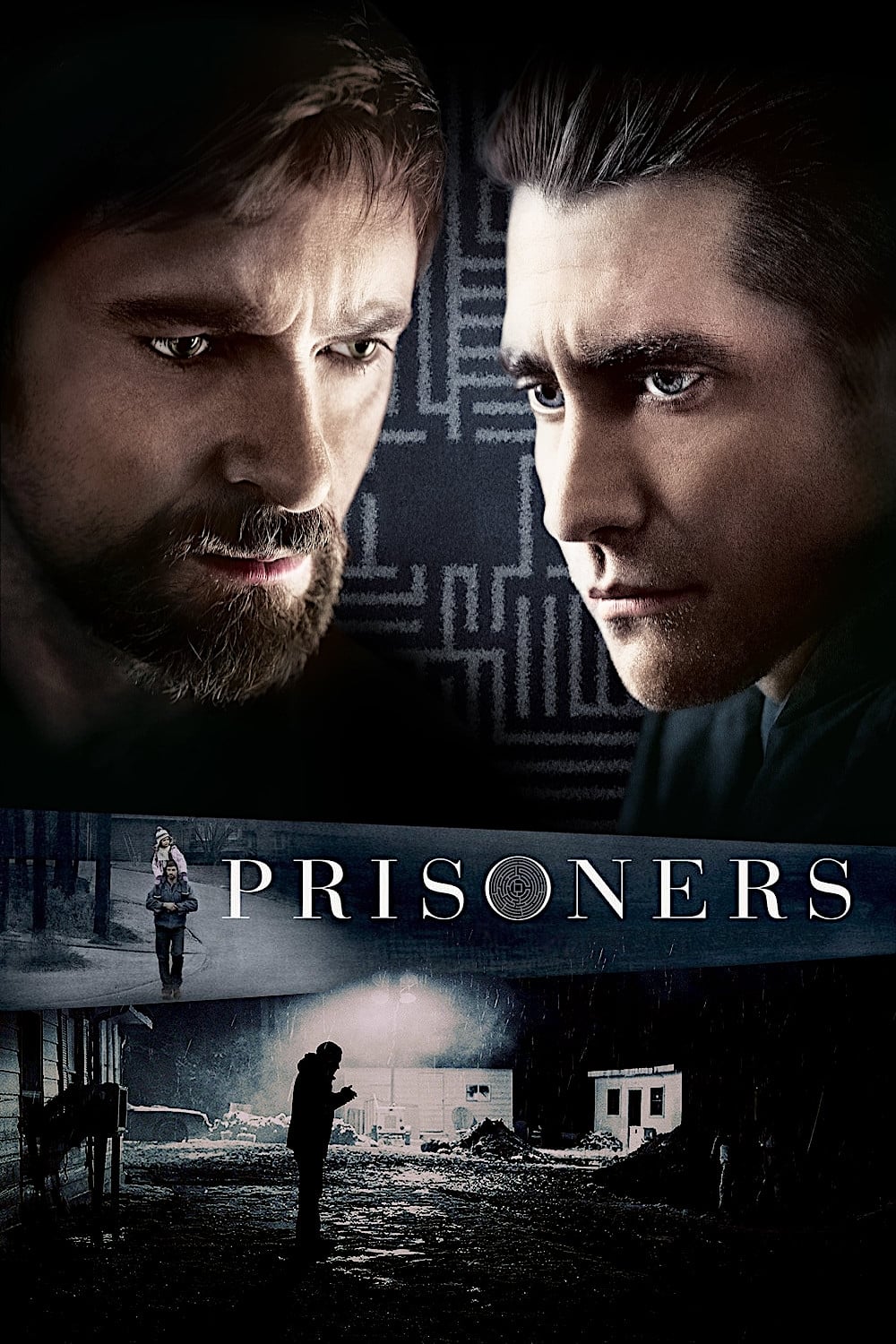
Multiple investigations crisscross, with mazes, notebooks, and old case files weaving into a single pattern. Rewatching ties side characters and background details to earlier disappearances. Symbols recur in homes and vehicles, making the final connections more legible the second time. Warner Bros. Pictures distributed the film widely, pairing it with a strong awards push.
‘Inception’ (2010)
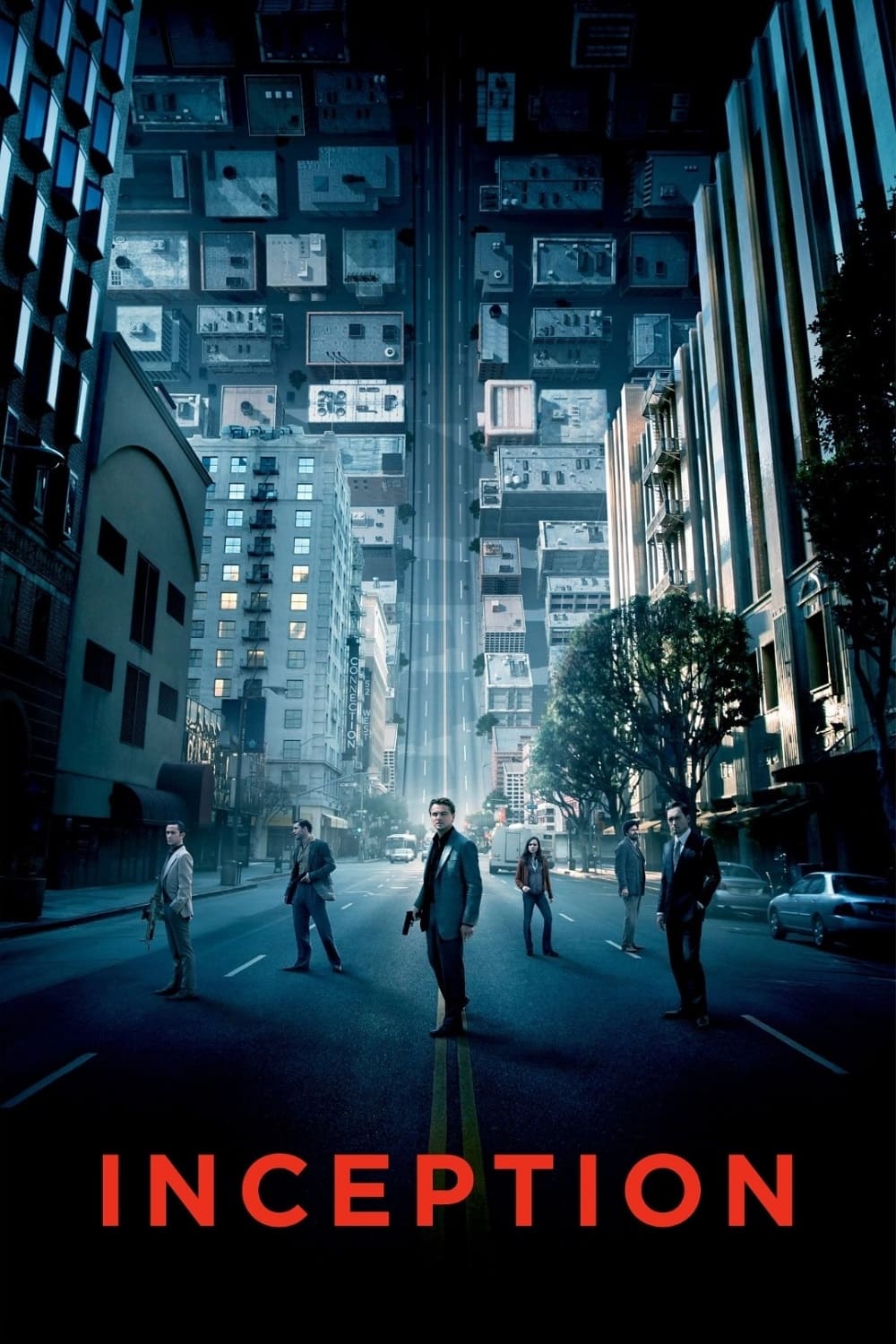
Rules for dream levels, kicks, and totems are explained early, and a second look shows how strictly the film follows them. Visual motifs like folding cities and shifting gravity mark layer transitions. Watching again lets you track who carries which objective in each level. Warner Bros. Pictures released it globally, framing the complex heist as a summer event.
‘The Butterfly Effect’ (2004)
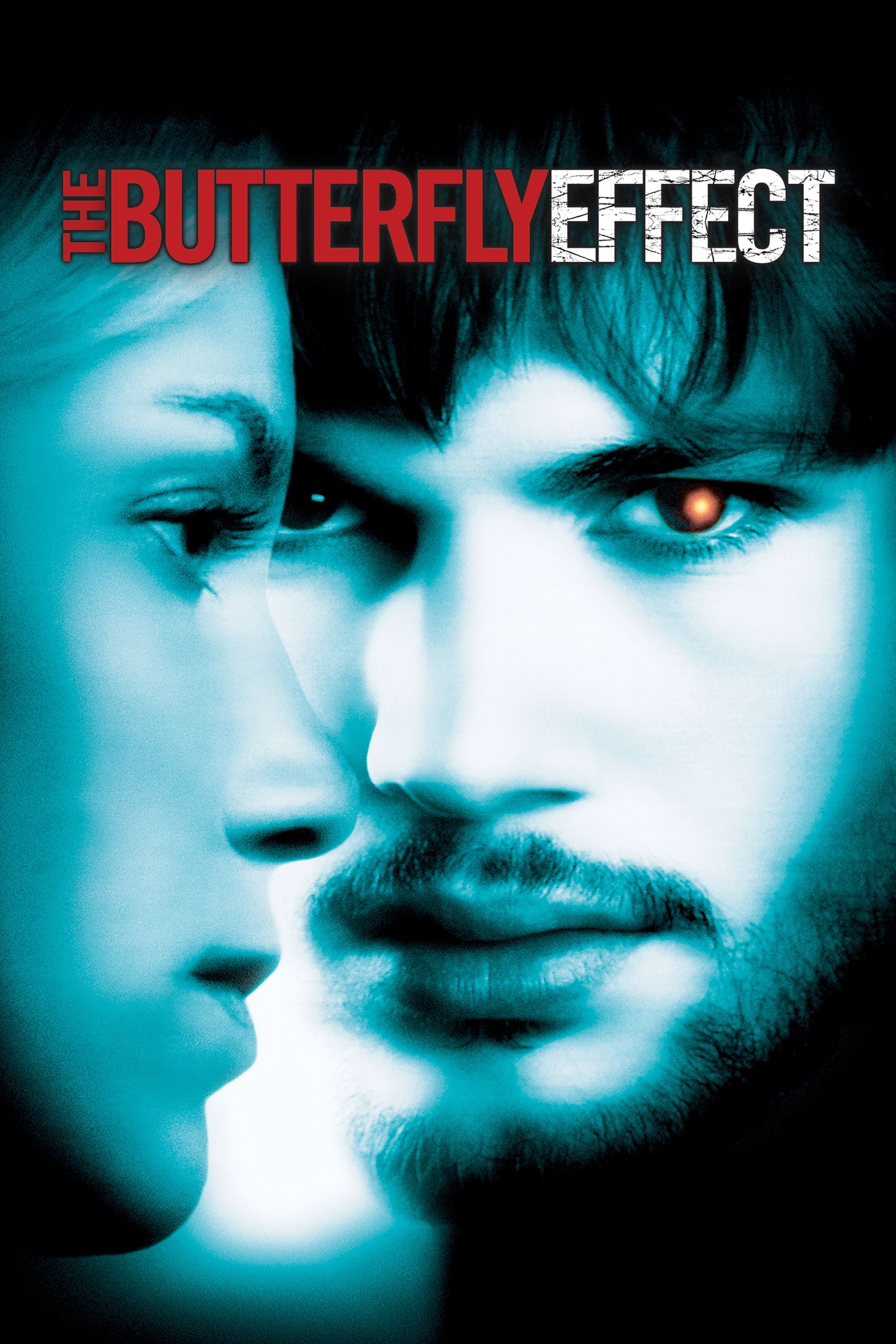
Personal journals, missing time, and altered outcomes structure a loop of choices with escalating consequences. A revisit helps line up which variables change across each timeline. Alternate endings and scene variations deepen how the cause-and-effect chain plays out. New Line Cinema handled distribution, making the time-twist premise accessible to wide audiences.
‘The Invisible Guest’ (2016)
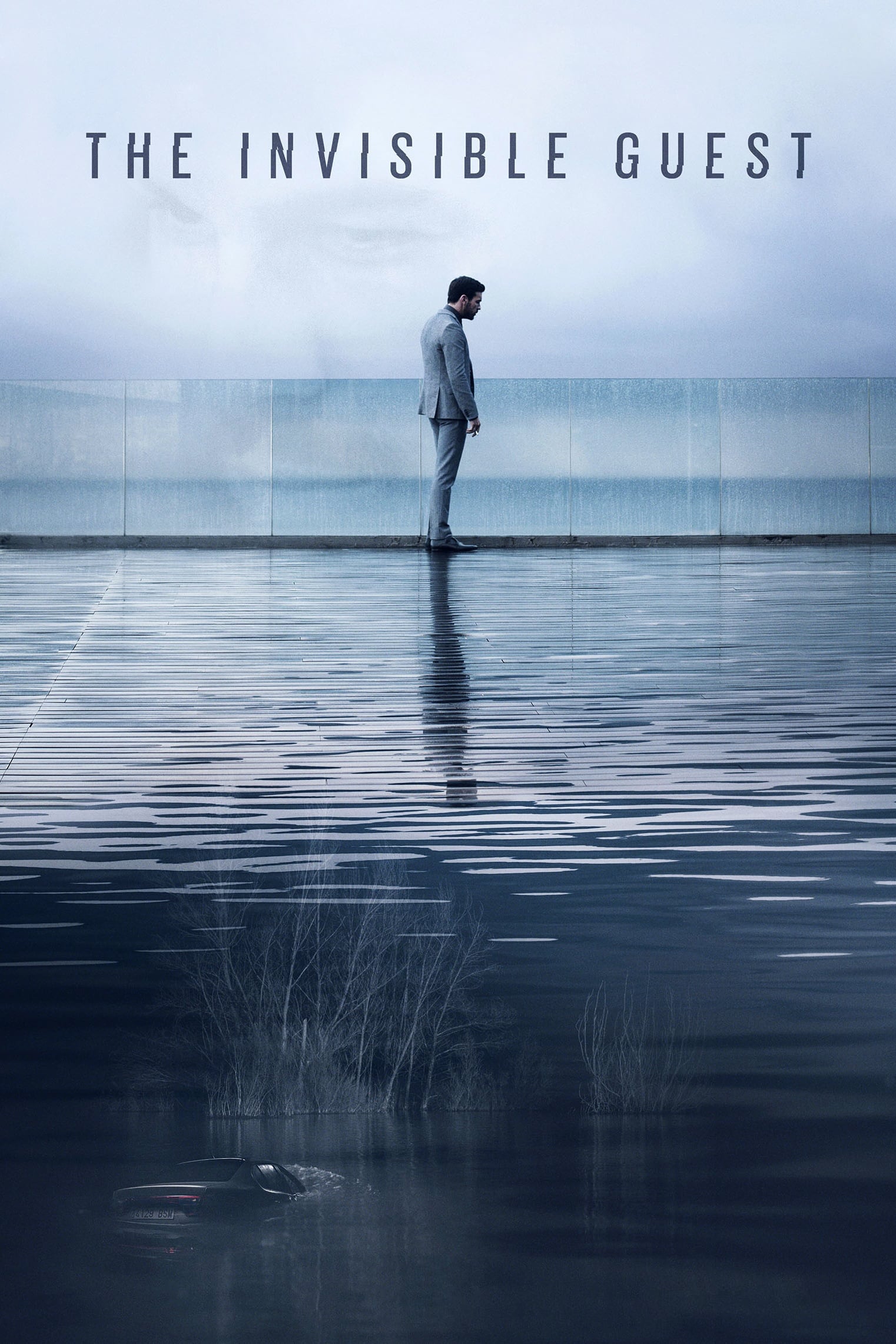
Confessions and interview games hinge on misdirection, with photographs and room layouts supplying key evidence. On a second viewing, the timeline of hotel events and car routes becomes clearer. Subtle shifts in testimony reveal where the story bends. Warner Bros. released it in Spain, where it became a breakout thriller before gaining global streaming traction.
‘The Handmaiden’ (2016)

The plot is told in overlapping parts that replay events from different vantage points. Letters, forged documents, and reading scenes carry clues that only stand out after the first run. Rewatching sharpens how names, aliases, and rooms are repurposed from part to part. CJ Entertainment released it domestically, with Amazon Studios and Magnolia handling U.S. distribution.
‘Perfect Blue’ (1997)

Idol branding, TV scripts, and mirrored performances blur the line between role and identity. A second pass helps separate staged scenes from real incidents in hallways and sets. The use of screens within screens signals when perspective is shifting. Rex Entertainment handled the original Japanese release, with GKIDS later managing U.S. theatrical re-releases.
‘The Skin I Live In’ (2011)

Medical procedures, surveillance rooms, and identity records are arranged to conceal a long-running plan. Rewatching aligns flashbacks with present choices, revealing how past and present interlock. Small costume cues and name changes take on new meaning once the truth is out. Sony Pictures Classics distributed the film in North America, introducing it to art-house crowds.
‘Jacob’s Ladder’ (1990)

Fragmented memories, hospital sequences, and wartime files intercut to question what is real. A second viewing tracks recurring figures and symbols that guide the protagonist through key thresholds. The final explanation reorganizes earlier street scenes and apartment moments. TriStar Pictures released the film, positioning it as a psychological mystery with supernatural elements.
‘Se7en’ (1995)
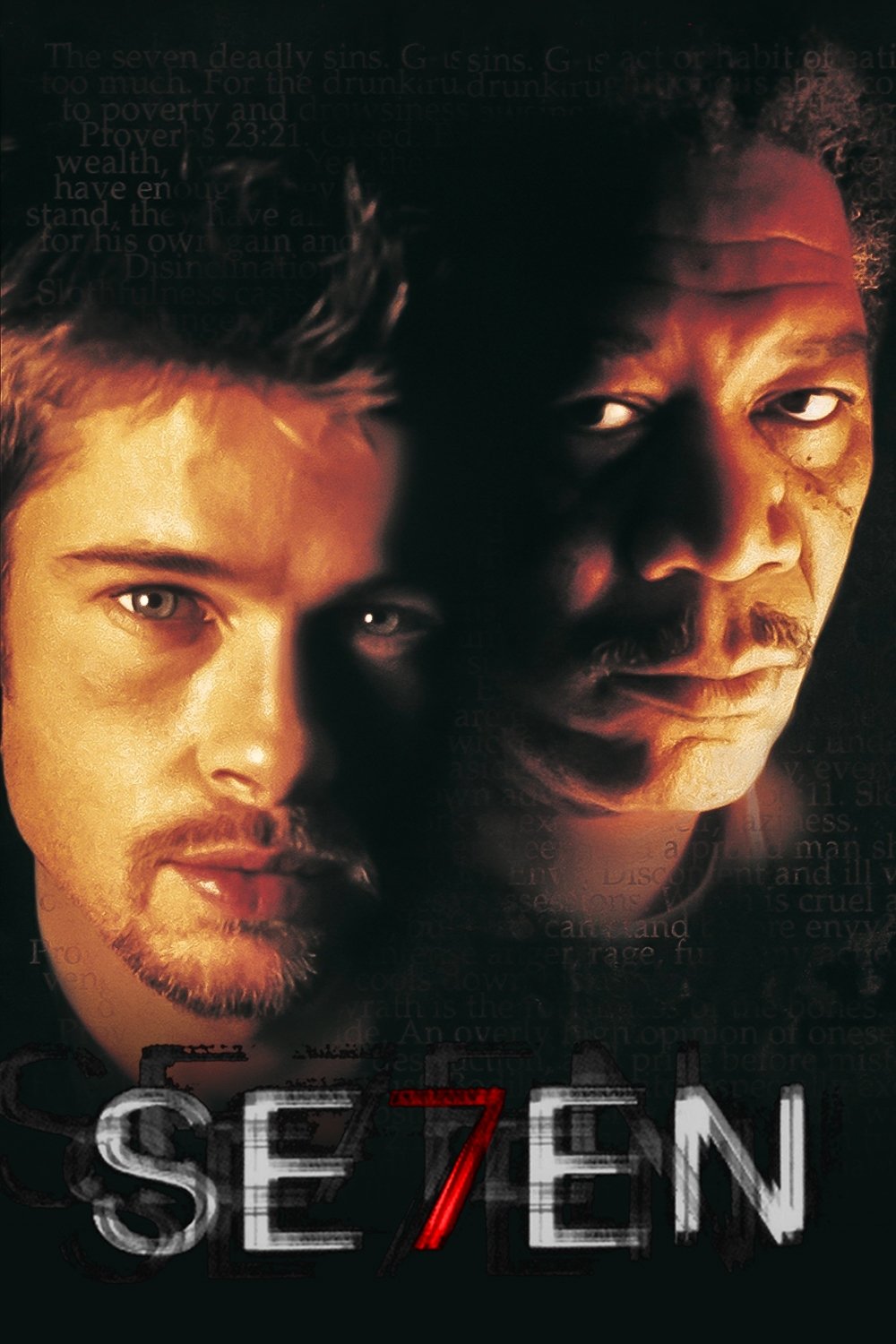
Case files and crime scene patterns escalate toward a conclusion that reshapes how you view the investigation’s pacing. Rewatching reveals how each clue is placed to lead detectives to the next step. Newspaper clippings, library research, and weather motifs subtly mark progress. New Line Cinema distributed it widely, pairing procedural grit with a somber tone.
‘Hereditary’ (2018)

Family history, keepsakes, and coded miniatures lay out a path that becomes clear when you revisit early scenes. Look closely at symbols on necklaces and door frames because they foreshadow later rituals. Conversations about sleepwalking and school assignments quietly plant motives and rules. A24 handled distribution and leaned into the film’s slow burn clues.
‘Gone Girl’ (2014)
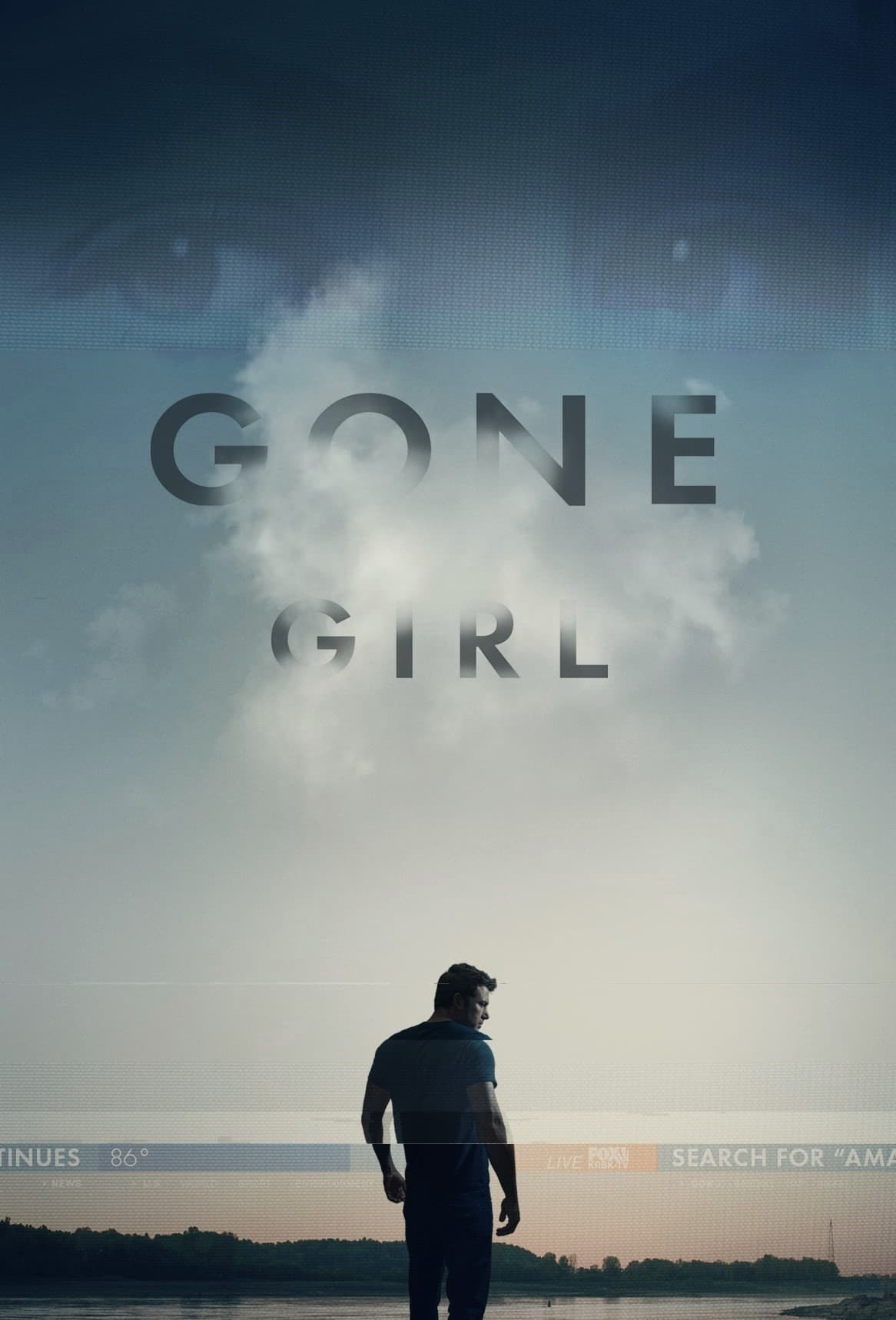
Diary pages and staged photographs create a paper trail that flips meaning once the narrative pivots. Credit card records and small purchases in side scenes reveal planning that you only piece together later. News segments and talk show cues define how perception is managed from the outside. 20th Century Fox released the film and highlighted its shifting perspectives.
‘The Usual Suspects’ (1995)
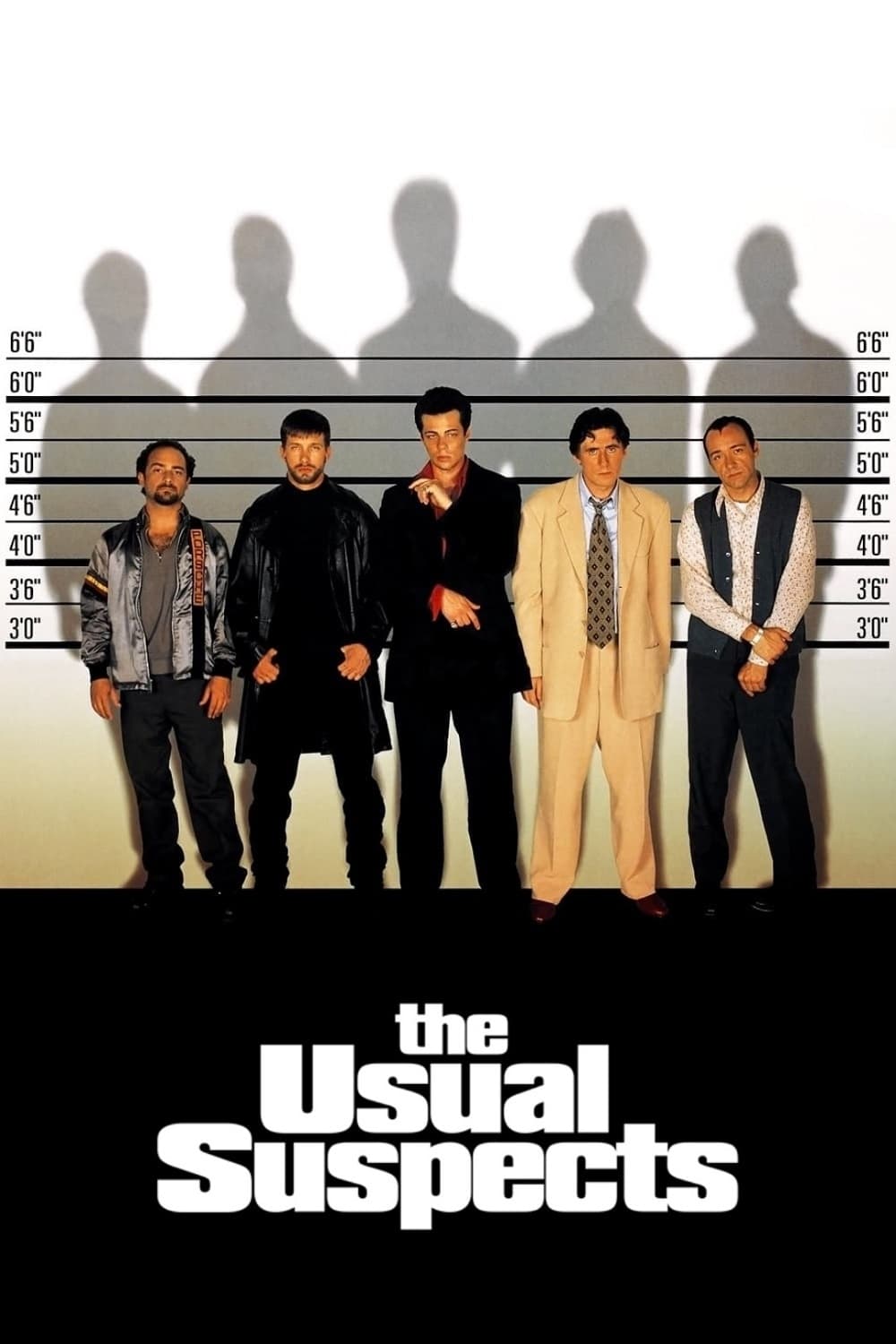
Objects on a bulletin board and casual room details seed names and backstories that later appear in testimony. A second pass helps track which descriptions lean on items visible during the interview. Ship schedules and warehouse manifests align the timeline when you already know the end. Gramercy Pictures distributed it and built the mystery around a single interrogation.
‘Identity’ (2003)
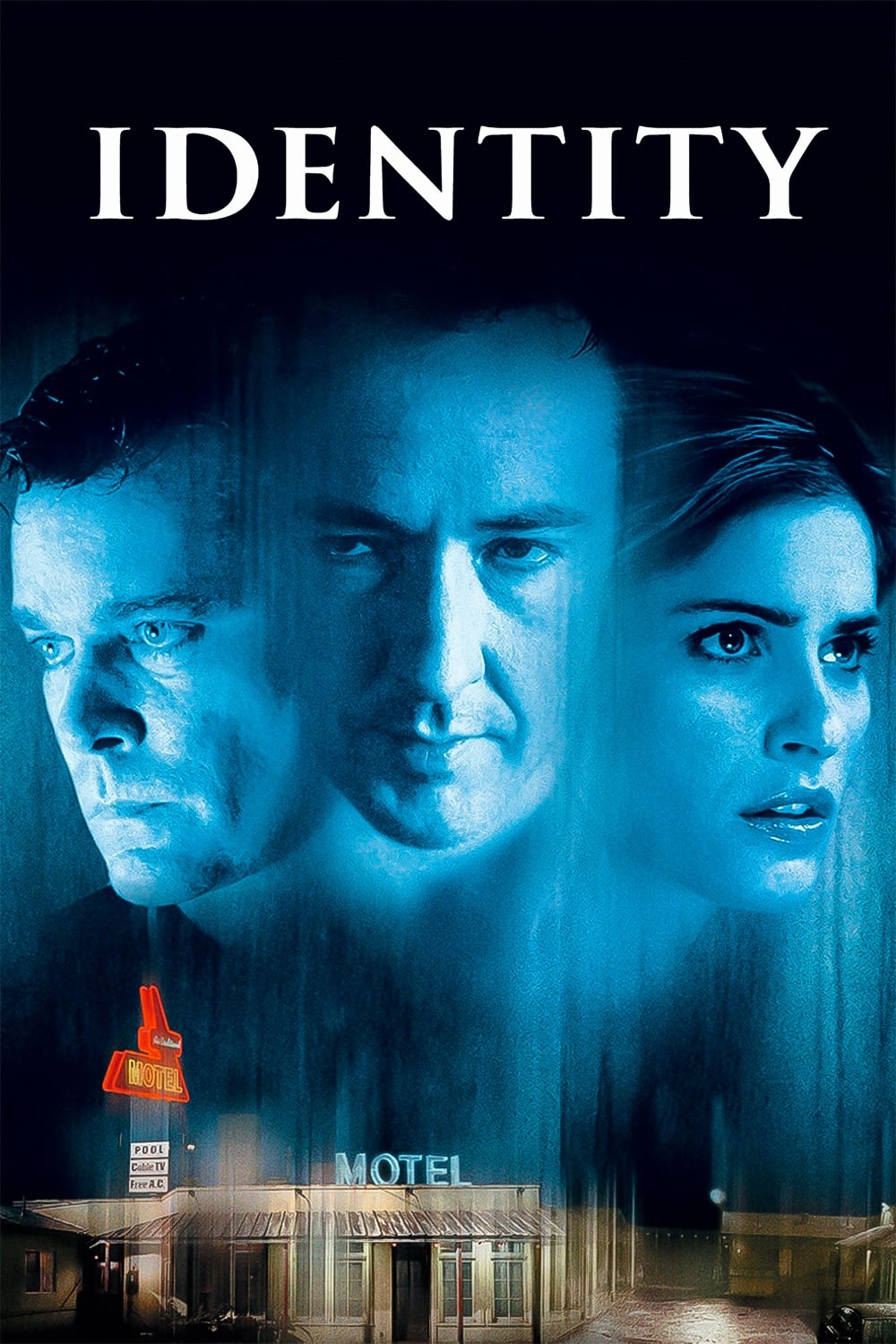
Motel keys, room numbers, and guest logs form a pattern that reorganizes itself after the reveal. Rewatching shows how weather reports and radio chatter sync with who appears when. Flashbacks and driver’s license details become signposts rather than filler. Columbia Pictures released the film with a focus on its closed circle setup.
‘Predestination’ (2014)
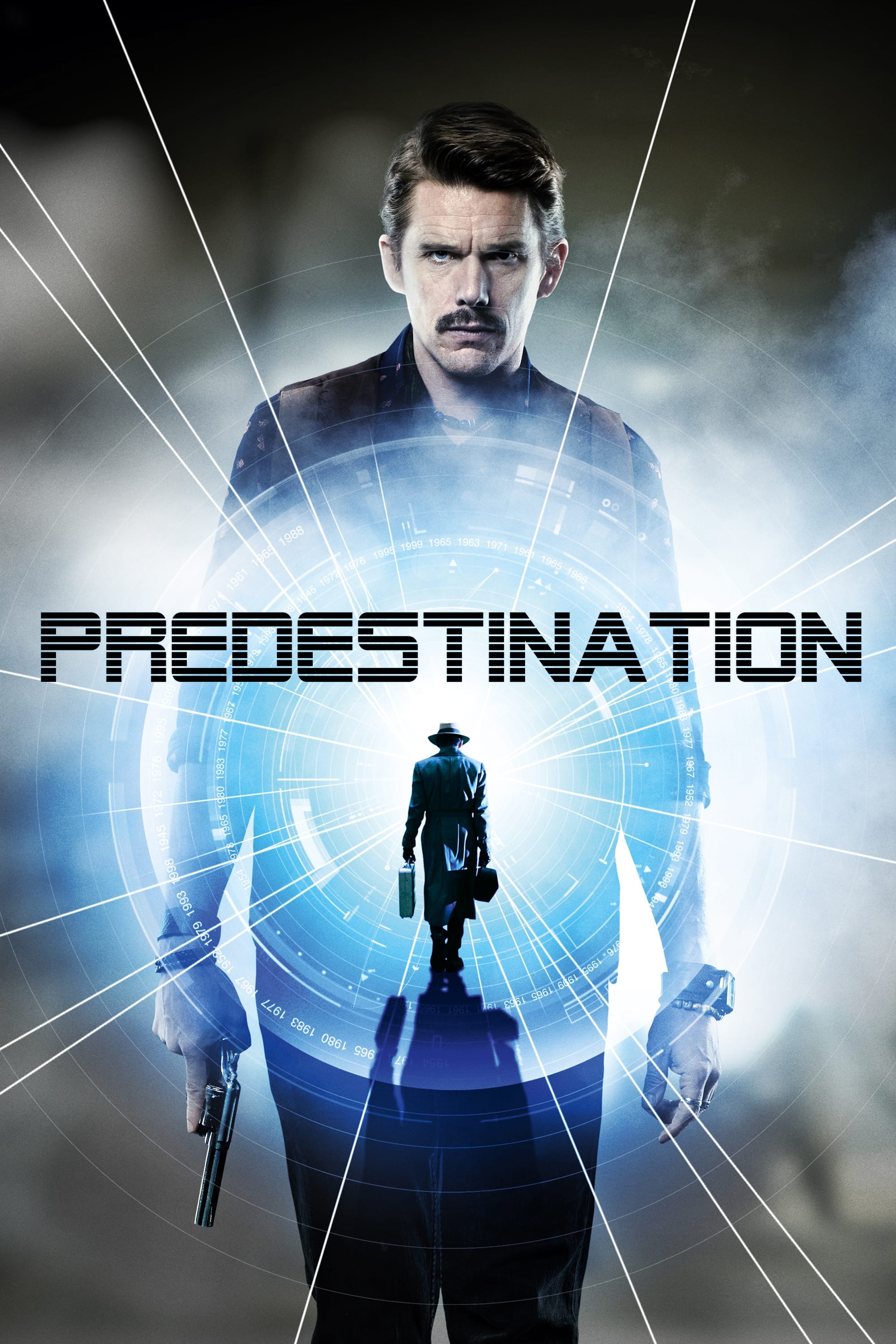
Handwritten notes, time mission protocols, and recurring objects connect across multiple identities. The bar conversation lays out rules that only fully click on a revisit. Watch passwords and case files to map how loops intersect. Sony’s Stage 6 Films handled the U.S. release and emphasized its tightly wound structure.
‘Vanilla Sky’ (2001)
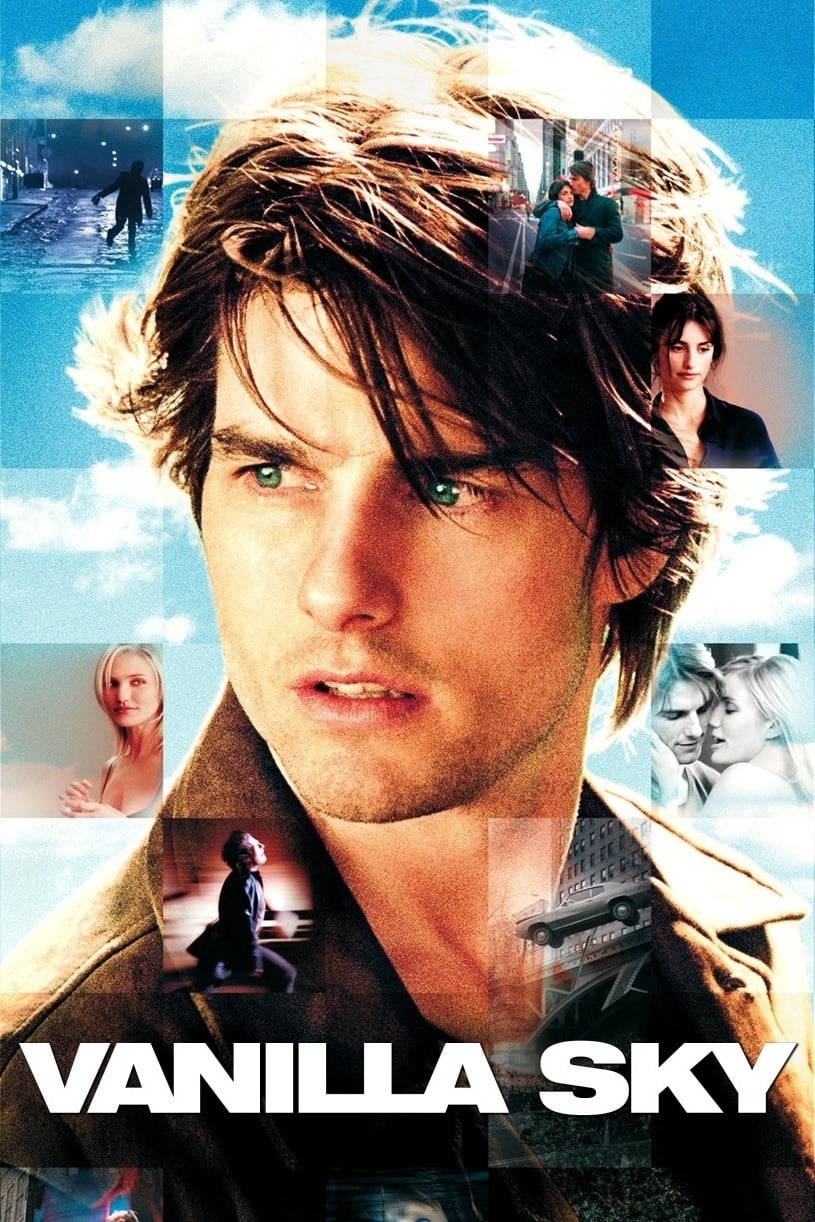
Dream contract terms and tech company slides spell out how memory and desire are curated. Magazine covers and wall art quietly telegraph altered states that register more clearly later. Small continuity quirks around a specific street become anchors for what is real. Paramount Pictures released the film and framed it as a reality bending romance.
‘The Vanishing’ (1988)
Travel brochures, gas station receipts, and postcard habits build a chain of choices that reward close tracking. The kidnapper’s methodical planning becomes legible when you align spoken rules with earlier errands. A second look at rest stop behavior reveals how control is asserted. Miramax introduced the film to many U.S. viewers after its festival run.
‘The Orphanage’ (2007)
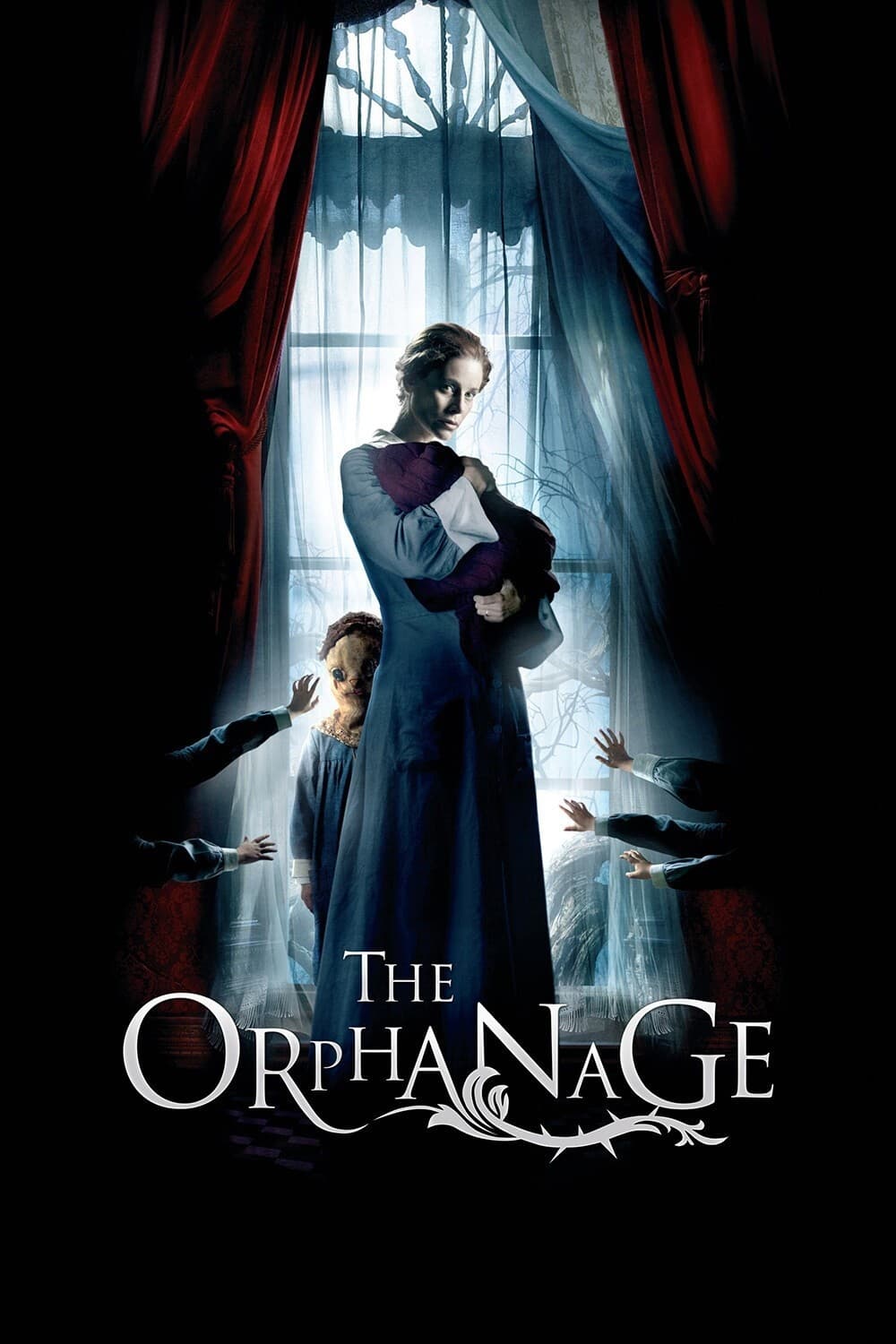
House maps, scavenger games, and orphan records place clues in plain sight during tours and party scenes. Sound cues and door knocks correspond to hidden paths that are easier to chart later. Photographs and social worker notes add context that reframes the final discovery. Picturehouse distributed it in the U.S. and spotlighted its elegant puzzle.
‘Psycho’ (1960)

Bank envelopes, used car paperwork, and motel ledgers guide a practical trail that shifts focus mid story. Rewatching clarifies how conversations with a highway patrolman and a used car dealer set thresholds. The number of rooms and their placement explain movement during the investigation. Paramount Pictures handled the original release and kept details closely guarded.
‘The Wailing’ (2016)

Illness timelines, talismans, and ritual steps are arranged to invite conflicting interpretations. Newspaper clippings and a specific photograph point to a path that only aligns on revisit. Scenes around a rain soaked hillside connect the case to earlier encounters. Well Go USA brought the film to North America and leaned into its layered mystery.
‘I Saw the Devil’ (2010)

Tracking devices, phone call timing, and staged drops create a feedback loop between hunter and target. Rewatching shows how vehicle swaps and tool choices escalate a planned cycle. Family locations and agency protocols explain how the net tightens scene by scene. Magnet Releasing handled the U.S. rollout and highlighted its precision.
‘Source Code’ (2011)
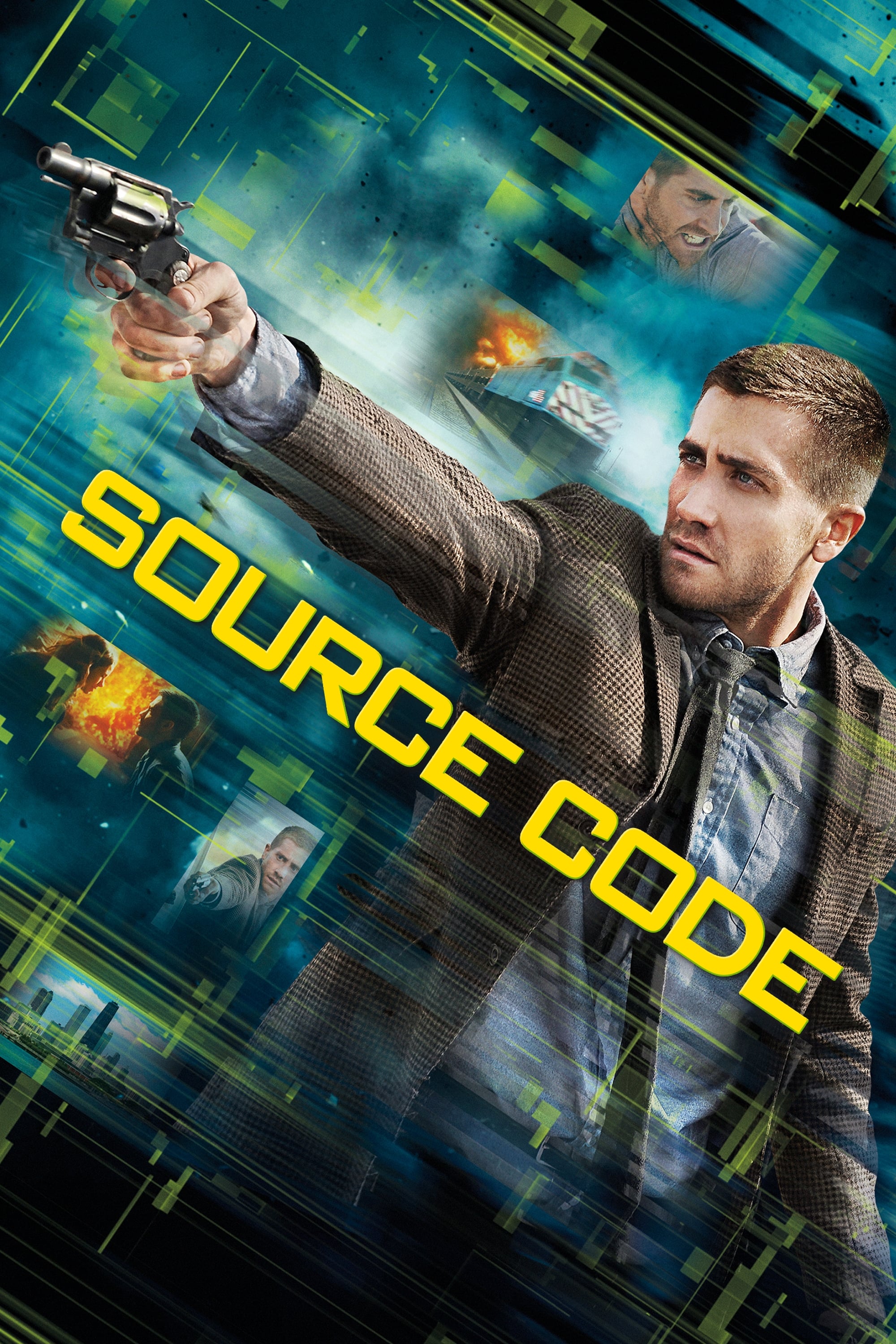
Eight minute cycles, seat assignments, and luggage contents piece together a fixed window of time. Platform announcements and billboard placements confirm where each loop diverges. A second viewing clarifies how phone calls and train car movements steer the outcome. Summit Entertainment distributed it and pitched the puzzle as a high concept thriller.
‘Timecrimes’ (2007)
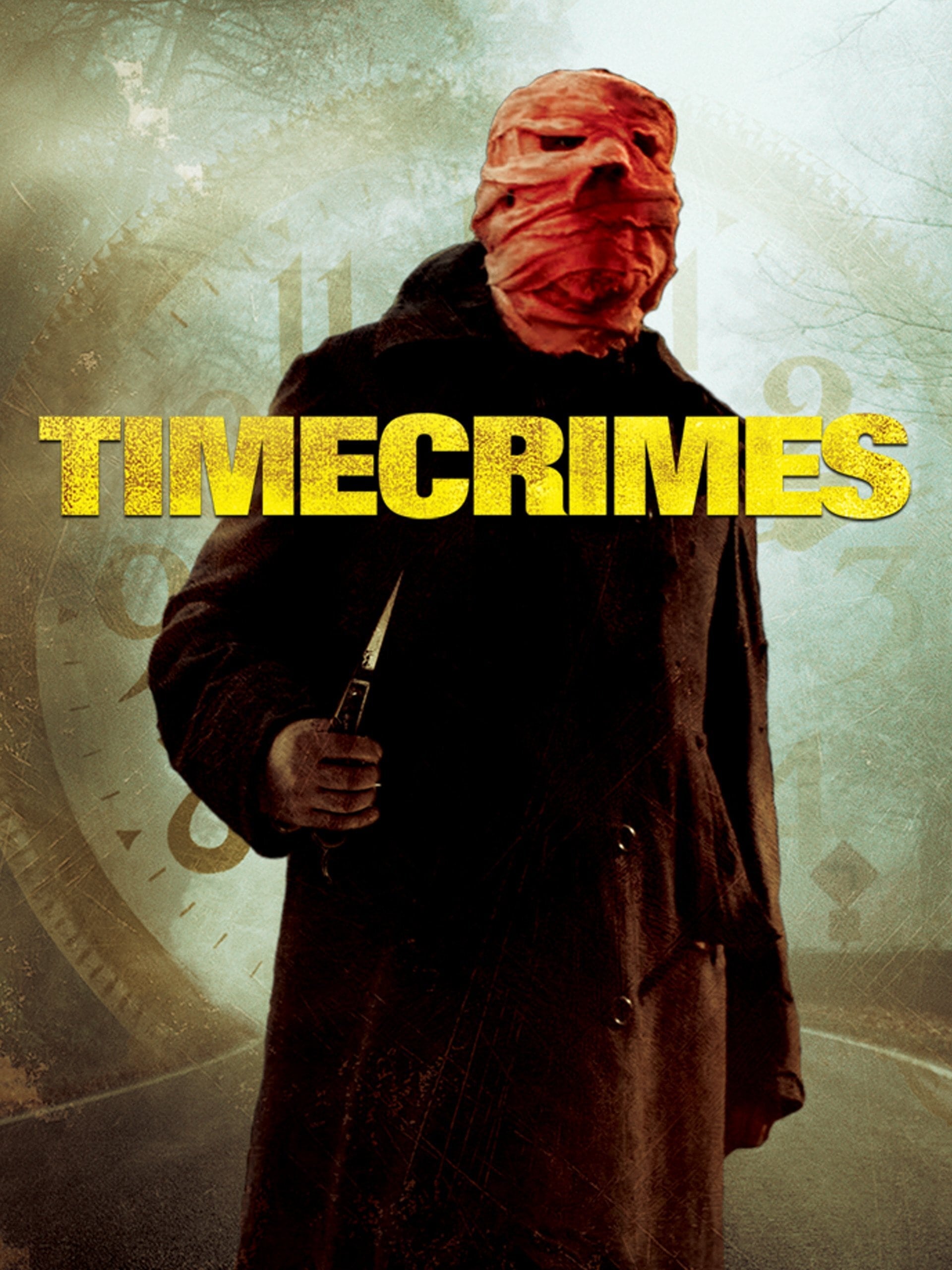
Bandages, walkie talkies, and a pink garment map overlapping encounters in a small geographic area. The property layout and hedge lines become a grid once you know the order of events. Rewatching lets you align each sighting with the correct version of the character. Magnolia Pictures brought the film to U.S. audiences and underscored its tight scope.
‘The Invitation’ (2015)
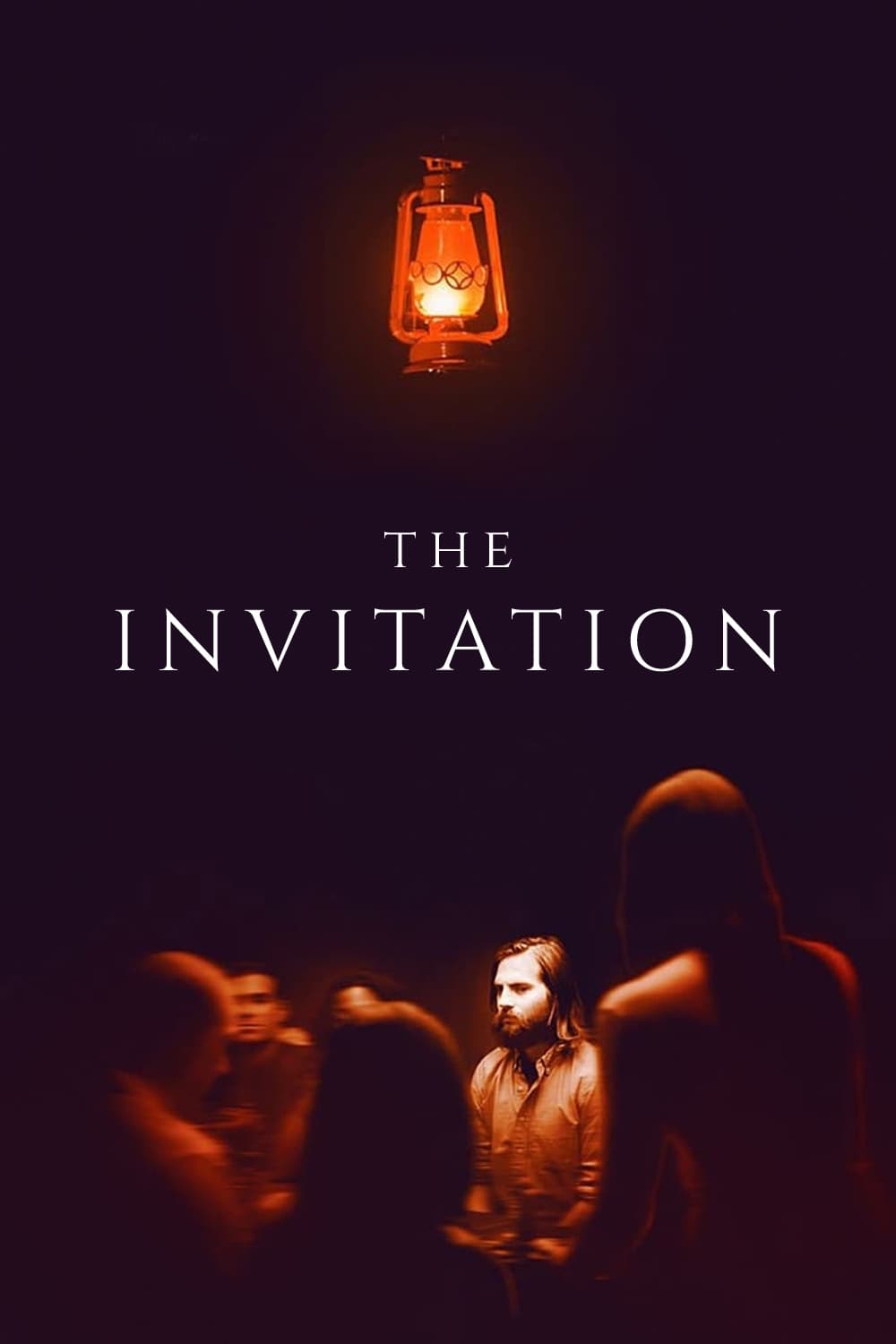
Name tags, wine pours, and old photos trace relationships that inform every choice at the table. Side conversations near the kitchen and patio quietly set rules for the evening. Rewatching highlights how doors, alarms, and place settings signal intent. Drafthouse Films distributed it and built attention around its slow building tension.
‘Annihilation’ (2018)

Field journals, tattoo transfers, and recorded expeditions document how environments rewrite people. Glass refractions and repeated structures show where boundaries shift inside the zone. On revisit, small gestures in early briefings echo later transformations. Paramount Pictures handled the domestic release while a streaming partner managed many international territories.
Tell us which mind-bender you plan to revisit first and drop your own twice-worthy picks in the comments.