The Best Korean Movies Ever Filmed


Korean cinema blends daring storytelling with meticulous craft, moving across crime, horror, historical epics, and tender slice-of-life drama. This list gathers landmark titles that shaped the industry, traveled widely around the world, or drew major local audiences—offering a practical roadmap to the movies that defined modern Korean film culture.
Below, each entry includes useful context: directors and key cast, plot foundations, awards and box-office notes, and production or distribution details. Wherever a title appears, you’ll see it in single quotes, and film years appear only in each heading—never inside the paragraphs.
‘Parasite’ (2019)
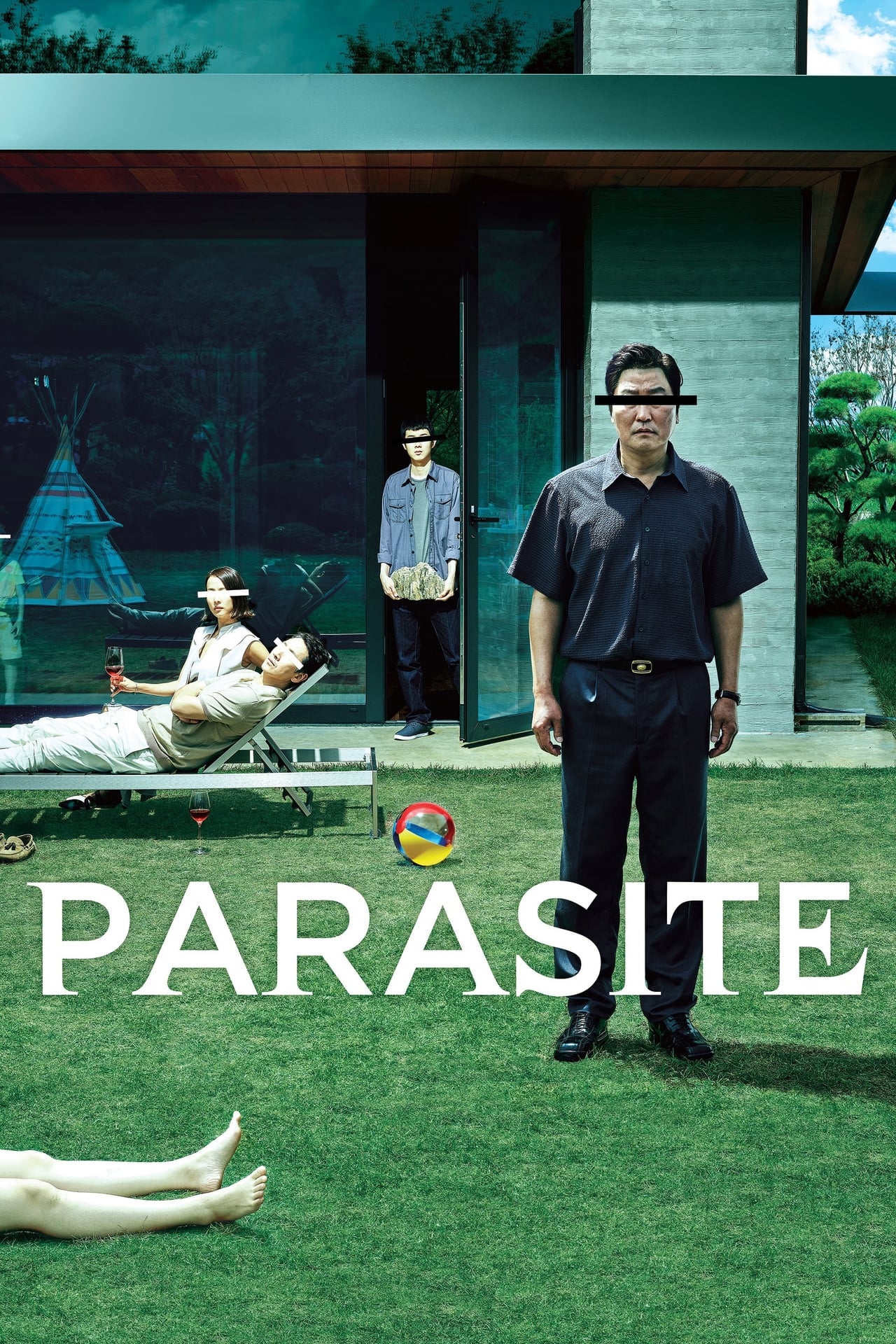
Bong Joon-ho directs, with Song Kang-ho, Choi Woo-shik, Park So-dam, and Cho Yeo-jeong leading a story about two families whose lives intersect through a tutoring job and a housekeeper position. The production was largely shot on purpose-built sets, including the semi-basement and the Parks’ multilevel home designed to control light and blocking for key sequences.
The film won the Palme d’Or and four Academy Awards, including Best Picture and Best Director, becoming the first Korean feature to receive those Oscars. It set records in multiple territories via distributors like NEON and CJ ENM, and its success accelerated international licensing of Korean films and series.
‘Oldboy’ (2003)
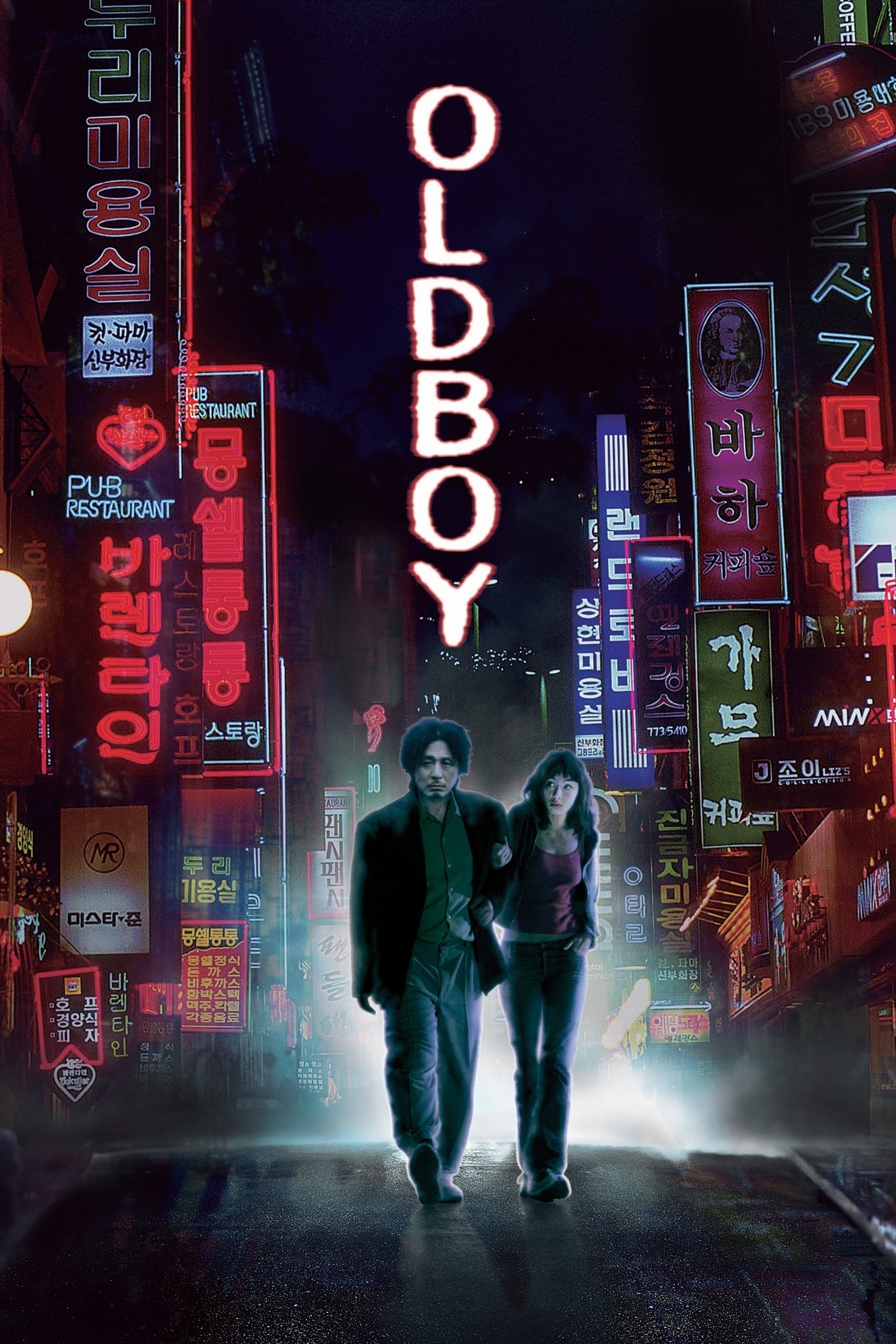
Park Chan-wook directs Choi Min-sik, Yoo Ji-tae, and Kang Hye-jung in a revenge mystery following a man abducted and confined for years before release. The corridor fight was designed as a single lateral shot, emphasizing exhaustion and spatial continuity through stunt timing.
It won the Grand Prix at Cannes and became the central entry in Park’s informal Vengeance Trilogy. International releases through specialty distributors broadened access and established the film as a reference point for Korean neo-noir.
‘Memories of Murder’ (2003)
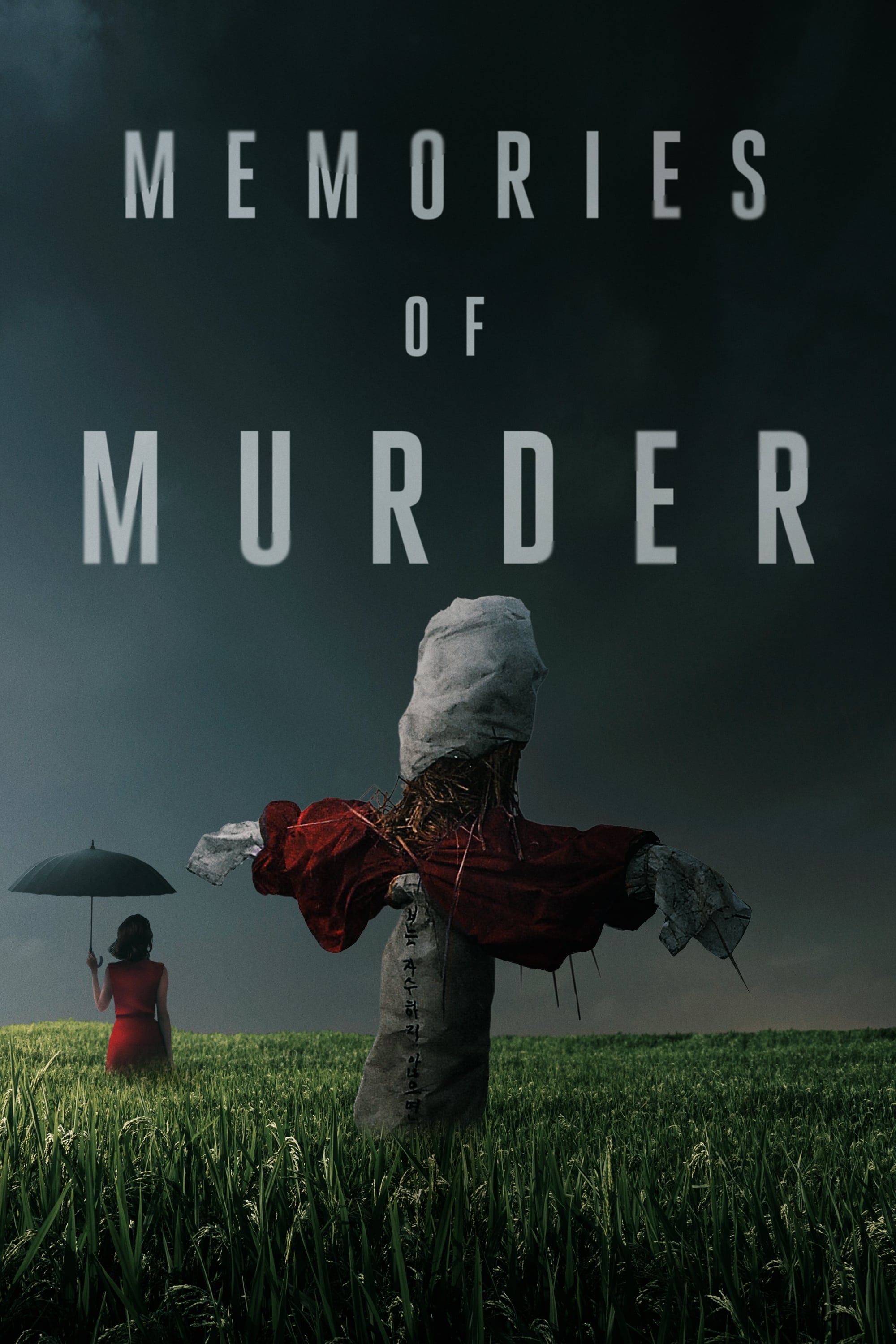
Bong Joon-ho adapts the Hwaseong serial murders case, with Song Kang-ho and Kim Sang-kyung as detectives navigating limited forensics and conflicting methods. Location shooting in fields and rural stations anchors the late-1980s setting.
The film received major Korean awards and later restorations that returned it to theaters globally. Renewed attention followed developments in the real case, spurring repertory screenings and new home-video editions.
‘The Handmaiden’ (2016)
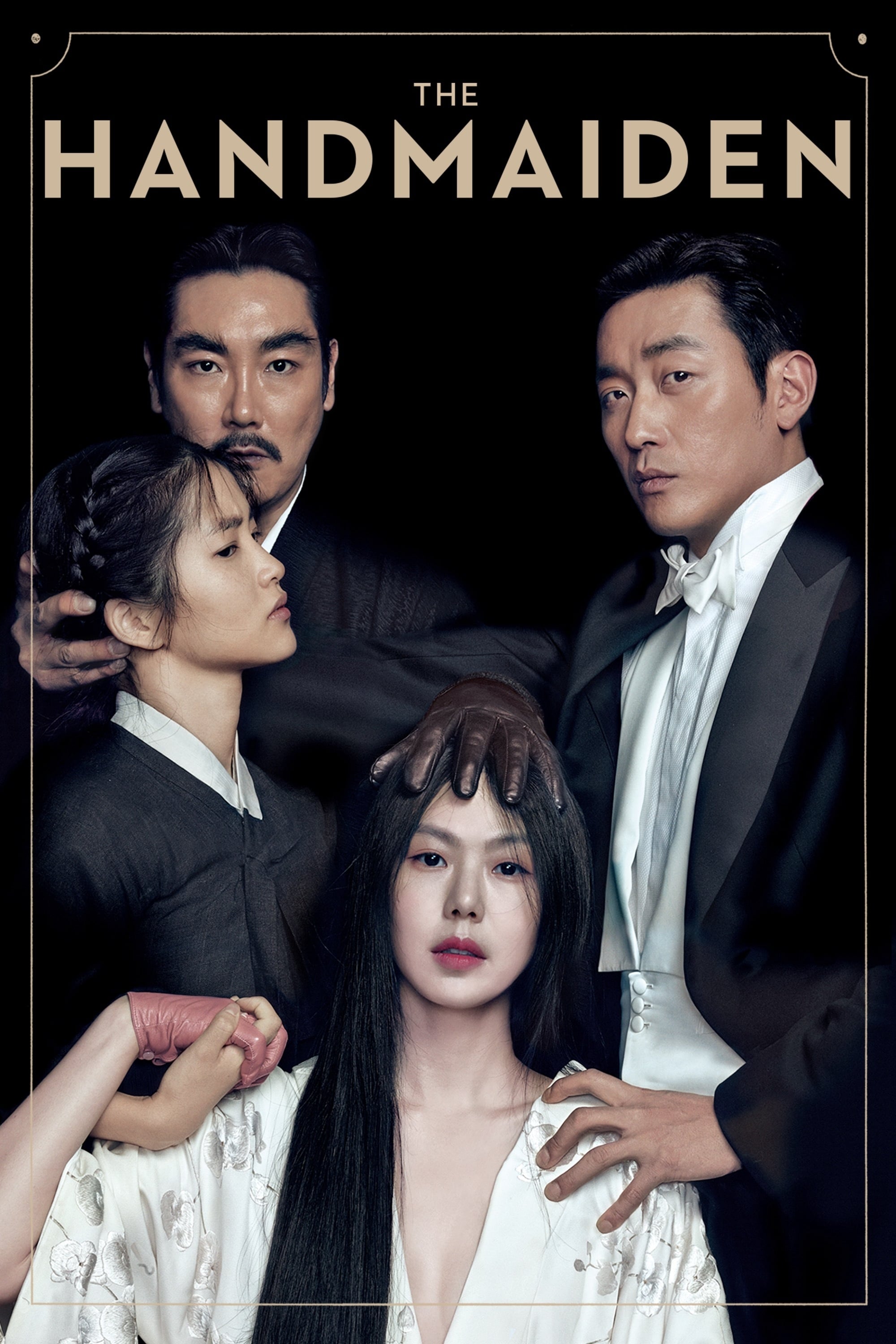
Park Chan-wook relocates Sarah Waters’s novel to colonial-era Korea and Japan, starring Kim Min-hee, Kim Tae-ri, Ha Jung-woo, and Cho Jin-woong. Production design combines Japanese and Korean aesthetics, using the mansion’s architecture to stage secret rooms and shifting power.
It premiered at Cannes and won the BAFTA for Film Not in the English Language. International rollouts included dual-language subtitling to preserve Korean–Japanese code-switching central to the plot.
‘Train to Busan’ (2016)
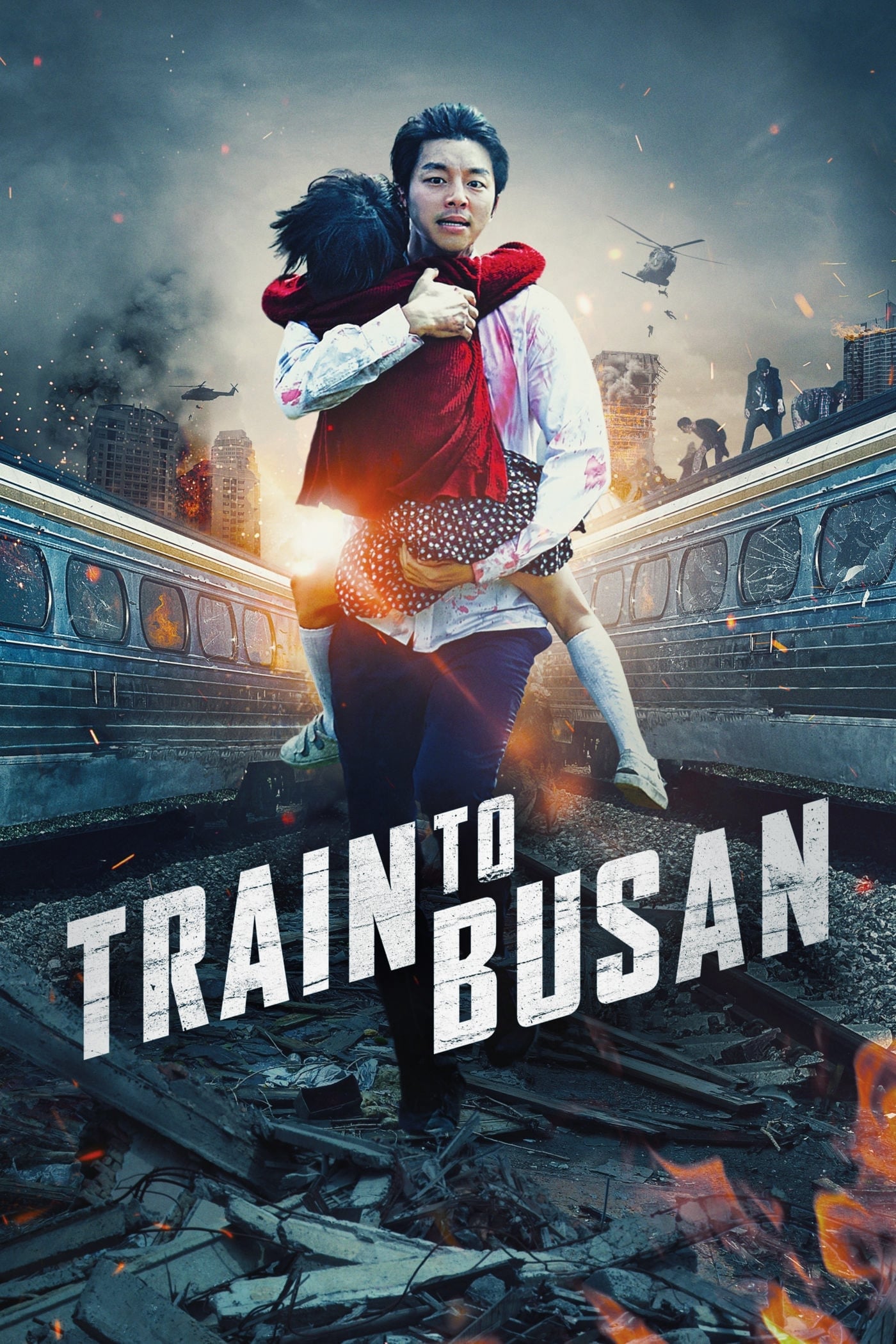
Yeon Sang-ho directs Gong Yoo, Jung Yu-mi, and Ma Dong-seok in an outbreak story confined largely to a high-speed train. Modular car sets enabled fight choreography and stunt continuity across multiple “cars” without breaking geography.
The film became a domestic box-office phenomenon and expanded widely across Asia and beyond. It spawned the animated prequel ‘Seoul Station’ and a live-action follow-up set in the same universe.
‘Mother’ (2009)

Bong Joon-ho casts Kim Hye-ja as a mother trying to clear her son, played by Won Bin, in a small-town case. Recurring motifs—herbal shops, rooftops, alleys—map social networks and suspicion within the community.
It premiered at Cannes in Un Certain Regard and won multiple domestic awards for acting and screenplay. Overseas distribution elevated Kim Hye-ja’s recognition among international audiences.
‘The Wailing’ (2016)
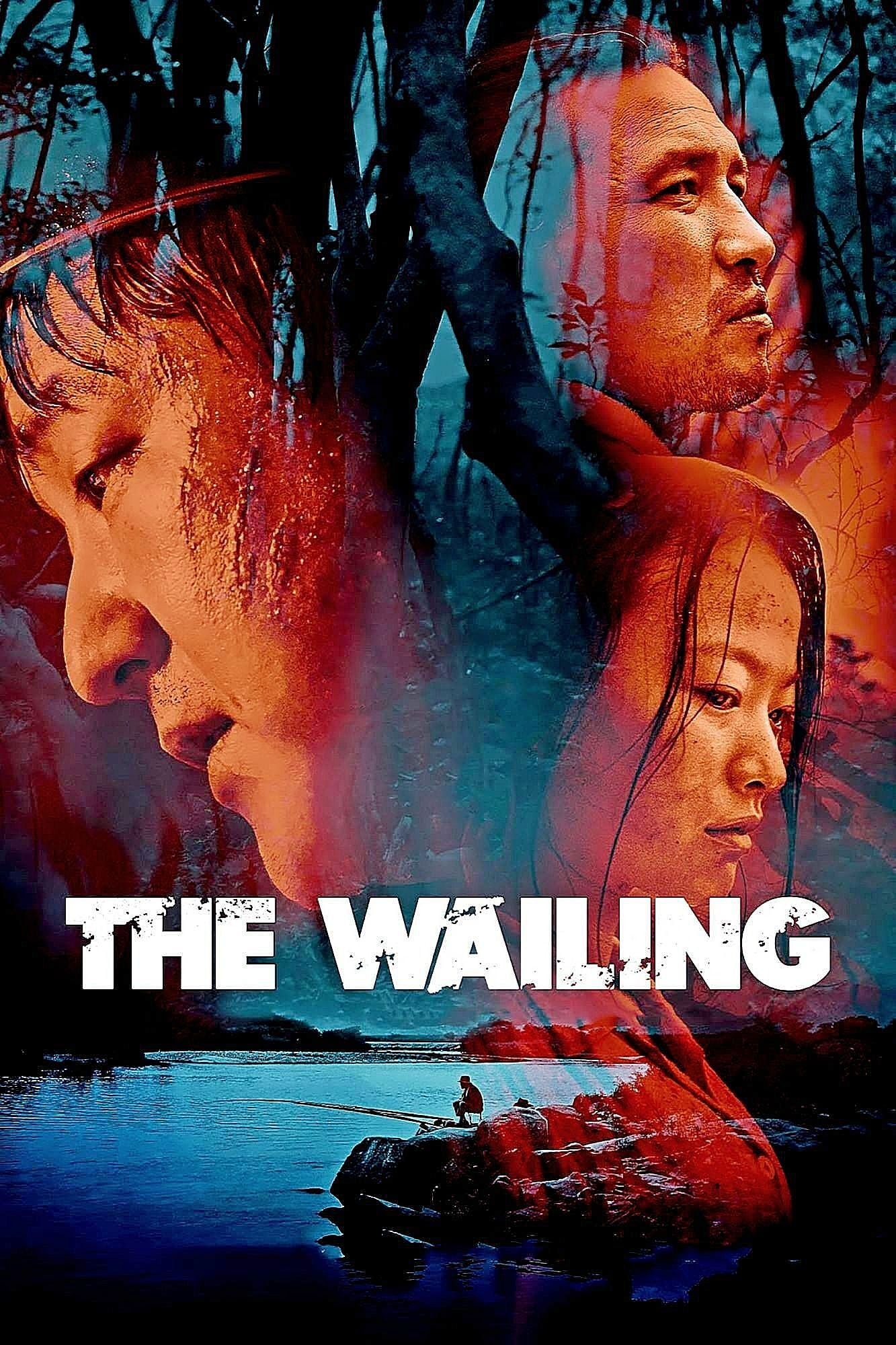
Na Hong-jin directs Kwak Do-won, Hwang Jung-min, and Chun Woo-hee in a rural mystery blending investigation with folklore. Mountain villages and fog-prone locations were chosen to emphasize weather as atmosphere and threat.
It screened at Cannes and sold strongly to international markets. Post-release discourse focused on ritual depictions and research sources, often discussed in festival Q&As and press notes.
‘Burning’ (2018)
Lee Chang-dong adapts a Haruki Murakami story, with Yoo Ah-in, Steven Yeun, and Jeon Jong-seo in intersecting character study. Extended takes and restrained scoring support shifting perspective and ambiguity.
It premiered in Cannes competition and received the FIPRESCI Prize. The film was South Korea’s official submission for major international awards and expanded Lee’s global audience through art-house distribution.
‘I Saw the Devil’ (2010)
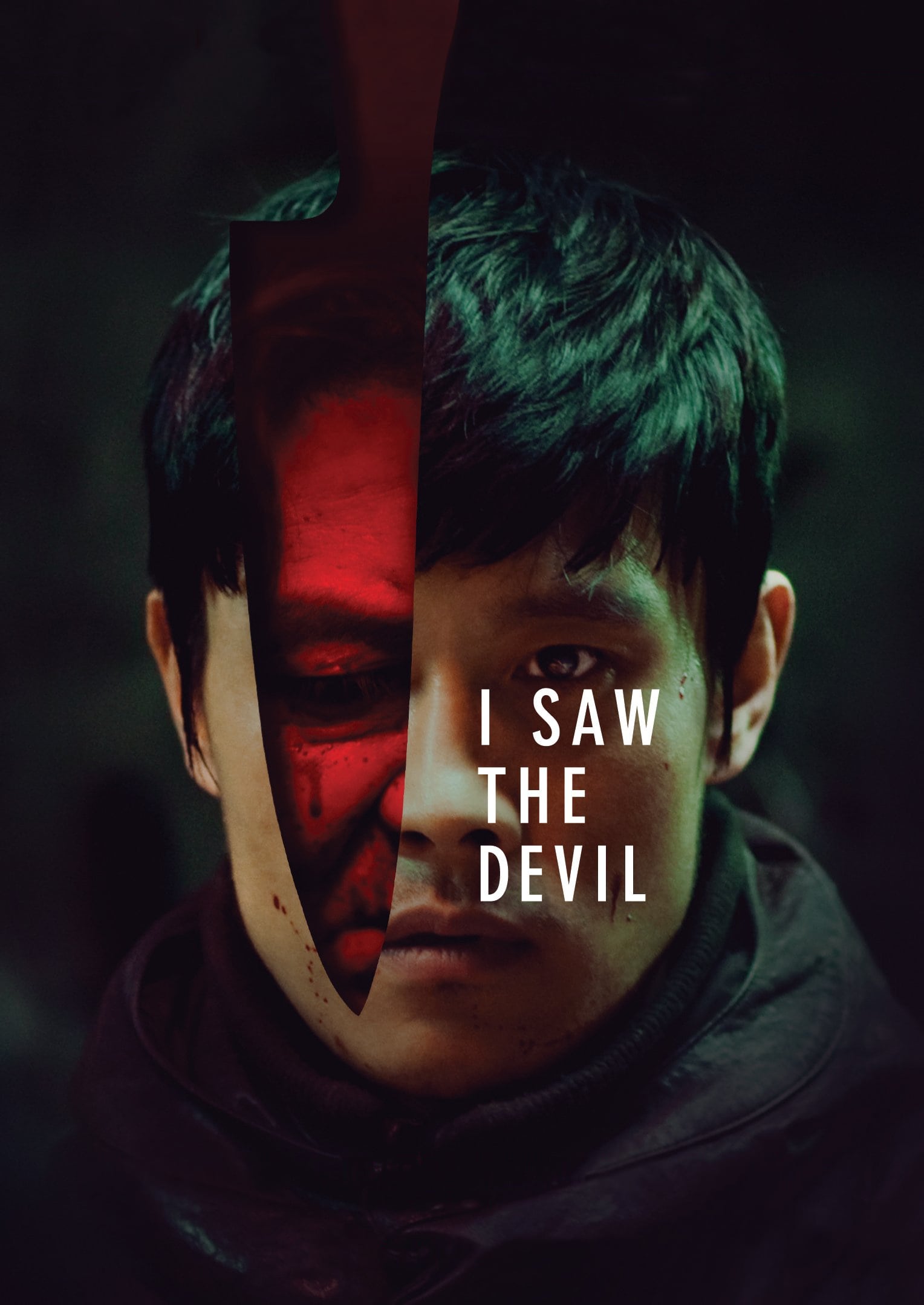
Kim Jee-woon directs Lee Byung-hun and Choi Min-sik in a cat-and-mouse pursuit between an agent and a serial killer. Night shoots across highways and rural roads used vehicle rigs and controlled lighting for chase stability.
International distribution included festival midnights and unrated home-video editions. Classification boards in several countries required cut differences between theatrical and home releases.
‘The Chaser’ (2008)
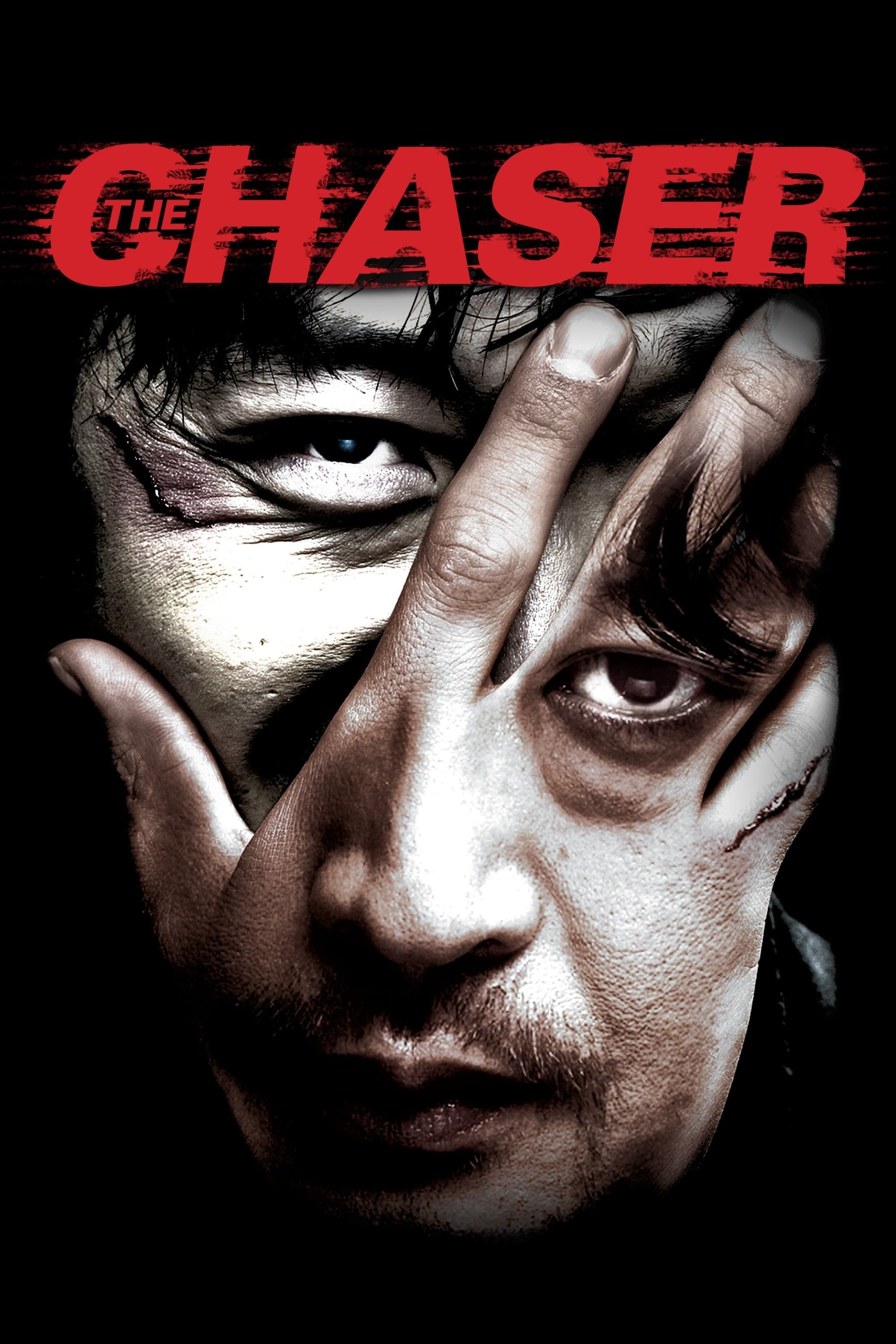
Na Hong-jin’s debut stars Kim Yoon-seok as a former detective turned pimp tracking missing women, opposite Ha Jung-woo. Rain-soaked street work and cramped interiors emphasize time pressure and limited visibility.
The film became a critical and commercial breakthrough domestically and sold widely overseas. Its success enabled the director’s larger productions with returning collaborators.
‘The Man from Nowhere’ (2010)
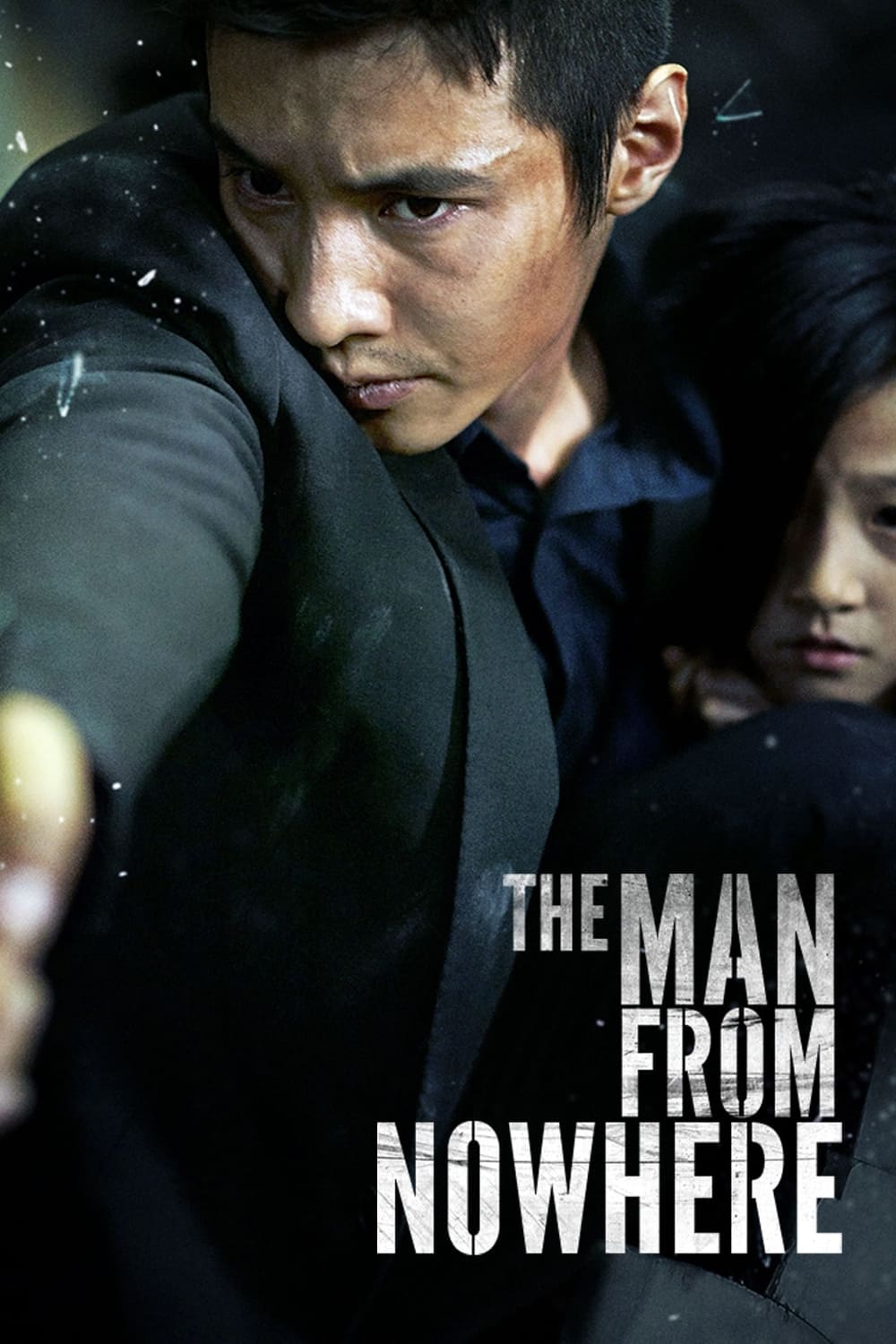
Lee Jeong-beom directs Won Bin as a reclusive pawnshop owner drawn into a trafficking case involving a neighbor child. Close-quarters knife choreography and practical gags were designed with minimal CGI.
It topped Korea’s yearly box office and influenced later action releases. The property attracted remake interest in other markets due to its clean high-concept premise.
‘A Tale of Two Sisters’ (2003)
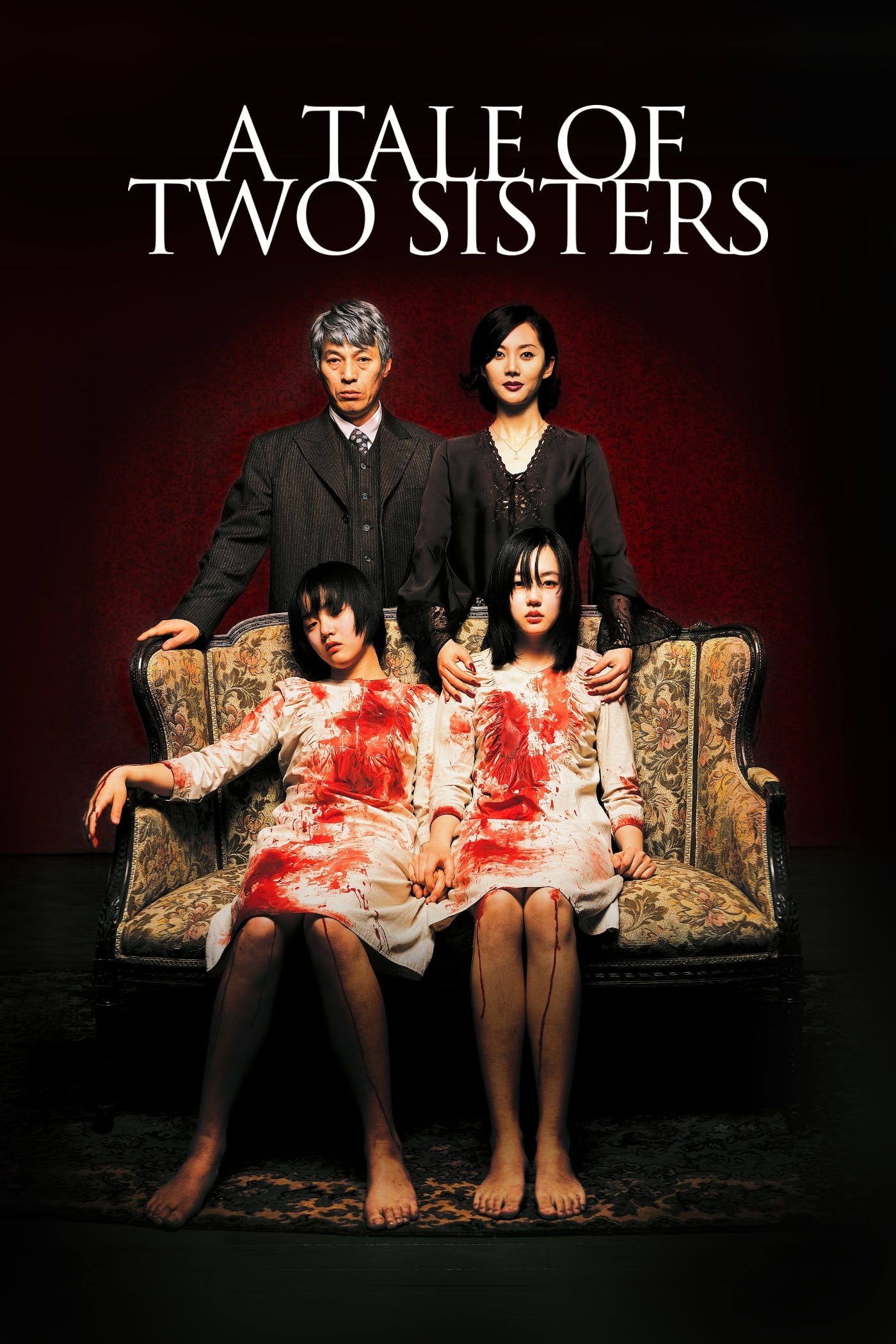
Kim Jee-woon adapts a Joseon-era folktale, starring Im Soo-jung and Moon Geun-young as sisters returning to a family home. Symmetrical framing and color coding signal memory, anxiety, and time shifts.
It was among the first Korean horror films with a wide U.S. release. A subsequent American remake increased international awareness of the original.
‘Poetry’ (2010)

Lee Chang-dong directs Yoon Jeong-hee as a grandmother who enrolls in a poetry class while facing a family crisis. Riverbanks, markets, and apartment blocks map steady routines and quiet observation.
It won Best Screenplay at Cannes and toured global festivals. The film marked Yoon Jeong-hee’s return to screens and prompted retrospectives on her career.
‘Silenced’ (2011)

Hwang Dong-hyuk adapts a non-fiction account of abuse at a school for the deaf, with Gong Yoo and Jung Yu-mi. The production consulted advocacy groups to depict legal processes and sign-language communication accurately.
Its release sparked public outcry and contributed to legislative changes strengthening penalties for related crimes. Sustained attendance came from audience mobilization and media coverage.
‘The Host’ (2006)

Bong Joon-ho blends family drama with a creature narrative starring Song Kang-ho, Byun Hee-bong, and Bae Doona. Han River embankments served as primary locations, with international VFX teams integrated into post-production.
It became one of Korea’s highest-grossing films at release and sold broadly overseas. Marketing emphasized the river setting and ensemble family dynamic to reach genre and mainstream audiences.
‘Peppermint Candy’ (1999)

Lee Chang-dong structures the story in reverse chronology, with Sol Kyung-gu tracing a man’s life across two decades. The railway track bookends the narrative and orients period transitions.
It premiered at Busan and Cannes Directors’ Fortnight, defining late-1990s Korean art-house momentum. The film remains a staple in retrospectives about modern Korean history.
‘Joint Security Area’ (2000)
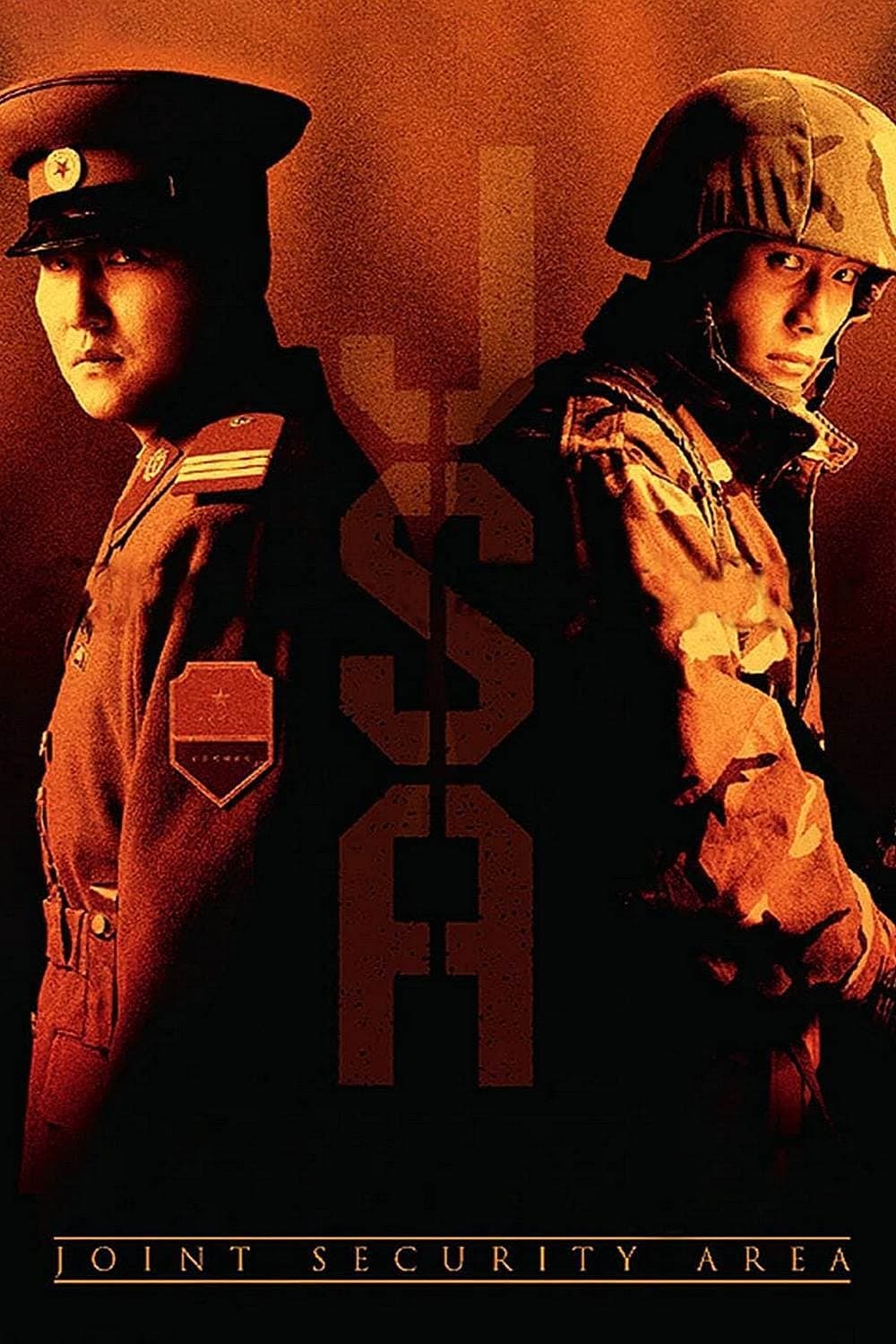
Park Chan-wook directs Lee Byung-hun, Song Kang-ho, Shin Ha-kyun, and Lee Young-ae in a mystery set along the DMZ. Checkpoint interiors were recreated, with controlled sets handling cross-border scenes due to access limits.
The film became a major local hit and raised Park’s profile ahead of later festival wins. International campaigns highlighted the ensemble cast and political setting.
‘Bedevilled’ (2010)
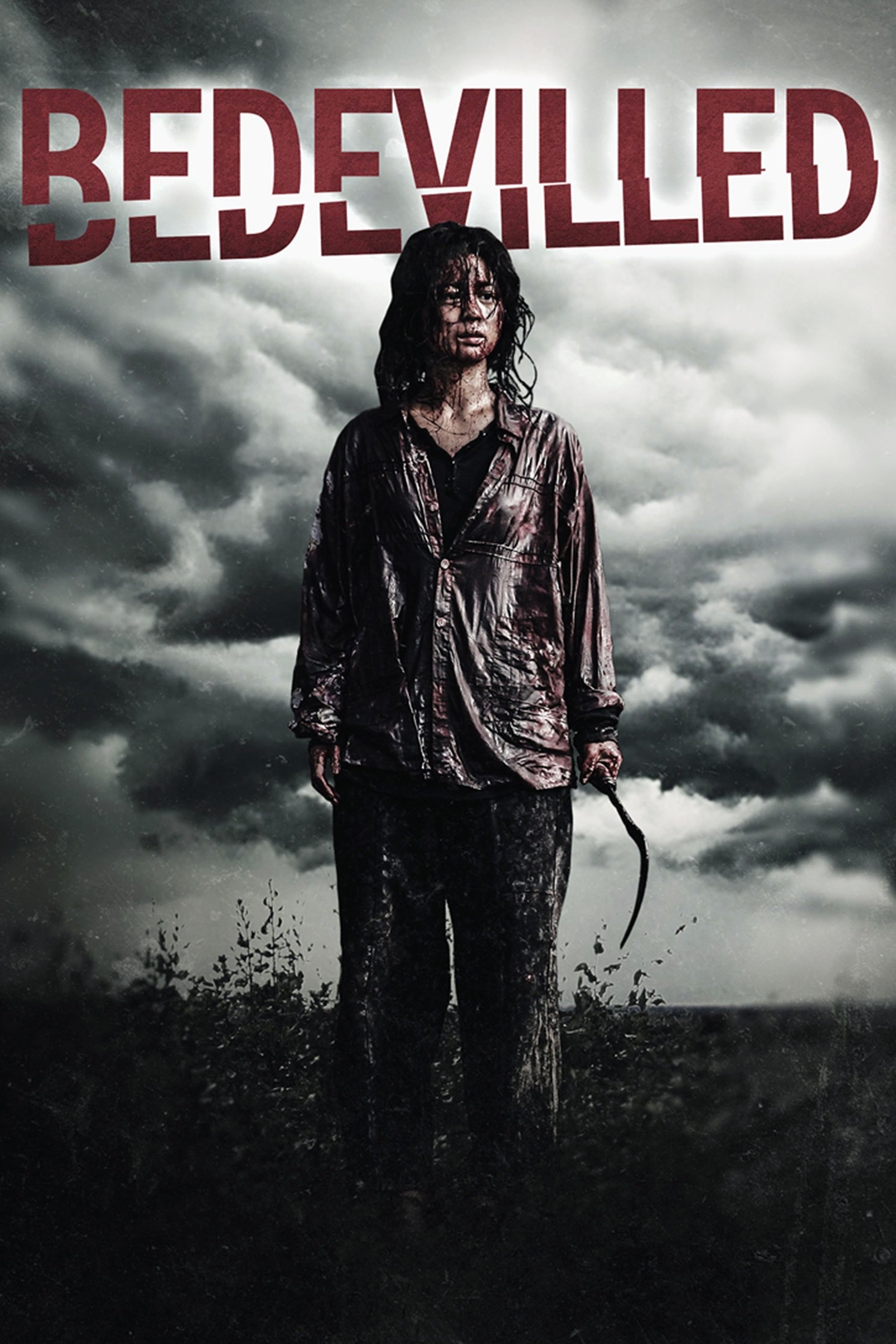
Jang Cheol-soo directs Seo Young-hee and Ji Sung-won in a rural-island story of exploitation and reckoning. Isolation underscores the narrative, with limited institutions and closed community dynamics.
It screened at genre festivals worldwide and received newcomer awards. The release spotlighted smaller-budget Korean thrillers in global markets.
‘Oasis’ (2002)

Lee Chang-dong directs Sol Kyung-gu and Moon So-ri in a relationship drama between marginalized individuals under public scrutiny. Handheld camerawork tracks intimacy in both private and public spaces.
It won Best Director at Venice and acting honors domestically. Subtitled prints circulated widely in art-house circuits during the early 2000s export wave.
‘Spring, Summer, Fall, Winter… and Spring’ (2003)
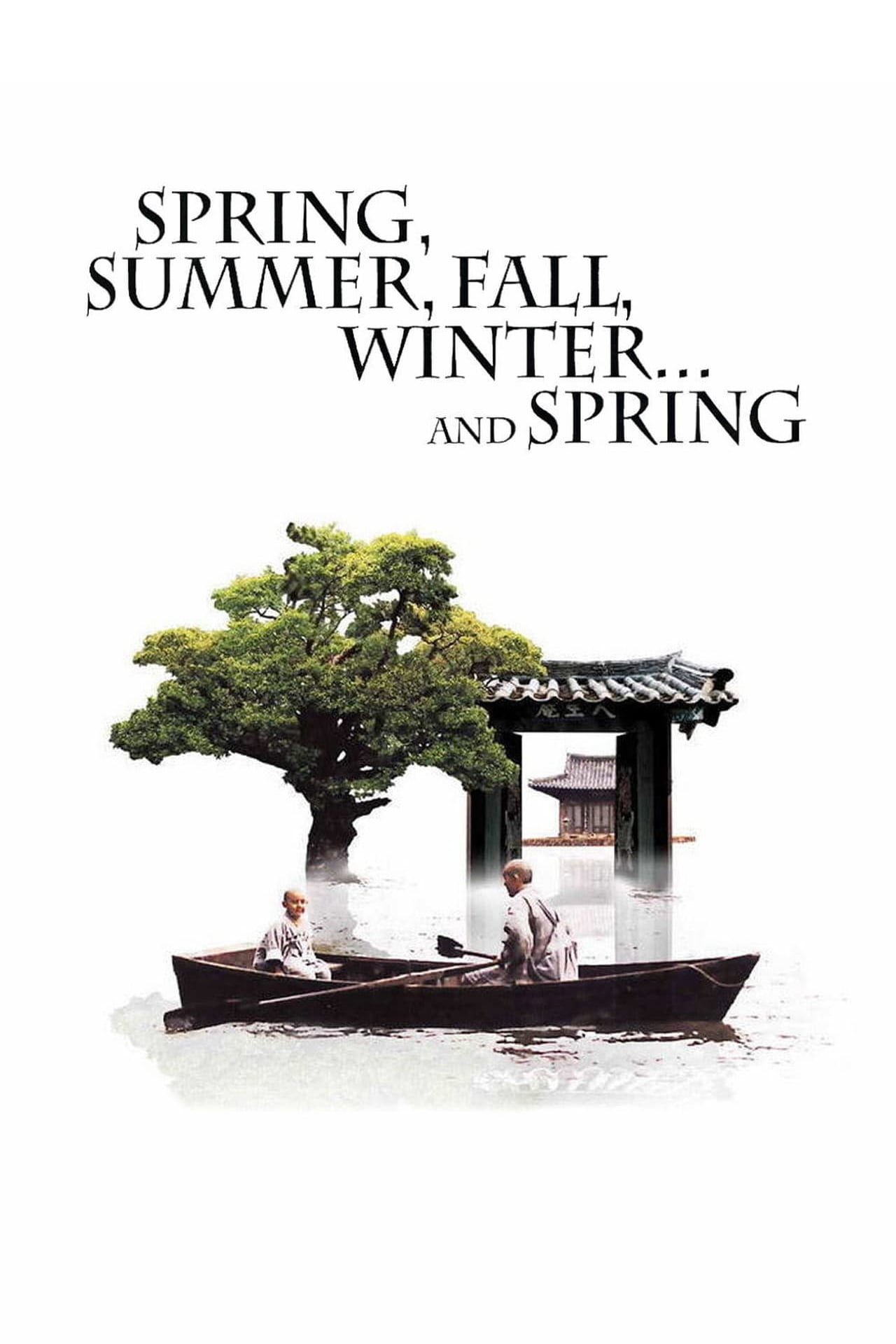
Kim Ki-duk sets the narrative on a floating monastery following a monk through life’s stages. The production shot across seasons on an artificial lake for environmental continuity.
It toured major festivals and became one of the director’s most internationally screened works. Minimal dialogue and natural settings aided subtitling and broad non-dialogue markets.
‘The Age of Shadows’ (2016)
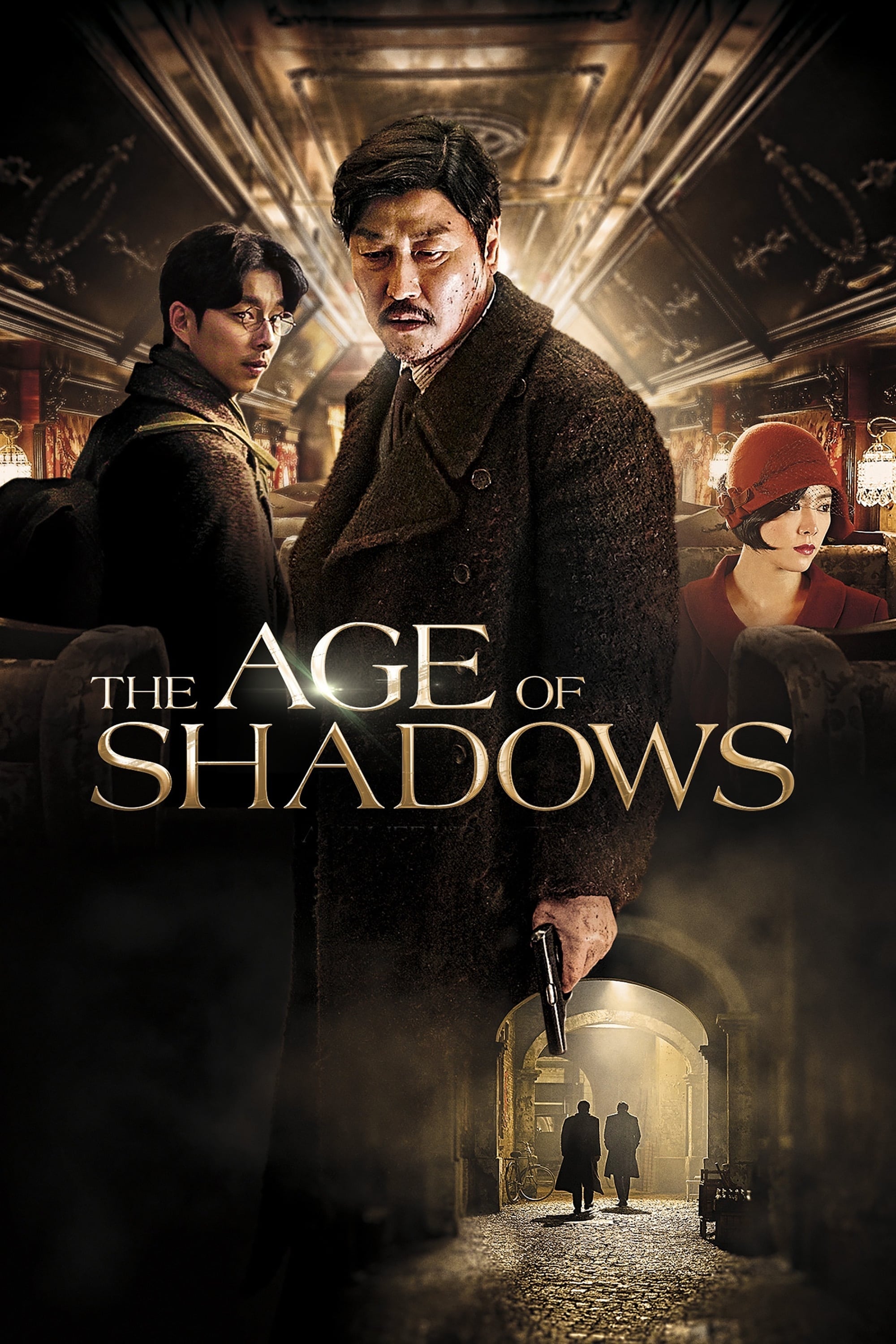
Kim Jee-woon directs Song Kang-ho, Gong Yoo, and Han Ji-min in a resistance thriller under Japanese occupation. Period trains and streets were reconstructed with detailed costuming for late-1920s authenticity.
It served as South Korea’s Academy Awards submission and performed strongly at home. International distribution emphasized espionage elements familiar to spy-film audiences.
‘The Yellow Sea’ (2010)
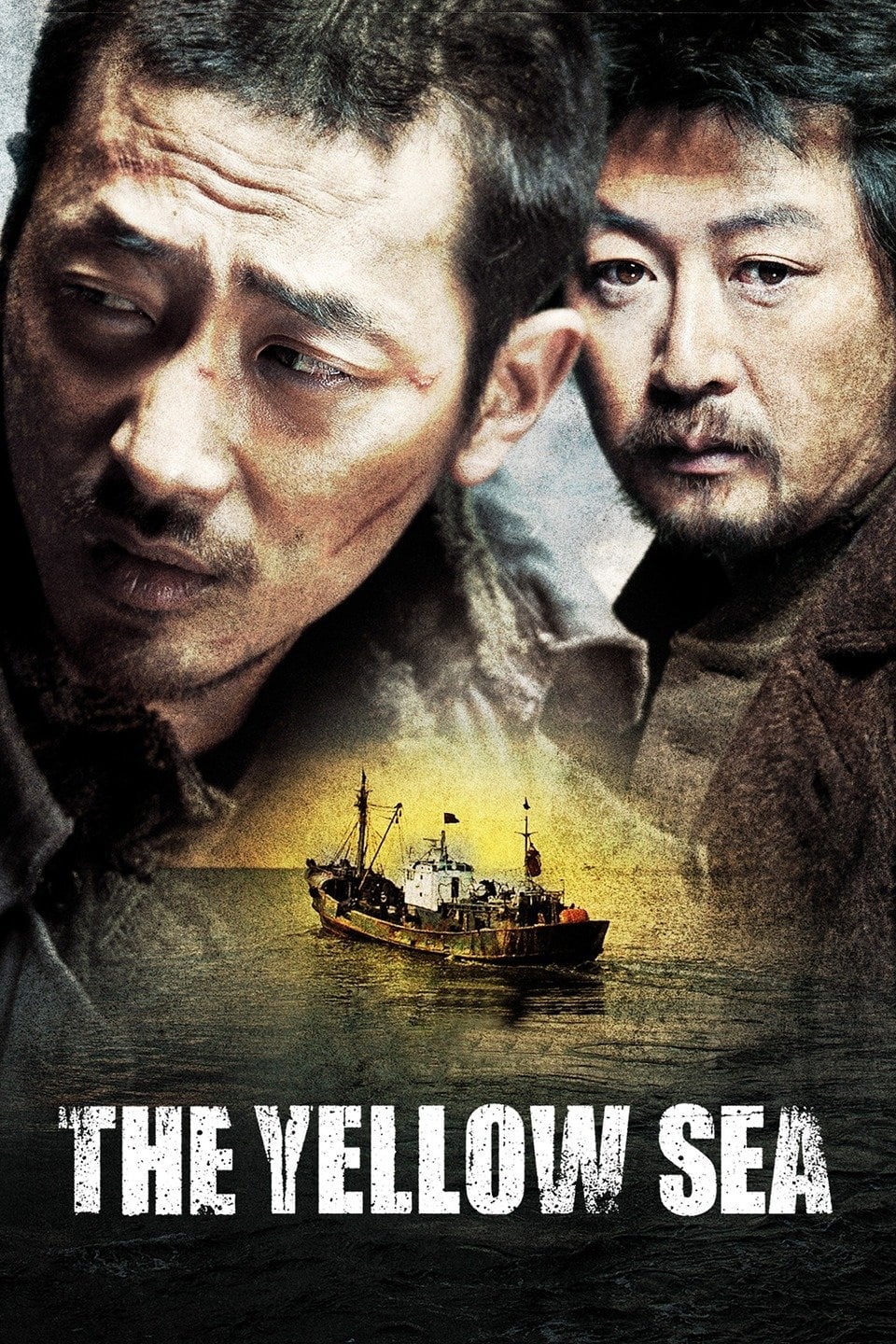
Na Hong-jin casts Ha Jung-woo as a taxi driver pulled into cross-border crime, with Kim Yoon-seok as an underworld figure. Filming in South Korea and China coordinated handheld chases and multi-language exchanges.
Following ‘The Chaser’, it reinforced the director’s reputation for high-intensity thrillers. Extended and alternate cuts exist across festival and home-video editions.
‘A Bittersweet Life’ (2005)
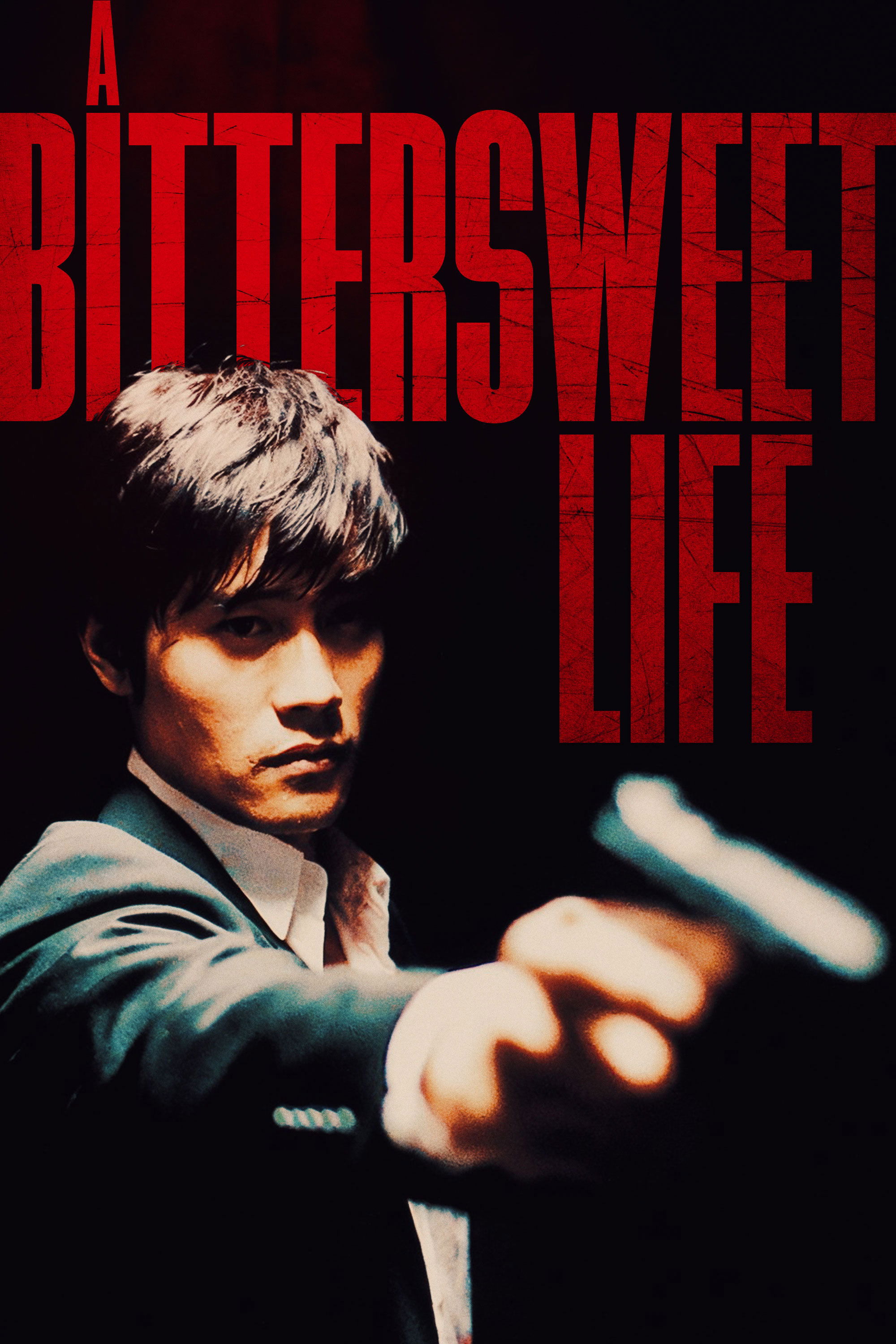
Kim Jee-woon directs Lee Byung-hun as an enforcer confronting his organization after a surveillance assignment. Hotel and restaurant sets were lit for wide-angle action and reflective surfaces.
It premiered out of competition at Cannes and found a global audience through DVD circulation. The score and visual style influenced subsequent Korean gangster films.
‘The Good, the Bad, the Weird’ (2008)
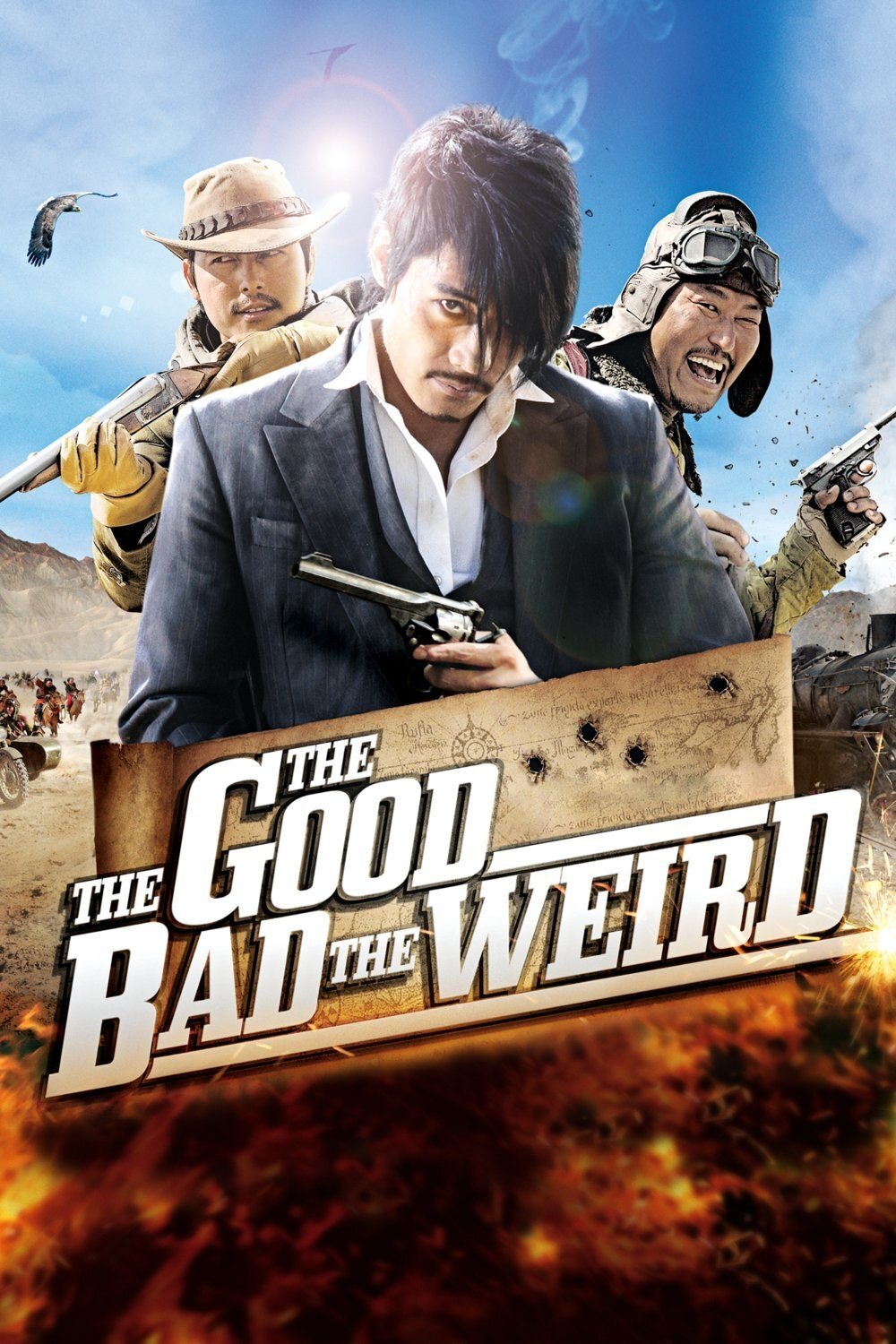
Kim Jee-woon reimagines a Manchurian Western with Song Kang-ho, Lee Byung-hun, and Jung Woo-sung. Large-scale desert chases used practical vehicles and aerial coverage for scope.
One of the most expensive Korean films of its time, it played at Cannes and released in multiple cuts. Runtime differences appear between domestic and international versions.
‘New World’ (2013)
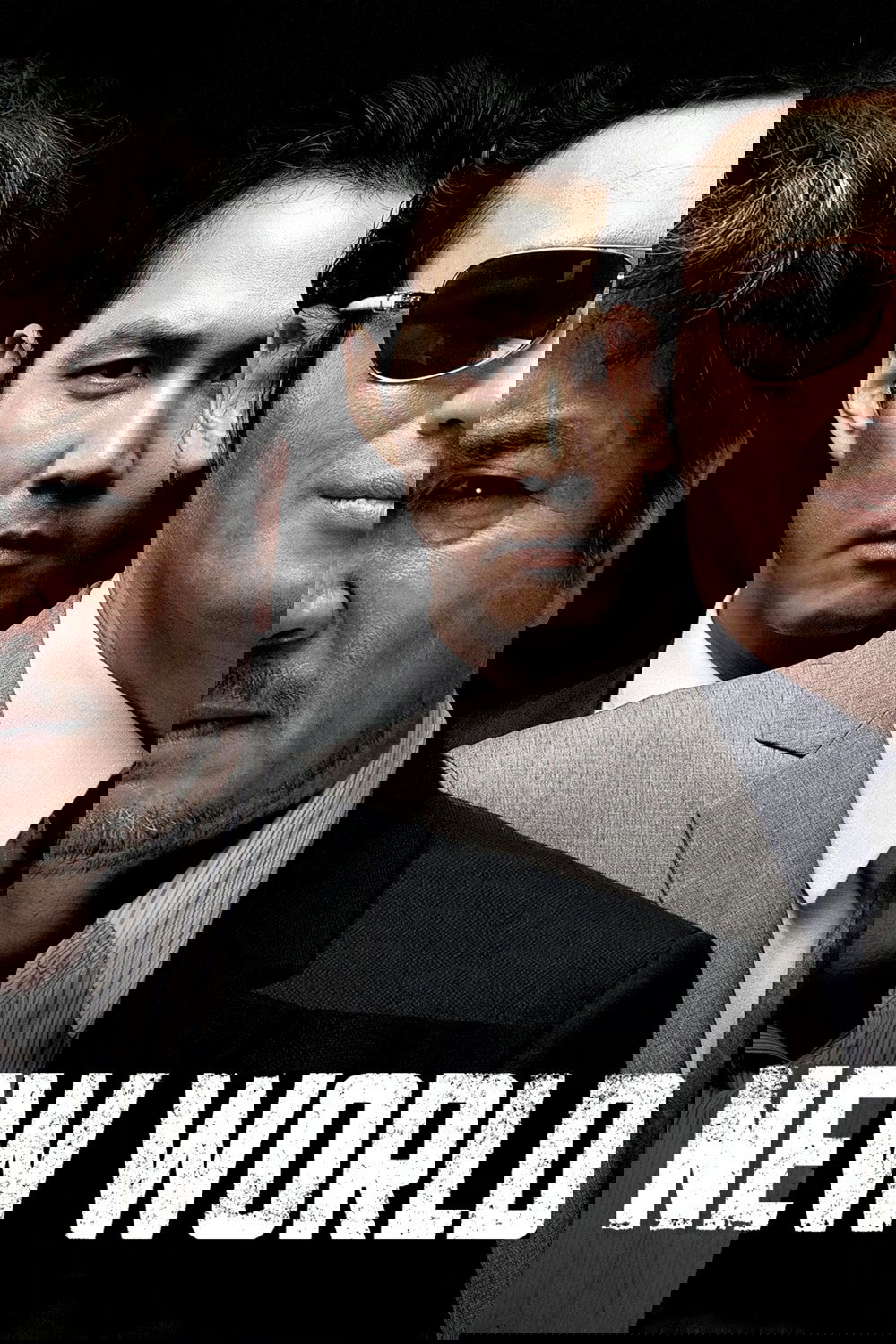
Park Hoon-jung directs Lee Jung-jae, Choi Min-sik, and Hwang Jung-min in an undercover saga inside a crime syndicate. Hierarchical charts and boardroom settings track succession struggles and shifting alliances.
It performed strongly in Korea and built an international fanbase via streaming and home video. Remake development circulated in other markets alongside distribution deals.
‘Secret Sunshine’ (2007)
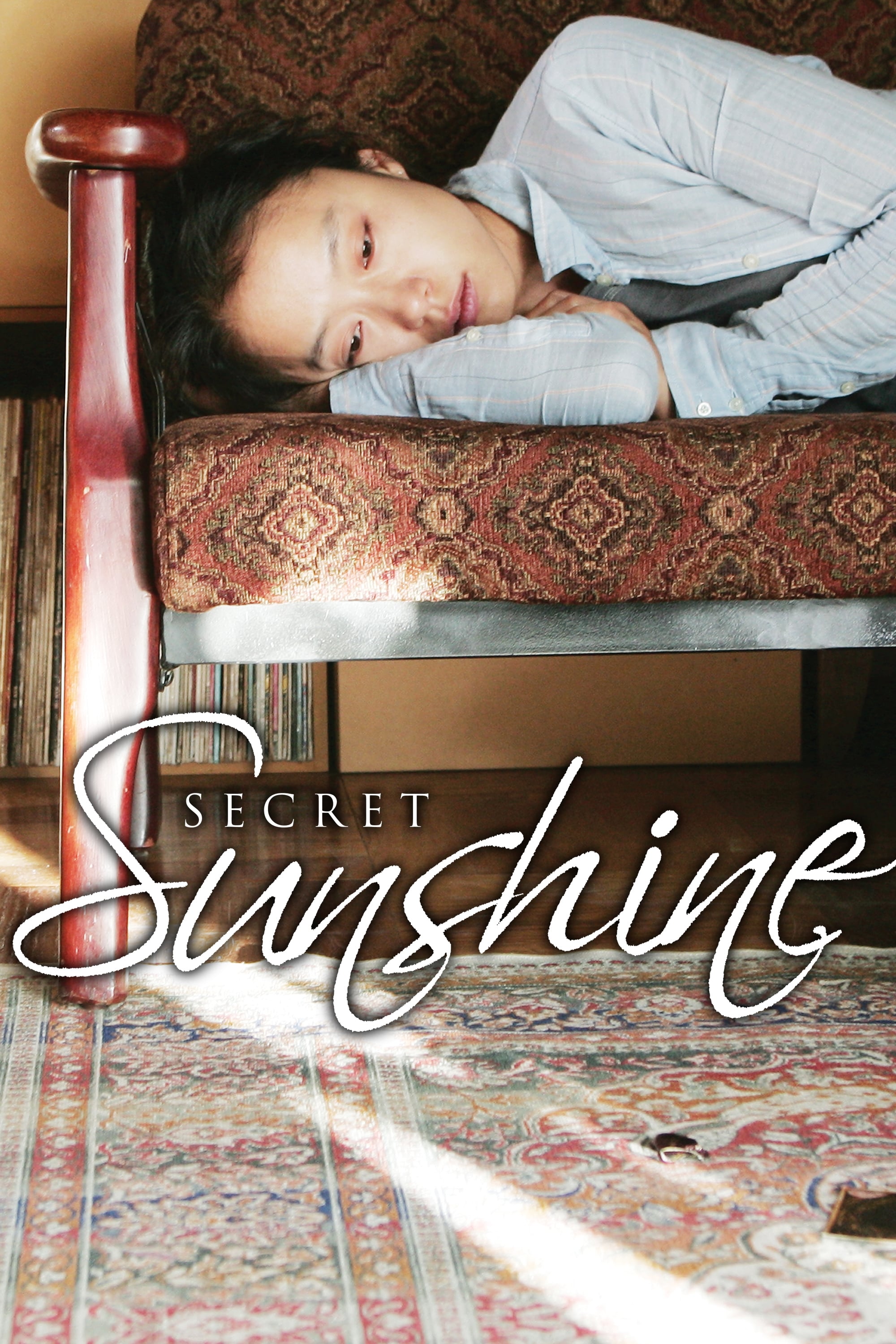
Lee Chang-dong directs Jeon Do-yeon and Song Kang-ho, centering on a woman relocating to her late husband’s hometown. Location shooting in Milyang provides geographic specificity and community texture.
Jeon Do-yeon won Best Actress at Cannes, drawing worldwide attention. Domestic accolades included top prizes for performance and direction.
‘The Berlin File’ (2013)
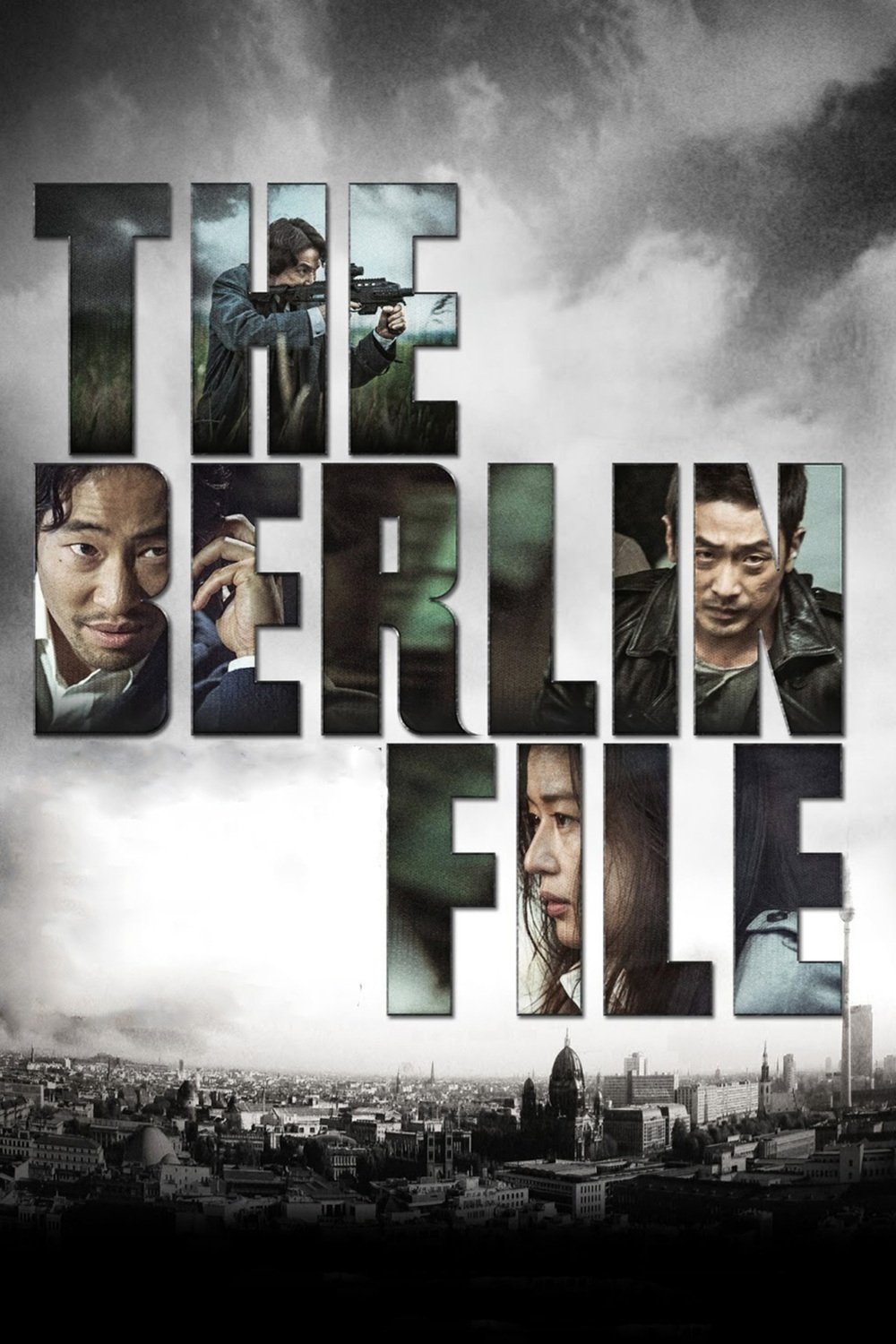
Ryoo Seung-wan directs Ha Jung-woo, Han Suk-kyu, Jeon Ji-hyun, and Ryu Seung-beom in a multilingual espionage thriller. International location work uses Berlin landmarks and European crews for logistics.
It was a commercial success in Korea and across Asia. The production’s scope cemented Ryoo’s standing as a leading action director.
‘The Attorney’ (2013)
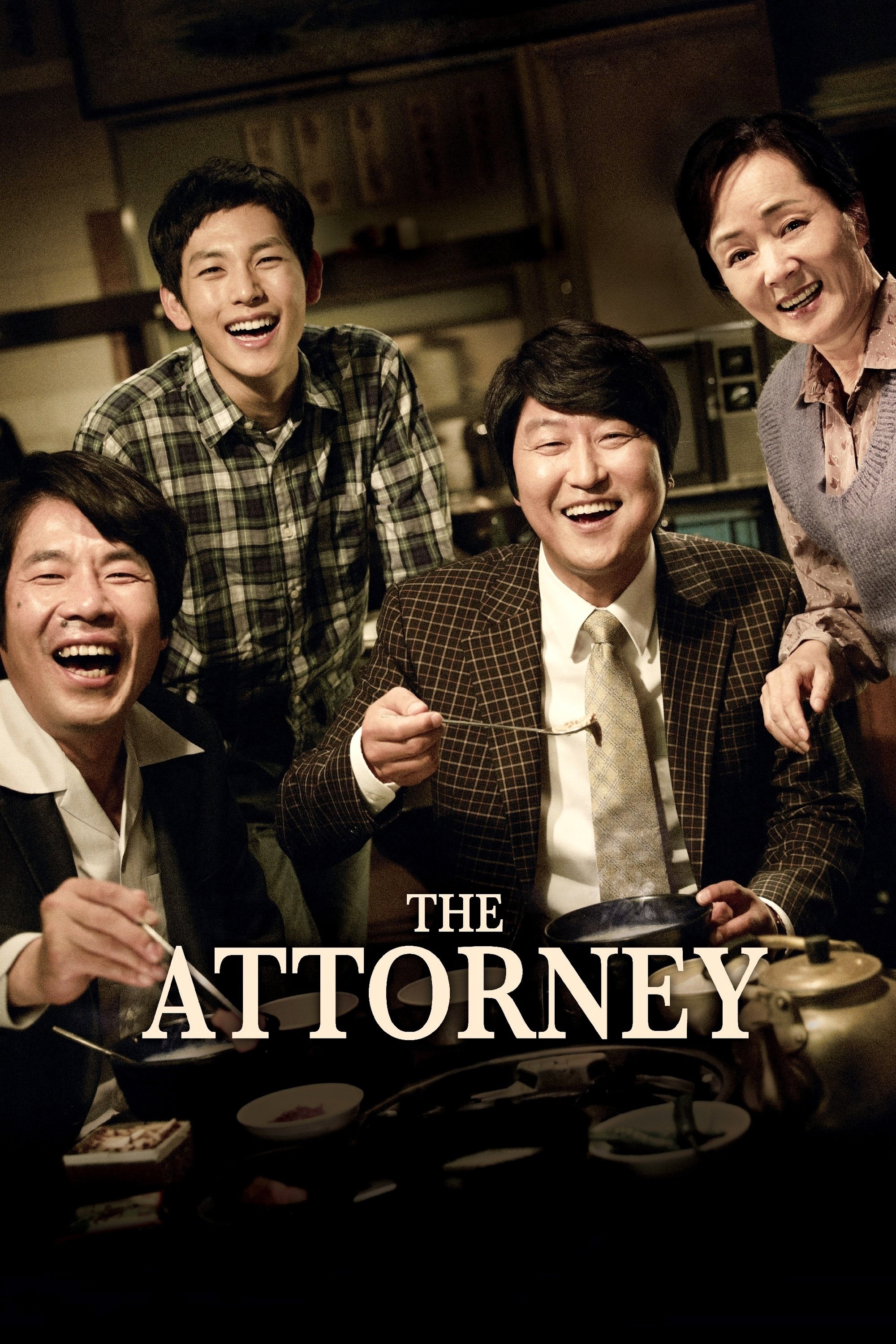
Yang Woo-seok directs Song Kang-ho in a courtroom drama inspired by civil-rights cases from the 1980s. Sets reconstruct legal offices and detention facilities to reflect period procedures.
It became a major domestic hit with awards for screenplay and acting. The film renewed interest in legal dramas linked to modern Korean history.
‘1987: When the Day Comes’ (2017)
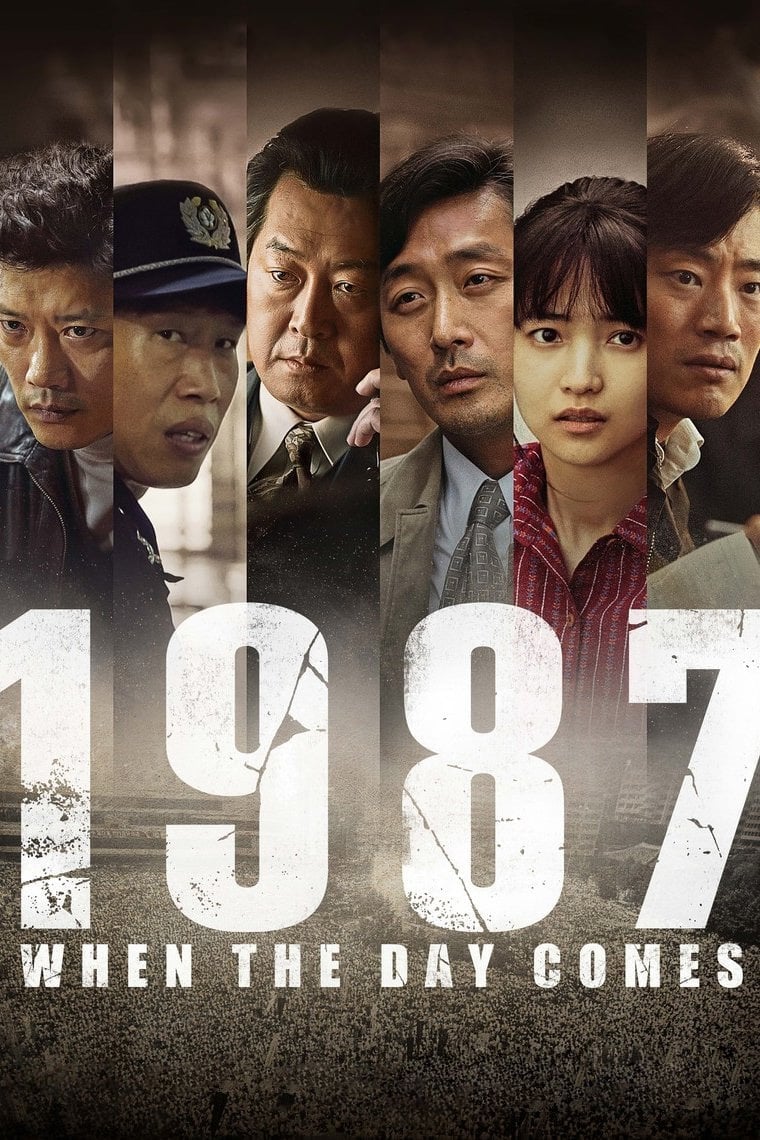
Jang Joon-hwan builds an ensemble portrait around a student’s death and subsequent protests. Newspapers, radio bulletins, and recreated offices map decision chains across agencies.
The film drew strong attendance and is often used in educational screenings. It received awards for editing and ensemble acting.
‘The Villainess’ (2017)
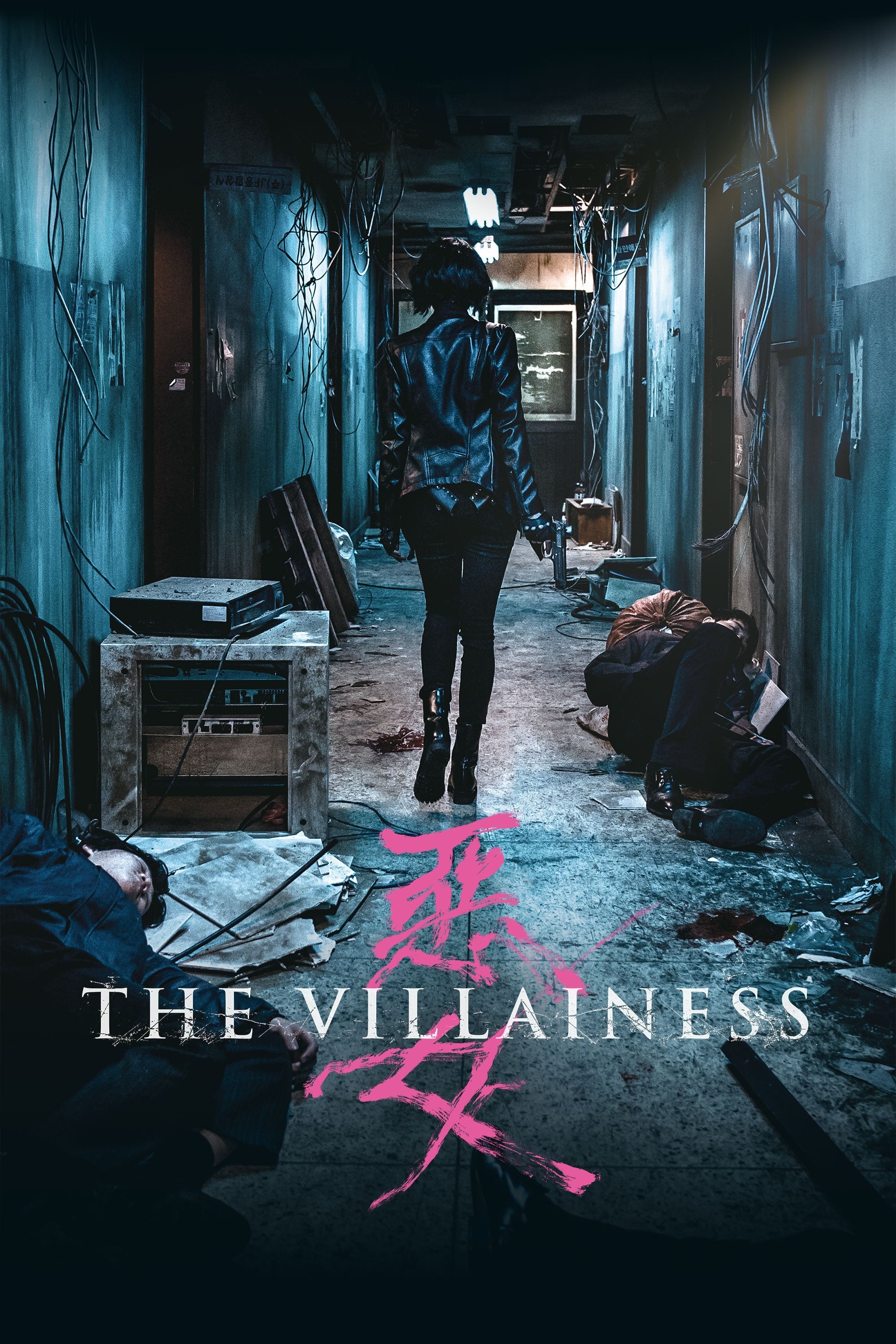
Jung Byung-gil directs Kim Ok-vin in an action film known for elaborate POV and motorcycle-sword sequences. The stunt team planned long-take transitions blending wire work with hidden cuts.
It premiered at Cannes Midnight Screenings and secured worldwide distribution. The action design influenced later Korean and international productions.
‘The Merciless’ (2017)
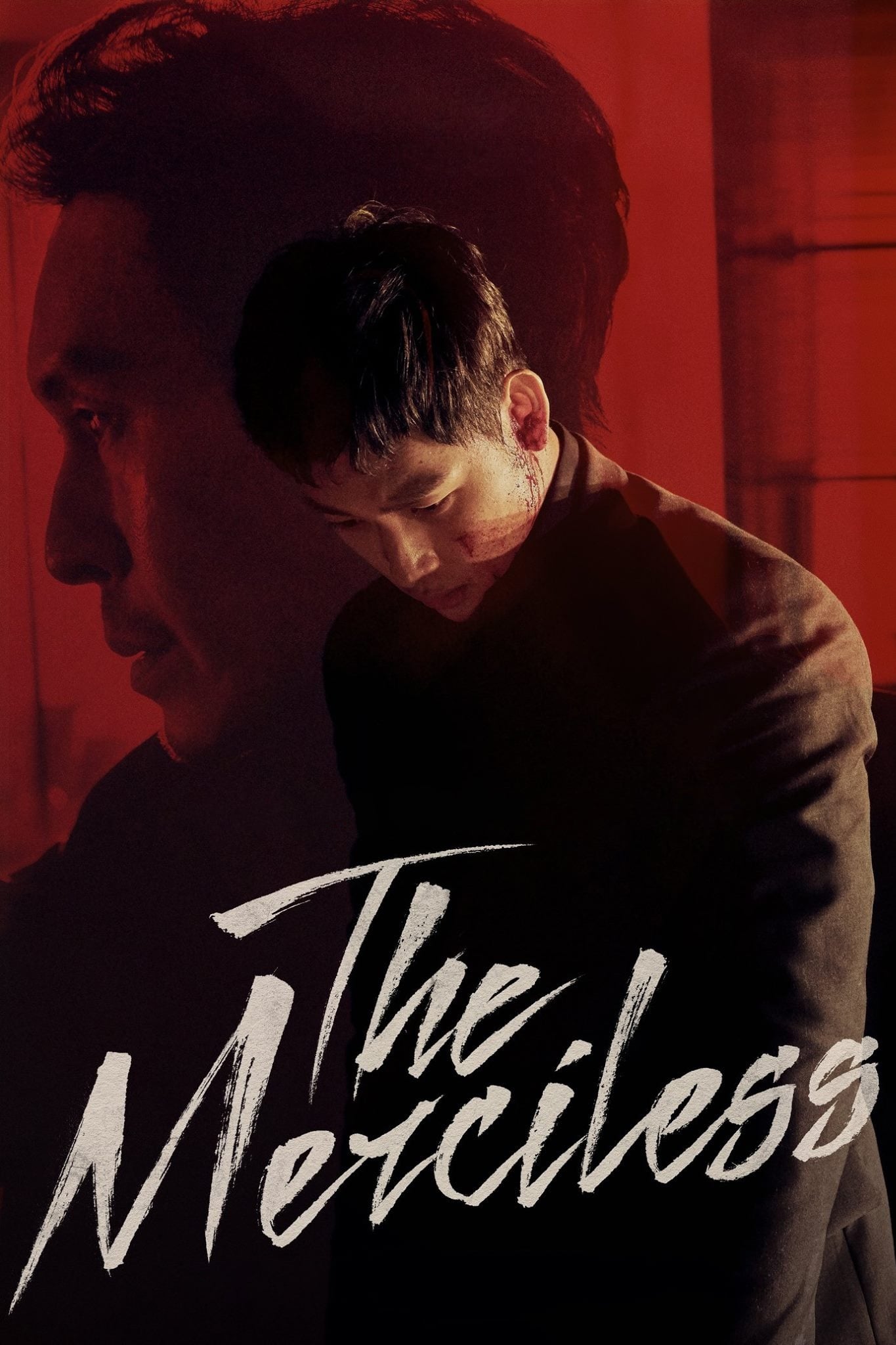
Byun Sung-hyun directs Sol Kyung-gu and Im Si-wan in a prison-to-underworld thriller. Color grading differentiates institutional interiors from seaside exteriors to track timelines.
It premiered at Cannes and expanded through Asian markets. Press materials highlight structural flashbacks and production design choices.
‘The Outlaws’ (2017)
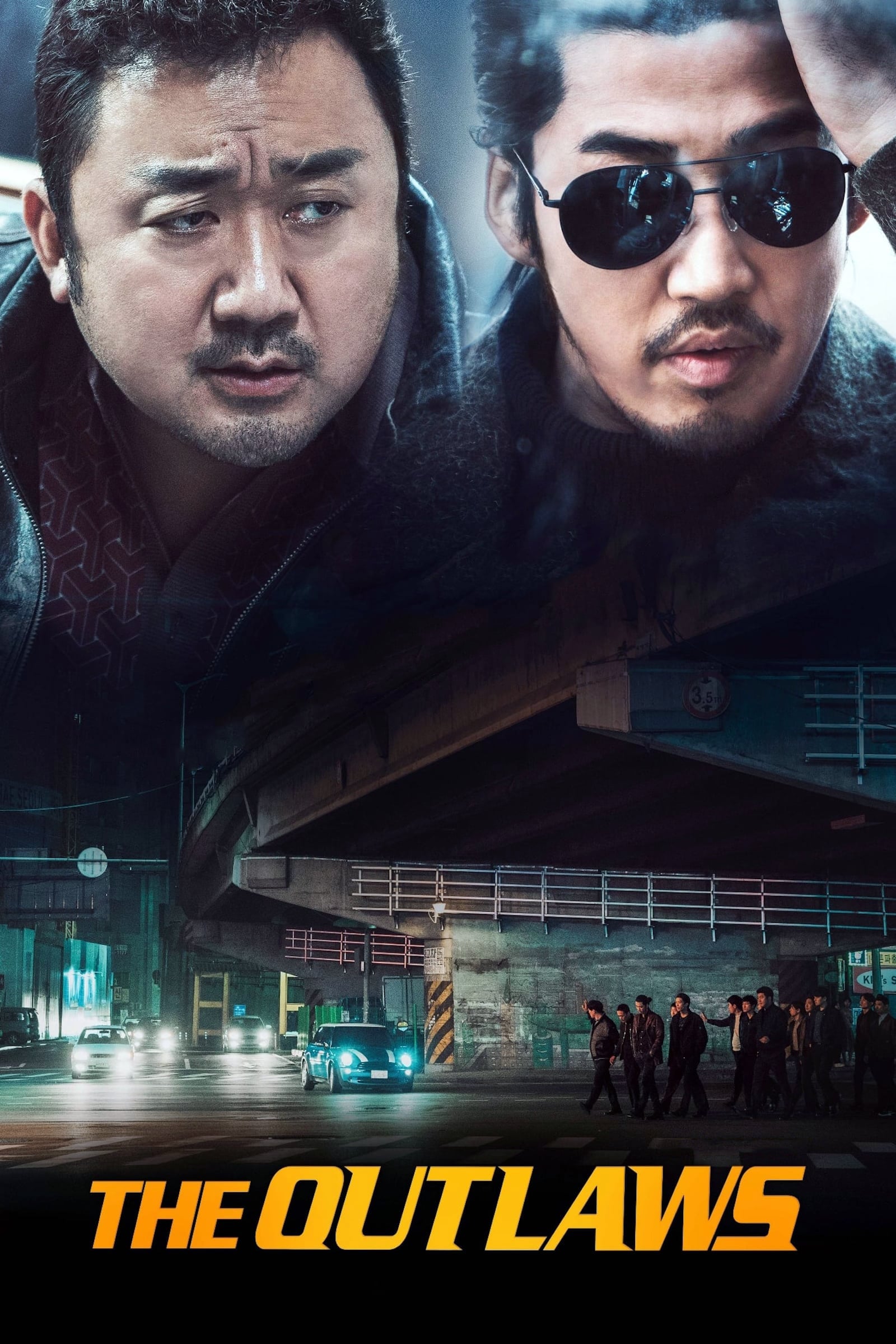
Kang Yoon-sung directs Ma Dong-seok in a crime film based on the “Heuksapa” incident in Seoul’s Garibong district. Street-level locations and practical brawls ground police raids and neighborhood dynamics.
It became a sleeper hit and led to sequels under the ‘The Roundup’ banner with returning lead Ma Dong-seok. The franchise expanded internationally through streaming and theatrical releases.
‘Masquerade’ (2012)

Choo Chang-min directs Lee Byung-hun in a dual role set in the Joseon court. Period costumes and palace sets were designed for candlelit cinematography and protocol accuracy.
It ranked among the year’s top-grossing Korean films and won multiple Grand Bell Awards. Historical consultants contributed to ceremonial detail and speech patterns.
‘War of the Arrows’ (2011)
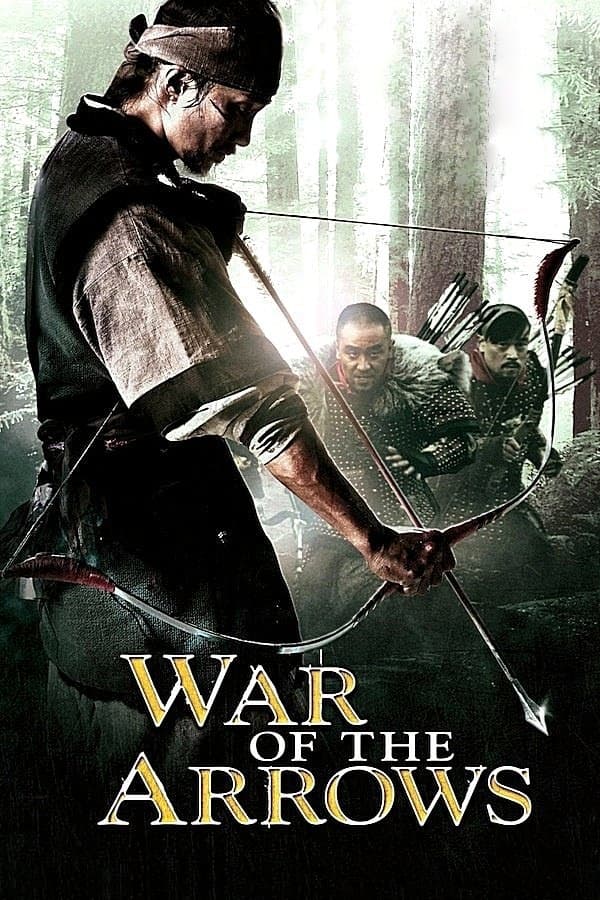
Kim Han-min directs Park Hae-il and Ryu Seung-ryong in a chase epic amid an invasion. Archery sequences relied on practical arrow rigs and rehearsed trajectory timing.
The film topped the domestic box office that year and later paired internationally with the director’s naval epics. Home-video extras document weapons training and location scouting.
‘Ode to My Father’ (2014)
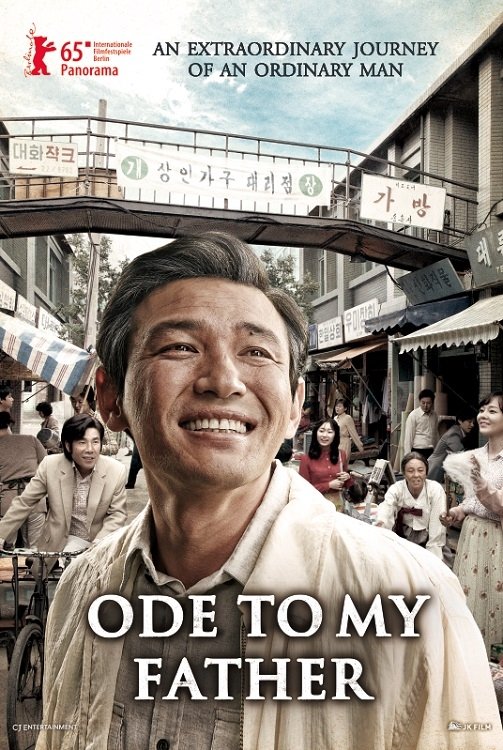
Yoon Je-kyoon directs Hwang Jung-min and Kim Yunjin, tracing a man’s life across major national events. Large crowd scenes combined extras and digital augmentation to recreate historical moments.
It became one of Korea’s all-time highest-grossing domestic films upon release. Overseas units assisted in reproducing multiple period settings.
‘Hope’ (2013)

Lee Joon-ik focuses on a family’s recovery after a violent crime, starring Sol Kyung-gu and Uhm Ji-won. The narrative details community assistance, therapy, and rehabilitation processes.
It received domestic awards for acting and direction and was programmed in human-rights film showcases. Post-screening discussions frequently addressed victim support services.
‘A Taxi Driver’ (2017)
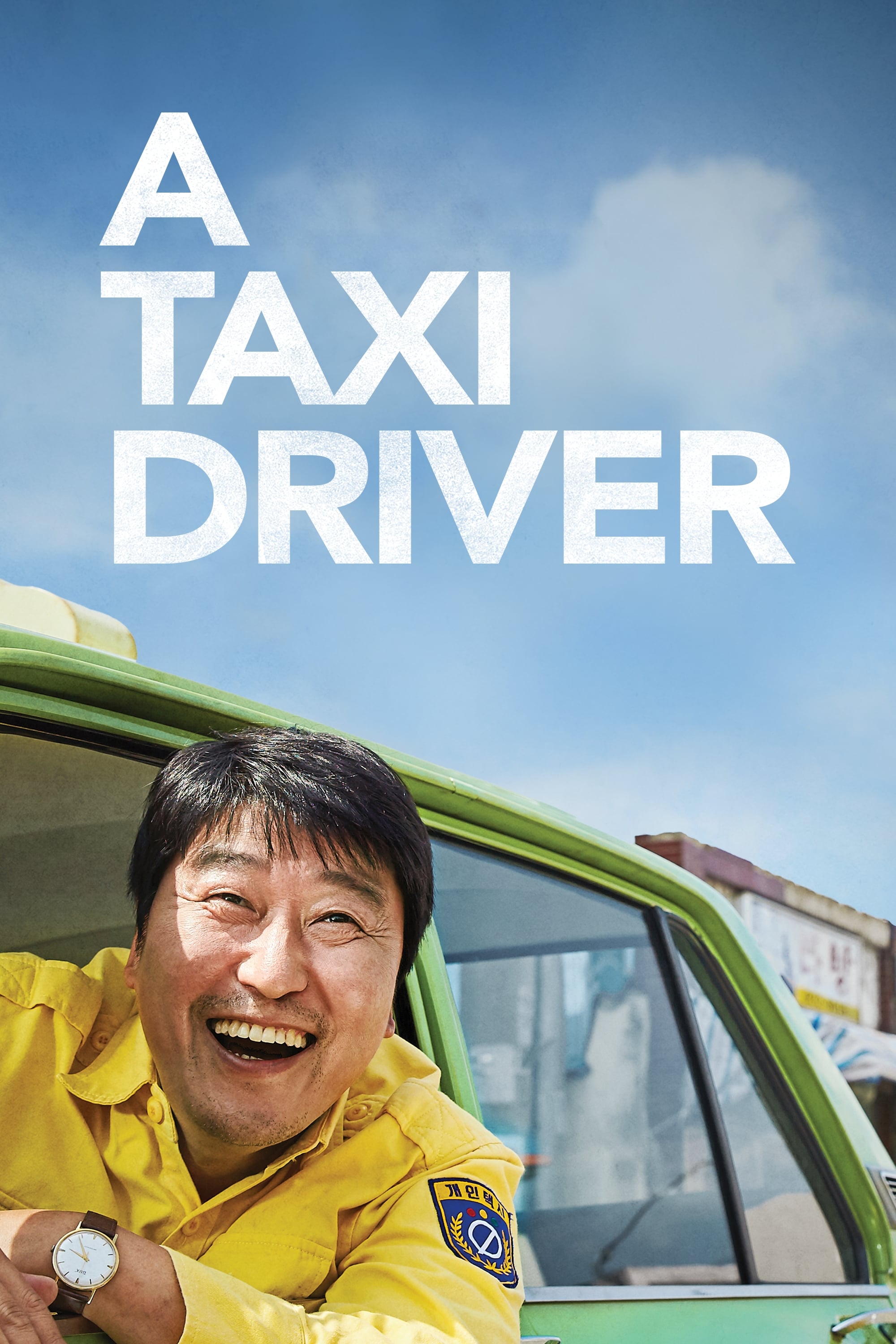
Jang Hoon directs Song Kang-ho and Thomas Kretschmann in a story of a Seoul cab driver transporting a German journalist during historic demonstrations. The production recreated checkpoints and landmarks based on period photographs.
It was a major box-office success at home and performed well across Asia. The film boosted international interest in late-20th-century Korean history on screen.
‘The Battleship Island’ (2017)
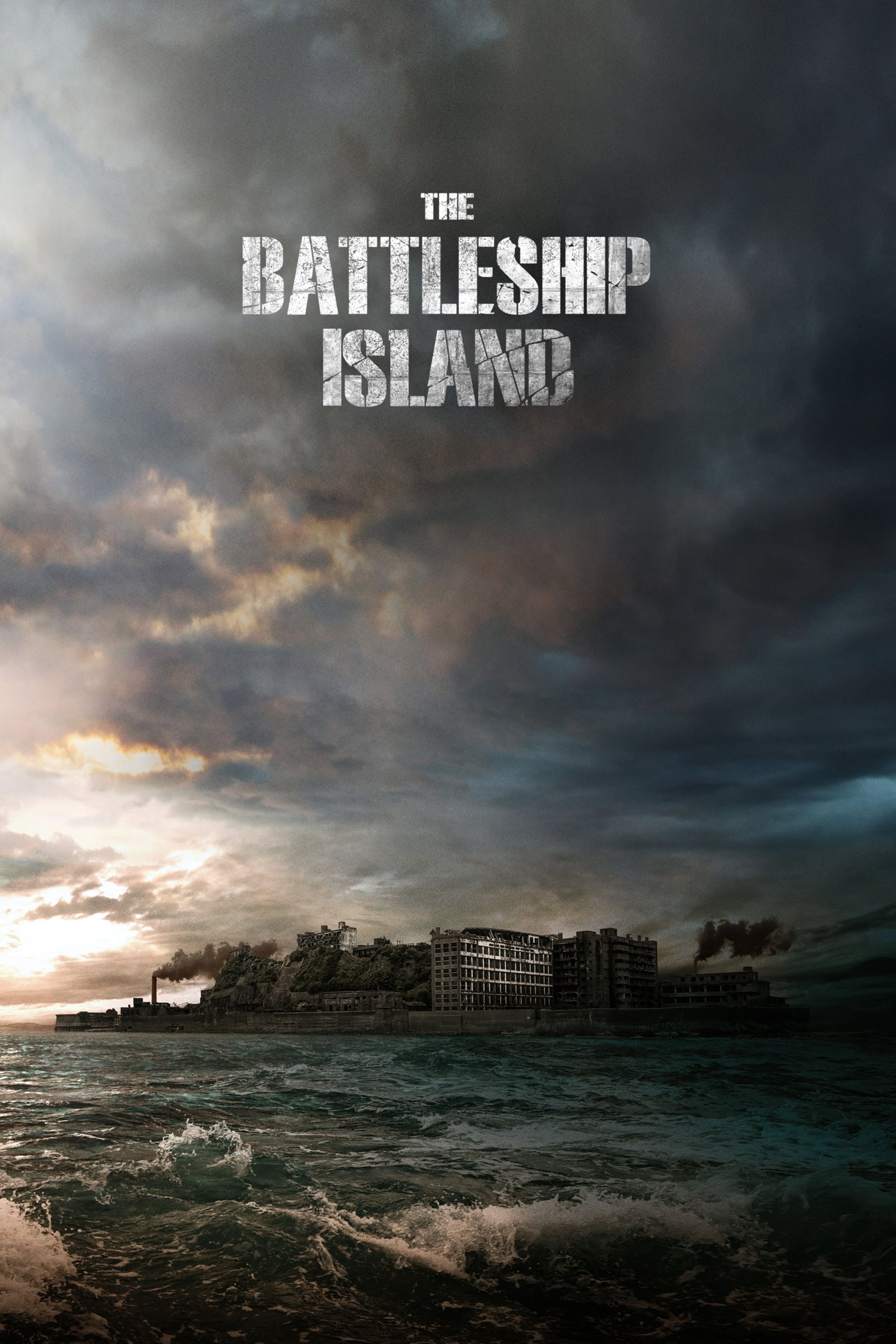
Ryoo Seung-wan stages a wartime escape narrative with Hwang Jung-min, So Ji-sub, and Song Joong-ki. Massive sets replicated mining facilities and barracks to manage complex crowd movement.
The release drew attention for its scale and subject matter, leading to robust regional distribution. Production notes outline research into labor conditions and island geography.
‘Extreme Job’ (2019)

Director Lee Byung-heon presents a police squad running a fried-chicken front during a narcotics stakeout, starring Ryu Seung-ryong and Lee Hanee. The script balances procedural beats with kitchen logistics and storefront operations.
It became one of the highest-grossing Korean comedies domestically. Success generated remake development in other countries and extended streaming availability.
‘Little Forest’ (2018)

Yim Soon-rye adapts a manga about a young woman returning to her rural hometown, starring Kim Tae-ri, Ryu Jun-yeol, and Jin Ki-joo. Seasonal cooking and farming sequences coordinated with local producers for accuracy.
It performed steadily at the box office and found a long tail on streaming platforms. The film frequently appears in food-cinema programs and campus screenings.
‘Midnight Runners’ (2017)
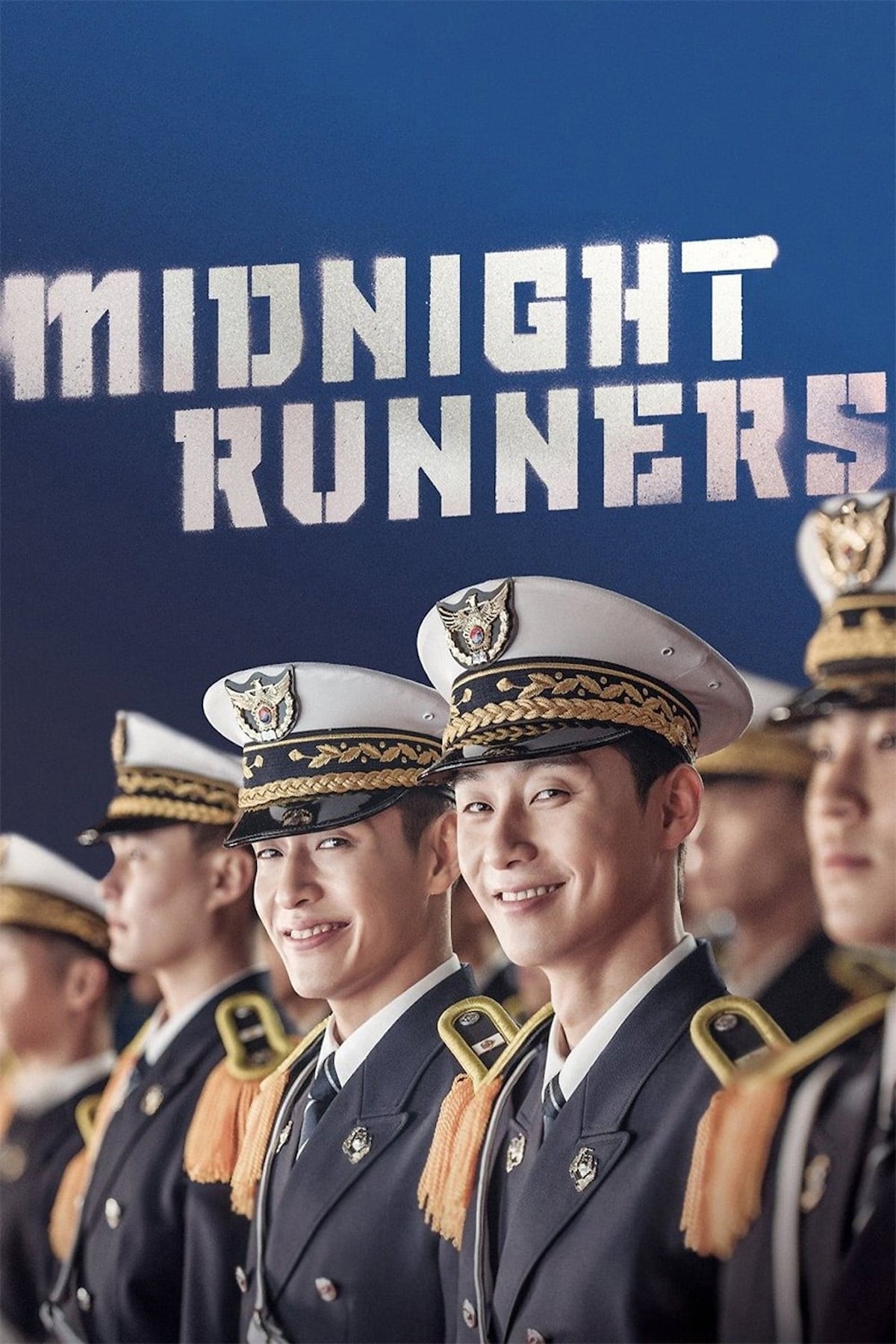
Kim Joo-hwan directs Park Seo-joon and Kang Ha-neul as police cadets who witness a kidnapping and launch their own investigation. Action scenes were designed around training-level competence and improvisation.
Strong youth turnout drove domestic performance, followed by remakes in other markets. Ancillary materials include behind-the-scenes training footage and stunt breakdowns.
‘Veteran’ (2015)
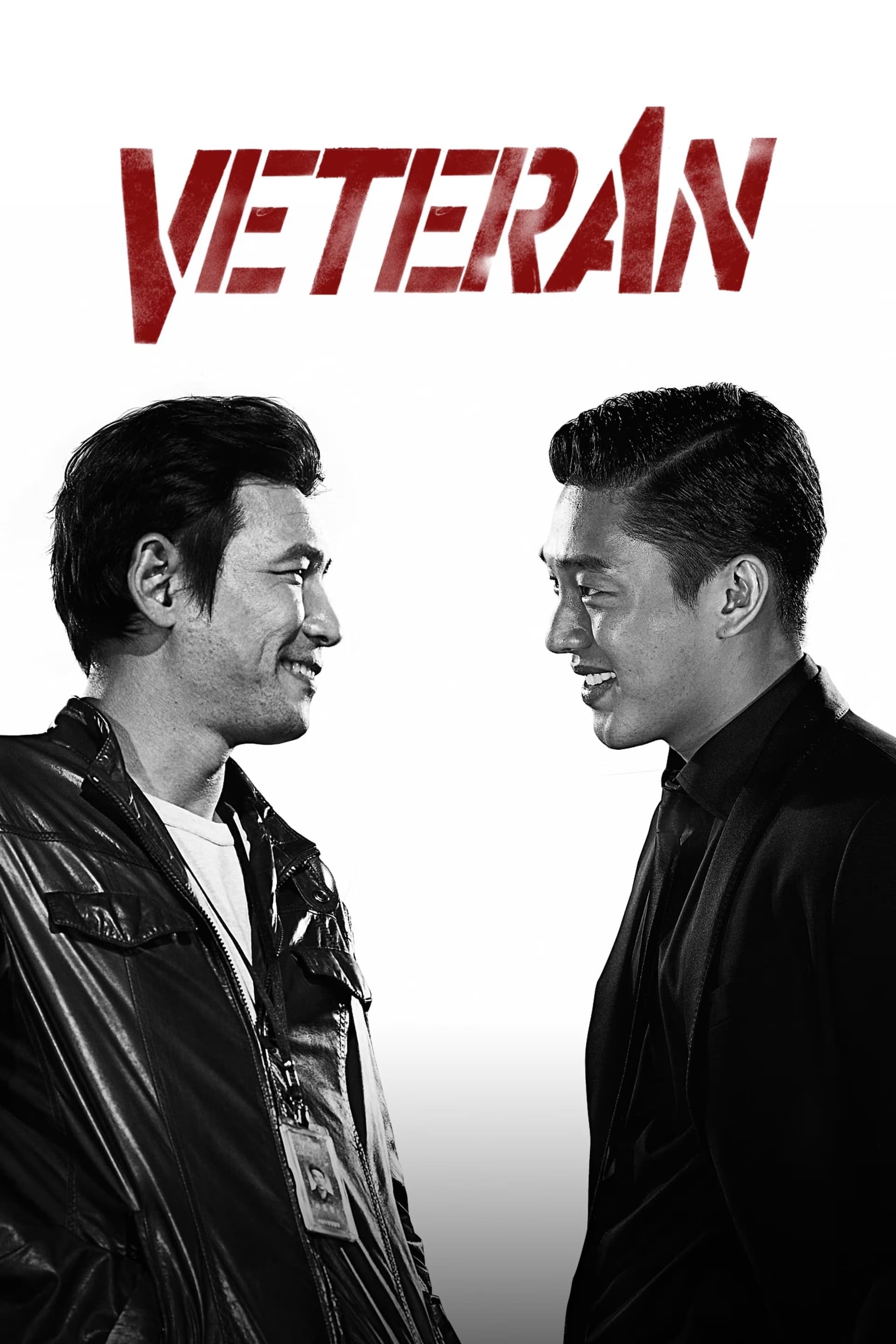
Ryoo Seung-wan directs Hwang Jung-min as a detective pursuing a wealthy heir played by Yoo Ah-in. The production blends vehicular stunts with practical fights and workplace ensemble scenes.
It ranked among the year’s top domestic grossers and broadened Ryoo’s international profile. Popularity led to continued interest in follow-ups featuring the lead character.
‘The Thieves’ (2012)
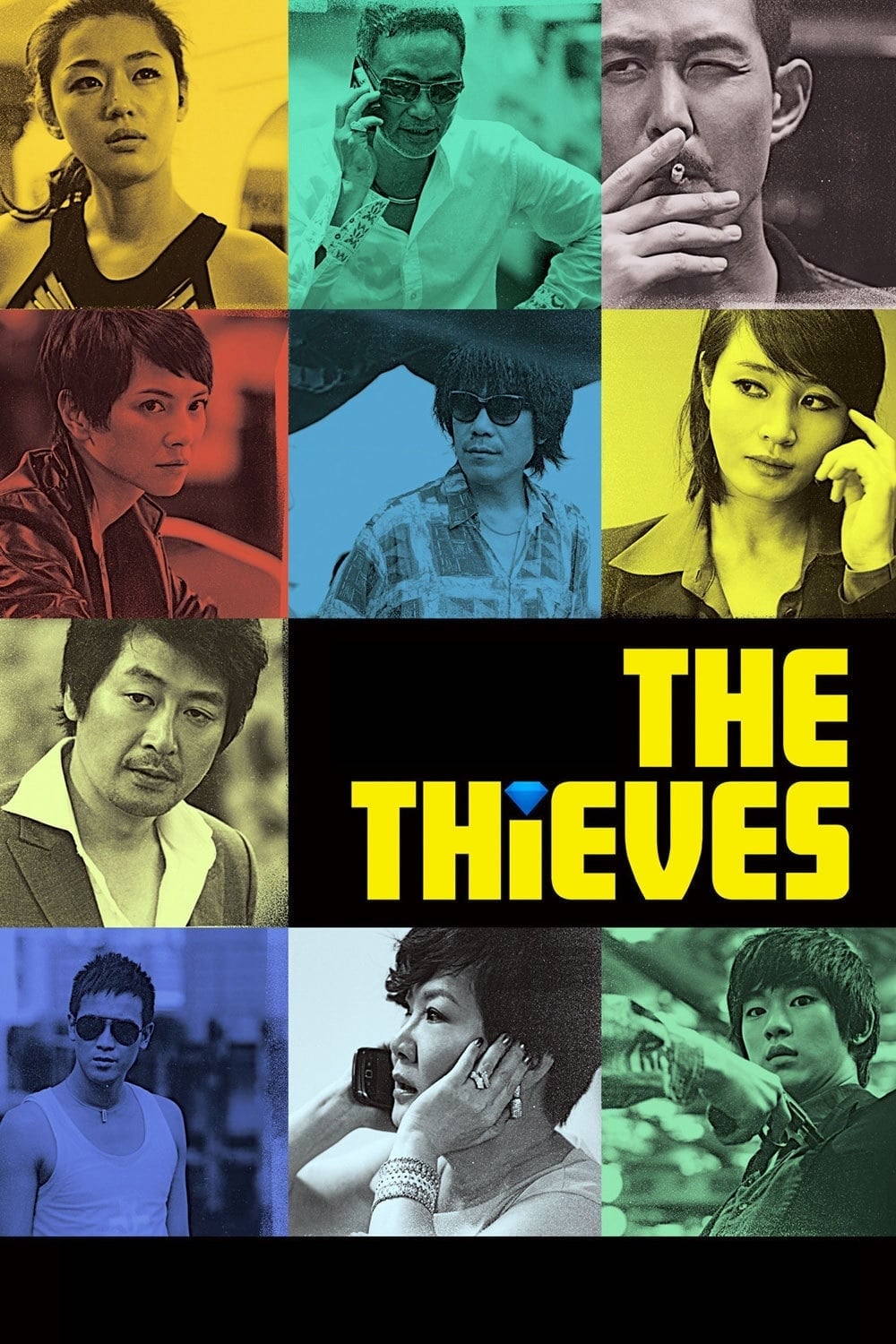
Choi Dong-hoon assembles Kim Yoon-seok, Jun Ji-hyun, Lee Jung-jae, and Kim Hye-soo in a multinational heist set partly in Macau. The production coordinated multilingual dialogue and cross-border locations.
It became one of Korea’s highest-grossing films upon release. International sales leveraged the star ensemble and heist structure for broad distribution.
‘Confession of Murder’ (2012)
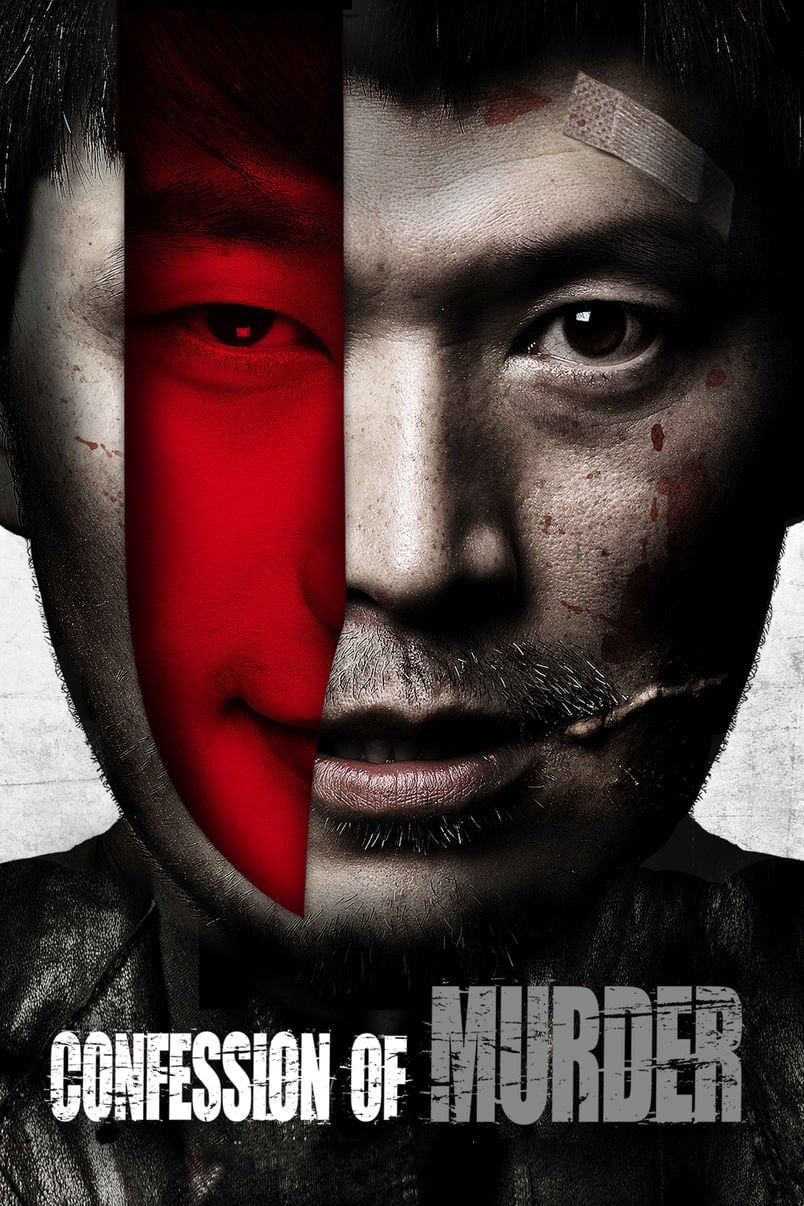
Jung Byung-gil directs a thriller about a man who publishes a book confessing to past crimes after a statute of limitations expires. Set-piece chases include stairwells and highway sequences with rigged safety falls.
The premise prompted remakes and reimaginings in other countries. Festival screenings supported sales to specialty distributors.
‘Forgotten’ (2017)

Jang Hang-jun directs Kang Ha-neul and Kim Mu-yeol in a psychological mystery centered on memory gaps and identity. Controlled color palettes and wardrobe choices seed timeline clues.
It found strong international streaming traction after its domestic run. The title is frequently included in curated lists of Korean thrillers on major platforms.
‘The Suspect’ (2013)

Won Shin-yeon directs Gong Yoo as a North Korean defector framed for a crime. Action design emphasizes foot chases, close-quarters combat, and thermal-vision surveillance.
The film performed well at home and sold to multiple Asian territories. Marketing highlighted action training and varied locations.
‘Cold Eyes’ (2013)
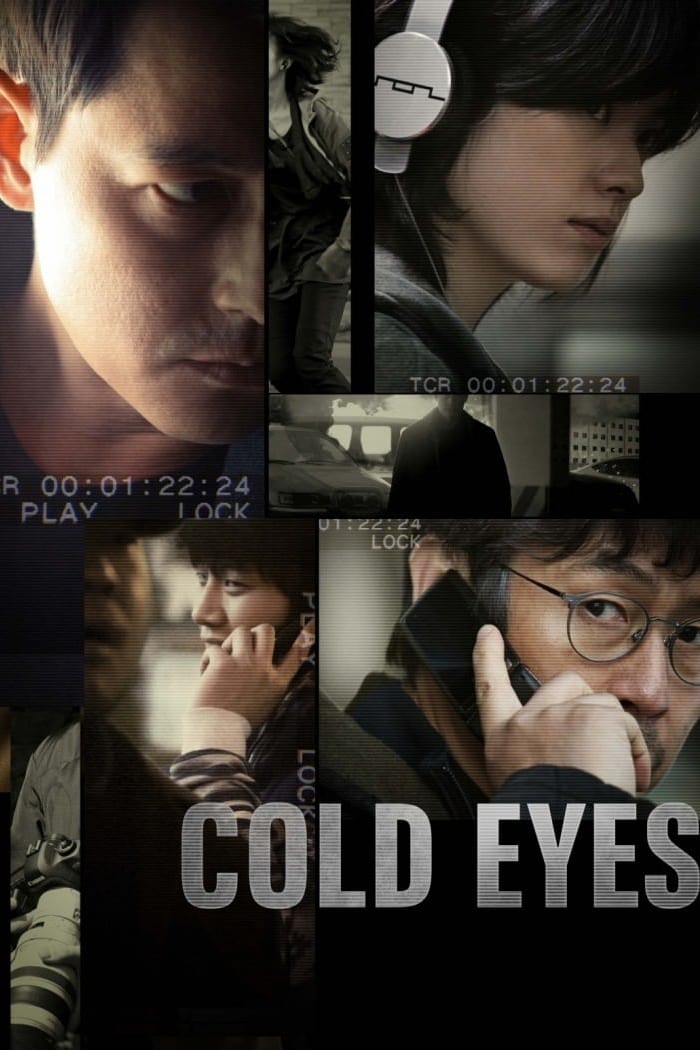
Cho Ui-seok and Kim Byung-seo co-direct a surveillance-driven police thriller adapted from a Hong Kong film, starring Han Hyo-joo, Sol Kyung-gu, and Jung Woo-sung. The script details unit structures and urban tracking technology.
It achieved strong domestic numbers and festival play. Press notes frequently cite ensemble coordination and technical staging.
‘Miracle in Cell No. 7’ (2013)

Lee Hwan-kyung directs Ryu Seung-ryong and Kal So-won in a prison-set family drama. Cellblock sets were designed for visibility and movement across large ensemble scenes.
It ranked among the year’s top domestic grossers and inspired remakes in several countries. The film maintained long theatrical legs through word-of-mouth and holiday programming.
‘My Sassy Girl’ (2001)
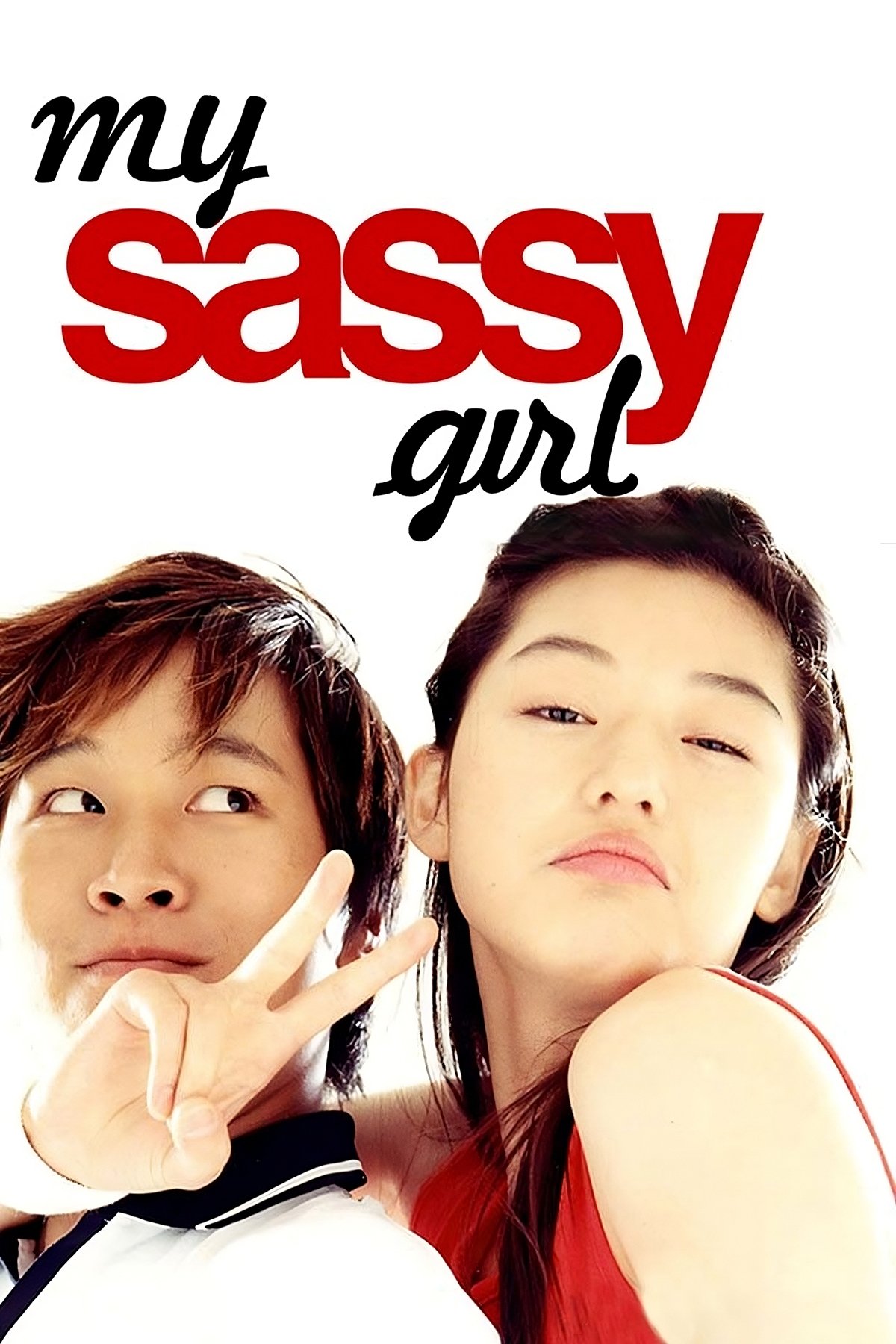
Kwak Jae-yong directs Jun Ji-hyun and Cha Tae-hyun in a romantic comedy adapted from widely read online posts. Urban dating scenarios and campus settings were captured on location around the capital region.
It became a breakout pan-Asian hit and influenced romantic comedies in multiple industries. The property expanded into TV adaptations and international remakes.
‘The King and the Clown’ (2005)
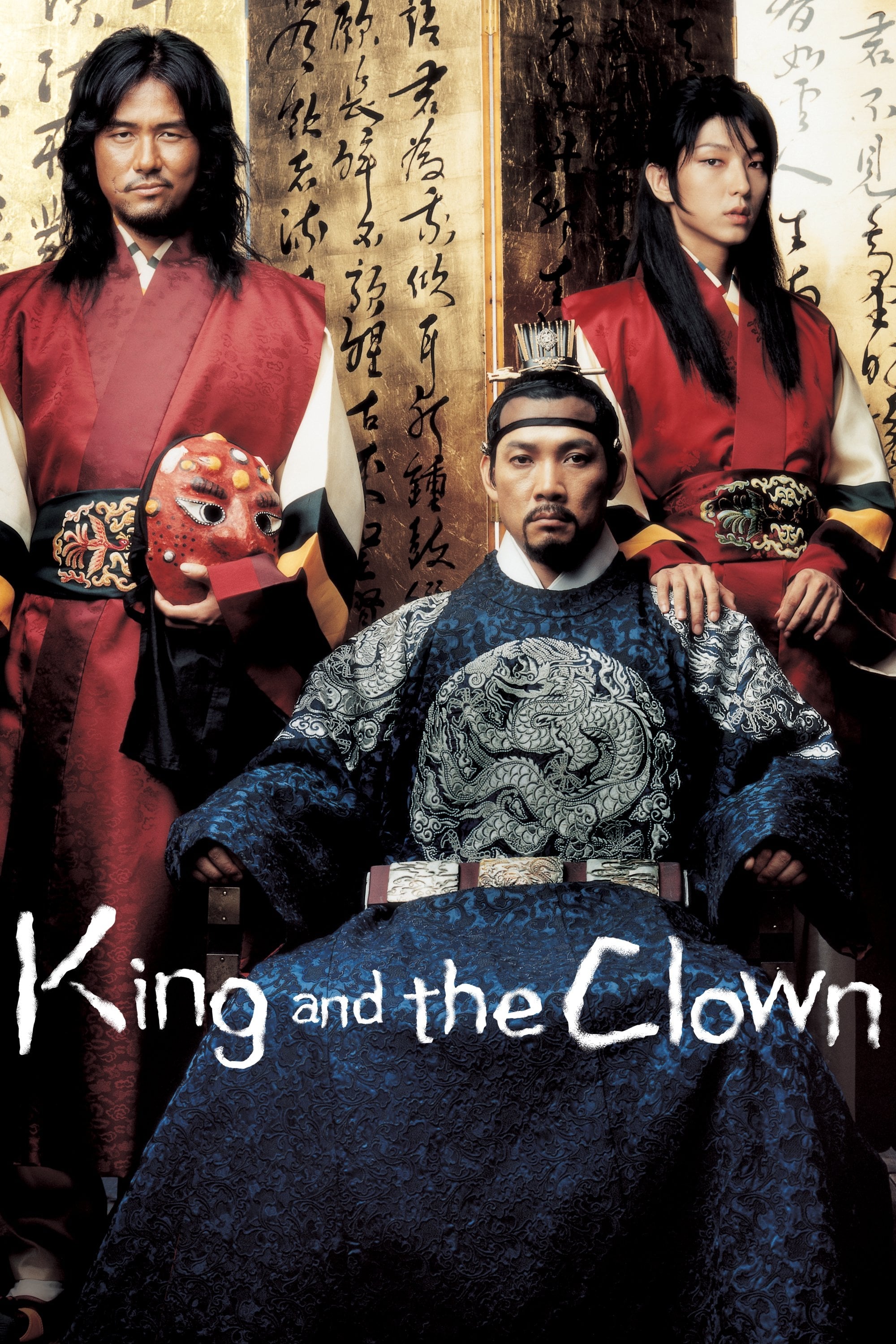
Lee Joon-ik directs Kam Woo-sung, Jung Jin-young, and Lee Joon-gi in a Joseon-era court drama centered on performers. Period performance arts and court protocols were reconstructed with specialist advisers.
The film became one of Korea’s highest-grossing titles of its time. Success led to stage revivals and extensive overseas screenings.
Share your favorite Korean films—and the reasons they stuck with you—in the comments!