The Best Movies Based on True Stories


Real-life events have inspired some of the most compelling films ever made, turning history, memoir, reportage, and biographies into stories that draw on documented people and places. This list gathers a wide range of subjects—science breakthroughs, courtroom battles, heists, journalism, survival tales, political turning points, and more—each anchored in accounts, records, or testimonies that exist outside the movie screen.
Below you’ll find films that credit specific books, articles, investigations, diaries, interviews, and archival sources. Each entry notes what the film dramatizes and where the story comes from, along with key creative figures involved in bringing the real events to the screen.
‘Schindler’s List’ (1993)
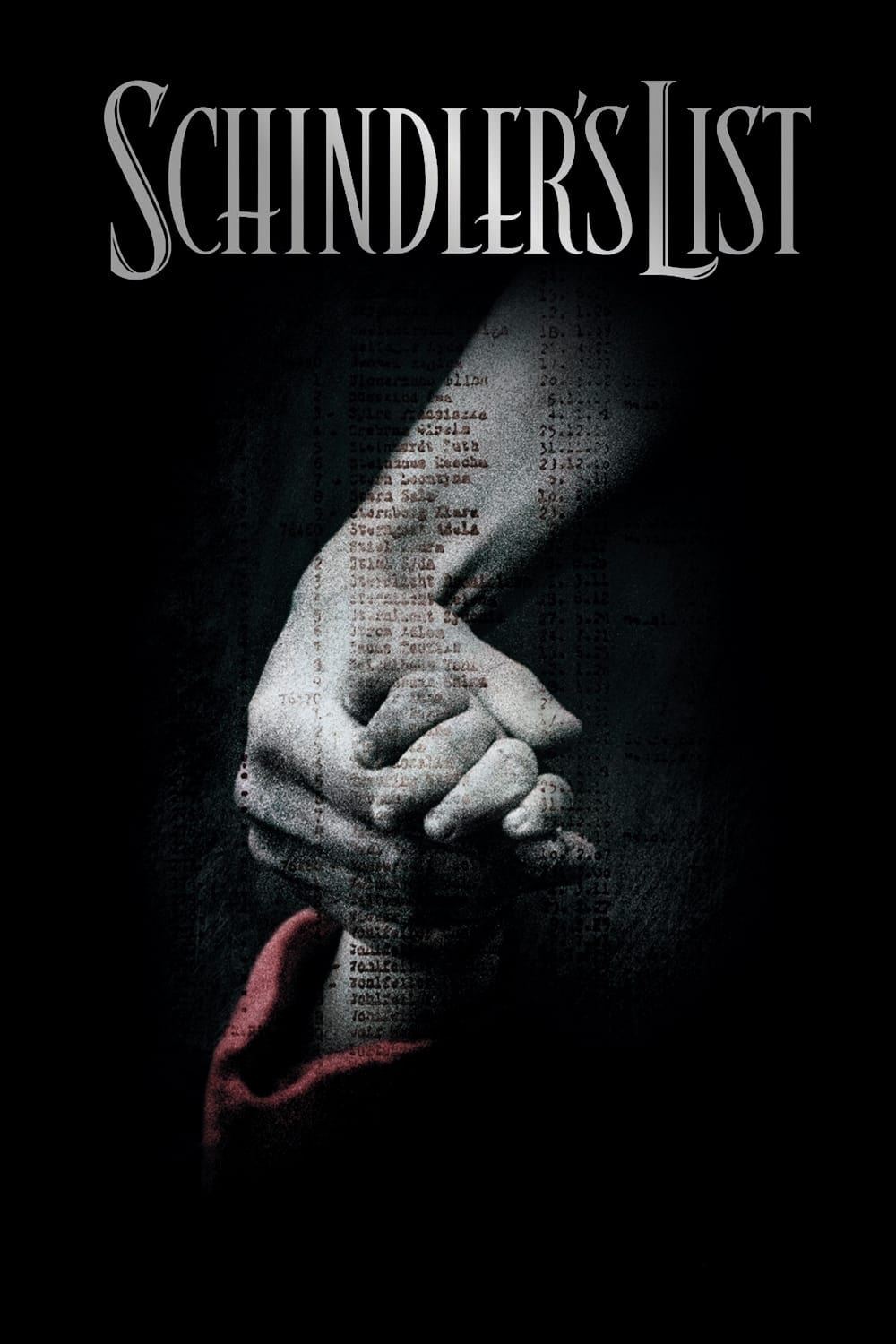
‘Schindler’s List’ dramatizes industrialist Oskar Schindler’s efforts to save Jewish workers by employing them in his factories during the Holocaust, drawing primarily from Thomas Keneally’s historical novel ‘Schindler’s Ark’ and survivor testimonies. The film was directed by Steven Spielberg, with Liam Neeson portraying Schindler and extensive on-location work to reflect documented sites and practices.
Production referenced museum archives, transport lists, and postwar records to reconstruct key episodes, including the creation of employment rosters that shielded workers. Cinematography, props, and language use were aligned with period documentation to mirror known conditions in occupied Poland.
’12 Years a Slave’ (2013)
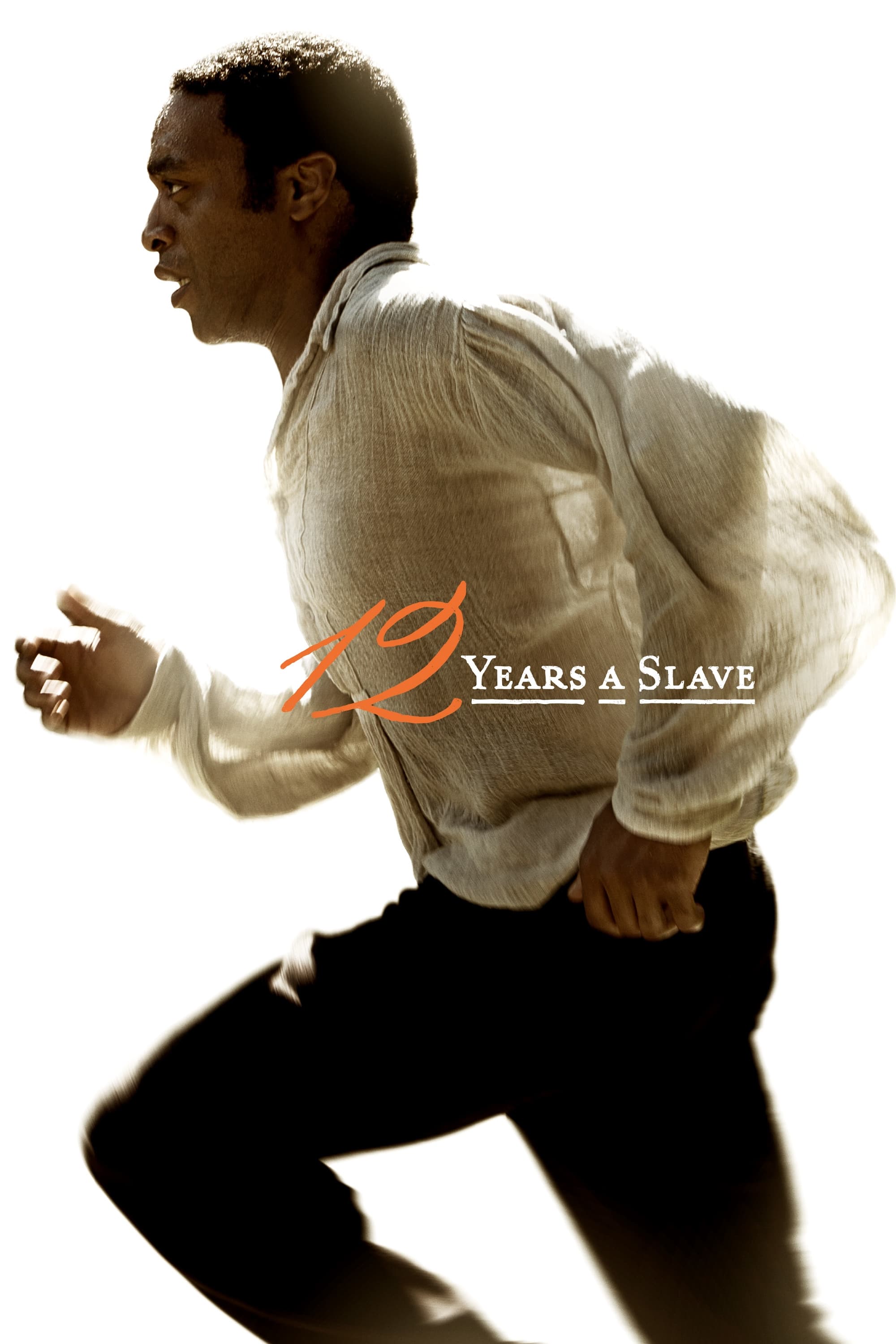
’12 Years a Slave’ adapts Solomon Northup’s memoir detailing his abduction and enslavement in the American South and his eventual legal restoration to freedom. Chiwetel Ejiofor portrays Northup, and the screenplay integrates names, plantations, and incidents recorded in Northup’s own account.
Historians consulted on labor practices, instruments, and legal procedures described in the memoir. Filming locations were chosen to match architectural and agricultural layouts consistent with Northup’s narrative and other contemporaneous sources.
‘Spotlight’ (2015)

‘Spotlight’ follows The Boston Globe’s investigative unit as it uncovers systemic clergy abuse and institutional cover-ups, based on the paper’s reporting and public records. The film depicts specific reporters, editors, and legal steps documented in published articles and case filings.
Dialogue and scenes are drawn from interviews with the real journalists and material from court documents that became public after motions to unseal. The production maps newsroom processes, sourcing practices, and editorial standards directly to the Globe’s methods.
‘The Social Network’ (2010)

‘The Social Network’ chronicles the founding of Facebook and the disputes that arose among its early collaborators, based heavily on Ben Mezrich’s book ‘The Accidental Billionaires’, depositions, and legal filings. Jesse Eisenberg portrays Mark Zuckerberg, with the narrative structured around competing testimonies.
The screenplay incorporates scenes tied to recorded emails, messages, and court statements made by the involved parties. Business milestones, partnerships, and settlements are presented through the lens of documents and interviews available to the writers.
‘Argo’ (2012)
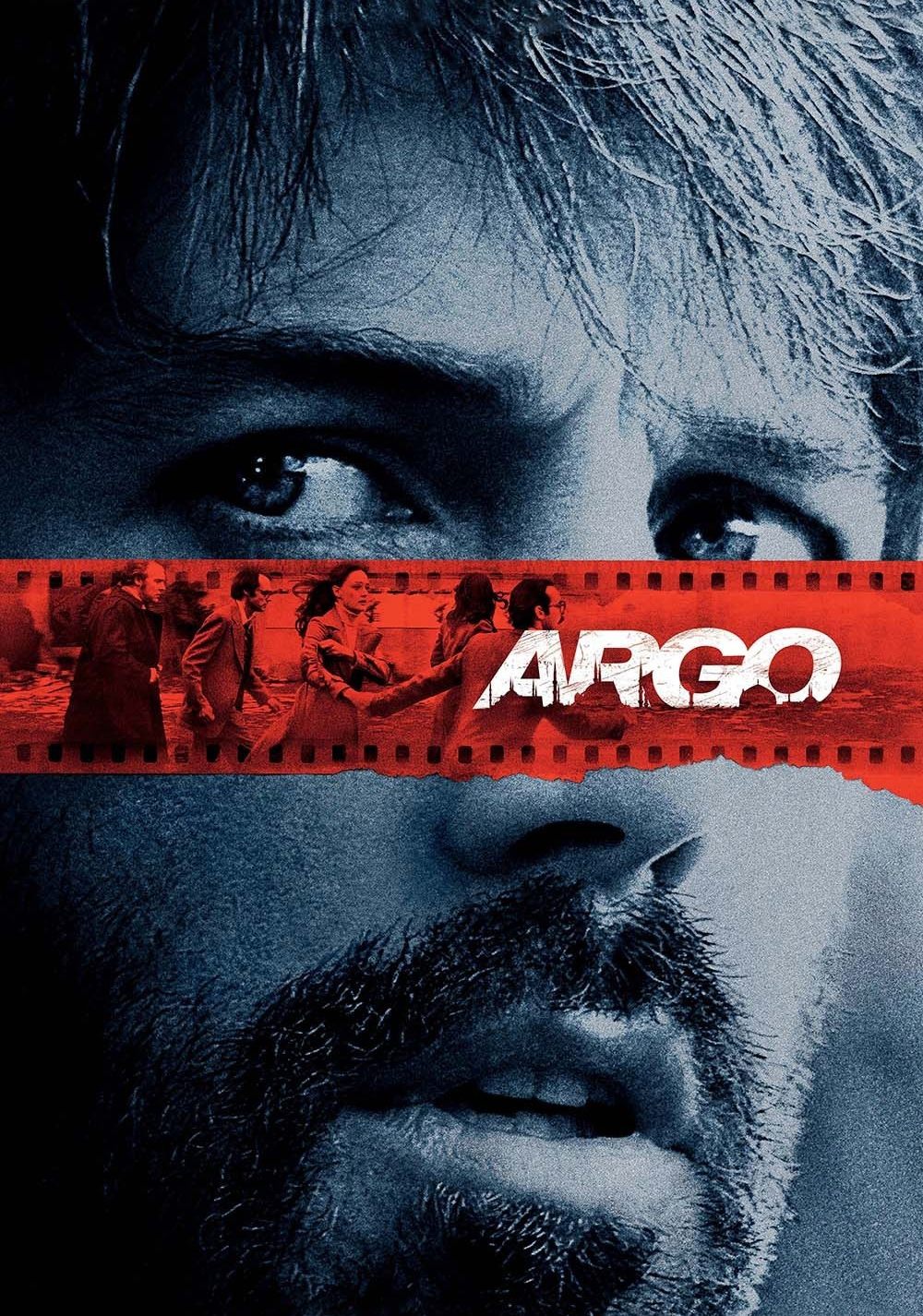
‘Argo’ depicts the extraction of six U.S. diplomats from Tehran through a covert operation that used a fake film production as cover, based on declassified CIA material and Tony Mendez’s account ‘The Master of Disguise’. Ben Affleck directed and portrays Mendez.
Production used government records, diplomatic cables, and memoir details to reconstruct the planning phases, safe houses, and airport procedures described by participants. The film credits Canadian diplomatic efforts as documented in official statements and press accounts.
‘Goodfellas’ (1990)
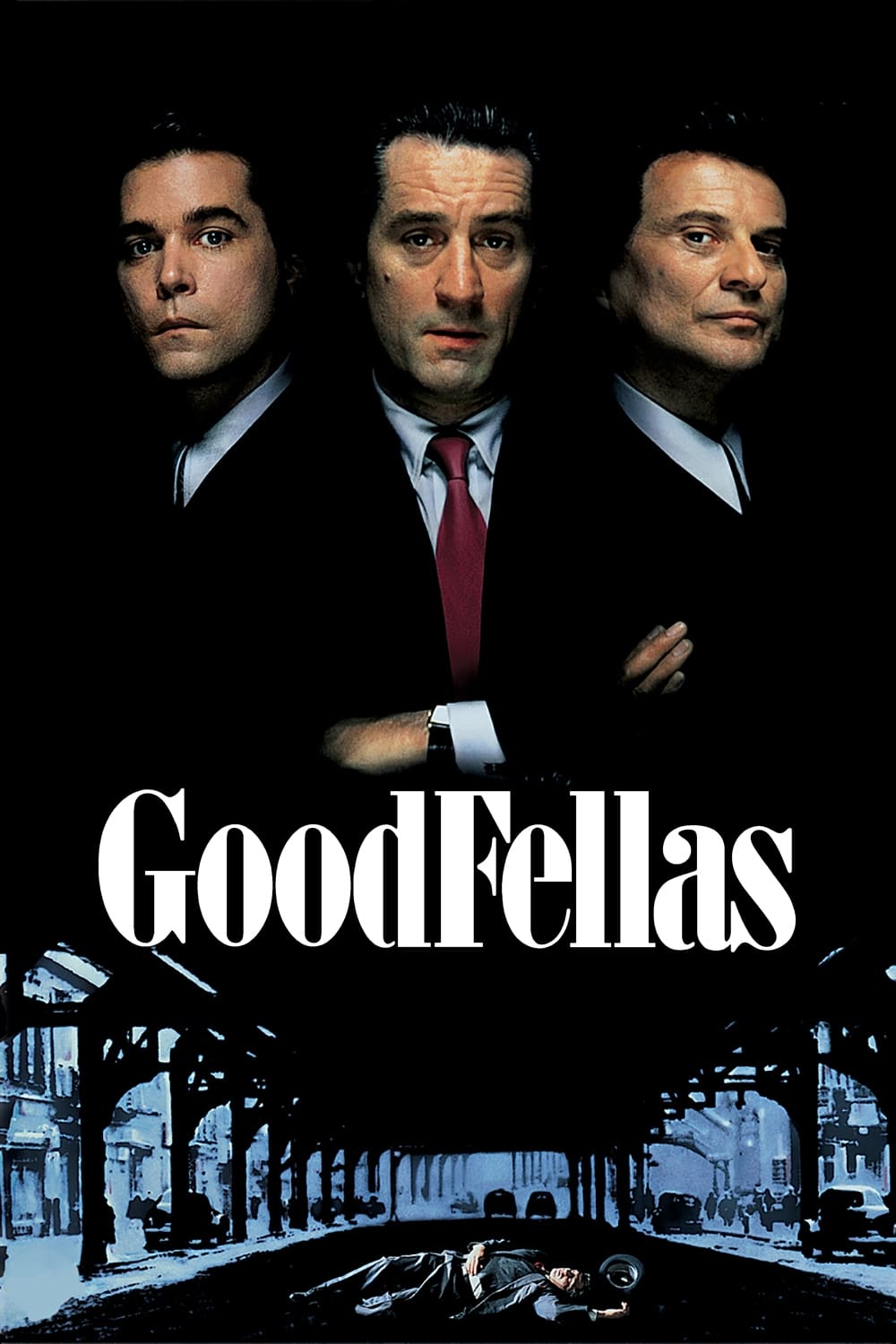
‘Goodfellas’ adapts Nicholas Pileggi’s nonfiction book ‘Wiseguy’, recounting the criminal career of Henry Hill and his associates within organized crime. Ray Liotta, Robert De Niro, and Joe Pesci portray figures whose actions were chronicled in interviews and law-enforcement records.
Events such as heists, internal disputes, and investigations are traced to FBI files, court transcripts, and Pileggi’s taped conversations. The film’s sequences align with timelines and locations described in the source reporting.
‘A Beautiful Mind’ (2001)
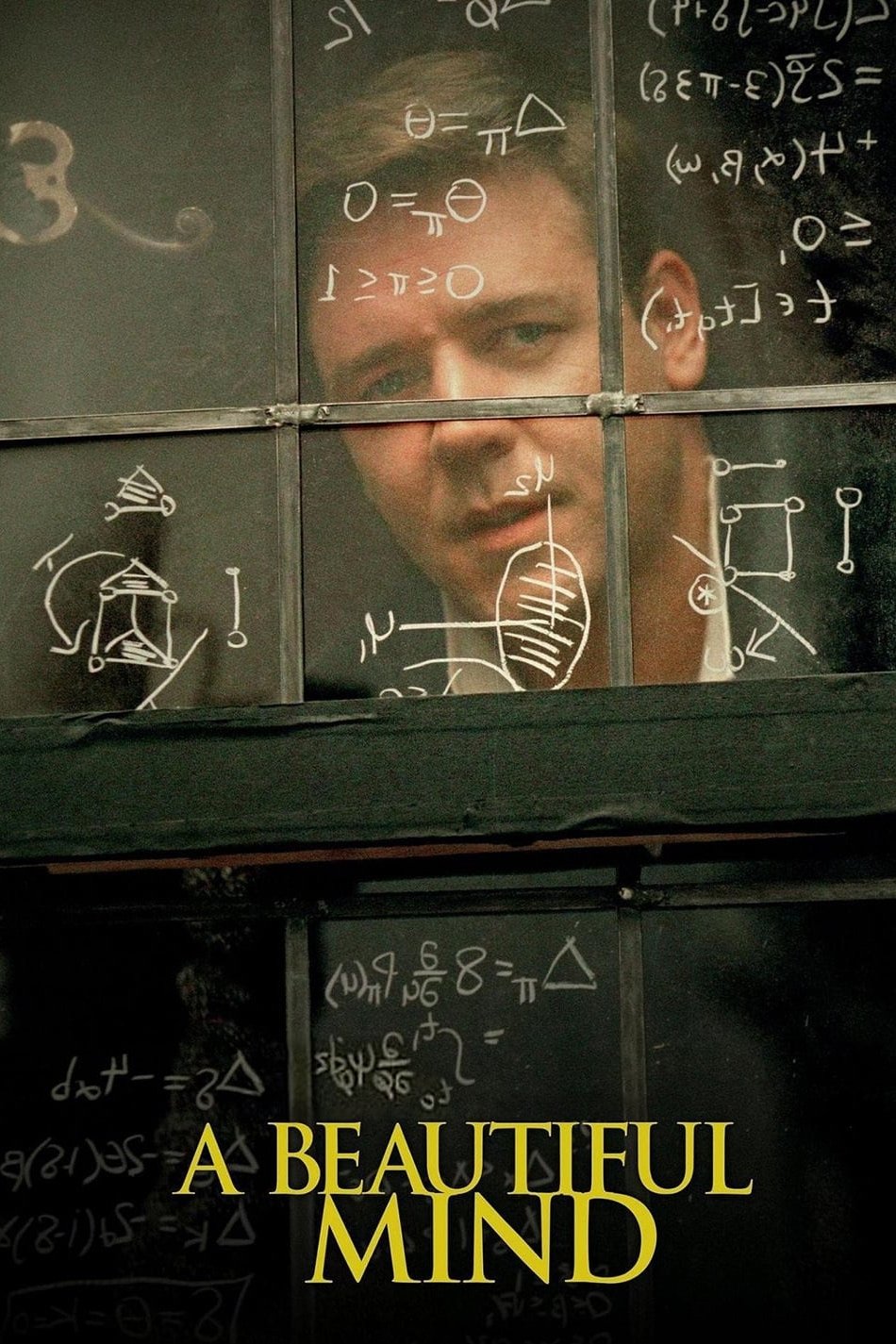
‘A Beautiful Mind’ dramatizes the life of mathematician John Nash, drawing on Sylvia Nasar’s biography and interviews with colleagues and family. Russell Crowe portrays Nash, with scenes rooted in documented academic work and personal history.
The film references hospital practices, academic settings, and professional honors that appear in biographical and institutional records. Dialogue and timelines were shaped with input from people who knew Nash and from published profiles.
‘The Imitation Game’ (2014)

‘The Imitation Game’ presents Alan Turing’s cryptanalysis work at Bletchley Park and subsequent prosecution, based on Andrew Hodges’s biography ‘Alan Turing: The Enigma’ and declassified wartime files. Benedict Cumberbatch portrays Turing.
Set pieces feature replicas of cipher machines and codebreaking equipment reconstructed from surviving schematics and museum artifacts. The script incorporates names of team members and procedures recorded in historical accounts.
‘Catch Me If You Can’ (2002)

‘Catch Me If You Can’ adapts Frank Abagnale’s memoir about his impostures and the pursuit led by federal investigators, co-credited to Stan Redding. Leonardo DiCaprio and Tom Hanks portray figures whose interactions derive from the book and subsequent interviews.
The film references forged documents, airline protocols, and banking procedures as described in Abagnale’s narrative and reported by journalists. Training materials and uniforms were recreated using period manuals and industry archives.
‘The Wolf of Wall Street’ (2013)
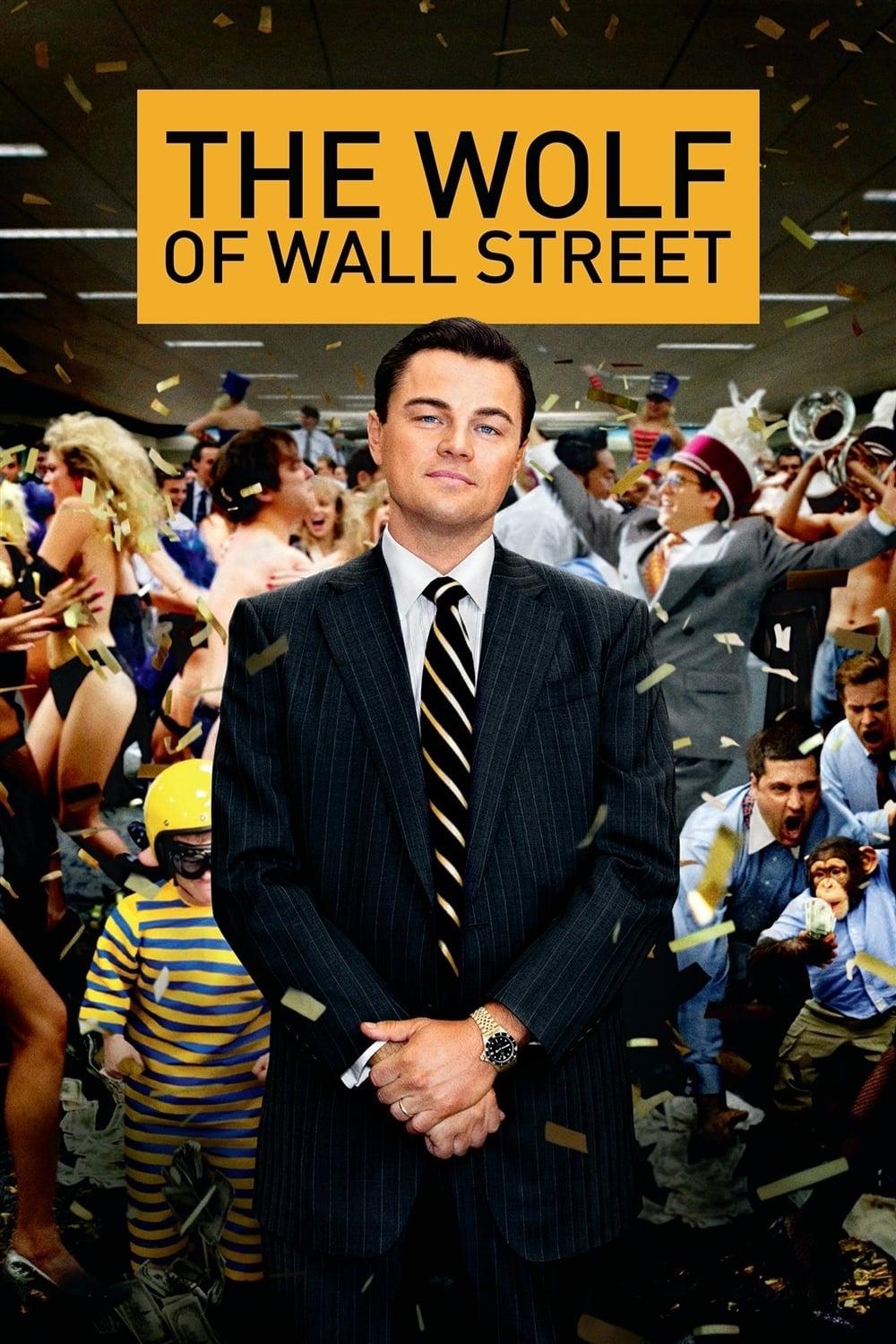
‘The Wolf of Wall Street’ is based on Jordan Belfort’s memoir about his brokerage firm’s fraud and the federal investigation that followed. Leonardo DiCaprio portrays Belfort, with details sourced from the book and court filings.
Scenes involving stock manipulation and shell entities echo SEC complaints and plea agreements on record. The production integrates terminology, sales scripts, and office structures taken from industry and legal documentation.
‘Dallas Buyers Club’ (2013)

‘Dallas Buyers Club’ recounts Ron Woodroof’s efforts to obtain and distribute unapproved medications, based on interviews, magazine reporting, and patient accounts. Matthew McConaughey and Jared Leto portray central figures associated with the buyers’ club operations.
The film references regulatory rules, import practices, and treatment protocols described in medical journalism and advocacy records. Locations and materials reflect clinics and informal networks documented by contemporaneous sources.
‘The Theory of Everything’ (2014)
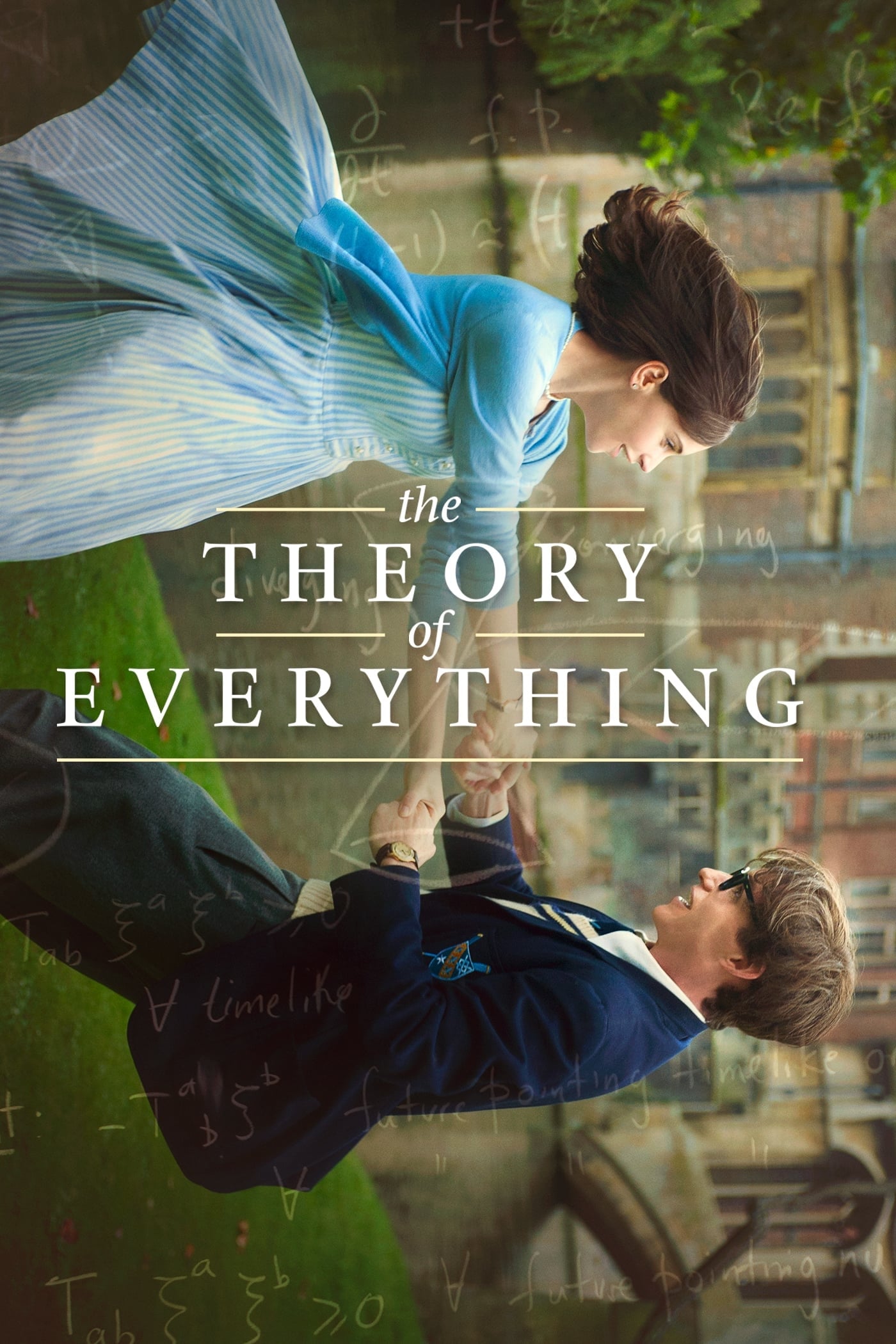
‘The Theory of Everything’ adapts Jane Hawking’s memoir ‘Travelling to Infinity’, chronicling Stephen Hawking’s early life, work, and family story. Eddie Redmayne and Felicity Jones portray Stephen and Jane Hawking, drawing from personal writings and interviews.
Props, lecture scenes, and research settings were modeled after photographs, correspondence, and institutional archives. The film incorporates references to published papers and public appearances recorded by universities and media.
‘Hidden Figures’ (2016)

‘Hidden Figures’ is based on Margot Lee Shetterly’s nonfiction book about Black women mathematicians whose calculations supported early space missions. Taraji P. Henson, Octavia Spencer, and Janelle Monáe portray real NASA contributors.
Archival photographs, facility maps, and internal memos informed set design and terminology. The screenplay uses documented job titles, project names, and workflow drawn from the book and agency histories.
‘The Pianist’ (2002)

‘The Pianist’ adapts Władysław Szpilman’s memoir detailing his survival in Warsaw during the Holocaust. Adrien Brody portrays Szpilman, with locations and sequences taken from the musician’s written testimony.
Production referenced street layouts, military orders, and cultural venues preserved in wartime records. Musical selections, instruments, and broadcast details reflect Szpilman’s professional history and surviving recordings.
‘United 93’ (2006)

‘United 93’ reconstructs the events aboard a hijacked flight on September 11, using the official timeline, cockpit voice recorder data, air traffic control logs, and passenger communications. The film employs an ensemble approach with roles based on real personnel.
The script and editing follow sequences corroborated by federal reports and airline documentation. Families and aviation experts provided guidance to align procedures and terminology with the recorded timeline.
‘Erin Brockovich’ (2000)

‘Erin Brockovich’ dramatizes a legal case against a utility company over groundwater contamination, based on investigative work conducted by a legal assistant and her firm. Julia Roberts portrays Brockovich, with case elements drawn from court filings and community records.
The film cites scientific testing, municipal archives, and settlement documents associated with the litigation. Interviews with residents and legal personnel informed dialogue and event ordering.
‘Zodiac’ (2007)
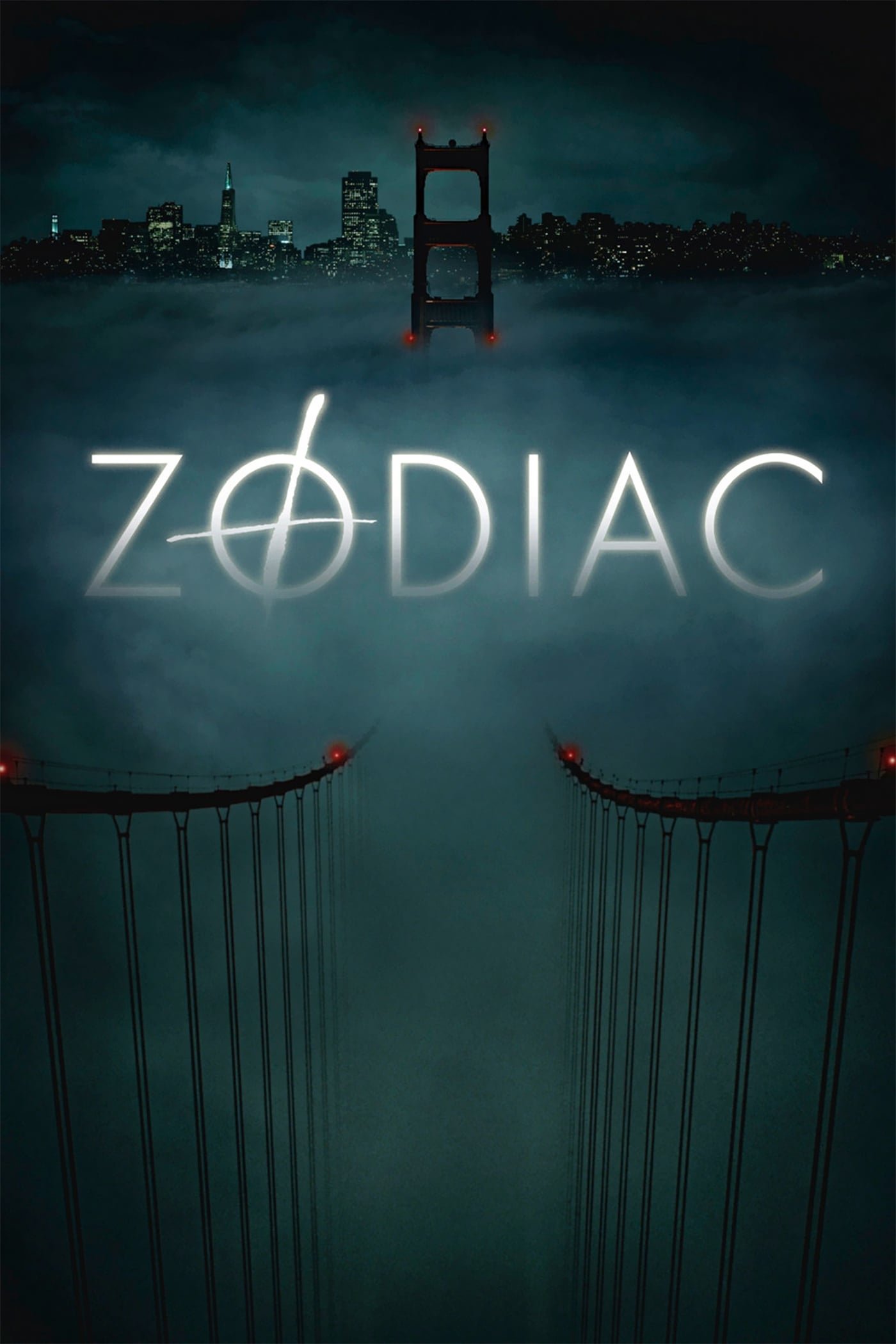
‘Zodiac’ is adapted from Robert Graysmith’s books chronicling the investigation into the Zodiac killings, along with law-enforcement files and contemporary news articles. Jake Gyllenhaal, Mark Ruffalo, and Robert Downey Jr. portray figures involved in the case.
The production replicates forensic methods, communications, and police jurisdictions based on reports and archived evidence. Newspaper layouts, letters, and ciphers are recreated from published artifacts.
‘BlacKkKlansman’ (2018)
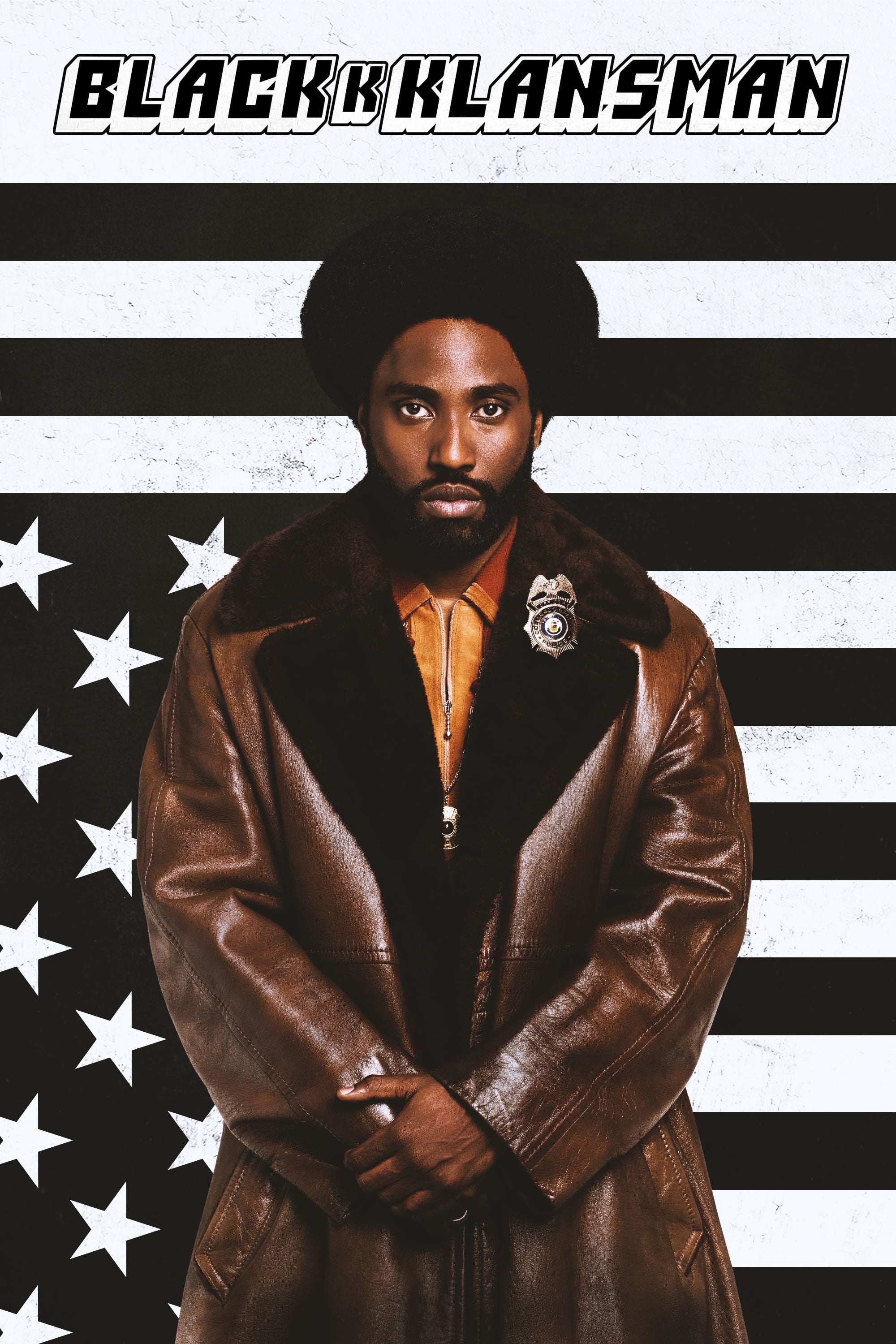
‘BlacKkKlansman’ adapts detective Ron Stallworth’s memoir detailing his infiltration of the Ku Klux Klan. John David Washington portrays Stallworth, with narrative beats sourced from his book and department records.
Props, phone protocols, and case notes reflect police procedures described by Stallworth. The screenplay includes names and events documented in the memoir and corroborated by colleagues.
‘The Big Short’ (2015)
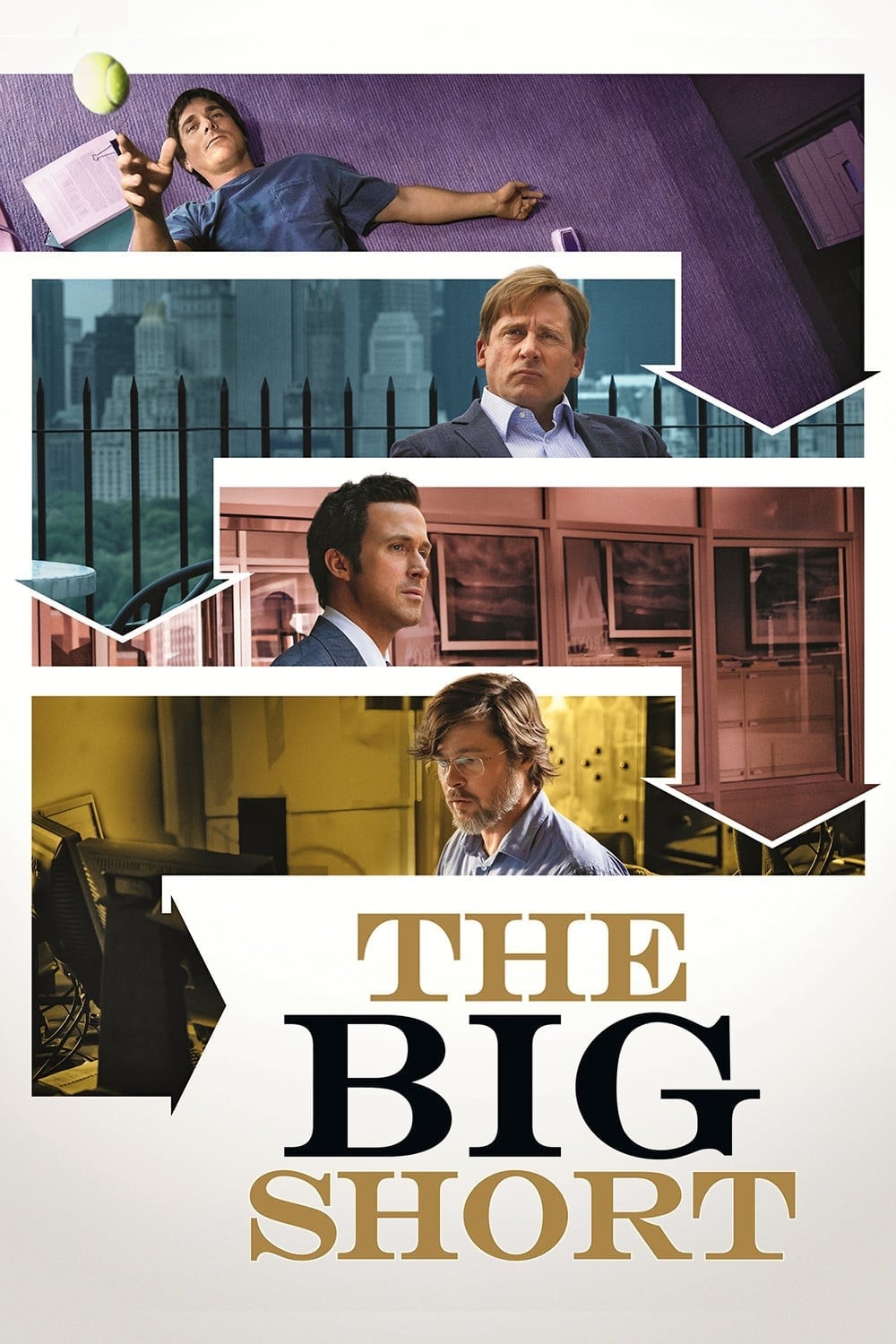
‘The Big Short’ dramatizes investors who anticipated the subprime mortgage collapse, based on Michael Lewis’s nonfiction book and public financial filings. Christian Bale, Steve Carell, Ryan Gosling, and Brad Pitt portray composites and real figures tied to the events.
Terminology, instruments, and market mechanisms are presented using data points and documents available to analysts at the time. Scenes reference hearings, ratings methodologies, and trade structures drawn from published sources.
‘Moneyball’ (2011)
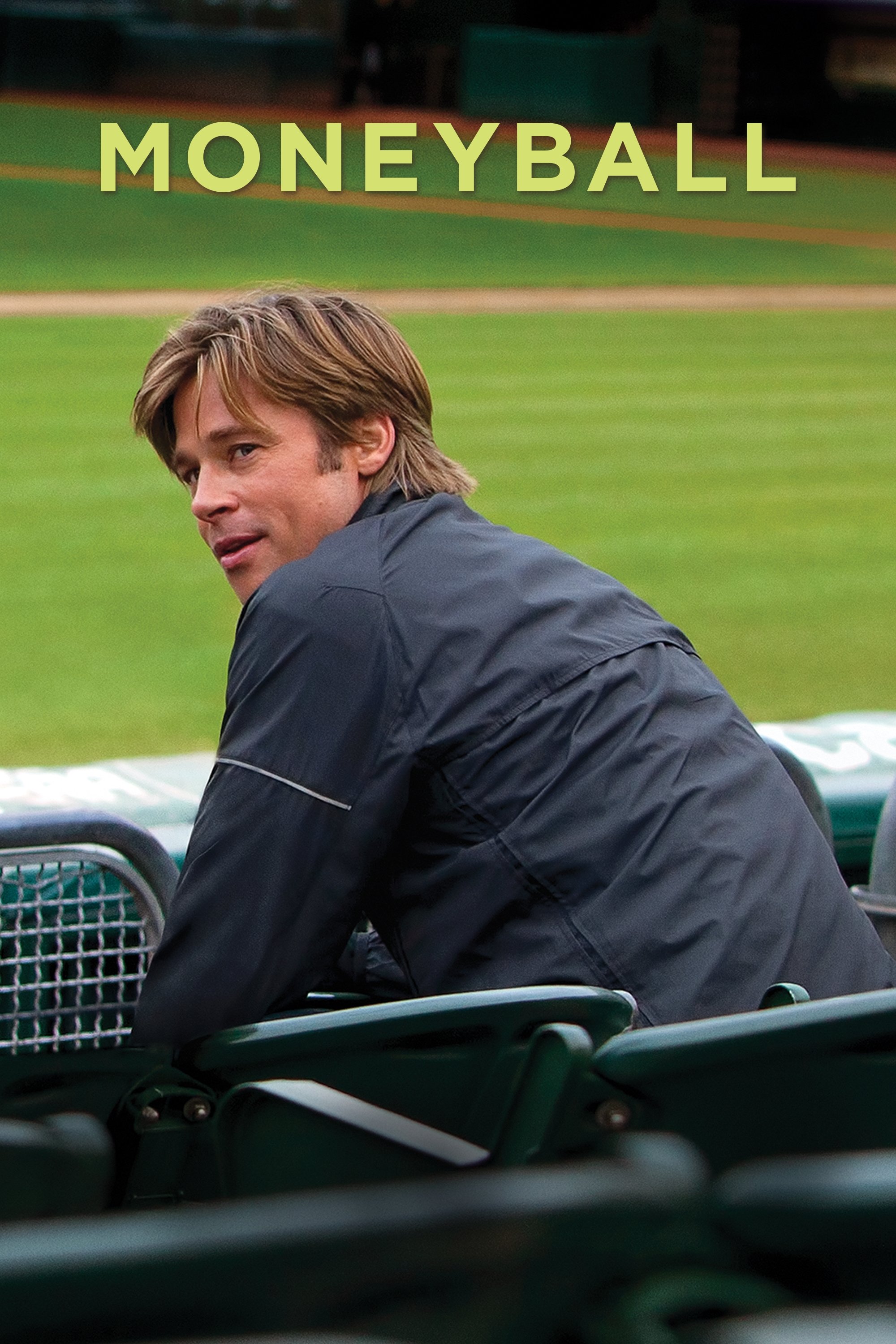
‘Moneyball’ adapts Michael Lewis’s book about an analytical approach to building a baseball team under budget constraints. Brad Pitt portrays Billy Beane, with sequences derived from interviews and team records.
The film uses terminology, scouting reports, and transactional data documented in sports journalism and internal analyses. Clubhouse and front-office settings reference organizational charts and routines reported in the source material.
‘The Insider’ (1999)
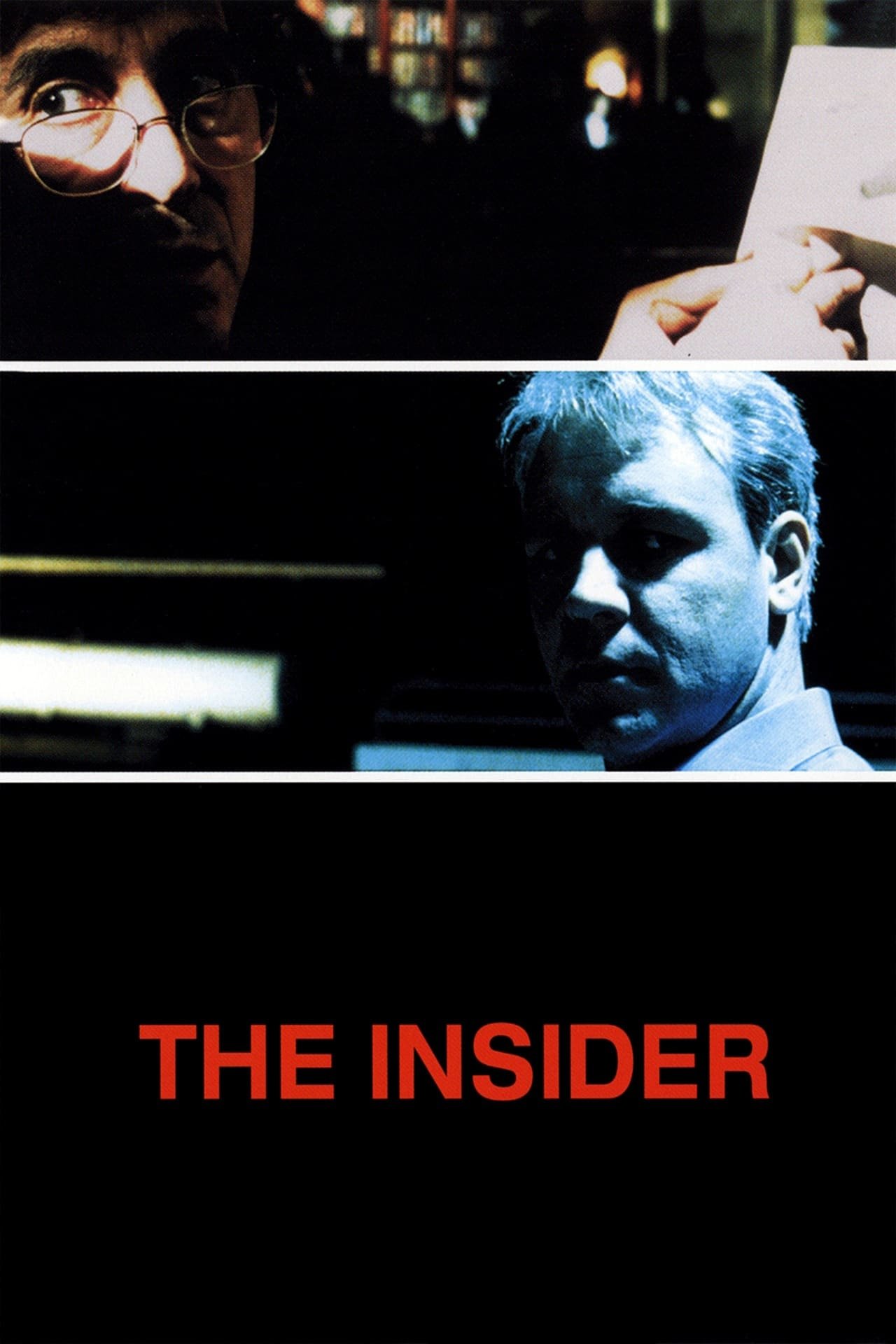
‘The Insider’ is based on a tobacco industry whistleblower’s disclosures and the corresponding ’60 Minutes’ segment, drawing from investigative journalism and legal records. Russell Crowe and Al Pacino portray the scientist and producer linked to the broadcast.
Production details include deposition settings, corporate communications, and media editorial processes documented in court filings and network archives. The script follows events as traced by investigative reporters and attorneys.
‘All the President’s Men’ (1976)
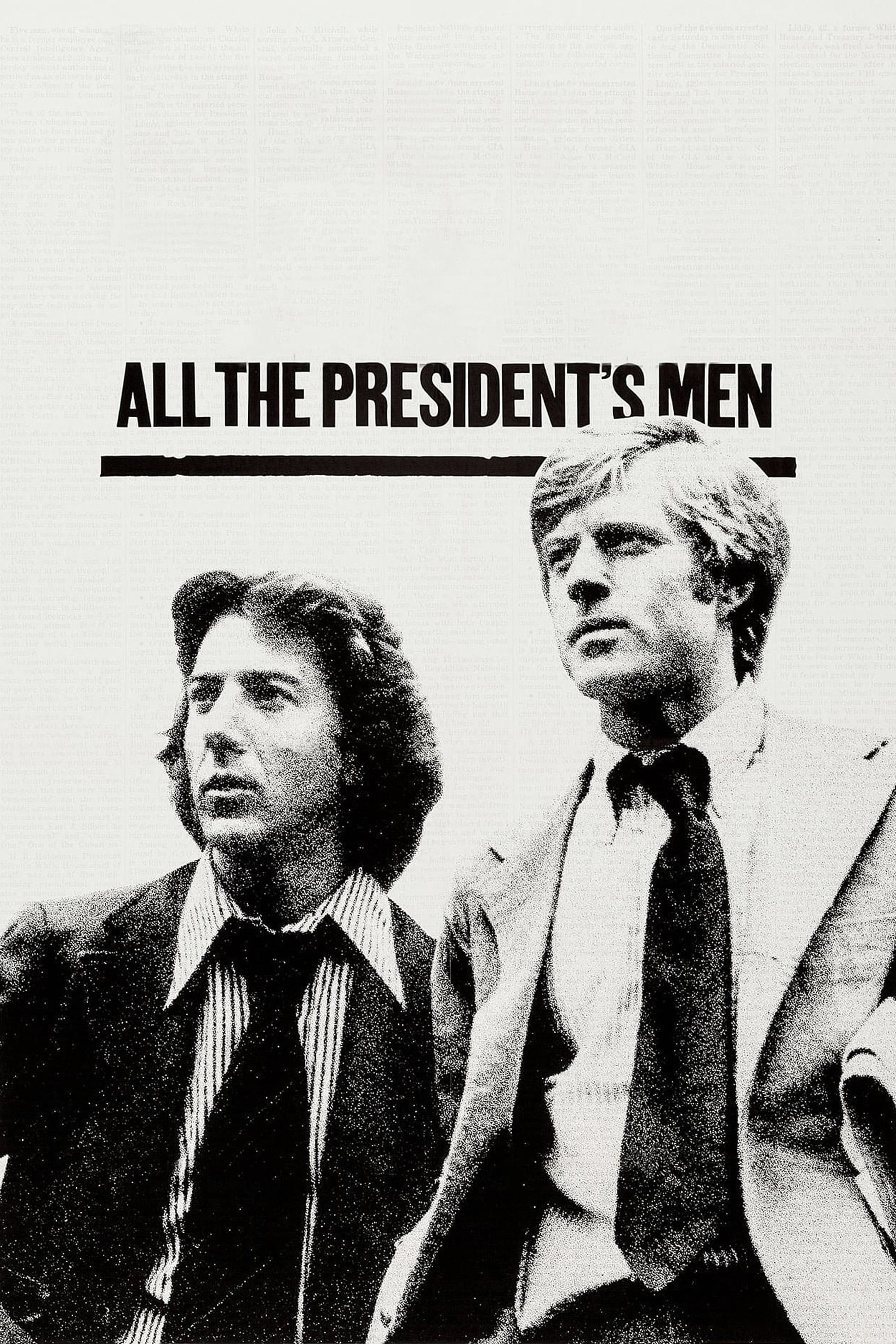
‘All the President’s Men’ adapts the book by Washington Post reporters Bob Woodward and Carl Bernstein about the Watergate investigation. Robert Redford and Dustin Hoffman portray the journalists.
The film recreates reporting methods such as source meetings, document checks, and editorial oversight described in the book and newsroom records. Key dates and locations correspond to published timelines and congressional proceedings.
‘Raging Bull’ (1980)
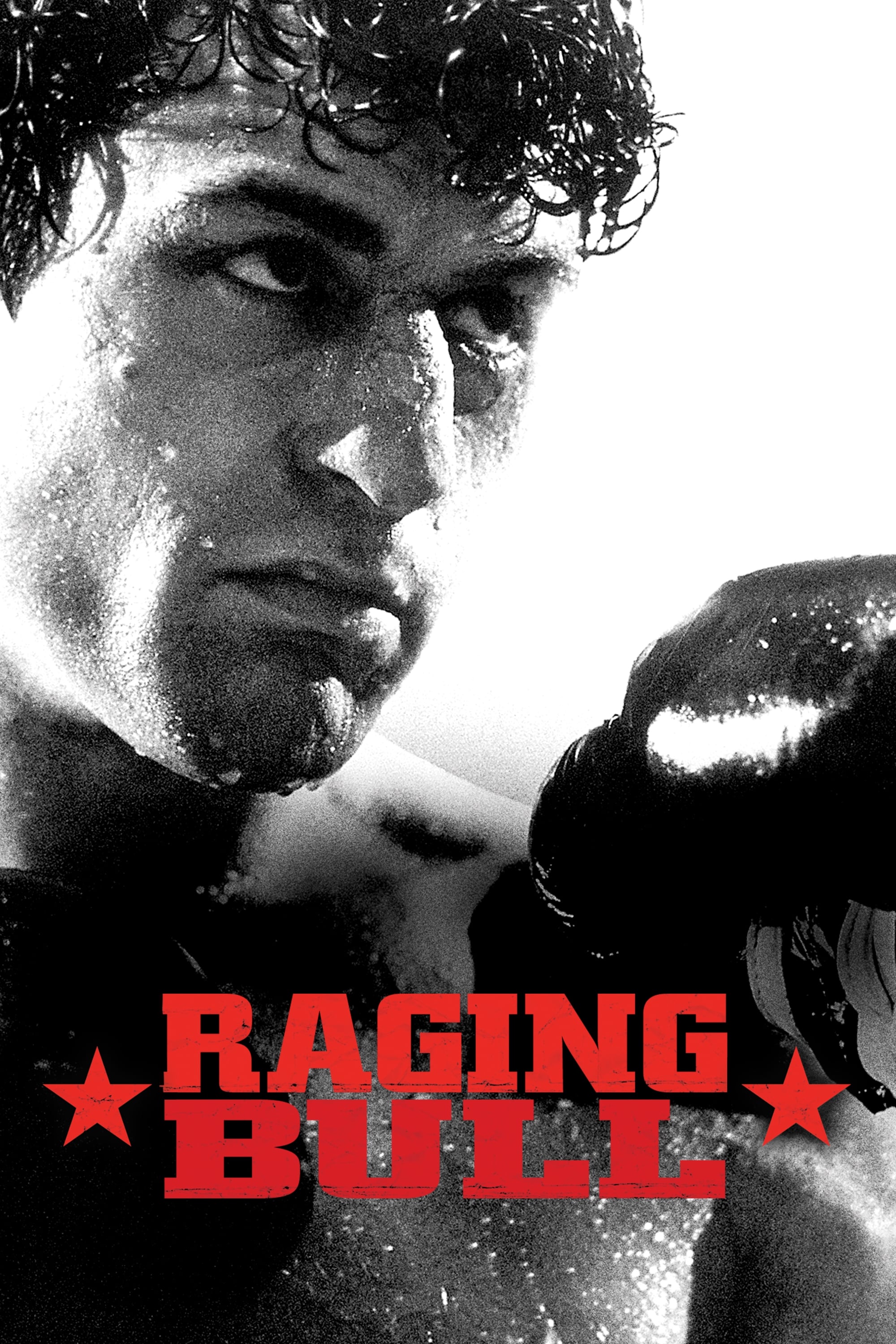
‘Raging Bull’ is based on Jake LaMotta’s autobiography, charting the boxer’s career and personal life through his own account. Robert De Niro portrays LaMotta, and the screenplay integrates names of managers, opponents, and venues recorded in boxing records.
Fight results, training practices, and promotional details draw from athletic commissions and sports reporting. The production references archival footage and photography to stage bouts and settings.
‘Gandhi’ (1982)

‘Gandhi’ portrays Mohandas K. Gandhi’s political and social leadership, drawing on biographies, speeches, and historical records. Ben Kingsley portrays Gandhi, with scenes based on documented campaigns and public events.
Costuming, locations, and crowd scenes were modeled on photographs and accounts from contemporaries and journalists. The film includes references to published writings and documented negotiations.
‘Lion’ (2016)

‘Lion’ adapts Saroo Brierley’s memoir ‘A Long Way Home’, recounting his separation from family in India and search for his birthplace. Dev Patel portrays Saroo Brierley, with details taken from his book and interviews.
The film shows processes, organizations, and mapping tools referenced by Brierley during his search. Family interactions and identifications align with accounts provided by those involved.
‘The Revenant’ (2015)
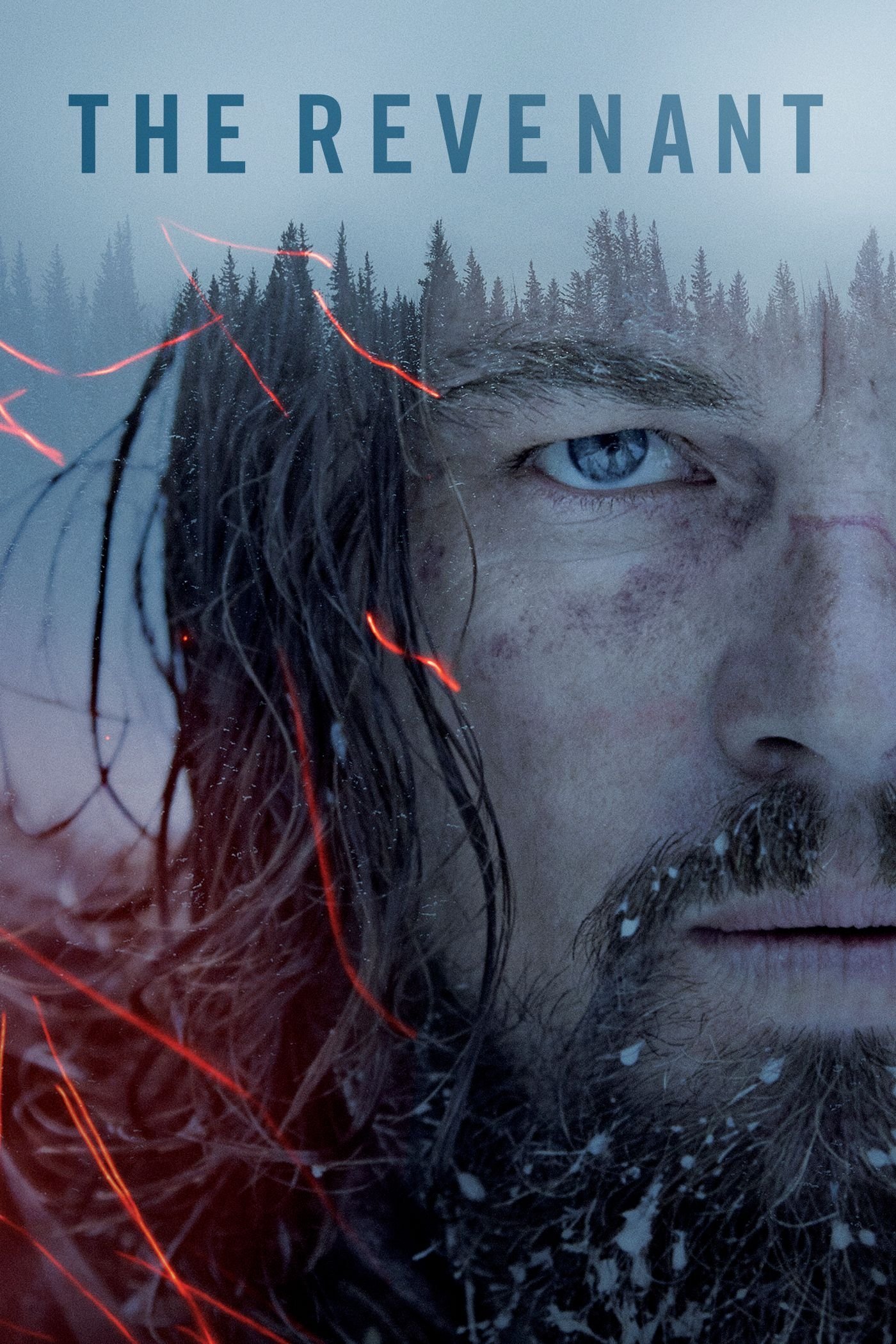
‘The Revenant’ is inspired by the experiences of frontiersman Hugh Glass, based on historical accounts and Michael Punke’s novelized retelling. Leonardo DiCaprio portrays Glass.
Production referenced frontier trade practices, geographic routes, and survival techniques described in historical sources. Wardrobe, weapons, and camp structures mirror period artifacts and research.
‘Capote’ (2005)
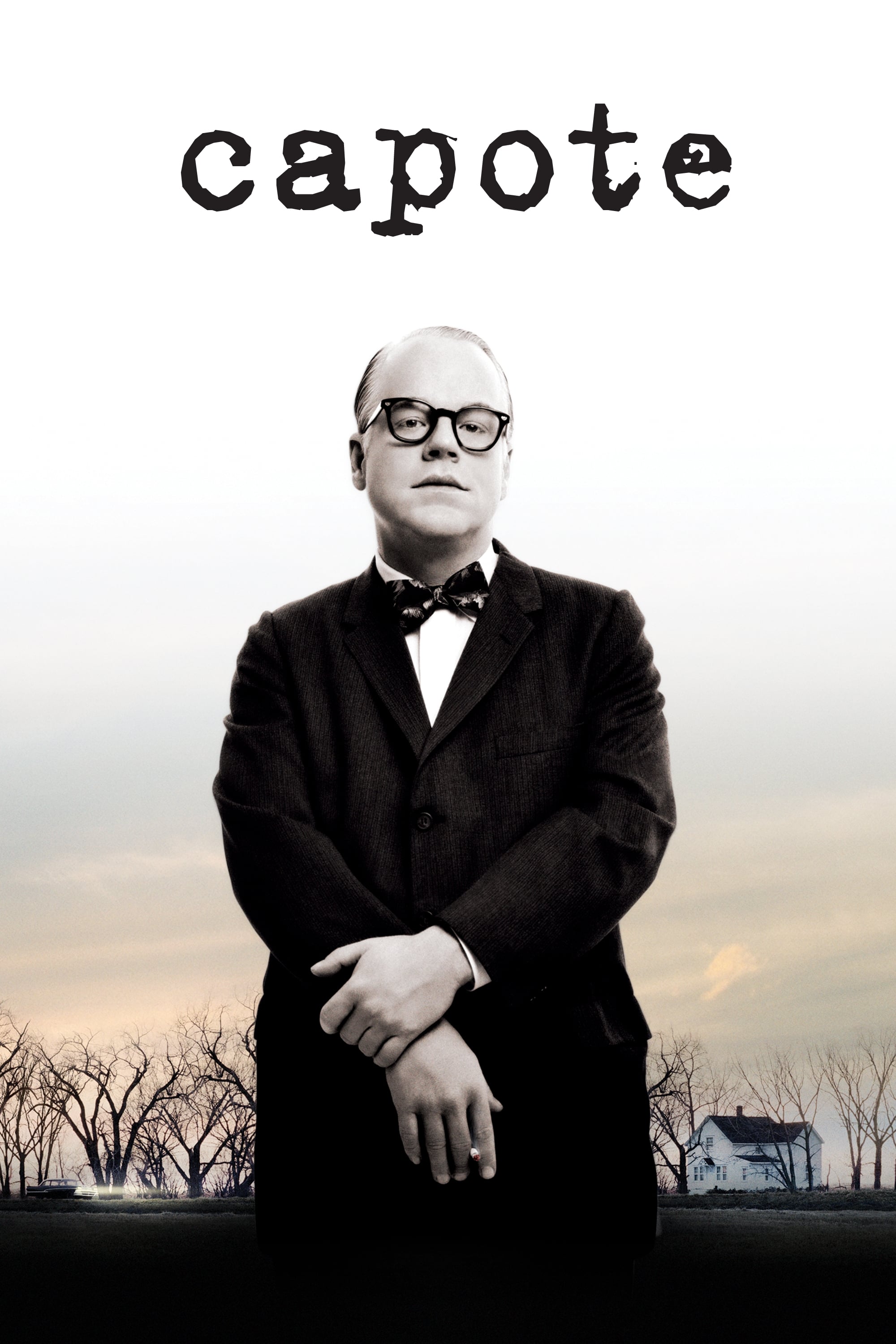
‘Capote’ follows Truman Capote’s reporting on a Kansas murder case and the writing of ‘In Cold Blood’, based on Gerald Clarke’s biography and Capote’s own research notes. Philip Seymour Hoffman portrays Capote.
The film tracks interviews, legal proceedings, and publishing steps documented in letters and archives. It depicts Capote’s collaboration with Harper Lee as recorded in correspondence and biographies.
‘Downfall’ (2004)

‘Downfall’ draws from the memoirs of Traudl Junge and historical studies to depict the final days inside a wartime bunker. Bruno Ganz portrays Adolf Hitler, with scenes reflecting eyewitness accounts.
Set design, maps, and military staff lists are based on documented layouts and personnel rosters. Dialogue incorporates phrasing and interactions reported in diaries and postwar interviews.
‘Papillon’ (1973)
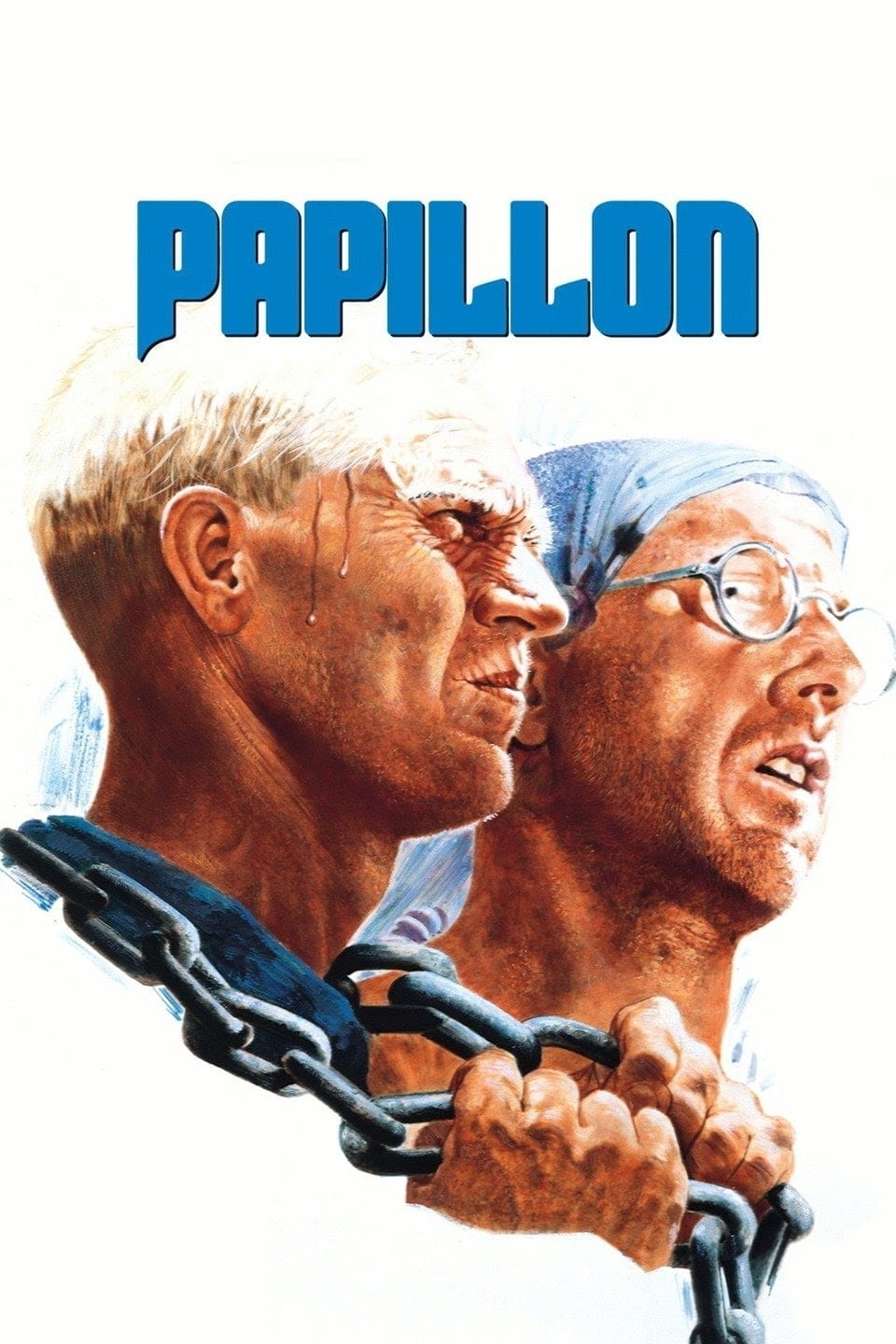
‘Papillon’ adapts Henri Charrière’s memoir recounting imprisonment and escape attempts from penal colonies. Steve McQueen and Dustin Hoffman portray principal figures based on Charrière’s narrative.
The film’s prison routines, transport methods, and locations mirror descriptions in the book and historical records of the penal system. Props and uniforms reflect regulations and artifacts preserved in archives.
‘The Last King of Scotland’ (2006)
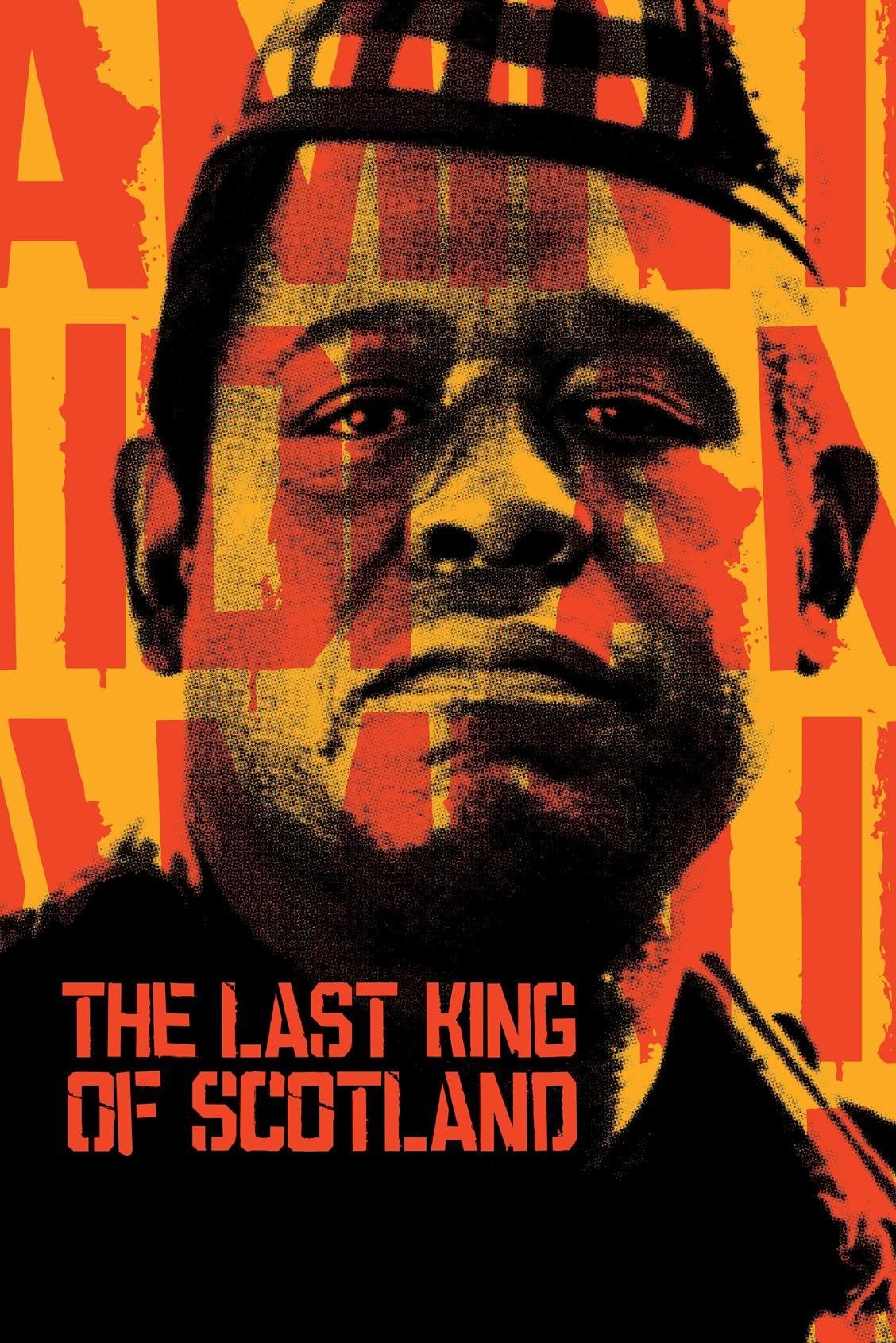
‘The Last King of Scotland’ is adapted from Giles Foden’s novel inspired by real political events surrounding Idi Amin, blending fictional perspective with historical context. Forest Whitaker portrays Amin, drawing on speeches and news footage.
Government proceedings, military scenes, and international relations depicted in the film align with documented incidents from contemporaneous reporting. The production uses archival imagery to inform settings and protocol.
‘Bridge of Spies’ (2015)
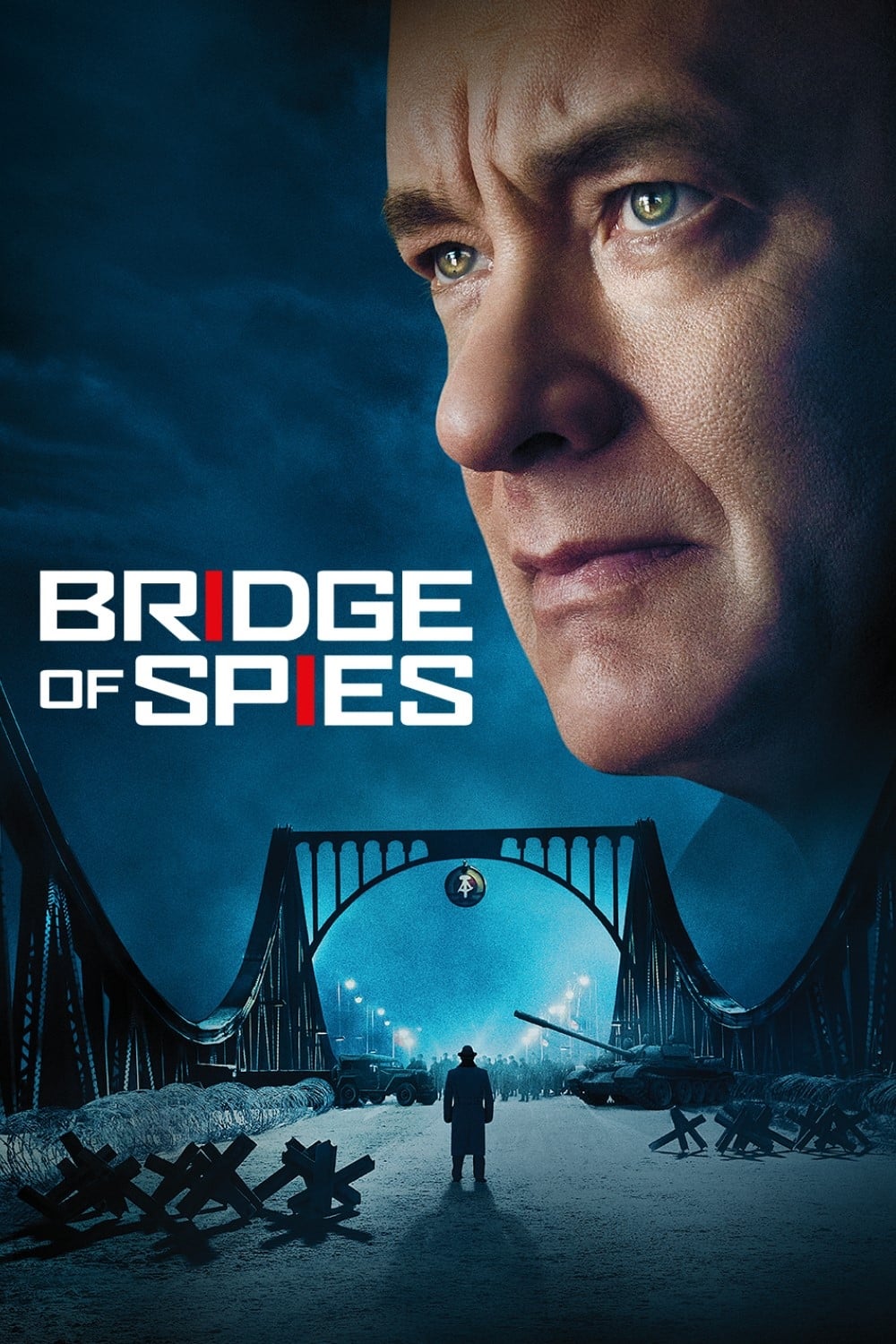
‘Bridge of Spies’ dramatizes the negotiation to exchange a Soviet spy for a captured pilot, based on declassified material and historical reporting. Tom Hanks portrays attorney James B. Donovan.
Courtroom and diplomatic sequences are grounded in legal documents, correspondence, and memoirs from participants. The film reconstructs the prisoner exchange at a location corroborated by photographs and official records.
‘Lawrence of Arabia’ (1962)
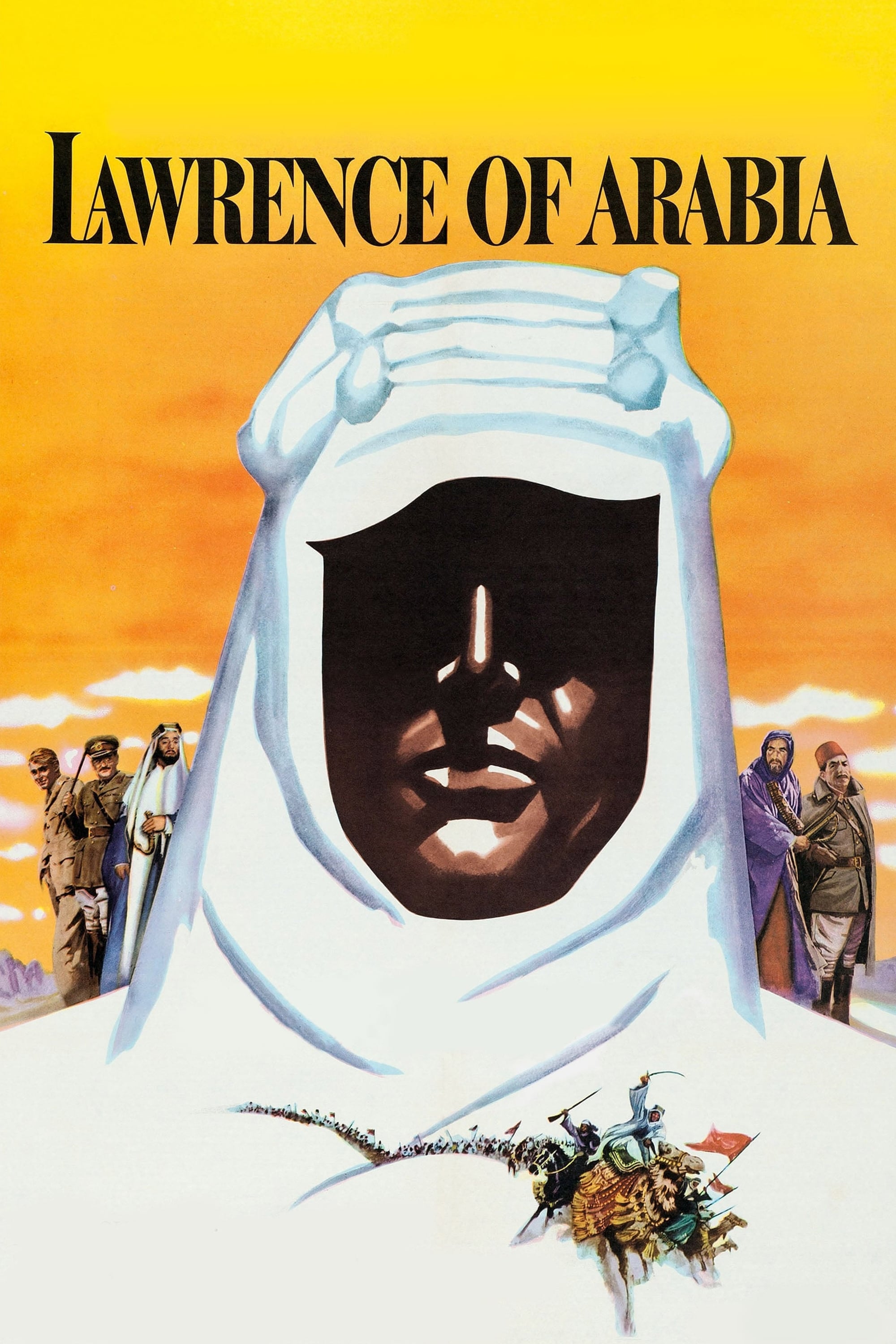
‘Lawrence of Arabia’ portrays T. E. Lawrence’s role in the Arab Revolt, drawing on his memoir ‘Seven Pillars of Wisdom’ and biographies. Peter O’Toole portrays Lawrence.
Costumes, military ranks, and campaign routes reflect research into period sources and military histories. The film references letters and maps that appear in published accounts of the campaign.
‘The Elephant Man’ (1980)
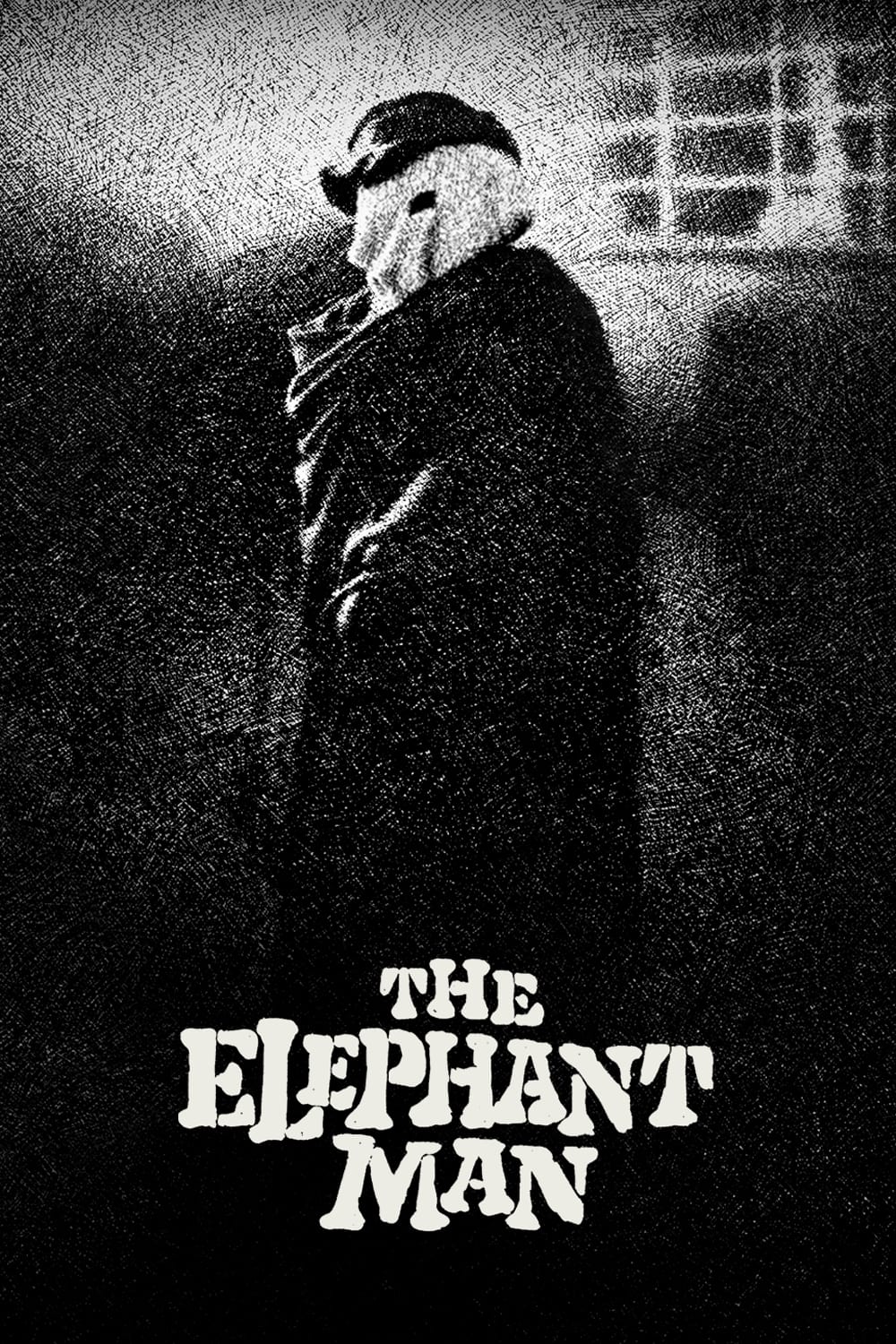
‘The Elephant Man’ is based on the life of Joseph Merrick, using Frederick Treves’s writings and historical records from hospitals and exhibitions. John Hurt portrays Merrick, and Anthony Hopkins portrays Treves.
Prosthetics, clinical settings, and city locations were developed from photographs, medical notes, and museum holdings. The script incorporates terms and descriptions taken from period texts.
‘Bonnie and Clyde’ (1967)
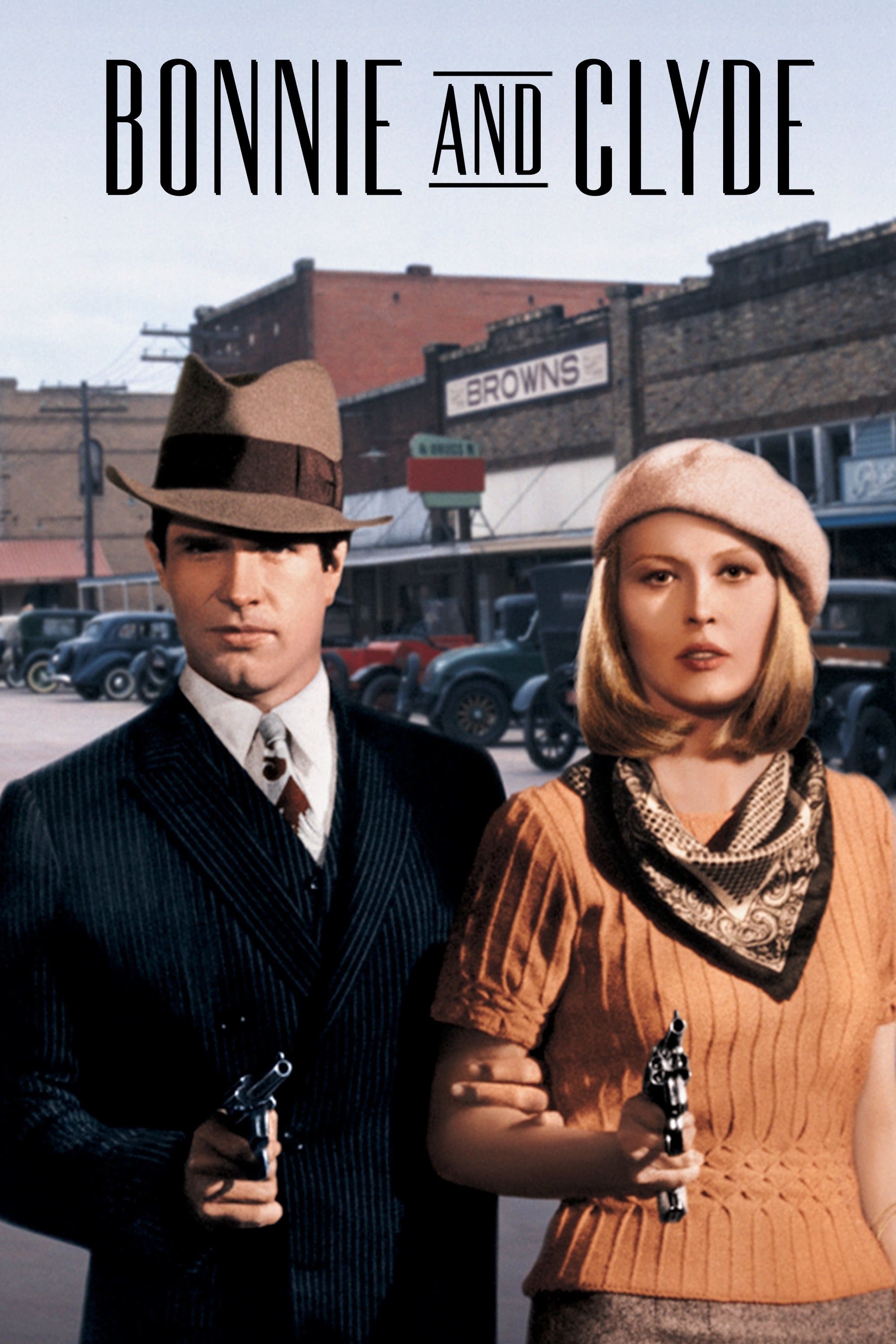
‘Bonnie and Clyde’ dramatizes the criminal activities of Bonnie Parker and Clyde Barrow, informed by police records and contemporary news reports. Warren Beatty and Faye Dunaway portray the pair.
The production depicts getaway methods, weaponry, and gang associates documented in law-enforcement files. Scenes reference actual robberies and encounters listed in archives.
‘Seabiscuit’ (2003)

‘Seabiscuit’ adapts Laura Hillenbrand’s nonfiction book about a champion racehorse and the team around him. Tobey Maguire, Jeff Bridges, and Chris Cooper portray the principal human figures tied to the horse’s career.
Racing schedules, training practices, and track details were reconstructed from sports journalism and racing association records. The film references equipment and stable routines described in the source material.
‘127 Hours’ (2010)

‘127 Hours’ adapts Aron Ralston’s memoir ‘Between a Rock and a Hard Place’, detailing a canyoneering accident and self-rescue. James Franco portrays Ralston.
The film includes specific gear, route information, and survival steps taken from Ralston’s account and search-and-rescue reports. Locations match terrain features described in maps and logs.
‘My Left Foot: The Story of Christy Brown’ (1989)

‘My Left Foot’ is based on Christy Brown’s autobiography about growing up with cerebral palsy and his development as an artist. Daniel Day-Lewis portrays Brown.
Domestic settings, medical interactions, and artistic techniques are drawn from Brown’s writings and family recollections. The production references photographs and manuscripts preserved by relatives and institutions.
‘Walk the Line’ (2005)
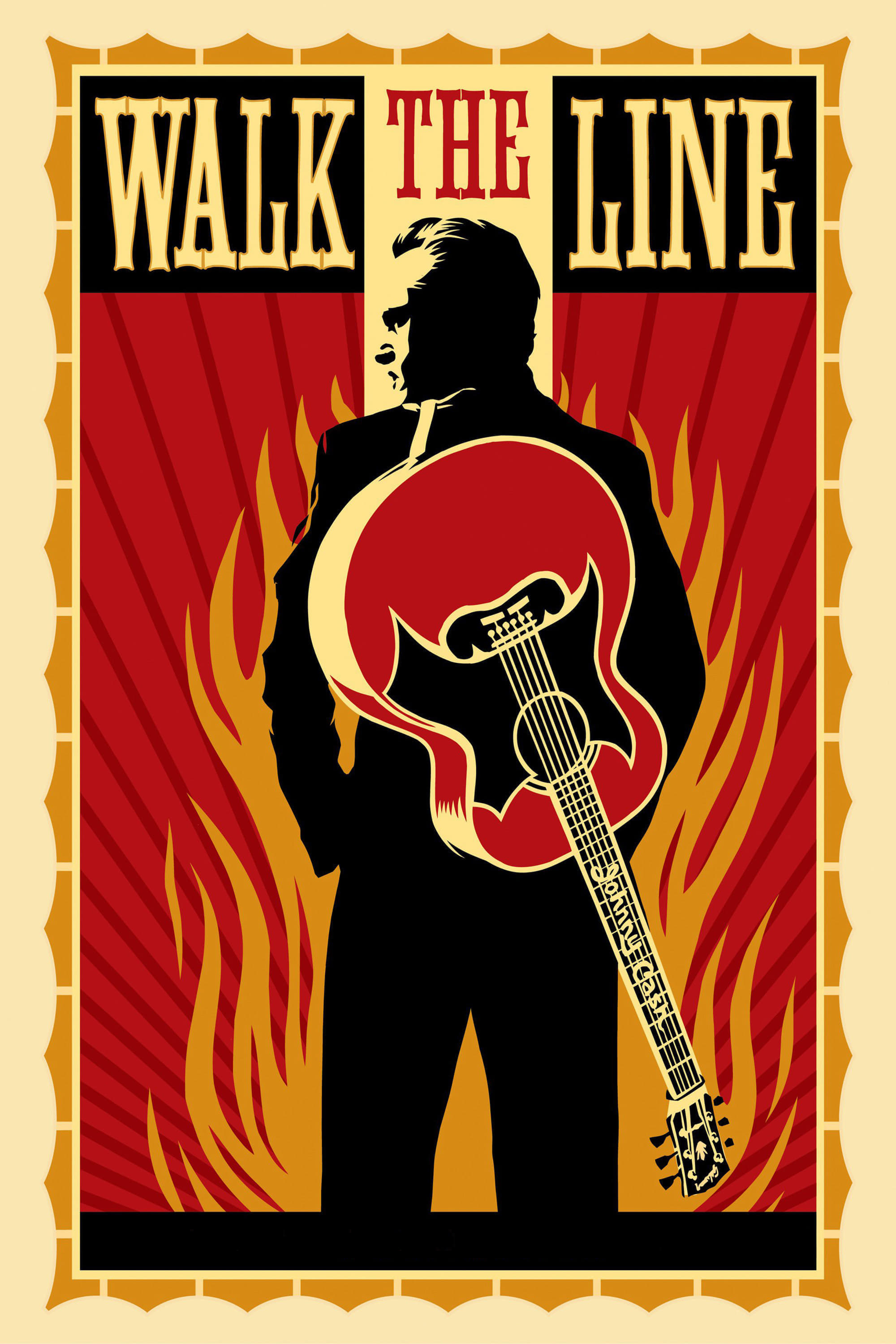
‘Walk the Line’ chronicles musician Johnny Cash’s life and career, based on Cash’s autobiographies and interviews. Joaquin Phoenix and Reese Witherspoon portray Johnny Cash and June Carter.
The film recreates recording sessions, tour stops, and industry meetings documented in biographies and music histories. Instruments, arrangements, and wardrobe align with archival footage and photographic evidence.
‘The Blind Side’ (2009)
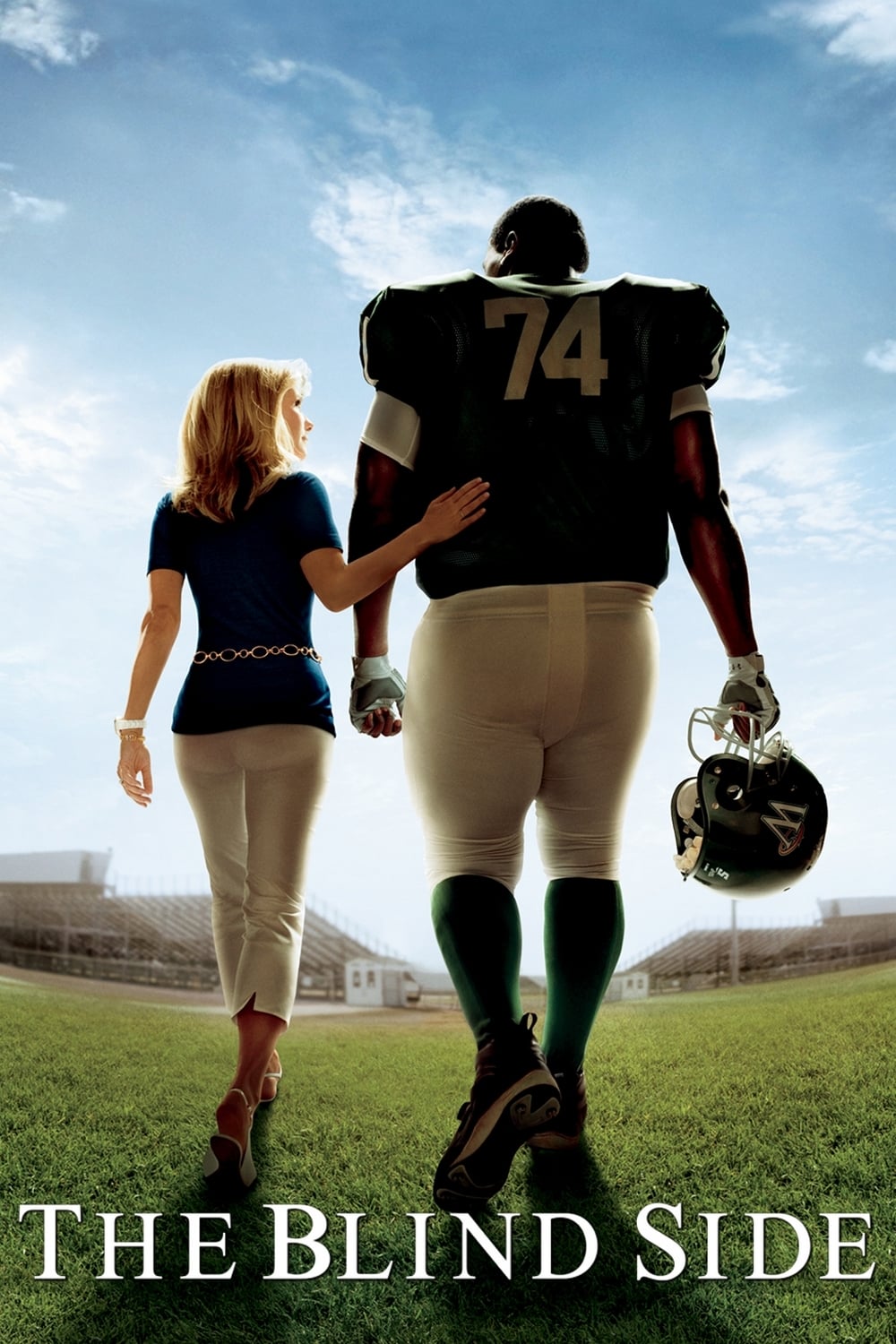
‘The Blind Side’ adapts Michael Lewis’s book about Michael Oher’s path through school and football with the support of the Tuohy family. Sandra Bullock portrays Leigh Anne Tuohy, with events drawn from reporting and interviews.
Academic records, athletic milestones, and recruiting processes are depicted as described in the book and media coverage. The film references organizational rules and procedures that governed eligibility and admissions.
‘American Sniper’ (2014)

‘American Sniper’ adapts Chris Kyle’s autobiography detailing his military service and experiences. Bradley Cooper portrays Kyle, with sequences derived from the book and associated interviews.
The film includes terminology, training regimens, and operational settings consistent with official manuals and unit histories. Family life and stateside events reflect accounts provided by relatives and colleagues.
‘Hacksaw Ridge’ (2016)
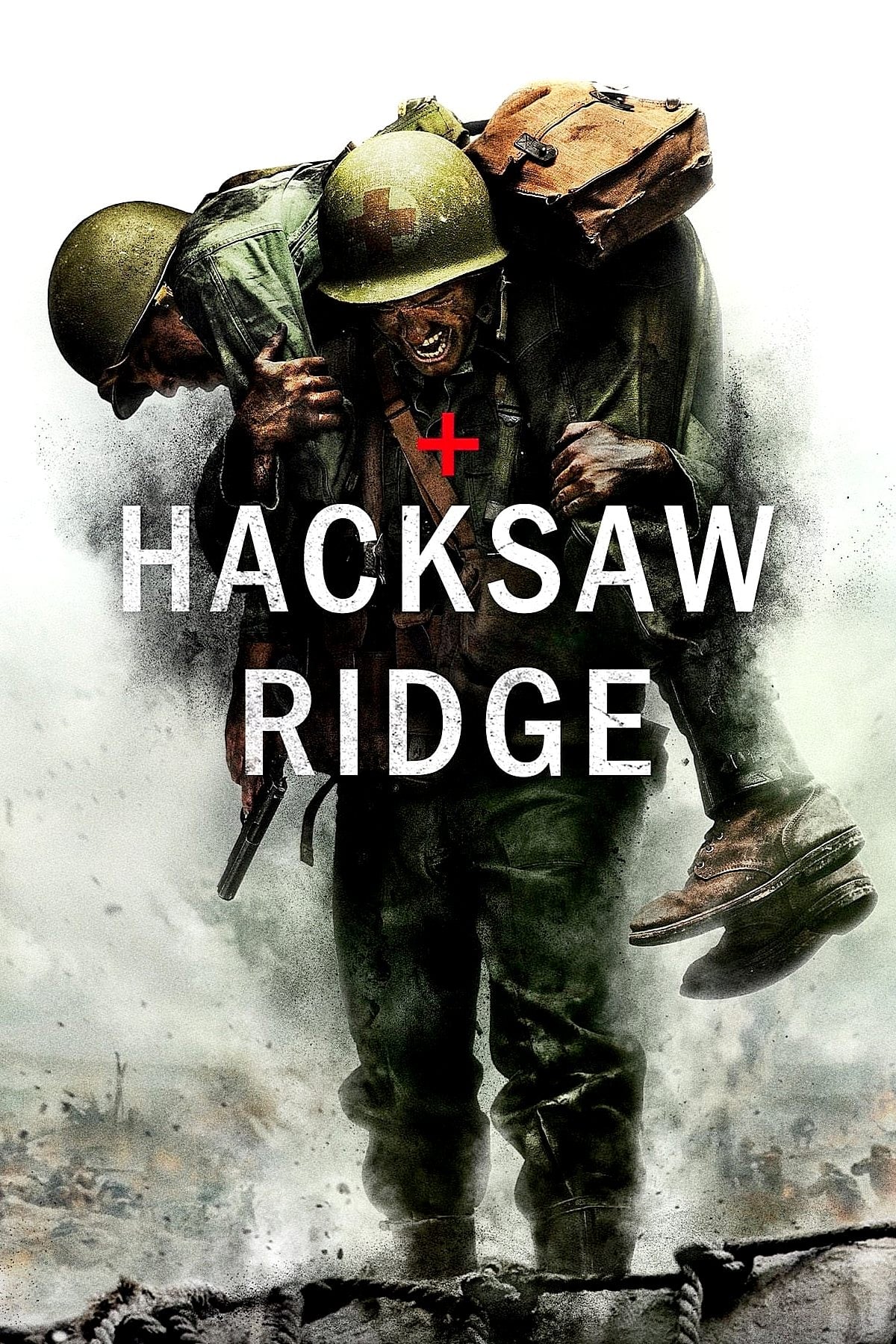
‘Hacksaw Ridge’ tells the story of Desmond Doss, a conscientious objector who served as a combat medic, based on documented citations and biographical material. Andrew Garfield portrays Doss.
The film depicts medical techniques, equipment, and battlefield procedures recorded in military records and testimonies. Recognition and service details correspond to official commendations and unit archives.
‘Remember the Titans’ (2000)

‘Remember the Titans’ dramatizes the integration of a high school football team and the leadership of its coaching staff, based on local histories and interviews. Denzel Washington portrays Coach Herman Boone.
Team practices, administrative decisions, and game schedules mirror accounts from school records and press coverage. The film references community meetings and policy changes documented by the district and newspapers.
‘The Right Stuff’ (1983)

‘The Right Stuff’ adapts Tom Wolfe’s book about the test pilots and astronauts who led early spaceflight efforts. Ed Harris, Sam Shepard, and others portray real figures documented in military and space-agency histories.
Flight tests, training centers, and mission protocols are depicted using technical manuals, archival footage, and declassified reports. The production references public ceremonies and briefings recorded by media and institutions.
‘Unbroken’ (2014)

‘Unbroken’ adapts Laura Hillenbrand’s biography of Louis Zamperini, covering athletics, military service, and imprisonment. Jack O’Connell portrays Zamperini.
The film’s sequences align with diaries, military documents, and interviews cited by Hillenbrand. Props and settings reflect equipment and facilities verified through research and archives.
‘The Killing Fields’ (1984)
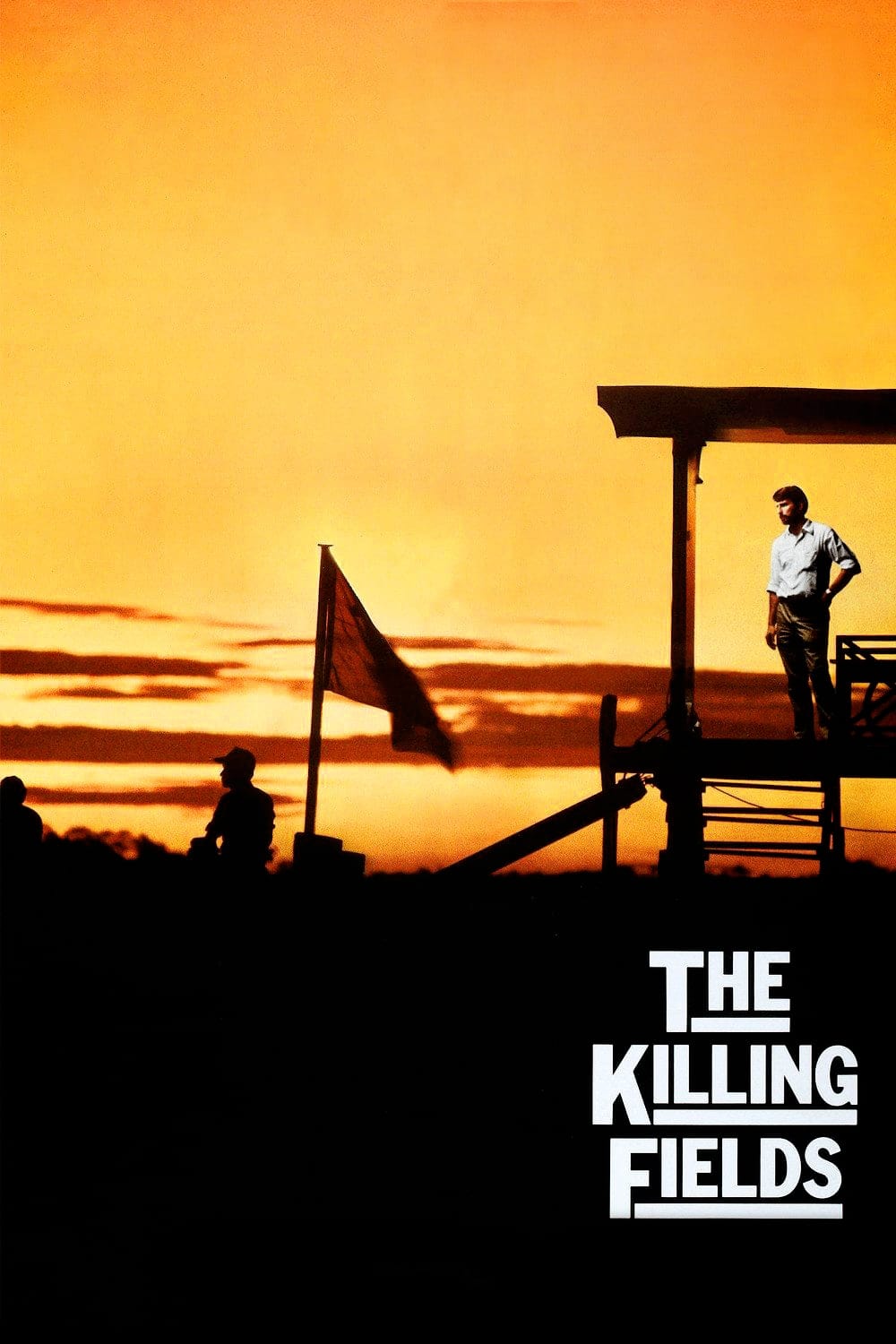
‘The Killing Fields’ tells the story of journalists covering events in Cambodia, based on Sydney Schanberg’s reporting and Dith Pran’s experiences. Sam Waterston and Haing S. Ngor portray the central figures.
Newsroom processes, evacuation scenes, and detention conditions are built from articles, photographs, and testimonies. The film references press credentials and diplomatic actions recorded by multiple agencies.
‘Selena’ (1997)

‘Selena’ is based on the life and career of singer Selena Quintanilla, constructed from family interviews and media coverage. Jennifer Lopez portrays Selena, with performance sequences tied to setlists and venues documented in music reporting.
The film depicts management decisions, tours, and recording milestones verified by industry records and broadcast archives. Costumes and stage setups reference photos and footage from concerts.
‘The Untouchables’ (1987)
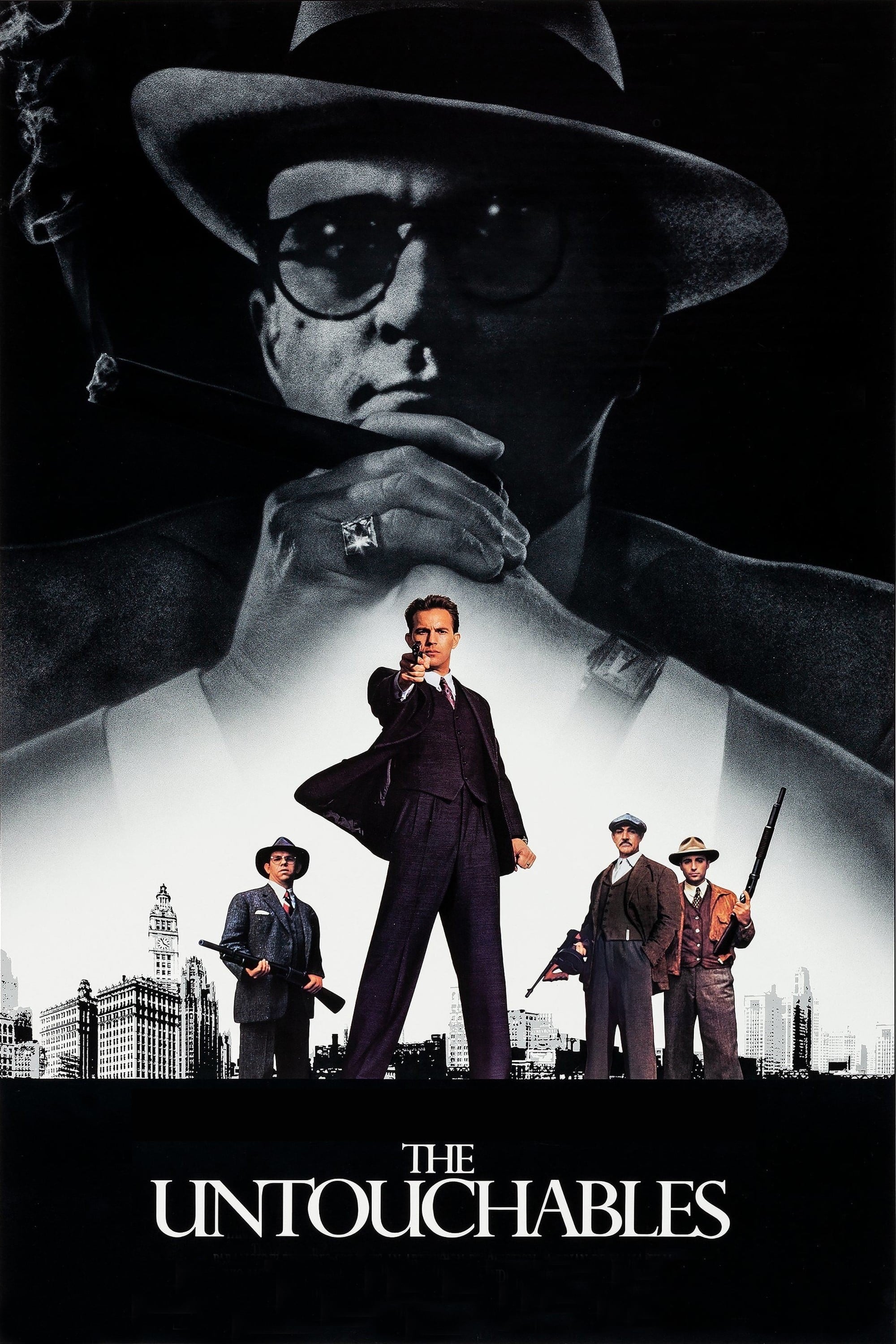
‘The Untouchables’ dramatizes the campaign against Al Capone, drawing on Oscar Fraley and Eliot Ness’s book and law-enforcement records. Kevin Costner portrays Ness, and Robert De Niro portrays Capone.
Prohibition-era enforcement tactics, court proceedings, and agency coordination reflect historical practices and documented incidents. The film references specific team members and operations listed in investigative files.
‘Ip Man’ (2008)
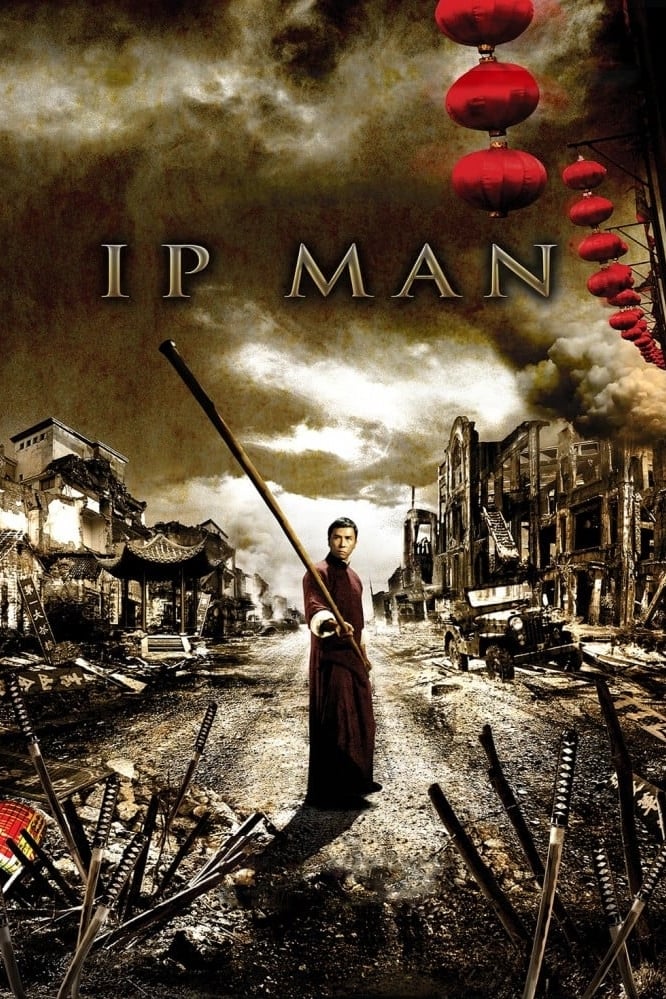
‘Ip Man’ portrays the life of Wing Chun master Ip Man, inspired by interviews with students and family accounts. Donnie Yen portrays Ip Man.
Training halls, techniques, and community relationships are presented using materials from martial arts histories and oral testimonies. The production references social conditions and local institutions described by contemporaries.
‘The Post’ (2017)
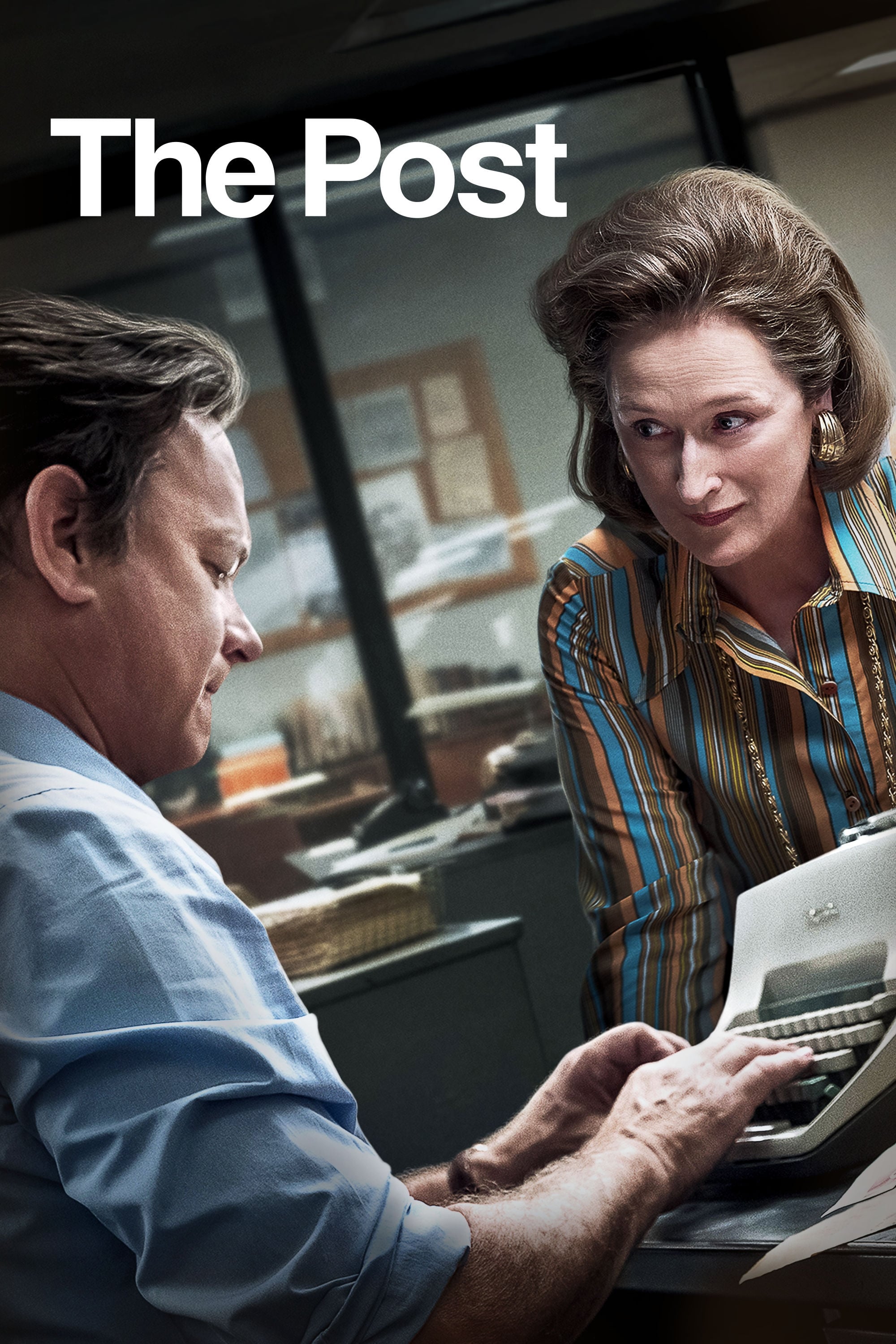
‘The Post’ dramatizes the decision to publish a set of government documents, based on newsroom records, court decisions, and participant interviews. Meryl Streep and Tom Hanks portray leaders at a major newspaper.
Scenes depict editorial debates, legal counsel, and printing logistics consistent with archives and oral histories. The film situates the publication within press freedoms and legal rulings documented by the judiciary.
‘The Aviator’ (2004)

‘The Aviator’ is based on the life of Howard Hughes, drawing from biographies, business records, and aviation histories. Leonardo DiCaprio portrays Hughes, with emphasis on aviation projects and film productions documented in corporate and studio archives.
Aircraft prototypes, test sequences, and production offices are reconstructed from photographs, memos, and technical specifications. The film references media appearances and hearings recorded by reporters and government bodies.
What other true-story films would you add—share your picks in the comments!